

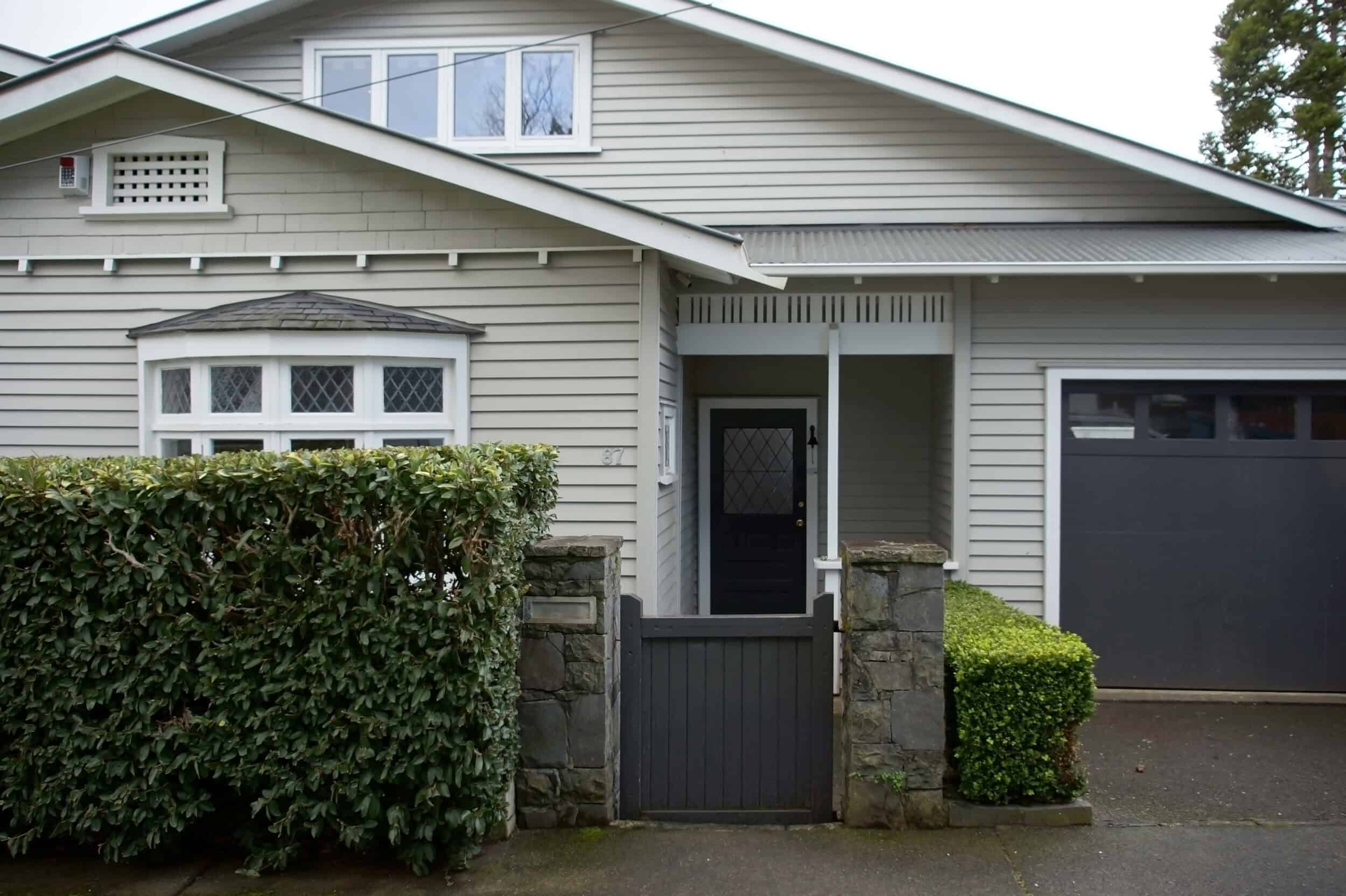
Cladding Options NZ: Exterior Cladding Ideas & Costs for 2026 Homes
This blog has been updated with added information and republished to reflect the year 2026.
Quick E2 Risk Check for Your Auckland Home (2026)
Before you choose cladding, run your project through the Building Code Clause E2/AS1 risk matrix at building.govt.nz. Add points for wind zone (medium-high across most of Auckland), coastal exposure (very high for Takapuna and Mission Bay), building height, roof-to-wall junctions, and deck attachments. Your score determines cavity requirements — coastal villas in high-risk zones typically need drained and vented cavities plus robust flashings to stay dry long-term.
“Run the E2 risk matrix early — coastal North Shore homes often score high, so we default to fibre cement or metal with proper cavities to keep things dry without surprises.” — Kevin Yang, Managing Director, Superior Renovations.
If you’re an Auckland homeowner thinking about a cladding refresh — whether it’s a villa in Mt Eden dealing with humidity or a North Shore place copping the full force of salt wind off the Waitemata — choosing the right material in 2026 matters more than it used to. Options run from vinyl at around $80/m² through to premium stone at $400/m², and the smarter picks lean towards fibre cement and metal: durable, weather-hardy, and a lot less work to keep up.
What’s the Best Cladding Material for Auckland’s Humid Coastal Climate?
James Hardie’s Linea boards are hard to beat for most Auckland situations. They handle salt air well, don’t need the same upkeep as timber, and installed with a proper cavity system they sit in the $120–$220/m² range. For windy North Shore homes, aluminium from Metalcraft or Dimond is worth considering — corrosion-resistant, around $130–$280/m², and built to last. It can dent, but it won’t rot. If you’ve got a traditional bungalow in Remuera or Ponsonby and want to keep that warm Kiwi character, treated timber weatherboards from Hermpac cedar deliver — budget $100–$250/m² and plan to restain every five to ten years.
How Do You Choose Cladding That Won’t Cost a Fortune Long-Term in NZ?
Vinyl like Palliside is the cheapest entry point at $80–$150/m² — moisture-proof, low upkeep, and fine for rentals or quick flips in Henderson. Brick or masonry ($150–$300/m²) suits family homes in Ellerslie well: fire-resistant, thermally solid, and built to outlast most things. Stucco gives you a clean, seamless finish at $140–$260/m², but it needs careful installation in earthquake-prone areas or you’ll be chasing cracks. AAC panels and composites ($120–$250/m²) are gaining ground for eco-conscious renos — better insulation, lower environmental footprint. One thing the team flags consistently: factor in the hidden costs. Heavy stone veneer ($200–$400/m²) can require foundation upgrades. And whatever material you choose, a drained cavity is non-negotiable in Auckland’s wet winters.
Which Cladding Trends Are Hot for Kiwi Homes Right Now?
Sustainability is driving a lot of decisions — FSC-certified timber and recycled composites are especially popular for green builds in areas like Titirangi. Metal and fibre cement continue to grow because Auckland homeowners are over spending weekends on maintenance. Mixed materials are having a moment too: cedar weatherboards paired with a contrasting metal section, or stone veneer used as a feature rather than across the whole facade. Energy-efficient options like insulated AAC help with the cold snaps that catch people off guard, and marine-grade aluminium is the default call for anything close to the coast.
Want to talk through your options? Reach out to Superior Renovations for a free consultation — no obligation, just a straight conversation about what’ll work for your place.
Critical Flashings & Junctions per E2/AS1 E2/AS1 requires durable flashings (e.g., aluminium/zincalume) at roof-to-wall, window/door penetrations, and parapets with proper overlaps/upstands (minimum 100mm). Coastal salt accelerates corrosion — specify marine-grade materials for Takapuna or St Heliers homes to ensure long-term weathertightness.
“Flashings are where most leaks start — we always spec marine-grade and double-check junctions in salty Auckland spots to avoid callbacks years later.” — Steven Ngov, General Manager, Superior Renovations.
Why Cladding Matters for Your New Zealand Home in 2026
Cladding is your home’s first line of defence against whatever the weather throws at it — and in New Zealand, that’s a fairly long list. Humidity on the Auckland isthmus, salt wind on the North Shore, UV hammering anything that faces north, driving rain from the west. The right exterior cladding handles all of that while keeping your energy bills reasonable and your home looking the part. Whether you’re building new in a Flat Bush subdivision or recladding a 1970s brick-and-tile in Māngere, the material choices available in 2026 are better than they’ve ever been.
The trend across the industry right now is toward sustainability and low maintenance — fibre cement, eco-certified timber, high-performance aluminium. There are more options than ever, which is genuinely useful, but it also means more ways to make the wrong call. This guide cuts through it. We’ve covered the most common cladding options NZ homeowners are using in 2026 — costs, pros, cons, and what suits which situation — so you can go into the process with a clear head.
At Superior Renovations, we’ve worked on enough Auckland homes to know that the “best” cladding doesn’t exist in the abstract. It depends on your site, your budget, and how much maintenance you’re actually willing to do. This guide covers types of cladding including stucco cladding, brick, metal, fibre cement, and more — with honest cost breakdowns and practical advice rather than marketing speak.
Curious about how much your
Recladding Project would cost?
Try our recladding cost calculator tool
Need ideas? Check out our Kitchen Design Gallery or browse our Bathroom Design Gallery for inspiration!
1. Understanding Cladding and Its Importance in New Zealand
Cladding is the outer layer applied to your home’s walls — the thing standing between your framing and everything New Zealand can throw at it. That’s not a small job. Auckland summers bring humidity and UV exposure. Coastal suburbs like Devonport and Takapuna add salt. Winter means sustained moisture. The right exterior cladding manages all of it while adding insulation value and keeping your home looking the way you want it to. In 2026, with construction costs still elevated and sustainability increasingly a factor in buying decisions, choosing well matters more than ever.
What is Cladding?
Put simply, cladding is the external skin of your home’s walls. It protects the structure underneath from moisture, UV, wind, and temperature swings — while doing most of the aesthetic heavy lifting. Wall cladding comes in timber, brick, fibre cement, metal, vinyl, and composite options, each with different performance characteristics depending on where you live and what you’re trying to achieve.
Why Cladding Matters in NZ
New Zealand’s climate varies more than most people give it credit for. Coastal areas deal with salt air that chews through inadequately specified materials fast. Alpine and southern regions need cladding that handles freeze-thaw cycles without cracking. And across the country, the leaky building era left a generation of homeowners wary of anything that traps moisture behind the cladding. That legacy — and the Building Code changes that followed — shapes how cladding is specified today. Products like Hermpac’s responsibly sourced timber and James Hardie’s fibre cement have gained ground partly because they fit the post-leaky-building mindset: durable, well-detailed, and maintainable.
Key Factors to Consider When Choosing Cladding
Before settling on a material, work through these:
- Durability: Will it hold up to your specific site conditions — rain, wind, UV, salt?
- Maintenance: How much upkeep are you genuinely prepared to do? Metal cladding from Metalcraft and vinyl from Palliside need very little. Timber needs more.
- Cost: What’s your full budget, including installation and long-term maintenance? The cheapest exterior cladding upfront isn’t always cheapest over ten years.
- Aesthetics: Does the material suit your home’s character? Aluminium from Nuwall reads modern; brick from Midland Brick reads permanent and traditional.
- Sustainability: Is provenance important to you? FSC-certified timber from ITI Timspec and Weathertex’s composite boards are the options to look at here.
- Installation complexity: Systems like Specialized’s EZpanel or Vulcan’s Ultraclad need professionals. Factor that into your planning from the start.
Get these clear before you start looking at samples or talking to suppliers. It’ll save you a lot of time — and avoid the situation where you fall in love with something that doesn’t suit your site or your budget.
Why Drained Cavities Are Non-Negotiable in 2026 (E2/AS1 Update) From E2/AS1 Fourth Edition (effective 2025, still current): All wall claddings on timber-framed buildings up to 10m must include a drained and vented cavity (minimum 20mm) unless using a proprietary system proven otherwise. This allows moisture to escape — critical in Auckland’s humid winters and salty coastal air, and one of the key lessons from the leaky building era.
“Skipping a proper cavity is the biggest hidden risk we see — adding one during recladding future-proofs your home against leaks, especially in windy or salty suburbs like Devonport.” — Dorothy Li, Design Manager, Superior Renovations
Coastal Auckland Material Quick-Guide (Salt & Wind Focus) High exposure zones demand corrosion-resistant choices (E2 risk factors):
| Material | Coastal Suitability | Key Mitigation | Typical $/m² |
|---|---|---|---|
| Metal (aluminium) | 优秀 | Powder-coat + regular rinse | $130–$280 |
| Fibre Cement | Very Good | Cavity + sealed joints | $120–$220 |
| Timber | Moderate | Treated/Accoya + frequent stain | $100–$250 |
| 乙烯基 | Good | UV-stable colours | $80–$150 |
| Brick/Masonry | 优秀 | Mortar checks | $150–$300 |
“For salty Mission Bay or Takapuna properties, aluminium or fibre cement with cavities wins every time — less upkeep and better longevity against the coastal battering.” — Dorothy Li, Design Manager, Superior Renovations.
2. Popular Cladding Options in New Zealand for 2026
There’s no shortage of cladding options NZ homeowners can choose from in 2026 — which is genuinely good news, but it also means the decision takes some thought. The right material depends on your site, your home’s style, your budget, and how much maintenance you want to sign up for. Below is an honest look at the most common materials being used across Auckland and the rest of New Zealand right now — what they cost, where they work well, and where they fall short. All costs are approximate (NZD per square metre, installed) and reflect 2026 market conditions.
-
Timber Weatherboards
Timber weatherboards remain a Kiwi staple for good reason — they suit the character of older homes, they’re easy to paint or stain in whatever colour you want, and when properly specified and maintained, they last well. Brands like Hermpac and ITI Timspec offer sustainably sourced options including Western Red Cedar and Accoya, both treated for NZ’s humidity and coastal conditions.
- Benefits: Natural aesthetic, eco-friendly (FSC-certified options available), good insulation value, easy to customise with paint or stain.
- Drawbacks: Needs restaining or repainting every five to ten years. Susceptible to moisture damage if the detailing or maintenance isn’t right.
- Cost: $100–$250/m², depending on timber species and treatment.
- Best For: Villas, bungalows, do-ups, and any home where you want a warm, natural look.

https://taurikosawmill.co.nz/timber_profile/horizontal-weatherboard/
-
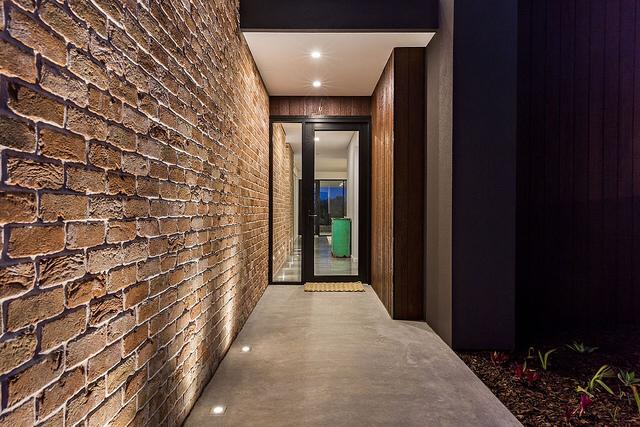
Brick and Masonry
Brick is the set-and-forget option. From Midland Brick or Premier Group, it’s heavy, expensive upfront, and once it’s on, it largely looks after itself. That trade-off suits homeowners who want permanence over flexibility.
- Benefits: Highly durable, fire-resistant, low ongoing maintenance, good thermal mass that helps regulate indoor temperatures.
- Drawbacks: Higher upfront cost, weight means foundations need to be up to it, limited colour range compared to painted options.
- Cost: $150–$300/m², including installation.
- Best For: Permanent family homes, coastal properties, anywhere longevity is the priority.
https://likestone.ie/interior/
-
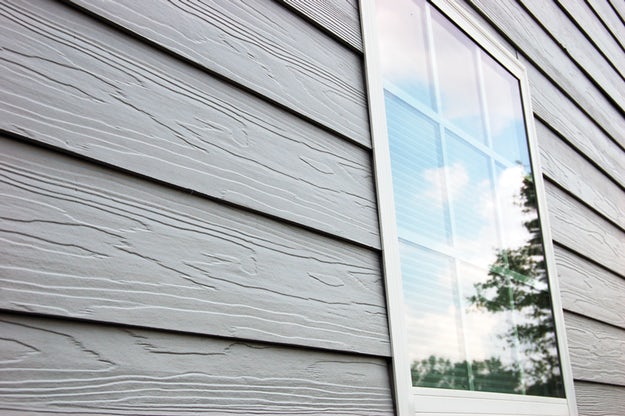
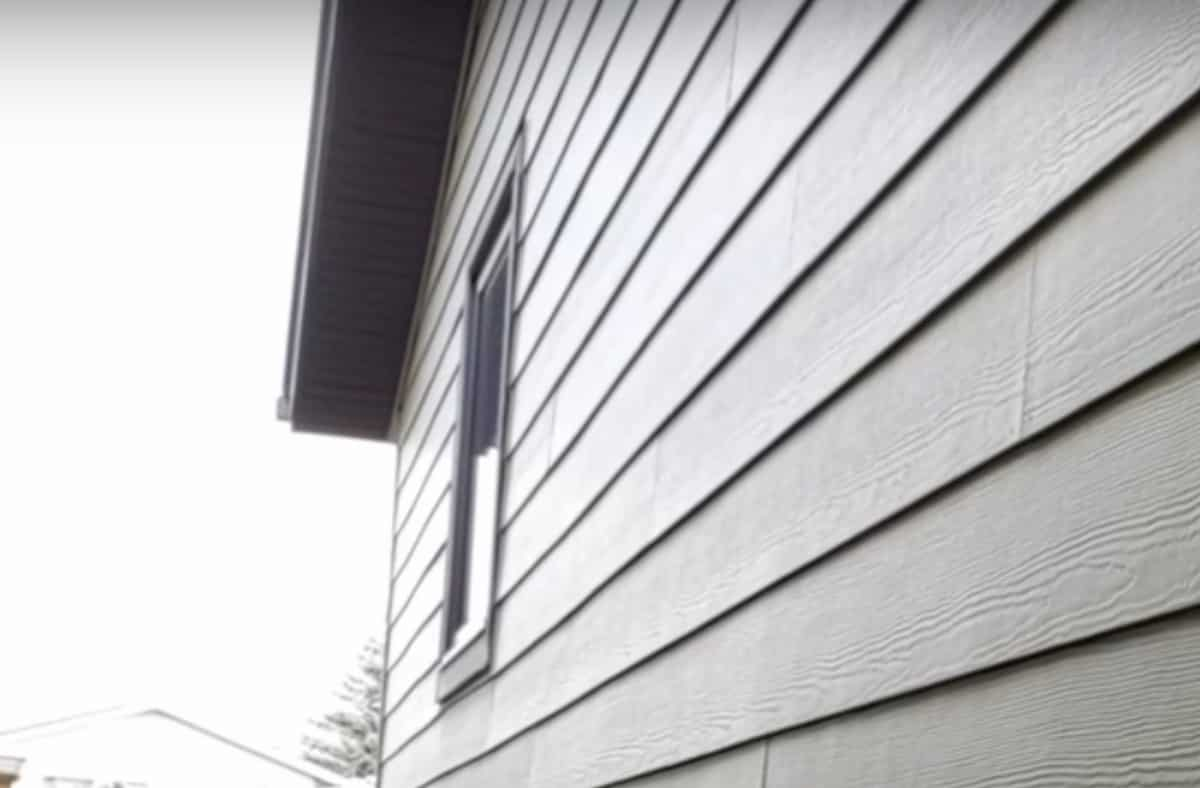
Fibre Cement Cladding
James Hardie’s Linea Weatherboard and Scyon range have become go-to choices across Auckland for a reason. They handle the weather well, they’re fire-resistant, and they don’t demand the same attention as timber. For homeowners who want the look of weatherboards without the maintenance commitment, fibre cement is usually the answer.
- Benefits: Weather-resistant, low maintenance, fire-resistant, available in a range of profiles and finishes including James Hardie’s Axent Trim for clean, modern lines.
- Drawbacks: Installation needs to be done properly — it’s not forgiving of shortcuts. Upfront costs sit in the mid-to-high range.
- Cost: $120–$220/m², depending on product and finish.
- Best For: Modern homes, coastal sites, anyone who wants low maintenance without sacrificing the look.
https://architizer.com/blog/product-guides/product-guide/eaktna-fiber-cement-cladding/
-
Metal Cladding
Metal cladding has moved well beyond corrugated farm sheds. Metalcraft’s profiles and Dimond’s tray systems give a sharp, contemporary finish that suits the architectural direction a lot of new Auckland builds are taking. Aluminium options from Nuwall and Vulcan’s Ultraclad are particularly well-suited to coastal exposure.
- Benefits: Long-lasting, low maintenance, recyclable, and — when properly specified — handles coastal salt air better than most alternatives.
- Drawbacks: Can dent or scratch. Higher initial cost. Doesn’t suit every architectural style.
- Cost: $130–$280/m², depending on material and finish.
- Best For: Modern and contemporary builds, coastal properties.

https://proformsteel.co.nz/battenform-metal-cladding/
Fire Safety Compliance for External Claddings (Clause C) Per building.govt.nz fire performance guides: External wall claddings must meet Clause C protection from fire via testing (e.g., BS 8414 for non-loadbearing systems). Fibre cement, brick, AAC, and many metal options achieve high fire ratings naturally; timber requires treatments. Use these pathways for multi-unit or higher-risk Auckland builds.
“Fire-rated fibre cement like James Hardie Linea gives peace of mind in denser suburbs — it’s durable, low-maintenance, and ticks the C clause box without extra effort.” — Alison Yu, Designer, Superior Renovations.
-
Vinyl Cladding
Palliside’s vinyl weatherboards sit at the budget end of the market — and there’s nothing wrong with that. For rental properties, investment do-ups, or homeowners who need a cost-effective refresh without long-term maintenance, vinyl does the job. It won’t add the same kerb appeal as timber or brick, but it’s practical and genuinely low-upkeep.
- Benefits: Low cost, low maintenance, moisture and insect resistant, available in a range of colours.
- Drawbacks: Less durable than brick or metal, can fade over time, won’t suit buyers looking for premium finishes.
- Cost: $80–$150/m², including installation.
- Best For: Budget renos, rental properties, situations where practicality beats aesthetics.
https://www.ecospecifier.com.au/vinyl-wall-cladding/
-
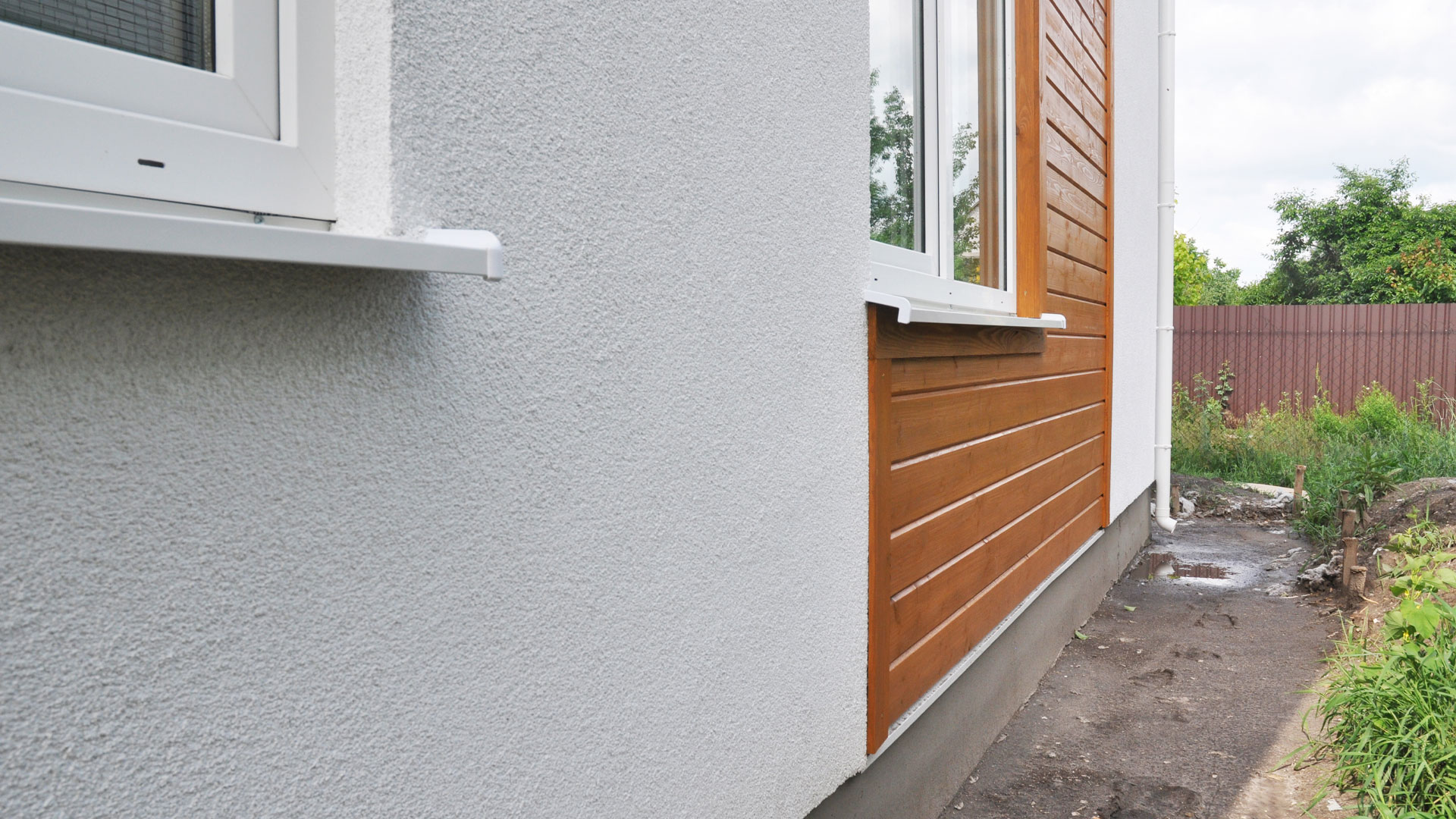
Stucco Cladding
Stucco cladding gives a clean, seamless finish that suits Mediterranean-style homes and contemporary plaster aesthetics. JSC offer specialised stucco systems for NZ conditions, but the key word here is installation — get it wrong and you’ll be dealing with cracking and moisture problems that are expensive to fix.
- Benefits: Seamless finish, good insulation, can be textured and finished in various ways.
- Drawbacks: Prone to cracking if not installed correctly. Needs regular inspection and maintenance to stay weathertight.
- Cost: $140–$260/m², depending on system and finish.
- Best For: Homes targeting a European or classic plaster aesthetic.
https://www.trademe.co.nz/c/property/article/should-i-buy-a-home-with-roughcast-cladding-reasons-to-think-twice
-
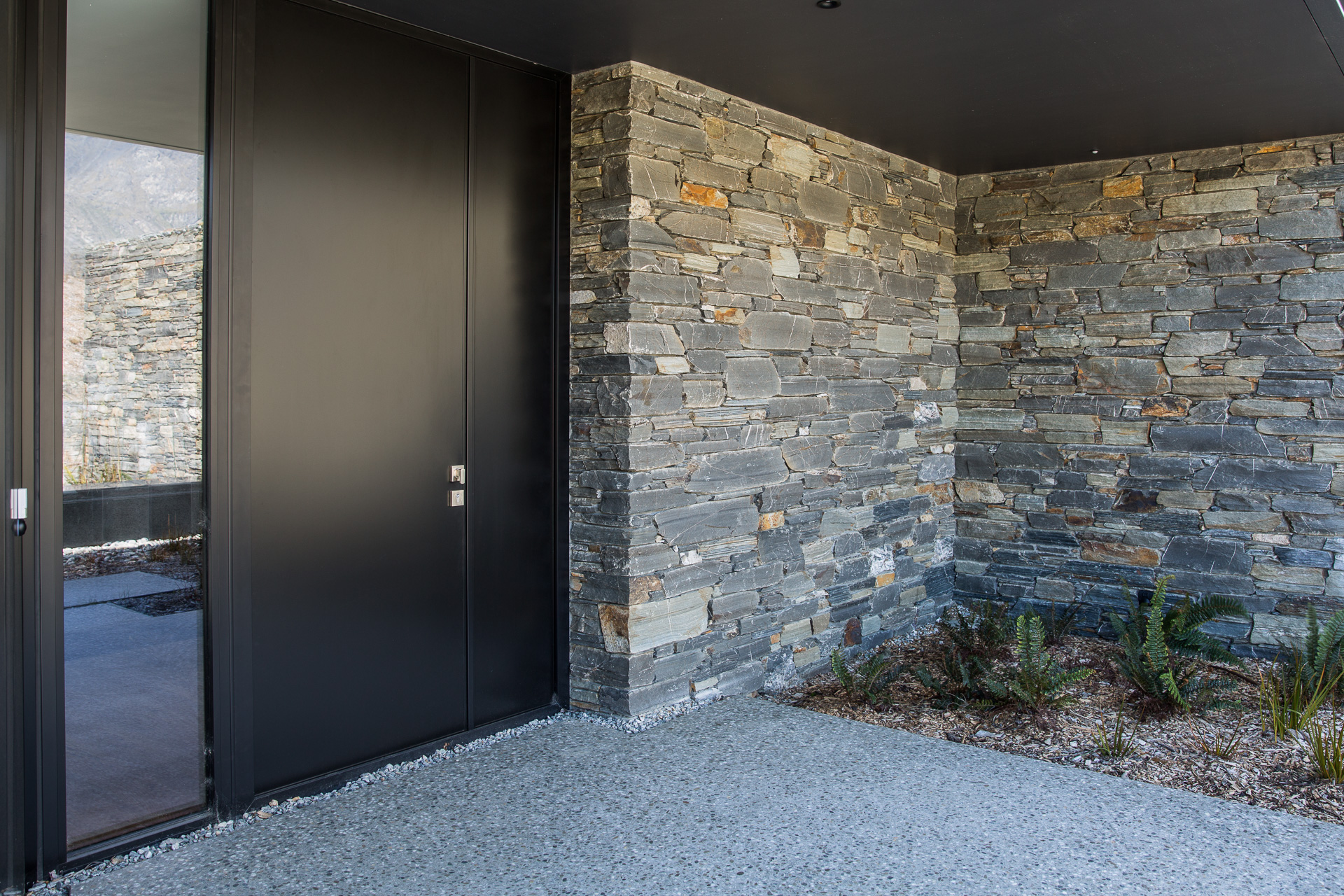
Stone and Stone Veneer
Craftstone’s natural and manufactured stone options are used mostly as feature elements rather than full-facade cladding — and that’s usually the right call. The cost is significant, installation needs to be done by someone who knows what they’re doing, and heavy stone can require foundation upgrades. Used well, though, it adds a quality that’s hard to replicate.
- Benefits: Highly durable, very low maintenance once installed, adds real aesthetic value to the right home.
- Drawbacks: Expensive, heavy, and not a DIY job.
- Cost: $200–$400/m², depending on natural vs. manufactured stone.
- Best For: Luxury builds, feature walls, alpine properties.
https://wanakastone.co.nz/
-
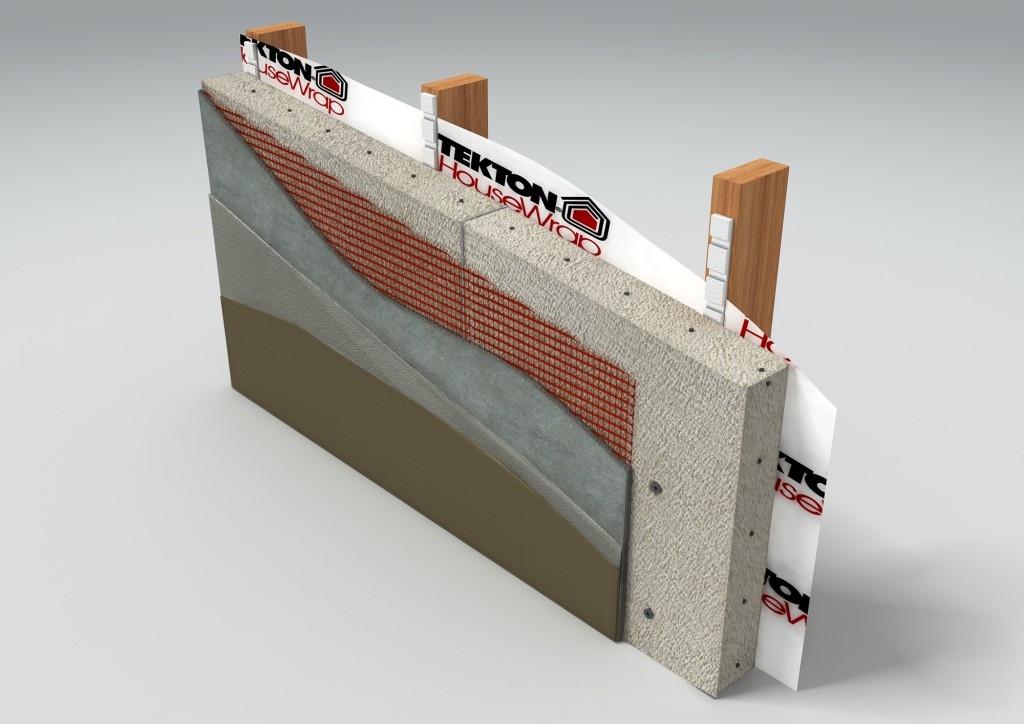
AAC (Autoclaved Aerated Concrete) Panels
Specialized’s EZpanel and similar AAC systems are gaining ground in Auckland’s new build market. They’re lightweight for a concrete product, go up reasonably quickly, and the thermal and fire performance numbers are strong. Not the most flexible option aesthetically, but for modern homes where energy efficiency is a priority, they make a solid case.
- Benefits: Good thermal performance, fire-resistant, faster to install than brick.
- Drawbacks: Higher upfront cost, fewer finish options compared to timber or metal.
- Cost: $150–$250/m², including installation.
- Best For: Modern builds where energy efficiency and fire safety are key considerations.
www.specialized.co.nz
-
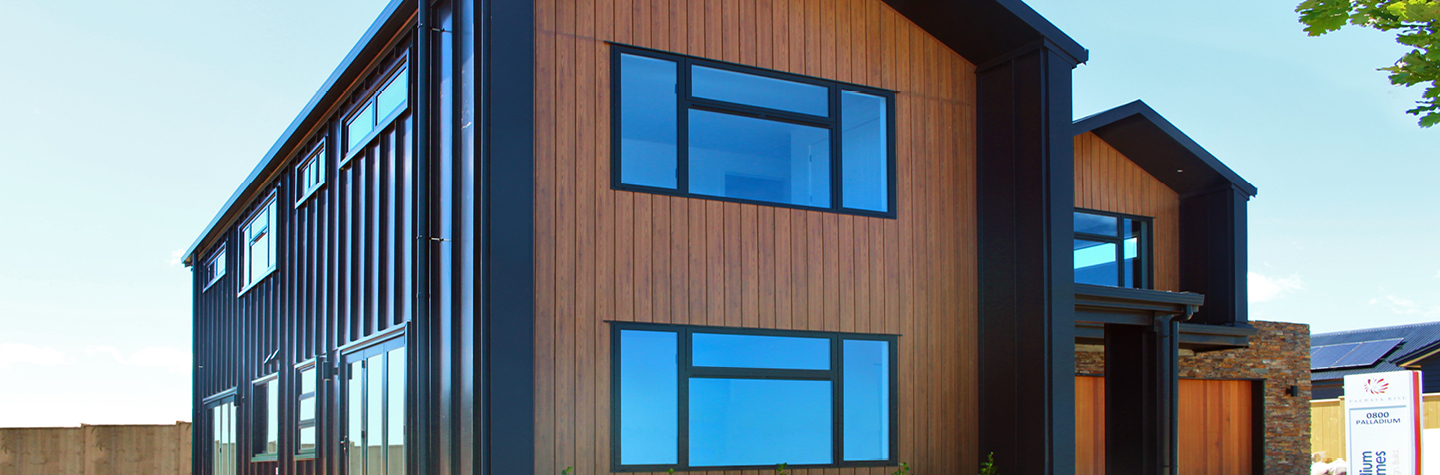
Composite Cladding
Weathertex and Millboard’s Envello range blend natural and synthetic materials to produce cladding that’s durable, low-maintenance, and easier on the conscience than some alternatives. They sit in the mid-range on price and are a natural fit for homeowners who want a modern look with solid environmental credentials.
- Benefits: Low maintenance, sustainable materials, holds up well to weathering.
- Drawbacks: Costs more than vinyl, fewer texture and finish options than timber.
- Cost: $120–$200/m², depending on brand.
- Best For: Eco-conscious homeowners after a clean, low-maintenance finish.
https://www.placemakers.co.nz/online/projects/cladding/pre-finished
That covers the main materials on the market in New Zealand right now. Each has a place — the trick is matching the right one to your home, your site, and your budget rather than going with whatever looks good in a brochure.
3. Comparing Costs and Cheapest Exterior Cladding Options in NZ for 2026
Budget shapes almost every cladding decision, and it should — but the cheapest option upfront isn’t always the cheapest option over ten years. This section breaks down what each material actually costs to install in 2026, flags the genuinely affordable end of the market, and points out the hidden costs that catch people out. All figures are approximate NZD per square metre, installed.
Cost Breakdown of Cladding Options
The full cost of exterior cladding includes materials, labour, and what you’ll spend on maintenance over the years. Here’s how the main options stack up:
| Cladding Type | Cost Range ($/m²) | Key Considerations |
|---|---|---|
| Timber Weatherboards | $100–$250 | Mid-range cost; varies by wood type (e.g., Hermpac’s Western Red Cedar vs. pine). Requires staining every 5-10 years, increasing long-term costs. |
| Brick and Masonry | $150–$300 | Higher upfront cost (e.g., Midland Brick) due to materials and labour. Minimal maintenance makes it cost-effective long-term. |
| Fibre Cement | $120–$220 | Affordable with low maintenance (e.g., James Hardie’s Linea Weatherboard). Popular for modern homes. |
| Metal Cladding | $130–$280 | Cost varies by material (e.g., Metalcraft/Dimond steel vs. aluminium). Aluminium (e.g., Nuwall) is pricier but corrosion-resistant for coastal areas. |
| Vinyl Cladding | $80–$150 | Cheapest option (e.g., Palliside). Low material/installation costs but may fade, requiring earlier replacement. |
| Stucco Cladding | $140–$260 | Moderately priced (e.g., JSC systems). Requires careful installation to avoid cracking or moisture-related repairs. |
| Stone and Stone Veneer | $200–$400 | Premium option (e.g., Craftstone). High cost due to aesthetics and complex installation, but adds significant property value. |
| AAC Panels | $150–$250 | Cost-competitive (e.g., Specialized’s EZpanel). Energy-efficient, with long-term savings on heating/cooling. |
| Composite Cladding | $120–$200 | Mid-range with low maintenance (e.g., Weathertex, Millboard’s Envello). Cost-effective for eco-conscious homeowners. |
Cheapest Exterior Cladding Options
If budget is the primary driver, these three options are where to start:
- Vinyl Cladding ($80–$150/m²): Palliside’s vinyl weatherboards are the most affordable option on the market. They’re quick to install, handle moisture well, and need almost no upkeep. Won’t win any architectural awards, but they’re practical and the cost is real.
- Timber Weatherboards ($100–$150/m² for pine): Pine from ITI Timspec keeps the initial cost down. You’ll need to budget for regular maintenance, but for homeowners comfortable with that trade-off, timber at the affordable end of the range is a solid option.
- Fibre Cement ($120–$160/m² for entry-level options): James Hardie’s more accessible products give you fibre cement’s durability and low-maintenance reputation at a price closer to timber. Worth the slight step up from vinyl if you’re planning to stay in the property long-term.
Tips for Saving on Cladding Costs
- Get multiple quotes: Prices between suppliers like Premier Group and JSC can vary more than you’d expect — get at least three.
- Choose local materials: Timber from Hermpac or bricks from Midland Brick avoids freight costs that push prices up on imported products.
- Think low-maintenance from the start: Vinyl or fibre cement costs less to own over ten years than timber, even if the install price is similar.
- Know what you can do yourself: Vinyl and some fibre cement systems suit confident DIYers. More complex systems don’t — and the cost of fixing a poor install is always higher than hiring right first time.
- Look at the long-term picture: Spending a bit more on metal or brick upfront often works out cheaper than repainting or replacing a budget option in year eight.
Hidden Costs to Watch For
A few things that don’t always show up in the initial quote:
- Installation errors: Poorly installed stucco cladding or timber can mean expensive moisture remediation work later. The tradie you use matters as much as the material you choose.
- Ongoing maintenance: Timber and stucco both need regular attention. If you’re not factoring that into your budget, you’re underestimating the real cost.
- Foundation upgrades: Heavier materials like brick and stone sometimes require structural work underneath. Get this checked before you commit to a material.
Vinyl and entry-level fibre cement remain the cheapest exterior cladding options in NZ for 2026. Brick and metal cost more upfront but tend to look after themselves. Know your ten-year budget, not just your installation budget.
4. Cladding Trends and Innovations in New Zealand for 2026
The New Zealand construction industry has shifted noticeably over the past few years — materials are getting better, the focus on sustainability is real rather than just marketing, and Auckland homeowners are increasingly choosing cladding based on what it costs to live with over ten years, not just what it costs to install. Here’s what’s shaping cladding decisions across the country in 2026.
-
Sustainable and Eco-Friendly Cladding
Environmental credentials have moved from a nice-to-have to a genuine purchase driver. Weathertex and ITI Timspec lead with FSC-certified timber and composite boards made with recycled content — products that hold up to scrutiny, not just marketing claims.
- Why it’s gaining ground: Hermpac’s Accoya is treated using non-toxic processes and delivers strong durability. Weathertex’s carbon-neutral timber boards appeal to buyers who want the look of timber without the environmental compromise.
- Examples: Millboard’s Envello composite uses recycled materials; James Hardie’s fibre cement is designed for longevity, which reduces how often it needs replacing.
- Worth knowing: Look for FSC certification or Environmental Choice NZ when assessing sustainability claims. A lot of products use that language loosely.
-
Low-Maintenance and Durable Materials
Auckland homeowners are increasingly unwilling to spend their summers on cladding maintenance. Metal from Metalcraft and Dimond, and vinyl from Palliside, are picking up demand because they need very little looking after.
- Why it’s gaining ground: Maintenance costs have increased. Aluminium from Nuwall resists corrosion in coastal areas; James Hardie’s fibre cement handles NZ’s weather without demanding annual attention.
- Examples: Vulcan’s Ultraclad aluminium and Specialized’s EZpanel AAC are both built for minimal upkeep and long service lives.
- Worth knowing: Low-maintenance materials still need to be installed properly to deliver on that promise. Cut corners on installation and you’ll be back sooner than you think.
-
Modern and Minimalist Aesthetics
Clean lines and bold finishes dominate Auckland’s new build scene right now. Metal tray systems from Dimond and James Hardie’s Scyon Axent Trim are doing a lot of work on contemporary facades.
- Why it’s gaining ground: The architectural direction in areas like Hobsonville, Albany, and Grey Lynn has shifted decisively toward modern minimalism.
- Examples: Nuwall’s aluminium panels create flush, contemporary exteriors; Craftstone’s slim stone veneers add texture to feature walls without overwhelming the design.
- Worth knowing: Mixing smooth cladding with contrasting textures — a timber soffit against a metal facade, for instance — tends to look better than going all-in on one material.
-
Energy-Efficient Cladding Systems
Tighter building code requirements and sustained energy costs have made thermal performance a real consideration — not just a box to tick.
- Why it’s gaining ground: Specialized’s EZpanel AAC offers strong thermal resistance; James Hardie’s fibre cement with integrated insulation and Vulcan’s Ultraclad with thermal breaks both improve overall building performance.
- Examples: AAC panels in particular are appearing more frequently in new builds targeting Homestar or Green Star ratings.
- Worth knowing: Cladding alone doesn’t determine your home’s thermal performance — it works as part of the whole wall assembly. Design and insulation specification matter equally.
-
Textured and Mixed-Material Designs
Using one material across an entire facade is becoming less common. Mixing timber with metal, or stone veneer with fibre cement, adds depth and character that a single material rarely achieves on its own.
- Why it’s gaining ground: It gives homeowners more design flexibility — you can use premium materials where they have impact and pull back on cost elsewhere.
- Examples: Hermpac cedar weatherboards paired with Craftstone stone veneer on a feature entry wall. Premier Group brick combined with Weathertex composite for a mix of tradition and modernity.
- Worth knowing: Mixed-material designs need to be detailed carefully at the junctions, otherwise that’s where moisture problems start.
-
Smart Cladding Technologies
Self-cleaning coatings and solar-integrated cladding are starting to appear — not yet mainstream in New Zealand, but worth being aware of for anyone planning a long-term build.
- Why it’s gaining ground: Some aluminium systems from Nuwall already feature coatings that resist dirt buildup. Solar-integrated options are still early-stage but align with NZ’s renewable energy direction.
- Worth knowing: Keep an eye on what comes through suppliers like JSC and industry expos. This part of the market is moving.
-
Coastal-Adapted Cladding
A significant proportion of Auckland homes are close enough to the coast that salt air is a genuine material consideration — not just an aesthetic one. Aluminium and fibre cement are the default calls for exposed coastal sites.
- Why it’s gaining ground: Nuwall’s aluminium and James Hardie’s fibre cement are engineered for these conditions. Metalcraft’s Colorsteel is another option worth considering.
- Worth knowing: Sealing, cavity detailing, and regular rinsing matter as much as material choice. The best cladding still needs proper maintenance in a salt environment.
The direction of travel in 2026 is clear: durability, sustainability, and lower lifetime maintenance costs are driving decisions more than upfront price or trends alone. Materials from James Hardie, Hermpac, and Metalcraft are well-positioned against all three.
5. Choosing the Right Cladding for Your New Zealand Home
Choosing cladding isn’t complicated — but it does require being honest about your site, your budget, and what you’re actually prepared to maintain. Here’s a practical process for working through it.
Step 1: Assess Your Home’s Needs
Start with the basics before you start looking at samples:
- Architectural style: Is your home a traditional villa, a contemporary new build, or a coastal bach? Hermpac’s timber weatherboards suit the character of older homes; Dimond’s metal tray systems suit modern ones.
- Purpose: Are you renovating to sell, building a long-term home, or upgrading a rental? That changes the calculus on what to spend.
- Maintenance commitment: Be honest here. James Hardie’s fibre cement and Metalcraft’s Colorsteel suit people who don’t want to think about cladding maintenance for a decade. Timber suits people who are happy to.
- Budget: Set your range before you talk to anyone. Vinyl ($80–$150/m²) and basic timber ($100–$150/m²) anchor the affordable end; stone ($200–$400/m²) sits at the other.
Step 2: Consider New Zealand’s Climate
Where you live shapes what will work:
- Coastal Auckland, Bay of Plenty: Salt air rules out poorly specified timber. Nuwall aluminium, Metalcraft Colorsteel, and James Hardie fibre cement are the safe calls.
- Wellington: Wind loads are real. Brick from Premier Group or AAC from Specialized handles it well.
- South Island, Central Plateau: Insulation performance matters more. Vulcan’s Ultraclad and Weathertex composite offer thermal value and moisture resistance.
- Hawke’s Bay, Nelson: UV exposure is the main issue. Fibre cement and vinyl hold their colour better than untreated timber; stucco from JSC needs UV-protective coatings.
Step 3: Match Cladding to Your Aesthetic Goals
- Traditional homes: Hermpac cedar or Midland Brick.
- Modern homes: Dimond or Nuwall metal panels, or James Hardie’s Scyon range for clean plaster-look lines.
- Luxury builds: Craftstone stone veneer or Millboard’s Envello composite.
- Mixed aesthetics: Weathertex composite with stone accents — or cedar weatherboards on the upper level with a metal base.
Step 4: Evaluate Installation and Professional Support
Installation quality matters as much as material quality. Poorly installed stucco cladding or timber will fail regardless of the product. Heavy materials like brick need structural assessment first.
- Use professionals: Brands like Specialized (EZpanel) and JSC (stucco) require certified installers for good reason. Cutting corners here is where expensive callbacks come from.
- Check building code compliance: Your cladding needs to meet NZBC requirements for weathertightness and fire safety. This isn’t optional and it’s not hard to verify — your installer should be across it.
- Plan for ventilation: Timber and stucco in particular need proper cavity and ventilation systems. Hermpac provides guidance on this; your installer should too.
Step 5: Plan for Long-Term Performance
- Lifespan: Brick and metal last decades with minimal input. Vinyl will need replacing sooner.
- Warranties: James Hardie, Metalcraft, and Palliside all offer warranties between 10 and 50 years. Check what’s actually covered.
- Resale value: Brick and stone add measurable value. Vinyl is more neutral — buyers at the premium end of the market notice the difference.
Case Study: A Superior Renovations Project
In 2024 we reclad an Auckland coastal home using James Hardie’s Linea Weatherboard. The owners wanted something low-maintenance that could handle the salt air without looking industrial. Fibre cement with a drained cavity system delivered on both counts — clean lines, solid weathertightness, and comfortably within their $150/m² budget. Two years on, no callbacks.
Questions to Ask Your Cladding Supplier
When you’re talking to ITI Timspec, Metalcraft, Premier Group, or anyone else:
- What warranty does this product carry, and what does it actually cover?
- Is this material suited to my specific site and climate zone?
- What installation certifications or expertise does it require?
- Can you show me examples of similar projects in NZ?
- Are there eco-friendly options at this price point?
Get clear answers to those questions and you’ll be in a much better position to make a call. The Superior Renovations team is happy to walk through this with you if you want a second opinion before committing.
6. Installation and Maintenance Tips for Cladding in New Zealand
The best cladding material in the world doesn’t perform if it’s installed badly or neglected. This section covers what good installation actually looks like for each material type, what maintenance each one needs, and the mistakes that cost Auckland homeowners money every year.
Cladding Installation Best Practices
Every material has its own requirements. Getting these right at the start is how you avoid expensive remediation work later.
- Timber Weatherboards (Hermpac, ITI Timspec): A cavity system is non-negotiable in Auckland’s humid conditions — this is what separates a good timber install from one that’ll be rotting in ten years. Use pre-treated timber (Hermpac’s Accoya is a good call) and corrosion-resistant fixings on anything near the coast.
- Brick and Masonry (Midland Brick, Premier Group): Confirm your foundation can carry the load before you commit. Use experienced masons — alignment and weathertightness depend on it. Weep holes and correct flashing are essential, not optional.
- Fibre Cement (James Hardie): Follow the manufacturer’s guidelines precisely. Stainless steel fixings in coastal areas, breathable building wrap underneath, and careful sealing at all joints. Shortcuts here show up quickly.
- Metal Cladding (Metalcraft, Dimond, Nuwall): Panels need to be properly fastened for wind resistance — especially relevant for exposed Auckland sites. Thermal breaks (Vulcan’s Ultraclad) improve the energy performance of the whole wall assembly.
- Vinyl Cladding (Palliside): DIY-friendly, but tight sealing matters more than people think. Poor alignment and inadequate ventilation are the two things that catch out DIY installs.
- Stucco Cladding (JSC): Apply over a rigid backing board with a cavity system behind it. This is not a job for anyone without experience — poorly mixed or applied stucco will crack, and that means moisture. Hire certified applicators.
- Stone and Stone Veneer (Craftstone): Structural support needs to be confirmed first. Joint quality is everything — gaps let water in.
- AAC Panels (Specialized’s EZpanel): Follow manufacturer specifications for joints and fixing systems. The thermal and fire performance depends on the install being done correctly.
- Composite Cladding (Weathertex, Millboard): Use the recommended fixing systems and allow for expansion. In wet climates, proper ventilation spacing is important.
Maintenance Tips for Long-Lasting Cladding
- Timber Weatherboards: Annual check for moisture or pest damage. Restain or repaint every five to ten years. A mild detergent wash keeps mildew from getting a foothold.
- Brick and Masonry: Low-pressure wash every two to three years. Check mortar for cracking and repair it before water gets in — that’s where brick problems start.
- Fibre Cement: Annual wash. Joint sealants every five years to maintain weathertightness.
- Metal Cladding: Rinse coastal installs every three months to clear salt. Touch up scratches with the right paint before they rust through.
- Vinyl Cladding: Hose down with mild detergent every six to twelve months. Inspect for fading or cracking after about ten years.
- Stucco Cladding: Annual crack inspection — especially after any seismic activity. Repaint every seven to ten years with UV-resistant paint.
- Stone and Stone Veneer: Soft brush and water only — don’t use anything abrasive. Sealants every five years.
- AAC Panels: Annual clean and joint sealant check. That’s about it.
- Composite Cladding: Wash every six to twelve months, check fixings are still tight.
Common Cladding Installation Mistakes to Avoid
- Skipping the cavity: Timber and stucco without proper cavity systems trap moisture. In Auckland’s climate, that’s a guarantee of problems.
- Wrong fixings: Standard steel screws in a coastal environment will corrode. Use stainless steel or specified corrosion-resistant fixings — it costs a fraction more and saves a lot of grief.
- Ignoring building code: NZBC weathertightness and fire safety requirements exist for good reason. Non-compliance doesn’t just create risk — it creates liability.
- Poor substrate prep: Stucco and stone cladding need a properly prepared surface. If the substrate isn’t right, adhesion fails.
- DIY on the wrong systems: Vinyl is manageable for a confident DIYer. Brick, stucco, and AAC panels are not. Know the difference before you start.
Working with Superior Renovations
We handle the whole process — material selection, Building Consent where required, and installation by tradespeople who know what they’re doing. We work with James Hardie, Metalcraft, Hermpac, and other trusted suppliers, and we build maintenance schedules in from the start so you know exactly what your cladding needs and when. No surprises.
Pro Tip: Schedule Regular Inspections
Annual inspections are worth every dollar for high-maintenance materials like stucco and timber. For coastal homes, twice a year makes sense — salt exposure accelerates wear in ways that aren’t always visible until the damage is done.
Get the installation right, stay on top of maintenance, and your cladding — whether it’s the most affordable option or a premium one — will do exactly what it’s supposed to do.
The Right Cladding for Your Auckland Home in 2026
There’s no single best cladding material — but there is a best one for your home, your site, and your budget. The range available in 2026 is genuinely good: from Palliside’s vinyl at the affordable end through to Craftstone stone veneer for premium builds, with strong mid-range options in James Hardie fibre cement and Metalcraft aluminium that suit a wide range of Auckland conditions.
What this guide has tried to do is cut through the marketing and give you an honest picture of what each material costs, what it needs, and where it works well. The short version: if you’re in a coastal suburb, specify for salt. If you don’t want to think about maintenance, go fibre cement or metal. If budget is tight, vinyl or basic timber will do the job. And whatever you choose, get the cavity detailing and flashings right — that’s where most cladding problems actually start.
If you want a straight conversation about what makes sense for your specific property, talk to the team at Superior Renovations. We’ll give you an honest read on your options — no pressure, no jargon.
When Recladding Might Skip Full Consent (Building Act Schedule 1) From building.govt.nz: Like-for-like replacements (same area/openings, no structural changes) of wall cladding are often exempt if carried out by a licensed professional — no consent needed for straightforward refreshes such as vinyl over old weatherboards or fibre cement swaps. New penetrations or heavy additions like stone veneer trigger consent requirements.
“Many Auckland reclads qualify for exemptions — swapping tired vinyl for low-maintenance composite saves time and fees while refreshing kerb appeal.” — Cici Zuo, Sales Manager & Designer, Superior Renovations.
It depends on your site, budget, and how much maintenance you want to do. Fibre cement from James Hardie is a strong all-rounder — low maintenance and weather-resistant. Brick from Midland Brick suits homeowners who want permanence. Timber from Hermpac suits traditional homes where character matters. For coastal sites, aluminium from Nuwall or Metalcraft's Colorsteel is the safer call. Vinyl cladding from Palliside is the most affordable at $80–$150/m². Basic pine timber from ITI Timspec and entry-level fibre cement from James Hardie both sit in the $100–$160/m² range and are worth considering if budget is tight. Installed costs vary by material: vinyl ($80–$150/m²), timber ($100–$250/m²), fibre cement ($120–$220/m²), metal ($130–$280/m²), stucco ($140–$260/m²), brick ($150–$300/m²), AAC panels ($150–$250/m²), composite ($120–$200/m²), stone ($200–$400/m²). All figures include installation. Aluminium from Nuwall, Colorsteel from Metalcraft, and fibre cement from James Hardie are the reliable choices for coastal sites. Vinyl from Palliside is affordable and handles salt air reasonably well, but will fade faster than metal or fibre cement. Durable when installed correctly with a proper cavity system behind it. The risk with stucco is installation quality — get that wrong and you'll deal with cracking and moisture issues. Plan for repainting every seven to ten years. FSC-certified timber from Hermpac or ITI Timspec, carbon-neutral composite from Weathertex, and recycled-content cladding from Millboard's Envello range. James Hardie fibre cement also has a reasonable sustainability story given its longevity. Timber needs restaining or repainting every five to ten years. Stucco needs repainting every seven to ten years and annual crack checks. Brick and stone need cleaning every two to three years. Metal, vinyl, fibre cement, and AAC panels need an annual wash and periodic sealant checks. Vinyl and some fibre cement systems are manageable for experienced DIYers. Brick, stucco, and AAC panels need professional installation — the cost of getting it wrong is always higher than hiring right first time. Superior Renovations ensures NZBC compliance and manufacturer guidelines are followed. Brick, stone, and fibre cement add the most measurable resale value — they signal quality and durability to buyers. Vinyl is less likely to shift the needle at the premium end of the market. Sustainable materials (Weathertex, Hermpac), low-maintenance finishes (Metalcraft, Palliside), minimalist metal facades (Dimond tray systems), mixed-material designs, and energy-efficient systems like AAC panels from Specialized. Metal panels from Nuwall or Dimond, smooth fibre cement from James Hardie's Scyon range, or composite from Millboard are the go-to options. Adding stone veneer from Craftstone as a feature element lifts the overall look. Yes — cladding must comply with NZBC requirements for weathertightness, fire safety, and structural performance. Work with professionals like Superior Renovations to make sure everything is compliant, particularly for fire-rated options like fibre cement or AAC panels. What are the best cladding options NZ for 2026?
What is the cheapest exterior cladding option in New Zealand?
How much does cladding cost in New Zealand in 2026?
Which cladding is best for New Zealand's coastal climate?
How durable is stucco cladding in New Zealand?
What are the most eco-friendly cladding options NZ?
How often should I maintain my exterior cladding?
Can I install cladding myself, or should I hire professionals?
Which cladding adds the most value to my home?
What are the latest cladding trends for 2026 in New Zealand?
How do I choose cladding for a modern home?
Is cladding installation affected by New Zealand's building codes?
需要更多信息?
Take advantage of our FREE Complete Home Renovation Guide (48 pages), whether you’re already renovating or in the process of deciding to renovate, it’s not an easy process, this guide — which includes a free 100+ point checklist — will help you avoid costly mistakes.
Still have questions?
Book a no-obligation consultation with the team at Superior Renovations — we’d love to talk through your project.
Or call us on 0800 199 888
Putting off that renovation?
We’ve partnered with Q Mastercard® to offer an 18-month interest-free payment option. Get the home you want now and spread the cost.
Learn more about Interest-Free Payment Options*
*贷款标准、费用、条款和条件适用。Mastercard 是 Mastercard International Incorporated 的注册商标,圆圈设计是 Mastercard International Incorporated 的商标。


