

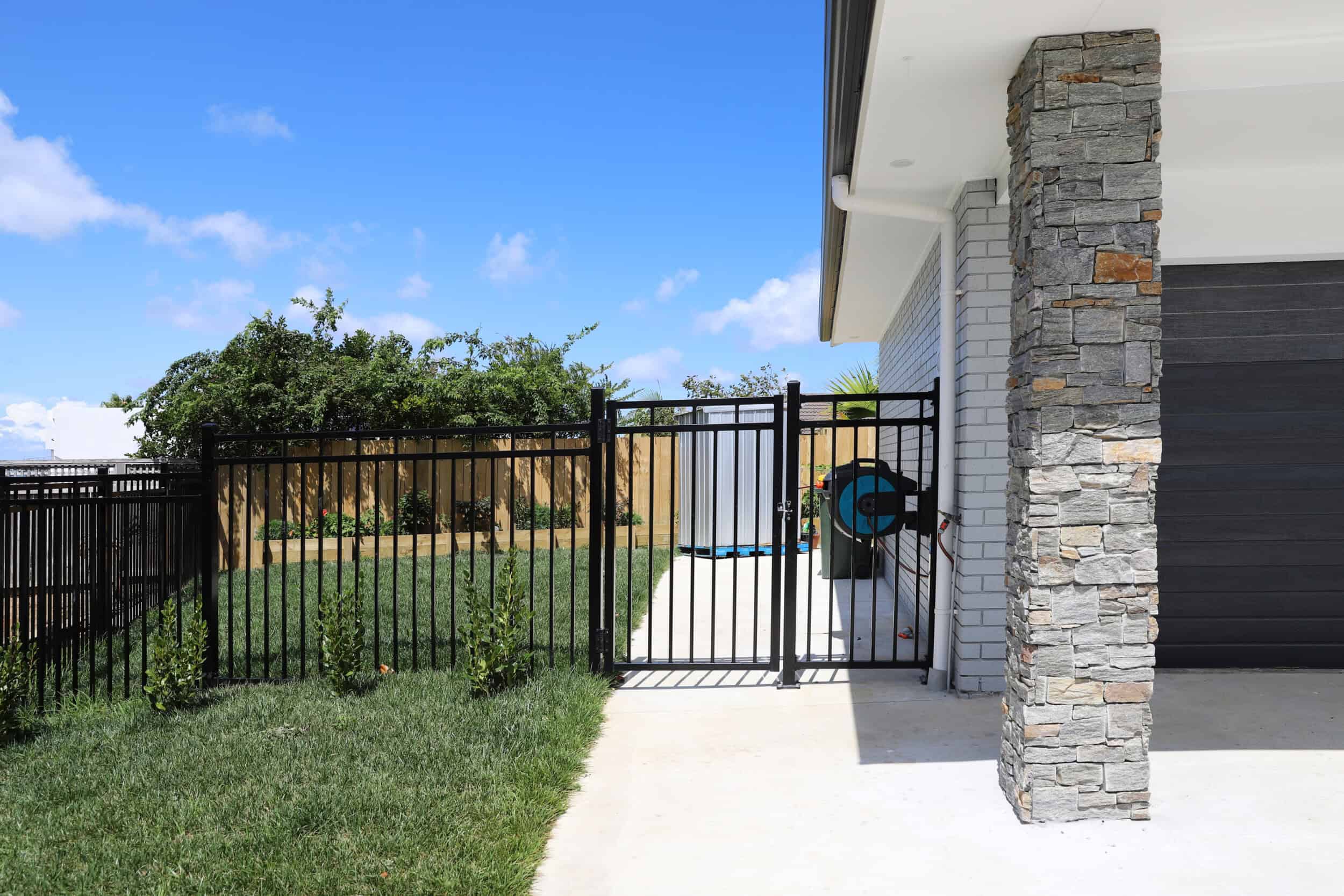
Fence Ideas NZ: Best Fencing Options for Auckland Homes
If you’re thinking about a new fence in Auckland — whether that’s managing the wind in Titirangi, getting proper privacy in Mt Roskill, or framing views from Mission Bay — the material choice matters more than most people realise. Our climate is hard on fences: salt air, humid summers, UV, and the occasional battering from westerly fronts. This guide covers the main options honestly — timber, aluminium, composite, glass, steel, vinyl, concrete, stone, wire, and green walls — with real cost ranges and what actually holds up in our conditions.
What’s the Top Fence Material for Auckland’s Conditions?
Aluminium is the standout for coastal properties. It doesn’t rust, needs minimal maintenance, and handles the salt air in places like Takapuna or Mission Bay without deteriorating the way timber or steel can. Go slatted or louvred if you want airflow on windy days. Timber is still the right call for heritage villas in Remuera or Ponsonby — paling or picket at $100–$400 per metre — but it needs regular staining to handle UV and rain. Composite is gaining ground fast for Grey Lynn renovations: it looks like timber, resists humidity, and runs about $200–$450 per metre. For rural sections in Dairy Flat or Warkworth, chain link or net wire at $40–$150 does the job without fuss or wasted budget.
How Do You Pick a Fence That Suits Privacy, Security, and NZ Rules?
Start with what the fence actually needs to do. Full privacy in a busy urban street? Solid composite or concrete panels block sightlines and absorb noise — relevant for Onehunga properties near the motorway. Views and pool safety? Frameless glass suits beachfront homes in St Heliers, but budget $300–$600 per metre and be across the pool fencing regulations, which are stricter than standard fence rules. Security priority? Steel tubular or wrought iron gives that solid edge for Parnell properties. Most fences under 2.5m don’t need consent — check Building.govt.nz and confirm with Auckland Council, particularly in heritage zones where extra rules apply. Green walls with climbing vines are worth considering for eco-minded Mt Eden gardens: living privacy that cools the property in summer, but they need consistent watering and pruning to stay effective.
Which Budget-Friendly Options Hold Up in Auckland Conditions?
Vinyl pickets ($100–$300) or treated pine are the practical choice for family homes in Howick — easy to clean and durable through wet winters. Stone or schist walls deliver a premium result for Remuera properties ($400–$800 per metre), but the installation is complex and the cost reflects it. Worth getting multiple quotes from suppliers like Bunnings or Mitre 10 before committing. For coastal and urban sites, powder-coated aluminium usually wins the ten-year cost comparison when you factor in how little maintenance it needs.
Thinking about sorting the boundary properly? Get in touch with Superior Renovations for a free conversation about what would work for your property.
Finding the Right Fence for Your Auckland Home
A fence does more than mark a boundary. For Auckland homeowners, it manages privacy in tightly packed suburbs, deals with coastal salt and wind, complements the architecture, and — if chosen well — holds its value over time. The options span a wide range: timber, glass, aluminium, composite, steel, concrete, stone, wire, green walls. Each has a place. Each has trade-offs. This guide works through the main fence ideas NZ homeowners are considering in 2025, with honest cost ranges, practical pros and cons, and enough Auckland-specific context to make the decision straightforward. Whether you’re working on a front fence in Titirangi or a pool boundary in Mission Bay, the right choice starts with understanding what each material actually delivers.
Auckland’s conditions matter for every material decision here. Humid summers, coastal salt air, UV intensity, and westerly winds all affect how a fence performs. We’ve drawn on insights from our designer Dorothy Li and local regulations at Building.govt.nz, and referenced products from Bunnings, Mitre 10, and PlaceMakers. The goal is a straightforward guide to fence design NZ that helps you make an informed call without wading through marketing copy.
If you’re looking for specific cost estimates, try our Renovation Cost Calculator Tools
- Bathroom Renovation Cost Calculator
- Kitchen Renovation Cost Calculator
- Reroofing Cost Calculator
- Double Glazing Cost Calculator
- House Extension Cost Calculator
- Custom Kitchen Cabinetry Cost Calculator
- New Laundry Cost Calculator
- New Pergola Cost Calculator
Timber Fencing: What Auckland Homeowners Need to Know
Timber is still the most common fencing material across Auckland — and for good reason. It suits the character of older homes, it’s flexible in terms of style and finish, and for the right property it’s hard to beat on aesthetics. Whether you’re in Ponsonby or Papakura, timber can work. But it’s not a low-effort choice, and in Auckland’s conditions specifically, the maintenance commitment is real.
The appeal of timber is straightforward. It brings warmth and a natural look that complements Auckland’s gardens — from coastal Mission Bay properties to Henderson backyards. Dorothy Li puts it plainly: “A timber fence can be stained or painted in virtually any colour, making it a versatile choice that integrates your home with its surroundings.” It’s also genuinely DIY-friendly for homeowners who want to be hands-on.
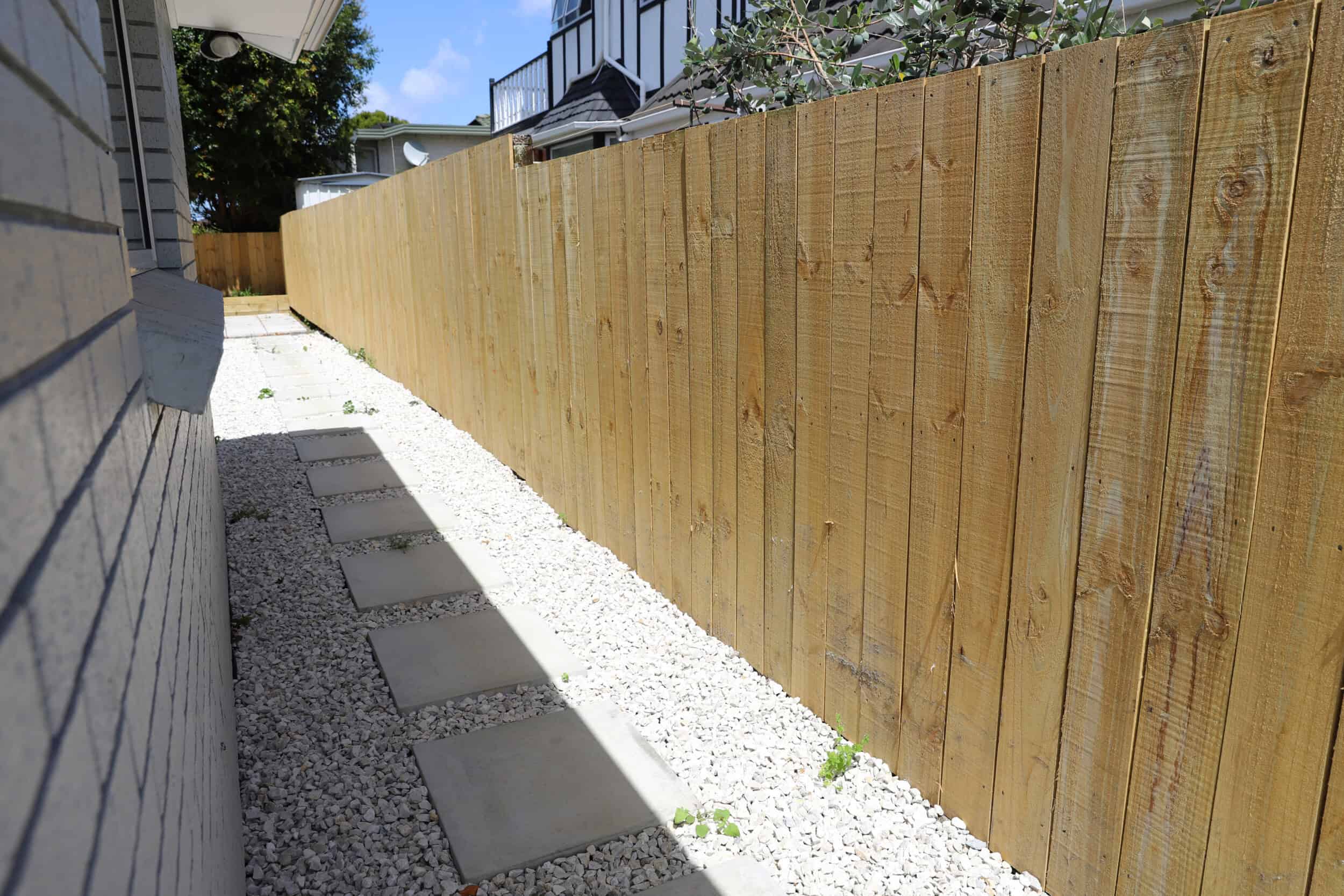
Timber Fencing by Superior Renovations
Pros of Timber Fencing
- Aesthetic flexibility: Can be stained, painted, or left natural to match any home style — from modern villas to classic bungalows.
- Privacy: Tall paling fences from suppliers like PlaceMakers block sightlines effectively, well-suited to Auckland’s tightly packed suburbs.
- Affordability: At $100–$300 per lineal metre depending on wood type, timber is cheaper upfront than most alternatives.
- Sustainability options: Reclaimed wood from suppliers like Woodmart suits eco-conscious homeowners and gives a genuinely distinctive result.
Cons of Timber Fencing
- Ongoing maintenance: As Dorothy Li notes, timber needs painting, staining, or sealing every few years to hold up against Auckland’s humid, coastal climate.
- Weather sensitivity: Untreated or neglected timber warps, rots, and attracts pests — particularly through Auckland’s wet winters.
- Long-term cost: Treated pine or hardwood lasts well when maintained. Without it, replacement costs add up.
Cost Breakdown
Timber fencing costs vary by material and style. Here’s a realistic guide for Auckland:
| Fence Type | Cost per Lineal Metre | Supplier |
|---|---|---|
| Treated Pine Paling | $100–$200 | Bunnings |
| Hardwood Paling | $200–$400 | Mitre 10 |
| Reclaimed Wood | $150–$350 | Woodmart |
| Picket Fence | $120–$250 | PlaceMakers |
Timber Fence Styles for Auckland
Auckland’s mix of architectural styles calls for different approaches. Common timber options that work well here:
- Paling fences: Treated pine or hardwood — the practical choice for privacy. Bunnings carries affordable options across most grades.
- Picket fences: Front yard classic for Remuera or Epsom — adds character without closing off the street frontage. Available at PlaceMakers.
- Trellis-topped fences: Privacy with an open, airy feel — suits Mt Eden gardens well. Mitre 10 has a solid range.
- Board and batten: Alternating paling widths give a rustic result. Available through Trade Tested.
On consents: Under New Zealand’s Building Code, fences under 2.5 metres typically don’t need a building consent — Building.govt.nz covers the detail. Always confirm with Auckland Council for your specific site, particularly in heritage zones where additional rules apply.
Timber is a genuinely good fencing choice for Auckland when you go in with clear expectations. The aesthetics and flexibility are hard to beat. The maintenance is real and non-negotiable if you want it to last. Weigh those factors honestly for your property and lifestyle, and timber will either be an obvious fit or an obvious pass.
Composite Fencing: Low Maintenance, Modern Looks
Composite fencing — wood fibres and recycled plastic combined — has gained real traction in Auckland over the last few years. It suits the renovation direction a lot of Grey Lynn and Parnell properties are taking: clean, modern, and not asking for much attention. For homeowners who want something that looks like timber but performs like a hard material, composite is worth serious consideration.
The practical case for composite is strong in Auckland’s climate. Dorothy Li on the material: “It’s designed to withstand harsh weather while requiring minimal upkeep.” Unlike timber, composite doesn’t need regular staining. It resists moisture, UV, and the salt air that degrades other materials in coastal suburbs. The eco credentials — made with recycled content — appeal to homeowners who want that to factor into the decision.
Pros of Composite Fencing
- Low maintenance: No painting or sealing required. A wash with soapy water keeps it in good shape.
- Durable in Auckland conditions: Resists moisture, UV, and pests — all relevant for our climate.
- Sustainable: Recycled materials content aligns with eco-conscious renovation goals.
- Modern finish: Clean profiles and contemporary colour options suit newer Auckland homes and renovations in suburbs like Grey Lynn and Newmarket.
Cons of Composite Fencing
- Higher upfront cost: $200–$450 per lineal metre, depending on design and supplier — noticeably more than timber or vinyl.
- Limited colour and style range: Pre-set options rather than the full flexibility of painted timber. May not suit heritage homes in Devonport.
- Installation complexity: Sloped sections — common across Auckland — benefit from professional installation, which adds to overall cost.
Cost Breakdown
Composite fencing costs reflect its durability. Realistic Auckland pricing:
| Fence Type | Cost per Lineal Metre | |
|---|---|---|
| Standard Composite Panel | $200–$350 | |
| Textured Composite | $250–$400 | |
| Premium Composite with Aluminium Frame | $300–$450 |
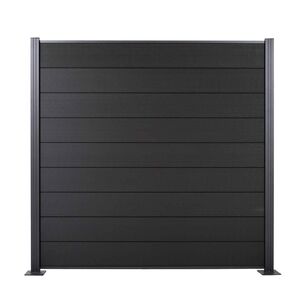
https://www.placemakers.co.nz/online/outdoor-landscaping/fencing-netting-non-timber/fence-panels/powdercoated-steel-fence-panels/composite-fence-panel-kit-1800-x-1875mm-black/p/4511603
Composite Fence Styles for Auckland
Common composite options that suit Auckland’s range of properties:
- Solid panels: Full privacy for densely packed areas like Mt Roskill.
- Slatted designs: A modern, open feel for front yards in St Heliers.
- Wood-grain finish: The aesthetic of timber without the upkeep — natural fit for eco-minded Titirangi properties.
- Coloured panels: Charcoal, sandstone, and similar tones that suit minimalist design directions in Newmarket.
On consents: Composite fences under 2.5 metres generally don’t need building consent under NZ’s Building Code — Building.govt.nz. Confirm with Auckland Council for coastal or heritage zone specifics.
For Auckland homeowners who want the look of timber without committing to its maintenance cycle, composite is often the answer. The upfront cost is higher than timber — but the ten-year running cost is lower. If that trade-off works for your budget, it’s worth pricing properly before ruling it out.
Aluminium Fencing: Rust-Proof, Low Maintenance, Built for Coastal Auckland
Aluminium’s key advantage for Auckland is simple: it doesn’t rust. In coastal suburbs like Takapuna, Devonport, or Mission Bay where salt air is a constant, that single characteristic makes aluminium significantly more practical than steel, and less demanding than timber. Its contemporary look suits the direction most modern Auckland renovations are heading — clean lines, powder-coated finishes, and minimal ongoing work.
Dorothy Li on aluminium: “It’s a fantastic option for homeowners wanting a sleek, long-lasting fence that doesn’t sacrifice style.” Whether you’re enclosing a pool in Ellerslie or defining a boundary in New Lynn, aluminium holds up without much input from you after installation.
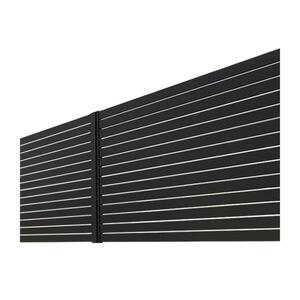
https://www.placemakers.co.nz/online/outdoor-landscaping/fencing-netting-non-timber/fencing-accessories/aluminium-fencing/valla-series-slat-fence-pack-12m-x-65mm-grey/p/2250943
Pros of Aluminium Fencing
- Doesn’t rust: The defining advantage for coastal Auckland sites. Mission Bay, Devonport, Takapuna — aluminium handles salt air without deteriorating.
- Low maintenance: A hose-down is all it needs. No painting, no sealing.
- Manageable weight: Easier to install on Auckland’s sloped sections than steel or concrete, while still handling strong winds.
- Finish options: Powder-coated in a range of colours from Bunnings — straightforward to match your home’s palette.
Cons of Aluminium Fencing
- Privacy limitations: Dorothy Li’s observation is accurate — aluminium’s typical open designs don’t provide full privacy. Slatted or louvred options help but cost more.
- Price: $150–$400 per lineal metre puts it above basic timber, though well below glass or wrought iron.
- Not suited to heritage properties: The contemporary aesthetic doesn’t read naturally against older homes in Ponsonby or Remuera where timber or wrought iron fits better.
Cost Breakdown
Aluminium pricing in Auckland by design and finish:
| Fence Type | Cost per Lineal Metre | Supplier |
|---|---|---|
| Standard Aluminium Slats | $150–$250 | Mitre 10 |
| Powder-Coated Aluminium | $200–$350 | Bunnings |
| Louvred Aluminium Panels | $250–$400 | Building Easy |
Aluminium Fence Styles for Auckland
- Slatted fences: Pool areas or front boundaries in St Heliers — balance of openness and partial privacy.
- Vertical bar fences: Minimalist and clean for modern Grey Lynn homes.
- Louvred panels: Adjustable slats for both privacy and airflow — well-suited to windy Titirangi sites.
- Decorative toppers: Add visual interest to a standard design for front yards in Mt Eden.
On consents: Aluminium fences under 2.5 metres don’t typically require building consent — Building.govt.nz. Pool fencing is a different matter — strict safety requirements apply, so always confirm with Auckland Council before installation.
For coastal or urban Auckland properties where low maintenance and corrosion resistance are priorities, aluminium is a strong contender. It’s not the cheapest option and it won’t suit every architectural style. But for the right site, it’s one of the most practical materials available in our market.
Steel Fencing: Strength and Security for Auckland Properties
Steel is the choice when security is the primary brief. It’s heavier, more robust, and more expensive than aluminium — but for properties in Waitakere’s rugged terrain or urban Mt Wellington where the fence needs to mean business, steel delivers. Modern powder-coated steel has moved well beyond industrial aesthetics and suits contemporary Auckland homes convincingly.
Dorothy Li on steel: “It’s one of the toughest materials you can choose, offering security without compromising on style.” The range of finishes available — particularly powder-coated panels in darker tones — has made steel a more common choice for residential Auckland properties than it was a decade ago.
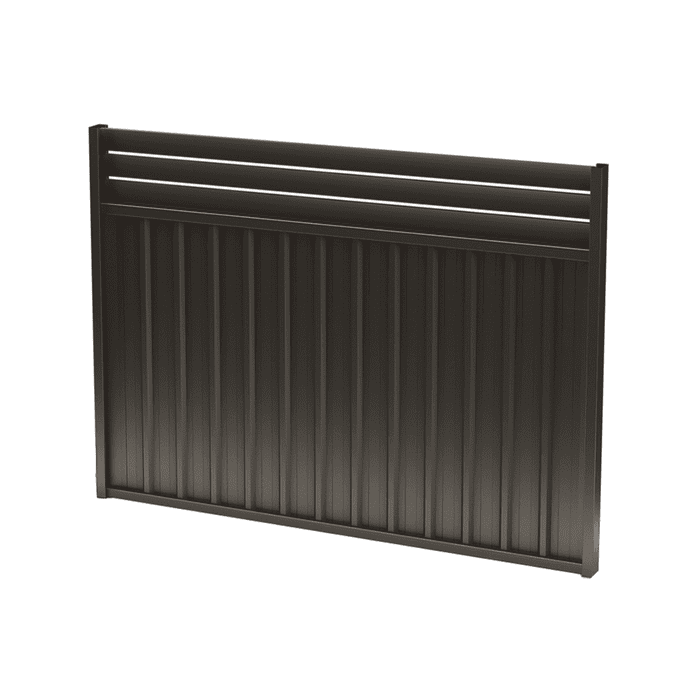
https://www.bunnings.co.nz/sector-panel-fencing-1-5-0-3m-ebony-borderline-panel_p0421817
Pros of Steel Fencing
- Genuine strength: Handles impacts and Auckland’s coastal wind and rain load better than lighter materials.
- Security: The right call for properties in Penrose or commercial-adjacent zones that need a solid barrier.
- Low maintenance when powder-coated: Rust-resistant finish, just an occasional clean.
- Contemporary aesthetic: Available finishes suit modern homes in Albany or Botany Downs well.
Cons of Steel Fencing
- Cost: $200–$500 per lineal metre — higher than timber or vinyl.
- Weight: More complex to install, particularly on Auckland’s sloped sections.
- Privacy: Tubular or slatted designs are open by nature. Adding infills for privacy increases cost.
Cost Breakdown
Steel fencing costs in Auckland by type:
| Fence Type | Cost per Lineal Metre | Supplier |
|---|---|---|
| Tubular Steel Fence | $200–$350 | Bunnings |
| Powder-Coated Steel Panels | $250–$450 | Mitre 10 |
| Custom Steel with Infills | $300–$500 | PlaceMakers |
Steel Fence Styles for Auckland
- Tubular steel: Pool fencing or front boundaries in Takapuna — security with maintained visibility.
- Slatted steel panels: Modern and clean for urban Newmarket properties.
- Powder-coated designs: Bold colour options for contemporary Henderson homes.
- Decorative steel: Custom patterns for standout Remuera frontages.
On consents: Fences under 2.5 metres generally don’t need consent — Building.govt.nz. Pool fencing has stricter requirements — always check with Auckland Council before proceeding.

https://www.placemakers.co.nz/online/projects/landscaping/fencing/metal-fencing
Steel earns its place when security is genuinely the priority. It’s heavier and more expensive than aluminium, and it won’t suit every home’s style. But for properties that need a fence with genuine presence, it’s the right call.
Vinyl Fencing: Budget-Friendly and Easy to Live With
Vinyl doesn’t get much attention in design conversations, but for the right Auckland property it makes real sense. Family homes in Howick or Papakura that need a clean, durable fence without a significant maintenance commitment — vinyl is a practical answer. It’s made from PVC, which handles Auckland’s humidity and salt air without rotting or rusting, and it costs less to own over ten years than timber despite similar upfront pricing.
Dorothy Li’s take on vinyl is accurate: “It’s designed to look great and last long with minimal effort.” The limitation is customisation — vinyl comes in pre-set colours, mostly white and neutral tones, and doesn’t suit heritage aesthetics or bold design directions. But for what it does, it does it reliably.
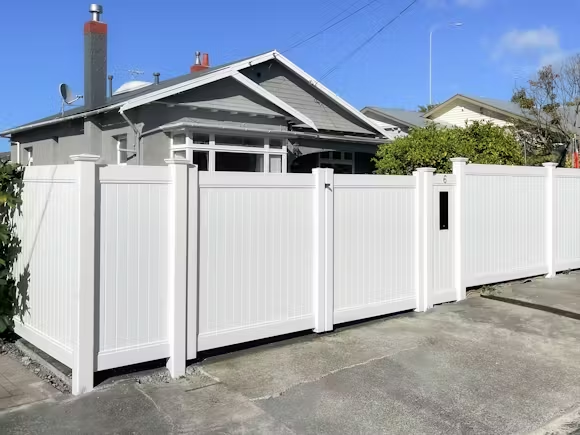
https://www.tradetested.co.nz/p/gardening/fencing/privacy-fence-system/pvc-privacy-fence-panel-kit-1-8m-x-2-4m
Pros of Vinyl Fencing
- Low maintenance: No staining or painting — just a wash. That’s the whole maintenance regime.
- Durable in Auckland conditions: Resists rot, pests, and UV fade through wet winters and sunny summers.
- Affordable: $100–$300 per lineal metre — cheaper than aluminium or composite at equivalent quality levels.
- Style range: Picket, privacy panels, ranch-style — enough variety to suit most family home situations.
Cons of Vinyl Fencing
- Colour and style limitations: Pre-set options, mostly whites and neutrals. Doesn’t suit Remuera heritage homes or bold contemporary design directions.
- Impact vulnerability: Vinyl can crack under heavy impact — a consideration for windy Titirangi sections where debris is a real factor.
- Environmental footprint: PVC is less sustainable than composite or reclaimed timber — worth considering if that’s a priority for your build.
Cost Breakdown
Vinyl fencing is cost-effective for Auckland homeowners. Typical pricing:
| Fence Type | Cost per Lineal Metre | |
|---|---|---|
| Vinyl Picket Fence | $100–$200 | |
| Vinyl Privacy Panels | $150–$250 | |
| Textured Vinyl Panels | $200–$300 |
Vinyl Fence Styles for Auckland
- Picket fences: Front yards in Epsom or Papakura — adds character without closing off the view.
- Privacy panels: Full coverage for secluded Mt Roskill backyards.
- Ranch-style: Low, open design for larger Albany sections.
- Textured panels: Wood-grain look for modern Newmarket properties that want the aesthetic without the upkeep.
On consents: Vinyl fences under 2.5 metres don’t typically require consent — Building.govt.nz. Pool fencing has different requirements — confirm with Auckland Council.

https://www.tradetested.co.nz/p/gardening/fencing/picket-fence-system/pvc-picket-fence-panel-kit-1-2m-x-2-4m
Vinyl won’t win a design competition, but it’s a dependable, low-cost option for Auckland family homes that need a functional fence without the maintenance overhead. If your priorities are budget and practicality, it deserves a proper look.
Glass Fencing: Views, Pool Compliance, and Contemporary Aesthetics
Glass fencing has a specific and well-defined role: preserving views while maintaining a safety boundary. For coastal properties in Mission Bay or modern homes in Wynyard Quarter with established outlooks, it’s the only material that genuinely delivers on both. It’s also the standard choice for pool fencing where maintaining sightlines across the yard matters. But it comes at a price — in both upfront cost and cleaning commitment.
Dorothy Li from Superior Renovations on glass: “It’s ideal for showcasing your property’s views while maintaining safety and security.” For Herne Bay properties or beachfront sections anywhere on Auckland’s coast, that’s a genuine and practical benefit that other materials can’t replicate.
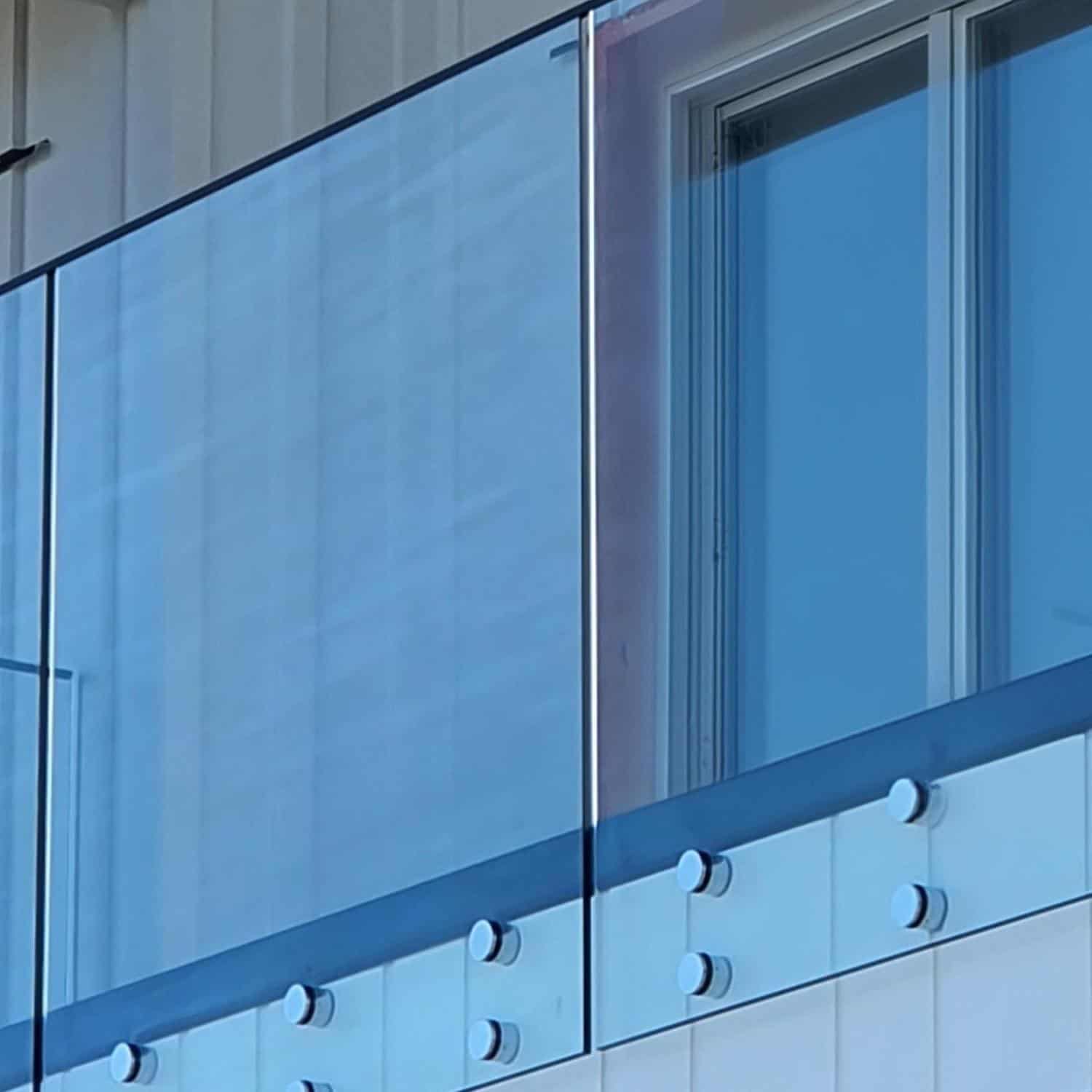
https://www.mitre10.co.nz/shop/guardian-balustrade-face-fixed-glass-panel-h-1280mm-w-1500mm-d-12mm/p/326333
Pros of Glass Fencing
- Unobstructed views: The only material that gives you a proper view of Auckland’s coastal vistas or established garden from behind the boundary.
- Pool safety compliance: Toughened glass meets NZ’s strict pool fencing standards — a practical choice for family homes in St Heliers.
- Low maintenance: A wipe with glass cleaner keeps it clear — quick and simple.
- Contemporary look: Transparent and minimal — suits modern Auckland architecture cleanly.
Cons of Glass Fencing
- Cost: $300–$600 per lineal metre depending on thickness and framing — one of the pricier options on this list.
- Cleaning frequency: Glass shows fingerprints, water spots, and salt residue — in Auckland’s coastal climate that means regular attention.
- No privacy: Transparent by design. Frosted options provide partial privacy but cost more and change the aesthetic significantly.
Cost Breakdown
Glass fencing is a premium investment. Auckland pricing by style:
| Fence Type | Cost per Lineal Metre | |
|---|---|---|
| Frameless Glass Panels | $400–$600 | |
| Semi-Framed Glass | $350–$500 | |
| Frosted Glass Panels | $450–$600 |
Glass Fence Styles for Auckland
- Frameless glass: The cleanest, highest-end result for pool areas or balconies in Devonport.
- Semi-framed glass: Aluminium or steel frames add stability — relevant for exposed Titirangi sites where wind loads are real.
- Frosted glass: Partial privacy without losing the light — suits urban Newmarket properties.
- Tinted glass: Contemporary edge for coastal Milford properties.
On consents: Pool fencing almost always requires consent and must meet NZ’s safety standards — this is not optional. Most other glass fences under 2.5 metres don’t require consent, but confirm with Auckland Council — Building.govt.nz has the detail.
Glass fencing is the right choice for a specific brief: maintain the view, comply with pool safety, create a contemporary boundary. Outside of that brief, the cost and cleaning commitment are hard to justify. Know what you need the fence to do, and glass either fits that clearly or it doesn’t.
Wrought Iron Fencing: Character, Security, and Long-Term Durability
Wrought iron has been the go-to material for heritage Auckland suburbs like Remuera and Devonport for generations — and for good reason. The intricate designs suit Victorian and Edwardian architecture in a way no modern material replicates convincingly. It’s also genuinely strong. But it comes with a maintenance obligation: without proper treatment, Auckland’s humidity will find the iron and rust will follow.
Dorothy Li on wrought iron: “It adds a sense of grandeur while providing excellent security.” For front boundaries in Ponsonby or garden enclosures in Epsom where the architectural character of the fence needs to match the property, wrought iron delivers in a way aluminium or composite simply doesn’t.
Pros of Wrought Iron Fencing
- Durability: With proper treatment, wrought iron withstands Auckland’s coastal winds and rain for decades.
- Security: The height and density of a well-specified wrought iron fence is a genuine deterrent — relevant for Parnell properties.
- Customisable design: Ornate scrollwork or clean vertical bars — the range of styles is broad.
- Suits heritage properties: Complements older Auckland homes and adds genuine character to Mt Eden frontages.
Cons of Wrought Iron Fencing
- Cost: $300–$600 per lineal metre — at the premium end of the market.
- Rust risk without maintenance: Auckland’s humidity is the enemy of untreated or powder-coat-failed iron. Regular inspection and repainting is non-negotiable.
- Limited privacy: Open designs by nature. Adding infills increases cost and changes the look.
Cost Breakdown
Wrought iron fencing costs in Auckland:
| Fence Type | Cost per Lineal Metre | |
|---|---|---|
| Standard Wrought Iron Bars | $300–$450 | |
| Ornate Wrought Iron | $400–$600 | |
| Powder-Coated Wrought Iron | $350–$500 |
Wrought Iron Fence Styles for Auckland
- Ornate designs: Heritage homes in Remuera or Devonport — this is where wrought iron earns its reputation.
- Vertical bars: Clean and minimal for Newmarket properties where security matters but so does modern aesthetics.
- Powder-coated panels: Rust-resistant and available in multiple colours — the practical approach for coastal Takapuna properties.
- Custom gates: Matching gate and fence combination for a cohesive Herne Bay frontage.
On consents: Fences under 2.5 metres typically don’t require consent — Building.govt.nz. Heritage and coastal zones may have additional rules — confirm with Auckland Council.
Wrought iron is the right material for a specific kind of Auckland property — one where the architecture demands it and the budget supports it. For everything else, aluminium delivers much of the visual result without the maintenance obligation or price.
Concrete Fencing: Maximum Privacy and Noise Control
Concrete does one thing better than any other fencing material: blocks everything. Sound, sightlines, wind. For Auckland homes near busy roads — Onehunga near the motorway corridor, Mt Albert on a main arterial — concrete is the serious answer to noise and privacy. It’s also essentially indestructible and asks very little from you once it’s up.
Dorothy Li’s description is direct: “It’s a fantastic option for those who want a fence that’s virtually indestructible and blocks out noise.” The trade-off is cost, installation complexity, and an aesthetic that can feel heavy if the design isn’t handled well. Textured and painted options have addressed that significantly in recent years.
Pros of Concrete Fencing
- Durability: Handles Auckland’s coastal winds, UV, and rain without cracking or fading over time.
- Privacy and noise reduction: Unmatched among fencing materials — the right call for Newmarket or Onehunga properties facing traffic noise.
- Minimal maintenance: No paint, no sealant — an occasional wash is all it needs.
- Finish options: Textured, painted, or patterned finishes from PlaceMakers can soften the aesthetic considerably.
Cons of Concrete Fencing
- Cost: $250–$500 per lineal metre — a significant investment.
- Installation complexity: Heavy material, requires solid foundations and professional installation — particularly relevant on Auckland’s sloped sections.
- Aesthetic limitations: Can read as industrial. Doesn’t suit the character of heritage Remuera or Devonport properties.
Cost Breakdown
Concrete fencing costs in Auckland by type:
| Fence Type | Cost per Lineal Metre | |
|---|---|---|
| Precast Concrete Panels | $250–$400 | |
| Textured Concrete | $300–$450 | |
| Custom-Patterned Concrete | $350–$500 |
Concrete Fence Styles for Auckland
- Precast panels: Fast to install and effective for full privacy in urban Mt Roskill.
- Textured panels: Stone or brick-effect finishes for modern Botany Downs properties that want the privacy without the industrial look.
- Painted concrete: Colour adds warmth to Henderson frontages.
- Patterned concrete: Decorative detail for upscale St Heliers properties.
On consents: Concrete fences under 2.5 metres generally don’t need consent, but their weight may require engineering assessment for stability — particularly on sloped or unstable ground common across Auckland — Building.govt.nz. Confirm with Auckland Council before proceeding.
Concrete is the high-performance privacy option. It’s not for every property or every street frontage — but for the brief it suits, nothing else comes close.
Stone Wall Fencing: Permanence, Natural Beauty, and Premium Value
Stone walls occupy the premium end of the fencing market — and they look it. For upscale Herne Bay properties or rural Dairy Flat sections where permanence and natural character are the brief, a properly built stone wall adds something that no manufactured material can replicate. It also adds to the property’s value in a way most other fencing materials don’t.
Dorothy Li on stone: “They add a natural, timeless charm that enhances any property’s value.” That’s accurate — but the cost and installation complexity are equally real. This is not a DIY project, and the price reflects skilled masonry work.
Pros of Stone Wall Fencing
- Durability: Stone handles Auckland’s coastal exposure — salty air, heavy rain — without deteriorating. Properly built stone walls last generations.
- Privacy and security: Solid, tall, and essentially immovable — excellent for Parnell or Remuera properties where seclusion and security are both priorities.
- No maintenance: Once built, stone needs nothing — no paint, no sealant, no annual inspection regime.
- Natural material: Local volcanic stone or schist reads authentically in Auckland’s landscape in a way that manufactured materials don’t.
Cons of Stone Wall Fencing
- Cost: $400–$800 per lineal metre — the most expensive fencing option in this guide by a significant margin.
- Installation complexity: Requires skilled masons and solid foundations. Auckland’s sloped and variable soils add to that complexity.
- Fixed and permanent: Once it’s built, changing it is a demolition project. Make sure you’re confident in the design before committing.
Cost Breakdown
Stone wall fencing costs in Auckland:
| Fence Type | Cost per Lineal Metre | |
|---|---|---|
| Volcanic Stone Wall | $400–$600 | |
| Schist Stone Wall | $500–$700 | |
| Custom Stacked Stone | $600–$800 |
Stone Wall Styles for Auckland
- Volcanic stone: Locally sourced and genuinely Auckland — natural fit for coastal Mission Bay properties.
- Schist stone: Cleaner and more modern-reading — suits upscale Epsom homes.
- Dry-stacked stone: Rustic, mortar-free construction for rural Albany sections.
- Polished stone panels: Contemporary finish for Newmarket urban properties.
On consents: Stone walls under 2.5 metres generally don’t require consent, but engineering assessment for structural stability may be needed — particularly on sloped or unstable sites — Building.govt.nz. Confirm with Auckland Council for boundary and heritage zone specifics.
Stone walls are expensive and the right brief for them is specific: premium properties where permanence, natural material, and long-term value addition are the priorities. Outside of that brief, the cost is hard to justify against other options.
Net and Wire Fencing: Practical and Affordable for Rural Auckland
Net and wire fencing doesn’t try to do anything it can’t. It marks a boundary, keeps animals in or out, and does both cheaply and reliably. For rural and semi-rural Auckland properties — Pukekohe, Warkworth, Clevedon — it’s the standard solution for a reason. Don’t use it for privacy in a suburban street. Do use it when the brief is practical containment over large areas.
Dorothy Li’s description of net and wire is straightforward: “It’s a reliable, low-cost option for those needing a functional fence without the frills.” That’s exactly what it is — and in rural Auckland, that’s often exactly what’s needed.

https://www.bunnings.co.nz/peak-1500mm-x-1200mm-black-steel-fence-panel-for-no-dig-mesh-fencing_p0443770
Pros of Net and Wire Fencing
- Cost: $50–$150 per lineal metre — the affordable end of the fencing market.
- Easy installation: Lightweight and flexible — manageable on uneven Waitakere terrain and suitable for DIY.
- Open sightlines: Doesn’t block views — relevant for rural Dairy Flat sections where the outlook is part of the value.
- Versatile: Livestock, garden, temporary boundary — Bunnings carries a broad range for different applications.
Cons of Net and Wire Fencing
- No privacy: Zero seclusion. Not appropriate for urban Mt Roskill or any densely populated suburb.
- Basic look: Utilitarian by design — not suitable for upscale Remuera or Herne Bay properties.
- Rust risk without galvanising: Auckland’s humidity is hard on ungalvanised wire. Specify galvanised for longevity.
Cost Breakdown
Net and wire fencing cost range in Auckland:
| Fence Type | Cost per Lineal Metre | |
|---|---|---|
| Standard Wire Netting | $50–$100 | |
| Galvanised Wire Mesh | $80–$120 | |
| Heavy-Duty Stock Fencing | $100–$150 |
Net and Wire Styles for Auckland
- Wire netting: Garden enclosures and small livestock in Papakura.
- Galvanised mesh: Rust-resistant — the right specification for Piha coastal properties.
- Stock fencing: Heavy-duty for larger animals on Clevedon rural sections.
- Post and wire: Minimal boundary marker for large Albany sections.
On consents: Net and wire fences under 2.5 metres don’t typically need consent — Building.govt.nz. Confirm with Auckland Council for rural or coastal zone specifics.
Net and wire is an honest, functional material for the brief it suits. That brief is rural or semi-rural Auckland. Elsewhere, look elsewhere.
Chain Link Fencing: The Budget-First Option
Chain link is the cheapest fencing option available in Auckland, and it makes no apology for that. It’s practical for large sections in Manurewa or temporary fencing during renovations in Mt Roskill. It won’t add aesthetic value to a property and it provides no privacy — but it does mark a boundary cheaply, reliably, and with minimal installation effort.
Dorothy Li puts it plainly: “It’s a low-cost, durable option that gets the job done without fuss.” That’s the whole case for chain link. Nothing more, nothing less.
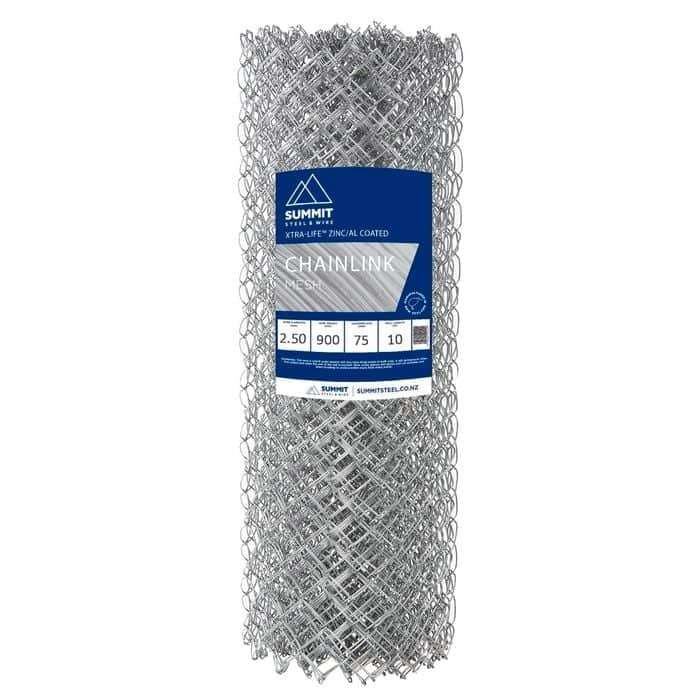
https://www.bunnings.co.nz/summit-steel-wire-0-9-x-10m-chainlink-netting_p0167970
Pros of Chain Link Fencing
- Lowest cost: $40–$120 per lineal metre — the cheapest fencing option in this guide.
- Durable in Auckland conditions: Galvanised or vinyl-coated chain link handles humidity and coastal air without rusting prematurely.
- Easy installation: DIY-manageable on flat or sloped sections in Henderson.
- Low maintenance: Galvanised chain link from Bunnings needs almost nothing from you once it’s up.
Cons of Chain Link Fencing
- No privacy: Zero — unsuitable for any urban property where that matters.
- Industrial appearance: Won’t suit Remuera or Devonport, or any property where the fence needs to contribute to kerb appeal.
- Security limitations: Easier to climb or cut than solid alternatives — not the right choice for high-security applications.
Cost Breakdown
Chain link fencing — the most affordable option in Auckland:
| Fence Type | Cost per Lineal Metre | |
|---|---|---|
| Standard Chain Link | $40–$80 | |
| Galvanised Chain Link | $60–$100 | |
| Vinyl-Coated Chain Link | $80–$120 |
Chain Link Styles for Auckland
- Standard chain link: Temporary or boundary fencing in Papakura.
- Galvanised chain link: Coastal Piha or Milford — rust-resistant and sensibly specified.
- Vinyl-coated chain link: Adds colour and a bit more durability for Mt Wellington backyards.
- Chain link with slats: Partial privacy for suburban Albany properties.
On consents: Chain link fences under 2.5 metres don’t typically need consent — Building.govt.nz. Pool fencing and heritage zones have different requirements — confirm with Auckland Council.
Chain link is the right material for a specific brief: lowest possible cost, large sections, functional boundary only. Outside of that brief, the other options in this guide deliver meaningfully better results for the investment.
Green Wall Fencing: Living Privacy for Eco-Conscious Auckland Properties
Green walls bring something none of the other materials on this list can: a boundary that’s alive. For eco-conscious properties in Titirangi or urban gardens in Grey Lynn where the design brief includes sustainability and natural character, a well-specified green wall delivers on privacy, aesthetics, and environmental value simultaneously. The trade-off is maintenance — plants need consistent attention, particularly through Auckland’s dry summers.
Dorothy Li’s take is genuine: “It’s a fantastic way to blend sustainability with aesthetics, creating a fence that’s alive and evolving.” For Mt Eden gardens where the outdoor space is a considered part of the property’s character, that describes exactly what a green wall achieves.
Pros of Green Wall Fencing
- Environmental value: Improves air quality, reduces noise, and creates habitat in urban areas like Ponsonby.
- Privacy and aesthetics: Dense foliage provides genuine seclusion and looks distinctive — no manufactured material replicates it.
- Natural temperature regulation: Plants reduce heat load in summer — practical for Henderson properties facing full western sun.
- Design flexibility: Vertical gardens to trellis-supported vines — components available at Bunnings to suit different approaches and budgets.
Cons of Green Wall Fencing
- Maintenance commitment: Dorothy Li is direct about this — regular watering, pruning, and care are non-negotiable. Auckland’s dry summers test the most established green walls.
- Cost: $300–$700 per lineal metre including irrigation infrastructure — not a cheap option.
- Installation complexity: Professional setup is recommended, particularly for automated systems on upscale Remuera properties.
Cost Breakdown
Green wall fencing costs in Auckland by approach:
| Fence Type | Cost per Lineal Metre | |
|---|---|---|
| Basic Trellis with Vines | $300–$450 | |
| Vertical Garden Panels | $400–$600 | |
| Automated Green Wall with Irrigation | $500–$700 |
Green Wall Styles for Auckland
- Trellis with climbing vines: Accessible entry point for suburban Papakura gardens — jasmine and similar species establish quickly.
- Vertical garden panels: Pre-planted modules for immediate visual impact in modern Newmarket homes.
- Hedge-style green walls: Dense griselinia for coastal St Heliers properties where salt tolerance matters.
- Automated green walls: With irrigation for reduced manual maintenance — appropriate for upscale Remuera properties where the investment is justified.
On consents: Green walls under 2.5 metres generally don’t need consent, though structural supports may require engineering assessment — Building.govt.nz. Confirm with Auckland Council for urban and coastal zone specifics.
Green walls suit a specific homeowner: one who is genuinely committed to the maintenance, values natural materials and environmental contribution, and has a brief that rewards something distinctive over something conventional. Get those conditions right and a green wall delivers a result nothing else on this list can match.
Comparing All Fence Options for Auckland Homes
With twelve fencing materials covered, here’s the full comparison in one place. Use this to narrow your shortlist — then go back to the relevant section for the detail on any material that looks like the right fit for your property.
The right fence depends on your specific brief. Budget, privacy requirement, maintenance commitment, location, and architectural character all influence the decision. This table gives you the overview; the sections above give you what you need to make the final call.
| Fence Type | Cost (NZD) | Pros | Cons | Best For | |
|---|---|---|---|---|---|
| Timber | $100–$400/m | Versatile, affordable, natural | Requires regular maintenance | Heritage and suburban homes (e.g., Remuera) | |
| Composite | $200–$450/m | Low maintenance, durable, eco-friendly | Higher upfront cost, limited colours | Modern homes and renovations (e.g., Grey Lynn) | |
| Aluminium | $150–$400/m | Rust-resistant, low maintenance | Limited privacy, not suited to heritage styles | Coastal and pool areas (e.g., Takapuna) | |
| Steel | $200–$500/m | Strong, secure, modern | Heavy to install, limited privacy | Security-focused urban properties (e.g., Penrose) | |
| Vinyl | $100–$300/m | Affordable, low maintenance | Limited colours, can crack under impact | Family homes on a practical budget (e.g., Howick) | |
| Glass | $300–$600/m | Preserves views, pool-compliant, modern | Expensive, needs regular cleaning | Pool areas and coastal view properties (e.g., Mission Bay) | |
| Wrought Iron | $300–$600/m | Durable, secure, heritage character | Expensive, rust risk without maintenance | Heritage and premium properties (e.g., Parnell) | |
| Concrete | $250–$500/m | Maximum privacy, noise reduction, very durable | Expensive, heavy, can feel industrial | Busy urban streets and noise-sensitive sites (e.g., Onehunga) | |
| Stone Wall | $400–$800/m | Exceptional durability, natural beauty, adds value | Highest cost, complex installation | Premium and rural properties (e.g., Dairy Flat) | |
| Net and Wire | $50–$150/m | Very affordable, easy to install | No privacy, basic appearance | Rural and farm properties | |
| Chain Link | $40–$120/m | Cheapest option, durable | No privacy, industrial look | Temporary boundaries and rural sections (e.g., Waimauku) | |
| Green Wall | $300–$700/m | Sustainable, distinctive, provides privacy | High maintenance, complex setup | Eco-conscious and design-focused properties (e.g., Mt Eden) |
Most fences under 2.5 metres don’t require building consent — Building.govt.nz covers the technical requirements. Pool fencing and heritage zones are the main exceptions — always confirm with Auckland Council before starting work.
Making the Final Call on Your Fence
Twelve materials, a wide range of costs, and a set of trade-offs that are genuinely different for each one. The right answer for your property comes down to a clear-eyed look at what the fence actually needs to do: privacy, security, views, boundary definition, noise control, or some combination of those. Auckland’s coastal climate, your suburb’s character, and your maintenance appetite all narrow the field from there.
Use the comparison table to shortlist, then look at the detail. Check Building.govt.nz and confirm your specific requirements with Auckland Council — particularly for pool fencing and heritage zones where the rules are stricter. Source quotes from Bunnings, Mitre 10, Trade Tested, or PlaceMakers depending on the material. The right fence, properly installed, will add to your property’s value and function for years without demanding much in return.
Chain link and net and wire are the cheapest options, starting at $40–$120 per lineal metre. Both are well-suited to rural or temporary boundary applications in areas like Waimauku — Bunnings carries a solid range. For urban properties where appearance matters, the next step up is vinyl or treated pine at $100–$200. Concrete, stone walls, and solid composite panels all provide strong privacy. Concrete is the best performer on noise reduction — precast panels from PlaceMakers work well for busy sites like Onehunga, at $250–$500 per metre. Aluminium is the standout for coastal properties — it doesn't rust and handles salt air without deteriorating. Glass is also strong in this regard. Both are well-suited to Mission Bay, Takapuna, and similar coastal suburbs. Find aluminium at Mitre 10 in the $150–$400 per metre range. Most fences under 2.5 metres don't require consent — Building.govt.nz has the full technical requirements. Pool fencing is the main exception: it must meet NZ safety standards and often requires consent. Heritage zones can also have specific rules. Confirm with Auckland Council before starting any work. Green walls and composite fencing are the strongest options here. Green walls use living plants for genuine environmental benefit, but require ongoing maintenance and cost $300–$700 per metre. Composite uses recycled materials and is low-maintenance — a more practical choice for most eco-conscious homeowners. Glass and powder-coated aluminium both deliver a clean, contemporary result. Glass suits view properties and pool areas at $300–$600 per metre — Mitre 10 carries a range of options. Aluminium slatted or louvred panels suit most modern Auckland builds at a lower price point. What's the most affordable fence for Auckland homes?
Which fence is best for privacy in urban Auckland?
What's the most durable fence for Auckland's coastal climate?
Do I need a building consent for my fence in Auckland?
Which fence is best for eco-conscious Auckland homeowners?
What's the most stylish fence for modern Auckland homes?
Need more information?
Take advantage of our FREE Complete Home Renovation Guide (48 pages), whether you’re already renovating or in the process of deciding to renovate, it’s not an easy process — this guide, which includes a free 100+ point checklist, will help you avoid costly mistakes.
- Download Free Renovation Guide (PDF)
- Or try our free House Extension Cost Calculator
Still have questions?
Book a no-obligation consultation with the team at Superior Renovations — we’d love to talk through your project.
Or call us on 0800 199 888
Putting off that renovation?
We’ve partnered with Q Mastercard® to offer an 18-month interest-free payment option. Get the project sorted now and spread the cost.
Learn more about Interest-Free Payment Options*
*Lending criteria, fees, terms and conditions apply. Mastercard is a registered trademark and the circles design is a trademark of Mastercard International Incorporated.


