

Retrofit Double Glazing Auckland: Worth It or Not?
Last updated:
Retrofit Double Glazing in Auckland: When It’s Worth It, and When It Isn’t
Free cost calculator
How much will double glazing cost?
Get an instant Auckland price range for your project — no details required to see it.
Quick answer: Retrofit double glazing in Auckland swaps the single pane in your existing frames for a sealed double-glazed unit — usually $18,000–$28,000 for a 100m² home, well under the roughly $35,000 for full replacement. It’s the right call for sound timber sashes and often the wrong one for old aluminium joinery.
It’s 6am in a Grey Lynn villa in July. There’s water running down the inside of the bedroom window, the sill’s gone dark where it’s sat wet all winter, and the room’s cold enough that getting out of bed is a negotiation. You’ve had a glazier round. They’ve quoted retrofit double glazing and told you it’ll fix everything for a fraction of new windows. Sounds great. The problem is that the people quoting retrofit double glazing make their money selling retrofit double glazing — so they’re not the ones who’ll tell you when it’s the wrong job for your house.
We’re a renovation company, not a glass supplier. We fit whatever the house actually needs, which means we’ve got no reason to talk you into one over the other. So here’s the straight version: what retrofit double glazing is, what it costs in Auckland right now, and the housing stock where it quietly fails to deliver what you paid for.
What Retrofit Double Glazing Actually Is
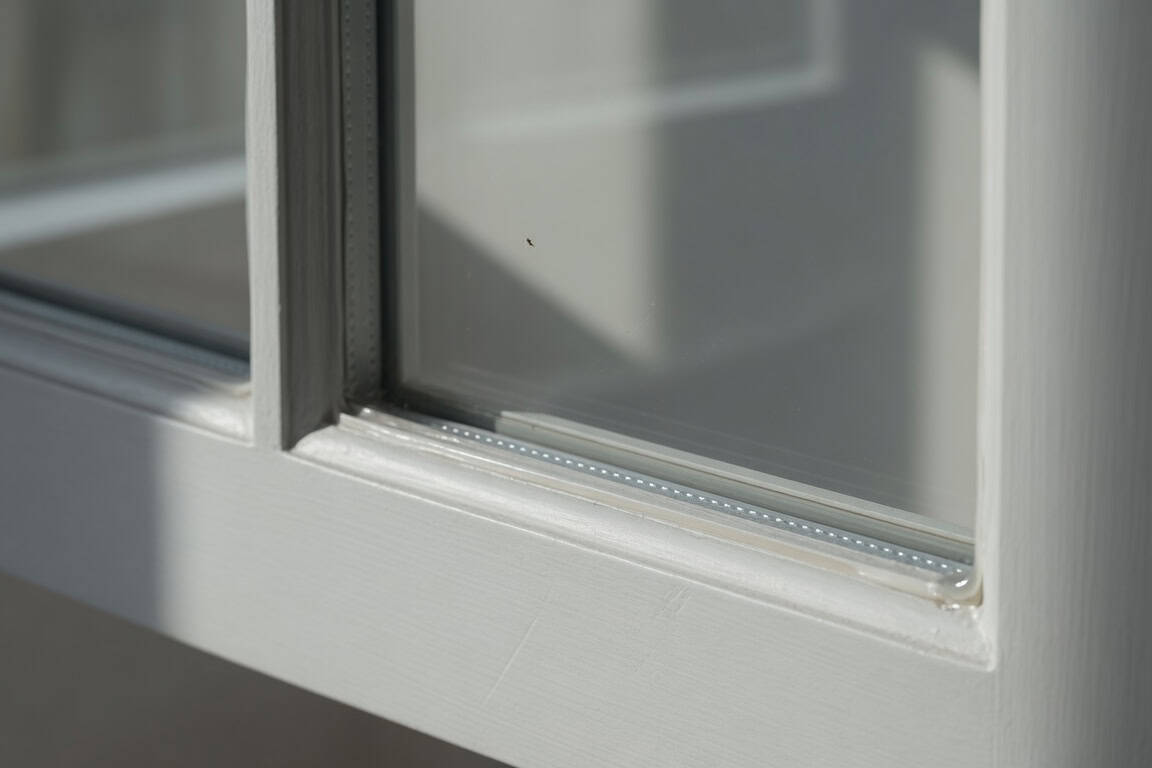
Retrofit double glazing keeps your existing window frame and replaces just the single pane of glass with a sealed insulated glass unit — two panes of glass with a spacer and a still-air or argon-filled gap between them. The frame stays put; only the glass changes. That’s the whole appeal: less disruption, lower cost, and on most homes the installers are in and out in a day.
Full replacement is the other path — the entire window comes out, frame and all, and gets swapped for brand-new factory-made joinery with the insulated unit built in. New frame, new seals, new everything. It’s the better long-term result and it’s the more common choice on a full renovation, but it costs more and takes longer. If you want the mechanics of the unit itself — spacers, gas fills, R-values — we’ve covered that in detail in our explainer on how a double-glazed unit actually works.
Retrofit Is Not Secondary Glazing
This trips people up, partly because some websites use the two terms as if they’re the same thing. They’re not. Retrofit double glazing replaces the glass with a genuine sealed double-glazed unit. Secondary glazing leaves your single pane where it is and adds a second sheet — acrylic, a magnetic panel, or a film — on the inside.
Secondary glazing is cheaper again, and it’s a reasonable stopgap for a rental or a tight budget. But it’s well under half as effective at holding heat, you end up with four glass surfaces to clean instead of two, and the gap fogs up if the seal isn’t tight. When we talk about retrofit on these pages, we mean the proper sealed-unit version — not a panel clipped over the top.
💡 Quick tip: If an installer quotes “retrofit” but the price looks too good to be true, ask whether you’re getting a sealed insulated glass unit or a secondary panel over the existing pane. They’re different jobs at different price points.
What Retrofit Double Glazing Costs in Auckland
For a typical 100m² Auckland home in good condition, retrofit double glazing runs $18,000–$28,000. Full replacement of the same windows — new frames and units throughout — sits at around $35,000. So you’re saving real money, but it’s a few thousand off a five-figure job, not the bargain “$200 a window” headline some sites lead with.
Why the spread inside that range? It comes down to how many windows you’ve got, their size, whether any need safety glass (doors and low-level windows need toughened or laminated under NZS 4223), and the condition of the frames you’re keeping. Acoustic or Low-E glass for a west-facing room or a busy road in Epsom pushes the per-window figure up. A small clear unit in a spare room sits at the bottom. For a single heritage timber sash, removing and replacing it with new aluminium double glazing runs roughly $1,200–$2,500 — retrofitting a unit into the existing sash is cheaper again.
Want a figure for your own place rather than a range? Our double glazing cost calculator lets you price a retrofit against full replacement for your home before you start gathering quotes.
| Factor | Retrofit double glazing | Full window replacement |
|---|---|---|
| What changes | Glass only — the frame stays | The whole window, frame included |
| Typical cost (100m² home) | $18,000–$28,000 | Around $35,000 |
| Disruption | Low — often a single day | Higher — joinery comes out |
| Frame thermal performance | Capped by your existing frame | New thermally broken frame available |
| Best suited to | Sound timber sashes, heritage, tighter budgets | Failed frames, leaky-era homes, maximum performance |
Where does the money go back to you? Mostly comfort and a drier house. According to EECA, up to 40% of a home’s heating energy is lost through windows — the biggest single source of heat loss in an otherwise well-insulated home — and double glazing can cut that to 25% or less. EECA doesn’t publish a single dollar figure for glazing on its own, because in a real home the result depends on the rest of the building envelope, so anyone quoting you an exact payback is guessing.
The Honest Decision: It Depends on Your Frames
This is the part the sales pages skip. Retrofit double glazing is only as good as the frame you’re slotting it into — and Auckland’s housing stock falls into three rough camps that each point a different way.
Villas and Bungalows: Retrofit Usually Wins
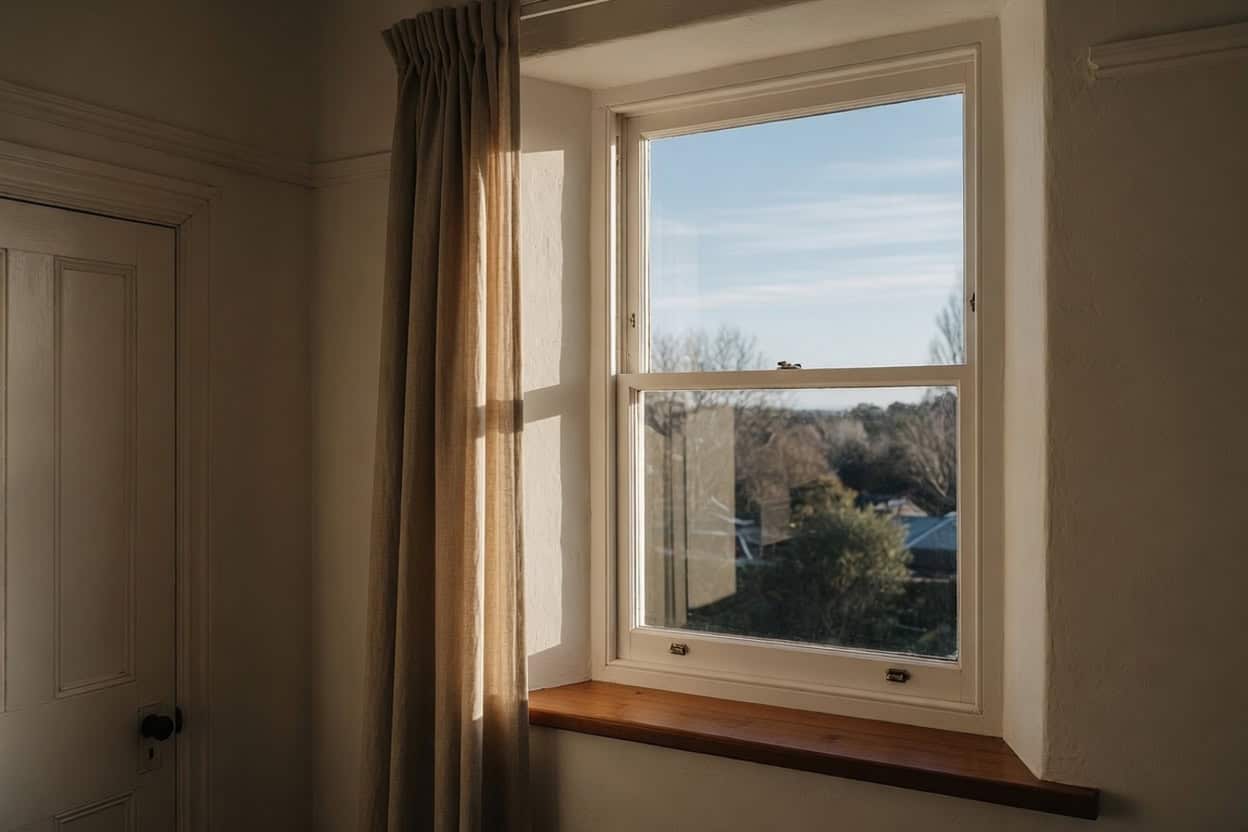
If you’ve got a pre-1940s villa or bungalow in Grey Lynn, Ponsonby, Mt Eden or Devonport with its original timber sashes, retrofit is often the smart move. The original kauri in those windows is denser and straighter than anything you can buy new, and the sash proportions are part of what makes the house worth what it is. Replacing them with modern aluminium is usually a downgrade, and on a front elevation in a Special Character Area you may not be allowed to anyway.
Slimline double-glazed units — around 12mm overall — fit most original villa sashes without butchering the joinery. You keep the streetscape, keep the character, and get modern glass. We’ve gone through exactly this trade-off in our wider piece on retrofitting glazing into original villa sashes.
1970s–80s Aluminium: The Frame Trap
Here’s where retrofit quietly disappoints. A lot of Auckland’s 1970s and 80s housing — the brick-and-tile through Glendowie, Pakuranga and Manurewa — has aluminium joinery that was never thermally broken. That alloy frame conducts heat straight through itself. Slot a beautiful double-glazed unit into a non-thermally-broken aluminium frame and the glass goes warm while the frame keeps bleeding heat out of the room — you’ve fixed half the window and paid for the privilege.
“People hear ‘double glazing’ and assume the job’s done. But if you slot a new unit into a 1980s aluminium frame that was never thermally broken, the frame keeps pulling heat straight out of the room — the glass is warm and the frame is freezing. For those homes I’ll usually say replace the joinery, not just the glass. Otherwise you’ve spent good money to fix half the problem.”
— Alison Yu, Designer, Superior Renovations
It’s not an absolute no. If the budget only stretches to retrofit, warmer glass still beats a single pane. But go in knowing the frame is the ceiling on what you’ll feel, and that full replacement with a thermally broken frame is the upgrade that actually changes the room.
Leaky-Era Homes: Look Deeper First
If your home is a monolithic-clad or plaster place from the mid-1990s to mid-2000s, slow down before you glaze anything. New glass in a leaky-era home can hide a weathertightness problem rather than solve it — and once you’ve spent on windows, the moisture issue underneath is still there. Sound familiar from a pre-purchase report? Get the building envelope assessed first. Glazing is the last thing you do, not the first.
💡 Quick tip: Before committing to retrofit on an older aluminium home, run a finger along the inside of the frame on a cold morning. If the frame itself is wet and cold — not just the glass — that frame is your real heat-loss problem, and new glass alone won’t fix it.
Consent, Process, and the Cheapest Time to Do It
Good news on the paperwork: a like-for-like glass swap into your existing frames doesn’t need building consent. Replacing components like-for-like is generally exempt under Schedule 1 of the Building Act, so straight retrofit sits outside the consent process. The picture changes if you start altering frames, cutting new openings, or touching a structural lintel — that’s when consent comes back into it.
There’s a second check in Auckland’s character suburbs. Most villas across Grey Lynn, Ponsonby, Mt Eden, Devonport and Herne Bay sit inside the Special Character Areas Overlay, and changes to front-facing windows that affect the streetscape can trigger resource consent — a separate question from building consent. Check your specific property on Auckland Council’s planning maps before you commit to a frame style, not after.
What the Job Actually Looks Like
The retrofit process itself is quick once the units are made:
- A technician measures every window and checks frame condition — this is also where a good one tells you if retrofit isn’t suitable.
- The sealed double-glazed units are made to your exact sizes, usually a two to three week wait.
- The single pane comes out, the frame is cleaned and prepped, and the new unit goes in with fresh weather seals and beads.
- Final sealing and a tidy-up. On most homes the on-site work is a day or less.
Do It While the House Is Already Open
If you’re planning other work, the maths shifts hard in your favour. Doing glazing during a kitchen, bathroom or full renovation is usually cheaper than the same job standalone, because the scaffold’s up and the trades are already there.
“The cheapest time to sort your windows is when the walls are already open for something else. If we’re doing your kitchen or a full reno, the scaffold’s up, the trades are on site, and adding glazing is a fraction of what it costs as a standalone visit. Homeowners who do it as its own job almost always pay more for the same result.”
— Dorothy Li, Design Manager, Superior Renovations
That’s the case for folding window work into a planned home renovation rather than treating it as a one-off. One mobilisation, one lot of access, one team sequencing it properly. It’s also why we’ll happily tell a homeowner to hold off on glazing until the rest of the project is mapped out — getting the order right saves more than the glass.
Auckland sits in Climate Zone 1, the warmest in the H1 schedule, so the minimum window performance bar here is lower than the South Island — but the minimum is a code threshold, not a comfort threshold. The honest summary: retrofit double glazing is a genuinely good call for sound timber sashes and heritage homes where keeping the joinery matters. On old aluminium it’s a partial fix, and on a leaky-era home it can be a distraction from the real problem. Match the job to the house and it’s money well spent. Get talked into it by someone selling glass, and you might be fixing the wrong half of the window.
➡ Book your free in-home consultation with Superior Renovations
➡ See how window upgrades fit into a full home renovation
➡ Request a free feasibility report for your project
How much does retrofit double glazing cost in Auckland?
For a typical 100m² Auckland home in good condition, retrofit double glazing runs $18,000–$28,000 — compared with around $35,000 for full window replacement. Where you land depends on window count and size, whether any windows need safety glass under NZS 4223, and your glass spec. Low-E or acoustic units for west-facing or road-facing rooms cost more. A single heritage timber sash replaced with aluminium double glazing runs roughly $1,200–$2,500.
Is retrofit double glazing as good as full replacement?
For thermal performance, full replacement is the better long-term result because you also get a new, often thermally broken, frame. Retrofit keeps your existing frame, so its performance is capped by that frame. On sound timber sashes the gap is small and retrofit makes sense. On old non-thermally-broken aluminium frames the frame keeps losing heat regardless of the glass, so full replacement delivers a noticeably warmer room.
Can you retrofit double glazing into aluminium windows?
Yes, most aluminium frames can take a retrofit unit. The catch is that aluminium joinery from the 1970s and 80s is usually not thermally broken, so the frame conducts heat straight through even with double glazing in it. You'll get warmer glass but a cold frame. If the aluminium is original single-glazed joinery, full replacement with a thermally broken frame is often the better spend.
Do I need building consent to retrofit double glazing in Auckland?
A like-for-like glass swap into your existing frames is generally exempt from building consent under Schedule 1 of the Building Act, because you're not changing the window size, structure, or external appearance. Consent comes back into play if you alter frames, cut new openings, or affect a structural lintel. In Special Character Areas, changes to front-facing windows can also trigger resource consent — check your property on Auckland Council's planning maps first.
Is retrofit double glazing worth it for a villa?
Often, yes. Original villa and bungalow sashes use dense old kauri that outlasts new timber, and the sash proportions are part of the home's character and value. Slimline double-glazed units around 12mm fit most original sashes without altering the joinery, so you keep the streetscape and gain modern glass. On front elevations in a Special Character Area, retrofit is usually the only option you'd be allowed anyway.
What's the difference between retrofit double glazing and secondary glazing?
Retrofit double glazing replaces your single pane with a genuine sealed insulated glass unit — two panes with a sealed gap. Secondary glazing leaves the single pane in place and adds a second sheet, panel, or film on the inside. Secondary glazing is cheaper but well under half as effective at holding heat, and you end up cleaning four glass surfaces instead of two. Some sites use the terms interchangeably, but they're different jobs.
How long does retrofit double glazing take?
Once your sealed units are made — usually a two to three week lead time — the on-site installation is fast. The single panes come out, the frames are prepped, and the new units go in with fresh seals and beads. On most Auckland homes the actual fitting is a day or less, which is a big part of why retrofit appeals: minimal disruption compared with pulling out full joinery.
Will retrofit double glazing stop condensation?
It greatly reduces it. Condensation forms when warm, moist indoor air meets a cold surface. Double glazing keeps the inner pane closer to room temperature, so moisture no longer condenses and runs onto your sills and frames — which also cuts the timber rot and mould that follows. On a non-thermally-broken aluminium frame you may still see some condensation form on the frame itself, even with the glass sorted.
Can you retrofit double glazing yourself?
It's possible but not recommended. Sealed units rely on precise measurement and a weathertight seal — get either wrong and you'll get condensation forming between the panes, drafts, or a failed seal that fogs permanently. Most NZ installers include fitting and a warranty on the sealed unit, typically around ten years. For the sake of the warranty and a result that lasts, professional installation is worth it.
Should I do my windows during a renovation or as a separate job?
During a renovation, almost always. If you're already doing a kitchen, bathroom or full home renovation, the scaffold is up and the trades are on site, so adding glazing costs less than the same work as a standalone visit. It also lets you fix frame problems properly while the walls are open. Doing windows as their own job usually means paying twice for access and mobilisation.
Further Resources for your double glazing project
- Featured projects and Client stories to see specifications on some of the projects.
- Real client stories from Auckland
Need more information?
Take advantage of our FREE Complete Home Renovation Guide (48 pages), whether you’re already renovating or in the process of deciding to renovate, it’s not an easy process, this guide which includes a free 100+ point check list – will help you avoid costly mistakes.
Download Free Renovation Guide (PDF)

Have you been putting off getting renovations done?
We have partnered with Q Mastercard ® to provide you an 18 Month Interest-Free Payment Option, you can enjoy your new home now and stress less.
Learn More about Interest-Free Payment Options*
*Lending criteria, fees, terms and conditions apply. Mastercard is a registered trademark and the circles design is a trademark of Mastercard International Incorporated.
Still have questions unanswered?
Book a no-obligation consultation with the team at Superior Renovations, we’d love to meet you to discuss your renovation ideas!


