
Author: Swati Tiwary

pexels vlada karpovich 4050303 - Superior Renovations
House Renovation

Home Renovation Terms You Should Know (For New Zealanders)

Home Renovation Terms Every NZ Homeowner Should Know: The Complete Glossary

Renovating your home in New Zealand can feel like everyone’s speaking a different language. Builders talk about lintels and producer statements, the council wants a PIM before you’ve even started, and your quote has a “PC sum” buried in it that nobody explained. This glossary breaks down every term you’re likely to hear during a renovation — in plain English, with the New Zealand context that actually matters. Use the A–Z jump links below to find a term fast, or read through to get fully clued up before your next reno.

Jump to a letter

New to the consent process? Jump straight to The NZ Consent Process in Order further down — it explains which document you need and when (PIM → Building Consent → inspections → CCC), which trips up most first-time renovators.

A

Acoustics: How sound behaves in a room — affecting noise levels and echo. An important consideration for spaces like home theatres, offices, and open-plan living.

Addition: An extension or increase in the floor area or height of a building. Additions can significantly enhance the functionality and value of a home, often used to create more living space or add a feature like an extra bedroom or bathroom.

Architect: A licensed professional who designs buildings and can oversee their construction. They create detailed plans and drawings to ensure your renovation meets the Building Code and your specific requirements. In NZ, the title “architect” is legally protected — only someone registered with the New Zealand Registered Architects Board can use it.

Architectural Plans: Detailed drawings of your renovation or construction project, showing dimensions, layouts, and design elements to help you visualise the end result and guide the build.

Asbestos: A hazardous material once commonly used in NZ building products for insulation, cladding, and fireproofing — especially in homes built or renovated before 2000. Because it’s linked to serious lung disease, removal and disposal must follow strict WorkSafe NZ rules. If your home pre-dates 2000, always assume asbestos may be present and get materials tested before any demolition.


B

Balustrade: The railing and posts around a staircase, balcony, or deck, providing safety and support.

Bearer: A horizontal timber beam in a subfloor that sits on top of the piles and supports the floor joists. Bearers, piles, and joists together form the structure under a timber floor.

Blueprint: A detailed plan or drawing used to guide construction. Blueprints typically include floor plans, elevations, and other critical details so everyone involved understands the project’s scope.

Builder: A professional who constructs buildings to specification and code, coordinating much of the on-site work from foundations to final touches. For most consented renovation work in NZ, your builder will need to be a Licensed Building Practitioner (see LBP).

Building Act 2004: The law that governs all building work in New Zealand, setting standards for design and construction to ensure buildings are safe, healthy, and durable.

Building Code: The set of minimum performance standards every building in NZ must meet — covering structure, fire safety, moisture control, energy efficiency, and accessibility. It says what a building must achieve, not how to achieve it.

Building Consent: Formal approval from your council confirming your proposed building work meets the Building Code. Most structural, plumbing, and significant renovation work needs building consent before you start — doing the work without it can cause major problems when you sell.

Building Envelope: The physical barrier between the inside and outside of a building — walls, floors, roof, windows, and doors. The envelope controls your indoor climate, drives energy efficiency, and keeps the weather out.

BWoF (Building Warrant of Fitness): An annual certificate confirming that a building’s specified safety systems are being maintained and are working properly. Mostly relevant to commercial buildings and some multi-unit residential.


C

Cantilever: A structural element — such as a deck, balcony, or roof eave — that projects out horizontally and is supported at only one end. Cantilevered decks are popular on Auckland’s sloping sites.

Carpenter: A tradesperson skilled in working with timber, building everything from structural framing to cabinetry and finishing work. Often called a “chippy” on site.

Cavity: A deliberate gap left behind cladding (a “drained cavity”) that lets any moisture escape and air circulate, helping keep the building dry. Cavity-based cladding systems became standard practice in NZ following the leaky-building crisis.

CCC (Code Compliance Certificate): The council document confirming your completed building work meets the building consent that was issued. This is the certificate you wait for at the end of a consented job — without it, your renovation isn’t legally signed off, and unfinished CCCs are a common headache when selling a home. Don’t make final payment assumptions until you understand where your CCC stands.

Certificate of Compliance: A document (often from a tradesperson, such as a Certificate of Compliance for electrical work) confirming a specific part of the work meets the relevant standards. Not to be confused with the council-issued CCC above.

Change Order (Variation): A written change to the original contract that adjusts the scope, cost, or timeline. Variations are common in renovations when hidden issues emerge or you request something new. Always get variations in writing before the work proceeds.

Cladding: The exterior “skin” of your home that protects the structure from the weather — for example weatherboard, brick, fibre-cement, or plaster systems. Recladding is one of the most common major renovation projects on older Auckland homes.

CNC Machine: A computer-controlled machine that cuts, drills, and shapes materials like timber or metal with high precision — widely used in modern joinery and cabinetry.

Compliance Schedule: A document listing the specified safety systems in a building that must be inspected and maintained (tied to the BWoF). Relevant mainly to commercial and multi-unit buildings.

Contractor: An individual or company hired to carry out specific work on your project. Contractors may specialise in a trade — plumbing, electrical, building — and are responsible for delivering their part to the agreed specification and timeline.


D

Damp-Proof Course (DPC): A waterproof layer built into walls or floors to stop ground moisture rising up through the structure — an important defence against dampness in NZ homes.

Demolition: The controlled removal of existing structures or parts of a building to make way for new work. Even partial demolition (often called “strip-out”) may need consent and asbestos checks.

Developer: An individual or company that invests in property development, managing the financial and administrative side — land acquisition, planning, construction, and sale. A developer hires builders and contractors to do the actual work.

Double Glazing: Window units made of two panes of glass with a sealed gap between them, dramatically improving insulation and reducing condensation and noise. A popular retrofit in older Auckland homes.

Draughtsperson (Draftsperson): A professional who produces detailed technical drawings — often working from an architect’s or designer’s concept — that builders use to construct the project.


E

Eaves: The part of a roof that overhangs the exterior wall. Eaves shed rainwater away from the wall and cladding, which is why removing or reducing them can increase weathertightness risk.

Edge Bander: A machine that applies a thin strip of finishing material to the exposed edges of panels — commonly used in kitchen and wardrobe cabinetry.

Electrical Plan: A detailed drawing showing the location of every outlet, switch, light, and wiring run in your renovation. Essential for planning where things go before the linings close up.

Elevation: An architectural drawing showing one side of a building as a flat, straight-on view — useful for understanding how the exterior will look.

Engineered Timber (LVL): Timber products like Laminated Veneer Lumber, made by bonding layers of wood for greater strength and consistency than solid timber. Often used for beams and lintels spanning large openings.

Estimate: An approximate calculation of project cost, subject to change. An estimate is a planning figure — not a fixed price. (See “Quote vs Estimate” below for the crucial difference.)

Existing Condition: The current state of your property, which affects the scope and cost of your renovation. Older homes often need extra work — asbestos removal, re-piling, or rewiring — discovered once work begins.


F

Fascia: The board running horizontally along the lower edge of the roof, to which the spouting (gutter) is usually fixed. Fascia and soffit are commonly replaced during a reroof or recladding.

Flashing: Thin strips of weatherproof material installed at joints and junctions — around windows, chimneys, and roof edges — to direct water away and prevent leaks. Poor flashing is one of the most common causes of water ingress in NZ homes, so it’s worth getting right.

Floor Plan: A scaled drawing showing the layout of rooms and spaces viewed from above — the key tool for planning interior layouts and furniture placement.

Footing: The lower part of a foundation that spreads the building’s weight onto the ground, preventing it from settling or shifting over time.

Foundation: The structural base that supports and anchors a building to the ground — typically concrete in modern NZ construction. Essential to the building’s stability and longevity.

Framing: The skeletal timber (or steel) structure of a building — the studs, plates, joists, and rafters that everything else attaches to. In NZ, structural framing timber must be treated to the correct H-grade (see H).


G

Gable: The triangular upper section of a wall at the end of a pitched roof. A common feature in NZ home designs, adding both character and usable attic space.

General Contractor (Main Contractor): The contractor responsible for coordinating the whole project — managing subcontractors, timelines, and ensuring the work meets specification and the Building Code.

GIB®: The dominant NZ brand of plasterboard, used for interior walls and ceilings — so common that “gib” is used as a generic term (as in “gib-stopping”). See also Plasterboard.

GST (Goods and Services Tax): The 15% tax added to most goods and services in NZ, including construction work. Always check whether a quote is GST-inclusive or exclusive — on a large renovation, 15% is a significant difference.


H

H-Grades (H1.2, H3.2, etc.): NZ’s timber treatment levels, indicating how much protection the wood has against rot and insects. Higher numbers mean more exposure resistance — for example, H1.2 for interior framing, H3.2 for exterior exposed timber, and H5 for timber in ground contact. You’ll see these stamped on framing timber, and using the wrong grade can fail inspection.

Hardfill (Hardcore): Compacted broken stone or rubble used as a base layer beneath concrete slabs, paths, and driveways to provide a stable, well-drained foundation.

HVAC: Heating, Ventilation, and Air Conditioning — the systems that regulate indoor temperature and air quality. (See “HVAC vs Air Conditioning” below.)


I

Insulation: Material used to reduce heat loss or gain, improving energy efficiency and keeping your home warmer in winter and cooler in summer. NZ has minimum insulation requirements for new and substantially renovated rooms.

Interior Designer: A professional who plans and styles interior spaces for both function and aesthetics — considering layout, colour, lighting, and materials to create practical, cohesive rooms.


J

Joinery: The craft of making fitted timber items — cabinets, doors, windows, wardrobes, and staircases. In NZ, “joinery” often refers specifically to window and door units. (See “Carpenter vs Joiner” below.)

Joist: One of the horizontal timber members that support a floor or ceiling, spanning between bearers or walls. Floor joists sit on bearers, which sit on piles.


L

Licensed Building Practitioner (LBP): A builder, designer, or tradesperson licensed by MBIE to carry out or supervise “restricted building work” — the structural and weathertightness work that affects a home’s safety. Most consented residential renovation work in NZ must be done or supervised by an LBP, so always check your builder’s licence.

Lintel: A beam installed above a door or window opening that carries the load of the structure above it. Removing a window or widening an opening almost always involves a lintel.

Load-Bearing Wall: A wall that carries the weight of the structure above it. Removing or altering a load-bearing wall requires engineering input and a supporting beam — it’s never a simple “knock it through” job. (See “Load-Bearing vs Partition Wall” below.)


M

Masonry: Construction using individual units — usually brick, block, or stone — bonded with mortar. Valued for durability, commonly used for walls, chimneys, and feature elements.

MBIE (Ministry of Business, Innovation and Employment): The government department responsible for building and construction regulation in NZ, including the Building Code and the LBP scheme.

Membrane: A continuous waterproof layer applied to surfaces like bathroom floors, decks, and flat roofs to stop water getting through. A failed membrane is a common source of leaks in wet areas.

Mortar: The paste — typically cement, sand, and water — used to bond bricks, blocks, or stone together and fill the gaps between them.


N

NZBC (New Zealand Building Code): The set of performance standards all building work must comply with, ensuring buildings are safe, healthy, and durable. (See also Building Code.)


P

Permit: The American term for what New Zealand calls a consent. If you’ve been reading overseas renovation advice, “building permit” is the equivalent of our building consent — there’s no separate “permit” in the NZ system. (See Building Consent.)

PIM (Project Information Memorandum): A report you can request from the council that sets out what it knows about your property before you apply for consent — things like flooding or erosion risk, drainage, and special zoning rules. A PIM helps you spot problems early, before you’ve spent money on detailed plans.

Pile: A vertical post — timber, concrete, or steel — driven or set into the ground to support the subfloor structure of a building. Older Auckland homes on timber piles sometimes need “re-piling” as part of a renovation.

Plasterboard: The lining board (gypsum core with a paper face) used for interior walls and ceilings, giving a smooth, paintable surface. Almost universally called “gib” in NZ after the dominant brand.

Plywood: Strong engineered timber made from thin wood veneers glued in layers, used widely in construction and joinery for its strength and stability.

Prime Cost (PC) Sum: An allowance in your contract or quote for an item you haven’t chosen yet — for example, “$3,000 PC sum for bathroom tiles.” If your final selection costs more, you pay the difference. PC and PS sums are the most common cause of “but the quote said…” disputes, so always ask what each allowance assumes.

Producer Statement (PS1–PS4): A statement from a qualified professional (such as an engineer) certifying that part of the design or construction meets the Building Code. PS1 covers design, PS2 design review, PS3 construction, and PS4 construction review. The council often relies on these to issue consent and the CCC — you’ll be handed them but may not realise what they are.

Project Manager: The person who oversees the whole renovation — coordinating trades, managing the timeline and budget, and acting as your main point of contact. Worth their fee on larger or more complex projects.

Provisional Sum (PS): An allowance for work whose full scope isn’t yet known when the quote is prepared — for example, an allowance for unknown subfloor repairs. The final cost is adjusted once the actual work is done. (Don’t confuse with Producer Statement, also abbreviated “PS”.)

Purlin: A horizontal timber that runs across the rafters to support the roofing material. Part of the roof framing structure.


Q

Quantity Surveyor (QS): A professional who estimates and manages construction costs, helping keep a project on budget. Often engaged on larger renovations and new builds.

Quote: A fixed price for a defined scope of work that doesn’t change unless the scope changes. Unlike an estimate, a quote is a firm commitment. (See “Quote vs Estimate” below.)


R

Rafter: A sloping structural member of a roof running from the ridge down to the wall, supporting the roof covering. Part of the roof framing alongside purlins.

Renovation: Improving, updating, or restoring an existing structure — ranging from cosmetic refreshes to major structural change. (See “Renovation vs Remodel” below.)

Resource Consent: Council approval needed when a project may affect the environment, neighbours, or land use — for example exceeding height limits, building close to a boundary, or changing how the land is used. This is separate from building consent, and some projects need both.

Retrofitting: Adding modern features to an existing building — such as insulation, double glazing, or heating — to improve comfort and efficiency.

R-Value: A measure of how well insulation resists heat flow. Higher R-values mean better insulation. NZ sets minimum R-values for new and renovated building elements depending on your climate zone.


S

Scaffolding: A temporary structure that supports workers and materials at height during construction or repair. Often shortened to “scaff” on site.

Site Manager: The person responsible for day-to-day running of the construction site — keeping work safe, on time, and to the required standard.

Snagging (Defects List): The list of minor faults and unfinished items identified near the end of a project that the builder needs to put right before completion — chips, gaps, doors that don’t close properly. Walk the job and create your snagging list before making final payment.

Soffit: The underside of an overhanging roof eave, between the wall and the fascia. Soffits are often replaced or repaired during reroofing and recladding.

Specified Systems: The essential safety systems in a building — fire alarms, lifts, emergency lighting — that must be regularly inspected and maintained under a compliance schedule and BWoF.

Spouting: The NZ term for the channel along the roof edge that collects rainwater and directs it to the downpipes — what others call “guttering”. Fixed to the fascia.

Structural Engineer: A professional who assesses the strength and stability of a building’s structure. Their input (and often a producer statement) is needed when you remove load-bearing walls or make significant structural changes.

Stud: One of the vertical timber members in a framed wall. The spacing of studs matters when you’re fixing heavy items like cabinets or a TV bracket to the wall.

Subcontractor: A specialist contractor hired by the main contractor to carry out a specific trade — plumbing, electrical, tiling, painting.

Subfloor: The structural layer beneath your finished floor — the piles, bearers, and joists that support it. Subfloor issues (rot, borer, inadequate ventilation) are common finds in older homes.


T

Tender: A formal proposal from a contractor offering to do your building work at a stated price. Inviting several tenders lets you compare price, scope, and approach before choosing. Make sure each tender covers the same scope, or you’re not comparing like with like.

Timber: Wood prepared for building and carpentry. Common NZ structural timber is treated radiata pine; cedar and other species are used for cladding and finishing. (See H-Grades for treatment levels.)

Trim: The finishing elements — skirting boards, scotia, architraves, and window casings — that cover joins and add detail between walls, floors, and ceilings.

Truss: A pre-fabricated triangulated timber frame that supports the roof, made off-site and craned into place. Most modern NZ roofs use trusses rather than traditional rafter-and-purlin framing.


U

Underlay (Underlayment): A layer installed under flooring (or roofing) for support, moisture control, and noise reduction, giving a smooth, stable base for the finished surface.


V

Vapour Barrier: A material that limits moisture moving through walls and floors, helping protect the structure from dampness and condensation.

Veneer: A thin layer of real timber bonded to a core material, giving the look of solid wood at lower cost and weight. (See “Veneer vs Laminate” below.)


W

Weatherboard: Horizontal timber (or fibre-cement) boards used as exterior cladding — a classic look on NZ villas and bungalows. Protects the structure while giving a traditional character.

Weathertightness: How well a building keeps water out over its lifetime. After the leaky-building crisis, weathertightness is one of the most scrutinised aspects of NZ construction — covering cladding, flashings, cavities, and detailing. Poor weathertightness can be hugely expensive to fix.

Worksite: The location where construction work is carried out, which must be managed safely and efficiently under NZ health and safety law.


The NZ Consent Process in Order

For most homeowners, the hardest part isn’t the definitions — it’s knowing which document you need and when. Here’s the usual sequence for a consented renovation:

  1. PIM (optional but smart): Request a Project Information Memorandum to learn what the council knows about your property before you commit to detailed plans.
  2. Resource Consent (only if needed): Required if your project affects land use, height, boundaries, or the environment. Not every project needs one.
  3. Building Consent: Apply with your plans and supporting documents (which may include Producer Statements). You must have this approved before building work starts.
  4. Inspections during the build: The council inspects key stages as work progresses.
  5. CCC (Code Compliance Certificate): Once everything passes and final documentation (including any PS4s) is provided, the council issues the CCC confirming the work meets the consent. This is the finish line.

Not sure which of these your project needs? Book a no-obligation chat with our team and we’ll walk you through it.


Common New Zealand Trade Slang

Don’t be caught out when the team’s chatting on site. Here’s the lingo:

Tradie: A tradesperson — electrician, plumber, builder, and so on.

Chippy: A carpenter.

Sparky: An electrician.

Bricky: A bricklayer.

Gib: Plasterboard / interior wall lining (also used as a verb — “gibbing” and “gib-stopping”).

Scaff: Scaffolding.

Reno: A renovation.

Smoko: A short break for a snack or cuppa.


Commonly Confused Renovation Terms

These are the term pairs that cause the most confusion — and the most expensive misunderstandings. Worth getting straight before you sign anything.

Quote vs Estimate

  • Quote: A fixed price for a defined scope. It doesn’t change unless the scope changes.
  • Estimate: An approximate cost that can move based on actual time, materials, and surprises. If a builder gives you an “estimate”, don’t treat it as the final bill.

PC Sum / Provisional Sum vs Quote

  • Quote: A firm price for fully specified work.
  • PC (Prime Cost) Sum: An allowance for an item you haven’t chosen yet (e.g. tiles, tapware). Choose something dearer and you pay the difference.
  • Provisional Sum: An allowance for work whose scope isn’t fully known yet. Both get adjusted at the end — so a quote full of PC and provisional sums is less certain than it looks.

Building Consent vs CCC

  • Building Consent: Permission to start the work — issued at the beginning.
  • CCC (Code Compliance Certificate): Confirmation the finished work met that consent — issued at the end. A home can have consent but a missing CCC, which becomes a real problem at sale time.

Building Consent vs Resource Consent

  • Building Consent: Ensures the construction meets the Building Code for safety, health, and durability.
  • Resource Consent: Deals with land use and environmental effects — height, boundaries, zoning, drainage. Some projects need both; many need only building consent.

Architect vs Architectural Designer

  • Architect: A registered professional who has met formal qualification and registration requirements; “architect” is a legally protected title in NZ.
  • Architectural Designer: Designs buildings and can be highly experienced and licensed (e.g. an LBP Design practitioner or ADNZ member), but isn’t a registered architect. Many work independently and handle full residential projects. The right choice depends on your project’s complexity, not on one being “above” the other.

Carpenter vs Joiner

  • Carpenter: Works on-site, building framing, roofs, and structural elements.
  • Joiner: Works mainly in a workshop, crafting items like cabinets, doors, windows, and stairs that are then installed on-site.

Renovation vs Remodel

  • Renovation: Updating or restoring an existing space, often without major structural change.
  • Remodel: Changing the structure or layout — moving or removing walls, relocating plumbing or wiring.

HVAC vs Air Conditioning

  • HVAC: The whole system for heating, ventilation, and air conditioning.
  • Air Conditioning: Just the cooling part of that system.

Drywall vs Plasterboard (vs Gib)

  • Plasterboard: The NZ term for the gypsum-core lining board used on interior walls and ceilings.
  • Gib: The brand name most Kiwis use for plasterboard, regardless of who actually made it.
  • Drywall: The American word for exactly the same product. If you hear “drywall”, it’s just plasterboard — there’s no real difference.

Load-Bearing Wall vs Partition Wall

  • Load-Bearing Wall: Carries the weight of the structure above. Removing one needs engineering and a beam.
  • Partition Wall: Simply divides space and carries no structural load, so it’s far simpler to remove.

Veneer vs Laminate

  • Veneer: A thin layer of real timber bonded to a core, for a natural high-end finish.
  • Laminate: A synthetic surface printed to look like timber or stone — usually cheaper and more hard-wearing.

Builder vs Developer vs Project Manager vs Carpenter

  • Builder: Constructs the building and oversees the physical work.
  • Developer: Manages the financial and administrative side of a property project, hiring builders to do the work.
  • Project Manager: Coordinates everything — schedule, budget, trades, and client communication.
  • Carpenter: A trade specialist in timber work, from framing to finishing.

Get these straight and you’ll communicate clearly with everyone on your project — and avoid the misunderstandings that lead to budget blowouts and delays.


If you’re after “specific” cost estimates, try our Renovation Cost Calculator tools


Need more information?

Take advantage of our FREE Complete Home Renovation Guide (48 pages). Whether you’re already renovating or still deciding, it’s not an easy process — and this guide, which includes a free 100+ point checklist, will help you avoid costly mistakes.

Download Free Renovation Guide (PDF)


Superior Renovations Q Mastercard interest-free finance badge

Have you been putting off getting renovations done?

We have partnered with Q Mastercard ® to provide you an 18 Month Interest-Free Payment Option, you can enjoy your new home now and stress less.

Learn More about Interest-Free Payment Options*

*Lending criteria, fees, terms and conditions apply. Mastercard is a registered trademark and the circles design is a trademark of Mastercard International Incorporated.


Still have questions unanswered?

Book a no-obligation consultation with the team at Superior Renovations — we’d love to meet you to discuss your renovation ideas!

    Services

    Home RenovationKitchen RenovationBathroom RenovationOutdoor RenovationHouse ExtensionCommercialDesign ServicesOther

    By submitting this form, you agree to receive communications from us via email or text regarding our services, you can unsubscribe at any time.

    This site is protected by reCAPTCHA and the Google

    Privacy Policy and Terms of Service apply.

    Kitchen in low light
    House Renovation

    12 Auckland Renovation Regrets (And How to Fix Them)

    Quick answer: The most common Auckland renovation regrets aren’t the big things — they’re the small ones. Not enough power points. Storage that’s already too tight. A freestanding bath nobody uses. Lighting that leaves you standing in the dark over a brand-new island. Eleven of the twelve trace back to one decision: skipping the design phase.

    It’s a Wednesday night in Glendowie. The kitchen renovation finished six weeks ago. You’re standing at the island, chopping onions for dinner, and you suddenly realise you’re working in your own shadow. The only lighting is the downlight behind you. The pendants you talked about got “value-engineered” out somewhere between the quote and the final variation. There’s nowhere to plug in the food processor without unplugging the kettle.

    It’s not a disaster. The kitchen looks great in photos. But every night for the next twenty years, you’ll know.

    That’s what a renovation regret actually looks like — not a catastrophic failure, but a small one that hits you six months after handover and sits there. We’ve worked on more than 1,000 Auckland renovations across the city, from villas in Grey Lynn to family builds in Hobsonville to character bungalows in Titirangi. The regrets we hear most often are almost never about the headline decisions. They’re about the small ones nobody thought to ask about.

    Here are the twelve we hear most — paired with the small fixes that would have prevented each one.

    renovation regrets auckland 6 - Superior Renovations


    1. Not Enough Power Points — And All of Them in the Wrong Places

    This is the single most common regret we hear in post-handover conversations. The reason is structural: when you’re staring at a plan on a piece of paper, you can’t picture where you’ll actually plug things in. So you default to “a few in the kitchen, a couple in the bedrooms,” and call it sorted.

    Then you move back in. The toaster, kettle, and coffee machine all want the same double socket. The home office in the spare room has one outlet for the laptop, monitor, charger, and lamp. The bedside table has nowhere to charge a phone without a cord trailing across the floor.

    The fix is small and almost free — if you make it during the design phase. Doubling the power points in a kitchen renovation typically adds $300–$700 to the electrical scope. Adding USB-C and HDMI runs through the walls while the GIB is off costs a few hundred dollars more. After handover, the same upgrade means cutting open finished walls and re-skimming — three or four times the price, plus the disruption.

    💡 Quick tip: Walk through the room in your head and physically count where you’d plug things in — phone chargers, lamps, vacuum cleaner, Christmas tree, hair straightener. Now add 50%. That’s the right number. PDL by Schneider Electric sells switch plates that include integrated USB-C, which solves the bedside problem cleanly.

    renovation regrets auckland 3 - Superior Renovations


    2. Storage That’s Already 30% Too Small Before You’ve Moved Back In

    Every kitchen we ever build is, in hindsight, undersized for storage. The same is true of bathrooms. Pantries. Laundry rooms. We don’t say this because clients are wrong about how much they own — we say it because most people genuinely don’t know how much they own until they take it out of the old cupboards and try to put it back into the new ones.

    The plates fit. The pots fit. The thirty-eight Tupperware lids and the food processor attachments and the four trays nobody uses but can’t throw out — they don’t. Within six months, the pantry has overflowed onto the bench. The corner of the kitchen you swore you’d keep clear has a row of appliances on it. The same kitchen you renovated to declutter is now exactly as cluttered as the old one.

    The fix sits in the design phase, not the build phase. Specifying full-height pantry units instead of standard 720mm uppers. Adding a scullery if the layout allows. Choosing internal drawer systems from Laminex’s Innodek range over fixed shelving, so you can actually reach the back. Specifying corner solutions — Le Mans pull-outs or carousels — instead of writing off corner cabinets as dead space.

    “The conversation I have with every kitchen client now is: tell me what’s in your worst drawer right now. Not your best one. The chaos drawer. The kitchen we design has to absorb that without you having to fix yourself first. People think a renovation will make them tidier. It doesn’t. It just gives the same amount of stuff better places to live.”
    — Alison Yu, Designer, Superior Renovations

    💡 Quick tip: Before your design consultation, photograph the inside of every cupboard and drawer in your current kitchen. Bring the photos with you. A designer planning around your real storage habits will spec a kitchen that fits 20–30% more than one designed around a wish list.


    3. The Freestanding Bath That’s Held Water Exactly Twice

    We’ve installed hundreds of freestanding baths. We’ve also returned to those bathrooms two or three years later for unrelated work and asked, casually, how the bath is going. A surprising number of clients laugh and admit they’ve used it once or twice — usually right after handover for the Instagram photo, and maybe one other time.

    The bath is beautiful. It’s also a 230-litre water-hungry sculpture that sits in the middle of a bathroom, makes cleaning harder, and pushes the shower into a smaller corner than it needed to be. In a Mt Albert ensuite we did last year, removing the freestanding bath from the brief mid-design gave us 600mm more shower floor and a double vanity — both used every single day. (We’ve written more on this in our common bathroom renovation mistakes piece, which covers the layout-killing decisions in more depth.)

    The fix isn’t “don’t get a freestanding bath.” It’s: be honest about whether you actually take baths. If the answer is “not really, but I might one day,” that’s a decision that costs roughly $1,800–$4,500 in fixtures alone, plus the floor space and the plumbing rework. Our bathroom renovation team in Auckland now treats this as one of the three or four questions we ask up front, every time. If you have small kids who’ll outgrow bathing in three or four years, build the bath in as a built-in option that fits the family for the period it’s needed, not as a sculptural centrepiece for life.

    “I ask every bathroom client one question: when’s the last time you had a bath? If they can’t remember, we’re designing a shower bathroom. If they say ‘last week,’ we’re designing for the bath. The middle answer — ‘I might if I had one’ — is the answer that ends up with a beautiful bath full of dust by year two.”
    — Cici Zou, Certified Designer (NZ Dip. Interior Design), Superior Renovations


    4. Going Open-Plan Without Thinking About Acoustics, Smell, or Where You Hide From Your Kids

    Open-plan kitchen-living was the headline renovation move of the last fifteen years. Then people lived in them. The regret isn’t the open plan itself — it’s the absence of any way to close part of it off when you need to.

    The pattern goes: every meal is a stir-fry now, and the smell sits in the lounge curtains for the next two days. The dishwasher is loud enough to drown out the TV. When the kids have their friends over to play, there’s no second living space — it’s all one room, and you’re in it. When you’re on a work call from the kitchen table, everyone in the house can hear it.

    The small fix is a partial wall, a pair of cavity sliders, or a pivot door — anything that lets you close part of the open plan when you need to. A scullery off the kitchen handles the noise and smell problem on its own. A second living area, even a small one — what we used to call a snug — handles the “nowhere to escape the kids” problem.

    “Full open-plan suits about half the families who request it. The other half need a soft separation — a way of being together but not on top of each other. We almost never design a completely open downstairs anymore. It’s always 80% open, 20% acoustically separated. That last 20% is what actually makes the space liveable.”
    — Dorothy Li, Design Manager, Superior Renovations


    5. The Winter You’ll Wish You’d Spent $4,000 More on Insulation

    If you’re renovating a villa, bungalow, or anything built before the mid-1990s in Auckland, the walls and ceilings are likely either uninsulated or carrying R-1.8 batts that have slumped to roughly half their rated value. The current NZ Building Code H1 insulation requirements for Auckland (Climate Zone 1) call for R-2.0 walls and R-6.6 ceilings on new builds — older homes rarely come close.

    When the GIB is off and the framing is exposed during a renovation, retrofitting insulation costs a fraction of what it costs at any other time. Roughly $4,000–$8,000 to upgrade ceiling and wall batts in a 120m² renovation, depending on the scope. The regret isn’t about money during the build — it’s about every winter for the next thirty years.

    A client we worked with in Sandringham last year added wool insulation through the whole house during a partial reno. Their first winter power bill dropped by about 30% compared to the previous one, and the upstairs bedrooms — which had been condensation-prone for years — stopped streaming with water on cold mornings. Nobody ever calls us to regret spending $6,000 on insulation. Plenty of people call to ask if we can come back in three years to retrofit it, and we have to explain that the cost is now closer to $14,000–$20,000 because the GIB needs to come off again. The same logic applies during a house extension in Auckland — the new walls are open already, so the marginal cost of upgrading the existing insulation alongside is one of the cheapest performance wins available.

    💡 Quick tip: If your renovation involves opening up exterior walls or ceilings, insulation is a one-time-only opportunity. Once the GIB goes back on, you’re stuck with whatever’s behind it for the life of the house. Even if the budget is tight, the insulation line should be the last one you cut, not the first.


    6. Forgetting Lighting Layers — Standing in the Dark Over a Brand-New Island

    Most renovation lighting plans we see from elsewhere are some variant of: downlights, evenly spaced, on one switch. Maybe a pendant over the island if someone remembered. That’s not a lighting plan. That’s a ceiling decoration plan.

    A proper kitchen has at least three layers of light: ambient (the downlights), task (focused light on the bench, the cooktop, and the sink — usually under-cabinet LED strips and pendants directly over the island), and accent (decorative — pendants over the dining table, toe-kick LED for nighttime). The same goes for living areas: ambient ceiling light, task lamps for reading, and accent lighting for the wall art and shelving.

    The fix is small if you do it during the design phase. A second lighting circuit through the kitchen typically adds $800–$1,500 to the electrical scope. Under-cabinet LED strips add another $400–$900. Dimmers on every circuit add roughly $80–$150 per switch. Doing all three at the design stage costs around $2,000–$3,500. Doing any of it after the kitchen is built means cutting open finished cabinetry, which usually isn’t economically rational.

    “The cheapest, fastest way to make a finished kitchen look expensive is to put light exactly where it needs to be — over the bench, under the cabinets, and over the island. A $40,000 kitchen with one row of downlights looks like a $20,000 kitchen. A $20,000 kitchen with proper lighting layers looks like a $40,000 one. Lighting is the part of the job clients underrate most consistently.”
    — Alison Yu, Designer, Superior Renovations

    renovation regrets auckland 2 - Superior Renovations


    7. Putting the Laundry Where You Wish You Hadn’t

    The most common Auckland laundry mistake we see is leaving it where it was — usually a cold cupboard off the back porch in a villa, or a strip behind a bifold in the kitchen of a 1990s house. The renovation refits the appliances but doesn’t ask the bigger question: is this still where the laundry should be?

    A laundry that’s two flights of stairs from the bedrooms means everyone wears clothes for an extra day before washing them. A laundry that opens into the kitchen means dirty washing is in your line of sight every time you make dinner. A laundry crammed into a 1.5m strip with no folding bench means you fold on the bed, or the couch, or you don’t fold at all.

    The fix is usually a layout change, not a budget increase. Combining the laundry with a mudroom or a downstairs WC. Moving it closer to the bedrooms during a full house reno. Allowing 600mm of folding bench, even at the expense of a slightly smaller second washing basket. In a Howick reno last year, we relocated the laundry from a hallway cupboard to a small room off the back of the garage — same square metres, much better workflow. Total cost of the move was around $6,000 on a $140,000 reno. The client emailed us six months later to say it was the single best decision in the entire project.

    “People assume the laundry has to stay where it is because that’s where the plumbing runs. It doesn’t. Moving plumbing within the same footprint is one of the cheaper structural changes you can make in a renovation. If the laundry’s in the wrong spot, fix it now — because in five years you’ll still be carrying baskets up the same stairs.”
    — Dorothy Li, Design Manager, Superior Renovations


    8. The Small Accessibility Decisions You’ll Wish You’d Made

    Nobody renovating in their 40s wants to talk about ageing in place. Fair enough. But the small accessibility decisions aren’t about that — they’re about every parent who visits, every guest with a knee injury, every kid on crutches after a rugby season, and every version of you fifteen years from now.

    The decisions are tiny. A walk-in shower with a flush threshold instead of a 150mm step. Doorways at 820mm instead of 760mm. Lever-handle taps instead of round knobs. A power point at chair-height in the lounge. A vanity at 900mm instead of 850mm. None of these things make a house look “accessible.” They just make it work for more people, for longer.

    A flush-threshold shower in a bathroom renovation costs roughly the same as a stepped one — sometimes slightly more for waterproofing detailing. Wider doorways during a full house reno add about $80–$150 per opening when the framing is already exposed. Lever handles cost the same as knobs from Reece and most other tapware suppliers. The cumulative cost of all the small accessibility decisions in a typical Auckland reno is usually under $1,500. The cost of retrofitting any of them later is roughly ten times that.

    💡 Quick tip: The “ageing in place” frame puts people off. Try the “elderly parent visits at Christmas” frame instead. The same decisions, but the people who benefit from them are people you already know and love.


    9. The Trendy Tile, Colour, or Finish That Screams “Renovated in 2023”

    Every era of Auckland renovation has its tells. The 90s did sponged paint and oak veneer. The 2000s did black granite benchtops and tuscan reds. The 2010s did subway tile and Edison bulbs. The 2020s will be remembered for matte black tapware, deep green cabinetry, and herringbone everything.

    None of these things are wrong on the day they go in. They date badly because they’re loud and specific, and because they’re attached to fixed elements — tile, paint, cabinetry, tapware — that are expensive to change.

    The fix isn’t to ban trends entirely. It’s to put the trend in the cheap-to-change layer, not the expensive-to-change layer. Tapware, cushions, rugs, art, lamps, paint on a feature wall, cabinet handles — all of these can be swapped in a weekend. Tile that runs floor-to-ceiling in a bathroom, the colour of a built-in kitchen, the species of timber on a feature ceiling — these are decisions you’re locked into for ten to fifteen years. Make the lock-in decisions calm, and the swap-out decisions bold.

    “Look at the Pinterest board you’re using for inspiration. Now imagine the same board in ten years. The pieces that still look right are the calm, anchored ones — natural stone, white oak, simple cabinetry. The ones that already look dated are the loud finishes, the very specific colours, the patterned tile. Put your money in the calm layer, and your personality in the layer you can replace.”
    — Eunice Qin, Designer, Superior Renovations


    10. Saving Money in the Wrong Places — Cheap Tapware, Cheap Splashback, Cheap Benchtop

    When budgets tighten during a renovation, the line items people instinctively cut are the visible ones — tile, tapware, the splashback. That instinct is wrong almost every time. The visible elements are the ones you touch every day, see every day, and judge the quality of the whole renovation by.

    Cheap tapware fails first. Plated finishes peel off mixers within three years in Auckland water. Cartridges fail and leak. Cheap engineered stone benchtops chip on the edges and stain around the sink. Cheap splashback tile shows every grout line because the tile itself isn’t flat. Cheap cabinet handles loosen and bend.

    The fix isn’t to spend more in total — it’s to spend the same amount, weighted differently. Cut a square metre of floor area before you cut the tapware budget. A premium Reece kitchen mixer costs $400–$900. A budget one costs $120–$200. Across an Auckland kitchen renovation that runs $28,000 to $35,000, the difference is rounding error. Across ten years of daily use, it’s the difference between a tap that still feels solid and one that’s been replaced twice.

    “The tapware is the part of the bathroom your hand actually touches. Twice a day, every day, for ten years. If you’ve got $50,000 to spend on a bathroom and you’re saving $300 on the shower mixer, you’re saving on the wrong thing. The right place to find the money is in the gallery-wall stuff — the decorative elements that don’t have to perform.”
    — Cici Zou, Certified Designer (NZ Dip. Interior Design), Superior Renovations


    11. The Windows You Didn’t Touch When the Rest of the House Got Done

    The single-glazed timber sashes in a Grey Lynn villa look beautiful from the street. They also leak heat at roughly six times the rate of a double-glazed unit. The aluminium windows from a 1980s Glendowie house are functional but lose nearly as much heat. When a renovation rebuilds the kitchen, the bathroom, the layout, the lighting, and the insulation — but leaves the original windows untouched — the house still feels cold.

    The fix is timing. Window replacement during an open-wall renovation costs significantly less than the same job as a standalone project, because the wrap, GIB, and architraves are already off. The cost of double-glazing a typical Auckland three-bedroom home in 2026 sits roughly between $18,000 and $35,000 depending on framing material, window count, and whether you keep timber heritage detailing. If your villa is character-controlled, you can usually retrofit double-glazing into the existing timber sashes for slightly more than new aluminium replacements — the heritage look stays, the thermal performance jumps.

    A client we worked with in Pt Chev last year double-glazed their full house at the same time as a kitchen-bathroom renovation. The cost was about 22% lower than the standalone quote they’d received the year before, because we were already on site, the windows were already out for re-wrap, and the painter was already booked.

    “The mistake is treating the windows as a separate project. They aren’t. Heat moves through the weakest point in the envelope — and in 90% of older Auckland homes, that’s the glass. Renovating around old windows is like buying a new wetsuit and forgetting your hood.”
    — Eunice Qin, Designer, Superior Renovations

    renovation regrets auckland 5 - Superior Renovations

    Renovation Regrets

    💡 Quick tip: Our free renovation cost calculator hub includes a double-glazing estimator that gives a rough Auckland figure based on your home’s footprint and window count. Useful for sanity-checking a window line item before you cut it.


    12. The One Regret Behind All the Others — Skipping the Design Phase

    If you read back through the eleven regrets above, you’ll notice a pattern. The fix in almost every one of them is “decide this during the design phase, not the build phase.”

    That’s not a coincidence. The single biggest renovation regret we hear, across every project, every suburb, and every price tier, is going straight to a builder without a designer. The builder is excellent at building what’s on the drawings. The designer is the one who figures out what should be on the drawings — where the power points go, how the storage flows, whether the freestanding bath gets used or just stared at, how the lighting layers work, whether the laundry’s in the right room, which finishes will date and which won’t.

    A typical Auckland design phase runs $4,500–$15,000 on a kitchen or bathroom and $10,000–$30,000 on a full home renovation. On a $140,000 full reno, that’s roughly 5–10% of the total budget. Every single one of the regrets above costs more to fix after the fact than the design phase would have cost to prevent it.

    This isn’t us selling design — although we have an in-house design team at our Design Studio in Wairau Valley, and we’d happily talk to you about it. It’s us telling you the pattern we see across 1,000+ Auckland projects. The clients who regret the small stuff are almost always the ones who treated design as a luxury and went straight to a quote. The clients who don’t regret much are the ones who paid for someone to ask all the boring questions before the GIB went up.

    “My job isn’t really to design a kitchen. It’s to ask the hundred questions nobody else thinks to ask, so the kitchen we build at the end is the one you actually need. Every regret list I’ve ever read is just a list of those questions that didn’t get asked in time.”
    — Dorothy Li, Design Manager, Superior Renovations


    The Pattern Behind the Pattern

    Look at the twelve regrets again. Every one of them is small. Every one of them costs roughly $300 to $8,000 to fix during the renovation, and three to ten times that to fix afterwards. None of them are about choosing the wrong builder, blowing the budget, or making a catastrophic mistake. They’re about the dozen decisions nobody told the homeowner mattered until it was too late to make them.

    That’s the reframe we’d offer. A renovation isn’t a thing you build — it’s a hundred decisions you make, and the ones that come back to bite you are almost always the ones you didn’t realise were decisions in the first place.

    The fix, in almost every case, is to sit down with someone whose job it is to ask the right questions before the work begins. That’s what design is. That’s what the team at our showroom at 16B Link Drive, Wairau Valley does every week with homeowners across Auckland — from the first sketch through to the final material selection. We’ve done it on 1,000+ projects, and the regret pattern is consistent enough that we now treat the design conversation as the single highest-value hour of the entire renovation.

    Book your free in-home consultation with Superior Renovations
    Visit our Auckland Design Studio at Wairau Valley
    Request a free feasibility report for your project


    FAQ — Auckland Renovation Regrets, Answered

    What's the most common renovation regret in Auckland?

    Across 1,000+ Auckland projects we've completed, the single most common regret is going straight to a builder without a designer. Specific physical regrets — too few power points, undersized storage, the freestanding bath nobody uses — almost always trace back to skipping the design phase. The fix is to invest 5–10% of the total budget in design before any GIB comes off.

    How much does it cost to add more power points during a renovation?

    During a kitchen or bathroom renovation, doubling the power points typically adds $300–$700 to the electrical scope while the walls are open. After the renovation is finished, the same work costs roughly three to four times that because GIB needs to be cut, repaired, and repainted. The fix is to over-spec power points during the design phase rather than retrofit later.

    Are freestanding baths worth it in Auckland bathrooms?

    Freestanding baths are worth it if you actually take baths. If you can't remember the last time you used one, you'll probably regret installing it. The bath takes 230 litres of water, dominates the bathroom layout, and pushes the shower into a smaller corner. For most Auckland clients without small kids, a generous walk-in shower with a high-quality fixed bath replaced by a shower zone delivers more daily value.

    How much does retrofit insulation cost during an Auckland renovation?

    Retrofitting insulation while walls are open during a renovation typically costs $4,000–$8,000 for a 120m² Auckland home, depending on wall and ceiling scope. The same upgrade after the renovation is finished costs $14,000–$20,000 because GIB has to come off again. NZ Building Code H1 standards for Auckland (Climate Zone 1) call for R-2.0 walls and R-6.6 ceilings on new builds — older homes rarely meet this.

    What's a renovation design phase and why does it matter?

    The design phase is the planning stage of a renovation — typically including scope of work, drawings, material specifications, internal layout decisions, and a final fixed-price quote. It usually costs $4,500–$15,000 for a kitchen or bathroom and $10,000–$30,000 for a full home renovation. Skipping it is the single most common cause of post-handover regrets across the 1,000+ Auckland projects we've worked on.

    How much does it cost to double-glaze a house during a renovation?

    Double-glazing a typical Auckland three-bedroom home in 2026 costs between $18,000 and $35,000 depending on window count, framing material (timber, aluminium, or thermally broken aluminium), and whether you're retrofitting double-glazed units into existing heritage sashes. Doing the work during an open-wall renovation is usually 15–25% cheaper than the same job as a standalone project, because trades and access are already on site.

    Where's the best place to put the laundry during a full house renovation?

    The best laundry location is close to the bedrooms (so clothes don't travel through living areas), with at least 600mm of folding bench, separated from kitchen sightlines, and with enough room for a hanging rail or drying space. A combined laundry-mudroom often works well for Auckland homes given the wet half of the year. Moving the laundry within the same building footprint typically costs $4,000–$8,000 and is almost always worth it if the current location doesn't work.

    How do I avoid choosing finishes that date quickly?

    Put trend-driven finishes in the layer that's easy to swap — tapware, cabinet handles, paint, cushions, rugs, and art. Keep the locked-in layer calm — natural stone, white oak, simple cabinetry, neutral tile. Trends typically date within five to seven years; locked-in elements last fifteen to twenty. The trend layer can be refreshed for a few hundred dollars; the locked-in layer costs tens of thousands to redo.

    What's the most underrated upgrade in an Auckland renovation?

    Lighting layers — ambient, task, and accent — with dimmers on every circuit. A second lighting circuit and under-cabinet LED in a kitchen renovation typically costs $1,500–$3,500 and is the cheapest, fastest way to make a finished space feel premium. Skipping it leaves you with flat, even ceiling light that flattens the entire room and creates shadows over work surfaces.

    How much does a full home renovation cost in Auckland in 2026?

    A standard single-level Auckland full home renovation starts from around $140,000 in 2026, and a two-level home from $180,000. The average spend for a full home renovation including kitchen and bathrooms typically falls between $80,000 and $160,000 depending on home size, scope, and product choices. These figures are based on Superior Renovations' 2026 pricing.

    Do I need consent for a renovation in Auckland?

    Most cosmetic renovations don't require Auckland Council building consent — repainting, replacing fixtures, re-tiling, swapping cabinetry. Consent is generally required if you're moving plumbing waste pipes, altering load-bearing structure, changing the building footprint, or doing work that affects fire safety or weathertightness. A licensed renovation company handles consent applications as part of the project scope. See building.govt.nz for the full list of consent-exempt work.

    What should I bring to a first design consultation?

    Bring photos of every cupboard and storage area in your current home, your Pinterest board or magazine clippings, a rough budget range, a list of what's not working in the current space, and any council documents you have about the property (LIM report, code compliance, prior consents). The more concrete information you bring, the more useful the first hour is.


    Further Resources for your Auckland renovation

    1. Featured projects and Client stories to see specifications on some of the projects.
    2. Real client stories from Auckland
    Need more information?

    Take advantage of our FREE Complete Home Renovation Guide (48 pages), whether you’re already renovating or in the process of deciding to renovate, it’s not an easy process, this guide which includes a free 100+ point check list – will help you avoid costly mistakes.

    Download Free Renovation Guide (PDF)


    finance - Superior Renovations

    Have you been putting off getting renovations done?

    We have partnered with Q Mastercard ® to provide you an 18 Month Interest-Free Payment Option, you can enjoy your new home now and stress less.

    Learn More about Interest-Free Payment Options*

    *Lending criteria, fees, terms and conditions apply. Mastercard is a registered trademark and the circles design is a trademark of Mastercard International Incorporated.


    Still have questions unanswered?

    Book a no-obligation consultation with the team at Superior Renovations,
    we’d love to meet you to discuss your renovation ideas!

      Services

      Home RenovationKitchen RenovationBathroom RenovationOutdoor RenovationHouse ExtensionCommercialDesign ServicesOther

      By submitting this form, you agree to receive communications from us via email or text regarding our services, you can unsubscribe at any time.

      This site is protected by reCAPTCHA and the Google

      Privacy Policy and Terms of Service apply.

      Kid friendly renovation ideas 1 1 - Superior Renovations
      House Renovation

      12 Kid-Friendly Renovation Ideas for Auckland Families

      12 Kid-Friendly Renovation Ideas Auckland Families Are Actually Adding to Their Homes

      Quick answer: The best kid-friendly renovation ideas for Auckland homes solve the daily chaos without making the place look like a daycare — drop zones for school bags, durable kitchen surfaces that survive crayons, a separate rumpus so the lounge stays adult-zone, bunk-room layouts that grow with the kids, and warm bedrooms that meet the new H1 insulation standard. Most fit inside a kitchen, bathroom, or full-home reno without blowing the budget.

      It’s 7:42am on a Tuesday in May. School starts in 18 minutes. One kid can’t find a shoe, the other has glued something to the dining table, the dog is mid-bark at the courier, and you’re standing at the kitchen island trying to make a school lunch on the only 30cm of bench that isn’t covered in lego, art folders, and someone’s spelling list.

      Sound familiar?

      This is the lived experience of a growing family in a 1990s 4-bed in Hobsonville, a 1970s brick-and-tile in Howick, or a renovated villa in Mt Eden that worked beautifully when there was one toddler — and now feels two rooms too small. According to Stats NZ’s 2023 Census household highlights, couples with children were the most common household type in New Zealand, and Auckland is forecast to hold around 35% of the country’s households by 2038. The renovation question for most of these families isn’t “should we move?” — it’s “how do we make this house work harder?”

      We’ve worked on more than 1,000 Auckland renovation projects across the past decade. The brief from families with school-age kids has shifted noticeably in the last five years. It’s less “we need a bigger lounge” and more “we need somewhere for the school bags, somewhere for the homework, somewhere the kids can be loud while we’re trying to have a conversation, and please — for the love of god — somewhere to put the lego.” If you’ve ever shared this list, this article is for you.

      Twelve renovation-scale ideas Auckland parents are actually requesting, with real 2026 cost figures, designer notes, and product specs that survive a six-year-old. None of them will turn your house into a daycare. All of them will give you back forty minutes of your weekend.

      (If you’ve also got a dog in the mix — and most families do — pair this with our 12 pet-friendly renovation ideas for Auckland dog owners. There’s heavy overlap on the mudroom, the durable flooring, and the indoor-outdoor flow.)

      Kid friendly renovation ideas 4 - Superior Renovations


      1. The Drop Zone — A Mudroom That Absorbs the School-Run Chaos

      If your back door or garage entry opens straight into the kitchen — which it does in plenty of 1990s subdivisions and 1970s brick-and-tiles — the school run is happening in your kitchen. Bags on the bench. Shoes under the table. Lunchboxes wedged between cookbooks.

      A proper drop zone is the single highest-impact kid-friendly addition for an Auckland home. Even a small one — 2.5m by 1.5m carved out of an existing laundry, hallway, or internal garage wall — gives every family member a peg, a cubby, and a basket. The standard joinery brief is straightforward: a bench seat at kid-shoulder height with hooks above, a low cubby per child for shoes and wet leads, a clip-in laundry basket per kid for the gym kit nobody remembers to bring in, and a tile or vinyl floor that won’t sulk about a wet sock.

      “The single biggest predictor of whether a kid-friendly renovation works in practice — not on paper, in practice — is whether the family has somewhere to put stuff the moment they walk through the door. Without a drop zone, the kitchen island becomes the drop zone by default, and the kitchen never feels finished.”
      — Dorothy Li, Design Manager, Superior Renovations

      💡 Quick tip: If your laundry currently runs off the kitchen, you can usually convert it into a combined laundry-mudroom without moving plumbing — the cheapest path to a working drop zone. Budget $5,000–$15,000 in joinery and finishes as part of transforming your family home.


      2. Storage Walls That Swallow the Toys (Without the Daycare Aesthetic)

      Open shelving with woven baskets photographs beautifully on Instagram. It also means every Lego brick, plush toy, and half-broken Bluey figurine is visible from the lounge couch.

      The fix is built-in joinery — floor-to-ceiling, push-touch, no handles — that runs along one wall of the family living area. Behind those doors: drawers and tubs sized to swallow the actual toy inventory. In front of those doors: a clean, calm wall in a neutral that doesn’t compete with the rest of the room. Built-in storage is the difference between a family home and a showroom that happens to have kids in it.

      For a typical 4m run of full-height built-in joinery in melamine or Laminex finishes, expect $8,000–$15,000 supplied and installed as part of a wider renovation. Push for matte finishes rather than gloss — they hide fingerprints, scuff marks, and the inevitable felt-tip pen incident.

      💡 Quick tip: Spec at least 30% of the internal storage as deep drawers rather than shelves. Drawers force visible categories (the puzzle drawer, the art drawer, the random-craft-supplies drawer). Shelves just become the place where toys go to die at the back.


      3. A Kitchen Island That Doubles as a Kid Bench

      The kitchen island is the centre of family life from age 3 to about age 16. Snack prep, breakfast, baking, homework, lunchbox assembly, Sunday-night meal planning, and the place where every conversation about how school went actually happens.

      The renovation upgrade we’re seeing more of: a section of the island that drops to a lower bench height — 850mm rather than the standard 900–910mm — so a 6-year-old can stand and make their own toast without a step stool. Or a pull-out drawer-style step built into the toe-kick. Or both. A kitchen that lets a kid participate is a kitchen that buys you back ten minutes every morning.

      Other family-specific kitchen moves worth costing in: a deep pot drawer (not a cupboard) for the heavy stuff so a kid can grab their own bowl, a dedicated lunchbox drawer at child height, and a charging cabinet for the school iPads that gets the cables off the bench entirely. Add roughly $3,000–$6,000 to your kitchen build for these features — well inside the mid-range Auckland kitchen renovation band of $28,000–$50,000.

      “Most family kitchens fail not because of the layout but because the bench-to-storage ratio is wrong. You need more bench than a couple’s kitchen and less precious display than a Pinterest kitchen. Two-thirds of your storage should be drawers, not cupboards. Kids can’t open cupboards safely without slamming them.”
      — Alison Yu, Designer, Superior Renovations

      Kid friendly renovation ideas 3 - Superior Renovations


      4. Surfaces That Actually Survive a Six-Year-Old

      This is the unglamorous part of family renovation design and it’s also the part that matters most. The wrong surface choice means you’re repainting at year three, re-sanding the engineered oak at year five, and replacing the kitchen splashback after the felt-tip pen lives forever.

      For floors: porcelain tiles in living and wet areas, engineered timber or quality vinyl plank in bedrooms, and avoid pale natural-finish oak in any high-traffic family zone. For benchtops: engineered stone in mid-grey or warm white — it’s almost impossible to stain and resists heat, scratches, and the inevitable nail polish spill. For paint: Resene Wash&Wear 100 across all family living spaces, hallway walls, and kid bedrooms — it’s the toughest washable finish on the NZ market and survives both magic eraser and toddler artwork. For cabinetry: matte Laminex finishes in textured profiles that disguise fingerprints. For splashbacks: tiles over glass — tile grout can be replaced, glass can’t be un-scratched.

      The rule we give every family: spec for the worst day, not the best day. Choose the finish that survives the wet pram wheels in the hallway, the spilled blueberries on the rug, the texta on the wall. The aesthetic version of that finish almost always exists — you just have to ask for it.

      “There’s a particular kind of regret that hits a family eighteen months after a renovation. It’s the moment they realise they chose the surface that looks beautiful in a magazine instead of the one that survives a Tuesday. We have the conversation with every family at design stage — pick the materials assuming things will get worse, not better.”
      — Eunice Qin, Designer, Superior Renovations


      5. Kitchen-to-Backyard Sightlines — Watch the Kids Without Standing Up

      This is the single most-requested feature from Auckland families with kids aged 2 to 8. The ability to make dinner and see the trampoline at the same time. The ability to load the dishwasher and confirm nobody is climbing the fence. The ability to be in two places at once without actually being in two places at once.

      For older Auckland homes — the 1970s brick-and-tile in particular — this often means a structural change. A wall comes out, a steel beam goes in, and the kitchen, the dining, and a wider sliding door to the deck become a single visual axis. A clear sightline from the kitchen bench to the backyard is worth more in family quality-of-life terms than almost any other renovation move.

      Where this becomes a full renovation rather than a cosmetic one is when the wall in question is load-bearing or the slider in question needs a wider opening than the existing lintel allows. That’s a structural engineer’s job, a building consent, and typically $15,000–$40,000 of structural and joinery work depending on the span. Within a wider full-home renovation in the $140,000–$180,000+ Auckland band, it’s often the move that delivers the most daily impact.

      💡 Quick tip: If you can’t take the wall out, put a window in it. A wide internal window between the kitchen and the next room costs a fraction of an opened-up plan and still lets you see what’s happening. We’ve done this for older West Auckland homes where the structural cost wasn’t worth it.


      6. A Rumpus or Second Living Zone — Keep the Lounge Adult

      The single best renovation gift you can give yourself once the kids are old enough to colonise a room is a second living zone. A rumpus. A TV den. A converted garage. A reclaimed dining room that nobody was using as a dining room. Anywhere that isn’t the main lounge.

      The unspoken rule of every functional family home: the lounge stays adult-zone, and the kids get their own space. Without a second living zone, every Saturday morning is a quiet domestic standoff between Bluey on the big TV and the parent who would quite like to read the paper.

      The cheapest version of this is reconfiguring an existing room — a fourth bedroom nobody’s using, a dining room you eat in three times a year, a study that’s already half a junk room. Add a built-in storage wall, decent acoustic treatment in the ceiling, a wall-mounted TV, and you’ve got a rumpus for $8,000–$20,000 inside a wider renovation. The more ambitious version is a garage conversion ($40,000+ for a basic conversion, more if you’re adding insulation and a separate entrance) or a single-storey extension via our Auckland house extensions service starting from $80,000.

      Kid friendly renovation ideas 1 - Superior Renovations


      7. Bunk-Room Layouts That Don’t Feel Like a Backpacker Hostel

      Two kids sharing a bedroom doesn’t have to mean two single beds wedged against opposite walls with a metre of carpet in between. Done right, a shared kids’ bedroom is one of the most functional spaces in an Auckland family home — it frees up a fourth room for the rumpus, it builds in sibling bonding, and it often becomes the favourite room in the house.

      The renovation move is built-in bunk joinery rather than freestanding bunks. Built-in bunks running along one wall, each with its own reading light, its own USB charging point, its own small shelf for the book and the bottle of water, and ideally its own curtain for the bottom bunk. Underneath: deep drawers for clothes and toys. Above the top bunk: shelving for the soft-toy graveyard. The whole assembly typically runs $4,500–$9,000 in custom joinery — comparable to two decent freestanding bunk beds but with five times the storage and zero floor-space penalty.

      Spec note: ceiling height matters. If your existing ceilings are 2.4m, a top bunk leaves about 800mm of headroom — workable but tight. For older villas with 2.7m ceilings (Mt Eden, Grey Lynn, Ponsonby), built-in bunks become genuinely spacious. The 1970s and 1990s housing stock with standard 2.4m ceilings still works, but talk to your designer about exact mattress thickness and rail heights early.


      8. Homework Nooks — Not a Full Home Office

      Most Auckland families don’t have room for a dedicated study for the kids, and most kids don’t need one. What they need is a built-in desk surface, a chair that fits properly, a power point at desk height, and good light. That’s it.

      The trick is finding 90cm of wall somewhere it doesn’t intrude — under the stairs, at the end of a hallway, in a wide landing on the second storey, or in a corner of the rumpus. A built-in desk in melamine or Laminex with two shallow drawers below and an open shelf above runs about $1,800–$3,500 for the joinery, plus a dedicated double power-point with USB outlets. Add a wall-mounted shelf for a printer if needed.

      A homework nook done at the renovation stage is a tenth the cost of converting a bedroom into a home office later — and it doesn’t take a bedroom out of circulation. For a family with kids who’ll be doing NCEA in five years, this is the move that pays off the longest.

      💡 Quick tip: Don’t put the homework nook in the kid’s bedroom unless you really, really have to. Homework in the bedroom is one of the hardest habits to break later. Putting it in a semi-public family space — landing, end of hallway, rumpus corner — keeps the focus higher and the screens accountable.


      9. A Family Bathroom That Survives the School-Morning Rush

      The standard 1990s and 2000s Auckland family bathroom was designed for a couple. One vanity. One toilet inside the same room as the bath and shower. One mirror. It works fine until you’ve got two kids brushing teeth at 7:45am while a third needs the toilet and a parent needs to shower.

      The two renovation moves that solve this:

      First, a double vanity. Two basins, two mirrors, two drawers each — kids can brush teeth simultaneously and the mornings get measurably shorter. A double vanity adds about $2,000–$4,000 to a standard Auckland bathroom renovation in the $25,000–$35,000 mid-range band.

      Second, a separate WC. If you can isolate the toilet behind its own door — either as a small adjacent room or via internal wall changes — the bathroom becomes usable by two people at once. A separate WC is the single biggest functional upgrade an Auckland family bathroom can have, and it adds maybe $3,000–$8,000 to a renovation when the plumbing allows it.

      Other family-specific bathroom moves: a hand-held shower head from Reece for washing hair without flooding the bathroom, slip-rated floor tiles from The Tile Depot (look for an R10 minimum rating), and a wider freestanding bath if you’ve got a toddler — it’s easier to lean over and easier to clean around.

      “The school-morning bathroom is one of the most under-designed rooms in a typical Auckland family home. Families think they need a bigger bathroom. Almost always, what they actually need is the same bathroom with a separate WC and two basins instead of one. The footprint stays roughly the same. The functional capacity doubles.”
      — Cici Zou, Designer, Superior Renovations (NZ Dip. Interior Design, Certified Designer)

      Kid friendly renovation ideas 2 - Superior Renovations


      10. A Quiet Parent Wing — Acoustic Separation You’ll Be Grateful For

      The most underrated family renovation move is sound insulation between the parent’s bedroom and everything else. Built well, the master bedroom becomes the one room in the house where nobody can hear Paw Patrol at 6:30am on a Sunday.

      The build spec: insulation batts in the internal walls (most NZ homes have zero internal wall insulation), solid-core doors instead of hollow-core doors, draught seals around the door frames, and a layout where the master sits at the opposite end of the house to the kid bedrooms or the rumpus. Adding internal acoustic insulation during a renovation costs roughly $1,500–$3,500 for a typical master suite — a rounding error inside a full-home renovation and the move that probably saves your marriage.

      In Auckland’s 1990s housing stock the master is often already at the opposite end of the house — the brief is usually about upgrading the insulation and the doors. In an older bungalow or villa with all four bedrooms in a row off a central hallway, the acoustic case for a future extension at the rear of the property becomes much stronger. That’s where a Sonder Architecture-led house extension often pays for itself in family quality of life within the first year.


      11. Convertible Spaces — Design It for the 12-Year-Old, Not the Toddler

      The most expensive renovation mistake we see Auckland families make is designing the new house for the kids they have right now. Toddler-themed playrooms with built-in train tables. Bunk rooms with princess-pink walls. A nursery painted Resene Quarter Spanish White because the design magazine said so.

      The kids you’ve got now will be teenagers in eight to ten years. The renovation will still be standing. Spec every kid-zone in the house twice — once for the age the child is now, and once for the age they’ll be at the end of the build’s design life. The playroom needs to be reconvertible into a teenager’s bedroom by removing a built-in train table. The nursery needs to make sense as a teenager’s room with the changing table out. The homework nook needs to be sized for an adult-height chair, not a toddler stool.

      The way to do this practically: pick neutral wall and floor finishes (Resene Half Spanish White, Resene Half Truffle, mid-grey vinyl) that work across decades, then layer the kid-specific colour and personality into the rugs, curtains, bed linen, and wall art. That stuff can be replaced for a couple of hundred dollars at the start of each life stage. The cabinetry and the flooring cannot.

      💡 Quick tip: If you’re working with our in-house design studio, ask the designer to sketch the family-home layout for two life stages — kids aged 4 to 10, and kids aged 11 to 18. The conversation about what should be built-in vs. what should stay flexible becomes much easier when you can see both versions on paper.


      12. Warm Kid Bedrooms — Meet the New H1 Insulation Standard

      Auckland’s older housing stock has a real problem keeping kid bedrooms warm in winter. A 1970s brick-and-tile in Howick, a 1990s 4-bed in Flat Bush, a character bungalow in Mt Eden — most of these homes were built to insulation standards that fell well short of where the NZ Building Code sits today. Winter mornings in a kid’s room can dip into single digits, and damp, cold rooms drive the respiratory issues NZ kids see far more of than they should.

      When you’re renovating, the moment to fix this is during the build — not as a retrofit five years later. The November 2022 update to Schedule H1 of the NZ Building Code raised the minimum insulation R-values significantly for new and renovated residential walls, ceilings, and floors. For Auckland (Climate Zone 1), the current minimums are R2.0 for walls, R6.6 for ceilings, and R3.0 for underfloors — a meaningful jump from where most older Auckland homes currently sit.

      If you’re already opening up walls during a renovation, the marginal cost to bring the kid bedrooms up to current H1 standard is small — typically $1,500–$3,500 per room for ceiling, wall, and floor insulation depending on access. If you wait until the renovation is finished and then try to retrofit, the same outcome costs five to ten times as much because the linings have to come off. The EECA Warmer Kiwi Homes programme also offers grants for ceiling and underfloor insulation in eligible homes — worth checking before signing off the scope.

      💡 Quick tip: Spec a heat pump head in the rumpus, the master, and the main living zone — but not in every kid bedroom. Properly insulated bedrooms in Auckland’s mild climate don’t need active heating overnight. Save the heat pump budget for the rooms where everyone gathers.


      Pulling It Together — What This Looks Like as a Whole Renovation

      Most Auckland families don’t tackle all twelve of these ideas in one renovation. Three or four of them, picked deliberately, will change how the house feels day to day. A drop zone, a separate WC, a rumpus, and a kitchen island with proper storage will hand most growing families back forty minutes a morning and a whole lot of weekend.

      The full-home version — taking a tired 1990s 4-bed in Hobsonville or a 1970s brick-and-tile in Howick and reconfiguring it around how a family actually lives — typically sits in the $140,000–$200,000+ range, with two-storey homes and full extensions running higher. For a family weighing up “renovate vs. move”, the maths usually favours staying put once you account for stamp-equivalent costs, agent fees, the moving cost, and the school zone you’d rather not lose. A renovation that adds a rumpus, fixes the bathroom, and brings the bedrooms up to H1 standard is almost always cheaper than the equivalent four-bed in the same postcode.

      If you’re already past the daydreaming stage and want to know what’s actually possible inside your house, our in-house design team at Wairau Valley runs the design-to-build process — scope, drawings, fixed-price quote, and consent application all under one roof. The first conversation is free, on-site, and takes about an hour.

      Book your free in-home consultation with Superior Renovations
      Use our renovation cost calculator hub for kitchen, bathroom, and extension estimates
      Request a free feasibility report for your project


      How much does a kid-friendly renovation cost in Auckland?

      There's no single figure — kid-friendly renovation costs depend on whether you're adding individual upgrades to an existing house or doing a full reconfigure. A drop zone or homework nook added inside a wider renovation typically costs $2,000–$15,000 each in joinery. A double-vanity family bathroom in the mid-range band sits at $25,000–$35,000. A full reconfigure of a 1990s 4-bed or 1970s brick-and-tile to add a rumpus, a family bathroom, and a proper kitchen typically runs $140,000–$200,000+ in 2026 Auckland pricing. Use our renovation cost calculator hub for itemised estimates.

      Is it cheaper to renovate or move for a growing Auckland family?

      For most Auckland families with school-age kids, renovating beats moving — once you add up agent fees (typically 3–4% of the sale price), legal costs, the upgrade premium on a larger house in the same school zone, and the moving cost itself, a $140,000–$200,000 renovation often comes out cheaper than the equivalent next-size-up home in the same area. The exception is when the existing section can't physically take an extension or the structural condition of the house is poor. We assess this honestly during the free consultation.

      What is the most important kid-friendly renovation idea?

      The drop zone — a small mudroom or built-in storage wall at the family entry point. It absorbs the school-bag, shoe, jacket, and lunchbox chaos that otherwise lands on the kitchen island every morning. It's the single highest-impact change for families with kids aged 5 to 15, costs $5,000–$15,000 within a wider renovation, and is the one upgrade families almost never regret. Every other idea on the list works better once the drop zone is in place.

      Do I need consent for a family-friendly renovation in Auckland?

      It depends on what you're changing. Cosmetic upgrades — built-in joinery, surface replacements, painting, new tiles — do not require consent. Structural changes like opening up a kitchen-to-backyard sightline, removing a wall to create a rumpus, or building an extension all require Auckland Council building consent. So does relocating plumbing for a family bathroom with a separate WC. As a rule, if you're changing the structure of the house or the location of services, consent is required. We manage every consent application in-house.

      How long does a family renovation take in Auckland?

      A standalone bathroom renovation takes 3–4 weeks of build time. A kitchen takes 5–6 weeks. A full-home reconfigure with kitchen, bathrooms, and structural changes typically runs 3–6 months on site, plus 6–12 weeks of design and consent before that. If you're combining a renovation with a single-storey extension, expect 4–8 months total from site start. Your project manager gives you a week-by-week construction schedule before work begins so you know exactly what to expect.

      Do I need to move out during a family renovation?

      It depends on scope. For a single-bathroom or single-kitchen renovation, most families stay put — we set up temporary kitchen facilities or work around bathroom access. For a full-home renovation involving multiple wet areas, structural changes, and the kitchen at the same time, most families either move out for 6–12 weeks or stage the work in two phases. We discuss this honestly at the design stage — it's much better to plan the move-out than to discover halfway through that the bathroom is unusable on a Tuesday night.

      What surfaces survive a young family the longest?

      For floors: porcelain tiles in living and wet zones, engineered timber or quality vinyl plank in bedrooms — avoid pale natural-finish oak in family living rooms. For walls: Resene Wash&Wear 100 throughout, which survives both magic erasers and toddler artwork. For benchtops: engineered stone in mid-grey or warm white, which resists stains, scratches, and heat. For cabinetry: matte Laminex finishes in textured profiles that hide fingerprints. The rule we give every family is to spec for the worst day, not the best day — choose the finish that handles the spilled blueberries, not the one that looks best in a magazine.

      Do kid bedrooms need to meet the new H1 insulation standard?

      If you're renovating, yes — the November 2022 update to Schedule H1 of the NZ Building Code raised the minimum insulation R-values for residential walls, ceilings, and floors. For Auckland (Climate Zone 1), current minimums are R2.0 for walls, R6.6 for ceilings, and R3.0 for underfloors. Bringing kid bedrooms up to standard during a renovation typically costs $1,500–$3,500 per room when the wall and ceiling linings are already off. Retrofitting later costs five to ten times as much. EECA's Warmer Kiwi Homes programme also offers grants for ceiling and underfloor insulation in eligible homes.

      Should kids share a bedroom or have separate rooms?

      From a renovation cost-per-functionality perspective, two kids sharing a well-designed bunk room often beats two separate small bedrooms — it frees up a fourth room for a rumpus, which usually delivers more daily benefit than a slightly bigger kid bedroom. Built-in bunk joinery with reading lights, USB charging, and integrated storage typically runs $4,500–$9,000 and works particularly well in older Auckland villas and bungalows with 2.7m ceilings. The exception is when there's a significant age gap or different bedtimes — in that case separate rooms make more sense.

      What's the best layout for a family bathroom in Auckland?

      The two highest-impact features for a family bathroom are a double vanity and a separate WC. A double vanity halves the time it takes to get two kids ready for school. A separate toilet means the bathroom can be used by two people at once on a school morning. Beyond that, family bathrooms benefit from a hand-held shower for washing hair, slip-rated floor tiles (R10 minimum), durable wall tile rather than glass, and a freestanding bath if you've got a toddler. Mid-range Auckland family bathroom renovations sit in the $25,000–$35,000 band in 2026.

      Can I add a rumpus without extending the house?

      Often yes. The cheapest version is reconfiguring an existing room — a fourth bedroom that's been used as a storage room, a dining room nobody eats in, or a study that's now a junk room. Add a built-in storage wall, decent ceiling acoustic treatment, and a wall-mounted TV and you've got a rumpus for $8,000–$20,000 inside a wider renovation. The next step up is a garage conversion, which typically starts from $40,000. A new single-storey extension to create a dedicated family living zone starts from $80,000 and goes up from there.

      How do I make my renovation work for kids of different ages?

      Design for the older kid, not the younger one. The children you've got now will be teenagers within eight to ten years, and the renovation will still be standing. Pick neutral wall and floor finishes that work across decades — Resene Half Spanish White, Resene Half Truffle, mid-grey vinyl — then layer the personality and colour through rugs, curtains, bed linen, and wall art. Those items can be replaced for $200–$500 at the start of each life stage. The cabinetry, the flooring, the built-in joinery cannot. The most expensive mistake we see is families building toddler-themed playrooms that become useless three years later.


      Further Resources for your family home renovation

      1. Featured projects and Client stories to see specifications on some of the projects.
      2. Real client stories from Auckland
      Need more information?

      Take advantage of our FREE Complete Home Renovation Guide (48 pages), whether you’re already renovating or in the process of deciding to renovate, it’s not an easy process, this guide which includes a free 100+ point check list – will help you avoid costly mistakes.

      Download Free Renovation Guide (PDF)


      finance - Superior Renovations

      Have you been putting off getting renovations done?

      We have partnered with Q Mastercard ® to provide you an 18 Month Interest-Free Payment Option, you can enjoy your new home now and stress less.

      Learn More about Interest-Free Payment Options*

      *Lending criteria, fees, terms and conditions apply. Mastercard is a registered trademark and the circles design is a trademark of Mastercard International Incorporated.


      Still have questions unanswered?

      Book a no-obligation consultation with the team at Superior Renovations,
      we’d love to meet you to discuss your renovation ideas!

        Services

        Home RenovationKitchen RenovationBathroom RenovationOutdoor RenovationHouse ExtensionCommercialDesign ServicesOther

        By submitting this form, you agree to receive communications from us via email or text regarding our services, you can unsubscribe at any time.

        This site is protected by reCAPTCHA and the Google

        Privacy Policy and Terms of Service apply.

        Apr 29 2026 10 39 06 PM - Superior Renovations
        House Renovation

        12 Pet-Friendly Renovation Ideas for Auckland Dog Owners

        12 Pet-Friendly Renovation Ideas Auckland Dog Owners Are Actually Adding to Their Homes

        Quick answer: The best pet-friendly renovation ideas for Auckland homes blend practicality with design — think mudrooms with paw-wash stations, dog-proof flooring, built-in feeding nooks, and indoor-outdoor flow that survives a wet North Shore winter. Most ideas can be added to a kitchen, bathroom, or full-home reno without blowing the budget.

        It’s a Sunday in June. Sideways rain on the Shore. Your labrador has just sprinted three muddy laps across the engineered oak you spent serious money on, and now she’s eyeing the white sofa.

        If you’ve ever had this Sunday, this list is for you. According to the Companion Animals NZ 2024 Pet Data Report, around 31% of New Zealand households live with a dog — that’s an estimated 830,000 dogs nationally — and 78% of dog owners consider their dog a member of the family. Auckland is a slightly different story. Aucklanders are less likely to own pets than other regions in NZ, but the ones who do are spending serious money to design their homes around them.

        We’ve worked on more than 1,000 Auckland renovation projects over the past decade. The number of clients asking for “somewhere to wash the dog” or “a spot for the food bowls that doesn’t look like a kennel” has gone up every year. So we’ve pulled together the 12 ideas Auckland dog owners are actually requesting — most of them small, a few of them ambitious, all of them designed to survive a wet winter and a muddy retriever.


        1. The Drop Zone — A Proper Mudroom for Auckland’s Wet Half of the Year

        Auckland gets roughly 1,200mm of rain a year, and most of that lands between May and September. If your back door opens straight into the kitchen — which is the case for plenty of older bungalows in Mt Eden and Titirangi — you’ve got a problem six months out of twelve.

        A mudroom (or boot room) is the single highest-impact pet-friendly addition for Auckland homes. Even a small one — 2.5m by 1.5m carved out of an existing laundry or back porch — gives you somewhere to towel off the dog before she hits the carpet. Standard inclusions: a bench with hooks above, a low cubby for boots and wet leads, a tile or vinyl floor with a fall toward a drain, and a dedicated towel hook at dog-shoulder height.

        💡 Quick tip: If your laundry currently runs off the kitchen, you can usually convert it into a combined laundry-mudroom without moving plumbing. That’s the cheapest path to a functional drop zone — typically $5,000–$15,000 in joinery and finishes as part of a wider reno.

        058f3341 ef37 4e2f 9040 24256acbff73 1 - Superior Renovations


        2. The Built-In Dog Washing Station

        This is the upgrade clients ask about more than any other pet-related feature. A raised tiled tub or shower set into the laundry, mudroom, or external utility area — built at a height that doesn’t wreck your back when you’re washing a 30kg golden retriever.

        Three real-world setups we see most often in Auckland:

        • Laundry tub upgrade. Swap your existing laundry tub for a deep utility sink with a pull-down hose tap. Cheap, fast, and works for small to medium dogs. Around $1,500–$2,500 if you’re already opening up the laundry.
        • Tiled wet-area shower. A small fully-tiled enclosure with a handheld shower, set into the mudroom or laundry. Works for any size dog. Typically $3,500–$6,500 as part of a bathroom or laundry reno, depending on tile and tapware.
        • Outdoor wash bay. A tiled or fibreglass-lined corner of the deck or carport with a tap, drain, and a roof. Great for sandy paws after a Bethells or Piha trip. Cost depends entirely on whether you’ve got drainage close by.

        “The first thing I tell clients designing a dog wash station is to forget what looks good on Pinterest and think about height. Most online inspiration has the tub far too low. If you’re washing a labrador, you want the tub deck around 600–700mm off the floor — high enough that you’re not hunched over, low enough that the dog can step up with a bit of help.”
        — Cici Zou, Designer (NZ Dip. Interior Design, Certified Designer), Superior Renovations

        4138b808 53fa 447d b993 a387f3e0c20a 1 - Superior Renovations

        For tile selection, a non-slip porcelain works best — easier to clean than natural stone and won’t stain from muddy water. The Tile Depot has a good range of slip-rated porcelain in earthy tones that hide grime well between washes.


        3. Dog-Proof Flooring That Doesn’t Look Like Dog-Proof Flooring

        Flooring is where dog owners get the most regret in renovations. Solid timber and engineered timber both scratch under claws. Laminate is slippery and miserable for older dogs with hip problems. Polished concrete looks great but feels cold in winter for a sleeping dog.

        What actually works in Auckland homes with dogs:

        • Porcelain tile. Bombproof. Easy to clean. Pair with underfloor heating for the dog’s sake (and yours). Best for kitchens, bathrooms, mudrooms, and high-traffic entry zones.
        • Luxury vinyl plank (LVP). Looks like timber, feels warmer than tile, fully waterproof, and shrugs off claws. Good for living areas, hallways, and indoor-outdoor zones.
        • Engineered timber with a tough oil finish. If you must have a real timber look, choose engineered with a hardwax oil finish — it scratches, but small scratches blend in and you can spot-repair without sanding the whole floor.

        Avoid: solid timber in main traffic zones, laminate anywhere, and any timber product with a high-gloss polyurethane finish (claws turn it cloudy fast).

        4c7678d8 c4c5 4215 b976 4bbffb7d98a8 1 - Superior Renovations

        “The flooring decision is the one I see clients regret most when they don’t get advice early. Engineered oak looks beautiful in the showroom, but a year in with two big dogs and you’re staring at a hundred small scratches you can’t unsee. We usually push for porcelain or LVP through the wet zones and high-traffic paths — and reserve the timber for bedrooms or formal lounges where the dog isn’t sprinting through every five minutes.”
        — Alison Yu, Designer, Superior Renovations


        4. The Hidden Feeding Nook

        Every dog owner has the same kitchen problem: the food bowls live in the way. They get kicked. Water sloshes onto the floor. The bowls don’t match the cabinetry, so you’ve now got a colourful plastic accent against your $4,000 splashback.

        The fix is a built-in feeding nook integrated into the lower cabinetry — usually under the kitchen island or at the end of a run. Two stainless bowls drop into a recessed timber or stone tray, level with the floor, that pulls out for cleaning. The whole thing disappears when not in use.

        If you’re doing a kitchen renovation in Auckland anyway, adding a built-in feeding station is around $1,500–$3,500 in extra joinery — small money relative to the average Auckland kitchen renovation, which sits between $26,000 and $35,000 for a mid-range job.

        💡 Quick tip: Build a deep pull-out drawer beside the feeding nook for the food bag, scoop, and treats. Same finish as the kitchen cabinetry, no plastic bins on display.

        360a3aa6 162b 423f 8ebd 81d19596ab41 - Superior Renovations


        5. Indoor-Outdoor Flow That Actually Works for Dogs

        Indoor-outdoor flow is the single most-requested feature in Auckland renovations. Stacker doors. Bifolds. A deck that runs flush with the lounge floor. It’s beautiful — and for dog owners, it’s also a real-world challenge.

        The flow only works if the dog can get out without you having to open the door fifteen times a day. Three things to design in:

        • A flush threshold between the indoor floor and the deck — no step, no lip. Older dogs struggle with steps. Younger dogs hurdle them and slip.
        • A discreet pet door built into a side panel of the bifold, or into a separate utility door, so the dog can let herself out without a wide-open house in the middle of winter.
        • A secure deck transition — meaning a fenced or screened deck so the dog can’t bolt off the side onto the neighbour’s property.

        One of our clients in Glendowie added a 4.5m bifold opening to their lounge with a flush travertine threshold and a small pet door integrated into the side hopper. Three years later, the dog still uses the pet door more than the family uses the bifold.


        6. A Pet Door That Doesn’t Wreck the Joinery

        Standard pet doors look exactly like what they are: a square plastic flap cut into a door. Fine for a rental. Wrong for a $200,000 reno.

        Better options:

        • Microchip-activated pet doors set into a wall panel or low joinery cabinet — the door reads your dog’s chip and opens only for her. Stops the neighbour’s cat strolling in.
        • Glass-mounted pet doors integrated into a side pane of a bifold or sliding door, with the same frame finish so they read as part of the joinery.
        • Wall-mounted units through an exterior wall, framed and lined to match the surrounding cabinetry — invisible from the inside.

        Expect $500–$1,500 for a quality pet door installed, depending on whether it’s going through a door, a wall, or glass. Microchip units sit at the upper end of that range.


        7. The Built-In Dog Bed Nook

        The wicker basket from Bunnings has its place. That place is not in the middle of a freshly designed open-plan living area.

        A built-in dog bed nook tucks the bed into the design — usually under the stairs, into the base of a kitchen island, or as part of a mudroom bench. It gives the dog a defined territory, keeps the floor clear, and looks intentional rather than cluttered.

        Design rules we use:

        • The opening should be at least twice the dog’s standing height and twice the dog’s length
        • The bed surface needs to be removable for washing — usually a built-in cushion in a washable cover
        • If it’s under stairs, line the inside with a soft acoustic panel — dogs prefer the muffled feel
        • Place it where the dog can still see what’s going on. Dogs hate being banished out of the action

        “The under-stairs nook is one of those design moves that solves three problems at once. Dead space becomes useful. The dog gets a den. And the rest of the lounge stays uncluttered. We’ve designed half a dozen of these in the last year alone — it’s almost the default for clients with mid-sized dogs and a staircase.”
        — Eunice Qin, Designer, Superior Renovations


        8. Smart Fencing That Suits Auckland Sections

        Auckland fencing rules are a bit of a maze. Under the Auckland Council Policy on Dogs, your section needs to be enclosed enough to keep the dog contained — and standard boundary fences in residential zones can go up to 2m without consent. Coastal sections in suburbs like Devonport, St Heliers, and Mission Bay also have to deal with salt corrosion, which rules out cheap galvanised options.

        What we recommend for dog-owning households as part of a full home reno or landscape package:

        • Vertical timber fencing with a tight gap (less than 50mm) at the base — keeps small dogs in and gives the section a clean, modern look
        • A solid-bottom rail with cap — stops dogs digging out, especially terriers and beagles
        • Self-closing gates on every access point with secure latches at adult-arm height
        • A “dog run” zone if you’ve got the space — a fenced 4m × 8m section with hardwearing turf or pea gravel where the dog can be left safely while you finish hanging the washing

        Fencing budgets vary wildly with section size and material, but expect roughly $200–$400 per linear metre for quality timber fencing installed.


        9. A Storage Cupboard for All the Dog Stuff

        Dogs come with gear. Leads, harnesses, raincoats (yes, really, in Auckland), brushes, towels, treats, the half-empty bag of kibble, the spare tennis ball collection, the muzzle you use only at the vet. It all has to live somewhere.

        A dedicated dog cupboard — built into the mudroom, laundry, or hallway joinery — solves the chaos. Standard layout we recommend:

        • Hooks at standing height for leads and harnesses
        • A pull-out drawer for treats and small accessories
        • A vertical cubby for the food bag — sized to fit a 15kg sack standing up
        • A low shelf for boots or paw-wipe towels
        • Optional: a hidden charging point for any electronic collars or trackers

        💡 Quick tip: If you’re using Laminex melamine for the dog cupboard interior, choose a darker wood-effect finish like Coastal Oak or Burnt Strand — they hide muddy paw prints and dog-hair shadow far better than white melamine.


        10. A Garden Zone the Dog Won’t Destroy

        If you’re doing landscaping as part of your reno, design the garden with the dog in mind from day one. Retrofitting a dog-friendly garden after the fact almost always means digging up something you just paid to plant.

        Key moves:

        • Hardwearing turf — a perennial ryegrass blend handles dog traffic better than fine fescue. Some Auckland landscape suppliers stock specific “kid and pet” turf mixes designed for high wear.
        • Defined paths the dog can patrol — pavers, decking, or pea gravel routed along the fence line. Dogs naturally pace boundaries; if you don’t give them a path, they’ll make one through your hydrangeas.
        • Raised garden beds for any plants you actually care about — keeps them out of digging range
        • A shaded zone — Auckland summers are getting longer and hotter. A pergola, a tree, or a covered deck corner gives the dog somewhere to lie down without baking
        • Avoid toxic plants — lilies, sago palm, oleander, and tiger lilies are all common in Auckland gardens and are all poisonous to dogs. Check before planting.

        For more on outdoor renovation options, our landscaping and outdoor renovations service page covers the options in more detail.


        11. A Bathroom Layout That Doubles as an Older-Dog Wash Zone

        This is one of those features that makes a lot of sense once your dog hits ten years old and stops loving the cold outdoor wash. A walk-in shower with no hob — fully waterproofed and tiled to the floor — works as both a luxury master bathroom feature and a senior-dog wash bay.

        The trick is to design it as a real bathroom first, with the dog use as a secondary benefit:

        • Linear drain across the shower entry — handles dog-coat water without clogging
        • Handheld shower head on a long hose — the same one you’d choose for cleaning the shower itself
        • A small fold-down seat or built-in bench — useful for shaving legs, also useful for sitting an older dog while you wash her
        • Slip-rated tile — not just for the dog. Wet bathroom floors are the leading cause of falls in homes with adults over 65.

        For tapware that handles both daily use and dog-washing, brands like Reece stock heavy-duty handheld units in finishes that match a designer bathroom. A renovation that gets you both — a beautiful master bathroom and a workable older-dog wash zone — sits in the typical Auckland bathroom renovation range of $26,000–$35,000 for mid-range work.


        12. The Dog Watch Zone

        This is the one nobody asks for and everybody loves once it’s installed. A built-in window seat — sized for a dog, not a human — positioned where the dog can watch the street, the driveway, or the back garden.

        It’s a 600–800mm wide cushioned bench, set into a low-sill window in the lounge, hallway, or master bedroom. It gives the dog a designated lookout post (which most dogs already have — usually the back of the couch). It costs nothing to add as part of joinery in a wider reno, maybe $800–$2,500 depending on the cushion specification.

        The behavioural benefit is real. Dogs are visual creatures and a defined watch zone reduces anxiety, restlessness, and the urge to bark at every passing courier van. The aesthetic benefit is that it looks intentional rather than improvised.

        “Half the joy of designing for clients with dogs is small moves like the watch zone. It costs barely anything in a wider reno but it changes how the family lives — the dog has her spot, the lounge stays tidy, and there’s an actual design element where there used to be a wonky cushion on a windowsill.”
        — Eunice Qin, Designer, Superior Renovations

        3c0daa2 fc26 4eb4 aff4 5cb329b41308 - Superior Renovations


        How These Ideas Stack Into a Real Auckland Renovation

        You don’t need to do all twelve. Most of our clients pick three or four — usually the mudroom, the dog washing station, the right flooring, and the feeding nook — and weave them into a renovation they were doing anyway.

        If you’re doing a a complete home makover, designing the pet-friendly elements in from the start is far cheaper than retrofitting later. Auckland full-home renos typically run $80,000–$160,000 for mid-range work, with per-m² rates between $2,000 and $4,500 depending on scope. Pet-friendly add-ons inside that scope rarely add more than 1–3% to the total cost — small numbers for features you’ll use every single day.

        If you’re not sure where to start, the Superior Renovations Design Studio at 16B Link Drive in Wairau Valley has working examples of mudroom layouts, joinery finishes, and bathroom configurations you can walk through before you commit to anything on paper.

        Book your free in-home consultation with Superior Renovations
        Use our renovation cost calculators to get an early budget indication
        Request a free feasibility report for your project


        How much does a pet-friendly renovation add to the cost of a normal Auckland renovation?

        Most pet-friendly features add between 1% and 3% to a typical Auckland renovation. A built-in feeding nook adds around $1,500–$3,500. A laundry-based dog wash station runs $1,500–$2,500. A full mudroom build sits between $5,000 and $15,000 depending on size. Compared to a mid-range Auckland kitchen renovation at $26,000–$35,000 or a full home reno at $80,000–$160,000, pet features are a small line item.

        What is the best flooring for a home with dogs in Auckland?

        Porcelain tile and luxury vinyl plank (LVP) are the two best options. Both are fully waterproof, scratch-resistant, and easy to clean. Tile pairs well with underfloor heating in bathrooms and mudrooms. LVP is warmer underfoot for living areas. Avoid solid timber and laminate — solid timber scratches easily, and laminate is slippery and miserable for older dogs with hip problems. Engineered timber with a hardwax oil finish is a workable middle option if you must have timber.

        Do I need consent to add a mudroom or dog washing station in Auckland?

        Most internal joinery work like a mudroom or feeding nook does not need building consent. A dog washing station that involves new plumbing or new wet-area waterproofing usually does — Auckland Council requires consent for work that creates new sanitary plumbing connections or wet areas. Talk to a Licensed Building Practitioner (LBP) before starting. Visit building.govt.nz for the full consent decision tree.

        Can I put a dog door in a glass bifold without ruining it?

        Yes. Glass-mounted pet doors are designed to fit into a single pane of a bifold or sliding door system, framed in matching joinery so they read as part of the design. Microchip-activated units are the discreet upgrade — the door reads your dog's chip and opens only for her, which stops other animals strolling in. Expect $500–$1,500 for a quality unit installed.

        What flooring should I avoid if I have a dog?

        Avoid solid timber in main traffic zones, laminate anywhere in the house, and any timber product with a high-gloss polyurethane finish. Solid timber scratches under claws. Laminate is slippery and bad for older dogs' joints. High-gloss polyurethane shows every scratch and turns cloudy fast under regular dog traffic. Choose porcelain tile, luxury vinyl plank, or engineered timber with a tough oil finish instead.

        How big does a mudroom need to be for it to be useful?

        A mudroom can work in as little as 2.5m × 1.5m if it's well designed. The minimum useful inclusions are a bench (with hooks above), a low cubby for boots and wet leads, a tile or vinyl floor, and ideally a drain. If you're tight on space, converting an existing laundry into a combined laundry-mudroom is the cheapest path — typically $5,000–$15,000 in joinery and finishes as part of a wider reno.

        Are pet-friendly renovations a good investment for resale value in Auckland?

        Pet-friendly features that read as luxury upgrades — like a walk-in tiled shower, a designer mudroom, or a hidden feeding nook in custom joinery — generally hold or add value because they appeal to buyers who happen to own pets. Features that read only as pet-specific (like a dedicated dog room or a permanent ramp on the deck) can be neutral or slightly negative for non-pet-owning buyers. Design dual-use features wherever possible.

        What are Auckland Council's rules for keeping a dog at home?

        Under the Auckland Council Dog Management Bylaw, you can keep up to two dogs on an urban residential property without a license. More than two dogs requires a license from the council, regardless of who owns the dogs. Your section also needs to be enclosed enough to contain the dogs — boundary fences in residential zones can go up to 2m without consent under the Fencing Act 1978. Check the Auckland Council Policy on Dogs for the full rules.

        Should I renovate the bathroom or the laundry as the dog washing zone?

        Both work, and the choice depends on your floor plan and your dog. The laundry is the most popular option because it's already plumbed, usually has a tiled or vinyl floor, and lives near the back door. A walk-in master bathroom shower with a linear drain works well for older or larger dogs that need more space and a non-slip surface. If you're doing a full home renovation, design the laundry as the everyday wash zone and the bathroom as a backup for older-dog use.

        What plants are toxic to dogs in Auckland gardens?

        Common Auckland garden plants that are toxic to dogs include lilies (especially Asiatic and tiger lilies), sago palm, oleander, foxgloves, daffodil bulbs, hydrangeas, and rhubarb leaves. Avocado leaves and stones are also toxic. If you're landscaping as part of a renovation, talk to your landscape designer about a dog-safe planting plan from the start — much easier than digging plants up after a poisoning scare.

        Do dog-friendly renovations work in Auckland villas and bungalows?

        Yes — older homes are often the easiest to retrofit. Auckland villas and bungalows in suburbs like Mt Eden, Grey Lynn, and Ponsonby usually have a back-of-house laundry or porch that converts well into a mudroom or dog wash zone. The main constraint is the existing flooring — many character homes have original timber that's already scratched, so most owners are happy to upgrade to porcelain tile or LVP through the wet zones. Keep the timber where it makes character sense, and protect it with rugs in high-dog-traffic areas.


        Further Resources for your home renovation

        1. Featured projects and Client stories to see specifications on some of the projects.
        2. Real client stories from Auckland

        Need more information?

        Take advantage of our FREE Complete Home Renovation Guide (48 pages), whether you’re already renovating or in the process of deciding to renovate, it’s not an easy process, this guide which includes a free 100+ point check list – will help you avoid costly mistakes.

        Download Free Renovation Guide (PDF)


        finance - Superior Renovations

        Have you been putting off getting renovations done?

        We have partnered with Q Mastercard ® to provide you an 18 Month Interest-Free Payment Option, you can enjoy your new home now and stress less.

        Learn More about Interest-Free Payment Options*

        *Lending criteria, fees, terms and conditions apply. Mastercard is a registered trademark and the circles design is a trademark of Mastercard International Incorporated.


        Still have questions unanswered?

        Book a no-obligation consultation with the team at Superior Renovations,
        we’d love to meet you to discuss your renovation ideas!

          Services

          Home RenovationKitchen RenovationBathroom RenovationOutdoor RenovationHouse ExtensionCommercialDesign ServicesOther

          By submitting this form, you agree to receive communications from us via email or text regarding our services, you can unsubscribe at any time.

          This site is protected by reCAPTCHA and the Google

          Privacy Policy and Terms of Service apply.

          Living room/ Lounge
          House Renovation

          Smart Home Integration Auckland: What to Plan During Your Reno

          Smart Home Integration Auckland: What to Plan Before the Walls Close Up

          Quick answer: The best time to integrate smart home technology into an Auckland home is during a renovation — before walls are closed and cables can be run cleanly. Smart lighting, climate control, security, motorised blinds, and EV charging can all be built in from as little as $1,500 for a single-room start, up to $25,000–$30,000 for a whole-home system.

          There’s a moment in every renovation where the walls are open, the ceiling is stripped back, and every tradie on site can see exactly where the wires run. It lasts about a week. After that, the GIB goes on and the opportunity to future-proof your home without ripping it apart again is gone.

          That’s the window. Most Auckland homeowners miss it — not because they don’t want smart tech, but because nobody raised it early enough in the planning process.

          We’ve been doing this long enough to know that smart home integration is almost always an afterthought. A client in Remuera called us six months after their kitchen renovation was complete, wanting to add automated lighting and a security camera system. The kitchen looked great. Getting the wiring in cost nearly double what it would have during the original job.

          This guide is for homeowners who are renovating — or thinking about it — and want to know what’s actually worth planning ahead for. Not a wishlist of gadgets. A practical breakdown of what each system involves, what you need to run it properly, how much to budget, and what to ask your renovation company before work begins.

          We’re not selling you a smart home. We’re telling you what we’ve learned from building them.


          Why a Renovation Is the Right Time to Think About Smart Home Technology

          The Infrastructure Problem Nobody Talks About

          Smart home technology gets marketed like it’s plug-and-play. Sometimes it is. Smart bulbs, a video doorbell, a connected heat pump controller — you can add these to almost any home without touching a wall.

          But the good stuff requires infrastructure. Conduit runs. Dedicated circuits. Data cabling. Flush-mounted keypads. A properly sized switchboard. If you want smart technology that’s actually integrated into your home — not just a collection of apps on your phone — the bones need to be right. And those bones are cheapest to get right when the walls are already open.

          Think about what a renovation typically exposes: the ceiling cavity, the wall framing, the subfloor. An electrician working alongside your renovation team can run Cat6 data cable, low-voltage speaker wire, or conduit for motorised blinds in hours. The same job in a completed, lined home takes days and leaves a trail of patched GIB and repainted walls.

          💡 Quick tip: Ask your renovation company to co-ordinate a smart home electrician during the rough-in phase — before GIB goes on. One conversation at the right moment saves thousands later.

          What Auckland Homes Actually Need

          Auckland housing stock creates its own challenges. The older villas in Grey Lynn and Mt Eden weren’t wired for a 10-circuit smart lighting system — they were built when two power points in the kitchen felt modern. Many have been partially rewired over the decades, leaving a mix of old and new cabling that doesn’t sit well with smart home controllers.

          If your home was built before 1990, there’s a reasonable chance a switchboard upgrade is part of the smart home conversation before anything else. An undersized switchboard — still common in 1970s brick-and-tiles across Henderson and Manurewa — can’t safely handle the additional load from EV charging, climate systems, and smart appliances running simultaneously. An upgrade runs approximately $2,000–$5,000 in Auckland depending on scope. Not glamorous, but it’s the foundation everything else sits on.

          For homes built after 2000, the infrastructure is usually better. But even newer builds in subdivisions like Hobsonville and Millwater often weren’t spec’d for whole-home automation — they were built to a budget, with standard switches and a basic switchboard. The wiring is modern, but the capacity for smart systems often needs a top-up.

          Starting Small Is a Legitimate Strategy

          You don’t have to do it all at once. This is important to say because the smart home industry has a habit of making everything sound like an all-or-nothing commitment.

          It isn’t. PDL Wiser — one of the most widely used smart home systems in NZ and a product we work with regularly — is explicitly designed to scale. You can start with smart lighting in the kitchen during your renovation, and expand to climate control, blinds automation, and security monitoring over the following years. The Zigbee 3.0 and Bluetooth Low Energy protocol means devices talk to each other without requiring complex professional reprogramming each time you add something.

          The key is making sure the conduit, cabling pathways, and switchboard capacity are sorted during the renovation. That’s the upfront cost. Everything else can come later, when your budget allows.

          “The clients who get the most out of smart home technology are the ones who thought about it at the design stage — not the ones who decided they wanted it after the GIB was on. Even if the budget isn’t there right now, running the conduit costs almost nothing during a reno. It costs a lot when the walls are done.”
          — Eunice Qin, Designer, Superior Renovations

          The question isn’t whether smart home tech is worth it. For most Auckland homeowners renovating a family home they plan to stay in, it is — both for daily comfort and for resale value. The question is which systems matter most for how you actually live, and when to spec them in.

          The sections below break down each major category. Read the ones relevant to your renovation — kitchen, bathroom, living areas, outdoor spaces — and use them as a checklist before your build starts.


          Smart Lighting and Electrical — The Highest-ROI Upgrade in Any Renovation

          Why Lighting Is Always the Starting Point

          Ask any smart home installer in Auckland where most clients start. Lighting. Every time. And there’s a good reason for it — smart lighting is immediately visible, immediately useful, and delivers a noticeably better result than standard switching without requiring you to change how you live.

          The difference between a standard kitchen renovation and one with properly specified smart lighting isn’t subtle. Walk in at 6am to make coffee — the lights come up at 30% warmth automatically. Shift to meal prep — full task lighting over the bench at 5000K. Dinner party — the lights drop, the atmosphere changes, all from a single tap or a voice command to Google Home or Amazon Alexa. That’s not a gimmick. That’s a kitchen you actually want to be in.

          PDL Wiser — The NZ Smart Lighting System Worth Knowing About

          We partner with PDL by Schneider Electric for smart home electrical because their Wiser system was developed specifically for the NZ market, has been in local homes for over two decades, and integrates directly with their award-winning Iconic switch range. That last point matters more than it sounds.


          pdl - Superior Renovations


          PDL Wiser’s Iconic switches look like standard switches. Clean. Minimal. They don’t scream “smart home” or date the way some systems from a decade ago do. During a kitchen or bathroom renovation, they can be specified in the same way any other switch would be — your designer selects the finish that suits the aesthetic, and the smart functionality sits behind it quietly.

          The system runs on Zigbee 3.0 — a reliable mesh protocol that doesn’t depend on a single Wi-Fi router for coverage. For larger Auckland homes or multi-storey renovations, this makes a real difference in reliability.

          💡 Quick tip: PDL Wiser’s Iconic connected dimmers and switches are compatible with existing PDL wiring — if you’re renovating and your home already has PDL standard switches elsewhere, the upgrade path is straightforward. No need to touch wiring that doesn’t need changing.

          What Smart Lighting Actually Costs in an Auckland Renovation

          Budget ranges vary significantly depending on how many circuits you’re automating and what level of control you want. Here’s a practical breakdown for Auckland conditions.

          Scope What’s Included Approximate Cost (NZD incl. GST)
          Single room (e.g. kitchen) Smart dimmer switches, connected LED downlights, Wiser Hub, app control $1,500–$3,500
          Main living areas (3–4 rooms) Smart switches/dimmers throughout, scenes, voice control integration $4,000–$9,000
          Whole home (3–4 bedroom) Full Wiser system, all rooms, outdoor lighting, motion sensors, automation scenes $8,000–$18,000
          Switchboard upgrade (if required) Pre-1990s homes, older fuse boxes, additional circuit capacity $2,000–$5,000

          These are real-world figures for Auckland in 2026, not best-case scenarios. Labour rates for licensed electricians sit at $90–$120 per hour — consistent with the broader Auckland trade market. If you’re mid-renovation and an electrician is already on site, you’ll save significantly on labour by adding smart lighting to the scope at that point rather than returning later.

          Pull Points and Power Points — The Overlooked Detail

          While the conversation is usually about switches and dimmers, it’s worth thinking about power point placement too. Benchtop power points in kitchens — the retractable kind that sit flush when not in use — have become one of the most requested features in Auckland kitchen renovations over the past few years. They’re practical, they look clean, and they’re significantly cheaper to install during a renovation than after.

          The same logic applies to USB-C charging points in bedrooms, outdoor weatherproof power points for entertaining areas, and dedicated circuits for home office equipment. Think about where you actually use power in your home, and plan those positions before the gib goes on. An electrician making changes after lining is completed typically charges for each patch and repaint — costs that add up fast.


          Smart Climate Control — Heating, Cooling and Ventilation for Auckland’s Climate

          Auckland’s Climate Makes This Category Non-Negotiable

          Auckland doesn’t get cold the way Christchurch or Queenstown does. It gets damp. The winters here are mild enough that people underestimate how much moisture does to an older, under-insulated home. Mould in bathrooms, condensation on windows, musty carpet in poorly ventilated bedrooms — these aren’t aesthetic problems. They’re health problems, and they’re common across Auckland’s older housing stock in suburbs like Glen Eden, Avondale, and Otahuhu where ventilation was never designed into the build.

          Smart climate control — done properly — addresses all of this. It’s not just heat pumps on a timer. It’s an integrated approach to temperature, humidity, and air quality that you set once and largely forget.

          Smart Heat Pump Control

          Most modern heat pumps from Mitsubishi Electric, Panasonic, and Daikin — all widely available and well-serviced in New Zealand — have smart control capability built in or available as an add-on. A smart controller lets you set schedules, monitor energy use, and operate the unit remotely from your phone.

          The practical benefit for Auckland homeowners isn’t turning the heat pump on from the couch. It’s setting it to warm the house to 19°C before you get out of bed on a July morning, then dropping back to 17°C while nobody’s home. Over a year, that kind of scheduling reduces energy consumption meaningfully. EECA research indicates that proper heat pump use can reduce heating costs by 25–40% compared to resistive heating alternatives — a significant saving in Auckland’s seven or eight months of heating season.

          PDL Wiser’s IR Converter integrates directly with most heat pump brands, allowing control through the Wiser app without needing a separate system. For renovations where a new heat pump is being installed anyway, specifying a compatible unit from the start costs nothing extra.

          Ventilation and Humidity — The Problem Most Systems Ignore

          Heat is only part of the equation. Auckland homes — particularly those built before the updated H1 insulation requirements under the NZ Building Code — suffer from inadequate ventilation. When you renovate a bathroom, a kitchen, or seal up windows for double glazing, you often change the airflow patterns in a home without accounting for it.

          Smart ventilation systems — including humidity-triggered bathroom extraction fans and heat recovery ventilators (HRV systems) — address this without the homeowner needing to manage it manually. A Healthy Homes-compliant bathroom fan is required by regulation in rental properties; for owner-occupied homes, the difference between a basic extract fan and a humidity-triggered smart fan is around $200–$400 per unit. Given that mould remediation in a wet Auckland bathroom starts at $1,500, it’s rarely a hard case to make.

          Luxury Bathroom Design Redvale 30 - Superior Renovations

          Luxury Bathroom Design – Redvale

          Underfloor Heating — Worth It in Bathrooms and Kitchens

          Electric underfloor heating has become a standard inclusion in mid-range and above bathroom renovations in Auckland. It costs $800–$2,500 to install during a tiled bathroom renovation (the heating element goes in before the tiles, which is the only sensible time to do it). Running costs on a smart timer — set to warm the floor for 45 minutes before the alarm goes off — are minimal. Most systems draw 150W per square metre.

          Smart thermostats for underfloor systems allow scheduling and remote control, meaning you’re not heating an empty bathroom on days you’re working from home or away. The key is specifying the thermostat at the time of renovation so the wiring is run correctly — retrofitting after tiling involves taking tiles up. Not a fun day for anyone.

          💡 Quick tip: If you’re tiling a bathroom floor during your renovation, always run the conduit for underfloor heating — even if you’re not installing it now. The conduit costs less than $50 and means you can add the heating element years later without lifting a single tile.

          Climate Control Budget Guide

          System Approximate Cost (NZD incl. GST) Best Time to Install
          Smart heat pump controller (add-on to existing) $200–$600 Anytime
          Bathroom underfloor heating (incl. smart thermostat) $800–$2,500 During tiling — not after
          HRV / ventilation system (whole home) $3,000–$6,000 During renovation (ceiling access)
          Smart humidity-triggered bathroom fans (per unit) $350–$700 During bathroom renovation
          Wiser Temperature/Humidity Sensor (per room) $150–$250 Anytime (wireless device)

          “A bathroom renovation is one of the best opportunities to sort humidity properly. Most Auckland bathrooms we work on are extracting moisture too slowly, or not at all. Pairing a good extraction system with a humidity sensor means you’re not relying on people remembering to run the fan — it just happens. That’s what keeps mould out long-term.”
          — Cici Zou, NZ Dip. Interior Design, Certified Designer, Superior Renovations


          Smart Security, Motorised Blinds and Home Automation — The Layer Most People Overlook

          Smart Security — What’s Actually Useful

          Home security has an image problem. The marketing makes it sound like you need a control room and a monthly monitoring contract. Most Auckland homeowners don’t. What they actually want is reasonably simple: know who’s at the door without getting up, see what’s happening at the property when you’re away, and get an alert if something’s wrong.

          A basic smart security setup during a renovation costs a fraction of a monitored alarm system and delivers most of the practical benefit. The PDL Wiser security range — which we spec for clients regularly — includes indoor and outdoor IP cameras, door and window sensors, and motion detectors that all feed back to the same Wiser app. No separate subscription. No extra hub.

          The cameras deliver HD recording with motion tracking and alert on any detected movement. For Auckland homeowners who travel regularly or have a rental property on the same section, remote access to live camera feeds from a phone is the single feature they use most. A client in Glendowie with two properties on a combined site told us it changed how comfortable they felt leaving both places empty over summer.

          What the Renovation Window Enables for Security

          Retrofit security cameras are fine. But wired cameras — run during a renovation — are more reliable, don’t have battery management issues, and can be hidden more cleanly in eaves and ceiling spaces. The difference in appearance between a cleanly surface-mounted camera and one on a visible cable run down an external wall is significant, particularly on heritage-character homes in suburbs like Remuera or Parnell.

          During a renovation, an electrician can run low-voltage cabling for cameras, door sensors, and intercom systems inside the wall cavity — invisible when the job’s done. The same goes for a smart doorbell with intercom capability: wired during the reno, it’s flush, clean, and powered without needing a battery change every few months.

          💡 Quick tip: When planning camera positions, think about coverage angles before walls close. An electrician can stub out cable at any point — ceiling, soffit, exterior wall cavity — for almost nothing during rough-in. Deciding where cameras go after the fact is a visible, expensive problem.

          Motorised Blinds — More Useful Than They Sound

          Motorised blinds were a luxury product five years ago. The price has come down considerably. For Auckland west-facing living rooms — particularly the villas and bungalows in Grey Lynn, Westmere and Pt Chevalier that bake in afternoon sun — motorised blinds on a light sensor or schedule are genuinely practical. They close automatically when the sun hits the west-facing window at 2pm, keep the room cooler, reduce UV on furniture, and can integrate with your heat pump schedule to improve efficiency.

          PDL Wiser’s Micro Module Blind Controller transforms any standard double push-button switch into a connected blind controller — no specialist blind system required. For homes where new blinds are being specified during a renovation anyway, adding motorisation is a relatively small incremental cost.

          Budget: Motorised blind per window (mid-range system, installed) typically runs $400–$900 per blind depending on size and fabric. For a renovation where blinds are being replaced throughout, the motorisation premium per blind is often $150–$250 on top of the standard blind cost.

          Multi-Room Audio

          Pre-wiring for ceiling speakers during a renovation is one of the lowest-cost, highest-impact infrastructure decisions you can make. Speaker cable in a wall cavity costs almost nothing. Installing ceiling speakers after lining involves cutting holes, patching, and painting — trade time that adds up.

          Sonos is the system most commonly specified in New Zealand renovations and is widely available here. The Sonos Amp connects to in-ceiling speakers and integrates with the broader smart home ecosystem, including voice control via Amazon Alexa and Google Home. A typical living area and kitchen zone — covering open-plan spaces common in Auckland renovation briefs — runs $1,500–$3,000 for a mid-range Sonos setup including installed ceiling speakers.

          IMG 0900 - Superior Renovations

          Superior Renovations

          Smart Locks and Access Control

          Smart locks — keypad or phone-based entry — have become a standard request for Auckland renovations involving front door replacements or new external doors in house extensions. The appeal is practical: no more hiding a spare key under a pot plant. Guests, cleaners, or tradespeople can be given a time-limited code. Access logs mean you know who came and went, and when.

          Most smart locks in New Zealand — including Schlage and Yale models available from Mitre 10 and specialist suppliers — are retrofit-friendly. But if you’re installing a new front door as part of a renovation, specifying the lock prep and correct door bore at that stage avoids adapter issues later.


          EV Charging, Network Infrastructure and Future-Proofing Your Auckland Home

          EV Charging — The Upgrade With a Clear Payback Timeline

          New Zealand had over 100,000 registered electric vehicles on the road by early 2026. In Auckland — where commuting distances, off-peak electricity rates, and the relative density of home garages make home charging the primary option — EV ownership has grown significantly. If you’re renovating and have a garage or carport, not thinking about EV charging infrastructure is a decision you’re likely to reverse in five years at higher cost.

          A Level 2 home wallbox charger — the kind that can fully charge most EV batteries overnight — requires a dedicated 32-amp circuit and appropriate switchboard capacity. Installing that circuit during a renovation, when an electrician is already on site, typically costs $800–$1,800 depending on the run distance from your switchboard to the garage. Installing it later — after a wall is lined, a concrete path is poured, and trades need to be re-mobilised — can cost $2,500–$4,500 for the same outcome.

          At current NZ electricity rates, EV owners with off-peak overnight charging plans from providers like Octopus Energy or Mercury pay roughly $0.12–$0.15 per kWh. A full charge on a typical family EV costs around $8–$12. Compare that to $90–$110 to fill a mid-size petrol SUV. The infrastructure investment pays back quickly for most Auckland households.

          💡 Quick tip: Even if you don’t own an EV now, ask your electrician to stub out a 32-amp circuit to the garage during the renovation. Capping it off costs almost nothing and the circuit is there when you need it. Future buyers will notice it on a property inspection — it’s increasingly on the checklist.

          Network Infrastructure — Wired Is Still Better

          Wi-Fi has improved enormously. Mesh systems from vendors like TP-Link and Eero — both available in NZ — handle large homes much better than the single router of a decade ago.

          But for smart home reliability, nothing beats a wired Cat6 Ethernet backbone. Wired access points don’t have interference issues, don’t compete with the microwave or the neighbours’ routers, and deliver consistent speeds regardless of how many devices are connected. For Auckland homes where remote work has become permanent and smart home devices are multiplying — cameras, speakers, thermostats, connected appliances — a wired backbone is the difference between a system that works reliably and one that doesn’t.

          Running Cat6 cable during a renovation costs around $80–$150 per point for material and labour when done alongside other electrical work. Running it later involves cutting into lined walls. The maths is straightforward.

          The key positions to wire: main router location (near the modem/ONT), living areas, home office, master bedroom, and any outdoor entertainment area. A six-point Cat6 installation during a renovation typically runs $800–$1,500 all in — easily the best value infrastructure investment in a home renovation.

          Planning for Future Technology

          Nobody can predict exactly what home technology looks like in 2030. But some trends are clear enough to plan for now.

          Solar panels and home battery storage — already mainstream in New Zealand with products like Tesla Powerwall and Enphase — are increasingly being integrated into smart home systems. If solar is on your radar, the switchboard and metering setup during a renovation should be selected with solar in mind. Retrofitting the right inverter connections and export metering later is possible, but it’s easier and cheaper to leave the pathway clear from the start.

          Home EV chargers with bidirectional capability — charging the car from the grid at night, sending power back to the home during peak demand — are available on newer EV models in 2026. This “Vehicle to Home” (V2H) technology requires specific charger and switchboard setup. Pre-wiring for it during a renovation positions your home for that upgrade without requiring a future electrician to work around completed finishes.

          “We encourage every client doing a kitchen or full home renovation to think about where their garage is and what they’re going to want to park in it in five years. The conversation about EV charging infrastructure takes about five minutes. Not having it is a conversation that takes longer — usually after they’ve already moved back in.”
          — Dorothy Li, Design Manager, Superior Renovations

          The Complete Infrastructure Checklist for a Smart-Ready Renovation

          Item Why It Matters Approximate Cost During Reno
          Switchboard upgrade (if pre-1990s) Foundation for all smart systems and EV charging $2,000–$5,000
          Cat6 cabling (6 points) Reliable backbone for Wi-Fi access points and smart devices $800–$1,500
          EV charging circuit to garage Dedicated 32A circuit for home wallbox charger $800–$1,800
          Speaker cable pre-wire (living/kitchen) Enables clean in-ceiling audio without visible cable runs $200–$500
          Security camera cable stubs Hidden wired camera runs, no surface cable $150–$400 per point
          Underfloor heating conduit (bathrooms) Enables heating element addition without tile removal $30–$80 per bathroom
          Solar-ready switchboard/metering setup Pathway clear for future solar without rework $300–$800 (marginal cost)

          The total for a comprehensive infrastructure package — covering most of the items above — sits in the $5,000–$10,000 range when completed alongside a renovation. Doing the same work in a completed home often runs $15,000–$20,000 for equivalent scope. The arithmetic is clear.

          If you’re planning a home renovation in Auckland, talk to our team about incorporating smart home infrastructure into the design brief from the start. It costs almost nothing to plan well. It costs significantly more to fix later.

          Book your free in-home consultation with Superior Renovations
          Explore our home renovation services in Auckland
          Request a free feasibility report for your project


          When is the best time to add smart home technology to my Auckland home?

          During a renovation — before walls are lined and ceilings are closed. Running cabling, conduit, and circuits at this stage costs a fraction of what the same work costs in a completed home. Even if you're not ready to install smart devices immediately, stubbing out cable positions and running conduit during a renovation is cheap and preserves every future option.

          How much does a smart home system cost in New Zealand?

          A single-room smart lighting setup starts from around $1,500–$3,500 installed. A whole-home system covering lighting, climate, security, and motorised blinds in a three or four-bedroom Auckland home typically runs $15,000–$30,000. The cost depends heavily on scope and whether the home is being renovated (where infrastructure costs are lower) or retrofitted after completion.

          Do I need a building consent to install smart home technology in Auckland?

          Not for the smart devices themselves. However, any new electrical circuits — including those for EV charging, additional switchboard capacity, or hardwired camera systems — must be installed by a registered electrician and may require notification to Auckland Council under the Electricity Act. Your renovation company or electrician will advise based on the specific scope. See building.govt.nz for guidance on electrical consent requirements.

          What is PDL Wiser and is it available in New Zealand?

          PDL Wiser is a smart home automation system developed by PDL by Schneider Electric, specifically for the New Zealand and Pacific market. It uses Zigbee 3.0 and Bluetooth Low Energy, integrates with Amazon Alexa and Google Home, and is compatible with PDL's award-winning Iconic switch range — which looks like a standard switch. It's scalable, starting with a single room and expanding over time. Available throughout NZ including Auckland.

          Can smart home technology be added to an older Auckland villa or bungalow?

          Yes, though older homes (pre-1990s) often need a switchboard upgrade first — typically $2,000–$5,000 — to safely handle the additional load. PDL Wiser's Iconic Bluetooth switches require no special wiring and can be added to existing wiring systems, making them well-suited to heritage character homes in suburbs like Grey Lynn, Mt Eden, and Remuera where rewiring every circuit isn't practical.

          How much does EV charger installation cost in Auckland?

          Installing a Level 2 home wallbox charger during a renovation — when an electrician is already on site — typically costs $800–$1,800 including a dedicated 32-amp circuit. Doing the same work after a renovation is complete often runs $2,500–$4,500. The wallbox charger itself (not including installation) costs $600–$2,500 depending on the model and charging speed. Installation must be done by a licensed electrician.

          Does smart home technology increase property value in Auckland?

          Evidence from homes.co.nz and local real estate agents suggests smart-ready homes — particularly those with EV charging infrastructure, smart security, and energy management systems — are increasingly noted as positive features by Auckland buyers. Pre-wired and infrastructure-ready homes attract attention from buyers who want the lifestyle without the retrofit cost. In the $900,000+ market, smart infrastructure is becoming a differentiator rather than a novelty.

          What smart home systems can I control with my phone?

          Most modern NZ smart home systems — including PDL Wiser — are fully app-controlled. The Wiser by SE app lets you control lighting, climate, blinds, and security from anywhere with an internet connection. Compatibility with Amazon Alexa and Google Home enables voice control. For Apple users, some systems support Apple HomeKit, though compatibility varies — check with your installer before specifying.

          Do I need a smart home hub?

          For basic Bluetooth-only devices, no hub is required. For a whole-home system using Zigbee 3.0 — which provides longer range, better reliability, and true automation capability — a hub is required. The PDL Wiser Hub connects all devices and enables remote access via the app. It's a one-time cost, typically $150–$300, and sits in a cupboard or utility space.

          Can I add smart home features to my renovation without changing everything at once?

          Yes. This is one of the most practical aspects of modern NZ smart home systems. PDL Wiser is explicitly designed to be scalable — you can start with smart lighting in the kitchen or living room and add climate control, blinds, and security over subsequent years. The key is running the necessary cabling and conduit during the renovation so expansion is clean and cable-free later.

          What should I ask my renovation company about smart home integration?

          Ask: Will a licensed electrician be on site during rough-in? Can we run Cat6 cabling, speaker cable, and conduit stubs alongside the existing electrical scope? Is the switchboard adequate for additional smart home load? Can we add an EV charging circuit to the garage? Will smart switch positions be co-ordinated with the design layout? Asking these questions at the design stage adds minimal cost. Asking after the GIB goes on adds significant cost.


          Further Resources for your home renovation

          1. Featured projects and Client stories to see specifications on some of the projects.
          2. Real client stories from Auckland homeowners
          Need more information?

          Take advantage of our FREE Complete Home Renovation Guide (48 pages), whether you’re already renovating or in the process of deciding to renovate, it’s not an easy process, this guide which includes a free 100+ point check list – will help you avoid costly mistakes.

          Download Free Renovation Guide (PDF)


          finance - Superior Renovations

          Have you been putting off getting renovations done?

          We have partnered with Q Mastercard ® to provide you an 18 Month Interest-Free Payment Option, you can enjoy your new home now and stress less.

          Learn More about Interest-Free Payment Options*

          *Lending criteria, fees, terms and conditions apply. Mastercard is a registered trademark and the circles design is a trademark of Mastercard International Incorporated.


          Still have questions unanswered?

          Book a no-obligation consultation with the team at Superior Renovations,
          we’d love to meet you to discuss your renovation ideas!

            Services

            Home RenovationKitchen RenovationBathroom RenovationOutdoor RenovationHouse ExtensionCommercialDesign ServicesOther

            By submitting this form, you agree to receive communications from us via email or text regarding our services, you can unsubscribe at any time.

            This site is protected by reCAPTCHA and the Google

            Privacy Policy and Terms of Service apply.

            Copy of Black and Orange Modern Microblog Carousel Instagram Post - Superior Renovations
            Media

            ANZ Reno Loan NZ: What Auckland Homeowners Need to Know

            ANZ’s 2.5% Reno Loan: What Auckland Homeowners Need to Know Before Applying

            Quick answer: ANZ launched a Reno Loan in March 2026 — a home loan top-up at 2.5% p.a. fixed for 3 years, letting eligible homeowners borrow $3,000–$50,000 to renovate. You need at least 20% equity, an existing ANZ home loan, and the offer is for a limited time only.

            ⚠️ Important — Please Read First: Superior Renovations is a renovation company, not a financial adviser. Nothing in this article is financial advice. We are not affiliated with ANZ Bank New Zealand and we make no representations on their behalf. All loan details, rates, terms, and conditions described in this article are sourced from ANZ’s public announcements and website as at March 2026 — they are subject to change without notice. Before making any borrowing decision, speak directly with ANZ or a registered financial adviser. ANZ lending criteria, fees, terms, and conditions apply. For ANZ’s full financial advice disclosure, visit anz.co.nz/fapdisclosure.

            WeChat Image 20211220101341 - Superior Renovations

            oppo_0

            full house renovation auckland 17 - Superior Renovations

            Full House Renovation – Epsom Auckland


            A lot of Auckland homeowners are in the same position right now. The renovation has been on the list for two, maybe three years. The bathroom is tired. The kitchen hasn’t been touched since the house was built in the 1990s. But the timing has never felt quite right — interest rates were high, budgets were squeezed, and the whole thing just kept getting pushed back.

            That context matters, because ANZ just launched something worth knowing about.

            In March 2026, ANZ Bank New Zealand announced a Reno Loan — a home loan top-up at a fixed rate of 2.5% per annum for three years, for eligible borrowers wanting to renovate. The loan is capped at $50,000 and available for a limited time only. It’s not available to everyone and it comes with a specific set of conditions. But for the right homeowner, it closes the gap between wanting to renovate and actually being able to afford it.

            At Superior Renovations, we work with Auckland homeowners every week who are trying to figure out how to fund a renovation. We’re not a bank and we’re not financial advisers — but we do understand the renovation side of the equation, and we think it’s worth helping you understand what’s actually available. So here’s a plain-English breakdown of how the ANZ Reno Loan works, who it’s designed for, what the Reserve Bank’s lending rules mean for you, and how the Good Energy Home Loan fits in if you’re also thinking about insulation, double glazing, or a heat pump.

            Read this before you call the bank.


            What the ANZ Reno Loan Actually Is — And How It Works

            DSC07538 resize - Superior RenovationsDSC07267 - Superior Renovations


            The ANZ Reno Loan is not a standalone personal loan. That’s the first thing to understand. It’s a top-up to your existing ANZ home loan — which means your mortgage is the security, and the renovation borrowing is added on top of it as a separate fixed-rate component.

            The rate at launch was 2.5% p.a., fixed for three years. To put that in perspective: at the time of the announcement, ANZ’s standard floating home loan rate was sitting around 6–7%. A 2.5% fixed rate on a $50,000 renovation loan is materially cheaper. ANZ’s own figures suggest a $50,000 loan at 2.5% over three years saves approximately $2,000 in interest compared to the same loan at 5%.


            The Key Numbers at a Glance

            Feature Detail
            Loan type Home loan top-up (not a personal loan)
            Interest rate 2.5% p.a. fixed (confirm current rate with ANZ)
            Fixed rate period 3 years
            Minimum borrowing $3,000
            Maximum borrowing $50,000
            Equity required (owner-occupier) Minimum 20% (inclusive of the top-up)
            Equity required (investment property) Minimum 30% (inclusive of the top-up)
            Eligibility requirement Existing ANZ home loan required
            Start date for eligibility Renovations funded from 23 March 2026 onwards
            Available for Eligible residential renovations only
            Not available for New dwelling construction, business purposes
            After the fixed period ends Reverts to ANZ floating rate or can refix
            Maximum loan term 30 years (consider renovation life expectancy)
            Offer duration Limited time only

            Important note: All figures above are sourced from ANZ’s March 2026 press release and public product pages. Rates, terms, and eligibility criteria are subject to change. Always confirm current details directly with ANZ before applying.

            What You Can Use It For

            ANZ’s own list of eligible uses covers a wide range of residential renovation work. Bathrooms are the most popular planned renovation according to ANZ’s own customer survey at 38%, followed by painting at 27% and kitchens at 24%. Decks, flooring, windows, roofing, and landscaping are also on the list.

            In practical terms, that covers most of what we see Auckland homeowners doing. A mid-range bathroom renovation in Auckland typically runs $26,000–$35,000 — well within the $50,000 cap. A kitchen refresh — new doors, benchtops, and a splashback without moving plumbing — can come in under $30,000. If your renovation budget falls between $10,000 and $50,000, this loan is designed exactly for that range.

            What it’s not designed for: full home renovations, house extensions, or anything requiring structural work that pushes costs well past $50,000. For those projects, the top-up amount over $50,000 would be subject to ANZ’s standard rates — so you’d end up with a blended borrowing situation. Worth understanding before you plan your scope of work.

            💡 Quick tip: If your renovation is likely to exceed $50,000 — say, a full kitchen and bathroom in the same project — talk to ANZ about how the top-up and standard lending would work together before finalising your budget. Knowing your total borrowing capacity upfront makes the renovation planning conversation much more useful.

            Indicative Repayment Examples

            These are ANZ’s own indicative figures, published in their March 2026 announcement. They’re fortnightly repayments on a 3-year loan term, and they would be in addition to your existing home loan repayments.

            Loan Amount Example Use Fortnightly Repayment (indicative)
            $5,000 Carpet refresh or landscaping ~$67
            $10,000 Repainting your home ~$133
            $30,000 Roof replacement or bathroom reno ~$399
            $50,000 Full kitchen renovation ~$666

            Source: ANZ NZ press release, 22 March 2026. Repayments are indicative only, based on a 2.5% p.a. rate over a 3-year term. Additional to existing home loan repayments. Use ANZ’s repayment calculator for your specific scenario.

            How to Apply

            If you’re an existing ANZ home loan customer, the application is handled through ANZ’s goMoney app (select Apply → Home loan top-up) or via ANZ Internet Banking. You can also speak to an ANZ Home Loan Coach to walk through your situation. The process starts with confirming your current equity position — which is the first thing ANZ will assess.


            Who This Loan Is For — And Who It Isn’t

            bathroom renovation redvale auckland - Superior Renovationsbathroom renovation redvale auckland 3 - Superior Renovations


            This is worth being direct about. The ANZ Reno Loan isn’t for everyone — and understanding where it fits (and where it doesn’t) will save you time.

            The Loan Is Well-Suited For

            Existing ANZ home loan customers with solid equity. If you’ve been paying your mortgage for a few years and your property has held its value — which most Auckland homes have, despite the post-2021 correction — you likely have more equity than you think. A home bought in 2018 or 2019 in suburbs like Hillsborough, Henderson, or Papakura has generally retained equity even after the market peaked and pulled back.

            Mid-range single-room renovations. Bathroom and kitchen renovations in the $20,000–$50,000 range are the sweet spot here. That’s a real bathroom renovation — not a cosmetic freshen-up, but new tiling, a new vanity, shower replacement, proper waterproofing, the works. At $399 a fortnight for a $30,000 loan, the repayment is manageable for most dual-income households.

            Homeowners who’ve been waiting on cost. ANZ’s own survey found that 76% of those planning to renovate but waiting longer than six months cited cost as the main reason. If that’s you, and the project is a genuine renovation (not a new build), this loan addresses exactly that barrier.

            Those combining it with energy upgrades. ANZ’s announcement specifically flagged that the Reno Loan can be combined with their Good Energy Home Loan. If your renovation includes insulation, double glazing, or a heat pump — all of which are common in Auckland’s leaky or poorly insulated 1990s housing stock — using both products together could make financial sense. More on this in the next section.


            The Loan Is Less Suited For

            Homeowners not already with ANZ. This is a top-up to an existing ANZ home loan. If your mortgage is with another bank, you’d need to refinance to ANZ first — a significant step with its own costs, timing, and considerations. That may or may not be worth it depending on your current rate and remaining fixed term.

            Projects over $50,000. A full bathroom plus kitchen in the same scope — or any renovation that includes structural changes, room additions, or substantial builder time — will often push past $50,000. The Reno Loan covers the first $50,000; anything above reverts to standard ANZ lending terms and rates. Worth factoring in early.

            House extensions and new builds. ANZ is explicit: the loan excludes construction of new dwellings. If you’re thinking about a house extension — adding a room, going up a level, converting a garage — that’s a different product conversation entirely. Our house extensions service can help you understand the scope, and from there your bank or mortgage adviser can advise on the right finance structure for that type of project.

            Equity-light homeowners. If you bought recently with a small deposit or in a suburb where values have softened, your equity position may be tight. Remember: the 20% equity requirement is inclusive of the new top-up amount. So if you currently sit at 22–23% equity, adding a $50,000 top-up might push you below the threshold.

            “Before any client starts talking numbers with a bank, I always want to know three things: what’s the property actually worth right now, what’s still owing on the mortgage, and what’s the renovation meant to achieve? Those three answers shape every conversation about finance — and they shape the design brief too. There’s no point designing to a $60,000 scope if the available equity only supports $35,000.”
            — Dorothy Li, Design Manager, Superior Renovations

            A Simple Eligibility Flowchart

            Question Yes → Next Step No → Outcome
            Do you have an existing ANZ home loan? Move to next question Not eligible — consider refinancing to ANZ or exploring other options
            Do you have at least 20% equity (after adding the top-up)? Move to next question Not eligible — may need to build equity first or reduce loan amount
            Is your renovation eligible (not a new build or business purpose)? Move to next question Not eligible — speak to ANZ about alternative lending options
            Was it funded on or after 23 March 2026? Move to next question Not eligible — renovations funded before 23 March 2026 are excluded
            Is your borrowing amount $3,000–$50,000? You may be eligible — speak to ANZ to apply Amounts over $50,000 are subject to standard ANZ rates for the excess

            Important note: The flowchart above is a general guide only and does not constitute financial advice. ANZ applies their own full credit assessment and lending criteria to all applications. Meeting these basic criteria does not guarantee approval.


            The Good Energy Home Loan — ANZ’s 1% Green Renovation Option

            bathroom renovation west auckland - Superior Renovationsbathroom renovation west auckland 3 - Superior Renovations


            If your renovation plans include anything energy-related — insulation, double glazing, a heat pump, a ventilation system, solar panels — there’s a second ANZ product worth knowing about. It’s even cheaper than the Reno Loan.

            The ANZ Good Energy Home Loan is a separate top-up, also fixed for 3 years, but at 1% p.a. It allows eligible borrowers to access up to $80,000 for energy efficiency upgrades to their home. The same 20% equity requirement applies.

            What the Good Energy Home Loan Covers

            Eligible Use Examples
            Solar panels and batteries Must be from a SEANZ-member installer
            Heating systems Heat pumps, hot water heat pumps
            Insulation and ventilation Ceiling, underfloor, wall insulation; HRV/DVS systems
            Double glazing Replacing single-glazed windows
            Rainwater collection Rainwater storage tanks
            Electric and hybrid vehicles EV, PHEV, e-bikes, EV chargers

            Why does this matter to renovation planning? Because a lot of Auckland’s older housing stock — the villas in Grey Lynn, the brick-and-tile in Henderson, the 1990s fibrous cement in Albany — is genuinely under-insulated and single-glazed. If your bathroom renovation is happening in a home like that, it’s worth asking whether the opportunity to also upgrade the windows or top up the ceiling insulation is worth doing at the same time. At 1% over three years, the cost of borrowing to do it is very low.

            ANZ’s March 2026 press release specifically flagged the opportunity to combine both products. Grant Knuckey, ANZ’s Managing Director for Personal Banking, noted that projects like windows, insulation, and solar — which commonly appear on renovation lists — can also attract the Good Energy rate, creating the potential for meaningful savings on the combined borrowing.

            💡 Quick tip: If your bathroom or kitchen renovation is happening in a home with single-glazed windows or no underfloor insulation, ask ANZ about structuring part of your borrowing under the Good Energy Home Loan. You’d end up with two separate top-up components — one at 2.5% for the renovation work, one at 1% for the energy efficiency upgrades — both fixed for three years. Talk to ANZ directly about whether this structure is right for your situation.

            One thing to be aware of: the Good Energy Home Loan has specific drawdown conditions. For solar panels and batteries, ANZ requires a quote and confirmed installation date from a SEANZ-member installer before drawing down the loan. For electric vehicles, a purchase agreement from a registered motor vehicle dealer is required. These aren’t obstacles — just paperwork to have sorted before you expect the funds.


            RBNZ Lending Rules: What the Reserve Bank’s Regulations Actually Mean for Your Reno Loan

            before 2 rotated e1753927057595 - Superior Renovationsafter 2 - Superior Renovations

            The ANZ Reno Loan doesn’t exist in a vacuum. It operates within the Reserve Bank of New Zealand’s (RBNZ) lending framework. Understanding that framework — even at a high level — helps you know whether you’re likely to qualify before you even pick up the phone.

            Important note: The following is a plain-English summary of RBNZ lending rules as at early 2026, based on publicly available RBNZ guidance. Lending rules change — sometimes frequently. This is general information only, not financial or legal advice. Always check current RBNZ policy at rbnz.govt.nz and speak with ANZ or a registered mortgage adviser about your specific situation.

            Loan-to-Value Ratio (LVR) Rules

            The RBNZ sets rules called Loan-to-Value Ratio (LVR) restrictions. These determine the maximum amount banks can lend relative to a property’s value — and how much of their total lending can go to borrowers with smaller deposits or less equity.

            LVR is calculated simply: divide your loan balance by your property’s current value. A $600,000 mortgage on a $1,000,000 home = 60% LVR. The lower the LVR, the more equity you have, and the less risk the bank takes on.

            Borrower Type RBNZ High-LVR Threshold What This Means
            Owner-occupier Above 80% LVR You need at least 20% equity. Banks can lend up to 25% of new owner-occupier loans above this threshold.
            Residential investor Above 70% LVR You need at least 30% equity. Banks can lend up to 10% of new investor loans above this threshold.

            For the ANZ Reno Loan specifically, the equity requirement — 20% for owner-occupiers, 30% for investment properties — is set by ANZ and must be maintained inclusive of the new top-up amount. This means your LVR after adding the renovation loan must still sit at or below the threshold. It’s not a matter of having 20% equity before the loan — it’s 20% equity after.

            A worked example: Your Auckland home is currently valued at $1,200,000. Your remaining mortgage is $840,000 — that’s a 70% LVR. You want $50,000 for a kitchen renovation. Adding $50,000 brings your total debt to $890,000 — an LVR of 74%. You’re still well under 80%, so the equity requirement is met (assuming ANZ’s credit assessment passes). If your current LVR was 78%, a $50,000 top-up would push you to approximately 82% — above the threshold, and you’d need a different conversation with the bank.

            Debt-to-Income (DTI) Rules — The Other RBNZ Lever

            From 1 July 2024, the RBNZ also introduced Debt-to-Income (DTI) restrictions alongside the LVR rules. For owner-occupiers, a loan is classified as high-DTI if total debt exceeds 6 times annual gross income. For investors, the threshold is lower.

            Banks must limit the share of new lending that goes to high-DTI borrowers — currently no more than 20% of new owner-occupier lending can have a DTI above 6. In practice, this means that even if your equity is healthy, your income-to-debt ratio matters too. If your household earns $130,000 per year and carries $800,000 in total debt, you’re already at a DTI of 6.15 — adding $50,000 pushes that to 6.54. Whether ANZ can approve the loan within their DTI allocation is a question for them.

            💡 Quick tip: Don’t assume that having sufficient equity automatically means you’ll qualify. Banks apply both LVR and DTI rules, plus their own internal credit criteria on top of the RBNZ minimums. If you have any uncertainty about your borrowing capacity, speak with a registered mortgage adviser before approaching the bank — they can give you a realistic picture before you formally apply.

            What the Current Rules Mean in Plain English

            Rule What It Is Key Number (owner-occupier) Why It Matters for Reno Lending
            LVR restriction Loan vs property value Max 80% LVR You need 20%+ equity after the top-up is added
            DTI restriction Total debt vs annual income Max 6x income (high-DTI) Adding renovation debt may push some households into high-DTI territory
            Bank’s own criteria Internal credit policy Varies by bank Banks can apply stricter standards than the RBNZ minimum

            One important note from the Reserve Bank of New Zealand’s LVR guidance: if you already have a mortgage, LVR restrictions don’t apply retrospectively to your existing loan — but they do apply to any top-up that takes your total LVR above the threshold. That’s the situation most renovation borrowers are in.

            Why the Market Is Moving Now

            ANZ’s senior economist Matthew Galt noted in the March 2026 announcement that renovation activity has proven more stable than other parts of the property market — even as home sales fell up to 40% from their peak in 2021. Stats NZ data shows the value of building consents for residential alterations and additions reached $2.23 billion in the year ended January 2026, up from a low of $2.17 billion in June 2025. Google searches for renovation-related terms like “builders”, “joinery”, and “deck” have spiked over the past year. It’s early, but the direction is clear.

            For homeowners who’ve been sitting on renovation plans while waiting for the right moment — falling interest rates, more settled household finances — that moment is arriving.


            How Renovation Finance Fits Into Your Broader Renovation Planning

            DSC05691 - Superior Renovations

            west harbour auckland renovation 13 - Superior Renovations

            Superior Renovations


            Getting the finance sorted is one piece of the puzzle. It’s an important piece. But the more common mistake we see isn’t choosing the wrong finance product — it’s approaching the bank before having a clear renovation scope, and not knowing what the project will actually cost.

            Here’s how those two things interact.

            Know Your Renovation Cost Before You Go to the Bank

            Banks lend based on your equity and income, not your renovation scope. They don’t know if $50,000 is the right number for your kitchen or whether it’ll run to $65,000. That’s your job to figure out — before you borrow. Going to ANZ and asking for $50,000 when the actual project will cost $72,000 means you’ll be short by $22,000 at exactly the wrong moment — when the kitchen is half-done and the trades are already on site.

            The way to avoid that: get a real estimate first. Our kitchen renovation cost calculator and bathroom renovation cost calculator give Auckland homeowners a realistic ballpark based on size, finish level, and scope — before they’ve spoken to anyone. Use those figures as a starting point when you’re thinking about how much to borrow.

            “The clients who have the smoothest renovation experience are the ones who arrive with a clear budget in mind — not a vague wish list. When someone says ‘we have $40,000 confirmed and want to see what we can do with it,’ we can design to that constraint from day one. When someone says ‘we want a luxury kitchen, what does it cost?’ — that’s a much longer conversation, and the finance planning hasn’t really started yet.”
            — Alison Yu, Designer, Superior Renovations

            What a Mid-Range Auckland Renovation Actually Costs

            For context — so you can sense-check whether the ANZ Reno Loan covers your project:

            Renovation Type Mid-Range Cost (Auckland) Full Overhaul Fits Within $50,000 Cap?
            Bathroom renovation $26,000–$35,000 $40,000–$60,000+ Mid-range: yes. Full overhaul: sometimes.
            Kitchen renovation $26,000–$35,000 $62,000–$138,000+ Mid-range: yes. Premium/large: no.
            Roof replacement $20,000–$40,000 $50,000+ (large homes) Most standard homes: yes.
            Double glazing (full home) $15,000–$40,000 $50,000+ (older villas) Typically yes — may suit Good Energy Loan
            Full home renovation $80,000–$160,000 $160,000–$450,000+ No — different finance structure required

            Cost ranges are for Auckland and represent Superior Renovations’ own pricing context as at 2025/2026. They are indicative only — project-specific pricing requires a detailed consultation. Labour rate: approximately $90–$120/hr. Use our renovation cost calculators for a more tailored estimate.

            Building Consent — Don’t Forget This Step

            ANZ flags it in their loan terms: you’ll need to obtain any required building consents from your local council to make sure your insurance cover is not affected. This is not just a technicality. Work done without consent on a renovation can create problems when you sell the property, and can void your home insurance if something goes wrong during or after the build.

            Most cosmetic renovations — repainting, recarpeting, replacing fixtures like a vanity or tapware — don’t require a consent. But structural work, plumbing relocation, bathroom additions, or anything involving weatherproofing typically does. In Auckland, that means a building consent from Auckland Council. Our team handles this as part of the renovation process — but it’s worth understanding the distinction before you scope your project, because it can affect both timeline and cost.

            More information on consent requirements is available at building.govt.nz.

            💡 Quick tip: If you’re applying for the ANZ Reno Loan and the renovation requires a consent, have the consent application in progress before expecting to draw down the funds. Consents take time — Auckland Council’s standard timeframe is 20 working days, though complex projects take longer. Build that into your project timeline.

            Other Finance Options Worth Knowing About

            The ANZ Reno Loan isn’t the only path. Depending on your situation, these alternatives may be relevant:

            Option How It Works Best Suited For
            ANZ Reno Loan 2.5% p.a. fixed 3-year top-up, up to $50,000 ANZ customers, mid-range single renovations
            ANZ Good Energy Home Loan 1% p.a. fixed 3-year top-up, up to $80,000 Energy efficiency upgrades alongside renovation
            Home loan top-up (standard) Top up at standard home loan rates Larger renovations, any bank
            Q Mastercard (via SR) 18 months interest-free on purchases over $20,000 SR clients wanting short-term interest-free flexibility
            Personal loan Unsecured, typically higher rates Smaller projects where a home loan top-up isn’t practical

            At Superior Renovations, we offer 18 months interest-free financing via Q Mastercard for renovation projects over $20,000. This is a separate product from bank lending and may suit homeowners who want flexibility without tying into their mortgage. It’s not a substitute for the ANZ Reno Loan — they serve different purposes — but it’s worth knowing both exist. Lending criteria, fees, terms and conditions apply.


            Your Next Steps — What to Do With This Information

            If you’ve read this far, you’re probably in one of three places.

            You’re eligible and keen to get moving. In that case: confirm your equity position with ANZ, get a renovation cost estimate from us, and apply through the goMoney app or ANZ Internet Banking. The offer is limited time, so there’s no value in waiting if you’re ready.

            You’re not sure if you qualify. The first thing to do is work out your current LVR — your property value minus your mortgage balance, divided by the property value. If you’re around 70–75%, a $30,000–$50,000 top-up should keep you within the 80% threshold. If you’re closer to 78–79%, do the maths carefully before applying.

            You’re not an ANZ customer. Refinancing your mortgage is a serious financial decision with costs and implications that go well beyond a renovation loan. If the Reno Loan rate is attractive enough to justify considering a switch, get independent advice from a mortgage broker first. The savings on a $50,000 renovation loan over three years need to stack up against any break costs on your current fixed term and any fees involved in refinancing.

            Whatever stage you’re at, if you want to understand what your renovation will actually cost — before you talk to the bank — we can help with that.

            Book your free in-home consultation with Superior Renovations
            Use our renovation cost calculators to estimate your project cost
            Request a free feasibility report for your renovation project


            What is the ANZ Reno Loan?

            The ANZ Reno Loan is a home loan top-up that lets eligible ANZ home loan customers borrow $3,000–$50,000 for residential renovations at a special fixed rate of 2.5% per annum for 3 years (as at March 2026). It can be used for bathrooms, kitchens, roofing, flooring, outdoor improvements, and more. It is not a personal loan — it is secured against your home. ANZ lending criteria, terms, conditions, and fees apply.

            Who is eligible for the ANZ Reno Loan?

            To be eligible, you need an existing ANZ home loan, at least 20% equity in your property (inclusive of the top-up amount — 30% for investment properties), and a renovation that qualifies as an eligible residential renovation. Renovations funded before 23 March 2026 are not eligible. The offer is available for a limited time only. Standard ANZ credit assessment and lending criteria apply.

            How much can I borrow with the ANZ Reno Loan?

            You can borrow between $3,000 and $50,000. The loan is a top-up to your existing ANZ home loan. If your renovation costs more than $50,000, the amount above $50,000 would be subject to ANZ's standard interest rates and terms. For a full kitchen or bathroom renovation in Auckland, mid-range projects typically run $26,000–$35,000, which sits within the cap.

            What is the ANZ Good Energy Home Loan and how is it different?

            The ANZ Good Energy Home Loan is a separate top-up product for energy efficiency upgrades — solar panels, heat pumps, insulation, double glazing, ventilation, and electric vehicles. It is available at 1% per annum fixed for 3 years, up to $80,000. Unlike the Reno Loan (2.5%), the Good Energy Loan is specifically for eligible energy-saving upgrades. Both products require an existing ANZ home loan and 20% equity. They can potentially be used together for renovations that include both general renovation work and energy upgrades.

            What equity do I need for the ANZ Reno Loan?

            For an owner-occupied property, ANZ requires a minimum of 20% equity inclusive of the top-up amount. For a residential investment property, the minimum equity requirement is 30%. This means your Loan-to-Value Ratio (LVR) after adding the renovation loan must remain at or below 80% (owner-occupier) or 70% (investor). The RBNZ sets these as the thresholds for high-LVR lending.

            What are LVR restrictions and do they affect my renovation loan?

            LVR (Loan-to-Value Ratio) restrictions are rules set by the Reserve Bank of New Zealand that limit how much banks can lend relative to a property's value. For owner-occupiers, loans above 80% LVR are considered high-LVR. Banks can make up to 25% of their new owner-occupier lending at high-LVR. If your existing mortgage plus the renovation top-up exceeds 80% of your home's value, your application may be restricted. Check rbnz.govt.nz for current LVR settings.

            What are Debt-to-Income (DTI) restrictions in New Zealand?

            DTI restrictions, introduced by the RBNZ from 1 July 2024, limit the amount banks can lend to borrowers with high debt relative to income. For owner-occupiers, a high-DTI loan is one where total debt exceeds 6 times annual gross income. Banks can direct no more than 20% of new owner-occupier lending to high-DTI borrowers. Adding renovation borrowing can push some households into high-DTI territory, which may affect approval. Speak with ANZ or a mortgage adviser about how DTI rules apply to your situation.

            Can I use the ANZ Reno Loan if I'm not already with ANZ?

            The ANZ Reno Loan is only available as a top-up to an existing ANZ home loan. If your mortgage is with another bank, you would need to refinance to ANZ first. Refinancing involves costs and implications beyond the renovation loan itself — break fees on existing fixed-rate loans, legal fees, and time. Whether refinancing makes financial sense depends on your current rate and remaining fixed term. Seek independent advice from a mortgage broker before deciding.

            Does the ANZ Reno Loan cover house extensions?

            No. The ANZ Reno Loan excludes construction of new dwellings and is not designed for large-scale additions. House extensions in Auckland typically cost $2,000–$5,500 per m² for a single-storey addition, often exceeding $50,000. If you are considering a house extension, a standard home loan top-up at your bank — or a construction loan — would be more appropriate. See our house extensions page at superiorrenovations.co.nz/house-extensions-auckland/ for more information on the process.

            Do I need a building consent to use the ANZ Reno Loan?

            ANZ's loan terms require that you obtain any required consents from your local council to protect your insurance cover. Whether a consent is needed depends on the scope of work. Cosmetic changes — painting, carpet, replacing tapware — generally don't require a consent. Structural changes, plumbing relocation, bathroom additions, and anything affecting weatherproofing typically do. In Auckland, consents are issued by Auckland Council and typically take 20 working days for straightforward projects. Check building.govt.nz for guidance.

            What happens to the ANZ Reno Loan after the 3-year fixed period?

            When the 3-year fixed rate period ends, the loan does not automatically disappear. You can choose to refix at one of ANZ's Special fixed interest rates (if eligible) or Standard fixed interest rates, or the loan will move onto ANZ's floating rate. The floating rate is typically significantly higher than the special 2.5% introductory rate. Plan for this in your budgeting — factor in what the repayments will look like at a higher rate from year four onwards.

            Can Superior Renovations help me plan a renovation to fit within the ANZ Reno Loan limit?

            Yes. We work with Auckland homeowners regularly to scope renovations to a defined budget. Our kitchen and bathroom cost calculators at superiorrenovations.co.nz/tools/ give you a ballpark figure before you speak to a bank. If you want a more precise estimate, a free in-home consultation with our team can help you understand exactly what is achievable within your budget. We are not affiliated with ANZ and do not provide financial advice.


            Further Resources for your renovation finance planning

            1. Featured projects and client stories to see specifications on some of our completed renovations.
            2. Real client stories from Auckland homeowners who have renovated with us.
            3. Superior Renovations finance options — including our 18-month interest-free Q Mastercard option.
            4. RBNZ LVR restrictions guidance — the authoritative source on lending rules from the Reserve Bank of New Zealand.
            5. ANZ Reno Loan product page — current rate, terms, and application details directly from ANZ.

            Need more information?

            Take advantage of our FREE Complete Home Renovation Guide (48 pages), whether you’re already renovating or in the process of deciding to renovate, it’s not an easy process, this guide which includes a free 100+ point check list – will help you avoid costly mistakes.

            Download Free Renovation Guide (PDF)


            finance - Superior Renovations

            Have you been putting off getting renovations done?

            We have partnered with Q Mastercard ® to provide you an 18 Month Interest-Free Payment Option, you can enjoy your new home now and stress less.

            Learn More about Interest-Free Payment Options*

            *Lending criteria, fees, terms and conditions apply. Mastercard is a registered trademark and the circles design is a trademark of Mastercard International Incorporated.


            Still have questions unanswered?

            Book a no-obligation consultation with the team at Superior Renovations,
            we’d love to meet you to discuss your renovation ideas!

              Services

              Home RenovationKitchen RenovationBathroom RenovationOutdoor RenovationHouse ExtensionCommercialDesign ServicesOther

              By submitting this form, you agree to receive communications from us via email or text regarding our services, you can unsubscribe at any time.

              This site is protected by reCAPTCHA and the Google

              Privacy Policy and Terms of Service apply.

              DSC07727 1 - Superior Renovations
              House Renovation

              Most Expensive Suburbs in Auckland (2026): Why Home Value Matters When Renovating

              This blog has been republished with updated market data and refreshed renovation guidance for May 2026.
              If you’re planning a kitchen, bathroom, or full-home renovation in Auckland, your suburb is doing more work in that decision than you probably realise. The median sale price on your street sets the ceiling on what your finished home can credibly sell for — which sets the ceiling on what you should sensibly spend renovating it. Overspend, and the market won’t reward you. Underspend, and you leave value on the table at resale.

              We’re Superior Renovations. We’ve completed 1,000+ renovations across Auckland — kitchens, bathrooms, extensions, full home rebuilds — and we publish this guide because suburb price is the single most useful input we use when we sit down with a homeowner to size up a renovation budget. Below is Auckland’s 20 most expensive suburbs in 2026, with median prices, what’s driving each one, and — more usefully — what each suburb’s ceiling actually means for how much you can spend before you overcapitalise.

              If you want a quick read on your own home’s value before working through the list, QV.co.nz is a fast free starting point. Then we’d recommend looking at the most recent three or four sales on your street, because suburb medians can mask a wide range.

              Auckland Property Market 2026: Where We Are Right Now

              Before working through the suburb list, the honest market context. As of April 2026 REINZ data, Auckland’s median sale price is $1,020,000 — back above $1M, but prices are down 2.09% year-on-year and the REINZ House Price Index for Auckland sits 2.6% below where it was a year ago. ANZ is forecasting another modest 2% softening through 2026. Over the longer view, Opes Partners’ data has Auckland’s median growing 4.66% per year on average over the 20 years to April 2026.

              So 2026 isn’t a hot market — it’s a stable one with slight downward pressure. That actually makes the renovation budget conversation more important, not less. In a flat market, overcapitalisation isn’t hidden by rising prices. The dollar you don’t recoup is gone.

              Auckland’s Wealthiest Suburbs in 2026 — At a Glance

              Auckland’s wealthiest suburbs in 2026 are led by Herne Bay ($3.2M median), Remuera ($2.9M), St Mary’s Bay ($2.7M), Parnell ($2.5M), and Orakei ($2.4M). The full ranking of the top 20 by median sale price runs Herne Bay through to Point Chevalier ($1.4M), spanning central waterfront pockets, North Shore coastal suburbs, Eastern Bays, and a handful of inner-west character suburbs. Prices in the table below draw on REINZ, OneRoof, Homes.co.nz, and Opes Partners (2026 data).

              The 20 Most Expensive Suburbs in Auckland (2026)


              1. Herne Bay

              • Median House Price (2026): $3.2 million
              • Why Herne Bay?
                • Harbour views: Waitematā vistas from clifftop and elevated streets — the irreplaceable asset.
                • Heritage stock: Edwardian villas and marine-style homes; tightly held, rarely subdivided.
                • CBD proximity: Inner-fringe location with Jervois Road amenity on the doorstep.
                • Land scarcity: Very limited new supply — peninsula geography caps it.
              • What your ceiling means for your renovation budget: At a $3.2M median, your absolute upper renovation budget is 8–12% of property value, or roughly $250K–$380K — and the buyers who pay at this tier are paying for view, heritage detail, and uncompromised finish, not square metres. Spend goes furthest on view-amplifying work (frameless glazing, harbour-facing extensions) and on heritage-sensitive kitchen and bathroom rebuilds with stone benchtops and integrated appliances. Where this tier gets burnt: $200K imported marble kitchens that don’t move past comparable sales on the same street.

              1. Remuera

              • Median House Price (2026): $2.9 million
              • Why Remuera?
                • Land and scale: Big sections, tree-lined avenues (Victoria Avenue, Arney Road, Omahu Road), grand homes.
                • Double Grammar zone: Auckland Grammar plus Epsom Girls’ Grammar — the family-buyer magnet.
                • Central but quiet: Newmarket and the CBD close, residential streets calm.
                • Generational ownership: A lot of stock turns over family-to-family or family-to-renovator.
              • What your ceiling means for your renovation budget: $2.9M with school-zone family buyers competing — your renovation logic isn’t “go full luxury”, it’s “make this work harder for a family with two kids and a homework problem”. Budget at 12–15% of value ($350K–$435K), and prioritise extra bedrooms or a study, a second bathroom or a refreshed ensuite, and a functional family kitchen that flows to outdoor living. Heritage details (ornate ceilings, polished floors) are protected — they’re part of what buyers pay for.

              “Parents in the Double Grammar zone scrutinise flow and functionality — adding a dedicated study or a second bathroom often turns a good offer into a bidding war.” — Cici Zuo, Sales Manager & Designer, Superior Renovations.

              Double Grammar (Epsom/Remuera) and Macleans College (Mellons Bay/Glendowie) zones add 10–18% to comparable sales in the same suburb (per Homes.co.nz 2025 transaction analysis). The renovations that capture that uplift are deeply practical: extra bedrooms or studies, durable family bathrooms with non-slip flooring and easy-clean surfaces, and quiet outdoor zones where teenagers can disappear with a laptop.


              1. St Mary’s Bay

              • Median House Price (2026): $2.7 million
              • Why St Mary’s Bay?
                • Waterfront, quieter: Same harbour orientation as Herne Bay, lower-density streets.
                • Victorian and Edwardian stock: Ornate detail, original features that buyers protect aggressively.
                • Ponsonby proximity: Walkable to Ponsonby Road without the through-traffic.
                • Tight stock: Small footprint suburb — under 500 dwellings.
              • What your ceiling means for your renovation budget: Heritage-buyer suburb. At $2.7M, budget 10–14% of value ($270K–$380K), and treat the original features as the asset they are. Renovations that pay: preserved villa fronts, internally reconfigured open-plan living to the rear, modern kitchens and bathrooms that respect the architectural era. Don’t try to modernise the street-facing façade — buyers in St Mary’s Bay actively penalise overly contemporary additions to character homes. See our house renovation approach for character properties.

              1. Parnell

              • Median House Price (2026): $2.5 million
              • Why Parnell?
                • Inner-east character: Cottages, villas, terraced homes a short walk from the CBD.
                • Parnell Road amenity: Cafés, galleries, the Rose Gardens, the museum.
                • Mixed buyer base: Young professionals, downsizers, urban-minded families.
                • Walkable village feel: Rare for an inner-city suburb at this price point.
              • What your ceiling means for your renovation budget: At $2.5M, budget 10–14% ($250K–$350K). Parnell rewards smart small-footprint renovations — courtyards converted into outdoor rooms, attic and basement conversions for extra liveable floor area, intelligent storage. Mixed buyer base means slightly more flexibility on style than St Mary’s Bay, but heritage protections still apply in much of the suburb. Check the Auckland Unitary Plan overlay before you commit to anything structural.

              1. Orakei

              • Median House Price (2026): $2.4 million
              • Why Orakei?
                • Bayside outlook: Rangitoto and Waitematā views from elevated streets.
                • Mixed housing stock: 1950s/60s holiday homes alongside modern architectural rebuilds.
                • Eastern Bays connectivity: Mission Bay and St Heliers on the doorstep.
                • Coastal scarcity: Limited new build supply on the water-facing side.
              • What your ceiling means for your renovation budget: Views are the asset. At $2.4M, budget 10–15% ($240K–$360K) and put the bulk into anything that captures or amplifies the outlook — floor-to-ceiling glazing, elevated decks, second-storey additions where consent allows, kitchen and living spaces reoriented to face the water. The renovation logic in Orakei is geometric: line of sight wins.

              1. Westmere

              • Median House Price (2026): $2.3 million
              • Why Westmere?
                • Coastal, low-key: Coxs Bay, Meola Reef on the doorstep without the Ponsonby noise.
                • Bungalow stock: Strong renovation-ready inventory.
                • Schooling and amenity: Western Springs College, decent café strip.
                • Steady appreciation: Less volatile than the inner-fringe trendsetters.
              • What your ceiling means for your renovation budget: A bungalow renovation suburb. Budget 12–15% of value ($275K–$345K). Westmere’s buyer is typically a family or established couple paying for a finished, livable home rather than a project — so prioritise the trifecta that drives offers: open-plan kitchen-dining, bi-fold doors to a north-facing deck, and a tidy second bathroom or ensuite. Bungalow restoration done well sells in days here.

              1. Epsom

              • Median House Price (2026): $2.2 million
              • Why Epsom?
                • Double Grammar zone: The same family-buyer pull as Remuera.
                • Section sizes: Generous lots, room to add or extend.
                • Central location: Newmarket and CBD within ten minutes.
                • Long-established prestige: A safe-choice suburb that holds value through cycles.
              • What your ceiling means for your renovation budget: School zone logic — same as Remuera but at a different price point. Budget 12–15% ($265K–$330K) and target what families pay premiums for: an extra bedroom or study, a second living area, a usable backyard. Extensions work particularly well in Epsom given the section sizes. Where renovators get this wrong: ultra-high-end finishes that don’t add a single bedroom.

              1. Mission Bay

              • Median House Price (2026): $2.1 million
              • Why Mission Bay?
                • Beach on the doorstep: Genuine sand, swimmable water, ten minutes from town.
                • Tamaki Drive amenity: Restaurants, cafés, the cinema.
                • Lifestyle premium: The suburb people move to for the weekends.
                • Apartment-to-villa range: Wide buyer market from downsizers to families.
              • What your ceiling means for your renovation budget: A lifestyle suburb — the renovation has to support how people actually live here. Budget 12–18% ($250K–$380K) and put real money into outdoor flow: covered decks with outdoor kitchens, bi-folds that disappear in summer, weatherproof entertaining zones for the half of the year you can use them. A high-end interior with a token deck loses to a slightly less luxe interior with a great outdoor room.

              Maximising Waterfront Premiums Without Overspending

              Views add 15–35% to comparable sales (per Homes.co.nz waterfront analysis), but the renovations that capture that uplift are surprisingly disciplined: strategic glazing (full-height where privacy allows, considered framing where it doesn’t), elevated decks that frame the sightline (Rangitoto from Orakei, the harbour from Herne Bay), and minimal-obstruction landscaping — low planters rather than tall hedging. The most common waterfront renovation mistake is blocking your own view to gain a metre of bench space. Recent 2025 transaction data showed view-optimised homes moved roughly 25% faster than view-compromised equivalents in the same suburbs.

              “A well-positioned terrace in Mission Bay can add six figures in perceived value — focus on clean sightlines and weatherproof outdoor living to capture that premium.” — Steven Ngov, General Manager, Superior Renovations.


              1. Ponsonby

              • Median House Price (2026): $2.0 million
              • Why Ponsonby?
                • Inner-fringe culture: Ponsonby Road, bars, restaurants, design retail.
                • Restored villa stock: A renovation suburb almost by definition.
                • Walkability: Hardly any reason to drive.
                • Professional buyer base: 30s–50s urban professionals dominate.
              • What your ceiling means for your renovation budget: $2M with a design-literate buyer means execution matters more than scope. Budget 12–15% ($240K–$300K) and aim for finish quality rather than square metres. Bold but considered interiors land here — matte black hardware, statement lighting, designed (not domestic) kitchens. The fastest-moving Ponsonby renos pair a preserved villa front with a deeply modern internal rebuild.

              1. Grey Lynn

              • Median House Price (2026): $1.9 million
              • Why Grey Lynn?
                • Bungalow heartland: The renovation suburb of choice for design-led families.
                • Inner-west character: Grey Lynn Park, Williamson Ave, the markets.
                • Ponsonby spillover: Same culture, slightly different price point.
                • Bohemian to professional transition: Demographics still shifting upward.
              • What your ceiling means for your renovation budget: Heritage-buyer suburb with a creative bias. Budget 12–15% ($230K–$285K), restore the bungalow front, open up the rear. Modern materials are welcome at the back of the home — polished concrete floors, dark joinery, raw timber — but the street-facing elevation needs to honour the character. Restored Grey Lynn villas regularly sell in the first week of marketing.

              What Buyers Actually Pay Premiums For in Auckland’s Top Tiers (2026)

              • $2.5M+ tier (Herne Bay, Remuera, St Mary’s Bay, Parnell, Orakei): Lifestyle prestige dominates. Buyers chase unobstructed harbour or Rangitoto views (20–30% premium on view-positive properties per Homes.co.nz waterfront data) and walkable elite amenity. Smaller lots are accepted in exchange for location.
              • $1.8M–$2.4M tier (Westmere, Epsom, Mission Bay, Ponsonby, Grey Lynn): Family-plus-lifestyle balance. Top schools (Double Grammar pull in Epsom/Remuera) or beach proximity (Mission Bay) drive bids; well-renovated character homes move fastest.
              • $1.4M–$1.7M tier (Takapuna, Devonport, Mellons Bay, Point Chevalier): Emerging coastal and commuter appeal — buyers want value-relative prestige and room to put their own stamp on the property.

              “In the ultra-premium tier, buyers aren’t just buying bricks — they’re buying status and views. Renovations that amplify those elements, like frameless glass to maximise sightlines in Herne Bay, deliver the strongest returns.” — Kevin Yang, Managing Director, Superior Renovations.


              1. Takapuna

              • Median House Price (2026): $1.85 million
              • Why Takapuna?
                • Beach plus lake: Takapuna Beach and Lake Pupuke on either side.
                • Hurstmere Road amenity: Retail, dining, café strip.
                • Bridge convenience: Direct CBD access via the harbour bridge.
                • Apartment-to-house mix: Wide buyer base, from downsizers to families.
              • What your ceiling means for your renovation budget: Budget 12–18% of value ($220K–$330K). Takapuna rewards a coastal-modern aesthetic — light, open, glazed — but the practical detail matters: salt-air resilience on the exterior, generous storage, easy maintenance materials. A bright open-plan kitchen and a refreshed ensuite often outperform whole-home redos at this price point.

              1. Stanley Point

              • Median House Price (2026): $1.8 million
              • Why Stanley Point?
                • Harbour views, elevated: One of the best outlooks in the inner harbour.
                • Devonport-adjacent: Ferry, village amenity, history.
                • Heritage stock: Many original villas, low subdivision activity.
                • Very tight supply: Tiny suburb footprint.
              • What your ceiling means for your renovation budget: Heritage-and-view suburb. Budget 10–15% ($180K–$270K). The renovation playbook: protect the character, lift the light (skylights, raised ceilings where structure allows), and reorient living spaces toward the harbour. Stanley Point is too view-sensitive for aggressive vertical additions — second-storey work needs careful design and consent navigation.

              1. Devonport

              • Median House Price (2026): $1.75 million
              • Why Devonport?
                • Seaside village: Ferry-accessible, walkable, distinct identity.
                • Victorian and Edwardian stock: Heritage protection across much of the suburb.
                • Mt Victoria and North Head: Defining geography.
                • Second-home buyer pool: Wealthier downsizers from across Auckland.
              • What your ceiling means for your renovation budget: Heritage suburb with strict character protections. Budget 12–15% ($210K–$265K), respect the consent framework, and concentrate spend on internal modernisation — kitchens, bathrooms, outdoor decks with pergolas, indoor-outdoor flow. Don’t try to win Devonport with bold contemporary additions; the buyer pool actively prefers homes that read as preserved and updated, not transformed.

              1. Mellons Bay

              • Median House Price (2026): $1.7 million
              • Why Mellons Bay?
                • Eastern Bays coastal: Howick-adjacent, quieter than Mission Bay.
                • Macleans College zone: The high-decile family pull.
                • Section sizes: Larger than the inner-fringe equivalents.
                • Limited new supply: Mature suburb, tightly held.
              • What your ceiling means for your renovation budget: Family-buyer, school-zone suburb. Budget 12–15% ($205K–$255K) and prioritise bedrooms, bathrooms, family living spaces. A refreshed family bathroom or ensuite with a freestanding tub punches above its weight — the photos work hard in marketing material. See our case studies for an example of a recent indoor-outdoor renovation in Mellons Bay.

              1. Murrays Bay

              • Median House Price (2026): $1.65 million
              • Why Murrays Bay?
                • North Shore coastal: Beach access, Rangitoto Channel outlook.
                • Rangitoto College zone: Schooling drives premium.
                • Family-home stock: 4-5 bedroom suburb.
                • Established and stable: Less price volatility than fringe suburbs.
              • What your ceiling means for your renovation budget: Suburban family suburb with a schooling overlay. Budget 12–15% ($200K–$245K) and target the family pain points — open-plan living that handles two adults working from home and two kids doing homework, a usable backyard, durable surfaces. Media rooms and second living areas pull weight in this price tier.

              1. Whitford

              • Median House Price (2026): $1.6 million
              • Why Whitford?
                • Rural-residential: Lifestyle blocks, equestrian properties, semi-country feel.
                • City-adjacent: Whitford is technically Auckland — proximity without density.
                • Low density: Big lots, low building density, exclusivity.
                • Specialist buyer base: Buyers actively choosing rural-lifestyle.
              • What your ceiling means for your renovation budget: Lifestyle block buyer — your renovation needs to support that brief. Budget 12–18% ($195K–$290K). The work that pays: covered outdoor rooms, pools and cabanas where the section supports them, robust kitchens that handle entertaining, generous garaging and workshop spaces. Don’t try to make a Whitford home read as inner-suburban — buyers come here specifically because it doesn’t.

              1. Waiheke Island (selected areas)

              • Median House Price (2026): $1.55 million
              • Why Waiheke Island?
                • Island lifestyle: Beaches, vineyards, distinct identity.
                • Holiday-home premium: Second-home buyers from across NZ and offshore.
                • Ferry connectivity: 40-minute commute when needed.
                • View premium concentrated: Oneroa, Palm Beach, Onetangi sit well above the suburb average.
              • What your ceiling means for your renovation budget: Holiday-home logic — the renovation has to deliver the island experience the buyer is paying for. Budget 12–18% ($185K–$280K). Decks with sea views, weatherproof outdoor entertaining, an open-plan layout that handles a full house at Christmas. Take a look at our recent Waiheke / Mellons Bay indoor-outdoor project for one approach to coastal lifestyle renovations.

              1. Glendowie

              • Median House Price (2026): $1.5 million
              • Why Glendowie?
                • Eastern Bays family suburb: Quiet, coastal-adjacent.
                • Glendowie College zone: Schooling pull at this price point.
                • Mid-century housing stock: 1950s–1970s family homes, well-built, ready for renovation.
                • Stable values: Less speculative than inner-fringe.
              • What your ceiling means for your renovation budget: A practical family suburb. Budget 12–18% ($180K–$270K) and concentrate on modernising what’s already a structurally sound home — open-plan kitchen with island, updated bathrooms, indoor-outdoor flow to a north-facing yard. Glendowie buyers reward functional updates over ambitious transformations.

              1. Kohimarama

              • Median House Price (2026): $1.45 million
              • Why Kohimarama?
                • Beach suburb: Selwyn Reserve, Kohimarama Beach.
                • Tamaki Drive amenity: Same café/restaurant strip as Mission Bay.
                • Family-safe: Quiet streets, walkable, schools.
                • Lifestyle premium: Coastal living within a 15-minute CBD drive.
              • What your ceiling means for your renovation budget: Coastal-family suburb. Budget 12–18% ($175K–$260K). The Kohimarama renovation playbook: outdoor entertaining areas with built-in BBQ and weather protection, a usable beach-storage-and-laundry zone, sand-tolerant flooring choices. Don’t underestimate the outdoor brief here — it’s half the reason people buy.

              1. Point Chevalier

              • Median House Price (2026): $1.4 million
              • Why Point Chevalier?
                • Coastal inner-west: Beaches and parks, close to the CBD.
                • Bungalow stock: Strong renovation-ready inventory.
                • Café culture growing: Point Chev Road has built a genuine strip.
                • Family bias: Demographics increasingly families with young children.
              • What your ceiling means for your renovation budget: A bungalow renovation suburb in the affordable inner-west category. Budget 12–18% ($170K–$250K). The brief: open-plan living with vintage detailing preserved, a functional family kitchen, an outdoor room. Point Chev rewards renovators who restore character and add livability rather than rebuild — the buyer pool actively prefers it.

              Auckland’s Most Expensive Streets (and What It Tells You)

              Within these 20 suburbs, certain streets sit materially above the suburb median. Paritai Drive in Orakei has long been Auckland’s most expensive single street, with individual sales clearing $20M+. Victoria Avenue in Remuera, Cremorne Street and Sentinel Road in Herne Bay, Arney Road and Omahu Road in Remuera, and the harbour-facing pockets of Stanley Point all command material premiums over their respective suburb averages. If your home sits on a premium street within a premium suburb, your renovation ceiling is set by the street, not the suburb median — pull comparable sales from the last 18 months on your specific street before committing to a budget.


              Where Overcapitalisation Hurts Most in Auckland’s Priciest Suburbs

              • $3M+ tier (Herne Bay, St Mary’s Bay): Cap renovation spend at 8–12% of value. At this tier, luxury overkill (a $150K imported marble kitchen, an over-specified primary bathroom) rarely recoups if it exceeds local comparables. The ceiling is set by what view-equivalent neighbours have sold for, not what you spent.
              • $2M–$2.9M tier (Remuera, Parnell, Epsom): Stay under 15%. School-zone families want practical extras (study nooks, extra bathrooms, real storage) over ultra-high-end finishes. The marble does less work here than the second bathroom.
              • $1.5M–$2M tier (Mission Bay, Takapuna, Devonport): 12–18% ceiling. Coastal buyers reward outdoor flow (decks, bi-folds) but penalise mismatched opulence in smaller footprints. REINZ/Opes Partners data shows mismatched renovations can add 6–12 months to days-on-market in these brackets.

              “We’ve seen beautiful $200K kitchens sit unsold in $1.8M suburbs because they screamed ‘over-improved’ — always benchmark against recent sales in the same street.” — Dorothy Li, Design Manager, Superior Renovations.

              Heritage Buyers vs Modern Buyers — Renovation Strategy Split

              • Heritage buyers (St Mary’s Bay, Devonport, Grey Lynn, Westmere): Prioritise preserved Edwardian and Victorian detail — ornate ceilings, original architraves, polished floors. Renovations that honour those features while quietly adding modern comfort (hidden underfloor heating, contemporary internal layouts behind a preserved façade) command 8–12% premiums.
              • Modern buyers (Ponsonby, Parnell, Takapuna): Want clean lines and open-plan living. Bold updates land here — matte black hardware, statement islands, considered minimalism. Over-restoration can put this buyer off. Houzz.com NZ trend data suggests 62% of premium buyers want a blended approach, but the split is sharper in heritage pockets.

              “In St Mary’s Bay, one wrong modern addition can kill a sale — our heritage-sensitive renovations preserve the character while quietly upgrading livability for today’s families.” — Alison Yu, Designer, Superior Renovations.


              How to Use This List to Plan Your Renovation

              The point of this guide isn’t a tour of property prices — it’s a practical filter for your renovation decisions. Three things to take away from your suburb’s median:

              1. Your renovation budget cap is a function of your suburb’s ceiling, not your aspirations. The maximum you can sensibly spend is what the next sale in your street can support after your work is done. If your suburb median is $1.5M and your house is currently worth $1.4M, you don’t have $500K of upside — you probably have $150K–$250K depending on how much premium your specific street holds.
              2. The TYPE of renovation that pays back varies by tier. $3M+ suburbs reward view-amplification and uncompromised finish. $2M+ school-zone suburbs reward bedrooms, bathrooms, and family functionality. $1.5M–$2M coastal suburbs reward outdoor flow. $1.4M–$1.7M family suburbs reward smart modernisation of structurally sound homes.
              3. Buyer profile dictates style. Heritage-buyer suburbs penalise over-modernisation. Modern-buyer suburbs penalise over-restoration. Get this wrong and a beautiful $300K renovation can sit unsold for nine months.

              This is the working framework we use at Superior Renovations across 1,000+ Auckland renovation projects — and it’s what our in-house designers at the Wairau Valley Design Studio work through with every client before we settle on a scope or a quote.

              Why Your Suburb’s Ceiling Sets Your Renovation Budget

              Your suburb’s median is your renovation compass. Take a $2M Westmere bungalow: overspend, and the dollar above the local ceiling doesn’t come back at resale; underspend on the right items, and the home reads as unfinished in a suburb where buyers expect a turn-key product.

              Three reasons it matters:

              • Suburb fit: Herne Bay buyers pay for view and finish. Point Chev buyers pay for restored character and practical livability. Same dollar, very different outcomes.
              • Resale reality: Auckland’s median has grown 4.66% per year on average over the 20 years to April 2026 (Opes Partners). Renovations that match or beat that long-term trend hold up. Renovations that ignore the suburb ceiling don’t.
              • Spend logic: Overcapitalise and the dollar above the ceiling is gone. Underspend on the elements the buyer pool actually pays for, and the resale tops out below where the suburb supports.

              Check your current value at QV.co.nz as a starting point, then look at the most recent three to four sales on your specific street.

              How to Avoid Overcapitalising on Your Renovation

              Overcapitalising is the most common renovation mistake at the top end of any suburb — spending more than the local market can return when you sell. A $300K kitchen in a $1.5M Glendowie home where the suburb ceiling is around $1.7M leaves a real gap. We see this regularly at Superior Renovations.

              Five steps to avoid it:

              1. Know your ceiling. OneRoof and Opes Partners both have current suburb-level medians; Homes.co.nz holds recent sales data on your specific street.
              2. Match the buyer profile. Luxury for ultra-premium tiers, practical-and-bedrooms for school-zone tiers, outdoor-flow for coastal tiers.
              3. Cap your spend. 8–18% of current value depending on tier (see the table below).
              4. Specify for resale, not for personality. Neutrals over quirky finishes; classic over trend-led.
              5. Use real market data, not generic averages. Auckland’s 20 priciest suburbs each have a different buyer profile — the framework changes suburb to suburb.

              The Five Renovations That Add the Most Value to an Auckland Home in 2026

              Across the 1,000+ Auckland renovations we’ve completed at Superior Renovations, five renovation types deliver the most consistent return — provided they’re matched to the right suburb and the right budget. This is where to put the money.

              1. Kitchen Renovations

              Kitchens are the highest-impact single-room renovation in Auckland in 2026. A well-executed kitchen renovation can lift property value 5–15% (Pepper Money data, Auckland-aligned), and Homes.co.nz transaction data consistently shows that listings with modernised kitchens sell faster than those with dated kitchens at the same price point. A mid-range Auckland kitchen renovation runs $25,000–$50,000; a high-end kitchen in a Herne Bay or Remuera home regularly runs $80,000+.

              What works: Open-plan layouts with smart storage (pull-out pantries, integrated bins), stone benchtops (Caesarstone-style engineered quartz remains the dominant choice in this price tier), integrated appliances, and considered handle-less or matte black hardware. See our kitchen renovation service for current Auckland pricing and process.

              2. Bathroom Renovations

              Bathrooms recoup well — typically 5–10% value lift for a single bathroom done properly, more for an ensuite redo in a school-zone suburb where families are paying for “two adults, two teenagers, two bathrooms minimum”. A full bathroom renovation in Auckland runs $25,000–$45,000 for mid-range; $60,000+ for higher-end with a freestanding tub, double vanity, and underfloor heating.

              What works: Double vanities in family suburbs (Orakei, Mellons Bay, Glendowie), freestanding tubs for the resale photography premium, rainfall showers, underfloor heating for the comfort premium, low-VOC and water-efficient fixtures. Our bathroom renovation process.

              3. Outdoor Living and Indoor-Outdoor Flow

              Auckland buyers actively pay for outdoor living — and the climate supports it eight months of the year. A covered deck with a built-in barbecue, weatherproof outdoor entertaining zone, or proper indoor-outdoor flow through bi-fold doors regularly lifts property value 8–12% in coastal suburbs. A $15,000–$25,000 deck in Mission Bay or Kohimarama can add $40,000+ to the sale price.

              What works: Covered or semi-covered structures (Auckland summer rain is real), weatherproof outdoor kitchens for the entertaining premium, considered orientation toward the sun rather than the view (you’ll thank yourself in June). Outdoor renovations and landscaping.

              4. Extra Liveable Space

              More usable floor area is the cleanest value lift in any suburb. A well-executed extension, attic conversion, basement conversion, or garage-to-rumpus conversion can add 10–20% to property value. A $60,000 extension in Epsom adding a bedroom and an extra bathroom routinely returns $120,000+.

              What works: Studies and home offices (remote work hasn’t reversed), extra bedrooms in school-zone suburbs, second living areas for older families, garage conversions in inner-west suburbs where car dependence is lower. Extensions and additions.

              5. Energy Efficiency and Healthy Homes Upgrades

              Quiet but consistent value lift. Double glazing, ceiling and underfloor insulation top-ups, heat pump installations and rainwater systems add 3–5% to property value, and the buyer pool actively expects them at the upper end of the market. A $10,000 double-glazing upgrade typically returns $15,000–$25,000 at resale. Warmer Kiwi Homes subsidies are still available for insulation in older Auckland homes.

              What works: Double glazing in older villa and bungalow stock (massive comfort improvement and a real resale signal), efficient heat pumps with proper sizing, solar where the roof orientation supports it, low-VOC paints and finishes for indoor air quality.

              Renovation Spending Guide: How Much Should You Spend?

              The budget framework we use at Superior Renovations, calibrated against current Auckland market data. Percentages are tied to your current property value — adjust within the range for your suburb’s specific tier.

              Renovation Type % of Home Value $1.5M Home $3M Home Notes
              Kitchen Renovation 3–6% $45K–$90K $90K–$180K Premium finishes ($150K+) only make sense in Herne Bay/Remuera tier.
              Bathroom Renovation (single) 2–4% $30K–$60K $60K–$120K Freestanding tubs and underfloor heating concentrated in $2M+ suburbs.
              House Extension 8–15% $120K–$225K $240K–$450K Best value-per-dollar in school-zone family suburbs (Epsom, Remuera, Mellons Bay).
              Full House Renovation 12–20% $180K–$300K $360K–$600K Highest overcapitalisation risk — benchmark hard against recent street sales.
              Outdoor Living (deck/pergola) 2–5% $30K–$75K $60K–$150K Highest percentage return in coastal suburbs (Mission Bay, Kohimarama, Takapuna).
              Energy Efficiency 1–3% $15K–$45K $30K–$90K Double glazing the single best dollar-for-dollar upgrade in older Auckland stock.

              Green Upgrades Premium Auckland Buyers Now Expect (2026 Shift)
              At $2M+, sustainability has shifted from optional to baseline. Premium buyers expect double glazing, efficient heating, low-VOC finishes, and (where possible) solar-readiness or solar installed. These features add 3–7% to perceived value without screaming “eco” — the integration is the point. In coastal and green-leaning suburbs (Westmere, Remuera, Devonport) the expectation is sharper.

              “In premium suburbs, sustainability is no longer optional — it’s table stakes. Discreet upgrades like high-performance glazing sell faster to eco-conscious executives.” — Dorothy Li, Design Manager, Superior Renovations.

              2026 Outlook: What Auckland Buyers Will Be Looking For
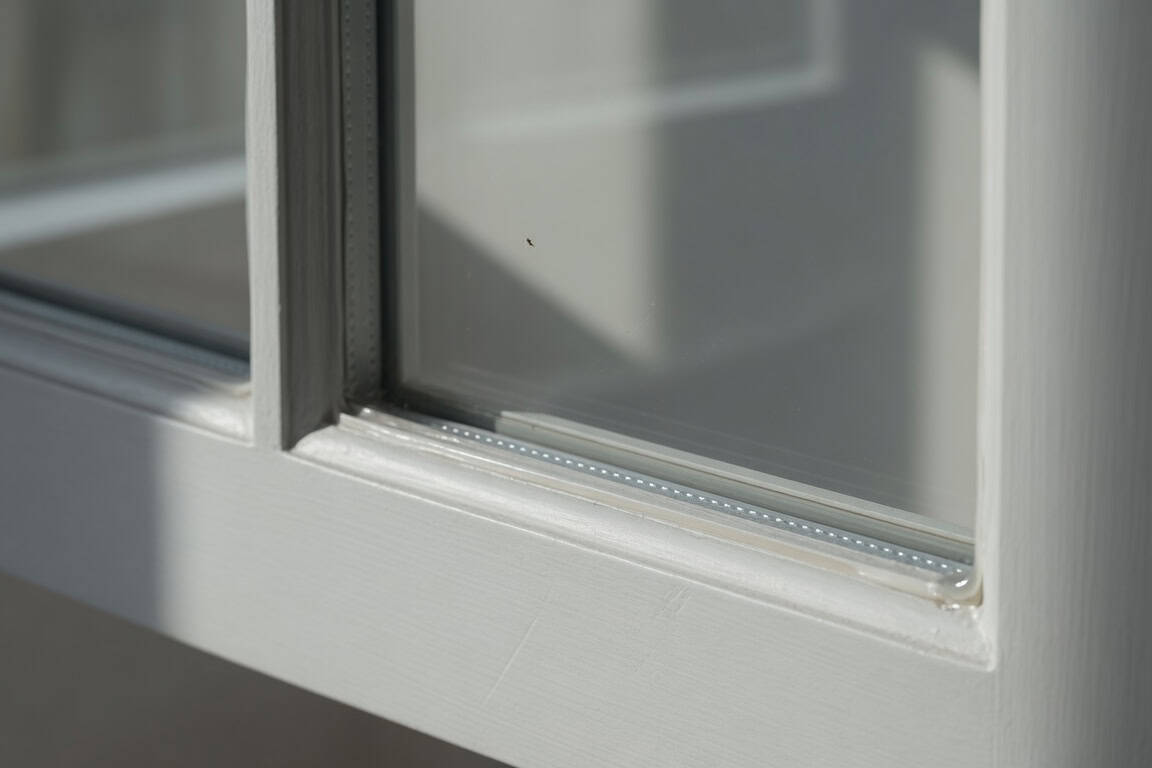
              Mortgage rates have eased through the first half of 2026, and REINZ data suggests buyer activity is recovering modestly from the soft 2024–2025 period. ANZ is forecasting a further 2% price softening through the rest of 2026, which means buyers will keep negotiating hard and will keep punishing overspecified renovations. The renovations that win this market: realistic budgets, demonstrably current finishes, and a clear answer to “why does this home sit at this price in this suburb.”

              Before committing to any renovation, three steps we’d recommend:

              1. Pull your current QV valuation as a starting point.
              2. Pull the most recent three or four sales on your street (not just your suburb).
              3. Cap your renovation budget at 12–15% of your current value as a default, then adjust within the tier-specific ranges in the table above.

              “2026 looks like the year buyers return to premium suburbs with reno budgets in hand — and the projects that win start with accurate comparables and a realistic ceiling.” — Kevin Yang, Managing Director, Superior Renovations.


              What are the most expensive suburbs in Auckland in 2026?

              Auckland's 20 most expensive suburbs in 2026, by median sale price: Herne Bay ($3.2M), Remuera ($2.9M), St Mary's Bay ($2.7M), Parnell ($2.5M), Orakei ($2.4M), Westmere ($2.3M), Epsom ($2.2M), Mission Bay ($2.1M), Ponsonby ($2.0M), Grey Lynn ($1.9M), Takapuna ($1.85M), Stanley Point ($1.8M), Devonport ($1.75M), Mellons Bay ($1.7M), Murrays Bay ($1.65M), Whitford ($1.6M), Waiheke ($1.55M), Glendowie ($1.5M), Kohimarama ($1.45M), and Point Chevalier ($1.4M).

              What is the average house price in Auckland in 2026?

              As of April 2026, Auckland's median sale price is $1,020,000 according to REINZ. Auckland prices are down 2.09% year-on-year, with the REINZ House Price Index for Auckland 2.6% below where it was a year earlier. Long-term, Auckland's median has grown 4.66% per year on average over the 20 years to April 2026 (Opes Partners).

              What is the richest suburb in Auckland?

              Herne Bay is Auckland's most expensive suburb in 2026, with a median sale price of approximately $3.2 million — roughly 308% of Auckland's region-wide median. Remuera ($2.9M) and St Mary's Bay ($2.7M) follow.

              How do I avoid overcapitalising on my renovation?

              Cap your renovation spend within the percentage range for your suburb's tier (8–12% for $3M+ suburbs, 12–15% for $2M–$2.9M suburbs, 12–18% for $1.5M–$2M coastal suburbs), benchmark against the last 3–4 sales on your specific street, and match the renovation TYPE to the buyer profile of your suburb (luxury for ultra-premium, bedrooms-and-bathrooms for school-zone, outdoor-flow for coastal).

              How much should I spend on a renovation in Auckland in 2026?
              Mid-range Auckland kitchen renovations run $25,000–$50,000, bathrooms $25,000–$45,000, extensions from $120,000–$450,000+ depending on scope and property tier, and full home renovations 12–20% of property value. See the full Renovation Spending Guide table for tier-specific budgets.


              Further Resources

              1. Featured projects and case studies — see specifications, budgets, and outcomes from recent Auckland renovations.
              2. Real client stories from across Auckland.
              3. The Design Studio at Wairau Valley — where our in-house design team works through scope, materials, and budget before any quote.

              Need more information?

              Take advantage of our FREE Complete Home Renovation Guide (48 pages). Whether you’re already renovating or still deciding, the guide — which includes a free 100+ point checklist — will help you avoid the most common renovation mistakes.

              Download Free Renovation Guide (PDF)


              finance - Superior Renovations

              Have you been putting off getting renovations done?

              We have partnered with Q Mastercard ® to provide you an 18 Month Interest-Free Payment Option, you can enjoy your new home now and stress less.

              Learn More about Interest-Free Payment Options*

              *Lending criteria, fees, terms and conditions apply. Mastercard is a registered trademark and the circles design is a trademark of Mastercard International Incorporated.


              Still have questions unanswered?

              Book a no-obligation consultation with the team at Superior Renovations,
              we’d love to meet you to discuss your renovation ideas!

                Services

                Home RenovationKitchen RenovationBathroom RenovationOutdoor RenovationHouse ExtensionCommercialDesign ServicesOther

                By submitting this form, you agree to receive communications from us via email or text regarding our services, you can unsubscribe at any time.

                This site is protected by reCAPTCHA and the Google

                Privacy Policy and Terms of Service apply.

                Last updated: May 2026

                mico plumbing
                Media

                Spotlight on Mico Plumbing New Zealand – Bathroom Fittings Partner for Superior Renovations

                Mico Plumbing: Why We Use Them on Auckland Renovation Projects

                Good tapware is the kind of thing you notice immediately when it’s wrong and barely notice when it’s right. The same goes for vanities, showers, and toilet suites — they need to work well, look the part, and hold up over time. That’s why at Superior Renovations, we’re consistent about where we source our plumbing fixtures and fittings: Mico Plumbing. With over 70 years in the industry and 64 branches across New Zealand, Mico has the range, the stock depth, and the trade support that renovation projects actually require. This post covers what they offer, how we work with them, and which products are worth looking at for your next Auckland renovation.

                Why do we recommend Mico Plumbing?

                The practical answer: their stock availability, trade service, and range of quality brands mean our projects stay on schedule and on budget. When a specific fixture is needed on a build, we can’t afford to be waiting on backorders or managing multiple suppliers. Mico’s 64 branches — including several Auckland locations — and their online ordering portal solve that problem. For homeowners, that means fewer delays and more design options, not fewer.

                About Mico Plumbing: A Legacy of Quality and Trust

                Mico was founded in 1946 and has grown into New Zealand’s largest plumbing supplier — 64 branches nationwide, including their flagship Auckland store at 64 Cook Street. Seven decades of supplying builders, homeowners, and designers is a decent track record. Their parent company, Fletcher Building, backs the operation with solid supply chains and industry credibility. The Mico offering covers residential and commercial projects, and their Pipelines brand extends into large-scale infrastructure — which gives you a sense of the breadth of what they manage.

                small bathroom ideas body2 - Superior Renovations

                https://www.mico.co.nz/inspiration/bathroom-design-ideas/small-bathroom-design-ideas/


                What matters most to us as a renovation company is their trade account structure — dedicated support, competitive pricing, and consistent stock allocation. These aren’t things that show up in a product catalogue, but they’re what actually keep a renovation moving. Mico’s eco-friendly product range — water-saving tapware, WELS-rated fixtures — also aligns with what Auckland homeowners are increasingly asking for.

                Practical tip: Visit a Mico showroom early in your project — before you’ve finalised anything. Bring your design ideas or a mood board, and their staff can help you find products that work together as a set. It’s a faster and more reliable way to make decisions than choosing fixtures individually online.

                Why We Recommend Mico Plumbing: Core Offerings and Benefits

                Mico’s product range covers the full scope of bathroom and kitchen renovation requirements — vanities, basins, baths, toilets, showers, kitchen tapware, laundry fittings, and the pipes and fittings that go behind everything else. (https://www.csc.org.nz/page/mico-plumbing/)

                What Makes Mico Stand Out?

                — Nationwide reach: 64 branches means consistent stock availability across New Zealand. Products are where they need to be, when they need to be there.

                — Established brands: Mico carries Methven, Englefield, and American Standard alongside their own product lines. The range covers everything from entry-level to premium specification, which suits the variety of projects we handle.

                — Working showrooms: The Cook Street showroom isn’t just a display — it’s a properly styled space where you can see how fixtures actually look and work together before committing.

                — Trade support: Their accounts for trade professionals mean our team accesses competitive pricing, faster delivery, and technical advice — all of which benefit the client through better value and fewer hold-ups.

                — Online portal: Mico’s website (www.mico.co.nz) makes stock checking and ordering straightforward for both our team and clients who want to browse independently.

                Worth knowing: Mico’s presence on ArchiPro — New Zealand’s leading architecture and design platform — reflects how well they’re regarded by designers working at the premium end of the market. Their range of bathroom and plumbing products is consistently cited by architects specifying high-end renovation work.


                Screenshot 2025 08 04 114350 - Superior Renovations

                How to Choose the Right Mico Products for Your Renovation

                The range is extensive, which is useful once you know what you’re looking for and slightly overwhelming when you don’t. A few things that help:

                1. Settle on your style direction first. Modern and minimal, or warmer and more classic? Getting clear on this before you visit the showroom or browse online narrows the field considerably.

                2. Think about how the room gets used. In bathrooms, water efficiency and surface cleanability matter for daily use. In kitchens, a pull-out spray tap sounds like a small detail until you’ve used one and then don’t have one — suddenly it’s the thing you miss most.

                3. Ask the Mico staff directly. Their product knowledge is genuinely useful, not just sales-focused. They can steer you toward eco-friendly options or whatever’s trending — matte black tapware, for example, has held strong across Auckland renovations for a few years now.

                4. Confirm plumbing compatibility early. A fixture that looks right but doesn’t suit your existing plumbing layout creates delays and additional cost. Mico’s trade team can advise on this — worth asking before you commit.


                Popular Mico Plumbing Product Categories for Renovations

                Category

                Key Products

                Why It’s Great for Renovations

                Bathroom Fixtures

                Vanities, basins, toilets, showers, baths

                Wide range of styles, from budget to luxury, with durable, easy-maintenance options.

                Kitchen Tapware

                Pull-out taps, gooseneck mixers, filters

                Enhances functionality with modern designs; water-saving features reduce bills.

                Laundry Solutions

                Tubs, tapware, drainage systems

                Compact, practical options suited to smaller Auckland homes.

                Pipes & Fittings

                Copper pipes, PVC, drainage solutions

                Reliable for the work behind the walls — the part that determines long-term performance.

                How Superior Renovations Works with Mico Plumbing

                Our relationship with Mico is built on something straightforward: they reliably have what we need, when we need it, at pricing that makes sense for the projects we run. Their trade accounts give us access to competitive pricing and priority stock allocation — which means we can hold to the budgets we quote and the timelines we commit to. For clients, that reliability shows up as fewer delays and a broader range of product choices rather than a shortlist driven by what’s in stock.

                As an example of how this plays out in practice: renovating a 1970s Auckland villa bathroom, we’ll typically work with Mico to source a Methven Aio Aurajet shower system — water-efficient, with a clean chrome finish that suits contemporary interiors without being aggressively modern. Paired with an Englefield Verona vanity, the result has the kind of quiet sophistication that holds up well over time. The pipework and fittings running behind everything are also Mico — it’s consistent specification from front to back, which matters for long-term performance in Auckland’s climate.


                Aio Shower Aurajet Rail White - Superior Renovations

                https://www.mico.co.nz/bathroom/shower-mixers-showering/slide-showers/aio-shower-aurajet-rail-white-aosrcpwh


                Products Worth Knowing About

                A few specific Mico products that consistently perform well in Auckland renovation projects:


                1. Methven Kiri Satinjet Shower
                • What it is: A wall-mounted shower using Satinjet technology — high-pressure feel, lower water use.
                • Why it works: Water efficiency without the compromise in shower experience. The design suits most contemporary Auckland bathrooms without demanding a specific aesthetic.
                • Worth knowing: Pairs well with matte black or brushed nickel finishes if you want to push the look a bit further.

                1. Englefield Verona Wall-Hung Vanity
                • What it is: A wall-mounted vanity with soft-close drawers and ceramic basin.
                • Why it works: Wall-hung storage recovers visual floor space — particularly relevant in Auckland apartments and ensuites where the room doesn’t have room to feel crowded.
                • Worth knowing: Available in bolder colours if a standard white bathroom isn’t the direction you’re heading.

                1. Mico Eco Tapware Range
                • What it is: Water-efficient kitchen and bathroom tapware with WELS ratings across the range.
                • Why it works: Reduces water use and bills without giving anything up aesthetically — available in multiple finishes.
                • Worth knowing: The pull-out spray kitchen tap in this range is genuinely useful for everyday cooking and cleaning. One of those upgrades that seems minor and then gets used constantly.

                1. American Standard Acacia Evolution Toilet Suite
                • What it is: A dual-flush toilet suite with a clean, modern profile.
                • Why it works: Reliable, efficient, and well-suited to family bathrooms. Not a statement piece, but not meant to be — it’s the kind of specification that holds up over years of daily use.
                • Worth knowing: Confirm plumbing compatibility with your installer before ordering — saves time and avoids the kind of mid-project delay that nobody wants.

                Mico’s products are specified for durability and low maintenance — which matters in Auckland’s humidity. The right fixtures in a well-executed renovation should still look and function exactly as they should a decade from now.

                What Customers Are Saying About Mico Plumbing

                From their Google Reviews, a representative sample of what homeowners and trades are experiencing:

                • Sarah T., Auckland: “The team at Mico Cook Street was incredibly helpful. They guided me through choosing a new shower system and even suggested eco-friendly options I hadn’t considered. Great service!”

                • James R., Christchurch: “Mico’s range is unbeatable. Found everything I needed for my bathroom reno, and the staff knew their stuff. Delivery was quick, too.”

                • Emma L., Wellington: “I was overwhelmed by choices, but the showroom staff made it easy to pick a vanity and tapware that fit my budget and style. Highly recommend!”

                • Mark S., Dunedin: “As a tradie, I rely on Mico for fast stock and trade discounts. Never had an issue with availability, and their online portal is a lifesaver.”

                Consistent themes: the staff know the products, availability is reliable, and the service works as well for tradespeople as it does for homeowners.

                Want to see what Mico’s range could do for your Auckland renovation?

                • Visit Mico Plumbing: Head to www.mico.co.nz or the Auckland showroom at 64 Cook Street. Bring your plans or a rough brief, and their team can help you find what fits.

                • Book a free consultation with Superior Renovations: We’ll talk through your project, budget, and how the right fixture choices can lift the finished result. No obligation — just a straight conversation about what’s possible.


                Need more information?

                Take advantage of our FREE Complete Home Renovation Guide (48 pages), whether you’re already renovating or in the process of deciding to renovate, it’s not an easy process — this guide, which includes a free 100+ point checklist, will help you avoid costly mistakes.


                finance - Superior Renovations

                Have you been putting off getting renovations done?

                We have partnered with Q Mastercard ® to provide you an 18 Month Interest-Free Payment Option, you can enjoy your new home now and stress less.

                Learn More about Interest-Free Payment Options*

                *Lending criteria, fees, terms and conditions apply. Mastercard is a registered trademark and the circles design is a trademark of Mastercard International Incorporated.


                Still have questions unanswered?

                Book a no-obligation consultation with the team at Superior Renovations,
                we’d love to meet you to discuss your renovation ideas!

                  Services

                  Home RenovationKitchen RenovationBathroom RenovationOutdoor RenovationHouse ExtensionCommercialDesign ServicesOther

                  By submitting this form, you agree to receive communications from us via email or text regarding our services, you can unsubscribe at any time.

                  This site is protected by reCAPTCHA and the Google

                  Privacy Policy and Terms of Service apply.

                  DSC04028 1 - Superior Renovations
                  House Renovation

                  Top 7 Renovation Ideas to Boost Auckland Home Value in 2025

                  If you’re planning a renovation in Auckland this year — whether to add value before a sale or simply make your Mt Eden villa or Takapuna home more livable — these seven ideas consistently deliver the strongest returns. Kitchen upgrades through to energy efficiency: all suited to Auckland’s climate, Kiwi lifestyle preferences, and the reality of not overcapitalising your Grey Lynn villa or your Henderson family home.

                  What’s the Smartest Way to Boost Your Auckland Home Value with a Reno This Year?

                  Focus on high-ROI areas — kitchens and outdoor decks in particular — that signal move-in ready to buyers. Dorothy Li from Superior Renovations is direct about it: a modern kitchen isn’t just a functional room, it’s what Auckland buyers in Remuera or Ponsonby will pay a premium for, often returning 80% of the renovation cost. Work with neutral Resene tones, moisture-resistant materials suited to Auckland’s damp winters, and eco-efficient products where possible — Warmer Kiwi Homes grants can offset some of those costs. From our completed projects: a $30,000 Mt Eden kitchen remodel added $40,000 in value; a $22,000 Devonport deck added $30,000. As a general rule, keep renovation spend within 5–10% of your property’s value.

                  Which Renovations Give the Best Bang for Buck in NZ’s Market?

                  Kitchens come first — open layouts with quartz benchtops and bi-fold doors for indoor-outdoor flow, at $25,000–$45,000 mid-range. Decks follow, using composite or Kwila timber ($15,000–$25,000) — perfect for the Auckland summer barbecue. Master ensuites ($25,000–$40,000) create a practical retreat that buyers in older Auckland homes particularly value. Family bathroom refreshes with frameless showers return 60–75% ROI ($15,000–$30,000). Basement conversions add floor space on tight sections ($30,000–$50,000), exterior refreshes improve kerb appeal ($10,000–$20,000), and energy upgrades like double-glazing reduce bills and attract eco-conscious buyers ($15,000–$30,000). All require checking Auckland Council consent requirements.

                  How Do You Pick Ideas That Suit Your Suburb and Avoid Overcapitalising?

                  Match the specification to the suburb — premium quartz and smart appliances make sense in Parnell; modest updates are the right call in Henderson. Check whether structural changes require consent (fees $500–$5,000), use local suppliers like Mitre 10 to keep materials costs in check, and build in a 10–20% contingency. Dorothy’s consistent advice: waterproofing is non-negotiable in Auckland’s humidity. Native flax or pohutukawa landscaping handles Auckland’s conditions well and reads as intentional rather than generic.

                  Ready to plan a renovation that actually pays off? Get in touch with Superior Renovations for a free consultation.

                  In a market as competitive as Auckland’s, the renovations that pay off aren’t necessarily the most expensive ones — they’re the ones that speak directly to what local buyers want. Functionality, indoor-outdoor connection, low maintenance, and sustainability are consistent priorities across suburbs from Remuera to Papatoetoe. This guide covers seven renovation types, each with realistic costs and ROI ranges backed by industry data from sources like Building Guide NZ, and each tailored to Auckland’s climate and buyer preferences.

                  DSC03362 - Superior Renovations

                  Why Renovate Your Auckland Home?

                  Auckland buyers consistently look for homes that are ready to move into — not projects. A well-specified kitchen, a functional ensuite, or a properly insulated home can be the difference between a strong sale and a slow one. According to Builder Connect NZ, planned renovations can increase home value by 5–15%, with 60–80% of renovation costs typically recovered at resale. The right upgrade also changes how you live in the property now — not just what it’s worth when you sell.

                  “In Auckland, the right renovation doesn’t just transform your home—it transforms your sale price.”

                  Explore our home renovation ideas to find the right starting point for your project.


                  If you’re looking for specific cost estimates, try our Renovation Cost Calculator Tools


                  Planning to sell your house?

                  Here are the renovation ideas most likely to improve your resale value.

                  A renovation can serve several goals at once — improving the way you live in your home now, rescuing a period property, or adding value before a sale. Since the costs involved are significant, knowing which upgrades return the most is worth understanding before you commit to anything.

                  Revamp Your Kitchen: The Renovation That Consistently Delivers in Auckland

                  The kitchen is where Auckland homes are won or lost with buyers. A dated kitchen with tired cabinetry or outdated appliances is one of the most common reasons buyers either discount an offer or walk away — while a well-executed renovation signals a home that’s been taken care of and is ready to live in. A kitchen remodel consistently returns one of the highest ROIs of any renovation type, often recovering up to 80% of the cost at resale.

                  Why a Kitchen Remodel Adds the Most Value

                  A $25,000 kitchen renovation in Auckland can recover a meaningful portion of its cost at resale, and in high-demand suburbs like Grey Lynn or Mt Eden, the return is often higher. The driving factors aren’t just visual — functionality, energy efficiency, and layout all play a role in how buyers perceive the space. A kitchen that flows into an outdoor area, handles Auckland’s humidity well, and doesn’t require immediate updating is the kind of specification that closes sales.

                  “A modern kitchen isn’t just a room—it’s a lifestyle upgrade that buyers in Auckland are willing to pay a premium for.”

                  The principle holds from Ponsonby to Papakura. It’s about giving buyers a space they can actually use from day one, rather than one that goes straight to the reno wishlist. Open layouts, smart storage, and materials that hold up in a coastal climate are what make the difference.

                  Key Elements of a High-Value Kitchen Renovation

                  The upgrades that deliver the strongest ROI tend to focus on layout, durability, and broad appeal rather than personal preference. Here’s where to put the money:

                  • Open-concept layout: Auckland buyers consistently prioritise kitchens that connect to dining and living areas. Opening up the floor plan makes a home feel larger and better suited to the way most Kiwi families actually live and entertain.
                  • Energy-efficient appliances: Induction cooktops and energy-rated fridges reduce running costs and tick the sustainability box for environmentally minded buyers. New Zealand’s Warmer Kiwi Homes programme makes some of these upgrades more accessible.
                  • Durable materials: Quartz benchtops and ceramic tile splashbacks handle Auckland’s humidity well and are easy to maintain — both practical selling points.
                  • Smart storage: Pull-out pantries, corner drawers, and built-in shelving maximise usable space, particularly relevant in smaller Auckland homes.
                  • Neutral aesthetics: Resene greys and warm whites hold broad appeal and date less quickly than trend-driven palettes. A statement benchtop or quality tapware adds interest without limiting buyer appeal.
                  Kitchen Design in Westmere Auckland

                  Designer Kitchen By Superior Renovations

                  Cost vs. Value: Understanding the ROI Formula

                  A straightforward way to calculate renovation ROI:

                  ROI = (Increase in Home Value – Renovation Cost) / Renovation Cost x 100

                  For example, a $25,000 kitchen remodel that increases your home’s value by $30,000:

                  ($30,000 – $25,000) / $25,000 x 100 = 20%

                  In Auckland’s stronger suburbs like Grey Lynn or Mt Eden, the actual return is often considerably higher — 80% or more is achievable with the right specification. The key constraint is overcapitalising. For a $500,000 home, industry guidance suggests keeping kitchen spend to $25,000–$30,000, per Dominator. Spending significantly more than this risks pricing the home out of the local market.

                  Renovation Type Estimated Cost (NZD) Potential ROI Key Considerations
                  Basic Kitchen Upgrade $15,000–$25,000 60–80% New fittings, appliances, paint
                  Mid-Range Remodel $25,000–$45,000 70–85% Open-plan layout, quartz countertops
                  Luxury Renovation $50,000+ 50–70% High-end materials, custom designs

                  “Don’t overspend on luxury finishes unless your home’s value supports it — quality and functionality return more than premium materials in most Auckland suburbs.”

                  Planning Your Kitchen Renovation in Auckland

                  Getting the planning right upfront avoids the budget blowouts that derail most kitchen projects. Key steps:

                  1. Set a realistic budget: Include materials, labour, permits, and a 10–20% contingency for unexpected costs — hidden plumbing issues are common in older Auckland villas. Our renovation costs guide covers budgeting in detail.
                  2. Use licensed tradespeople: Auckland’s building codes are strict, particularly for plumbing and electrical work. Licensed trades ensure compliance, as set out by the New Zealand Government.
                  3. Get council consents: Structural changes and major plumbing or electrical work require Auckland Council approval. Consent fees range from $500 to several thousand dollars depending on scope.
                  4. Work with a designer: A designer maximises layout, flow, and energy efficiency, and can manage the consent process — useful if you haven’t been through it before.
                  5. Source locally: Auckland suppliers like Mitre 10 and PlaceMakers reduce material costs and lead times.

                  Local Considerations for Auckland Kitchens

                  Auckland’s humid, coastal conditions mean moisture-resistant materials like ceramic tiles and stainless steel will outlast cheaper alternatives. Indoor-outdoor connection — bi-fold doors onto a deck or garden — is a consistent priority for Auckland buyers across most suburbs and price points. In Herne Bay and Remuera, the market supports mid-to-high-end specification. In Manukau or Henderson, the same spend won’t return the same value — moderate, well-executed upgrades perform better there.

                  “In Auckland, a kitchen that connects to the outdoors and handles humidity well is the specification that wins buyers.”

                  See how we’ve approached this across Auckland in our Kitchen Design Gallery.

                  Common Mistakes to Avoid

                  • Overcapitalising: A $50,000 kitchen in a $400,000 home won’t return its cost. Research local property values before setting your budget.
                  • Prioritising looks over function: A visually impressive kitchen with insufficient bench space or storage will frustrate buyers. Workflow and storage come first.
                  • Skipping permits: Unpermitted work creates problems at sale and can trigger fines. Check with Auckland Council before starting.
                  • Cheap materials: Low-quality fittings are visible and undermine buyer confidence. False economy in most cases.

                  Villa Kitchen Design

                  Real-World Example: A Kitchen Transformation in Mt Eden

                  A dated 1980s Mt Eden kitchen — closed-off floor plan, worn cabinets — became a modern open-plan hub. Quartz benchtops, energy-efficient appliances, and bi-fold doors to the deck were the key changes. The $30,000 renovation added an estimated $40,000 in value. The kitchen went from being the property’s biggest liability to its strongest selling point.

                  “Our Mt Eden clients couldn’t believe how much their new kitchen transformed their home — it’s now the heart of every family gathering and a major selling point.”

                  Quality specification, Auckland-appropriate materials, and a layout that works for real life — those are the variables that drive kitchen ROI. Whether you’re selling soon or staying long-term, a kitchen done right is money well spent.

                  Deck Addition: Delivering on Auckland’s Outdoor Living Expectation

                  Auckland buyers have a clear expectation of outdoor living. A home with a well-designed deck that connects to the interior isn’t a bonus — it’s what buyers in Devonport, Parnell, and even more modest suburbs like Mangere have come to expect. A deck costing $15,000–$25,000 regularly adds $20,000 or more to a home’s value, making it one of the more cost-effective renovations available in the Auckland market.

                  Kwila decking

                  Why a Deck Addition Boosts Home Value

                  The connection between indoor and outdoor living is deeply embedded in how Kiwis use their homes — summer barbecues, winter gatherings under a pergola, kids’ space that doesn’t live inside. A deck that delivers this well is not a cosmetic upgrade; it adds genuinely usable square metres to the property. Eco-conscious buyers respond to FSC-certified timber or composite decking, and the low-maintenance argument resonates with busy Auckland families.

                  “A deck isn’t just an outdoor space — it’s an extension of your home that Auckland buyers see as a lifestyle upgrade.”

                  Key Features of a High-Value Deck

                  • Indoor-outdoor connection: Bi-fold doors or large sliding windows from the kitchen or lounge are the feature Auckland buyers respond to most consistently.
                  • Durable materials: Kwila timber and composite decking both handle Auckland’s humidity and coastal salt air. Neither requires the intensive maintenance that cheaper timber does.
                  • Versatile design: Built-in seating, pergolas, or an outdoor kitchen area extend the deck’s usefulness across seasons — a strong selling point in Auckland’s variable weather.
                  • Lighting and heating: LED lighting and outdoor heaters make the deck usable year-round, not just on Auckland’s warmest days.
                  • Privacy and planting: Privacy screens and native plantings like flax or pohutukawa suit the Auckland aesthetic and create a sense of enclosure without blocking light.

                  kwila decking

                  Cost vs. Value: Calculating Deck ROI

                  ROI = (Increase in Home Value – Renovation Cost) / Renovation Cost x 100

                  A $20,000 deck that increases your home’s value by $25,000:

                  ($25,000 – $20,000) / $20,000 x 100 = 25%

                  In Takapuna or Epsom, decks typically achieve ROIs of 65–80% when they genuinely improve outdoor living without requiring substantial structural work. Spending $30,000 on a deck for a $1.5M Remuera property makes financial sense. The same spend on a $600,000 Papatoetoe home probably doesn’t, per Building Guide NZ.

                  Deck Type Estimated Cost (NZD) Potential ROI Key Features
                  Basic Timber Deck $10,000–$15,000 60–75% Simple design, small footprint
                  Mid-Range Deck $15,000–$25,000 65–80% Composite materials, built-in seating
                  Premium Deck $30,000+ 50–70% Outdoor kitchen, pergola, lighting

                  “A well-designed deck doesn’t have to be expensive — match the scale and specification to what your property’s value can support.”

                  Planning Your Deck in Auckland

                  1. Check council rules first: Auckland Council requires consent for decks over 1.5m high or those exceeding 20m². Consent costs range from $500–$2,000 depending on complexity. See Auckland Council’s building consents page.
                  2. Use licensed builders: Structural work and code compliance require licensed professionals. This also matters to buyers — a permitted, professionally built deck is a selling point, not just a tick-box.
                  3. Specify for Auckland’s climate: Materials need to handle moisture and UV. Timber requires sealing every 1–2 years — factor this into the maintenance picture buyers will consider.
                  4. Work with the section: Small Auckland sections can still accommodate well-designed decks. Multi-level or corner configurations work well in suburbs like Mt Albert or Onehunga where garden space is limited.
                  5. Consider a designer: A good designer ensures the deck complements the home’s architecture and sits naturally in the outdoor space — important for buyer perception.

                  window frames after - Superior Renovations

                  Local Considerations for Auckland Decks

                  Coastal suburbs like Mission Bay and St Heliers demand materials that can handle salt air — composite or treated pine outperforms untreated timber here. Native plantings rather than generic garden centre purchases signal care and local knowledge to buyers. In Grey Lynn or Ponsonby where sections are compact, elevated or wraparound designs recover usable space without consuming the garden. Shade sails or retractable awnings extend the deck season — worth considering in Auckland’s changeable spring and autumn.

                  “In Auckland, a deck that handles the elements and connects seamlessly to the house is the brief that consistently wins buyers over.”

                  Common Mistakes to Avoid

                  • Overbuilding for the section: A large deck on a small section can consume the garden and leave buyers with less outdoor flexibility, not more.
                  • Underspecifying the timber: Unsealed or low-grade timber deteriorates quickly and registers as neglect to buyers. Spend correctly upfront.
                  • Skipping consents: An unpermitted deck creates problems at settlement. Always check requirements before starting.
                  • Poor connection to the house: A deck with no direct access from the main living areas misses the entire point. Connection is the value proposition.

                  Real-World Example: A Deck Transformation in Devonport

                  An underused Devonport backyard became a properly designed outdoor room: composite decking, built-in seating, LED lighting, and a pergola for shade. The connection to the living room was via bi-fold doors. The $22,000 project added an estimated $30,000 to the home’s value. The deck became the feature buyers remembered — and the one that closed the sale.

                  “Our Devonport clients now host every family event on their new deck — it’s become the heart of their home and a major selling point.”

                  Quality materials, genuine indoor-outdoor connection, and a design that works for the section — that’s the formula that makes decks one of Auckland’s most reliable renovation investments.

                  Building a Master Ensuite: A Practical Upgrade Auckland Buyers Pay For

                  In Auckland’s older housing stock — villas, bungalows, and the 1970s brick-and-tile houses spread across most suburbs — a master ensuite is often conspicuously absent. Adding one converts a standard bedroom into something buyers in Herne Bay, Epsom, and Henderson all recognise as genuinely valuable. A well-executed ensuite costing $20,000–$35,000 can increase a home’s value by $25,000–$50,000, making it one of the more reliable renovation investments for Auckland homeowners.

                  Why a Master Ensuite Adds Significant Value

                  Privacy and convenience are what buyers are purchasing. For older properties lacking a second bathroom, an ensuite removes a practical objection that would otherwise reduce buyer interest or depress offers. It also changes how the master bedroom functions — from a room with a shared bathroom arrangement to a genuinely self-contained retreat, which is what Auckland buyers across most price brackets now expect.

                  “A master ensuite turns your bedroom into a sanctuary, and in Auckland, that’s a feature buyers will pay top dollar for.”

                  Whether it’s a Grey Lynn villa or a St Heliers modern home, an ensuite done well adds the kind of sophistication that makes a property feel complete rather than almost-there.

                  DSC00260 1170x800 1 - Superior Renovations

                  Key Features of a High-Value Master Ensuite

                  • Space-efficient layout: Walk-in showers and wall-mounted vanities recover visual and physical space in compact rooms — particularly relevant in smaller Auckland properties, as noted by Hunter Furniture.
                  • Quality fixtures: Rainfall showerheads, frameless glass, and modern tapware deliver a premium feel that buyers register immediately — and that doesn’t require a luxury budget to achieve.
                  • Waterproofing and ventilation: Non-negotiable in Auckland’s humid climate. An extractor fan is a functional requirement, not an optional extra.
                  • Neutral finishes: Resene’s Alabaster or Sea Fog, textured tiles, and natural stone accents create a timeless result that holds its appeal across buyer demographics.
                  • Water-efficient fixtures: Water-saving showerheads and LED lighting reduce running costs and resonate with Auckland’s sustainability-conscious buyers.

                  Cost vs. Value: Calculating Ensuite ROI

                  ROI = (Increase in Home Value – Renovation Cost) / Renovation Cost x 100

                  A $25,000 ensuite that increases your home’s value by $35,000:

                  ($35,000 – $25,000) / $25,000 x 100 = 40%

                  In Remuera or Mt Eden, ensuites achieve ROIs of 60–75% — particularly strong in homes that currently only have one bathroom. A $30,000 ensuite in a $1M home is a reasonable investment; the same spend in a $500,000 home carries more risk, per Building Guide NZ.

                  Ensuite Type Estimated Cost (NZD) Potential ROI Key Features
                  Compact Ensuite $15,000–$25,000 60–70% Walk-in shower, single vanity
                  Mid-Range Ensuite $25,000–$40,000 65–75% Double vanity, frameless glass
                  Luxury Ensuite $40,000+ 50–65% Freestanding bath, custom tiles

                  “The ensuite budget should be proportionate to the property’s value — a well-specified mid-range ensuite consistently outperforms a luxury one in all but the highest-value Auckland suburbs.”

                  Luxury Bathroom Design Redvale 5 1170x800 1 - Superior Renovations

                  Planning Your Master Ensuite in Auckland

                  1. Assess what space is available: An existing wardrobe, a spare room corner, or a section of the master bedroom itself can all work. Older Auckland villas often need some layout reconfiguration, which requires council approval.
                  2. Licensed tradespeople only: Plumbing and electrical work under the Building Code requires licensed trades, per the New Zealand Government.
                  3. Secure council consent: Structural changes and new plumbing points require Auckland Council approval. Consent fees typically run $1,000–$3,000.
                  4. Use a designer: Small ensuites are where design earns its fee — optimising layout in a compact space prevents the claustrophobic result that undermines the investment.
                  5. Source locally: Auckland suppliers like Mitre 10 and Bunnings stock a solid range of tiles, fixtures, and vanities at reasonable prices.

                  Local Considerations for Auckland Ensuites

                  Waterproofing and ventilation are the two things that determine whether an ensuite performs well in Auckland’s humidity — not optional considerations. In Mission Bay or Takapuna, this is particularly important. Smaller homes in Onehunga or Mt Albert benefit from corner showers and sliding doors over hinged ones. Premium suburbs like Parnell or Herne Bay support more luxurious specification — quality tiles or a freestanding bath, if the property value justifies it. Water-efficient fixtures are increasingly a decision factor for Auckland buyers who are utility-conscious.

                  “In Auckland, an ensuite that’s functional, properly waterproofed, and built to last is what moves properties.”

                  See our bathroom renovation ideas for ensuite inspiration across Auckland property types.

                  Common Mistakes to Avoid

                  • Overcapitalising: A $50,000 ensuite in a $600,000 home won’t return its cost. Budget proportionately.
                  • Poor space planning: Too many features in a small room creates a claustrophobic result. Prioritise function and flow.
                  • Inadequate waterproofing: Auckland’s humidity turns this into a mould problem quickly. Quality membranes and ventilation are the baseline, not the upgrade.
                  • Trend-driven finishes: Statement colours and niche design directions can put off buyers. Neutral and timeless serves resale better.

                  DSC03730 1024x683 1 - Superior Renovations

                  Real-World Example: An Ensuite Transformation in Remuera

                  An underused wardrobe became a frameless glass shower, double vanity, and eco-friendly fixtures — neutral, sophisticated, and exactly the kind of feature Remuera buyers expect. The $28,000 project added an estimated $40,000 in value. The ensuite’s connection to the master bedroom was seamless, and it was consistently mentioned by agents as the property’s standout element.

                  “Our Remuera clients love their new ensuite — it’s their personal retreat and a feature that’s sure to impress future buyers.”

                  A master ensuite is one of those renovations that improves how you live in the property now and performs strongly when you’re ready to sell. Quality specification and proportionate spend are what make it work.

                  Bathroom Renovation: A Consistent Performer in Auckland’s Property Market

                  A dated bathroom does disproportionate damage to buyer perception. Cracked tiles, old tapware, and insufficient storage signal deferred maintenance rather than a single room in need of work. A well-executed bathroom renovation at $15,000–$30,000 typically adds $20,000–$40,000 to an Auckland home’s value, making it one of the more reliable mid-range renovation investments available.

                  Why a Bathroom Renovation Boosts Home Value

                  Buyers across Auckland’s price bands — Mt Eden, Takapuna, Manukau — are consistent on this point: they want bathrooms that don’t require immediate work. A refreshed bathroom communicates care and readiness in a way that photographs well and holds up on inspection. Dorothy Li from Superior Renovations notes that bathrooms are one of the primary selling points for Auckland homes when they get the balance of practicality and quality right.

                  “A modern bathroom isn’t just about aesthetics — it’s a functional space that Auckland buyers see as a non-negotiable for their next home.”

                  From Henderson to Remuera, the principle is the same — durability, good design, and a finish that doesn’t immediately look like it needs changing again.

                  Key Features of a High-Value Bathroom Renovation

                  • Walk-in showers: Frameless glass is the dominant preference among Auckland buyers — accessible, visually open, and easy to maintain. Particularly valued in family homes and properties suited to aging-in-place buyers.
                  • Quality waterproofing: Auckland’s humidity requires serious waterproofing investment. High-quality membranes and sealants are the difference between a bathroom that performs and one that develops mould problems within a few years.
                  • Eco-friendly fixtures: Water-saving showerheads, dual-flush toilets, and LED lighting reduce running costs and register with Auckland’s increasingly sustainability-focused buyer pool.
                  • Timeless design: Resene’s Sea Fog or Black White, textured tiles, natural stone accents — finishes that won’t read as dated in five years.
                  • Smart storage: Built-in niches, floating vanities, mirrored cabinets — space is at a premium in many Auckland homes, and bathroom storage is consistently undervalued until it’s missing.

                  bathroom design auckland

                  Cost vs. Value: Calculating Bathroom ROI

                  ROI = (Increase in Home Value – Renovation Cost) / Renovation Cost x 100

                  A $20,000 bathroom remodel that increases your home’s value by $28,000:

                  ($28,000 – $20,000) / $20,000 x 100 = 40%

                  In Grey Lynn or Devonport, bathroom renovations achieve ROIs of 60–75% — particularly in homes with a single bathroom where the addition of a second facility is not practical. Keeping spend proportionate matters: $25,000 on a bathroom for an $800,000 home is sensible; the same spend on a $400,000 property requires more careful consideration, per Building Guide NZ.

                  Bathroom Type Estimated Cost (NZD) Potential ROI Key Features
                  Basic Refresh $10,000–$15,000 55–70% New fixtures, paint, basic tiles
                  Mid-Range Remodel $15,000–$30,000 60–75% Walk-in shower, floating vanity
                  Luxury Renovation $35,000+ 50–65% Freestanding bath, premium tiles

                  “Bathroom spend should be proportionate to the property value — the mid-range tier consistently delivers the strongest ROI for most Auckland homes.”

                  Planning Your Bathroom Renovation in Auckland

                  1. Set a realistic budget: Materials, labour, permits, and a 10–15% contingency for plumbing surprises common in older Auckland homes. Our renovation costs guide covers this in detail.
                  2. Licensed tradespeople: Plumbing, electrical, and waterproofing work must comply with the NZ Building Code, per the New Zealand Government.
                  3. Council consent: Major plumbing or structural changes need Auckland Council approval. Consent fees typically run $1,000–$3,000.
                  4. Work with a designer: Compact bathrooms need good layout decisions. A designer prevents the expensive mistake of committing to a configuration that doesn’t actually work.
                  5. Source locally: Mitre 10 and PlaceMakers stock quality tiles, fixtures, and vanities at realistic Auckland prices.

                  bathroom renovation design

                  Local Considerations for Auckland Bathrooms

                  Waterproofing and ventilation are the two variables that determine whether a bathroom holds up in Auckland’s climate — not optional decisions. Mission Bay and St Heliers are the most demanding environments for this. Smaller homes in Mt Albert or Onehunga benefit most from wall-mounted vanities and corner showers that recover usable floor space. Parnell and Herne Bay support premium specification — quality tiles and statement vanities — if the property value can absorb it. Water-efficient fixtures are increasingly a positive signal for Auckland buyers who are thinking about running costs.

                  “In Auckland, a bathroom that’s durable, well-designed, and eco-friendly gets noticed by buyers — and by agents advising on what the property is worth.”

                  See our bathroom renovation ideas for design direction suited to Auckland homes.

                  Common Mistakes to Avoid

                  • Overcapitalising: A $40,000 bathroom in a $500,000 home is a budget problem, not a renovation strategy.
                  • Inadequate ventilation: Mould is expensive to remediate and immediately visible to buyers. A quality extractor fan is a basic requirement.
                  • Trend-driven design: Bold colour choices or niche styling limit buyer appeal. Neutral and timeless consistently outperforms.
                  • Unpermitted work: Fines and settlement delays. Check with Auckland Council before starting any significant plumbing or structural work.

                  DSC03724 1024x683 1 - Superior Renovations

                  Real-World Example: A Bathroom Transformation in Grey Lynn

                  A cramped Grey Lynn villa bathroom — dated, poorly lit, and short on storage — became a neutral, functional space with a walk-in shower, floating vanity, and water-saving fixtures. Textured tiles added some warmth without narrowing buyer appeal. The $22,000 project added an estimated $32,000 in value. The open feel was the feature agents highlighted.

                  “Our Grey Lynn clients were happy with the result — it’s now the room that holds up during inspections rather than undermining them.”

                  A bathroom renovation done right — proper waterproofing, good layout decisions, durable materials — is one of the most reliable ways to add value and remove objections in an Auckland sale.

                  Upgrading Your Basement: Adding Floor Space Without Expanding the Footprint

                  In Auckland, where sections are often compact and extending outward isn’t always practical or permitted, a basement conversion offers a way to add genuinely usable floor space without touching the property’s footprint. A well-executed conversion at $30,000–$50,000 can increase a home’s value by $40,000–$70,000 — a strong return in suburbs like Ponsonby, Mt Eden, and Papatoetoe where additional living space is consistently in demand.

                  Why a Basement Upgrade Adds Significant Value

                  Most Auckland basements are used for storage or left entirely unfinished. Converting one into a functioning room — home office, guest suite, media room, or self-contained flat — changes the property’s floor plan without changing its building envelope. Buyers understand square metres. A property with a properly finished basement commands a different price than one without.

                  “A converted basement isn’t just extra space — it turns a storage liability into a liveable asset that buyers will pay for.”

                  From a home cinema in Devonport to a rental-ready flat in Henderson, the versatility of a converted basement appeals across Auckland’s diverse buyer pool — families needing space, investors seeking yield, and remote workers wanting a dedicated room away from the main living areas.

                  Key Features of a High-Value Basement Conversion

                  • Waterproofing and insulation: The two non-negotiables. Auckland’s humidity will find any gap in a basement membrane. Quality insulation makes the space comfortable year-round, not just in summer.
                  • Natural light: Egress windows or light wells are what prevent a converted basement from feeling like a converted basement. Dorothy Li at Superior Renovations consistently highlights this as the feature that makes or breaks buyer perception of these spaces.
                  • Versatile layout: A room that can be a bedroom, office, or media space without significant reconfiguration appeals to a wider range of buyers than one designed for a single use.
                  • Moisture-resistant flooring: Ceramic tiles or vinyl planks handle Auckland’s conditions and present well without requiring the maintenance that timber or carpet demand in a below-grade space.
                  • Separate access: Where the layout allows, a separate entrance creates the option for a self-contained flat — a significant addition in Auckland’s rental market.

                  DSC07593 - Superior Renovations

                  Cost vs. Value: Calculating Basement ROI

                  ROI = (Increase in Home Value – Renovation Cost) / Renovation Cost x 100

                  A $40,000 basement conversion that increases your home’s value by $55,000:

                  ($55,000 – $40,000) / $40,000 x 100 = 37.5%

                  In Herne Bay or Takapuna, basement conversions achieve ROIs of 50–70% — stronger in homes where additional living space is scarce. $50,000 in a $1.2M property is a proportionate investment; the same spend in a $600,000 home requires more careful assessment, per Building Guide NZ.

                  Basement Type Estimated Cost (NZD) Potential ROI Key Features
                  Basic Conversion $20,000–$30,000 50–65% Basic finishes, single room
                  Mid-Range Conversion $30,000–$50,000 55–70% Multiple rooms, egress windows
                  Self-Contained Flat $60,000+ 50–65% Separate entrance, kitchenette

                  “A basement conversion should add usable floor space without overcommitting — match the investment to the property value and what the market in your suburb supports.”

                  Planning Your Basement Conversion in Auckland

                  1. Assess the space first: Dampness, low ceilings, and structural issues are common in Auckland’s older villa basements. A professional assessment before committing to a design is time and money well spent.
                  2. Licensed tradespeople: Structural, plumbing, and electrical work must comply with the NZ Building Code, per the New Zealand Government.
                  3. Council consent: Converting a basement to habitable space or adding a separate entrance requires Auckland Council approval. Consent fees typically run $1,500–$5,000.
                  4. Designer input: Layout, light, and ventilation are the three variables that determine whether a basement conversion feels like a legitimate room or a storage area with paint on the walls.
                  5. Local suppliers: Mitre 10 and Bunnings stock the insulation, flooring, and lighting materials these projects require at competitive Auckland prices.

                  Local Considerations for Auckland Basements

                  Moisture is the primary challenge — non-negotiable waterproofing, particularly in low-lying suburbs like Onehunga or coastal areas like Mission Bay. Natural light is the feature that separates a finished basement from a dark space buyers don’t know what to do with — egress windows or skylights are worth the investment. In Parnell or St Heliers, buyers expect finished quality — quality flooring and built-in storage support the premium price. For rental yield, a kitchenette and separate entrance changes what the property can offer to investors and multi-generational families — a growing need in Auckland’s market.

                  “In Auckland, a basement that’s dry, light, and genuinely liveable is one fewer objection at inspection and one more reason to make an offer.”

                  Common Mistakes to Avoid

                  • Overcapitalising: $70,000 in a $700,000 home requires a specific return calculation. Run the numbers before committing.
                  • Cutting waterproofing costs: Dampness in a basement is the problem that derails sales. Quality membranes upfront are significantly cheaper than remediating the alternative.
                  • Underinvesting in light: A dark basement deters buyers regardless of everything else. Egress windows are not optional.
                  • Skipping consents: Unpermitted habitable space creates settlement problems. Always check with Auckland Council.

                  DSC07614 - Superior Renovations

                  Real-World Example: A Basement Conversion in Mt Eden

                  A damp, unused Mt Eden villa basement became a home office and guest suite — egress windows, robust waterproofing, and vinyl plank flooring created a bright, practical space that works for remote work and guests equally well. The $35,000 project added an estimated $50,000 to the home’s value. The flexibility of the space was what agents highlighted during the eventual sale.

                  “Our Mt Eden clients use the basement daily — it’s the room that makes the whole house work better, and it showed in the sale price.”

                  A basement conversion adds floor space, buyer appeal, and flexibility. Quality waterproofing, sufficient light, and a versatile layout are the decisions that determine whether the investment returns what it should.

                  Exterior Refresh: First Impressions That Hold Up to Scrutiny

                  In Auckland’s property market, a buyer’s first impression of a property is formed before they step through the front door. Peeling paint, tired weatherboards, and an overgrown garden signal deferred maintenance — a story buyers then apply to everything else they see inside. An exterior refresh at $5,000–$25,000 is one of the most cost-effective ways to reposition a property’s perception, typically returning $10,000–$25,000 in added value, per Building Guide NZ.

                  Why an Exterior Refresh Boosts Home Value

                  A polished exterior communicates care. It tells buyers the property has been looked after — and that presumption carries through to their assessment of everything else. Fresh paint or updated cladding can increase home value by 3–5%, per Superior Renovations data. A $15,000 exterior refresh can add $20,000–$30,000 to a home’s value in high-demand suburbs like Remuera or Takapuna.

                  “A well-presented exterior doesn’t just improve photographs — it changes how buyers feel about the property before they’ve seen a single room.”

                  Heritage villas in Ponsonby, brick-and-tile bungalows in Mt Albert, modern builds in Botany Downs — exterior refresh applies across all Auckland property types. The specification changes; the principle doesn’t.

                  Entrance Before - Superior RenovationsEntrance After - Superior Renovations

                  Key Features of a High-Value Exterior Refresh

                  • Fresh exterior paint: Resene’s Lumbersider in neutral tones like Sea Fog is durable, widely appealing, and protects the underlying substrate from Auckland’s moisture.
                  • Updated cladding: Timber weatherboards for heritage suburbs like Herne Bay; modern panels for newer builds in Newmarket or Albany. Match the material to the home’s character and suburb.
                  • Native landscaping: Flax, pohutukawa, and native ground cover paired with mulch — low maintenance, ecologically appropriate, and visually considered.
                  • Front door replacement: A well-specified steel or fibreglass door updates the entry immediately and can return up to 100% of its cost in buyer perception.
                  • Outdoor features: A pathway, small patio, or pergola adds usability and improves how the property photographs.

                  Cost vs. Value: Calculating Exterior ROI

                  ROI = (Increase in Home Value – Renovation Cost) / Renovation Cost x 100

                  A $15,000 exterior refresh that adds $22,500 to the property value:

                  ($22,500 – $15,000) / $15,000 x 100 = 50%

                  In Parnell or Devonport, exterior upgrades achieve ROIs of 60–70% — particularly for heritage homes where presentation relative to other properties in the street makes a meaningful difference. $20,000 is appropriate for a $1M property; the same spend on a $600,000 home needs more careful consideration, per Renovation Works.

                  Exterior Upgrade Estimated Cost (NZD) Potential ROI Key Features
                  Basic Refresh $5,000–$10,000 50–65% Paint, basic landscaping
                  Mid-Range Upgrade $10,000–$20,000 55–70% Cladding, new door, pathways
                  Premium Upgrade $25,000+ 50–65% Full recladding, extensive landscaping

                  “Exterior spend should be proportionate to the property value — a well-executed mid-range refresh consistently outperforms expensive recladding in most Auckland suburbs.”

                  Planning Your Exterior Refresh in Auckland

                  1. Budget honestly: Materials, labour, and a 10–15% contingency for damaged substrate or cladding — common in older Auckland homes. Our renovation costs guide covers this.
                  2. Licensed professionals: Painting, cladding, and structural work must comply with the NZ Building Code, per the New Zealand Government.
                  3. Council consent for major work: Recladding or fences over 2.5m require Auckland Council approval. Fees of $1,000–$3,000 are typical, per Auckland Council.
                  4. Colour consultant: Worth using for heritage properties or where the colour choice has significant impact on street presence. Gets the right result first time.
                  5. Local suppliers: Resene, Mitre 10, and Kings Plant Barn keep material costs in check and stock appropriate NZ products.

                  Exterior painting before - Superior RenovationsExterior painting after - Superior Renovations

                  Local Considerations for Auckland Exteriors

                  Auckland’s humidity and coastal salt air require weather-resistant paints and durable cladding that won’t fail within a few years of application. Mission Bay and St Heliers are the harshest environments; anything used here needs to be rated for coastal exposure. Heritage zones in Ponsonby and Freemans Bay have specific requirements — traditional colour palettes and timber weatherboards are expected, and council restrictions are real. Modern homes in Albany and Botany Downs can support bolder accent colours and contemporary cladding. Native landscaping is increasingly a marker of care for Auckland’s eco-conscious market rather than a nice-to-have.

                  “In Auckland, a well-presented exterior that suits the suburb’s character is worth more than one that simply looks expensive.”

                  Common Mistakes to Avoid

                  • Overcapitalising: $30,000 on a $500,000 property needs a clear return calculation. Don’t assume spending more automatically adds more value.
                  • Low-quality materials: Cheap paint and substandard cladding fail quickly in Auckland’s climate. The cost of redoing this is greater than doing it properly the first time.
                  • Heritage zone non-compliance: Unapproved changes in Grey Lynn or similar zones trigger fines. Check before starting anything.
                  • Neglecting the garden: A freshly painted house with an untidy garden still reads as unmaintained. Landscaping completes the picture.

                  Real-World Example: An Exterior Transformation in Remuera

                  A tired Remuera bungalow — peeling paint, basic garden — received Resene Alabaster exterior paint, new weatherboard cladding, and native flax with gravel pathways. The $18,000 project added an estimated $28,000 in value. The property’s street presence changed substantially, and the exterior became the feature that differentiated it from comparable properties listed nearby.

                  “Our Remuera clients were direct about it — the kerb appeal is what pulled people in to inspect. Everything else closed the deal.”

                  An exterior refresh changes what a property says about itself before anyone walks through the front door. For the cost involved, it’s one of the most straightforward ways to improve buyer perception and add genuine value in Auckland’s market.

                  Energy-Efficient Upgrades: Long-Term Value for Auckland Homes

                  Energy-efficient upgrades have moved from a nice-to-have to a genuine decision factor for Auckland buyers. Double-glazing, insulation, and solar panels reduce running costs and signal a forward-thinking property — relevant for families in Henderson, professionals in Newmarket, and investors assessing long-term holding costs. A $25,000 investment in energy efficiency can add $30,000–$40,000 to a home’s value, per Builder Connect NZ, with ROIs of 50–65% across Auckland’s suburbs. Warmer Kiwi Homes grants make some of these upgrades more accessible for eligible homeowners.

                  Why Energy-Efficient Upgrades Add Value

                  Buyers are doing the running-cost calculation now in a way they weren’t five years ago. A home with double-glazing, proper insulation, and LED lighting throughout presents differently in a listing and differently in an inspection. Energy-efficient windows can save 10–15% on heating and cooling bills, per Renovation Works — a real number that buyers factor into their assessment of affordability.

                  “An energy-efficient home costs less to run and signals a property that’s been maintained with long-term thinking — both matter to Auckland buyers.”

                  Retrofitting a Mt Eden villa or modernising a Manukau family home with efficiency upgrades aligns with Auckland’s sustainability direction and makes the property more competitive in a market where buyers have choices.

                  Key Upgrades Worth Prioritising

                  • Double-glazed windows: Reduce heat loss and noise — particularly valuable in coastal suburbs like Mission Bay. The energy saving is real and the comfort difference in an Auckland winter is significant.
                  • Insulation: Wall, roof, and floor insulation with eco-friendly materials (wool or recycled polyester) addresses Auckland’s humid winters directly. Warmer Kiwi Homes grants reduce the cost for eligible homeowners.
                  • Solar panels: Auckland gets enough sun to make solar worthwhile, particularly in Henderson and similar inland suburbs. Reduces electricity costs and appeals to buyers who are looking at long-term running costs, per Superior Renovations.
                  • Smart thermostats: Optimise heating and cooling costs while adding modern convenience — appeals to tech-oriented buyers.
                  • LED lighting throughout: Reduces power use and presents well in an open-plan Auckland home.

                  IMG 0803 - Superior Renovations

                  Cost vs. Value: Calculating Energy-Efficient ROI

                  ROI = (Increase in Home Value – Renovation Cost) / Renovation Cost x 100

                  A $25,000 upgrade (double-glazing and insulation) that adds $35,000 to the home’s value:

                  ($35,000 – $25,000) / $25,000 x 100 = 40%

                  In eco-conscious suburbs like Ponsonby or Albany, ROIs of 50–65% are achievable. $30,000 in a $1.5M property is proportionate; in a $700,000 home it requires more careful consideration of which specific upgrades offer the most return.

                  Upgrade Type Estimated Cost (NZD) Potential ROI Key Features
                  Basic Upgrades $5,000–$15,000 50–60% LED lighting, smart thermostats
                  Mid-Range Upgrades $15,000–$30,000 55–65% Double-glazing, insulation
                  Premium Upgrades $40,000+ 50–60% Solar panels, full retrofit

                  “Energy-efficient investment should match the property value — start with double-glazing and insulation before committing to solar if the budget is limited.”

                  Planning Energy-Efficient Upgrades in Auckland

                  1. Set a realistic budget: Include materials, labour, and a 10–15% contingency for wiring or insulation surprises common in older properties. Our renovation costs guide covers this.
                  2. Licensed installers: Electrical and structural work must meet the NZ Building Code, per the New Zealand Government.
                  3. Check available grants: Warmer Kiwi Homes subsidises insulation and heating upgrades for eligible homeowners — worth checking before committing to full-cost estimates.
                  4. Energy consultant: A professional assessment of your home’s specific heat loss profile identifies which upgrades will deliver the most return in Auckland’s climate.
                  5. Local suppliers: Eco Insulation and SolarCity are Auckland-based suppliers with relevant product knowledge for the region’s specific conditions.
                  IMG 0805 - Superior Renovations

                  Superior Renovations

                  Local Considerations for Auckland Energy Upgrades

                  Auckland’s humid winters and variable summers mean heat retention is a more pressing concern than cooling for most properties. Older villas in Freemans Bay and similar suburbs are among the draughtiest homes in the city — double-glazing and insulation deliver an immediate, perceptible comfort improvement as well as a measurable cost saving. Solar performs better in Henderson and similar inland locations than in consistently overcast coastal pockets. LED lighting in open-plan layouts is the most cost-effective entry point for energy efficiency on a limited budget. Listing energy savings prominently when selling is increasingly relevant to Auckland buyers thinking about long-term affordability.

                  “In Auckland, energy efficiency reduces running costs, improves comfort, and has become a genuine differentiator in a competitive market.”

                  Common Mistakes to Avoid

                  • Overcapitalising: $50,000 in energy upgrades in a $600,000 home requires a very specific return calculation. Start with the highest-impact upgrades first.
                  • DIY electrical or insulation work: Work that doesn’t meet Building Code requirements fails inspection and reduces the property’s appeal. Licensed professionals only.
                  • Missing available grants: Warmer Kiwi Homes subsidies exist specifically to reduce the cost barrier — check eligibility before pricing the project.
                  • Over-specifying smart technology: Specialised smart home systems may not appeal to all buyers. Stick to features with broad usability.
                  IMG 0889 1000 - Superior Renovations

                  Superior Renovations

                  Real-World Example: An Energy Upgrade in Takapuna

                  A Takapuna home that was expensive to heat and cool received double-glazed windows, wool insulation, and a smart thermostat. The $28,000 project added $38,000 to the home’s value and immediately reduced the household’s energy bills. The upgrades were highlighted in the property’s listing and referenced by the agent as a point of difference from comparable Takapuna properties.

                  “Our Takapuna clients noticed the difference in their bills within the first quarter — and buyers noticed the difference in the listing.”

                  Energy-efficient upgrades are a practical, forward-looking investment for Auckland homes. The right combination of double-glazing, insulation, and efficient lighting reduces costs, improves comfort, and positions the property well in a market where buyers are increasingly running the numbers on what a home will cost to live in.

                  Summary: Top 7 Renovation Ideas for Auckland Homes

                  The seven renovation types covered in this guide — kitchen remodel, deck addition, master ensuite, bathroom renovation, basement upgrade, exterior refresh, and energy-efficient upgrades — cover the range of what works for Auckland’s property market in 2026. ROIs of 50–80% are achievable across all of them when specification is proportionate to property value and appropriate to the suburb. The table below summarises the key numbers and Auckland-specific variables.

                  Renovation Type Estimated Cost (NZD) Potential ROI Key Features Auckland Considerations
                  Kitchen Remodel $20,000–$50,000 70–80% Open-plan layout, modern appliances, stone benchtops, smart storage Neutral designs for broad appeal; durable materials for humid climate
                  Deck Addition $10,000–$30,000 65–75% Hardwood or composite decking, built-in seating, weatherproofing Indoor-outdoor connection; consents required for decks over 1.5m
                  Master Ensuite $15,000–$40,000 60–75% Walk-in shower, double vanity, neutral tiles, ventilation Waterproofing essential; premium finishes appropriate in higher-value suburbs
                  Bathroom Renovation $10,000–$35,000 60–75% Frameless shower, eco-friendly fixtures, smart storage, timeless design Mould-resistant materials; space-saving layouts for smaller homes
                  Basement Upgrade $20,000–$60,000 50–70% Waterproofing, egress windows, versatile layout, durable flooring Moisture control in coastal areas; separate access for rental potential
                  Exterior Refresh $5,000–$25,000 50–70% Fresh paint, modern cladding, native landscaping, new front door Heritage-appropriate finishes in villa suburbs; coastal-grade materials
                  Energy-Efficient Upgrades $5,000–$40,000 50–65% Double-glazing, insulation, solar panels, LED lighting Warmer Kiwi Homes grants available; solar strongest in inland suburbs

                  For specific cost estimates, try our Renovation Cost Calculator Tools


                  Planning Your Auckland Renovation

                  These seven renovation types cover the full range of what moves the needle in Auckland’s market — from the kitchen, which most buyers assess first, to energy efficiency, which buyers are increasingly factoring into their long-term cost calculations. The common thread across all of them: proportionate spend, quality materials suited to Auckland’s climate, and specification that holds broad appeal rather than personal taste. Plan carefully, use licensed tradespeople, and keep renovation cost within a range the suburb’s property values can support.

                  “The best renovations don’t just add value — they make your Auckland home a place you love and buyers can’t resist.”

                  Talk to Superior Renovations about where to start — we can advise on what’s realistic for your suburb, your home, and your budget, and manage the process from consent through to completion. Our renovation costs guide covers budgeting in detail, and local suppliers like Mitre 10 and Bunnings can help with materials once you know what you need.

                  Which renovation offers the best ROI for Auckland homes?

                  Kitchen remodels typically offer the highest ROI, often 70–80%, as they're a focal point for buyers. Deck additions and bathroom renovations follow closely, with ROIs of 60–75%, per Renovation Works.

                  How much should I spend on renovations to avoid overcapitalizing?

                  Aim to spend 1–3% of your home's value on smaller projects (e.g., $20,000 for a $1M home) and up to 5–10% for major upgrades like kitchens or basements. Align your budget with local property values in suburbs like Parnell or Papatoetoe.

                  Do I need council consents for these renovations?

                  Yes, major renovations like decks over 1.5m, ensuites, basements, or structural exterior changes require Auckland Council approval. Consent fees range from $500–$5,000, depending on the project. Visit Auckland Council for details.

                  How long do these renovations take?

                  Timelines vary: a kitchen remodel or bathroom renovation takes 4–8 weeks, a deck or exterior refresh 2–4 weeks, and a basement conversion 8–12 weeks. Hire licensed professionals to ensure timely completion.

                  Are energy-efficient upgrades worth it in Auckland?

                  Yes. Double-glazing and insulation reduce running costs and appeal to buyers who are thinking about long-term affordability. ROIs of 50–65% are achievable, and Warmer Kiwi Homes grants can reduce upfront costs for eligible homeowners, per EECA.

                  Can I do these renovations myself to save money?

                  DIY is risky for structural, plumbing, or electrical work — non-compliant work can trigger fines and reduce buyer confidence at inspection. Use licensed tradespeople for anything that requires Building Code compliance.

                  How do I choose the right renovation for my Auckland home?

                  Consider your property's value, what comparable properties in your suburb offer, and what buyers in that area prioritise. A consultation with Superior Renovations will give you specific, suburb-appropriate advice.


                  finance - Superior Renovations

                  Have you been putting off getting renovations done?

                  We have partnered with Q Mastercard ® to provide you an 18 Month Interest-Free Payment Option, you can enjoy your new home now and stress less.

                  Learn More about Interest-Free Payment Options*

                  *Lending criteria, fees, terms and conditions apply. Mastercard is a registered trademark and the circles design is a trademark of Mastercard International Incorporated.


                  Still have questions unanswered?

                  Book a no-obligation consultation with the team at Superior Renovations,
                  we’d love to meet you to discuss your renovation ideas!

                    Services

                    Home RenovationKitchen RenovationBathroom RenovationOutdoor RenovationHouse ExtensionCommercialDesign ServicesOther

                    By submitting this form, you agree to receive communications from us via email or text regarding our services, you can unsubscribe at any time.

                    This site is protected by reCAPTCHA and the Google

                    Privacy Policy and Terms of Service apply.


                    reece-showroom
                    Media

                    Spotlight on Reece New Zealand – Bathroom Fittings Partner for Superior Renovations

                    Spotlight on Reece New Zealand: Your Trusted Partner for Bathroom Renovation Fittings with Superior Renovations

                    At Superior Renovations, we’re passionate about transforming Auckland homes into stunning, functional spaces that reflect our clients’ unique styles and needs. A key part of delivering exceptional bathroom, kitchen, and home renovations lies in partnering with trusted suppliers who share our commitment to quality, innovation, and a seamless client experience.

                    Today, we’re thrilled to shine a spotlight on one of our go-to suppliers, Reece New Zealand, a leader in bathroom fittings and plumbing solutions. With their extensive product range, expert advice, and inspiring showrooms—including the flagship at 77 Broadway, Newmarket, Auckland 1023—Reece is an invaluable ally in bringing your renovation dreams to life.


                    We’ve even showcased their North Shore showroom in a video to give you a closer look—check it out here:

                    maria - Superior Renovations


                    Overview About Reece New Zealand

                    Reece New Zealand has built a strong reputation as one of the country’s leading distributors of plumbing, waterworks, HVAC-R, irrigation, and bathroom products, serving both commercial and residential customers. The company’s story began over 100 years ago in 1919, when Harold Joseph Reece started selling hardware supplies from the back of his truck in Victoria, Australia. From these humble beginnings, Reece has grown into a major public company and a powerhouse in the plumbing and bathroom industry, expanding its footprint across Australia, New Zealand, and the United States.

                    Reece Newmarket

                    Today, Reece operates 38 branches and showrooms across New Zealand’s North and South Islands, with a global network of over 900 locations and more than 9,000 employees.

                    What sets Reece apart is their unwavering focus on quality, innovation, and customer service. Their motto—“having what you need, when you need it, where you need it”—reflects their dedication to delivering the best products and support to tradespeople, renovators, and homeowners alike.

                    At Superior Renovations, we value Reece as a trusted partner because we share a commitment to a smooth, client-focused process. Whether it’s sourcing premium bathroom fittings or providing expert advice, Reece’s expertise aligns perfectly with our design-led approach to creating beautiful, functional spaces. Their emphasis on sustainability and innovative solutions also resonates with our goal of delivering renovations that stand the test of time.

                    Why We Recommend Reece New Zealand

                    Reece New Zealand offers an impressive array of core products tailored to bathroom renovations, making them a one-stop shop for homeowners and professionals alike. Their bathroom range includes everything from tapware, vanities, basins, and toilets to showers, baths, and accessories, with exclusive and world-leading brands that bring style and durability to any project. Reece’s Bathroom Life showrooms, including the flagship location at 77 Broadway, Newmarket, Auckland 1023, are a highlight, featuring over 70 inspirational bathroom displays.

                    Our clients just love the walk-through of their showroom when choosing fittings, it’s guided by their talented team who are very knowledgeable.

                    These curated settings allow you to touch, feel, and visualize products in real-life contexts, bridging the gap between inspiration and reality.

                    With 38 branches and showrooms nationwide, Reece ensures stock availability for core products, so you’re never left waiting during a renovation.

                    Pro Tip for Renovators: When choosing products from Reece, start by defining your bathroom’s style—modern, classic, or minimalist—and consider functionality. For smaller spaces, opt for a wall-hung vanity to save room; for larger bathrooms, a double basin can add luxury and practicality. Visit the Newmarket showroom to explore options with Reece’s expert consultants, and use their Imagin3D tool to test layouts and finishes virtually before committing.

                    Benefits for Renovation Projects and Superior Renovations clients

                    At Superior Renovations, our collaboration with Reece New Zealand is a cornerstone of our bathroom renovation process. We work closely with their team to source the perfect fittings, ensuring every project meets our high standards for design, quality, and functionality. Reece’s reliable stock levels and efficient delivery through their nationwide network mean we can keep your renovation on schedule, minimizing delays. Their expert consultants at the Newmarket showroom (77 Broadway, Newmarket, Auckland 1023) provide valuable insights, helping us tailor solutions to your unique needs, whether it’s a sleek ensuite or a family-friendly bathroom.


                    To give you a glimpse of this partnership, we created a video featuring Ruth from Reece, where she shares expert insights on bathroom fittings—watch it here:

                    ruth - Superior Renovations


                    Reece’s product range offers standout options that elevate our renovations. For example, their designer tapware—available in finishes like brushed gunmetal, matte black, and chrome—adds a striking focal point to any bathroom. Their vanities and basins come in varied shapes, sizes, and styles, from compact wall-hung designs for tight spaces to luxurious double vanities for spacious master suites. We love their WELS-rated showerheads and toilets, which save water without sacrificing performance, making your bathroom eco-friendly and cost-effective. These durable, high-quality products ensure your renovation looks stunning and lasts for years.

                    For homeowners, Reece’s offerings bring tangible benefits. Their design variety lets you customize your bathroom to match your vision, whether you’re inspired by luxury hotels or timeless elegance. The durability of their fittings means less maintenance and fewer replacements, saving you money in the long run. Plus, their sustainable options, like energy-efficient hot water systems, reduce your environmental footprint and utility bills—a win for both you and the planet. With Reece, we at Superior Renovations can deliver bathrooms that blend style, practicality, and longevity, creating a sanctuary you’ll enjoy daily.

                    Featured Products from Reece worth noting!

                    Here are some standout Reece products we often incorporate into our bathroom renovations:

                    • Designer Tapware: Reece’s range of taps, available in modern finishes like matte black or brushed gunmetal, ties your bathroom decor together. These durable, WELS-rated options offer water efficiency and a bold aesthetic, perfect for a statement piece.
                    • Vanities and Basins: From sleek wall-hung vanities for small spaces to double-basin designs for shared bathrooms, Reece’s modular options suit any layout. Pair a stylish basin with a sturdy vanity for a functional, eye-catching centerpiece.
                    • Shower Systems: Reece’s showerheads, including rainfall and handheld models, deliver a spa-like experience. Their water-saving designs reduce consumption while maintaining pressure, ideal for eco-conscious renovations.
                    • Toilets: Reece offers smart toilets with innovative features like bidet functions and WELS-rated efficiency, combining comfort, hygiene, and sustainability for modern bathrooms.
                    • Eco-Friendly Solutions: Energy-efficient hot water systems and sustainable materials help lower your carbon footprint and utility costs, making your renovation both stylish and responsible.

                    These products enhance our projects by offering versatility, quality, and value, ensuring your bathroom is a perfect blend of form and function.


                    Get Started Today

                    Ready to transform your bathroom with the best fittings from Reece New Zealand? We encourage you to visit their flagship Bathroom Life showroom at 77 Broadway, Newmarket, Auckland 1023, to explore over 70 inspiring displays and consult with their expert team. Touch and feel the products, test layouts with the Imagin3D planner, and discover how Reece can bring your vision to life.

                    At Superior Renovations, we’re here to guide you every step of the way. Book a free in-home consultation with our Auckland-based team – our design-led approach, paired with Reece’s top-tier products, ensures a seamless, stunning result. For more inspiration and practical advice, check out our resources:


                    Need more information?

                    Take advantage of our FREE Complete Home Renovation Guide (48 pages), whether you’re already renovating or in the process of deciding to renovate, it’s not an easy process, this guide which includes a free 100+ point check list – will help you avoid costly mistakes.

                    • Download Free Renovation Guide (PDF)
                    •  

                      finance - Superior Renovations

                      Have you been putting off getting renovations done?

                      We have partnered with Q Mastercard ® to provide you an 18 Month Interest-Free Payment Option, you can enjoy your new home now and stress less.

                      Learn More about Interest-Free Payment Options*

                      *Lending criteria, fees, terms and conditions apply. Mastercard is a registered trademark and the circles design is a trademark of Mastercard International Incorporated.


                      Still have questions unanswered?

                      Book a no-obligation consultation with the team at Superior Renovations,
                      we’d love to meet you to discuss your renovation ideas!

                        Services

                        Home RenovationKitchen RenovationBathroom RenovationOutdoor RenovationHouse ExtensionCommercialDesign ServicesOther

                        By submitting this form, you agree to receive communications from us via email or text regarding our services, you can unsubscribe at any time.

                        This site is protected by reCAPTCHA and the Google

                        Privacy Policy and Terms of Service apply.

                      ​From the very first consultation, our experience with this team has been nothing short of stellar.

                      ​Working with Eunice, our sales consultant, set a high bar for the rest of the project.
                      Eunice is truly exceptional at what she does. When we first began our kitchen project, we went through several versions of our floor plan, and she was with us every step of the way—from the initial planning stages right through to the final concept. Her patience and dedication during the design process were remarkable.
                      Throughout the project, Eunice provided:
                      * **Invaluable Suggestions:** She has a keen eye for both aesthetics and functionality, pointing out details we never would have considered on our own.
                      * **Seamless Adjustments:** No matter how many tweaks we requested, she handled every change with professionalism and a "can-do" attitude.
                      * **Expert Guidance:** She transformed our vague ideas into a cohesive, stunning reality.

                      ​Once the planning was complete, Neil, our project manager, took the reins and truly blew us away. Neil is a consummate professional who balances technical expertise with fantastic communication.
                      ​ He kept us informed at every stage, ensuring we knew exactly what to expect and when.
                      Whenever a minor pivot was needed, Neil handled it with grace and efficiency, keeping the timeline on track.
                      His standards for the renovation work were incredibly high, ensuring the final result was polished and beautiful.

                      ​The transition from Eunice’s initial planning to Neil’s execution was flawless. If you are looking for a team that combines design expertise with top-tier project management, look no further. We are absolutely thrilled with our new kitchen and new flooring !
                      Superior Renovations has just finished a complete remodel of my bathroom. I can see, why the company has such a high reputation. At every stage, from sales, design, project management, and execution, the company excelled at every point. I am just so happy with the work that they have done and they have exceeded my expectations at every point.
                      Used Superior for a kitchen and bathroom renovation last year. They did an excellent job updating both rooms, communication was excellent ongoing tjrough the project, they coordinated all the tradies, synchronized so there was little downtime, and it all worked exactly as planned and on budget. Was really glad we chose Superior Renovations and plan to use again for our entrance way at some stage.
                      As I said to my work colleagues ‘I have just had the most pleasant experience’. When they realised it was with renovations at home they were shocked - ‘unheard of’ I was told.
                      Everything went to plan - timing, project management, costs, etc, etc. Neil communicated with me daily and made my whole bathroom renovation a pleasure.
                      The best decision I made was choosing Superior Renovations.
                      Thank you Kevin for our initial connection and for passing me on to Neil to manage the whole process.
                      We just finished a bathroom renovation and couldn’t be happier with the results. The craftsmanship is top-notch, and the attention to detail in the tiling and finishing is impressive. The team was professional, kept the workspace clean, and delivered exactly what we envisioned. Highly recommend them for anyone looking for a high-quality transformation.
                      Superior did an excellent job of renovating our ensuite. Project manager Jacob was easy to work with and communications were good.
                      This is our second review for Superior Renovations. They have done two projects earlier this year and we were so impressed by the work they have finished. After discussing and very careful consideration, we decided to go with more projects with them. So far, they have now completed stage 1 renovation of our house. We still amazed for their knowledge and services; they really listen to us and discuss anything with us if they feel/think could be better…
                      From the first day we work with them, we have no issue with them at all, from communication, discussing, designing to the teams working on the site.
                      Especially we are highly recommended to those who are considering doing the house renovation, please contact them and you will know why we are so pleased to have them to do our house renovation.
                      We are thanking Cici, Neil and the teams so much….
                      We are looking forward to seeing what the outcome will be.

                      David and Emily
                      We recently had our bathroom renovated by Superior Renovations and couldn’t be happier with the experience. Dorothy and Neil were an absolute pleasure to work with. They guided us through every step of the process, making what can be a stressful experience feel smooth and straightforward.
                      The quoting process was transparent and detailed, with no hidden fees or surprises. Neil was incredibly responsive and always available whenever we had questions or requests, which gave us real peace of mind throughout the project. We really love the end result and enjoy our new bathroom!
                      We’ll definitely be returning to the Superior Reno team for our next project. Highly recommended!
                      Our bathroom reno has just been completed & I am so happy. The whole process was easy & hassle free. Alison designed our bathroom & was very patient with our changes/then changes back again. Jacob our project manager was a delight to deal with. He always kept us informed of the scheduling & any other information we may have needed. All the tradies worked hard & the job was completed & signed off within 3 weeks. That's demo, full tiling, installation of new everything & delivery & pick up of the skip down a very tricky driveway. We absolutely love the new bathroom & would recommend Superior Renovations everyday. Future jobs I will definitely be contacting them again. Thank so much for your excellent work
                      Having explored our reno options, it was an easy decision to select Superior Renovations for our work. As first timers at anything like this we had to trust the system with grand old 100year old bungalow. We were so pleased to have Cici, Sonny and Kai working with us the whole way through. Be shout out to all the team, builders, plumbers, electricians, tilers and painters. A superb job delivered on budget and ahead of time. The communication from Cici and Sonny was first class. Would highly recommend working with Superior Renovations in fact, we already have more worked booked in. Thanks Superior you made Millie and Monty's parents very happy. 🐾
                      I am very happy with the recent renovation for my new kitchen.
                      The team worked really hard to get it done within the time frame.
                      The manager, Jacob, was very helpful and communicated well and always sorts out any issue immediately.
                      Thank you Irene
                      We couldn’t be happier with our new pergola! From start to finish, the team was professional, punctual, and easy to work with. They took the time to listen to what we wanted and offered great suggestions to make the design even better. The quality of the materials and workmanship is outstanding — everything feels solid, well-built, and beautifully finished. Kudos to Sinan Sun as she has been an amazing contact with the company.
                      We are very pleased with our bathroom reno by Superior Renovations! Jacob, Cici and the team always kept us up to date, were always friendly to deal with and finished ahead of schedule. Most importantly we are very happy with the quality of the work.
                      We have been working with Superior Renovations as a supplier now for over three years. In that time we have found the team to be very professional and well organised. Which is a welcome relief in this industry! Just recently we have become their sole supplier for portaloos, which recognises the collaboration we have forged over these three years.

                      In particular, Leanne and Elaine set a very high standard of communication and flexibility. This is of vital importance when scheduling deliveries and pickups with us, however, they understand not everything can be done at once and are willing to work with us for the best (supplier/contractor/client) outcome.

                      I would imagine this ethos would flow directly through to all their contracted renovation work. A pleasure to work with!
                      A very reliable supplier – we’ve been working with them for three years now, and they have never let us down. Well done to the team.
                      We have been working with these guys for the past 4 years and find them an awesome company to work with, very efficient and organised. I highly recommend!
                      Finding someone reliable for renovations has always been the most stressful thing for us. In the past, we had several painful renovation experiences—money was spent but the problems were never truly solved, and things often ended up worse than before. We really didn’t know where to find a trustworthy renovation company.

                      For more than ten years, our wish had been to renovate our bathroom, laundry, and toilet, so that we could finally enjoy a comfortable and functional living environment. Just when we were about to give up, we came across Superior Renovations online. We quickly made an appointment with Cici, who designed and provided us with a quote.

                      Throughout the whole process, I was deeply impressed by the professionalism of Superior Renovations. What stood out most was that they always delivered on their promises—everything agreed upon was completed on time. This built a relationship of trust and reliability. Up until completion, I was completely satisfied with their dedication and the quality of their workmanship.

                      During the renovation, we encountered some of the challenges that often come with older houses, but Cici and her team helped us resolve the discomforts we had been living with for years. We are truly grateful to the construction team.

                      Some say renovations are easy if you just have money, but I believe the most important thing is finding a trustworthy team that keeps their word, values quality, and cares about the customer’s experience.

                      Because of this renovation experience, we can now confidently plan our next project—the kitchen—and Superior Renovations will definitely be our first choice. We strongly recommend them.

                      Finally, I want to thank Cici and the team for helping us fulfill our dream.

                      Mark & Kate
                      Sinan is a very good consultant. She helps a lot during renovation. Very satisfied with their job.
                      It was great to have Alison's recommendations and input on how & what would look best for our kitchen and bathroom reno. Jacob, our project manager, has been a star too; ensuring that the project was delivered as planned, AND giving us great ideas & suggestions along the way.

                      We will definitely be calling on you guys again for our next home reno. Thanks team!
                      Very impressed with Superior Renovations.Building our pergola with blinds for a fair price .First thank you Sinan for quoting the job and your flexabilty and knowledge..Secondly the job was done well within the time frame, thanks to Jeff for supervising the job ( eventhough he wasn't too well) and keeping us up to date throughout the process. Payment was fair and easy as well .
                      Thoroughly recommend Superior Renovations for your reno job 👍
                      Very efficient team of workers and high quality finish.
                      Very happy with our renovated bathroom.
                      We will use this company again.
                      We’re very happy with the renovation work done by the team. It’s rare for renovation projects to finish on time, but they committed to completing ours before the Easter holiday—and they delivered! Our project manager, Jacob, worked incredibly hard (even physically! 😄) to make it happen.

                      I admit I might not have been the easiest client—I was particular about details like colours, tile placement, and exactly where the hand basin bowl should sit on the bench. But they listened, took it all on board, and got it done. Thank you, Jacob!
                      I’ll definitely bring you another challenge in the future. 😉
                      Thanks Superior Renovations for doing our house, it definitely looks a lot better now! Special thanks goes to Alison and Jacob for their excellent effort and good manners in handling the construction process, it wasn't easy but with them around it definitely became easier to handle. Cheers🥂
                      Absolutely thrilled with the outcome of our renovation of two bathrooms and kitchen in a double level home. Kevin and his entire team were an absolute pleasure to work with from the get-go. Every minor detail was attended to, and all our requests were accommodated. Cyrus deserves a special mention as under his watchful eye and expertise, nothing could go wrong.
                      I have recently finished a renovation in our 1930’s bungalow, updating the original (and I do mean original) kitchen and bathroom. Plus creating a new laundry and removing three fireplaces which created two new spaces including an office. From the initial appointment with Alison who came over and then provided drawings and a quotation, to the work with Frank, our project manager and the team, this has been a wonderful renovation experience. I would have described myself as a nervous-renovator prior to doing this, as I had never done a renovation before, but Frank, Alison, Sunny and all the team have worked so tirelessly and generously to create spaces that we love. Superior’s care in managing the project has meant that we have come away with much more than we originally sought to achieve and without the stress I hear others lament about when they renovate. I would recommend Frank, Alison, Sunny and the team at Superior Renovations wholeheartedly.