

Renovation Aftercare NZ: Looking After Your Renovated Home
Last updated:
Quick answer: Renovation aftercare is the maintenance, paperwork and follow-up that protect your renovation once the tradies leave. Your builder must hand over warranties, insurance and maintenance information, you get a 12-month defect repair period, and the Building Code assumes you keep up normal maintenance from day one.
The build is finished. The scaffolding is gone, the last coat of paint has cured, and for the first time in months your house is quiet. Most Auckland homeowners treat that moment as the finish line. It isn’t. It’s the start of the part nobody briefs you on: the first twelve months, when your rights are strongest, your paperwork is worth the most, and the habits you form decide whether the renovation still looks new in five years.
Free cost calculator
How much will your renovation cost?
Answer a few questions and we’ll email you an Auckland price range.
This guide covers what happens after handover: the documents you are legally entitled to, how the defect repair period actually works, and the maintenance the Building Code quietly assumes you are doing. Some of it is legal. Most of it takes ten minutes a month.
What Your Builder Must Hand Over When The Work Finishes
There is a legal floor here, and it is lower-profile than it should be. Under New Zealand’s residential building consumer protection rules, a contractor must give you three things once the work is complete, no matter what the job cost. Not on request. Automatically.
The three documents you are entitled to
According to Building Performance (MBIE), on completion your contractor must provide:
- A copy of any current insurance policy held for the building work carried out under the contract.
- A copy of any guarantees or warranties for the materials or services used, including how to make a claim, whether the guarantee is transferable, and whether it has to be signed and returned to the issuer.
- Information about the processes and materials used to maintain the work, which MBIE notes matters most “if maintenance is required to meet the requirements of the Building Code or could affect any guarantee or warranty”.
Neglecting to provide that information can mean a fine of $2,000. That third item is the one homeowners skim and later regret, because a warranty you void by cleaning something the wrong way is a warranty you no longer have.
💡 Quick tip: Check every warranty for the words “must be signed and returned”. Some product guarantees only activate once the registration card or online form is completed, and the window is often 30 days from installation.
What a Superior Renovations handover looks like
Our version of this sits at the end of our eight-stage renovation process. When the work is done and the site is cleaned, your project manager runs the final check, then walks the finished spaces with you and your family. Anything you are not happy with gets fixed before sign-off, which is the entire point of walking it together rather than emailing a completion notice.
You then receive the handover pack: workmanship warranty, product guarantees, and the compliance certificates your project required, including waterproofing (PS3), electrical and gas fitting where applicable. About a month after completion we call you, not to sell you anything, but to check how the spaces are working now you are living in them. You keep your project manager’s number.
That single point of contact is deliberate. We split project management out of sales into its own department years ago, so the person who owned your build is still the person who picks up when a soft-close hinge needs adjusting in month seven.
“The walkthrough is the only time everyone is standing in the room together with fresh eyes. Open every drawer, run every tap, look along the skirtings at eye level and then at floor level. Things you notice on that day get fixed on the spot. Things you notice in six months turn into an email chain.”
— Dorothy Li, Design Manager, Superior Renovations
The 12-Month Defect Repair Period, And How To Use It Properly
You have an automatic 12-month defect repair period from the date the building work is complete, and it applies to all residential building work regardless of the price. Inside that year, if you tell your contractor in writing about defective work, they must put it right within a reasonable timeframe. If there is a dispute, the burden sits with them to prove the defect was not their fault, their subcontractor’s, or their product’s.
Put it in writing, every timeA text message counts. A phone call does not. The protection is written into the process, so a verbal mention during a chat is exactly the kind of thing that gets remembered differently a year later. Send the note, keep the sent copy, add a photo.
Timing matters too. The clock starts when all the physical building work you agreed to has been finished. If you have a small item outstanding at handover, ask when the completion date is being recorded, and get that in writing as well.
💡 Quick tip: Set one calendar reminder for month ten. Walk the whole renovation with a torch and a notepad the way you did at handover. You will find the hairline gaps and sticking doors that appeared over a full cycle of Auckland seasons, while you still have two months of the strongest protection left.
What changes after the first year
The protection does not vanish at twelve months. Implied warranties under the Building Act apply for up to 10 years, whether or not they appear in your contract. What changes is who has to prove what: once the repair period lapses, the homeowner has to establish that a defect exists before the contractor is required to fix it.
That is the practical reason the first year is worth using properly. It is also the reason to keep every photo, every invoice and every certificate somewhere you can find them in year eight.
Important note: This is general information about your consumer rights, not legal advice. If a defect turns into a genuine dispute, talk to a property lawyer, and refer any question about consent, code compliance or restricted building work to Auckland Council or a Licensed Building Practitioner.
The Maintenance The Building Code Assumes You Are Doing
Here is the part almost no renovation content covers, and it changes how you read every warranty you were just handed. Building Code clause B2 sets minimum durability periods of 5, 15 or 50 years that building elements must meet “with only normal maintenance”. Those numbers are not a promise the building makes to you. They are a promise made on the assumption that normal maintenance happens.
Maintenance is written into the compliance path
It goes further than B2. As Level, BRANZ’s sustainable building resource, sets out, the Acceptable Solution E2/AS1 states that “maintenance shall be carried out as necessary to achieve the required durability of materials, components and junctions”, and describes specific requirements such as washing exterior surfaces, maintaining finish coatings and keeping minimum clearances clear.
Wall claddings and coating systems are the ones most likely to need regular attention to stay waterproof and durable. Some cladding systems also have working parts, like cavity drainage outlets, that only keep functioning if they are kept clear.
Neglect can cost you the redress, not just the finish
MBIE is direct about the consequence in its guidance on protecting your investment: all buildings need ongoing maintenance and it is the owner’s responsibility to see that it happens in a timely way, partly to keep warranties and guarantees valid. If a problem traces back to maintenance that was skipped or done badly, a claim for defective workmanship gets a lot harder.
National data suggests plenty of room to improve. The BRANZ House Condition Survey found that among owner-occupied homes, just under half were well maintained, with the rest split between reasonably and poorly maintained.
How well maintained are NZ owner-occupied homes?
BRANZ House Condition Survey, 2015/16 round
Well maintained
Reasonably maintained
Poorly maintained
Source: Level (BRANZ) — Maintenance. Bars scaled to the largest value; figures are for owner-occupied homes only.
💡 Quick tip: Ask your builder which items in your renovation carry a 5-year durability rating rather than 15 or 50. Sealants, coatings and moving hardware usually sit at the short end, and those are the ones that reward a yearly look.
Kitchen Aftercare: Benchtops, Cabinetry And The Things That Move
A kitchen takes more physical abuse than any other room in the house. Heat, steam, knives, spills and a few thousand door closes a year. The good news is that almost everything that ruins a new kitchen early is a cleaning product or a habit, not a fault.
Benchtops, doors and cabinet interiors
Melamine and laminate surfaces want warm water and a little detergent, and that is genuinely it for day-to-day cleaning. Laminex New Zealand’s care guide for Melteca notes that textured finishes sometimes need a soft brush to lift dirt build-up and the residue left by spray-on cleaners, and it names diluted Janola or Handy Andy for stubborn marks. Abrasive pads and scouring powders are what put permanent dull patches into a finish that was fine the day before.
Stone and engineered stone benchtops have their own rules and they vary by manufacturer, which is exactly why the product guarantees in your handover pack are worth ten minutes of reading. The pattern we see most often is a homeowner reaching for the strongest cleaner in the cupboard on a stain that would have lifted with soapy water and patience.
Hardware, hinges and the things that move
Soft-close hinges and drawer runners are adjustable. They are meant to be. A door that has dropped a couple of millimetres or a drawer that no longer closes flush is a two-minute adjustment, not a defect you have to live with, and it is a standard aftercare call in the first year.
The other habit worth forming is running the rangehood on low for a few minutes after cooking rather than switching it off with the element. Steam and cooking grease that stay in the room settle on cabinetry, and grease is the thing that makes a finish look tired long before it wears out. If you are still at the planning stage, this is the sort of detail our team works through when we specify cabinetry and benchtops for Auckland kitchens.

💡 Quick tip: Keep one microfibre cloth for the kitchen only and wash it weekly. Most “the finish has gone patchy” calls trace back to a cloth carrying grit or old cleaner residue around the room.
Bathroom Aftercare: Silicone, Grout And Getting The Moisture Out
Bathrooms are where Auckland’s climate does its quiet work. Warm, humid air, long showers, and in winter a room that never quite dries out between uses. Nearly all bathroom aftercare comes down to one idea: get the water off the surfaces and the moisture out of the room.
Silicone, grout and the junctions that do the work
The waterproofing under your tiles is a system, and the visible sealant lines at the wall-to-floor and wall-to-bath junctions are part of how it keeps performing. Silicone is a maintenance item with a finite life, not a permanent fixture. Watch for it lifting at the corners, going soft, or discolouring in a way that does not clean up, and replace it before water gets a route in behind.
Grout behaves differently depending on what was specified. Cement-based grout is porous and benefits from sealing and gentle cleaners, while epoxy is denser and far less absorbent, at a higher cost. We compare the two in detail in our guide to epoxy grout versus cement grout, and the choice you made during the build determines the routine you need now.
“People clean bathroom tiles beautifully and never touch the silicone. It’s the silicone that tells you what’s happening. If a line has gone soft or is pulling away in the corner, that’s the bathroom asking for ten minutes of attention before it becomes a bigger job.”
— Cici Zuo, Head of Sales, Superior Renovations
Ventilation is aftercare, not just design
A well-specified extract fan only helps if it runs long enough. Leaving the fan going for fifteen to twenty minutes after a shower, with the door shut, clears far more moisture than switching it off as you leave, and it protects paint, joinery and grout at the same time. Squeegeeing the shower glass takes fifteen seconds and saves a weekly scrub, particularly in hard-water pockets.
If mould keeps returning despite all of that, the problem is usually the system rather than your cleaning. Our guide to bathroom ventilation in New Zealand covers ducting, fan sizing and where the moist air actually ends up. Knowing how a bathroom gets waterproofed and sealed before the tiles go on helps too, because that hidden layer is what your surface maintenance is protecting.
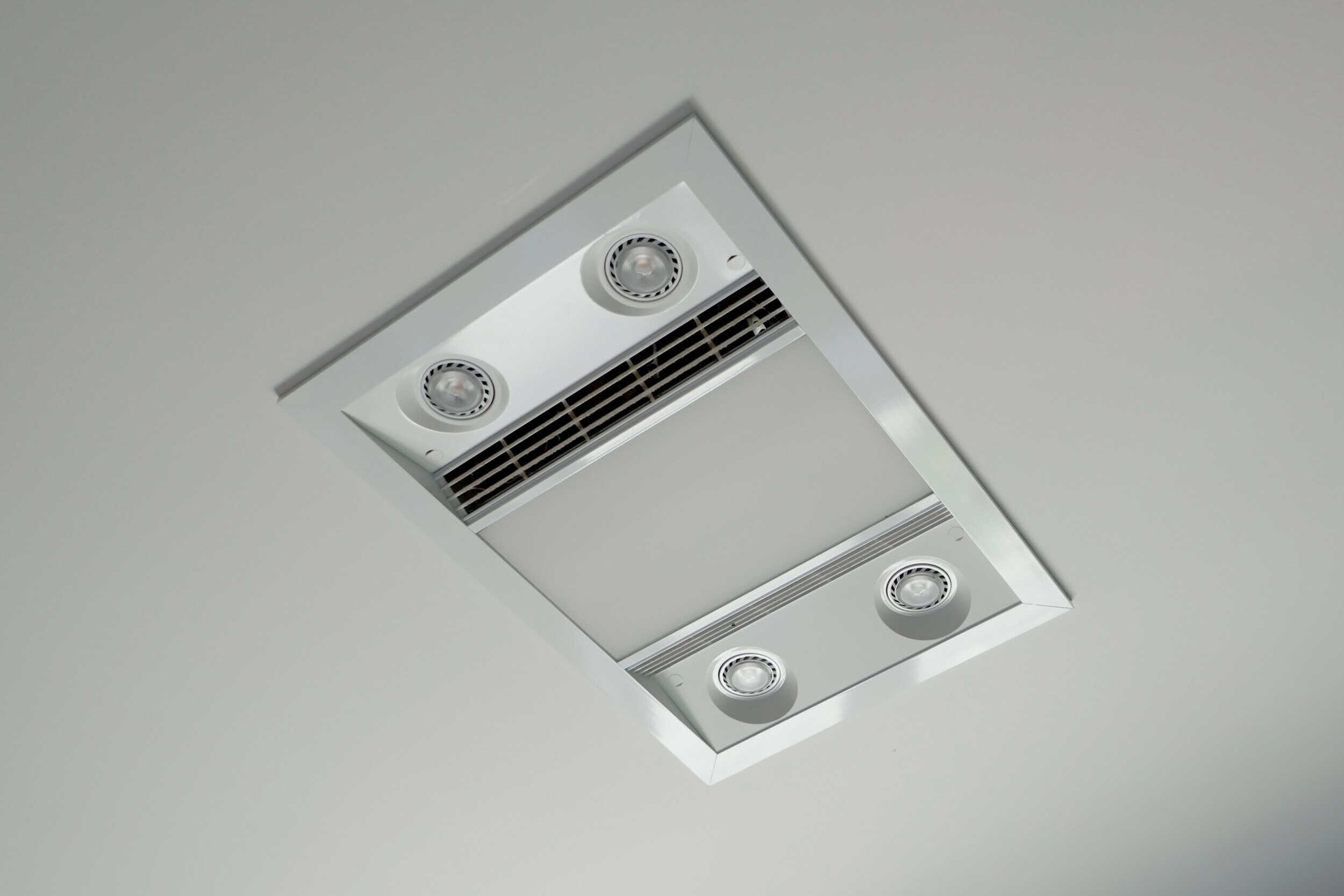
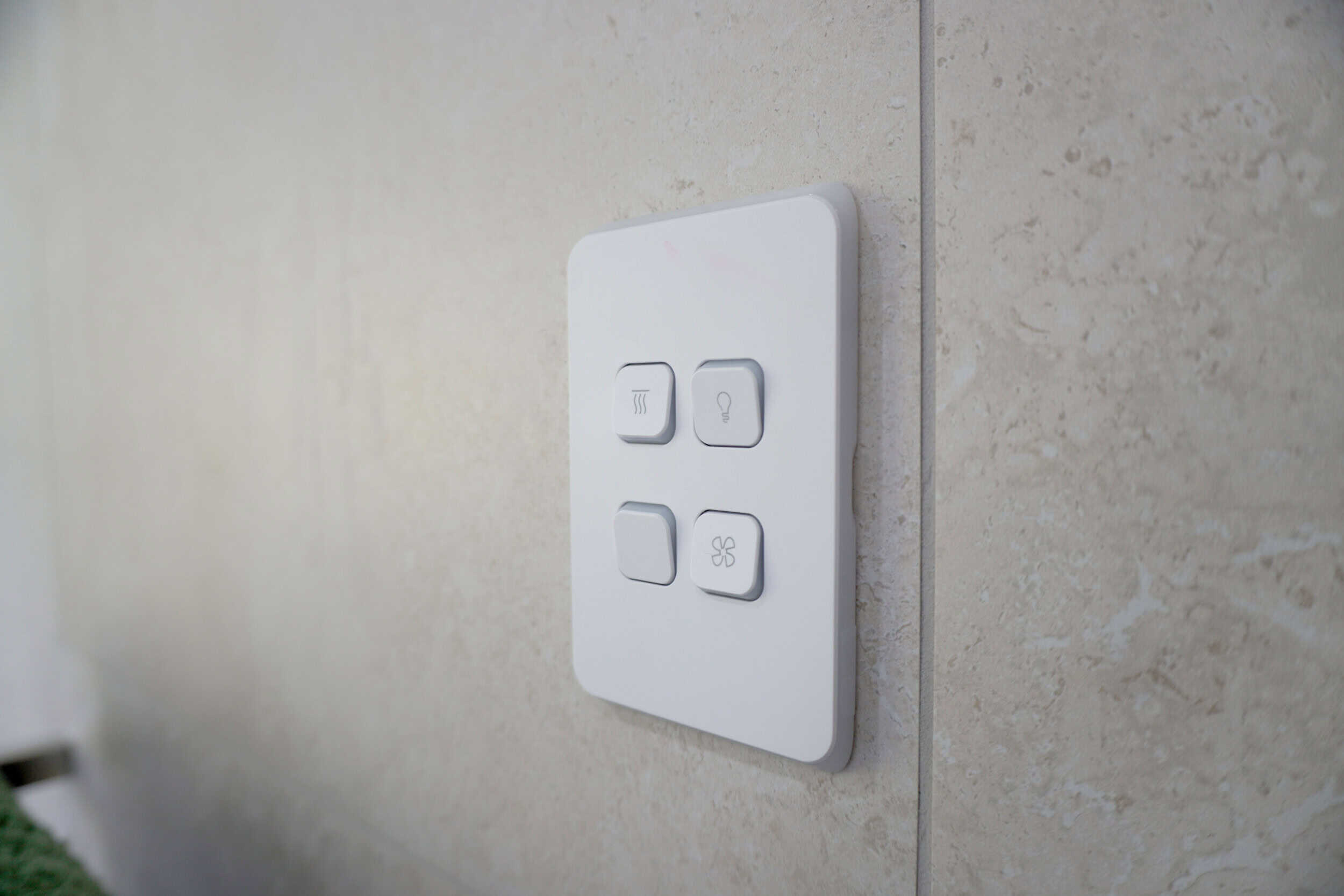
💡 Quick tip: MBIE’s maintenance guidance recommends keeping living spaces heated to at least 16°C as part of moisture control. In a Titirangi bush setting or a shaded Grey Lynn villa, that single habit does more for mould than any cleaning product.
The Outside Of The House, And What Auckland’s Climate Does To It
If your renovation touched the exterior (cladding, joinery, decking or a new roof), this is where maintenance moves from cosmetic to structural. Auckland gives you humidity, salt-laden air along the coast, and long damp winters. Washing is not a cosmetic job here; on most cladding systems it is a condition of the warranty.
Washing, and how often
Level’s maintenance guidance gives the kind of frequencies a maintenance schedule should contain: washing down painted weatherboard cladding at least six-monthly, and repainting every 8 to 10 years. Fibre-cement claddings should be washed at the interval the manufacturer specifies, using a soft brush and a low-pressure hose rather than a waterblaster.

Coastal suburbs are the ones to watch. Homes in Devonport, Herne Bay, Takapuna and along the eastern bays collect airborne salt on joinery, hardware and fixings, and a rinse with fresh water is the cheapest maintenance job in the country. Inland, the bigger issue is shade and moss, which is why Titirangi and the bush-edge suburbs need their roofs and gutters watched more closely than a sunny Flat Bush section.
The annual walk
MBIE’s guidance is refreshingly simple on frequency: inspect the roof annually, inspect cladding at least annually with extra attention on homes built from the 1990s onwards, and clear gutters and spouting at least once a year. Check window and door seals while you are there, along with flashings and any minimum ground clearances that garden beds or new paving may have quietly buried.
That last one catches people after landscaping. A raised garden bed or a new path against the wall can bridge the clearance the cladding relies on, and it is a common cause of trouble in homes that were otherwise well built. The same logic applies across the way we scope, build and hand back a full home renovation: the details that protect the house are the ones you cannot see once the job is finished.
Underfloor Heating – Epsom- Auckland
💡 Quick tip: Do the gutter clean in late autumn, after the leaf drop and before the winter rain properly arrives. In Auckland that usually means May, and it is the single highest-value hour you will spend on the house all year.
Build Yourself A Maintenance Schedule And Keep The Paperwork
All of this works better written down. A maintenance schedule is simply a document listing the materials and building elements in your home and the maintenance each one needs, with frequencies attached. Level makes the case that it helps owners know what to do, records what a material actually was years after the build, and reduces a builder’s exposure when a problem is caused by maintenance that never happened.
Where to start
BRANZ publishes free homeowner maintenance guides covering roofs, subfloors, interiors, exteriors and building services at maintainingmyhome.org.nz. Start there, then add the specifics from your own handover pack, because a generic schedule cannot know that your splashback is a particular product with a particular cleaner it dislikes.
Keep the file where you will find it
Scan the whole handover pack the week you receive it and store it in the cloud alongside the consent documents and code compliance certificate. Photograph the finished rooms while they are empty and clean. If you sell in seven years, that folder is a genuine asset, and if something goes wrong in year eight it is the difference between a conversation and an argument.
💡 Quick tip: Add three recurring calendar events the week you move back in: gutters in May, exterior wash twice a year, and a full walkthrough at month ten. Three reminders cover most of what a maintenance schedule asks of an average Auckland home.
Renovation Aftercare: The First Year Is Yours To Use
Renovation aftercare is not a chore list bolted onto the end of a project. It is the last stage of the build, and it is the one you control. The paperwork you file, the notes you send in writing, and the ten-minute habits you form in the first few months decide whether your renovation is still performing in a decade or whether you are having a conversation about who pays.
Read the pack. Diarise the walkthrough. Wash the outside. And if something is not right, say so in writing while the clock is still in your favour.
➡ Book your free in-home consultation with Superior Renovations
➡ Price your next project with our free renovation cost calculators
➡ Request a free feasibility report for your project
What is renovation aftercare?
Renovation aftercare is everything that happens once the building work is finished: the final walkthrough, the handover of warranties, insurance and maintenance information, the 12-month defect repair period, and the ongoing maintenance that keeps your warranties valid. In New Zealand part of it is a legal obligation on your contractor, and part of it is the owner's responsibility. MBIE is clear that all buildings need ongoing maintenance and that it falls to the building owner to see that it is carried out in a timely way.
What documents must my builder give me when the renovation is finished?
Building Performance (MBIE) requires contractors to give you three things once residential building work is complete, regardless of the price: a copy of any current insurance policy held for the work, a copy of any guarantees or warranties for materials and services including how to claim and whether they are transferable, and information about the processes and materials needed to maintain the work. Neglecting to provide this information can mean a fine of $2,000.
How long is the defect repair period in New Zealand?
There is an automatic 12-month defect repair period running from the date the building work is complete, and it applies to all residential building work regardless of the price. If you notify your contractor in writing about defective work inside that year, they must remedy it within a reasonable timeframe, and in a dispute the onus is on them to show the defect was not their fault, their subcontractor's or their product's.
Do I still have protection after the first 12 months?
Yes. Implied warranties under the Building Act apply for up to 10 years from completion, whether or not they are written into your contract. What changes after the 12-month defect repair period is who carries the burden of proof: the homeowner then has to establish that a defect exists before the contractor is required to fix it. That is why keeping photos, invoices and certificates matters long after the job is done.
Can poor maintenance void my renovation warranty?
It can. MBIE's guidance on protecting your investment states that ongoing maintenance is the owner's responsibility partly in order to keep warranties and guarantees valid, and that owners cannot claim for defective workmanship where the problem stems from maintenance that was neglected or carried out incorrectly. Product guarantees frequently carry their own cleaning and maintenance conditions, which is why the maintenance information in your handover pack is worth reading properly.
What does Building Code clause B2 mean for maintenance?
Clause B2 sets minimum durability periods of 5, 15 or 50 years that building elements must achieve with only normal maintenance. The durability expectation is conditional on that maintenance happening. Acceptable Solution E2/AS1 goes further, requiring that maintenance be carried out as necessary to achieve the required durability of materials, components and junctions, and it describes tasks such as washing exterior surfaces, maintaining coatings and keeping minimum clearances clear.
How often should I wash the outside of my house in Auckland?
Level, BRANZ's sustainable building resource, gives painted weatherboard cladding a wash-down at least six-monthly with repainting every 8 to 10 years as a typical schedule. Fibre-cement cladding should be washed at the interval its manufacturer specifies, using a soft brush and a low-pressure hose rather than a waterblaster. Coastal Auckland suburbs such as Devonport, Herne Bay and Takapuna collect airborne salt on joinery and hardware, so a regular fresh-water rinse is worth adding.
How do I look after a new kitchen so the finishes last?
Warm water and a small amount of detergent handles most day-to-day cleaning on melamine and laminate surfaces. Laminex New Zealand's care guidance notes that textured finishes may need a soft brush to lift dirt and spray-cleaner residue, and it names diluted Janola or Handy Andy for stubborn marks. Avoid abrasive pads and scouring powders entirely, run the rangehood for a few minutes after cooking, and ask for soft-close hinges to be adjusted rather than living with a dropped door.
How do I stop mould coming back in a new bathroom?
Run the extract fan for fifteen to twenty minutes after a shower with the door closed, squeegee the shower glass, and keep the room heated. MBIE's maintenance guidance recommends heating living spaces to at least 16°C as part of moisture control. If mould keeps returning despite that, the ventilation system itself is usually the issue, most often an undersized fan or ducting that discharges into the roof space instead of outside.
When should silicone and grout be replaced?
Silicone sealant is a maintenance item with a finite life rather than a permanent fixture. Replace it when it lifts at the corners, goes soft, or discolours in a way that will not clean up, because those junctions are part of how the wet area keeps performing. Cement-based grout is porous and benefits from sealing and gentle cleaners; epoxy grout is denser and far less absorbent but costs more to install. Which one you have determines the routine your bathroom needs.
Where can I get a home maintenance schedule for a renovated house?
BRANZ publishes free homeowner maintenance guides covering roofs, subfloors, interiors, exteriors and building services at maintainingmyhome.org.nz. A maintenance schedule lists the materials and elements in your home with the maintenance each needs and how often. Start with the BRANZ guides, then add the product-specific instructions from your own handover pack, since a generic schedule cannot know which products were installed in your renovation.
Further Resources for your renovation aftercare
- Featured projects and Client stories to see specifications on some of the projects.
- Real client stories from Auckland
Need more information?
Take advantage of our FREE Complete Home Renovation Guide (48 pages), whether you’re already renovating or in the process of deciding to renovate, it’s not an easy process, this guide which includes a free 100+ point check list – will help you avoid costly mistakes.
Download Free Renovation Guide (PDF)

Have you been putting off getting renovations done?
We have partnered with Q Mastercard ® to provide you an 18 Month Interest-Free Payment Option, you can enjoy your new home now and stress less.
Learn More about Interest-Free Payment Options*
*Lending criteria, fees, terms and conditions apply. Mastercard is a registered trademark and the circles design is a trademark of Mastercard International Incorporated.
Still have questions unanswered?
Book a no-obligation consultation with the team at Superior Renovations, we’d love to meet you to discuss your renovation ideas!
References
- Building Performance (MBIE) — Once building work finishes
- Building Performance (MBIE) — Protection for homeowners
- Building Performance (MBIE) — Protecting your investment
- Building Performance (MBIE) — B2 Durability
- Level (BRANZ) — Maintenance
- BRANZ — Maintaining My Home maintenance guides
- Laminex New Zealand — How to clean your Melteca cabinetry


