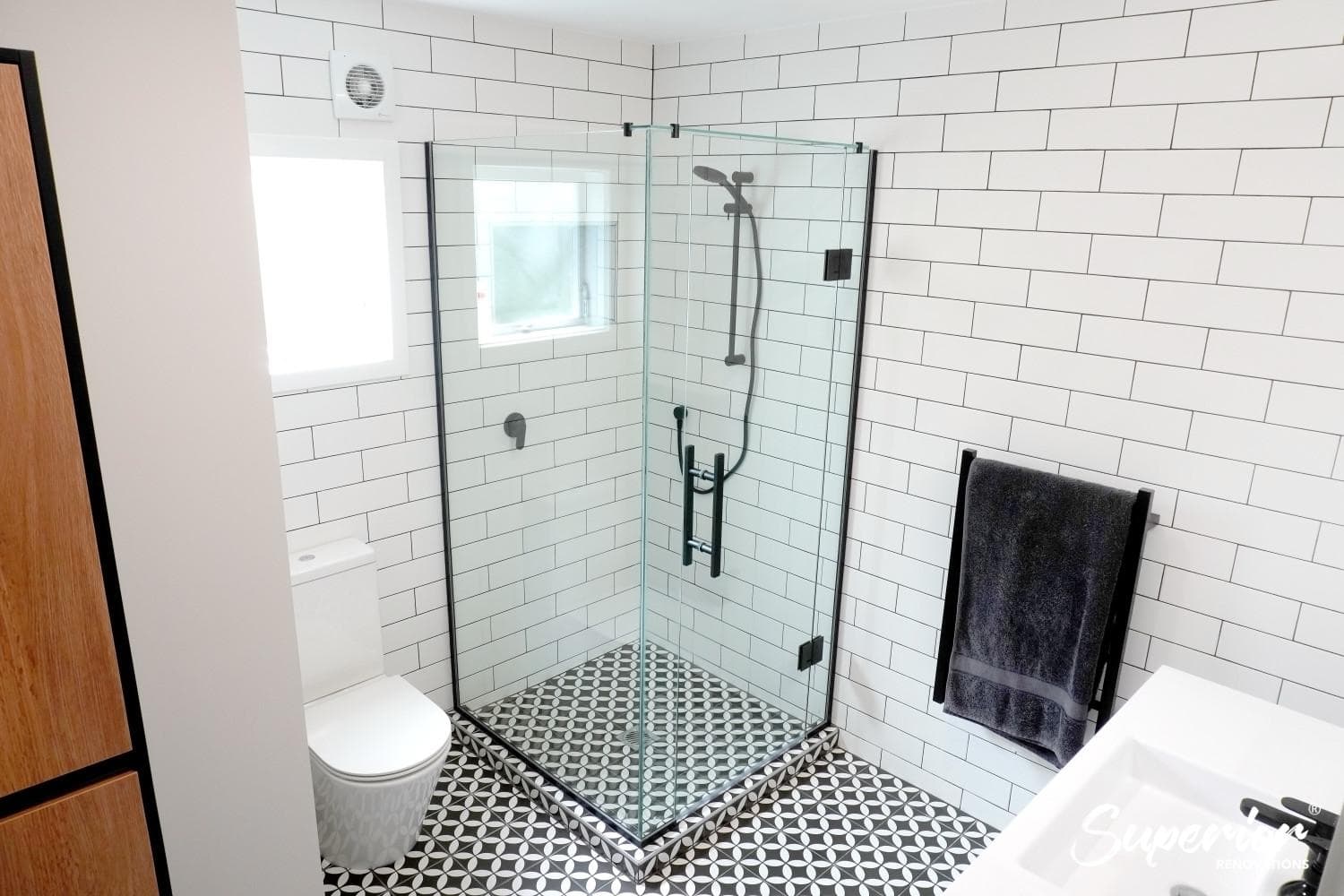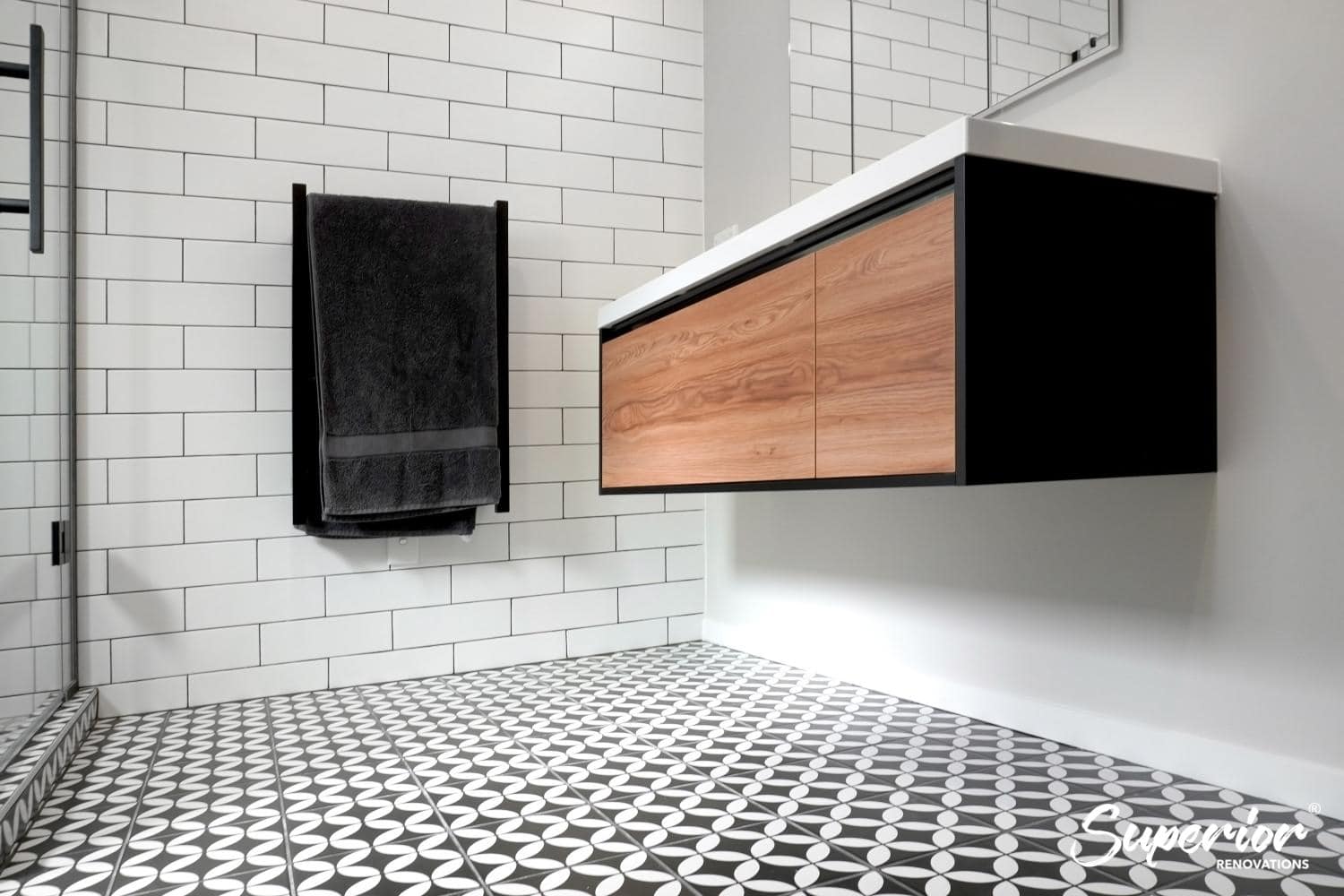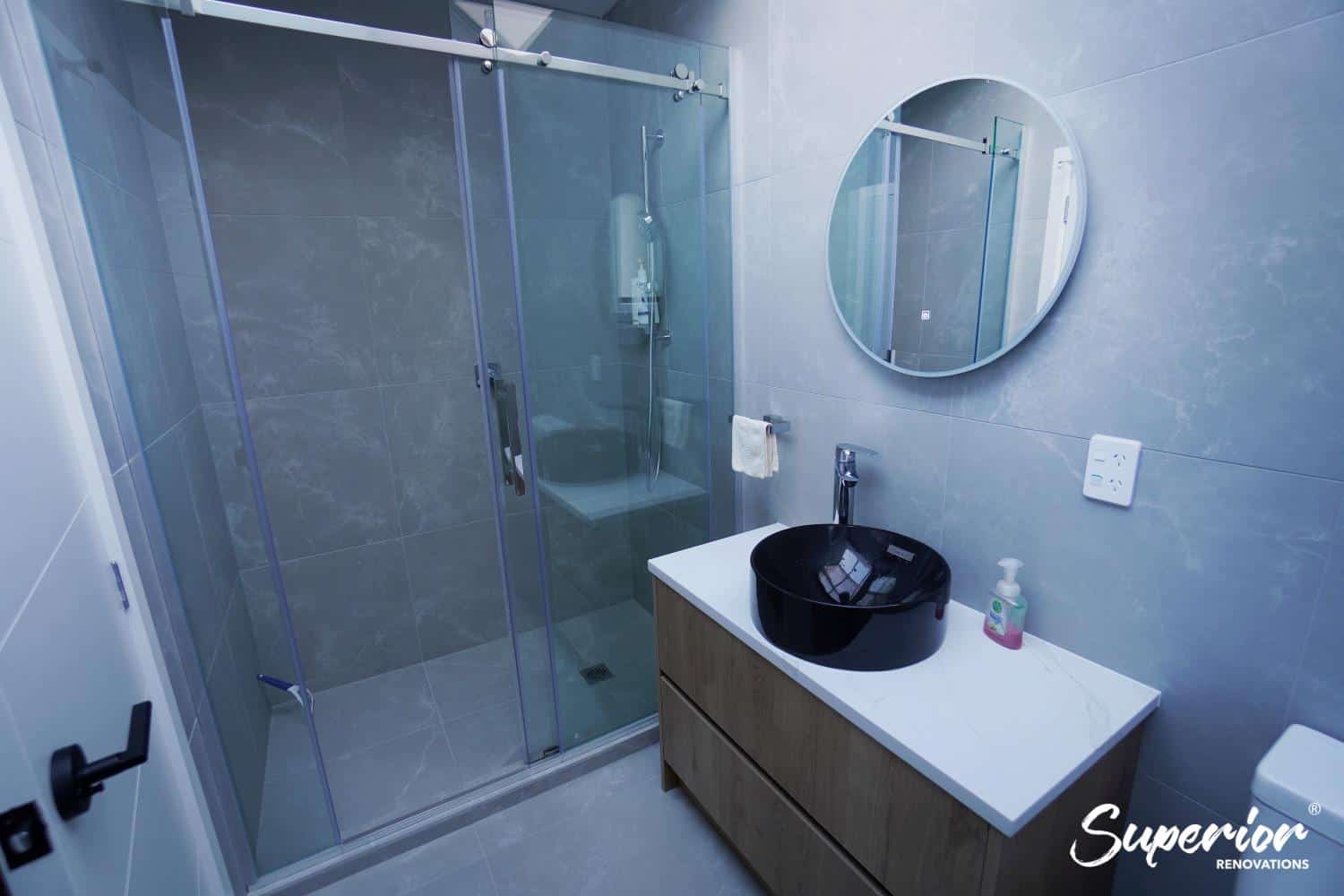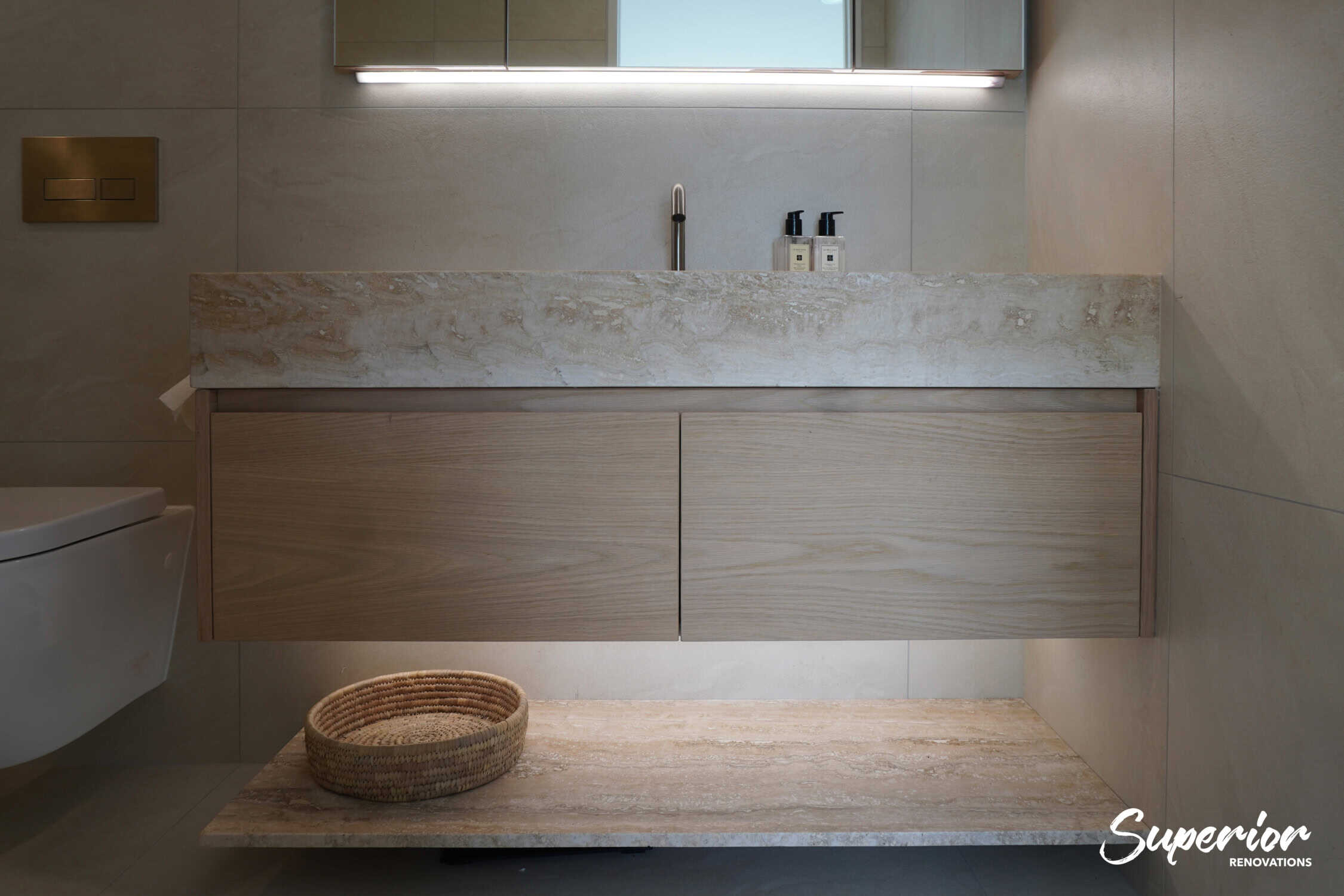

Bathroom Renovation

Accessible bathroom renovation Auckland — level-entry wet room with matte black grab rails and slip-resistant stone-look tiles — Superior Renovations
Bathroom Renovation

Accessible Bathroom Renovation for Elderly Kiwis | Auckland Guide

Accessible Bathroom Renovation NZ: A Practical Guide to Designing Safe, Beautiful Bathrooms for Older Kiwis

Quick answer: An accessible bathroom renovation in Auckland typically costs $28,000–$45,000 for a full conversion to a wet room with grab rails, a level-entry shower, and age-in-place fittings — though a targeted safety upgrade (rails, flooring, toilet height) can be done for $8,000–$15,000 if the layout stays intact. All figures GST-inclusive. The right approach depends on the person’s mobility now and the changes expected in the next five to ten years.

Here’s a conversation we have more often than you might think. A family in Remuera calls us because Dad had a fall getting out of the shower. He’s fine — bruised ego more than anything — but it was enough of a fright to make everyone stop and think. The bathroom was fine for 1987. It’s not fine for 2026. High-lipped shower tray, no support anywhere near the toilet, glossy floor tiles that turn to an ice rink when wet. Classic 1980s brick-and-tile home, classic Auckland bathroom problem.

We’re not going to pretend this is a niche concern. Stats NZ projects New Zealand will have more than one million people aged 65 and over by 2028 — and a significant portion of Auckland’s housing stock was built well before accessibility was ever part of the conversation. Villas in Grey Lynn, brick-and-tile homes in Pakuranga, concrete block houses in Māngere — very few of them have bathrooms designed for the reality of ageing in place.

This guide is for two audiences. If you’re an older Kiwi who wants to stay in your own home for as long as possible — and who wants a bathroom that’s safe without looking like a hospital ward — this is for you. And if you’re an adult child helping a parent figure out what needs to change and what it’s going to cost, we’ve written this for you too.

We’ll cover what to look for when assessing a bathroom, the specific products and fittings we specify for accessible renovations (all NZ-available), what NZS 4121:2001 compliance means for residential projects, and real Auckland cost ranges so you can have an honest conversation with your builder. We’ll also include some of the design layouts we’ve produced for clients — because accessible doesn’t have to mean institutional, and there’s no reason a wet room in Epsom can’t look just as considered as any other bathroom renovation we do.

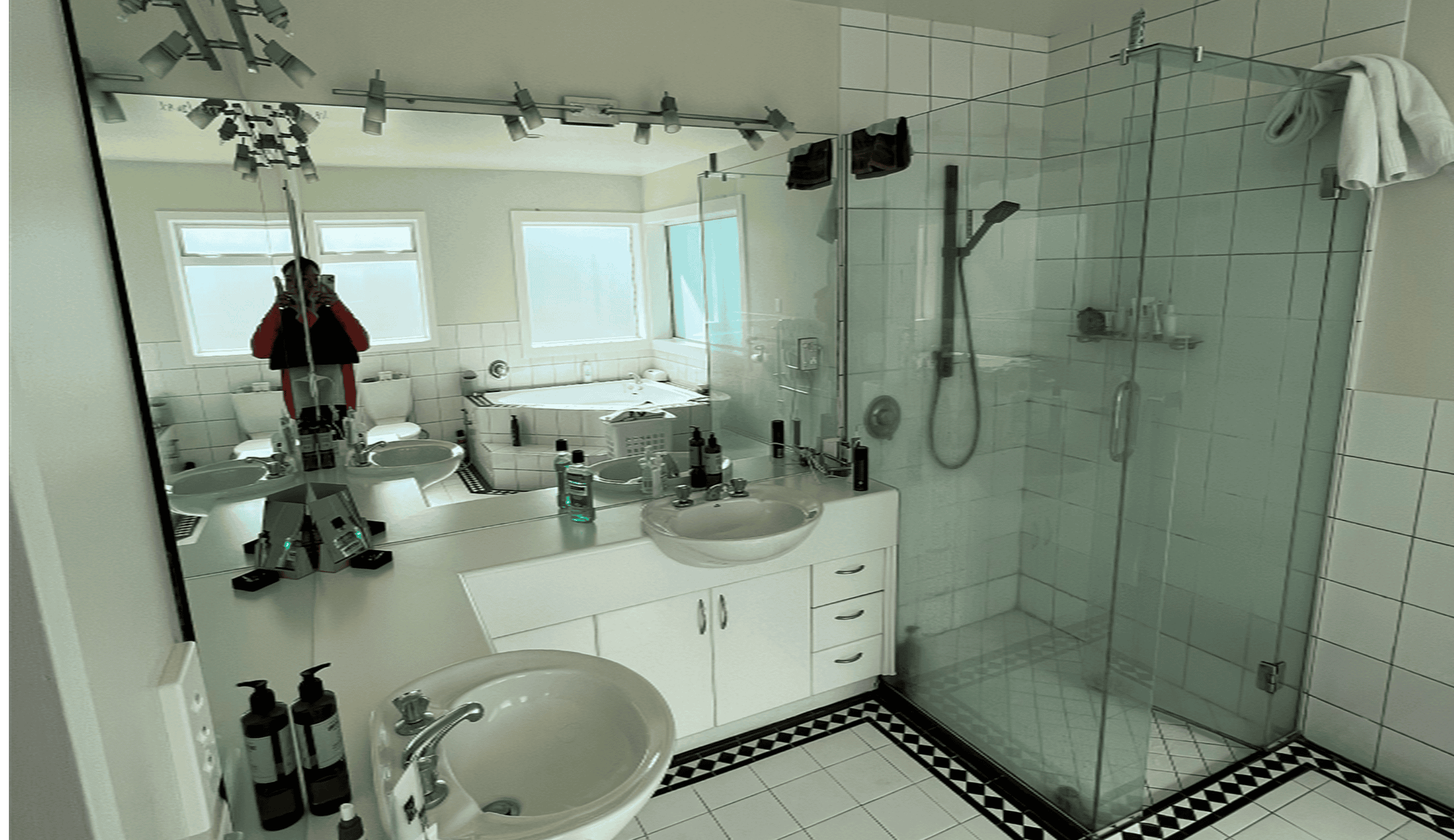
Standard 1980s Auckland bathroom — high shower threshold, no grab rails, glossy floor tiles — typical accessible renovation starting point

Standard 1980s Auckland bathroom — high shower threshold, no grab rails, glossy floor tiles — typical accessible renovation starting point


What Makes a Bathroom Truly Accessible — And What Most Standard Bathrooms Get Wrong

Most bathrooms in Auckland homes weren’t designed with mobility in mind. They were designed to fit the most number of fixtures into the smallest space — and that was that. The result is a room that actively creates fall risk for anyone whose balance, strength, or mobility has changed with age.

Falls are not a minor concern here. ACC data consistently shows bathroom falls as one of the leading causes of serious injury among older New Zealanders. The combination of wet surfaces, awkward entry and exit points, and the absence of anything to hold onto makes standard bathrooms genuinely dangerous for many people. Not eventually dangerous. Now.

The Six Problem Areas in a Standard Bathroom

When we assess a bathroom for accessible renovation, we’re looking at six things specifically.

The shower entry threshold. A standard shower tray with even a 50–75mm lip requires a step over when entering and exiting — and that’s exactly when falls happen. When you’re wet, tired, or unsteady on your feet, a 6cm lip becomes a genuine obstacle. A level-entry (hobless or zero-threshold) shower eliminates this entirely. The floor is continuous. You walk in, you walk out.

Floor surface slip resistance. Glossy tiles were popular through the 1980s and 1990s. They look clean and bright. When wet, they have the grip of polished glass. The New Zealand standard for slip resistance in wet areas is a minimum R10 rating (R11 for shower floors), and the majority of tiles in older Auckland bathrooms don’t come close. This is one of the easiest and most impactful things to fix — and it’s often possible to tile over the existing floor rather than full demolition, depending on the substrate.

No structural support for rails. This is the one that surprises people most. You can’t just screw a grab rail into GIB. Under NZS 4121:2001 and the NZ Building Code, grab rails must be able to withstand loads of at least 1,100N — roughly the force of a 112kg person applying full bodyweight. That means fixing to timber framing or blocking behind the wall lining. In a bathroom that was never designed for this, there’s often no framing in the right places. A good accessible bathroom renovation accounts for this from the start — installing backing boards or blocking so rails can go exactly where they’re needed.

Toilet height. Standard toilet pan heights of 400–420mm are too low for many older users. Sitting down and standing up from a low toilet requires significant quad strength and puts real strain on joints. An overheight or comfort-height toilet (460–480mm to the seat) is meaningfully easier to use and widely available from NZ suppliers — the Caroma Forma Overheight suite from Reece is one we specify regularly.

Vanity and basin height. Standard vanities sit at around 850mm. For someone using a walking frame or wheelchair, this is often the wrong height — and the lack of knee clearance underneath makes basin access from a seated position impossible. Wall-hung vanities with adjustable height and open knee space underneath are the fix here.

Lighting and contrast. This one rarely gets mentioned. As eyes age, the ability to judge depth and distinguish between surfaces in low contrast light declines significantly. A white floor with white fixtures and white walls — popular in contemporary design — can make it genuinely hard to see the step into the shower or the edge of the bath. Good accessible bathroom design uses contrast at key points: a different coloured grab rail, a darker floor tile at the threshold, task lighting at the vanity rather than a single ceiling light.

💡 Quick tip: Before booking a designer, spend 20 minutes in the bathroom at the person’s usual pace — not yours. Watch where they reach for support instinctively, where they pause, where they slow down. That tells you more about what needs to change than any checklist.

“The biggest mistake I see in accessible bathroom briefs is treating it as a safety project rather than a design project. The best outcomes happen when we think about the whole room — light, contrast, flow, how the person actually moves — not just which products to bolt on.”
— Cici Zou, NZ Dip. Interior Design, Certified Designer, Superior Renovations

Does NZS 4121:2001 Apply to Residential Bathrooms?

This question comes up regularly. The short answer: NZS 4121:2001 is technically a compliance document for public buildings under the NZ Building Code Clause D1. It is not legally mandatory for private residential bathrooms.

But it is still the best reference document available for designing a genuinely accessible residential bathroom. The dimensions, rail specifications, and layout guidance in Section 10 of NZS 4121 are exactly what occupational therapists, DHBs, and experienced designers use for residential accessible renovation work — and they are freely downloadable from building.govt.nz.

What does require Auckland Council consent in a residential bathroom renovation? Generally: any structural changes, changes to plumbing layout or drainage, new tiled wet areas where waterproofing is being installed. Like-for-like fixture replacements under Schedule 1 of the Building Act 2004 are typically exempt. When in doubt, check with your renovation company — or with Auckland Council directly before work begins.

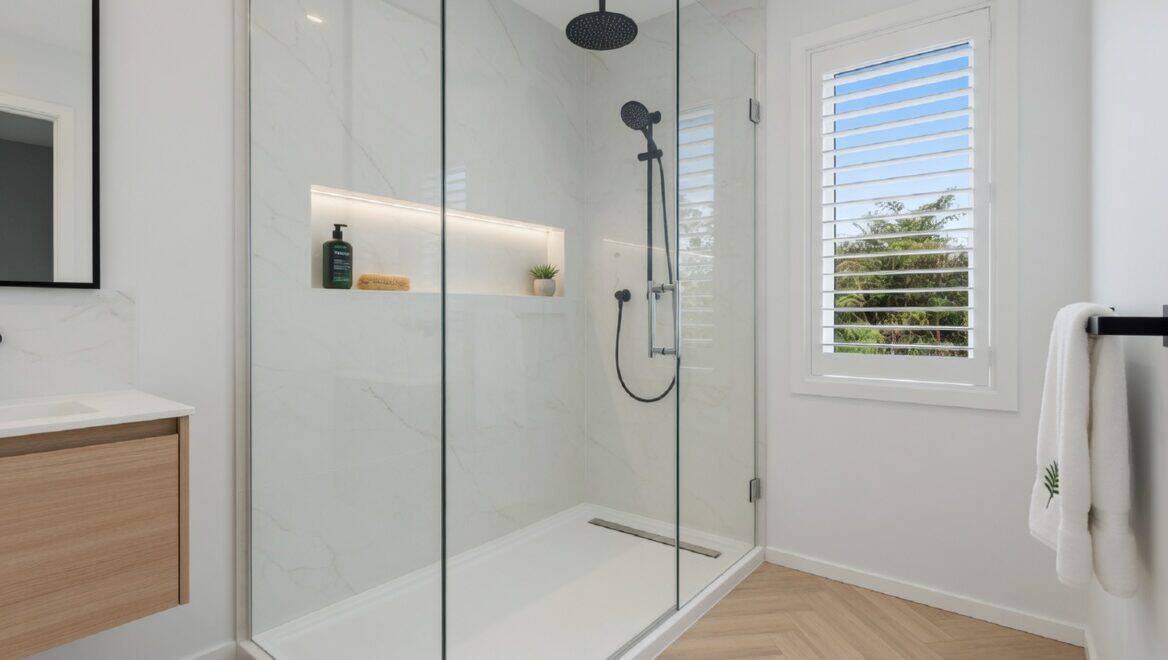
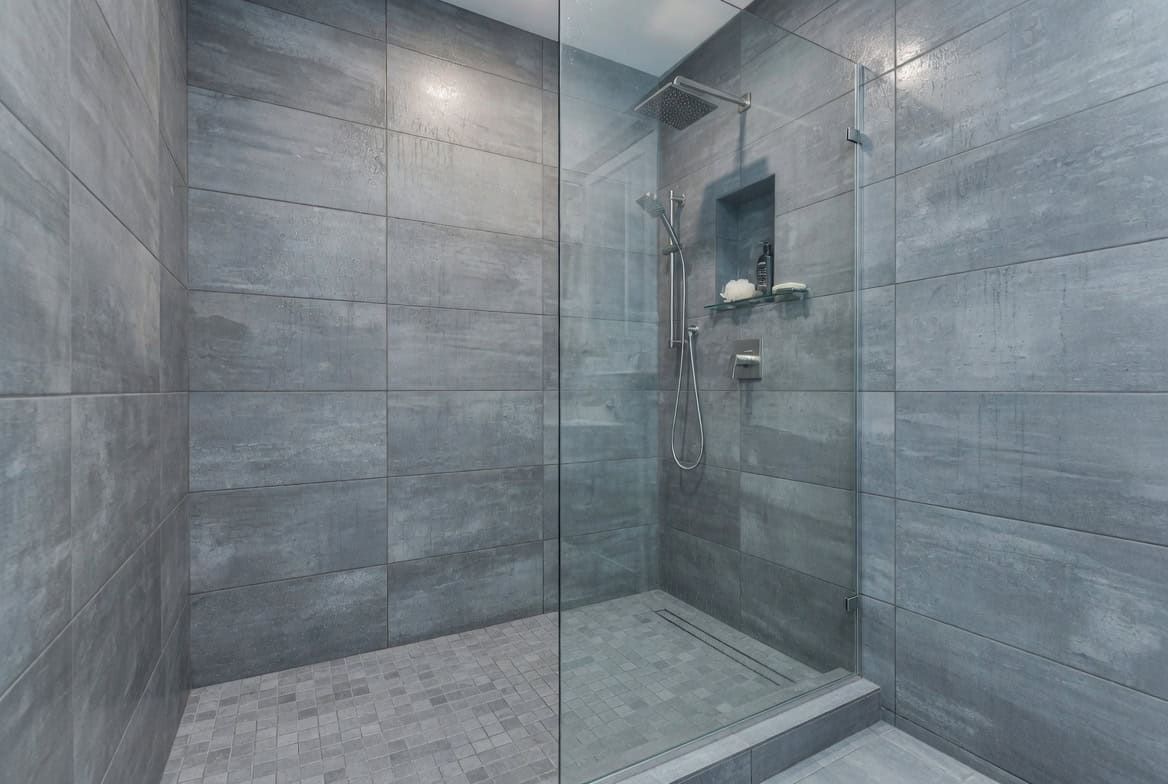
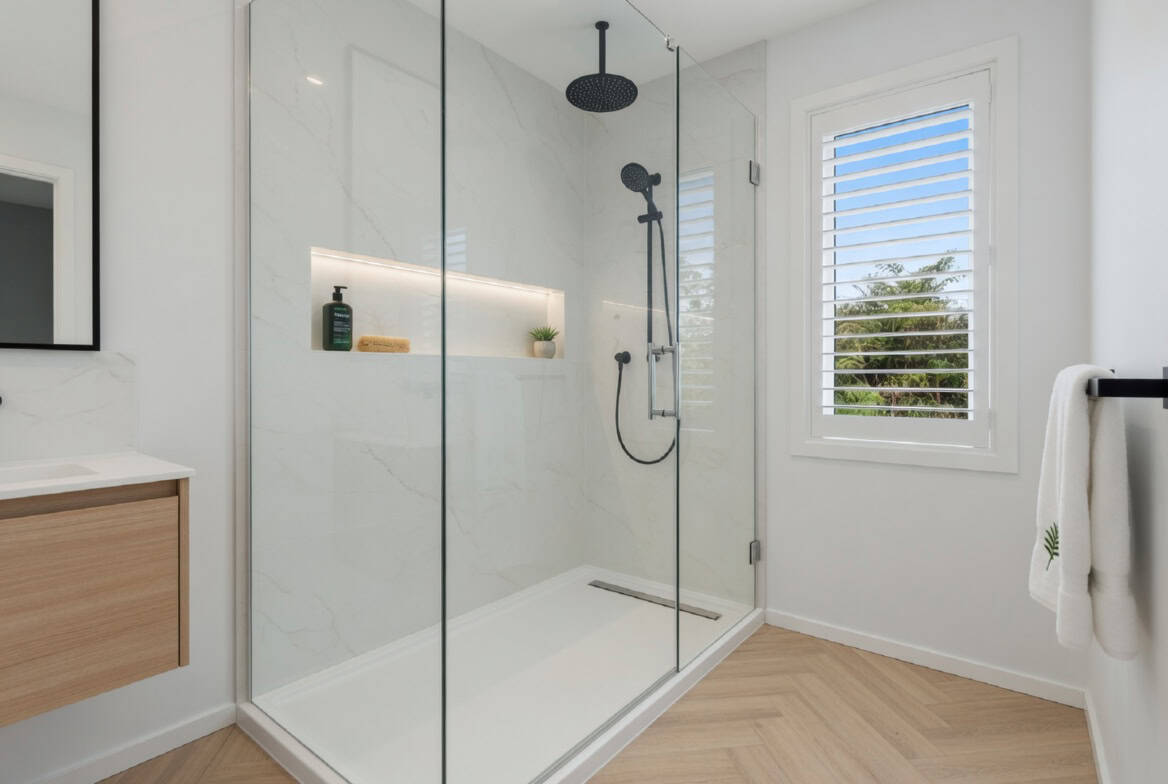
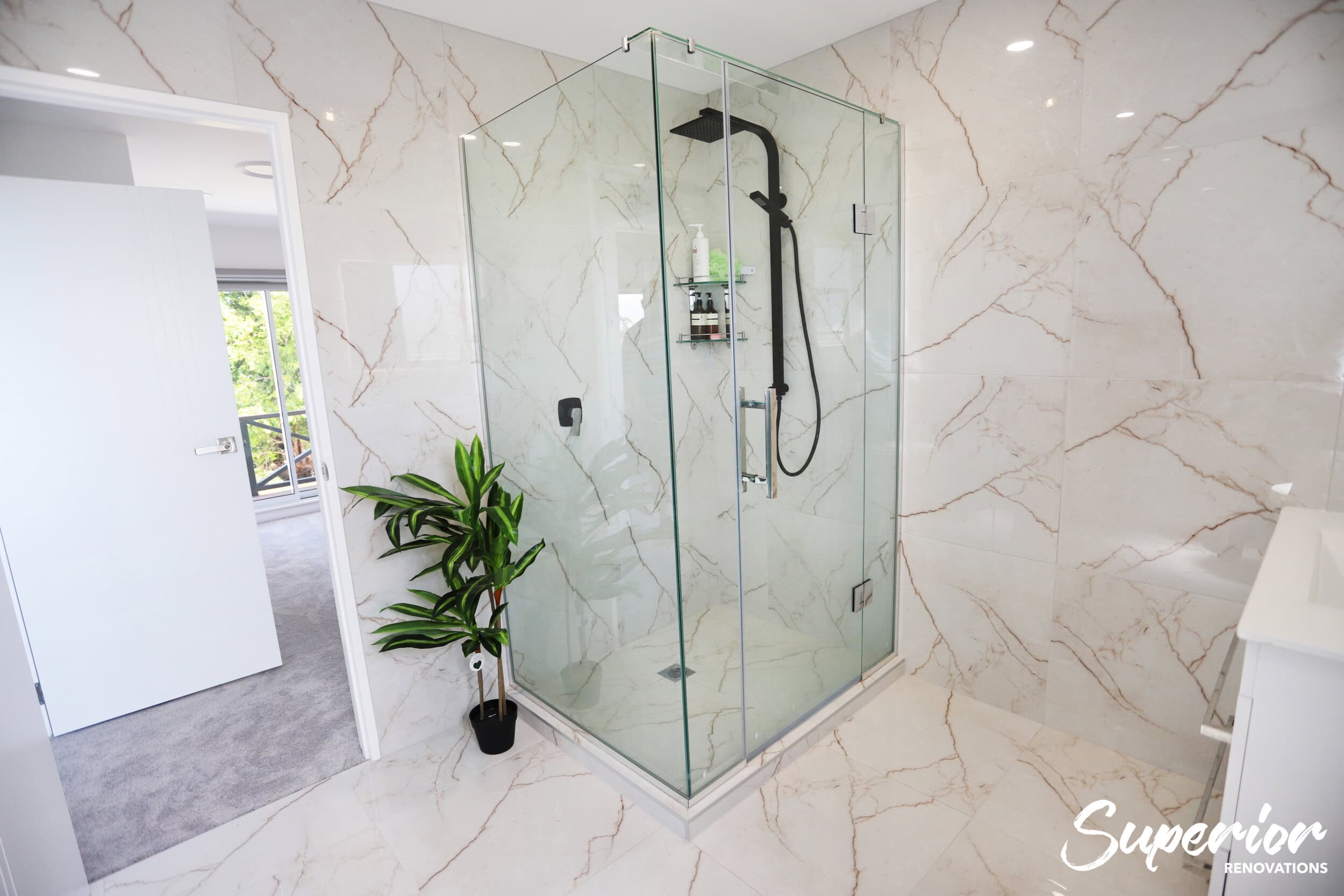
Level-entry wet room shower with fold-down seat, matte black slide rail, and linear drain — accessible bathroom design Auckland

Level-entry wet room shower with fold-down seat, matte black slide rail, and linear drain — accessible bathroom design Auckland


The Products and Fittings We Specify for Accessible Bathroom Renovations in Auckland

There’s no shortage of accessible bathroom products on the market — the problem is knowing which ones are genuinely good and which ones are afterthoughts dressed up in safety language. Here’s what we actually use and why.

Level-Entry Showers and Wet Rooms

The single most impactful change in most accessible bathroom renovations is converting from a shower tray to a level-entry wet room format. A wet room removes the threshold entirely — the floor is fully waterproofed and drains centrally or linearly, with no hob or step.

This requires proper tanking (full waterproofing of the floor and walls to at least 1,800mm height), correct floor grading to the drain, and a drain positioned to allow adequate slope without creating uneven footing. It’s not a job for anyone who hasn’t done it before — poor wet room waterproofing is one of the most expensive things to fix later, and in Auckland’s high-humidity environment, a waterproofing failure means significant damage.

For the shower itself, a wall-mounted slide rail with a hand-held shower head gives maximum flexibility. It allows showering seated or standing, and the height adjusts for different users. Reece carries the Caroma Care shower range, which includes specific models designed for accessible use, with longer hose lengths and ergonomic grips.

Matte black swing-out and vertical grab rails beside overheight wall-hung toilet — accessible bathroom fitting, Auckland renovation by Superior Renovations

Matte black swing-out and vertical grab rails beside overheight wall-hung toilet — accessible bathroom fitting, Auckland renovation by Superior Renovations

💡 Quick tip: When specifying a wet room, make sure the floor grading is designed before the tiler starts — not after. You need a minimum 1:80 slope to the drain, and it has to be consistent across the whole floor. Getting this wrong means pooling water and a trip hazard that defeats the entire purpose.

Fold-Down Shower Seats

A fold-down shower seat is one of the most useful fittings in an accessible bathroom, and one of the least intrusive when not in use. When folded up, it sits flush against the wall. When needed, it gives a safe, stable seated showering position that reduces fatigue and fall risk significantly.

The seat must be positioned so the user can reach the shower controls from a seated position — which means planning the layout before installation, not retrofitting after. Ideally the controls are at between 750–900mm from the floor, within arm’s reach of the seated position. This is something our design team works through at the brief stage, using the floor plan to confirm everything is within reach before a single tile goes down.

We typically specify wall-mounted folding seats in brushed stainless steel or powder-coated white — they clean easily and don’t look clinical. Avoid wooden slat versions unless you’re prepared for maintenance; in an Auckland shower environment, untreated timber deteriorates.

Grab Rails — Placement, Spec, and Finish

Grab rails are probably the element people have the most outdated image of — chrome hospital bars bolted to a beige tiled wall. That’s not what we install. Contemporary grab rails are available in brushed gunmetal, matte black, brushed nickel, and brushed stainless steel — and when designed well, they read as a considered part of the bathroom, not an afterthought.

Placement matters more than finish. The key locations:

  • Shower entry: A vertical grab rail at the entry point of the shower, mounted at approximately 900–1,000mm from the floor, gives a secure handhold for stepping in and out.
  • Inside the shower: A horizontal or angled rail along the main shower wall at approximately 850–900mm height. A vertical rail on the adjacent wall adds further security.
  • Adjacent to the toilet: A hinged (swing-out) rail on the open side of the toilet pan, positioned so the user can push off it when standing. A fixed vertical rail on the wall side for additional support.
  • Beside the basin: Often overlooked. A vertical rail beside the vanity gives steadying support for people who may be unsteady on their feet while at the basin.

All rails must be fixed to structural framing or backing boards — not GIB. We install 18mm plywood backing behind the wall lining in the planned rail locations before tiling, which means rails can be added, repositioned, or upgraded later without opening walls.

Compact wet room conversion for accessible bathroom — 5–6m² Auckland renovation, matte black grab rails and level-entry shower by Superior Renovations

Compact wet room conversion for accessible bathroom — 5–6m² Auckland renovation, matte black grab rails and level-entry shower by Superior Renovations

Toilets — Height and Flush Operation

Standard toilet pan height in NZ is 400–420mm to the seat. A comfort-height or overheight toilet at 460–480mm (as specified in NZS 4121:2001) makes sitting and standing significantly easier and reduces joint strain. The difference sounds modest — 40–60mm — but in daily use, it’s immediately noticeable.

Flush operation matters too. A dual-flush button on the top of the cistern is fine for most users, but for someone with arthritis or reduced hand strength, a large side-lever flush or a touchless flush button is easier to operate.

Our preferred spec for accessible bathrooms is the Caroma Forma Overheight suite, available through Reece. It meets the 460–480mm seat height requirement, comes in a rimless format for easier cleaning, and is available with soft-close seat — which also prevents the sharp bang that can startle someone who’s unsteady.

Vanities and Basins for Accessible Use

Wall-hung vanities are the right choice for an accessible bathroom. They can be set at any height — we typically install at 750mm for a seated or ambulant user — and the open space underneath allows knee clearance for someone using a wheelchair or seated position.

The tapware should be lever-action rather than cross-head or round knobs. Lever taps require significantly less grip strength and are operable with a single hand or even a wrist. Avoid pop-up plug mechanisms — they’re notoriously hard to operate with reduced hand mobility. A plug-on-chain or pull-out plug is far more practical.

💡 Quick tip: Plumbing under a wall-hung vanity needs to be boxed out or chased into the wall — exposed pipes at knee height are a hazard for wheelchair users and anyone who sits at the basin. This is worth planning at the design stage, not discovering during installation.

Flooring — Slip Resistance Ratings Explained

The R-rating system for slip resistance is not widely understood by homeowners, and some tile retailers gloss over it. Here’s what you need to know for an accessible bathroom in Auckland.

R-Rating Slip Resistance Suitable For
R9 Low — dry areas only Not suitable for wet bathrooms
R10 Moderate wet traction Bathroom floor minimum standard
R11 Good wet traction Shower floors — recommended for accessible bathrooms
R12 High wet traction Commercial wet areas, pool surrounds

For an accessible bathroom, we specify R11 in the shower zone and R10 minimum for the general bathroom floor. The Tile Depot carries a solid range of slip-rated matte-finish porcelain tiles — the Tile Depot team can pull the R-rating data sheet for any tile before purchase. Don’t accept “suitable for bathrooms” without a confirmed rating — that phrase is meaningless without the number behind it.

“People think accessible design means white clinical finishes with chrome rails. But a large-format matte stone-look tile in a warm taupe reads beautifully with a matte black rail and brushed nickel tapware. You can have real slip resistance and a bathroom that looks like it came out of a design magazine.”
— Alison Yu, Designer, Superior Renovations


Our Accessible Bathroom Design Layouts: What We’ve Built for Auckland Clients

The most useful thing we can show you isn’t a product spec sheet — it’s what the finished room actually looks like and how the layout works. This section includes design drawings and layout plans from accessible bathroom projects we’ve completed. We’ve adapted these for privacy but kept the key specifications intact so they’re genuinely useful as reference points for your own project.

Layout 1: The Compact Wet Room Conversion (5–6m²)

This is our most commonly requested layout. It typically applies to older Auckland homes — 1960s–1980s brick-and-tile — where the bathroom is between 5 and 6m², the existing shower is a cramped corner unit with a high tray, and the toilet is jammed against one wall with no clearance beside it.

The conversion removes the shower tray, fully waterproofs the floor and walls to a wet room standard, and relocates the drain to the centre of the shower zone. The shower is fully open — no door or screen — with a linear drain along one edge and a fold-down seat at the far wall. A large-format R11 matte tile (typically 600×600mm or larger) covers both the shower zone and the main floor, which visually expands the space.

Key changes in this layout:

  • Level-entry shower — zero threshold from bathroom floor to shower floor
  • Fold-down teak or powder-coated steel shower seat at 480mm height
  • Vertical grab rail at shower entry, horizontal rail at 900mm inside shower
  • Caroma Forma Overheight toilet repositioned 450mm from the side wall to allow swing-out grab rail clearance
  • Wall-hung vanity at 750mm with lever taps and open knee space
  • Plywood backing boards installed behind GIB in all grab rail locations
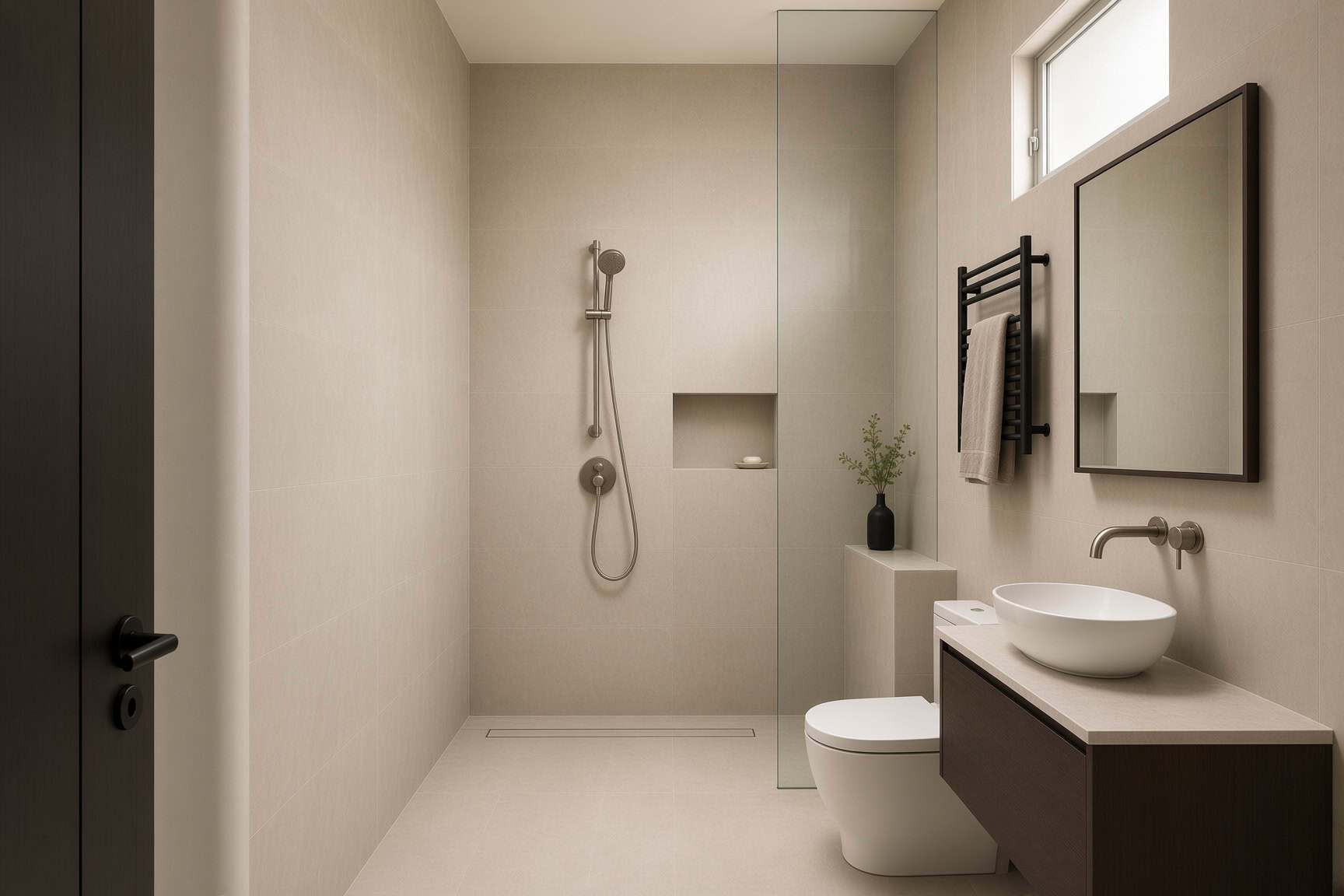
Spacious accessible ensuite renovation with 1500mm turning space, wet room shower, and double matte black grab rail set — Auckland design by Superior Renovations

Spacious accessible ensuite renovation with 1500mm turning space, wet room shower, and double matte black grab rail set — Auckland design by Superior Renovations

Layout 2: The Larger Ensuite Conversion (8–10m²)

For bigger ensuites — often found in 1990s and 2000s homes in suburbs like Howick, Botany, and East Auckland — there’s more to work with. A larger floor area means we can introduce a wheelchair-turning circle (1,500mm diameter clear space) and include both a wet room shower and a bath where the client wants the option to retain it.

In this layout we typically place the wet room shower on the long wall, with the toilet and vanity on the cross wall. The extra width (usually 2,800mm+) means there’s adequate clearance beside the toilet without repositioning it, and the vanity can be an extended wall-hung unit with space for care items, extra towels, and other bathroom essentials.

Specific additions in this layout:

  • 1,500mm clear floor space maintained beside the toilet for transfer if required
  • Double grab rail set beside toilet (swing-out rail on open side, wall-fixed vertical rail on cistern side)
  • Thermostatic shower mixer with large-format single-button operation — easier for someone with arthritic hands
  • Contrasting floor tile at wet room entry for visual edge definition
  • Sensor-activated night lighting at floor level — useful for night-time bathroom visits without needing to locate a light switch

Layout 3: The Heritage Villa Adaptation (Grey Lynn / Ponsonby / Mt Eden)

This one’s more complex. Pre-1940s villas and bungalows typically have original floor framing with no concrete slab — which means a standard wet room conversion isn’t straightforward. The floor structure needs to be assessed, and depending on the state of the framing, additional work may be required before waterproofing can be installed.

In older villa bathrooms, we often work with a transitional layout rather than a full wet room conversion — a very low-profile shower base (25–40mm maximum lip height) instead of zero threshold, with a wide opening and a single frameless glass panel rather than a door. This keeps the structural risk lower, preserves the heritage character of the space, and still delivers meaningful accessibility improvement.

For these projects, we work closely with our trade partners to assess the subfloor before committing to a scope. A pre-renovation structural check adds cost — typically $400–$800 for the inspection — but prevents expensive surprises mid-project.

💡 Quick tip: If the house was built before 1980 and you’re planning to open up walls or floors, get an asbestos check done before work starts. Stipple ceilings, textured wall coatings, and vinyl floor backings from this era frequently contain asbestos. Identification and removal is inexpensive upfront — remediation mid-project is not.

Older Auckland couple in accessible bathroom — age-in-place renovation for independent living at home

Older Auckland couple in accessible bathroom — age-in-place renovation for independent living at home


What Does an Accessible Bathroom Renovation Cost in Auckland?

There’s no honest way to give a single number here — the cost depends heavily on what exists, what’s changing, and which products are specified. But there are real ranges, and we’ll be straight with you about what drives the budget up or down.

Cost Ranges for Accessible Bathroom Renovations in Auckland (2026)

The figures below reflect our completed Auckland projects in 2024–2026 and are GST-inclusive indicative ranges — not a fixed quote. The actual cost of any accessible bathroom renovation depends on the existing layout, subfloor condition, and the specific products and fittings selected for your project.

Scope What’s Included Estimated Cost (Auckland)
Safety essentials only Grab rails, non-slip flooring over existing tiles, overheight toilet seat, lever taps $5,000–$10,000
Targeted safety renovation New slip-resistant floor tile, overheight toilet suite, accessible vanity, grab rails (with backing boards), shower seat $10,000–$18,000
Mid-range accessible renovation Full wet room conversion (5–6m²), all new tiles, accessible fittings throughout, grab rails, fold-down seat, project management $28,000–$38,000
Full accessible renovation with layout changes Larger ensuite, plumbing relocation, structural changes, premium fittings, turning circle, all accessible fixtures $38,000–$55,000+
Heritage villa adaptation Subfloor assessment + framing, low-threshold shower, full accessible fit-out $30,000–$50,000 (scope-dependent)

For reference, our bathroom renovation cost calculator can give you a base estimate in under 60 seconds — it won’t capture every accessible-specific variable, but it gives a solid starting point. Then we can refine from there.

What Drives the Cost Up in an Accessible Renovation?

Plumbing relocation is the single biggest cost variable. If the toilet or shower drain needs to move to achieve the right layout clearances — particularly to allow the 450mm side clearance beside the toilet required for proper grab rail use — you’re looking at significant additional plumbing work. In an older home, that sometimes means cutting concrete or lifting suspended floor boards. Both are manageable, but both cost money.

The second factor is subfloor condition. Water damage in older bathrooms — from a shower tray that’s been leaking slowly for years, or from a grouting failure nobody noticed — often requires remediation before a wet room can be installed. We always do a moisture check before finalising scope, because discovering rot under the tiles after work has started is the kind of surprise nobody wants.

Heritage buildings add complexity. Older villas in Mt Eden, Grey Lynn, Ponsonby, and Herne Bay have suspended timber floors that are both valuable and vulnerable. A wet room on a suspended timber floor requires specific waterproofing methods and structural assessment. It can be done — we’ve done it — but it needs the right trades and the right approach from the start.

Is There Government Funding Available in NZ for Accessible Bathroom Modifications?

Whaikaha — Ministry of Disabled People can provide funding for home modifications through Disability Support Services, including level-access shower conversions, for eligible New Zealanders with a disability. This is worth checking if the renovation is needed due to a disability or significant mobility impairment rather than general age-in-place planning. More information is available at disabilitysupport.govt.nz.

For older homeowners who don’t qualify for disability support funding, our interest-free finance options through Q Mastercard are worth looking at — spreading the cost of an accessible renovation over 18 months interest-free takes the pressure off the decision considerably.

💡 Quick tip: An accessible bathroom renovation adds real market value. Properties with wet rooms, overheight toilets, and well-specified grab rails appeal to an increasingly large pool of buyers — not just older buyers, but any family with a disabled or elderly family member. Auckland’s ageing demographic makes this investment more relevant every year.


How to Plan Your Accessible Bathroom Renovation: A Step-by-Step Approach

The biggest mistake in accessible bathroom renovations is treating it as a product-selection exercise rather than a design process. You don’t start by choosing grab rails. You start by understanding how the person currently uses the bathroom and what’s likely to change in the next five to ten years. Everything else flows from that.

Step 1: Needs Assessment — Now and Future

Sit down and be honest about where the person is now and where they might be in five years. Renovating for current needs only, when mobility is likely to decline, often means a second renovation in three years — and two renovation projects always cost more than one well-planned one.

Questions worth asking: Is there any risk of wheelchair or walker use in future? Are there grip or upper body strength concerns that affect how rails should be positioned? Is night-time bathroom use an issue? Is assistance from a carer likely at any point — and if so, does the bathroom need to accommodate two people?

For complex needs, an occupational therapist (OT) assessment before designing is money well spent. Many OTs in Auckland will assess a home and produce a written brief for the renovation — which makes the conversation with your designer much more specific and the outcome much better. Your GP can refer you, or you can engage an OT privately.

Step 2: Get a Structural and Moisture Assessment

Before any scope is finalised, the existing floor and subfloor should be checked for moisture damage. A wet room installation on a compromised subfloor is a problem — and it’s far better to know before the quote is finalised than to discover it during demolition.

In older Auckland homes, this also means checking for Dux Quest plumbing (black polybutylene pipe common in 1970s–80s NZ homes, prone to failure and often uninsurable), asbestos in floor vinyls or ceiling coatings, and the state of existing waterproofing. None of these are deal-breakers — but all of them affect scope and cost.

Step 3: Design With a Designer, Not a Supplier

There’s a meaningful difference between a bathroom products supplier who can recommend accessible fittings and a designer who can look at the floor plan, understand how the person moves, and produce a layout that genuinely works. For any accessible bathroom costing $20,000 or more, professional design input is not optional — it’s the thing that makes the difference between a bathroom that’s technically accessible and one that actually works in daily life.

Our design studio team includes designers with specific experience in accessible and adaptive design — if you’d like to see what’s possible for your specific bathroom, book a free consultation and we’ll come to you.

Step 4: Plan the Sequencing of Trades

An accessible bathroom renovation involves more trades in sequence than a standard reno — plumber, electrician, structural builder, waterproofer, tiler, installer, painter. Getting this sequence wrong adds weeks to the timeline. In our experience, a mid-range accessible bathroom renovation in Auckland takes four to six weeks from start of demolition to final handover — roughly the same as a standard bathroom renovation of comparable scope, provided the programme is well-managed from the start.

If asbestos removal is required, add one to two weeks. If subfloor remediation is needed, add another one to two weeks depending on extent. These aren’t worst-case scenarios — they’re normal variables in older Auckland homes, and a good renovation company prices and schedules for them upfront rather than presenting them as surprises mid-project.

Step 5: Use Licensed Trades — and Know Why It Matters

This is the part of the conversation many homeowners skip — and it’s the part that protects you most when something goes wrong. An accessible bathroom renovation involves several types of legally regulated work, and using anyone who isn’t licensed for the relevant scope is both a Building Act issue and an insurance issue.

Restricted Building Work (RBW) and Licensed Building Practitioners (LBP). Under the Building Act 2004, any work that affects the structure or weathertightness of a residential building is classified as Restricted Building Work and must be carried out or supervised by a Licensed Building Practitioner. For an accessible bathroom renovation, this includes structural alterations (opening walls for plumbing runs, repositioning fixtures) and wet area waterproofing — because a failed waterproofing job directly threatens the weathertightness of the home. Ask any builder you’re considering for their LBP number and check it on the public register at lbp.govt.nz.

Registered plumbers and gasfitters. All plumbing work — relocating drains, installing new fixtures, anything connected to potable water or wastewater — must be carried out by a tradesperson registered under the Plumbers, Gasfitters, and Drainlayers Act 2006. For an accessible bathroom that involves any drain relocation or new fixture connections, this isn’t optional. Your plumber should provide a Producer Statement or equivalent compliance documentation on completion.

Registered electricians. New circuits, sensor lighting, heated towel rails, underfloor heating, extractor fan upgrades — anything beyond a like-for-like fitting swap — needs a registered electrician. They must issue a Certificate of Compliance (CoC) for the electrical work.

What you should ask for in writing. Before any work starts, your renovation contract should name the LBP supervising the build, confirm registered trades for plumbing and electrical, and commit to providing the LBP Record of Building Work and trade certificates on completion. If a quote is significantly cheaper than others and the company won’t put licensing details in writing, that’s usually the answer to why it’s cheaper. Hiring unlicensed trades for Restricted Building Work can void insurance, complicate future sale of the home, and leave you legally exposed if anything fails.

“The accessible bathroom projects we’re proudest of are the ones where the family rings back six months later and says Mum is still in her own home. That’s the real measure of a good renovation — not the photos, not the product spec. Whether the person is actually safer and more independent in their own bathroom.”
— Dorothy Li, Design Manager, Superior Renovations

A Note on Future-Proofing for Homeowners Who Aren’t There Yet

Not everyone reading this is in immediate need of an accessible bathroom. Some of you are 55, physically active, and renovating a bathroom that will also need to work for you at 75. That’s exactly the right time to think about this.

Installing backing boards behind GIB during a standard bathroom renovation costs almost nothing extra — maybe $200–$400 — and means grab rails can be added later without opening walls. Specifying an R11 floor tile rather than R9 adds nothing to the cost. Choosing a wall-hung vanity at 750mm costs the same as a floor-mounted one. These are decisions that add zero visible difference to the finished bathroom today and significant practical value later.

The NZ Building Code’s G1.3.4 clause — which requires that facilities for people with disabilities be accessible — is a good framework even for residential future-proofing. Building.govt.nz has plain-language guidance on what accessible bathrooms require, and it’s worth a read before your next renovation.

If you’d like an honest assessment of what’s worth doing now versus what can wait, our free feasibility report is a good starting point.


Book your free in-home consultation with Superior Renovations
Use our bathroom renovation cost calculator to estimate your project
Request a free feasibility report for your accessible bathroom project


How much does an accessible bathroom renovation cost in Auckland?

In Auckland, expect to pay $5,000–$10,000 for safety essentials (grab rails, non-slip flooring, overheight toilet), $28,000–$38,000 for a full wet room conversion in a 5–6m² bathroom, and $38,000–$55,000+ if plumbing relocation or structural work is involved. Heritage villas in suburbs like Grey Lynn or Mt Eden typically sit at the higher end of this range due to suspended timber floor complexity. These are 2026 Auckland figures and are GST-inclusive unless stated otherwise.

What is the difference between an accessible bathroom and a wet room?

A wet room is a fully waterproofed bathroom where the shower area has no hob or threshold — the floor is continuous and graded to a drain. It is one of the most effective accessible bathroom formats because it eliminates the step-over entry point that causes falls. Not all accessible bathrooms need to be full wet rooms — a low-threshold shower with a 25–40mm lip is sometimes sufficient and works better in heritage homes with timber floors.

Do I need Auckland Council consent for an accessible bathroom renovation?

Like-for-like fixture replacements (toilet, vanity, tapware) are typically exempt under Schedule 1 of the Building Act 2004. However, changes to plumbing layout, drainage, or the installation of a new tiled wet area (which requires waterproofing inspection) generally require a building consent. Check with Auckland Council or your renovation company before work starts. Consent fees vary by scope — minor plumbing work typically starts at around $343 (Auckland Council fee schedule, subject to change).

What grab rail positions are required in an accessible bathroom?

The key positions are: a vertical grab rail at the shower entry (900–1,000mm from floor), horizontal and vertical rails inside the shower, a swing-out rail beside the toilet on the open side, and a wall-fixed vertical rail on the cistern side of the toilet. All grab rails must be fixed to structural framing or backing boards — not GIB alone — and must withstand loads of at least 1,100N (approximately 112kg) per NZS 4121:2001.

What is NZS 4121:2001 and does it apply to home bathrooms?

NZS 4121:2001 is New Zealand's standard for accessible design in buildings. It is a mandatory compliance document for public buildings but is not legally required for private residential bathrooms. However, it remains the best reference guide for residential accessible bathroom design — covering dimensions, rail specifications, toilet heights, and shower layouts. It is freely downloadable from building.govt.nz.

What floor tile rating should I specify for an accessible bathroom?

Specify a minimum R10 slip resistance rating for general bathroom floor areas, and R11 for the shower floor or wet room floor. Many standard bathroom tiles are R9 or unrated — suitable for dry areas only. Ask your tile supplier for the R-rating data sheet before purchasing. The Tile Depot carries a wide range of NZ-available slip-rated tiles in contemporary matte finishes. Avoid high-gloss tiles in any bathroom used by older occupants.

What is the correct height for a toilet in an accessible bathroom?

NZS 4121:2001 and the NZ Building Code G1/AS1 specify a toilet pan height of 460–480mm from the floor to the top of the seat. This is significantly higher than a standard toilet (400–420mm) and makes sitting and standing meaningfully easier. The Caroma Forma Overheight suite, available through Reece NZ, meets this specification and is widely used in accessible residential renovations across Auckland.

Do I need a Licensed Building Practitioner (LBP) for an accessible bathroom renovation?

Yes — for any work that affects structure or weathertightness, including wet area waterproofing, the work must be carried out or supervised by a Licensed Building Practitioner under the Building Act 2004. This is classified as Restricted Building Work. Plumbing must be carried out by a tradesperson registered under the Plumbers, Gasfitters, and Drainlayers Act 2006, and any new electrical work needs a registered electrician who issues a Certificate of Compliance. Always ask for LBP and trade registration details in writing before signing a contract — check LBP numbers on the public register at lbp.govt.nz.

Is government funding available in NZ for accessible bathroom renovations?

Whaikaha — Ministry of Disabled People offers home modification funding through Disability Support Services for eligible New Zealanders with a disability. This can cover level-access shower conversions and other accessibility modifications. Visit disabilitysupport.govt.nz to check eligibility. For homeowners not eligible for disability support, interest-free finance options (such as 18-month Q Mastercard financing) are available through Superior Renovations.

How long does an accessible bathroom renovation take in Auckland?

A mid-range accessible bathroom renovation in Auckland typically takes four to six weeks from start of demolition to final handover. If asbestos removal is required (common in pre-1980 homes), add one to two weeks. Subfloor remediation, if needed, can add a further one to two weeks. Good project management keeps these variables visible in the programme from the start — not surprises mid-build.

Can an accessible bathroom look modern and stylish?

Yes — and this is one of the most important things to get across. Contemporary grab rails come in matte black, brushed gunmetal, brushed nickel, and brushed stainless steel. Large-format matte stone-look tiles have excellent slip resistance ratings and look nothing like institutional flooring. Fold-down shower seats in powder-coated steel or teak read as design features, not medical equipment. A well-designed accessible bathroom is indistinguishable from any other quality renovation — until you need it to be more than that.

Should I renovate now or wait until the bathroom is needed urgently?

Renovating before a fall or health event — rather than after — is significantly better for three reasons. First, the renovation can be planned properly rather than rushed. Second, future-proofing decisions like backing boards for rails and slip-resistant flooring add minimal cost when done as part of a standard renovation. Third, recovering from a serious fall while waiting for renovation work to complete is genuinely dangerous. If you're unsure what's worth doing now versus later, a feasibility report or occupational therapist assessment gives you a clear priority list.

What is the best shower type for elderly bathroom users?

A level-entry (zero-threshold) wet room shower with a fold-down seat, hand-held shower head on a slide rail, and grab rails on both adjacent walls is the most effective option for elderly users. It eliminates the step-over entry risk, allows showering seated, and can accommodate a carer if needed. For heritage homes where a full wet room isn't practical, a very low-threshold shower (25–40mm maximum lip) with a wide opening is a good alternative.


Further Resources for your accessible bathroom renovation

  1. Featured projects and client stories to see specifications on some of the projects we’ve completed.
  2. Real client stories from Auckland homeowners we’ve worked with.
  3. Browse our bathroom design gallery — including accessible and wet room projects.
  4. Read our FAQ page for answers to common renovation questions.

Need more information?

Take advantage of our FREE Complete Home Renovation Guide (48 pages), whether you’re already renovating or in the process of deciding to renovate, it’s not an easy process, this guide which includes a free 100+ point check list – will help you avoid costly mistakes.

Download Free Renovation Guide (PDF)


finance - Superior Renovations

Have you been putting off getting renovations done?

We have partnered with Q Mastercard ® to provide you an 18 Month Interest-Free Payment Option, you can enjoy your new home now and stress less.

Learn More about Interest-Free Payment Options*

*Lending criteria, fees, terms and conditions apply. Mastercard is a registered trademark and the circles design is a trademark of Mastercard International Incorporated.


Still have questions unanswered?

Book a no-obligation consultation with the team at Superior Renovations,
we’d love to meet you to discuss your renovation ideas!

    Services

    Home RenovationKitchen RenovationBathroom RenovationOutdoor RenovationHouse ExtensionCommercialDesign ServicesOther

    By submitting this form, you agree to receive communications from us via email or text regarding our services, you can unsubscribe at any time.

    This site is protected by reCAPTCHA and the Google

    Privacy Policy and Terms of Service apply.

    acrylic shower
    Bathroom Renovation

    Acrylic Shower vs Tiled Shower NZ — Honest Comparison

    Quick answer: A standard acrylic shower in Auckland costs $900–$2,000 installed and takes half a day. A tiled shower runs $2,500–$4,000, takes considerably longer, and usually requires a building consent — but it lasts two to three times as long and adds genuine value to your bathroom.

    We hear this question at nearly every bathroom consultation. The client has done some browsing, they’ve seen the supplier websites, and they want a straight answer: acrylic or tiled?

    Here’s the thing most of those supplier articles won’t tell you — they’re written by companies that sell one or the other. Newline makes acrylic showers. Englefield makes acrylic showers. Crest Showers sells glass and tile packages. Each one is going to nudge you toward their product. That’s not a criticism — it’s just how it works.

    We’re a renovation company. We install acrylic showers and tiled showers across Auckland every week. We don’t manufacture either. We don’t get a better margin on one versus the other. So when a client in Remuera asks us what they should put in their ensuite, or a landlord in Henderson asks what makes sense for a rental refresh, we give them the honest answer based on their specific situation.

    This post is that honest answer, written for Auckland homeowners. We’ll cover exactly what each option costs, what’s involved in the installation, whether you need a building consent (this one trips people up constantly), how long each lasts, and — at the end — what we actually recommend based on eight years of doing this.

    tiled shower - Superior Renovations


    What Does an Acrylic Shower Actually Cost vs a Tiled Shower in Auckland?

    Let’s get the numbers on the table first, because this is usually what decides it.

    An acrylic shower package — base, wall liner, glass, and waste — costs between $900 and $2,000 fully installed in Auckland. That’s the complete job. The lower end gets you a standard 900×900mm two-sided Newline or Englefield unit with framed glass. The upper end gets you a larger 1200×900mm unit with semi-frameless or frameless glass and a low-profile tray.

    A tiled shower is a different proposition entirely. Expect to pay $2,500–$4,000 for a tiled shower as part of a bathroom renovation in Auckland — and that’s when you’re already renovating the room. The tiling labour, waterproof membrane, GIB Aqualine lining, tile supply, grout, and shower glass all add up. If you’re tiling the entire bathroom floor-to-ceiling (which most of our clients do when they go the tiled route), the shower becomes part of a larger tiling package rather than a standalone cost.

    d4e09af7 0f6b 4758 9979 4d3de7fff622 - Superior RenovationsFull Cost Breakdown — Acrylic vs Tiled Shower NZ

    Cost Component Acrylic Shower Tiled Shower
    Shower base/tray $200–$500 (included in package) $300–$800 (tile-over tray or built on site)
    Walls $250–$600 (acrylic liner) $500–$1,500 (tiles + waterproof membrane + GIB Aqualine)
    Shower glass $300–$800 (framed to semi-frameless) $800–$2,500 (frameless custom-cut)
    Installation labour $300–$600 (4–6 hours) $1,000–$2,000 (multiple trades, multiple days)
    Building consent Not typically required (like-for-like) $500–$2,500 (usually required)
    Total installed cost $900–$2,000 $2,500–$4,000+

    A few things to note. Those tiled shower figures assume you’re already doing a full bathroom renovation and the tiler is on site anyway. If you wanted to rip out a standalone acrylic unit and replace it with a tiled shower on its own — without renovating the rest of the bathroom — you’d be looking at $7,000–$10,000 or more once you add consent, waterproofing, tiling, plumbing, and glass. That’s a figure Refresh Renovations and Newline both reference, and it matches what we see.

    💡 Quick tip: If you’re renovating the whole bathroom anyway, the cost gap between acrylic and tiled shrinks considerably — because the tiler, waterproofer, and plasterer are already booked. The real cost difference is when you’re replacing a shower in isolation.

    One more number worth knowing. Auckland labour rates for bathroom work run $90–$120 per hour across trades. Tiling labour is on the higher end of that range, and a skilled tiler working on shower walls and a shower floor will spend 2–3 days minimum. That labour cost is baked into the tiled shower figures above.

    d064 H2105474 hires.20233 WEB12 - Superior Renovations

    Superior Renovations


    Building Consent — The Part Most People Get Wrong

    This is where the acrylic vs tiled shower conversation gets genuinely complicated in New Zealand. And it’s the section most supplier websites either skip entirely or oversimplify.

    If you’re replacing an acrylic shower with another acrylic shower in the same position, you generally don’t need a building consent. It’s a like-for-like replacement. The plumbing stays where it is, no structural changes, no waterproof membrane work. A plumber swaps the waste, the installer fits the new unit, and you’re done in a day.

    Tiled showers? Different story.

    Why Tiled Showers Usually Need Consent in NZ

    MBIE’s published guidance states that installing a tiled wet area shower will require a building consent. The reasoning: tiled showers involve waterproof membrane installation, which MBIE considers critical building work beyond standard sanitary plumbing. That work sits outside the exemptions listed in Schedule 1 of the Building Act 2004 — at least according to the Ministry’s official position.

    Auckland Council follows this guidance. Their website is clear: if it’s a tiled wet area shower, expect to apply for consent.

    But — and this is the part that’s been confusing tradies and homeowners across the country — a 2024 MBIE determination (2024/054) muddied the water. That determination found that removing existing linings and installing new ones, including wet area membranes, fell within the scope of Clause 12 of Schedule 1. In plain English: in some circumstances, the membrane work that MBIE’s own website says requires consent was found to be exempt under the Act itself.

    “We always advise clients to get consent for a tiled shower. The cost is $500–$2,500 and it protects you when you sell. The determination created some grey area, but grey area in building compliance isn’t something you want to gamble on — especially in Auckland where LIM reports flag everything.”
    — Dorothy Li, Design Manager, Superior Renovations

    Our position is straightforward. Get the consent. It’s a few hundred dollars and a few weeks of processing time. When you sell your home, a consented tiled shower is an asset. An unconsented one is a negotiation point — and not in your favour. We’ve seen Auckland property transactions where the buyer’s solicitor knocked $5,000–$10,000 off the purchase price because bathroom work wasn’t consented. That makes the $500–$2,500 consent fee look like very cheap insurance.

    💡 Quick tip: If a tradie tells you a tiled shower doesn’t need consent, ask them to put that in writing. Most won’t — because they know the liability sits with the homeowner, not the installer. Use MBIE’s online exempt work tool or call Auckland Council’s building desk directly.

    What This Means in Practice

    For most Auckland homeowners doing a full bathroom renovation with a tiled shower, the consent is part of the process anyway. Superior Renovations handles all consent applications on behalf of our clients — it’s built into how we manage projects. You won’t be chasing council inspectors or trying to interpret Schedule 1 yourself. We work with Sonder Architecture for any projects that require architectural drawings or resource consent documentation.

    For landlords doing a quick rental refresh with an acrylic swap? The consent question rarely comes up. That’s one of acrylic’s genuine advantages.

    bathroom ideas by superior renovations 24 - Superior Renovations


    How Long Does Each Shower Type Actually Last?

    This is where the value equation shifts — and where acrylic’s upfront cost advantage starts to shrink.

    A quality acrylic shower lasts 10–20 years. That’s the range from NZ suppliers like Newline and Englefield. The walls hold up well — acrylic is non-porous, doesn’t absorb moisture, and resists mould naturally. The tray is usually the first thing to show wear. Newline rates their standard acrylic trays for 10 years under normal use. Higher-end units with thicker acrylic and reinforced bases push toward 15–20 years.

    A tiled shower? Properly installed with quality porcelain or ceramic tiles, expect 40–50 years. The tiles themselves are almost indestructible. What needs attention is the grout and the waterproof membrane underneath. Grout should be resealed every 8–10 years, and silicone around glass and junctions needs replacing every 2–3 years (or sooner in Auckland’s humidity). That maintenance isn’t free — a professional silicone replacement and grout reseal runs $300–$600 — but it’s a fraction of a full shower replacement.

    Maintenance Comparison

    Maintenance Task Acrylic Shower Tiled Shower
    Weekly cleaning Wipe with soft cloth + mild soap — 5 mins Clean tiles + scrub grout lines — 10–15 mins
    Silicone replacement Every 3–5 years Every 2–3 years
    Grout resealing N/A — no grout Every 8–10 years ($300–$600)
    Damage repair Difficult — cracks often mean full replacement Individual tiles can be replaced without redoing the whole shower
    Expected lifespan 10–20 years 40–50 years (with grout maintenance)

    Here’s the maths that matters. Over a 40-year period in your Auckland home, you’d likely replace an acrylic shower two to three times — spending $2,700–$6,000 total. A single tiled shower installation at $3,500 with two grout reseals ($600–$1,200) totals around $4,200–$4,700 over the same period. Similar lifetime cost, but the tiled shower adds more to your home’s market value throughout.

    💡 Quick tip: Auckland’s humidity (averaging 70–80% annually) is harder on both options than you’d expect. For acrylic, make sure your extractor fan is rated for the room size — inadequate ventilation accelerates yellowing. For tiled showers, use porcelain tiles over ceramic where budget allows — porcelain’s water absorption rate is under 0.5%, making it far more suitable for Auckland’s damp conditions.

    “I always tell clients — the grout is not the enemy. Poor ventilation is the enemy. We see tiled showers in Ponsonby villas that look brand new after 12 years because the extractor fan is doing its job. And we see acrylic showers in new builds that have yellowed in five years because the bathroom has no window and a cheap fan.”
    — Cici Zou, Designer (NZ Dip. Interior Design, Certified Designer), Superior Renovations


    Design and Aesthetics — When Each Option Makes Sense

    Let’s be direct about this. A tiled shower looks better. That’s not a controversial statement — it’s why the majority of our Auckland bathroom renovation clients choose tiled. When you tile a shower floor-to-ceiling using the same tiles as the rest of the bathroom, you create visual continuity that makes the whole room feel larger and more cohesive. An acrylic box sitting inside a tiled bathroom does the opposite — it breaks the visual flow and immediately reads as a separate, lower-spec element.

    That said, acrylic has come a long way. It’s not just the white plastic boxes people remember from the ’90s.

    What Acrylic Can and Can’t Do

    Modern acrylic showers from NZ brands like Englefield and Newline now offer low-profile trays, near-frameless glass, and cleaner wall profiles. Some manufacturers produce tile-look acrylic liners — Atlantis sells their Ellure range specifically to mimic a tiled wall without the waterproofing and consent requirements.

    But there are hard limits. Acrylic is only available in white (coloured options exist but are made to order and significantly more expensive). You’re locked into the sizes the manufacturer offers — usually 900×900mm, 1000×1000mm, or 1200×900mm. If your bathroom has an awkward alcove or a non-standard dimension (common in older Auckland villas and bungalows), acrylic may not fit without compromising the layout.

    What Tiled Showers Offer That Acrylic Can’t

    Full design freedom. Any tile, any colour, any pattern, any size. You can run the same large-format 600×600mm porcelain across the bathroom floor and straight into the shower. You can create feature walls with textured or patterned tiles. You can build the shower to any dimension — wall-to-wall, oversized, or shaped to fill dead space in an unusual floor plan.

    We recently completed a bathroom in Grey Lynn where the homeowner wanted a double-width walk-in shower spanning the full back wall of the room — 2.4 metres wide with a single glass panel. That’s not something an acrylic unit can do. The tiled shower with large-format charcoal porcelain and a linear channel drain made the bathroom look twice its actual size.

    DSC00120 - Superior Renovations

    For clients working with our design studio, the tiled shower becomes a design element — not just a functional box. Our designers source tiles from The Tile Depot and work with fixtures from Reece to create bathrooms where the shower is the centrepiece, not an afterthought.

    8f3bd768 accc 4047 9933 d912ebf55390 - Superior Renovations

    💡 Quick tip: If you’re renovating a bathroom in a character home — an early 1900s villa in Mt Eden, a 1930s bungalow in Epsom — a tiled shower with artisan or handmade-look tiles will complement the home’s character far better than a white acrylic unit. Continuity between the shower and the rest of the bathroom is what separates a good renovation from a great one.


    So Which Should You Choose? Our Honest Recommendation

    After installing hundreds of both across Auckland, here’s where we land.

    Choose Acrylic If:

    You’re renovating a rental property. The maths are simple. An acrylic shower at $1,200 installed, lasting 10–15 years with almost zero maintenance, is the right call for a rental. Your tenants won’t appreciate (or maintain) expensive tilework, and you don’t need the design premium. We’ve done plenty of rental bathroom refreshes across Henderson, Papakura, and South Auckland where an acrylic unit with a basic vanity and new flooring brings the bathroom up to a good standard for under $6,000 total.

    You’re on a very tight budget. If you’re spending under $15,000 on a full bathroom renovation and every dollar matters, acrylic saves you $1,500–$3,000 on the shower alone — money you can redirect to a better vanity, decent tapware, or underfloor heating.

    You need it done fast. Moving in next week? Selling in a month? Acrylic goes in within a day. No consent, no waiting for a tiler, no curing time.

    Choose a Tiled Shower If:

    You’re renovating your own home. If this is the bathroom you’ll use for the next 10–20 years, spend the extra. The tiled shower will outlast the acrylic option by decades, and you’ll appreciate the design every morning. It’s not about luxury — it’s about doing it once and doing it properly.

    You’re spending $25,000+ on the bathroom renovation. At this budget level, putting an acrylic shower in a fully tiled bathroom looks and feels wrong. It’s the equivalent of fitting laminate benchtops in a kitchen with custom cabinetry. The shower should match the standard of the rest of the room. A mid-range bathroom renovation in Auckland runs $25,000–$35,000 — and at that price point, the tiled shower is already factored in.

    You’re trying to add value before selling. A tiled, consented bathroom reads as a quality renovation on a property listing. An acrylic shower in an otherwise upgraded bathroom sends mixed signals. Buyers notice.

    “When clients come to our showroom at 16B Link Drive in Wairau Valley, we always show them both options side by side. Nine times out of ten, once they see the difference in person, they choose tiled. It’s not about cost at that point — it’s about how their bathroom will feel every day.”
    — Alison Yu, Designer, Superior Renovations

    The Hybrid Option

    There’s a middle ground worth mentioning. Some homeowners choose an acrylic tray with tiled walls. The acrylic base handles the waterproofing at floor level (where leaks cause the most damage), while the tiled walls give you the design flexibility and premium look. It can work — but talk to your renovation company about how the junction between tray and tile is detailed, because that’s where problems occur if it’s not done properly. It’s not a shortcut we recommend for most clients, but it has its place.

    0484e236 e02e 46cb 82fd 504fd8452423 - Superior Renovations


    What Happens During Installation — Acrylic vs Tiled

    Understanding what’s actually involved helps explain the cost and time difference.

    Acrylic Shower Installation

    Total time: 4–6 hours, one tradie. The process is straightforward. The plumber connects the waste fitting to the shower tray, the tray is set onto the floor (levelled with packing if needed), the acrylic wall liners are glued to the walls, silicone is applied at all junctions, and the glass is fitted. Done.

    The simplicity is acrylic’s biggest practical advantage. One person, one day, minimal disruption. If you’re replacing an existing acrylic unit with a new one and the plumbing is in the same position, there’s very little that can go wrong.

    Tiled Shower Installation

    Total time: 5–10 working days (as part of a full bathroom renovation), involving multiple trades. Here’s the typical sequence:

    Day 1–2: Demolition of existing shower, wall preparation, any structural modifications to floor joists or framing. Day 3: GIB Aqualine (or equivalent wet-area lining) installed on walls. Shower tray positioned and waste connected by plumber. Day 4: Waterproof membrane applied to all wet-area surfaces — walls and floor. This is the critical step. The membrane needs to cure for 24–48 hours minimum before tiling. Day 5–7: Tiling — walls first, then floor. Larger tiles reduce labour time, which is why 600×600mm formats have become standard in Auckland bathrooms. Day 8: Grouting and initial clean. Day 9–10: Silicone applied at all junctions, glass measured and fitted (custom glass may require a separate visit).

    The waterproof membrane is what makes or breaks a tiled shower. Get it wrong and you’re dealing with leaks that damage framing, flooring, and potentially rooms below. This is why MBIE cares about consent for tiled showers — and why you want a renovation company that uses licensed building practitioners, not a mate with a trowel. We use certified waterproofing systems and provide PS3 waterproofing certificates as standard on every tiled shower we install.

    💡 Quick tip: Ask your renovation company for a PS3 producer statement for the waterproofing. This is a document signed by the waterproofing applicator confirming the membrane was installed to the manufacturer’s specifications. It’s required for consent sign-off and it’s your proof that the job was done correctly. If a company can’t or won’t provide one, that’s a red flag.


    Book your free in-home consultation with Superior Renovations
    Use our bathroom renovation cost calculator to estimate your project
    Request a free feasibility report for your project


    How much does an acrylic shower cost in NZ?

    A standard acrylic shower package — base, wall liner, glass, and waste — costs between $900 and $2,000 fully installed in Auckland. The price depends on the size (900×900mm to 1200×900mm), glass type (framed vs frameless), and brand. Popular NZ brands include Englefield, Newline, Atlantis, and Clearlite. Labour is typically 4–6 hours with one tradesperson.

    How much does a tiled shower cost in Auckland?

    A tiled shower costs $2,500–$4,000 when installed as part of a full bathroom renovation in Auckland. This includes the tile-over tray, waterproof membrane, GIB Aqualine lining, tiles, grouting, and glass. If you're replacing a standalone acrylic shower with a tiled shower without renovating the rest of the bathroom, expect $7,000–$10,000+ including building consent.

    Do I need a building consent for a tiled shower in NZ?

    In most cases, yes. MBIE's guidance states that installing a tiled wet area shower requires a building consent because it involves waterproof membrane installation — classified as critical building work. Auckland Council follows this guidance. A 2024 MBIE determination (2024/054) created some grey area around Clause 12 exemptions, but our strong advice is to get consent regardless. It costs $500–$2,500 and protects you when selling your home.

    Do I need consent to replace an acrylic shower with another acrylic shower?

    Generally no, provided it's a like-for-like replacement in the same position with no changes to plumbing layout or structure. An authorised plumber should handle the waste connection. This is one of acrylic's key advantages — a straightforward swap with no council involvement.

    How long does an acrylic shower last in NZ?

    A quality acrylic shower lasts 10–20 years depending on the brand and maintenance. NZ supplier Newline rates their standard trays for 10 years under normal use. Higher-end units with thicker acrylic push toward 15–20 years. Auckland's high humidity can accelerate wear if ventilation is poor — a decent extractor fan is essential.

    How long does a tiled shower last?

    A properly installed tiled shower with porcelain or ceramic tiles can last 40–50 years. The tiles themselves are extremely durable — it's the grout and waterproof membrane that determine overall lifespan. Grout should be resealed every 8–10 years, and silicone at junctions needs replacing every 2–3 years. With regular maintenance, a tiled shower will outlast multiple acrylic replacements.

    Is an acrylic shower or tiled shower easier to clean?

    Acrylic is easier for day-to-day cleaning. The smooth, non-porous surface wipes clean with a soft cloth and mild soap in about 5 minutes. Tiled showers require more effort — you need to clean between grout lines where soap scum and mould can build up, especially in Auckland's humid climate. Using larger tiles (fewer grout lines) and porcelain over ceramic reduces the cleaning burden significantly.

    Can I replace an acrylic shower with a tiled shower myself?

    We strongly advise against it. A tiled shower involves waterproof membrane application, wet-area lining (GIB Aqualine), correct fall for drainage, and tiling to building code standards. Errors in waterproofing can cause thousands of dollars in hidden water damage. The work typically requires a building consent with council inspections. Use a licensed renovation company that provides PS3 waterproofing certificates.

    Which adds more value to my home — acrylic or tiled shower?

    A tiled shower adds more value. When buyers inspect an Auckland property, a fully tiled, consented bathroom reads as a quality renovation. An acrylic shower in an otherwise well-renovated bathroom can signal cost-cutting. For owner-occupied homes and properties being prepared for sale, tiled is the better investment. For rentals where tenant-proof durability matters more than aesthetics, acrylic is the practical choice.

    What is a PS3 waterproofing certificate and why does it matter?

    A PS3 producer statement is a document signed by the waterproofing applicator confirming the membrane was installed according to the manufacturer's specifications. It's required for building consent sign-off on tiled showers in NZ and serves as your proof that the waterproofing was done correctly. Always ask your renovation company for this document — if they can't provide one, consider it a warning sign.

    What tiles are best for a shower in Auckland?

    Porcelain tiles are the best choice for Auckland showers. Their water absorption rate is under 0.5%, making them highly resistant to moisture damage — important given Auckland's 70–80% average humidity. Large-format tiles (600×600mm or larger) reduce grout lines and cleaning time. For the shower floor, use smaller mosaic tiles or textured porcelain for grip. Source options from suppliers like The Tile Depot (thetiledepot.co.nz) who carry a wide NZ range.

    How long does it take to install a tiled shower vs acrylic?

    An acrylic shower installs in 4–6 hours with one tradesperson. A tiled shower takes 5–10 working days as part of a full bathroom renovation — involving demolition, wall preparation, waterproofing membrane application (plus 24–48 hours curing time), tiling, grouting, and glass fitting. Multiple trades are needed: plumber, waterproofer, tiler, and glass installer.


    Further Resources for your bathroom renovation

    1. Featured projects and Client stories to see specifications on some of the projects.
    2. Real client stories from Auckland

    Need more information?

    Take advantage of our FREE Complete Home Renovation Guide (48 pages), whether you’re already renovating or in the process of deciding to renovate, it’s not an easy process, this guide which includes a free 100+ point check list – will help you avoid costly mistakes.

    Download Free Renovation Guide (PDF)


    finance - Superior Renovations

    Have you been putting off getting renovations done?

    We have partnered with Q Mastercard ® to provide you an 18 Month Interest-Free Payment Option, you can enjoy your new home now and stress less.

    Learn More about Interest-Free Payment Options*

    *Lending criteria, fees, terms and conditions apply. Mastercard is a registered trademark and the circles design is a trademark of Mastercard International Incorporated.


    Still have questions unanswered?

    Book a no-obligation consultation with the team at Superior Renovations,
    we’d love to meet you to discuss your renovation ideas!
      Services

      Home RenovationKitchen RenovationBathroom RenovationOutdoor RenovationHouse ExtensionCommercialDesign ServicesOther

      By submitting this form, you agree to receive communications from us via email or text regarding our services, you can unsubscribe at any time.

      This site is protected by reCAPTCHA and the Google

      Privacy Policy and Terms of Service apply.

      freestanding bath
      Bathroom Renovation

      Freestanding Bath vs Built-In Bath: NZ Cost & Design Guide

      Quick answer: A freestanding bath works best in bathrooms over 6m² where you want a visual centrepiece — expect to pay $1,500–$3,000 for a mid-range tub in Auckland. A built-in bath saves space and money, starting from around $600–$1,500, and suits smaller bathrooms or families who just need something functional. The right choice depends on your bathroom size, budget, and whether the bath is the hero of the room or a supporting player.

      This question comes up in nearly every bathroom design consultation we run. Homeowner walks in, shows us a Pinterest board full of freestanding baths positioned under skylights in rooms the size of a small apartment, then mentions their actual bathroom is 4.5m² in a 1970s brick-and-tile in Pakuranga.

      That’s not a criticism. It’s just the reality of how most Auckland bathrooms are built — and it’s exactly why the freestanding vs built-in decision matters more here than in the big international design magazines. Your bath choice affects everything: the layout, the plumbing, the tiling scope, the total renovation cost, and how the room actually functions day to day.

      We’ve installed both types across hundreds of Auckland bathroom renovations since 2017. Freestanding baths in our completed projects across West Harbour, Henderson Valley, and Epsom. Built-in baths in compact North Shore ensuites and Hillsborough family bathrooms. And a growing number of back-to-wall baths — which sit somewhere in between and are worth knowing about.

      This article breaks down the practical differences between each bath type, with real NZ costs, Auckland project examples, and honest advice on which one fits your home. No fluff. Just the stuff you actually need to know before committing to a $30,000+ bathroom renovation.

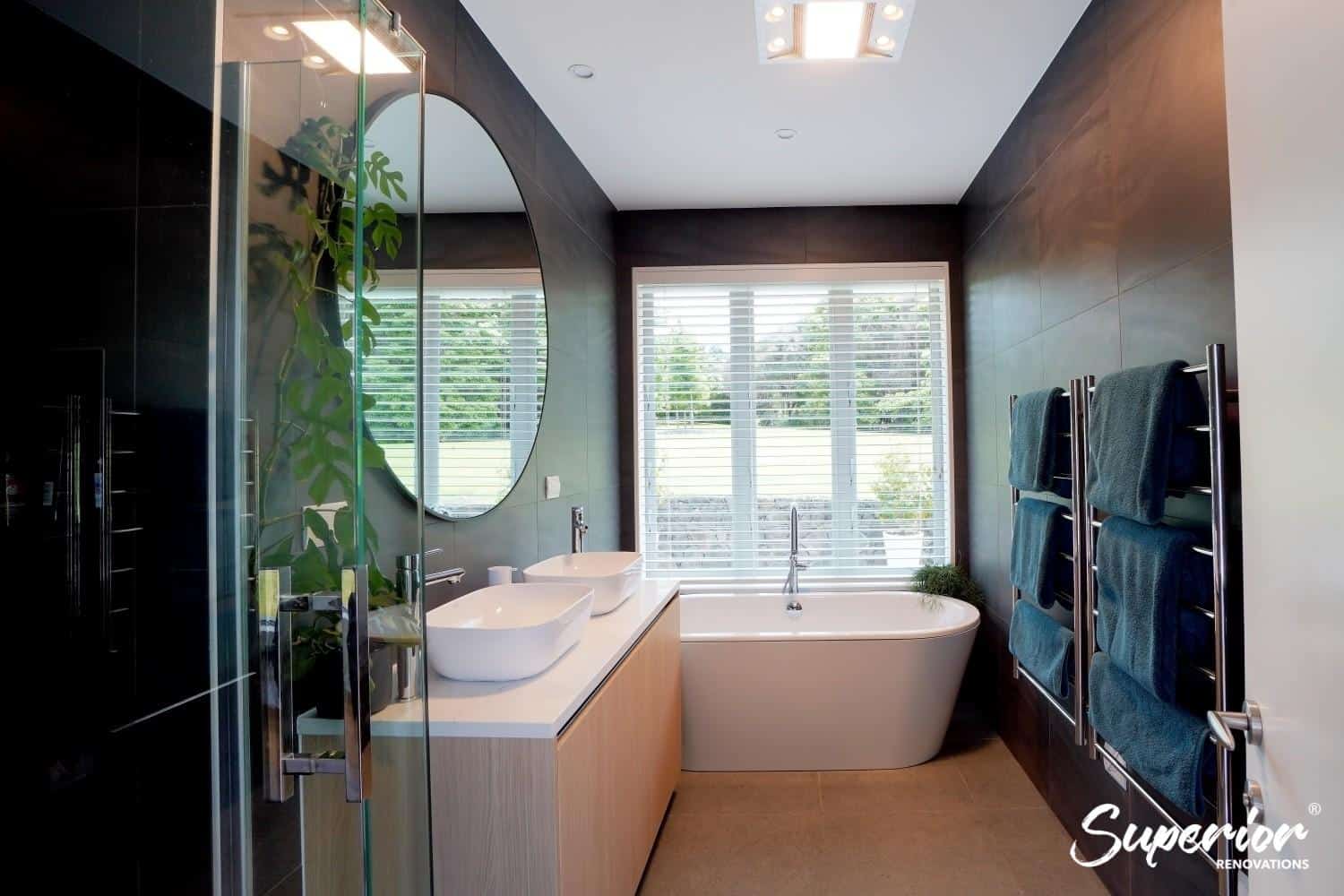
      freestanding bath in bathroom


      Design and Aesthetics: When a Freestanding Bath Earns Its Place

      There’s a reason freestanding baths dominate bathroom design magazines. A standalone tub positioned in the centre of a room — or against a window with a view — creates a focal point that no built-in bath can match. The tub itself becomes a piece of furniture, almost sculptural, and the space around it reads as open and intentional.

      That effect is real. We’ve seen it work beautifully in larger Auckland bathrooms — particularly in renovated villas across Grey Lynn and Ponsonby where the original bathroom footprint has been opened up, or in newer builds around Hobsonville and Millwater where bathrooms are designed with more generous proportions from the start.

      What a Freestanding Bath Actually Needs to Look Right

      Here’s what the magazine shots don’t always show you: a freestanding bath needs breathing room. You need at least 100–150mm of clear space around all sides of the tub for cleaning access, and ideally 300mm or more for it to look properly placed rather than jammed in. That means your bathroom realistically needs to be 7m² or larger for a freestanding bath to feel right — not just fit.

      We had a client in Remuera who initially wanted a 1700mm freestanding bath in a 5.5m² ensuite. Once we mapped it out with the shower, vanity, and toilet, the bath would have sat with about 80mm clearance on one side. It would have fit, technically. But it would have looked cramped and been a nightmare to clean behind.

      “A freestanding bath should feel like it was placed deliberately — like it chose that spot. If you’re squeezing it in just to say you have one, a well-designed built-in or back-to-wall option will actually look more expensive.”
      — Dorothy Li, Design Manager, Superior Renovations

      Freestanding baths come in a range of styles, from classic clawfoot designs that suit character homes to sleek, modern oval or rectangular tubs that work in contemporary spaces. Materials range from standard acrylic ($1,000–$2,500) through to solid surface composite and stone resin ($3,000–$8,000+), with premium options from NZ suppliers like Plumbline and Reece sitting at the upper end.

      built-in bath


      When a Built-In Bath Makes More Sense Design-Wise

      Built-in baths — also called alcove, inset, or drop-in baths — sit against one, two, or three walls, with the tub recessed into a tiled surround or hob. They’re the most common bath type in New Zealand homes and for good reason: they integrate into the room rather than dominating it, which gives you more flexibility with the rest of your layout.

      A built-in bath works particularly well when your bathroom is under 6m², when you want a shower-over-bath configuration (still a practical choice for families), or when the bath isn’t intended to be the star of the room. In a well-designed built-in setup, the tiling around the bath becomes the feature — and you can create a genuinely beautiful result with good tile selection.

      We’ve tiled built-in bath surrounds with everything from large-format porcelain to handmade Artisan tiles from The Tile Depot, and the results compete with any freestanding installation. The tiled hob also gives you ledge space for candles, products, or a glass of wine — something freestanding baths famously lack unless you add a bath caddy or shelf.

      💡 Quick tip: If you love the look of a freestanding bath but your bathroom is too small, consider a back-to-wall bath. It sits flush against one wall — so you get the sculptural front profile of a freestanding tub with the space efficiency of a built-in. It’s a genuine middle ground that works in bathrooms from about 5m².

      Auckland Homes and Bath Types: What Suits What

      The age and style of your Auckland home often narrows this decision faster than your personal taste does.

      Pre-1940s villas in Mt Eden, Grey Lynn, and Ponsonby often have generous bathroom footprints (or the potential to create one by reconfiguring adjacent rooms). These homes suit freestanding baths well, particularly clawfoot or roll-top styles that match the character of the house. A modern freestanding tub in a villa bathroom can also create a striking contrast between old and new — we’ve seen that work well in Epsom and Parnell renovations.

      1970s–80s brick-and-tile homes across South and West Auckland typically have smaller, more compartmentalised bathrooms. Built-in baths are usually the practical choice here, often as a shower-over-bath combo that maximises a tight footprint. These bathrooms were designed around built-in fixtures, and the plumbing is set up accordingly.

      Newer homes in subdivisions like Hobsonville, Flat Bush, and Millwater tend to have more flexibility. Master ensuites in these homes are often large enough for a freestanding bath, while secondary family bathrooms work better with a built-in configuration or a compact back-to-wall.

      DSC02148 - Superior RenovationsDSC02159 - Superior Renovations


      Space, Cleaning, and Plumbing: The Practical Stuff Nobody Mentions

      Design gets all the attention. The practical realities of living with your bath — cleaning behind it, plumbing it in, getting enough clearance for the toilet door to swing open — those conversations happen later. Usually too late. So let’s have them now.

      Space Requirements: How Much Room Do You Actually Need?

      Standard bathtubs in NZ start from about 1520mm long by 760mm wide, though most freestanding models sit in the 1500mm–1800mm range. The difference in space isn’t really about the tub itself — it’s about what goes around it.

      A built-in bath against three walls needs no clearance on those sides. You tile up to the tub lip, and the only open side is where you step in. That means a built-in bath might use just 1.2m² of your floor plan, while a freestanding bath of the same size could require 2.5m² or more once you factor in the clearance space around it.

      Factor Freestanding Bath Built-In Bath Back-to-Wall Bath
      Minimum bathroom size 7m²+ recommended 4m²+ workable 5m²+ recommended
      Clearance needed 100–300mm all sides None (enclosed sides) None at wall; 100mm+ on sides
      Floor space used ~2.5m² (with clearance) ~1.2m² ~1.6m²
      Shower-over-bath option Possible but uncommon Yes — very common Possible with wall-mount fittings
      Ledge/storage space None (add caddy or shelf) Tiled hob or ledge Wall-side ledge only

      For context, the average Auckland bathroom we renovate sits between 4.5m² and 7m². That puts a lot of bathrooms in the “too small for a comfortable freestanding bath, but fine for a built-in or back-to-wall” category. Larger master ensuites and primary bathrooms in renovated or newer homes are where freestanding baths tend to land.

      💡 Quick tip: Before falling in love with a freestanding bath, measure your bathroom and mark out the tub footprint with masking tape on the floor — including 150mm clearance on all exposed sides. Then stand back and check whether the room still feels open. If you’re already bumping into things, it’s too tight.

      Cleaning: The Honest Truth

      This is where the romance fades slightly. Freestanding baths collect dust, hair, and grime in the gap between the tub and the floor — and behind the tub where it’s hardest to reach. If your freestanding bath has legs (clawfoot style), the floor underneath needs regular mopping. If it sits flat on the floor, the narrow gap between the tub base and the tiles becomes a magnet for debris.

      Built-in baths avoid most of this. The enclosed sides mean you’re only cleaning the inside of the tub and the tiled surround. No crawling behind anything with a mop.

      Back-to-wall baths split the difference — the wall side stays sealed and clean, but the exposed front and sides still need occasional attention.

      This isn’t a reason to avoid a freestanding bath. It’s just something to plan for. If you go freestanding, make sure there’s enough room to physically walk around the tub for cleaning. A bath you can’t get behind without moving is a bath that will develop a sticky strip of grime you’ll try very hard to ignore.

      Plumbing and Installation in NZ Homes

      The biggest practical difference between the two bath types is what happens underneath the floor.

      A built-in bath connects to standard waste plumbing through the wall or floor — it’s straightforward because the bath sits in a fixed position against the wall where the pipes already are. In most Auckland renovations where you’re replacing an existing built-in bath with a new one, the plumbing changes are minimal.

      A freestanding bath needs its drainage to run through the floor. If your Auckland home has a timber floor (common in villas and many pre-2000s homes), this is manageable — the plumber drops the waste pipe through the timber framing to connect below. If your bathroom has a concrete slab floor — common in 1970s–80s brick-and-tile homes and some newer builds — running waste through the slab is significantly more expensive. It often means cutting into the concrete, which adds $1,500–$3,000+ to the plumbing scope depending on the distance to the nearest drain connection.

      “We always check the floor structure before confirming a freestanding bath. On a timber subfloor, it’s straightforward. On concrete, we need to factor in core drilling and sometimes a small pump if the fall isn’t sufficient — and that cost surprises people if they haven’t planned for it.”
      — Cici Zou, Designer (NZ Dip. Interior Design, Certified Designer), Superior Renovations

      Tapware is another consideration. Built-in baths typically use wall-mounted taps, which are common and cost-effective. Freestanding baths usually pair with floor-mounted or freestanding bath fillers — and these are noticeably more expensive. A quality floor-mounted bath filler in NZ runs $800–$2,500+, compared to $250–$800 for a standard wall-mounted bath mixer.

      Water supply lines for floor-mounted fillers also need to come up through the floor, which circles back to the same concrete-slab issue mentioned above. If you’re renovating a bathroom where the plumbing is already in the walls, switching to a freestanding bath with a floor filler means running new supply lines — more time, more labour, more cost.

      💡 Quick tip: If you want a freestanding bath but your bathroom has a concrete slab, talk to your builder and plumber before committing. A wall-mounted filler paired with a freestanding bath positioned near the existing wet wall can reduce plumbing costs significantly — the bath doesn’t have to sit in the centre of the room.

      Weight and Floor Load

      Worth mentioning: a filled bathtub plus an adult weighs roughly 300–400kg, depending on the tub size. Most NZ timber-framed floors can handle this without issue if the framing is in good condition, but older villas with original subfloors may need the bearers and joists checked — particularly if you’re moving the bath to a new position.

      For concrete slab floors, weight isn’t a concern. For upper-storey bathrooms in two-storey homes, your builder should verify the floor structure can carry the load in the proposed position — this applies to both bath types but matters more with larger freestanding tubs.

      bathroom renovation cost 10 - Superior Renovations


      Cost Comparison: Freestanding vs Built-In Bath in Auckland

      Money. Let’s get into it. The bath itself is only part of the equation — the real cost difference sits in the tapware, plumbing modifications, and tiling scope that each option requires.

      Bath Unit Costs in NZ (2026)

      Bath Type Budget Range (NZ) Mid-Range (NZ) Premium (NZ)
      Freestanding (acrylic) $1,000–$1,800 $1,500–$3,000 $3,000–$8,000+
      Freestanding (solid surface/stone) $2,500–$4,000 $4,000–$6,000 $6,000–$12,000+
      Built-in / alcove (acrylic) $400–$800 $800–$1,500 $1,500–$2,500
      Back-to-wall $800–$1,500 $1,500–$3,000 $3,000–$5,000+

      Those are just the tub prices. The installed cost difference is more meaningful.

      Total Installed Cost Difference

      Choosing a freestanding bath over a built-in typically adds $2,000–$5,000 to your bathroom renovation total, once you account for the following:

      Cost Component Freestanding Built-In
      Bath unit (mid-range) $1,500–$3,000 $800–$1,500
      Tapware / bath filler $800–$2,500 (floor-mount) $250–$800 (wall-mount)
      Plumbing modifications $500–$3,000+ (depends on floor type) $200–$500 (standard connection)
      Tiling around bath Less tiling (no surround) Hob/surround tiling adds $800–$2,000
      Typical total (installed) $3,500–$8,000+ $1,800–$4,500

      The freestanding option saves on tiling (no hob to tile around), but that saving is usually eaten up by the higher tub cost and the floor-mounted filler. On a concrete slab, the plumbing modification cost alone can close or exceed the tiling saving.

      Real Auckland Project Examples

      One of our recent projects in Henderson Valley featured a contemporary bathroom with a freestanding bath, brushed brass tapware, custom tiled shower, and large-format tiles. Total cost: $32,000–$35,000. The freestanding bath was a mid-range acrylic model and the bathroom had a timber subfloor, so plumbing was straightforward. You can see the full specifications on our case studies page.

      A family bathroom renovation we completed in West Harbour included a freestanding bathtub — chosen specifically because the family had young children and wanted a tub that was easy to clean around. That project came in at $35,000–$38,000, with full wall and floor tiling, vanity, toilet, and custom tiled shower. The freestanding format worked because the bathroom was large enough to accommodate it comfortably.

      By comparison, a Hillsborough rental property renovation with a built-in bath, tiled shower, basic vanity, and standard fixtures came in at $27,000–$30,000. The built-in bath kept costs lower and made the most of a tighter floor plan.

      For an indication of where your project might land, you can run your own numbers through our bathroom renovation cost calculator. It won’t capture every variable, but it gives you a realistic ballpark for Auckland pricing.

      💡 Quick tip: If your budget is between $25,000 and $35,000 for a full bathroom renovation in Auckland, a freestanding bath is achievable but it may require trade-offs elsewhere — simpler tile selection, standard vanity rather than custom, or fewer wall niches. Your design team can help you work out where to allocate the spend.

      Resale Value: Does the Bath Type Matter?

      Real estate agents and renovation industry professionals generally agree on one point: having at least one bath in your home — of either type — matters more for resale than which type you choose. Removing the only bathtub to install a shower-only bathroom can narrow your buyer pool, particularly for family homes in Auckland’s suburban markets.

      That said, freestanding baths do carry a perception of luxury. They photograph well for listings, create a “wow factor” that agents love, and signal to buyers that the bathroom has been designed rather than just renovated. If you’re renovating with an eye on selling within a few years, a freestanding bath in the main bathroom can help your listing stand out — provided the room is large enough for it to look good.

      For a secondary family bathroom, a well-installed built-in bath is perfectly fine for resale. Families with young kids often prefer a built-in with a shower-over configuration because it’s practical for bathing children. Function beats aesthetics in these spaces.

      bathroom renovation cost 18 - Superior Renovations


      Which Bath Should You Choose? A Straight Decision Framework

      Strip away the design magazines and Pinterest boards, and the decision usually comes down to three things: your bathroom size, your budget, and who’s using the bath.

      Choose a freestanding bath if:

      Your bathroom is 7m² or larger. You have budget for a mid-range tub ($1,500–$3,000) plus floor-mounted tapware ($800–$2,500). The bath is the focal point of the room — not an afterthought squeezed into a corner. Your floor is timber (cheaper plumbing) or you’ve budgeted for concrete slab modifications. You’re renovating a main bathroom or ensuite where visual impact matters.

      Choose a built-in bath if:

      Your bathroom is under 6m². You want a shower-over-bath configuration to save space. Budget is a priority and you’d rather spend the $2,000–$5,000 difference on better tiles, a custom vanity, or underfloor heating. The bath is a secondary fixture — functional, not the hero. You’re renovating a kids’ bathroom, family bathroom, or rental property.

      Consider a back-to-wall bath if:

      Your bathroom is 5–7m² — too small for a true freestanding bath but you want the standalone look. You want the front profile of a freestanding tub without the cleaning hassle behind it. Wall-mounted tapware suits your style (saves on floor-filler costs). You want a middle-ground option on both aesthetics and price.

      “We’re installing more back-to-wall baths than ever. Clients love that they get the freestanding look from the front, but the wall side seals flush — no dust trap, no cleaning nightmare. For mid-sized Auckland bathrooms, it’s often the smartest call.”
      — Alison Yu, Designer, Superior Renovations

      Still not sure? That’s exactly what our design consultations are for. Bring your bathroom measurements, your Pinterest board, and your budget — and we’ll map it out for you. We have six bathroom displays at our showroom in Wairau Valley (16B Link Drive) where you can see and touch different bath types in realistic settings before committing to anything.

      The best bath for your home is the one that fits the room, fits the budget, and still makes you happy to walk in every morning. Sometimes that’s a freestanding statement piece. Sometimes it’s a beautifully tiled built-in that just works. Either way, get it right and you’ll be glad you took the time to choose deliberately.

      Book your free in-home consultation with Superior Renovations
      Try our bathroom renovation cost calculator for an instant estimate
      Request a free feasibility report for your project


      How much does a freestanding bath cost in NZ?

      A mid-range freestanding acrylic bath costs $1,500–$3,000 in Auckland. Solid surface or stone resin models range from $3,000–$8,000+. Premium designer baths from NZ suppliers like Plumbline can exceed $10,000. Add $800–$2,500 for a floor-mounted bath filler. Total installed cost (including plumbing) typically runs $3,500–$8,000+ depending on your floor type and bathroom layout.

      Is a freestanding bath worth it in a small bathroom?

      Generally, no. Freestanding baths need at least 100–150mm clearance on all exposed sides for cleaning access, and the room needs to be roughly 7m² or larger for the bath to look properly placed. In bathrooms under 6m², a built-in or back-to-wall bath will look better, function better, and cost less. Forcing a freestanding bath into a tight space makes the room feel cramped and creates cleaning problems behind the tub.

      What is a back-to-wall bath and is it a good middle ground?

      A back-to-wall bath sits flush against one wall with the front and sides exposed — giving you the sculptural look of a freestanding bath without the gap behind it. It works in bathrooms from about 5m², uses standard wall-mounted tapware (saving $500–$1,500 over floor-mounted fillers), and eliminates the dust and grime that collects behind a fully freestanding tub. Mid-range models cost $1,500–$3,000 in NZ.

      Do I need to change my plumbing for a freestanding bath?

      Usually, yes. Freestanding baths need floor drainage and often a floor-mounted water supply for the bath filler. If your Auckland home has a timber subfloor, this is manageable — the plumber drops waste pipes through the framing. On a concrete slab (common in 1970s–80s homes), cutting into the slab adds $1,500–$3,000+ to the plumbing cost. You can reduce this by positioning the bath near an existing wet wall and using a wall-mounted filler instead.

      Which bath type is easier to clean?

      Built-in baths are easier to clean because the enclosed sides prevent dust and grime from accumulating. You only clean the inside of the tub and the tiled surround. Freestanding baths collect debris underneath and behind the tub, and clawfoot models require regular floor mopping beneath the legs. Back-to-wall baths are a compromise — the wall side stays sealed, but the exposed front still needs occasional attention.

      Does removing a bathtub hurt my home's resale value in NZ?

      Removing the only bathtub in your home can narrow your buyer pool, especially in family-oriented Auckland suburbs. Most real estate professionals recommend keeping at least one bath — either type — for broad market appeal. Families with young children particularly value having a functional bath. If you have multiple bathrooms, converting one to shower-only is less of an issue.

      How much does a full bathroom renovation with a freestanding bath cost in Auckland?

      Based on our recent Auckland projects, a mid-range bathroom renovation with a freestanding bath typically costs $32,000–$38,000. This includes full tiling, custom shower, vanity, toilet, freestanding tub, and tapware. A comparable renovation with a built-in bath runs $27,000–$32,000. The exact figure depends on tile selection, fixture brands, bathroom size, and whether plumbing needs to be moved. Use our bathroom renovation cost calculator for a personalised estimate.

      Can I put a freestanding bath upstairs in a two-storey house?

      Yes, but your builder should verify the floor structure can support the weight. A filled bath plus an adult weighs roughly 300–400kg. Modern NZ timber-framed upper floors are generally designed to handle this, but older homes or positions away from load-bearing walls may need additional support. This should be checked during the design phase — not after the bath is delivered.

      What size bathroom do I need for a freestanding bath?

      We recommend at least 7m² for a freestanding bath to look and function well. This allows adequate clearance around the tub for cleaning, visual breathing room, and space for your other fixtures (shower, vanity, toilet). In bathrooms between 5–7m², a back-to-wall bath gives a similar aesthetic with a smaller footprint. Under 5m², a built-in bath is the practical choice.

      Should I choose a freestanding bath for a rental property?

      Typically not. Built-in baths are more cost-effective, easier to maintain, and more practical for tenant use. A freestanding bath adds $2,000–$5,000 to installation costs without proportionate rental return. For rental properties, we recommend a mid-range built-in bath with a shower-over configuration — it covers the most use cases and keeps maintenance straightforward.

      What tapware works with a freestanding bath?

      Freestanding baths commonly pair with floor-mounted bath fillers ($800–$2,500 NZ), which create a dramatic standalone look. Wall-mounted fillers ($250–$800) are a more affordable option if the bath is positioned near a wall. Some freestanding baths have deck-mounted tap holes for rim-mounted mixers. Your plumber and designer can advise on which option suits your layout and budget — floor fillers look best but cost more and require additional plumbing through the floor.


      Further Resources for your bathroom renovation

      1. Featured projects and Client stories to see specifications on some of the projects.
      2. Real client stories from Auckland

      Need more information?

      Take advantage of our FREE Complete Home Renovation Guide (48 pages), whether you’re already renovating or in the process of deciding to renovate, it’s not an easy process, this guide which includes a free 100+ point check list – will help you avoid costly mistakes.

      Download Free Renovation Guide (PDF)


      finance - Superior Renovations

      Have you been putting off getting renovations done?

      We have partnered with Q Mastercard ® to provide you an 18 Month Interest-Free Payment Option, you can enjoy your new home now and stress less.

      Learn More about Interest-Free Payment Options*

      *Lending criteria, fees, terms and conditions apply. Mastercard is a registered trademark and the circles design is a trademark of Mastercard International Incorporated.


      Still have questions unanswered?

      Book a no-obligation consultation with the team at Superior Renovations,
      we’d love to meet you to discuss your renovation ideas!
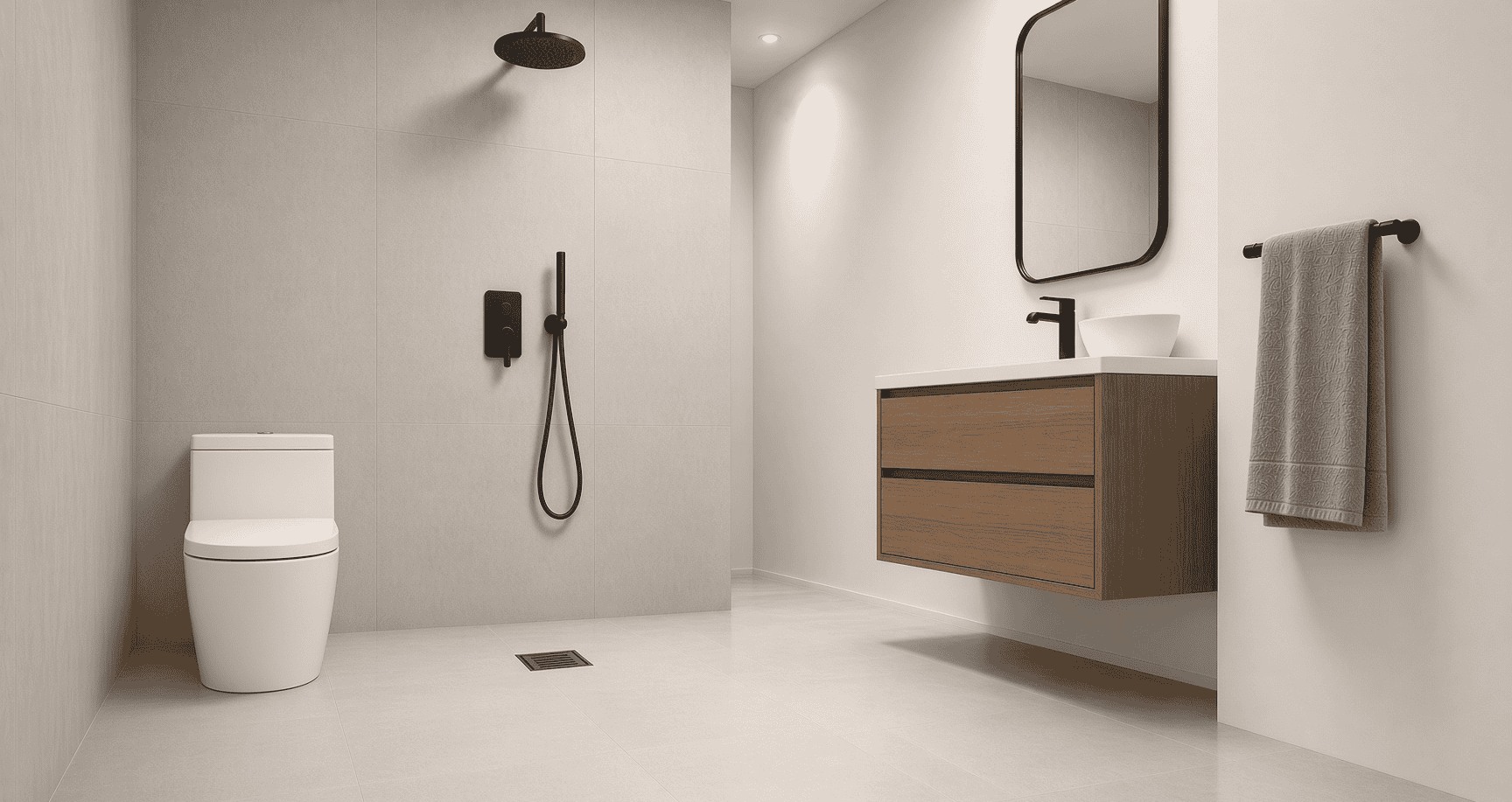
        Services

        Home RenovationKitchen RenovationBathroom RenovationOutdoor RenovationHouse ExtensionCommercialDesign ServicesOther

        By submitting this form, you agree to receive communications from us via email or text regarding our services, you can unsubscribe at any time.

        This site is protected by reCAPTCHA and the Google

        Privacy Policy and Terms of Service apply.

        Glennross 4 - Superior Renovations
        Bathroom Renovation

        Golden Rule for Bathroom Layouts in NZ (2026)

        Quick answer: The golden rule for bathroom layouts is zoning — separating your bathroom into distinct wet and dry areas so every fixture has purpose, space, and proper clearance around it. Get zoning right and everything else — the flow, the safety, the daily comfort — falls into place.

        Most Auckland homeowners start their bathroom reno by picking tiles. Or a vanity they spotted on Instagram. Or a freestanding bath that’ll look gorgeous against the wall in the ensuite.

        None of that matters if the layout doesn’t work.

        We’ve seen it enough times to know: a bathroom that looks right but flows wrong is a bathroom you’ll quietly resent for years. The toilet faces the door. The shower sprays water across the vanity. You can’t open a drawer without bumping into the towel rail. These aren’t bad product choices — they’re layout problems. And they all trace back to one thing.

        The golden rule. Zoning.

        It’s the principle every designer on our team applies before anything else gets decided — before materials, before colours, before fixtures. Divide the bathroom into wet and dry zones, maintain proper clearances between fixtures, and design the flow so you move naturally from dry to wet as you step further into the room. That’s it. Simple to say. Surprisingly easy to get wrong, especially in Auckland’s older homes where bathrooms were often squeezed into whatever space was left over.

        In this piece, we’ll break down exactly what the golden rule means, how to apply it in bathrooms from 3m² powder rooms to 12m² master ensuites, the specific clearance dimensions that matter for NZ homes, and the layout mistakes we see most often across Auckland renovations. Whether you’re renovating a 1970s brick-and-tile in Henderson or a character villa in Grey Lynn, this is the foundation that makes everything else work.

        4 Sep 2018 10 Waimakau station Rd Huapai 1 - Superior Renovations


        What the Golden Rule Actually Means — Zoning Your Bathroom Into Wet and Dry Areas

        The term “golden rule” gets thrown around loosely online, but among bathroom designers it refers to one core principle: organise every bathroom around clearly defined wet and dry zones.

        The wet zone is where water flows — your shower, your bath, and the immediate splash area around them. The dry zone is everything else: the vanity, the toilet, storage, and the space you use for getting dressed, applying makeup, or brushing your teeth.

        Why does this matter? Three reasons.

        Safety and Moisture Control

        Water on bathroom floors is the number one cause of slip injuries in New Zealand homes. When wet and dry zones aren’t properly separated, water migrates across the floor every time someone showers. In Auckland’s humid climate — where bathrooms already battle condensation through the wetter months — that’s a recipe for slippery tiles, swollen cabinetry, and mould behind the vanity that you won’t notice until it’s a real problem.

        The NZ Building Code Clause E3 (Internal Moisture) requires that floor surfaces in any space containing sanitary fixtures must be impervious and easily cleaned. Proper zoning is how you meet that requirement in practice — not just on paper.

        💡 Quick tip: Position the wet zone (shower, bath) at the back of the room, furthest from the door. This keeps water and steam contained rather than spreading across the entire bathroom every time you shower.

        Flow and Daily Usability

        Think about your morning routine. You walk in, use the toilet, wash your hands, check the mirror, maybe brush your teeth. The shower comes later — or sometimes not at all. For most of the time you spend in your bathroom, you’re in the dry zone. It makes sense to put that zone closest to the door, where it’s easiest to access.

        When you enter a well-zoned bathroom, you should see the vanity or basin first. Not the toilet. Definitely not the back of the shower. This isn’t just about aesthetics — it’s about making the space feel intuitive. You don’t think about it when it works. You absolutely notice when it doesn’t.

        “The first thing you should see when you open the bathroom door is either the vanity or the bath — never the toilet. That single decision sets the tone for the entire layout and affects how the room feels every single day.”
        — Cici Zou, Designer (NZ Dip. Interior Design, Certified Designer), Superior Renovations

        Fixture Clearances — The Numbers That Make It Work

        Zoning isn’t only about which fixtures go where. It’s about how much space sits between them. Every fixture in a bathroom needs a minimum clearance zone around it — space to stand, move, and use it comfortably.

        Here are the practical clearances that NZ bathroom designers work to:

        Fixture Minimum Front Clearance Recommended Front Clearance Side Clearance
        Toilet 550 mm 750 mm 380 mm from centreline to wall/fixture
        Vanity / Basin 550 mm 750 mm 500 mm from centreline to wall
        Shower entry 600 mm 750 mm Minimum 900 × 900 mm internal
        Freestanding bath 600 mm entry side 750 mm 100–150 mm perimeter for cleaning
        Door swing Full arc must not hit any fixture Outward swing or sliding preferred

        These clearances can overlap — the space in front of the toilet can also be the circulation path to the shower, for instance. But no fixture should feel boxed in. If you can’t comfortably stand, turn, and reach a towel after stepping out of the shower, the clearances are too tight.

        For Auckland bathroom renovations where consent isn’t required (most like-for-like replacements), these clearances aren’t legally mandated by the NZ Building Code for existing residential bathrooms. But they’re best-practice design standards drawn from NZS 4121 and international guidelines — and they’re what separates a bathroom that works from one that merely fits.

        4 Sep 2018 10 Waimakau station Rd Huapai 2 - Superior Renovations


        How to Apply the Golden Rule in Auckland Bathrooms — From Tiny Ensuites to Master Bathrooms

        Theory is one thing. Applying it inside a 2.4 × 1.8 metre ensuite in a 1990s townhouse in Albany? That’s where it gets real.

        Auckland bathrooms come in wildly different shapes and sizes, and the golden rule has to flex to fit all of them. The principle stays the same — zone wet from dry, maintain clearances, control the flow. The execution changes depending on what you’re working with.

        Small Bathrooms (3–5 m²) — Most Auckland Ensuites and Second Bathrooms

        This is the size range we see most often. It’s where the golden rule matters most, because there’s no room for mistakes.

        In a small bathroom, put all your plumbing on one wall wherever possible. A linear layout — toilet, vanity, and shower along the same wall — keeps the plumbing runs short (which saves money) and leaves one clear circulation path through the centre of the room. The shower goes at the far end, the vanity closest to the door.

        We renovated an ensuite in a Hobsonville townhouse last year that was barely 3.5 m². The original layout had the shower by the door and the vanity at the back — you had to walk past a wet shower screen every morning just to brush your teeth. By flipping those two and installing a frameless glass shower panel at the far end, the entire experience changed. Same footprint. Same fixtures. Completely different room.

        💡 Quick tip: In bathrooms under 4 m², a sliding or pocket door frees up about 0.7 m² of usable floor space that a standard swing door would eat. That’s enough to make the difference between cramped and comfortable.

        Other small-bathroom moves that reinforce the golden rule:

        Wall-hung toilets and floating vanities free up visible floor area, making the room feel larger and easier to clean. A wall-hung toilet also lets you adjust the distance from the back wall — useful in older Auckland homes where the existing plumbing position doesn’t give you ideal clearances.

        Frameless glass shower panels separate the wet zone without visually dividing the room. A floor-to-ceiling glass panel is the single most effective way to zone a small bathroom — water stays in the wet zone, but your eye reads the space as one continuous room.

        Consistent floor tile throughout — the same tile inside and outside the shower — reinforces the sense of a single space. Use a quality non-slip tile from The Tile Depot rated R10 or higher for the shower area.

        4 Sep 2018 10 Waimakau station Rd Huapai 4 - Superior Renovations


        Medium Bathrooms (5–8 m²) — The Auckland Family Bathroom

        This is the classic three-piece family bathroom you’ll find in most post-war Auckland homes — the brick-and-tile places in Manurewa, the 1960s weatherboards in Mt Roskill, the older bungalows across the North Shore.

        With 5–8 m², you have enough space to physically separate the wet and dry zones — not just visually, but with a partial wall, a glass partition, or even a change in floor level. This is where the golden rule really starts to pay off.

        A common layout we use: vanity and toilet on the left as you enter (dry zone), shower and/or bath on the right behind a glass screen or half wall (wet zone). The towel rail sits between the two zones — close enough to reach from the shower, but in the dry area so towels actually dry properly. Sounds obvious. You’d be surprised how often towel rails end up inside the splash zone.

        “In a family bathroom, I always recommend a semi-wet transition zone between the shower and the dry area — even if it’s just 300 mm of floor space with a slight fall toward the drain. It acts as a buffer and keeps the rest of the bathroom dry even when the kids forget to close the shower screen.”
        — Dorothy Li, Design Manager, Superior Renovations

        If you’re including a bath and a separate shower — common in family bathrooms — the bath can serve as a natural divider between zones. A freestanding bath positioned between the shower and the vanity creates an elegant visual separation while keeping the wet fixtures grouped together and the dry fixtures grouped on the entry side.

        For a mid-range family bathroom renovation in Auckland, expect to budget $25,000–$35,000 for a full scope including design, supply, all trades, and project management. Use our bathroom renovation cost calculator for a more specific estimate based on your selections.

        Large Bathrooms and Master Ensuites (8–12+ m²)

        Bigger bathrooms bring more options — and more ways to get zoning wrong. The temptation in a large space is to spread fixtures across every wall, which breaks the zone structure and creates a room that feels disconnected rather than luxurious.

        In a large ensuite, think of the space in three zones rather than two:

        The dry zone (vanity, mirror, storage) anchors the entry. The semi-wet zone (toilet, possibly a freestanding bath) sits in the middle, creating a visual transition. The wet zone (walk-in shower, wet room area) occupies the furthest point from the door.

        This three-zone approach is what you see in high-end hotel bathrooms — and it’s increasingly what Auckland homeowners in suburbs like Remuera, Herne Bay, and Epsom are asking for. Enclosed toilet rooms (a separate alcove or niche with its own door or partition) add privacy without losing the open-plan feel of the main space.

        💡 Quick tip: If your ensuite is over 10 m², consider a dedicated drying zone between the shower and vanity — a 600–800 mm strip of floor with a heated towel rail. It’s a small luxury that stops wet footprints reaching the vanity area and makes the daily routine noticeably more comfortable.

        For inspiration on how these layouts come together in real Auckland homes, browse our bathroom design gallery or visit our showroom at 16B Link Drive, Wairau Valley.

        Small Bathroom Design Superior Renovations 14 - Superior RenovationsSmall Bathroom Design Superior Renovations 15 - Superior Renovations


        Five Bathroom Layout Mistakes Auckland Homeowners Make (and How the Golden Rule Prevents Them)

        We’ve renovated hundreds of Auckland bathrooms. The layout mistakes we see most often aren’t dramatic — they’re the kind of thing that seems fine on a floor plan but drives you mad in daily use.

        1. Toilet Facing the Door

        This is the single most common layout mistake in NZ bathrooms. You open the door and the first thing you see — or the first thing your dinner guests see — is the toilet. It happens because the toilet is often placed nearest to the existing waste pipe, and nobody thought to question it.

        The fix: position the toilet to the side, behind a partial wall, or at least perpendicular to the entry sightline. In the NZ Building Code’s guidance on toilet privacy (G1/AS1), the principle is clear — building users shouldn’t be able to see the toilet pan in the normal use of the building. The same principle should guide your home layout, even though residential bathrooms have more flexibility.

        2. Cramming in Too Many Fixtures

        A bath, a separate shower, double basins, and a toilet in 6 m². We’ve seen it attempted. It doesn’t work.

        Every fixture you add shrinks the clearance zones around every other fixture. When you can’t comfortably dry off after a shower because the towel rail is 400 mm away and the toilet is right there — that’s a layout that prioritised fixtures over function. Sometimes less really is more. A single generous shower with a rainfall head and proper clearance will feel more luxurious than a cramped shower-plus-bath combination where you can barely turn around.

        3. Ignoring the Door Swing

        A standard hinged door swinging inward eats approximately 0.7 m² of floor space and can collide with the vanity, towel rail, or even the toilet. In Auckland’s older villas and bungalows — where bathrooms are often tight — this is a real problem.

        Outward-swinging doors, sliding doors, or pocket doors solve it. A pocket door is the gold standard for small bathrooms. Yes, it costs more to install (typically $800–$1,500 above a standard door), but the floor space you gain is permanent.

        💡 Quick tip: Before finalising your layout, open every drawer, every cabinet door, and simulate the door swing in your floor plan. If anything overlaps or blocks access, the clearances need adjusting. This five-minute check prevents expensive regrets.

        4. Putting the Shower Next to the Door

        When the shower is beside the entry, steam and water have a direct path out of the bathroom. The hallway gets humid. The bathroom floor is wet where you step in. And the vanity mirror fogs up faster because it’s further from the extraction fan and closer to the steam source.

        Shower at the back, vanity at the front. Always. It’s the golden rule in practice.

        5. Forgetting About Ventilation Zones

        Auckland’s climate means bathrooms need proper ventilation — not just an extractor fan stuck somewhere on the ceiling. The fan should be positioned directly above or adjacent to the wet zone, pulling moisture at its source before it migrates into the dry zone. Under the NZ Building Code Clause G4 (Ventilation), all habitable spaces require adequate ventilation — and for bathrooms without openable windows, a mechanical extraction system is mandatory.

        A well-zoned layout makes ventilation more effective because the moisture is concentrated in one area rather than spread across the whole room.

        Small Bathroom Design Superior Renovations 11 - Superior RenovationsSmall Bathroom Design Superior Renovations 9 - Superior Renovations


        NZ-Specific Layout Considerations Auckland Homeowners Should Know

        International bathroom design advice is everywhere. But Auckland homes have quirks that generic advice doesn’t cover.

        Existing Plumbing Positions in Older Auckland Homes

        In pre-1960s villas and bungalows across Grey Lynn, Ponsonby, and Mt Eden, the waste pipe for the toilet is often in a fixed position that’s expensive to move. The golden rule doesn’t mean you have to relocate plumbing — it means you design the best possible zone layout around what’s already there. Our advice to clients is always to keep the plumbing where it is and only change it if absolutely necessary. Relocating a toilet waste pipe can cost $1,000–$5,000 depending on access, and that’s money better spent on finishes or fixtures in most cases.

        Waterproofing and the Wet Zone

        Under NZ Building Code Clause E3, any glazing within 2 metres of the floor in bathrooms must be safety glass, and wet area membranes must comply with AS/NZS 4858:2004. When you zone your bathroom properly, the waterproofing scope is clearly defined — you know exactly which walls and floors need full membrane treatment and which need splash-zone protection only. This clarity can save $500–$1,500 in waterproofing costs compared to waterproofing the entire room floor-to-ceiling.

        Auckland Council Consent and Layout Changes

        Most like-for-like bathroom renovations — replacing fixtures in the same positions — don’t require Auckland Council building consent. But if you’re moving plumbing to new locations, removing walls, or making structural changes, consent is required. The consent process typically takes 4–8 weeks and costs $3,000–$8,000 for residential projects. Superior Renovations assesses this during your free in-home consultation and manages all consent applications on your behalf.

        Future-Proofing With Accessible Design

        The NZ Building Code Clause G1 requires that personal hygiene facilities for people with disabilities are accessible. Even in a standard residential renovation, it’s worth designing with the future in mind. A level-access shower (minimum 900 × 900 mm clear space), wider doorways (minimum 810 mm clear opening), and strategically placed blocking in the walls for future grab rails cost very little extra during a renovation but can save tens of thousands later if accessibility becomes necessary.

        “We now design every family ensuite with future-proof access in mind. A wider doorway, a level-entry shower, and blocking for grab rails — these changes cost almost nothing during the build but make the space work for grandparents, kids, or anyone with mobility changes down the track.”
        — Dorothy Li, Design Manager, Superior Renovations

        For a full breakdown of what different bathroom renovations cost in Auckland, see our 2026 bathroom renovation cost guide.


        Get Your Bathroom Layout Right From the Start

        The golden rule isn’t complicated. Zone wet from dry. Maintain clearances. Design the flow from dry to wet as you move further into the room. Do that, and you’ve got a layout that works — one that’ll feel right on day one and still feel right a decade from now.

        The hard part isn’t understanding the rule. It’s applying it to the specific bathroom you’ve got — with its fixed waste pipes, its odd dimensions, its window in the wrong spot, and its door that opens the wrong way. That’s where experience matters, and it’s exactly what our design team does for every project.

        Book your free in-home consultation with Superior Renovations
        Try our free bathroom renovation cost calculator
        Request a free feasibility report for your project


        What is the golden rule for bathroom layouts?

        The golden rule is zoning — separating your bathroom into distinct wet and dry areas. The wet zone (shower, bath) goes at the back of the room, furthest from the door. The dry zone (vanity, toilet, storage) sits closest to the entry. This keeps water contained, improves daily flow, and makes the space safer and more comfortable. Every fixture should have adequate clearance — at least 550 mm in front and 380 mm to the side for toilets.

        How much clearance do you need around a toilet in NZ?

        Best practice is a minimum of 380 mm from the toilet centreline to any wall or fixture on either side, and at least 550 mm of clear space in front. For comfort, aim for 750 mm in front if your layout allows it. The NZ Building Code (G1/AS1) sets accessibility requirements for public buildings, and while residential bathrooms have more flexibility, following these clearances makes a real difference to daily comfort.

        What size should a shower be in a New Zealand bathroom?

        The minimum recommended internal shower size in NZ is 900 × 900 mm. For a more comfortable experience — especially in a family bathroom — we recommend at least 1,000 × 1,000 mm. Walk-in showers in larger ensuites typically start from 1,200 × 900 mm. Ensure at least 600 mm of clear space at the shower entry for safe access.

        Do I need building consent to change my bathroom layout in Auckland?

        If you're replacing fixtures in the same positions, consent is generally not required. However, moving plumbing to new locations, removing or adding walls, or making structural changes typically requires Auckland Council building consent. Processing takes 4–8 weeks and costs $3,000–$8,000 for residential projects. Superior Renovations assesses consent requirements during your free consultation.

        How much does a bathroom renovation cost in Auckland in 2026?

        A mid-range full bathroom renovation in Auckland costs $25,000–$35,000 including design, supply, all trades, and project management. Budget refreshes start from $9,000–$16,000. Luxury or custom bathrooms — wet rooms, premium fixtures, high-end brands — start from $45,000 upwards. Use the Superior Renovations bathroom cost calculator for a personalised estimate.

        Should the toilet face the bathroom door?

        No. The toilet should never be the first thing you see when opening the bathroom door. Position it to the side, behind a partial wall, or perpendicular to the entry sightline. The NZ Building Code guidance on privacy (G1/AS1) states that toilet pans should not be visible in the normal use of a building. The same principle should guide residential layouts.

        What is wet and dry zoning in a bathroom?

        Wet and dry zoning divides your bathroom into areas based on water exposure. The wet zone contains the shower and bath — areas that need full waterproofing and slip-resistant surfaces. The dry zone contains the vanity, toilet, and storage. Separating these zones prevents water from migrating across the floor, reduces mould risk, protects cabinetry, and makes the bathroom safer and easier to clean.

        Can you have a bath and separate shower in a small Auckland bathroom?

        It depends on the size. In bathrooms under 5 m², fitting both a bath and a separate shower usually means sacrificing clearance space around one or both — which breaks the golden rule. A shower-over-bath combination is often the better option in compact spaces. In bathrooms 6 m² and above, a separate bath and shower can work well when positioned together in the wet zone.

        How do I make a small bathroom feel bigger with layout?

        Use a linear layout with plumbing on one wall. Install a frameless glass shower panel instead of a shower curtain or framed enclosure. Choose a floating vanity and wall-hung toilet to expose more floor area. Use the same floor tile inside and outside the shower for visual continuity. A pocket or sliding door saves about 0.7 m² of floor space compared to a standard swing door.

        Is it worth hiring a designer for a bathroom layout?

        For bathrooms over $20,000 in scope, a designer typically saves you more than their fee by avoiding layout mistakes, optimising clearances, and selecting materials that work together. Superior Renovations includes design as part of every bathroom renovation package. Our in-house design team — including specialists Cici Zou and Alison Yu — works with you to plan the layout before any construction begins.

        What is the best bathroom layout for an Auckland villa?

        Auckland villas typically have small, narrow bathrooms with fixed waste pipe positions. The best layout keeps plumbing on the existing wall, places the vanity nearest the door, positions the toilet perpendicular to the entry sightline, and puts the shower at the far end with a frameless glass panel. A pocket door and floating vanity maximise the limited floor space without requiring structural changes.


        Further Resources for your bathroom renovation

        1. Featured projects and Client stories to see specifications on some of the projects.
        2. Real client stories from Auckland

        Need more information?

        Take advantage of our FREE Complete Home Renovation Guide (48 pages), whether you’re already renovating or in the process of deciding to renovate, it’s not an easy process, this guide which includes a free 100+ point check list – will help you avoid costly mistakes.

        Download Free Renovation Guide (PDF)


        finance - Superior Renovations

        Have you been putting off getting renovations done?

        We have partnered with Q Mastercard ® to provide you an 18 Month Interest-Free Payment Option, you can enjoy your new home now and stress less.

        Learn More about Interest-Free Payment Options*

        *Lending criteria, fees, terms and conditions apply. Mastercard is a registered trademark and the circles design is a trademark of Mastercard International Incorporated.


        Still have questions unanswered?

        Book a no-obligation consultation with the team at Superior Renovations,
        we’d love to meet you to discuss your renovation ideas!
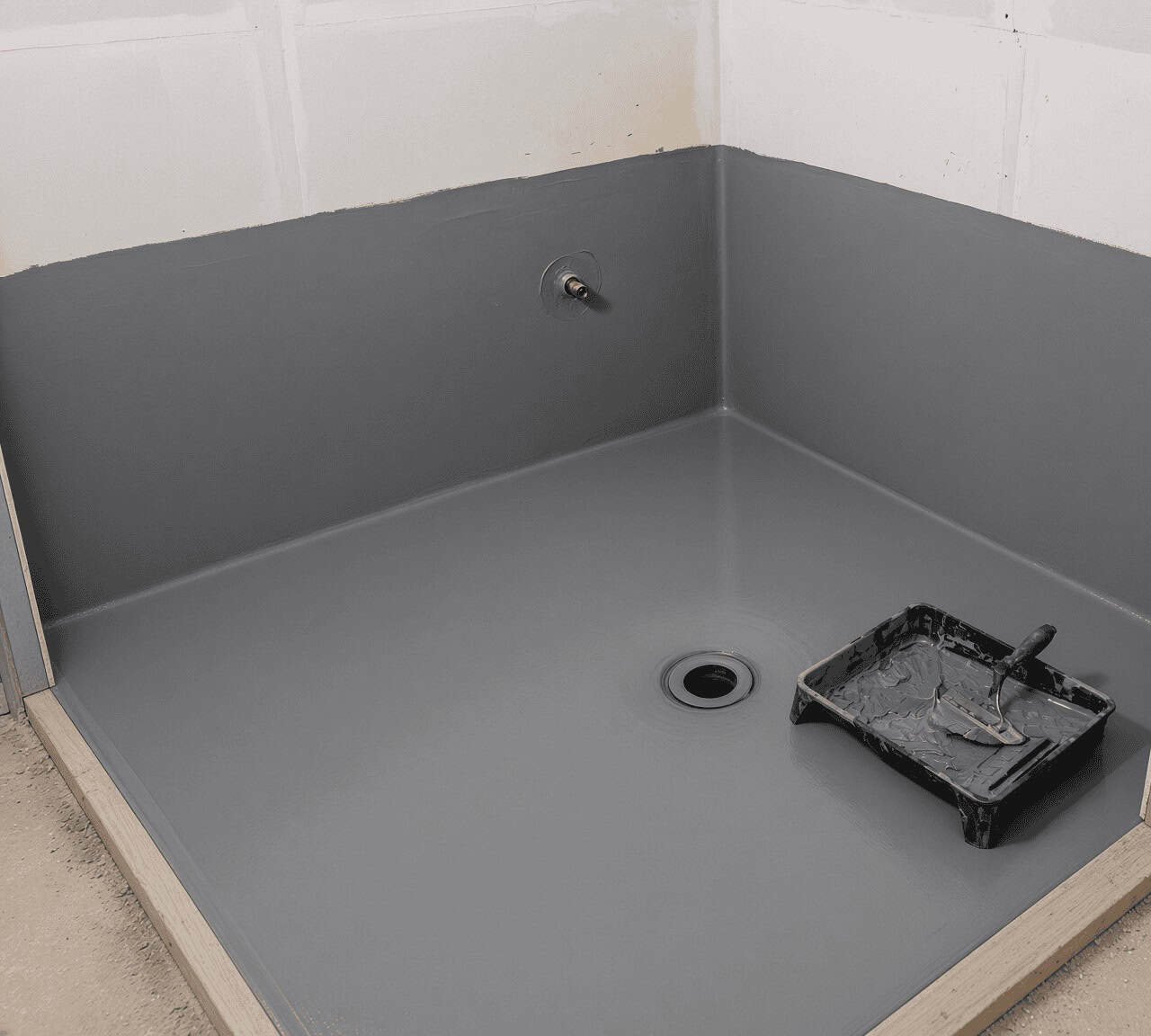
          Services

          Home RenovationKitchen RenovationBathroom RenovationOutdoor RenovationHouse ExtensionCommercialDesign ServicesOther

          By submitting this form, you agree to receive communications from us via email or text regarding our services, you can unsubscribe at any time.

          This site is protected by reCAPTCHA and the Google

          Privacy Policy and Terms of Service apply.

          bathroom renovation west auckland 2 - Superior Renovations
          Bathroom Renovation

          Common Bathroom Renovation Mistakes NZ | 2026 Guide

          Quick answer: The most common bathroom renovation mistakes in NZ include underestimating costs (Auckland mid-range sits at $25,000–$35,000, not the $10,000 many expect), skipping building consent, cutting corners on waterproofing, poor ventilation planning, and choosing materials based on looks rather than performance in our humid climate.

          A bathroom renovation should be one of the best investments you make in your Auckland home. When it goes right, you get a space that works better, feels better, and adds genuine value to your property.

          When it goes wrong? You get mould behind new tiles, a $15,000 budget that blows out to $25,000, or a call from Auckland Council asking why nobody applied for consent before the plumber moved that waste pipe.

          We’ve been renovating bathrooms across Auckland since 2017 — from tired ensuites in Grey Lynn villas to family bathrooms in Flat Bush new builds. We’ve seen every version of “I wish I’d known that before we started.” The patterns are remarkably consistent. The same mistakes keep showing up, project after project, suburb after suburb. And nearly all of them are avoidable with straightforward planning.

          This isn’t a list of vague warnings. Every mistake below comes with the real cost of getting it wrong, the NZ-specific rule or standard that applies, and the specific fix. Whether you’re planning a quick $9,000 refresh or a $45,000+ custom wet room, these are the things worth knowing before demo day.

          Custom built bathroom renovation. Luxury bathroom design


          Mistake #1: Getting the Budget Wrong From Day One

          This is the single most common bathroom renovation mistake we see in Auckland. Not by a small margin — by a huge one.

          Homeowners walk in expecting to spend $10,000–$15,000 on a full bathroom renovation. The reality? A mid-range full bathroom renovation in Auckland costs $25,000–$35,000 in 2026, covering design, all materials, trades, and project management. That’s not luxury — that’s a properly done standard job with new tiles, vanity, shower, lighting, and fixtures.

          Where the Numbers Actually Land

          Here’s what bathroom renovation actually costs in Auckland right now, based on completed projects across our portfolio:

          Renovation Tier Typical Cost (Auckland, 2026) What’s Included
          Budget refresh $9,000–$16,000 New paint, fittings, minor tiling — no layout changes
          Mid-range full renovation $25,000–$35,000 New tiles, vanity, shower, fixtures, lighting, labour, project management
          Luxury / custom wet room $45,000–$65,000+ Premium brands, wet room, underfloor heating, custom design

          Those figures reflect a 5–8% increase from 2025, driven by material and labour inflation across Auckland’s construction sector (Stats NZ confirmed residential construction prices rose 1.9% in the 12 months to March 2025, with further pressure through 2026).

          The Real Damage of Underbudgeting

          When people start a renovation with unrealistic numbers, one of two things happens. Either they run out of money mid-project — which means compromised finishes, half-done work, and a bathroom that’s worse than what they started with — or they start making reactive cuts that undermine the whole job. Cheap waterproofing. No consent. Tiles from the clearance bin that crack in six months.

          We had a client in Henderson who budgeted $15,000 for a 10m² bathroom renovation but skipped a $1,500 consent for plumbing changes. Auckland Council halted the job. Three weeks of delays, $3,000 in corrections — total cost hit $22,000. With proper planning and the consent sorted upfront, it would have been $18,000.

          💡 Quick tip: Use the Superior Renovations bathroom cost calculator to get an initial estimate based on your specific bathroom size and finish level before you start talking to anyone.

          “The number one thing I tell clients in the first design meeting — be honest about your budget and add 10–15% on top for contingency. Auckland bathrooms always have surprises behind the walls, especially in pre-2000s homes. The contingency isn’t a luxury, it’s the thing that stops your project falling apart halfway through.”
          — Cici Zou, Designer (NZ Dip. Interior Design, Certified Designer), Superior Renovations


          Mistake #2: Skipping Waterproofing and Ventilation — the Invisible Killers

          If budget mistakes are the most common, waterproofing and ventilation failures are the most expensive to fix after the fact.

          Think about it. You can’t see waterproofing once the tiles are on. You can’t see ventilation once the ceiling is closed up. These are the parts of a bathroom renovation that nobody photographs for Instagram — and they’re the parts that determine whether your bathroom lasts 20 years or starts growing mould behind the wall in 18 months.

          designer bathroom auckland 11 - Superior Renovations

          designer bathroom auckland 12 - Superior Renovations

          Waterproofing: What the NZ Building Code Actually Requires

          NZ Building Code Clause E3 (Internal Moisture) mandates that all bathroom wet areas must be waterproofed to prevent moisture penetrating the building structure. That means the shower floor and walls, around the bath, and any area that regularly gets wet. The membrane must be applied by a qualified waterproofer, tested, and signed off before tiles go on.

          Older Auckland homes — villas in Mt Eden, bungalows in Sandringham, even the 1990s–2000s builds in Albany — are already prone to moisture issues. Many have single-skin walls, poor subfloor ventilation, and decades of deferred maintenance. Layering a new bathroom on top of compromised waterproofing is like painting over rust.

          Failed DIY waterproofing is one of the most common reasons bathrooms need to be re-renovated within five years. The cost? Ripping out tiles, reapplying membrane, and re-tiling a shower alone can run $5,000–$10,000 — on top of whatever the original job cost.

          Ventilation: Auckland’s Humidity Problem

          Auckland’s average humidity sits between 75–85% through winter. That’s high. Without proper mechanical ventilation — a decent extractor fan ducted to the outside, not just into the ceiling cavity — you’re creating a mould breeding ground.

          For rental properties, an extractor fan is mandatory under the Healthy Homes standards. For owner-occupied homes, it’s not legally required in the same way, but it’s the single cheapest piece of insurance you can add to a bathroom renovation. We’re talking $300–$800 installed for a quality fan — against thousands to remediate mould damage later.

          💡 Quick tip: Always have your waterproofing inspected and photographed before tiles go on. If your renovation company can’t show you documented sign-off on the membrane, ask why. At Superior Renovations, we photograph every stage and share it with the client.

          A Titirangi homeowner we spoke to last year had their bathroom renovated by a previous company without documented waterproofing inspection. Eighteen months later, tiles started lifting in the shower. The repair bill came to $8,500 — more than they’d saved by going with the cheaper original quote.


          Mistake #3: Ignoring Building Consent Requirements

          This one catches more Auckland homeowners than you’d expect. The logic usually goes: “It’s just a bathroom. Why would I need consent for my own bathroom?”

          Fair question. And for many bathroom renovations, you don’t need consent. Replacing tiles, vanity, toilet, and shower in the same positions is generally exempt under Schedule 1 of the Building Act 2004.

          But the moment you start moving things — relocating the shower, shifting the toilet waste pipe, removing a wall, changing the electrical layout beyond basic replacements — consent is almost certainly required. And the consequences of getting this wrong are not theoretical.

          designer bathroom auckland 18 - Superior Renovations

          Designer Bathroom By Superior Renovations


          What Happens When You Skip Consent

          Auckland Council can issue a notice to fix. That means stopping work, applying retrospectively (which costs more than applying upfront), and potentially ripping out and redoing work that doesn’t meet code. Fines for unconsented work can reach $200,000 under the Building Act 2004, with a further $20,000 per day the offence continues. An instant infringement fine of $1,000 can be issued on the spot.

          The practical cost is usually less dramatic — but still painful. A consent application for a standard bathroom renovation runs $500–$2,500 through Auckland Council. Compare that to $5,000–$10,000 in forced rework and delays when council discovers unconsented work. The maths is obvious.

          The Selling Problem

          Even if council never finds out during the renovation, unconsented work shows up later. When you sell, your solicitor or the buyer’s building inspector will ask about Code Compliance Certificates. Work done without consent can’t get a CCC. That flags on the LIM report. Unconsented bathroom work can reduce your property value or kill a sale entirely — we’ve seen this happen in Remuera and Ponsonby, where buyers walked away from otherwise excellent homes because the bathroom renovation had no paper trail.

          💡 Quick tip: Not sure if your bathroom renovation needs consent? The government’s exempt building work guide on building.govt.nz lists exactly what’s covered. Or just ask during your free consultation — we assess consent requirements for every project.

          designer bathroom auckland 21 - Superior Renovations

          designer bathroom auckland 16 - Superior Renovations


          Mistake #4: Choosing Materials That Look Good but Don’t Perform

          Pinterest boards are full of beautiful bathrooms. And about half of them would fall apart within three years in an Auckland bathroom.

          The problem is simple: materials that perform well in a dry Californian climate don’t necessarily survive in a high-humidity Auckland environment. Natural timber vanities that haven’t been properly sealed. Unsealed natural stone tiles on a shower floor. Cheap imported tapware with no NZ warranty. These are the material decisions that look great on day one and become problems by year two.

          Tiles: Where Cheap Gets Expensive

          The difference between budget tiles ($30–$50/m²) and quality porcelain or ceramic ($60–$120/m²) is often less than $1,000 for an entire bathroom floor and wall area. But cheap tiles can crack, absorb moisture (especially if they’re not fully vitrified), and stain within a couple of years. The cost of retiling? $3,000–$6,000 including removal and disposal.

          We generally source tiles through The Tile Depot, where the range covers everything from budget-friendly options to premium large-format tiles. The key isn’t spending the most — it’s matching the tile specification to the application.

          designer bathroom auckland 15 - Superior Renovations

          Designer Bathroom By Superior Renovations

          Tapware and Fixtures: The False Economy

          Matte black tapware has been the dominant trend across Auckland bathrooms for the past three years. A full set of quality matte black fixtures runs $500–$1,500. The budget versions? $200–$400. The difference shows within 12 months — cheap coatings wear, handles loosen, and cartridges fail.

          We work with Reece for our bathroom plumbing and fixtures because the product range is backed by NZ warranties and the supply chain is reliable. When a mixer cartridge needs replacing in five years, you want it to be available — not discontinued by a no-name import brand.

          designer bathroom auckland 10 - Superior Renovations

          Designer Bathroom By Superior Renovations

          designer bathroom auckland 13 - Superior Renovations

          Designer Bathroom By Superior Renovations

          “I always tell clients — spend your money where water touches things. Waterproofing, tiles in the shower, quality tapware. The vanity mirror and accessories? That’s where you can save. But the wet zone is not the place to cut corners in Auckland’s climate.”
          — Alison Yu, Designer, Superior Renovations

          💡 Quick tip: Ask your renovation company whether tapware comes with a minimum 5-year NZ warranty. If the answer is vague, the product is probably an unbranded import with no local support.


          Mistake #5: Poor Layout Planning and the Space You Can’t Get Back

          A bathroom is the smallest room most people renovate — and paradoxically, that makes layout planning more important, not less. Every centimetre counts.

          The most common layout mistake we see? Homeowners keeping the same layout because it’s cheaper, even when the existing layout is the reason the bathroom doesn’t work. Sometimes keeping the layout makes perfect sense — same-position replacements save $2,000–$5,000 in plumbing relocation costs and usually avoid consent. But sometimes the existing layout is the problem, and preserving it means spending $25,000+ on a bathroom that still feels cramped, awkward, or poorly lit.

          The Circulation Problem

          NZ Building Code requires minimum clearances around fixtures. You need at least 450mm clear space in front of a toilet, and doors need to open without hitting anything. In Auckland’s older homes — the 3m × 2m bathrooms in 1970s brick-and-tile houses, the narrow bathrooms in pre-war bungalows — these clearances are tight even with careful planning.

          We’ve worked on bathrooms in Hillsborough and Mt Roskill where the original toilet was so close to the vanity you couldn’t sit down without your knee touching the cabinet. The homeowners had lived with it for years. The fix was moving the toilet 300mm — a $2,000–$3,000 plumbing change that transformed the room.

          Lighting: The Forgotten Layout Element

          Most homeowners plan the floor layout carefully and forget about lighting entirely. A single ceiling downlight is not enough. You need task lighting at the vanity (for shaving, makeup, grooming), ambient lighting for the overall space, and ideally a night light option so you’re not blinded at 2am.

          Layered lighting adds $500–$1,500 to a bathroom renovation — and it’s one of the highest-impact, lowest-cost upgrades you can make. Backlit mirrors, LED strip lighting under the vanity, and dimmable downlights turn a basic bathroom into a space that actually feels good to use. PDL by Schneider Electric supply a range of bathroom-rated switches and dimmers designed for NZ wet areas.

          designer bathroom auckland 9 - Superior Renovations

          Designer Bathroom By Superior Renovations

          💡 Quick tip: Before committing to a layout, visit the Superior Renovations showroom at 16B Link Drive, Wairau Valley to see real bathroom layouts in person. It’s easier to judge spatial proportions when you’re standing in an actual bathroom rather than staring at a floor plan.


          Mistake #6: Hiring Wrong, Managing Trades Poorly, and DIY Overreach

          A bathroom renovation involves a minimum of five or six trades: builder, plumber, electrician, waterproofer, tiler, and painter. Potentially a plasterer and gasfitter too. Coordinating these people is project management — and it’s where DIY-managed renovations consistently come unstuck.

          The Cost of Poor Trade Coordination

          When trades aren’t coordinated properly — tiles arrive late, the plumber and electrician are booked for the same day, or the waterproofer can’t come for three weeks — idle time alone adds $500–$1,000 to the job. Auckland tradies charge $90–$120/hour. A plumber standing around for half a day waiting for the tiler to finish is $400–$600 of your money doing nothing.

          We’ve seen projects where homeowners managed their own trades and it took 8–10 weeks for a job that should have taken 3–4. The extended disruption — no functioning bathroom, living with dust, makeshift washing arrangements — costs something too, even if it doesn’t show up on a receipt.

          The DIY Trap

          Some bathroom tasks are genuinely DIY-friendly. Painting. Installing towel rails. Maybe even fitting a vanity if it’s a straight swap. But plumbing, electrical, waterproofing, and tiling are not weekend warrior territory.

          Under NZ law, plumbing and gasfitting work must be carried out by or under the supervision of a registered person under the Plumbers, Gasfitters, and Drainlayers Act 2006. Electrical work beyond basic like-for-like replacements requires a registered electrician. These aren’t suggestions. Doing your own plumbing or electrical work in a bathroom renovation is illegal in New Zealand — and uninsurable if something goes wrong.

          Checking Credentials Matters

          Licensed Building Practitioners (LBPs) can be verified on the LBP register. Plumbers and drainlayers can be checked on the Plumbers, Gasfitters, and Drainlayers Board register. If your builder or renovation company can’t provide LBP numbers, that’s a red flag. Sound familiar?

          A full-service renovation company like ours handles all trade coordination, scheduling, consents, and quality checks under one contract and one project manager. It’s not the only way to do a bathroom renovation — but it eliminates most of the coordination headaches that cause delays and cost blowouts.

          Have a look at our real client stories from Auckland homeowners to see how the process works from their perspective.


          Mistake #7: Forgetting About Storage, Access, and Long-Term Liveability

          A new bathroom can look incredible on completion day and become frustrating within weeks if basic liveability details were overlooked. Storage is the biggest culprit.

          Most Auckland bathrooms are between 3m² and 8m² — and nearly all of them lack sufficient storage. Shampoo bottles on the floor of the shower. Towels piled on the toilet cistern. Cleaning products under the vanity next to the hair dryer. These are signs of a bathroom that was designed for the photo, not for daily life.

          Storage Solutions That Actually Work

          Recessed shower niches (built into the wall during the tiling phase) cost almost nothing extra during construction but add genuine daily functionality. A wall-mounted vanity with drawers rather than a pedestal basin gives you usable storage without taking floor space. Mirrored cabinets above the vanity double as storage and lighting.

          These aren’t luxury additions. They’re standard specifications that should be part of every bathroom renovation brief — and they’re easy to include during the design phase but expensive or impossible to add later.

          Future-Proofing and Accessibility

          If you’re planning to stay in your home long-term, or you’re renovating for ageing parents, think about grab rails (or at least blocking in the wall so they can be added later), barrier-free shower entries, and slip-resistant flooring. These features cost very little to include during a renovation but thousands to retrofit.

          💡 Quick tip: Ask your designer to include timber blocking behind the tiles in the shower and toilet areas during construction. It costs under $100 and means you can install grab rails at any point in the future without retiling.


          How to Avoid These Bathroom Renovation Mistakes — the Summary

          Every mistake on this list has the same root cause: not enough planning upfront. The bathroom renovation itself — demo, build, tile, fit — takes 3 to 4 weeks for a standard Auckland project. The planning should take at least that long again.

          Get your budget realistic before you start talking to anyone. Understand what consent applies to your specific project. Choose a renovation company that manages all trades under one contract, provides a fixed-price quote, and documents every stage. Visit a showroom. Talk to a designer. And build in that 10–15% contingency — because Auckland’s older homes always have something behind the walls.

          The best bathroom renovations we’ve delivered — the ones where clients are still happy years later — all had one thing in common. They were planned properly before anyone picked up a hammer.

          Book your free in-home consultation with Superior Renovations
          Try our free bathroom renovation cost calculator
          Request a free feasibility report for your project


          What are the most common bathroom renovation mistakes in NZ?

          The most common bathroom renovation mistakes in New Zealand include underestimating costs (Auckland mid-range is $25,000–$35,000, not the $10,000–$15,000 many expect), skipping building consent when moving plumbing or making structural changes, cutting corners on waterproofing under tiles, poor ventilation planning in Auckland's high-humidity climate, choosing cheap materials that don't perform in wet areas, and not coordinating trades properly — which adds weeks of delays and idle labour costs.

          How much does a bathroom renovation cost in Auckland in 2026?

          In Auckland in 2026, a budget bathroom refresh costs $9,000–$16,000, a mid-range full renovation runs $25,000–$35,000, and a luxury or custom wet room starts from $45,000 upwards. These figures reflect a 5–8% increase from 2025 due to material and labour inflation. Auckland costs run higher than the national average because of elevated labour rates ($90–$120/hour) and higher compliance costs. Use our free bathroom renovation cost calculator for an estimate tailored to your specific project.

          Do I need building consent for a bathroom renovation in Auckland?

          Most standard bathroom renovations — replacing tiles, vanity, toilet, and shower in the same positions — do not require Auckland Council consent. Consent is required if you are moving plumbing to a new location, removing or adding walls, or making electrical changes beyond standard like-for-like replacements. Consent applications typically cost $500–$2,500. Skipping consent when required can result in fines up to $200,000 under the Building Act 2004, plus forced rework costing $5,000–$10,000.

          How long does a bathroom renovation take in Auckland?

          A standard full bathroom renovation takes 3 to 4 weeks from demolition, assuming design is finalised and all materials are pre-ordered. If consent is required (for moving plumbing or structural changes), add 4 to 8 weeks for Auckland Council processing before work can begin. More complex projects with custom elements or heritage considerations may take 6 to 8 weeks on site. Your project manager should provide a clear timeline before work starts.

          What is the biggest waste of money in a bathroom renovation?

          The biggest waste of money is doing a renovation twice — which happens when waterproofing fails (repair cost $5,000–$10,000), when unconsented work needs to be ripped out and redone ($5,000–$10,000+), or when cheap materials fail within two to three years. Spending properly on waterproofing, quality tiles in wet areas, and reputable tapware with NZ warranties prevents the expensive second renovation that catches many Auckland homeowners.

          Should I move my bathroom layout or keep it the same?

          Keeping the same layout saves $2,000–$5,000 in plumbing relocation costs and usually avoids the need for building consent. Keep the layout if the existing positions work well and your budget is under $20,000. Consider changing the layout if the current arrangement creates circulation problems, if you have dead space that could be better used, or if fixtures are so close together that daily use is uncomfortable. A designer can advise whether the relocation cost is justified for your specific bathroom.

          Can I DIY my bathroom renovation in New Zealand?

          Some tasks are DIY-friendly — painting, installing towel rails, and minor cosmetic work. But plumbing, gasfitting, and drainage work must legally be done by a registered professional under the Plumbers, Gasfitters, and Drainlayers Act 2006. Electrical work beyond basic like-for-like replacements requires a registered electrician. Waterproofing and tiling in wet areas should be done by qualified tradespeople. DIY plumbing or electrical work is illegal in NZ and uninsurable if something goes wrong.

          How do I choose the right bathroom renovation company in Auckland?

          Check that the company uses Licensed Building Practitioners (verifiable on the LBP register). Ask for a fixed-price quote rather than an estimate. Confirm they manage all trades — plumber, electrician, tiler, waterproofer — under one contract with a dedicated project manager. Read genuine Google and Facebook reviews. Visit their showroom if they have one. Ask whether consent is managed on your behalf and whether all work is photographed and documented at each stage.

          What waterproofing is required for a bathroom renovation in NZ?

          NZ Building Code Clause E3 (Internal Moisture) requires all wet areas to be waterproofed with a membrane system that prevents moisture penetrating the building structure. This applies to shower floors and walls, around baths, and any area that gets regularly wet. The waterproofing must be applied by a qualified professional, inspected, and documented before tiles are installed. Failed waterproofing is one of the most common causes of bathroom rework — repair costs typically run $5,000–$10,000.

          Is a bathroom renovation worth it for resale value in Auckland?

          Yes — a well-executed bathroom renovation is one of the highest-ROI improvements for Auckland homes. REINZ data consistently shows updated bathrooms as a top factor in buyer decision-making. A mid-range renovation ($25,000–$35,000) can add $15,000–$30,000 in perceived value depending on the property and suburb. The key is neutral, quality finishes that appeal to broad buyer taste — avoid overly personal design choices if you plan to sell within five years.

          What should I do before starting a bathroom renovation?

          Start by getting a realistic budget using an online cost calculator or a free consultation. Check whether your project needs building consent (moving plumbing or walls usually triggers consent). Visit a renovation showroom to see real materials and finishes. Get a fixed-price quote from a reputable renovation company. Pre-order tiles and fixtures 4–6 weeks before your start date to avoid delays. Plan for 10–15% contingency in your budget, especially if your Auckland home was built before 2000.


          Further Resources for your bathroom renovation

          1. Featured projects and Client stories to see specifications on some of the projects.
          2. Real client stories from Auckland

          Need more information?

          Take advantage of our FREE Complete Home Renovation Guide (48 pages), whether you’re already renovating or in the process of deciding to renovate, it’s not an easy process, this guide which includes a free 100+ point check list – will help you avoid costly mistakes.

          Download Free Renovation Guide (PDF)


          finance - Superior Renovations

          Have you been putting off getting renovations done?

          We have partnered with Q Mastercard ® to provide you an 18 Month Interest-Free Payment Option, you can enjoy your new home now and stress less.

          Learn More about Interest-Free Payment Options*

          *Lending criteria, fees, terms and conditions apply. Mastercard is a registered trademark and the circles design is a trademark of Mastercard International Incorporated.


          Still have questions unanswered?

          Book a no-obligation consultation with the team at Superior Renovations,
          we’d love to meet you to discuss your renovation ideas!

            Services

            Home RenovationKitchen RenovationBathroom RenovationOutdoor RenovationHouse ExtensionCommercialDesign ServicesOther

            By submitting this form, you agree to receive communications from us via email or text regarding our services, you can unsubscribe at any time.

            This site is protected by reCAPTCHA and the Google

            Privacy Policy and Terms of Service apply.

            Modern Bathroom
            Bathroom Renovation

            How Long Does a Bathroom Renovation Take in NZ?

            How Long Does a Bathroom Renovation Take in NZ?

            Quick answer: A standard full bathroom renovation in New Zealand takes 3 to 4 weeks on site once demolition starts — assuming design is finalised, materials are on hand, and no consent is needed. Add 4 to 8 weeks if Auckland Council building consent is required.

            That 3-to-4-week figure is real. We hit it on the majority of our Auckland bathroom projects. But it only tells part of the story.

            The time your bathroom is actually out of action — tiles ripped up, no working shower, a portaloo in the driveway — is one thing. The total time from “we’ve decided to renovate” to “first hot shower in the new bathroom” is something else entirely. For most Auckland homeowners, the full journey takes 8 to 16 weeks when you include design, product selection, and consent.

            That gap catches people off guard. You hear “3 to 4 weeks” and think you’ll be done before school holidays. Then material lead times, Auckland Council processing, and the sheer number of decisions you need to make — tiles, tapware, vanity, layout, colours — stretch the real timeline well beyond what you expected.

            We’ve renovated hundreds of bathrooms across Auckland, from compact ensuites in Remuera villas to family bathrooms in new-build Hobsonville homes. The on-site build time is rarely the bottleneck. It’s everything that happens before the first sledgehammer hits the wall.

            This guide breaks the whole process into the stages you’ll actually go through — with honest timeframes for each. Whether you’re planning a quick refresh or a full strip-out and rebuild, you’ll know what to expect and where delays actually come from.

            bathroom ideas by superior renovations 26 - Superior Renovations

            bathroom ideas auckland


            The Real Timeline: Every Stage of a Bathroom Renovation in Auckland

            A bathroom renovation isn’t one job. It’s a sequence of trades — plumber, electrician, builder, waterproofer, tiler, painter, installer — all working in a space the size of a large wardrobe. Get the sequence wrong and the whole thing stalls. Get it right and it runs like clockwork.

            Here’s what a typical full bathroom renovation looks like, stage by stage, with the timeframes we see on our Auckland projects.

            Stage 1 — Design and Planning (2–6 Weeks Before Build Starts)


            initial consultation - Superior Renovations

            This is where most of the “hidden” time sits. Before anyone picks up a tool, you need a finalised design, confirmed product selections, and — if your renovation involves plumbing relocation or structural changes — a building consent from Auckland Council.

            At Superior Renovations, the design phase works like this: you meet with one of our designers at our Wairau Valley showroom (16B Link Drive) or in your home. They’ll measure the space, discuss your brief, and produce a 3D design with product specifications. For a straightforward bathroom, this takes about 2 weeks. If you’re indecisive on tiles — and honestly, most people are — allow 3 to 4.

            💡 Quick tip: Lock in your tile and tapware selections before the build date is set. Changing products mid-build is the single biggest cause of delays we see — and it can push a 3-week job to 5 or 6.

            Product lead times are the other factor. Standard tiles from The Tile Depot or Mitre 10 are typically in stock and available within a week. But imported tiles, custom vanities, or specific tapware ranges from Reece can take 3 to 6 weeks to arrive. We don’t start demolition until every product is on hand or confirmed for delivery. Sound annoying? It prevents the worse alternative — your bathroom ripped apart and everyone waiting on a backordered shower mixer.

            Bathroom design by our designer dorothy

            “The design phase is where you save time on the build. Every decision you make now — layout, tile format, niche placement, tapware finish — is one less decision that holds up the trades later. I always tell clients: be thorough now, be fast later.”
            — Cici Zou, Designer (NZ Dip. Interior Design), Superior Renovations

            Stage 2 — Demolition and Strip-Out (1–3 Days)

            Once demolition starts, you lose access to the bathroom. The team removes everything — tiles, GIB, vanity, toilet, shower, sometimes the floor substrate. A standard bathroom takes 1 to 2 days. Older Auckland homes — particularly pre-1980s villas in Grey Lynn or weatherboard bungalows in Mt Eden — sometimes take a day longer because of layered materials, asbestos-containing products, or outdated plumbing that needs extra care.

            This is also where surprises live. Rotten framing behind the shower wall. Subfloor damage from a slow leak nobody knew about. Roughly 1 in 5 of our Auckland bathroom demolitions uncovers something unexpected, and it’s more common in homes built before the 2004 Building Act tightened standards. We factor contingency time into every project plan for exactly this reason.

            💡 Quick tip: If your home was built between the mid-1990s and mid-2000s — the leaky building era — budget extra time and money for potential weathertightness issues behind bathroom walls. It’s better to find and fix these during the renovation than to tile over a problem.

            Stage 3 — Plumbing and Electrical Rough-In (2–4 Days)

            With the old bathroom stripped, the plumber and electrician come in to install (or relocate) pipes, drains, and wiring. If you’re keeping everything in the same position — shower where the shower was, toilet where the toilet was — this is straightforward. Two days, sometimes less.

            If you’re moving the shower to the opposite wall, adding underfloor heating, or converting a bath to a walk-in wet room, allow 3 to 4 days. Relocating plumbing is the single biggest factor that stretches a bathroom renovation timeline — it adds cost, labour, and often triggers the need for building consent from your local council.

            Any structural work — removing a wall to enlarge the bathroom, reinforcing framing, adjusting the floor level — happens here too. A builder will frame up new walls, install moisture-resistant GIB Aqualine, and prepare the room for waterproofing.


            Stage 4 — Waterproofing (2–3 Days)

            This is non-negotiable. Under the NZ Building Code (Clause E3 — Internal Moisture), all wet areas in a bathroom must be waterproofed by a certified applicator. The membrane is applied in multiple coats, and each coat needs to cure before the next one goes on.

            You cannot rush waterproofing. Auckland’s humidity — particularly in winter — can slow drying times by a day. A tiler who works over uncured membrane will void the waterproofing warranty and create a moisture problem that won’t show up for years. This stage takes 2 to 3 days, sometimes 4 in a cold, poorly ventilated bathroom during a July renovation.

            💡 Quick tip: Ask your renovation company who is doing the waterproofing and whether they hold a current product-specific certification. This is one area where cutting corners costs serious money later — failed waterproofing is one of the most common (and expensive) bathroom defects in NZ.

            Stage 5 — Tiling (3–7 Days)

            Tiling is usually the longest single trade on a bathroom renovation. The timeframe depends on how much tile coverage you’ve chosen, the tile format, and the complexity of the layout.

            A floor-only tile job with a standard shower base takes 2 to 3 days. Full-height wall tiles, floor tiles, a tiled shower niche, and feature strips can take 5 to 7 days. Large-format tiles (600x600mm or bigger) go up faster per square metre but need more precision on cuts — especially around plumbing penetrations. Mosaic and herringbone patterns look brilliant but they’re labour-intensive. Factor that into your timeline if you’re after a complex design.

            Grouting follows tiling and needs at least 24 hours to cure before anyone walks on the floor or uses the shower.

            IMG 0784 - Superior Renovations

            Superior Renovations

            Stage 6 — Painting, Fit-Off, and Final Touches (2–4 Days)

            Once tiling is complete, the painter handles ceilings and any untiled wall areas. Then the plumber returns for the final fit-off: vanity, toilet, tapware, shower head, heated towel rail. The electrician connects light fittings, the extractor fan, and any heated mirror or underfloor heating controls.

            The fit-off stage transforms the space from a construction site to an actual bathroom — and it typically takes 2 to 3 days. A final silicone seal, a thorough clean, and a quality inspection round it out. Then you get your bathroom back.

            Total On-Site Build Time: The Summary

            Stage Typical Duration Notes
            Demolition & strip-out 1–3 days Older homes take longer
            Plumbing & electrical rough-in 2–4 days Longer if relocating services
            Waterproofing 2–3 days Cannot be rushed — cure time is fixed
            Tiling 3–7 days Full-height walls add time
            Painting, fit-off & finishing 2–4 days Includes vanity, toilet, tapware install
            Total on-site build 3–4 weeks (standard) / 5–8 weeks (complex) With project management

            Those numbers assume a project manager is coordinating the trades. Without one — booking each tradie yourself, chasing them up when they don’t show, hoping the tiler and plumber don’t clash — the same job can easily blow out to 6 to 8 weeks. We’ve seen it happen more times than we’d like to count.


            bathroom renovation west auckland 2 - Superior Renovations


            What Actually Causes Bathroom Renovation Delays in Auckland?

            Every renovation company will tell you “3 to 4 weeks.” Not all of them will tell you what derails that. Here are the real reasons Auckland bathroom renovations run over — and what you can do about each one.

            Auckland Council Building Consent

            If your renovation requires consent, add 4 to 8 weeks to your total timeline before any on-site work begins.

            Under the Building Act 2004, Auckland Council has 20 working days to process a building consent application. That’s the statutory clock. In practice, if council requests further information (an RFI), the clock stops — and the 20 days doesn’t start again until you provide what they’ve asked for. Auckland building consents for standard residential bathroom work typically process in 20 to 35 working days, according to processing data reported in 2025–2026.

            Not every bathroom renovation needs consent. Replacing tiles, vanity, toilet, and shower in the same positions? No consent. But if you’re relocating plumbing to a new position, removing or adding walls, or making changes to the electrical layout beyond like-for-like replacements — you’ll likely need one.

            At Superior Renovations, we assess consent requirements during your free in-home consultation and handle the entire application process on your behalf. Skipping consent when it’s required isn’t an option — Auckland Council can issue fines and require you to rip out and redo non-consented work.

            Material Lead Times and Supply Chain Delays

            Standard products — your Methven tapware, locally stocked tiles, off-the-shelf vanities — are typically available within 1 to 2 weeks. But Auckland homeowners increasingly want imported tiles, custom vanities, or specific designer ranges. These can take 4 to 8 weeks to arrive, sometimes longer if they’re coming from Europe or the US.

            We don’t start demolition until every product is in hand or has a confirmed delivery date before the tiling stage. This is a deliberate policy. A half-demolished bathroom with no tiles on-site is a nightmare for everyone — you’re living without a bathroom, trades are sitting idle, and costs creep up.

            💡 Quick tip: If you’ve got your heart set on a specific imported tile, order it early — even before design is 100% finalised. You can always return unused boxes. You can’t speed up a container ship from Italy.

            Changing Your Mind Mid-Build

            It happens. You see the space stripped back and suddenly the layout that looked great on paper feels wrong. Or a friend shows you a tile they used and now you want that one instead.

            Every mid-build change triggers a chain reaction. New tiles might have a different thickness, which affects waterproofing detail. A different vanity size means the plumber needs to move waste pipes. What seems like a small swap can add days to the programme.

            The single best thing you can do for your renovation timeline is make all your decisions during the design phase — and stick to them.

            Hidden Problems Behind the Walls

            Older Auckland homes are full of them. Rotten timber framing from decades of shower splashback soaking through failed waterproofing. Galvanised steel pipes that are corroded and need replacing. Asbestos-containing materials in pre-1990s homes that require specialist removal.

            A 1970s brick-and-tile in Hillsborough or a character villa in Epsom is more likely to throw up surprises than a 2015 build in Flat Bush. We build contingency into every project timeline — typically 2 to 3 extra days — specifically for unforeseen work. Not every bathroom needs it, but the ones that do would blow out badly without it.

            “The bathrooms that run smoothest are the ones where the homeowner commits to the design early and trusts the process. The ones that drag are almost always because decisions keep changing after demolition. We can manage trades, timelines, and surprises — but we can’t manage indecision.”
            — Dorothy Li, Design Manager, Superior Renovations

            Tradie Availability and Seasonal Demand

            Auckland’s construction sector runs hot. Plumbers and tilers are booked out, particularly from September through to March. If you’re planning a summer renovation, book your renovation company 3 to 6 months in advance. Smaller jobs can sometimes slot into quieter autumn and winter periods — with the trade-off that exterior-related work and drying times take a bit longer in the cold.

            DSC00156 - Superior Renovations


            Bathroom Renovation Timelines by Scope — Quick Reference

            Not every bathroom renovation is a full strip-out. The timeline varies massively depending on what you’re actually doing. Here’s a realistic breakdown by renovation type — based on what we see across our Auckland projects.

            Cosmetic Refresh (3–7 Days On Site)

            New paint, updated tapware, a replacement vanity, new mirror and lighting. No tiles removed, no plumbing relocated. This is the fastest bathroom renovation — 3 to 7 days on site, with minimal disruption. Budget: $9,000–$16,000 in Auckland.

            You won’t need consent for this type of work. It’s a good option if the bathroom layout works but the look is tired — common in rental properties or homes getting ready for sale.

            Standard Full Renovation (3–4 Weeks On Site)

            This is the most common scope we do. Strip everything out, new waterproofing, new tiles (floor and walls), new shower, vanity, toilet, tapware, lighting, heated towel rail, extractor fan. Layout stays the same or has minor adjustments.

            With a project manager running the programme, 3 to 4 weeks is the standard. Cost: $25,000–$35,000 for a mid-range finish in Auckland, which includes design, all products, all trades, project management, and a fixed-price quote. For a full breakdown, see our 2026 Auckland bathroom renovation cost guide.

            You can estimate your own project cost using our free bathroom renovation cost calculator.

            High-End or Complex Renovation (5–8+ Weeks On Site)

            Wet rooms, underfloor heating, heated mirrors, custom joinery, stone benchtops, frameless glass, luxury brands, layout changes involving plumbing relocation, and structural modifications. This is the top end.

            Expect 5 to 8 weeks on site — sometimes more if consent is involved. Cost: from $45,000 upwards. These projects often involve our design studio working closely with the homeowner over several weeks before the build even begins.

            One of our clients in Mellons Bay recently had a master ensuite converted into a full wet room with large-format porcelain tiles, a linear drain, and smart lighting. The design phase took 4 weeks. The build took 6. The result was worth the wait — but it’s a very different timeline from a straightforward mid-range renovation.

            Full Timeline Summary — Design to Completion

            Renovation Scope On-Site Build Time Total Time (Design to Completion)
            Cosmetic refresh 3–7 days 2–4 weeks
            Standard full renovation 3–4 weeks 8–12 weeks
            Complex / high-end with consent 5–8+ weeks 14–20+ weeks

            💡 Quick tip: If you need to be done by a specific date — say, before Christmas or before a baby arrives — work backward from that date and add 4 weeks of buffer. Then book your consultation now. The renovation companies that deliver on time are the ones booked months in advance.


            How to Keep Your Bathroom Renovation on Schedule

            Every delay we’ve described above is preventable — or at least manageable — with the right approach. Here’s what works.

            Use a Renovation Company With Project Management

            A bathroom renovation involves 8 to 10 different trades all working in sequence in a tiny space. A designer, demolition crew, plumber, electrician, builder, waterproofer, tiler, painter, and installer. If one trade runs late, everyone behind them shifts. A dedicated project manager coordinates all of it — scheduling, quality checks, communication with you.

            At Superior Renovations, your project manager gives you a detailed construction schedule before work starts, sends you weekly updates, and is your single point of contact throughout. It’s not an add-on — it’s included in every project. And it’s the main reason our standard bathroom renovations finish in 3 to 4 weeks rather than the 6 to 8 weeks we regularly see quoted by homeowners managing trades themselves.

            Finalise Every Decision Before Demolition Day

            Tiles. Grout colour. Tapware finish. Vanity style. Mirror size. Towel rail position. Shower screen type. Toilet model. Paint colour. Lighting. Every single one of these needs to be locked in before day one.

            Our design team works through these decisions with you during the design phase — that’s what it’s for. Browse product options at our Wairau Valley showroom. Touch the tiles, see the colours in proper light, compare finishes side by side. It’s much harder to make these calls from a screen. And changing your mind after demolition costs real time and real money.

            Order Materials Early

            If you know which tiles you want, order them. Even before the design is finalised. Especially if they’re imported or from a specific range that might have limited NZ stock. The same goes for custom vanities — some joinery workshops in Auckland are quoting 4 to 6 week lead times for bespoke pieces.

            Plan for the Disruption

            If the bathroom being renovated is your only bathroom, you need a plan. We provide a portaloo on every project where the main bathroom is out of action. Some clients use a neighbour’s shower. Some book a short break. Some time it around a school holiday trip.

            The point is: plan for it. A 3-week renovation is manageable when you’re prepared. It’s miserable when you’re not.

            Book Early — Especially for Summer

            Auckland renovation demand peaks from September to March. The best tradies are booked out. If you want a specific completion window, contact your renovation company 3 to 6 months ahead. Autumn and winter renovations can sometimes be booked on shorter notice, and interior bathroom work isn’t weather-dependent — so there’s no real downside to a mid-year build beyond slightly slower drying times for paint and waterproofing.

            Luxury Bathroom Design Redvale 26 - Superior Renovations

            Luxury Bathroom Design – Redvale


            Your Bathroom Renovation Timeline Starts With a Conversation

            A standard full bathroom renovation in Auckland takes 3 to 4 weeks on site with a project manager — that’s the number we deliver on, project after project. The total time from first conversation to first shower depends on your scope, your product choices, and whether consent is needed.

            The homeowners who finish on time are the ones who start planning early, commit to their design decisions, and work with a company that manages the whole process from design through to handover.

            That’s what we do. Every day. Across Auckland.

            Book your free in-home consultation with Superior Renovations
            Get an instant estimate with our free bathroom renovation cost calculator
            Request a free feasibility report for your project


            How long does a bathroom renovation take in NZ?

            A standard full bathroom renovation in New Zealand takes 3 to 4 weeks on site from demolition to completion, assuming design is finalised and all materials are on hand. Cosmetic refreshes take 3 to 7 days. Complex renovations with structural changes, consent, and luxury finishes take 5 to 8 weeks or more. The total timeline including design and consent can stretch to 8–20 weeks.

            How long does it take to rip out and install a new bathroom?

            The on-site build — from the day demolition starts to the day you use the new bathroom — is typically 3 to 4 weeks for a standard full renovation in Auckland. This includes demolition (1–3 days), plumbing and electrical rough-in (2–4 days), waterproofing (2–3 days), tiling (3–7 days), and painting and fit-off (2–4 days). A project manager coordinating the trades keeps it to this timeframe.

            Do I need building consent for a bathroom renovation in Auckland?

            Not for like-for-like replacements — new tiles, vanity, toilet, and shower in the same positions don't need consent. But if you're relocating plumbing, removing or adding walls, or making structural changes, Auckland Council building consent is required. Consent processing takes 20 working days minimum (often 4–8 weeks in practice). Superior Renovations assesses this during your free consultation and manages the application.

            How much does a bathroom renovation cost in Auckland in 2026?

            A cosmetic refresh costs $9,000–$16,000. A mid-range full renovation runs $25,000–$35,000 including design, all products, trades, and project management. Luxury or custom bathrooms start from $45,000. Auckland's labour rates ($90–$120/hour) push costs above the NZ average. Use our free bathroom renovation cost calculator at superiorrenovations.co.nz for an estimate tailored to your project.

            What is the longest part of a bathroom renovation?

            Tiling is typically the longest single trade on a bathroom renovation — taking 3 to 7 days depending on tile coverage and complexity. Full-height wall tiles, floor tiles, shower niches, and feature patterns push tiling towards the upper end. Waterproofing cannot be rushed either, as membrane coats need 24+ hours to cure between applications.

            Can I use my bathroom during a renovation?

            No — once demolition starts, the bathroom is completely out of action until the build is finished (3–4 weeks for a standard renovation). If it's your only bathroom, plan alternatives. Superior Renovations provides a portaloo on every project where the main bathroom is being renovated. Some clients use a neighbour's facilities or time the renovation around a holiday.

            How far in advance should I book a bathroom renovation in Auckland?

            Book 3 to 6 months in advance, especially if you're targeting a summer completion (September to March). Auckland's trade sector is busy year-round, and the best renovation companies are booked well ahead. Autumn and winter renovations can sometimes be booked on shorter notice, and bathroom work is mostly interior — so weather isn't a major factor.

            What causes bathroom renovation delays?

            The five most common causes are: changing product selections mid-build, waiting for imported materials to arrive, Auckland Council consent processing times, discovering hidden damage during demolition (rotten framing, old plumbing), and poor trade coordination when there's no project manager. Finalising all decisions before demolition and using a company with dedicated project management prevents most delays.

            Is it faster to renovate a bathroom in winter in Auckland?

            It can be. Auckland renovation demand peaks in summer, so booking in autumn or winter may get you a faster start date. Bathroom work is mostly interior, so weather has minimal impact. The main trade-off is slightly slower drying times for waterproofing and paint in cooler, humid conditions — which might add 1–2 days to the build.

            How long does waterproofing take in a bathroom renovation?

            Waterproofing typically takes 2 to 3 days. A certified waterproofer applies membrane in multiple coats to all wet areas, and each coat must cure before the next. Under the NZ Building Code (Clause E3), waterproofing is mandatory in all bathrooms. Auckland's winter humidity can extend drying times slightly. This is one stage you cannot and should not try to speed up.

            Should I renovate my bathroom myself to save time?

            DIY bathroom renovations almost always take longer, not shorter. Without coordinated trade scheduling, jobs that take a professional team 3–4 weeks regularly stretch to 8–12 weeks for owner-managed projects. Plumbing and electrical work must legally be done by licensed professionals in NZ. Waterproofing requires certified applicators. DIY also voids most product warranties and can create consent and insurance issues.

            How long does it take to get a bathroom renovation quote in Auckland?

            At Superior Renovations, the process starts with a free in-home consultation where we measure the space, discuss your brief, and understand your budget. You'll receive a detailed fixed-price quote within 1 to 2 weeks of that meeting, depending on design complexity. The quote includes design, all products, all trades, project management, and a clear construction timeline.


            Further Resources for your bathroom renovation

            1. Featured projects and Client stories to see specifications on some of the projects.
            2. Real client stories from Auckland
            3. Bathroom design gallery — browse completed Auckland projects for inspiration
            4. Bathroom renovation cost guide 2026 — full cost breakdown by tier

            Need more information?

            Take advantage of our FREE Complete Home Renovation Guide (48 pages), whether you’re already renovating or in the process of deciding to renovate, it’s not an easy process, this guide which includes a free 100+ point check list – will help you avoid costly mistakes.

            Download Free Renovation Guide (PDF)


            finance - Superior Renovations

            Have you been putting off getting renovations done?

            We have partnered with Q Mastercard ® to provide you an 18 Month Interest-Free Payment Option, you can enjoy your new home now and stress less.

            Learn More about Interest-Free Payment Options*

            *Lending criteria, fees, terms and conditions apply. Mastercard is a registered trademark and the circles design is a trademark of Mastercard International Incorporated.


            Still have questions unanswered?

            Book a no-obligation consultation with the team at Superior Renovations,
            we’d love to meet you to discuss your renovation ideas!
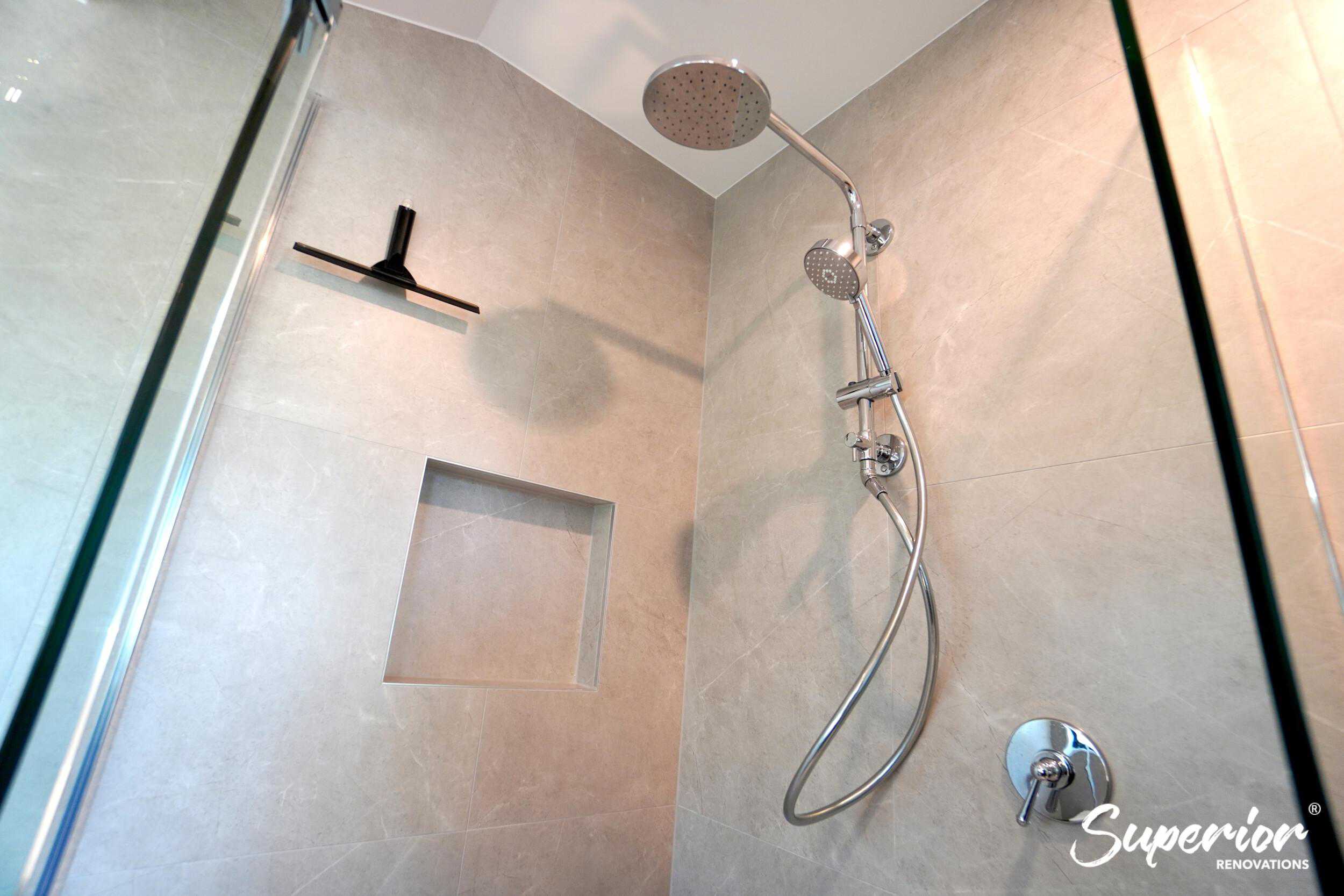
              Services

              Home RenovationKitchen RenovationBathroom RenovationOutdoor RenovationHouse ExtensionCommercialDesign ServicesOther

              By submitting this form, you agree to receive communications from us via email or text regarding our services, you can unsubscribe at any time.

              This site is protected by reCAPTCHA and the Google

              Privacy Policy and Terms of Service apply.

              bathroom renovation west auckland - Superior Renovations
              Bathroom Renovation

              What Are the Stages of a Bathroom Renovation? Auckland Guide

              Quick answer: A full bathroom renovation in Auckland moves through 8 key stages — from initial design and consent through to demolition, waterproofing, tiling, fit-out, and final handover — typically taking 3–4 weeks on site once all materials are ordered and the design is locked in.

              Here’s something we hear a lot at Superior Renovations: “We just didn’t know what to expect.” People book a bathroom renovation, get excited about tiles and tapware, and then suddenly there’s a waterproofer on the phone asking about membrane systems and a plumber who needs to talk about rough-in positions. The whole thing starts to feel less like a renovation and more like a project management degree.

              Get an instant estimate with our Bathroom Renovation Cost Calculator

              It doesn’t have to be that way. Understanding the stages of a bathroom renovation — what happens, in what order, and why — takes a massive amount of anxiety out of the process. A well-run bathroom reno isn’t chaotic; it’s a precise sequence of trades that, when coordinated properly, flows surprisingly smoothly. When it doesn’t flow smoothly, it’s almost always because that sequence was ignored, rushed, or handled by people who didn’t communicate with each other.

              We’ve been renovating bathrooms across Auckland — from compact ensuites in Parnell apartments to full family bathroom overhauls in Henderson, Albany, and Remuera — since 2016. We’ve seen what happens when stages are skipped (spoiler: it usually involves water damage and re-doing expensive work), and we’ve seen what happens when it’s done right. This guide walks you through every single stage, including the behind-the-scenes prep work that most renovation articles don’t mention.

              Whether you’re working with us or planning your own reno, this is the roadmap you need. We’ll cover what happens, what questions to ask your renovation company at each stage, what consent looks like in Auckland, and what the real timeline looks like in 2026. We’ll also flag where things commonly go sideways — so you can make sure they don’t.

              One thing to note before we dive in: a bathroom renovation is widely considered the most complex renovation per square metre of any room in the house. It involves more trades, more compliance requirements, and more coordination touchpoints than almost any other project. The good news is that complexity is manageable — when the person running it knows what they’re doing.

              bathroom renovation west auckland 2 - Superior Renovations


              Stage 1 — Design: Getting Your Vision on Paper Before Anyone Touches a Wall

              The design stage is where your bathroom renovation either sets itself up for success or quietly plants the seeds of its own frustration. It’s not glamorous. It doesn’t involve hammers or tiles or that gorgeous matte black tapware you’ve been eyeing. But every hour spent getting the design right saves three hours — and a significant amount of money — during the build phase.

              What Happens During the Design Consultation

              Your first design consultation is about listening, not presenting. A good designer will want to understand how you use your bathroom, who uses it, what you can’t stand about it right now, and what you love about bathrooms you’ve seen elsewhere. They’ll ask about your budget range, whether you want to keep or move the toilet (moving it has significant plumbing cost implications, which we’ll get to), and whether there are any accessibility or future-proofing considerations.

              They’ll take measurements. Detailed ones. The exact position of windows, doors, existing plumbing rough-ins, and load-bearing walls all matter. In many Auckland homes — particularly older villas in Grey Lynn, Mt Eden, or Ponsonby — the existing layout throws up surprises that only become visible once you start measuring properly. Finding these constraints during design, rather than during demolition, changes the outcome enormously.

              💡 Quick tip: Bring reference images to your design consultation — not necessarily bathrooms, but any images that capture a mood, material, or feeling you want. Pinterest boards, magazine clippings, even a photo of a hotel bathroom you loved. It gives the designer a visual language to work with.

              Concept Plans and 3D Visualisations

              Once the designer has gathered all the information they need, they’ll produce concept plans showing the proposed layout — where each fixture sits, where tiles start and stop, where the vanity goes, shower dimensions, niche positions. For more complex projects, or for clients who find it hard to visualise a space in 2D, 3D renders give you a photorealistic preview of the finished bathroom before a single tile is ordered.

              “The layout phase is where we make the big decisions that are expensive to undo later — shower size, niche placement, vanity height. Getting these locked in early, with proper plans, means the trades have a clear brief and there’s no confusion on site about what goes where.”
              — Cici Zou, Designer, NZ Dip. Interior Design, Certified Designer, Superior Renovations

              Materials and Fixture Selection

              With the layout confirmed, you move into material selection. Tiles, vanity, tapware, shower system, toilet suite, mirrors, lighting, hardware. This is the fun part — but it can also be the slow part if it’s not managed. The order in which you select materials matters: tiles drive most other decisions (grout colour, tapware finish, vanity palette), so they’re usually chosen first.

              At Superior Renovations, we take clients through supplier showrooms including Reece for tapware and bathroom fixtures and The Tile Depot for tiles, so you’re choosing from real samples under real lighting — not guessing from a screen. Nothing kills a reno timeline like indecision on materials two weeks into the build. Getting selections locked before demolition starts keeps everything on track.

              bathroom renovation redvale auckland 3 - Superior Renovations

              bathroom renovation redvale auckland - Superior Renovations

              Fixed-Price Quote and Contract Signing

              Once design is finalised and materials are selected, you receive a detailed fixed-price quote. This isn’t a rough estimate — it’s a line-by-line breakdown covering every trade, every supply item, and project management. A fixed-price contract protects you from budget blow-outs and gives you a clear payment schedule tied to construction milestones. Review it carefully. If anything is vague, ask for clarification before signing.

              This stage also locks in the construction start date and gives your project manager the information they need to pre-order materials and schedule trades. The design stage doesn’t end until the contract is signed and materials are on order — at that point, the handover from design to construction is complete, and the clock starts ticking toward your beautiful new bathroom.

              Once design and contract are wrapped up, the next consideration — before a single tool arrives — is whether your renovation needs a building consent from Auckland Council. It’s a step many people don’t think about until someone mentions it at the wrong moment.


              Stage 2 — Consents and Compliance: What Auckland Council Actually Requires

              Building consent is one of the most misunderstood parts of a bathroom renovation. Some homeowners think every bathroom reno needs one. Others assume none of them do. The reality — as is so often the case in construction — sits somewhere in the middle, and getting it wrong in either direction creates real problems.

              When Does a Bathroom Renovation Require Building Consent?

              Under the New Zealand Building Act 2004, most like-for-like bathroom renovations — replacing fixtures in the same position, retiling, updating vanities and tapware — are classified as “exempt building work” under Schedule 1 of the Act and do not require a building consent.

              However, you will need consent if your renovation involves any of the following:

              Moving plumbing to a new location (relocating the toilet, shower, or basin to a different wall or position). Any structural alterations — removing or modifying walls, particularly load-bearing ones. Changing the size of windows or adding new openings. Converting a non-wet area into a wet area (for example, enclosing an existing laundry space into the bathroom footprint). Adding underfloor heating that is hardwired (low-voltage plug-in systems are generally exempt).

              Important note: Carrying out work that requires consent without getting it is a serious issue. It creates problems when you sell — an LIM report will flag unconsented work, it can void your home insurance for claims related to that work, and Auckland Council can require you to remove and redo the work at your cost. Always clarify consent requirements with your renovation company before work begins.

              How Long Does Consent Take in Auckland?

              Auckland Council is required by law to process building consent applications within 20 working days — but the clock stops every time they request additional information, which is common for first-time applicants or complex projects. In practice, budget 4–8 weeks from lodgement to approval for bathroom projects that require consent in Auckland. This is why we always recommend confirming consent requirements at the design stage, not as an afterthought.

              This timeline is reflected in Superior Renovations’ FAQ on the live site: if your bathroom reno requires consent, you need to account for that 4–8 week processing window before demolition can legally begin. Your project manager handles the consent lodgement and manages the back-and-forth with Auckland Council — that’s a core part of what you’re paying for in a project-managed renovation.

              LBP Requirements and Restricted Work

              Under the Building Act, certain types of work must be carried out by a Licensed Building Practitioner (LBP). According to building.govt.nz, restricted building work — which includes structural work and all weathertight elements — must be performed or supervised by an LBP and recorded on the project. In a bathroom renovation, this is most relevant for any structural work and for the waterproofing system, which must also produce a PS3 certificate (more on that in the waterproofing stage).

              All tradespeople working on consented building work must also have relevant certificates of compliance — your electrician produces an Electrical Certificate of Compliance, your gasfitter produces a Gas Fitting Certificate. These aren’t optional extras; they’re legal requirements and are included in your handover documentation from Superior Renovations.

              What If You’re in a Heritage Overlay Area?

              Some suburbs in Auckland — including parts of Ponsonby, Remuera, and Grey Lynn — include properties on the Auckland Unitary Plan’s heritage register. Heritage overlays generally apply to exterior work rather than interior bathroom renovations, but it’s worth checking your specific property. Your renovation company or a resource consent specialist like Sonder Architecture can confirm whether any special conditions apply to your project.

              With design locked and consent sorted (or confirmed as not required), the project is ready to move onto site. First up: everything that’s currently in your bathroom needs to come out.


              Stage 3 — Demolition: Stripping Back to the Bones (and What You Might Find)

              Demolition is the stage that makes everything feel real. One day you have a tired, outdated bathroom. Two days later, you have bare framing and subfloor. It’s dramatic, it’s a little bit chaotic, and — for most people — it’s genuinely exciting. It’s also where surprises live.

              What Happens During Bathroom Demolition

              A typical bathroom demolition takes one to two days for a standard 6–9m² bathroom. The demolition team removes all existing fixtures — toilet, vanity, shower or bath, mirrors, lighting, exhaust fans. They strip tiles from walls and floors (this is noisy, dusty work, so expect some disruption). Gib board is removed to expose framing. The old waterproofing membrane is stripped back to the substrate. Existing plumbing and electrical rough-ins are exposed, assessed, and either retained or repositioned per the design plans.

              The demolition team should be surgical about what they remove and what they leave. Indiscriminate demo — ripping out anything that looks old — creates extra work and cost during the reinstatement phase. A well-briefed demolition team works from the same plans as every other trade, so they know exactly what’s being replaced and what’s being retained.

              bathroom ideas by superior renovations 26 - Superior Renovations

              bathroom ideas auckland


              bathroom ideas by superior renovations 24 - Superior Renovations

              bathroom ideas auckland

              What You Might Find Behind the Walls

              This is the bit that renovation TV shows have made famous — and for good reason. In older Auckland homes, particularly pre-1980s builds, it’s common to find things behind bathroom walls that weren’t visible during the design phase. Some of the most frequent discoveries include:

              Deteriorated or absent waterproofing — many older bathrooms were built without proper membranes, relying instead on painted surfaces or basic sealing that has long since failed. Rotted framing caused by years of water ingress from inadequate waterproofing or cracked grout. Outdated wiring that needs to be brought up to current standards before new electrical can be installed. Asbestos in the substrate, texture coat, or adhesive in homes built before the mid-1980s (this triggers a separate asbestos management process). Substandard previous renovations — particularly common in rental properties where work was done cheaply or without consent.

              💡 Quick tip: A good fixed-price contract will include a provisional sum for unknown conditions found during demolition. Ask your renovation company specifically how they handle unexpected discoveries — are they billed as variations, or is there an agreed process and price range? Knowing this upfront prevents nasty surprises.

              Asbestos in Auckland Bathrooms

              Homes built before 1990 — which covers a significant portion of Auckland’s housing stock, particularly in suburbs like Mt Roskill, Avondale, Henderson, and Papatoetoe — may contain asbestos-containing materials. Under WorkSafe NZ regulations, any material suspected of containing asbestos must be tested before disturbance. If asbestos is found, a licensed asbestos removal contractor must handle the removal before renovation work can continue. This adds cost (typically $1,500–$5,000+ depending on the extent) and time to the project. It’s not something any renovation company can predict in advance — but a good one will test early and manage the process professionally.

              Subfloor and Structural Assessment

              Once tiles and gib are removed, your project manager and lead builder should conduct a thorough inspection of the subfloor and framing. Any rotted or damaged timber needs to be replaced before new waterproofing goes on — covering compromised framing is one of the most common causes of problems down the track. If you’re in a house with a suspended timber subfloor (common in pre-1970s Auckland bungalows), the condition of the joists under the bathroom can be a genuine wildcard.

              Demolition is done. The site is clear, the structure has been assessed, and any hidden issues have been addressed. Now the real build sequence begins — and it starts underground, with plumbing.


              Stage 4 — Plumbing, Electrical and Framing: The Work No One Sees That Makes Everything Work

              Here’s a counterintuitive truth about bathroom renovations: the most important work happens before a single tile is placed. The rough-in stage — plumbing, electrical, and framing — is entirely invisible in the finished bathroom, but it determines whether everything else performs as it should. Get this stage right and the rest of the renovation flows. Get it wrong and you’re chasing problems for years.

              Plumbing Rough-In

              The plumber arrives once demolition is complete and any structural framing work has been done. Their job at this stage is the rough-in: positioning all the supply pipes (hot and cold water) and waste pipes to the correct locations for each fixture as per the design plans. If the shower is moving from one wall to another, or the vanity is going to a different position, this is where that work happens — before anything gets closed in.

              This is also the time to replace any old pipework that’s in poor condition. In many Auckland homes built in the 1950s–1970s, you’ll encounter galvanised steel pipes that have corroded internally over decades of Auckland’s slightly acidic water. Replacing these during a bathroom renovation — when the walls are already open — is far more cost-effective than doing it as a separate job later.

              Plumbing work on drainage and supply must be carried out by a registered plumber under the Plumbers, Gasfitters and Drainlayers Board (PGDB). Any plumbing in a bathroom is restricted work under NZ legislation — not something that can legally be DIY’d or handed to an unlicensed operator.

              Electrical Rough-In

              Bathroom electrical is simultaneously more regulated and more critical than most homeowners realise. All electrical work in a bathroom must be carried out by a registered electrician, and bathrooms have specific zoning requirements under the Electrical Workers Registration Board (EWRB) standards. Zone 0 (inside the shower/bath), Zone 1 (directly above), and Zone 2 (the surrounding area) all have specific IP (ingress protection) ratings for any electrical fittings placed within them.

              During rough-in, the electrician runs cables for all the lighting circuits, exhaust fan, heated towel rail, underfloor heating (if included), and any shaver socket or mirror LED supply. Bathroom lighting is often underestimated — proper task lighting at the vanity, ambient general lighting, and a dimmer circuit for a relaxed evening atmosphere are three completely different requirements that all need to be wired before the walls close up.

              “We always spec three lighting layers in a bathroom — task at the vanity mirror, ambient overhead, and a low-level mood circuit. Getting all three roughed in properly means the homeowner has real flexibility in how the space feels. It adds very little cost at the rough-in stage, but it’s almost impossible to retrofit.”
              — Eunice Qin, Designer, Superior Renovations

              Framing and Stopping

              With plumbing and electrical roughed in, any new framing goes up — walls for recessed niches, framing for new shower enclosures, backing for the vanity wall (which needs solid timber blocking to hold fixings for a wall-hung vanity). New gib board goes on, specifically moisture-resistant gib in all wet areas. Standard gib is not appropriate in bathroom environments; it will degrade over time regardless of how well the waterproofing above it is applied.

              Stopping — the process of taping, coating, and sanding gib joints to a smooth finish — is done at this stage too. The stopping needs to be properly cured and primed before waterproofing can begin. Rushing this step causes problems with membrane adhesion. Your project manager should be sequencing these stages with enough lead time between them.

              💡 Quick tip: This is a good time to confirm the final tile layout with your project manager and tiler. The stopping coat on gib needs to be finished to the correct flatness tolerance for large-format tiles (the larger the tile, the flatter the substrate needs to be). Checking this before waterproofing goes on prevents problems.

              Underfloor Heating Installation

              If you’ve chosen electric underfloor heating — popular in Auckland bathrooms as a practical luxury, particularly in the cooler winter months — the heating mat is laid at this stage, before waterproofing and tiling. PDL by Schneider Electric produce quality in-floor heating systems widely used in NZ bathrooms. The thermostat and control unit are also roughed in at this point, with final fitting happening after tiling is complete.

              Bathroom renovation auckland in WestmereTapware and knobs by ABI interiors

              Plumbing and electrical rough-ins done. Framing completed. Substrate prepped. Now we get to the stage that arguably matters more than any other in a bathroom renovation — the one that determines whether your renovation lasts 20 years or creates expensive problems in five.


              Stage 5 — Waterproofing: The Make-or-Break Stage Most Homeowners Don’t Think About

              Ask any experienced renovation company in Auckland what the most common cause of failed bathroom renovations is, and you’ll get one answer: waterproofing. Not bad tiles. Not cheap tapware. Not dodgy grout. Poor or absent waterproofing is responsible for the vast majority of bathroom-related structural damage in NZ homes — and much of it goes undetected for years because it’s hidden behind tiles and vanity units.

              What Is Bathroom Waterproofing?

              Waterproofing is the application of a continuous, flexible membrane to all wet surfaces and the substrate surrounding them — the shower walls and floor, the area around the bath, and the bathroom floor as a whole. The membrane creates an impermeable barrier that prevents water from penetrating through tiles and grout into the substrate, framing, and subfloor below.

              In New Zealand, bathroom waterproofing is governed by NZ Building Code Clause E3 Internal Moisture, which sets minimum requirements for wet area construction in residential buildings. The standard distinguishes between “wet areas” (the shower enclosure) and “potentially wet areas” (the rest of the bathroom floor), each with different minimum requirements for membrane application area and height.

              The PS3 Certificate — Why It Matters

              One of the most important documents you should receive at the end of a bathroom renovation is the PS3 waterproofing certificate. This is a Producer Statement (PS3) issued by a council-approved waterproofing specialist who is registered with the Plumbers, Gasfitters and Drainlayers Board. The PS3 certifies that the waterproofing design and installation complies with the Building Code.

              At Superior Renovations, our PS3 is included as a standard part of every bathroom renovation handover pack. If a renovation company can’t produce a PS3 for your new bathroom, that’s a significant red flag — it means either the waterproofing wasn’t done correctly or it wasn’t done by a certified specialist.

              DSC03730 1024x683 1 - Superior Renovations

              Types of Waterproofing Systems Used in NZ

              The most common systems used in Auckland residential bathrooms are liquid-applied polyurethane or acrylic membranes, which are painted on in multiple coats and bond directly to the substrate. Sheet membrane systems (torch-on or bonded) are used in higher-risk applications. Both systems have specific curing time requirements — the membrane must be fully cured before tiling begins, typically 24–48 hours depending on the product and ambient temperature. Auckland’s humidity can slow this down; rushing it is one of the most common waterproofing failures.

              All membrane applications must extend to the correct heights — a minimum of 1,500mm on shower walls from the floor, covering the full shower enclosure. On floors, the membrane must extend at least 150mm up adjacent walls. Falls (drainage gradients) in the wet area floor must also comply with the NZ Building Code, directing water toward the drain rather than toward walls or the room threshold.

              Inspections Before Tiling

              If your renovation requires a building consent, Auckland Council will conduct a pre-tile inspection to sign off the waterproofing before tiling can begin. The inspector checks membrane application coverage, curing, falls, and junction detailing (particularly at wall-floor junctions, which are the most common failure point). Tiling before a required pre-tile inspection is passed is not legal — and it forces you to rip out perfectly good tiles if the waterproofing underneath fails inspection.

              💡 Quick tip: Even on exempt (non-consented) bathroom renovations, ask for photographic documentation of the waterproofing installation at all key stages — pre-tile and post-application. This creates a record that can be invaluable if any warranty claim arises later.

              Waterproofing passed. Now the bathroom starts to look like something. The tilers are next — and this is the stage most clients get genuinely excited about, because suddenly their material choices come to life in three dimensions.


              Stage 6 — Tiling: Where Your Bathroom Finds Its Character

              Tiling is where the design concept you spent so much time on during Stage 1 either comes to life brilliantly or falls flat. A great tile installation — set out correctly, consistent joint width, perfectly flat and plumb — elevates the entire renovation. A poor one — lippage on large-format tiles, inconsistent grout joints, poor corner detailing — makes everything feel cheap regardless of how expensive the tiles actually were.

              Tile Set-Out and Planning

              Before a single tile is adhered, an experienced tiler will plan the set-out — working out where the tile grid starts in relation to the room’s focal points (usually the shower wall behind the shower head or the main entrance wall) to ensure cuts are balanced and prominent features like niches are centred within a tile grid. Poor set-out planning results in awkward half-tile cuts in the most visible positions. It’s a planning step that takes an hour and makes an enormous difference to the finished result.

              For large-format tiles (600x600mm, 600x1200mm, or larger — all popular choices in contemporary Auckland bathrooms in 2026), the substrate flatness requirements are stringent. BRANZ guidelines and the NZ ceramic tile standard AS/NZS 3958 require that large-format tiles are laid over surfaces with no more than 3mm variation under a 3-metre straight edge. This is why the framing and stopping stage matters so much — by the time the tiler arrives, the substrate needs to be flat.

              Floor and Wall Tile Installation

              Floor tiling typically happens before wall tiling in a full bathroom renovation. The floor tile bed creates the final falls toward the drain, so it needs to be set first. Wall tiles follow, starting from the lowest full tile course above the floor and working up. In the shower, tiles are applied over the waterproofing membrane using appropriate flexible adhesive — the type of adhesive matters, as standard cement-based adhesive can crack over time in a wet-area environment subject to thermal movement.

              Tile selection from quality NZ suppliers makes a real difference. The team at The Tile Depot stock an extensive range of porcelain, ceramic, and natural stone tiles suited to Auckland’s climate — porcelain is generally the most practical choice for New Zealand bathrooms given its density, low water absorption, and durability in high-humidity environments.

              bathrooms design 1 500x500 1 - Superior Renovations

              “Tile selection is one of my favourite parts of the design process because it’s where the whole vision crystallises. The key thing I always remind clients is to think about scale — a small tile in a large shower can feel busy and dated, while a large-format tile in the same space feels contemporary and spacious. Scale matters as much as colour or texture.”
              — Alison Yu, Designer, Superior Renovations

              Grouting and Sealing

              Once adhesive has cured (typically 24 hours minimum, or longer for large-format tiles), grouting begins. Grout joint width, colour selection, and the type of grout (cement-based or epoxy) are all specified in the design package. Grout colour has an outsized effect on the finished look — a dark grout against pale tiles creates graphic definition, while a tone-on-tone match creates a seamless, contemporary feel. Epoxy grout offers superior stain resistance and is increasingly specified in high-end Auckland bathrooms, particularly for floor joints in the shower zone.

              After grouting, silicone sealant is applied at all movement joints — wall-to-floor junctions, internal corners in the shower, and around the bath surround. These joints accommodate thermal movement and prevent cracking that would otherwise allow water to penetrate. Silicone colour should be matched to grout colour for a consistent finish.

              💡 Quick tip: Natural stone tiles (marble, travertine, limestone) need to be sealed after installation and periodically thereafter. Unsealed natural stone in a wet area absorbs water and staining products rapidly. Ask your tiler what sealer they’ve used and what the resealing schedule looks like for your specific stone.

              Tiling is done. The bathroom suddenly looks like a bathroom. But there’s still a lot to do — all the plumbing and electrical that was roughed in now needs to be connected, and all the fixtures and fittings need to go in.


              Stage 7 — Fit-Out: Bringing the Bathroom to Life with Fixtures, Fittings and Finishes

              The fit-out stage is the most visually dramatic phase of the bathroom renovation — the one where it goes from a tiled shell to a room you can actually use. It involves multiple trades returning to site in a specific sequence: plumber first for fixture connections, electrician for final fitting, then the bathroom installer for vanity and accessories, and finally the glazier for shower screens. The sequence matters because each trade’s work provides the attachment point or service connection for the next.

              Plumbing Connections and Fixture Installation

              The plumber returns to connect all the fixtures that were positioned during rough-in: toilet suite, basin/vanity, shower mixer and rail, bath (if applicable), heated towel rail if it’s a hot-water type, and the waste connections for each. At this stage, the plumber also installs the shower waste (matching the drain cover to the floor tile or selecting a linear drain if that’s what was specified).

              This is also when the tapware from suppliers like Reece goes in — shower heads, hand showers, basin mixers, bath fillers. The quality of your tapware choice becomes very tangible at this point. There’s a perceptible difference between a well-weighted, ceramic disc mixer and a budget unit, both in how it feels to operate and how long it lasts. The plumber will test all connections for water tightness before finishing.

              Electrical Fit-Out

              The electrician returns to fit off all the pre-roughed electrical: installing light fittings, exhaust fan, heated towel rail (if electric), shaver socket, mirror LED connections, and the thermostat and controller for underfloor heating. Bathroom lighting is one of the most underinvested aspects of a typical renovation — and one of the highest-impact ones. A well-lit bathroom with properly specified task lighting at the vanity, ambient overhead, and dimmer control makes the space feel significantly more luxurious than a single overhead downlight.

              The electrician produces an Electrical Certificate of Compliance (CoC) upon completion — this is a legal requirement and forms part of your handover documentation. If you don’t receive one, the work is not legally signed off.

              bathroom renovators nz 11 - Superior Renovations

              Vanity, Mirror and Accessory Installation

              Wall-hung vanities go on after tiling — the timber blocking installed during the framing stage is now put to use, providing solid fixing points within the tiled wall. A wall-hung vanity incorrectly fixed to gib alone will eventually fail — the blocking is not optional. Freestanding vanities simply sit on the tiled floor but still need accurate positioning against wall tiles.

              Mirrors, towel bars, toilet roll holders, and robe hooks are installed at this stage using appropriate fixings for the tile type (ceramic vs. porcelain requires different drill bits and fixing systems). LED-backlit mirrors — popular in contemporary Auckland bathrooms — need to be connected to the pre-roughed mirror supply circuit.

              Shower Screen and Bath Screen Installation

              Shower screens and shower doors are typically installed by a specialist glazier, not the bathroom installer. The glazier measures the finished, tiled shower enclosure on site, then manufactures the glass panel(s) to the exact dimensions. This means shower screen installation usually happens 5–10 working days after tiling is complete — the lead time for custom glass fabrication is the variable. Semi-frameless and frameless shower screens are the current preference in Auckland renovations; aluminium framed screens are largely considered dated.

              With the fit-out stage complete, your bathroom is functionally operational. But it’s not quite finished — there are a few final trades and touches before the project manager calls for the final walk-through.


              Stage 8 — Painting, Final Checks and Handover: The Last 10% That Makes 100% of the Impression

              The final stage of a bathroom renovation is where the accumulated quality of every previous stage shows itself — or doesn’t. A beautifully tiled bathroom with a rushed paint job and incomplete grouting looks unfinished. A modest bathroom with immaculate paint lines, perfect sealant joints, and clean fittings looks like a quality renovation. The last 10% of the job deserves the same attention as the first 90%.

              Painting

              Bathroom painting is a specialist task — not because applying paint is hard, but because bathrooms require specific product selection and preparation to perform in a high-humidity environment. All bathroom paint must be appropriate for wet areas — semi-gloss or gloss formulations with mould-resistant additives are standard. Flat paint in a bathroom is a recipe for mould and peeling within a few years, regardless of how well ventilated the bathroom is.

              Surface preparation matters enormously: primer on new gib, careful masking around tiles and fittings, and sanding between coats for a smooth, durable finish. The ceiling — often painted the same colour as the walls in a bathroom — should be a specific bathroom ceiling paint with anti-mould properties.

              Final Plumbing and Electrical Checks

              Before the final walk-through, the plumber and electrician conduct a final inspection of their own work — checking for any drips, confirming fixture operation, testing the underfloor heating thermostat, and verifying the exhaust fan is working at the correct extraction rate. NZ Building Code Clause G4 Ventilation requires that bathrooms have sufficient ventilation — either natural (window opening area) or mechanical (exhaust fan). A mechanical fan must achieve a minimum of 25 litres per second extraction capacity per building.govt.nz standards for residential bathrooms. This is a frequently overlooked detail that has a significant impact on mould and moisture management in Auckland’s humid climate.

              bathroom renovators nz 52 - Superior Renovations

              The Final Walk-Through

              The final walk-through is the most important meeting of the entire project. Your project manager walks you through every element of the finished bathroom — checking tile alignment, grout consistency, silicone joints, fixture operation, paint finish, door and screen operation, and anything else on the punch-list. This is your opportunity to flag anything that doesn’t meet the standard — and a quality renovation company wants to hear it.

              Punch-list items (minor defects or incomplete items identified at the walk-through) are completed before the project is formally signed off. You don’t sign off until you’re satisfied. Full stop.

              Handover Documentation

              At handover, you receive your complete documentation pack. For a Superior Renovations project, this includes: workmanship warranty (1 year on labour), PS3 waterproofing certificate, Electrical Certificate of Compliance, Gas Fitting Certificate (where applicable), product warranties for all supplied fixtures and fittings, and an aftercare and maintenance guide. If your project required building consent, the project manager also coordinates the Code Compliance Certificate (CCC) application with Auckland Council.

              💡 Quick tip: Keep your handover documentation in a safe place — both physical and digital copies. When you sell your home, these documents are assets. Buyers and their solicitors increasingly request renovation documentation, and a PS3, CoC, and CCC add tangible value and confidence to your transaction.

              How Much Does a Full Bathroom Renovation Cost in Auckland in 2026?

              With all eight stages in mind, here’s what a complete bathroom renovation in Auckland looks like in terms of cost in 2026:

              Renovation Tier Typical Scope Auckland Cost Range (2026)
              Budget Refresh New paint, fittings, minor tiling updates. No layout changes. $9,000–$16,000
              Mid-Range Full Renovation Full reno incl. all trades, waterproofing, new tiles, vanity, fixtures, lighting. Same layout. $26,000–$35,000
              Full Overhaul / Luxury Layout changes, premium fixtures, custom vanity, wet room, high-end tiles, full consent. $40,000–$60,000+
              Labour Rate (tradies) Plumbers, electricians, tilers — Auckland market rate $90–$120/hour

              For a personalised estimate based on your specific bathroom and scope, use our free Bathroom Renovation Cost Calculator or read our full Auckland bathroom renovation cost guide for 2026.

              How Long Does a Bathroom Renovation Take?

              A standard full bathroom renovation takes 3–4 weeks from demolition day, assuming design is finalised and all materials are on site before work begins. Add 4–8 weeks prior to that if Auckland Council building consent is required. The total project duration from first consultation to handover — including design, consent (if needed), material lead times, and construction — is typically 8–16 weeks for a standard mid-range renovation.

              One final thing: we do an aftercare follow-up one month after every renovation. Not because something will necessarily have gone wrong, but because we want to make sure everything is performing exactly as it should — and because we genuinely care about what happens after we hand the keys back.

              Ready to get your bathroom renovation started? Here’s how to take the next step.

              Book your free in-home consultation with Superior Renovations
              Get an instant estimate with our Bathroom Renovation Cost Calculator
              Request a free feasibility report for your project


              What are the stages of a bathroom renovation in Auckland?

              A full Auckland bathroom renovation has 8 key stages: (1) Design and material selection, (2) Consents and compliance, (3) Demolition, (4) Plumbing, electrical, and framing rough-in, (5) Waterproofing, (6) Tiling, (7) Fit-out of fixtures and fittings, and (8) Painting, final checks, and handover. Total on-site time is typically 3–4 weeks from demolition, assuming design is locked and materials are pre-ordered.

              How long does a bathroom renovation take in New Zealand?

              A standard full bathroom renovation takes 3–4 weeks from the day demolition begins, assuming design is finalised and all materials have been delivered to site beforehand. If Auckland Council building consent is required (for example, if plumbing is being relocated), add 4–8 weeks for consent processing. Total project time from first consultation to handover is typically 8–16 weeks including design, consent, and construction.

              Do I need building consent for a bathroom renovation in Auckland?

              Most like-for-like bathroom renovations in Auckland — replacing fixtures in the same position, retiling, and updating vanities — are exempt from building consent under Schedule 1 of the NZ Building Act. You will need consent if you are moving plumbing to a new location, removing or modifying structural walls, changing window sizes, or converting a non-wet area into a wet room. Always confirm consent requirements with your renovation company before work begins.

              What is a PS3 waterproofing certificate and do I need one?

              A PS3 is a Producer Statement issued by a certified waterproofing specialist registered with the Plumbers, Gasfitters and Drainlayers Board. It certifies that the bathroom's waterproofing system complies with NZ Building Code Clause E3 Internal Moisture. You should always receive a PS3 at the end of a bathroom renovation — if your renovation company can't provide one, that is a significant red flag about the quality of the waterproofing installation.

              How much does a full bathroom renovation cost in Auckland in 2026?

              In Auckland in 2026, a mid-range full bathroom renovation costs $26,000–$35,000, covering design, waterproofing, all trades, tiles, fixtures, and project management. A budget refresh (paint, fittings, minor tiling) starts from $9,000–$16,000. A luxury renovation with layout changes, premium fixtures, and custom finishes starts from $40,000 and can reach $60,000+. Tradie labour rates in Auckland are $90–$120 per hour.

              What trade sequence is used in a bathroom renovation?

              The correct trade sequence in a bathroom renovation is: (1) Demolition, (2) Builder/plumber rough-in and framing, (3) Electrical rough-in, (4) Stopping and substrate preparation, (5) Waterproofing, (6) Tiling, (7) Plumbing fit-off and fixture installation, (8) Electrical fit-off and lighting, (9) Vanity, accessories and glazing installation, (10) Painting, and (11) Final checks and handover. Each trade's work depends on the previous stage being complete and properly inspected.

              What does waterproofing in a bathroom involve?

              Bathroom waterproofing involves applying a continuous, flexible membrane to all wet and potentially wet surfaces — shower walls and floor, bath surrounds, and the bathroom floor. In New Zealand, it must comply with Building Code Clause E3 Internal Moisture. The membrane must cure fully before tiling begins. A PS3 certificate must be issued by a registered waterproofing specialist. If consent is required, Auckland Council conducts a pre-tile inspection to verify the waterproofing before tiling proceeds.

              What happens during bathroom demolition?

              Bathroom demolition typically takes 1–2 days for a standard bathroom. The team removes all existing fixtures, strips tiles from walls and floor, removes gib board to expose framing, and strips the existing waterproofing membrane. The project manager then inspects framing, subfloor, and pipework for any hidden damage. In Auckland homes built before 1990, asbestos testing may be required before demolition can proceed. Any discovered issues (rotted framing, absent waterproofing) are quoted as variations before work continues.

              Should I stay in my house during a bathroom renovation?

              Most Auckland homeowners stay in their homes during a bathroom renovation, particularly if there is a second bathroom or ensuite available. Demolition is the noisiest and dustiest phase (typically 1–2 days). After that, work is messy but manageable. Your project manager will give you notice of the days with the most disruption. For single-bathroom homes, it's worth planning short-term alternative arrangements for the 3–4 week construction period, or discussing a phased schedule with your project manager.

              Can I make changes to the design during the bathroom renovation?

              Yes, but be aware that changes after work has commenced are treated as variations to the contract and incur additional cost for both labour and materials. Changes to waterproofed areas are the most disruptive and expensive because they require stripping tiles and membrane and starting the affected area again. The best time to make decisions is during the design stage — after contract signing, changes become progressively more expensive the further into the build you are.

              What documents should I receive at bathroom renovation handover?

              At handover, you should receive: a workmanship warranty covering all labour, a PS3 waterproofing certificate, an Electrical Certificate of Compliance, a Gas Fitting Certificate (if gas work was done), product warranties for all supplied fixtures, and an aftercare and maintenance guide. If your project required building consent, the renovation company should also coordinate the Code Compliance Certificate (CCC) application with Auckland Council on your behalf.


              Further Resources for your bathroom renovation

              1. Featured projects and Client stories to see specifications on some of the projects.
              2. Real client stories from Auckland

              Need more information?

              Take advantage of our FREE Complete Home Renovation Guide (48 pages), whether you’re already renovating or in the process of deciding to renovate, it’s not an easy process, this guide which includes a free 100+ point check list – will help you avoid costly mistakes.

              Download Free Renovation Guide (PDF)


              finance - Superior Renovations

              Have you been putting off getting renovations done?

              We have partnered with Q Mastercard ® to provide you an 18 Month Interest-Free Payment Option, you can enjoy your new home now and stress less.

              Learn More about Interest-Free Payment Options*

              *Lending criteria, fees, terms and conditions apply. Mastercard is a registered trademark and the circles design is a trademark of Mastercard International Incorporated.


              Still have questions unanswered?

              Book a no-obligation consultation with the team at Superior Renovations,
              we’d love to meet you to discuss your renovation ideas!

                Services

                Home RenovationKitchen RenovationBathroom RenovationOutdoor RenovationHouse ExtensionCommercialDesign ServicesOther

                By submitting this form, you agree to receive communications from us via email or text regarding our services, you can unsubscribe at any time.

                This site is protected by reCAPTCHA and the Google

                Privacy Policy and Terms of Service apply.

                Luxury Bathroom Design Redvale 30 - Superior Renovations
                Bathroom Renovation

                Bathroom Heaters NZ: Our Take After 1000+ Renovations

                If you’re starting the day in a cold, damp bathroom in Takapuna or scrubbing mould off fresh tiles in Mt Eden, the problem isn’t your cleaning routine — it’s the lack of adequate heating. Auckland winters push humidity to 70–80% and temperatures below 10°C regularly. Without a decent heater, bathrooms turn into mould factories fast. This is our take on the options that actually hold up in our conditions — wall-mounted ceramics, 3-in-1 ceiling units, towel rails, and underfloor systems — based on what we install on real renovation jobs and what we’ve watched fail in homes we come back to renovate years later.

                Why Bother with a Bathroom Heater in Auckland’s Winters?

                Because damp, cold bathrooms cause real problems. Black mould on fresh tiles after a $26,000–$35,000 renovation is not a hypothetical — we see it regularly in Auckland homes that get the heating wrong. A decent heater warms the space quickly, reduces moisture in the air, and makes getting out of the shower something other than an ordeal. For coastal properties in Mission Bay or Henderson, pairing heating with good ventilation matters more than most homeowners expect — the salt air adds another layer of dampness that ventilation alone won’t fix. Modern efficient models can cut energy use by up to 20% compared to older units, which adds up when heating is running daily through winter.

                What’s the Best Type of Bathroom Heater for Auckland Homes?

                It depends on your bathroom. For small ensuites in Ponsonby apartments, wall-mounted units like the Goldair Ceramic WiFi (2000W, app-controlled, IPX4-rated) do the job well — space-efficient and smart-controlled, around $300–$700 installed. Bigger family bathrooms in Albany usually call for 3-in-1 ceiling units: Manrose or IXL Tastic combine heat, light, and extraction in one unit, around $400–$1,050 installed, and handle moisture properly. Towel rails like the Mizu Soothe keep towels dry year-round at low running costs — roughly $12.50 per month — which suits North Shore homes where damp towels are a constant. Fan heaters are cheap ($50–$100) and need no installation, but they’re noisy and not the answer for daily winter use. Underfloor heating from Heatwell delivers even, silent warmth at $1,500–$4,000 — the right call for a premium Remuera renovation where the floor experience is part of the brief.

                How Do You Pick One That Saves on Bills and Avoids Install Headaches?

                Look for timers, thermostats, and ceramic elements — using a timer to halve daily runtime can drop your monthly cost from $25 to $12.50 at 35c/kWh. Size it correctly: 500–1000W for compact spaces, more for larger rooms. Hardwired units need a licensed sparkie — budget $150–$600 for installation — and the work must comply with NZ Building Code requirements. Portable fan heaters are DIY-fine, but keep them at least 1.8m from water. If you’re already having electrical work done as part of a renovation, bundle the heater installation. It’s the most cost-effective time to do it. Clean filters annually; Auckland’s air quality means dust builds up faster than you’d expect.

                Want to talk through what would work for your bathroom specifically? Get in touch with Superior Renovations for a free consultation — no obligation, just a straight conversation about your setup.

                Choosing the Best Bathroom Heaters for Your NZ Renovation

                A bathroom heater isn’t really a product decision. It’s a renovation decision. After delivering over 1,000 Auckland full bathroom renovations across suburbs from Pukekohe to Albany, we’ve seen what gets specified, what gets replaced inside five years, and what quietly becomes a callback problem. The product you choose matters far less than how it fits the bathroom you’re putting it in — the ceiling depth, the extraction routing, the wattage matched to room volume, and the timing within the build programme. This guide is our take on bathroom heating from inside the renovation, not from a product catalogue. Whether you’re fitting out a compact ensuite or a full master bathroom, the same principle applies: the right heater is the one the room can actually accommodate.


                If you’re looking for specific cost estimates, try our Renovation Cost Calculator Tools


                Why a Bathroom Heater Matters for New Zealand Homes

                Auckland winters are mild by South Island standards. That doesn’t mean bathroom heating is optional. Temperatures regularly drop below 10°C, and humidity sits at 70–80% through the colder months. Without proper heating, a bathroom becomes a mould problem — and in a freshly renovated bathroom, that means damage to tiles, grout, vanities, and paintwork that costs real money to fix. The right heater prevents that, keeps the space comfortable through winter, and protects the investment you’ve already made.

                “On every bathroom brief we work through, heating gets discussed alongside ventilation, lighting, and ceiling depth — not after them. Treat it as one of four decisions that happen together, and you avoid the rework we see when it’s added late in the programme.”
                — Cici Zou, Certified Designer (NZ Dip. Interior Design), Superior Renovations

                The Real Problem: Damp, Cold Bathrooms

                Auckland’s combination of coastal air and winter humidity makes bathrooms particularly susceptible to moisture issues. Auckland Council is direct on this: keeping your home warm and dry is critical for health and comfort, not just appearance. Mould in a bathroom isn’t only an eyesore — it affects air quality and can aggravate respiratory conditions, particularly for children and older family members who are more sensitive to temperature and air quality shifts.

                What a bathroom heater actually solves:

                • Reduces humidity and prevents mould on tiles and grout.
                • Makes the bathroom genuinely usable during cold winter mornings.
                • Protects fixtures, finishes, and cabinetry from moisture damage over time.
                • Reduces energy costs when the right model is chosen and used properly.

                Why Auckland Specifically

                Suburbs like Henderson, Redvale, and Titirangi sit cooler and damper than central Auckland. Coastal areas add salt air on top of the humidity load. The result is a bathroom environment that will wear down a renovation faster than most homeowners expect, unless heating and ventilation are both properly addressed. A heater isn’t a luxury item in these conditions. It’s maintenance for the renovation you’ve already paid for.

                Tip for Auckland Homeowners: Specify IPX4-rated heaters as a minimum. Moisture resistance matters more in our climate than it does in drier parts of the country.


                Health and Comfort

                The Energy Efficiency and Conservation Authority (EECA) notes that cold, damp environments worsen asthma and allergy symptoms — both common in Auckland households. Consistent bathroom warmth reduces that risk. For families with young children or elderly members, it’s not a nice-to-have.

                Key health benefits:

                Benefit Impact
                Mould Prevention Reduces humidity, preventing mould growth on tiles and grout.
                Improved Air Quality Reduces damp-related allergens, benefiting respiratory health.
                Comfort Makes the bathroom functional and bearable through winter.

                Tip: A bathroom heater on a timer — warming the space before you get in, not after — costs less to run and works better than one you switch on when you’re already cold.


                Protecting Your Renovation Investment

                Auckland bathroom renovations typically run $26,000–$35,000 for a mid-range job, and $40,000–$60,000 for a full overhaul with custom joinery and premium finishes. Custom vanities, quality tile work, and painted cabinetry are all susceptible to moisture damage. Without proper heating, that investment starts degrading from the first winter. The right heater holds a stable temperature and humidity range — which is what keeps expensive finishes looking the way they did when the job was finished.

                Energy Efficiency

                EECA notes that energy-efficient heating can meaningfully reduce a household’s carbon footprint. Modern ceramic and infrared bathroom heaters warm up faster and use less power to maintain temperature than older radiant bar heaters. For a room you use 20–30 minutes a day, that efficiency gap adds up quickly over a winter.

                Energy-Saving Tip: Thermostats and timers are the two features that make the biggest difference to running costs. For the small bathrooms common in Auckland homes — 8–10m² — they’re worth specifying from the start.


                Choosing the Right Heater for Your Renovation

                How a heater integrates with your bathroom design matters as much as its performance. Wall-mounted units from Goldair are slim and space-efficient — good for compact ensuites where every wall has a purpose. Ceiling-mounted options from Weiss sit flush with the ceiling and disappear into the design. Underfloor heating is invisible entirely. Each one suits a specific kind of bathroom — not every kind.

                Goldair Ceramic WiFi wall-mounted bathroom heater in modern NZ bathroom

                https://goldair.co.nz/products/ceramic-wifi-bathroom-heater

                Regulatory Considerations in Auckland

                Some heating installations need a building consent — particularly anything involving structural changes or significant electrical work. Underfloor heating that affects flooring buildup or plumbing routing may need consent, with council fees typically $500–$2,000. NZ Building Code Clause E2 governs internal moisture and is the relevant national standard, with Auckland Council the consenting authority for local projects. Checking before you start is faster and cheaper than remedying a non-compliant installation after the fact.

                Compliance Tip: Confirm with Auckland Council whether your chosen heater requires a building consent before installation starts — particularly for hardwired units that involve structural changes like cutting into ceiling cavities or framing.


                Why It Matters for Your Renovation

                Choosing a bathroom heater isn’t complicated. But it does require matching the right solution to your specific bathroom, your Auckland suburb, and how you actually use the space day to day. Get it right and the heater becomes invisible — the room is warm, dry, and comfortable. Get it wrong and you’re managing mould, running costs, or a unit that doesn’t heat the space properly. The sections below give you what you need to make the right call.

                Types of Bathroom Heaters for New Zealand Homes

                There are five main types of bathroom heater available in NZ, each suited to different bathroom sizes, layouts, and renovation goals. Auckland’s climate — coastal, humid, variable — adds specific requirements around moisture resistance and ventilation that should inform the choice. Here’s a plain-language breakdown.

                Finding the Right Fit

                The most common mistake Auckland homeowners make with bathroom heaters is choosing on price or aesthetics alone, without accounting for room size, moisture load, or how the unit will actually be used. A small wall-mounted heater is fine for a compact ensuite. It’s inadequate for a 12m² family bathroom. A 3-in-1 ceiling unit handles heat, light, and extraction in one installation but needs ceiling depth and ducting that have to be planned for. Match this right at the start and you save money and frustration later.

                Tip: Match the heater type to the actual size and conditions of your bathroom before comparing models or prices. The wrong type, installed perfectly, still won’t do the job.


                Wall-Mounted Heaters

                Wall-mounted heaters are the most popular choice for compact Auckland bathrooms — particularly the ensuites in Ponsonby and Mt Eden where ceiling cavity depth is limited and design matters. They warm up fast, sit flush against the wall, and the better models (like the Goldair Ceramic WiFi Bathroom Heater) are app-controlled. That means the bathroom is warm before you get in, not while you’re standing on cold tiles.

                What we install most often: for the older Mt Eden and Grey Lynn villas where ceiling cavity depth rules out a 3-in-1 unit, the wall-mounted ceramic is the heater that turns up in our build specs most consistently. The ceramic element warms up faster than the old radiant bar units, the IPX4 rating holds up in coastal conditions, and a programmable timer takes the cold-floor-cold-room problem off the morning routine. For ensuites under 8m², it’s hard to argue against.

                Key features:

                • Fast heat-up using ceramic or infrared elements.
                • IPX4 moisture resistance as standard on quality models.
                • Slim profiles that work with most bathroom designs.

                Pros and cons:

                Pros Cons
                Space-efficient for small bathrooms Won’t heat larger spaces evenly
                Relatively straightforward to install Visible unit — a consideration for minimalist designs
                Cost-effective starting point (from $150) Limited reach in open-plan or irregular layouts

                Tip for Auckland Homeowners: A wall-mounted heater with a programmable timer is the single most cost-effective heating choice for smaller bathrooms (8–10m²) — common in Auckland apartments and older villas.

                Goldair ceramic bathroom heater wall-mounted in Auckland renovation

                https://goldair.co.nz/products/ceramic-wifi-bathroom-heater


                Important Safety Recall: Serene S2069 Wall-Mounted Bathroom Heater

                The Serene S2069 wall-mounted bathroom heater has been recalled due to non-compliance with New Zealand safety standards, as announced by WorkSafe. The approval for this model has been withdrawn for units imported, purchased, or installed after June 2018 — making it illegal to sell in NZ. A fire incident linked to this heater was investigated by authorities.

                Key Details:

                • Model: Serene S2069, a wall-mounted fan heater with a step-down thermostat.
                • Issue: Non-compliant with NZ safety standards, with at least one fire incident reported.
                • Action: WorkSafe considers ongoing risk low. If you notice unusual smells or noises from this unit, stop using it immediately and have it inspected by a licensed electrician.
                • Consumer Rights: Under the Consumer Guarantees Act, you may contact the supplier for a refund, repair, or replacement.

                Why it matters: Auckland’s humidity makes bathroom heater safety more critical than in drier climates. If you have a Serene S2069, don’t wait — get it checked.

                Full details on this recall: https://www.worksafe.govt.nz/about-us/news-and-media/further-action-on-serene-bathroom-heaters/


                Ceiling-Mounted Heaters

                Ceiling-mounted heaters suit larger Auckland bathrooms or rooms with higher ceilings — heritage homes in Remuera and Epsom being good examples. Units from Weiss often combine heating, lighting, and ventilation in one ceiling installation, which distributes heat evenly and keeps walls clear. For open-plan bathrooms, or any layout where even heat distribution matters, ceiling-mounted is usually the better call over wall-mounted.

                What we’ve watched fail: on the bathrooms we come back to renovate again — sometimes 10 or 15 years after the original work — the most common heating-related issue we see isn’t the unit failing. It’s a 3-in-1 ceiling unit fitted without enough ducting depth, where extraction underperforms and steam drifts into the ceiling cavity instead of out through the soffit. The result is the same in every case: black staining on the ceiling around the unit, sometimes structural damage in the framing above. The fix isn’t a better heater. It’s the ducting being run properly the first time.

                Key features:

                • Infrared panels or heat lamps for fast, even warmth.
                • No wall or floor space used.
                • Multi-function models available with exhaust fans for humidity control.

                Pros and cons:

                Pros Cons
                Integrates cleanly into modern bathroom designs Higher installation cost ($300–$600)
                Works well in larger bathrooms Requires professional installation
                Keeps walls and floors uncluttered Filter access requires a ladder

                Design Tip: A ceiling-mounted unit with integrated LED lighting handles two renovation line items at once — heating and lighting — which simplifies the design and can reduce overall cost.

                IXL Tastic Luminate ceiling-mounted bathroom heater for Auckland family bathroom

                https://www.bunnings.co.nz/ixl-white-tastic-luminate-heat-module-bathroom-ceiling-heater_p0829692


                Fan Heaters

                Fan heaters are portable and cheap — the right call for renters or anyone who needs a quick, no-commitment heating solution. Available at Mitre 10 from around $50, they need no installation and warm a small space quickly. The trade-off is noise and energy consumption — they’re not efficient for daily use over a whole Auckland winter.

                Key features:

                • Fast heat via forced air.
                • No installation — plug straight in.
                • Low purchase cost.

                Pros and cons:

                Pros Cons
                No installation cost or process Higher ongoing energy consumption
                Good for temporary or occasional use Audible operation — up to 50dB in a small space
                Cheapest upfront option Not suited to large bathrooms

                Budget Tip: A fan heater does the job in a pinch. For daily Auckland winter use it’s worth pairing with a dehumidifier — otherwise you’re heating a damp room rather than drying it out.


                Towel Rail Heaters

                Heated towel rails solve two problems at once — keeping towels dry and providing ambient warmth — which makes them a practical choice for Auckland’s humid winters. Quality electric and hydronic options are available through Reece and Elite Bathroomware. They’re particularly useful in coastal suburbs like Takapuna and Mission Bay where musty towels are a regular frustration. Running costs are low — around $12.50 per month for a typical electric rail — and quality models in chrome, matte black, or brushed finishes add a polish to the renovation that purely functional heaters don’t.

                What our Design Studio is being asked for: through 2025 and into 2026, brushed gold and matte black towel rails to coordinate with tapware have moved from “occasional request” to “standard inclusion” on most bathroom design briefs we work through. Five years ago, the towel rail was an afterthought. Now it’s a hardware finish decision that gets specified alongside tapware and mirror lights, not separately.

                Key features:

                • Low-energy heating for ambient warmth and towel drying.
                • Electric or hydronic options (hydronic only viable if the home has central heating).
                • Available in chrome, matte black, brushed stainless, brushed gold finishes.

                Pros and cons:

                Pros Cons
                Adds a quality finish to the bathroom Limited heating capacity for larger spaces
                Keeps towels dry and warm Higher upfront cost ($200–$800)
                Low running costs Needs dedicated wall space

                Style Tip: Matte black towel rails suit the trend toward dark, matte fixtures in modern Auckland bathrooms — and they’re practical enough to justify the cost without needing a separate argument.

                Mizu Soothe vertical heated towel rail brushed gunmetal Auckland bathroom

                https://www.reece.co.nz/product/tapware-accessories-c2402/bathroom-accessories-c1910/heated-towel-rails-c2118/mizu-soothe-vertical-heated-towel-rail-triple-2007892


                Underfloor Heating

                Underfloor heating is the premium option — silent, invisible, and genuinely comfortable underfoot on a cold Auckland morning. Installed beneath tiles, vinyl, or machined timber, it delivers even radiant heat across the entire floor. The cost is real: $1,500–$3,000 for the system plus $500–$1,500 for installation. It also has to be planned in during the renovation, not retrofitted afterwards. That said, for a bathroom in Albany or a premium North Shore property where the finish has to be right, it’s hard to argue against.

                What we’re being asked for more often: five years ago, underfloor heating was a luxury request that came up on maybe one in ten bathroom briefs. Through 2025 and 2026, it’s now in the brief on roughly a third of premium bathroom jobs we work through, particularly on master bathrooms over 10m² and on builds in Remuera, Epsom, and the North Shore where the floor experience is part of the daily-use specification.

                Key features:

                • Even radiant heat across the entire floor surface.
                • Programmable thermostats for efficient daily use.
                • Completely invisible — no visual impact on the design.

                Pros and cons:

                Pros Cons
                The most comfortable heating option available High installation cost ($1,500–$4,000 total)
                Even heat distribution — no cold spots Must be planned during renovation, not added after
                Efficient for long-term daily use with programmable control Slower to heat up than radiant or fan options

                Luxury Tip: Pair underfloor heating with anti-slip tiles. A combination that suits families on Auckland’s North Shore particularly well, where cold, wet tile floors are a year-round consideration.

                Luxury bathroom design with underfloor heating in Redvale Auckland renovation

                Luxury Bathroom Design – Redvale

                3-in-1 Bathroom Heaters for New Zealand Bathrooms

                For most Auckland bathrooms — particularly the compact 5–10m² ensuites in Parnell apartments or older Mt Eden homes — a 3-in-1 ceiling unit is the most practical single decision a homeowner can make. Heat, ventilation, and lighting in one installation. One hole in the ceiling, one set of switches, one unit to maintain. Here’s how they work, which models are worth specifying in NZ, and how to choose between them.

                “The mistake we see most often isn’t choosing the wrong heater — it’s adding heating to the design after the layout is locked. By that point, the cleanest ceiling spot is already over the vanity or off-centre from the shower, and you end up retrofitting instead of integrating.”
                — Dorothy Li, Design Manager, Superior Renovations

                Why 3-in-1 Makes Sense for Auckland

                Auckland’s humidity is the key reason 3-in-1 units make sense here. According to Auckland Council, proper ventilation combined with heating is the most effective approach to preventing mould — and a 3-in-1 unit handles both in the same installation. Infrared or halogen heating for fast warmth, an exhaust fan to pull moisture out, and LED lighting for illumination. For small to medium bathrooms, it does three jobs from one footprint.

                Key benefits:

                • Space-efficient: One ceiling unit replaces three separate installations.
                • Moisture control: The exhaust fan pulls steam out before it settles on surfaces.
                • Lower overall cost: One installation rather than three separate ones.
                • Clean aesthetic: Modern low-profile fascias sit flush with the ceiling.

                Design Tip: A low-profile fascia like the Manrose Designer Series sits flush against the ceiling — a cleaner result than a unit that protrudes visibly into the room.

                Luxury bathroom with 3-in-1 ceiling heater in Redvale NZ

                Luxury Bathroom Design – Redvale

                Top 3-in-1 Bathroom Heaters in NZ

                Manrose 3-in-1 Heat Fan Light

                The Manrose 3-in-1 is a reliable, practical choice for small to medium Auckland bathrooms. Available at Bunnings, this ceiling-mounted unit combines a 1000W halogen heater, 69 l/s exhaust fan, and 10W LED light. It suits bathrooms of 6–10m² in suburbs like Henderson, Glen Innes, or Takapuna — the extraction rate is strong enough for Auckland’s humidity, and the compact design fits ceiling cavities in older homes where depth is limited.

                Key features:

                • 1000W halogen heater for quick warmth.
                • 69 l/s (248 m³/hr) extraction — meets Healthy Homes standards.
                • 10W LED lighting.
                • Independent 3-way wall switch for heat, fan, and light control.

                Why it works in NZ: The extraction rate handles Auckland’s bathroom humidity properly, the triple thermal protection is a genuine safety feature, and the unit warranty gives reasonable coverage. It’s not the flashest unit on the market — but it does what it says, and that’s why we keep specifying it.

                Price range: $200–$300

                Tip: Position above the shower rather than the centre of the room — that’s where the steam actually originates, and extraction is far more effective there.

                Manrose 3-in-1 heat fan light bathroom ceiling unit NZ

                https://www.bunnings.co.nz/manrose-white-heat-fan-light_p0115725

                IXL Tastic Luminate Dual 3-in-1 Bathroom Heater

                The IXL Tastic Luminate Dual is the step up for larger or more upmarket Auckland bathrooms. Available through Plumbing Plus, this unit runs two 800W infrared lamps, a 480 m³/hr exhaust fan, and a 25W dimmable LED light with warm and cool colour settings. For bathrooms of 10–12m² in Epsom or Remuera, the extraction rate and heating capacity are a better match than the Manrose.

                Key features:

                • 2 x 800W infrared lamps with auto cut-off timer.
                • 480 m³/hr airflow — strong extraction for larger spaces.
                • 25W dimmable LED (warm and cool settings).
                • Manufacturer warranty with a modern design profile.

                Why it works in NZ: The infrared lamps heat the space almost instantly — good for Auckland’s chilly winter mornings when you don’t have time to wait around. The dimmable LED adds practical value beyond just heating. For a renovation where the finish needs to reflect the budget, this unit holds up.

                Price range: $350–$500

                Luxury Tip: Dimmable warm-white lighting changes the feel of a bathroom significantly. Paired with matte tiles, the IXL Luminate creates a finish that reads more like a hotel than a standard home bathroom.

                IXL Tastic Luminate Dual 3-in-1 bathroom heater for Auckland renovation

                https://www.bunnings.co.nz/ixl-white-tastic-luminate-essential-dual-3-in-1-bathroom-heater-exhaust-fan-and-light_p0829693

                Weiss 3-in-1 Bathroom Heater

                The Weiss 3-in-1 is a NZ-engineered option built for the conditions here. Available at Weiss, it combines 2400W infrared heating, 106 l/s (380 m³/hr) extraction, and integrated LED lighting — suitable for medium to large bathrooms (8–12m²) in Albany or across the North Shore. The quiet operation (under 40dB) makes a genuine difference in a small, tiled space where sound bounces.

                Key features:

                • 2400W infrared lamps for fast, powerful heating.
                • 106 l/s extraction — solid humidity control for Auckland conditions.
                • Under 40dB operation — quieter than most comparable units.
                • Integrated LED lighting.

                Why it works in NZ: NZ-specific design means it’s built with our humidity levels and building standards in mind. The quiet operation and high extraction rate suit Auckland bathrooms that need serious moisture management without the noise.

                Price range: $300–$450

                Design Tip: Central ceiling placement gives the best heat and light distribution for open-plan or square bathroom layouts. Don’t position it against a wall if you can avoid it.

                3-in-1 Heater Comparison

                Model Heat Output Extraction Rate Price Range Best For
                Manrose 3-in-1 1000W 69 l/s (248 m³/hr) $200–$300 Small to medium bathrooms
                IXL Tastic Luminate 2 x 800W 133 l/s (480 m³/hr) $350–$500 Larger or premium bathrooms
                Weiss 3-in-1 2400W 106 l/s (380 m³/hr) $300–$450 Medium to large bathrooms

                Installation Considerations

                3-in-1 units always need professional installation. The electrical connection and the ducting are both regulated work in NZ — not something to DIY. Auckland installation costs run $200–$600 depending on ceiling access and how much ducting is required (typically 3–6m of 150mm duct). A licensed electrician must sign off on compliance with NZ Building Code Clause E2, and most manufacturers (including Manrose) require a certificate of electrical safety for warranty to remain valid.

                Installation Tip: Allow at least 250mm of ceiling depth for units like the Manrose 3-in-1 — this is the minimum for ducting and shouldn’t be assumed. On older villas in Mt Eden and Grey Lynn, that depth often isn’t there. Confirm with your electrician before ordering the unit.


                Running Costs

                3-in-1 units with LED lighting and timers are the most cost-effective way to heat a bathroom daily. A 1000W heater running 2 hours a day at 35c/kWh costs roughly $25 a month. Cut that to 1 hour with a timer and you’re at $12.50 — saving $150 over a winter. Pairing with ceiling insulation, as EECA recommends, improves that further by retaining heat once the room is warm.

                Energy-Saving Tip: Run the exhaust fan during and for 10–15 minutes after showering. Running it constantly costs money and dries the air too aggressively. The heater should be on a 15–20 minute timer, not running indefinitely.

                Which 3-in-1 to Choose

                For small bathrooms, the Manrose is the practical and cost-effective call. For larger spaces or premium renovations where the finish needs to reflect the budget, the IXL Tastic Luminate or Weiss 3-in-1 are the better fits. The key is matching extraction rate and heat output to your actual bathroom size — the table above makes that straightforward.

                Which Heater Type Suits Your Auckland Bathroom?

                Small ensuite: wall-mounted, or a budget fan heater if you’re managing tight upfront costs. Medium family bathroom: 3-in-1 ceiling unit. Premium renovation in a larger space: underfloor heating, often paired with a towel rail for ambient warmth. Towel rails work well alongside any of the above. The decision should come from bathroom size first, then design, then budget — in that order.

                Key Features to Look for in a Bathroom Heater

                Once you’ve settled on the type of heater, these are the features that separate the ones worth buying from the ones that cause frustration. In Auckland’s conditions specifically, some of these matter more than they would in a drier climate.

                Getting the Balance Right

                The most common mistake is optimising for one feature — usually price or wattage — without considering the full picture. A powerful heater without a thermostat runs longer than it needs to. A quiet heater that’s too small for the room never quite gets there. The features below work together. A good heater needs most of them, not just one or two.


                Size and Heating Capacity

                A heater sized incorrectly for the room is always a problem — either it doesn’t warm the space or it wastes energy doing so. Auckland bathroom sizes typically run 5m² (small ensuite) to 15m² (master bathroom). Heating capacity is measured in watts, with most bathroom heaters sitting between 500W and 2400W.

                How to choose:

                • Small bathrooms (5–8m²): 500–1000W. The Goldair Ceramic WiFi Heater sits in this range and is well-matched.
                • Medium bathrooms (8–12m²): 1000–1800W. Ceiling-mounted models from Weiss work well here.
                • Large bathrooms (12–15m²): 1800–2400W or underfloor heating for consistent coverage.

                Capacity guide:

                Bathroom Size Recommended Wattage Example Heater Type
                5–8m² 500–1000W Wall-mounted or fan heater
                8–12m² 1000–1800W Ceiling-mounted or towel rail
                12–15m² 1800–2400W Underfloor or high-capacity ceiling unit

                Sizing Tip: Measure your bathroom before buying. Add 10% to the wattage for Auckland’s humidity. A damp room takes more energy to heat than a dry one.

                Energy Efficiency

                With NZ electricity averaging 30–35c/kWh, running costs add up quickly if the heater isn’t well-specified. EECA notes that choosing efficient appliances makes a meaningful dent in household energy consumption. The features that make the biggest difference:

                • Thermostats: Prevent overheating and maintain temperature without continuous running.
                • Timers: Heat the bathroom when you need it, not continuously through the night.
                • Eco modes: Reduce power during periods when full output isn’t required.
                Heater Type Typical Energy Use Best For
                Wall-Mounted (Ceramic) 0.5–1.5 kWh Small to medium bathrooms
                Ceiling-Mounted 1–2 kWh Medium to large bathrooms
                Underfloor Heating 0.1–0.3 kWh/m² Large or premium bathrooms

                Energy-Saving Tip: Insulation upgrades retain heat once the bathroom is warm — meaning the heater runs for less time to maintain temperature.


                Noise Levels

                Noise matters more than people expect in a small, tiled bathroom. Fan heaters run at 40–50dB — audible and sometimes disruptive. Wall-mounted ceramic heaters and underfloor systems operate below 30dB. In a bathroom designed around a calm, functional experience — which most good Auckland renovations are — the quieter the heater, the better.

                Heater Type Noise Level (dB) Best For
                Fan Heater 40–50 dB Quick heat; noise not a priority
                Wall-Mounted (Ceramic) 0–30 dB Quiet, small bathrooms
                Underfloor Heating 0 dB Completely silent operation

                Quiet Tip: For North Shore bathrooms where the renovation budget reflects a premium finish, silent operation from underfloor heating or an infrared wall-mounted unit is worth specifying from the start.


                Installation Complexity

                Installation complexity affects both renovation cost and timeline. Portable fan heaters need nothing — plug them in. Wall-mounted and ceiling-mounted heaters need a licensed electrician. Underfloor heating has to be planned as part of the renovation itself, particularly for the concrete slab construction common in newer Auckland suburbs like Hobsonville and Flat Bush.

                Heater Type Installation Type Estimated Time
                Fan Heater Plug-and-play 0 hours
                Wall-Mounted Licensed electrician required 2–4 hours
                Underfloor Heating Structural integration during renovation 1–2 days

                Installation Tip: Hardwired heaters need a licensed electrician. Not optional, and not worth cutting corners on. NZ Building Code compliance is the minimum requirement, and the penalty for non-compliance is a rework that costs more than doing it right the first time.


                Safety Features

                In a high-moisture environment, safety specifications aren’t marketing — they matter. Look for IPX4 or higher water resistance ratings, overheat protection that shuts the unit down automatically, and tip-over switches on any portable units. Products at Mitre 10 generally carry these features on quality models.

                Essential safety features:

                • IPX4 rating: Minimum standard for any heater in a bathroom environment.
                • Overheat protection: Automatic shut-off if the unit runs above safe temperature.
                • Child locks: Worth specifying for family bathrooms.

                Safety Tip: Wall-mounted heaters must be installed at least 1.8m above floor level under NZ electrical standards. This isn’t a guideline — it’s a requirement.


                Making the Right Call

                For Auckland homeowners, energy-efficient models with solid safety specifications deliver the best long-term value. A heater that’s cheap to buy but expensive to run, or one that fails early due to inadequate moisture resistance, costs more over the life of the renovation than buying right at the start.

                Skim Tip: Correct wattage for the room size, IPX4 minimum safety rating, and a timer or thermostat — those three features cover most of what you need for an Auckland bathroom.


                Top 5 Bathroom Heaters for New Zealand Bathrooms

                With the type and key features covered, here’s where those principles translate into specific products. These five heaters represent the best available options in NZ across different bathroom sizes, budgets, and renovation briefs — all suited to Auckland’s climate, and all units we’ve either specified directly or seen perform well on jobs we’ve delivered.

                Choosing the Right Product

                The right heater for your bathroom should match the space, the design, and how you’ll actually use it day to day. A $1,500 underfloor system in a 6m² ensuite is overkill. A $50 fan heater as the primary heat source in a family bathroom through winter is inadequate. These five products cover the realistic range of Auckland renovation scenarios — from compact apartment ensuites to full master bathroom builds.

                Tip: Match the product to your bathroom size and renovation brief first. Price is a secondary consideration once you’ve established what the space actually requires.


                Product 1: Wall-Mounted — Goldair Ceramic WiFi Bathroom Heater

                The Goldair Ceramic WiFi is the standout wall-mounted option for compact Auckland bathrooms. Available at Goldair, this heater suits ensuites and small bathrooms (5–8m²) in suburbs like Ponsonby or Grey Lynn well. The WiFi controls let you schedule it via an app — meaning the bathroom is warm before you get in, not while you’re standing on cold tiles.

                Key features:

                • 2000W ceramic heating — fast and efficient.
                • IPX4 moisture resistance for humid environments.
                • WiFi connectivity with programmable timer.
                • Slim wall profile.

                Why it works in NZ: The ceramic element is efficient for the size of room it suits, and the smart controls make it genuinely practical for daily use. The IPX4 rating holds up in coastal suburbs like Takapuna where moisture resistance is more than a spec sheet footnote.

                Price range: $150–$200

                User Tip: Set the timer to run 15 minutes before your morning shower. You’ll use less energy and get a genuinely warm bathroom rather than one that’s just starting to heat up when you walk in.

                Goldair Ceramic WiFi bathroom heater installed in Auckland ensuite

                https://goldair.co.nz/products/ceramic-wifi-bathroom-heater


                Product 2: Ceiling-Mounted — Manrose 3-in-1 Heat Fan Light

                The Manrose 3-in-1 is a well-proven choice for medium Auckland bathrooms (6–10m²) that need heat, extraction, and light sorted in one installation. Available at Bunnings, it suits the full range from heritage Remuera homes to modern CBD apartments — anywhere that ceiling space is the natural place for all three functions to live.

                Key features:

                • 1000W halogen heater for fast warmth.
                • 69 l/s (248 m³/hr) exhaust fan — strong enough for Auckland humidity.
                • 10W LED lighting.
                • Quiet operation, triple thermal protection, unit warranty included.

                Why it works in NZ: The combination of extraction rate and heating output suits Auckland’s conditions directly. The low-profile fascia sits flush with the ceiling — a cleaner result than units that visibly protrude. It’s not the most powerful unit on the market, but for the bathroom sizes it’s designed for, it delivers consistently. We specify it often on family bathroom briefs.

                Price range: $200–$300

                Design Tip: Position above the shower rather than the centre of the ceiling — extraction is significantly more effective when it’s directly above the steam source.

                Manrose Milan 3-in-1 heat fan light bathroom ceiling unit

                https://www.plumbingplus.co.nz/manrose-designer-milan-heat-fan-light


                Product 3: Fan Heater — Goldair 2000W Fan Heater from Mitre 10

                The Goldair 2000W Fan Heater is the practical, no-commitment option for Auckland homeowners who need heating without installation. Available at Mitre 10 for $50–$100, it suits renters and tight renovation budgets in suburbs like Henderson, Glenfield, or Manurewa. It heats fast — but it’s not efficient for sustained daily use and will make itself heard in a small tiled space.

                Key features:

                • 2000W forced-air heating — fast warmth.
                • Portable — no installation required.
                • Tip-over protection and overheat shut-off.
                • Adjustable thermostat.

                Why it works in NZ: For temporary or supplemental heating, this does the job without commitment. It’s not the right primary heater for an Auckland winter — but as a stopgap while a renovation is underway, or as a backup unit, it’s genuinely useful.

                Price range: $50–$100

                Budget Tip: Pair with a dehumidifier if this is your main heating option. A fan heater moves warm air around — it doesn’t actually extract moisture, so Auckland’s humidity will still accumulate without something to deal with it.

                Goldair Platinum 2000W portable bathroom fan heater from Mitre 10 NZ

                https://www.mitre10.co.nz/shop/goldair-platinum-bathroom-heater-2000-watt-white/p/415432


                Product 4: Towel Rail — Mizu Soothe Vertical Heated Towel Rail

                The Mizu Soothe Vertical solves a specific Auckland problem: damp towels. In coastal suburbs like Mission Bay and Devonport, where ambient humidity stays high through winter, towels that don’t dry properly between uses become genuinely unpleasant within a few days. Available at Reece, this low-energy electric rail keeps towels dry year-round while adding ambient warmth — and it looks the part in a quality renovation.

                Key features:

                • Low energy draw — modest wattage per rail (varies by configuration).
                • Available in polished stainless, brushed stainless, matte black, or brushed gold.
                • IPX4 moisture resistance.
                • Concealed wiring for a clean wall finish.

                Why it works in NZ: The 304-grade stainless steel construction holds up in coastal conditions — a detail that matters in Auckland suburbs where cheaper finishes show salt damage within a few years. Low running cost and multiple finish options make it a practical and design-conscious choice.

                Price range: $300–$700

                Style Tip: Match the rail finish to your tapware. Matte black against matte tapware, brushed gold against brass fixtures — consistency in hardware finish is one of the details that makes a renovated Auckland bathroom look intentional rather than assembled.

                Mizu Soothe vertical heated towel rail chrome finish Auckland bathroom

                https://www.reece.co.nz/product/mizu-soothe-vertical-heated-towel-rail-triple-2002797


                Product 5: Underfloor Heating — Heatwell Underfloor Heating System

                Heatwell’s electric underfloor heating system is the right call for premium Auckland renovations where the brief is comfort without compromise. Suited to larger bathrooms in suburbs like Albany or Epsom, it delivers consistent radiant heat across the entire floor — under tiles, vinyl, or machined timber — with silent operation and a programmable thermostat for efficient daily use.

                Key features:

                • Even radiant heat — no cold spots anywhere on the floor.
                • Programmable thermostat for precise control.
                • Completely silent — 0dB operation.
                • Compatible with tiles, vinyl, and machined wooden floors.

                Why it works in NZ: Heatwell has decades of NZ installation experience, which matters for a product that has to perform through Auckland’s humid coastal winters. Radiant floor heat reduces the dampness that accumulates in cold bathrooms — particularly useful in the Auckland climate where the combination of moisture and cold is the core problem.

                Price range: $1,500–$3,000 (system) plus $500–$1,500 (installation)

                Luxury Tip: Install underfloor heating during the tile-laying phase of your renovation — that’s the only practical window. Retrofitting it afterwards means lifting finished floors. If it’s in the brief, it needs to be in the programme from the start.

                Heatwell underfloor heating system installation Auckland bathroom renovation

                https://www.heatwell.co.nz/


                Top 5 Comparison

                Heater Type Price Range Best For Energy Efficiency
                Goldair Ceramic WiFi Wall-Mounted $150–$200 Small bathrooms High (ceramic element)
                Manrose 3-in-1 Ceiling-Mounted $200–$300 Small to medium bathrooms Moderate
                Goldair Fan Heater Fan Heater $50–$100 Budget or temporary use Low
                Mizu Soothe Vertical Towel Rail $300–$700 Style-conscious renovations High (low wattage)
                Heatwell Underfloor Underfloor $1,500–$3,000 Premium renovations High (programmable)

                Match the product to your bathroom size and renovation brief, and the right choice becomes fairly straightforward. For compact spaces on a sensible budget, the Goldair Ceramic WiFi. For most family bathroom renovations, the Manrose 3-in-1. For a premium brief with a serious floor experience, Heatwell.

                Tip: Buy for your bathroom’s actual requirements, not the most impressive specification. The right heater for the space will outperform an over-specified one in a room it’s not suited for.

                Installation Tips and Costs for Bathroom Heaters in New Zealand

                Choosing the right heater is half the job. The other half is getting it installed properly — correctly sized, code-compliant, and done at the right point in the renovation. Here’s what you need to know about DIY vs. professional installation, typical costs in Auckland, and how to keep running costs down once it’s in.

                Planning the Installation

                The most common installation mistake Auckland homeowners make is treating the heater as an afterthought — something to sort once the tiles are down and the vanity is in. For underfloor heating, that’s already too late. For ceiling-mounted 3-in-1 units, ducting routes need to be confirmed before linings go up. For wall-mounted heaters, the electrical circuit needs to be part of the rough-in, not a retrofit. Get this into the renovation programme early and you save money and avoid rework. Get it wrong and the cleanest fix is often more invasive than the original install would have been.

                Tip: Confirm your heater selection and installation requirements before the renovation starts — not after. For anything hardwired, that conversation needs to happen at the rough-in stage.


                DIY vs. Professional Installation

                The type of heater determines whether DIY is an option — and in most cases it isn’t. Fan heaters are the exception: plug them in and they work. Everything else needs a licensed electrician in NZ.

                DIY Installation

                Suitable for plug-and-play units like fan heaters from Mitre 10. No electrical work, no permits, no installer needed. The trade-off is that you’re limited to portable units, which have real limitations for daily winter use in an Auckland bathroom.

                Pros and cons of DIY:

                Pros Cons
                No professional fees Limited to portable heaters only
                Done in under an hour Not an option for any hardwired unit
                Right for temporary or rental situations Safety risks if misused or placed incorrectly

                DIY Tip: Keep fan heaters on a stable, dry surface at least 1.8m from any water source. This isn’t a preference — it’s the NZ electrical safety standard.

                Professional Installation

                Required for wall-mounted, ceiling-mounted, towel rail, and underfloor systems. These all involve hardwiring or structural integration and must comply with NZ Building Code Clause E2. The electrician needs to be licensed and registered with the Electrical Workers Registration Board (EWRB).

                Pros and cons of professional installation:

                Pros Cons
                Code-compliant and signed off correctly Higher upfront cost
                Safe, reliable, and warranty-valid Needs to be scheduled — lead times vary
                Done once, done properly Adds to renovation timeline if not planned early

                Compliance Tip: Use an EWRB-registered electrician. Non-compliant electrical work in NZ can result in fines up to $7,500 — and the rework costs more than hiring correctly the first time.

                Installation Costs in New Zealand

                Auckland labour rates sit higher than most other NZ regions — a reality of the local market that applies to electrical work as much as anything else. Here’s a realistic breakdown of total costs (unit plus installation) based on current market conditions.

                Cost breakdown by heater type:

                Heater Type Unit Cost Installation Cost Total Cost
                Fan Heater $50–$100 $0 (DIY) $50–$100
                Wall-Mounted Heater $150–$300 $150–$400 $300–$700
                Ceiling-Mounted Heater $200–$450 $200–$600 $400–$1,050
                Heated Towel Rail $250–$600 $150–$400 $400–$1,000
                Underfloor Heating $1,000–$2,500 $500–$1,500 $1,500–$4,000

                Underfloor heating sits at the top end of the cost range, which is where the 18-month interest-free Q Mastercard finance option tends to come into play for clients who want premium heating in the brief but are managing cashflow against the rest of the renovation. It’s not the right tool for every job — but for a $40,000–$60,000 bathroom overhaul where underfloor is in the spec, it can be the difference between specifying it in and cutting it out.

                Cost-Saving Tip: Bundle heater installation with other electrical work during your renovation. A sparkie already on-site costs less per hour than a separate call-out. Check whether your chosen installation needs a building consent — structural work can add $500–$2,000 to the overall cost.


                Keeping Running Costs Down

                At 30–35c/kWh, a poorly managed bathroom heater is an expensive appliance. EECA estimates efficient heating choices can reduce household energy consumption by up to 20%. In a bathroom, the gains come from using the heater only when needed — which requires the right controls, not willpower.

                Practical energy efficiency tips:

                • Use timers and thermostats: Programme units like the Goldair Ceramic WiFi Heater to run 15 minutes before your shower and switch off automatically — not manually.
                • Insulate the bathroom: Wall and ceiling insulation retain heat. A well-insulated bathroom holds temperature longer after the heater turns off — meaning the heater runs less.
                • Use extraction properly: Run the exhaust fan during and for 10–15 minutes after showering. Not continuously — that just removes warm air and makes the heater work harder.
                • Right-size the heater: A 2400W heater in a 6m² bathroom is wasteful. Match wattage to room size — the table above makes this straightforward.
                • Clean regularly: Filters on ceiling-mounted units accumulate dust in Auckland’s air. A blocked filter reduces efficiency and shortens the unit’s life.

                Energy-Saving Example: A 1000W wall-mounted heater running 2 hours daily at 35c/kWh costs roughly $25 per month. A programmable timer cutting that to 1 hour saves $150 over a winter — more than the timer costs to install.


                If you’re looking for specific cost estimates, try our Renovation Cost Calculator Tools


                Permits and Compliance in Auckland

                Certain installations require Auckland Council consent — particularly anything involving electrical changes to the structure or affecting other building elements. Auckland Council notes that installations affecting electrical systems or structural elements may need building consent, with fees typically $500–$2,000. Non-compliance creates liability and can complicate future property sales.

                Compliance Tip: Before your electrician orders or installs a unit like a Weiss ceiling-mounted heater, confirm whether a consent is required for your specific installation. That conversation is free. The rework if you get it wrong is not.

                Getting the Installation Right

                For Auckland homeowners, professional installation for any hardwired heater is the only sensible path. The cost is real but it’s a small fraction of what a non-compliant or poorly executed installation can cost to remediate — and it’s the only way to ensure the unit performs as specified and the warranty remains valid.

                Tip: Professional installation for hardwired heaters, timers for energy control, bundled with other electrical work where possible. That combination delivers the best cost and performance outcome for an Auckland bathroom renovation.


                Getting Your Auckland Bathroom Warm and Keeping It That Way

                Choosing the right bathroom heater is one of the decisions in a bathroom renovation that’s easy to underestimate and hard to fix afterwards. A quality heater matched to the bathroom’s size and Auckland’s specific conditions — humidity, coastal air, cold winter mornings — protects the renovation, keeps the space functional, and makes daily use genuinely comfortable. Whether that’s the Goldair Ceramic WiFi for a compact ensuite or a Heatwell underfloor system for a premium build, the right choice starts with understanding what the room actually needs. If you want guidance on what suits your specific project, that’s the conversation we have with every client through our Design Studio — and on the bathrooms we’ve delivered, getting heating right in the design brief has saved more callbacks than any other single decision.

                Book your free in-home consultation with Superior Renovations
                Use our Bathroom Renovation Cost Calculator
                Request a free feasibility report for your project


                Why do I need a bathroom heater in my Auckland home?

                Auckland's winter humidity sits at 70–80% and temperatures regularly drop below 10°C. Without proper heating, bathrooms accumulate mould, damage fixtures, and become unpleasant to use — even in a freshly renovated space. A good heater prevents all three. For coastal suburbs like Mission Bay, Takapuna, or Devonport, the combination of salt air and humidity makes adequate heating more important than in drier parts of the country.

                What type of bathroom heater is best for a small ensuite?

                Wall-mounted heaters like the Goldair Ceramic WiFi Heater suit small ensuites (5–8m²) well — compact, efficient, and app-controllable. Portable fan heaters from Mitre 10 work for temporary or budget situations, but aren't the right daily solution for an Auckland winter. For ensuites with limited ceiling cavity depth, common in older Mt Eden and Grey Lynn villas, wall-mounted is typically the most practical option.

                Are bathroom heaters energy-efficient?

                Modern heaters with ceramic elements, thermostats, and timers can reduce running costs by up to 20% compared to older models, according to EECA. The timer is the feature that makes the biggest practical difference. A 1000W heater on a 1-hour timer costs around $12.50 per month at 35c/kWh — half what the same unit costs running for 2 hours daily without controls.

                Do I need a professional to install a bathroom heater?

                Any hardwired heater — wall-mounted, ceiling-mounted, towel rails, or underfloor systems — requires a licensed EWRB-registered electrician in NZ. Portable fan heaters are the only DIY option. Non-compliant electrical work can result in fines up to $7,500 and will void product warranties, so professional installation isn't optional for anything beyond a plug-in unit.

                How much does it cost to install a bathroom heater in Auckland?

                Total costs range from $50–$100 for a DIY fan heater through to $1,500–$4,000 for underfloor heating including installation. Wall-mounted units sit at $300–$700 total, ceiling-mounted 3-in-1 units at $400–$1,050, and heated towel rails at $400–$1,000. Building consent can add $500–$2,000 for more complex installations. Bundling with other electrical work during the renovation reduces labour cost.

                What safety features should I look for?

                IPX4 water resistance rating as a minimum for any bathroom heater. Overheat protection and tip-over switches on portable units. Child locks for family bathrooms. Hardwired wall-mounted units must be installed at least 1.8m above floor level under NZ electrical standards — this isn't a guideline, it's a requirement. Always check for NZ safety compliance markings before purchase.

                How long do bathroom heaters last in Auckland's humid climate?

                Quality wall-mounted and ceiling-mounted units typically last 8–12 years in Auckland conditions, with the heating element being the most common failure point. Underfloor heating systems can last 20+ years if installed correctly. Coastal suburbs accelerate corrosion on lower-quality units — 304-grade stainless steel and IPX4-rated components are worth specifying from the start. Annual filter cleaning on ceiling-mounted units extends their life significantly.

                Do I need building consent for a bathroom heater in Auckland?

                For most plug-in fan heaters and basic wall-mounted units, no consent is required. Installations involving structural changes — cutting into ceiling cavities, modifying framing, or affecting plumbing routing — may need building consent under NZ Building Code Clause E2. Consent fees typically run $500–$2,000. Underfloor heating that affects flooring buildup or hot water systems is the most likely to require consent. Check with Auckland Council before installation starts.

                Is underfloor heating worth it in an Auckland bathroom?

                For master bathrooms over 10m² in premium renovations, underfloor heating typically earns its cost — silent operation, even heat, and a genuinely comfortable floor experience. For ensuites under 8m² or budget renovations, a quality wall-mounted ceramic unit delivers more practical value per dollar. Underfloor has to be planned during the renovation, not retrofitted, so the decision needs to happen before tile-laying starts.

                What size bathroom heater do I need for a family bathroom?

                For a typical Auckland family bathroom of 8–12m², 1000–1800W is the right wattage range. A 3-in-1 ceiling unit like the Manrose 1000W or IXL Tastic Luminate Dual (2 x 800W) suits this size well — combining heat, light, and extraction in one installation. Add 10% to recommended wattage for humid Auckland conditions. Undersized heaters run constantly without warming the room properly; oversized units waste energy.


                Further Resources for your bathroom renovation

                1. Featured projects and Client stories to see specifications on some of the projects.
                2. Real client stories from Auckland homeowners.
                3. Browse our Bathroom Design Gallery for layout and finish ideas.

                Need more information?

                Take advantage of our FREE Complete Home Renovation Guide (48 pages), whether you’re already renovating or in the process of deciding to renovate, it’s not an easy process, this guide which includes a free 100+ point check list – will help you avoid costly mistakes.

                Download Free Renovation Guide (PDF)


                finance - Superior Renovations

                Have you been putting off getting renovations done?

                We have partnered with Q Mastercard ® to provide you an 18 Month Interest-Free Payment Option, you can enjoy your new home now and stress less.

                Learn More about Interest-Free Payment Options*

                *Lending criteria, fees, terms and conditions apply. Mastercard is a registered trademark and the circles design is a trademark of Mastercard International Incorporated.


                Still have questions unanswered?

                Book a no-obligation consultation with the team at Superior Renovations,
                we’d love to meet you to discuss your renovation ideas!
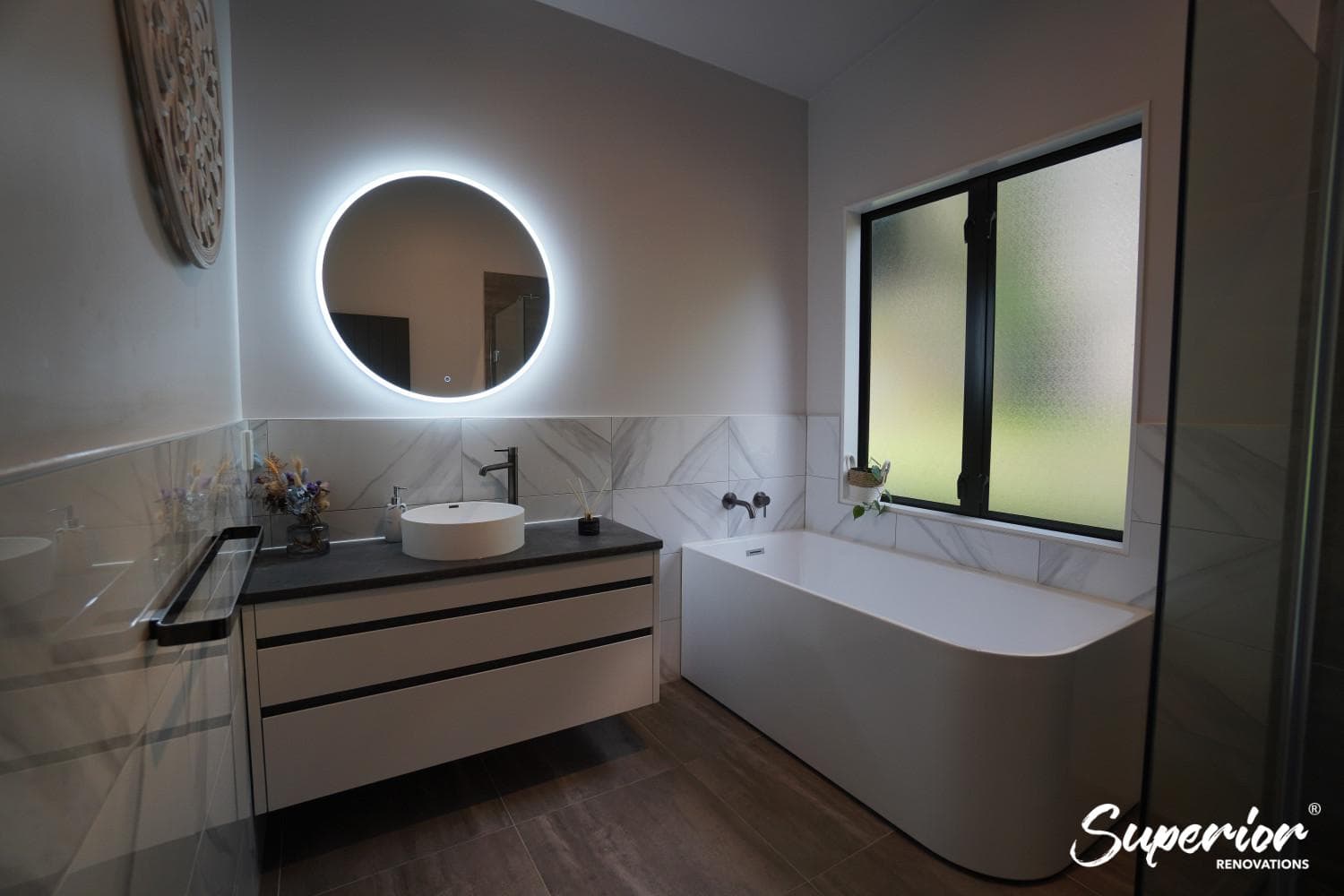
                  Services

                  Home RenovationKitchen RenovationBathroom RenovationOutdoor RenovationHouse ExtensionCommercialDesign ServicesOther

                  By submitting this form, you agree to receive communications from us via email or text regarding our services, you can unsubscribe at any time.

                  This site is protected by reCAPTCHA and the Google

                  Privacy Policy and Terms of Service apply.

                  white tile shower corner 1000 - Superior Renovations
                  Bathroom Renovation

                  Epoxy Grout VS Cement Grout for Tiling: Advantages & Disadvantages

                  Epoxy Grout vs Cement Grout for Tiling — Which Should You Use in Your Auckland Renovation?

                  Quick answer: Epoxy grout is waterproof, stain-resistant and lasts decades without sealing — but costs 3–5 times more than cement grout per kilogram. For Auckland bathrooms and showers, epoxy is the stronger long-term choice. Cement grout suits low-moisture areas where budget matters most.

                  Grout gets about two seconds of thought during most Auckland renovations. Homeowners spend weeks choosing tiles, agonise over benchtop colours, then nod when the tiler says “standard grout, yeah?” Three years later, the shower grout has gone grey, the corners are cracking, and the whole bathroom looks ten years older than it is.

                  The grout you choose affects how your tiled surfaces look, perform and hold up over time — and the difference between getting it right and getting it cheap is often less than $100 on a typical bathroom. That’s a small price for a finish that stays clean for years instead of months.

                  We’ve grouted hundreds of bathrooms and kitchens across Auckland — from character villas in Grey Lynn to new builds in Hobsonville — and the question comes up on almost every job: should we go epoxy or cement? The answer depends on where the tiles are going, how much moisture they’ll face, and whether you want to seal your grout every year or forget about it entirely.

                  This guide breaks down the real differences between epoxy and cement grout, what each one costs in New Zealand, where each type performs best, and how to make the right call for your specific renovation. We’ll reference NZ-available products from suppliers like Ardex, Technokolla, and Bunnings — not generic overseas brands you can’t actually buy here.

                  Tiled bathroom renovation in Auckland showing grout lines between wall tiles


                  What’s the Actual Difference Between Epoxy Grout and Cement Grout?

                  The short version: they’re made from completely different materials, and those materials behave in completely different ways once they’re in your tile joints.

                  Cement Grout — The Traditional Option

                  Cement grout is a mixture of Portland cement, sand (in sanded varieties), water-retention additives, and pigment. You mix it with water, trowel it into the joints, and it cures through a hydration process — basically, the cement absorbs the water and hardens over several days. It’s the grout that’s been used on Kiwi homes for decades.

                  The catch? Cement grout is porous. Even after it’s fully cured, it has tiny openings throughout its structure that absorb water, soap residue, body oils, and cleaning products. That’s why white grout in a shower turns grey within a year or two. It’s not dirt sitting on the surface — it’s embedded into the material itself.

                  💡 Quick tip: Cement grout must be sealed after installation and re-sealed every 12–24 months to maintain any real moisture resistance. Most Auckland homeowners forget this step — which is exactly when the grout starts to discolour and deteriorate.

                  Cement grout comes in two main forms. Sanded grout contains fine aggregate particles and is designed for joints wider than 1.5mm — it resists shrinkage and cracking better than unsanded. Unsanded grout has a smoother texture and works for narrow joints under 1.5mm, but it’s weaker and more prone to cracking in wider gaps.

                  There’s also latex-modified cement grout, which adds a polymer to improve flexibility and water resistance. It’s a step up from basic cement, but it’s still porous and still needs sealing.

                  Epoxy Grout — The Performance Option

                  Epoxy grout is made from two-part epoxy resins mixed with a filler powder — no cement, no water in the mix. Instead of curing through hydration, it hardens through a chemical reaction between the resin and hardener. The result is a dense, non-porous joint that doesn’t absorb water, doesn’t stain, and doesn’t need sealing. Ever.

                  This is the grout system that BRANZ references when it talks about “waterproof grouted joints” in wet area tiling — a requirement under NZ Building Code clause E3 for shower areas. While cement grout technically needs sealing to meet this standard, epoxy grout does it straight out of the bucket.

                  “We recommend epoxy grout for every shower and wet-area floor we tile. Cement grout sealed well will do a reasonable job, but epoxy removes the maintenance variable entirely — and that’s what most of our clients actually want.”
                  — Cici Zou, Designer (NZ Dip. Interior Design), Superior Renovations

                  Epoxy does have trade-offs. It sets faster than cement grout, which means your tiler needs to work in small batches. It can look slightly glossy — some homeowners describe it as “plastic-looking” — though modern formulations from brands like Ardex EG 15 and Technokolla Techno Evolution have reduced this significantly. And it costs more. Quite a bit more per kilogram.

                  But here’s the thing most people miss: the material cost difference on a standard Auckland bathroom is surprisingly small when you look at the full picture.

                  Close-up of tile grout lines showing the difference between clean and stained grout


                  Where to Use Epoxy Grout vs Cement Grout in Your Auckland Home

                  Not every tiled surface needs epoxy. And not every surface can get away with cement. Knowing where each type belongs is where most homeowners — and some tilers — get it wrong.

                  Showers and Wet Rooms — Epoxy Is the Clear Winner

                  Showers are the single most demanding environment for grout in any home. Hot water, steam, soap, shampoo, body oils — all hitting the grout joints daily. BRANZ Bulletin 591 on waterproofing tiled showers makes the point clearly: cement-based grout is not inherently waterproof, so any wet-area tiling must rely on proper waterproofing membranes beneath the tiles.

                  Epoxy grout adds a second layer of moisture protection above the membrane. It doesn’t replace the waterproofing underneath — that’s still required under NZ Building Code clause E3 — but it means the grout joints themselves aren’t absorbing water every time someone has a shower. For Auckland homes, especially older villas in Mt Eden or Ponsonby where moisture management is already a concern, that extra layer matters.

                  💡 Quick tip: If your tiler suggests cement grout for a fully tiled shower, ask them how they plan to achieve the “waterproof grouted joints” required by E3/AS1. Sealing annually is one option — epoxy is the set-and-forget alternative.

                  Kitchen Splashbacks — Epoxy Recommended

                  Kitchen splashbacks cop grease, cooking oil, tomato sauce, and cleaning sprays — all of which stain cement grout permanently. Epoxy grout resists oils and acids that would discolour cement within months. If your kitchen renovation includes a tiled splashback, epoxy is worth the small premium.

                  We had a client in Henderson last year who’d tiled their splashback with cement grout five years earlier. The grout between the subway tiles had gone from white to yellowish-brown, and no amount of scrubbing could shift it. The cost to regrout in epoxy was close to what they’d have paid for epoxy in the first place — except they’d already lived with the problem for five years.

                  Bathroom Floors — Epoxy Preferred

                  Even outside the shower zone, bathroom floors are wet-area surfaces under the Building Code. Water splashes, drips, and sits on bathroom floor grout regularly. Epoxy grout on bathroom floors means no sealing schedule to maintain and no discolouration around the base of the vanity or toilet.

                  Living Areas, Hallways and Bedrooms — Cement Is Usually Fine

                  For tiled floors in dry areas — living rooms, hallways, laundries that don’t get wet — standard cement grout performs well. These surfaces don’t face constant moisture, so cement grout’s porosity isn’t a real problem if it’s sealed properly at installation. The cost saving makes sense here, and the slightly matte, traditional finish of cement grout often looks better in these spaces than epoxy’s sheen.

                  Outdoor Tiling — Check Before You Commit

                  Auckland’s weather throws UV, rain, and temperature swings at outdoor tiles year-round. Cement grout copes reasonably well outdoors if sealed, though it degrades faster than indoor applications. Epoxy grout handles UV and moisture well but can yellow in direct sunlight with some formulations — check the product’s UV rating before specifying it for an outdoor area. Ardex EG 15, available from NZ suppliers, is rated for external use including swimming pools.

                  Modern tiled shower in Auckland bathroom renovation with clean grout lines


                  How Much Does Epoxy Grout vs Cement Grout Cost in NZ?

                  Cost is the first objection most homeowners raise. And honestly, the per-kilogram price difference is real — epoxy grout can cost 3 to 5 times more than cement grout for the raw material. But context matters.

                  Material Cost Per Kilogram

                  Grout Type NZ Price Per Kg (approx.) Example NZ Product
                  Standard cement grout (sanded) $4–$8/kg Ardex FG8, Technokolla Techno Colours
                  Latex-modified cement grout $8–$14/kg Mapei Keracolor U
                  Epoxy grout $18–$35/kg Ardex EG 15, Technokolla Techno Evolution

                  Those numbers look dramatic. But let’s run the maths on a real Auckland bathroom.

                  What’s the Actual Difference on a Typical Bathroom?

                  A standard 5m² Auckland bathroom uses roughly 3–5kg of grout, depending on tile size and joint width. For 300mm × 300mm tiles with 3mm joints, you’re looking at the lower end. For smaller mosaics or subway tiles, closer to the upper end.

                  Grout Type Material Cost (5kg) Annual Sealing Cost 10-Year Total
                  Cement grout $20–$40 $30–$50/year (sealer + time) $320–$540
                  Epoxy grout $90–$175 $0 $90–$175

                  Over a decade, epoxy grout is actually cheaper — even before you factor in the cost of regrouting when cement grout eventually fails. And that’s just materials. Labour to regrout a bathroom in Auckland runs $500–$1,500 depending on tile type and access.

                  When you consider that a mid-range bathroom renovation in Auckland costs $25,000–$35,000, the $50–$135 premium for epoxy grout is a rounding error on the total project cost. Less than one percent.

                  💡 Quick tip: Ask your tiler to quote the grout upgrade separately. Most Auckland tilers charge $50–$150 more for epoxy (materials plus the slightly longer application time). Compare that to the cost of regrouting in five years.

                  “When clients ask whether epoxy is worth the extra cost, I tell them to think about it per shower — not per kilogram. On a $30,000 bathroom, you’re debating $100. That buys you a decade of clean grout with zero maintenance.”
                  — Alison Yu, Designer, Superior Renovations

                  Labour Cost Differences

                  Some tilers charge more to work with epoxy because it sets faster and demands more precision. Expect to pay 10–20% more on grouting labour for epoxy — but on a bathroom, that labour component is typically $300–$600, so the premium is $30–$120. Some experienced Auckland tilers include the epoxy upgrade at no extra labour charge if you ask during quoting.

                  Close-up of tiled surface showing uniform epoxy grout finish in a kitchen splashback


                  Choosing the Right Grout for Your Renovation — A Room-by-Room Guide

                  So how do you actually decide? Forget the generic advice. Here’s what we recommend based on what we see on Auckland renovation projects every week.

                  Decision Factors That Actually Matter

                  Moisture exposure is the single biggest factor. If the grout will get wet regularly — showers, bath surrounds, splashbacks, laundry floors — epoxy should be your default. If it’s a dry area with occasional mopping, cement works fine.

                  Tile type matters too. If you’re using porous natural stone tiles like limestone or travertine, epoxy resin can soak into the tile surface and create permanent staining. Your tiler needs to seal the tile face before grouting with epoxy, or use cement grout instead. For standard ceramic and porcelain tiles — which account for about 80% of what we install across Auckland — both grout types work well.

                  Joint width plays a role. Cement sanded grout handles wider joints (over 3mm) better, while unsanded cement and epoxy both suit narrow joints. If your design calls for large-format tiles with minimal 1.5mm joints, epoxy or unsanded cement are the practical options.

                  Room-by-Room Recommendation Table

                  Room / Surface Recommended Grout Why
                  Shower walls and floor Epoxy Constant moisture, needs waterproof joints per E3/AS1
                  Bathroom floor (outside shower) Epoxy preferred Regular water splash, hard to maintain sealer schedule
                  Kitchen splashback Epoxy Grease, oil and acid exposure from cooking
                  Kitchen floor Either — epoxy for high-traffic families Spills vary; epoxy resists food stains better
                  Living areas and hallways Cement (sanded) Dry area, cost saving makes sense, seal at install
                  Laundry floor Epoxy preferred Water and detergent splash from machines
                  Outdoor patio or pool surround Epoxy (UV-rated product) Weather, chlorine, moisture — confirm UV stability first
                  Feature wall (dry) Cement Zero moisture risk, matte finish often preferred

                  What About Colour Consistency?

                  Epoxy grout holds its colour indefinitely because the pigment is part of the resin — it doesn’t wash out. Cement grout’s colour comes from surface pigment that fades and shifts as the grout absorbs moisture and cleaning products. If you’re specifying a dark or vivid grout colour to contrast with your tiles, epoxy is the safer bet. Medium grey cement grout is the most forgiving choice for traditional installations, because most cement grout trends toward grey over time anyway.

                  Sound familiar? If you’ve chosen white grout for a shower and watched it turn dingy within a couple of years, that’s cement grout doing exactly what it does. Epoxy white stays white.

                  Can You Put Epoxy Over Existing Cement Grout?

                  Yes — but only if the old cement grout is removed to at least half the tile depth first. You can’t just skim epoxy over the top of cement. Use a grout saw or oscillating tool to rake out the old material, then apply the epoxy into the cleaned joints. The epoxy bonds to both the tile edges and the remaining cement base. It’s a solid regrout option for Auckland homeowners who want to upgrade their shower grout without replacing the tiles.

                  💡 Quick tip: Regrouting with epoxy is a practical upgrade if your existing tiles are in good condition but the grout has failed. Get a quote from your tiler specifically for epoxy regrout — it’s significantly cheaper than retiling the entire surface.

                  White tiled shower with clean grout lines in a completed Auckland bathroom renovation by Superior Renovations


                  NZ Products and Suppliers — What’s Actually Available Here

                  Generic grout articles reference US and Australian brands that you can’t buy at your local Bunnings or tile store. Here’s what’s actually on the shelf in New Zealand.

                  Epoxy Grout Products Available in NZ

                  Ardex EG 15 — A high-performance two-component epoxy grout widely used by NZ tilers. Suitable for joints up to 15mm wide, rated for internal and external use including swimming pools. Available through tile suppliers and some Bunnings stores. The clean-up is notably easier than older epoxy formulations — a common complaint that modern products have largely resolved.

                  Technokolla Techno Evolution — Distributed by Surtec NZ (based in Auckland). BRANZ-appraised waterproofing and tiling system. Low porosity, strong chemical resistance. A good option if your tiler works within the Technokolla system for adhesive and waterproofing as well — consistency across the system matters for warranty coverage.

                  Mapei Kerapoxy — Available from specialist tile retailers in NZ. Two-component acid-resistant epoxy. Popular in commercial fit-outs but also used in high-end residential bathrooms. Distributed by MBP (NZ) Ltd from their Auckland base on Carbine Road, Mt Wellington.

                  Cement Grout Products Available in NZ

                  Ardex FG8 — The most commonly used flexible cement grout in NZ residential tiling. Available in a wide colour range, suitable for 1–8mm joints. Stocked at most tile retailers and Bunnings. Requires sealing for wet areas.

                  Technokolla Techno Colours — Cement-based, water-repellent formula with mould and bacteria inhibitors. Around $29.80 for a 5kg bag (incl. GST) from Surtec. Suitable for underfloor heating and pools when properly sealed. A solid mid-range cement option for NZ homeowners.

                  Mitre 10 and Bunnings house-brand grouts — Budget cement grouts that work fine for DIY in dry areas. Not recommended for wet areas without professional sealing.

                  💡 Quick tip: Ask your tiler which grout system they use and whether the adhesive, waterproofing and grout are all from the same manufacturer. Using a consistent system (e.g. all Ardex or all Technokolla) often means better warranty coverage and fewer compatibility issues.


                  Common Grout Problems in Auckland Homes — and How to Avoid Them

                  We’ve seen every grout failure going. Cracked joints, mouldy corners, discoloured shower floors. Most of these come down to three things: wrong grout for the application, poor installation, or no maintenance.

                  Why Does Grout Crack?

                  Grout cracking is almost always caused by movement between the tiles and substrate — not by the grout being “weak.” Auckland houses move constantly. Timber-framed villas in Ponsonby flex with humidity changes. Concrete slabs in newer builds like Flat Bush expand and contract with temperature. If the grout can’t accommodate that movement, it cracks.

                  Cement grout cracks more often than epoxy because it’s rigid and brittle once cured. Epoxy grout has some flex — not much, but enough to handle the minor movement typical in residential construction. Where significant movement is expected (e.g. at junctions between walls and floors), neither grout type should be used. That’s where flexible silicone sealant goes — and many tilers get this wrong by running grout right into the corner.

                  Why Does Grout Go Mouldy?

                  Mould grows on cement grout because moisture gets trapped inside the porous material. Auckland’s humid climate — especially through winter — makes this worse. Bathrooms with poor ventilation (no extractor fan, or a fan that vents into the ceiling cavity instead of outside) create the ideal conditions for mould in cement grout. Epoxy grout’s non-porous surface gives mould nothing to grip onto. It can still form on the surface of epoxy if cleaning is neglected, but a quick wipe removes it — unlike cement, where the mould is embedded within the material.

                  Why Does White Grout Turn Grey?

                  Soap scum, body oils, shampoo residue, and cleaning products seep into cement grout’s pores and darken it from within. Sealed grout resists this for 12–24 months, then the sealer breaks down and absorption begins again. If you want white grout that stays white in a shower, epoxy is the only option that delivers without constant maintenance.

                  “Clients often come to us saying ‘the grout in our old bathroom was terrible.’ When we look at it, the grout was fine — it just wasn’t the right type for a shower. Cement grout in a wet area without regular sealing is always going to fail. It’s not a defect, it’s the material doing what it does.”
                  — Dorothy Li, Design Manager, Superior Renovations

                  Installation Quality Matters More Than Most People Realise

                  Even epoxy grout can fail if it’s installed badly. Common installation problems we’ve seen across Auckland include: grout mixed with too much water (cement) or components mixed in the wrong ratio (epoxy), insufficient adhesive coverage leaving tiles hollow and unsupported, and grout applied before the adhesive has fully cured.

                  Using a Licensed Building Practitioner (LBP) or experienced tiler who works with your chosen grout system regularly is the best insurance against grout failure. The NZ Building Code requires LBP involvement for restricted building work — and while tiling alone isn’t restricted work, bathroom waterproofing is. Make sure your renovation team has the right credentials for the full scope. At Superior Renovations, our tiling and waterproofing work is completed by qualified tradespeople who understand MBIE compliance requirements.


                  The Bottom Line — Epoxy or Cement for Your Auckland Renovation?

                  If you’re renovating a bathroom, kitchen or any wet area in Auckland, epoxy grout is the better long-term choice for moisture-exposed surfaces. The material cost premium is small relative to a full renovation budget, the maintenance saving is real, and the finished result stays cleaner for years longer.

                  For dry areas — living rooms, hallways, bedrooms — cement grout does the job well. Save the budget here and spend it where it counts: in the shower, on the splashback, and on the bathroom floor.

                  The worst decision is no decision — going with whatever grout your tiler has on the van without asking the question. Now you know what to ask. And when you’re planning your next renovation, the Superior Renovations design team will specify the right grout for every surface as part of our detailed scope of works — so you don’t have to figure it out alone.

                  Visit our showroom at 16B Link Drive, Wairau Valley, Auckland to see tiled surfaces with both grout types in person. Sometimes seeing the difference is all it takes.

                  Book your free in-home consultation with Superior Renovations
                  Get an instant estimate with our bathroom renovation cost calculator
                  Request a free feasibility report for your project


                  Is epoxy grout waterproof?

                  Yes. Epoxy grout is non-porous and fully waterproof without any sealing. It's made from two-part epoxy resins rather than cement and water, so it doesn't absorb moisture. This makes it the preferred grout for showers, wet rooms and bathroom floors in Auckland homes. Cement grout, by contrast, is porous and requires sealing every 12–24 months to maintain water resistance.

                  How much does epoxy grout cost in NZ?

                  Epoxy grout in New Zealand costs approximately $18–$35 per kilogram, compared to $4–$8/kg for standard cement grout. However, on a typical 5m² Auckland bathroom, the total grout difference is only $50–$135 — less than 1% of a mid-range bathroom renovation budget of $25,000–$35,000. Over 10 years, epoxy is often cheaper due to zero sealing costs.

                  What is the best grout for bathroom tiles in NZ?

                  For shower walls, shower floors and bathroom floors, epoxy grout is the best choice in NZ. It meets BRANZ and NZ Building Code E3 requirements for waterproof grouted joints without needing sealer. For bathroom feature walls or dry areas, standard cement grout works well. NZ-available epoxy products include Ardex EG 15 and Technokolla Techno Evolution.

                  Why does bathroom grout crack?

                  Grout cracking is caused by movement between the tiles and substrate — not weak grout. Auckland homes constantly shift due to humidity, temperature changes and settling. Cement grout is more prone to cracking because it's rigid once cured. Epoxy grout has slight flexibility that handles minor residential movement better. At wall-floor junctions, flexible silicone sealant should be used instead of grout.

                  Can you put epoxy grout over old cement grout?

                  Yes, but you must first remove the existing cement grout to at least half the tile depth using a grout saw or oscillating tool. You cannot apply epoxy over the top of cement grout — it won't bond properly. Once the joints are raked out, the epoxy grout bonds to both the tile edges and remaining cement. This is a practical upgrade for Auckland homeowners who want better shower grout without retiling.

                  How long does epoxy grout last compared to cement grout?

                  Epoxy grout lasts 20+ years without needing replacement or sealing when properly installed. Cement grout typically lasts 8–15 years in wet areas before needing regrouting, and requires sealing every 12–24 months throughout its life. In dry areas with proper sealing, cement grout can also last 15–20 years.

                  Does epoxy grout look plastic?

                  Older epoxy grout formulations had a noticeable shiny, plastic-like finish that many homeowners disliked. Modern NZ-available products like Ardex EG 15 and Technokolla Techno Evolution have significantly reduced this effect, producing a more natural matte-satin finish. Ask your tiler for a sample board before committing — most will prepare one on request.

                  What grout should I use for a kitchen splashback?

                  Epoxy grout is recommended for kitchen splashbacks because cooking produces grease, oil and acidic food splashes that permanently stain cement grout. Epoxy resists these substances and cleans with a simple wipe. The cost premium for a splashback area (typically 1–2m²) is minimal — often under $30 in extra materials.

                  Do I need to seal epoxy grout?

                  No. Epoxy grout never needs sealing — its non-porous resin composition makes it inherently waterproof and stain-resistant. Cement grout must be sealed at installation and re-sealed every 12–24 months, especially in wet areas like showers and bathrooms. Skipping the sealing schedule is the most common reason cement grout fails in Auckland bathrooms.

                  Is epoxy grout safe to use with natural stone tiles?

                  Epoxy grout can stain porous natural stone tiles like limestone, travertine and quarry tiles if the tile surface isn't sealed before grouting. The epoxy resin can soak into the stone's pores and become impossible to remove. Always seal the tile face before applying epoxy grout to natural stone, or use cement grout as the safer alternative for these materials.

                  Which brands of epoxy grout are available in New Zealand?

                  The main epoxy grout brands available in NZ are Ardex EG 15 (from Ardex NZ, available through tile retailers and some Bunnings stores), Technokolla Techno Evolution (distributed by Surtec NZ in Auckland, BRANZ-appraised), and Mapei Kerapoxy (available from specialist tile retailers, distributed by MBP NZ Ltd in Mt Wellington, Auckland).

                  How much does it cost to regrout a bathroom in Auckland?

                  Regrouting a standard Auckland bathroom with cement grout costs approximately $500–$1,000 for labour plus materials. Upgrading to epoxy grout during a regrout adds $50–$150 in materials. A full bathroom renovation in Auckland costs $25,000–$35,000 for a mid-range finish — making the epoxy grout upgrade a fraction of the total investment.


                  Further Resources for your bathroom or kitchen renovation

                  1. Featured projects and Client stories to see specifications on some of the projects.
                  2. Real client stories from Auckland

                  Need more information?

                  Take advantage of our FREE Complete Home Renovation Guide (48 pages), whether you’re already renovating or in the process of deciding to renovate, it’s not an easy process, this guide which includes a free 100+ point check list – will help you avoid costly mistakes.

                  Download Free Renovation Guide (PDF)


                  finance - Superior Renovations

                  Have you been putting off getting renovations done?

                  We have partnered with Q Mastercard ® to provide you an 18 Month Interest-Free Payment Option, you can enjoy your new home now and stress less.

                  Learn More about Interest-Free Payment Options*

                  *Lending criteria, fees, terms and conditions apply. Mastercard is a registered trademark and the circles design is a trademark of Mastercard International Incorporated.


                  Still have questions unanswered?

                  Book a no-obligation consultation with the team at Superior Renovations,
                  we’d love to meet you to discuss your renovation ideas!

                    Services

                    Home RenovationKitchen RenovationBathroom RenovationOutdoor RenovationHouse ExtensionCommercialDesign ServicesOther

                    By submitting this form, you agree to receive communications from us via email or text regarding our services, you can unsubscribe at any time.

                    This site is protected by reCAPTCHA and the Google

                    Privacy Policy and Terms of Service apply.

                    jared rice PibraWHb4h8 unsplash - Superior Renovations
                    Bathroom Renovation

                    Guide On Small Bathroom Renovations: Layout, Costs and Designs

                    This blog has been updated and republished with more information for the year 2026.

                    Quick 2026 Guide: Top Small Bathroom Design Ideas for Auckland Homes

                    Turning a pokey bathroom in Grey Lynn, Mt Eden, or Parnell into a spacious, mould-free retreat? Focus on these essentials:

                    • Light/reflective surfaces (matte white subway tiles, big mirrors, light neutrals) to bounce light and double perceived space.
                    • Compact layouts (corner showers, wall-mounted toilets, sliding barn doors, pedestal sinks) for narrow 3×9 or 5×8 spaces.
                    • Vertical/multifunctional storage (floating shelves, niches, built-in racks) to free floor area.
                    • Ventilation & moisture control (fans/windows, impervious porcelain tiles) to beat Auckland humidity.
                    • Avoid mistakes like poor venting, oversized fixtures, or ignoring corners—opt for simple, bright designs. Budget-friendly refreshes start under $10k; full renos $20k–$35k+. Book a free consult for suburb-tailored plans!

                    “In small Auckland bathrooms, optical tricks like large mirrors and light tiles, plus vertical storage, make the biggest difference—keeping things bright, compliant, and functional without major structural work.” — Dorothy Li, Head Kitchen & Bathroom Designer, Superior Renovations.

                    If you’re wrestling with a pokey bathroom in your Grey Lynn bungalow or a tight ensuite in a Parnell apartment and want it to feel spacious, stylish, and sorted for our humid NZ summers, these small bathroom design ideas are just the ticket. We’re talking clever layouts, space-saving tricks, light colours, and moisture-busting tips to turn cramped spots into functional retreats—all without massive demo or blowing the budget in 2026.

                    How Do You Make a Tiny Auckland Bathroom Feel Way Bigger Without Knocking Walls Down?

                    It’s all about smart optical tricks and practical picks, eh? Go for light, neutral tones like matte white subway tiles on walls with simple black grouting to bounce light around in dim Mt Eden villas. Mirrors—big ones or medicine cabinets—double the perceived space, especially in narrow Greenhithe setups. Floating shelves, wall niches in showers, and pedestal or corner sinks free up floor area, making even a 6×6 foot three-quarter bath flow better. We’ve transformed a Titirangi spot with art deco patterned floor tiles as a subtle accent, keeping walls clean for that open vibe—clients rave about how it stops feeling like a squeeze.

                    What’s the Best Layout for Small NZ Bathrooms to Nail Functionality and Flow?

                    Depends on your square footage, but keep it simple: In super-narrow 3×9 footers common in older Remuera homes, pop the shower on the short wall, side-by-side sink and toilet, and a sliding barn door to save swing space—like that vintage Greenhithe reno we did with matte black trimmings for a custom fit. For 5×8 full baths, a corner shower or compact tub combo works wonders; chuck in a storage vanity and wall-mounted toilet for extra room. Prioritise ventilation—fans or windows are non-negotiable to beat mould in our damp climate—and use porcelain tiles everywhere for easy clean and durability.

                    How Can You Squeeze in Storage and Style on a Budget Without Clutter?

                    Vertical is your mate: Tall open shelves, built-in towel racks that double as storage, and multipurpose vanities hide the chaos in family spots like Albany. Avoid oversized fixtures—go compact handheld showers and floating units to keep floors clear. For style, minimal patterns (just a feature wall or floor) with earthy neutrals or oak cabinetry adds warmth without overwhelming tiny Redvale ensuites. Pro tip: Refresh on the cheap with re-grouting, new taps, or paint to stretch under $10k.

                    Fancy ditching the cramped chaos for a bathroom that actually works for your whānau? Give us a buzz at Superior Renovations for a free consult for your bathroom renovation service —what’s your small bathroom headache? Do you have a small bathroom that you dream to renovation, or do you simply wish for a fresh new look? Small bathroom renovation can be seen as a challenge. However, with the right composition and layout, you will be able to the most out of your small bathroom. Small bathrooms have a charm of its own, throughout this blog we will cover few key elements that you help you enhance your small bathroom.

                    This article with cover…

                    • Different types of layouts for your small bathroom.
                    • How to maximise the space for your small bathroom – Top 10 Tips
                    • Cost for small bathroom renovation.
                    • Tips when renovating your small bathroom on a budget.
                    • 15 Mistakes to avoid for a small bathroom renovation.


                    If you’re looking for “specific” cost estimates, try our Renovation Cost Calculator Tools

                    Need ideas? Check out our Kitchen Design Gallery or dive into our Bathroom Design Gallery for inspiration!


                    Small Bathroom Layout

                    After a long day at work, everyone wants to come home to a relaxing bath to unwind or have a rainfall shower. To some, this may be a reality, however, to some these luxury fixtures maybe just a long-term dream. Even though small bathroom designs have a charm of their own, sometimes it may be a daily struggle and stress, due to the limitation of space.

                    Do not worry, we have good news! With a well-planned layout, all your struggles and inconveniences will be solved. However, there will be a few compromises that will need to be faced, including tearing out your tub.

                    Just by the simple act of rearranging the layout of your bathroom, you can make a tremendous difference. The figures below, highlight the ideal layouts we have picked out, that will work with the most common small bathrooms. These layouts do not need any demolishing and will allow you to keep the same footprint.

                    To achieve a functional bathroom layout for a small space, it’s important to consider every aspect of the design, from fixture placement to materials and finishes. Your designer can help you create a cohesive design that maximizes space and functionality while still reflecting your personal style and preferences.

                    One of the key considerations when designing a small bathroom layout is fixture placement. You will need to prioritise the placement of key fixtures such as the toilet, sink, and shower/bath to ensure that they are easily accessible and functional. For example, you may want to place the sink near the door to allow for more space in the rest of the bathroom, or opt for a corner sink to free up more floor space.

                    Read more…

                    How much does it cost to renovate a bathroom in 2023? – Detailed costs explained.

                    In addition to fixture placement, you can incorporate multipurpose elements into the design to save space and enhance functionality. For example, you may want to choose a vanity with built-in storage or a medicine cabinet with a mirror to serve dual purposes. By incorporating these elements into the bathroom design, you can maximise functionality without sacrificing style.

                    When it comes to choosing materials and finishes for a small bathroom layout, it’s important to select options that are both durable and visually appealing. Porcelain or ceramic tile is a popular choice for bathroom flooring and walls because it is moisture-resistant and easy to clean. A designer and a renovation company can help you choose the best materials and finishes for your bathroom based on your preferences and budget.

                    Your designer will also help you choose the right accessories and storage solutions that maximise functionality in a small bathroom design. This may include towel racks that double as shelving, wall-mounted storage solutions, or even a built-in shower niche to provide additional storage space. By incorporating these small details into the design, you can create a bathroom that is both functional and visually appealing, even in a small space.

                    In summary, achieving a functional bathroom layout for a small space requires careful planning and design. By prioritising fixture placement, incorporating multipurpose elements, choosing durable materials and finishes, and selecting accessories and storage solutions that maximise functionality, you can create a bathroom that meets your needs and reflects your personal style.

                    Small Bathroom: Full Size Bathroom Layout

                    Full Small Bathroom Layout

                    Dimensions: 40 square feet (5’ x 8’), Fixture: Sink, Toilet and Tub Shower Combo or Luxury Shower.

                    The most common dimensions of a small bathroom are 5’ x 8’ and requires a minimum of 36 to 40 square feet to be considered a full bathroom. If your small bathroom has similar measurements, you have a standard-sized small bathroom. We have two different layout recommendations that you can consider to jazz-up your bathroom. Depending on your bathing preferences there are two options you can choose from.

                    1. Choose a modest tub-shower combo, shown on the left-hand side figure, or.
                    2. Choose a fancy shower with multiple shower heads.

                    Whether you decide to choose option one or two, we can guarantee you will be able to towel off with ease without hitting or dumping on your door or toilet.

                    Small Bathroom: Three-Quarter Bathroom Layout

                    Small Bathroom Layout Third-Quarter

                    Dimensions: 36 square feet (6’x 6’), Fixtures: Sink, Toilet and Standard Shower.

                    A three-quarter bathroom is another common small bathroom size and are usually 6’ x 6’ in dimension. This type of bathroom meets the minimum requirement of a full bathroom. A small bathroom is considered a full bathroom if it consists of a toilet, vanity, shower, and bathtub. Our recommended layout for this type of small bathroom, consists of a toilet, vanity, and shower. We like to keep the layout simple for a few reasons.

                    Read more…

                    Bathroom Design ideas to create Classic, Vintage, Modern and Contemporary Bathrooms

                    Reason one: Having a bathroom in a limited space can take up too much space.

                    Reason two: The bathroom can give a bulky image giving your bathroom a cramped feeling. As we are working with limited space, we want to aim to keep the layout simple and have a smooth traffic flow. Another idea to keep your small bathroom spacious, you can position your shower or vanity in the corner.

                    Small Bathroom with a Separate Tub and Shower

                    Small Bathroom with Separate Shower and Bath Tub

                    Dimensions: 45 square feet (5’ x 9’), Fixtures: Sink, Toilet, Tub and Shower.

                    Sliding Door Small Bathroom

                    Small Bathroom with a Sliding Door

                    Having a small bathroom that has both a bathtub and shower may sound like a tricky dream to achieve. However, with a well-planned layout, nothing is impossible! To achieve fitting both fixtures into your small bathroom, and having an enough space to get in/out of your tub and shower, the ideal size of your bathroom should be no less than 45 square feet. Shown on our recommended layout plan above, we can see that there will be limited space for dressing and undressing. Therefore, to make your small bathroom dreams come true and have enough space we recommend swapping out your average swing door with a sliding door.

                    Narrow Small Bathroom

                    Narrow Small Bathroom Layout

                    Dimensions: 27 square feet (3’ x 9’) or 32 square feet (4’ x 8’), Fixtures: Sink, toilet, and shower.

                    Homeowners with narrow and small bathrooms, usually struggle to arrange the placement of essentials fixtures. Most customers find that most standard-sized fixtures stick out too much or interrupt with traffic flow. But do not worry! We have some universal tips that may help with this problem.

                    • Outward Swinging Door: An outward swinging door will offer benefits, such as getting in and out of the bathroom with ease, as well as allows you to make the most out of your narrow bathroom.
                    • Sink and Toilet Side by Side: By placing your sink and toilet along the same wall, this gives the bathroom a cleaner look, as well as creates storage and foot traffic along the other walls.
                    • Wall Niches for Sink and Toilet Cistern: Using wall niches prevents your sink and toilet cistern from sticking out too much. You should consider using wall niches if a standard-sized sink and toilet are too big.
                    • Shower Against the Short Wall: Make your narrow bathroom look more spacious and help arrange the rests of your fixtures, by placing your shower against the short wall.

                    Small-Bathroom-Design-Superior-Renovation

                    Small Bathroom: Tiny-Half Bathroom Layout

                    Small Bathroom Tiny Half Bathroom

                    Dimensions: 20 to 30 square feet, Fixtures: Toilet and sink/shower.

                    A tiny bathroom layout is one of the smallest bathroom layout you will find, with dimensions between 20 to 30 square feet. Often, homeowners use these tiny bathrooms as a half bathroom that only contains a toilet and a sink. However, even though the space is small, you can still make use of the space and create a full bathroom without the need to carve out extra space. How? Is it very simple, use a sink faucet converter. With a sink faucet converter your sink can do double-duty as a shower and a sink without the extra space. But note, you will need to make sure you get a drain installed on your floor.

                    Read more…

                    Bathroom Design Ideas in NZ – A full Guide to Design your Master bathroom and Guest Bathroom.

                    Small bathroom owners, there is no need to envy big bathrooms. With a simple layout, you can make your small bathroom look more spacious and more comfortable. Feel free to contact us for more information regarding renovating your small bathroom.

                    How to Maximise the Space for Small Bathroom Renovation?

                    In most cases, the bigger the home there is a lack of evenly distributing the space. There are usually a lot of excess storage or closet space, but only one or one-and-a-half bathrooms. Yes, extra storage may sound very appealing, however adding an extra bathroom to your floor plan can have great benefits. It will pay off significantly when you ever decide to resell your home and will make your life easier if you have a large family, or ever decide to expand your family.

                    If you find a little bit of extra space in your home, maybe you have an extra closet space you do not use, or there is corner in your living room you can close off. Or even if you have unnecessary space in your home that needs a bit of love. We recommend you consider converting it into a bathroom!

                    10 tips you can maximise the space for a small bathroom renovation.

                    1. Take in account of fixtures and solutions of your small bathroom

                    The next step when you have finalized the location of your small bathroom is to make a design plan. Do not underestimated the size of your small bathroom. Even small bathrooms need a bathroom layout and bathroom design, that include the essentials- a sink, lighting, a toilet, and other fixtures (mirrors and cabinets).

                    Depending on the size of the space you are wanted to renovate, turning a moderately sized closet into a full bathroom can be a challenge. However, give up hope just yet! If you are effective with your space, you can use space-saving fixtures such as fold-up tubs, corner showers or half-footprint tubs.

                    2. Be Careful with Plumbing

                    Make sure where you are placing plumbing fixtures, if possible, try to locate them near existing water and sewage lines. By doing this, it will be a huge time and money saver, as you will not need to pay extra costs to relocate pipes. Another aspect to take caution, is adding fixtures to your small bathroom design. Make sure to check the structure of the floor before making any further additions. This means you will need to ensure the floor maintain the weight of new fixtures if the floor seems like it will not support the weight you can alternatively reinforce the floor by adding more joists.

                    3. Plan for you Towel Hanging Space

                    Since you will be working with limited space, suing a washstand that comes with built in towel bars can be a great space-saver.

                    4. Windows and Venting

                    A crucial aspect of a small bathroom renovation that is often ignored during the planning process is venting and window space. The main concerns are usually focused on plumbing; however, a form of ventilation is very important and required to avoid any development of mold and mildew.

                    If the circumstances of your new small bathroom cannot fit a window, you can use fan vents to help keep air circulating. No one wants a stuffy bathroom, by investing in a fan vent it will reduce stuffiness, as well as prevent any development of mold or mildew.

                    Ultimately, you should consider talking to your contractor about which option, whether it is installing a vent or adding a window, is best fit for you!

                    5. Taller and Leggier Tables are your Best Friend!

                    Opting for tall, open base tables will significantly take up less space in your floor plan. Remember it is important to make the most of your small bathroom space.

                    6. Simplicity is Key

                    The overuse of colour and patterns can give your small bathroom a negative effect. When colour and patterns are overdone, especially in smaller spaces, it will make the bathroom look enclosed, cluttered and claustrophobic. To avoid this, we recommend using paint or tiles with bright, simple colours that will make your small bathroom feel and look more open.

                    Read more…

                    Make the most out of your Small Bathroom Design? – and Mistakes to avoid

                    7. Simple Storage Solutions for Small Bathroom Designs

                    Extra storage in the bathroom is always a nice touch to have, however, storage should not be put in at the expense of mobility. Especially for small bathrooms, storages and fixtures should be spaced out so they are accessible and still have room in the bathroom for movement.

                    If space is very limited, where the vanities are taking too much room in the small bathroom, you should consider using medicine cabinets instead or small racks instead!

                    Remember, before going ahead with any construction on your small bathroom, make sure you are keeping everything up to code and your local ordinances. Have a look at the permits for your town or suburb.

                    8. Use a pedestal sink

                    pedestal sink can be a stylish and space-saving solution for a small bathroom layout. This type of sink sits on a pedestal, taking up less floor space than a traditional vanity.

                    9. Use floating shelves

                    loating shelves can be a great way to add storage space to a small bathroom layout without taking up any floor space. These shelves can be mounted on the wall, providing a space to store toiletries, towels, or decorative items.

                    10. Install a wall-mounted toilet

                    A wall-mounted toilet can be a great way to maximize space in a small bathroom layout. This type of toilet is mounted to the wall, freeing up floor space and making the bathroom feel more open.

                    Cost for a Small Bathroom Renovation

                    Average Cost to Remodel a Small Bathroom

                    Average costs for a small bathroom

                    Option Material (NZD) Labour (NZD) Removal & Disposable (NZD) Total (NZD)
                    Bathroom Installation $566-$1420 $636-$850 $70-$425 $1273-$2688
                    Countertop Installation $141-$1420 $70-$212 $7-$42 $219-$1669
                    Flooring $84-$183 $495-$919 $42-$850 $622-$1953
                    Lighting Fixture Installation $70-$169 $212-$311 $7-$14 $290-$495
                    Shower Installation $350-$450 $495-$636 $42-$70 $1033-$1415
                    Sink Installation $141-$353 $424-$495 $21-$134 $587-$983
                    Toilet Installation $141-$707 $495-$636 $14-$28 $651-$1372

                    In New-Zealand to remodel a small bathroom can be expected to range anywhere from $2,122 to $21,228 NZD more. When wanting to do a full remodel of your small bathroom you can either go with low-end fixtures with DIY labour, or high-end fixtures installed by a licensed contractor. There is a price difference between the two options. With DIY labour, you will be expected to pay approximately $99 NZD per square foot, in contrast $353 NZD per square foot with a licensed contractor.

                    Remodeling your small bathroom is an easy, inexpensive way to increase the value of your home and to update the look of your home. On average, 66% of your remodeling cost will be retained back after you sell your home, as updated homes are statistically found to sell a lot faster. If your primary goal of remodeling your small bathroom is to sell, we recommend choosing inexpensive but new fixtures. New fixtures usually add extra value to a sale, rather than high-end fixtures.

                    For skilled DIYers who have the tools and experience, remodeling a small bathroom is a great task to take on. However, it is recommended that you consult with a licensed professional before undertaking any projects to ensure plumbing pipes and other necessities are up to code.


                    Remodeling your Small Bathroom by Function

                    The planning process of your small bathroom remodeling journey can vary depending on the room’s function. The function of each room determines on what type of finishes you install. For example, for a children bath you would usually use less expensive and function fixtures, such as a basic bathtub and new surrounds. However, on the other hand, for a master or main bathroom you may use high-end finishes, such as a glass tiled walk-in shower and glass mosaic features. Functions and fixtures used for guest bathrooms usually consists of a mixture of both two extremes.

                    Powder Room Remodel

                    Small Bathroom Powder Room

                    Powder Room

                    Remodeling a powder room is the perfect opportunity for a DIY project. The final costs of this type of bathroom usually fall below $990 NZD for a basic DIY remodel. On the other hand, a professional remodel will cost $1,981 NZD on average. A powder room can be referred to as the main floor half bathroom that is intended for guest use. These bathrooms usually consist of only a sink and toilet, with a simple set up requiring less plumbing and electrical assisting. A powder room are grouped with smaller bathrooms, with dimensions around 15-25 square feet.

                    Guest Bathroom

                    Small Bathroom Guest Bathroom

                    Guest bathrooms fall under the mid-range category, with a cost of $212 NZD per square foot for remodeling. Unlike powder rooms, the guest bathroom is a private three quarter or full bath set for overnight guests. We have no recommendations when it comes to remodeling a guest bathroom beyond personal preference of fixtures and finish choice. Let your imagination go wild!

                    Read more on Guest Bathroom Designs here.

                    Master Bathroom

                    Master Bathroom Small Bathroom

                    Master Bathroom Client based in Redvale.

                    Read more about Sarah’s bathroom renovation journey here.

                    Master bathrooms are the focal point when to comes to selling your home. Remodeling master bathrooms usually consists of increasing space, which require moving walls, electrical, plumbing, and engineering and architectural concerns. Therefore, can significantly increase costs.

                    Kids Bathroom

                    A child’s bathroom is primarily focused on functionality. You will be expected to pay approximately $141-$253 per square foot, covering costs for lower end finishes and functions, for more practical use rather than aesthetic design.

                    Other Price Factors

                    When hiring a general contractor, you may need to organize a various subcontractor, such as framing, plumbing, electrical subcontractors, and the drywall and tiling professionals. This may sound scary and a hassle but do not worry, there are some organizations, like the team at Superior Renovations that organize everything for you!

                    Overall Small Bathroom Renovation Costs

                    Remodel and renovation are used interchangeably, the two words are very similar yet slightly different. Remodeling refers to changing the appearance of the bathroom, whereas renovation is more about repairing and updating. Taking away the old and dated fixtures and bring in the new and modern fixtures.

                    The cost for small bathroom renovations will vary depending on what type of finish you want. For example, hardwood floors or glass tiles are generally more expensive per square foot compared to vinyl. High-end finishes will ultimately be more cost effective but will have its benefits when it comes to re-selling your home.

                    Here is a breakdown of the costs that goes into renovating your renovations.

                    Note: Price are per square foot so will vary depending on the size of your bathroom, as well as what type of finish you are after.

                    Types of Installation Cost
                    Hardwood Floor $4.25-$11 NZD per square foot. Small bathrooms usually vary between 20-40 square foot so hardwood floor, it will be cost between $84-$452 NZD.
                    Tile : Ceramic floor tiles usually cost between $21-$28 NZD per square foot. Compared to hardwood floors, ceramic floor tiles are more durable in wet and steamy environments.


                    Mirror Installation costs $247-$672 NZD.
                    Painting To hire a professional to will cost $254-$693 NZD. However, is this a perfect DIY job to save a bit of money as a cost of paint will cost between $42-$141 NZD.


                    Installation of Lights $113-$424 NZD.
                    Cabinet Costs $636-$1273 NZD.
                    Glass Shower Enclosure If you are after a modernized bathroom without a shower curtain, a glass enclosure will be the perfect update. This will cost $778-$1910 NZD.


                    Gutting & Demolishing and Half to Full Bathroom Redoing

                    Demolition costs of a small bathroom will cost between $707-$2122 NZD. Demolishing your previous bathroom does not require any specialized tool but does require some basic knowledge about demolition. You must understand what processes to take before going further with your demolishing, such as understanding electrical wire and plumbing are located. If these processes are followed feel free to make this your next DIY project, or else you can always contact a professional to do the job.

                    Adding a Shower to a Half Size Small Bathroom

                    The addition of a shower will convert your half/three quarter bathroom into a full bathroom. Adding a shower will have the same costs and considerations. Adding a shower to your half bathroom will require to make more space or a new layout with plumbing and possibly new electricals. This process will cost an average of $4953 NZD.

                    Retiling a Small Bathroom

                    Artisan Navy Sette 800x1001 1 - Superior Renovations

                    Photo Credit: Tile Depot NZ

                    Renovating your small bathroom equals getting new fresh tiles. Fresh new tiles equal a luxury contemporary look for your bathroom! The average costs for new ceramic or porcelain titles are approximately $1415 NZD. There is also the option for glass or stone tiles, but these can be more expensive.

                    Read more about bathroom tiles here.

                    Want More Space?

                    Whether you want to install and new bathtub or a new shower in your small bathroom, you will need to make more space. As a result, you may need to alter the layout of your current bathroom and shift around your plumbing to accommodate new drain locations. To redesign the layout, this is going to require hiring an architect or a structural engineer. This will usually cost an average of $7000 NZD, but prices can vary if it is just expanding your bathroom.

                    Why These Ideas Excel in Small Auckland Bathrooms

                    • Auckland humidity requires strong ventilation (fans/windows) and impervious surfaces (porcelain tiles) per Clause E3.
                    • Compact features suit older villas/bungalows in Grey Lynn/Mt Eden or apartments in Parnell.
                    • Minimalist neutrals + accents (e.g., art deco floor tiles) add style without clutter.
                    • Practical ROI: Better flow and mould resistance boost usability/resale in family suburbs like Albany.

                    “Small bathrooms in Auckland thrive on clever, compliant design—our team turns tight spaces into bright, practical havens that handle our weather and feel twice the size.” — Steven Ngov, General Manager & Co-Founder, Superior Renovations.

                    More on Bathroom Costs…

                    Bathroom Renovation Cost Calculator for New Zealand

                    How Much does it Cost to Renovate a Bathroom New Zealand

                    Tips when Remodeling your Small Bathroom on a Budget

                    Not everyone can afford the luxury of spending thousands on remodeling/renovating our small bathroom, and that is okay! You can still update and refresh the look of your bathroom with these simple upgrades.

                    • Re-grout your tiles for a fresh look.
                    • Give your bathtub a resurface.
                    • Refinish your cabinets and give them the extra shine!
                    • Install new faucets.
                    • Re-paint your bathroom. A perfect DIY job.

                    Do It Yourself? Or Hire a Pro?

                    Inspections are usually put into place when you are selling your home. If your next DIY project is remodeling or renovating your small bathroom make sure your work is up to code standards. When doing DIY work in general, remember to check with local and national codes. As well as getting the proper permits and inspections done. In this an important aspect to consider not just to sell your home but also for safety reasons. Since a bathroom is a wet environment, there are many requirements, specific electrical and safety hazards that must be followed!

                    DIY projects is usually an alternative homeowners consider when trying to save money. Sometimes the quality of the bathroom can fall, resulting the bathroom looking cheap affecting the resale process. Remember, the bathroom is one of the top selling points when it comes to home selling. Therefore, we recommend homeowners with the right experience and tools to go through with the DIY projects for your bathroom. Alternatively, there are always licensed professional contractors just a call away.

                    Official NZ Residential Construction Trends (Stats NZ, February 2026)

                    • Residential construction prices rose 0.1% in the September 2025 quarter, with moderated annual growth and flat/slight increases in mid-2025 (Stats NZ Value of Building Work Put in Place).
                    • Growth slowed post-2020 volatility—favourable for small renos with steady material/labour costs.
                    • Tip: Focus on affordable wins (paint, re-grouting, compact fixtures) to keep budgets low amid stable trends.

                    “With construction prices steady in 2026, small Auckland bathroom updates are more achievable than ever—simple changes like pedestal sinks and light tiles deliver big space gains on a budget.” — Kevin Yang, Managing Director & Co-Founder, Superior Renovations.

                    Read more…

                    5 Ways you can Renovate your Bathroom Cost-Effectively.

                    8 Mistakes to Avoid for a Small Bathroom Renovation

                    Designing a small bathroom can be a challenge, but with the right approach, you can make the most of the space you have. Here are some mistakes to avoid when designing a small bathroom

                    NZ Building Code Clause E3: Internal Moisture – Key Requirements for Small Bathrooms From building.govt.nz (official Building Performance):

                    • Clause E3.3.1: “An adequate combination of thermal resistance, ventilation, and space temperature must be provided to all habitable spaces, bathrooms, laundries, and other spaces where moisture may be generated or may accumulate.”
                    • Clause E3.3.3–E3.3.5: Surfaces in wet areas (e.g., showers, around sanitary fixtures) must be impervious and easy to clean to prevent water penetration and damage.
                    • In small/tight spaces: Prioritise mechanical ventilation (fans) if no window, plus waterproof membranes and moisture-resistant materials like porcelain tiles—crucial in Auckland’s humid climate to avoid mould and health issues.

                    “For tiny ensuites in Parnell or Remuera, we always design with E3 in mind—good exhaust fans, impervious tiles, and proper venting keep moisture under control so your bathroom stays fresh and safe long-term.” — Cici Zuo, Sales Manager & Designer, Superior Renovations.


                    1. Not Having a Budget

                    Many first-time renovators do not priorities time to plan their costs and budgets before renovating their small bathroom. Not having a detailed understanding of the costs and your set budgets will cause major setbacks along the journey. It is important to know what aspects of your bathroom you are wanting to repair or replace and know what your cost limits are. Find a company that respects and fits your budget. By doing this, it will prevent any bumps along the journey- including not being able to complete the renovation.

                    Read more…

                    Top Tips on How to Remodel your Bathroom Within Your Budget.

                    2. Poor Ventilation

                    Air circulation and having a good ventilation system for your bathroom is key. This is often overlooked resulting in many bathrooms with poor ventilation. Poor ventilation equals a damp bathroom and the growth of mold and mildew. No one likes having a damp, suffocating bathroom. There are always alternative ventilation options, such as extraction fans if your bathroom does not come with a window.

                    3. Poor Finishes

                    The most common mistake people make when trying to budget or cut corners is not using good quality trades and products. When budgeting, we recommend prioritizing investing in good waterproof fixtures and the best finishes you can afford. These aspects will contribute to making your bathroom look and feel more luxurious.

                    4. Wrong Choice of Materials

                    The bathroom deals with a lot of wet surfaces due to all the washing and splashing of water. Therefore, it is crucial you select materials that are suitable to high amounts of moisture. This is especially important for your vanity top, cabinets, and tiles as the necessities for a long-lasting bathroom. We recommend avoiding materials made from wood, metal and porous. These materials are more prone to either rot, rust or gathering more bacteria.

                    5. Bad Lighting

                    Bathrooms with dim lighting may make your bathroom selfie look amazing. However, bright lightening is an important aspect to a good functional bathroom. Having good crisp lighting in your bathroom makes it easier to clean and a provides shadow-free lighting to make tasks such as applying make up easier. Imagine all the mildew and mold growth you will miss when cleaning in dim light!

                    Lighting is essential in a small bathroom layout, as it can make the space feel brighter and more open. However, poor lighting can have the opposite effect, making the bathroom feel dark and cramped. When it comes to lighting, it’s important to incorporate multiple sources of light, such as overhead lighting, task lighting, and natural light if possible. For example, you can install a bright ceiling light, a mirror with built-in lighting, and a small table lamp for task lighting. Additionally, you can install a frosted glass window to allow natural light to enter the bathroom while still maintaining privacy.

                    6. Unskilled DIY

                    It may be very tempted to have a go at plumbing or tiling your bathroom yourself. Many homeowners think due to the size, renovating the bathroom is a simple process. However, there are approximately up to 10 to 12 trades involved. Renovating your bathroom is not as easy as it seems, so make sure you consult with a professional before moving forward.

                    7. Neglecting Storage

                    When it comes to a small bathroom, storage is critical. Neglecting storage can lead to clutter and disorganization, which can make the bathroom feel even smaller. Incorporating storage solutions such as shelves, cabinets, and baskets can help maximize the available space and keep the bathroom tidy. A great way to optimize storage is to use vertical space by installing shelves or cabinets above the toilet or door. Additionally, you can use storage solutions that can serve dual purposes, such as a mirror with built-in storage or a shower caddy that hangs from the showerhead.

                    8. Oversized fixtures

                    Using oversized fixtures in a small bathroom can make the space feel cramped and overwhelming. Instead, opt for smaller fixtures that are specifically designed for small spaces. For example, you can choose a pedestal sink or a wall-mounted sink instead of a larger vanity. Additionally, you can choose a compact bathtub or a walk-in shower instead of a traditional bathtub with a shower curtain. Using smaller fixtures can help free up space in the bathroom and create a more open and airy feel.

                    9 . Bad Placement of Fixtures

                    Just having good-quality fixtures and a nice design means nothing without good placement. Placement is very important. No one wants to walk straight into a toilet, or have a toilet placed right behind the toilet. It is crucial you consider the placement and think about what placements work and what do not. This is where designers are here to help!

                    10. Overcomplicating your Bathroom design

                    When designing a small bathroom, it’s important to keep the design simple and minimalist. Overcomplicating the bathroom design can lead to a cluttered and overwhelming space. Instead, opt for a limited color palette and simple, clean lines. For example, you can choose a neutral color for the walls and add pops of color through accessories such as towels or artwork. Additionally, you can choose a simple, streamlined sink and vanity instead of a more ornate option.

                    11. Choosing the wrong materials

                    Choosing the wrong materials can make a small bathroom feel even smaller. For example, using dark tiles or heavy drapes can make the space feel closed off and claustrophobic. Instead, opt for light-colored tiles and sheer window treatments to create a more open and airy feel. Another small bathroom idea is to use mirrors strategically to reflect light and make the space feel larger.

                    12. Using too many patterns in your Small bathroom Design

                    While adding patterns and textures can be a great way to add visual interest to a small bathroom design, it’s important to use them sparingly. Too much pattern or texture can make the bathroom design feel busy and overwhelming, so consider using a single patterned tile as an accent, or incorporating texture through accessories such as a woven basket or a fluffy bath mat. Another small bathroom idea is to use a patterned shower curtain, which can add a pop of color and pattern without overwhelming the space.

                    This bathroom that we renovated in Titirangi, shows that when cleverly designed, a small bathroom design can incorporate patterns. Our client did not want a generic contemporary bathroom design but wanted art deco tiles to create a visual impact. Hence, we chose patterned white and black tiles in a small size for the flooring. However, since it was a small space, we decided to keep the patterns and colours of wall tiles simplistic. We installed matte white subway tiles for 2 of the walls with black grouting to match the floor tiles. The other 2 walls were painted a neutral white. In order to bring some warmth within the bathroom design, we installed cabinetry with wooden oak paneling with black trimmings to promote continuity with the rest of the bathroom which created a cohesive bathroom design.

                    Project Spotlight: See full project specifications + Before and After pictures


                    Small bathroom layout that has patterned tiles for an impactful bathroom design.

                    This bathroom design shows that patterns can be used in a small bathroom without making the design too overwhelming.

                    Small bathroom design with patterned tiles.

                    Beautiful Artisan tiles used on the floor for a beautiful art deco tiles.

                    13. Ignoring the door swing

                    When designing a small bathroom, it’s important to consider the swing of the door. If the door swings inward, it can take up valuable floor space and make the bathroom feel even smaller. Consider using a pocket door or a barn door that slides along the wall to maximize the available space. This small bathroom design idea can also add a unique touch to the space.

                    As seen below, we created a barn style sliding door for this bathroom we renovated below in Greenhithe, Auckland. This was done to maximise the space within this small bathroom. We wanted to ensure that we fitted a large bathtub, toilet, vanity and shower. As the corridor outside was very narrow, we could not build a door that swung out towards the corridor and in order to accommodate a toilet next to the door we could not build a door that swung inwards.

                    Project Spotlight: See full Project details + Pictures for this Vintage Bathroom renovation in Greenhithe.

                    Small bathroom layout in NZ - Auckland

                    Custom built Barn Door installed in this Vintage bathroom renovation in Greenhithe, Auckland


                    small bathroom ideas

                    Matte Black trimmings in this barn sliding door.

                    14. Not Utilising the corners

                    Corners can be a great place to add storage or fixtures in a small bathroom. Consider installing a corner sink or a corner shower to free up space in the center of the room. Additionally, you can use corner shelves or cabinets to store toiletries or towels. This small bathroom idea can help you make the most of every inch of space available.

                    15. Forgetting Functionality

                    While aesthetics are important in any bathroom design, it’s essential to prioritize functionality in a small space. Make sure to choose fixtures and storage solutions that are practical and easy to use. Additionally, consider incorporating features such as a handheld showerhead or a medicine cabinet with adjustable shelves to make the space work for your needs. These small bathroom ideas can help you create a beautiful and functional space.

                    There are many ways you can change up your small bathroom. All you need is to find the right layout that best fits your needs. The key elements to make your small bathroom renovation less hectic have been highlighted throughout this blog.

                    Auckland Council Building Consent for Small Bathroom Renovations (2026) From aucklandcouncil.govt.nz:

                    • Minor plumbing alterations (< $5,000 value, with producer statement): Fixed fee $343 (non-refundable).
                    • Minor plumbing (not by approved installer, < $5,000): Fixed $343 + inspection deposit $195.
                    • Exemptions (Schedule 1 Building Act): Repair/replacement of existing sanitary fixtures (e.g., sink/toilet) often no consent if by authorised person.
                    • Required for: Adding new fixtures (e.g., extra shower), structural changes (e.g., moving walls/plumbing), or wet-area alterations—many small refreshes qualify for simplified processes. Check Auckland Council for your suburb to avoid delays.

                    “Small bathroom tweaks in Mt Eden or Titirangi often need minor plumbing consent—we handle it all so you can focus on clever designs like floating vanities and corner showers without the hassle.” — Alison Yu, Designer & Sales, Superior Renovations.

                    Can you remodel a bathroom for $5000?

                    Yes, this is possible if you are a DIY project. However, if you are wanting to work with a professional renovation company it will cost more. At Superior Renovations our bathroom renovations start at $18,000 NZD. This includes service before and after, design, supply and project manage. You can find more information at https://superiorrenovations.co.nz/how-much-does-it-cost-to-renovate-a-bathroom-nz/

                    Does a bathroom need a window?

                    Yes, it is very important your bathroom has a window or a ventilation system. This will help keep the air circulating and reduce the growth of mold or mildew. If you do not have a window, you can opt for a ventilation system.

                    How do you renovate a small bathroom?

                    You can either start your small bathroom renovation journey with a professional renovation company or DIY. DIY projects are only recommend to homeowners with the right experience and tools, as bathroom renovation can be very complex. If you have any enquiries or want to start your renovation journey feel free to contact us at 0800 199 888.


                    If you’re looking for “specific” cost estimates, try our Renovation Cost Calculator Tools

                    Need ideas? Check out our Kitchen Design Gallery or dive into our Bathroom Design Gallery for inspiration!


                    Need more information?

                    Take advantage of our FREE Complete Home Renovation Guide (48 pages), whether you’re already renovating or in the process of deciding to renovate, it’s not an easy process, this guide which includes a free 100+ point check list – will help you avoid costly mistakes.

                    Download Free Renovation Guide (PDF)


                    finance - Superior Renovations

                    Have you been putting off getting renovations done?

                    We have partnered with Q Mastercard ® to provide you an 18 Month Interest-Free Payment Option, you can enjoy your new home now and stress less.

                    Learn More about Interest-Free Payment Options*

                    *Lending criteria, fees, terms and conditions apply. Mastercard is a registered trademark and the circles design is a trademark of Mastercard International Incorporated.


                    Still have questions unanswered?

                    Book a no-obligation consultation with the team at Superior Renovations,
                    we’d love to meet you to discuss your renovation ideas!
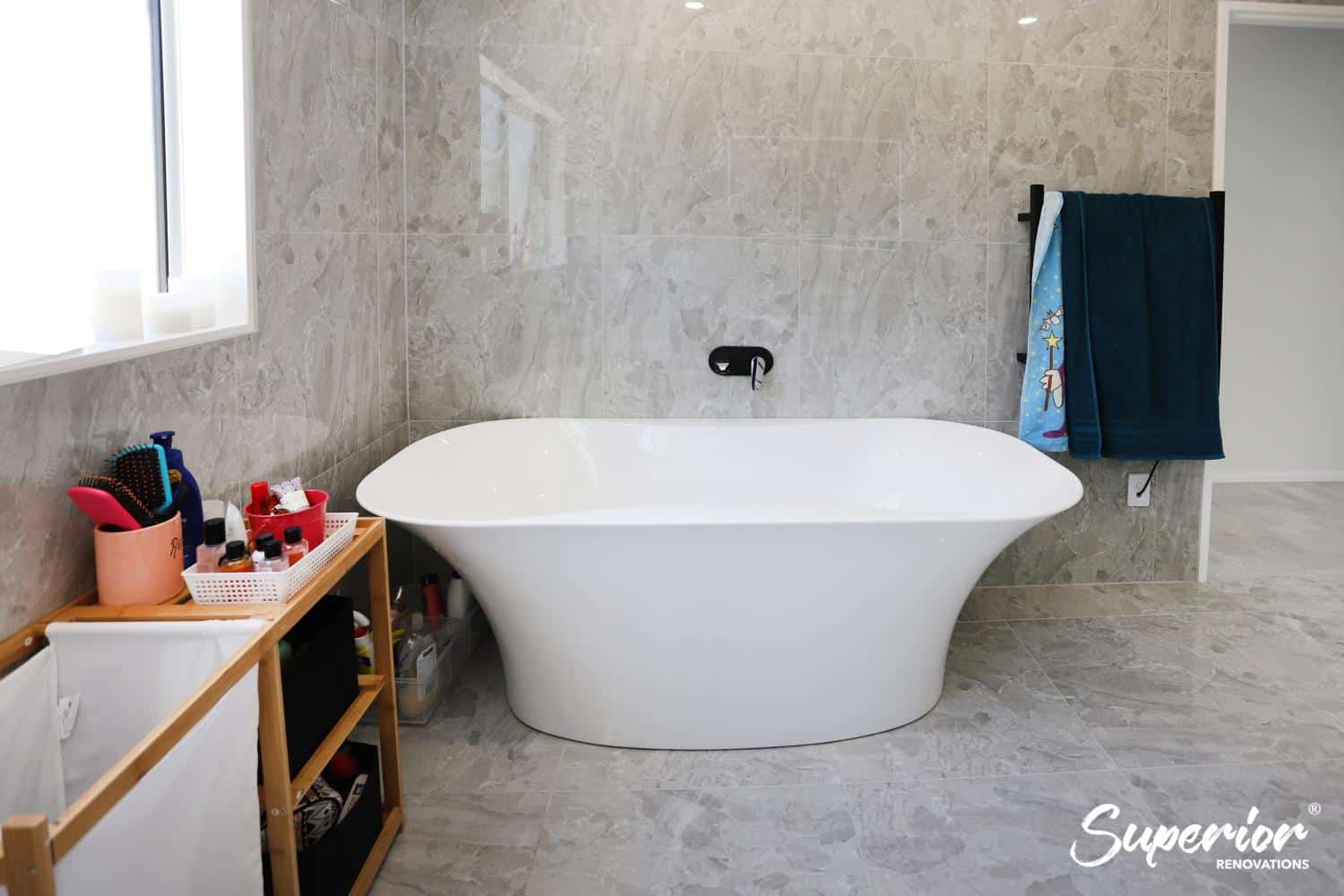
                      Services

                      Home RenovationKitchen RenovationBathroom RenovationOutdoor RenovationHouse ExtensionCommercialDesign ServicesOther

                      By submitting this form, you agree to receive communications from us via email or text regarding our services, you can unsubscribe at any time.

                      This site is protected by reCAPTCHA and the Google

                      Privacy Policy and Terms of Service apply.

                      ​From the very first consultation, our experience with this team has been nothing short of stellar.

                      ​Working with Eunice, our sales consultant, set a high bar for the rest of the project.
                      Eunice is truly exceptional at what she does. When we first began our kitchen project, we went through several versions of our floor plan, and she was with us every step of the way—from the initial planning stages right through to the final concept. Her patience and dedication during the design process were remarkable.
                      Throughout the project, Eunice provided:
                      * **Invaluable Suggestions:** She has a keen eye for both aesthetics and functionality, pointing out details we never would have considered on our own.
                      * **Seamless Adjustments:** No matter how many tweaks we requested, she handled every change with professionalism and a "can-do" attitude.
                      * **Expert Guidance:** She transformed our vague ideas into a cohesive, stunning reality.

                      ​Once the planning was complete, Neil, our project manager, took the reins and truly blew us away. Neil is a consummate professional who balances technical expertise with fantastic communication.
                      ​ He kept us informed at every stage, ensuring we knew exactly what to expect and when.
                      Whenever a minor pivot was needed, Neil handled it with grace and efficiency, keeping the timeline on track.
                      His standards for the renovation work were incredibly high, ensuring the final result was polished and beautiful.

                      ​The transition from Eunice’s initial planning to Neil’s execution was flawless. If you are looking for a team that combines design expertise with top-tier project management, look no further. We are absolutely thrilled with our new kitchen and new flooring !
                      Superior Renovations has just finished a complete remodel of my bathroom. I can see, why the company has such a high reputation. At every stage, from sales, design, project management, and execution, the company excelled at every point. I am just so happy with the work that they have done and they have exceeded my expectations at every point.
                      Used Superior for a kitchen and bathroom renovation last year. They did an excellent job updating both rooms, communication was excellent ongoing tjrough the project, they coordinated all the tradies, synchronized so there was little downtime, and it all worked exactly as planned and on budget. Was really glad we chose Superior Renovations and plan to use again for our entrance way at some stage.
                      As I said to my work colleagues ‘I have just had the most pleasant experience’. When they realised it was with renovations at home they were shocked - ‘unheard of’ I was told.
                      Everything went to plan - timing, project management, costs, etc, etc. Neil communicated with me daily and made my whole bathroom renovation a pleasure.
                      The best decision I made was choosing Superior Renovations.
                      Thank you Kevin for our initial connection and for passing me on to Neil to manage the whole process.
                      We just finished a bathroom renovation and couldn’t be happier with the results. The craftsmanship is top-notch, and the attention to detail in the tiling and finishing is impressive. The team was professional, kept the workspace clean, and delivered exactly what we envisioned. Highly recommend them for anyone looking for a high-quality transformation.
                      Superior did an excellent job of renovating our ensuite. Project manager Jacob was easy to work with and communications were good.
                      This is our second review for Superior Renovations. They have done two projects earlier this year and we were so impressed by the work they have finished. After discussing and very careful consideration, we decided to go with more projects with them. So far, they have now completed stage 1 renovation of our house. We still amazed for their knowledge and services; they really listen to us and discuss anything with us if they feel/think could be better…
                      From the first day we work with them, we have no issue with them at all, from communication, discussing, designing to the teams working on the site.
                      Especially we are highly recommended to those who are considering doing the house renovation, please contact them and you will know why we are so pleased to have them to do our house renovation.
                      We are thanking Cici, Neil and the teams so much….
                      We are looking forward to seeing what the outcome will be.

                      David and Emily
                      We recently had our bathroom renovated by Superior Renovations and couldn’t be happier with the experience. Dorothy and Neil were an absolute pleasure to work with. They guided us through every step of the process, making what can be a stressful experience feel smooth and straightforward.
                      The quoting process was transparent and detailed, with no hidden fees or surprises. Neil was incredibly responsive and always available whenever we had questions or requests, which gave us real peace of mind throughout the project. We really love the end result and enjoy our new bathroom!
                      We’ll definitely be returning to the Superior Reno team for our next project. Highly recommended!
                      Our bathroom reno has just been completed & I am so happy. The whole process was easy & hassle free. Alison designed our bathroom & was very patient with our changes/then changes back again. Jacob our project manager was a delight to deal with. He always kept us informed of the scheduling & any other information we may have needed. All the tradies worked hard & the job was completed & signed off within 3 weeks. That's demo, full tiling, installation of new everything & delivery & pick up of the skip down a very tricky driveway. We absolutely love the new bathroom & would recommend Superior Renovations everyday. Future jobs I will definitely be contacting them again. Thank so much for your excellent work
                      Having explored our reno options, it was an easy decision to select Superior Renovations for our work. As first timers at anything like this we had to trust the system with grand old 100year old bungalow. We were so pleased to have Cici, Sonny and Kai working with us the whole way through. Be shout out to all the team, builders, plumbers, electricians, tilers and painters. A superb job delivered on budget and ahead of time. The communication from Cici and Sonny was first class. Would highly recommend working with Superior Renovations in fact, we already have more worked booked in. Thanks Superior you made Millie and Monty's parents very happy. 🐾
                      I am very happy with the recent renovation for my new kitchen.
                      The team worked really hard to get it done within the time frame.
                      The manager, Jacob, was very helpful and communicated well and always sorts out any issue immediately.
                      Thank you Irene
                      We couldn’t be happier with our new pergola! From start to finish, the team was professional, punctual, and easy to work with. They took the time to listen to what we wanted and offered great suggestions to make the design even better. The quality of the materials and workmanship is outstanding — everything feels solid, well-built, and beautifully finished. Kudos to Sinan Sun as she has been an amazing contact with the company.
                      We are very pleased with our bathroom reno by Superior Renovations! Jacob, Cici and the team always kept us up to date, were always friendly to deal with and finished ahead of schedule. Most importantly we are very happy with the quality of the work.
                      We have been working with Superior Renovations as a supplier now for over three years. In that time we have found the team to be very professional and well organised. Which is a welcome relief in this industry! Just recently we have become their sole supplier for portaloos, which recognises the collaboration we have forged over these three years.

                      In particular, Leanne and Elaine set a very high standard of communication and flexibility. This is of vital importance when scheduling deliveries and pickups with us, however, they understand not everything can be done at once and are willing to work with us for the best (supplier/contractor/client) outcome.

                      I would imagine this ethos would flow directly through to all their contracted renovation work. A pleasure to work with!
                      A very reliable supplier – we’ve been working with them for three years now, and they have never let us down. Well done to the team.
                      We have been working with these guys for the past 4 years and find them an awesome company to work with, very efficient and organised. I highly recommend!
                      Finding someone reliable for renovations has always been the most stressful thing for us. In the past, we had several painful renovation experiences—money was spent but the problems were never truly solved, and things often ended up worse than before. We really didn’t know where to find a trustworthy renovation company.

                      For more than ten years, our wish had been to renovate our bathroom, laundry, and toilet, so that we could finally enjoy a comfortable and functional living environment. Just when we were about to give up, we came across Superior Renovations online. We quickly made an appointment with Cici, who designed and provided us with a quote.

                      Throughout the whole process, I was deeply impressed by the professionalism of Superior Renovations. What stood out most was that they always delivered on their promises—everything agreed upon was completed on time. This built a relationship of trust and reliability. Up until completion, I was completely satisfied with their dedication and the quality of their workmanship.

                      During the renovation, we encountered some of the challenges that often come with older houses, but Cici and her team helped us resolve the discomforts we had been living with for years. We are truly grateful to the construction team.

                      Some say renovations are easy if you just have money, but I believe the most important thing is finding a trustworthy team that keeps their word, values quality, and cares about the customer’s experience.

                      Because of this renovation experience, we can now confidently plan our next project—the kitchen—and Superior Renovations will definitely be our first choice. We strongly recommend them.

                      Finally, I want to thank Cici and the team for helping us fulfill our dream.

                      Mark & Kate
                      Sinan is a very good consultant. She helps a lot during renovation. Very satisfied with their job.
                      It was great to have Alison's recommendations and input on how & what would look best for our kitchen and bathroom reno. Jacob, our project manager, has been a star too; ensuring that the project was delivered as planned, AND giving us great ideas & suggestions along the way.

                      We will definitely be calling on you guys again for our next home reno. Thanks team!
                      Very impressed with Superior Renovations.Building our pergola with blinds for a fair price .First thank you Sinan for quoting the job and your flexabilty and knowledge..Secondly the job was done well within the time frame, thanks to Jeff for supervising the job ( eventhough he wasn't too well) and keeping us up to date throughout the process. Payment was fair and easy as well .
                      Thoroughly recommend Superior Renovations for your reno job 👍
                      Very efficient team of workers and high quality finish.
                      Very happy with our renovated bathroom.
                      We will use this company again.
                      We’re very happy with the renovation work done by the team. It’s rare for renovation projects to finish on time, but they committed to completing ours before the Easter holiday—and they delivered! Our project manager, Jacob, worked incredibly hard (even physically! 😄) to make it happen.

                      I admit I might not have been the easiest client—I was particular about details like colours, tile placement, and exactly where the hand basin bowl should sit on the bench. But they listened, took it all on board, and got it done. Thank you, Jacob!
                      I’ll definitely bring you another challenge in the future. 😉
                      Thanks Superior Renovations for doing our house, it definitely looks a lot better now! Special thanks goes to Alison and Jacob for their excellent effort and good manners in handling the construction process, it wasn't easy but with them around it definitely became easier to handle. Cheers🥂
                      Absolutely thrilled with the outcome of our renovation of two bathrooms and kitchen in a double level home. Kevin and his entire team were an absolute pleasure to work with from the get-go. Every minor detail was attended to, and all our requests were accommodated. Cyrus deserves a special mention as under his watchful eye and expertise, nothing could go wrong.
                      I have recently finished a renovation in our 1930’s bungalow, updating the original (and I do mean original) kitchen and bathroom. Plus creating a new laundry and removing three fireplaces which created two new spaces including an office. From the initial appointment with Alison who came over and then provided drawings and a quotation, to the work with Frank, our project manager and the team, this has been a wonderful renovation experience. I would have described myself as a nervous-renovator prior to doing this, as I had never done a renovation before, but Frank, Alison, Sunny and all the team have worked so tirelessly and generously to create spaces that we love. Superior’s care in managing the project has meant that we have come away with much more than we originally sought to achieve and without the stress I hear others lament about when they renovate. I would recommend Frank, Alison, Sunny and the team at Superior Renovations wholeheartedly.