


House Renovation · Bathroom Renovation · Kitchen Renovation · House Extension · Outdoor Renovations · Recladding · Garage Conversion
House Extensions in Auckland — Designed, Consented, Built by One Team
Add the space you need without leaving the home and neighbourhood you love — fixed quote, one project manager, every trade managed end to end
A house extension in Auckland usually takes 4–8 months on site once consent’s through. A standard 25–45m² ground-floor extension typically lands between $160,000 and $280,000. There’s 10+ trades involved — architect, builder, plumber, electrician, gib stopper, tiler, painter, cabinetmaker, waterproofer, structural engineer. We bring all of them in under one team, handle Auckland Council consent end-to-end, and lock the price before we start.
1,000+ Auckland renovations completed. 190+ Google reviews. 18 months interest-free finance through Q Mastercard®. Wairau Valley showroom open Mon–Sat. Eunice, Cici, Alison, and Dorothy run design from brief to consent drawings — you’ll be working with one of them from day one.
Free in-home consultation. Itemised written quote. No deposit. No high-pressure sales.
Why Auckland Homeowners Choose Superior Renovations for Their Extension
1,000+ Renovations
Auckland-wide since 2017. Extensions, additions, structural rebuilds — every type, every suburb.
190+ Google Reviews — 4.7★
Real reviews from real clients. Read them before you read anything we’ve written about ourselves.
18 Months Interest-Free
Q Mastercard® partnership. Spread the cost at 0% over 18 months. Lending criteria apply.
Consent Handled End-to-End
We lodge the building consent, manage RFIs, run inspections, and apply for the CCC. You don’t deal with the council. Our in-house Licensed Building Practitioner (LBP #BP156911) provides oversight on consent-related work, workmanship and compliance.
Running out of space? It’s the most common reason Aucklanders come to us for an extension. A growing family. A home office that finally needs its own room. A master suite that doesn’t share a wall with the kids. A living area that’s supposed to be open-plan but isn’t.
The reasons change. The worries don’t: budget, timeline, council consent, and whether the workmanship will hold up.
We handle extensions end-to-end. First design conversation through Auckland Council consent and out the other side at handover. One project manager. Price locked in. Timeline locked in. Every trade in our own team.
After a specific service? See our home renovations Auckland, bathroom renovations Auckland, and kitchen renovations Auckland pages.
Single-Storey Ground-Floor Extensions
The most common type of extension we deliver. Add a bedroom, expand the living area, push the kitchen out into the garden, or create a master suite. Lower per-square-metre cost than a second-storey extension because there’s no structural reinforcement of the existing house required.
Second-Storey & Loft Extensions
When the section is tight but you need significant extra space, going up makes more sense than going out. Adds bedrooms, bathrooms, or a parents’ retreat without losing backyard. Requires structural reinforcement of the existing foundations and ground floor — typically 10–20% more per square metre than a ground-floor extension.
Architectural Extensions & Rebuilds
For homeowners who want the extension to feel like part of the original architecture — or who are reconfiguring the layout of the whole house at the same time. Wrap-around extensions, full rear additions opening to the garden, and basement conversions all sit in this category. We work alongside our architectural partners and handle the full Auckland Council consent process.
Common Reasons Auckland Homeowners Extend
An extension isn't just about extra square metres — it's about making your home work the way you need it to

Growing family
Another bedroom, a playroom, or a bigger living area. An extension gives a growing household breathing room without the upheaval of moving.

Lifestyle and functionality
Home gym, proper office, master suite that feels generous. Extending lets you shape your home around how you actually live now.
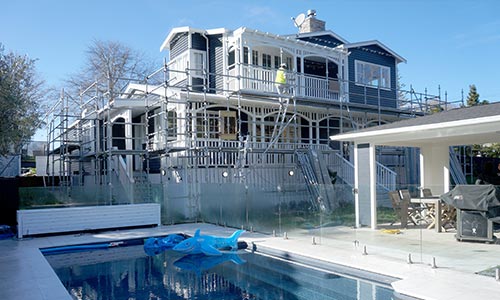
Property value
A well-planned extension adds genuine value — more living space, better functionality, stronger street appeal at sale time.
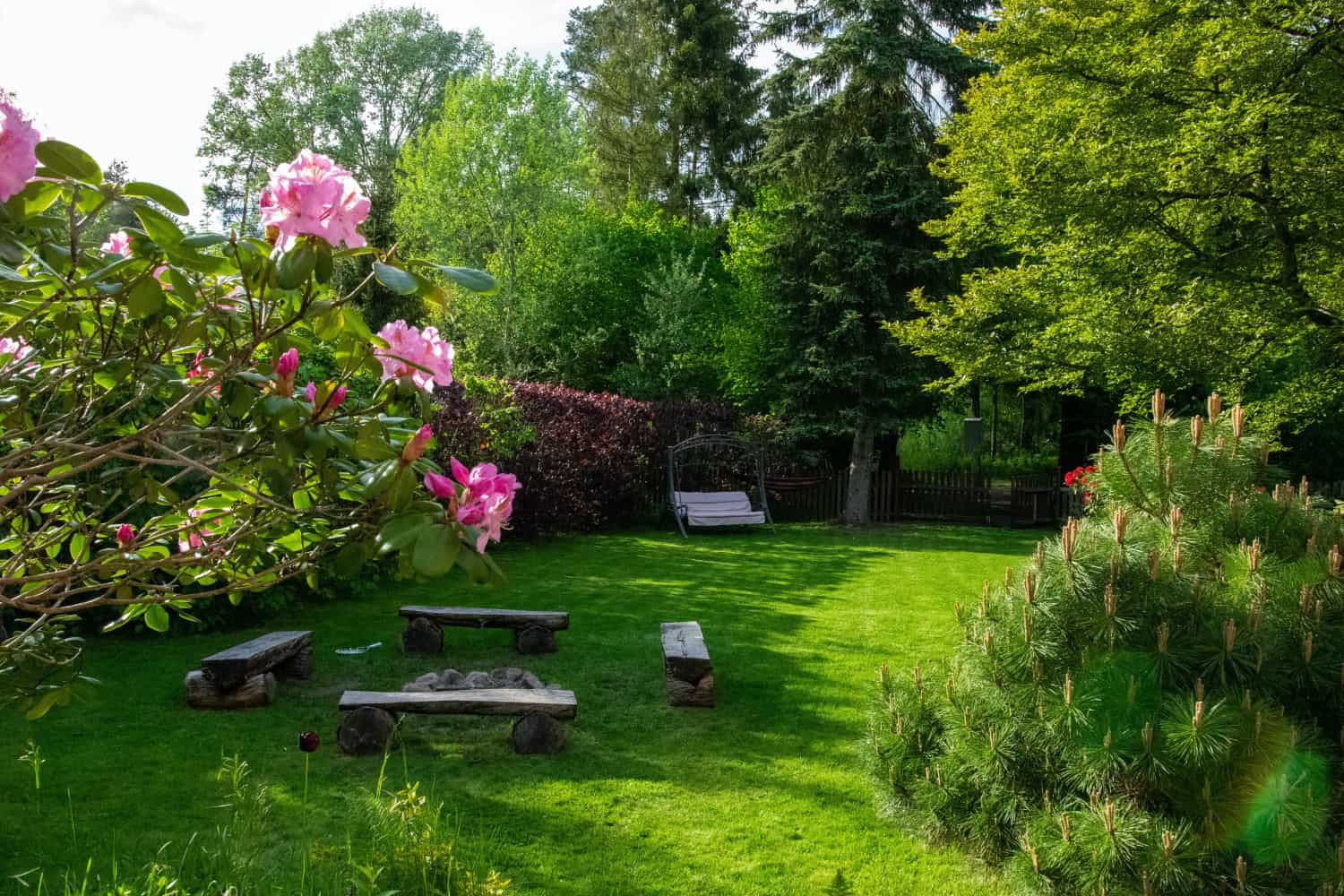
Maximise existing land
Got a big backyard or unused side section? Extending puts that land to work — creating indoor space without losing your outdoor areas entirely.

Connect with nature
Large windows, garden views, sunrooms — extensions can completely change how a house feels. Suits the Auckland climate especially well.
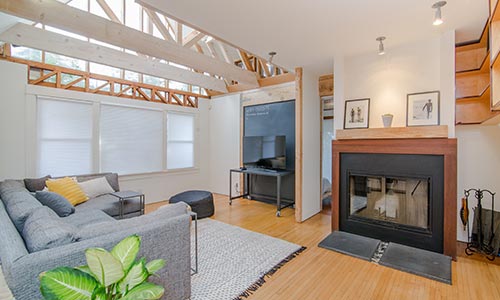
Avoid moving costs
Buying and selling is expensive and disruptive. Extending means you keep your neighbourhood, school zones, and community — and still get the space.
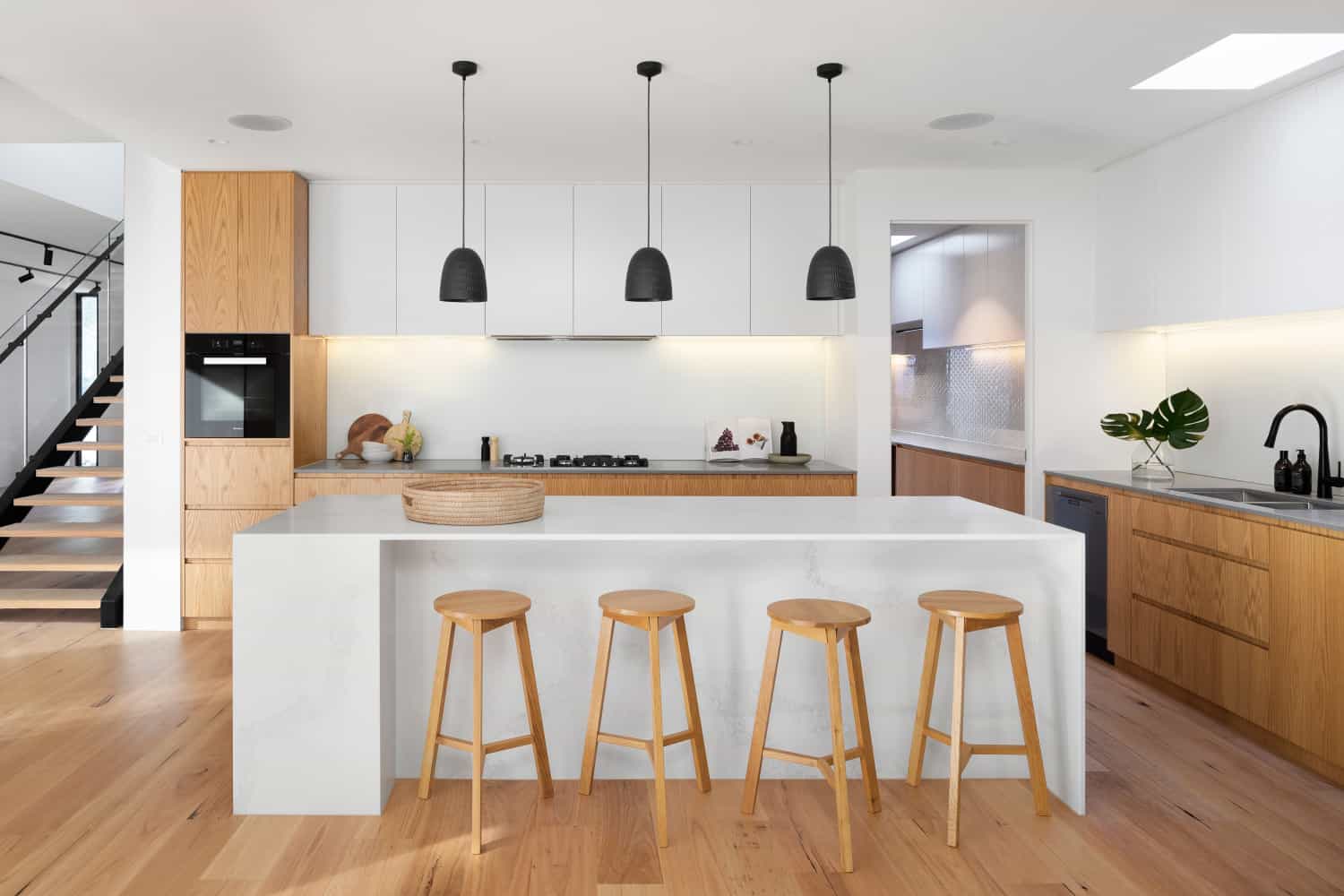
Future-proof your investment
With Auckland property values tracking upward, extending now locks in value in a location you already own — whether you stay for decades or sell down the track.

Upgrade without upsizing
Finding a bigger house with everything you want in the right area at the right price is hard in Auckland. Extending gets you the space without buying new.
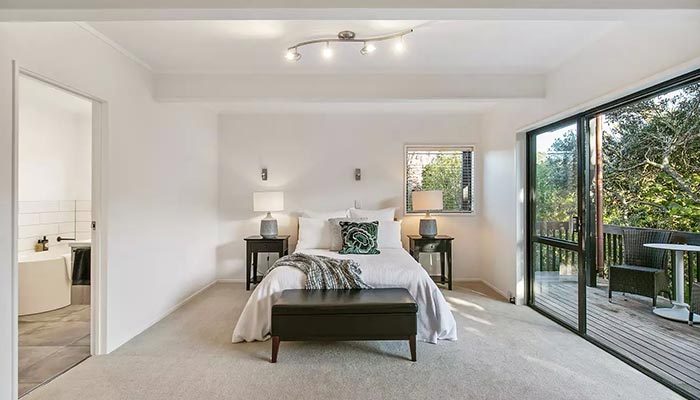
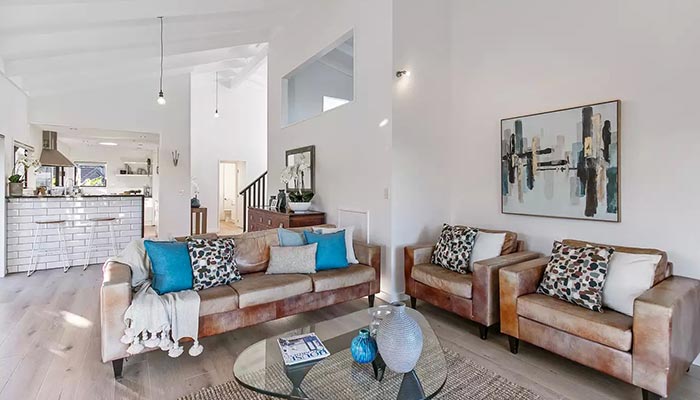
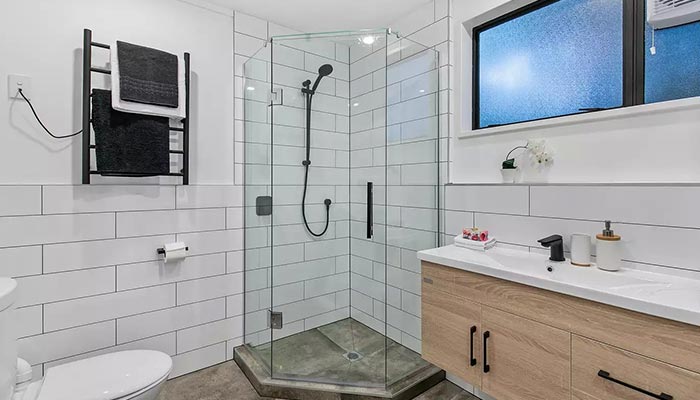
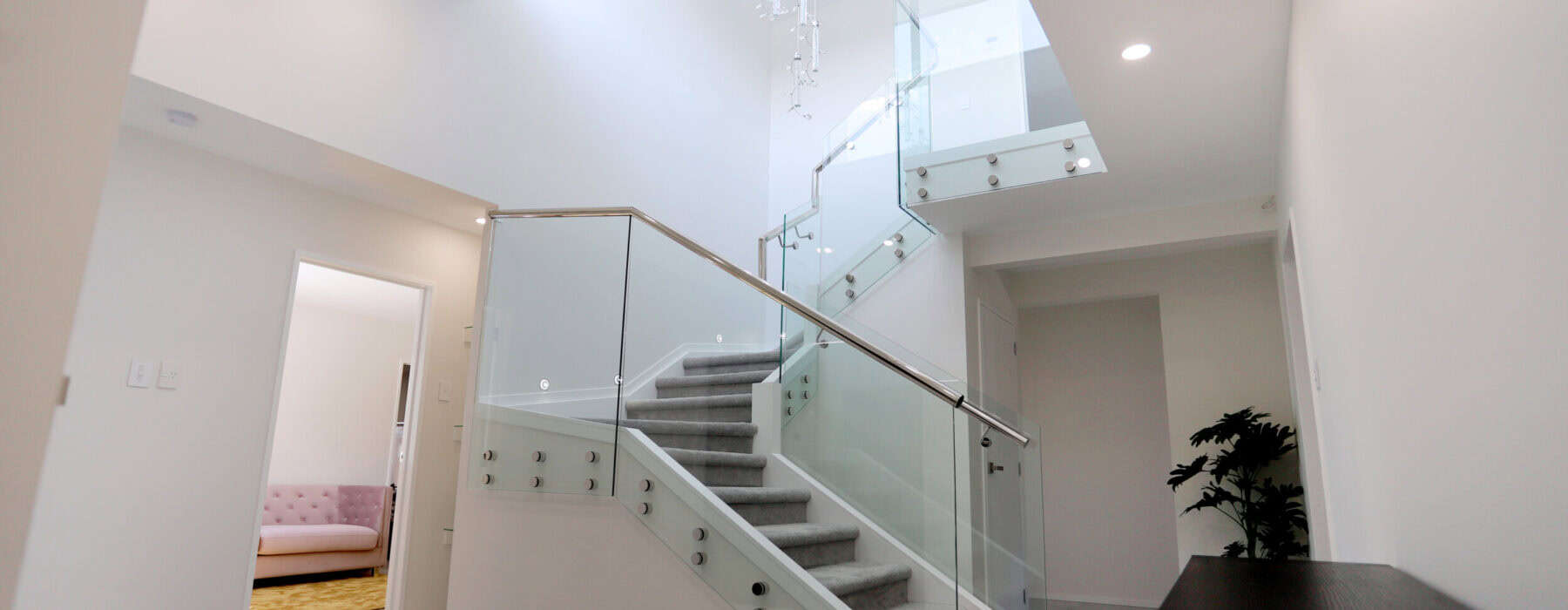
Full House Renovation in Glendowie, Auckland — Todd Chandler
Renovation of the toilet, Bathroom Renovation x 2, Laundry Renovation, Full Interior Painting, Deck Renovation, Interior door replacements, Interior Stairs and Balustrade Installation (Glass), Wallpaper Removal and Plaster, Exterior Painting and installation of Balustrade
How Much Does a House Extension Cost in Auckland?
Honest answer: it depends. A single ground-floor room is a different conversation to a full second-storey addition. Here’s what completed Auckland extensions actually cost based on the work we deliver, lined up against 2026 market rates.
Most of our ground-floor extensions land between $160,000 and $280,000 — that’s a standard 25–45m² addition with one wet area, every trade managed end-to-end, design through to handover. Smaller jobs come in below that. Designer and architectural scopes go above.
| Extension Type | Typical Size | Typical Investment (NZD) | Per m² Rate |
|---|---|---|---|
| Small ground-floor extension | 15–25m² | $90,000 – $160,000 | $3,500 – $5,000/m² |
| Standard ground-floor extension | 25–45m² | $160,000 – $280,000 | $4,500 – $6,500/m² |
| Designer ground-floor extension | 45m²+ | $280,000 – $450,000 | $5,500 – $7,500/m² |
| Second-storey / architectural rebuild | Varies | $450,000+ | $7,000 – $9,000/m² |
What’s included: design, Auckland Council consent fees and management, structural engineering, demolition where required, all trades, materials, fittings, fixtures, project management. Excludes premium appliance packages and high-end fixtures above standard spec.
Why the spread: labour and trades make up around 50–60% of an extension. Materials and fittings cover the rest. The gap between baseline and premium choices is huge — cladding alone runs from $250/m² for fibre cement to $700/m²+ for cedar. Windows, kitchen scope, benchtops, fixtures all carry similar ranges. Going up a storey costs 10–20% more per m² than going out — that’s the structural reinforcement on the existing house.
What we do differently: our quote breaks the job down line by line before anything starts. Design, consent, every trade, every supplier, every fitting — itemised. No vague allowances that blow out three months in. The price you sign is the price you pay. If scope changes mid-build, you sign off on every variation before we proceed.
💡 Quick tip: If your house was built mid-1990s through mid-2000s — the leaky building era — get a weathertightness assessment before locking in extension scope. Where the new extension joins the existing structure is one of the most common places hidden moisture issues turn up. Cheaper to find and price in now than to discover mid-build.
Want a ballpark before talking to us? Try the House Extension Cost Calculator — updated for 2026 Auckland market rates. Sixty seconds. Results emailed to you.
DIY Trade Coordination vs One-Team House Extension
A house extension pulls in 10+ trades, an architect, a structural engineer, Auckland Council, and 4–8 months on site. You can run all that yourself — or you can hire one team to run it for you. Here’s what each looks like in practice.
Managing It Yourself
- Find an architect. Then a structural engineer. Then a builder, plumber, electrician, gib stopper, tiler, painter, cabinetmaker, waterproofer, and any specialist trades the scope needs.
- Lodge the Auckland Council building consent application. Respond to RFIs (Requests for Information) inside council deadlines.
- If resource consent is also triggered (heritage, height in relation to boundary, site coverage) — lodge that separately.
- Book council inspections at foundations, framing, cladding, drainage, and final. Reschedule trades around them.
- Sequence the trades. One late finish ripples through the whole programme.
- Carry the risk if a trade walks off, materials are late, or workmanship fails inspection.
- No single warranty covers the full job. Each trade’s chased individually if something fails.
- Typical timeline: 10–14+ months from first sketch to CCC.
One Team, One Quote, One Timeline
- One of our in-house designers — Eunice, Cici, Alison, or Dorothy — runs the design phase. Consent drawings done in partnership with our architectural partners and engineers.
- All 10+ trades sourced and scheduled by us. We’ve worked with them across multiple jobs and multiple years.
- We lodge the full building consent with Auckland Council. We handle every RFI. We book every inspection.
- One project manager. One phone number. Daily communication. On-site oversight start to finish.
- Fixed price. Fixed timeline. Variations only proceed once you’ve signed off in writing.
- Workmanship’s warranted by us directly. Trade and manufacturer warranties stack behind that.
- We apply for the Code of Compliance Certificate (CCC) at completion.
- Typical timeline: 4–8 months on site after consent’s approved.
How We Approach Every Extension We Build
The client at the centre of every decision — not a number on a spreadsheet
An extension’s one of the biggest jobs most Auckland homeowners ever take on. Most disruptive too. Ten-plus trades, four to eight months on site, and you’re either living in the house through it or planning around that. Our process is built around the reality of that.
Tight project management. Strict QA. A team that cares about getting it right. That’s the foundation. Site stays tidy. Drop sheets between the entry and the work zone. Daily communication. A PM you can actually reach. No surprises mid-build.
Quality isn’t optional. Neither is looking after the client. Our crew actually like the work, and they build proper relationships with the people living in the homes — because the job’s going to take months and that working relationship matters. Care, consistency, and treating your house the way we’d treat our own.
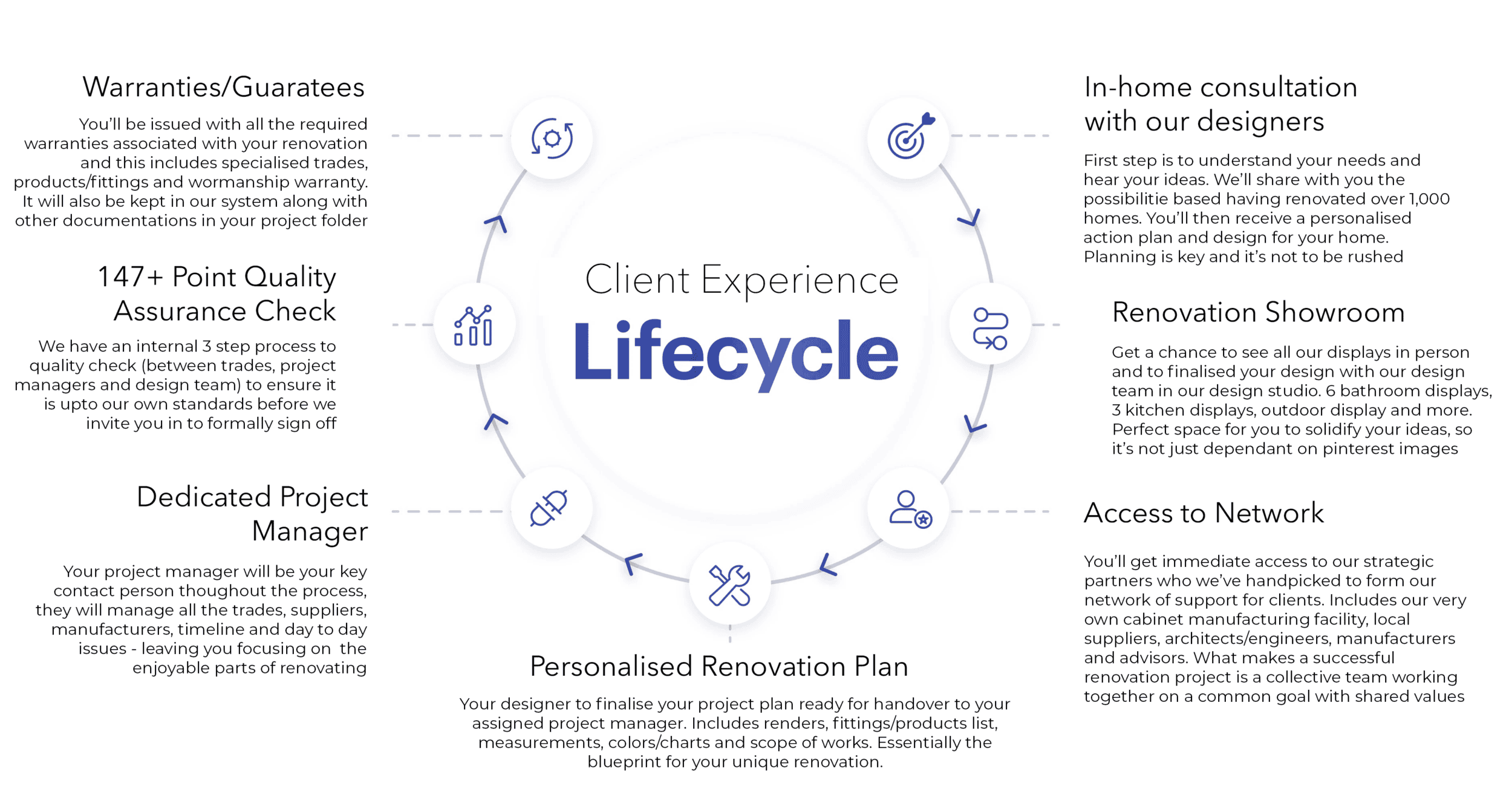
Why Choose Superior Renovations for Your House Extension?
What makes us different to the rest
ONE TEAM, EVERY STEP
DESIGN, CONSENT, BUILD, MANAGE
From the first sketch to the final CCC, we handle every step — coordinating sub-trades, suppliers, architects, engineers, and Auckland Council. You deal with one team for your extension while we sort the rest.
CUSTOM DESIGN
NO TWO EXTENSIONS ARE ALIKE
Every house is different and every family uses their space differently. We don’t do cookie-cutter extensions — each project is designed around your specific home, site, and the way you actually live.
VETTED TRADES
QUALIFIED PROFESSIONALS
Our recruitment and vetting process is strict — we only work with Licensed Building Practitioners, proven tradies, and qualified specialists for every task. The workmanship on your extension meets the standards we’d want on our own homes.
3-STAGE QUALITY CHECKS
147+ POINT QA PROCESS
Every project goes through our 147+ point quality assurance checklist across 3 stages — checked by the team member, the team leader, and the project manager — before you do your own final sign-off.
LONG-STANDING RELATIONSHIPS
HAND-PICKED SUPPLIERS
We’ve built long-standing relationships with suppliers and specialists who are genuine experts in their field. They deliver to high standards and share our approach to building. Reliable people doing quality work on your extension — every time.
CLIENT-CENTRIC APPROACH
YOUR EXPERIENCE DRIVES US
Our systems, our processes, the way we run projects — all of it is built around making the renovation experience a good one. Solid project management, rigorous quality checks, and putting the client first.
Auckland Suburbs We Extend Homes In
We build extensions right across Auckland — North Shore through to South Auckland. Each part of the city has different housing stock, different consent challenges, different design constraints. We’ve worked across all of it.
- Central Auckland — Ponsonby, Grey Lynn, Herne Bay, Mt Eden, Epsom, Remuera, Ellerslie, Parnell, Grafton, Greenlane. Character villas and bungalows; heritage considerations; pre-1944 demolition controls in some areas; tight floor plates and difficult side access.
- North Shore — Greenhithe, Albany, Glenfield, Forrest Hill, Takapuna, Devonport, Birkenhead, Milford. Mostly 80s–90s brick and tile and timber; weathertightness considerations on a portion of the stock; larger sections often allow ground-floor extension.
- West Auckland — Henderson, Glen Eden, Titirangi, New Lynn, West Harbour, Massey. Larger sections, mixed era housing, often more layout flexibility for ground-floor additions.
- East Auckland — Glendowie, St Heliers, Mission Bay, Howick, Pakuranga, Mellons Bay. Established suburbs, premium pockets, family homes — second-storey extensions common where section coverage is high.
- South Auckland — Manukau, Manurewa, Papakura, Wattle Downs, Papatoetoe, Mangere. Newer subdivisions, family-focused extensions, often adding bedrooms or master suites as families grow.
The consent picture shifts as you move across the city. Central Auckland villas often trigger heritage overlay rules and need extra council scrutiny. North Shore homes from the leaky building era (mid-1990s to mid-2000s) often need a weathertightness assessment before any major work goes ahead. Tight sections in established suburbs sometimes mean a second-storey extension’s the only option that meets site coverage rules. We’ve worked across all of it — and we run the full consent process through Auckland Council, including resource consent applications where they’re triggered.
Our team and suppliers are based at the Wairau Valley showroom but we work the full region every week. Travel’s built into the quote — no extra charges for distance.
Client Video Reviews — Hear From Auckland Homeowners
Every project’s different. Every client is too. Click any of the videos below — these are real Auckland homeowners talking about their renovation experience with us.
Joanne & Steve Hilson
Full House Renovation — Greenlane, Auckland
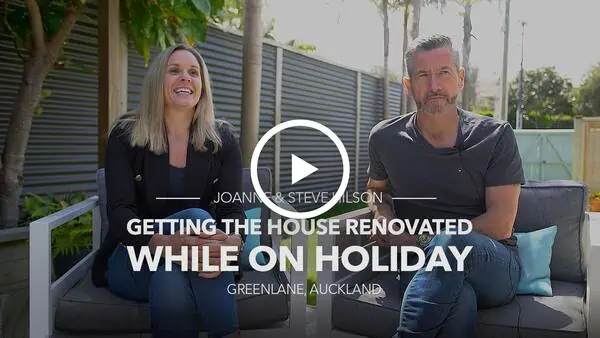
“Working with Kevin and the team was easy because we weren’t having to ring up different suppliers ourselves — it was like one team does this, another team does that, and everything was done for us under one roof. Kevin had a contact for everything, and the experience was simple. You hear a lot of horror stories about doing renovations and I was like, well that was very easy…”
Todd Chandler
Complete Home Renovation — Glendowie, Auckland
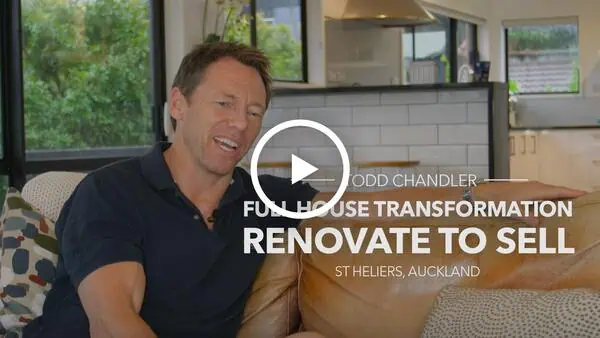
“It now feels like a big, simple, inspiring space. Before, it was a large space but very dated and distracting. Now, it has a clean, modern, minimalist feel. Previously, it felt like a 1980s home — but now when you walk in, the house is impressive. It’s a lovely space that everyone enjoys.”
Alma Uka
Full House Renovation for a Rental Property — Hillsborough, Auckland
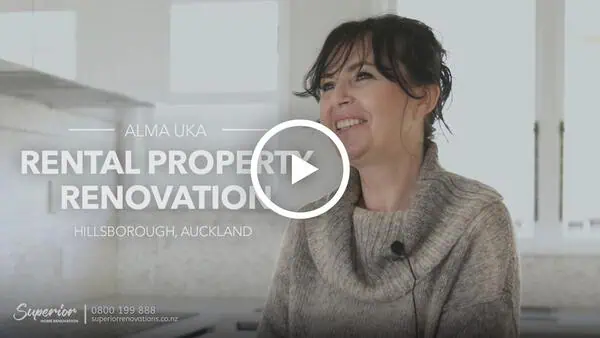
“I’m absolutely amazed with the results with my property — with the quality of workmanship, with professionalism. They handled every single detail. It was absolutely fantastic.”
Donny Phillips
Family Home Transformation — Glenfield, Auckland
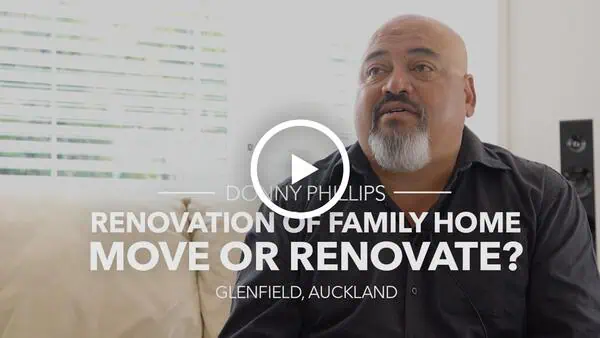
“I think it’s to his nature — he takes everything on board and fixes it. And that’s what you want to see. You don’t want to be mucked around with, just being told what you wanted to hear. You want action, and he was pretty good at it.”
190+ Google Reviews From Real Auckland Clients
190+ Google reviews across our extension and renovation projects. Every one from a verified client. Read them before you read anything we’ve written about ourselves.


Suppliers & Trade Partners We Work With
The suppliers and specialist trades we use aren’t a random list. They’re people we’ve worked alongside for years, across hundreds of jobs. They know our standards because we’ve fronted up to them job after job. That consistency is what means we can stand behind the work — and why your extension gets reliable people doing reliable work.





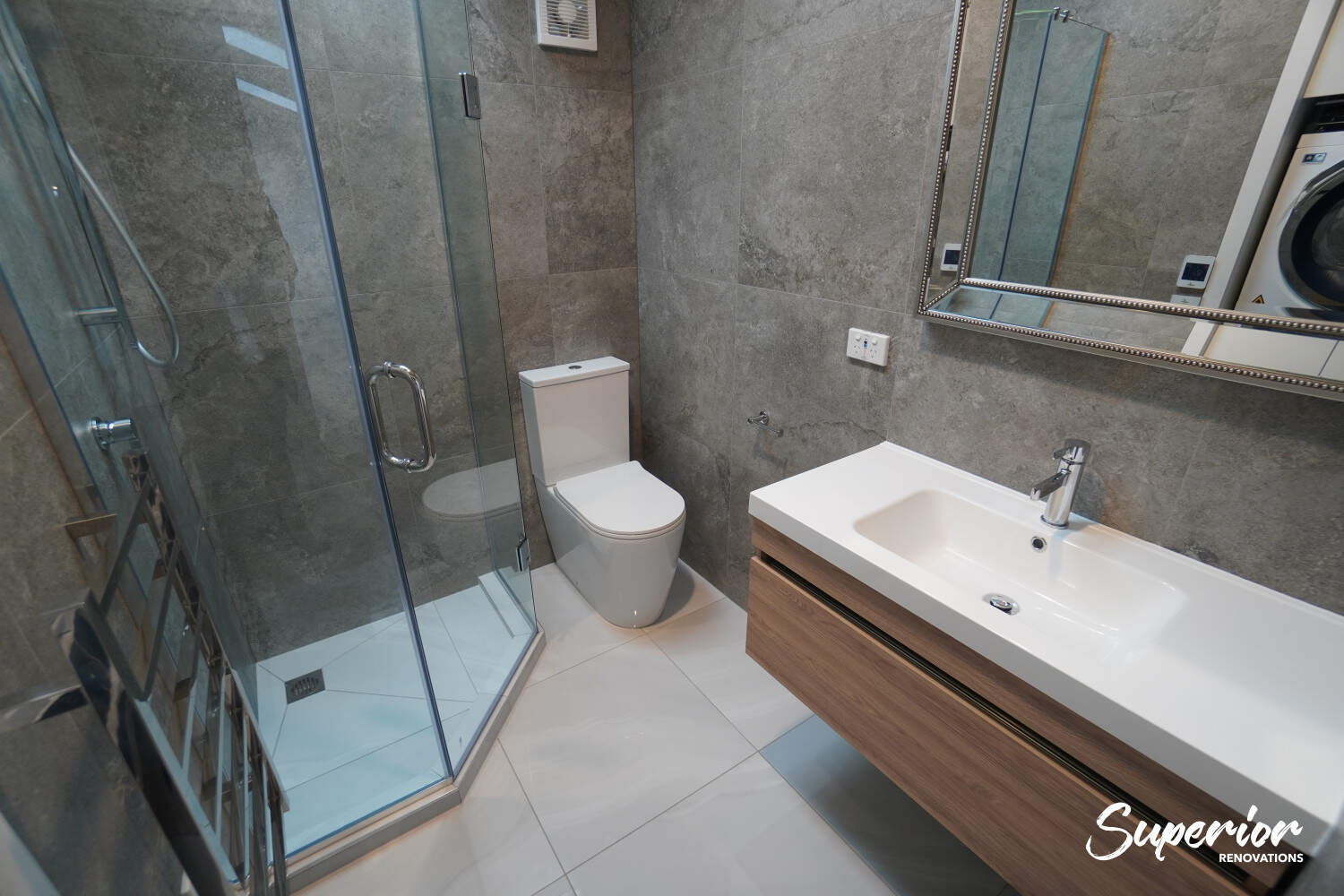
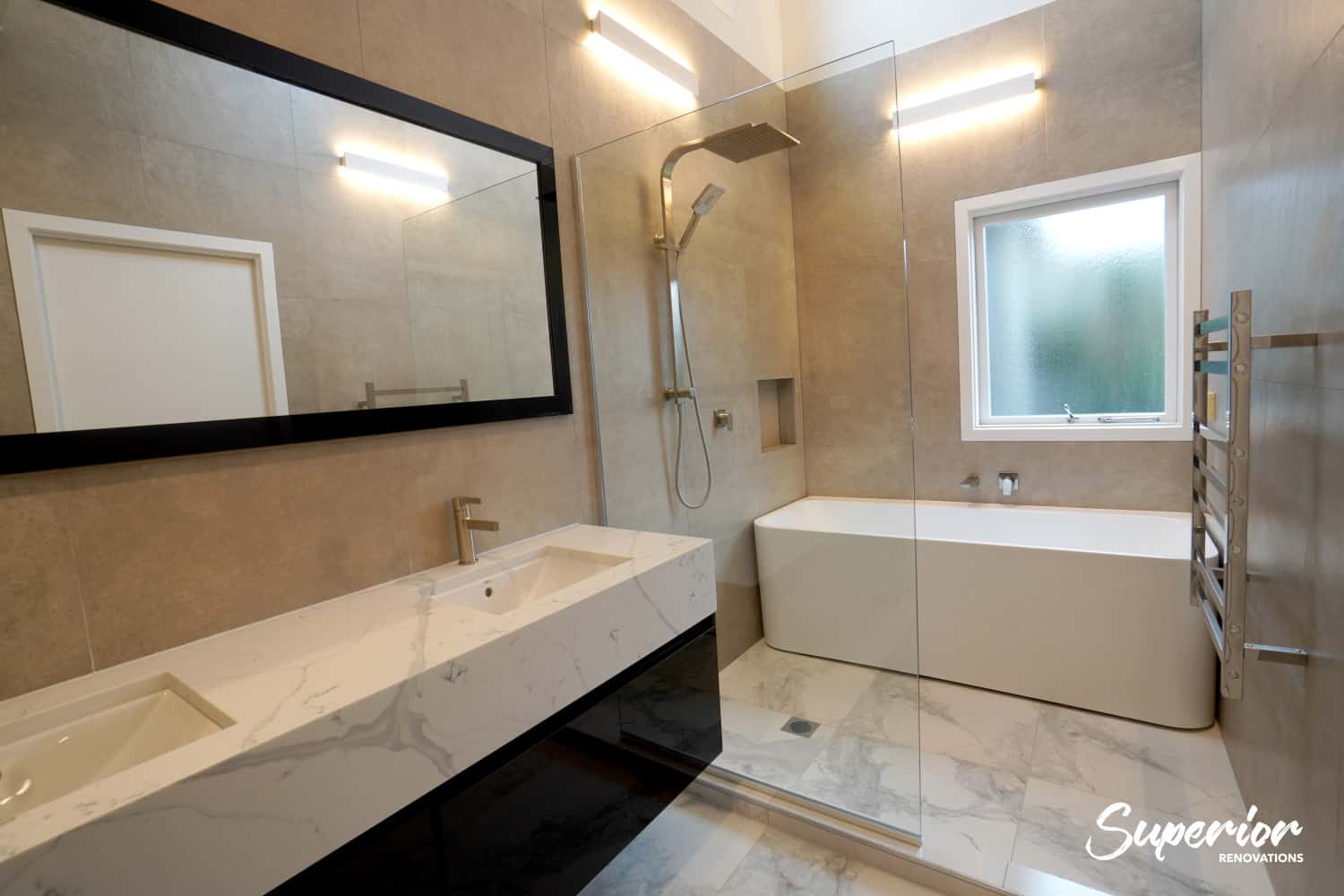
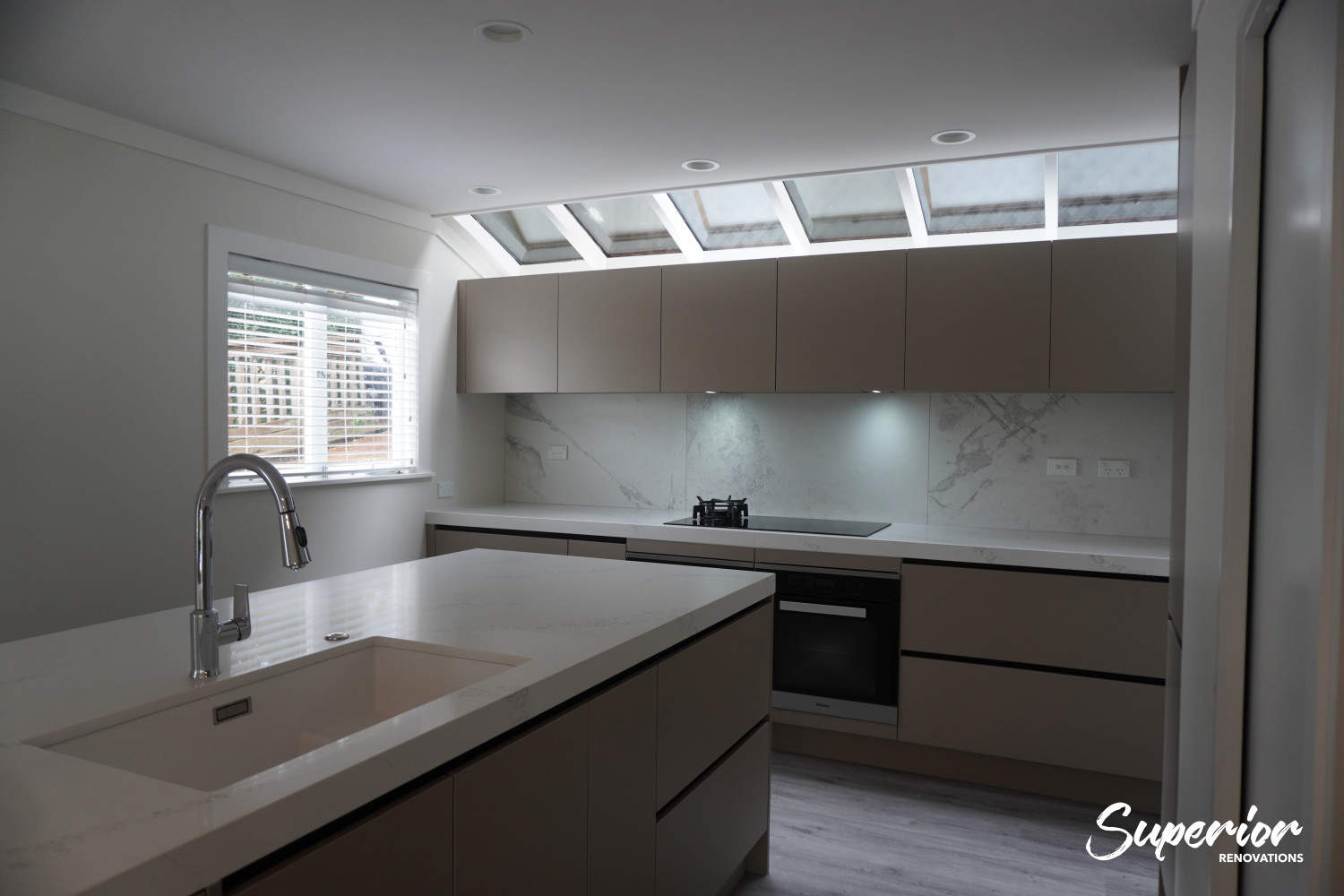
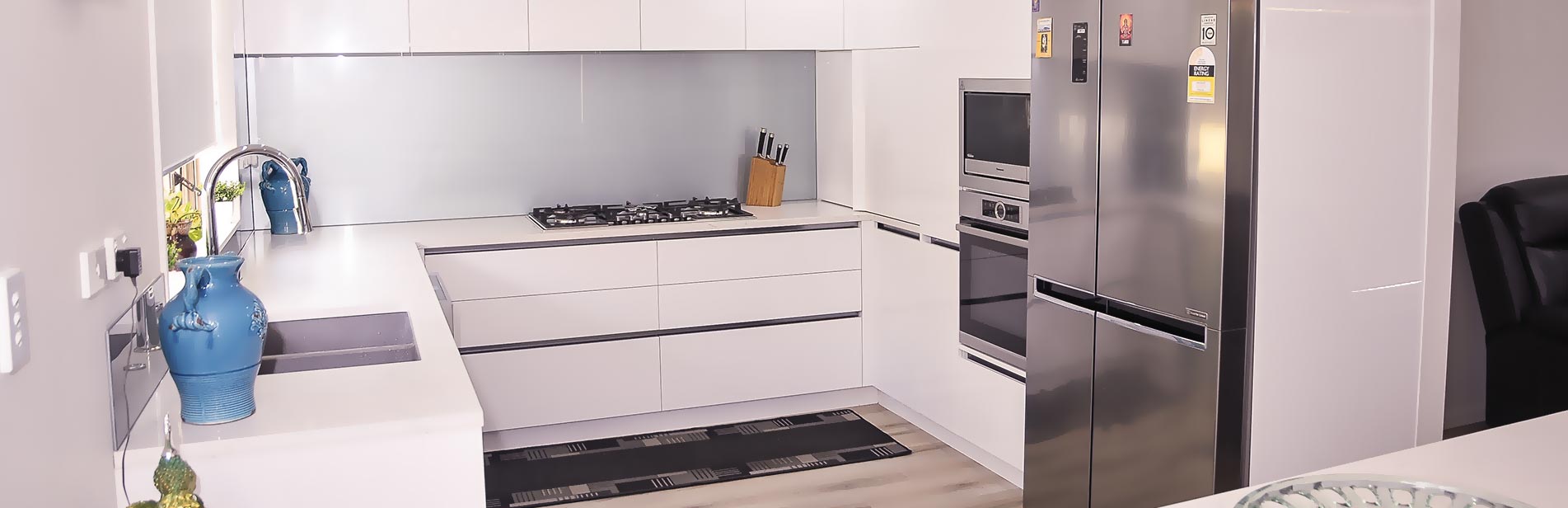
Full House Renovation in Herne Bay, Auckland
Renovation of Kitchen, Bathroom x2, Flooring, Wardrobes and More
How Does the House Extension Process Work?
A house extension’s more than construction. There’s design. Structural engineering. Auckland Council consent. RFIs. Inspections. Final certification. Each stage needs running properly or the whole programme slips.
The job runs to schedule when the company doing it is good at planning, communication, and coordination. Here’s how an Auckland extension typically works with us.
Note: The specific stages and timing may vary depending on your project scope, the complexity of consent, and whether resource consent is also triggered. We always recommend talking to our team first to get advice specific to your property.
Our Warranty — What's Covered After Handover*
You need to know the job’s been done properly — and that it’ll hold up. The right specialists on the tools, the right warranties on the structural, plumbing, electrical, and waterproofing work, and materials from suppliers who’ll stand behind their products.
We’ve completed over 1,000 renovations across Auckland. Here’s how the warranty stack works on every extension we deliver:
Workmanship warranty — that’s on us. Covers the way the trades are put together by our team.
Trade warranties — structural, plumbing, electrical, and waterproofing each warranted by the contractor who did the work. Our plumbers and electricians are licensed, and restricted building work is carried out or supervised by a Licensed Building Practitioner. The Building Act’s implied warranties can also protect you for up to 10 years if defects arise after the work is completed.
Manufacturer warranties — cladding, roofing, windows, doors, fittings, fixtures, appliances. Every supplier’s product warranty included.
Everything’s handed over at the end in a single folder, alongside your Code of Compliance Certificate from Auckland Council.
*Ask for our warranty/guarantee document during the consultation for the full terms.














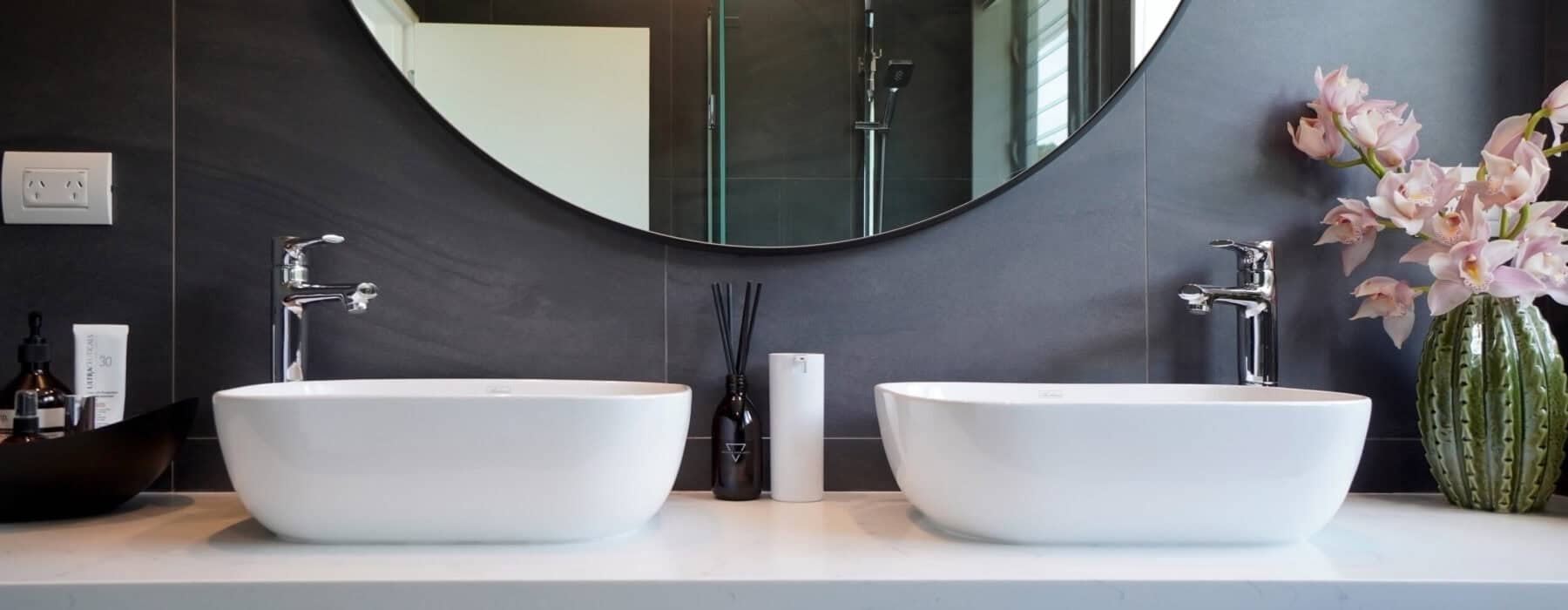
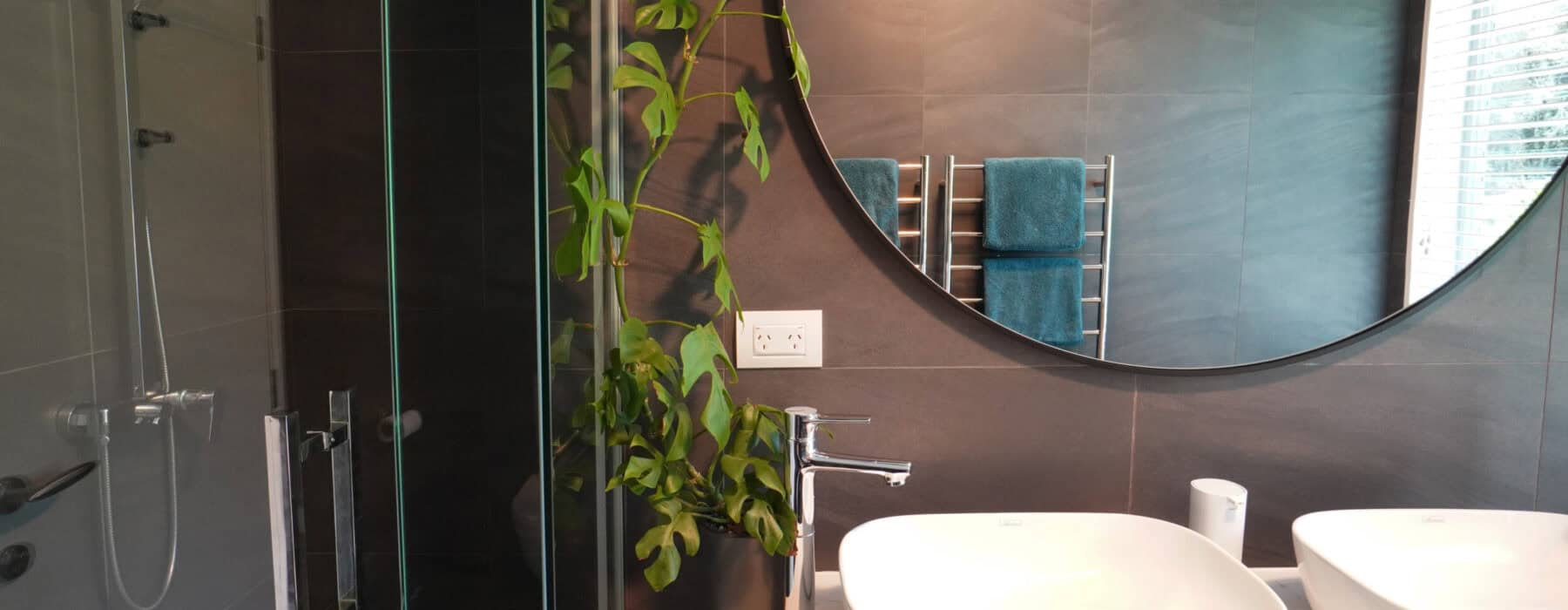
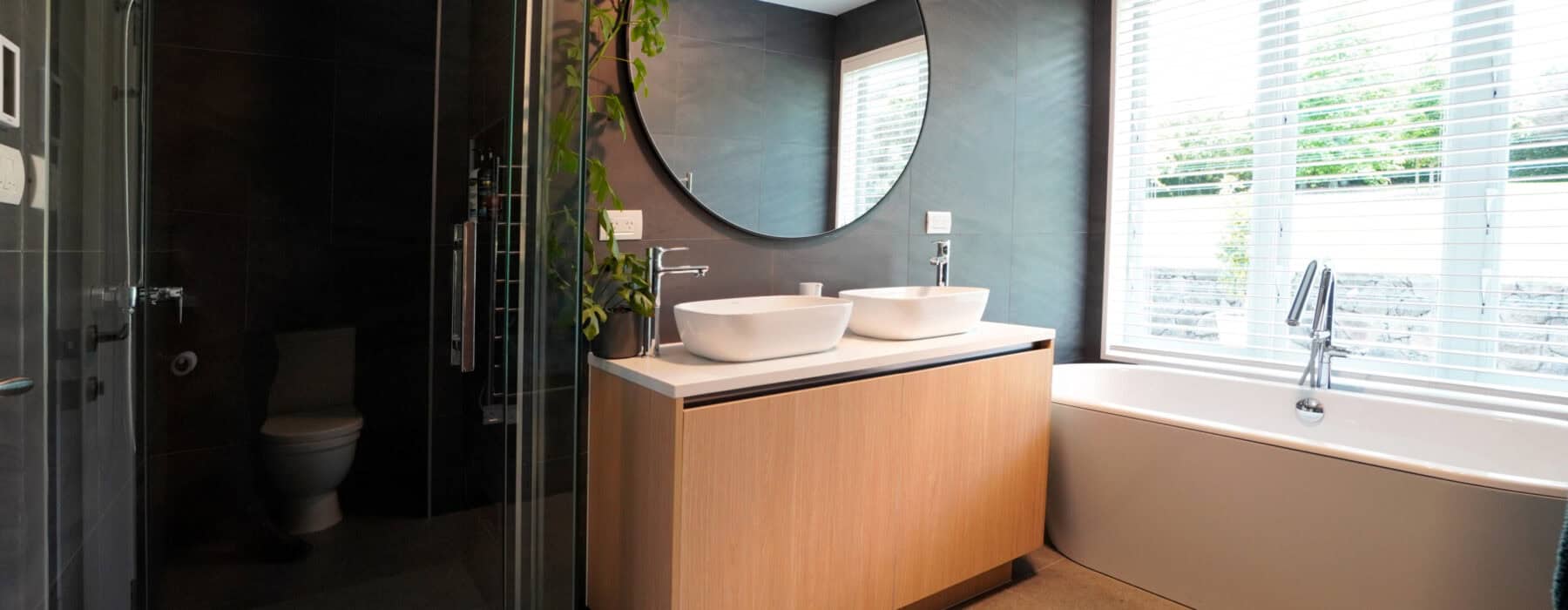


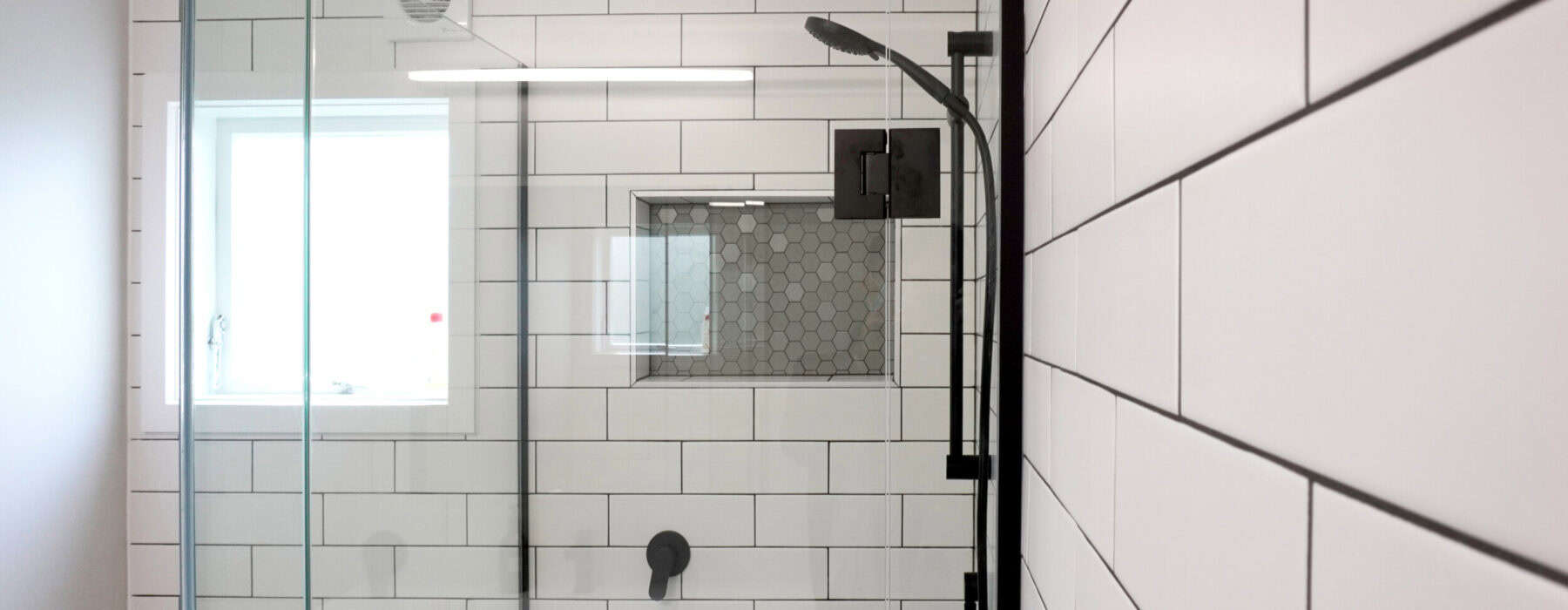
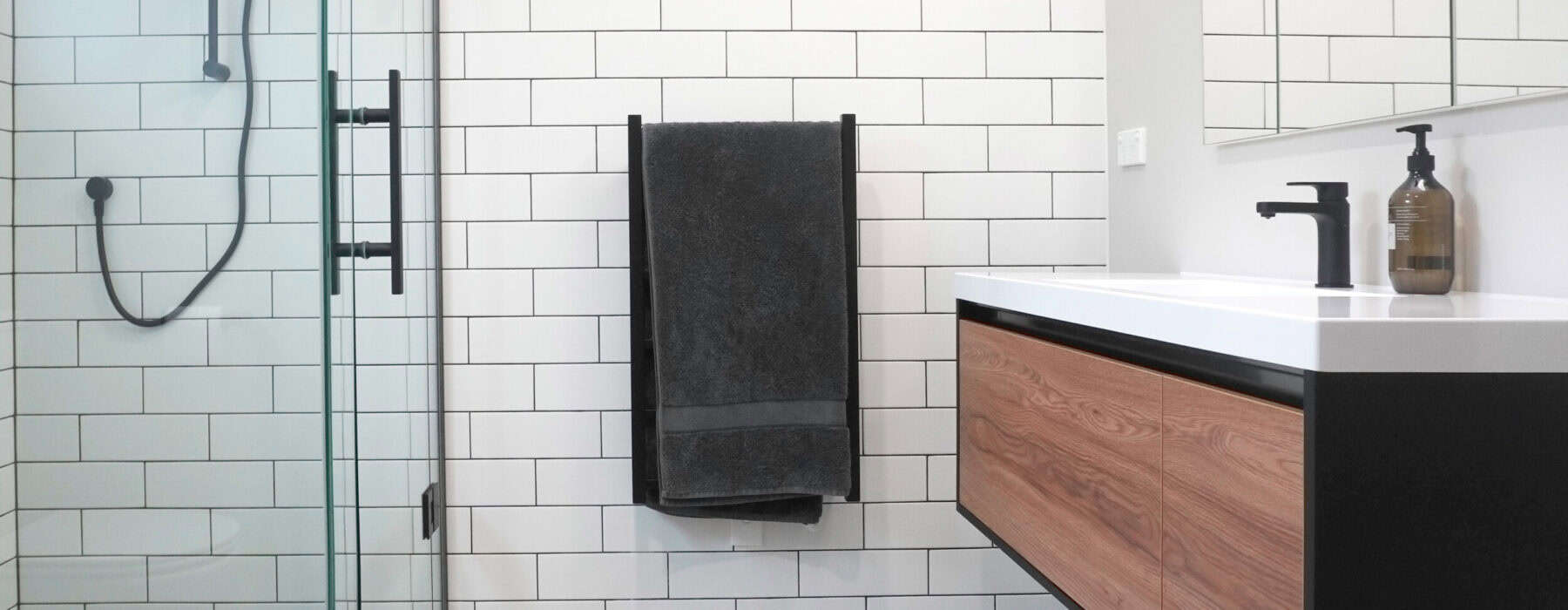
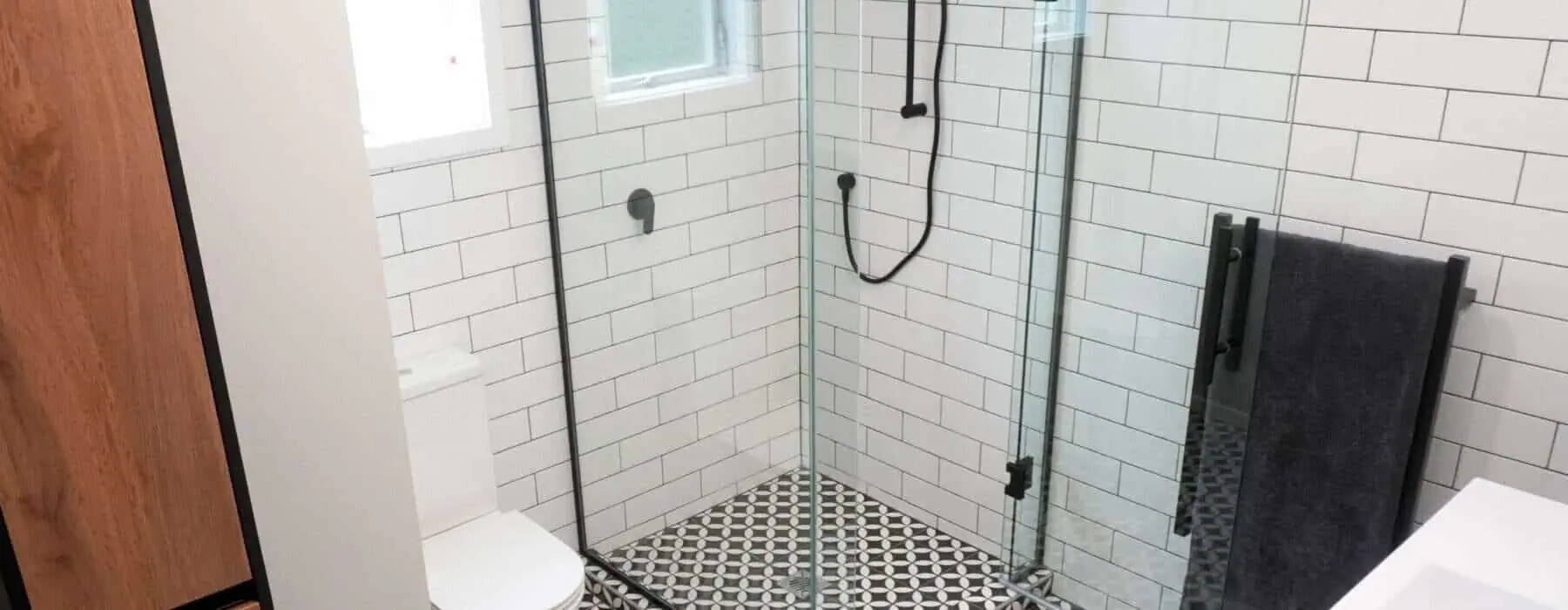




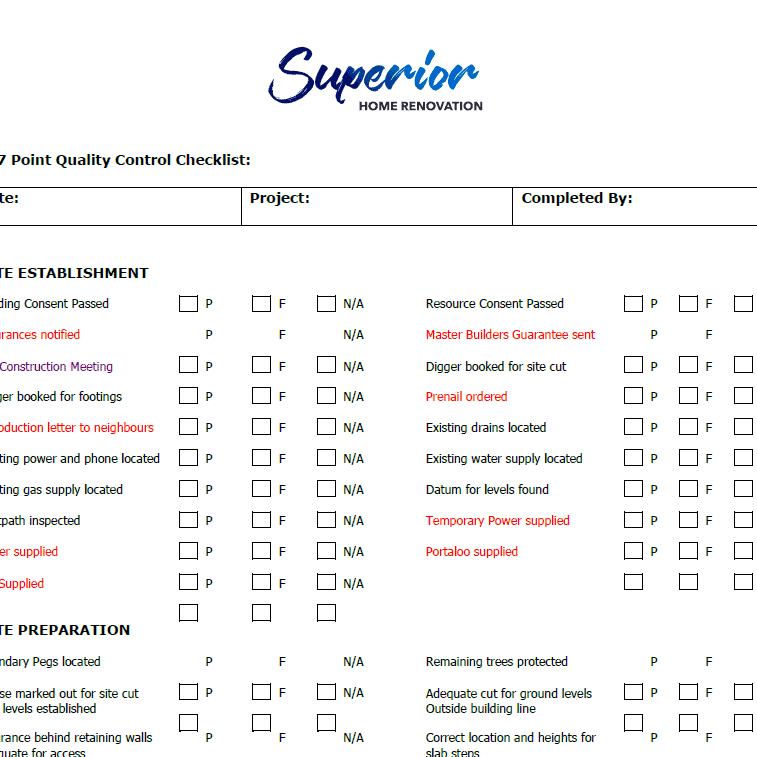
147+ Point Quality Assurance Process
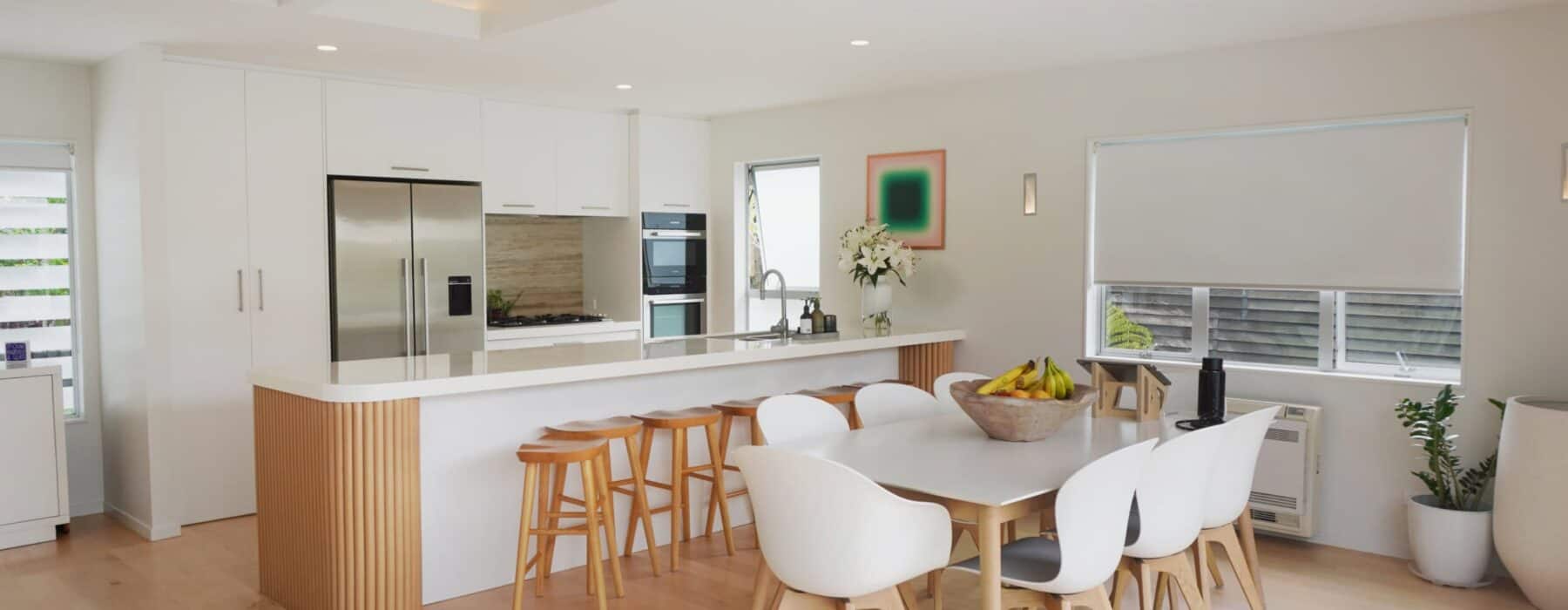
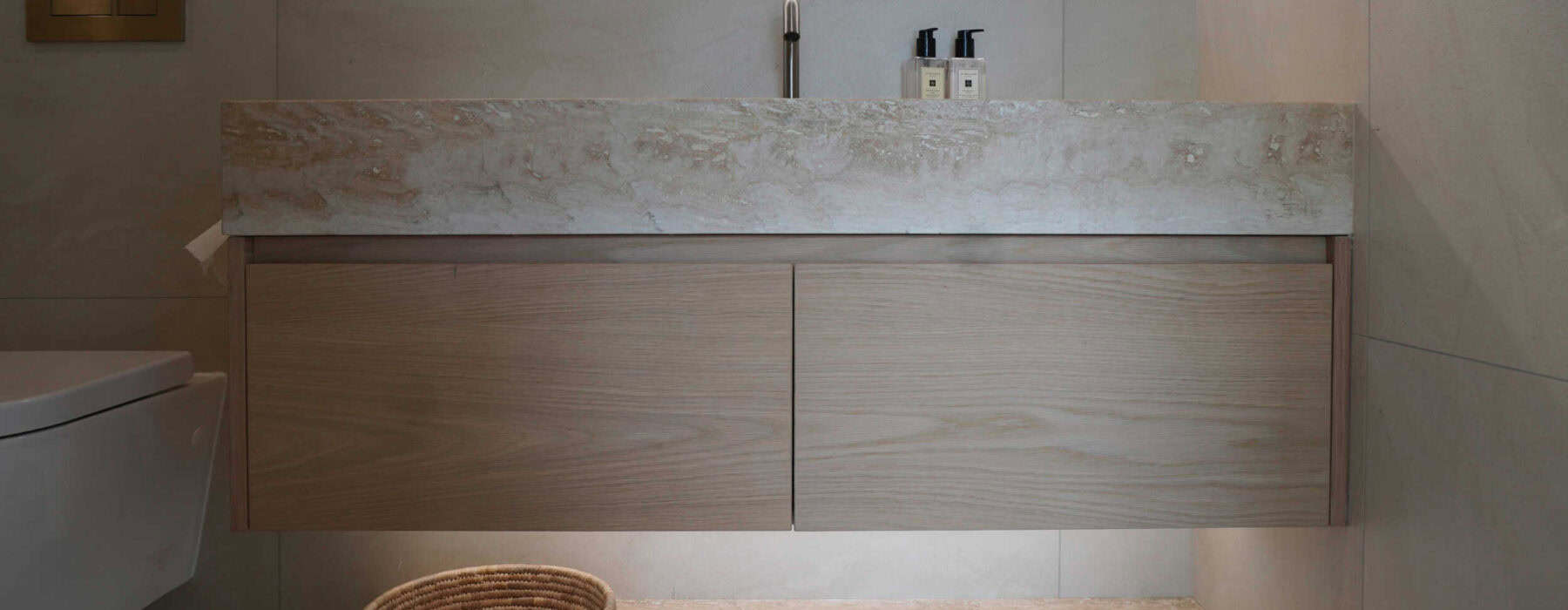
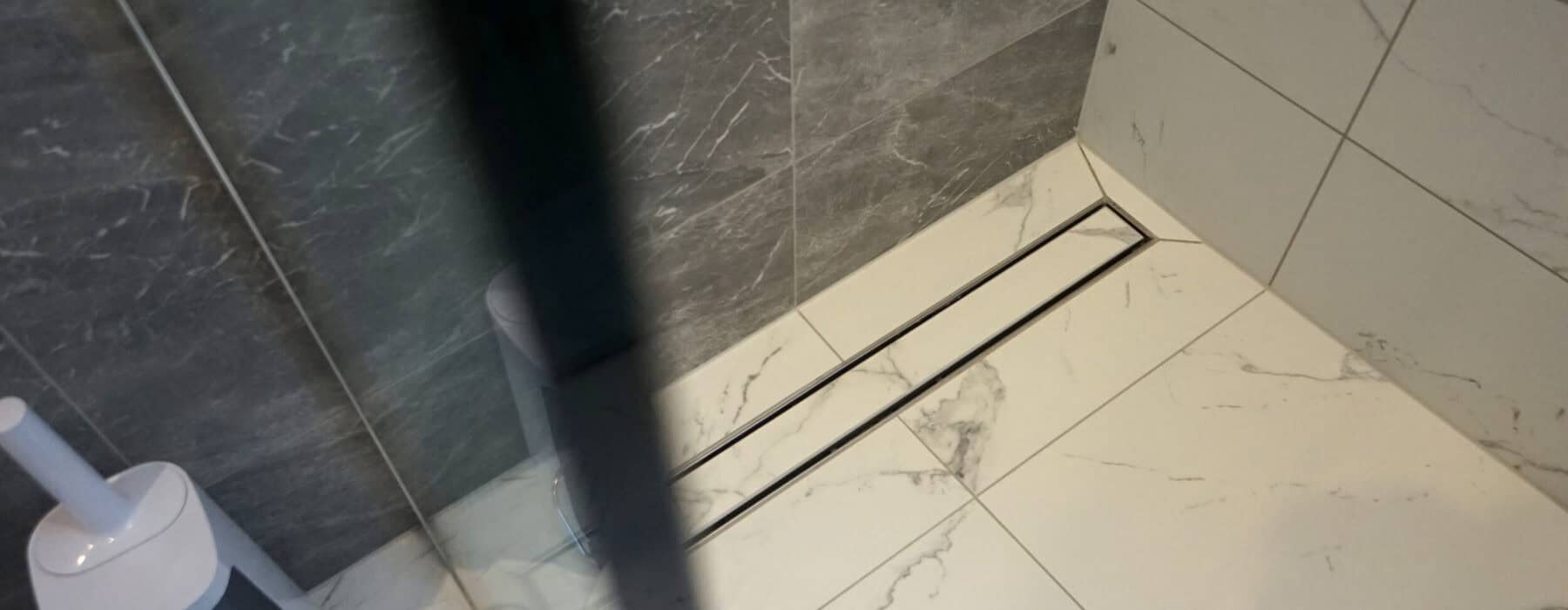
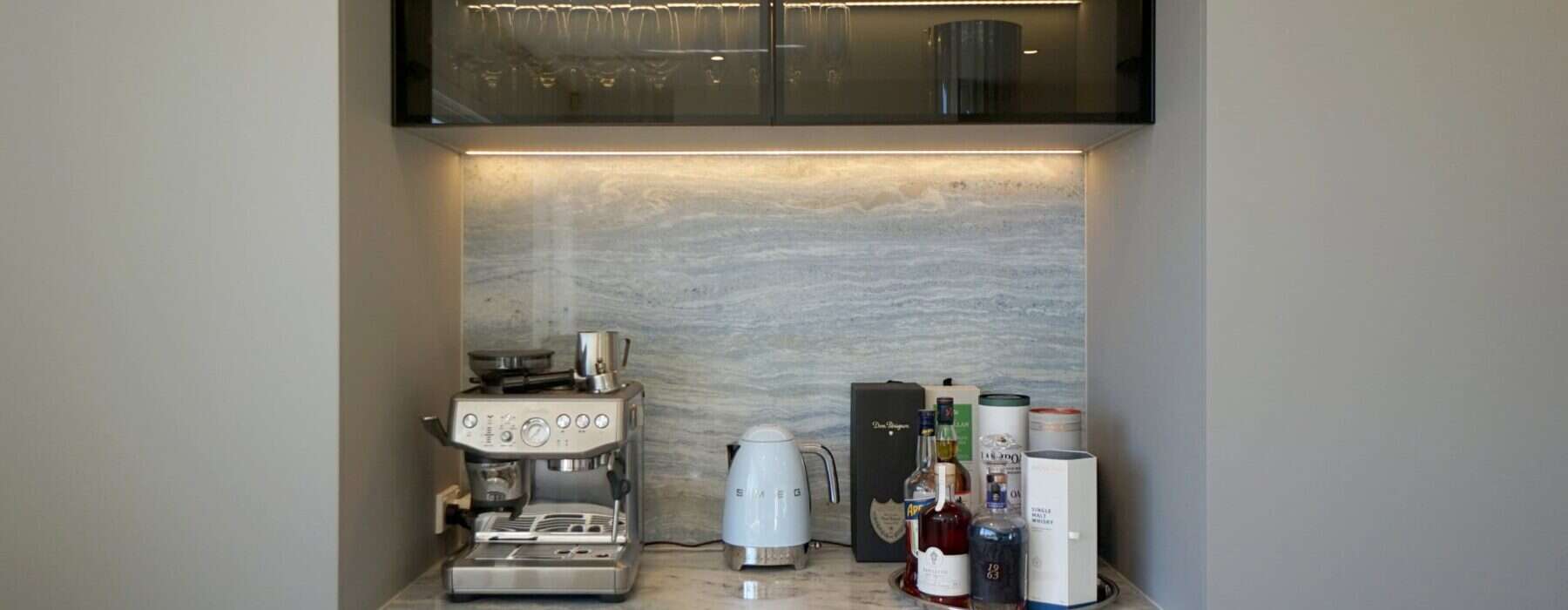
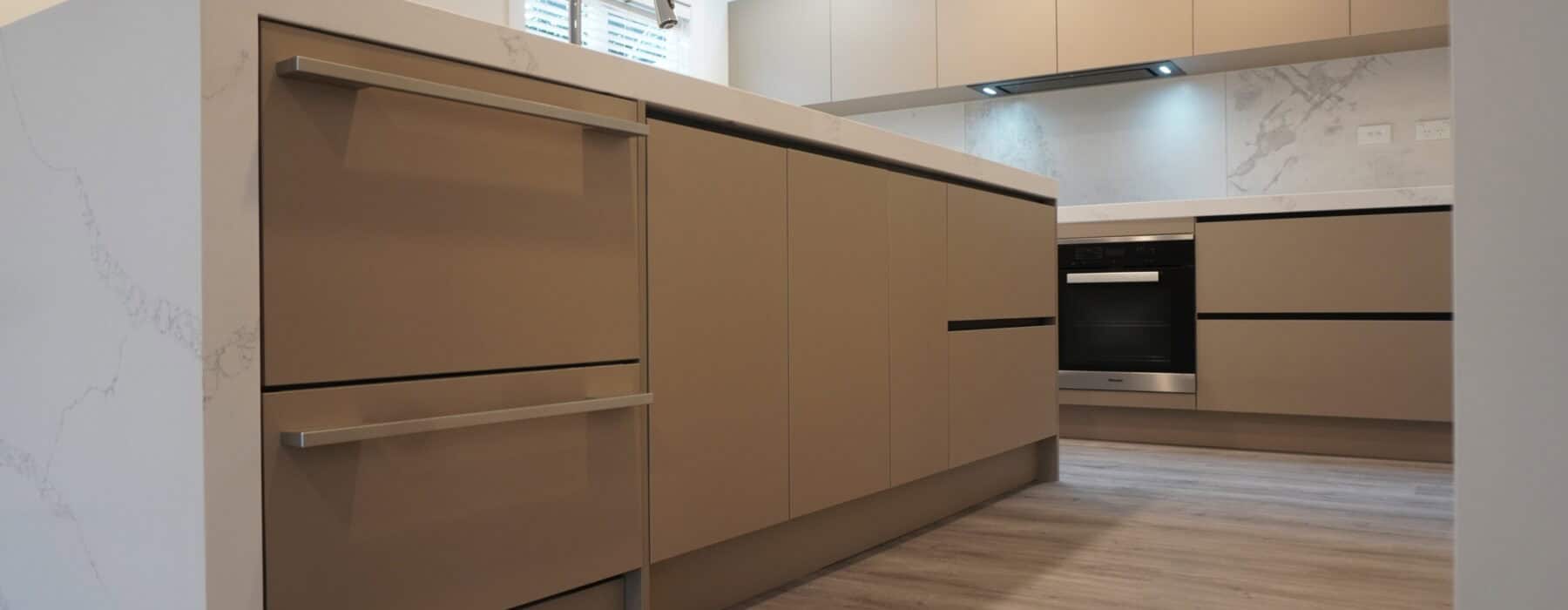
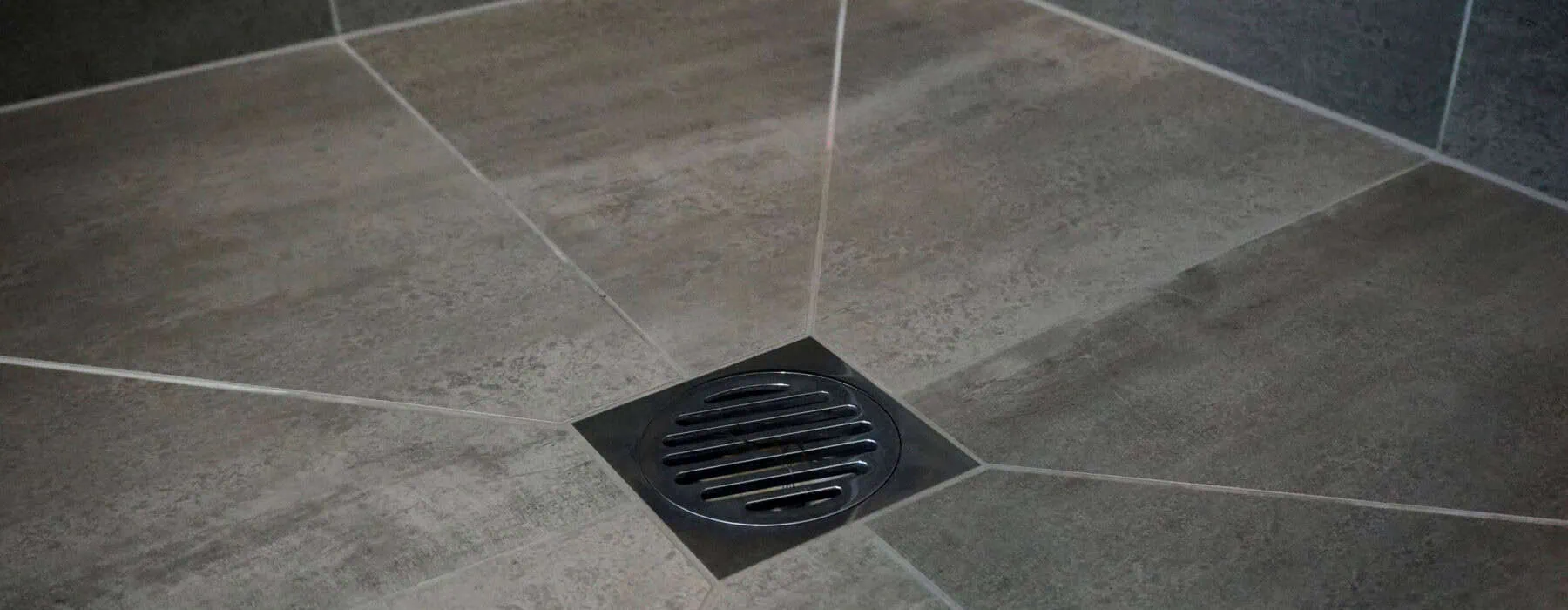
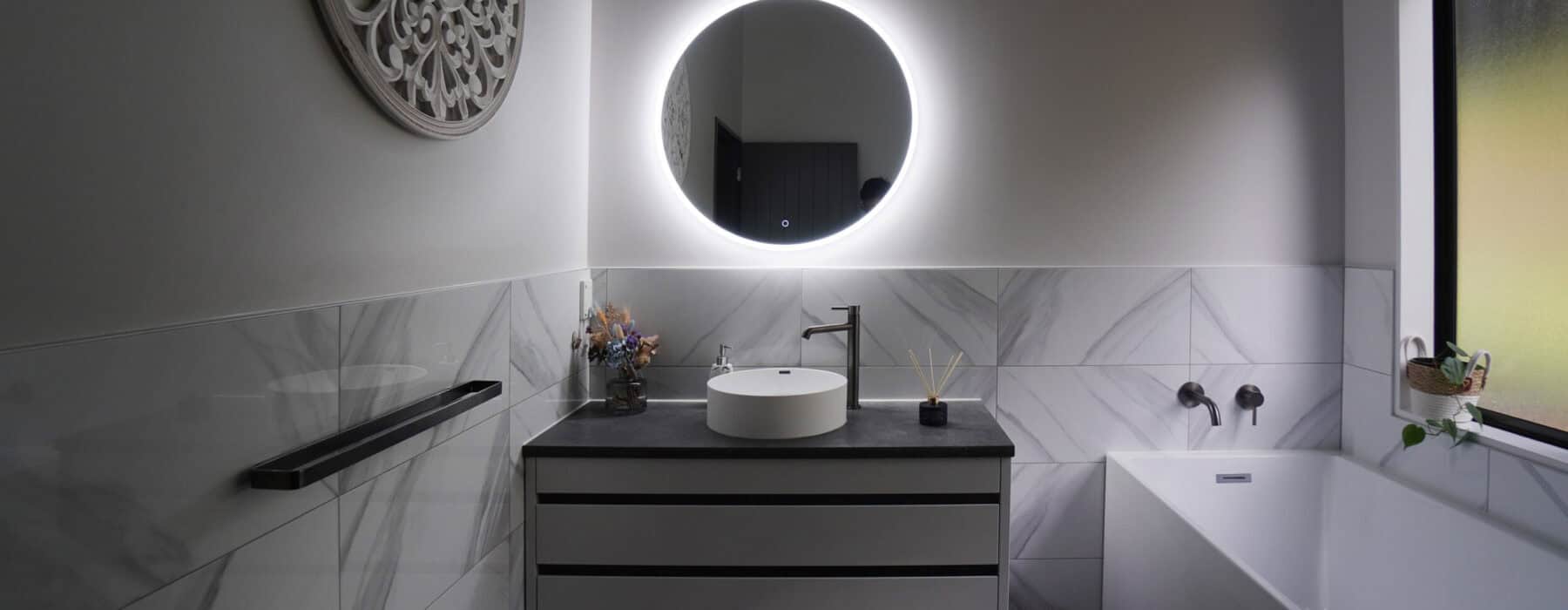
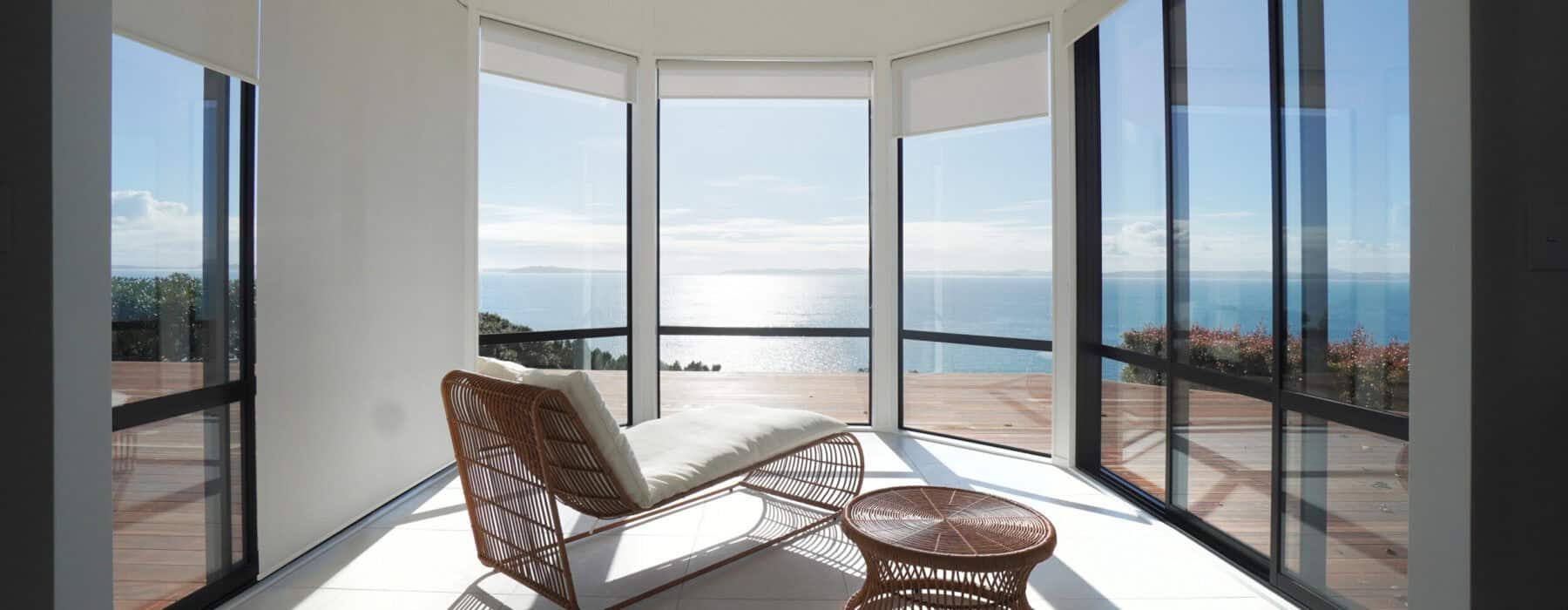
Your extension is checked against our 147+ point quality assurance process at every stage of the build — structural, plumbing, electrical, waterproofing, cladding, windows, finishing trades, the lot. Your project manager runs a thorough final review before scheduling handover with you and your family. Nothing leaves the site half-finished.
Try Our House Extension Cost Calculator
The cost of an extension in Auckland varies depending on size, type, materials, and the features you want included. Our calculator gives you a ballpark based on 2026 average Auckland costs — updated for the latest market rates. Note that prices vary in other parts of New Zealand (consent costs, materials, labour rates). Estimates are indicative and subject to change.
Open House Extension Cost Calculator →
Takes 60 seconds. Results sent straight to your inbox. No obligations.
Featured Renovation and Extension Projects in Auckland
Recent extension and renovation projects across the Auckland region
Renovate Now and Pay Later — 18 Months Interest-Free
We’ve partnered with Q Mastercard® so you can spread the cost of your extension over 18 months interest-free. Same project, same timeline — just an easier way to pay for it. Learn more about finance options.
*Lending criteria, fees, terms and conditions apply. Mastercard is a registered trademark and the circles design is a trademark of Mastercard International Incorporated.
Claim Your Free No-Obligation Consultation with Our Design Team in the Comfort of Your Own Home
Submit the form and one of our designers — Eunice, Cici, Alison, or Dorothy — will call within one business day to book your free in-home consultation. We’ll walk through what you want, what’s actually realistic, and how to get there. Design ideas, budget, building consent, measurements for concept plans — all covered in one visit.
Fill in the form below to get started — it takes a couple of minutes and there’s no obligation. No deposit. No high-pressure sales.
Frequently Asked House Extension Questions
Common questions Auckland homeowners ask about extending
How much does a house extension cost in Auckland?
In 2026, a standard ground-floor extension (25-45m²) typically sits between $160,000 and $280,000 — design, every trade, consent management, and project management included. Small ground-floor extensions (15-25m², single room, no wet areas) come in at $90,000 to $160,000. Designer scopes (45m²+, multi-room or premium finishes) run $280,000 to $450,000. Second-storey or architectural rebuilds start at $450,000 — the structural reinforcement on the existing house pushes the cost up. Every quote we issue is itemised line by line. No allowances. No surprises.
How long does a house extension take in Auckland?
A small ground-floor extension typically takes 3-5 months on site once consent's through. Standard ground-floor: 4-8 months. Second-storey or architectural: 8-12 months — bigger scale, more structural work. Add Auckland Council building consent processing on top of that — usually 8-16 weeks before construction starts. Total from first design meeting to CCC: usually 8-14 months. You'll get a detailed schedule during the planning phase.
Do I need building consent for a house extension in Auckland?
Almost always, yes. Any extension that adds floor area, changes the building footprint, or affects structural elements needs building consent from Auckland Council. Some also trigger resource consent — usually when they breach height in relation to boundary rules, site coverage limits, or sit on a property with heritage overlay. We handle the full consent process — applications, RFIs, council inspections, and the Code of Compliance Certificate (CCC) at completion.
What are the different types of house extensions?
Single-storey ground-floor extensions add space at ground level. Most common type, lowest per-square-metre cost. Second-storey extensions add a new floor above the existing structure — best option when section coverage rules limit ground-floor expansion. Wrap-around extensions expand on two or more sides and suit open-plan reconfigurations. Loft conversions use unused roof space for bedrooms, bathrooms, or offices — lower cost than other types but only viable on homes with enough roof pitch and height.
How do I choose a house extension company in Auckland?
Check four things. Licensed trades — restricted building work must be carried out or supervised by a Licensed Building Practitioner, and your plumber and electrician should be licensed (check the Plumbers, Gasfitters and Drainlayers Board and Electrical Workers Registration Board registers). Real reviews from completed extensions — not just internal renovations. A fixed quote with line-item detail covering every trade and material — not an estimate with allowances. End-to-end consent management — make sure they handle Auckland Council applications, RFIs, inspections, and CCC, not just the construction itself. Visit their showroom if you can. It tells you a lot about how they run day to day.
Can I live in my home during an extension?
Usually yes, depending on scope. Ground-floor extensions that don't disrupt the existing kitchen or all bathrooms are typically liveable through construction. Extensions involving significant work on existing rooms — opening walls to the new space, for example — may need temporary kitchen or bathroom alternatives during specific stages. We map out disruption windows during the planning phase so you know what to expect, and we'll schedule the most disruptive stages around your family's commitments where we can.
Which Auckland suburbs do you cover for house extensions?
The full region. Central Auckland (Ponsonby, Grey Lynn, Herne Bay, Mt Eden, Epsom, Remuera, Ellerslie, Parnell, Grafton). North Shore (Greenhithe, Albany, Glenfield, Forrest Hill, Takapuna, Devonport, Birkenhead, Milford). West Auckland (Henderson, Glen Eden, Titirangi, New Lynn, West Harbour, Massey). East Auckland (Glendowie, St Heliers, Mission Bay, Howick, Pakuranga, Mellons Bay). South Auckland (Manukau, Manurewa, Papakura, Wattle Downs, Papatoetoe, Mangere). Our team's based at the Wairau Valley showroom and we work the full region every week.
Do I need resource consent for a house extension?
Sometimes. Resource consent gets triggered when your extension breaches Auckland Unitary Plan rules — height in relation to boundary, site coverage, building height, or yard setbacks. Also triggered if your property has heritage overlay protection, sits in a special character area, or has environmental considerations (flood zones, coastal hazard areas). Resource consent is separate from building consent and adds processing time. We check your property's planning controls during Stage 1 and run all consent applications as part of the project.
What's the latest in house extension design in Auckland?
Open-plan layouts that open out to the garden. Strong indoor-outdoor connection through large bifold or sliding doors. Energy-efficient cladding and insulation. Double glazing — now standard on most extensions we build. Considered passive design — north-facing glazing, thermal mass, cross-ventilation. Multi-use spaces are common too: a guest bedroom that doubles as a home office, a master suite with a parents' retreat. We bring current design thinking into the project where it suits your home and budget.
What warranty do you provide on a house extension?
Workmanship's warranted by Superior Renovations directly. Structural, plumbing, electrical, and waterproofing carry separate trade warranties from the contractors who did the work. Cladding, roofing, windows, doors, fittings, and materials carry manufacturer warranties from the supplier. The Building Act provides a 10-year statutory defect remedy period for restricted building work. All warranty paperwork's handed over at the end of the project in a single folder alongside your Code of Compliance Certificate.
What's included in a Superior Renovations house extension quote?
Every quote we issue is itemised. Design and architectural drawings. Structural engineering. Council consent fees and management. Demolition. Structural work. Framing. Cladding. Roofing. Windows. Doors. Plumbing. Electrical. Waterproofing. Insulation. Tiling. Cabinetry. Painting. Flooring. Fittings. Project management. Clean-up. All listed separately with the supplier and the cost. No vague allowances. No hidden fees. The number you sign is the number you pay, provided scope doesn't change. If it does change mid-build, you sign off on every variation before we proceed.


