

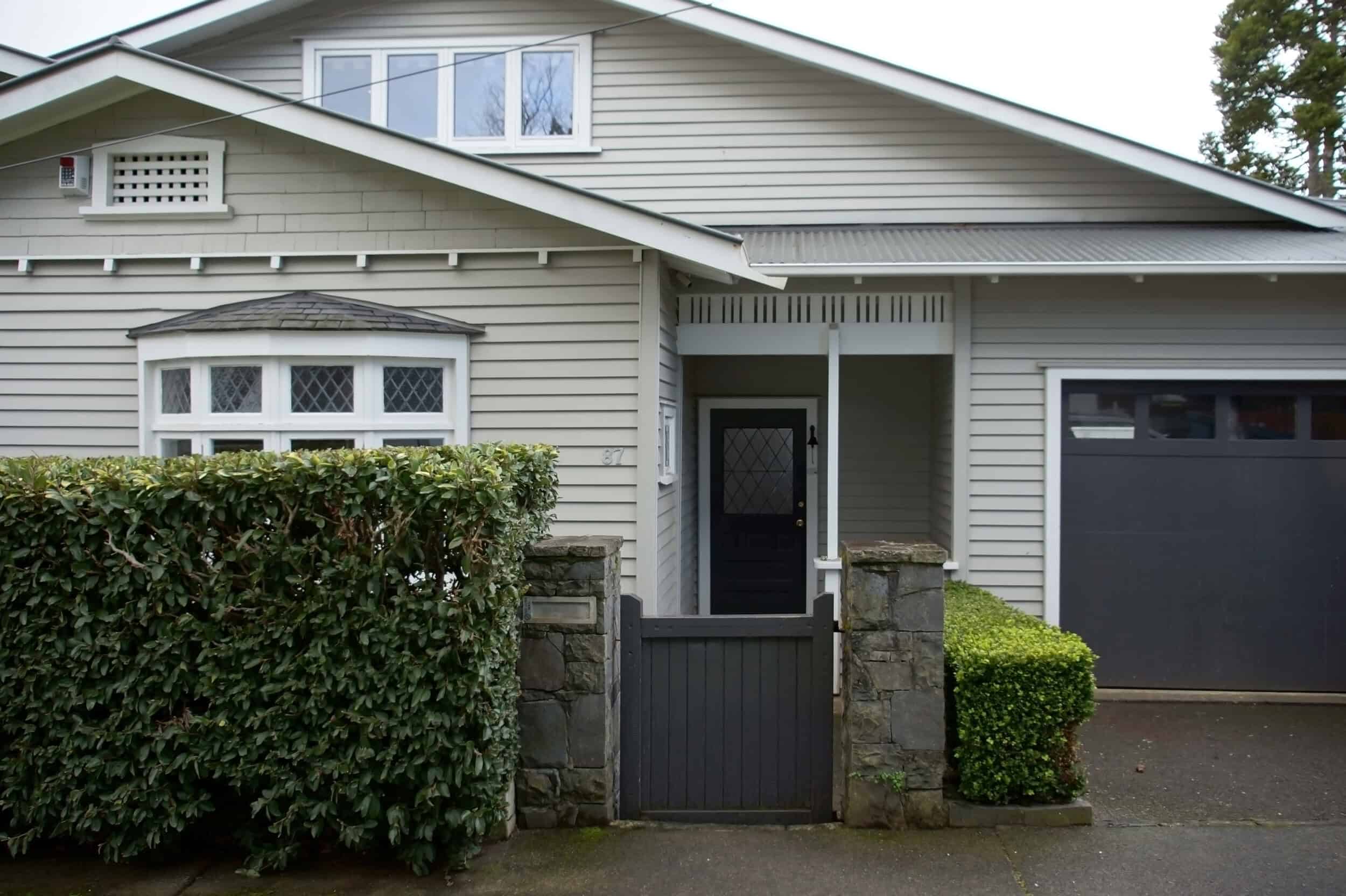
Villa and Bungalow Renovation NZ: Costs, Consents and What to Fix First
Last updated:
Quick answer: a full renovation of an Auckland villa or bungalow typically starts from $140,000 for a single-level home, and older character homes sit at the higher end of the range once rewiring, replumbing and framing repairs are found. Budget a contingency closer to 20% than 10%, and check your property’s overlay status before you plan any change the street can see.
Renovating a villa or bungalow in New Zealand is one of the more complex things you can do to a property, and one of the most rewarding. These homes have a history worth preserving. But they also need to work for how people actually live today. This guide walks through the whole process: planning, budgeting, consents, structural work, design, and the mistakes that cost people money. Read it before you start.
Free cost calculator
How much will your renovation cost?
Get an instant Auckland price range for your project — no details required to see it.
Table of Contents
- Introduction
- Understanding Villa and Bungalow Architecture
- Planning Your Renovation
- Budgeting for Your Renovation
- Working with Professionals
- Getting the Right Consents
- Structural Considerations
- Interior Design and Décor
- Exterior Renovations
- Colour Schemes for Villas and Bungalows
- Energy Efficiency and Sustainability
- Common Mistakes to Avoid
- Case Studies and Examples
- Conclusion
-
Introduction
Thinking about renovating your villa or bungalow? These homes, built in the late 19th and early 20th centuries, aren’t just houses. They’re part of New Zealand’s architectural history. This guide covers what you need to know to renovate one properly: keeping the character intact while making the place genuinely livable.
-
Understanding Villa and Bungalow Architecture
Before starting work, it pays to understand what you’re actually dealing with.
Villas (Traditional Villas)
Victorian villas in New Zealand follow a recognisable layout: a main corridor running through the centre, rooms branching off each side. The parlour sat directly off the corridor — the primary entertaining room, usually with a bay window. Families kept their best furniture here. It was where you impressed guests.
Across from the parlour, the main bedroom faced the street. Additional bedrooms looked out over the side or back of the property.
At the rear, under a lean-to roof, sat the kitchen, pantry, and scullery — set slightly lower, floors at ground level. Meals were cooked on a coal range that also heated water through wetbacks. Functional, but not what anyone would call convenient by today’s standards.
Larger villas sometimes included a dedicated dining room, a lock-up safe, and proper pantry storage. Bathrooms weren’t standard — long-drop toilets lived in a separate outbuilding at the back. The laundry was also separate, typically housing a kauri timber or copper tub for boiling water.
Types of Villas Found in New Zealand
Victorian villas in New Zealand come in five distinct styles, from the modest Workers Cottage through to the transitional Trans Villa.
Workers Cottages were simple 2–4 bedroom homes built in the mid-to-late 19th century to house workers. Close neighbours, minimal fretwork, straightforward design. Many have since had verandahs, second storeys, and extensions added over the decades.
The Victorian Villa became the defining home style from the mid-19th century. Built with durable native timber, these homes feature high ceilings, small windows, wide central hallways, and verandahs with ornate fretwork and finials. Curb appeal was the point — the exterior details were meant to be noticed.
The early 20th century brought the Californian Bungalow: larger windows, simpler verandah detailing, lower-pitched roofs, and an open-plan layout that welcomed in more light. Exposed rafters, timber wall panelling, and a distinctive rounded bay window are the giveaways.
Bay Villas are a variation on the classic Victorian Villa — the defining feature being a faceted bay window on one side, with a verandah wrapping around to match.
The Trans Villa blended Victorian Villa and Californian Bungalow elements. It stayed popular until the 1940s, when the Bungalow’s influence saw both the Victorian and Trans Villa fall out of fashion.
Since the 1980s, Victorian villas have made a strong comeback, and character homes are a regular part of our work at Superior Renovations, including the Greenhithe and Epsom bungalows shown in this guide. The approach is consistent: modernise the interior for comfort and liveability, restore the exterior to reflect its original character.
Plenty of New Zealand’s Victorian villas are still waiting on a proper renovation. Unrenovated ones typically lack insulation, have single-glazed sash windows letting cold air straight through, and layouts that don’t connect spaces or maximise light. Bathrooms are often far from bedrooms and well overdue for an update.
Once properly renovated, though, they’re something else. Modern comfort inside, heritage character outside — and a property that stands apart from anything built in the last thirty years.
Bungalows of New Zealand
By the early 1920s, bungalows had become the leading residential style across New Zealand. They remain popular in Auckland — and like villas, they often need dedicated restoration work to function properly and look right. Solid construction, timeless appeal. They’re not going out of fashion.
- Foundations: Foundation issues are common in older bungalows. We inspect for cracks, movement, surface water, and borer — anything that affects the home’s stability.
- Cladding and Windows: Timber cladding and windows need to be well-sealed and properly painted to keep the home weather-tight. Auckland’s wet winters are not forgiving of deferred maintenance.
- Plumbing and Wiring: Outdated pipes corrode and leak. Older wiring is a fire risk, particularly in insulated roofs. Both need to meet current insurance standards.
- Interior Scrim: Scrim in the walls is a fire hazard — insurance companies typically require it removed. We assess and advise on what needs to go.
- Roof Condition: We check for nail pops and seals approaching end of life. A failing roof is the one thing you don’t want to discover mid-renovation.
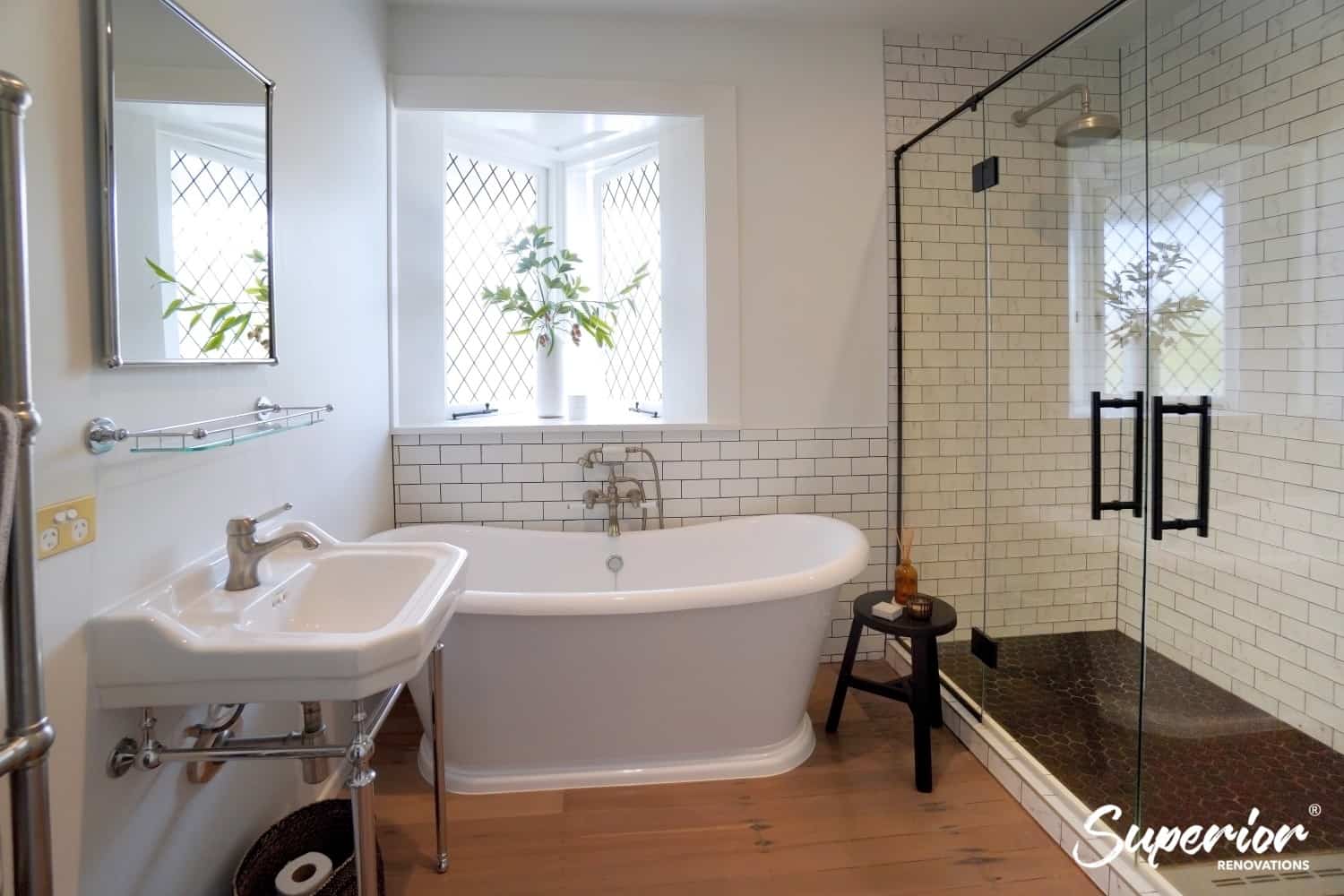 Vintage bathroom renovation for a Greenhithe bungalow | 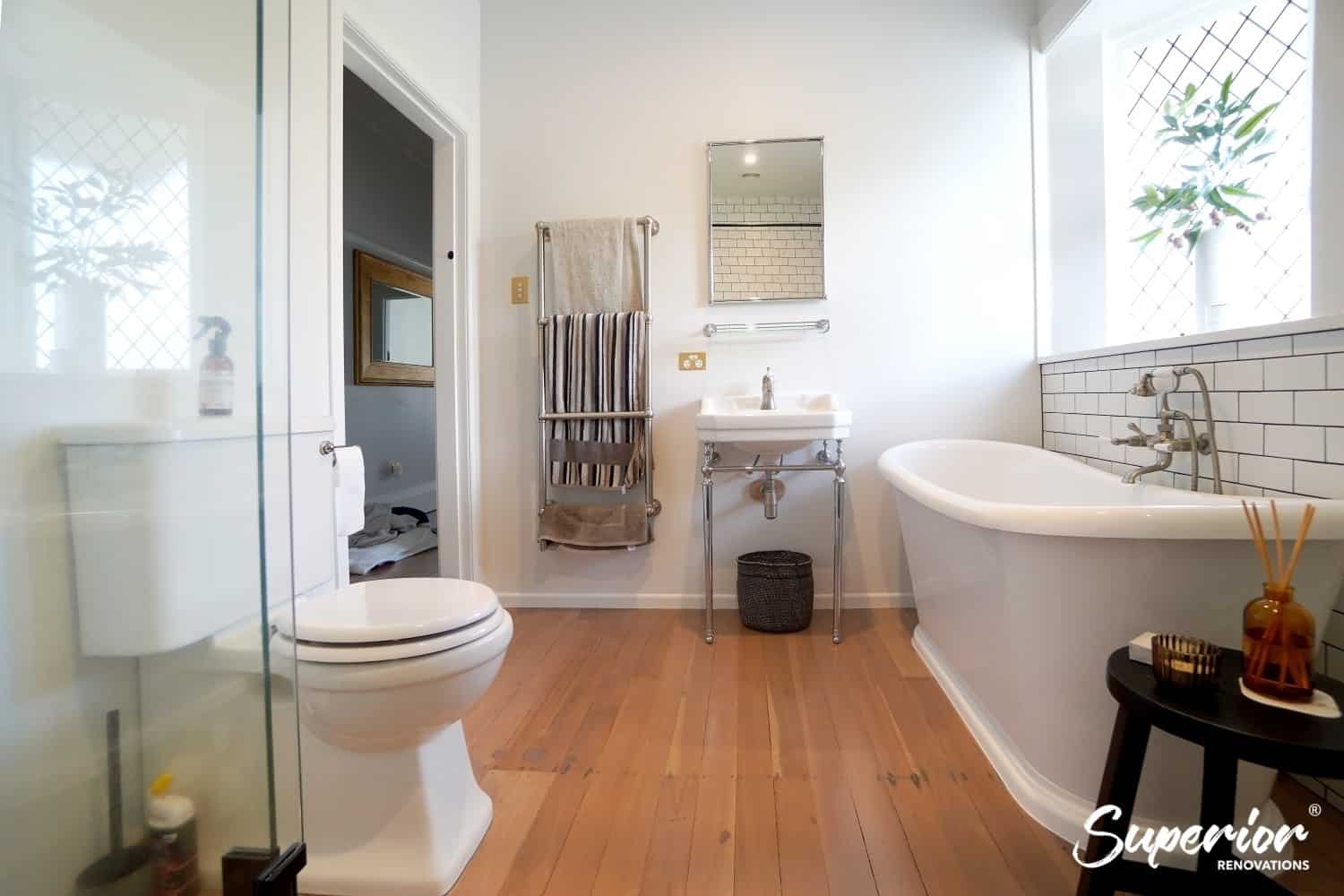 Interior updated to suit the 1920s bungalow architecture |
See full project details and photos of this bathroom renovation.
The Art Deco Home (1930s and 1940s)
Art Deco homes arrived in the early 1930s, moving away from the ornate detailing of the Victorian era and the relaxed lines of the 1920s bungalow. They’re distinctive, sought-after renovation projects — and they come with their own specific challenges.
- Flat Roofs and Parapets: No eaves means window heads are exposed to the weather. Moisture issues here are common and worth checking carefully.
- Stucco Cladding: This cement-based plaster, sometimes installed over asbestos, cracks when it can’t move. It needs the right products to repair and seal properly.
The State House (1940s–1960s)
The Labour government’s late-1930s state house programme was a response to a genuine housing shortage. The design had a big influence on New Zealand’s private housing style — and left a clear legacy across suburban Auckland.
- Rubber Wiring, Asbestos, and Galvanised Plumbing: All three turn up regularly in homes from this period. All three need assessing and, where necessary, replacing.
- Scrim: Same issue as bungalows — needs to come out for safety and insurability.
The Seventies House
The 1970s produced a mixed bag of housing styles — colonial, ranch, Mediterranean, contemporary. Mandatory insulation requirements came in for new builds and additions in 1978, which makes homes from this era more attractive as a starting point than many people realise.
- Insulation: The 1978 requirements mean ceiling, wall, and floor insulation may already be present — though often undersized by current standards. Various insulation types can now be subsidised, making upgrades more affordable.
Restoring these character homes properly preserves something genuinely worth keeping — and adds to the liveability and long-term value of the property.
Villa vs Bungalow: How to Tell Which One You Own
Plenty of Auckland houses get called a villa when they’re a bungalow, and the difference matters because the two are renovated differently: a villa is usually opened up at the back, a bungalow is usually connected to the garden.
| Villa | Bungalow | |
|---|---|---|
| Era | Mid-to-late 19th century into the early 20th | Early 20th century; the leading style by the early 1920s |
| Layout | Central hallway with rooms off each side, kitchen and scullery in a lean-to at the back | More open plan, with better flow between living areas |
| Roof | Steeper, with the lean-to at the rear | Lower pitch, wide eaves, exposed rafters |
| Windows | Tall sash windows, often a faceted bay on a bay villa | Larger windows, bay windows, leadlights |
| Street face | Verandah with fretwork and finials | Simpler verandah or porch detailing |
| Usual renovation move | Open the back of the house into a new kitchen and living area, keep the front rooms | Connect living spaces to the garden, restore floors and built-in joinery |
The Trans Villa sits in between, which is why many houses don’t fit neatly into either column. If you’re still not sure, the layout is the tell: a long central hallway is a villa.
Materials: Matching What’s Already There
These houses were built from durable native timber, and repairs look wrong the moment the new material doesn’t match. Before anything is replaced, measure the weatherboard profile, the skirting and architrave sizes and the floorboard width, and source to match rather than to the nearest standard size. Reclaimed native timber is often the only honest match for floors and joinery. Where a weatherboard has to be replaced, matching the profile keeps the street elevation reading as original. Our guide to villa renovation ideas covers the design side of keeping old and new together.
Renovating a Californian Bungalow in Auckland
Californian bungalows turn up all over the isthmus, and they tend to need the same four things in the same order. Start under the floor and in the walls, then plan the rooms.
- Foundations and piles. Check for movement, settlement and borer before anything cosmetic is priced.
- Scrim, wiring and plumbing. Scrim linings and old wiring are the insurance items, and they come out while the walls are open.
- The back of the house. Connecting the kitchen and living area to the garden is the change most owners want, and the one that usually brings in an engineer for a new beam.
- Keep the good bones. Leadlights, built-in cabinetry, fireplaces and timber floors are what buyers pay for.
If the roof space is generous, a bungalow can also gain a room upstairs; our guide to loft and attic conversions covers when that works.
Villas Versus Bungalows — Key Features
Villas
Villas were statements of their era — craftsmanship on display. The features that defined them:
- Impressive facades: Symmetrical layouts, ornate detailing, imposing entrances.
- High ceilings: A sense of space that modern builds rarely match.
- Detailed woodwork: Cornices, mouldings, and architraves — often still intact under layers of paint.
- Large sash windows: Natural light and decorative detail, though single-glazed and draughty.
- Wrap-around verandahs: Outdoor living built into the design from day one.
- Ornate fireplaces: The focal point of most rooms — tile or marble surrounds, often worth restoring.
See more: Video testimonial of villa renovation in Grafton, Auckland
Bungalows
Bungalows were a deliberate move toward more relaxed, informal living. Their characteristics:
- Low-pitched roofs: Often tiled or shingled, with wide eaves for shade and weather protection.
- Built-in cabinetry: Storage built into the architecture — a feature worth keeping.
- Open floor plans: Better flow between living areas than the corridor-and-rooms layout of the villa.
- Hardwood floors: Still the most-restored feature in any bungalow reno.
- Characterful details: Leadlight windows, tiled fireplaces, decorative ceiling roses.
See more: Historic bungalow renovation — full details and photos (Epsom)
 Modern renovation of a historic Epsom bungalow with contemporary accents |  French doors against restored timber floors |
 Bay windows — one of the defining features of a bungalow | 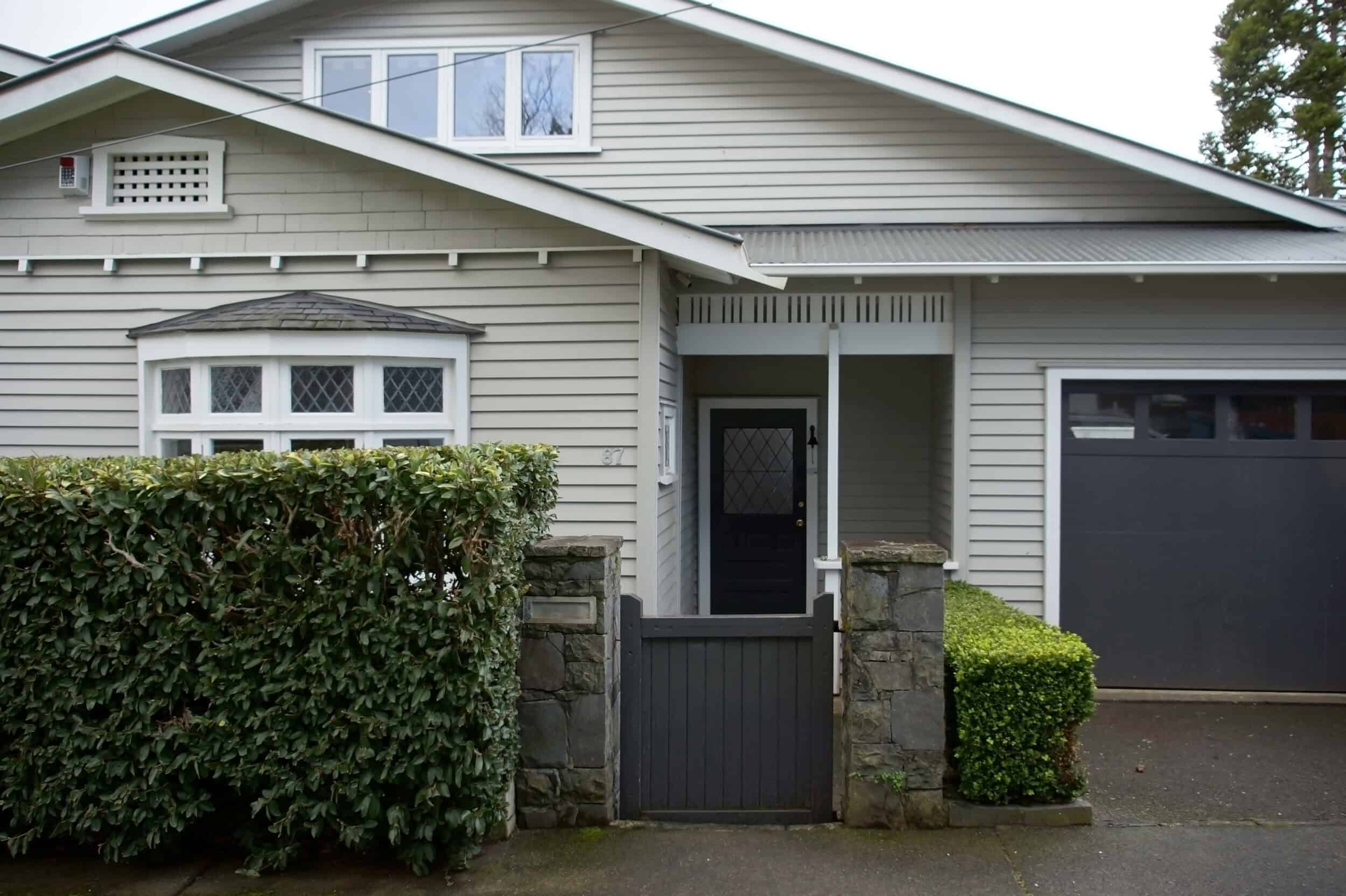 Full home renovation of a historic bungalow in Epsom |
Understanding these architectural features helps you make better decisions throughout the renovation — and avoid inadvertently removing things that add value.
Did you know? Many New Zealand homes blend elements of both villa and bungalow styles, creating properties that don’t fit neatly into either category.
Read more: Your Guide to Building Consent for Home Renovations in Auckland
-
Planning Your Renovation
Initial Assessment
Walk the property properly before you commit to anything. Identify structural issues, outdated systems, and anything that needs attention before cosmetic work begins. Understand the home’s architectural style, period features, and whether any heritage protections apply. Get a qualified professional to assess structural integrity. Be prepared for what they find — lead paint and asbestos turn up in older Auckland homes more often than people expect. While you’re at it, look at energy efficiency. Insulation, glazing, heating, these are easier and cheaper to address as part of a reno than as standalone projects later.
Setting Your Goals
Decide early what you’re actually after. A faithful restoration of the original character, or a modern interior with heritage bones? These aren’t mutually exclusive — but they require different approaches. Prioritise rooms based on how your household actually lives, not just what looks good in photos. If you’re likely to sell in the next five to ten years, think carefully about resale value alongside personal preference.
Creating a Timeline
Break the project into phases and put realistic timeframes on each. Factor in Auckland’s wet winters if exterior work is involved — scheduling exterior painting or cladding work through June and July is asking for delays. Get consent applications in early. Processing times through Auckland Council can stretch out, and waiting on paperwork mid-project is frustrating and expensive.
-
Budgeting for Your Renovation
Budget is where most villa and bungalow renovations go sideways. Here’s how to approach it properly.
Estimating Costs
- Account for heritage work: Restoring character features, fretwork, sash windows, ornate ceilings, costs more than replacing them. Factor in specialists and appropriate materials.
- Plan for what’s hidden: Older homes regularly turn up surprises. Asbestos, outdated wiring, water damage behind cladding. These aren’t exceptional — they’re typical. Budget accordingly.
- Get specific quotes: Averages are a starting point only. Get quotes from builders who have actually worked on villas and bungalows — not just general residential renovators.
- Break it down by phase: Demolition, structural work, electrical, plumbing, interior finishes, exterior, landscaping. Knowing where the money goes helps you make trade-off decisions when you need to.
- Use specialist resources: ArchiPro (archipro.co.nz) and heritage renovation companies provide more useful cost benchmarks than general renovation guides.
Contingency Fund
- Build in a buffer: 15–20% for villas and bungalows. Not 10%. These homes produce surprises at a higher rate than modern builds, and the surprises tend to be expensive.
Financing Options
- Heritage property loans: Some lenders offer renovation finance specifically for older homes, with terms that account for the unique nature of character property work.
Additional Costs to Factor In
- Council consents: Heritage overlays and specific zoning rules can require additional consents. These take time and cost money — both need to be in the plan from the start.
- Professional fees: Architects, draughtspeople, and surveyors who specialise in heritage work charge accordingly. Don’t cut corners here — they’ll save you more than they cost.
What a Villa or Bungalow Renovation Costs in Auckland
A full home renovation in Auckland starts from $140,000 for a single-level home and from $180,000 for a two-level home, and the average spend including kitchen and bathrooms sits between $80,000 and $160,000. Per square metre, a standard full renovation runs $2,000 to $4,500, with high-end or structural work past $5,500. Pre-1940s villas and bungalows tend to land at the higher end, because the per-metre rate assumes sound bones and these houses often hide old wiring, galvanised plumbing and framing problems. These are the service costs that most often come with a character home:
| Item | Typical Auckland cost | Notes |
|---|---|---|
| Full rewire, standard three-bedroom home | $8,000 to $15,000 | $20,000+ for larger or two-storey homes |
| Full replumb | $10,000 to $20,000 | Driven by how much wall and floor has to come off |
| Insulation | $40 to $160 per m² | Material and access dependent |
| Retrofit double glazing, whole house | $20,000 to $35,000 | Skewed or damaged sash frames may need replacing instead |
| Contingency | Closer to 20% than 10% | On a pre-1940s villa or bungalow |
Figures are from our Auckland renovation cost guide and renovation FAQ. For sash windows specifically, our retrofit double glazing guide covers when an old frame can take a new unit.
 Modern touches while keeping classic bungalow features |  Restored timber doors |
 White against original timber — clean contrast that works |  Restored floating shelves and period accents |
See full case study and photos — bungalow renovation, North Shore
-
Working with Professionals
The team you put together will make or break this project. Here’s who you need and what to look for.
The alternative to assembling that team yourself is a design-and-build renovation company that carries all of it under one roof. That is the model we run for character-home owners across Auckland – designer, LBP builder, consent, and every trade coordinated by one project manager, so a villa or bungalow renovation runs as a single project rather than five you have to referee. If you are still weighing whether the house is worth the work at all, our guide on renovating versus rebuilding is the honest place to start before you commit a budget.
Choosing the Right Builder
- Experience with character homes: A builder who renovates modern houses is not the same as one who works on villas and bungalows. The materials, the heritage considerations, and the hidden surprises are all different. Find someone who’s done this before.
- Credentials and references: A Licensed Building Practitioner for any restricted building work, relevant insurance, and references you actually follow up on. Ask to speak with previous clients directly — not just read a testimonial on a website.
- See completed work: Photos are fine. Visiting a finished project is better. You can check any Licensed Building Practitioner on the public register at lbp.govt.nz.
Working with Architects and Designers
- Structural changes need an architect: If you’re altering load-bearing walls, adding floor area, or changing the building’s footprint, an architect’s input isn’t optional — it’s how you avoid costly mistakes.
- Bridging old and new: A good architect will help you work out how to bring a villa or bungalow into 2026 without stripping what makes it worth owning. That balance is harder than it looks.
- Communication matters: The best design in the world is useless if the architect isn’t listening to how you actually want to live in the house.
Specialists Worth Considering
- Heritage specialists: If your home sits in a heritage overlay, bring one in early. They know the approvals process and what Auckland Council will, and won’t, accept.
- Specialist tradespeople: Structural engineers, asbestos removal contractors, restoration carpenters. These aren’t interchangeable with general tradies. Find people who know character homes.
-
Getting the Right Consents
Consents aren’t a formality. Skip them and you’ll face real problems when you go to sell.
Building Consents
Most villa and bungalow renovations require a Building Consent from Auckland Council. This ensures your project meets the Building Code — safety, weather resistance, accessibility. The Building Consent Exemption Guide on Building.govt.nz spells out what’s covered and what isn’t.
Check out our Free Feasibility Report: superiorrenovations.co.nz/request-feasibility-report
Superior Renovations works with Sonder Architecture for all consent-related work. Their office is in our Wairau Valley showroom at 16B Link Drive — easy for clients and consultants to access directly.
For consent-related enquiries, garage conversions, extensions, that kind of thing, here’s how the process works:
- Your enquiry comes in to us.
- We contact you, understand your requirements, and connect you with Sonder’s head architectural designer — copied into the same email so everyone’s aligned from the start.
- John carries out a feasibility study and requests your property file from Auckland Council.
- Once the property file is in, John visits the site to walk through your options in person.
- If it’s a go, concept drawings are produced along with a quote for the architectural drawings required for council submission.
- If you accept the quote, our architectural designer produces the full drawings.
- Once drawings are complete, our renovation consultant reviews the plans, visits the site to discuss design, and puts together a fixed-price proposal with full specifications. When the plans are approved, the renovation begins.
Heritage Considerations
Heritage and Special Character Overlays: Check Auckland Council’s Unitary Plan before doing anything to the exterior. A scheduled heritage item and the Special Character Areas overlay are different things with different rules, so confirm with Auckland Council which, if either, applies to your property. Many older villas and bungalows fall within heritage overlays, which impose specific requirements around what can and can’t be changed.
Heritage Specialist Involvement: If your property is heritage-listed or sits within an overlay, a heritage specialist isn’t optional — they’re how you get through the process without running into compliance issues. Expect requirements around preserving original features, using appropriate materials, and getting additional sign-off from Council’s heritage unit.
Read more: Comprehensive Guide to the Renovation Consent Process in New Zealand
Resource Consents
Some projects need a Resource Consent on top of the Building Consent — if you’re making significant landscaping changes, altering building height, or modifying drainage. Talk to Auckland Council or a resource management consultant early if any of this applies to your project.
Read more: Renovation Auckland: Ultimate Guide to Costs, Consents and Trends
Useful Resources
- Building.govt.nz: Building consents, Building Code, and licensed professional searches.
- Your local council website: Zoning rules, heritage overlays, consent requirements specific to your area.
- Auckland Council — Building and Consents (aucklandcouncil.govt.nz)
- Auckland Council — Heritage Protection (ourauckland.aucklandcouncil.govt.nz)
Check your property’s heritage status before you plan anything. Surprises at the consent stage are expensive and avoidable.
Did you know? Unconsented work doesn’t just risk fines — it can make a property difficult to sell and hard to insure. Buyers’ lawyers check this. So do banks.
-
Structural Considerations
Sort the structure first. Cosmetic work on top of unresolved structural issues is money wasted.
Foundation and Roof
- Get a proper inspection: A qualified builder or structural engineer, not a general handyman. Look for cracks, leaks, settlement, and anything that’s been patched rather than fixed.
- Deal with problems early: Foundation and roof issues don’t improve with time. The longer they’re left, the more they cost.
- Reinforce or replace: Depending on severity, you may be reinforcing existing structure or replacing sections entirely. An engineer’s assessment tells you which.
Timber Framing
- Expect hidden damage: Rot and borer in older timber frames are common. You often don’t know the full extent until walls come open.
- Get it assessed: A building inspector can identify issues before demolition. Factor potential repairs into your contingency budget.
Load-Bearing Walls
- Know what you’re removing: Load-bearing walls cannot simply be taken out. Doing so without engineering advice can have serious structural consequences.
- Get engineering sign-off: Before any wall comes down, confirm with a structural engineer what’s load-bearing and what isn’t.
- Add support where needed: Steel beams and columns can carry the load once a wall is removed — but this needs to be designed and built properly.
Electrical and Plumbing
- Old systems are a liability: Outdated wiring is a fire risk. Corroded pipes leak. Neither is compatible with modern insurance requirements.
- Budget for a full upgrade: If you’re renovating a villa or bungalow, assume the electrical and plumbing will need a complete overhaul. It almost always does.
- Code compliance is non-negotiable: All upgrades must meet current Building Code requirements.
Additional Hazards
- Asbestos: WorkSafe says a home built before 1 January 2000 may contain asbestos, and the only way to confirm it is to test a sample. Don’t disturb suspected asbestos yourself; our asbestos and renovation guide covers testing and licensed removal.
- Lead paint: Also common in older Auckland homes. Requires careful handling and appropriate disposal.
- Insulation: If it’s not there or it’s inadequate, this is the time to sort it. Retrofitting insulation into an already-finished home costs significantly more.
-
Interior Design and Décor
The interior needs to feel right for how you live — but it should also respect what the house is. These aren’t competing goals. They just require a bit of thought.
Preserving Original Features
- Restore before you replace: Original fireplaces, ornate ceilings, and timber floors are what make these homes worth owning. Strip them out and you lose what you paid for.
- Make them the feature: Use lighting and paint colour to draw attention to ceiling roses, bay windows, and original architraves rather than burying them.
- Period-appropriate details: Hardware, light fittings, and decorative elements from the right era hold the look together. The details matter more than people expect.
Incorporating Modern Living
- Open-plan where it works: Not every villa needs its walls knocked through — but where the layout genuinely needs to breathe, opening it up makes a real difference to how the home feels and functions.
- Kitchen and bathroom updates: These two rooms carry the most weight for both liveability and resale value. Marble, subway tiles, and quality fittings work well in a heritage context without looking wrong.
- Smart home technology: Heat pumps, lighting controls, and modern appliances can go in discreetly. Done well, you’d never know they weren’t always there.
Colour and Materials
- Colours that suit the era: Soft neutrals, muted tones, earthy shades. Resene and Dulux both offer heritage ranges specifically developed for older NZ homes.
- Natural materials: Timber, wool, linen, stone — these all sit comfortably alongside original villa and bungalow details in a way that synthetic materials often don’t.
Furniture and Styling
- Mix old and new thoughtfully: Antique or vintage pieces alongside contemporary furniture works well in heritage homes. The contrast tends to feel considered rather than jarring.
- Texture and layering: Rugs, throws, and cushions add depth. It’s the difference between a room that looks finished and one that feels lived in.
- Local art and craft: New Zealand artists and makers produce work that suits these interiors well — and it’s worth considering rather than defaulting to imported pieces.
Sustainable Interior Choices
- Material choices: Recycled timber, low-VOC paints, natural fibre furnishings. Better for the building and better for the people living in it.
- Indoor air quality: Natural ventilation, low-emission materials, and indoor plants all make a difference — particularly in older homes that weren’t designed with airtightness in mind.
Useful References
- Heritage New Zealand Pouhere Taonga: Guidance on preserving and working with heritage homes.
- Resene and Dulux: Colour advice, heritage paint ranges, and design guidance.
- Local interior designers: Find someone who has actually worked on villas and bungalows — not just modern apartments.
Did you know? Resene and Dulux both offer low-VOC paint options — better for indoor air quality and for the people doing the painting.
-
 Kept
Kept New
NewThe original cast-iron bird doorbell stayed on the weatherboard. The kitchen did not. Renovating a character house is mostly a series of decisions about which of those two categories each thing belongs in, and it is easier to make them at the start than halfway through. Exterior Renovations
The exterior is what the street sees. Get it right and it sets the tone for everything else.
Painting and Cladding
- Respect the style: Colour choices and cladding materials need to suit the home’s era. A Victorian villa in Ponsonby painted the wrong colour doesn’t just look out of place — it dates the renovation and hurts street appeal. Repainting an already-painted exterior is generally permitted under the Unitary Plan’s character overlays, so colour is a judgement call rather than a consent question, though a scheduled heritage building is a different conversation, so check your property’s overlay status first.
- Choose for durability: Auckland’s weather is hard on exteriors. High-quality paint and well-maintained cladding reduce ongoing maintenance costs significantly.
- Get colour advice: A colour consultant who knows character homes is worth the fee. Getting it wrong and repainting six months later costs more.
Roofing and Gutters
- Inspect regularly: Damaged tiles, failing seals, blocked gutters — these cause water damage that’s expensive to fix once it gets into the structure.
- Consider modern upgrades: Colorsteel roofing performs well on Auckland homes and suits both villa and bungalow profiles. Leaf-guard gutters reduce maintenance if you have large trees nearby.
Landscaping
- Match the home’s character: Symmetrical gardens suit villas. More relaxed, informal plantings work well with bungalows.
- Native plants: Low maintenance, support local biodiversity, and look genuinely at home in an Auckland garden. Talk to a local nursery before you plant anything.
- Outdoor living: Decks, patios, and pergolas extend the usable area of the property — particularly useful in Auckland, where the climate supports outdoor living for most of the year.
Exterior Lighting
- Safety first: Adequate lighting on paths, entrances, and dark corners.
- Atmosphere second: Well-placed lighting can highlight architectural features and make a big difference to how the home looks after dark.
- LED throughout: Lower running costs, longer life, and no meaningful trade-off on quality.
Additional Points
- Windows and doors: Replacing with double-glazed alternatives improves insulation and security. Choose profiles that suit the home’s era — there are good options on the market that don’t look out of place on a villa or bungalow.
- Porch and verandah: These are defining features. Restore them rather than remove them — the curb appeal and character value are worth preserving.
- Consents: Check with Auckland Council before making any structural changes to the exterior.
Did you know? A verandah is part of what the street reads as original. Restoring one is almost always cheaper than rebuilding the character it adds.
-
Colour Schemes for Villas and Bungalows
Colour is one of the most visible decisions you’ll make in a villa or bungalow renovation. Get it right and the house looks like it was always meant to be that way. Get it wrong and no amount of quality work elsewhere will compensate.
Why Heritage Colours Work
Heritage colours, typically muted, earthy, and understated, were developed to suit the proportions and materials of older homes. They hold up well over time and tend to increase rather than limit buyer appeal. There’s a reason the same tones keep appearing on well-renovated villas across Grey Lynn, Ponsonby, and Remuera.
Choosing the Right Colours
1. Match Your Home’s Style
- Edwardian villas sit well with lighter, softer shades. Victorian homes can handle deeper, richer tones.
- Look at the proportions of the facade before settling on anything. Colour reads differently across a wide bay villa than it does on a narrow bungalow frontage.
2. Consider the Surroundings
- Look at what’s next door and across the street. Your home doesn’t need to match — but it shouldn’t clash either. The garden and the streetscape both factor in.
3. Stay Historically Grounded
- Resene’s heritage colour collection is a good starting point. The shades are calibrated to the periods when these homes were built — which takes a lot of the guesswork out.
4. Back Your Own Taste
- Historical accuracy matters, but you’re living in the house. The palette should feel right to you. A slightly bolder choice done well still beats a safe choice done poorly.
Recommended Heritage Colour Palettes
1. Muted Neutrals
- Resene Pearl Lusta: Creamy, off-white — works well on trims and accent details.
- Resene Half Spanish White: Warm neutral, reliable on weatherboards.
- Resene Tea: Soft beige for larger wall surfaces.
2. Rich Earth Tones
- Resene Bison Hide: Mid-brown with depth and character.
- Resene Craigieburn: Muted olive green — sits well against garden plantings.
- Resene Sandstone: Earthy and versatile for both exterior and interior use.
3. Timeless Greys
- Resene Silver Chalice: Light grey that pairs cleanly with white trims.
- Resene Surrender: Soft neutral grey for weatherboards and fences.
- Resene Half Stonehenge: Darker grey — adds a contemporary edge without looking out of place on a heritage home.
Practical Colour Tips
1. Test first, commit second
- Paint sample patches on the actual house. Check them at different times of day and in different light conditions before ordering the full amount.
2. Use contrast deliberately
- A soft body colour with crisp white trims and a darker door is a classic combination for good reason. The contrast draws attention to the home’s best features.
3. Keep it to two or three shades
- More than three colours on an exterior almost always reads as too busy. Restraint is the right call here.
4. Don’t forget the roof and garden
- Colorsteel roof colours affect how the whole scheme reads. And the landscaping, paths, plants, fences, needs to work with the paint, not fight it.
-
Energy Efficiency and Sustainability
Older homes are almost always energy inefficient. A reno is the right time to fix that — it’s far cheaper to do it during construction than to retrofit later.
Insulation and Windows
Start here. Villas and bungalows built before the 1970s typically have little or no insulation and single-glazed sash windows. Upgrading both makes a dramatic difference to comfort — particularly through Auckland’s cold, damp winters. Double glazing reduces heat loss, cuts condensation, and makes the home significantly quieter.
Solar Power
Villas and bungalows often have generous roof area, which makes them good candidates for solar panels. With power prices where they are, the payback period is worth calculating. Talk to a solar installer who can model your actual roof orientation and usage.
Sustainable Materials
Bamboo flooring, recycled timber, and low-VOC paints are all worth considering. Resene and Dulux both produce environmentally certified paint options that perform well and don’t carry a significant premium. Choosing sustainably sourced materials where possible adds up across a full renovation.
Heating and Cooling
Heat pumps are the most cost-effective heating solution for most Auckland homes — they provide both heating and cooling, and run at a fraction of the cost of resistive heating. Make sure the system is sized correctly for the space. An oversized unit wastes power; an undersized one can’t keep up.
Water Conservation
Low-flow showers, dual-flush toilets, and efficient tapware all reduce water use meaningfully over time. If your site allows it, a rainwater harvesting system is worth considering — particularly useful for garden irrigation during Auckland’s drier summers.
Landscaping
Native plants need less water and less maintenance than exotic species. They support local birds and insects, and they look right in an Auckland garden. Once established, most require very little intervention.
Smart Home Technology
Smart thermostats, programmable lighting, and energy monitoring can meaningfully reduce usage without requiring any lifestyle changes. Worth factoring into the electrical design at the start — retrofitting is possible but more disruptive.
Did you know? Whether solar pays back depends on your roof’s orientation and pitch as much as its size. Get an assessment modelled on your actual roof before deciding.
-
Common Mistakes to Avoid
Most renovation regrets come from the same set of avoidable errors. Here’s what to watch for.
Overcapitalising
Know the ceiling value of homes in your street before you finalise the scope. Spending $700k on a bungalow in a suburb where the top end of the market sits at $900k is a decision, not a mistake — as long as you’ve made it consciously. Check comparable sales on Homes.co.nz before you commit to the full spec.
Ignoring Structural Issues
Foundation problems, roof leaks, and framing rot don’t resolve themselves. Every month they’re left, they get worse and more expensive. Sort the structure first. Everything else is detail.
Skipping Consents
Buyers’ lawyers and banks both look for work that should have been consented and wasn’t, and a LIM that doesn’t match the house on the ground is how they find it. If the work can’t be signed off, it can reduce the property’s value, complicate the sale, or kill it entirely. The consent process exists for good reasons. Follow it.
Underestimating Costs
The number one renovation mistake in New Zealand. Budget what you think it will cost, add 15–20% on top, and then check whether you can genuinely afford that figure before you start. Hidden water damage and electrical issues are not exceptional in older homes — they’re par for the course.
Poor Planning
Decisions made on the fly during a renovation cost more than decisions made at the design stage. Lock in the scope, materials, and layout before work begins. Changes mid-build are expensive, disruptive, and slow everything down.
Choosing the Wrong Builder
Check their licence on the LBP public register. Ask for references and actually call them. Visit a completed project if you can. A cheap quote from the wrong builder ends up costing more than a fair quote from the right one.
Ignoring Energy Efficiency
A renovation that doesn’t address insulation and glazing is a missed opportunity. Retrofitting these later costs more and is more disruptive. Do it now, while the walls are open.
Overlooking Design
Layout decisions affect how a home feels to live in every single day. A good designer pays for themselves in avoided mistakes and in the liveability of the finished result. Don’t treat it as an optional extra.
Not Thinking About Resale
Personal taste matters, but very specific choices narrow buyer appeal. Neutral colours, quality materials, and classic finishes hold their value better than highly personalised ones.
Underestimating the Timeline
Older homes take longer. Consents take longer. Materials run late. Build float into your timeline and make sure you have somewhere liveable to stay if the project runs over.
Cutting Corners on Safety
Renovation sites are hazardous. Asbestos, lead paint, unstable structures — these aren’t minor considerations. Make sure your builder is managing the site safely and that anyone on it has the appropriate training and gear.
-
Two Typical Scopes: What a Villa and a Bungalow Renovation Involve
The two scopes below are typical of the character-home work we price, not write-ups of specific client projects. For real finished projects with photos, see our case studies.
Scope 1: A Victorian Villa Restoration in a Heritage Overlay
Project Overview
A substantial Victorian villa in Epsom — original character intact but in need of significant structural and interior work. The owners wanted to preserve what made it special while making it properly functional for a modern family.
Challenges and Solutions
- Heritage restrictions: The villa sat in a heritage overlay with strict guidelines on exterior changes.
- Solution: Early engagement with heritage specialists and careful planning to work within the council’s requirements from day one.
- Structural issues: Foundation cracks and roof leaks — neither minor.
- Solution: Structural engineer brought in early. Foundation underpinned, roof replaced.
- Outdated interior: Dark, compartmentalised rooms that didn’t suit how the family wanted to live.
- Solution: Floor plan opened up to create a connected living area, while original high ceilings and fireplaces were retained.
Budget and Timeline
A scope like this sits well above the $80,000 to $160,000 average full-home spend, because underpinning, a new roof and heritage-consented exterior work are each substantial jobs in their own right. Design and consent in a heritage overlay also add time before anyone starts on site. The honest figure comes from a site visit, which is what our free feasibility report is for.
Key Renovation Areas
- Exterior: Repainted in traditional colours, ornate detailing repaired, front porch restored.
- Interior: Open-plan living and dining created. Kitchen and bathrooms updated in a period-appropriate style.
- Heritage features: Stained glass windows, fireplaces, and timber floors all restored rather than replaced.
- Energy upgrades: Modern insulation, energy-efficient appliances, heating system updated.
Outcome
A family home that functions well for contemporary living while looking every bit like the character property it is. The heritage features that were worth keeping are still there. The parts that weren’t working have been fixed.
Potential Variations
- Boutique accommodation: The floor plan and character features make this type of villa a strong candidate for conversion to a guesthouse, subject to council consent.
- Luxury finish: High-end joinery, custom cabinetry, and premium fixtures can take a restoration like this to a different level — for the right budget and the right street.
Scope 2: A 1920s Inner-City Bungalow Renovation
Project Overview
A 1920s bungalow in Auckland’s inner city, compact layout, outdated systems, and a small underused backyard. The owners wanted open-plan living, better energy performance, and a functional outdoor space.
Challenges and Solutions
- Tight layout: Small, disconnected rooms that didn’t work for a young family.
- Solution: Non-load-bearing walls removed to open up living, dining, and kitchen into one connected space.
- Energy performance: Poor insulation, single glazing, old heating.
- Solution: Insulation retrofitted, double glazing installed, modern heat pump put in.
- Outdoor space: Small, poorly used section.
- Solution: Deck and integrated seating added — compact but genuinely usable.
Budget and Timeline
The services line is the predictable part: on our published figures a full rewire runs $8,000 to $15,000 and a full replumb $10,000 to $20,000 for a standard home, and whole-house retrofit double glazing $20,000 to $35,000. The kitchen, bathroom, deck and the beam for the opened-up living area are what move the total, and they’re priced on the design.
Key Renovation Areas
- Open-plan living created by removing walls.
- Modern kitchen with proper storage. Bathroom with underfloor heating.
- Insulation, double glazing, new heating system.
- Deck and outdoor living area added at the rear.
Outcome
A warm, connected family home. The bungalow’s character features, timber floors, ceiling details, leadlight windows, were retained. The parts that made it cold and awkward to live in were fixed.
Potential Variations
- Attic conversion: An extra bedroom or home office is possible in bungalows with suitable roof height — subject to consent.
- Extension: If the section allows it, extending to add bedrooms or a larger living area is a common next step for growing families.
These two scopes show the range of what’s involved in villa and bungalow renovations in Auckland. Every home is different — but the principles are consistent: sort the structure, respect the character, plan the budget properly, and get the right people on the job.
Budget Breakdown
| Category | Typical Auckland cost (NZD) |
|---|---|
| Full rewire, standard three-bedroom | $8,000 to $15,000; $20,000+ larger or two-storey |
| Full replumb | $10,000 to $20,000 |
| Insulation | $40 to $160 per m² |
| Retrofit double glazing, whole house | $20,000 to $35,000 |
| Structural repairs, interior finishes and exterior work | Priced on scope after a site visit; these vary too much between houses for an honest single band |
| Contingency | Closer to 20% on a pre-1940s villa or bungalow |
Source: our Auckland renovation cost guide.
Renovation Timeline
| Phase | Description | Duration (weeks) |
| Initial Assessment | Structural, electrical, plumbing, and cosmetic inspection. Budget feasibility and project scope confirmed. | 1–2 |
| Planning and Design | Design development, material selection, budget refinement. Initial council discussions where relevant. | 4–6 |
| Obtaining Consents | Building and resource consent applications prepared and submitted. Processing time varies with council workload. | 2–4 |
| Structural Work | Demolition, foundation work, framing, roof repair or replacement as required. | 8–12 |
| Interior Renovations | Plumbing, electrical, insulation, GIB, cabinetry, joinery, tiling, flooring, painting, and finishing. | 8–16 |
| Exterior Renovations | Cladding, painting, landscaping, decks, patios, fencing. | 4–8 |
| Final Touches | Full clean, defect rectification, handover with keys and project documentation. | 2–4 |
These timelines are indicative. Project complexity and unforeseen issues will affect actual duration.
Renovating a villa or bungalow in New Zealand takes planning, the right team, and a realistic budget. Done well, the result is a home that will outlast most modern builds — and hold its character and value for decades. The work is worth doing properly.
If you’re planning to stay in the house while the work happens, read our guide to living in your house during a renovation first. On a villa, the kitchen is often the first room to go and the last to come back.
For further reference: Homes.co.nz, Building.govt.nz, and aucklandcouncil.govt.nz.
Villa and Bungalow Renovation: Common Questions
Renovating these homes lets you preserve their architectural character while making them genuinely comfortable and functional for modern living. Done well, it improves both liveability and long-term value. Villas typically have high ceilings, ornate mouldings, large sash windows, wrap-around verandahs, and statement fireplaces. Bungalows feature low-pitched roofs, wide eaves, built-in cabinetry, open floor plans, and hardwood floors. Understanding these helps you make better decisions about what to restore and what to update. Start with a thorough property assessment and clear goals. Build a detailed budget with a 15–20% contingency — older homes regularly produce surprises. Get a realistic timeline in place before work starts, and allow extra time for consent processing through Auckland Council. At minimum: a Licensed Building Practitioner experienced in character homes, and an architect or architectural designer for any structural changes. For heritage-listed properties or those within an overlay, add a heritage specialist. Check any LBP on the public register at lbp.govt.nz and ask for references you'll actually follow up. Most renovations require a Building Consent from Auckland Council. Heritage overlays add further requirements, check the Unitary Plan for your property early. Structurally, older villas and bungalows commonly need foundation work, rewiring, replumbing, and asbestos assessment. Sort these before cosmetic work begins. Insulation and double glazing make the biggest difference in older NZ homes. Adding a heat pump, solar panels, and water-efficient fittings all contribute meaningfully to running costs and comfort. Do it during the renovation, retrofitting later costs significantly more. A full home renovation in Auckland starts from $140,000 for a single-level home and $180,000 for two levels, with an average spend of $80,000 to $160,000 including kitchen and bathrooms. Villas and bungalows usually sit at the higher end, because a full rewire ($8,000 to $15,000), a replumb ($10,000 to $20,000) and framing repairs are common. Allow a contingency closer to 20%. A villa has a central hallway with rooms off each side, tall sash windows and a decorated verandah, and dates from the mid-to-late 19th century into the early 20th. A bungalow is later, the leading style by the early 1920s, with a lower-pitched roof, wide eaves, larger windows and a more open plan. The Trans Villa blends the two. Usually, yes, and it is the change most villa owners want. The common move keeps the front rooms off the hallway and opens the back of the house into a connected kitchen and living area. Load-bearing walls need an engineer's design and often a new beam, and anything that changes the structure needs building consent from Auckland Council. Often. Retrofit double glazing puts a new glazed unit into the existing joinery, and a whole house runs $20,000 to $35,000 on our published figures. Sash frames that are skewed, rotten or damaged may not take a retrofit unit and need replacing instead. On a character home, match the new window profile to the originals so the street elevation still reads as original. It can be. WorkSafe says a home built before 1 January 2000 may contain asbestos, and the only way to confirm it is to test a sample. In older homes it can turn up in things added over the years, such as linings, textured ceilings or floor coverings, so test before any demolition and use licensed removal where it's found. Why should I consider renovating my villa or bungalow in New Zealand?
What are the key architectural features of villas and bungalows?
How should I plan and budget for my renovation?
What professionals do I need for a villa or bungalow renovation?
What consents and structural issues should I know about?
How can I improve energy efficiency as part of the renovation?
How much does it cost to renovate a villa in Auckland?
What is the difference between a villa and a bungalow in NZ?
Can I open up the floor plan of a villa?
Can old sash windows be double glazed?
Is asbestos likely in an old villa or bungalow?
Want specific cost estimates? Use our Renovation Cost Calculators
- Bathroom Renovation Cost Calculator
- Kitchen Renovation Cost Calculator
- Reroofing Cost Calculator
- Double Glazing Cost Calculator
- House Extension Cost Calculator
- Custom Kitchen Cabinetry Cost Calculator
Need ideas? Browse our Kitchen Design Gallery or check out our Bathroom Design Gallery for inspiration.
Need more information?
Download our FREE Complete Home Renovation Guide (48 pages) — whether you’re mid-planning or just starting out, the included 100+ point checklist will help you avoid the mistakes that cost people money.
Download Free Renovation Guide (PDF)

Have you been putting off getting renovations done?
We have partnered with Q Mastercard ® to provide you an 18 Month Interest-Free Payment Option, you can enjoy your new home now and stress less.
Learn More about Interest-Free Payment Options*
*Lending criteria, fees, terms and conditions apply. Mastercard is a registered trademark and the circles design is a trademark of Mastercard International Incorporated.
Still have questions unanswered?
Book a no-obligation consultation with the team at Superior Renovations,
we’d love to meet you to discuss your renovation ideas!