
Author: Kevin Yang

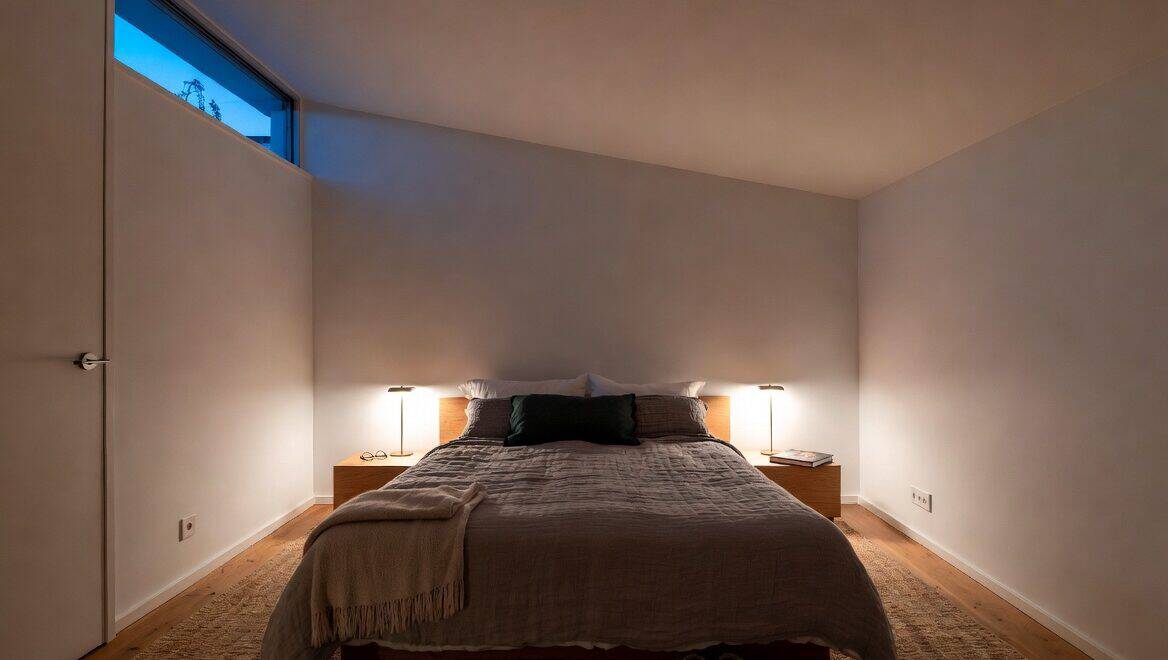
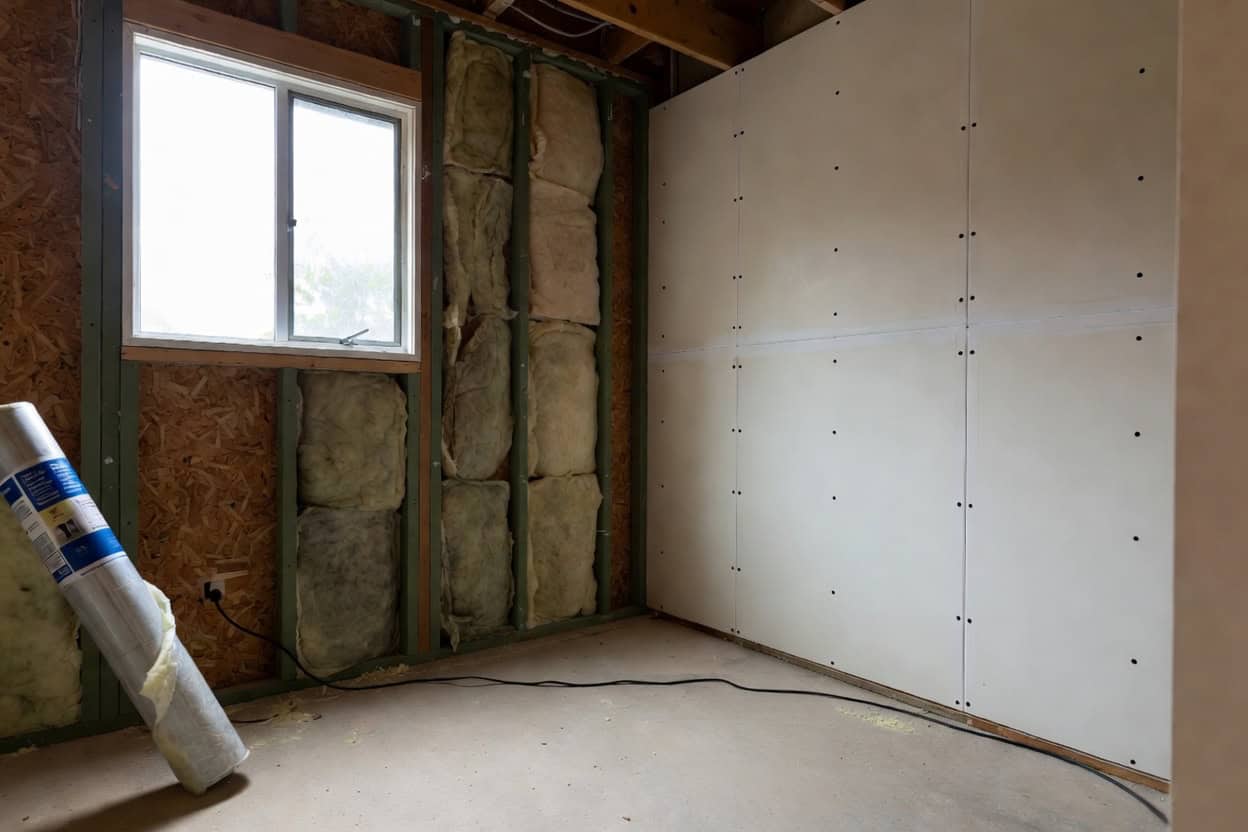
converted basement to bedroom
House Renovation

Auckland Basement Conversion: Dig-Out, Close-In, House-Lift

Basement Conversion in Auckland: The 3 Real Options Explained (Dig-Out, Under-House Close-In, House-Lift)

Quick answer: Most Auckland homes don’t have a true basement — they have under-house space. A basement conversion here usually means one of three things: closing in existing sub-floor space, excavating below the house, or lifting the house to add a basement entirely. Costs in 2026 range from around $40,000 to well over $500,000 depending on which one applies to your home.

If you’ve come from the UK or Australia and assumed a basement conversion in Auckland would work the same way it does back home — it doesn’t. The Auckland housing stock barely uses basements, and most of the online advice you’ll find is either UK-based (irrelevant to our Building Code) or vague NZ content that skips the bits that actually matter — consent, waterproofing, and what your section will physically allow.

We’ve handled basement and under-house conversions across Auckland for over a decade — from straightforward close-ins on a Titirangi hillside to full excavated additions on Mt Eden slopes. Below is the guide we wish existed when clients first walk into our Wairau Valley showroom asking the question: “Can we do a basement conversion?”

basement conversion 2 - Superior Renovations


Why Most Auckland “Basements” Aren’t Really Basements

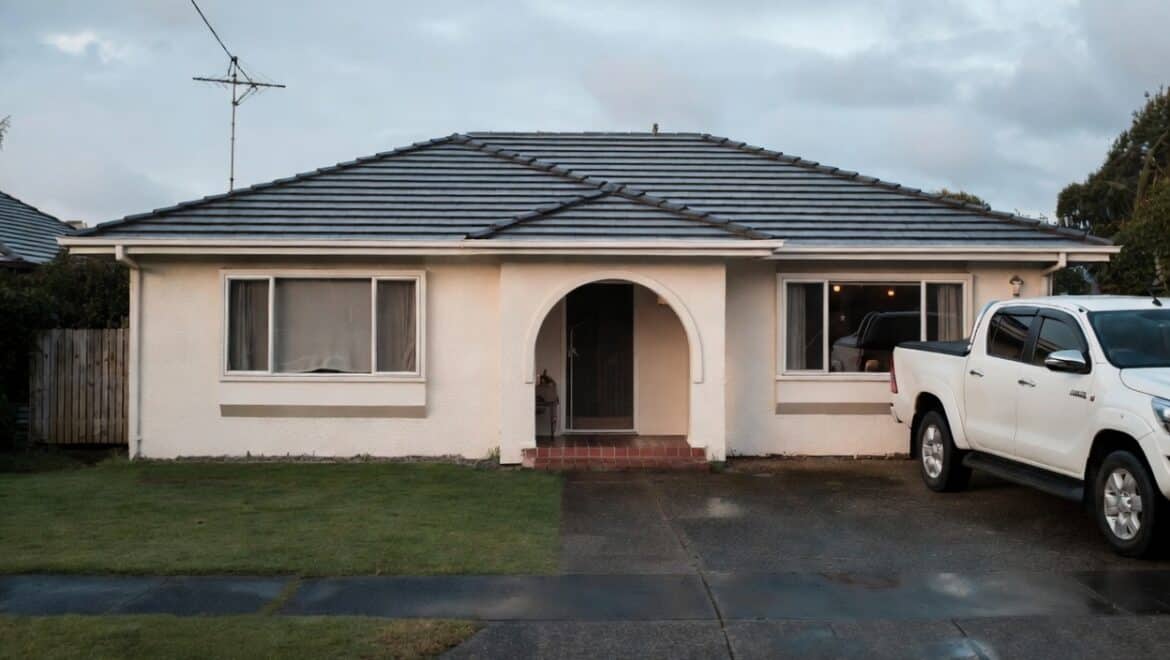
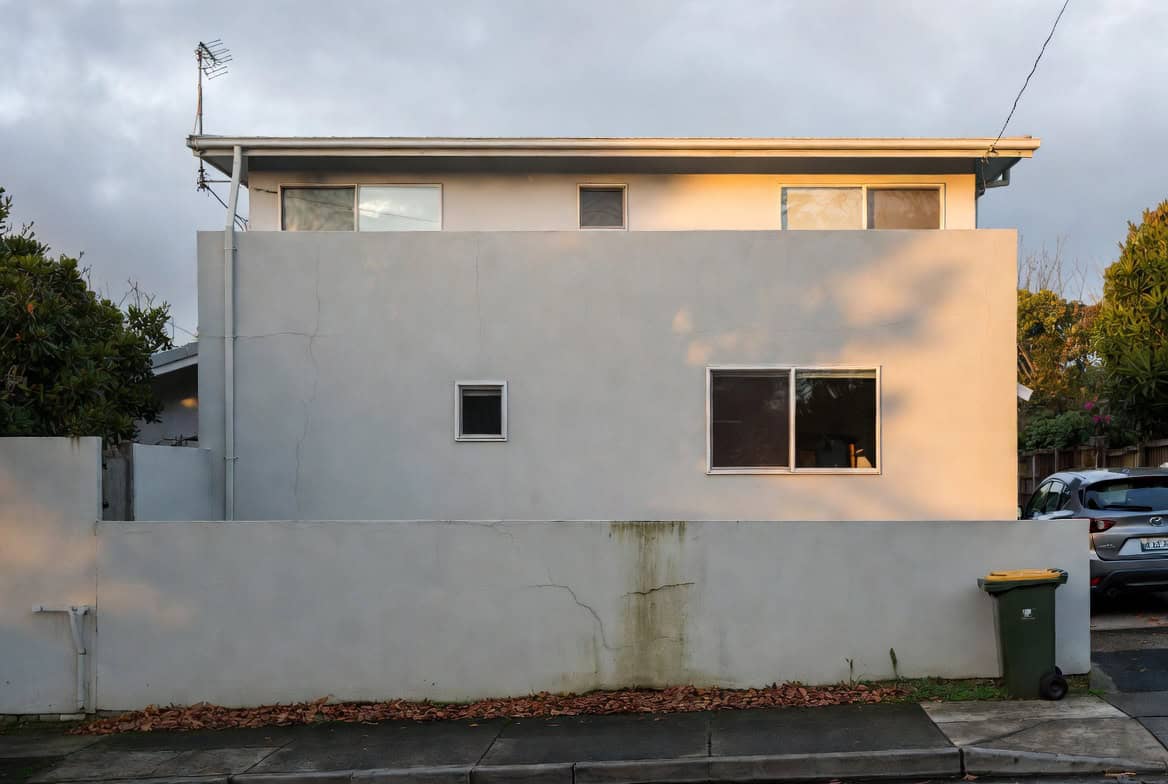
Walk through any street in Mt Eden, Grey Lynn, Titirangi or Birkenhead and you’ll see a lot of homes with what looks like a basement underneath. Most of them aren’t basements in any structural or regulatory sense — they’re sub-floor crawl spaces, partial under-house storage areas, or hillside enclosures. The distinction matters because it changes everything about what you’re allowed to do with the space.

The structural reality of Auckland housing stock

Auckland’s housing stock falls into a few broad camps. Pre-1940s villas and bungalows in suburbs like Ponsonby, Mt Eden and Grey Lynn typically sit on timber piles with a ventilated sub-floor underneath — anywhere from 600mm to 1.5m of clearance. That’s not a basement. It’s an air gap.

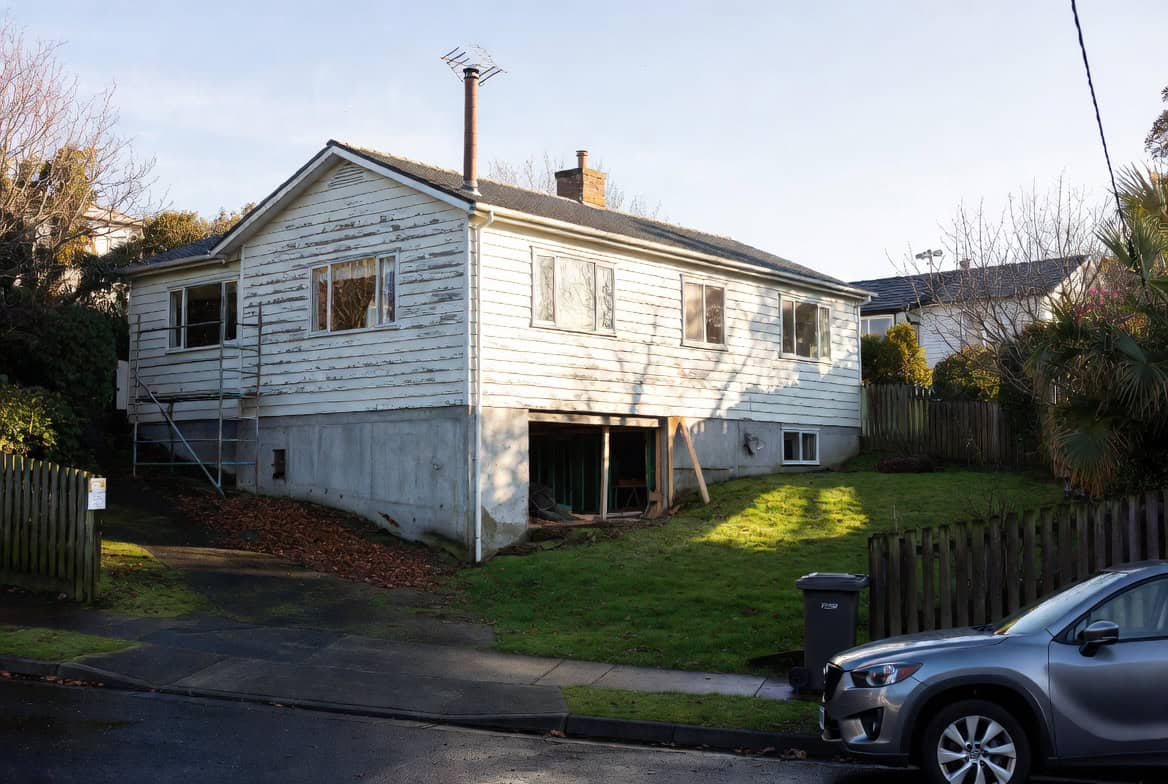
1970s and 80s homes on the slopes of Titirangi, Birkenhead, Devonport and Remuera are different. Hillside sections almost always have some form of under-house space — sometimes a concrete-walled half-basement, sometimes a stepped concrete pad, sometimes just a partial enclosure where the section drops away. These are the closest thing Auckland has to a true basement, and they’re the most common candidates for conversion.

New subdivisions in Hobsonville, Flat Bush and Millwater? Almost all slab-on-grade. No usable under-house space at all. If you want a basement on one of these homes, you’re looking at the most expensive option — lifting the house or excavating downward, which is rarely worth doing on a flat section when you could extend sideways for less.

Why we don’t build basements here in the first place

The reasons are practical, not regulatory. Auckland’s clay soil holds water, our rainfall is high (around 1,200mm a year), and our water table sits close to the surface in low-lying suburbs like Onehunga, Hillsborough and parts of the Eastern Bays. Building below ground means engineering a structure that can resist water pressure for the life of the building — and historically, that’s been more expensive than just building outward or upward.

The 2004 Building Act and the post-leaky-homes era reset on weathertightness made councils, designers and builders much more conservative about anything below ground. Add the cost of excavation in clay (it’s slow, wet work), retaining requirements, and the engineering needed to satisfy NZ Building Code Clause E2 (External Moisture), and you start to see why most Auckland renovations go sideways or up instead.

💡 Quick tip: Before you book a designer, get your Auckland Council property file. It’ll tell you the foundation type, original consents, and whether there’s anything noted about the under-house space. It costs around $35 and saves a lot of guesswork.

Which brings us to the framework that actually matters: not “can I have a basement?” but “which of the three basement conversion paths applies to my house?”


The 3 Real Basement Conversion Scenarios for Auckland Homes

Every basement conversion we’ve looked at in Auckland falls into one of three categories. The category your home fits into is set by the slope of your section, the type of foundation already in place, and the head height you’ve got to work with. It’s the single most important question to answer before anyone starts talking budget.

Scenario 1 — The Under-House Close-In (most common)

This is what 80% of Auckland “basement conversion” enquiries actually turn out to be. You’ve got an existing under-house space — usually on a hillside section in Titirangi, Mt Eden, Birkenhead, Northcote, Devonport, Hillsborough or Glendowie — with enough head height (usually 2.2m+) and some kind of existing perimeter wall. The job is to enclose it properly, weatherproof it, insulate it, run services, and turn it into habitable space.

You’re not excavating anything. You’re closing in what’s already there. The structural work is usually limited to confirming the existing foundations and slab can support the new loads, adding any retaining where the section is exposed, and tying the new walls into the existing structure.

The most common end uses we see for this scenario:

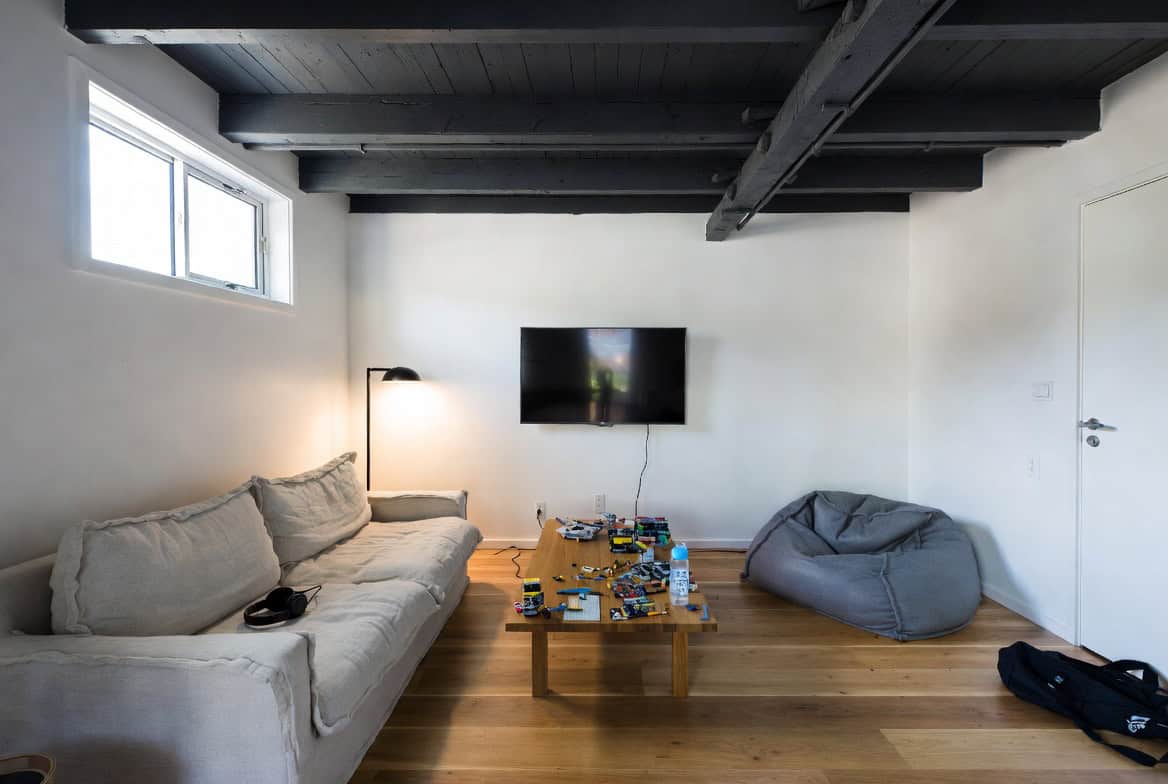
  • Teen retreat or rumpus room (kids leaving the nest but not quite gone)
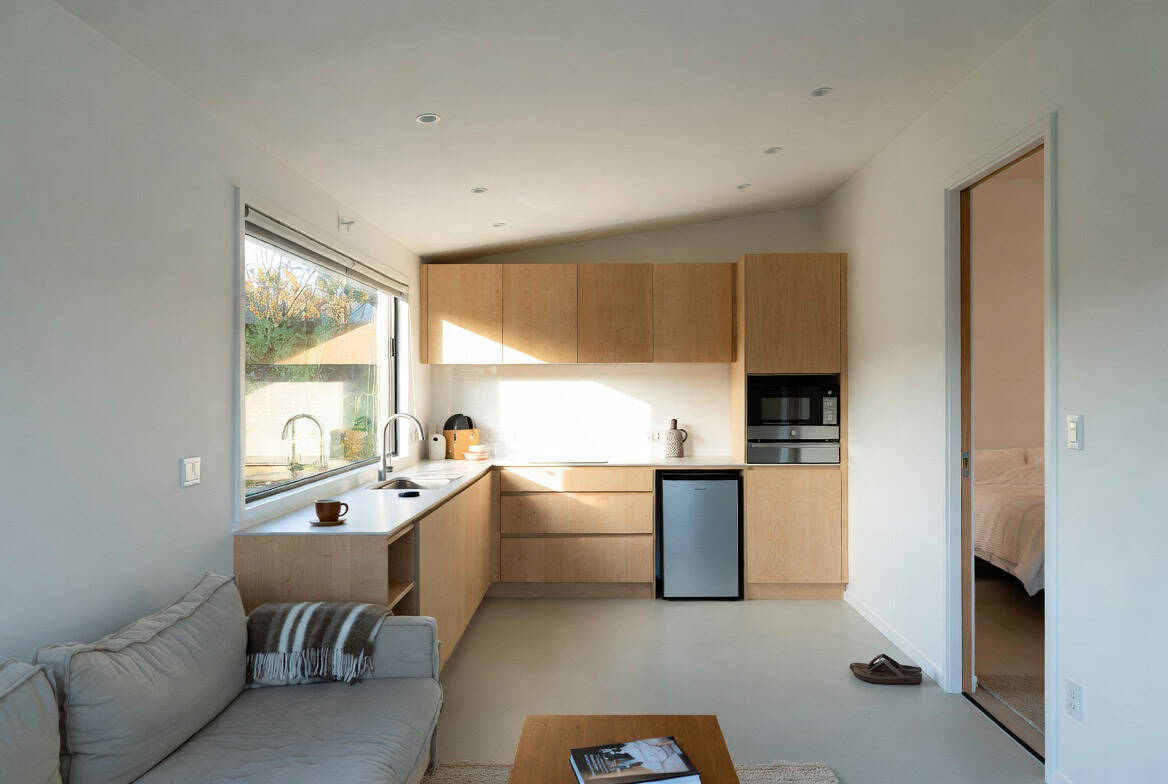
  • Self-contained flat or granny flat for ageing parents or rental income
  • Home office or studio with separate access
  • Wine cellar, gym or workshop (non-habitable conversions, lower compliance threshold)

Scenario 2 — The Dig-Out (excavate below existing structure)

This is where most of the UK-style “basement conversion” content goes wrong for Auckland. Excavating below your existing house — digging downward to create new space — is technically possible in Auckland but rarely makes financial sense. It’s specialist work involving structural underpinning, drainage redesign, and significant engineering.

You’d typically only consider this if:

  • You’re on a flat section in an inner-city suburb (Ponsonby, Herne Bay, Grey Lynn) where you can’t extend outward and council restrictions limit how high you can build
  • You own a heritage-listed villa where exterior changes are heavily restricted but interior floor area can be added below
  • The cost-per-square-metre still works out favourably against an extension — which is rare

Dig-outs are the most expensive of the three scenarios and the most likely to throw up surprises during construction — rotten piles, unrecorded services, perched water tables, or soil conditions that change halfway through excavation.

Scenario 3 — The House Lift (raise the house, build a basement under it)

Specialist contractors physically lift your house off its foundations, hold it on cribbing, pour a new foundation and basement walls underneath, then lower the house back down. This is rare in Auckland — but it’s done — usually on hillside sections where the slope already gives you partial basement potential and you want to formalise it as a full habitable floor.

We’ve seen it work well on weatherboard houses (lighter, easier to lift) on properties where the section drops away enough that the new basement walls are partially above ground on the downhill side. That gives you natural light, ventilation, and an exterior access door — three things a pure dig-out can’t easily deliver.

“The first thing I do on a basement enquiry is walk the perimeter of the house and look at the section. If the ground drops away by more than a metre on one side, we’ve usually got something to work with. If it’s flat, the conversation is almost always about extending out instead — the maths just doesn’t favour going down on a flat Auckland section.”
— Dorothy Li, Design Manager, Superior Renovations

💡 Quick tip: If you can stand up in your current under-house space without ducking, you’re probably in Scenario 1 (close-in). If you have to crouch but the floor space is significant and the section slopes, you might be in Scenario 3 (house lift). If neither applies, you’re almost certainly looking at Scenario 2 or a different renovation path entirely.

basement conversion 1 - Superior Renovations

Basement Conversion


Consent, the Building Code, and What Auckland Council Actually Requires

Here’s where most generic basement conversion content fails Auckland homeowners. Converting a non-habitable under-house space into a habitable room is one of the most consent-heavy renovations you can do. You can’t shortcut this, and you shouldn’t try — the Code Compliance Certificate at the end is what makes the new space legal, insurable, and saleable.

When you absolutely need building consent

You will need building consent from Auckland Council for a basement conversion any time you’re:

  • Reclassifying a non-habitable space (storage, garage, sub-floor) as habitable (bedroom, living room, kitchen, bathroom)
  • Adding plumbing or drainage
  • Changing the structural load on existing foundations or piles
  • Excavating below an existing structure
  • Adding a second self-contained dwelling (which counts as a “minor dwelling unit” under the Unitary Plan)

That’s almost every meaningful basement conversion. The Schedule 1 exemptions in the Building Act 2004 are narrow — replacing existing fixtures is exempt, but converting use is not.

The Building Code clauses that decide whether it works

Three NZ Building Code clauses do most of the heavy lifting on basement conversions:

  • Clause E2 — External Moisture. The big one. Any below-ground space has to be designed to prevent water ingress for the life of the building. In Auckland clay, that’s a specific engineering problem.
  • Clauses G4 and G5 — Ventilation and Interior Environment. Habitable rooms need adequate airflow and either natural or mechanical ventilation. Basements often need mechanical ventilation systems retrofitted.
  • Clause H1 — Energy Efficiency. The 2023 H1 update raised insulation requirements substantially. For a converted basement to meet H1, you’re typically looking at R-2.5 walls minimum and R-3.3 floors — not what was there before.

How resource consent and minor dwelling unit rules come in

If your basement conversion creates a second self-contained dwelling (kitchen + bathroom + separate entrance), the Auckland Unitary Plan rules around minor dwelling units kick in. The 2024 update made minor dwellings up to 60m² easier to consent in most residential zones — but you still need to meet site coverage, setback, and outlook rules.

This is where partnering with an architect saves time and money. For consent-heavy work, our process involves Sonder Architecture doing a feasibility study before any quoting happens — they pull the property file, check the LIM, walk the site, and confirm whether council will actually consent what you’re proposing. There’s no point pricing a job council won’t approve.

Important note: Don’t rely on what your neighbour did 15 years ago. The Building Code has tightened materially since the leaky homes era, and H1 changed again in 2023. What was once a quick “close in the under-house space and call it a bedroom” is now a full consented build with engineering.

basement conversion 3 - Superior Renovations

Basement Conversion


Real Auckland Basement Conversion Costs in 2026

Cost ranges vary dramatically by scenario. Anyone giving you a flat “$30,000–$50,000 for a basement conversion” figure is either talking about a cosmetic close-in of an already-dry space or hasn’t priced a proper Auckland job recently. Real costs depend almost entirely on which of the three scenarios applies, plus the waterproofing and structural conditions on your specific site.

Scenario 1 — Under-house close-in: $40,000–$90,000

For a 20–40m² conversion of existing under-house space with good head height, sound existing foundations, and no excavation required, you’re looking at $40,000–$90,000 in 2026. That’s a per-m² rate of roughly $2,000–$2,500, broadly in line with our published house extension rates for the lower-complexity end.

What’s included: new framing and gib lining, R-2.5 wall insulation, R-3.3 floor insulation, electrical, lighting, basic flooring, a single door and window where possible, ventilation, painting, and the consent work. What’s not included: any bathroom, kitchenette, or significant excavation — those push you into a different price bracket.

Scenario 2 — Dig-out / excavation: $150,000–$350,000+

Excavating below an existing house is the most expensive option per square metre. For 30–60m² of new dug-out space, expect $150,000–$350,000+ in 2026, which works out to $4,500–$6,500 per m². The cost drivers are:

  • Excavation in clay (slow, wet work, often requiring hand-digging close to foundations)
  • Structural underpinning of existing foundations to allow the dig
  • Drainage redesign — you’re now below the existing drainage line in most cases
  • Waterproofing membrane systems engineered for permanent below-ground exposure
  • Mechanical ventilation (basements rarely get adequate passive ventilation)
  • Engineering and consent costs ($15,000–$30,000+ for a project this size)

This scenario almost never makes sense on a flat section — sideways extension is cheaper per square metre. Where it works is heritage homes, tight inner-city sections, or properties where the building footprint is already maxed out.

Scenario 3 — House lift: $250,000–$500,000+

House-lifting is specialist work. Companies physically jack the house up, hold it on cribbing for weeks while the basement is built underneath, then lower the house back down. Costs for a typical 80–120m² Auckland weatherboard home start around $250,000 for the lift and basement structure alone, before you fit out the new space.

Add the basement fit-out (interior framing, services, finishes, bathroom/kitchenette if needed) and you’re easily into $400,000–$500,000+ for a complete habitable basement. The benefit is you get a full storey of new space — typically 60–100m² — and the existing house gets a fresh foundation in the process.

Where these figures come from and how to refine them

Our cost ranges above are based on completed Auckland projects across our team’s 1,000+ project portfolio, cross-checked against current 2026 supplier pricing and labour rates ($120–$150 per hour for qualified tradespeople in Auckland). Per-m² figures align with the BRANZ data on construction cost trends and recent Auckland tender returns.

Because basement conversions are so site-specific, the only way to get a real number is a feasibility assessment. Our house extension cost calculator is the closest tool we have — it gives you a ballpark for the Scenario 1 (close-in) range, though basement conversions usually need a site visit before any meaningful quote.

💡 Quick tip: Add 15–20% contingency to whatever your initial quote is. Basement and under-house conversions surface more surprises during the build than any other renovation type — rotten timber, undocumented services, perched water tables. Build the contingency in from day one so you’re not chasing money halfway through.

basement conversion 4 - Superior Renovations

Basement Conversion


Why Waterproofing Is the Deciding Factor in Auckland

If there’s one thing that separates a successful Auckland basement conversion from an expensive mistake, it’s waterproofing. Get it right and your converted space will stay dry, healthy and insurable for the life of the building. Get it wrong and you’ve created an indoor mould problem the council won’t sign off on and a future buyer’s pre-purchase inspection will flag.

The Auckland clay and rainfall problem

Auckland’s soil is dominated by clay — particularly the heavy East Coast Bays clay and the silty volcanic clays around the central isthmus. Clay holds water. It doesn’t drain like sand or gravel does. When 1,200mm of rain falls on it across the year, the moisture has to go somewhere — and if your basement is sitting in that clay, it’ll find your walls and floor unless they’re engineered to push it away.

Compounding this: many older Auckland homes were built without the waterproofing detailing that’s standard today. A house from the 1970s in Hillsborough might have a partial concrete-walled basement with no membrane, no drainage cavity, and no perimeter drain. Converting that to a habitable space without addressing the moisture pathway is asking for trouble.

What proper basement waterproofing looks like

For a habitable basement conversion in Auckland, you’re typically combining three layers of defence:

  1. External tanking or membrane. A waterproof barrier on the outside face of the basement wall, designed to stop water reaching the structure. Best installed during construction (Scenario 3) or excavation (Scenario 2). Hardest to retrofit on Scenario 1 close-ins.
  2. Cavity drainage system. A drained cavity behind an internal lining that captures any moisture that does penetrate and channels it to a sump and pump. This is the workhorse for Scenario 1 conversions where you can’t easily access the external face.
  3. Perimeter drainage at floor level. A subsoil drain around the footing that takes ground water away before it reaches the structure. Critical on hillside sections where water moves downhill toward the building.

What BRANZ recommends

BRANZ research on basement waterproofing in NZ conditions consistently emphasises that no single membrane is enough — successful below-ground waterproofing relies on redundancy. If your basement specification has only one line of defence against moisture, the design is too thin for Auckland conditions.

“I tell every basement client the same thing — your finishes are the easy part. The expensive part you can’t see is the waterproofing system, and that’s where you don’t cut corners. A beautifully designed basement that smells damp two winters in is a basement nobody uses.”
— Cici Zou, Designer (NZ Dip. Interior Design, Certified Designer), Superior Renovations


Designing a Basement Conversion That Actually Works

Once feasibility, consent and waterproofing are sorted, the design conversation begins. Basement spaces have a few quirks no other room in the house has, and getting the design right is the difference between a space the family actually uses and one that becomes the dumping ground.

Light, ventilation and head height

Three constraints define every basement design we work on. Natural light is the hardest to come by, ventilation has to be engineered rather than assumed, and head height is fixed by the original floor structure above.

For natural light, the options depend on the scenario. Hillside conversions (Scenarios 1 and 3) often have one or two exposed elevations where windows and doors can be added — that’s a huge advantage. Pure dig-outs (Scenario 2) usually need light wells, glass blocks, or skylights set into the floor above. None of these are cheap. None of them deliver the light a normal above-ground window would.

For ventilation, mechanical systems are usually mandatory. A balanced heat recovery ventilation (HRV or MVHR) system pulls fresh air in and exhausts stale air — important in any below-ground room because passive cross-ventilation is rarely achievable. Expect to budget $5,000–$12,000 for a properly specified system.

Head height is the constraint you can’t fix. The NZ Building Code requires a minimum 2.4m ceiling height for habitable rooms in most situations, with some exceptions. If your existing under-house space is 2.2m, you’ve either got to live with a reduced ceiling height (and accept the design limitations) or look at floor excavation to drop it lower — which moves you from Scenario 1 into Scenario 2 territory cost-wise.

What works as an end use

After 1,000+ Auckland renovations, the end uses we see succeed in basement conversions are reasonably narrow:

  • Self-contained flat or granny flat — works well when there’s separate exterior access. Strong rental yield potential ($350–$600 per week in most Auckland suburbs). The end result is similar to a garage conversion to a granny flat, with the upside of more separation from the main house.
  • Teen retreat / second living room — kids love them, particularly when they have their own entrance and don’t have to walk through the main house.
  • Home office or studio — quiet, separated from family noise, climate-stable.
  • Gym, wine cellar, workshop — non-habitable conversions are easier to consent and don’t need to meet the full habitable-room compliance suite.

What rarely works: main-house bedrooms or primary living rooms. The light limitation makes them feel cave-like, and the moisture risk in winter is higher than in above-ground spaces. If your basement is the new primary living area, the design has to work overtime to compensate.

💡 Quick tip: Spec the heating before you spec the flooring. Underfloor heating works beautifully in basements (the slab holds the heat), but it has to go in before the floor finish. Adding it later means tearing up what you’ve just installed.


The Basement Conversion Process — From Feasibility to Handover

For a consent-heavy job like a basement conversion, our process follows a specific sequence designed to surface problems early and avoid the classic mid-project budget blowout. The free in-home consultation is where it starts — but real numbers come after the feasibility work, not before.

Step 1: Free in-home consultation (week 1)

You book a consultation, we visit your home in Auckland, walk through the under-house space, and tell you which of the three scenarios you’re realistically looking at. This conversation is honest — we’ll tell you if the project doesn’t stack up financially compared to extending or staying put. No charge, no obligation.

Step 2: Property file and feasibility study (weeks 2–4)

You request your property file from Auckland Council (we can guide you through this). Sonder Architecture’s head architect, John, reviews the file, requests the LIM if needed, and arranges an on-site visit. He gives you a feasibility verdict — what’s achievable, what consent will look like, and an early-stage budget bracket.

Step 3: Concept design and architectural quote (weeks 4–6)

If feasibility comes back positive, you get concept drawings and a quote for the full architectural drawings needed for the consent submission. This is where the design conversation begins — layout, light, end use, finishes.

Step 4: Architectural drawings and consent submission (weeks 6–14)

Once you accept the architectural quote, Sonder produces the full set of drawings — structural, services, weathertightness details, the lot. These get submitted to Auckland Council for building consent. Council’s typical turnaround is 20 working days, though basement and below-ground work often takes longer because of the engineering review.

Step 5: Renovation consultant review and fixed-price proposal (weeks 14–16)

While consent is being processed, our renovation consultant walks the site again, measures, finalises the design choices, and puts together a fixed-price proposal. This is the number you’ll actually pay — not an estimate, not a range. Everything’s specified.

Step 6: Construction and handover (weeks 16–30+)

Once consent is issued and you’ve signed off on the proposal, the build starts. Timeline varies by scenario — a Scenario 1 close-in might take 8–12 weeks on site, while a Scenario 2 dig-out or Scenario 3 house lift can run 16–24 weeks. We project-manage everything through to Code Compliance Certificate (CCC) issued by Auckland Council, which is what makes the work officially legal and insurable.

basement conversion 1 1 - Superior Renovations

Basement Conversion


So Is a Basement Conversion the Right Move for Your Auckland Home?

For most Auckland homeowners on hillside sections with existing under-house space, a Scenario 1 close-in is one of the best square-metre investments you can make — somewhere between $40,000 and $90,000 buys you a functional extra room that genuinely adds to the way your home lives. For homes where a dig-out or house lift is on the table, the maths gets harder and the case has to be made on a site-by-site basis.

The single biggest mistake we see is people pricing a basement conversion before they’ve established which scenario they’re in. A flat $30,000–$50,000 number floating around online has almost no relationship to a real Auckland job. Get the feasibility right first. Then the budget conversation becomes possible.

If you’re weighing up a basement conversion against a single-storey extension, a second-storey addition, or a broader full home renovation in Auckland — that’s exactly the conversation we have with clients every week. The right answer depends on your house, your section, and what you actually want the space to do.

Book your free in-home consultation with Superior Renovations
Use our house extension cost calculator for an indicative budget range
Request a free feasibility report for your project


How much does a basement conversion cost in Auckland?

Costs in 2026 vary by scenario. An under-house close-in (existing space, no excavation) typically runs $40,000–$90,000. A dig-out below an existing house runs $150,000–$350,000+. A full house lift with new basement runs $250,000–$500,000+. The single biggest cost driver is which scenario your site actually supports — flat sections rarely make Scenarios 2 or 3 financially worthwhile against a simple extension.

Do I need building consent for a basement conversion in Auckland?

Yes, almost always. Reclassifying a non-habitable space (storage, sub-floor, garage) as habitable triggers full building consent under the Building Act 2004. So does any plumbing, drainage, structural change, or excavation. Schedule 1 exemptions are narrow and rarely apply to basement conversions. Auckland Council reviews the design against NZ Building Code Clauses E2 (moisture), G4–G5 (ventilation) and H1 (energy efficiency), plus structural compliance. Budget 8–14 weeks for consent on a typical job.

Are basements legal in New Zealand?

Yes, basements are legal — they're just rare. There's no rule against building or converting one. The reasons most Auckland homes don't have them are practical: clay soil, high rainfall, water table depth, and the cost-per-square-metre usually favours extending sideways or upward. Where basements do exist (mostly on hillside sections) converting them to habitable space is allowed provided the work meets the NZ Building Code and gets consented through Auckland Council.

What's the difference between a basement conversion and an under-house conversion?

In Auckland, they often mean the same thing. True basements (fully below ground on all sides) are uncommon. Most 'basement' conversions are actually under-house conversions — closing in an existing sub-floor or hillside space that's partially below ground on the uphill side. The conversion process and consent pathway is similar either way, but the cost is dramatically lower for under-house work than true below-ground excavation.

How much head height do I need for a habitable basement room?

The NZ Building Code requires a minimum 2.4m ceiling height for habitable rooms in most situations, with some allowances for sloping ceilings. Many existing under-house spaces in older Auckland homes have only 2.0–2.3m of clearance. You can either accept the constraint (the space may be unable to be classed as habitable), drop the floor (which moves you into excavation territory), or change the use to non-habitable (gym, storage, cellar) where the height rule is more flexible.

Will my house be insured if the basement isn't consented?

Unconsented work creates real insurance and resale problems. If your basement conversion was done without consent and a Code Compliance Certificate (CCC), your insurer may decline a claim related to the work, and a future buyer's pre-purchase inspection will flag the unconsented work as a major issue. Lawyers routinely require evidence of consent before settling. The cost of doing it properly with consent is dwarfed by the cost of trying to retrospectively legalise unconsented work — or worse, having to undo it.

Can I add a kitchen and bathroom to a basement conversion in Auckland?

Yes — but adding both creates a self-contained dwelling, which triggers Auckland Unitary Plan rules on minor dwelling units. The 2024 update made minor dwellings up to 60m² more straightforward to consent in most residential zones, provided you meet site coverage, setback and outlook rules. Resource consent may also apply depending on the zone. This is one of the most common reasons clients add a basement — to create a rental-yielding flat or family member dwelling.

How long does a basement conversion take from start to finish?

From first consultation to handover, plan for 6–9 months on a Scenario 1 (under-house close-in) job. That's roughly 14–16 weeks of design and consent, then 8–12 weeks on site. A Scenario 2 dig-out or Scenario 3 house lift typically takes 9–14 months total — longer design phase, longer consent review, and 16–24 weeks of construction. Adding contingency for council processing delays and weather is sensible.

Why don't more Aucklanders build basements?

Three reasons. First, soil and water — Auckland clay holds water and our rainfall is high, so below-ground construction is engineering-intensive. Second, cost — extending sideways or building up is almost always cheaper per square metre on a flat section. Third, history — the leaky homes era made the industry conservative about anything that could let moisture into a building, and below-ground work is harder to weathertight than above-ground. Where basements do appear, it's usually on hillside sections where they're partially exposed and the section's natural slope makes them feasible.

Can I convert my basement myself as a DIY project?

Some aspects yes, most aspects no. Painting, basic carpentry, and non-structural fit-out can be DIY. But any structural work, plumbing, drainage, electrical (beyond simple repairs), or weathertightness detailing requires Licensed Building Practitioner (LBP) involvement under the Building Act 2004. Restricted Building Work (RBW) categories cover most of what a basement conversion involves. Doing it without LBPs risks a Notice to Fix from Auckland Council, insurance issues, and resale problems.

What does a feasibility study cost and is it worth doing?

Our initial in-home consultation is free. The full feasibility study — including property file review, on-site assessment, and concept design from Sonder Architecture — is quoted after the consultation based on scope. Costs typically range from $1,500 to $4,000 depending on complexity. It's worth doing because the feasibility study is what turns a vague 'can we do this?' into a costed, consentable proposal. Skipping it usually means surprises and budget blowouts later.


Further Resources for your basement conversion

  1. Featured projects and Client stories to see specifications on some of the projects.
  2. Real client stories from Auckland

Need more information?

Take advantage of our FREE Complete Home Renovation Guide (48 pages), whether you’re already renovating or in the process of deciding to renovate, it’s not an easy process, this guide which includes a free 100+ point check list – will help you avoid costly mistakes.

Download Free Renovation Guide (PDF)


finance - Superior Renovations

Have you been putting off getting renovations done?

We have partnered with Q Mastercard ® to provide you an 18 Month Interest-Free Payment Option, you can enjoy your new home now and stress less.

Learn More about Interest-Free Payment Options*

*Lending criteria, fees, terms and conditions apply. Mastercard is a registered trademark and the circles design is a trademark of Mastercard International Incorporated.


Still have questions unanswered?

Book a no-obligation consultation with the team at Superior Renovations,
we’d love to meet you to discuss your renovation ideas!

    Services

    Home RenovationKitchen RenovationBathroom RenovationOutdoor RenovationHouse ExtensionCommercialDesign ServicesOther

    By submitting this form, you agree to receive communications from us via email or text regarding our services, you can unsubscribe at any time.

    This site is protected by reCAPTCHA and the Google

    Privacy Policy and Terms of Service apply.

    Auckland Renovation Industry
    Media

    Navigating New Zealand’s Renovation Industry: Key Trends, Challenges, and Tips for Homeowners – 2024

    Hey Kiwis, if you’re eyeing up a reno in Auckland or anywhere across NZ and wondering what’s shaking the industry heading into 2025, this rundown on the renovation scene is spot-on. Despite economic headwinds like high interest rates and material shortages slowing things down in 2024, the sector’s resilient—folks are prioritising upgrades over buying new amid sky-high house prices, with a big push towards sustainable, tech-savvy homes that handle our damp winters and quake risks better.

    What’s Driving (and Challenging) NZ’s Renovation Boom Right Now?

    It’s a mixed bag, eh? High housing costs mean more of us are staying put and renovating—full house refreshes, kitchens, and bathrooms top the list for adding value and comfort. Sustainability’s huge: Eco materials, energy-efficient tweaks like better insulation, and green certs are in demand to slash bills and future-proof against climate quirks. Tech’s creeping in too—BIM modeling and smart home integrations streamline projects in busy spots like Auckland. But challenges bite: Labour shortages, supply chain hiccups pushing up costs (think timber and concrete), and inflation cooling big spends. Building consents dipped in 2023 (down 11% to 45,159 new dwellings), with residential work forecast to bottom out around $28.9b in 2025 before climbing again.

    Which Reno Trends Are Hot for Kiwi Homes in 2025?

    Outdoor living’s still king—decks, patios, and gardens for those summer barbies, especially in coastal North Shore or suburban Albany pads. Inside, open-plan kitchens with modern fixtures, luxe bathrooms (matte black taps, anyone?), and full energy upgrades dominate. Affordable tweaks like flooring, painting, and maintenance are popular for quick wins without massive outlay. In Auckland’s tight market, extensions or garage conversions add space smartly. Overall, the vibe’s resilient: Focus on disaster-proofing (earthquakes, floods post-Gabrielle), zoning changes for denser housing, and potential grants for green renos to ease the pinch.

    How Can You Navigate Costs and Delays Without Getting Stung?

    Plan smart—get multiple quotes from licensed pros, build in 15-20% contingency for surprises, and chat contingencies upfront. Research credentials, reviews, and portfolios; clear contracts are gold. With costs rising but easing slightly into 2025, lock in early. For companies like us at Superior Renovations, it’s about staying flexible with suppliers and communicating delays straight-up.

    Keen to jump on a reno that boosts your home’s value and suits our changing climate? Drop us a line at Superior Renovations for a free chat—what trend’s got you excited for 2025?

    If you’ve been keeping an eye on the construction and renovation scene in New Zealand, you know it’s been a wild ride lately. Whether you’re planning a major home upgrade or just curious about the market, it’s crucial to stay informed about the latest trends and challenges. We’ve sifted through the latest articles from NZ Herald, Stuff, RNZ, and 1 News to bring you the most important insights. Let’s dive into what’s been happening and why it matters for you.

    In this article, we’ll explore:

    1. Overall Consensus: What’s the big picture in the industry right now? We’ll talk about the major challenges like economic slowdowns, labor and material shortages, and new government regulations. Understanding these factors will help you make informed decisions about your renovation projects.
    2. Common Trends: The industry is evolving with some exciting trends, such as sustainable building practices, the integration of new technologies, and a strong focus on affordable housing. These trends not only affect the industry but also offer new opportunities and solutions for homeowners.
    3. Future Outlook: What does the future hold? We’ll discuss the expected economic uncertainties and how they might impact your renovation plans. Plus, we’ll look at how resilience and new policies might shape the industry moving forward.

    Why Is This Important?

    Staying up-to-date with these developments is crucial for several reasons:

    • Planning and Budgeting: Knowing about current trends and potential future changes helps you plan your projects more effectively and budget wisely.
    • Avoiding Pitfalls: Understanding the challenges can help you avoid common pitfalls like unexpected delays or cost overruns.
    • Making Informed Choices: Being aware of new technologies and sustainable practices allows you to make choices that are not only good for your home but also for the environment.

    By the end of this article, you’ll have a comprehensive understanding of the current state of the renovation and construction industry in New Zealand, the trends shaping it, and what you can expect in the near future. Whether you’re a homeowner looking to renovate or someone simply interested in the market, these insights will equip you with the knowledge to navigate the industry’s complexities. Let’s get started!

    Key Trends and Insights from the news

    We had a look at some of the articles from NZ Herald, Stuff, RNZ, and 1 News, here is the overall consensus and common trends we noticed about the renovation and construction industry in New Zealand over the past six months:

    Overall Consensus

    1. Challenges and Slowdown:
      • The industry has faced significant challenges, primarily due to the economic impacts of inflation and increased interest rates. This has resulted in reduced consumer spending on large-scale renovations and new constructions .
    2. Labour and Material Shortages:
      • Ongoing shortages of skilled labor and construction materials have exacerbated delays and increased costs. The shortages are a continuation of issues that began during the COVID-19 pandemic and have yet to fully resolve .
    3. Government and Regulatory Changes:
      • There have been several regulatory changes aimed at easing the housing crisis, including alterations to zoning laws to allow for higher-density housing. These changes are intended to stimulate the construction of new homes, particularly in urban areas .

    Common Trends

    1. Sustainability and Green Building:
      • There is a growing trend towards sustainable and energy-efficient building practices. This includes the use of eco-friendly materials and designs that minimize environmental impact. Builders and consumers alike are showing increased interest in green building certifications and energy-efficient home features .
    2. Technological Integration:
      • The adoption of new technologies, such as Building Information Modeling (BIM), virtual reality, and drone surveying, is becoming more prevalent. These technologies are helping to streamline project management, reduce costs, and improve accuracy in construction .
    3. Focus on Affordable Housing:
      • Addressing the housing affordability crisis remains a key priority. There has been a concerted effort by both the government and private sector to increase the supply of affordable housing. This includes not only new builds but also the renovation of existing properties to make them more affordable .

    Outlook for the Future

    1. Continued Economic Uncertainty:
      • The industry is expected to continue grappling with economic uncertainties. High interest rates and inflation are likely to persist, potentially dampening growth in the short term. However, there is cautious optimism that as these economic pressures ease, the market will stabilize .
    2. Increased Focus on Resilience:
      • Future construction projects are likely to emphasize resilience against natural disasters and climate change. This includes incorporating design features that enhance durability and safety, particularly in regions prone to earthquakes and extreme weather .
    3. Policy and Incentives:
      • There is potential for new policies and incentives to further support the construction industry. This could include tax incentives for sustainable building practices, grants for affordable housing projects, and initiatives to attract more workers to the industry .

    The renovation and construction industry in New Zealand is currently navigating a challenging landscape marked by economic pressures, material and labor shortages, and regulatory changes. However, trends towards sustainability, technological integration, and a focus on affordable housing are driving innovation and resilience. The outlook suggests a period of adjustment and potential stabilization as economic conditions improve and new policies are implemented.

    What Are The Numbers Saying? We take a look at the Stats

    Increased Renovation Activity

    The residential renovation sector in New Zealand has been buoyant, with many homeowners opting to upgrade their properties. This surge is partly due to the increasing cost of buying new homes, making renovations a more appealing option for improving living spaces. As per the NZ Herald, there has been a marked increase in both minor and major renovation projects across the country.

    Impact of Economic Factors

    Several economic factors have influenced the renovation industry:

    1. Consumer Spending: Consumer spending in New Zealand has generally been robust, supporting higher expenditure on home renovations. The NZ Herald highlights that even amid economic uncertainties, many households prioritize spending on improving their homes.
    2. Gross Domestic Product (GDP): The GDP growth in New Zealand has correlated positively with the renovation industry. A healthy economy typically boosts consumer confidence, leading to more spending on home improvement projects.
    3. Inflation: Rising inflation has had a mixed impact. On one hand, higher costs for materials and labor have increased the overall cost of renovations. On the other hand, it has prompted some homeowners to renovate sooner rather than later, anticipating further price hikes.
    4. Interest Rates: The fluctuation of interest rates has significantly affected renovation lending. Lower interest rates over recent years have made borrowing more affordable, encouraging homeowners to finance their renovation projects through loans. However, as interest rates begin to rise, this trend could potentially slow down.
    5. Official Cash Rate (OCR): Changes in the OCR set by the Reserve Bank of New Zealand have influenced mortgage and loan interest rates. Lower OCRs in recent years have supported the affordability of loans for renovations, but any future increases might dampen this effect.

    Correlations and Concerns

    The renovation industry shows strong correlations with broader economic conditions. Consumer confidence and spending patterns directly impact the volume of renovation projects. Economic stability encourages more significant investments in home improvements, while economic downturns or increased costs can lead to caution among homeowners.

    One notable concern for both companies and individuals considering renovations is the potential for rising costs. As reported by the NZ Herald, supply chain disruptions and increased demand for materials have driven up prices, which could deter some homeowners from embarking on extensive renovations. Additionally, the prospect of higher interest rates may make financing these projects more expensive, potentially slowing down the industry’s growth.

    Key Areas for Concern

    For companies in the renovation industry, maintaining a balance between competitive pricing and profitability is crucial amidst fluctuating material costs and labor shortages. Homeowners, on the other hand, need to carefully consider the timing of their projects and secure financing options that will remain affordable even if interest rates rise.

    Overall, the New Zealand residential renovation industry remains vibrant, with positive growth trends supported by strong economic factors. However, careful attention to economic indicators and strategic planning will be essential for navigating future challenges.

    What’s Been Happening?

    Over the past five years, New Zealand’s residential renovation scene has seen quite a few ups and downs.

    1. Building Consents:
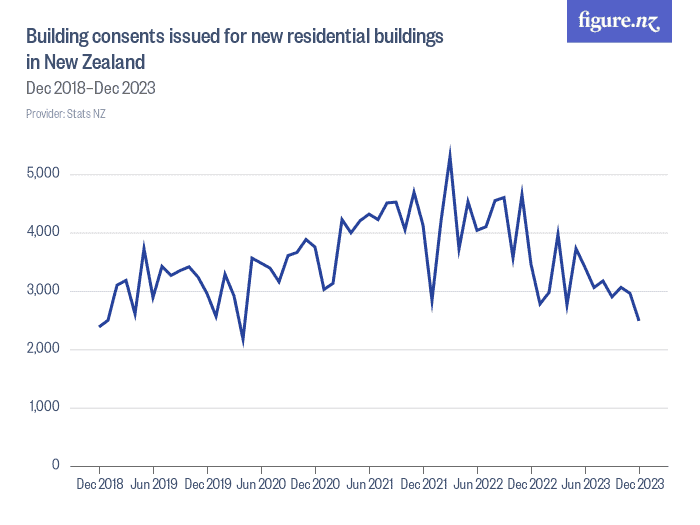
      • Imagine the flurry of activity in 2021 and 2022 when heaps of people were getting their building consents sorted. Then, in 2023, things slowed down a bit, with about 45,159 new dwellings getting the green light. That’s 11% less than the previous year​ (Stats NZ)​.
      • The amount of building work, especially for homes, kept climbing. By mid-2022, the volume of residential construction work was up by 3.2% compared to earlier in the year​ (Stats NZ)​.
    2. Rising Costs:
      • One big headache has been the rising costs. Whether it’s lumber, concrete, or labor, everything’s getting pricier. Supply chain issues, which were made worse by the pandemic, have been a major factor here​ (Stats NZ)​.
    3. Housing Market Trends:
      • The housing market itself has been all over the place. While more homes were being built, the actual rate per 1,000 residents started dipping. So, even though more consents were being issued, it wasn’t quite keeping up with population growth​ (Stats NZ)​​.

    Building Consents Statistics (past five years)

    Building consents issued for new residential buildings in New Zealand - Superior Renovations

    Description: This table summarizes the fluctuation in building consents over the past five years, indicating trends in residential construction activity.

    What’s the Big Deal?

    1. Economic Uncertainty:
      • The economy has a big say in how much renovating people do. When times are tough or uncertain, like during the COVID-19 pandemic, folks are less likely to dive into big renovation projects because of financial worries.
    2. Material and Labor Shortages:
      • The link between global supply hiccups and rising costs is pretty clear. When materials are hard to come by or more expensive, it jacks up the overall cost of renovation projects.
    3. Regulations:
      • Tighter building regulations mean more hoops to jump through, which can make renovations more expensive and complicated.

    Impact of Economic Factors on Renovation Industry

    Economic Factor Impact on Renovation Industry
    Consumer Spending Supports higher spending on home improvements, even during economic uncertainties.
    GDP Growth Correlates positively with increased consumer confidence and spending on renovations.
    Inflation Increases costs for materials and labor, prompting earlier renovations to avoid higher expenses.
    Interest Rates Lower rates make borrowing affordable, stimulating renovation activity.
    Supply Chain Disruptions lead to increased costs and project delays due to material shortages.

    What Should You Watch Out For?

    1. Budget Blowouts:
      • With costs climbing, budget overruns are becoming a real issue. This can be a huge strain for homeowners and lead to projects that are left hanging or unfinished.
    2. Market Fluctuations:
      • The number of building consents going up and down suggests the market is a bit unpredictable. Companies need to stay nimble to keep up with these shifts.
    3. Availability of Resources:
      • Shortages in labor and materials not only bump up costs but can also delay projects, which is a headache for both contractors and homeowners.

    The impact of overseas imports of building supplies and materials on New Zealand’s residential renovation industry has been significant, particularly in terms of costs and delays. The construction sector has faced substantial challenges due to supply chain disruptions, which have been exacerbated by global events and logistical issues.

    One of the key issues is the rising cost of imported building materials. Due to a combination of high international demand, shipping constraints, and tariffs, the prices for essential construction supplies have surged. For example, according to a report in the NZ Herald, the cost of timber, a critical material in residential construction, has skyrocketed, significantly affecting the overall cost of renovations in New Zealand. This price hike is a result of both global shortages and increased shipping costs.

    Moreover, delays in the delivery of these materials have been another major concern. The pandemic has caused significant disruptions to global supply chains, leading to prolonged delivery times. Builders and renovators in New Zealand have frequently faced project delays due to these extended shipping times. The NZ Herald highlighted instances where projects have been stalled for months waiting for essential materials to arrive, causing frustration for both contractors and homeowners.

    The combined effect of increased costs and delays has had a ripple effect throughout the renovation industry. For companies, the unpredictability of material costs and availability has made it challenging to provide accurate quotes and timelines to clients, which can strain client relationships and affect business reputations. For homeowners looking to renovate, these issues have translated into higher project costs and longer wait times, sometimes leading to the postponement or scaling back of planned renovations​.

    Addressing these supply chain challenges requires a multifaceted approach, including diversifying supply sources, improving local production capabilities, and better managing project timelines to account for potential delays. Companies and individuals planning renovations should stay informed about these ongoing issues and adjust their plans and budgets accordingly to mitigate the impact of these external factors on their projects.

    Tips for Homeowners and Companies

    For homeowners thinking about renovating:

    • Plan for Higher Costs: Expect prices to go up and build a buffer into your budget.
    • Be Ready for Delays: Projects might take longer than expected due to resource shortages.
    • Hire Experienced Contractors: They can navigate these challenges better and keep your project on track.

    For renovation companies:

    • Stay Flexible: Have plans that can adapt to changing costs and supply issues.
    • Communicate Clearly: Keep your clients in the loop about potential delays and cost changes to manage their expectations.
    • Optimize Resources: Look for alternative suppliers and manage your resources efficiently to keep things moving smoothly.

    What shifts/trends are we noticing in renovations?

    When diving into specific trends within New Zealand’s residential renovation industry, several key areas have shown notable demand over recent years. Here’s a breakdown of what homeowners are prioritizing:

    1. Full House Renovations: Comprehensive renovations are increasingly popular, especially among those purchasing older homes or looking to modernize their living spaces significantly. These projects often aim to improve energy efficiency and update outdated interiors, reflecting a growing trend towards sustainable living and modern aesthetics.
    2. Outdoor Renovations: The pandemic has heightened interest in creating functional outdoor living spaces. Homeowners are investing in decks, patios, and gardens to enhance their home’s usability and aesthetic appeal. The inclusion of outdoor kitchens and entertainment areas has also seen a surge as people seek to maximize their property’s potential for hosting and leisure​.
    3. Bathroom Renovations: Bathrooms remain a top priority for renovations due to their high use and impact on home value. Updates often include installing new fixtures, improving storage with custom cabinetry, and enhancing overall aesthetics with modern tiling and lighting solutions.
    4. Kitchen Renovations: Kitchens are frequently renovated to improve functionality and incorporate modern design elements. Popular updates include custom cabinetry, new countertops, energy-efficient appliances, and better lighting. The trend towards open-plan kitchen designs continues to gain traction, aligning with the broader movement towards more communal and versatile living spaces.
    5. Design Services: As homeowners aim for personalized and unique spaces, there’s a growing demand for professional design services. These services help tailor renovations to individual tastes and ensure a cohesive aesthetic throughout the home. The involvement of designers is particularly noticeable in high-end renovations where bespoke solutions are a priority.
    6. Maintenance Services: Regular maintenance has become essential, particularly in older homes. Services such as roofing, plumbing, and electrical updates ensure safety and efficiency, preventing costly repairs in the future.
    7. Flooring: Upgrading flooring is a common renovation project, with many opting for durable, easy-to-maintain materials like hardwood, laminate, or high-quality tiles. This trend reflects a desire for long-lasting, aesthetically pleasing solutions that enhance the overall look and feel of a home.
    8. Painting Services: Interior and exterior painting remain popular as they offer a relatively affordable way to refresh a home’s appearance. Professional painting services are often sought to ensure high-quality finishes and the latest color trends are applied correctly.
    9. Consent Related Renovations: Renovations requiring council consent, such as structural changes or additions, are steadily rising. These projects tend to be more complex and involve extensive planning and compliance with local regulations.
    10. Designer/High-End Renovations: There’s a significant market for high-end renovations that focus on luxury and bespoke elements. These projects often include custom-built furniture, high-quality materials, and cutting-edge technology to create unique, sophisticated living environments.

    Overall, the demand for renovation services in New Zealand is diverse and reflects a broader trend towards enhancing both the functionality and aesthetics of residential properties. Homeowners are increasingly willing to invest in their living spaces, driven by a desire for comfort, efficiency, and personal expression.

    Our Most Popular Types of Renovation Projects this Year

    Description: This table highlights the types of renovation projects popular among homeowners in New Zealand, reflecting current trends and preferences.

    Type of Renovation Description
    Full House Renovations Comprehensive updates to older homes for modernization and energy efficiency.
    Outdoor Living Spaces Investments in decks, patios, and gardens for enhanced outdoor living.
    Bathroom Renovations Updates include new fixtures, storage solutions, and modern aesthetics.
    Kitchen Renovations Focus on functionality with new appliances, countertops, and open-plan designs.
    Design Services Utilization of professional designers for personalized and cohesive aesthetics.

    Here are some tips and advice for homeowners:

    Choosing the right renovation company in the current economic climate requires careful consideration and strategic planning.

    Research and Recommendations

    • Seek Recommendations: Start by asking friends, family, and neighbors for recommendations. Personal experiences can provide valuable insights into a company’s reliability and quality of work.
    • Online Reviews: Check online reviews on platforms like Google, Facebook, and trade-specific sites. Look for consistent positive feedback and note how the company responds to any negative reviews.

    Check Credentials and Experience

    • Licensing and Insurance: Ensure the company is properly licensed and insured. This protects you from any liability in case of accidents or damages during the renovation process .
    • Experience and Specialization: Choose a company with extensive experience, especially in the type of renovation you are planning. A company specializing in kitchen renovations, for example, will have different expertise compared to one that focuses on outdoor projects.

    Request Detailed Quotes

    • Multiple Quotes: Obtain quotes from at least three different companies. This allows you to compare pricing and services offered. Be wary of quotes that are significantly lower than others; they might be cutting corners or may include hidden costs .
    • Detailed Breakdown: Ensure the quotes include a detailed breakdown of what it includes, labor, materials, and any additional fees. This transparency helps avoid unexpected expenses later on .

    Evaluate Communication and Professionalism

    • Initial Interaction: Pay attention to how promptly and professionally the company responds to your initial inquiries. Good communication is crucial throughout the renovation process .
    • Project Management: Ask about their project management process. A company that provides a dedicated project manager can streamline communication and coordination, ensuring the project stays on track .

    Assess Past Work

    • Portfolio Review: Review the company’s portfolio of completed projects. This gives you a sense of their style, quality of work, and attention to detail.
    • References: Request references from previous clients and take the time to contact them. Hearing about their experiences can give you confidence in your choice .

    Understand Contracts and Warranties

    • Clear Contract: Ensure the company provides a clear, comprehensive contract that outlines the scope of work, timelines, payment schedules, and terms. Avoid companies that are unwilling to provide a written agreement .
    • Warranties and Guarantees: Inquire about warranties on both labor and materials. A company that stands behind its work will offer warranties, giving you peace of mind regarding the longevity and quality of the renovation.

    Financial Stability

    • Economic Stability: Consider the financial stability of the company. Established companies with a stable financial background are more likely to complete the project without issues related to budget shortfalls. This might be a bit harder to get information on, but you can ask how many projects do they have running at the moment and what their working capacity is like to get a gauge on their volume/ availability. Some companies may also provide a letter of assurance (from their accountant) to confirm their financial viability/sustainability.

    Flexibility and Adaptability

    • Adaptability: In the current economic climate, flexibility is key. Choose a company that can adapt to changing circumstances, such as supply chain disruptions or fluctuating material costs.
    • Contingency Planning: Discuss contingency plans for potential delays or unexpected issues. A proactive approach can prevent minor issues from becoming major setbacks .

    So there you have it! The renovation and construction industry in New Zealand is navigating some choppy waters, but it’s also brimming with exciting opportunities. Whether you’re dreaming of a full house makeover or just sprucing up your kitchen, being aware of the current trends and challenges can help you make smarter decisions.

    Remember, the industry is dealing with economic pressures, labor and material shortages, and changing regulations. But on the flip side, trends like sustainability, technological integration, and a focus on affordable housing are driving innovation and resilience.

    As we look ahead, there’s a mix of cautious optimism and the need for adaptability. The future might bring more economic uncertainties, but also new policies and incentives to support the industry.

    If you’re planning a renovation, make sure to do your homework, plan for potential hiccups, and consider seeking advice from experts. And most importantly, enjoy the process of transforming your home into the space you’ve always wanted.

    Thanks for reading, and happy renovating!

    Note: The information provided in this article is based on our perspective as a renovation company (Superior Renovations) and is limited to our knowledge of the renovation and construction industry in Auckland and New Zealand. We are not financial advisors or economists, and the insights shared here are for informational purposes only. We strongly recommend that readers seek professional advice from qualified experts before making any financial decisions related to renovations or construction projects.

    What factors are driving the surge in residential renovations in New Zealand?

    Homeowners increasingly opt for renovations due to soaring housing costs, making upgrading existing properties more appealing financially.

    How has consumer spending impacted the renovation industry in New Zealand?

    Robust consumer spending has supported higher investment in home improvements despite economic uncertainties, as reported by the NZ Herald.

    What role does GDP growth play in the New Zealand renovation sector?

    Positive GDP growth correlates with increased consumer confidence and higher spending on home renovation projects.

    How has inflation affected the residential renovation industry in New Zealand?

    Rising inflation has led to higher costs for materials and labor, prompting some homeowners to renovate sooner to mitigate future price increases.

    How have supply chain disruptions affected the cost and timeline of renovation projects in New Zealand?

    Supply chain disruptions, exacerbated by global events, have driven up material costs and caused delays, significantly impacting project budgets and timelines.

    What are the key trends in types of renovation projects being undertaken in New Zealand?

    Comprehensive renovations, outdoor living spaces, and updates to kitchens and bathrooms are among the popular renovation trends driven by modernization and sustainability

    What should homeowners watch out for in the current renovation market?

    Homeowners should anticipate budget overruns, market fluctuations in building consents, and potential delays due to shortages in labor and materials.

    How can homeowners choose the right renovation company amidst economic uncertainties?

    Researching credentials, checking reviews, obtaining detailed quotes, and assessing past work are crucial steps to ensure quality and reliability.


    finance - Superior Renovations

    Have you been putting off getting renovations done?

    We have partnered with Q Mastercard ® to provide you an 18 Month Interest-Free Payment Option, you can enjoy your new home now and stress less.

    Learn More about Interest-Free Payment Options*

    *Lending criteria, fees, terms and conditions apply. Mastercard is a registered trademark and the circles design is a trademark of Mastercard International Incorporated.


    Still have questions unanswered?

    Book a no-obligation consultation with the team at Superior Renovations,
    we’d love to meet you to discuss your renovation ideas!

      Services

      Home RenovationKitchen RenovationBathroom RenovationOutdoor RenovationHouse ExtensionCommercialDesign ServicesOther

      By submitting this form, you agree to receive communications from us via email or text regarding our services, you can unsubscribe at any time.

      This site is protected by reCAPTCHA and the Google

      Privacy Policy and Terms of Service apply.

      ​From the very first consultation, our experience with this team has been nothing short of stellar.

      ​Working with Eunice, our sales consultant, set a high bar for the rest of the project.
      Eunice is truly exceptional at what she does. When we first began our kitchen project, we went through several versions of our floor plan, and she was with us every step of the way—from the initial planning stages right through to the final concept. Her patience and dedication during the design process were remarkable.
      Throughout the project, Eunice provided:
      * **Invaluable Suggestions:** She has a keen eye for both aesthetics and functionality, pointing out details we never would have considered on our own.
      * **Seamless Adjustments:** No matter how many tweaks we requested, she handled every change with professionalism and a "can-do" attitude.
      * **Expert Guidance:** She transformed our vague ideas into a cohesive, stunning reality.

      ​Once the planning was complete, Neil, our project manager, took the reins and truly blew us away. Neil is a consummate professional who balances technical expertise with fantastic communication.
      ​ He kept us informed at every stage, ensuring we knew exactly what to expect and when.
      Whenever a minor pivot was needed, Neil handled it with grace and efficiency, keeping the timeline on track.
      His standards for the renovation work were incredibly high, ensuring the final result was polished and beautiful.

      ​The transition from Eunice’s initial planning to Neil’s execution was flawless. If you are looking for a team that combines design expertise with top-tier project management, look no further. We are absolutely thrilled with our new kitchen and new flooring !
      Superior Renovations has just finished a complete remodel of my bathroom. I can see, why the company has such a high reputation. At every stage, from sales, design, project management, and execution, the company excelled at every point. I am just so happy with the work that they have done and they have exceeded my expectations at every point.
      Used Superior for a kitchen and bathroom renovation last year. They did an excellent job updating both rooms, communication was excellent ongoing tjrough the project, they coordinated all the tradies, synchronized so there was little downtime, and it all worked exactly as planned and on budget. Was really glad we chose Superior Renovations and plan to use again for our entrance way at some stage.
      As I said to my work colleagues ‘I have just had the most pleasant experience’. When they realised it was with renovations at home they were shocked - ‘unheard of’ I was told.
      Everything went to plan - timing, project management, costs, etc, etc. Neil communicated with me daily and made my whole bathroom renovation a pleasure.
      The best decision I made was choosing Superior Renovations.
      Thank you Kevin for our initial connection and for passing me on to Neil to manage the whole process.
      We just finished a bathroom renovation and couldn’t be happier with the results. The craftsmanship is top-notch, and the attention to detail in the tiling and finishing is impressive. The team was professional, kept the workspace clean, and delivered exactly what we envisioned. Highly recommend them for anyone looking for a high-quality transformation.
      Superior did an excellent job of renovating our ensuite. Project manager Jacob was easy to work with and communications were good.
      This is our second review for Superior Renovations. They have done two projects earlier this year and we were so impressed by the work they have finished. After discussing and very careful consideration, we decided to go with more projects with them. So far, they have now completed stage 1 renovation of our house. We still amazed for their knowledge and services; they really listen to us and discuss anything with us if they feel/think could be better…
      From the first day we work with them, we have no issue with them at all, from communication, discussing, designing to the teams working on the site.
      Especially we are highly recommended to those who are considering doing the house renovation, please contact them and you will know why we are so pleased to have them to do our house renovation.
      We are thanking Cici, Neil and the teams so much….
      We are looking forward to seeing what the outcome will be.

      David and Emily
      We recently had our bathroom renovated by Superior Renovations and couldn’t be happier with the experience. Dorothy and Neil were an absolute pleasure to work with. They guided us through every step of the process, making what can be a stressful experience feel smooth and straightforward.
      The quoting process was transparent and detailed, with no hidden fees or surprises. Neil was incredibly responsive and always available whenever we had questions or requests, which gave us real peace of mind throughout the project. We really love the end result and enjoy our new bathroom!
      We’ll definitely be returning to the Superior Reno team for our next project. Highly recommended!
      Our bathroom reno has just been completed & I am so happy. The whole process was easy & hassle free. Alison designed our bathroom & was very patient with our changes/then changes back again. Jacob our project manager was a delight to deal with. He always kept us informed of the scheduling & any other information we may have needed. All the tradies worked hard & the job was completed & signed off within 3 weeks. That's demo, full tiling, installation of new everything & delivery & pick up of the skip down a very tricky driveway. We absolutely love the new bathroom & would recommend Superior Renovations everyday. Future jobs I will definitely be contacting them again. Thank so much for your excellent work
      Having explored our reno options, it was an easy decision to select Superior Renovations for our work. As first timers at anything like this we had to trust the system with grand old 100year old bungalow. We were so pleased to have Cici, Sonny and Kai working with us the whole way through. Be shout out to all the team, builders, plumbers, electricians, tilers and painters. A superb job delivered on budget and ahead of time. The communication from Cici and Sonny was first class. Would highly recommend working with Superior Renovations in fact, we already have more worked booked in. Thanks Superior you made Millie and Monty's parents very happy. 🐾
      I am very happy with the recent renovation for my new kitchen.
      The team worked really hard to get it done within the time frame.
      The manager, Jacob, was very helpful and communicated well and always sorts out any issue immediately.
      Thank you Irene
      We couldn’t be happier with our new pergola! From start to finish, the team was professional, punctual, and easy to work with. They took the time to listen to what we wanted and offered great suggestions to make the design even better. The quality of the materials and workmanship is outstanding — everything feels solid, well-built, and beautifully finished. Kudos to Sinan Sun as she has been an amazing contact with the company.
      We are very pleased with our bathroom reno by Superior Renovations! Jacob, Cici and the team always kept us up to date, were always friendly to deal with and finished ahead of schedule. Most importantly we are very happy with the quality of the work.
      We have been working with Superior Renovations as a supplier now for over three years. In that time we have found the team to be very professional and well organised. Which is a welcome relief in this industry! Just recently we have become their sole supplier for portaloos, which recognises the collaboration we have forged over these three years.

      In particular, Leanne and Elaine set a very high standard of communication and flexibility. This is of vital importance when scheduling deliveries and pickups with us, however, they understand not everything can be done at once and are willing to work with us for the best (supplier/contractor/client) outcome.

      I would imagine this ethos would flow directly through to all their contracted renovation work. A pleasure to work with!
      A very reliable supplier – we’ve been working with them for three years now, and they have never let us down. Well done to the team.
      We have been working with these guys for the past 4 years and find them an awesome company to work with, very efficient and organised. I highly recommend!
      Finding someone reliable for renovations has always been the most stressful thing for us. In the past, we had several painful renovation experiences—money was spent but the problems were never truly solved, and things often ended up worse than before. We really didn’t know where to find a trustworthy renovation company.

      For more than ten years, our wish had been to renovate our bathroom, laundry, and toilet, so that we could finally enjoy a comfortable and functional living environment. Just when we were about to give up, we came across Superior Renovations online. We quickly made an appointment with Cici, who designed and provided us with a quote.

      Throughout the whole process, I was deeply impressed by the professionalism of Superior Renovations. What stood out most was that they always delivered on their promises—everything agreed upon was completed on time. This built a relationship of trust and reliability. Up until completion, I was completely satisfied with their dedication and the quality of their workmanship.

      During the renovation, we encountered some of the challenges that often come with older houses, but Cici and her team helped us resolve the discomforts we had been living with for years. We are truly grateful to the construction team.

      Some say renovations are easy if you just have money, but I believe the most important thing is finding a trustworthy team that keeps their word, values quality, and cares about the customer’s experience.

      Because of this renovation experience, we can now confidently plan our next project—the kitchen—and Superior Renovations will definitely be our first choice. We strongly recommend them.

      Finally, I want to thank Cici and the team for helping us fulfill our dream.

      Mark & Kate
      Sinan is a very good consultant. She helps a lot during renovation. Very satisfied with their job.
      It was great to have Alison's recommendations and input on how & what would look best for our kitchen and bathroom reno. Jacob, our project manager, has been a star too; ensuring that the project was delivered as planned, AND giving us great ideas & suggestions along the way.

      We will definitely be calling on you guys again for our next home reno. Thanks team!
      Very impressed with Superior Renovations.Building our pergola with blinds for a fair price .First thank you Sinan for quoting the job and your flexabilty and knowledge..Secondly the job was done well within the time frame, thanks to Jeff for supervising the job ( eventhough he wasn't too well) and keeping us up to date throughout the process. Payment was fair and easy as well .
      Thoroughly recommend Superior Renovations for your reno job 👍
      Very efficient team of workers and high quality finish.
      Very happy with our renovated bathroom.
      We will use this company again.
      We’re very happy with the renovation work done by the team. It’s rare for renovation projects to finish on time, but they committed to completing ours before the Easter holiday—and they delivered! Our project manager, Jacob, worked incredibly hard (even physically! 😄) to make it happen.

      I admit I might not have been the easiest client—I was particular about details like colours, tile placement, and exactly where the hand basin bowl should sit on the bench. But they listened, took it all on board, and got it done. Thank you, Jacob!
      I’ll definitely bring you another challenge in the future. 😉
      Thanks Superior Renovations for doing our house, it definitely looks a lot better now! Special thanks goes to Alison and Jacob for their excellent effort and good manners in handling the construction process, it wasn't easy but with them around it definitely became easier to handle. Cheers🥂
      Absolutely thrilled with the outcome of our renovation of two bathrooms and kitchen in a double level home. Kevin and his entire team were an absolute pleasure to work with from the get-go. Every minor detail was attended to, and all our requests were accommodated. Cyrus deserves a special mention as under his watchful eye and expertise, nothing could go wrong.
      I have recently finished a renovation in our 1930’s bungalow, updating the original (and I do mean original) kitchen and bathroom. Plus creating a new laundry and removing three fireplaces which created two new spaces including an office. From the initial appointment with Alison who came over and then provided drawings and a quotation, to the work with Frank, our project manager and the team, this has been a wonderful renovation experience. I would have described myself as a nervous-renovator prior to doing this, as I had never done a renovation before, but Frank, Alison, Sunny and all the team have worked so tirelessly and generously to create spaces that we love. Superior’s care in managing the project has meant that we have come away with much more than we originally sought to achieve and without the stress I hear others lament about when they renovate. I would recommend Frank, Alison, Sunny and the team at Superior Renovations wholeheartedly.