Tag: superior renovations

granny flat - Superior Renovations
Media

Eased Building Consents NZ 2025: DIY Sheds & Granny Flats Auckland

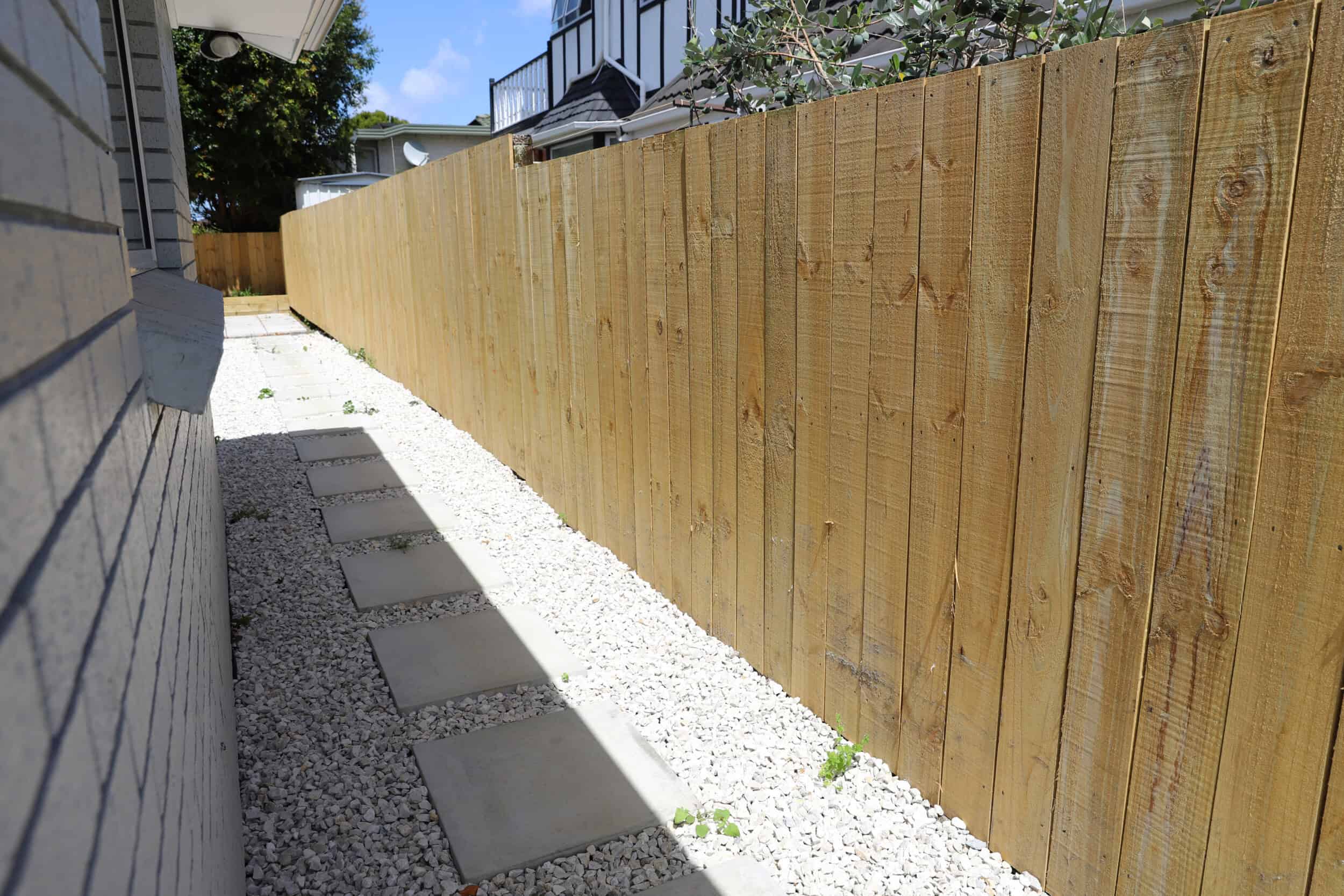
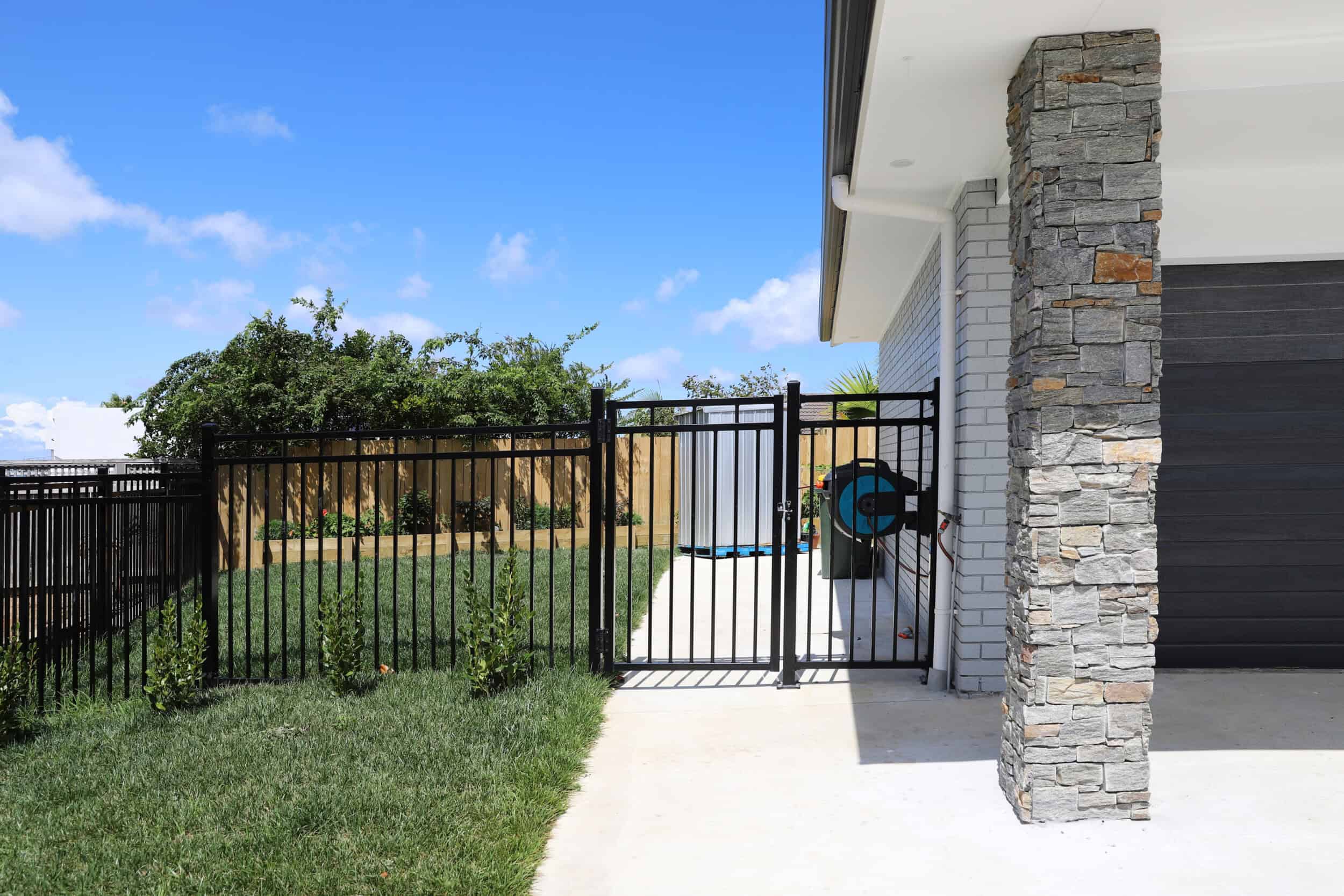
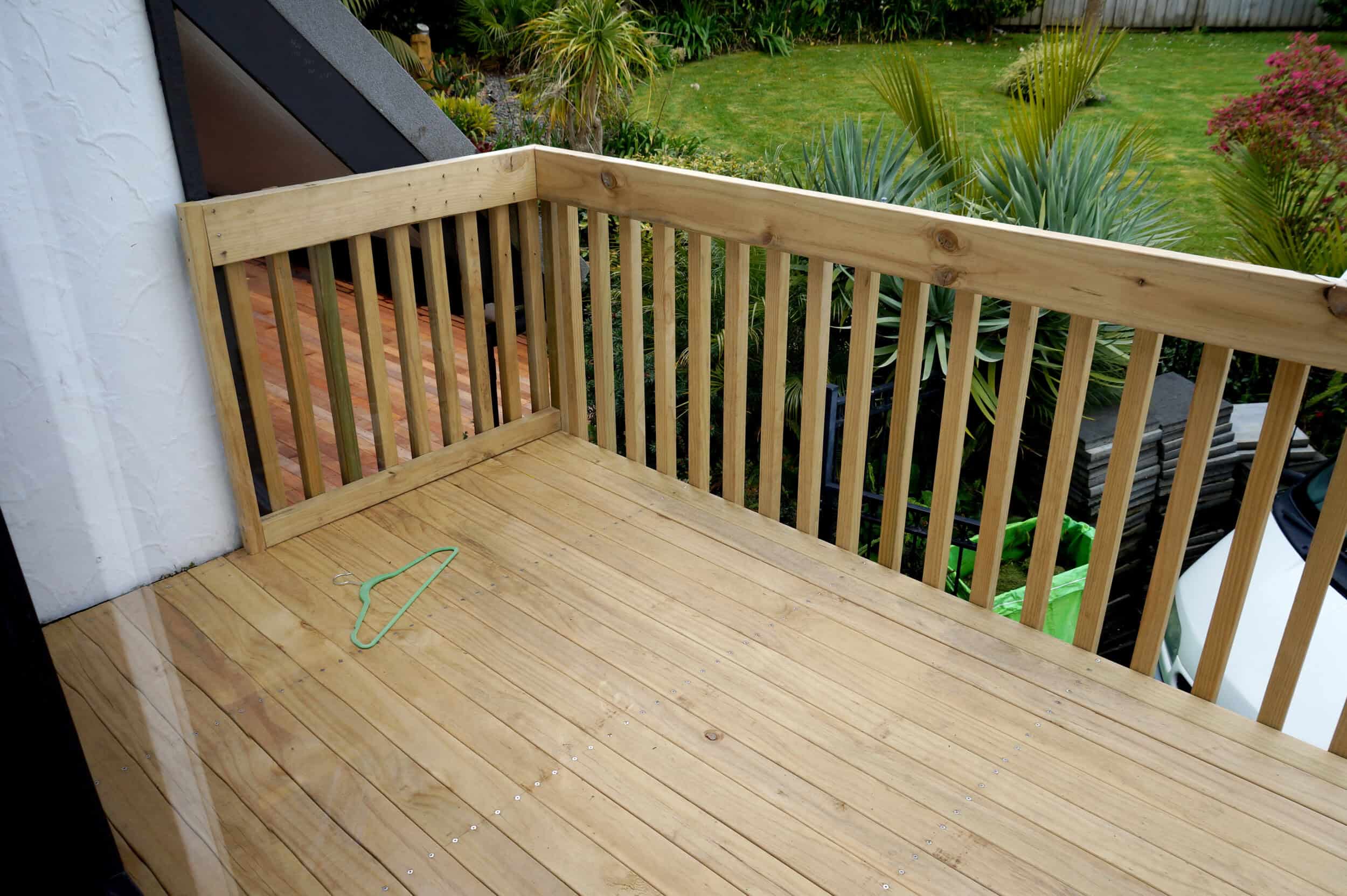
Hey Auckland mates, if you’re staring at your backyard in Grey Lynn or Remuera, itching to chuck up a shed or granny flat without drowning in council red tape, these new eased building consents are a game-changer. As of October 2025, NZ’s rules let you build small structures like sheds up to 30m² consent-free, saving you heaps of time and cash—think $2k-plus—while boosting your home’s value in our skyrocketing market. It’s all about cutting the bureaucracy for Kiwi homeowners.

What’s the Deal with These New Consent Exemptions in NZ?

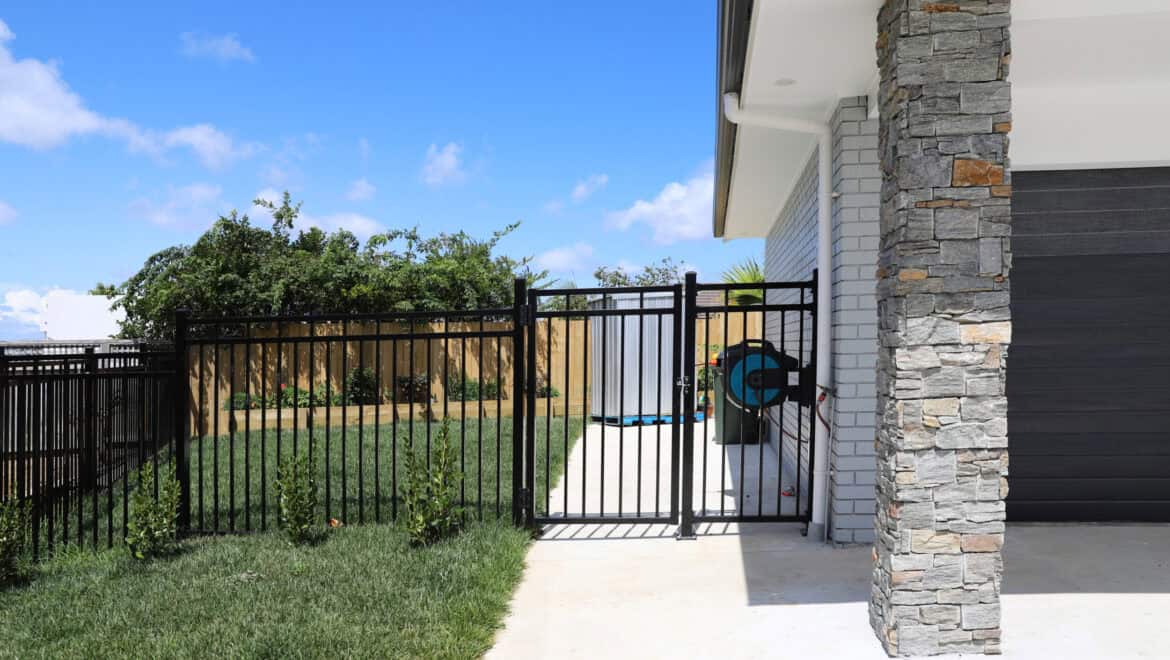
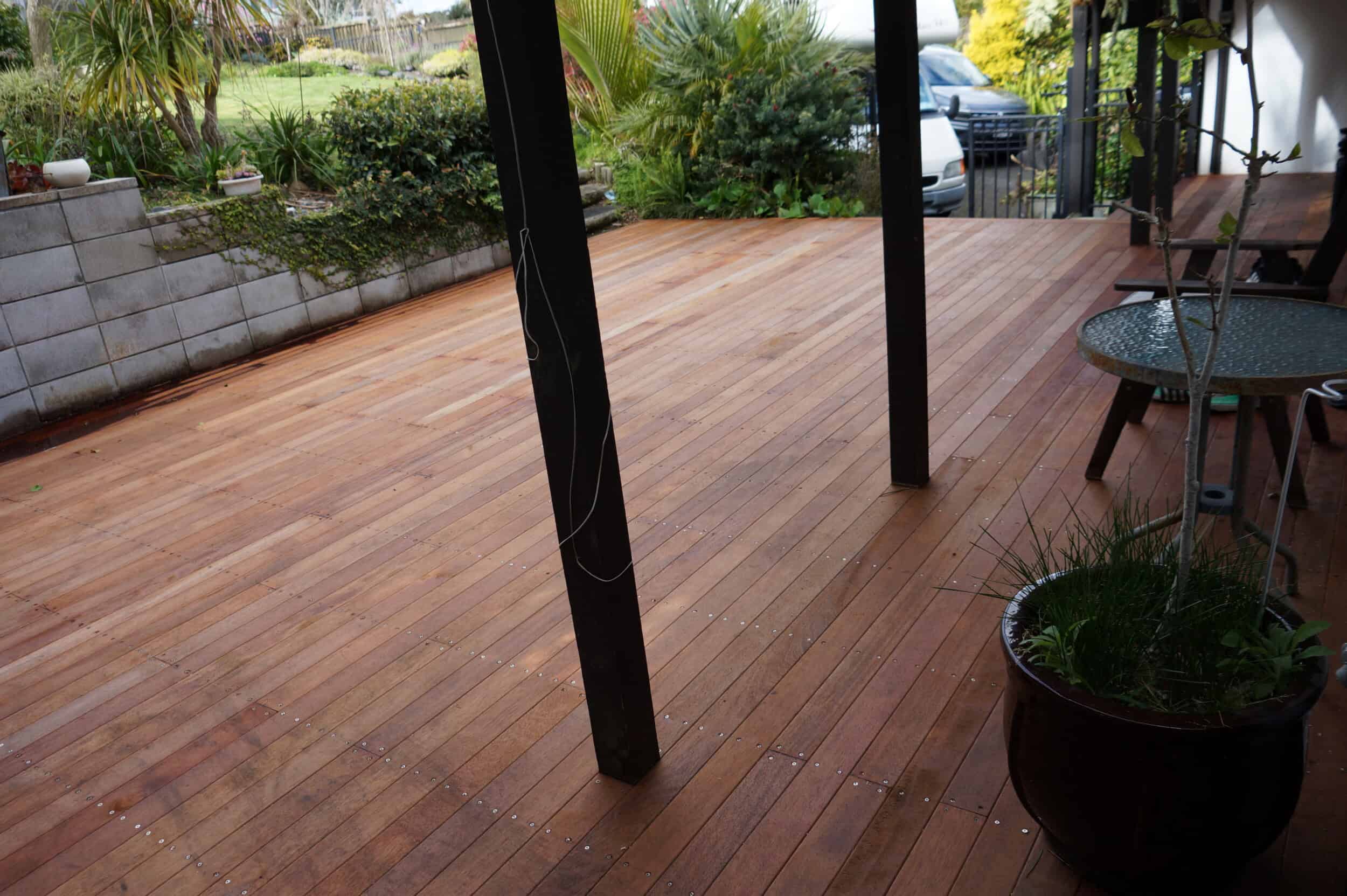
Straight up, the government’s tweaked the Building Act Schedule 1 to make life easier. No more waiting 20 days for approvals on single-storey sheds, garages, or sleepouts up to 30m²—as long as they’re code-compliant and fit your Auckland Unitary Plan zone. For spots under 10m², you can build right to the fence; 10-30m² needs just a 1m setback. We’ve seen clients in Howick squeeze in a 25m² sleepout for Airbnb, turning dead space into rental gold without the hassle.

How Do You Nail a DIY Shed or Garage in Auckland Without Stuffing It Up?

First off, check your local Unitary Plan for height and coverage limits—don’t be that Onehunga bloke with a leaky roof from skimping on pitch. Use solid Kiwi materials like Colorsteel for the top and pier foundations to avoid tilts. Pro tip: If it’s got plumbing or electrics, rope in a licensed builder. Our designer Dorothy Li reckons it’s saved families thousands, like that Mount Eden crew who reclaimed their lawn for a gym shed. Quick wins: Zero setbacks for tiny builds mean more room for the barbie gear.

When Can Kiwis Start Building Consent-Free Granny Flats?

Hold tight—early 2026 brings exemptions for detached granny flats up to 70m², perfect for multi-gen whānau or extra income at $500 a week in rentals. Stick to insulation standards and notify your council post-build. Pair it with solar panels (now easier to install boundary-close) for eco points and bill cuts up to 30%. Building Minister Chris Penk calls it a productivity boost, and RNZ predicts a DIY explosion—spot on for Auckland’s rental crunch.

Fancy turning your Ponsonby patch into something epic? Drop us a line at Superior Renovations for a free audit—what’s your backyard dream?

Boom in DIY Building: Eased Consent Rules Unlock Auckland Home Renovations

Remember that time you eyed up your poky backyard in Grey Lynn, dreaming of a shed for the mountain bikes but baulked at the council paperwork? Or maybe you’re in Remuera, plotting a sleepout for the teens without the consent circus. Well, grab your hammer – New Zealand’s building rules just got a massive Kiwi makeover. As of late October 2025, DIY building consents are slashed for sheds up to 30m², solar panels, and granny flats incoming early 2026. At Superior Renovations, we’ve nailed over 500 Auckland projects, and these changes? They’re your ticket to faster, cheaper backyard bliss.

What does that mean?

  • Sheds/sleepouts ≤10m²: ZERO setback – build to the fence!
  • 10-30m²: Just 1m away. No consent. Save $2k+.
  • Granny flats ≤70m²: Consent-free from Q1 2026. Rental gold!
  • Solar panels: Easier installs, boundary tweaks.
  • Why care? Boost home value 10-20% in our hot market, ditch delays.

These tweaks to Schedule 1 exemptions hit on 23 October 2025. RNZ calls it a DIY boom – and they’re spot on. Building Minister Chris Penk nailed it: “Boosting productivity means cutting red tape… a win for property owners.”

Decoding NZ’s Building Consent Shake-Up: Essential Know-How for Auckland Kiwis

Let’s paint a picture. It’s a drizzly Saturday in Mount Eden. You’re knee-deep in kitchen reno dreams, but first, that garage for the BBQ gear. Pre-2025? You’d front $2,500 for consent, wait 20 days, and pray your setback matched the height. Nightmare, right? We’ve fielded those tears at Superior – clients in Ponsonby ghosting projects over red tape.

Enter the heroes: Government amendments to the Building Act Schedule 1. Immediate wins: Single-storey detached builds (sheds, garages, sleepouts) up to 30m² skip consents entirely – if code-compliant and Unitary Plan friendly.

Old Rules (Painful) New Rules (Oct 2025 – Yay!) Your Savings
Setback = building height ≤10m²: 0m setback $1k-3k + 4 weeks
Consent for close builds 10-30m²: 1m setback DIY weekend warrior
Delays galore Build now, compliant materials Property value spike

Skimmer tip: Pop Auckland Unitary Plan into Google for your zone’s height/coverage limits. Breach it? Consent still needed. “We’ve redesigned 50+ backyards post-changes,” beams Dorothy Li, our star designer. “One Howick fam squeezed a 25m² sleepout – perfect for Airbnb trials.”

Broader reforms? Councils merging consents for speed, proportionate liability (no more ratepayer hits). RNZ covered the August announcement. For you? Fewer headaches, more hammering.

Transform Your Backyard: No-Consent Sheds, Garages & Sleepouts in Auckland

Shrinking sections? Blame Auckland’s medians at 600m². That Bunnings shed’s been winking at you. Now? Build ≤30m² detached, single-storey – consent-free!

“Picture this: Your Grey Lynn lawn reclaimed,” chuckles Alison Yu. “We’ve sketched dozens; clients love the 1m flex.” Steps? 1) Measure zone. 2) Pick code-compliant kit (e.g., Hammer steel frames). 3) Erect. Done.

Pro tips for skim-readers:

  • Foundations: Pier + bearers, no frost heave.
  • Roof: 3° min pitch, durable like Colorsteel.
  • Notify council? Not required, but smart for records.

Anecdote time: Mate in Onehunga built a 12m² gym shed to the fence. “Saved my marriage – no more lounge weights!” Roof pitch wrong? Leaks. We’ve fixed ’em – don’t be that guy.

Table for wins:

Size Setback Best For
≤10m² 0m Tool storage
20m² 1m Teen sleepout
30m² 1m Garage + gym


Granny Flats Without Consents: 70m² Rentals Explode in Auckland 2026

Rental drought? 70m² granny flats consent-free from early 2026! Per Building Performance, build compliant – rent for $500/wk.

“Game-changer for multi-gen families,” says Cici Zou. “Remuera plots? Instant income.” Conditions: Detached? Detached ok, code standards (insulation GIE). Notify BCA within 20 days post-build.

Savings: $10k+ consents. ROI? 18 months. Tip: Pair with solar for eco-renters.

Solar Panels & Low Decks: Quick Wins Under New Exemptions

Sunny Auckland? Solar installs simplified – no consent for most roofs. New boundary rules too. Low decks ≤1.5m? Exempt. Save $500/yr power.

Tip: LBP for wiring. We’ve integrated in 100+ renos.

DIY Success Tips: Avoid Pitfalls in Auckland Renovations

Checklist:

  1. Zone check: Unitary Plan.
  2. Materials: Hammer/Tile Choice.
  3. Pros when? Plumbing/electrics. Call us!
  4. Insurance: Cover DIY.

“Don’t rush foundations,” warns Kevin Yang. “Seen too many tilts.”

Why These Changes Matter: Skyrocketing Auckland Home Values & Lifestyles

Boost: +$50k value easy. Rentals ease crunch. Eco? Solar cuts bills 30%. Future-proof your slice of Auckland paradise.

We’ve seen it: Post-reno sales fly. Your turn?

DIY Boom Series Intro

Dive into consent-free renos with Superior…

Wrapping It Up: Your Auckland Backyard Just Got a Whole Lot Bigger – Time to Build!

We’ve hammered through this series like a pro – from zero-setback sheds hugging your fence in Grey Lynn to solar-powered granny flats lighting up Remuera come 2026. These Schedule 1 tweaks aren’t just paperwork wins; they’re your fast-track to more space, slashed costs, and homes that scream “sold!” in our frenzy market.

Quick-fire recap for the scrollers:

  • Sheds & sleepouts ≤30m²: Consent? Nah. 0-1m setbacks. Save $2k-5k, build this weekend!
  • Solar panels: Slap ’em on, power your EV, pocket the savings – no council nod needed.
  • Granny flats ≤70m²: Early 2026 green light. Rent for $600/wk, fund the fam forever.
  • Big picture: +10-25% property value, faster flips, eco-bragging rights.

“These changes are Auckland’s love letter to homeowners,” grins Kevin Yang, our design guru. “Backyards reborn, families closer, wallets fatter. We’ve got your back – from sketches to sparkly finishes.”

Why it matters right now: With medians at $1.1m and rentals scarcer than parking in Ponsonby, these rules level the field. Beat inflation, house the whānau, go green – all compliant via Building Performance guidance. Check your Unitary Plan, grab code-compliant gear, and get cracking!

DIY Win Auckland Impact
Time saved 20 days → 0
Cash saved $3k avg per project
Home value + $40k-80k

Ready to transform? Hit us up at Superior Renovations for a free backyard audit: Here’s to consent-free adventures. Nail it!


Need ideas? Check out our Kitchen Design Gallery or dive into our Bathroom Design Gallery for inspiration!


Need more information?

Take advantage of our FREE Complete Home Renovation Guide (48 pages), whether you’re already renovating or in the process of deciding to renovate, it’s not an easy process, this guide which includes a free 100+ point check list – will help you avoid costly mistakes.


Still have questions unanswered?

Book a no-obligation consultation with the team at Superior Renovations,
we’d love to meet you to discuss your renovation ideas!


    Services

    Home RenovationKitchen RenovationBathroom RenovationOutdoor RenovationHouse ExtensionCommercialDesign ServicesOther

    By submitting this form, you agree to receive communications from us via email or text regarding our services, you can unsubscribe at any time.

    This site is protected by reCAPTCHA and the Google

    Privacy Policy and Terms of Service apply.


    WRITTEN BY SUPERIOR RENOVATIONS

    Superior Renovations is quickly becoming one of the most recommended Kitchen Renovation & Bathroom Renovation company in Auckland and it all comes down to our friendly approach, straightforward pricing, and transparency. When your Auckland home needs renovation/ remodeling services, Superior Renovation is the team you can count on for high-quality workmanship, efficient progress, and cost-effective solutions.

    Get started now by booking a free in-home consultation.

    Request Your In-home Consultation

    Or call us on 0800 199 888

    www.superiorrenovations.co.nz


    finance-badge1000x1000 Eased Building Consents NZ 2025: DIY Sheds & Granny Flats Auckland

    Have you been putting off getting renovations done?

    We have partnered with Q Mastercard ® to provide you an 18 Month Interest-Free Payment Option, you can enjoy your new home now and stress less.

    Learn More about Interest-Free Payment Options*

    *Lending criteria, fees, terms and conditions apply. Mastercard is a registered trademark and the circles design is a trademark of Mastercard International Incorporated.

    Close up of tiled shower
    Bathroom Renovation

    Comprehensive Shower Glass Guide: Frameless Doors, Maintenance & Suppliers in NZ

    Hey Kiwis, if you’re knee-deep in an Auckland bathroom reno and scratching your head over shower glass, this guide’s your mate. It breaks down types like clear or frosted, textures for that perfect privacy-light balance, top suppliers, must-have certs, install tips, and maintenance hacks—all tailored to our humid weather and quirky home styles, so you avoid leaks and stay code-compliant without the drama.

    What’s the Best Shower Glass Type for My Auckland Pad?

    Look, choosing shower glass boils down to your space and vibe. Clear’s ace for making tiny CBD apartments feel bigger, showing off those flash tiles, but it needs regular wipes to beat water spots. Frosted nails privacy in busy Remuera family homes, letting light in without the peep show. Tinted adds moody flair for Grey Lynn lofts, while textured like fluted hides grime better in coastal spots like Mission Bay. Low-iron? That’s the premium pick for ultra-crisp looks in St Heliers renos. Our designer Kevin Yang reckons clear or low-iron boosts that open Kiwi feel, and with NZ’s salty air, go toughened for longevity—saves you heaps long-term.

    How Do You Pick Textures and Transparency Without Stuffing Up Privacy or Light?

    It’s all about that sweet spot, eh? Fully clear transparency maximizes sun in south-facing Howick homes but offers zilch privacy—great for solo ensuites. Semi-transparent tinted or low-iron dials it back for a bit of hideaway, ideal in shared Pakuranga bathrooms. For obscured frosted or etched, you get soft light diffusion without feeling boxed in, perfect for humid Auckland winters. Textures wise: smooth’s easy-clean but shows marks; fluted catches light beautifully and masks condensation in Mt Albert bungalows. Patterned adds artsy oomph but can trap soap. Cici Zou from our team says, “Fluted’s a game-changer for balancing privacy and that fresh NZ vibe—test samples under your lights to nail it.”

    Who Are the Go-To Suppliers in Auckland for Solid Shower Glass?

    Don’t muck around—Metro Glass is tops for durable clear and frosted panels, starting at $600, with custom tints for Remuera villas and AS/NZS 2208 certs baked in. Mico’s your budget buddy from $400, strong on textured doors for Takapuna coastal cribs, plus rust-proof hardware. Reece brings premium low-iron and tinted from $800, ace for Viaduct apartments with easy-clean coatings. Compare ’em: Metro for luxury, Mico mid-range, Reece custom. Wendy Chen notes they’re all code-compliant, speeding up Auckland Council consents—grab samples and quotes to match your reno.

    Fancy a sleek shower upgrade? Hit us up at Superior Renovations for a free consult—what’s holding back your bathroom glow-up?

    Whether you’re a homeowner in bustling Parnell planning a full reno or a DIYer in South Auckland sprucing up an ensuite, understanding shower glass doors, panels, and all the extras is key. In this series, we’ll cover everything from types and textures to suppliers, certifications, installation, maintenance, frameless options, and hardware. Tailored for New Zealand audiences, especially Aucklanders dealing with our unique climate and building codes, we’ll draw on expert insights, local tips, and practical advice. Why focus on shower glass? It’s the centerpiece that can elevate your bathroom’s look while ensuring durability and ease. Dive in to discover how to choose, install, and care for the perfect shower glass panel for your home.


    Curious about how much your
    bathroom renovation would cost?

    Try our bathroom renovation cost calculator tool


    Need ideas? Check out our Kitchen Design Gallery or dive into our Bathroom Design Gallery for inspiration!


    Exploring Shower Glass Types for Your Auckland Bathroom Renovation

    Choosing the right shower glass for your Auckland bathroom can feel like navigating the Waitematā Harbour in a storm—exciting but a bit overwhelming! With so many options, from clear to frosted to tinted, it’s easy to get lost in the choices. As Auckland homeowners, we’re often after that perfect blend of style, practicality, and durability to suit our unique Kiwi lifestyles. Whether you’re renovating a Ponsonby villa or a modern Mt Eden apartment, the type of shower glass panel you pick can make or break your bathroom’s vibe. Let’s break down the main types of shower glass, their pros and cons, and how they fit into Auckland’s renovation scene. Ready to find the perfect fit for your dream bathroom? Let’s dive in!

    What Are the Main Types of Shower Glass?

    When it comes to shower glass doors or panels, the type of glass you choose sets the foundation for both aesthetics and functionality. Here’s a rundown of the most popular options you’ll find in New Zealand, with a focus on what works best for Auckland homes.

    • Clear Glass: The go-to for a sleek, open look. Clear glass makes small bathrooms, like those in Auckland’s inner-city apartments, feel larger and more spacious. It’s timeless and shows off your beautiful tiles, but it does require regular cleaning to keep water spots and soap scum at bay.
    • Frosted Glass: Perfect for privacy, frosted glass diffuses light and obscures visibility while still letting your bathroom feel bright. It’s a great choice for shared bathrooms in family homes across suburbs like Remuera or Epsom.
    • Tinted Glass: Want a bit of drama? Tinted glass in shades like grey or bronze adds a modern edge, ideal for contemporary Auckland homes in areas like Grey Lynn. It offers some privacy but can make a space feel darker, so good lighting is key.
    • Textured Glass: From rain patterns to fluted designs, textured glass adds a unique flair. It’s both decorative and functional, offering privacy while hiding water marks better than clear glass. Popular in high-end renovations across Herne Bay.
    • Low-Iron Glass: Also known as ultra-clear glass, this option eliminates the slight green tint of standard glass, giving a crystal-clear finish. It’s a premium choice for showcasing intricate tile work, often seen in luxury builds around St Heliers.

    Tip for Aucklanders: If you’re in a coastal suburb like Mission Bay, consider low-iron or frosted glass to combat the salty air that can accelerate wear on standard clear glass.

    Reeded-Glass-Shower-Screen-4 Comprehensive Shower Glass Guide: Frameless Doors, Maintenance & Suppliers in NZ

    https://royalglass.co.nz/services/reeded-glass/

    Shower Glass Textures and Transparency: Choosing the Right Level for Auckland Bathrooms

    Ever stepped into a bathroom and felt like the shower glass was either too see-through or too foggy? In Auckland, where our homes range from cosy bungalows in Grey Lynn to spacious family pads in Howick, getting the texture and transparency of your shower glass panel just right is crucial. It’s not just about looks—it’s about privacy, light flow, and that all-important easy-clean factor. Let’s chat about the different textures and transparency options available in New Zealand, and how they can transform your bathroom renovation. Whether you’re after a crystal-clear view or a subtle blur, we’ve got the scoop to help you decide.

    Why Texture and Transparency Matter in Shower Glass

    Texture and transparency in shower glass doors aren’t just fancy terms—they directly impact how your bathroom feels and functions. Transparency controls how much you can see through the glass, while texture adds patterns or surfaces that can diffuse light or add grip. For Aucklanders dealing with our variable weather, choosing the right combo means a brighter space on those grey days or more privacy in shared homes. Plus, with rising energy costs, options that maximize natural light can even help with efficiency, as noted in guidelines from EECA’s energy-efficient homes resources.

    Quick Tip for Skimmers: If privacy is your top concern, go for higher opacity like frosted or textured glass; for an open feel, stick with clear or low-iron varieties.

    Exploring Transparency Levels in Shower Glass

    Transparency in shower glass ranges from fully clear to completely opaque, and everything in between. Here’s a breakdown to help you visualize:

    • Fully Transparent (Clear Glass): Lets in maximum light and creates an illusion of space. Great for small Auckland apartments in the CBD, but offers zero privacy.
    • Semi-Transparent (Tinted or Low-Iron): Tinted glass adds a subtle hue for moderate privacy, while low-iron glass provides ultra-clarity without the green tint of standard clear glass. Ideal for modern homes in Parnell.
    • Obscured (Frosted or Etched): Diffuses light and blurs visibility for high privacy. Perfect for family bathrooms in suburbs like Pakuranga, where multiple users need discretion.
    • Opaque (Heavily Textured or Patterned): Almost no see-through, but still allows light. Suited for guest bathrooms or ensuites in older Auckland villas.

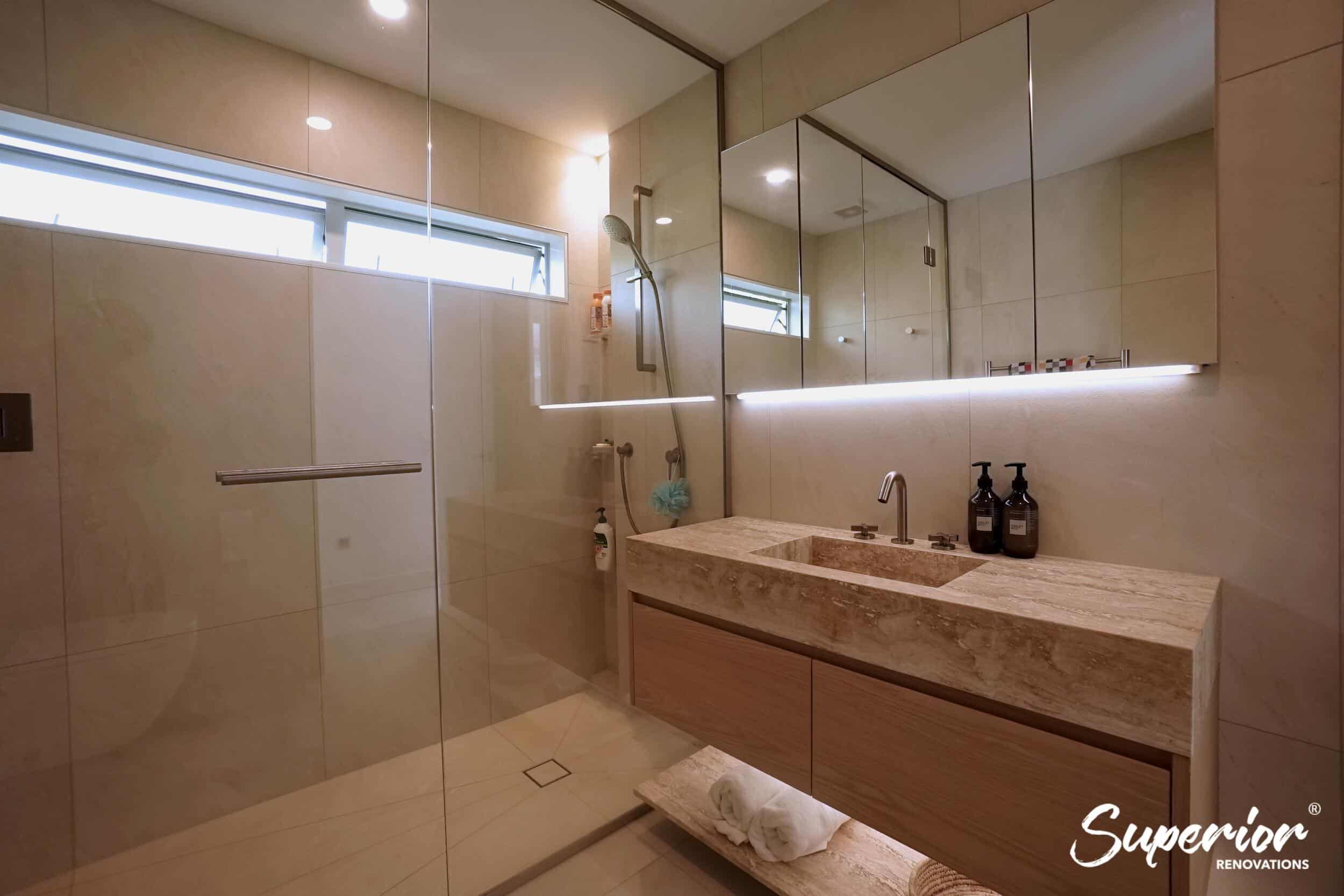
    According to New Zealand’s building standards, all shower glass must be safety-rated, often toughened to prevent breakage, as outlined in Building Code B1 for structure. This ensures even transparent options are safe for daily use.
     

    DSC03018 Comprehensive Shower Glass Guide: Frameless Doors, Maintenance & Suppliers in NZ

    A Closer Look at Shower Glass Textures

    Textures add personality to your shower glass panel. They can be smooth, ridged, or patterned, each offering unique benefits. Let’s get into the nitty-gritty.

    Smooth Textures: The baseline for most glass, smooth surfaces are easy to clean but show fingerprints and water spots. Pair with clear transparency for a minimalist look, or tinted for a sleek edge.

    Fluted or Reeded Textures: These feature vertical ridges that catch light beautifully, providing privacy without blocking it entirely. As inspired by local options, fluted glass hides water marks better than smooth varieties and adds a touch of elegance to Auckland’s contemporary renovations.

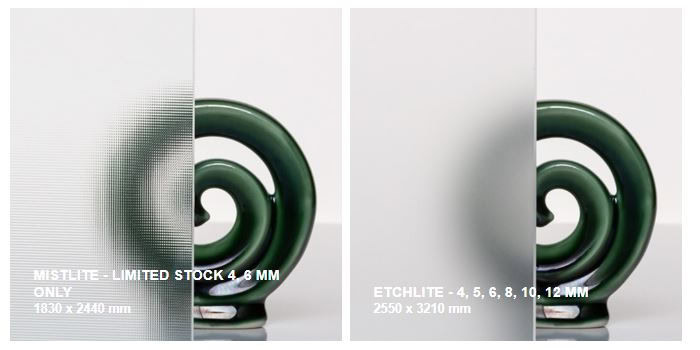
    Frosted or Etched Textures: Created by acid-etching or sandblasting, these give a matte finish that scatters light. They’re popular for their low-maintenance appeal—less visible grime—and comply with privacy needs in NZ homes.

    Patterned Textures: Think rain glass or hammered effects; these add artistic flair while obscuring views. They’re fantastic for hiding imperfections and bringing a custom feel to your shower setup.

    Anecdote Time: Picture this: A client in Mt Albert wanted to renovate their 1950s bathroom. They chose fluted glass for the shower door, and suddenly, the space felt modern yet respectful of the home’s heritage. “It was like adding a veil of sophistication,” they laughed. Small changes like this can make a big difference in Auckland’s diverse housing stock.

    Comparing Textures and Transparency: A Handy Table

    To make your choice easier, here’s a table comparing popular textured shower glass options based on NZ availability and user feedback.

    Texture Type Transparency Level Pros Cons Best For Auckland Homes
    Smooth High (Clear/Tinted) Easy to clean, modern look, maximizes light Shows spots, low privacy Compact city apartments
    Fluted/Reeded Medium Hides marks, adds style, good privacy-light balance Can trap soap, pricier Family homes in suburbs
    Frosted/Etched Low High privacy, low maintenance, diffuses light softly Less transparent, may feel enclosed Shared bathrooms
    Patterned Low to Medium Decorative, unique, conceals grime Harder to clean patterns, custom cost Designer renovations

    Helpful Advice: In Auckland’s humid climate, textured glass like fluted can reduce visible condensation buildup. Test samples under your bathroom lighting to see how transparency plays out.

    Local Suppliers Offering Texture and Transparency Variety

    Auckland has some top-notch suppliers for shower glass with diverse textures and transparencies. Metro Glass stands out with their obscured, etched, and frosted options, perfect for privacy-focused designs. Check their obscured and frosted glass range for thicknesses and patterns that meet NZ standards.
    mistlite-and-etchlite Comprehensive Shower Glass Guide: Frameless Doors, Maintenance & Suppliers in NZ

    https://metroglass.co.nz/glass-types/decorative/obscured-frosted


    Reece offers a selection of tinted and clear glass panels, ideal for custom transparency levels. Their shower screens collection includes options with subtle textures for added flair.

    Mico provides practical choices like low-iron glass for ultimate clarity. Explore their shower doors and panels for transparent and semi-transparent picks.

    Pro Tip: Always verify certifications like AS/NZS 2208 for safety glass to ensure your choice is compliant and durable.

    Balancing Privacy, Light, and Style in Your Shower Design

    Finding the sweet spot between texture and transparency can elevate your bathroom from functional to fabulous. For instance, in a north-facing Auckland home with plenty of sun, a semi-transparent tinted glass might prevent glare while keeping things bright. But in a south-facing spot, go for higher transparency to avoid a dim feel.

    Designer Quote: “Textures like fluted glass are a game-changer for Auckland bathrooms—they offer privacy without sacrificing that fresh, open Kiwi vibe we all love,” says Cici Zou, Designer at Superior Renovations.

    Common Mistakes to Avoid with Textures and Transparency

    Don’t overlook maintenance: Textured glass might hide spots but can trap residue if not cleaned properly. Also, consider your household—high transparency isn’t ideal for kids’ bathrooms.

    Witty Aside: Choosing shower glass is a bit like picking sunglasses—too dark and you can’t see, too clear and everyone sees you! Get it right, and your bathroom will shine.

    What’s your take on textured shower glass doors? Would you go bold with patterns or keep it simple? Drop a comment below!


    Curious about how much your
    bathroom renovation would cost?

    Try our bathroom renovation cost calculator tool


    Need ideas? Check out our Kitchen Design Gallery or dive into our Bathroom Design Gallery for inspiration!


    Top Shower Glass Suppliers in Auckland: Where to Source Quality Panels and Doors

    Finding the right supplier for your shower glass doors or panels in Auckland can be a game-changer for your bathroom renovation. With the city’s mix of heritage homes in Devonport and sleek new builds in Wynyard Quarter, you need suppliers who understand local needs—like durable glass that handles our humid weather and complies with NZ standards. Whether you’re hunting for budget-friendly options or premium custom pieces, let’s explore the top suppliers, what they offer, and tips to pick the best one. Think of this as your insider guide to sourcing shower glass that’ll make your bathroom pop without breaking the bank.

    Why Choosing the Right Supplier Matters for Your Shower Glass

    In Auckland, where renovations are booming thanks to our growing population and love for modern living, a good supplier ensures your shower glass panel is not only stylish but also safe and long-lasting. They provide certified products that meet the Building Code, offer installation advice, and often have warranties to back it up. Plus, local suppliers mean quicker delivery and better support—handy when you’re knee-deep in a reno timeline. As per Consumer NZ’s renovation tips, opting for reputable suppliers reduces risks like poor-quality materials that could lead to costly fixes down the line.

    Fast Fact for Busy Readers: Look for suppliers with AS/NZS 2208 certification to guarantee safety and quality—it’s a must for NZ bathrooms.

    Key Factors to Consider When Selecting a Shower Glass Supplier

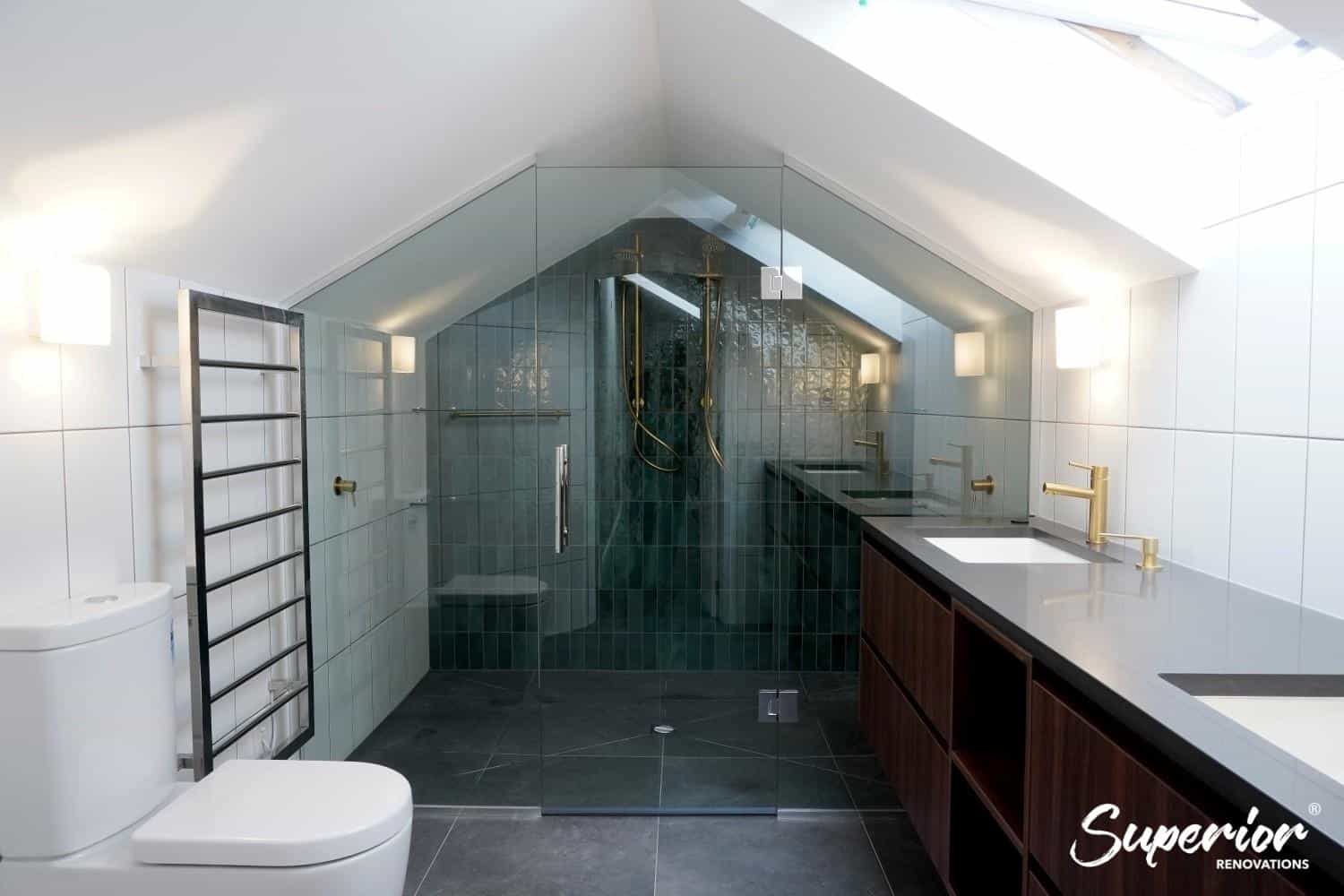
    Before diving into specific names, let’s talk about what makes a supplier stand out in Auckland’s market. First, variety: Do they offer clear, frosted, tinted, and textured options? Second, compliance: All glass should be toughened safety glass per Building Code G12. Third, service: From custom cuts to delivery, good suppliers make the process smooth.

    Auckland-Specific Tip: With our rainy climate, choose suppliers who offer glass with anti-corrosion coatings or easy-clean treatments to combat water spots.
     

    DSC00237 Comprehensive Shower Glass Guide: Frameless Doors, Maintenance & Suppliers in NZ

    Spotlight on Metro Glass: Auckland’s Go-To for Durable Shower Solutions

    Metro Glass is a heavyweight in the NZ glass scene, with a strong Auckland presence. They specialize in toughened shower glass that’s perfect for everything from frameless panels to sliding doors. Their range includes clear, low-iron, and frosted options, all meeting stringent safety standards. For instance, their shower glass collection features 10mm thick panels that are ideal for larger bathrooms in areas like Remuera.

    One standout is their obscured glass line, which provides privacy without skimping on light—great for family homes. Metro also offers custom tinting, so if you’re after a bronze hue to match your Mt Eden villa’s aesthetic, they’ve got you covered. Prices start around $600 for basic panels, scaling up for custom work.

    Designer Note: “Metro Glass’s low-iron shower panels are fantastic for creating that seamless, high-end look in Auckland’s luxury renovations,” says Kevin Yang, Lead Designer at Superior Renovations.

    Mico: Versatile Options for Every Budget and Style

    Mico is another Auckland favourite, known for their extensive bathroom supplies. Their shower glass doors and panels come in various configurations, from pivot doors to fixed screens. Check out their shower doors and panels range, which includes affordable clear glass starting at $400 and premium frosted options up to $1,200.
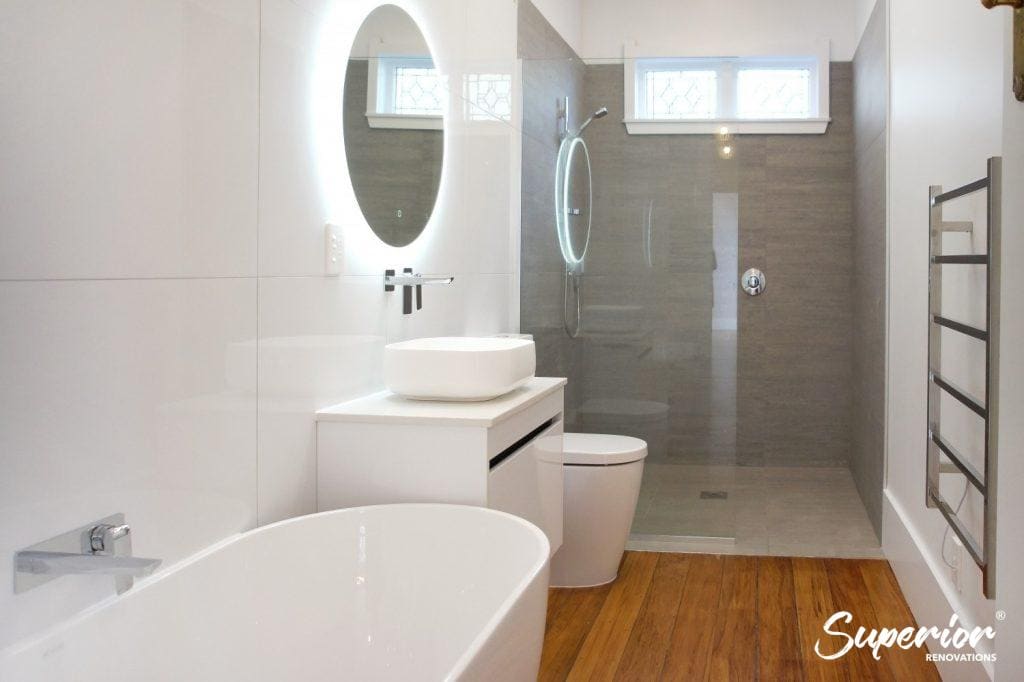
     

    DSC07546-1-1024x682-1 Comprehensive Shower Glass Guide: Frameless Doors, Maintenance & Suppliers in NZ

    They’re particularly strong in semi-framed and frameless designs, with hardware that’s rust-resistant—essential for Auckland’s coastal suburbs like Takapuna. Mico also stocks textured glass, like rain patterns, adding a spa-like feel to your shower.


    Reece: Premium Selections for Custom Shower Glass Projects

    For those seeking upscale shower glass panels, Reece delivers with their high-quality imports and local fabrications. Their shower screens lineup includes ultra-clear low-iron glass and elegant tinted varieties, perfect for contemporary Auckland apartments in Viaduct Harbour.
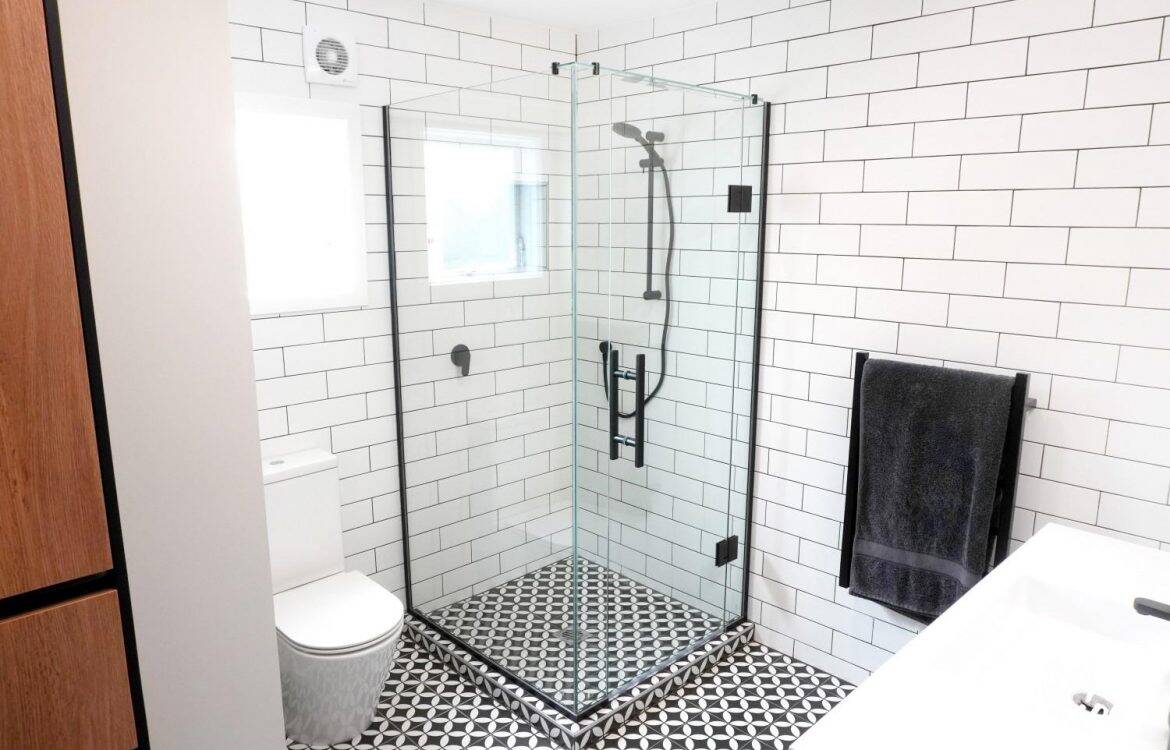
     

    DSC00164-1170x750-1 Comprehensive Shower Glass Guide: Frameless Doors, Maintenance & Suppliers in NZ

    Reece shines in custom work, offering thicknesses from 8mm to 12mm and textures like etched or fluted. Their products often come with easy-clean coatings, reducing maintenance in humid NZ conditions.

    Pro Advice: Reece’s frameless options pair beautifully with minimalist designs—ideal if you’re aiming for that open-plan bathroom trend popping up in New Lynn developments.

    Comparing Auckland Shower Glass Suppliers: A Quick Guide

    To help you decide, here’s a table summing up these top suppliers based on key features relevant to Auckland renovations.

    Supplier Specialties Price Range (NZD) Best For Certifications
    Metro Glass Clear, frosted, low-iron, custom tinting $600–$2,000 Luxury and custom renos AS/NZS 2208, NZ Building Code compliant
    Mico Pivot doors, fixed screens, textured glass $400–$1,500 Budget to mid-range projects Safety glass standards, warranties available
    Reece Low-iron, tinted, frameless screens $800–$2,500 Premium custom designs AS/NZS 2208, energy-efficient options

    Scenario Spotlight: Imagine renovating a 1970s home in Titirangi—Metro Glass’s durable panels would handle the bushy, moist environment, while Mico’s affordable doors keep costs down for the rest of the build.

    Other Notable Auckland Suppliers Worth Mentioning

    Beyond the big three, consider Plumbing World for their practical shower glass selections, often with bundle deals for full bathroom fits. Or Mitre 10, great for DIYers with off-the-shelf panels. For specialized frameless options, Stake Glass offers bespoke services tailored to Auckland’s architectural quirks.

    Designer Quote: “Sourcing from local suppliers like these ensures your shower glass integrates seamlessly with Auckland’s diverse home styles,” says Wendy Chen, Designer at Superior Renovations.

    Tips for Negotiating and Buying from Suppliers

    When dealing with suppliers, ask about bulk discounts if you’re doing multiple bathrooms. Get quotes in writing, including delivery to your Auckland site—traffic can delay things! And always inspect samples for quality. If energy efficiency is a goal, look for suppliers aligned with EECA’s Energy Star ratings, even for glass products.

    Which supplier are you leaning towards for your shower glass doors? Share in the comments, and let’s discuss!

    Essential Certifications for Shower Glass in New Zealand Bathrooms

    When renovating your Auckland bathroom, picking shower glass panels isn’t just about style—it’s about safety and compliance too. In New Zealand, certifications ensure your glass can handle the steamy, wet environment without risking injury or failing inspections. Imagine installing a stunning frameless shower only to find it doesn’t meet code; that’s a headache no Aucklander wants amid our busy lives. Let’s unpack the key certifications for shower glass doors, why they matter, and how to spot them. We’ll draw from official NZ sources to keep things legit and helpful for your next project.

    Understanding Why Certifications Are Crucial for Shower Glass

    Certifications aren’t bureaucracy—they’re your assurance that the glass is tough, safe, and built to last in Auckland’s humid climate. The New Zealand Building Code mandates standards for materials in wet areas to prevent accidents like slips or breaks. For instance, Building Code G12 on water supplies covers waterproofing and safety in bathrooms. Without proper certs, you could face insurance issues or resale problems down the line. Plus, certified glass often comes with better warranties, giving peace of mind for families in suburbs like Henderson or Botany.

    Quick Tip for Readers: Always request certification proof from suppliers before buying—it’s your first line of defense against subpar products.

    The Gold Standard: AS/NZS 2208 Safety Glass Certification

    At the heart of NZ shower glass standards is AS/NZS 2208, the joint Australian/New Zealand standard for safety glazing materials. This cert ensures the glass is toughened or laminated to shatter safely if broken—into small, blunt pieces rather than sharp shards. For shower glass, it’s non-negotiable, especially in frameless designs where glass bears more weight.

    Why does it matter in Auckland? Our homes often have kids or elderly residents, and this standard minimizes injury risks. As per Building Code B1 for structure, all glazing in high-risk areas like showers must comply. Look for the AS/NZS 2208 mark etched on the glass itself—it’s a permanent sign of quality.
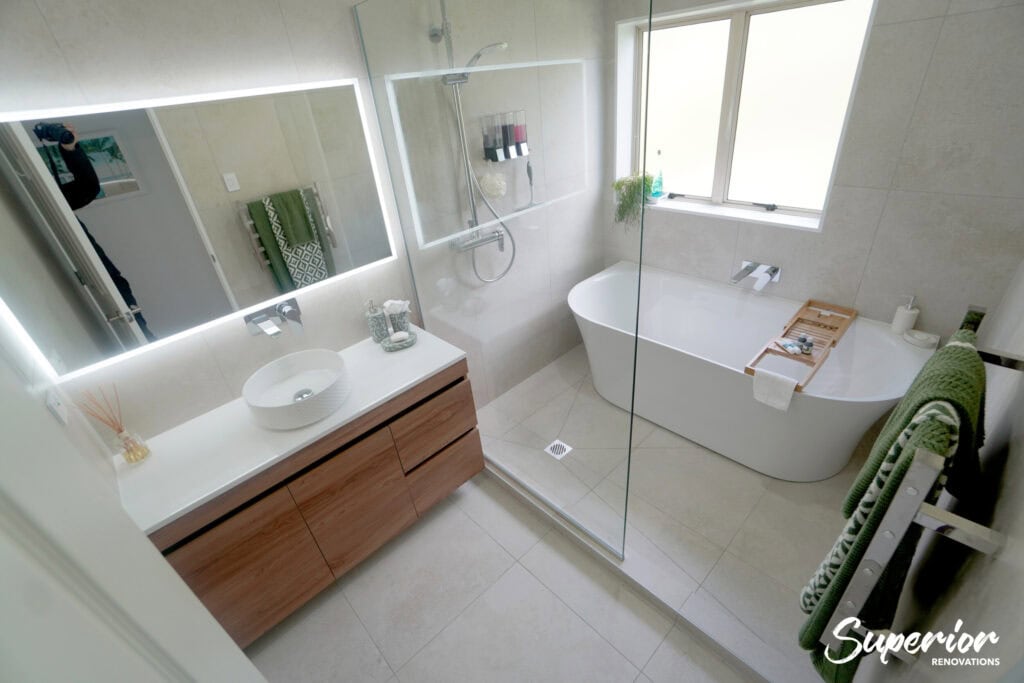
    bathroom-renovators-nz-14-1024x683-1 Comprehensive Shower Glass Guide: Frameless Doors, Maintenance & Suppliers in NZ

    Real-Life Scenario: A client in Onehunga renovated their bathroom with uncertified glass from overseas. During inspection, it failed, leading to a costly replacement. Sticking to certified options from local suppliers avoids such pitfalls.

    Building Code Compliance: Key Clauses for Shower Glass

    New Zealand’s Building Code is your bible for renovations. For shower glass panels, focus on:

    • B1 Structure: Ensures glass can withstand impacts and loads, like someone leaning on a door.
    • G12 Water Supplies: Covers waterproofing around showers to prevent leaks, which certified glass helps achieve.
    • F2 Hazardous Building Materials: Mandates safety glass to reduce injury from breakage.

    These clauses, detailed on building.govt.nz, require evidence of compliance during council consents. Auckland Council often inspects bathrooms closely, so certified glass speeds up approvals.

    Designer Insight: “In Auckland, where we see a mix of old and new homes, AS/NZS 2208 compliance is key to blending style with safety,” says Dorothy Li, Senior Designer at Superior Renovations.

    Energy Efficiency Certifications: EECA and Beyond

    While not mandatory for glass, energy certifications add value in eco-conscious Auckland. The Energy Efficiency and Conservation Authority (EECA) promotes products that reduce heat loss, like insulated glass units. For showers, look for low-emissivity (low-E) coatings on glass to minimize condensation and improve energy efficiency, aligning with EECA standards.

    In colder Auckland winters, certified energy-efficient glass keeps bathrooms warmer, cutting heating bills. Suppliers like Metro Glass offer options with these features in their insulated glass range, though primarily for windows—ask about adaptations for showers.

    Consumer Protection: What Consumer NZ Says About Certifications

    Consumer NZ emphasizes verifying certifications to avoid dodgy products. Their guides on glazing highlight the importance of AS/NZS standards and warn against unbranded imports. For shower glass doors, they recommend checking for third-party testing to ensure claims hold up.

    Table of Key Certifications for Shower Glass

    Certification Description Why It Matters in NZ Where to Find It
    AS/NZS 2208 Safety glazing standard Prevents sharp breaks, mandatory for wet areas Etched on glass, supplier docs
    Building Code B1/G12/F2 Structural, water, hazard compliance Ensures installation passes council checks Building.govt.nz, consent applications
    EECA Energy Ratings Efficiency for heat retention Reduces energy use in humid climates EECA.govt.nz, product labels
    NZCB Recommendations Builder-endorsed standards Guides quality for renovations NZCB.nz resources


    NZ Certified Builders (NZCB) and Shower Glass Standards

    NZCB, a go-to for trusted builders, stresses using certified materials. Their site resources include checklists for bathroom renos, recommending AS/NZS 2208 glass to meet code. Partnering with NZCB-approved pros ensures your shower glass installation ticks all boxes.

    Common Pitfalls: Skipping certs for cheaper glass might seem smart, but Auckland Council fines can hit hard. Always cross-check with official sites.

    Auckland Council Specifics: Local Compliance for Shower Installs

    In Auckland, council consents often require proof of certifications. Visit aucklandcouncil.govt.nz for forms showing glazing must comply with NZS 4223 (glazing in buildings). For showers, this ties back to safety standards, ensuring your reno in places like Mangere or Pukekohe passes muster.

    Witty Note: Certifications are like seatbelts for your shower—boring until you need them, then lifesavers!

    Supplier Spotlights with Certified Products

    Metro Glass excels with AS/NZS 2208-certified shower glass.
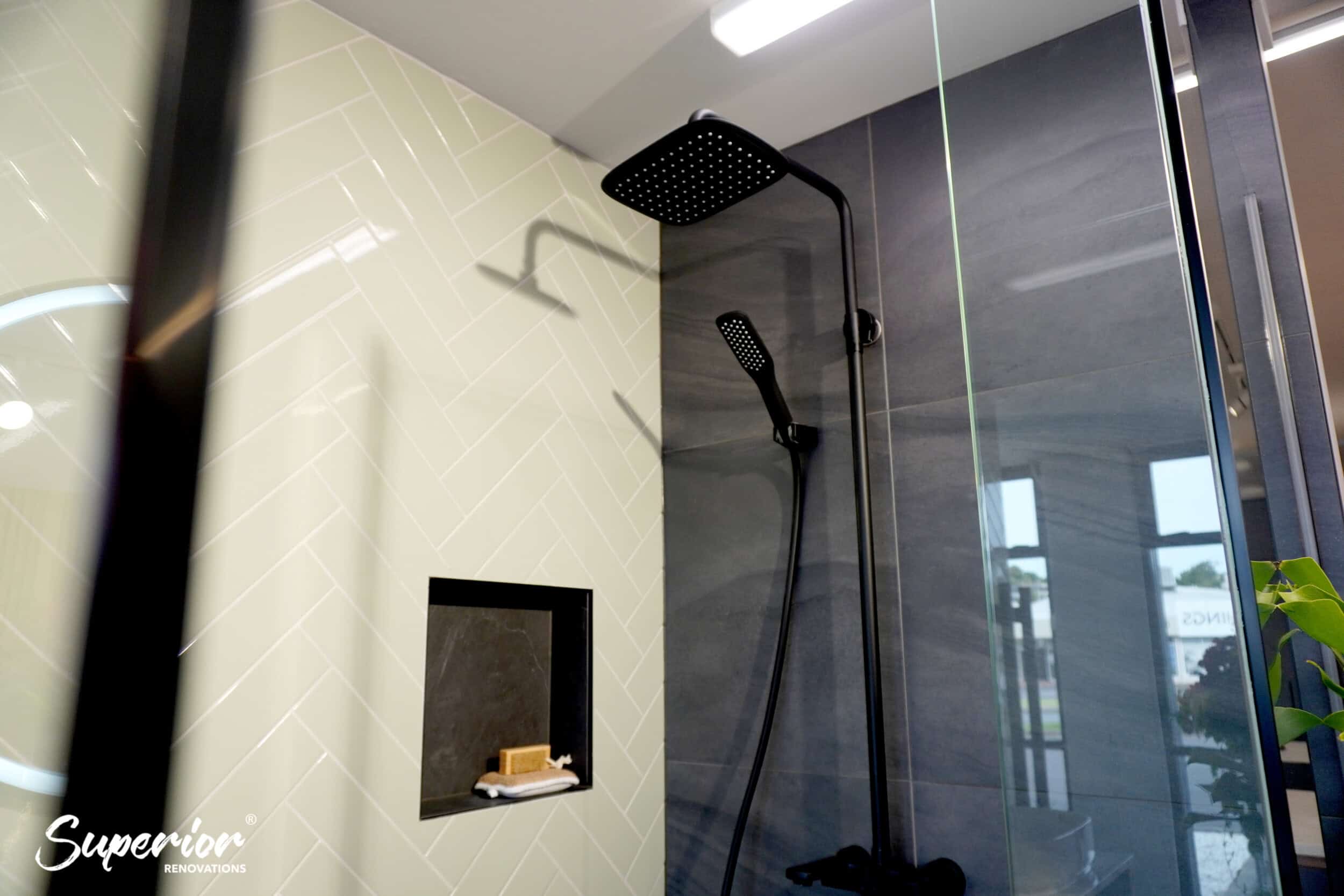
    Superior-Renovations-Showroom-2 Comprehensive Shower Glass Guide: Frameless Doors, Maintenance & Suppliers in NZ

    Mico offers compliant doors in their range, often with energy-efficient add-ons.

    Reece provides certified panels via their screens, perfect for code-approved custom work.

    Designer Quote: “Certifications give us the confidence to design bold, safe bathrooms that Auckland families love,” says Alison Yu, Designer at Superior Renovations.


    Shower Glass Installation Process: Step-by-Step Guide for Auckland Renovators

    Installing shower glass doors or panels can turn a basic bathroom into a sleek sanctuary, but getting it right is key—especially in Auckland, where our homes deal with everything from seismic shakes to steamy humidity. Whether you’re a DIY enthusiast in Papakura tackling a weekend project or hiring pros for a full reno in Herne Bay, understanding the installation process helps avoid leaks, cracks, and costly do-overs. We’ll walk through the steps, compare DIY vs professional install, and share tips tailored to NZ standards. Remember, improper installation can void warranties, so let’s make sure your shower glass panel setup is spot on. Ever tried fitting glass yourself? It’s rewarding, but one wrong measurement and you’re in hot water—literally!

    The Basics of Shower Glass Installation: What You Need to Know

    Before diving in, know that shower glass installation involves precise measurements, secure fittings, and waterproof sealing to comply with New Zealand’s Building Code. Section G12 emphasizes watertightness, while B1 covers structural integrity Building Code G12. In Auckland, council consents might be needed for major changes, so check Auckland Council early. Tools you’ll need include a level, silicone sealant, drill, and safety gear—glass is heavy and sharp!

    Tip for Skimmers: Always use toughened safety glass (AS/NZS 2208 certified) to prevent accidents; it’s a legal must in NZ bathrooms.

    Preparing Your Bathroom for Shower Glass Installation

    Start with prep: Clear the area, ensure walls are plumb and tiled, and measure twice. For a standard alcove shower, measure the width at top and bottom—walls aren’t always straight in older Auckland homes like those in Mt Eden. If installing over a bath, account for the lip. Remove old fittings carefully to avoid damaging waterproofing, as per Consumer NZ waterproofing advice.

    Anecdote: I recall a homeowner in Ellerslie who skipped measuring the slope—ended up with a wonky door that wouldn’t close. Lesson learned: Use a digital level for accuracy!
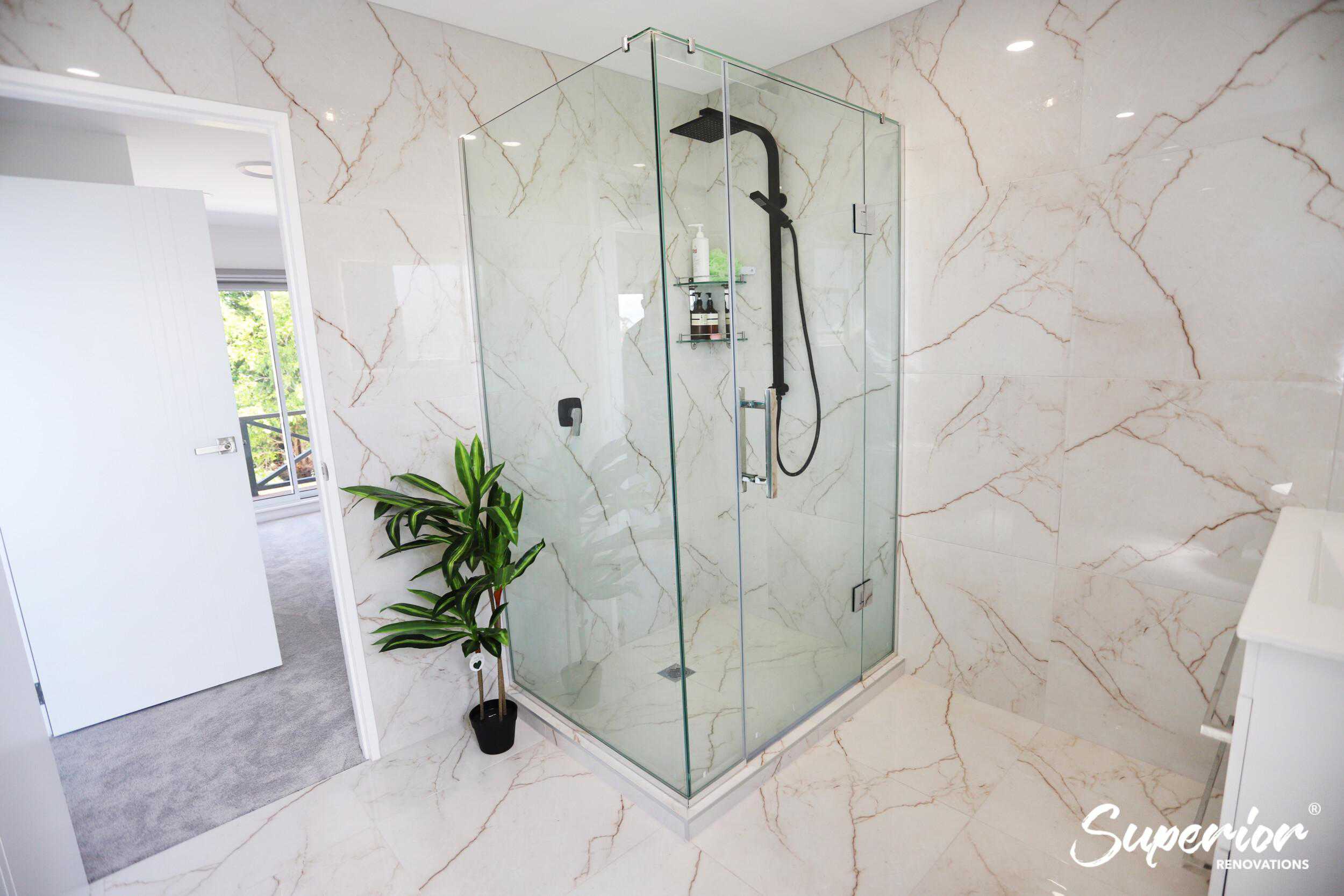
     

    IMG_0862 Comprehensive Shower Glass Guide: Frameless Doors, Maintenance & Suppliers in NZ

    Superior Renovations

    Step-by-Step Installation Process for Framed Shower Glass

    For framed shower glass doors, it’s more forgiving for beginners. Here’s the breakdown:

    1. Assemble the Frame: Follow manufacturer instructions—usually screw channels to walls using wall plugs for concrete or timber studs common in Auckland builds.
    2. Fit the Glass: Slide panels into the frame, securing with clips or seals. Use a helper; glass can weigh 20-30kg.
    3. Install Hardware: Attach hinges, handles, and rollers. For sliding doors, ensure tracks are level to prevent jamming.
    4. Seal It Up: Apply silicone around edges, letting it cure for 24 hours. Test for leaks by running water.
    5. Final Checks: Ensure doors swing or slide smoothly, and clean off fingerprints.

    Time estimate: 4-6 hours for DIY. Cost savings: Up to $500 vs pro install.

    Installing Frameless Shower Glass: A Pro-Level Challenge

    Frameless shower glass panels offer that seamless look but require precision. Steps include:

    1. Mark and Drill: Position brackets or channels, drilling into tiles carefully to avoid cracks.
    2. Secure Fixings: Use stainless steel hardware to resist Auckland’s moisture—rust is a killer here.
    3. Position Glass: Lift heavy panels (10-12mm thick) into place, using suction cups for safety.
    4. Adjust and Seal: Shim for level, then silicone joints. Allow full cure before use.
    5. Add Finishing Touches: Install handles or bars, checking for stability.

    Warning: Frameless installs often need pros due to weight and alignment—DIY mishaps can lead to glass breakage, costing hundreds.

    DIY vs Professional Installation: Pros and Cons Table

    Deciding between DIY and hiring help? This table breaks it down for Auckland contexts.

    Approach Pros Cons Best For Cost Estimate (NZD)
    DIY Cost-effective, satisfying, flexible timing Risk of errors, time-consuming, no warranty on labor Simple framed setups in straightforward bathrooms $100–$300 (tools/seals)
    Professional Expert finish, compliant with code, warranties included Higher cost, scheduling waits Frameless or complex installs in heritage homes $500–$1,500


    Common Tools and Materials for Shower Glass Setup

    You’ll need: Measuring tape, spirit level, drill with masonry bits, silicone gun, hacksaw for trimming, and protective gloves. For materials, opt for high-grade silicone that’s mould-resistant—vital in Auckland’s damp climate. Suppliers like Mico offer installation kits with their shower panels.
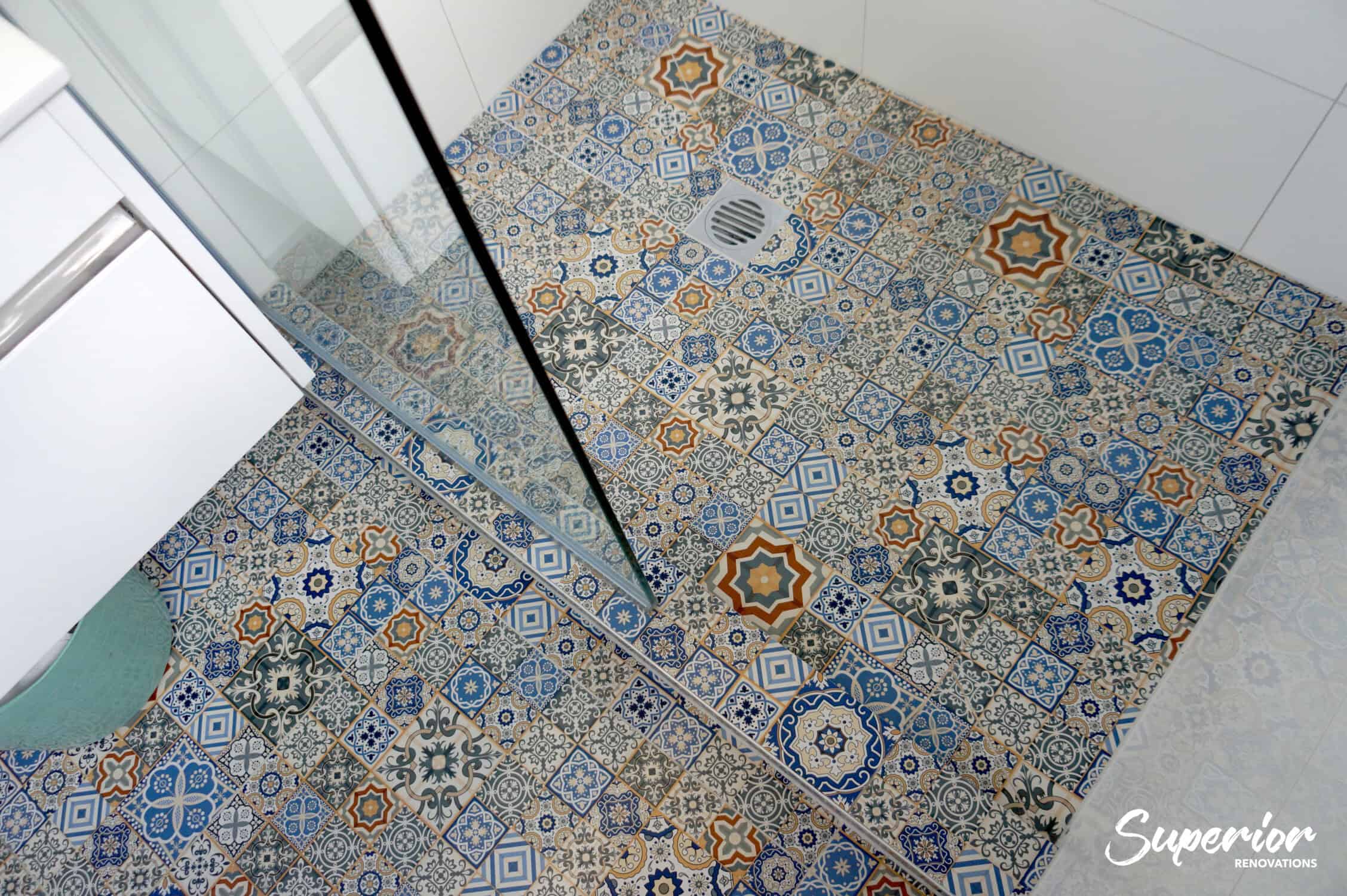
     

    DSC06158 Comprehensive Shower Glass Guide: Frameless Doors, Maintenance & Suppliers in NZ

    Reece provides robust brackets in their range, perfect for frameless jobs.

    Troubleshooting During Installation

    Issues like uneven walls? Use adjustable channels. Leaks? Double-check seals. Glass not fitting? Recut or return—measure thrice! For energy efficiency, ensure good ventilation to reduce condensation.

    Designer Quote: “A flawless installation starts with prep; in Auckland’s varied homes, pros can adapt to any quirk for a leak-free finish,” says Cici Zou, Designer at Superior Renovations.

    Post-Installation Checks and Compliance

    After install, test for stability, leaks, and smooth operation. Get a certificate of compliance if needed for council records. In Auckland, this ensures your reno adds value without future hassles.

    When to Call in the Professionals

    If your bathroom has odd angles, like in many Ponsonby terraces, or you’re going frameless, pros are worth it. They handle permits, ensure waterproofing, and often bundle with other reno work.

    Witty Aside: DIY shower install is like cooking a fancy meal—fun if it works, but a mess if it doesn’t. Sometimes, calling the chef (or installer) is smarter!


    Curious about how much your
    bathroom renovation would cost?

    Try our bathroom renovation cost calculator tool


    Need ideas? Check out our Kitchen Design Gallery or dive into our Bathroom Design Gallery for inspiration!


    Shower Glass Warranties: Protecting Your Investment in Auckland Bathrooms

    When you’re shelling out for a shiny new shower glass door or panel in your Auckland renovation, the last thing you want is for it to fog up, crack, or fail prematurely. That’s where warranties come in—they’re your safety net against defects and wear. In New Zealand, warranties vary by supplier and product, but understanding them can save you headaches and cash down the road. Whether you’re upgrading a compact ensuite in an Auckland apartment or a spacious family bathroom in Albany, let’s break down what warranties cover, how to claim them, and tips for Aucklanders. Picture this: You’ve just installed a sleek frameless panel, only to spot a flaw months later. A solid warranty turns that frown upside down. So, how do you ensure your shower glass panel is backed properly? Let’s explore.

    What Do Shower Glass Warranties Typically Cover?

    Warranties for shower glass in NZ usually protect against manufacturing defects, like bubbles in the glass or faulty tempering, but not against misuse or poor installation. Standard coverage might include breakage under normal use, discolouration, or seal failures. In Auckland’s moist environment, look for warranties that address corrosion on hardware or moisture-related issues, as humidity can accelerate problems. According to Consumer NZ on guarantees and warranties, all products must be fit for purpose under the Consumer Guarantees Act (CGA), which acts as a baseline even without a written warranty.

    Quick Advice for Readers: Always read the fine print—warranties often exclude damage from harsh cleaners or improper handling.

    Types of Warranties for Shower Glass Products

    Not all warranties are created equal. Here’s a rundown of common types you’ll encounter in Auckland:

    • Manufacturer’s Warranty: Covers defects in the glass itself, typically 5-10 years. For toughened glass, it might include shattering due to flaws, but not impact damage.
    • Installation Warranty: If pros install it, they often provide 1-2 years on labour, ensuring no leaks or misalignment.
    • Extended Warranty: Optional add-ons for longer coverage, say 15 years, often for premium products like low-iron glass.
    • Hardware Warranty: Separate for fittings, usually 5 years against rust or failure—crucial in coastal Auckland spots like Mission Bay.

    Under NZ law, the CGA overrides weak warranties, mandating remedies like repair or replacement if the product fails prematurely Consumer Guarantees Act details.
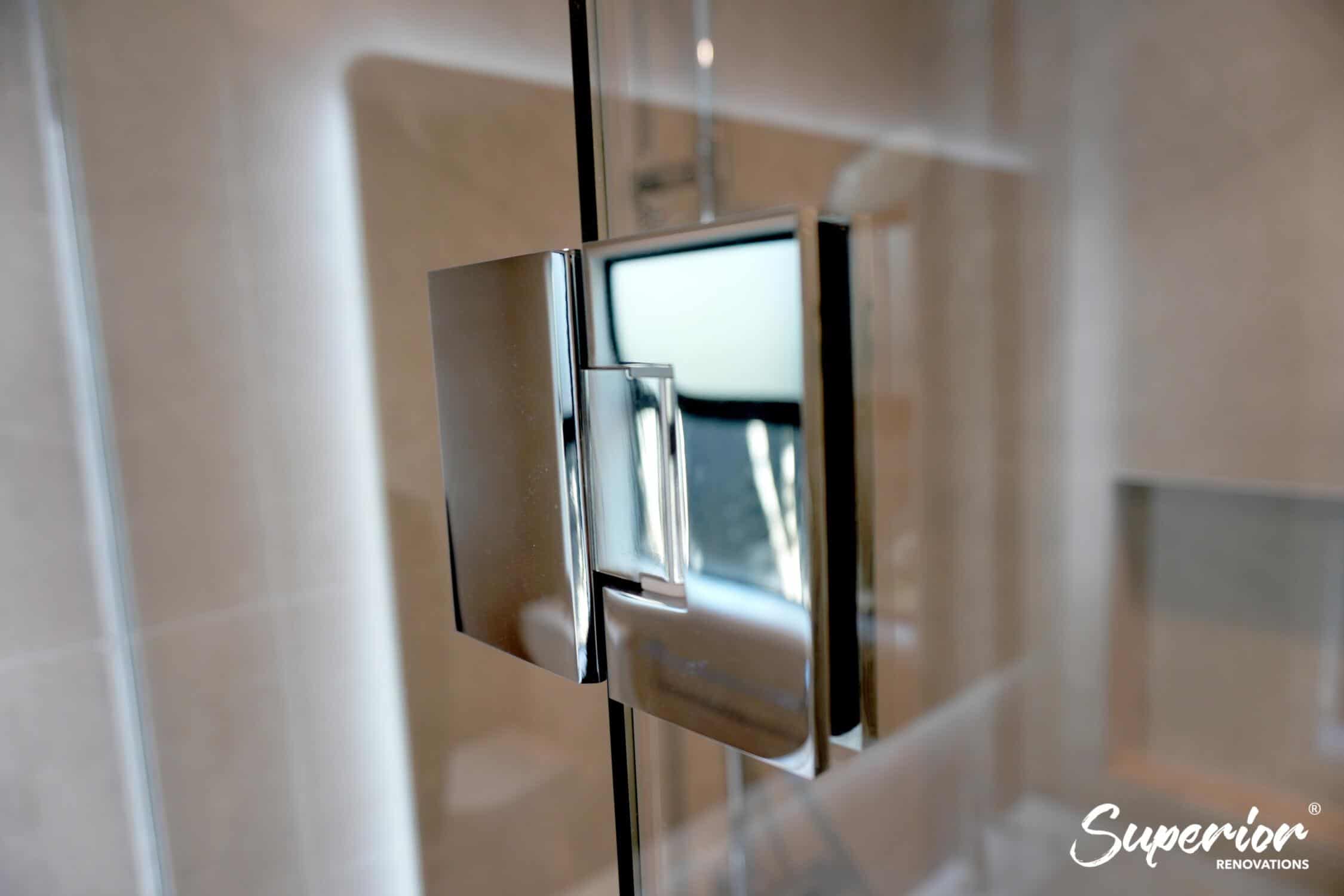
     

    DSC04527 Comprehensive Shower Glass Guide: Frameless Doors, Maintenance & Suppliers in NZ

    How Long Do Shower Glass Warranties Last?

    Duration varies: Basic glass might get 2-5 years, while high-end options from reputable suppliers offer 10+ years. For instance, toughened safety glass compliant with AS/NZS 2208 often comes with longer warranties due to its durability Building Code B1. In Auckland, where salt air can corrode faster, opt for warranties that factor in environmental wear—some suppliers adjust for coastal vs inland homes.

    Auckland Anecdote: A friend in Browns Bay had their shower door hardware rust after a year. Their warranty covered it because the supplier accounted for seaside conditions—always ask about location-specific terms!

    Claiming a Warranty: Step-by-Step Process

    Need to make a claim? Don’t panic—it’s straightforward if you’re prepared. Steps include:

    1. Document the Issue: Photos, purchase receipts, and installation dates are key.
    2. Contact the Supplier: Reach out within the warranty period; most have online forms or hotlines.
    3. Inspection: They might send a rep to assess—common in Auckland for local suppliers.
    4. Resolution: Repair, replace, or refund per CGA guidelines.
    5. Follow-Up: Keep records; if unresolved, escalate to Disputes Tribunal.


    Comparing Warranties from Top Auckland Suppliers

    Let’s see how major players stack up in warranties for shower glass doors.

    Supplier Warranty Length (Glass) Coverage Highlights Exclusions Best For
    Metro Glass 10 years Defects, shattering, hardware (5 years) Installation errors, abuse Coastal homes
    Mico 5-7 years Manufacturing flaws, seals Chemical damage, DIY installs Budget renos
    Reece 10-15 years Extended on premium lines, corrosion Normal wear, improper cleaning Luxury projects


    Superior-Renovations-Showroom-10 Comprehensive Shower Glass Guide: Frameless Doors, Maintenance & Suppliers in NZ


    Warranties and the Consumer Guarantees Act: Your Rights

    The CGA is your ace card—it guarantees products are durable for a reasonable time, even post-warranty. For shower glass panels, “reasonable” might mean 5-10 years depending on price and use. If a $2,000 frameless panel fails after 3 years, you could claim under CGA. Consumer NZ advises keeping proof of purchase and noting issues early CGA repairs and replacements.

    Designer Perspective: “A good warranty isn’t just paper—it’s assurance that your bathroom will stay stunning for years in Auckland’s challenging climate,” says Kevin Yang, Lead Designer at Superior Renovations.

    Common Warranty Exclusions and How to Avoid Them

    Watch out for exclusions like damage from abrasive cleaners, impacts, or non-professional installation. In Auckland, where hard water is common, warranties might not cover mineral buildup—use water softeners to prevent this. Always follow care instructions to keep coverage intact.

    Extending Your Warranty: Is It Worth It?

    Extended warranties can add 5-10 years for a fee (around $100-$300). Worth it for expensive setups in high-use homes, but weigh against CGA protections.

    Scenario: Renovating a rental in Manukau? Opt for basic warranties to keep costs low, but for your forever home in St Heliers, go extended.

    Auckland Council and Warranties: Compliance Ties

    During consents, Auckland Council doesn’t check warranties, but compliant products (per Building Code) often have better ones.

    Witty Thought: Warranties are like umbrellas in Auckland—you hope you don’t need them, but when the rain (or leak) hits, you’re glad they’re there!


    How to Clean and Maintain Shower Glass: Tips for Sparkling Results in Auckland Homes

    Keeping your shower glass doors spotless in Auckland’s humid climate can feel like a never-ending battle against water spots and soap scum. But with the right techniques, you can maintain that just-installed shine without spending hours scrubbing. Whether your bathroom faces the salty breezes of the Hauraki Gulf or the urban hustle of the CBD, proper cleaning and maintenance extend the life of your shower glass panel, keeping it clear and functional. Let’s chat about effective methods, common mistakes, and Auckland-specific hacks. Imagine coming home after a rainy day in the city and stepping into a pristine shower—sounds good, right? Well, it’s achievable with a bit of know-how.

    Why Regular Maintenance Matters for Shower Glass

    Shower glass isn’t invincible; hard water minerals, soap residue, and mould thrive in Auckland’s moist environment, leading to buildup that dulls the surface and can even etch the glass over time. Regular cleaning prevents this, preserves warranties, and maintains hygiene—important for families or those with allergies. As per Consumer NZ on cleaning products, using the right methods avoids damage while keeping things eco-friendly. Plus, well-maintained glass enhances your bathroom’s appeal, potentially boosting home value in Auckland’s competitive market.

    Fast Tip: Clean your shower glass weekly to prevent tough buildup; it’s easier than tackling months of grime.

    Essential Tools and Products for Cleaning Shower Glass

    You don’t need fancy gadgets—just a few basics. A squeegee for daily wipes, microfibre cloths for polishing, and a soft sponge for scrubbing. For products, opt for vinegar-based solutions or commercial cleaners like those rated well by Consumer NZ. Avoid abrasives that scratch; instead, use pH-neutral options safe for toughened glass per Building Code G12.

    In Auckland, where water hardness varies, consider water softeners for prevention. Suppliers like Mico offer easy-clean coated glass in their range, which repels water better.


    Luxury-Bathroom-Design-Redvale-24 Comprehensive Shower Glass Guide: Frameless Doors, Maintenance & Suppliers in NZ

    Step-by-Step Guide to Cleaning Shower Glass

    Here’s a simple routine for sparkling shower glass:

    1. Daily Wipe-Down: After each shower, squeegee off water to prevent spots. Takes 30 seconds and makes a huge difference in humid Auckland.
    2. Weekly Deep Clean: Mix equal parts white vinegar and water, spray on, let sit 5-10 minutes, then scrub gently with a sponge. Rinse and squeegee dry.
    3. Tough Stains: For limescale, use a baking soda paste—apply, wait 15 minutes, scrub, and rinse. Avoid on coated glass; check manufacturer guidelines.
    4. Polish: Buff with a microfibre cloth for streak-free shine. For extra protection, apply a rain-repellent like those used on car windshields.
    5. Ventilation: Use exhaust fans to reduce moisture, preventing mould as recommended by EECA for energy-efficient bathrooms.

    Anecdote: An Auckland client in Henderson struggled with foggy glass until they adopted the vinegar routine. “It’s cheap, natural, and my shower looks new every time,” they shared. Simple swaps like this work wonders.

    Natural vs Commercial Cleaners: Which to Choose?

    Natural options like vinegar are eco-friendly and cheap, great for Auckland’s green-conscious homeowners. Commercial cleaners offer convenience and targeted formulas for hard water. Per Consumer NZ tests, some eco-brands perform as well as chemicals without harsh fumes.

    Cleaner Type Pros Cons Best For
    Natural (Vinegar/Baking Soda) Affordable, non-toxic, readily available May require more elbow grease Eco homes, mild buildup
    Commercial (Sprays/Gels) Fast-acting, specialized for stains Can be pricey, chemical smells Heavy use bathrooms, hard water areas

    Helpful Hint: Test cleaners on a small area first to ensure no damage, especially on textured glass.

    Maintaining Different Types of Shower Glass

    Clear glass shows spots easily, so daily squeegeeing is key. Frosted or textured? They hide marks but trap residue in grooves—use a soft brush. For coated glass from suppliers like Metro Glass, avoid harsh chemicals to preserve the coating Metro Glass shower products.
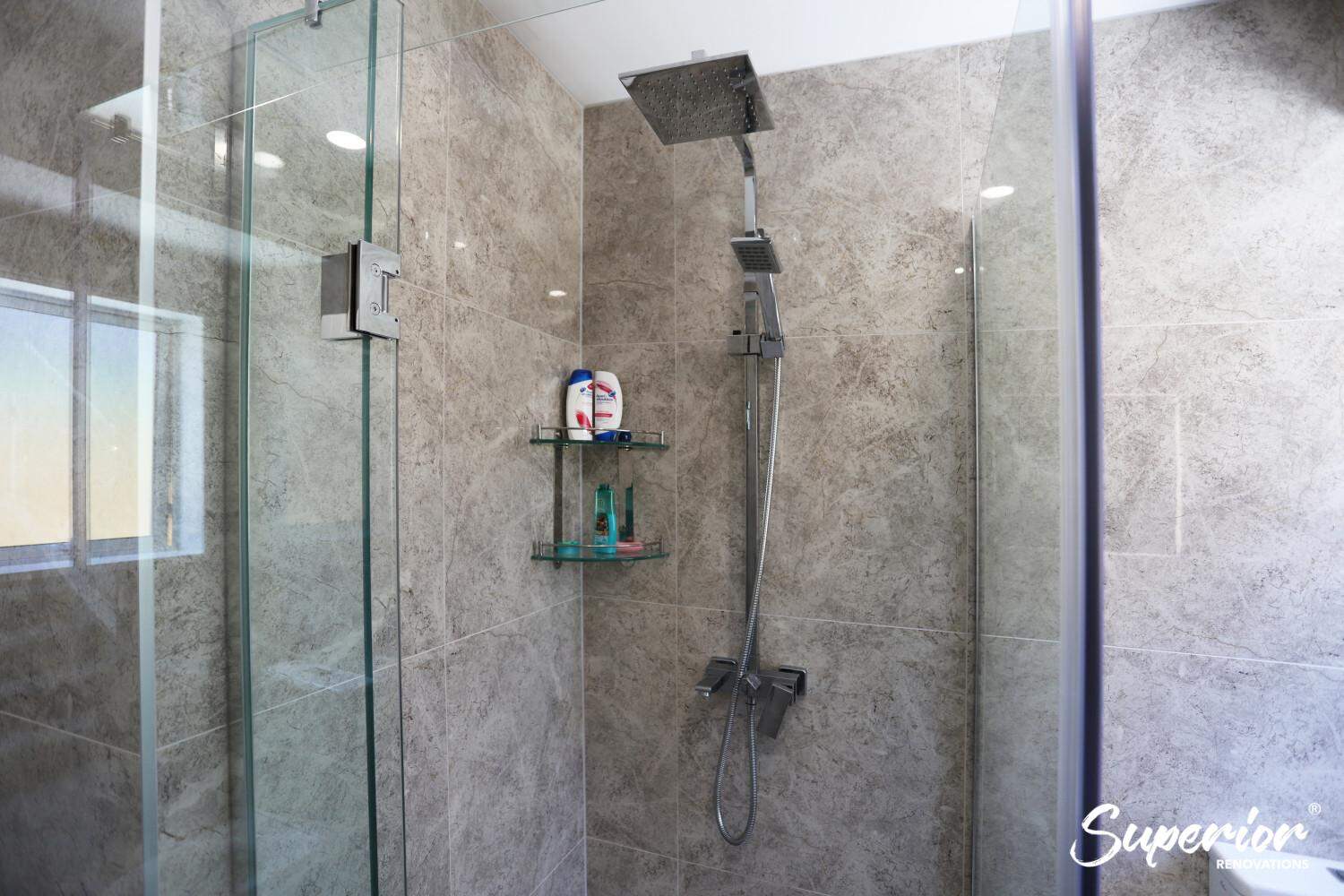
     

    IMG_0786 Comprehensive Shower Glass Guide: Frameless Doors, Maintenance & Suppliers in NZ

    In coastal Auckland, rinse salt residue weekly. Reece’s easy-clean screens here make maintenance a breeze with their repellent surfaces.

    Preventing Common Problems: Mould, Limescale, and Scratches

    Mould loves Auckland’s humidity—combat it with good ventilation and anti-mould sprays. Limescale? Install a filter or use descalers monthly. Scratches? Use only soft tools; if they occur, polish kits can help but prevention is best.

    Designer Quote: “Maintenance is about consistency; in Auckland, a quick daily routine keeps your shower glass looking premium without the hassle,” says Wendy Chen, Designer at Superior Renovations.

    Eco-Friendly Maintenance Tips for NZ Homes

    Go green with reusable cloths and natural cleaners to align with EECA’s sustainability push. Reduce water use by cleaning during showers—spray, let sit, rinse off. For energy savings, maintain clear glass to maximize natural light, cutting down on artificial lighting.

    Local Advice: In hard water areas like South Auckland, consider professional deep cleans yearly to tackle buildup effectively.

    When to Call Professionals for Shower Glass Maintenance

    For etched glass or major damage, pros can restore with specialized treatments. If your warranty covers it, use supplier services for best results.

    Witty Note: Cleaning shower glass is like flossing—skip it, and problems build up; do it regularly, and everything stays smooth!


    Frameless Shower Glass: The Sleek Choice for Modern Auckland Bathrooms

    If you’re dreaming of a bathroom that feels like a high-end spa right in your Auckland home, frameless shower glass might just be the star of the show. Without those bulky metal frames, it offers a seamless, open look that makes even the smallest ensuites in city apartments feel bigger and brighter. But is it right for every Kiwi bathroom? In Auckland, where we blend modern vibes with practical living—think open-plan homes in Wynyard Quarter or cosy villas in Ponsonby—frameless options are surging in popularity. Let’s unpack what frameless shower glass enclosures are all about, their perks and pitfalls, and how they fit into local renovations. Ever wondered why your shower feels cramped? Ditching the frame could be the fix. Stick around as we explore this trend that’s transforming Auckland bathrooms one panel at a time.

    What Exactly Is Frameless Shower Glass?

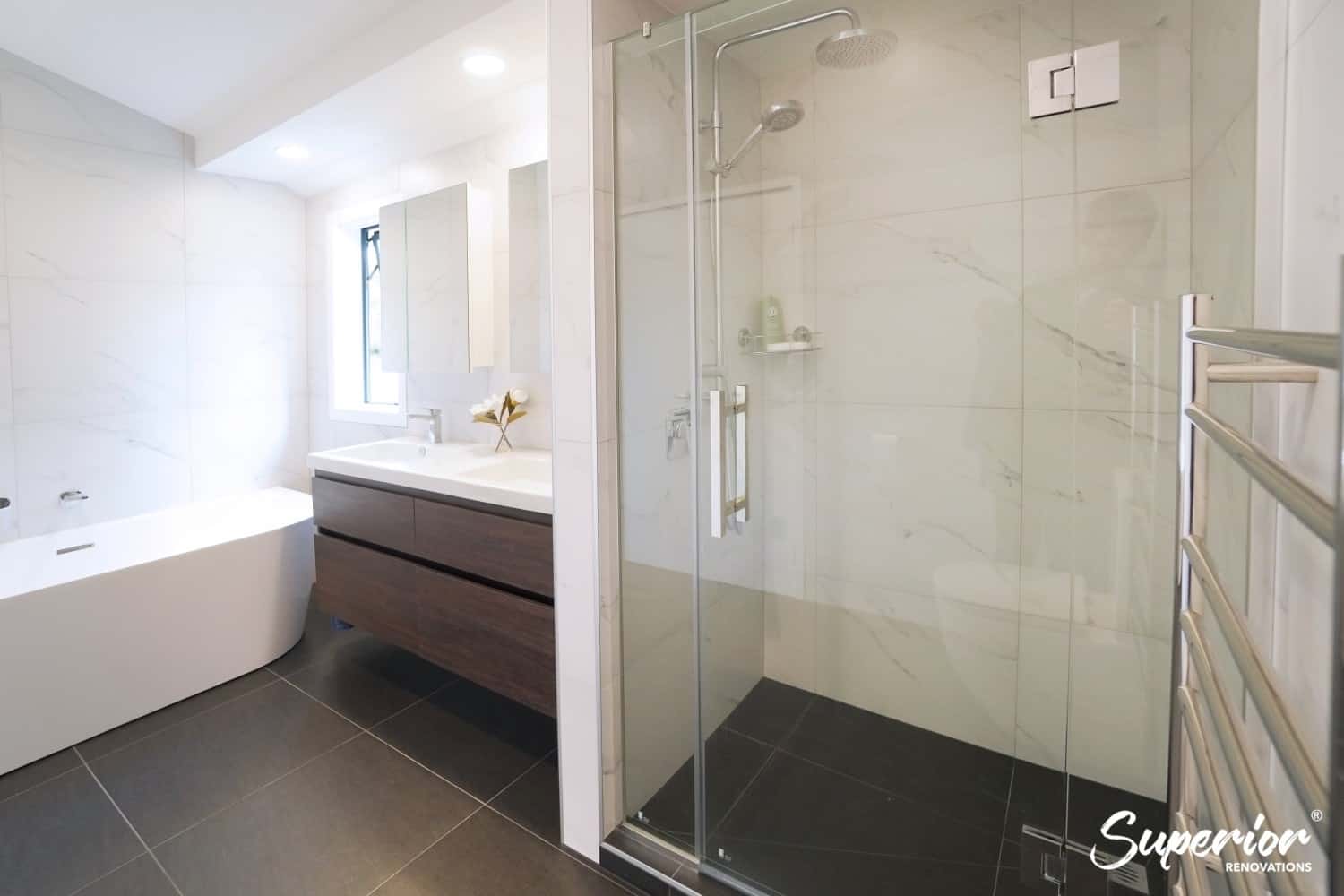
    Frameless shower glass doors and panels use thick, toughened glass—usually 10mm to 12mm—held in place by discreet brackets, hinges, or channels instead of full frames. This design creates a minimalist aesthetic, letting the glass take center stage. In New Zealand, it must meet safety standards like AS/NZS 2208 to ensure it’s shatter-resistant Building Code B1. For Aucklanders, frameless setups work well in contemporary spaces, but they require precise installation to avoid leaks in our rainy climate.

    Quick Insight: Frameless isn’t completely without support—subtle hardware keeps it stable, but the visual effect is all about that uninterrupted glass flow.

    Benefits of Going Frameless in Your Shower Design

    The appeal? It’s all in the details. Frameless shower glass panels make bathrooms feel larger by eliminating visual barriers, perfect for compact Auckland units in the Viaduct. They’re easier to clean—no crevices for mould—and let light bounce around, brightening dim spaces on overcast days. Durability is another win; the thicker glass stands up to daily use, and with proper seals, it handles humidity like a champ. According to Consumer NZ bathroom renovation guides, frameless options can add a premium feel, potentially increasing home value in Auckland’s hot property market.

    Plus, customization is huge—you can go for clear, frosted, or textured glass to match your style, whether it’s a beachy vibe in Takapuna or urban chic in Britomart.
     

    DSC02092 Comprehensive Shower Glass Guide: Frameless Doors, Maintenance & Suppliers in NZ

    Drawbacks to Consider Before Choosing Frameless

    It’s not all smooth sailing. Frameless shower glass costs more—expect 20-50% higher than framed due to thicker glass and specialized fittings. Installation demands pros, as even slight misalignments can cause leaks or instability, especially in Auckland’s older homes with uneven floors. Water containment might be trickier without frames, so good sealing is essential to prevent slips on wet tiles. In windy coastal areas like Piha, ensure hardware is corrosion-resistant to battle salt air.

    Anecdote from the Field: A homeowner in Grey Lynn opted for frameless in their 1920s bungalow reno. “It opened up the space beautifully, but we had to reinforce the walls for the weight—worth it, though, for that wow factor,” they recalled with a grin.

    Framed vs Frameless Shower Glass: A Comparison Table

    Still deciding? This table highlights key differences tailored to Auckland renovations.

    Aspect Framed Frameless
    Cost Lower ($500-$1,500) Higher ($1,200-$3,000)
    Aesthetics Traditional, structured Modern, seamless
    Installation Easier, forgiving for DIY Requires pros, precise
    Maintenance Frames can trap dirt Easier clean, but seals need attention
    Durability Good, but frames may corrode Excellent with thick glass
    Best For Budget family bathrooms Luxury, open-plan designs


    Installation Essentials for Frameless Shower Glass

    Installation is where frameless shines—or shatters if done wrong. Start with waterproofed walls and a level base; Auckland Council often requires consents for structural changes.. Pros use clamps or U-channels to secure glass, applying silicone for watertight seals. Expect 1-2 days for a standard setup, longer for customs.

    Common Mistake: Skipping wall reinforcements—frameless glass is heavy, so studs or blocking are crucial in timber-framed Auckland homes.

    Cost Factors for Frameless Shower Glass in Auckland

    Budgets vary: A basic single-panel setup might run $1,200-$2,000, while a full enclosure with doors could hit $3,000+. Factors include glass type (clear vs tinted), size, and hardware quality. Installation adds $500-$1,000.

    Designer Quote: “Frameless shower glass brings that effortless elegance to Auckland bathrooms, making small spaces feel luxurious and airy,” says Dorothy Li, Senior Designer at Superior Renovations.

    Choosing the Right Glass for Your Frameless Setup

    Go for 10mm+ thickness for stability; low-iron for ultra-clarity or frosted for privacy. In family homes across Manurewa, textured options hide water marks while maintaining the frameless sleekness. Ensure it’s safety-rated to avoid accidents—key in homes with kids or elderly.

    Local Suppliers Specializing in Frameless Shower Glass

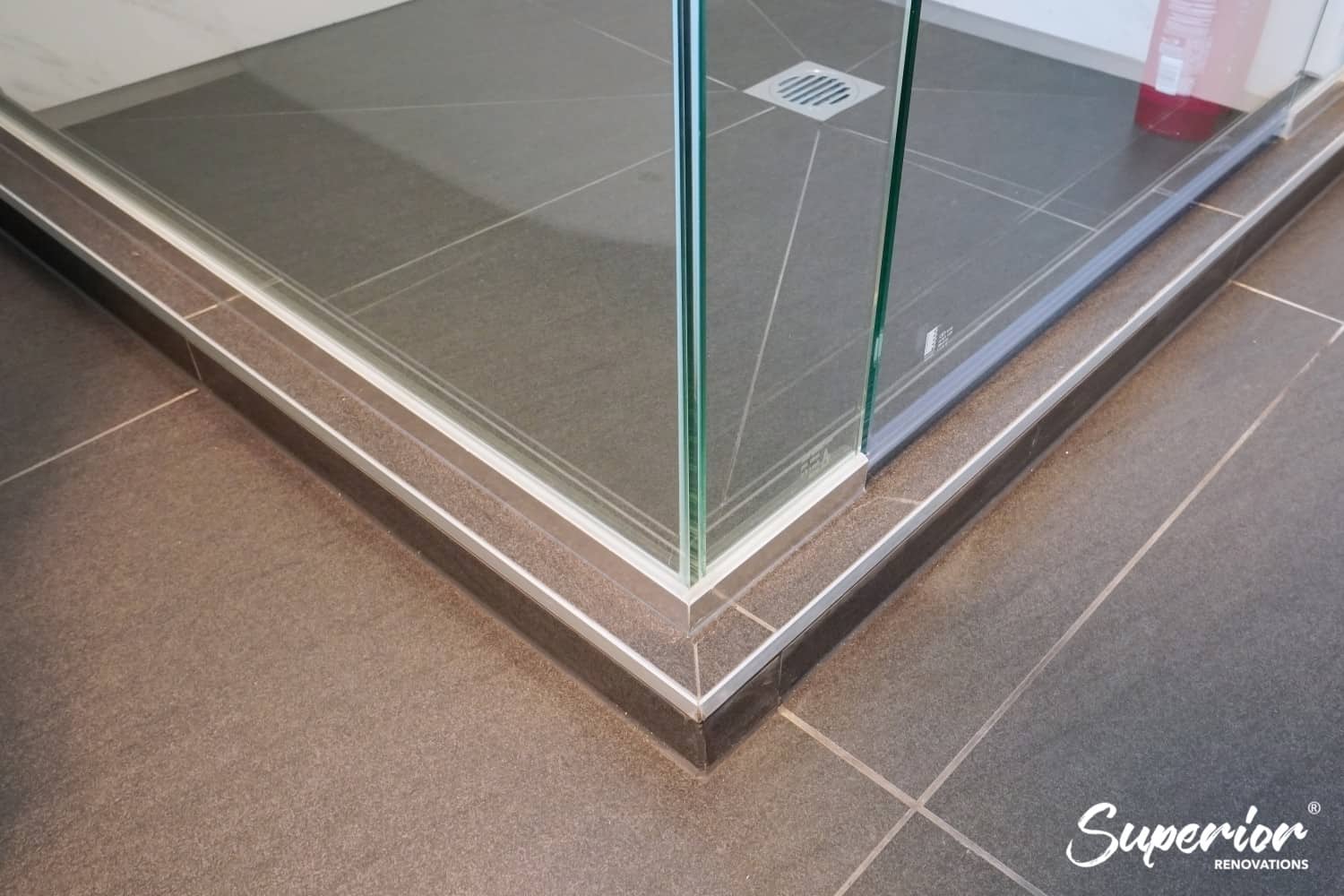
    Auckland has great options. Metro Glass offers custom frameless panels with their shower screens, known for durability.
    bathroom-renovation-north-shore-18-1 Comprehensive Shower Glass Guide: Frameless Doors, Maintenance & Suppliers in NZ

    Mico’s frameless doors collection include pivot and sliding styles, perfect for space-saving.

    Reece provides premium frameless screens here, with options for tinted glass in upscale renos.

    Maintenance Tips for Frameless Shower Glass

    Keep it simple: Squeegee after use, clean weekly with vinegar to fight Auckland’s hard water. Check seals annually for wear—replace to prevent leaks. Easy-clean coatings from suppliers extend that new look.

    Witty Aside: Frameless glass is like a good haircut—subtle, but it makes everything look better. Just don’t forget the upkeep, or it’ll go from chic to streak!

    Is Frameless Right for Your Auckland Home?

    If you crave modern minimalism and have the budget, yes. For budget-conscious or traditional styles, framed might suit better. Consider your lifestyle—busy households in Papatoetoe might prefer low-maintenance textures.

    Shower Glass Hardware and Fittings: Key Elements for Durable Auckland Showers

    When it comes to assembling the perfect shower glass enclosure, the hardware and fittings are the unsung heroes that hold everything together—literally. In Auckland, where bathrooms endure everything from steamy mornings to occasional earth tremors, choosing the right shower glass hardware ensures your setup is secure, stylish, and splash-proof. Whether you’re fitting a frameless panel in a sleek Newmarket apartment or a framed door in a family home in Henderson, these components make the difference between a wobbly mess and a solid sanctuary. Let’s break down the essentials, from hinges to handles, and how they tie into local needs. Ever had a shower door that squeaks or leaks? Blame the fittings! But fear not—we’ll guide you through picking the best for your reno.

    Understanding Shower Glass Hardware: The Basics

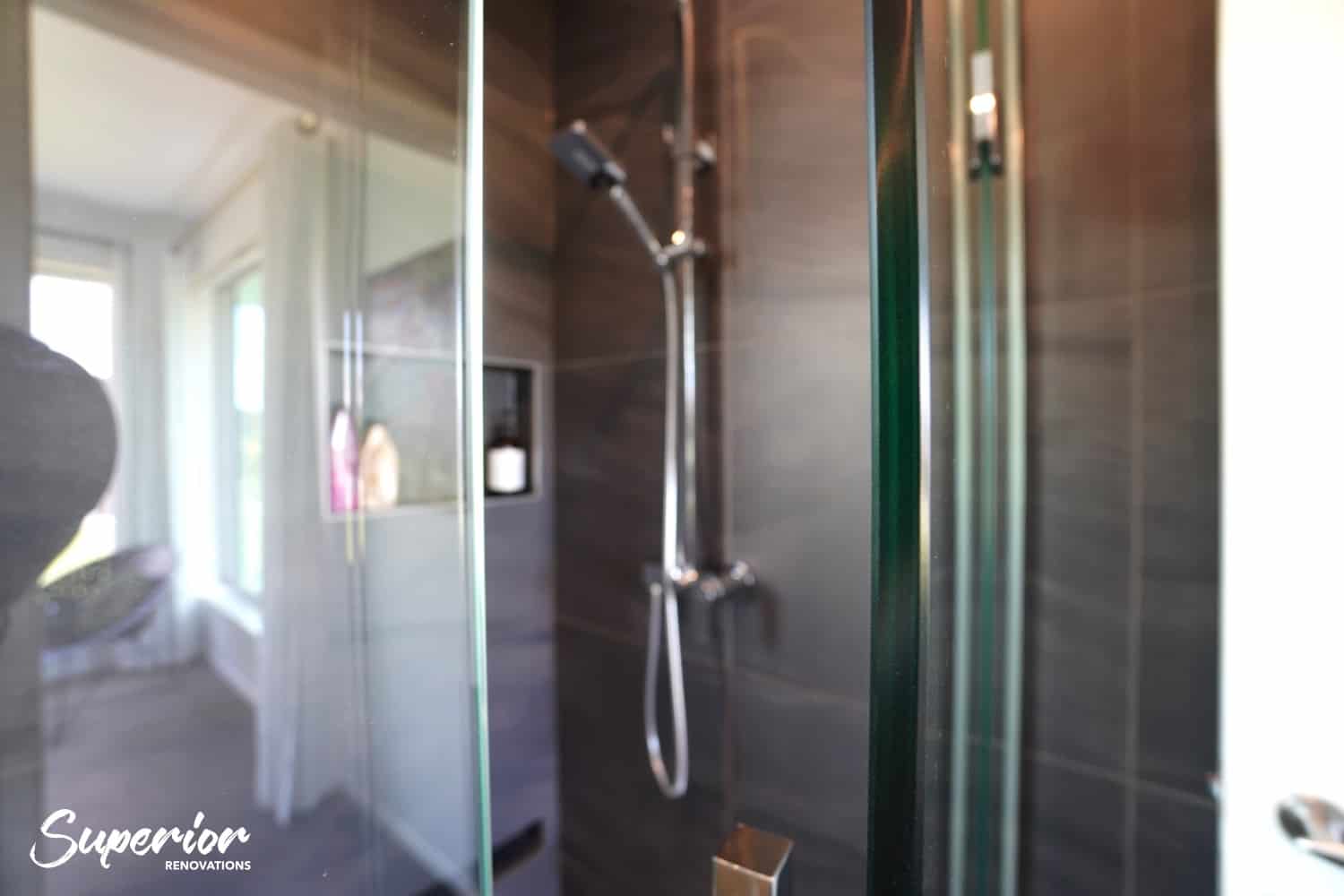
    Shower glass fittings include all the bits that support, seal, and operate your glass—think hinges, clips, channels, handles, and seals. They need to be rust-resistant, strong, and compliant with NZ standards to handle moisture and use. In Auckland’s humid subtropical climate, opt for stainless steel or brass to fend off corrosion, as salty air from the Waitematā can accelerate wear. The Building Code requires fittings to contribute to overall stability and watertightness Building Code G12. Poor choices lead to leaks or failures, so investing here pays off in longevity and safety.

    Tip for Quick Readers: Always match hardware to your glass type—frameless needs heavy-duty fittings, while framed can use lighter ones.

    Types of Shower Glass Hardware and Their Functions

    Hardware varies by design, but here’s a rundown of common types for Auckland bathrooms:

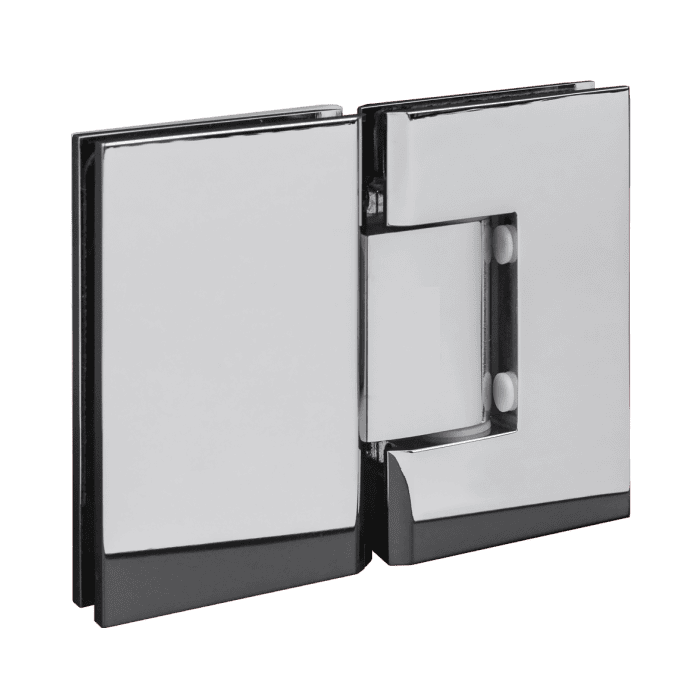
    • Hinges: For pivot or swing doors, hinges allow smooth opening. Self-closing ones prevent slams, ideal for busy households.
    • Clips and Brackets: Secure fixed panels in frameless setups, often wall-mounted for stability.
    • U-Channels: Metal tracks that hold glass at the base or sides, providing support without full frames.
    • Handles and Knobs: For easy gripping; choose ergonomic designs to avoid slips on wet hands.
    • Seals and Gaskets: Rubber or silicone strips that prevent water escape, crucial for Auckland’s wet winters.
    • Rollers and Tracks: For sliding doors, ensuring effortless movement without jamming.

    Materials matter: Stainless steel grade 304 or 316 is best for corrosion resistance, especially in coastal suburbs like Devonport. Consumer NZ advises checking for durability ratings to ensure they withstand daily tugs and humidity.
     

    luxury-bathroom-designs-31 Comprehensive Shower Glass Guide: Frameless Doors, Maintenance & Suppliers in NZ

    Choosing Hardware for Frameless vs Framed Showers

    Frameless shower glass fittings demand robust, minimalistic hardware like glass-to-glass hinges or point-fixed clamps to maintain that clean look. They’re pricier but offer a premium feel in modern Auckland lofts. Framed setups use simpler tracks and rollers, which are more forgiving and budget-friendly for DIYers. In quake-prone Auckland, ensure fittings have some flexibility to absorb movement, aligning with Building Code B1 for structure.

    Scenario Spotlight: Picture renovating a 1980s home in Titirangi—the bushy dampness calls for sealed, rust-proof fittings. A client there chose stainless hinges, and their shower’s still leak-free years later. “It was the hardware that made it reliable,” they noted.

    Key Features to Look for in Shower Glass Fittings

    When shopping, prioritize:

    • Corrosion Resistance: Essential in Auckland; look for marine-grade materials.
    • Load-Bearing Capacity: Must support glass weight—check specs for 10mm+ panels.
    • Adjustability: For uneven walls common in older homes.
    • Aesthetics: Matte black, chrome, or brushed nickel to match your decor.
    • Ease of Installation: Pre-drilled or template-included for smoother fits.

    For energy efficiency, fittings that allow for better sealing can reduce draughts.

    Comparing Popular Shower Glass Hardware Options

    To help decide, here’s a table of hardware types suited to Auckland conditions.

    Hardware Type Material Options Pros Cons Price Range (NZD) Best For
    Hinges Stainless Steel, Brass Smooth operation, durable Can be visible $50–$150 each Swing doors
    Clips/Brackets Aluminium, Steel Minimalist, strong hold Require precise drilling $20–$80 per set Frameless panels
    Handles Chrome, Nickel Easy grip, stylish Fingerprints show $30–$100 All doors
    Seals Silicone, Rubber Waterproof, flexible Wear over time $10–$50 per meter Leak prevention
    Rollers/Tracks Stainless Steel Smooth slide, space-saving Can accumulate dirt $100–$300 set Sliding enclosures

    Advice for Aucklanders: In high-wind areas like West Auckland, choose fittings with wind-load ratings to keep things secure.

    Installation Tips for Shower Glass Hardware

    Installing shower glass hardware requires accuracy—measure thrice, drill once. Use waterproof silicone for seals, and ensure brackets are anchored into studs for strength. For frameless, pros are recommended to handle the weight.

    Common Error: Overtightening screws— it can crack glass. Go gentle and use torque settings if possible.

    Maintenance and Care for Hardware and Fittings

    Keep fittings shining with weekly wipes using mild soap—avoid abrasives. Lubricate hinges annually with silicone spray to prevent squeaks. In Auckland’s dampness, check seals quarterly for cracks and replace as needed to avoid leaks. This extends life and maintains efficiency, reducing water waste per EECA guidelines.

    Designer Insight: “The right hardware elevates your shower from functional to fabulous, blending seamlessly in Auckland’s diverse home styles,” says Alison Yu, Designer at Superior Renovations.

    Where to Source Quality Shower Glass Fittings in Auckland

    Local suppliers offer top-notch options. Pumbline has a range of hinges and handles in their shower components.
    cbh180.cr_ Comprehensive Shower Glass Guide: Frameless Doors, Maintenance & Suppliers in NZ

    https://plumbline.co.nz/buddy-glass-to-glass-180-degree-shower-hinge


    Bringing It All Together for Your Ideal Shower Glass Setup

    There you have it—Auckland’s ultimate rundown on shower glass enclosures, from selecting the right type and texture to sourcing suppliers, ensuring certifications, mastering installation, understanding warranties, maintaining sparkle, embracing frameless designs, and picking perfect hardware. In our humid, coastal city, the right shower glass isn’t just about aesthetics; it’s about creating a resilient, beautiful space that fits your lifestyle, whether in a heritage villa or a modern high-rise. By now, you should feel equipped to make informed choices that comply with NZ standards and enhance your home’s value. Remember, quality materials from trusted suppliers like Metro Glass, Mico, and Reece, combined with professional advice, lead to lasting results.


    What are the best types of shower glass for small Auckland bathrooms?

    Clear or low-iron glass maximizes space and light, making compact areas feel larger. Frosted options add privacy without closing in the room.

    How do I choose between framed and frameless shower glass doors?

    Frameless offers a modern, seamless look but costs more and requires pro installation. Framed is budget-friendly and easier for DIY, ideal for families.

    What certifications should I look for in NZ shower glass panels?

    AS/NZS 2208 for safety glass is essential, plus compliance with Building Code sections like B1 and G12 for structure and water supplies.

    Which suppliers in Auckland offer the best shower glass options?

    Metro Glass for durable, custom panels; Mico for versatile doors; Reece for premium screens—all with local stock and expertise.

    How often should I clean my shower glass to prevent buildup?

    Daily squeegee wipes and weekly deep cleans with vinegar keep it spotless, especially in Auckland's hard water areas.

    What's the typical warranty on shower glass hardware?

    5-10 years for glass defects, 1-5 years for fittings; always check with suppliers and know your rights under the Consumer Guarantees Act.

    Can I install frameless shower glass myself?

    It's possible but not recommended—precision is key to avoid leaks. Hire pros for compliance and safety in Auckland homes.

    What's the cost range for a basic shower glass installation?

    $500-$2,500 depending on type and size; use our calculator for a tailored quote including materials and labor.


    Curious about how much your
    bathroom renovation would cost?

    Try our bathroom renovation cost calculator tool


    Need ideas? Check out our Kitchen Design Gallery or dive into our Bathroom Design Gallery for inspiration!


    Need more information?

    Take advantage of our FREE Complete Home Renovation Guide (48 pages), whether you’re already renovating or in the process of deciding to renovate, it’s not an easy process, this guide which includes a free 100+ point check list – will help you avoid costly mistakes.


    Still have questions unanswered?

    Book a no-obligation consultation with the team at Superior Renovations,
    we’d love to meet you to discuss your renovation ideas!


      Services

      Home RenovationKitchen RenovationBathroom RenovationOutdoor RenovationHouse ExtensionCommercialDesign ServicesOther

      By submitting this form, you agree to receive communications from us via email or text regarding our services, you can unsubscribe at any time.

      This site is protected by reCAPTCHA and the Google

      Privacy Policy and Terms of Service apply.


      WRITTEN BY SUPERIOR RENOVATIONS

      Superior Renovations is quickly becoming one of the most recommended Kitchen Renovation & Bathroom Renovation company in Auckland and it all comes down to our friendly approach, straightforward pricing, and transparency. When your Auckland home needs renovation/ remodeling services, Superior Renovation is the team you can count on for high-quality workmanship, efficient progress, and cost-effective solutions.

      Get started now by booking a free in-home consultation.

      Request Your In-home Consultation

      Or call us on 0800 199 888

      www.superiorrenovations.co.nz

      finance-badge1000x1000 Comprehensive Shower Glass Guide: Frameless Doors, Maintenance & Suppliers in NZ

      Have you been putting off getting renovations done?

      We have partnered with Q Mastercard ® to provide you an 18 Month Interest-Free Payment Option, you can enjoy your new home now and stress less.

      Learn More about Interest-Free Payment Options*

      *Lending criteria, fees, terms and conditions apply. Mastercard is a registered trademark and the circles design is a trademark of Mastercard International Incorporated.


      mico plumbing
      Media

      Spotlight on Mico Plumbing New Zealand – Bathroom Fittings Partner for Superior Renovations

      Mico Plumbing: Why We Use Them on Auckland Renovation Projects

      Good tapware is the kind of thing you notice immediately when it’s wrong and barely notice when it’s right. The same goes for vanities, showers, and toilet suites — they need to work well, look the part, and hold up over time. That’s why at Superior Renovations, we’re consistent about where we source our plumbing fixtures and fittings: Mico Plumbing. With over 70 years in the industry and 64 branches across New Zealand, Mico has the range, the stock depth, and the trade support that renovation projects actually require. This post covers what they offer, how we work with them, and which products are worth looking at for your next Auckland renovation.

      Why do we recommend Mico Plumbing?

      The practical answer: their stock availability, trade service, and range of quality brands mean our projects stay on schedule and on budget. When a specific fixture is needed on a build, we can’t afford to be waiting on backorders or managing multiple suppliers. Mico’s 64 branches — including several Auckland locations — and their online ordering portal solve that problem. For homeowners, that means fewer delays and more design options, not fewer.

      About Mico Plumbing: A Legacy of Quality and Trust

      Mico was founded in 1946 and has grown into New Zealand’s largest plumbing supplier — 64 branches nationwide, including their flagship Auckland store at 64 Cook Street. Seven decades of supplying builders, homeowners, and designers is a decent track record. Their parent company, Fletcher Building, backs the operation with solid supply chains and industry credibility. The Mico offering covers residential and commercial projects, and their Pipelines brand extends into large-scale infrastructure — which gives you a sense of the breadth of what they manage.

      small-bathroom-ideas-body2 Spotlight on Mico Plumbing New Zealand - Bathroom Fittings Partner for Superior Renovations

      https://www.mico.co.nz/inspiration/bathroom-design-ideas/small-bathroom-design-ideas/


      What matters most to us as a renovation company is their trade account structure — dedicated support, competitive pricing, and consistent stock allocation. These aren’t things that show up in a product catalogue, but they’re what actually keep a renovation moving. Mico’s eco-friendly product range — water-saving tapware, WELS-rated fixtures — also aligns with what Auckland homeowners are increasingly asking for.

      Practical tip: Visit a Mico showroom early in your project — before you’ve finalised anything. Bring your design ideas or a mood board, and their staff can help you find products that work together as a set. It’s a faster and more reliable way to make decisions than choosing fixtures individually online.

      Why We Recommend Mico Plumbing: Core Offerings and Benefits

      Mico’s product range covers the full scope of bathroom and kitchen renovation requirements — vanities, basins, baths, toilets, showers, kitchen tapware, laundry fittings, and the pipes and fittings that go behind everything else. (https://www.csc.org.nz/page/mico-plumbing/)

      What Makes Mico Stand Out?

      — Nationwide reach: 64 branches means consistent stock availability across New Zealand. Products are where they need to be, when they need to be there.

      — Established brands: Mico carries Methven, Englefield, and American Standard alongside their own product lines. The range covers everything from entry-level to premium specification, which suits the variety of projects we handle.

      — Working showrooms: The Cook Street showroom isn’t just a display — it’s a properly styled space where you can see how fixtures actually look and work together before committing.

      — Trade support: Their accounts for trade professionals mean our team accesses competitive pricing, faster delivery, and technical advice — all of which benefit the client through better value and fewer hold-ups.

      — Online portal: Mico’s website (www.mico.co.nz) makes stock checking and ordering straightforward for both our team and clients who want to browse independently.

      Worth knowing: Mico’s presence on ArchiPro — New Zealand’s leading architecture and design platform — reflects how well they’re regarded by designers working at the premium end of the market. Their range of bathroom and plumbing products is consistently cited by architects specifying high-end renovation work.


      Screenshot-2025-08-04-114350 Spotlight on Mico Plumbing New Zealand - Bathroom Fittings Partner for Superior Renovations

      How to Choose the Right Mico Products for Your Renovation

      The range is extensive, which is useful once you know what you’re looking for and slightly overwhelming when you don’t. A few things that help:

      1. Settle on your style direction first. Modern and minimal, or warmer and more classic? Getting clear on this before you visit the showroom or browse online narrows the field considerably.

      2. Think about how the room gets used. In bathrooms, water efficiency and surface cleanability matter for daily use. In kitchens, a pull-out spray tap sounds like a small detail until you’ve used one and then don’t have one — suddenly it’s the thing you miss most.

      3. Ask the Mico staff directly. Their product knowledge is genuinely useful, not just sales-focused. They can steer you toward eco-friendly options or whatever’s trending — matte black tapware, for example, has held strong across Auckland renovations for a few years now.

      4. Confirm plumbing compatibility early. A fixture that looks right but doesn’t suit your existing plumbing layout creates delays and additional cost. Mico’s trade team can advise on this — worth asking before you commit.


      Popular Mico Plumbing Product Categories for Renovations

      Category

      Key Products

      Why It’s Great for Renovations

      Bathroom Fixtures

      Vanities, basins, toilets, showers, baths

      Wide range of styles, from budget to luxury, with durable, easy-maintenance options.

      Kitchen Tapware

      Pull-out taps, gooseneck mixers, filters

      Enhances functionality with modern designs; water-saving features reduce bills.

      Laundry Solutions

      Tubs, tapware, drainage systems

      Compact, practical options suited to smaller Auckland homes.

      Pipes & Fittings

      Copper pipes, PVC, drainage solutions

      Reliable for the work behind the walls — the part that determines long-term performance.

      How Superior Renovations Works with Mico Plumbing

      Our relationship with Mico is built on something straightforward: they reliably have what we need, when we need it, at pricing that makes sense for the projects we run. Their trade accounts give us access to competitive pricing and priority stock allocation — which means we can hold to the budgets we quote and the timelines we commit to. For clients, that reliability shows up as fewer delays and a broader range of product choices rather than a shortlist driven by what’s in stock.

      As an example of how this plays out in practice: renovating a 1970s Auckland villa bathroom, we’ll typically work with Mico to source a Methven Aio Aurajet shower system — water-efficient, with a clean chrome finish that suits contemporary interiors without being aggressively modern. Paired with an Englefield Verona vanity, the result has the kind of quiet sophistication that holds up well over time. The pipework and fittings running behind everything are also Mico — it’s consistent specification from front to back, which matters for long-term performance in Auckland’s climate.


      Aio-Shower-Aurajet-Rail-White Spotlight on Mico Plumbing New Zealand - Bathroom Fittings Partner for Superior Renovations

      https://www.mico.co.nz/bathroom/shower-mixers-showering/slide-showers/aio-shower-aurajet-rail-white-aosrcpwh


      Products Worth Knowing About

      A few specific Mico products that consistently perform well in Auckland renovation projects:


      1. Methven Kiri Satinjet Shower
      • What it is: A wall-mounted shower using Satinjet technology — high-pressure feel, lower water use.
      • Why it works: Water efficiency without the compromise in shower experience. The design suits most contemporary Auckland bathrooms without demanding a specific aesthetic.
      • Worth knowing: Pairs well with matte black or brushed nickel finishes if you want to push the look a bit further.

      1. Englefield Verona Wall-Hung Vanity
      • What it is: A wall-mounted vanity with soft-close drawers and ceramic basin.
      • Why it works: Wall-hung storage recovers visual floor space — particularly relevant in Auckland apartments and ensuites where the room doesn’t have room to feel crowded.
      • Worth knowing: Available in bolder colours if a standard white bathroom isn’t the direction you’re heading.

      1. Mico Eco Tapware Range
      • What it is: Water-efficient kitchen and bathroom tapware with WELS ratings across the range.
      • Why it works: Reduces water use and bills without giving anything up aesthetically — available in multiple finishes.
      • Worth knowing: The pull-out spray kitchen tap in this range is genuinely useful for everyday cooking and cleaning. One of those upgrades that seems minor and then gets used constantly.

      1. American Standard Acacia Evolution Toilet Suite
      • What it is: A dual-flush toilet suite with a clean, modern profile.
      • Why it works: Reliable, efficient, and well-suited to family bathrooms. Not a statement piece, but not meant to be — it’s the kind of specification that holds up over years of daily use.
      • Worth knowing: Confirm plumbing compatibility with your installer before ordering — saves time and avoids the kind of mid-project delay that nobody wants.

      Mico’s products are specified for durability and low maintenance — which matters in Auckland’s humidity. The right fixtures in a well-executed renovation should still look and function exactly as they should a decade from now.

      What Customers Are Saying About Mico Plumbing

      From their Google Reviews, a representative sample of what homeowners and trades are experiencing:

      • Sarah T., Auckland: “The team at Mico Cook Street was incredibly helpful. They guided me through choosing a new shower system and even suggested eco-friendly options I hadn’t considered. Great service!”

      • James R., Christchurch: “Mico’s range is unbeatable. Found everything I needed for my bathroom reno, and the staff knew their stuff. Delivery was quick, too.”

      • Emma L., Wellington: “I was overwhelmed by choices, but the showroom staff made it easy to pick a vanity and tapware that fit my budget and style. Highly recommend!”

      • Mark S., Dunedin: “As a tradie, I rely on Mico for fast stock and trade discounts. Never had an issue with availability, and their online portal is a lifesaver.”

      Consistent themes: the staff know the products, availability is reliable, and the service works as well for tradespeople as it does for homeowners.

      Want to see what Mico’s range could do for your Auckland renovation?

      • Visit Mico Plumbing: Head to www.mico.co.nz or the Auckland showroom at 64 Cook Street. Bring your plans or a rough brief, and their team can help you find what fits.

      • Book a free consultation with Superior Renovations: We’ll talk through your project, budget, and how the right fixture choices can lift the finished result. No obligation — just a straight conversation about what’s possible.


      Need more information?

      Take advantage of our FREE Complete Home Renovation Guide (48 pages), whether you’re already renovating or in the process of deciding to renovate, it’s not an easy process — this guide, which includes a free 100+ point checklist, will help you avoid costly mistakes.


      Still have questions?

      Book a no-obligation consultation with the team at Superior Renovations — we’d love to talk through your renovation ideas.


        Services

        Home RenovationKitchen RenovationBathroom RenovationOutdoor RenovationHouse ExtensionCommercialDesign ServicesOther

        By submitting this form, you agree to receive communications from us via email or text regarding our services, you can unsubscribe at any time.

        This site is protected by reCAPTCHA and the Google

        Privacy Policy and Terms of Service apply.


        WRITTEN BY SUPERIOR RENOVATIONS

        Superior Renovations is one of Auckland’s most recommended renovation companies — known for straight talk, transparent pricing, and work that holds up. When your home needs renovating, we’re the team that shows up and gets it sorted.

        Get started with a free in-home consultation.

        Request Your In-home Consultation

        Or call us on 0800 199 888

        www.superiorrenovations.co.nz


        finance-badge1000x1000 Spotlight on Mico Plumbing New Zealand - Bathroom Fittings Partner for Superior Renovations

        Putting off that renovation?

        We’ve partnered with Q Mastercard® to offer an 18-month interest-free payment option. Get the project sorted now and spread the cost.

        Learn more about Interest-Free Payment Options*

        *Lending criteria, fees, terms and conditions apply. Mastercard is a registered trademark and the circles design is a trademark of Mastercard International Incorporated.

        Exterior painting after 1000 - Superior Renovations
        House Renovation

        How Much Does It Cost to Paint a House in NZ? Auckland Guide 2025

        Hey Kiwis, if you’re eyeing up a fresh lick of paint for your Auckland home—whether it’s battling the salty air in Takapuna or sprucing a classic villa in Mt Eden—this 2025 guide has you sorted. We’re talking realistic costs for interior, exterior, and roof jobs, from $5k–$30k total, factoring in our wild weather, prep needs, and ways to keep the budget in check without skimping on quality.

        How Much Does It Really Cost to Paint a House in Auckland Right Now?

        For a typical 150m² three-bedder, expect $7,000–$15,000 on the exterior (Auckland average sits around $9,000–$13,500), $5,000–$12,000 inside, and $2,000–$7,000 for the roof. Full house makeover? You’re looking at $15,000–$30,000. Dorothy Li, our senior designer, says it’s like picking a solid raincoat for NZ’s elements—go durable with Resene or Dulux Weathershield to avoid repaints in a few years. Coastal spots like Mission Bay need marine-grade extras, bumping it 5–10%, while hilly Remuera jobs add scaffolding costs.

        What Knocks the Price Up (or Down) for Kiwi Homes?

        Loads of factors, mate—house size and storeys first off (two-storey villas hit harder with $1,500–$5,000 scaffolding). Condition’s huge: peeling paint or mould from our humidity means $1,000–$3,000 prep, like that Devonport client Alison Yu saw who skipped primer and regretted it quick-smart. Cladding type matters—weatherboards are cheaper than plaster. Paint quality too; premium low-VOC options cost 10–20% more but handle UV and rain better. Pro labour runs $40–$60/hour, and summer booking (Jan–Mar) avoids delays. Cici Zou reckons lighter colours fade less in our sun, saving coats.

        Is DIY Painting Worth It, or Should You Call the Pros in NZ?

        DIY can shave thousands if it’s a simple interior, but exteriors and roofs? Nah—safety risks on ladders, plus pros nail prep for longevity. We’ve seen heaps in Grey Lynn where cutting corners led to bubbling in a season. Kevin Yang says washable paints are gold for family homes, and bundling interior/exterior gets discounts. Get 3 quotes, check for lead in pre-1960s bungalows ($1k–$2k removal), and you’re golden.

        Thinking about giving your place that fresh glow-up? Chuck us a message at Superior Renovations for a no-obligation quote—what’s your painting project looking like?

        Navigating House Painting Costs in Auckland

        Picture this: you’re sipping a flat white on your balcony in Ponsonby, staring at your home’s peeling exterior or dated interior walls, dreaming of a fresh, vibrant look. But then the question hits—how much does it cost to paint a house in NZ? For Auckland homeowners, this isn’t just a passing thought; it’s a puzzle wrapped in Auckland’s wild weather, unique architecture, and ever-changing property market. Whether you’re refreshing a Grey Lynn villa, modernizing a Newmarket apartment, or protecting a coastal home in Takapuna, painting costs can feel like a mystery. At Superior Renovations, we’ve painted countless Auckland homes, and we know the ins and outs of budgeting for a paint job that pops. This guide breaks down exterior, interior, roof painting costs, and more, giving you the tools to estimate your project like a pro. From weatherboards to feature walls, we’ve got you covered with local insights, practical tips, and a bit of Kiwi wit to make the process less daunting. Let’s dive in and answer the big question: how much will it cost to paint your Auckland home?

        How Much Does It Cost to Paint a House in New Zealand?

        Painting your home is like giving it a new lease on life—fresh, vibrant, and ready to face Auckland’s wild weather swings. But let’s be real: the big question on every homeowner’s mind is, “How much is this going to set me back?” Whether you’re sprucing up a cosy Ponsonby villa or giving a modern Epsom home a facelift, the cost of painting a house in New Zealand, especially in Auckland, can vary wildly. From exterior cladding to interior vibes, every choice impacts the price tag. This guide, crafted by the team at Superior Renovations, breaks down the costs, factors, and insider tips to help you budget like a pro. We’ve scoured the latest insights, chatted with our designers, and tapped into local Auckland trends to give you the full picture. Ready to dive in? Let’s paint the town—starting with your house!

        Understanding the Cost to Paint a House Exterior in NZ

        Nothing screams “Auckland charm” like a freshly painted exterior, whether it’s a classic weatherboard in Grey Lynn or a sleek brick home in St Heliers. But how much does it cost to paint a house exterior in NZ? The price depends on a handful of factors, and we’re here to unpack them with a conversational nudge and a few local anecdotes. Spoiler: it’s not just about slapping on some paint—it’s about prep, materials, and a touch of Kiwi ingenuity.

        The average cost to paint a house exterior in New Zealand ranges from $6,000 to $20,000 or more, with Auckland prices typically sitting between $9,000 and $13,500 for a standard three-bedroom home. This ballpark figure includes labour, materials, and basic prep work, but let’s break it down so you can plan your budget without any nasty surprises.

        What Drives Exterior Painting Costs in Auckland?

        Imagine this: you’re strolling through Herne Bay, admiring a freshly painted villa with crisp white weatherboards. You think, “I want that!” But before you grab a paint roller, here’s what affects the cost:

        • House Size: Bigger homes need more paint and labour. A single-storey, 150-square-metre home might cost $9,000, while a two-storey mansion could hit $20,000 or more. Pro tip: Measure your home’s exterior square footage to get a rough estimate—multiply by $60–$90 per square metre for a starting point.
        • Condition of Exterior: Peeling paint, cracked weatherboards, or mouldy cladding? Prep work like sanding, scraping, or repairs adds up. For example, fixing rotten fascias or water blasting can tack on $1,000–$3,000.
        • Cladding Type: Weatherboards are easier (and cheaper) to paint than textured brick or plaster, which might need special primers. Brick homes can cost 20% more due to extra prep and paint volume.
        • Paint Quality: High-quality paints like Dulux Weathershield or Resene Sonyx last longer but cost more upfront. Expect to pay $200–$500 per 10-litre can for premium options.
        • Access and Scaffolding: Auckland’s hilly suburbs like Remuera often mean tricky access. Scaffolding for a two-storey home can add $2,000–$5,000 to the bill.
        • Labour Rates: Professional painters in Auckland charge $40–$60 per hour, depending on experience. A full exterior job might take 3–7 days, depending on the crew size.


        Entrance-Before How Much Does It Cost to Paint a House in NZ? Auckland Guide 2025

        Entrance-After How Much Does It Cost to Paint a House in NZ? Auckland Guide 2025


        “Choosing the right paint is like picking a good raincoat for Auckland’s weather—it’s got to withstand the elements,” says Dorothy Li, one of our senior designers at Superior Renovations. Dorothy’s seen her fair share of Auckland homes battered by coastal winds and rain, so she swears by durable paints that can handle the city’s temperamental climate.

        Breaking Down the Numbers: Exterior Painting Costs

        To make sense of the costs, here’s a quick table based on Auckland averages for a 150-square-metre, single-storey home:

        Cost Component Estimated Cost (NZD)
        Labour (3–5 days, 2 painters) $3,000–$6,000
        Paint (45 litres, high-quality) $1,500–$2,500
        Prep Work (cleaning, sanding, minor repairs) $1,000–$3,000
        Scaffolding (if needed) $1,500–$4,000
        Total $7,000–$15,500

        Handy tip: Get at least three quotes from local painters to compare. If one quote is 50% lower than the others, they might be skimping on quality—cheap paint peels faster than you can say “Auckland summer.”

        Spray vs. Brush: Which Saves Money?

        In Auckland, painters often use a mix of spraying and brushing for exterior jobs. Spraying is faster and cheaper for large, flat surfaces like weatherboards, saving up to 20% on labour costs. However, intricate areas like window frames or decorative trims need careful brushwork, which takes longer. For a typical villa, spraying the main walls and brushing the details can balance cost and quality. Ask your painter if they use airless sprayers for efficiency—it’s a game-changer for big projects.


        Exterior-Corner-Before-1000 How Much Does It Cost to Paint a House in NZ? Auckland Guide 2025


        Exterior-Corner-After-1000 How Much Does It Cost to Paint a House in NZ? Auckland Guide 2025

        Local Considerations: Auckland’s Climate and Cladding

        Auckland’s humid, coastal climate is tough on exteriors. Homes near the Hauraki Gulf, like Mission Bay, face salt spray that demands marine-grade paints like Resene X-200. Meanwhile, older villas in Mt Eden often have weatherboards that need extra sanding to remove decades of flaking paint. Invest in a high-quality primer like Dulux Prepcoat to ensure your paint sticks and lasts—saving you from repainting in just a few years.

        “I once worked on a Devonport home where the owner thought they could skip the primer to save a few bucks,” says Alison Yu, our lead colour consultant. “Three years later, the paint was peeling like a bad sunburn. Prep is everything!”

        DIY vs. Professional: A Cost Comparison

        Tempted to grab a ladder and paint your Mt Albert bungalow yourself? DIY can save on labour costs, but it’s not always the bargain it seems. You’ll need to buy or rent equipment (ladders, sprayers, scaffolding) and high-quality paint, which can cost $2,000–$4,000 for materials alone. Plus, there’s the time factor—painting a house exterior takes 5–10 days for an amateur, and mistakes like uneven coats or missed prep can lead to costly fixes.

        Hiring a professional painter costs more upfront but ensures a durable, polished finish. According to Master Painters New Zealand, certified painters follow safety standards and use techniques that extend paint life, potentially saving you thousands in the long run.

        Tips for Budgeting Your Exterior Paint Job

        • Get a detailed quote: Ask for a breakdown of labour, materials, and prep work. Vague quotes are a red flag.
        • Plan for the weather: Auckland’s rain can delay painting, so schedule for summer or early autumn (January–March) for faster drying.
        • Check for lead paint: If your home was built before the 1960s, test for lead-based paint, as removal requires special handling and can add $1,000–$2,000. Learn more about lead paint safety here.
        • Choose durable colours: Dark colours fade faster in Auckland’s UV-heavy sun. Opt for lighter shades like those in Resene’s The Range Whites & Neutrals for longevity.

        Curious about how your home’s exterior stacks up? Take a walk around your property and check for peeling paint, cracks, or mould. These clues will help you estimate prep costs and avoid surprises when the painters arrive.

        By understanding these factors, you’re well on your way to budgeting for a stunning exterior paint job that’ll make your Auckland home the talk of the street. Stay tuned for our next section on interior painting costs to keep your home looking sharp inside and out!

        copy_24873_wn_fandeck_20_no_hand_rgb_white_bg How Much Does It Cost to Paint a House in NZ? Auckland Guide 2025

        https://shop.resene.co.nz/fandeck-the-range-whites-neutrals


        How Much Does It Cost to Paint a House Interior in NZ?

        Transforming the inside of your Auckland home with a fresh coat of paint is like giving it a big, warm hug—it instantly feels cozier, brighter, and more you. But when you’re dreaming of turning your Parnell apartment or Remuera villa into a masterpiece, the question looms: how much does it cost to paint a house interior in NZ? Costs can vary as much as Auckland’s coffee prices, so let’s break it down with some local flair, practical tips, and insights from our team at Superior Renovations. Whether you’re refreshing a single room or tackling the whole house, this section will help you budget like an Aucklander who’s just scored a flat white for under $5.

        The Big Picture: Average Interior Painting Costs in Auckland

        In New Zealand, painting the interior of a standard three-bedroom home typically costs between $5,000 and $15,000, with Auckland prices often landing between $7,000 and $12,000. This range covers labour, materials, and basic prep for a 150-square-metre home. But just like choosing between a minimalist Grey Lynn loft or a vibrant Ponsonby vibe, the final price depends on several factors. Let’s dive into what drives those costs and how you can plan your budget without losing your cool.

        What Affects Interior Painting Costs?

        Picture this: you’re sipping a long black in your Mt Eden kitchen, imagining crisp white walls that make the space feel bigger. Before you get too dreamy, here’s what influences the cost of painting your home’s interior:

        • Size and Scope: A single room (e.g., a 12-square-metre bedroom) might cost $800–$2,000, while a full house with multiple rooms, hallways, and trims can push the price toward $15,000. Pro tip: Count the number of rooms and their square footage to get a rough estimate—multiply by $50–$80 per square metre.
        • Wall Condition: Cracks, water damage, or old wallpaper? Prep work like patching, sanding, or stripping can add $500–$2,000 per room. Older homes in Herne Bay often need extra TLC.
        • Paint Type and Quality: Premium paints like Dulux Wash&Wear or Resene Zylone Sheen cost more ($150–$400 per 10-litre can) but offer better coverage and durability. Low-VOC options are great for Auckland’s eco-conscious homeowners.
        • Ceilings and Trims: Painting ceilings or intricate trims (like cornices in a Devonport villa) adds 20–30% to the cost due to extra labour. Ceilings alone can cost $500–$1,500 per room.
        • Special Finishes: Want a feature wall with a bold colour or textured finish? These can add $200–$500 per wall, depending on the technique.
        • Labour Rates: Auckland painters charge $40–$60 per hour. A full interior job for a three-bedroom home might take 5–10 days, depending on the complexity.


        Exterior-painting-before-1000 How Much Does It Cost to Paint a House in NZ? Auckland Guide 2025Exterior-painting-after-1000 How Much Does It Cost to Paint a House in NZ? Auckland Guide 2025

        “The right paint can transform a room’s mood,” says Cici Zou, one of our interior designers at Superior Renovations. “In Auckland, where homes range from heritage villas to modern apartments, picking a durable, washable paint is key to keeping your walls looking fresh.” Cici’s worked on countless Auckland homes, from open-plan spaces in Wynyard Quarter to cosy bungalows in Point Chevalier.

        Cost Breakdown: Interior Painting by Room

        To give you a clearer picture, here’s a table of average costs for painting different areas of a typical Auckland home (based on a 150-square-metre, three-bedroom house):

        Area Estimated Cost (NZD)
        Bedroom (12–15 sqm) $800–$2,000
        Living Room (20–30 sqm) $1,500–$3,500
        Kitchen (10–15 sqm) $1,000–$2,500
        Ceilings (per room) $500–$1,500
        Trims and Doors (whole house) $1,000–$3,000
        Full House (150 sqm) $7,000–$12,000

        Quick tip: Painting just one or two rooms? Prioritize high-traffic areas like the living room or kitchen for maximum impact. It’s cheaper than doing the whole house and still gives that “new home” feel.

        Choosing the Right Paint for Auckland Homes

        Auckland’s indoor environment—think humid summers and chilly winters—demands paints that can handle moisture and wear. For kitchens and bathrooms, opt for washable, low-sheen paints like Dulux Wash&Wear Kitchen & Bathroom to resist mould and stains. For living areas, a low-VOC paint like Resene Zylone Sheen VOC Free keeps the air fresh, especially in homes with kids or pets.


        DSC05691 How Much Does It Cost to Paint a House in NZ? Auckland Guide 2025

        west-harbour-auckland-renovation-13 How Much Does It Cost to Paint a House in NZ? Auckland Guide 2025

        Superior Renovations


        “I always tell clients to think about their lifestyle,” says Kevin Yang, our project manager. “If you’ve got little ones running around your Epsom home, go for a washable paint. It’s a lifesaver when crayon meets wall!” Kevin’s seen it all, from toddler art projects to wine spills at dinner parties.

        DIY vs. Professional: Is It Worth the Savings?

        Channeling your inner DIY guru might seem tempting, especially if you’re eyeing a small job like a Newmarket apartment bedroom. DIY interior painting can cost $500–$2,000 for materials (paint, rollers, brushes, tape), but it’s time-intensive and tricky without experience. For example, painting a living room with high ceilings or intricate trims requires skill to avoid streaks or drips. Plus, renting equipment like extension poles or drop cloths adds up. Hiring a professional ensures a flawless finish and saves you days of work.

        Hidden Costs to Watch Out For

        Interior painting isn’t just about paint and labour. Here are some sneaky costs that can creep up:

        • Repairs: Fixing dents, cracks, or water damage can add $200–$1,000 per room. Older homes in Freemans Bay often need plaster repairs before painting.
        • Furniture Protection: Moving or covering furniture might cost $200–$500 if the painters handle it. DIY this to save cash!
        • Specialty Paints: Eco-friendly or anti-mould paints cost 10–20% more but are worth it for Auckland’s damp climate.

        Tips for Keeping Interior Painting Costs Down

        • Paint during the off-season: Winter (June–August) is quieter for Auckland painters, so you might snag a discount.
        • Do your own prep: Clear rooms, remove wall hangings, or sand minor patches to cut labour costs.
        • Choose versatile colours: Neutral tones like those in Resene’s The Range Whites & Neutrals are timeless and easier to touch up later.
        • Get multiple quotes: Compare at least three painters to find a fair price. Consumer NZ has great advice on evaluating quotes.

        Want to know your home’s interior painting needs? Walk through your house and note any damaged walls, outdated colours, or tricky areas like high ceilings. This will help you discuss specifics with painters and avoid surprise costs.

        Painting your home’s interior is a fantastic way to refresh your Auckland space, whether you’re aiming for a sleek modern look or a cosy heritage vibe. With these insights, you’re ready to budget smart and create a home that feels just right. Stay tuned for our next section on the key factors that influence painting costs across the board!

        Key Factors Influencing House Painting Costs in New Zealand

        So, you’re ready to give your Auckland home a fresh look, but the question keeps popping up: how much will it cost to paint my house in NZ? Whether it’s a chic flat in Ponsonby or a sprawling villa in Remuera, the price tag for painting your home isn’t just about paint and brushes—it’s a mix of practical, technical, and even environmental factors. At Superior Renovations, we’ve seen it all, from tricky two-storey jobs in Epsom to quick refreshes in Mt Albert. This section dives into the key elements that drive painting costs, with a focus on Auckland’s unique quirks. Think of it as your insider’s guide to budgeting like a pro, complete with local tips and a dash of Kiwi wit.

        The Big Players: What Shapes Painting Costs?

        Painting a house is a bit like planning a road trip across the North Island—you need to account for distance, terrain, and unexpected detours. The cost to paint a house in New Zealand typically ranges from $5,000 to $30,000, depending on whether you’re tackling the interior, exterior, or both. But what makes one job cost $5,000 and another hit the $30,000 mark? Let’s break down the key factors with an Auckland lens.

        • Home Size and Storeys: A compact 100-square-metre bungalow in Grey Lynn costs less than a 250-square-metre, two-storey home in St Heliers. Two-storey homes often require scaffolding, adding $2,000–$5,000 to the bill.
        • Surface Condition: Cracked plaster indoors or weathered cladding outside? Repairs like patching or sanding can add $1,000–$5,000, especially in older homes in Herne Bay.
        • Paint Quality and Brand: Premium paints like Dulux Weathershield or Resene X-200 cost more but last longer—expect $200–$500 more per job than budget options.
        • Labour and Prep Time: Auckland painters charge $40–$60 per hour. Extensive prep (e.g., water blasting or wallpaper removal) can increase labour costs by 20–30%.
        • Cladding and Materials: Exterior weatherboards are cheaper to paint than brick or stucco, which need special primers. Interior surfaces like textured plaster can also bump up costs.
        • Location and Access: Tricky access in hilly suburbs like Titirangi can mean extra scaffolding or equipment costs.


        DSC062692 How Much Does It Cost to Paint a House in NZ? Auckland Guide 2025

        “Every home tells a story, and its condition dictates the painting price,” says Wendy Chen, our renovation specialist at Superior Renovations. “A well-maintained Mt Eden villa might just need a quick sand, but a weathered Devonport home could double your prep costs.”

        Single-Storey vs. Two-Storey Homes: A Cost Comparison

        A single-storey home in Auckland typically costs $6,000–$15,000 to paint (interior or exterior), while a two-storey home can range from $12,000–$30,000. Why the jump? It’s all about access and surface area. Two-storey homes often need scaffolding or cherry pickers, especially for exteriors, which can add $2,000–$5,000. Interior two-storey jobs might involve high ceilings or stairwells, requiring extra equipment and time.

        Home Type Exterior Cost (NZD) Interior Cost (NZD)
        Single-Storey (150 sqm) $7,000–$15,500 $5,000–$12,000
        Two-Storey (250 sqm) $12,000–$25,000 $10,000–$20,000

        Handy tip: If you’re in a two-storey home, ask painters if they can use ladders for smaller areas to reduce scaffolding costs.

        Scaffolding Costs: The Auckland Factor

        Auckland’s hilly terrain and multi-storey homes make scaffolding a common expense, especially for exterior jobs or high-ceiling interiors. Scaffolding costs range from $1,500 to $5,000, depending on the home’s size and complexity. For example, a narrow townhouse in Freemans Bay might need minimal scaffolding, while a sprawling Remuera estate could require a full setup. Renting scaffolding for a week costs about $1,000–$2,500, so plan your painting schedule to minimize rental time.

        Exterior Cladding Materials and Their Impact

        Auckland homes come in all shapes and cladding types, from classic weatherboards to modern brick or plaster. The type of cladding can change painting costs by 10–30%. Here’s a quick rundown:

        • Weatherboards: Easiest and cheapest to paint, costing $50–$70 per square metre. They require less primer and paint.
        • Brick or Concrete: More expensive ($60–$90 per sqm) due to extra prep and specialised primers like Dulux AcraTex.
        • Plaster or Stucco: Tricky to paint, costing $70–$100 per sqm. These surfaces often need sealing and multiple coats.

        “I’ve seen clients underestimate plaster cladding costs,” says Alison Yu, our colour consultant. “It’s like painting a sponge—it soaks up paint, so budget for extra litres!”

        Roof Painting Costs: An Overlooked Extra

        Don’t forget the roof—it’s part of your home’s exterior too! Roof painting in Auckland costs $2,000–$7,000 for a standard 150-square-metre home. Factors include roof material (e.g., Colorsteel vs. tiles), pitch, and condition. Rusty or faded roofs need priming and repairs, adding $500–$2,000. Use specialised roof paints like Resene Hi-Glo for durability in Auckland’s harsh UV and rain.

        window-frames-before How Much Does It Cost to Paint a House in NZ? Auckland Guide 2025

        Repair Costs: The Hidden Budget Busters

        Before the paint goes on, your home might need some TLC. Repairs can add $500–$5,000 to your painting budget, depending on the damage. Common issues in Auckland homes include:

        • Mould and Mildew: Common in coastal suburbs like Mission Bay, mould removal costs $500–$1,500.
        • Rotten Timber: Replacing or repairing weatherboards or fascias can cost $1,000–$3,000.
        • Cracks and Plaster Damage: Interior wall repairs cost $200–$1,000 per room.

        Pro tip: Check your home’s exterior and interior for damage before getting quotes. A thorough inspection can prevent surprise repair costs. Learn more about home maintenance here.

        Paint Suppliers: Balancing Quality and Cost

        Choosing the right paint is like picking the perfect pair of gumboots for an Auckland winter—quality matters. Superior Renovations works with trusted suppliers like Dulux and Resene, known for their durable, weather-resistant paints. Premium paints cost 10–20% more but can last 5–10 years longer, saving you money in the long run.

        Tips for Managing Painting Costs in Auckland

        • Prioritize high-impact areas: Paint key rooms or the exterior first to spread costs over time.
        • Schedule wisely: Summer painting (January–March) avoids rain delays, but winter jobs might score discounts.
        • Invest in quality: Cheap paint fades fast in Auckland’s UV-heavy sun. Spend a bit more for durability.

        Got a tricky painting project in mind? Take a look at your home’s cladding, roof, and walls to estimate repair and prep needs. This will help you get accurate quotes and avoid budget blowouts.

        Understanding these cost factors gives you the power to plan a painting project that fits your budget and transforms your Auckland home. Next up, we’ll explore the ins and outs of roof painting and other extras that can elevate your home’s look!

        Roof Painting Costs and Extras to Elevate Your Auckland Home

        When you’re cruising through Auckland’s leafy suburbs like Epsom or gazing at the Waitematā Harbour from a Mission Bay deck, a well-painted roof can make a home pop. But how much does it cost to paint a roof in NZ? And what about those little extras—like feature walls or eco-friendly paints—that can take your painting project to the next level? At Superior Renovations, we’ve tackled roofs from Titirangi to Takapuna, and we know the ins and outs of what makes these jobs pricey or budget-friendly. This section dives into roof painting costs, plus a few optional add-ons that can transform your Auckland home, all while keeping your wallet in check. Let’s get into it with some local know-how and a sprinkle of Kiwi charm.

        Why Paint Your Roof? The Auckland Angle

        Auckland’s weather is like that friend who can’t make up their mind—sunny one minute, pouring the next. Your roof takes the brunt of it, from UV rays to coastal salt spray. Painting a roof not only boosts curb appeal but also protects against rust, fading, and leaks, especially for older homes in places like Devonport. A freshly painted roof can add years to your home’s exterior life and even increase its resale value—handy in Auckland’s hot property market.

        The average cost to paint a roof in Auckland ranges from $2,000 to $7,000 for a standard 150-square-metre home. But like a good flat white, the price depends on the ingredients. Let’s break down the factors that drive roof painting costs and explore some extras that can make your home shine.

        Factors Driving Roof Painting Costs

        Picture this: you’re in Mt Eden, eyeing your faded Colorsteel roof, wondering what it’ll take to bring it back to life. Here’s what affects the cost:

        • Roof Size: A larger roof means more paint and labour. A 100-square-metre roof might cost $2,000–$4,000, while a 200-square-metre roof could hit $5,000–$7,000.
        • Roof Material: Colorsteel roofs are easier to paint than tiled or concrete roofs, which need extra prep and primers, adding $500–$1,500.
        • Condition: Rusty or moss-covered roofs require cleaning, priming, or repairs, which can add $500–$2,000. Coastal homes in St Heliers often need extra rust treatment.
        • Pitch and Access: Steep roofs or two-storey homes need scaffolding or safety gear, adding $1,000–$3,000. Hilly suburbs like Remuera make access trickier.
        • Paint Quality: High-quality roof paints like Resene Hi-Glo or Dulux Roofguard cost $200–$500 more but last 10–15 years.
        • Labour: Auckland painters charge $40–$60 per hour, and a roof job typically takes 2–5 days, depending on complexity.


        DSC07727-1 How Much Does It Cost to Paint a House in NZ? Auckland Guide 2025

        “A roof is like the hat of your home—it’s got to look good and do its job,” says Dorothy Li, our senior designer at Superior Renovations. “In Auckland, where rain and sun hit hard, a quality roof paint can save you thousands in repairs down the track.”

        Roof Painting Cost Breakdown

        Here’s a quick table to show what you might pay for a 150-square-metre Auckland home’s roof:

        Cost Component Estimated Cost (NZD)
        Labour (2–5 days, 2 painters) $1,500–$3,000
        Paint (20–30 litres, high-quality) $500–$1,500
        Prep Work (cleaning, rust treatment) $500–$2,000
        Scaffolding/Safety Gear $500–$2,000
        Total $2,500–$7,500

        Quick tip: Get your roof inspected for rust or moss before painting. A clean, well-prepped roof saves money and ensures the paint sticks properly.

        Extras That Elevate Your Painting Project

        Beyond the basics, there are optional add-ons that can make your Auckland home stand out. These extras can add to the cost but also boost style and durability. Here’s a look at some popular ones:

        Feature Walls

        Want to add some pizzazz to your Ponsonby living room? A feature wall with a bold colour or textured finish costs $200–$500 per wall. Think deep blues from Resene’s The Range Fashion Colours or a subtle metallic sheen for a modern Wynyard Quarter apartment. Pro tip: Choose one wall in a high-traffic area to keep costs down while making a big impact.

        Eco-Friendly Paints

        Aucklanders love their green lifestyle, and eco-friendly paints are a hot trend. Low-VOC or zero-VOC paints like Resene Zylone Sheen VOC Free cost 10–20% more but are better for your health and the environment. They’re perfect for homes with kids or pets in suburbs like Point Chevalier. “Eco paints are a no-brainer for Auckland’s eco-conscious families,” says Kevin Yang, our project manager. “They’re tough, washable, and keep the air clean.”

        Specialty Finishes

        From matte to high-gloss, specialty finishes can add character. Textured or metallic finishes cost $300–$700 per room, depending on the technique. They’re great for creating a luxe vibe in a Herne Bay dining room or a cosy feel in a Mt Albert bedroom.

        DIY vs. Professional for Roof Painting

        Tempted to climb up and paint your roof yourself? Think twice. DIY roof painting can save $1,500–$3,000 on labour, but it’s risky and time-consuming. You’ll need safety gear, a pressure washer, and quality paint, costing $500–$1,500 for materials. Plus, Auckland’s steep roofs and unpredictable weather make it a job for pros.

        Auckland-Specific Considerations

        Auckland’s coastal climate is tough on roofs. Homes near the Hauraki Gulf, like those in Takapuna, face salt corrosion, requiring rust-resistant paints like Resene Galvo-One. Older tiled roofs in Mt Eden may need moss treatment, adding $500–$1,000 to prep costs. Schedule roof painting for summer (January–March) to avoid rain delays and ensure proper drying.

        Tips for Budgeting Roof Painting and Extras

        • Combine projects: Painting your roof and exterior together can save on scaffolding costs.
        • Choose durable paints: Invest in high-quality roof paints to avoid repainting every 5 years.
        • Get a roof inspection: A professional check can spot issues early, saving on repair costs.
        • Start small with extras: Add one feature wall or eco-paint to a key room to keep costs manageable.

        Thinking about your roof’s condition? Grab a pair of binoculars and check for rust, moss, or faded patches. This will help you estimate prep needs and get accurate quotes from painters.

        Roof painting and thoughtful extras can make your Auckland home stand out while protecting it from the elements. With these insights, you’re ready to budget for a project that’s both practical and stylish. Stay tuned for our final section on how to estimate your total painting costs!

        How to Estimate Your Total House Painting Costs in Auckland

        You’re standing in your Ponsonby villa or Newmarket apartment, dreaming of a fresh, vibrant look for your home, but the big question lingers: how much will it cost to paint my house in NZ? Whether you’re refreshing the interior, sprucing up the exterior, or tackling both, estimating the total cost can feel like navigating Auckland’s rush-hour traffic. Fear not! At Superior Renovations, we’ve painted homes from Takapuna to Titirangi, and we’re here to guide you through the process with practical steps, local insights, and a touch of Kiwi humour. This section will help you calculate your painting budget, avoid surprises, and make your Auckland home shine—without breaking the bank.

        Why Estimating Costs Matters

        Painting a house is a big investment, and nobody wants to be blindsided by a bill that’s higher than an Auckland waterfront property. By estimating costs upfront, you can plan your budget, prioritize high-impact areas, and avoid cutting corners that lead to costly repaints. Whether it’s a weatherboard bungalow in Mt Albert or a modern masterpiece in St Heliers, understanding the numbers gives you control. Let’s walk through how to estimate the cost of painting your Auckland home, step by step.

        Step 1: Assess Your Home’s Size and Scope

        The size of your home is the biggest driver of painting costs. A standard three-bedroom, 150-square-metre Auckland home costs $7,000–$15,000 for exterior painting and $5,000–$12,000 for interior painting. Larger or two-storey homes can push the total to $20,000–$30,000 for a full interior and exterior job. Here’s how to get started:

        • Measure your home: Calculate the square footage of your exterior walls (length x height of each wall) and interior rooms (floor area x 2.5 for wall height). Don’t forget ceilings, trims, or roofs if they’re part of the plan.
        • Decide on scope: Are you painting the whole house, just the exterior, or a few rooms? Prioritizing high-traffic areas like living rooms or kitchens can save money if you’re on a budget.
        • Account for storeys: Two-storey homes need scaffolding, adding $2,000–$5,000 for exterior jobs or high-ceiling interiors.


        DSC05585 How Much Does It Cost to Paint a House in NZ? Auckland Guide 2025IMG_0769-1 How Much Does It Cost to Paint a House in NZ? Auckland Guide 2025

        “I always tell clients to start with a tape measure and a notepad,” says Cici Zou, our interior designer at Superior Renovations. “Knowing your home’s size and what you want painted is half the battle in budgeting.”

        Step 2: Evaluate Surface Conditions

        Auckland’s humid climate and coastal vibes can wreak havoc on your home’s surfaces. Damaged or weathered surfaces can add $500–$5,000 to your painting costs, depending on the extent of repairs. Here’s what to check:

        • Exterior: Look for peeling paint, mould, or rotten timber, especially on weatherboards in older homes like those in Grey Lynn. Coastal homes in Mission Bay may need rust or salt removal.
        • Interior: Check for cracks, water stains, or old wallpaper in rooms. Heritage villas in Herne Bay often need plaster repairs.
        • Roof: Inspect for rust, moss, or faded paint. Colorsteel roofs in Epsom might need rust treatment, adding $500–$2,000.

        Pro tip: Walk around your home with a checklist and take photos of problem areas. Share these with painters to get accurate quotes.

        Step 3: Choose Your Paint and Materials

        The paint you choose is like picking the right wine for an Auckland dinner party—it sets the tone and affects the cost. High-quality paints from Dulux or Resene cost 10–20% more but last longer, saving you money over time. Here’s a quick guide:

        “Invest in quality paint—it’s like buying good tyres for your car,” says Kevin Yang, our project manager. “Cheap paint fades fast in Auckland’s climate, and you’ll be repainting sooner than you think.”

        Step 4: Factor in Labour and Prep Costs

        Auckland painters charge $40–$60 per hour, and labour makes up 50–60% of your total bill. A full house painting job (interior and exterior) for a 150-square-metre home typically takes 7–14 days, costing $5,000–$12,000 in labour alone. Prep work—like sanding, patching, or water blasting—can add $1,000–$5,000, depending on the home’s condition.

        Task Estimated Labour Cost (NZD)
        Exterior Painting (150 sqm) $3,000–$6,000
        Interior Painting (150 sqm) $2,500–$5,000
        Roof Painting (150 sqm) $1,500–$3,000
        Prep Work (repairs, cleaning) $1,000–$5,000

        Handy tip: Save on labour by doing minor prep yourself, like clearing rooms or cleaning exterior surfaces. Just don’t skimp on professional prep for critical areas like roofs or weatherboards.

        Step 5: Add Up Extras and Hidden Costs

        Those little extras can sneak up like an unexpected Auckland rain shower. Budget an extra 10–20% for unforeseen costs like repairs, specialty finishes, or scaffolding. Here’s what to watch for:

        • Scaffolding: $1,500–$5,000 for two-storey homes or steep roofs.
        • Feature Walls: $200–$500 per wall for bold colours or textures.
        • Eco-Friendly Paints: Add 10–20% to paint costs for low-VOC options.
        • Lead Paint Removal: Homes built before the 1960s may need special handling, costing $1,000–$2,000.

        Your DIY Cost Calculator

        Ready to crunch the numbers? Here’s a simple formula to estimate your total painting costs:

        1. Measure surface area: Exterior walls (sqm) + interior walls (sqm) + roof (if applicable).
        2. Estimate paint costs: Multiply surface area by $10–$20 per sqm for premium paint.
        3. Add labour: Multiply surface area by $30–$50 per sqm for labour.
        4. Include prep and repairs: Add $500–$5,000 based on your home’s condition.
        5. Factor in extras: Add scaffolding ($1,500–$5,000), feature walls ($200–$500), or roof painting ($2,000–$7,000).

        Example: For a 150-square-metre single-storey home in Mt Eden (exterior + interior):

        • Paint: 300 sqm x $15 = $4,500
        • Labour: 300 sqm x $40 = $12,000
        • Prep/Repairs: $2,000
        • Total: ~$18,500

        Auckland-Specific Tips for Accurate Estimates

        Auckland’s unique climate and housing styles add a few twists to your budget. Coastal homes in Takapuna or Devonport need marine-grade paints to combat salt spray, adding 5–10% to costs. Older villas in Freemans Bay may require extra prep for heritage features like cornices or lead paint. “Always get a site visit from painters,” says Alison Yu, our colour consultant. “Auckland homes are full of surprises, and a pro can spot issues you might miss.”

        Tips for Keeping Costs in Check

        • Get multiple quotes: Compare at least three painters using Google and checking all the reviews.
        • Phase your project: Paint the exterior one year, interior the next, to spread costs.
        • Choose versatile colours: Neutral tones like Resene’s The Range Whites & Neutrals are easier to maintain.
        • Check for subsidies: Some Auckland councils offer grants for heritage home maintenance—check with your local council.

        Want to start estimating? Grab a measuring tape, inspect your home’s surfaces, and jot down your painting goals. This prep will make your conversations with painters smoother and your budget more accurate.

        Estimating your house painting costs doesn’t have to be a headache. With these steps, you’re equipped to plan a project that transforms your Auckland home while keeping your budget on track. Stay tuned for our introduction, conclusion, and FAQ to wrap up this guide!


        Painting Your Auckland Home with Confidence

        Painting your home is more than a facelift—it’s an investment in your Auckland lifestyle, whether you’re chilling in a Mt Eden bungalow or hosting barbecues in St Heliers. By understanding the costs of exterior painting ($6,000–$20,000), interior painting ($5,000–$15,000), roof painting ($2,000–$7,000), and extras like feature walls or eco-paints, you can plan a project that fits your budget and vision. Auckland’s unique climate and diverse housing styles—from heritage villas to modern flats—mean every paint job is different. But with the steps we’ve outlined, like measuring your home, checking surface conditions, and choosing quality paints from Dulux or Resene, you’re ready to tackle your project head-on. “A well-planned paint job is like a good Auckland summer—it’s worth the effort,” says Wendy Chen, our renovation specialist. So, grab a tape measure, get those quotes, and transform your home into a masterpiece. Ready to start? Contact Superior Renovations for a free consultation, or check out our guide to choosing a professional painter in NZ to find the right team for your project!


        How much does it cost to paint a house in NZ?

        The cost to paint a house in New Zealand varies by scope. For a standard 150-square-metre Auckland home, expect $7,000–$15,000 for exterior painting, $5,000–$12,000 for interior painting, and $2,000–$7,000 for roof painting. A full interior and exterior job can range from $15,000–$30,000, depending on size, condition, and extras like scaffolding or repairs.

        How much does it cost to paint a house exterior in NZ?

        Exterior painting in Auckland typically costs $6,000–$20,000 for a three-bedroom home. Factors like cladding type (weatherboards are cheaper than brick), surface condition, and scaffolding needs drive the price. Use high-quality paints like Dulux Weathershield for durability.

        How much does it cost to paint a house interior in NZ?

        Interior painting costs $5,000–$15,000 for a 150-square-metre home. Prices depend on room count, wall condition, and paint quality. High-traffic areas like kitchens may need washable paints like Resene Zylone Sheen, adding 10–20% to costs.

        Is it cheaper to paint my house myself?

        DIY painting can save $2,000–$5,000 on labour but requires time, skill, and equipment (costing $500–$2,000 for materials). Professionals ensure a durable finish and handle safety risks, especially for roofs or two-storey homes. See Master Painters NZ for certified pros.

        How can I reduce house painting costs in Auckland?

        Save money by getting multiple quotes, painting during the off-season (June–August), doing minor prep yourself, and choosing durable paints to avoid frequent repaints. Platforms like Builderscrack can help you compare painters.

        Does Auckland’s climate affect painting costs?

        Yes! Auckland’s humid, coastal climate demands weather-resistant paints for exteriors and roofs, adding 5–10% to costs. Coastal homes in Takapuna may need marine-grade paints like Resene X-200. Schedule painting for summer to avoid rain delays.

        What are the costs for extras like feature walls or roof painting?

        Feature walls cost $200–$500 per wall, while specialty finishes like textures add $300–$700 per room. Roof painting costs $2,000–$7,000, depending on size and condition. Eco-friendly paints add 10–20% to material costs.


        Need more information?

        Take advantage of our FREE Complete Home Renovation Guide (48 pages), whether you’re already renovating or in the process of deciding to renovate, it’s not an easy process, this guide which includes a free 100+ point check list – will help you avoid costly mistakes.


        Still have questions unanswered?

        Book a no-obligation consultation with the team at Superior Renovations,
        we’d love to meet you to discuss your renovation ideas!

          Services

          Home RenovationKitchen RenovationBathroom RenovationOutdoor RenovationHouse ExtensionCommercialDesign ServicesOther

          By submitting this form, you agree to receive communications from us via email or text regarding our services, you can unsubscribe at any time.

          This site is protected by reCAPTCHA and the Google

          Privacy Policy and Terms of Service apply.


          WRITTEN BY SUPERIOR RENOVATIONS

          Superior Renovations is quickly becoming one of the most recommended Kitchen Renovation & Bathroom Renovation company in Auckland and it all comes down to our friendly approach, straightforward pricing, and transparency. When your Auckland home needs renovation/ remodeling services, Superior Renovation is the team you can count on for high-quality workmanship, efficient progress, and cost-effective solutions.

          Get started now by booking a free in-home consultation.

          Request Your In-home Consultation

          Or call us on 0800 199 888

          www.superiorrenovations.co.nz


          finance-badge1000x1000 How Much Does It Cost to Paint a House in NZ? Auckland Guide 2025

          Have you been putting off getting renovations done?

          We have partnered with Q Mastercard ® to provide you an 18 Month Interest-Free Payment Option, you can enjoy your new home now and stress less.

          Learn More about Interest-Free Payment Options*

          *Lending criteria, fees, terms and conditions apply. Mastercard is a registered trademark and the circles design is a trademark of Mastercard International Incorporated.

          kitchen cost
          Tools

          Kitchen Renovation Cost Calculator Tool (NZ)

          DSC04092 Kitchen Renovation Cost Calculator Tool (NZ)

          Planning Your Kitchen Renovation in Auckland

          If you’re thinking about renovating your kitchen in Auckland, the first question is almost always the same: what’s it going to cost? At Superior Renovations, we know that every home is different — and so is every budget. This guide breaks down kitchen renovation costs in NZ, with a specific focus on Auckland, so you can plan with a clear head rather than an optimistic guess.

          We’ll cover the stages of a full renovation, the hidden costs that catch people out, and what the numbers actually look like at different price points. We’ve also included our Kitchen Cost Calculator NZ so you can run your own numbers.


          Get started with the calculator

          Takes less than 60 seconds — results sent straight to your inbox.

          Open Kitchen Renovation Cost Calculator


          What Goes Into a Full Kitchen Renovation?

          A full kitchen renovation isn’t just swapping out cabinets. It’s a multi-stage process — and each stage affects your budget. Whether you’re in Ponsonby or Papakura, here’s what a complete kitchen overhaul actually involves.

          Think of it like a puzzle: every piece has to fit together properly or the whole thing suffers. Based on our experience at Superior Renovations and guidance from Auckland Council, here’s what you’re looking at — and how each stage affects your overall cost.

            • Planning and Design: This is where your vision becomes a workable plan. You’ll work with a designer — like our Senior Designer Dorothy Li — to map out the layout, workflow, and aesthetic. A 3D render helps you see the space before anything is ordered. Expect $2,000–$5,000 for professional design services in Auckland, depending on complexity. As Dorothy puts it: a well-planned kitchen saves time, money, and stress during the build.


          kitchen-design-galley_0003_3D-VIEW-04 Kitchen Renovation Cost Calculator Tool (NZ)

            • Demolition and Removal: Old cabinets, benchtops, and appliances come out. In older Auckland homes, you’ll sometimes find surprises — outdated wiring being the most common. Demolition typically costs $1,500–$3,000 depending on kitchen size and condition.
            • Structural Changes: If you want open-plan, walls may need to come down. Load-bearing walls require engineering sign-off and a Building Consent — which adds $500–$2,000 in permit fees before any work starts. Check with Auckland Council early.
            • Plumbing and Electrical: Moving a sink or adding new lighting is standard in a kitchen reno — but it needs licensed professionals. Budget $2,000–$6,000. EECA guidelines apply for energy-efficient installations. Cut corners here and you’ll regret it.
            • Flooring and Wall Finishes: From tiles to timber, flooring sets the tone for the whole kitchen. In Auckland, quality materials like ceramic or hardwood run $50–$150 per m². Wall finishes and splashback tiles add another $1,000–$3,000. Our designer Alison Yu makes the point well: choosing durable flooring matters in a busy Auckland kitchen — you’ll thank yourself later.

          Untitled-5 Kitchen Renovation Cost Calculator Tool (NZ)

          • Cabinets and Benchtops: Cabinets are the backbone of the kitchen — $5,000–$25,000 depending on materials (laminate through to solid timber). Benchtops in granite or engineered stone range from $2,000 to $10,000.
          • Appliances: A full suite — oven, fridge, dishwasher — runs $3,000–$15,000. Energy-efficient options cost more upfront but save money over time. Consumer NZ has useful guidance on reliability and value.
          • Finishing Touches: Lighting, handles, and the details that pull it all together. Budget $1,000–$3,000. These are the things people notice — or notice are missing.

          Timeline for a full renovation: typically 6–12 weeks for a standard Auckland project, longer if structural changes are involved.

          Here’s a summary of the phases and their cost ranges:

          Phase Estimated Cost Key Considerations
          Planning and Design $2,000–$5,000 Work with a designer for a layout that actually works
          Demolition $1,500–$3,000 Watch for hidden issues in older homes
          Structural Changes $3,000–$10,000 May require Building Consent
          Plumbing/Electrical $2,000–$6,000 Licensed professionals only
          Flooring/Walls $2,000–$6,000 Choose durable, easy-to-clean materials
          Cabinets/Benchtops $7,000–$35,000 Balance quality and budget
          Appliances $3,000–$15,000 Factor in energy efficiency
          Finishing Touches $1,000–$3,000 The details that make it look finished

          Our Kitchen Cost Calculator lets you model these costs for your specific project in under a minute.


          Get started

          Takes less than 60 seconds — results sent straight to your inbox.

          Open Kitchen Renovation Cost Calculator


          Hidden Costs That Can Derail Your Kitchen Renovation Budget

          You’re halfway through a kitchen renovation in your Mount Eden villa — the new island is taking shape — when the builder finds dodgy wiring behind the walls. Budget blown. If that sounds familiar, you’re not alone. Unexpected costs catch Auckland homeowners out more often than you’d think. Here’s what to watch for.

          Drawing from our experience at Superior Renovations and guidance from Consumer NZ:

            • Structural surprises: Knocking down a load-bearing wall can add $3,000–$10,000 for structural reinforcement, per Auckland Council. Our designer Kevin Yang’s advice: always get a structural engineer’s report before touching walls. Fixing a sagging ceiling costs more than the report.

          1 Kitchen Renovation Cost Calculator Tool (NZ)

            • What’s behind the walls: Older homes in Grey Lynn or Remuera regularly turn up asbestos, outdated plumbing, or old wiring. These add $1,000–$5,000 once discovered. A pre-renovation inspection ($500–$1,000) is worth it. Build a 10–15% contingency into your budget — not as an afterthought, but from the start.
            • Cabinet costs: Budget cabinets warp and wear. Quality options run $5,000–$25,000 depending on materials. Our designer Wendy Chen is direct about this: invest in cabinets that last. They’re the heart of the kitchen and you’ll interact with them every day.
            • Appliances: A full package — induction cooktop, integrated fridge, dishwasher — can hit $3,000–$15,000, not including installation. EECA recommends energy-efficient models to offset Auckland’s rising power costs over time.

          DSC04729 Kitchen Renovation Cost Calculator Tool (NZ)

          • Professional fees and consents: Design fees, contractor costs, and architect fees add $2,000–$10,000. Building Consents for structural changes add $500–$2,000. Don’t try to avoid these — unpermitted work shows up on LIM reports and causes problems at sale time.

          Start with a realistic plan. Our Kitchen Cost Calculator NZ factors in everything from demolition to permits, so the numbers you’re working with reflect what Auckland kitchens actually cost.

          Hidden Cost Estimated Cost (NZD) How to Manage It
          Structural Changes $3,000–$10,000 Engineer’s report before touching walls
          Hidden Issues (wiring, plumbing) $1,000–$5,000 Pre-renovation inspection
          Quality Cabinets $5,000–$25,000 Choose durable materials
          Appliances $3,000–$15,000 Energy-efficient models reduce running costs
          Professional Fees and Consents $2,500–$12,000 Budget for consents and licensed professionals

          How Much Does a Kitchen Renovation Cost in Auckland?

          For a standard kitchen renovation in Auckland — new cabinets, benchtops, flooring, and plumbing and electrical work — the typical range is $19,000 to $29,000, not including appliances. Custom kitchens with premium fittings can reach $40,000 or more. Here’s how it breaks down by tier:

            • Basic ($15,000–$20,000): New laminate benchtops, standard cabinets, basic appliances. Suitable for rental properties or straightforward refreshes on a tight budget.
            • Mid-range ($20,000–$29,000): Engineered stone benchtops, custom cabinets, energy-efficient appliances. This is where most Auckland homeowners land. Our designer Cici Zou puts it well: mid-range kitchens balance style and practicality — you get a good result without overcapitalising.

          Untitled-3 Kitchen Renovation Cost Calculator Tool (NZ)

          • High-end ($30,000–$50,000+): Marble benchtops, solid timber cabinets, top-tier appliances. Common in suburbs like Herne Bay and St Heliers.

          What drives these costs? The choices you make. Vinyl flooring over hardwood saves thousands. Moving plumbing for an island adds $2,000–$5,000. Building.govt.nz notes that keeping your existing layout is one of the most effective ways to control costs.

          Real-world example: Sarah, an Epsom homeowner, chose mid-range materials but put her budget into a quartz benchtop. Total cost: $26,000 including labour and permits.

          Renovation Type Estimated Cost (NZD) What You Get
          Basic $15,000–$20,000 Laminate benchtops, standard cabinets, basic appliances
          Mid-Range $20,000–$29,000 Engineered stone, custom cabinets, energy-efficient appliances
          High-End $30,000–$50,000+ Marble benchtops, solid timber cabinets, premium appliances


          Get started

          Takes less than 60 seconds — results sent straight to your inbox.

          Open Kitchen Renovation Cost Calculator


          Auckland-specific factors: High tradie demand and the cost of living push prices above other NZ regions. Older homes — Devonport villas, Grey Lynn bungalows — often need additional work for outdated wiring or plumbing. EECA recommends energy-efficient fittings to offset long-term power costs, which matter in Auckland.

          How to keep costs down: Think about how you actually use your kitchen. If you cook seriously, an island might be worth it. If the kitchen is mostly for quick meals, focus on functional storage upgrades rather than premium finishes. Our designer Alison Yu puts it simply: think about your kitchen daily — that’s what should guide your budget decisions.

          Factors That Drive Kitchen Renovation Costs in NZ

          Two kitchens in Auckland can have wildly different price tags. Here’s what actually drives the difference.

          Think of your kitchen renovation like ordering coffee in Ponsonby — a flat white or a double oat milk latte with all the trimmings. Every choice adds up. Here’s what matters most:

            • Kitchen size and layout: A small 8m² kitchen in Papakura might cost $15,000. A 20m² open-plan kitchen in St Heliers could hit $35,000. Relocating a sink or adding an island adds $2,000–$5,000 in plumbing and electrical work. Dorothy Li’s advice: stick to your existing layout wherever possible. It’s the single most effective way to control cost.
            • Materials: Laminate benchtops cost $1,000–$3,000. Quartz or granite runs $5,000–$10,000. Vinyl flooring sits at $50–$80/m², hardwood or tiles at $100–$150. EECA recommends durable, energy-efficient materials — they cost more upfront and less over time.
            • Appliances: A basic package costs around $3,000. High-end smart appliances can push that to $15,000. Our designer Wendy Chen’s view: choose appliances that suit how you cook, not how you want to cook. Check Consumer NZ for reliability data before you commit.
            • Structural changes: Load-bearing wall removal costs $3,000–$10,000 plus permits at $500–$2,000, per Auckland Council. Skip the consents and you’ll face problems at sale time.
            • Labour and professional fees: Auckland tradies are busy and charge accordingly. Expect $2,000–$10,000 for skilled contractors, designers, and project management.
            • What’s behind the walls: Older Auckland homes regularly turn up plumbing or wiring that needs replacing. A pre-renovation inspection ($500) is cheap insurance against finding out mid-build.

          How to prioritise: If you host regularly, invest in the island. If you’re a low-key cook, focus on durable basics and smart storage. Our Kitchen Cost Calculator NZ lets you adjust these variables and see how they affect the total in real time.

          Factor Estimated Cost Impact (NZD) How to Manage It
          Kitchen Size and Layout $2,000–$10,000 Keep existing layout to save on plumbing and electrical
          Materials (Benchtops and Flooring) $2,000–$15,000 Mid-range materials offer the best durability-to-cost ratio
          Appliances $3,000–$15,000 Energy-efficient models reduce running costs
          Structural Changes $3,000–$10,000 Structural engineer’s report before any wall comes down
          Labour and Professional Fees $2,000–$10,000 Licensed professionals avoid rework costs
          Hidden Issues $1,000–$5,000 15% contingency from the start

          3D-VIEW-04 Kitchen Renovation Cost Calculator Tool (NZ)

          About Our Kitchen Cost Calculator

          Planning a kitchen renovation in Auckland without a clear cost picture is genuinely difficult. How do you know if you’re budgeting enough for that new benchtop — or about to be caught out by plumbing costs? That’s what our Kitchen Cost Calculator NZ is for. Built specifically for Kiwi homeowners, it gives you a personalised estimate in under a minute.

          We built it because renovation costs in Auckland are often opaque. You shouldn’t have to commit to a project without a realistic idea of what it’ll cost. The calculator factors in local labour rates, material costs, and your own preferences — kitchen size, benchtop material, whether you’re making structural changes. The result is a cost breakdown based on what Auckland kitchens actually cost, with a 10–15% variance to reflect the unexpected.

          Why use it?

          • Estimate total costs across all stages — labour, materials, design.
          • See how specific choices (moving plumbing, premium appliances) affect the budget.
          • Account for contingencies — particularly relevant in older Auckland homes.

          As Kevin Yang, one of our designers, puts it: the calculator is like a roadmap — it shows you where your money’s going before you start.

          How accurate is it? It uses average costs from our 10+ years of Auckland kitchen renovations, cross-referenced with data from Auckland Council. It assumes $5,000–$25,000 for cabinets and $2,000–$10,000 for benchtops, depending on materials. It won’t replace a detailed quote from our team — but it’s the right starting point.

          What it doesn’t cover: Appliances (these vary too much) and partial renovations.

          Real example: Tom, a homeowner in Mt Roskill, used the calculator for a 12m² kitchen with engineered stone benchtops and no structural changes. The result was a $24,000 estimate — which helped him prioritise custom cabinets over an island he didn’t really need.

          Component Estimated Cost Range Notes
          Demolition $1,500–$3,000 Depends on kitchen size and condition
          Cabinets $5,000–$25,000 Laminate through to solid timber
          Benchtops $2,000–$10,000 Laminate, quartz, or granite
          Flooring $2,000–$6,000 Vinyl, tiles, or hardwood
          Plumbing/Electrical $2,000–$6,000 Higher if relocating fixtures
          Permits and Fees $500–$2,000 Required for structural changes

          Superior Renovations has been working on Auckland kitchens for over a decade. The calculator is a free tool that came directly from client feedback — people wanted to understand the numbers before committing to a conversation. It’s a good place to start.


          Ready to Get Started?

          A kitchen renovation is one of the most impactful things you can do for your home — both in terms of daily liveability and long-term value. Whether you’re hosting in Botany or cooking quick weeknight meals in Mt Eden, the kitchen is where your household actually runs. This guide has given you the framework: what’s involved, what it costs, and what drives the variables. Now it’s time to run your numbers.

          Our Kitchen Cost Calculator is the first step — a personalised estimate based on Auckland’s actual market, delivered to your inbox in under a minute. After that, our team is here to talk through the detail, from design through to finishing touches.


          Get started

          Takes less than 60 seconds — results sent straight to your inbox.

          Open Kitchen Renovation Cost Calculator


          Please note: Whilst all information is considered to be true and correct at the date of publication, changes in circumstances after the time of publication may impact on the accuracy of the information. The information may change without notice and Superior Renovations is not in any way liable for the accuracy of any information printed and stored or in any way interpreted and used by a user.


          How much does a kitchen renovation cost in Auckland?

          A full kitchen renovation in Auckland typically runs $19,000–$29,000, depending on materials, size, and scope. Basic renovations start around $15,000; high-end custom kitchens can exceed $40,000. Use our Kitchen Cost Calculator NZ for a figure based on your specific project.

          Do I need a Building Consent for a kitchen renovation?

          Not always — but if you're making structural changes, like removing a load-bearing wall, a Building Consent is required. Always confirm with your contractor. Unpermitted structural work can create problems when you sell.

          What are the biggest cost drivers in a kitchen renovation?

          Kitchen size, material choices, appliances, and structural changes are the main variables. Hidden issues like outdated wiring or old plumbing can add $1,000–$5,000. Build a 10–15% contingency into your budget from the start.

          How long does a kitchen renovation take?

          A standard Auckland kitchen renovation takes 6–12 weeks. Structural changes or custom designs extend the timeline. Good planning and clear communication with your team keeps things on track.

          Is the Kitchen Cost Calculator free?

          Yes — completely free. It's designed to give Auckland homeowners a realistic estimate based on local costs. Results in under a minute, sent straight to your inbox.


          IMG 0743 - Superior Renovations
          House Renovation

          Fence Ideas NZ: Best Fencing Options for Auckland Homes

          If you’re thinking about a new fence in Auckland — whether that’s managing the wind in Titirangi, getting proper privacy in Mt Roskill, or framing views from Mission Bay — the material choice matters more than most people realise. Our climate is hard on fences: salt air, humid summers, UV, and the occasional battering from westerly fronts. This guide covers the main options honestly — timber, aluminium, composite, glass, steel, vinyl, concrete, stone, wire, and green walls — with real cost ranges and what actually holds up in our conditions.

          What’s the Top Fence Material for Auckland’s Conditions?

          Aluminium is the standout for coastal properties. It doesn’t rust, needs minimal maintenance, and handles the salt air in places like Takapuna or Mission Bay without deteriorating the way timber or steel can. Go slatted or louvred if you want airflow on windy days. Timber is still the right call for heritage villas in Remuera or Ponsonby — paling or picket at $100–$400 per metre — but it needs regular staining to handle UV and rain. Composite is gaining ground fast for Grey Lynn renovations: it looks like timber, resists humidity, and runs about $200–$450 per metre. For rural sections in Dairy Flat or Warkworth, chain link or net wire at $40–$150 does the job without fuss or wasted budget.

          How Do You Pick a Fence That Suits Privacy, Security, and NZ Rules?

          Start with what the fence actually needs to do. Full privacy in a busy urban street? Solid composite or concrete panels block sightlines and absorb noise — relevant for Onehunga properties near the motorway. Views and pool safety? Frameless glass suits beachfront homes in St Heliers, but budget $300–$600 per metre and be across the pool fencing regulations, which are stricter than standard fence rules. Security priority? Steel tubular or wrought iron gives that solid edge for Parnell properties. Most fences under 2.5m don’t need consent — check Building.govt.nz and confirm with Auckland Council, particularly in heritage zones where extra rules apply. Green walls with climbing vines are worth considering for eco-minded Mt Eden gardens: living privacy that cools the property in summer, but they need consistent watering and pruning to stay effective.

          Which Budget-Friendly Options Hold Up in Auckland Conditions?

          Vinyl pickets ($100–$300) or treated pine are the practical choice for family homes in Howick — easy to clean and durable through wet winters. Stone or schist walls deliver a premium result for Remuera properties ($400–$800 per metre), but the installation is complex and the cost reflects it. Worth getting multiple quotes from suppliers like Bunnings or Mitre 10 before committing. For coastal and urban sites, powder-coated aluminium usually wins the ten-year cost comparison when you factor in how little maintenance it needs.

          Thinking about sorting the boundary properly? Get in touch with Superior Renovations for a free conversation about what would work for your property.

          Finding the Right Fence for Your Auckland Home

          A fence does more than mark a boundary. For Auckland homeowners, it manages privacy in tightly packed suburbs, deals with coastal salt and wind, complements the architecture, and — if chosen well — holds its value over time. The options span a wide range: timber, glass, aluminium, composite, steel, concrete, stone, wire, green walls. Each has a place. Each has trade-offs. This guide works through the main fence ideas NZ homeowners are considering in 2025, with honest cost ranges, practical pros and cons, and enough Auckland-specific context to make the decision straightforward. Whether you’re working on a front fence in Titirangi or a pool boundary in Mission Bay, the right choice starts with understanding what each material actually delivers.

          Auckland’s conditions matter for every material decision here. Humid summers, coastal salt air, UV intensity, and westerly winds all affect how a fence performs. We’ve drawn on insights from our designer Dorothy Li and local regulations at Building.govt.nz, and referenced products from Bunnings, Mitre 10, and PlaceMakers. The goal is a straightforward guide to fence design NZ that helps you make an informed call without wading through marketing copy.


          If you’re looking for specific cost estimates, try our Renovation Cost Calculator Tools


          Timber Fencing: What Auckland Homeowners Need to Know

          Timber is still the most common fencing material across Auckland — and for good reason. It suits the character of older homes, it’s flexible in terms of style and finish, and for the right property it’s hard to beat on aesthetics. Whether you’re in Ponsonby or Papakura, timber can work. But it’s not a low-effort choice, and in Auckland’s conditions specifically, the maintenance commitment is real.

          The appeal of timber is straightforward. It brings warmth and a natural look that complements Auckland’s gardens — from coastal Mission Bay properties to Henderson backyards. Dorothy Li puts it plainly: “A timber fence can be stained or painted in virtually any colour, making it a versatile choice that integrates your home with its surroundings.” It’s also genuinely DIY-friendly for homeowners who want to be hands-on.

          IMG_0730 Fence Ideas NZ: Best Fencing Options for Auckland Homes

          Timber Fencing by Superior Renovations

          Pros of Timber Fencing

          • Aesthetic flexibility: Can be stained, painted, or left natural to match any home style — from modern villas to classic bungalows.
          • Privacy: Tall paling fences from suppliers like PlaceMakers block sightlines effectively, well-suited to Auckland’s tightly packed suburbs.
          • Affordability: At $100–$300 per lineal metre depending on wood type, timber is cheaper upfront than most alternatives.
          • Sustainability options: Reclaimed wood from suppliers like Woodmart suits eco-conscious homeowners and gives a genuinely distinctive result.

          Cons of Timber Fencing

          • Ongoing maintenance: As Dorothy Li notes, timber needs painting, staining, or sealing every few years to hold up against Auckland’s humid, coastal climate.
          • Weather sensitivity: Untreated or neglected timber warps, rots, and attracts pests — particularly through Auckland’s wet winters.
          • Long-term cost: Treated pine or hardwood lasts well when maintained. Without it, replacement costs add up.

          Cost Breakdown

          Timber fencing costs vary by material and style. Here’s a realistic guide for Auckland:

          Fence Type Cost per Lineal Metre Supplier
          Treated Pine Paling $100–$200 Bunnings
          Hardwood Paling $200–$400 Mitre 10
          Reclaimed Wood $150–$350 Woodmart
          Picket Fence $120–$250 PlaceMakers


          Timber Fence Styles for Auckland

          Auckland’s mix of architectural styles calls for different approaches. Common timber options that work well here:

          • Paling fences: Treated pine or hardwood — the practical choice for privacy. Bunnings carries affordable options across most grades.
          • Picket fences: Front yard classic for Remuera or Epsom — adds character without closing off the street frontage. Available at PlaceMakers.
          • Trellis-topped fences: Privacy with an open, airy feel — suits Mt Eden gardens well. Mitre 10 has a solid range.
          • Board and batten: Alternating paling widths give a rustic result. Available through Trade Tested.

          On consents: Under New Zealand’s Building Code, fences under 2.5 metres typically don’t need a building consent — Building.govt.nz covers the detail. Always confirm with Auckland Council for your specific site, particularly in heritage zones where additional rules apply.

          Timber is a genuinely good fencing choice for Auckland when you go in with clear expectations. The aesthetics and flexibility are hard to beat. The maintenance is real and non-negotiable if you want it to last. Weigh those factors honestly for your property and lifestyle, and timber will either be an obvious fit or an obvious pass.

          Composite Fencing: Low Maintenance, Modern Looks

          Composite fencing — wood fibres and recycled plastic combined — has gained real traction in Auckland over the last few years. It suits the renovation direction a lot of Grey Lynn and Parnell properties are taking: clean, modern, and not asking for much attention. For homeowners who want something that looks like timber but performs like a hard material, composite is worth serious consideration.

          The practical case for composite is strong in Auckland’s climate. Dorothy Li on the material: “It’s designed to withstand harsh weather while requiring minimal upkeep.” Unlike timber, composite doesn’t need regular staining. It resists moisture, UV, and the salt air that degrades other materials in coastal suburbs. The eco credentials — made with recycled content — appeal to homeowners who want that to factor into the decision.

          Pros of Composite Fencing

          • Low maintenance: No painting or sealing required. A wash with soapy water keeps it in good shape.
          • Durable in Auckland conditions: Resists moisture, UV, and pests — all relevant for our climate.
          • Sustainable: Recycled materials content aligns with eco-conscious renovation goals.
          • Modern finish: Clean profiles and contemporary colour options suit newer Auckland homes and renovations in suburbs like Grey Lynn and Newmarket.

          Cons of Composite Fencing

          • Higher upfront cost: $200–$450 per lineal metre, depending on design and supplier — noticeably more than timber or vinyl.
          • Limited colour and style range: Pre-set options rather than the full flexibility of painted timber. May not suit heritage homes in Devonport.
          • Installation complexity: Sloped sections — common across Auckland — benefit from professional installation, which adds to overall cost.

          Cost Breakdown

          Composite fencing costs reflect its durability. Realistic Auckland pricing:

          Fence Type Cost per Lineal Metre
          Standard Composite Panel $200–$350
          Textured Composite $250–$400
          Premium Composite with Aluminium Frame $300–$450


          300Wx300H-null-1 Fence Ideas NZ: Best Fencing Options for Auckland Homes

          https://www.placemakers.co.nz/online/outdoor-landscaping/fencing-netting-non-timber/fence-panels/powdercoated-steel-fence-panels/composite-fence-panel-kit-1800-x-1875mm-black/p/4511603

          Composite Fence Styles for Auckland

          Common composite options that suit Auckland’s range of properties:

          • Solid panels: Full privacy for densely packed areas like Mt Roskill.
          • Slatted designs: A modern, open feel for front yards in St Heliers.
          • Wood-grain finish: The aesthetic of timber without the upkeep — natural fit for eco-minded Titirangi properties.
          • Coloured panels: Charcoal, sandstone, and similar tones that suit minimalist design directions in Newmarket.

          On consents: Composite fences under 2.5 metres generally don’t need building consent under NZ’s Building Code — Building.govt.nz. Confirm with Auckland Council for coastal or heritage zone specifics.

          For Auckland homeowners who want the look of timber without committing to its maintenance cycle, composite is often the answer. The upfront cost is higher than timber — but the ten-year running cost is lower. If that trade-off works for your budget, it’s worth pricing properly before ruling it out.

          Aluminium Fencing: Rust-Proof, Low Maintenance, Built for Coastal Auckland

          Aluminium’s key advantage for Auckland is simple: it doesn’t rust. In coastal suburbs like Takapuna, Devonport, or Mission Bay where salt air is a constant, that single characteristic makes aluminium significantly more practical than steel, and less demanding than timber. Its contemporary look suits the direction most modern Auckland renovations are heading — clean lines, powder-coated finishes, and minimal ongoing work.

          Dorothy Li on aluminium: “It’s a fantastic option for homeowners wanting a sleek, long-lasting fence that doesn’t sacrifice style.” Whether you’re enclosing a pool in Ellerslie or defining a boundary in New Lynn, aluminium holds up without much input from you after installation.

          300Wx300H-null-2 Fence Ideas NZ: Best Fencing Options for Auckland Homes

          https://www.placemakers.co.nz/online/outdoor-landscaping/fencing-netting-non-timber/fencing-accessories/aluminium-fencing/valla-series-slat-fence-pack-12m-x-65mm-grey/p/2250943


          Pros of Aluminium Fencing

          • Doesn’t rust: The defining advantage for coastal Auckland sites. Mission Bay, Devonport, Takapuna — aluminium handles salt air without deteriorating.
          • Low maintenance: A hose-down is all it needs. No painting, no sealing.
          • Manageable weight: Easier to install on Auckland’s sloped sections than steel or concrete, while still handling strong winds.
          • Finish options: Powder-coated in a range of colours from Bunnings — straightforward to match your home’s palette.

          Cons of Aluminium Fencing

          • Privacy limitations: Dorothy Li’s observation is accurate — aluminium’s typical open designs don’t provide full privacy. Slatted or louvred options help but cost more.
          • Price: $150–$400 per lineal metre puts it above basic timber, though well below glass or wrought iron.
          • Not suited to heritage properties: The contemporary aesthetic doesn’t read naturally against older homes in Ponsonby or Remuera where timber or wrought iron fits better.

          Cost Breakdown

          Aluminium pricing in Auckland by design and finish:

          Fence Type Cost per Lineal Metre Supplier
          Standard Aluminium Slats $150–$250 Mitre 10
          Powder-Coated Aluminium $200–$350 Bunnings
          Louvred Aluminium Panels $250–$400 Building Easy


          Aluminium Fence Styles for Auckland

          • Slatted fences: Pool areas or front boundaries in St Heliers — balance of openness and partial privacy.
          • Vertical bar fences: Minimalist and clean for modern Grey Lynn homes.
          • Louvred panels: Adjustable slats for both privacy and airflow — well-suited to windy Titirangi sites.
          • Decorative toppers: Add visual interest to a standard design for front yards in Mt Eden.

          On consents: Aluminium fences under 2.5 metres don’t typically require building consent — Building.govt.nz. Pool fencing is a different matter — strict safety requirements apply, so always confirm with Auckland Council before installation.

          For coastal or urban Auckland properties where low maintenance and corrosion resistance are priorities, aluminium is a strong contender. It’s not the cheapest option and it won’t suit every architectural style. But for the right site, it’s one of the most practical materials available in our market.

          Steel Fencing: Strength and Security for Auckland Properties

          Steel is the choice when security is the primary brief. It’s heavier, more robust, and more expensive than aluminium — but for properties in Waitakere’s rugged terrain or urban Mt Wellington where the fence needs to mean business, steel delivers. Modern powder-coated steel has moved well beyond industrial aesthetics and suits contemporary Auckland homes convincingly.

          Dorothy Li on steel: “It’s one of the toughest materials you can choose, offering security without compromising on style.” The range of finishes available — particularly powder-coated panels in darker tones — has made steel a more common choice for residential Auckland properties than it was a decade ago.

          SECTOR-PANEL-Fencing-Borderline-1.5m-_-0.3m-Slats-Ebony-panels Fence Ideas NZ: Best Fencing Options for Auckland Homes

          https://www.bunnings.co.nz/sector-panel-fencing-1-5-0-3m-ebony-borderline-panel_p0421817


          Pros of Steel Fencing

          • Genuine strength: Handles impacts and Auckland’s coastal wind and rain load better than lighter materials.
          • Security: The right call for properties in Penrose or commercial-adjacent zones that need a solid barrier.
          • Low maintenance when powder-coated: Rust-resistant finish, just an occasional clean.
          • Contemporary aesthetic: Available finishes suit modern homes in Albany or Botany Downs well.

          Cons of Steel Fencing

          • Cost: $200–$500 per lineal metre — higher than timber or vinyl.
          • Weight: More complex to install, particularly on Auckland’s sloped sections.
          • Privacy: Tubular or slatted designs are open by nature. Adding infills for privacy increases cost.

          Cost Breakdown

          Steel fencing costs in Auckland by type:

          Fence Type Cost per Lineal Metre Supplier
          Tubular Steel Fence $200–$350 Bunnings
          Powder-Coated Steel Panels $250–$450 Mitre 10
          Custom Steel with Infills $300–$500 PlaceMakers

          Steel Fence Styles for Auckland

          • Tubular steel: Pool fencing or front boundaries in Takapuna — security with maintained visibility.
          • Slatted steel panels: Modern and clean for urban Newmarket properties.
          • Powder-coated designs: Bold colour options for contemporary Henderson homes.
          • Decorative steel: Custom patterns for standout Remuera frontages.

          On consents: Fences under 2.5 metres generally don’t need consent — Building.govt.nz. Pool fencing has stricter requirements — always check with Auckland Council before proceeding.

          cat-steel Fence Ideas NZ: Best Fencing Options for Auckland Homes

          https://www.placemakers.co.nz/online/projects/landscaping/fencing/metal-fencing

          Steel earns its place when security is genuinely the priority. It’s heavier and more expensive than aluminium, and it won’t suit every home’s style. But for properties that need a fence with genuine presence, it’s the right call.

          Vinyl Fencing: Budget-Friendly and Easy to Live With

          Vinyl doesn’t get much attention in design conversations, but for the right Auckland property it makes real sense. Family homes in Howick or Papakura that need a clean, durable fence without a significant maintenance commitment — vinyl is a practical answer. It’s made from PVC, which handles Auckland’s humidity and salt air without rotting or rusting, and it costs less to own over ten years than timber despite similar upfront pricing.

          Dorothy Li’s take on vinyl is accurate: “It’s designed to look great and last long with minimal effort.” The limitation is customisation — vinyl comes in pre-set colours, mostly white and neutral tones, and doesn’t suit heritage aesthetics or bold design directions. But for what it does, it does it reliably.

          979414_pvc_privacy_fence_panel_kit_1.8m_x_2.4m-2c Fence Ideas NZ: Best Fencing Options for Auckland Homes

          https://www.tradetested.co.nz/p/gardening/fencing/privacy-fence-system/pvc-privacy-fence-panel-kit-1-8m-x-2-4m

          Pros of Vinyl Fencing

          • Low maintenance: No staining or painting — just a wash. That’s the whole maintenance regime.
          • Durable in Auckland conditions: Resists rot, pests, and UV fade through wet winters and sunny summers.
          • Affordable: $100–$300 per lineal metre — cheaper than aluminium or composite at equivalent quality levels.
          • Style range: Picket, privacy panels, ranch-style — enough variety to suit most family home situations.

          Cons of Vinyl Fencing

          • Colour and style limitations: Pre-set options, mostly whites and neutrals. Doesn’t suit Remuera heritage homes or bold contemporary design directions.
          • Impact vulnerability: Vinyl can crack under heavy impact — a consideration for windy Titirangi sections where debris is a real factor.
          • Environmental footprint: PVC is less sustainable than composite or reclaimed timber — worth considering if that’s a priority for your build.

          Cost Breakdown

          Vinyl fencing is cost-effective for Auckland homeowners. Typical pricing:

          Fence Type Cost per Lineal Metre
          Vinyl Picket Fence $100–$200
          Vinyl Privacy Panels $150–$250
          Textured Vinyl Panels $200–$300

          Vinyl Fence Styles for Auckland

          • Picket fences: Front yards in Epsom or Papakura — adds character without closing off the view.
          • Privacy panels: Full coverage for secluded Mt Roskill backyards.
          • Ranch-style: Low, open design for larger Albany sections.
          • Textured panels: Wood-grain look for modern Newmarket properties that want the aesthetic without the upkeep.

          On consents: Vinyl fences under 2.5 metres don’t typically require consent — Building.govt.nz. Pool fencing has different requirements — confirm with Auckland Council.

          961890_pvc_picket_fence_panel_kit_1.2m_x_2.4m-1c Fence Ideas NZ: Best Fencing Options for Auckland Homes

          https://www.tradetested.co.nz/p/gardening/fencing/picket-fence-system/pvc-picket-fence-panel-kit-1-2m-x-2-4m


          Vinyl won’t win a design competition, but it’s a dependable, low-cost option for Auckland family homes that need a functional fence without the maintenance overhead. If your priorities are budget and practicality, it deserves a proper look.

          Glass Fencing: Views, Pool Compliance, and Contemporary Aesthetics

          Glass fencing has a specific and well-defined role: preserving views while maintaining a safety boundary. For coastal properties in Mission Bay or modern homes in Wynyard Quarter with established outlooks, it’s the only material that genuinely delivers on both. It’s also the standard choice for pool fencing where maintaining sightlines across the yard matters. But it comes at a price — in both upfront cost and cleaning commitment.

          Dorothy Li from Superior Renovations on glass: “It’s ideal for showcasing your property’s views while maintaining safety and security.” For Herne Bay properties or beachfront sections anywhere on Auckland’s coast, that’s a genuine and practical benefit that other materials can’t replicate.

          Mitre10-1500x1500-326333xlg Fence Ideas NZ: Best Fencing Options for Auckland Homes

          https://www.mitre10.co.nz/shop/guardian-balustrade-face-fixed-glass-panel-h-1280mm-w-1500mm-d-12mm/p/326333

          Pros of Glass Fencing

          • Unobstructed views: The only material that gives you a proper view of Auckland’s coastal vistas or established garden from behind the boundary.
          • Pool safety compliance: Toughened glass meets NZ’s strict pool fencing standards — a practical choice for family homes in St Heliers.
          • Low maintenance: A wipe with glass cleaner keeps it clear — quick and simple.
          • Contemporary look: Transparent and minimal — suits modern Auckland architecture cleanly.

          Cons of Glass Fencing

          • Cost: $300–$600 per lineal metre depending on thickness and framing — one of the pricier options on this list.
          • Cleaning frequency: Glass shows fingerprints, water spots, and salt residue — in Auckland’s coastal climate that means regular attention.
          • No privacy: Transparent by design. Frosted options provide partial privacy but cost more and change the aesthetic significantly.

          Cost Breakdown

          Glass fencing is a premium investment. Auckland pricing by style:

          Fence Type Cost per Lineal Metre
          Frameless Glass Panels $400–$600
          Semi-Framed Glass $350–$500
          Frosted Glass Panels $450–$600

          Glass Fence Styles for Auckland

          • Frameless glass: The cleanest, highest-end result for pool areas or balconies in Devonport.
          • Semi-framed glass: Aluminium or steel frames add stability — relevant for exposed Titirangi sites where wind loads are real.
          • Frosted glass: Partial privacy without losing the light — suits urban Newmarket properties.
          • Tinted glass: Contemporary edge for coastal Milford properties.

          On consents: Pool fencing almost always requires consent and must meet NZ’s safety standards — this is not optional. Most other glass fences under 2.5 metres don’t require consent, but confirm with Auckland Council — Building.govt.nz has the detail.

          Glass fencing is the right choice for a specific brief: maintain the view, comply with pool safety, create a contemporary boundary. Outside of that brief, the cost and cleaning commitment are hard to justify. Know what you need the fence to do, and glass either fits that clearly or it doesn’t.

          Wrought Iron Fencing: Character, Security, and Long-Term Durability

          Wrought iron has been the go-to material for heritage Auckland suburbs like Remuera and Devonport for generations — and for good reason. The intricate designs suit Victorian and Edwardian architecture in a way no modern material replicates convincingly. It’s also genuinely strong. But it comes with a maintenance obligation: without proper treatment, Auckland’s humidity will find the iron and rust will follow.

          Dorothy Li on wrought iron: “It adds a sense of grandeur while providing excellent security.” For front boundaries in Ponsonby or garden enclosures in Epsom where the architectural character of the fence needs to match the property, wrought iron delivers in a way aluminium or composite simply doesn’t.

          IMG_0743 Fence Ideas NZ: Best Fencing Options for Auckland Homes

          Pros of Wrought Iron Fencing

          • Durability: With proper treatment, wrought iron withstands Auckland’s coastal winds and rain for decades.
          • Security: The height and density of a well-specified wrought iron fence is a genuine deterrent — relevant for Parnell properties.
          • Customisable design: Ornate scrollwork or clean vertical bars — the range of styles is broad.
          • Suits heritage properties: Complements older Auckland homes and adds genuine character to Mt Eden frontages.

          Cons of Wrought Iron Fencing

          • Cost: $300–$600 per lineal metre — at the premium end of the market.
          • Rust risk without maintenance: Auckland’s humidity is the enemy of untreated or powder-coat-failed iron. Regular inspection and repainting is non-negotiable.
          • Limited privacy: Open designs by nature. Adding infills increases cost and changes the look.

          Cost Breakdown

          Wrought iron fencing costs in Auckland:

          Fence Type Cost per Lineal Metre
          Standard Wrought Iron Bars $300–$450
          Ornate Wrought Iron $400–$600
          Powder-Coated Wrought Iron $350–$500

          Wrought Iron Fence Styles for Auckland

          • Ornate designs: Heritage homes in Remuera or Devonport — this is where wrought iron earns its reputation.
          • Vertical bars: Clean and minimal for Newmarket properties where security matters but so does modern aesthetics.
          • Powder-coated panels: Rust-resistant and available in multiple colours — the practical approach for coastal Takapuna properties.
          • Custom gates: Matching gate and fence combination for a cohesive Herne Bay frontage.

          On consents: Fences under 2.5 metres typically don’t require consent — Building.govt.nz. Heritage and coastal zones may have additional rules — confirm with Auckland Council.

          Wrought iron is the right material for a specific kind of Auckland property — one where the architecture demands it and the budget supports it. For everything else, aluminium delivers much of the visual result without the maintenance obligation or price.

          Concrete Fencing: Maximum Privacy and Noise Control

          Concrete does one thing better than any other fencing material: blocks everything. Sound, sightlines, wind. For Auckland homes near busy roads — Onehunga near the motorway corridor, Mt Albert on a main arterial — concrete is the serious answer to noise and privacy. It’s also essentially indestructible and asks very little from you once it’s up.

          Dorothy Li’s description is direct: “It’s a fantastic option for those who want a fence that’s virtually indestructible and blocks out noise.” The trade-off is cost, installation complexity, and an aesthetic that can feel heavy if the design isn’t handled well. Textured and painted options have addressed that significantly in recent years.

          Pros of Concrete Fencing

          • Durability: Handles Auckland’s coastal winds, UV, and rain without cracking or fading over time.
          • Privacy and noise reduction: Unmatched among fencing materials — the right call for Newmarket or Onehunga properties facing traffic noise.
          • Minimal maintenance: No paint, no sealant — an occasional wash is all it needs.
          • Finish options: Textured, painted, or patterned finishes from PlaceMakers can soften the aesthetic considerably.

          Cons of Concrete Fencing

          • Cost: $250–$500 per lineal metre — a significant investment.
          • Installation complexity: Heavy material, requires solid foundations and professional installation — particularly relevant on Auckland’s sloped sections.
          • Aesthetic limitations: Can read as industrial. Doesn’t suit the character of heritage Remuera or Devonport properties.

          Cost Breakdown

          Concrete fencing costs in Auckland by type:

          Fence Type Cost per Lineal Metre
          Precast Concrete Panels $250–$400
          Textured Concrete $300–$450
          Custom-Patterned Concrete $350–$500

          Concrete Fence Styles for Auckland

          • Precast panels: Fast to install and effective for full privacy in urban Mt Roskill.
          • Textured panels: Stone or brick-effect finishes for modern Botany Downs properties that want the privacy without the industrial look.
          • Painted concrete: Colour adds warmth to Henderson frontages.
          • Patterned concrete: Decorative detail for upscale St Heliers properties.

          On consents: Concrete fences under 2.5 metres generally don’t need consent, but their weight may require engineering assessment for stability — particularly on sloped or unstable ground common across Auckland — Building.govt.nz. Confirm with Auckland Council before proceeding.

          Concrete is the high-performance privacy option. It’s not for every property or every street frontage — but for the brief it suits, nothing else comes close.

          Stone Wall Fencing: Permanence, Natural Beauty, and Premium Value

          Stone walls occupy the premium end of the fencing market — and they look it. For upscale Herne Bay properties or rural Dairy Flat sections where permanence and natural character are the brief, a properly built stone wall adds something that no manufactured material can replicate. It also adds to the property’s value in a way most other fencing materials don’t.

          Dorothy Li on stone: “They add a natural, timeless charm that enhances any property’s value.” That’s accurate — but the cost and installation complexity are equally real. This is not a DIY project, and the price reflects skilled masonry work.

          Pros of Stone Wall Fencing

          • Durability: Stone handles Auckland’s coastal exposure — salty air, heavy rain — without deteriorating. Properly built stone walls last generations.
          • Privacy and security: Solid, tall, and essentially immovable — excellent for Parnell or Remuera properties where seclusion and security are both priorities.
          • No maintenance: Once built, stone needs nothing — no paint, no sealant, no annual inspection regime.
          • Natural material: Local volcanic stone or schist reads authentically in Auckland’s landscape in a way that manufactured materials don’t.

          Cons of Stone Wall Fencing

          • Cost: $400–$800 per lineal metre — the most expensive fencing option in this guide by a significant margin.
          • Installation complexity: Requires skilled masons and solid foundations. Auckland’s sloped and variable soils add to that complexity.
          • Fixed and permanent: Once it’s built, changing it is a demolition project. Make sure you’re confident in the design before committing.

          Cost Breakdown

          Stone wall fencing costs in Auckland:

          Fence Type Cost per Lineal Metre
          Volcanic Stone Wall $400–$600
          Schist Stone Wall $500–$700
          Custom Stacked Stone $600–$800

          Stone Wall Styles for Auckland

          • Volcanic stone: Locally sourced and genuinely Auckland — natural fit for coastal Mission Bay properties.
          • Schist stone: Cleaner and more modern-reading — suits upscale Epsom homes.
          • Dry-stacked stone: Rustic, mortar-free construction for rural Albany sections.
          • Polished stone panels: Contemporary finish for Newmarket urban properties.

          On consents: Stone walls under 2.5 metres generally don’t require consent, but engineering assessment for structural stability may be needed — particularly on sloped or unstable sites — Building.govt.nz. Confirm with Auckland Council for boundary and heritage zone specifics.

          Stone walls are expensive and the right brief for them is specific: premium properties where permanence, natural material, and long-term value addition are the priorities. Outside of that brief, the cost is hard to justify against other options.

          Net and Wire Fencing: Practical and Affordable for Rural Auckland

          Net and wire fencing doesn’t try to do anything it can’t. It marks a boundary, keeps animals in or out, and does both cheaply and reliably. For rural and semi-rural Auckland properties — Pukekohe, Warkworth, Clevedon — it’s the standard solution for a reason. Don’t use it for privacy in a suburban street. Do use it when the brief is practical containment over large areas.

          Dorothy Li’s description of net and wire is straightforward: “It’s a reliable, low-cost option for those needing a functional fence without the frills.” That’s exactly what it is — and in rural Auckland, that’s often exactly what’s needed.

          Bunnings_ND_Mesh_Lifestyle_2_1600px Fence Ideas NZ: Best Fencing Options for Auckland Homes

          https://www.bunnings.co.nz/peak-1500mm-x-1200mm-black-steel-fence-panel-for-no-dig-mesh-fencing_p0443770


          Pros of Net and Wire Fencing

          • Cost: $50–$150 per lineal metre — the affordable end of the fencing market.
          • Easy installation: Lightweight and flexible — manageable on uneven Waitakere terrain and suitable for DIY.
          • Open sightlines: Doesn’t block views — relevant for rural Dairy Flat sections where the outlook is part of the value.
          • Versatile: Livestock, garden, temporary boundary — Bunnings carries a broad range for different applications.

          Cons of Net and Wire Fencing

          • No privacy: Zero seclusion. Not appropriate for urban Mt Roskill or any densely populated suburb.
          • Basic look: Utilitarian by design — not suitable for upscale Remuera or Herne Bay properties.
          • Rust risk without galvanising: Auckland’s humidity is hard on ungalvanised wire. Specify galvanised for longevity.

          Cost Breakdown

          Net and wire fencing cost range in Auckland:

          Fence Type Cost per Lineal Metre
          Standard Wire Netting $50–$100
          Galvanised Wire Mesh $80–$120
          Heavy-Duty Stock Fencing $100–$150

          Net and Wire Styles for Auckland

          • Wire netting: Garden enclosures and small livestock in Papakura.
          • Galvanised mesh: Rust-resistant — the right specification for Piha coastal properties.
          • Stock fencing: Heavy-duty for larger animals on Clevedon rural sections.
          • Post and wire: Minimal boundary marker for large Albany sections.

          On consents: Net and wire fences under 2.5 metres don’t typically need consent — Building.govt.nz. Confirm with Auckland Council for rural or coastal zone specifics.

          Net and wire is an honest, functional material for the brief it suits. That brief is rural or semi-rural Auckland. Elsewhere, look elsewhere.

          Chain Link Fencing: The Budget-First Option

          Chain link is the cheapest fencing option available in Auckland, and it makes no apology for that. It’s practical for large sections in Manurewa or temporary fencing during renovations in Mt Roskill. It won’t add aesthetic value to a property and it provides no privacy — but it does mark a boundary cheaply, reliably, and with minimal installation effort.

          Dorothy Li puts it plainly: “It’s a low-cost, durable option that gets the job done without fuss.” That’s the whole case for chain link. Nothing more, nothing less.

          39c81e52-f399-4325-83cf-efd4de484c76 Fence Ideas NZ: Best Fencing Options for Auckland Homes

          https://www.bunnings.co.nz/summit-steel-wire-0-9-x-10m-chainlink-netting_p0167970

          Pros of Chain Link Fencing

          • Lowest cost: $40–$120 per lineal metre — the cheapest fencing option in this guide.
          • Durable in Auckland conditions: Galvanised or vinyl-coated chain link handles humidity and coastal air without rusting prematurely.
          • Easy installation: DIY-manageable on flat or sloped sections in Henderson.
          • Low maintenance: Galvanised chain link from Bunnings needs almost nothing from you once it’s up.

          Cons of Chain Link Fencing

          • No privacy: Zero — unsuitable for any urban property where that matters.
          • Industrial appearance: Won’t suit Remuera or Devonport, or any property where the fence needs to contribute to kerb appeal.
          • Security limitations: Easier to climb or cut than solid alternatives — not the right choice for high-security applications.

          Cost Breakdown

          Chain link fencing — the most affordable option in Auckland:

          Fence Type Cost per Lineal Metre
          Standard Chain Link $40–$80
          Galvanised Chain Link $60–$100
          Vinyl-Coated Chain Link $80–$120

          Chain Link Styles for Auckland

          • Standard chain link: Temporary or boundary fencing in Papakura.
          • Galvanised chain link: Coastal Piha or Milford — rust-resistant and sensibly specified.
          • Vinyl-coated chain link: Adds colour and a bit more durability for Mt Wellington backyards.
          • Chain link with slats: Partial privacy for suburban Albany properties.

          On consents: Chain link fences under 2.5 metres don’t typically need consent — Building.govt.nz. Pool fencing and heritage zones have different requirements — confirm with Auckland Council.

          Chain link is the right material for a specific brief: lowest possible cost, large sections, functional boundary only. Outside of that brief, the other options in this guide deliver meaningfully better results for the investment.

          Green Wall Fencing: Living Privacy for Eco-Conscious Auckland Properties

          Green walls bring something none of the other materials on this list can: a boundary that’s alive. For eco-conscious properties in Titirangi or urban gardens in Grey Lynn where the design brief includes sustainability and natural character, a well-specified green wall delivers on privacy, aesthetics, and environmental value simultaneously. The trade-off is maintenance — plants need consistent attention, particularly through Auckland’s dry summers.

          Dorothy Li’s take is genuine: “It’s a fantastic way to blend sustainability with aesthetics, creating a fence that’s alive and evolving.” For Mt Eden gardens where the outdoor space is a considered part of the property’s character, that describes exactly what a green wall achieves.

          Pros of Green Wall Fencing

          • Environmental value: Improves air quality, reduces noise, and creates habitat in urban areas like Ponsonby.
          • Privacy and aesthetics: Dense foliage provides genuine seclusion and looks distinctive — no manufactured material replicates it.
          • Natural temperature regulation: Plants reduce heat load in summer — practical for Henderson properties facing full western sun.
          • Design flexibility: Vertical gardens to trellis-supported vines — components available at Bunnings to suit different approaches and budgets.

          Cons of Green Wall Fencing

          • Maintenance commitment: Dorothy Li is direct about this — regular watering, pruning, and care are non-negotiable. Auckland’s dry summers test the most established green walls.
          • Cost: $300–$700 per lineal metre including irrigation infrastructure — not a cheap option.
          • Installation complexity: Professional setup is recommended, particularly for automated systems on upscale Remuera properties.

          Cost Breakdown

          Green wall fencing costs in Auckland by approach:

          Fence Type Cost per Lineal Metre
          Basic Trellis with Vines $300–$450
          Vertical Garden Panels $400–$600
          Automated Green Wall with Irrigation $500–$700

          Green Wall Styles for Auckland

          • Trellis with climbing vines: Accessible entry point for suburban Papakura gardens — jasmine and similar species establish quickly.
          • Vertical garden panels: Pre-planted modules for immediate visual impact in modern Newmarket homes.
          • Hedge-style green walls: Dense griselinia for coastal St Heliers properties where salt tolerance matters.
          • Automated green walls: With irrigation for reduced manual maintenance — appropriate for upscale Remuera properties where the investment is justified.

          On consents: Green walls under 2.5 metres generally don’t need consent, though structural supports may require engineering assessment — Building.govt.nz. Confirm with Auckland Council for urban and coastal zone specifics.

          Green walls suit a specific homeowner: one who is genuinely committed to the maintenance, values natural materials and environmental contribution, and has a brief that rewards something distinctive over something conventional. Get those conditions right and a green wall delivers a result nothing else on this list can match.

          Comparing All Fence Options for Auckland Homes

          With twelve fencing materials covered, here’s the full comparison in one place. Use this to narrow your shortlist — then go back to the relevant section for the detail on any material that looks like the right fit for your property.

          The right fence depends on your specific brief. Budget, privacy requirement, maintenance commitment, location, and architectural character all influence the decision. This table gives you the overview; the sections above give you what you need to make the final call.

          Fence Type Cost (NZD) Pros Cons Best For
          Timber $100–$400/m Versatile, affordable, natural Requires regular maintenance Heritage and suburban homes (e.g., Remuera)
          Composite $200–$450/m Low maintenance, durable, eco-friendly Higher upfront cost, limited colours Modern homes and renovations (e.g., Grey Lynn)
          Aluminium $150–$400/m Rust-resistant, low maintenance Limited privacy, not suited to heritage styles Coastal and pool areas (e.g., Takapuna)
          Steel $200–$500/m Strong, secure, modern Heavy to install, limited privacy Security-focused urban properties (e.g., Penrose)
          Vinyl $100–$300/m Affordable, low maintenance Limited colours, can crack under impact Family homes on a practical budget (e.g., Howick)
          Glass $300–$600/m Preserves views, pool-compliant, modern Expensive, needs regular cleaning Pool areas and coastal view properties (e.g., Mission Bay)
          Wrought Iron $300–$600/m Durable, secure, heritage character Expensive, rust risk without maintenance Heritage and premium properties (e.g., Parnell)
          Concrete $250–$500/m Maximum privacy, noise reduction, very durable Expensive, heavy, can feel industrial Busy urban streets and noise-sensitive sites (e.g., Onehunga)
          Stone Wall $400–$800/m Exceptional durability, natural beauty, adds value Highest cost, complex installation Premium and rural properties (e.g., Dairy Flat)
          Net and Wire $50–$150/m Very affordable, easy to install No privacy, basic appearance Rural and farm properties
          Chain Link $40–$120/m Cheapest option, durable No privacy, industrial look Temporary boundaries and rural sections (e.g., Waimauku)
          Green Wall $300–$700/m Sustainable, distinctive, provides privacy High maintenance, complex setup Eco-conscious and design-focused properties (e.g., Mt Eden)


          Most fences under 2.5 metres don’t require building consent — Building.govt.nz covers the technical requirements. Pool fencing and heritage zones are the main exceptions — always confirm with Auckland Council before starting work.

          Making the Final Call on Your Fence

          Twelve materials, a wide range of costs, and a set of trade-offs that are genuinely different for each one. The right answer for your property comes down to a clear-eyed look at what the fence actually needs to do: privacy, security, views, boundary definition, noise control, or some combination of those. Auckland’s coastal climate, your suburb’s character, and your maintenance appetite all narrow the field from there.

          Use the comparison table to shortlist, then look at the detail. Check Building.govt.nz and confirm your specific requirements with Auckland Council — particularly for pool fencing and heritage zones where the rules are stricter. Source quotes from Bunnings, Mitre 10, Trade Tested, or PlaceMakers depending on the material. The right fence, properly installed, will add to your property’s value and function for years without demanding much in return.

          What's the most affordable fence for Auckland homes?

          Chain link and net and wire are the cheapest options, starting at $40–$120 per lineal metre. Both are well-suited to rural or temporary boundary applications in areas like Waimauku — Bunnings carries a solid range. For urban properties where appearance matters, the next step up is vinyl or treated pine at $100–$200.

          Which fence is best for privacy in urban Auckland?

          Concrete, stone walls, and solid composite panels all provide strong privacy. Concrete is the best performer on noise reduction — precast panels from PlaceMakers work well for busy sites like Onehunga, at $250–$500 per metre.

          What's the most durable fence for Auckland's coastal climate?

          Aluminium is the standout for coastal properties — it doesn't rust and handles salt air without deteriorating. Glass is also strong in this regard. Both are well-suited to Mission Bay, Takapuna, and similar coastal suburbs. Find aluminium at Mitre 10 in the $150–$400 per metre range.

          Do I need a building consent for my fence in Auckland?

          Most fences under 2.5 metres don't require consent — Building.govt.nz has the full technical requirements. Pool fencing is the main exception: it must meet NZ safety standards and often requires consent. Heritage zones can also have specific rules. Confirm with Auckland Council before starting any work.

          Which fence is best for eco-conscious Auckland homeowners?

          Green walls and composite fencing are the strongest options here. Green walls use living plants for genuine environmental benefit, but require ongoing maintenance and cost $300–$700 per metre. Composite uses recycled materials and is low-maintenance — a more practical choice for most eco-conscious homeowners.

          What's the most stylish fence for modern Auckland homes?

          Glass and powder-coated aluminium both deliver a clean, contemporary result. Glass suits view properties and pool areas at $300–$600 per metre — Mitre 10 carries a range of options. Aluminium slatted or louvred panels suit most modern Auckland builds at a lower price point.


          Need more information?

          Take advantage of our FREE Complete Home Renovation Guide (48 pages), whether you’re already renovating or in the process of deciding to renovate, it’s not an easy process — this guide, which includes a free 100+ point checklist, will help you avoid costly mistakes.


          Still have questions?

          Book a no-obligation consultation with the team at Superior Renovations — we’d love to talk through your project.

            Services

            Home RenovationKitchen RenovationBathroom RenovationOutdoor RenovationHouse ExtensionCommercialDesign ServicesOther

            By submitting this form, you agree to receive communications from us via email or text regarding our services, you can unsubscribe at any time.

            This site is protected by reCAPTCHA and the Google

            Privacy Policy and Terms of Service apply.


            WRITTEN BY SUPERIOR RENOVATIONS

            Superior Renovations is one of Auckland’s most recommended renovation companies — known for straight talk, transparent pricing, and work that holds up. When your home needs work done properly, we’re the team that shows up and gets it sorted.

            Get started with a free in-home consultation.

            Request Your In-home Consultation

            Or call us on 0800 199 888

            www.superiorrenovations.co.nz


            finance-badge1000x1000 Fence Ideas NZ: Best Fencing Options for Auckland Homes

            Putting off that renovation?

            We’ve partnered with Q Mastercard® to offer an 18-month interest-free payment option. Get the project sorted now and spread the cost.

            Learn more about Interest-Free Payment Options*

            *Lending criteria, fees, terms and conditions apply. Mastercard is a registered trademark and the circles design is a trademark of Mastercard International Incorporated.

            DSC04028 1 - Superior Renovations
            House Renovation

            Top 7 Renovation Ideas to Boost Auckland Home Value in 2025

            If you’re planning a renovation in Auckland this year — whether to add value before a sale or simply make your Mt Eden villa or Takapuna home more livable — these seven ideas consistently deliver the strongest returns. Kitchen upgrades through to energy efficiency: all suited to Auckland’s climate, Kiwi lifestyle preferences, and the reality of not overcapitalising your Grey Lynn villa or your Henderson family home.

            What’s the Smartest Way to Boost Your Auckland Home Value with a Reno This Year?

            Focus on high-ROI areas — kitchens and outdoor decks in particular — that signal move-in ready to buyers. Dorothy Li from Superior Renovations is direct about it: a modern kitchen isn’t just a functional room, it’s what Auckland buyers in Remuera or Ponsonby will pay a premium for, often returning 80% of the renovation cost. Work with neutral Resene tones, moisture-resistant materials suited to Auckland’s damp winters, and eco-efficient products where possible — Warmer Kiwi Homes grants can offset some of those costs. From our completed projects: a $30,000 Mt Eden kitchen remodel added $40,000 in value; a $22,000 Devonport deck added $30,000. As a general rule, keep renovation spend within 5–10% of your property’s value.

            Which Renovations Give the Best Bang for Buck in NZ’s Market?

            Kitchens come first — open layouts with quartz benchtops and bi-fold doors for indoor-outdoor flow, at $25,000–$45,000 mid-range. Decks follow, using composite or Kwila timber ($15,000–$25,000) — perfect for the Auckland summer barbecue. Master ensuites ($25,000–$40,000) create a practical retreat that buyers in older Auckland homes particularly value. Family bathroom refreshes with frameless showers return 60–75% ROI ($15,000–$30,000). Basement conversions add floor space on tight sections ($30,000–$50,000), exterior refreshes improve kerb appeal ($10,000–$20,000), and energy upgrades like double-glazing reduce bills and attract eco-conscious buyers ($15,000–$30,000). All require checking Auckland Council consent requirements.

            How Do You Pick Ideas That Suit Your Suburb and Avoid Overcapitalising?

            Match the specification to the suburb — premium quartz and smart appliances make sense in Parnell; modest updates are the right call in Henderson. Check whether structural changes require consent (fees $500–$5,000), use local suppliers like Mitre 10 to keep materials costs in check, and build in a 10–20% contingency. Dorothy’s consistent advice: waterproofing is non-negotiable in Auckland’s humidity. Native flax or pohutukawa landscaping handles Auckland’s conditions well and reads as intentional rather than generic.

            Ready to plan a renovation that actually pays off? Get in touch with Superior Renovations for a free consultation.

            In a market as competitive as Auckland’s, the renovations that pay off aren’t necessarily the most expensive ones — they’re the ones that speak directly to what local buyers want. Functionality, indoor-outdoor connection, low maintenance, and sustainability are consistent priorities across suburbs from Remuera to Papatoetoe. This guide covers seven renovation types, each with realistic costs and ROI ranges backed by industry data from sources like Building Guide NZ, and each tailored to Auckland’s climate and buyer preferences.

            DSC03362 Top 7 Renovation Ideas to Boost Auckland Home Value in 2025

            Why Renovate Your Auckland Home?

            Auckland buyers consistently look for homes that are ready to move into — not projects. A well-specified kitchen, a functional ensuite, or a properly insulated home can be the difference between a strong sale and a slow one. According to Builder Connect NZ, planned renovations can increase home value by 5–15%, with 60–80% of renovation costs typically recovered at resale. The right upgrade also changes how you live in the property now — not just what it’s worth when you sell.

            “In Auckland, the right renovation doesn’t just transform your home—it transforms your sale price.”

            Explore our home renovation ideas to find the right starting point for your project.


            If you’re looking for specific cost estimates, try our Renovation Cost Calculator Tools


            Planning to sell your house?

            Here are the renovation ideas most likely to improve your resale value.

            A renovation can serve several goals at once — improving the way you live in your home now, rescuing a period property, or adding value before a sale. Since the costs involved are significant, knowing which upgrades return the most is worth understanding before you commit to anything.

            Revamp Your Kitchen: The Renovation That Consistently Delivers in Auckland

            The kitchen is where Auckland homes are won or lost with buyers. A dated kitchen with tired cabinetry or outdated appliances is one of the most common reasons buyers either discount an offer or walk away — while a well-executed renovation signals a home that’s been taken care of and is ready to live in. A kitchen remodel consistently returns one of the highest ROIs of any renovation type, often recovering up to 80% of the cost at resale.

            Why a Kitchen Remodel Adds the Most Value

            A $25,000 kitchen renovation in Auckland can recover a meaningful portion of its cost at resale, and in high-demand suburbs like Grey Lynn or Mt Eden, the return is often higher. The driving factors aren’t just visual — functionality, energy efficiency, and layout all play a role in how buyers perceive the space. A kitchen that flows into an outdoor area, handles Auckland’s humidity well, and doesn’t require immediate updating is the kind of specification that closes sales.

            “A modern kitchen isn’t just a room—it’s a lifestyle upgrade that buyers in Auckland are willing to pay a premium for.”

            The principle holds from Ponsonby to Papakura. It’s about giving buyers a space they can actually use from day one, rather than one that goes straight to the reno wishlist. Open layouts, smart storage, and materials that hold up in a coastal climate are what make the difference.

            Key Elements of a High-Value Kitchen Renovation

            The upgrades that deliver the strongest ROI tend to focus on layout, durability, and broad appeal rather than personal preference. Here’s where to put the money:

            • Open-concept layout: Auckland buyers consistently prioritise kitchens that connect to dining and living areas. Opening up the floor plan makes a home feel larger and better suited to the way most Kiwi families actually live and entertain.
            • Energy-efficient appliances: Induction cooktops and energy-rated fridges reduce running costs and tick the sustainability box for environmentally minded buyers. New Zealand’s Warmer Kiwi Homes programme makes some of these upgrades more accessible.
            • Durable materials: Quartz benchtops and ceramic tile splashbacks handle Auckland’s humidity well and are easy to maintain — both practical selling points.
            • Smart storage: Pull-out pantries, corner drawers, and built-in shelving maximise usable space, particularly relevant in smaller Auckland homes.
            • Neutral aesthetics: Resene greys and warm whites hold broad appeal and date less quickly than trend-driven palettes. A statement benchtop or quality tapware adds interest without limiting buyer appeal.
            designer-kitchen-auckland-7 Top 7 Renovation Ideas to Boost Auckland Home Value in 2025

            Designer Kitchen By Superior Renovations

            Cost vs. Value: Understanding the ROI Formula

            A straightforward way to calculate renovation ROI:

            ROI = (Increase in Home Value – Renovation Cost) / Renovation Cost x 100

            For example, a $25,000 kitchen remodel that increases your home’s value by $30,000:

            ($30,000 – $25,000) / $25,000 x 100 = 20%

            In Auckland’s stronger suburbs like Grey Lynn or Mt Eden, the actual return is often considerably higher — 80% or more is achievable with the right specification. The key constraint is overcapitalising. For a $500,000 home, industry guidance suggests keeping kitchen spend to $25,000–$30,000, per Dominator. Spending significantly more than this risks pricing the home out of the local market.

            Renovation Type Estimated Cost (NZD) Potential ROI Key Considerations
            Basic Kitchen Upgrade $15,000–$25,000 60–80% New fittings, appliances, paint
            Mid-Range Remodel $25,000–$45,000 70–85% Open-plan layout, quartz countertops
            Luxury Renovation $50,000+ 50–70% High-end materials, custom designs

            “Don’t overspend on luxury finishes unless your home’s value supports it — quality and functionality return more than premium materials in most Auckland suburbs.”

            Planning Your Kitchen Renovation in Auckland

            Getting the planning right upfront avoids the budget blowouts that derail most kitchen projects. Key steps:

            1. Set a realistic budget: Include materials, labour, permits, and a 10–20% contingency for unexpected costs — hidden plumbing issues are common in older Auckland villas. Our renovation costs guide covers budgeting in detail.
            2. Use licensed tradespeople: Auckland’s building codes are strict, particularly for plumbing and electrical work. Licensed trades ensure compliance, as set out by the New Zealand Government.
            3. Get council consents: Structural changes and major plumbing or electrical work require Auckland Council approval. Consent fees range from $500 to several thousand dollars depending on scope.
            4. Work with a designer: A designer maximises layout, flow, and energy efficiency, and can manage the consent process — useful if you haven’t been through it before.
            5. Source locally: Auckland suppliers like Mitre 10 and PlaceMakers reduce material costs and lead times.

            Local Considerations for Auckland Kitchens

            Auckland’s humid, coastal conditions mean moisture-resistant materials like ceramic tiles and stainless steel will outlast cheaper alternatives. Indoor-outdoor connection — bi-fold doors onto a deck or garden — is a consistent priority for Auckland buyers across most suburbs and price points. In Herne Bay and Remuera, the market supports mid-to-high-end specification. In Manukau or Henderson, the same spend won’t return the same value — moderate, well-executed upgrades perform better there.

            “In Auckland, a kitchen that connects to the outdoors and handles humidity well is the specification that wins buyers.”

            See how we’ve approached this across Auckland in our Kitchen Design Gallery.

            Common Mistakes to Avoid

            • Overcapitalising: A $50,000 kitchen in a $400,000 home won’t return its cost. Research local property values before setting your budget.
            • Prioritising looks over function: A visually impressive kitchen with insufficient bench space or storage will frustrate buyers. Workflow and storage come first.
            • Skipping permits: Unpermitted work creates problems at sale and can trigger fines. Check with Auckland Council before starting.
            • Cheap materials: Low-quality fittings are visible and undermine buyer confidence. False economy in most cases.

            DSC07565-768x511-1 Top 7 Renovation Ideas to Boost Auckland Home Value in 2025

            Real-World Example: A Kitchen Transformation in Mt Eden

            A dated 1980s Mt Eden kitchen — closed-off floor plan, worn cabinets — became a modern open-plan hub. Quartz benchtops, energy-efficient appliances, and bi-fold doors to the deck were the key changes. The $30,000 renovation added an estimated $40,000 in value. The kitchen went from being the property’s biggest liability to its strongest selling point.

            “Our Mt Eden clients couldn’t believe how much their new kitchen transformed their home — it’s now the heart of every family gathering and a major selling point.”

            Quality specification, Auckland-appropriate materials, and a layout that works for real life — those are the variables that drive kitchen ROI. Whether you’re selling soon or staying long-term, a kitchen done right is money well spent.

            Deck Addition: Delivering on Auckland’s Outdoor Living Expectation

            Auckland buyers have a clear expectation of outdoor living. A home with a well-designed deck that connects to the interior isn’t a bonus — it’s what buyers in Devonport, Parnell, and even more modest suburbs like Mangere have come to expect. A deck costing $15,000–$25,000 regularly adds $20,000 or more to a home’s value, making it one of the more cost-effective renovations available in the Auckland market.

            DSC06278 Top 7 Renovation Ideas to Boost Auckland Home Value in 2025

            Why a Deck Addition Boosts Home Value

            The connection between indoor and outdoor living is deeply embedded in how Kiwis use their homes — summer barbecues, winter gatherings under a pergola, kids’ space that doesn’t live inside. A deck that delivers this well is not a cosmetic upgrade; it adds genuinely usable square metres to the property. Eco-conscious buyers respond to FSC-certified timber or composite decking, and the low-maintenance argument resonates with busy Auckland families.

            “A deck isn’t just an outdoor space — it’s an extension of your home that Auckland buyers see as a lifestyle upgrade.”

            Key Features of a High-Value Deck

            • Indoor-outdoor connection: Bi-fold doors or large sliding windows from the kitchen or lounge are the feature Auckland buyers respond to most consistently.
            • Durable materials: Kwila timber and composite decking both handle Auckland’s humidity and coastal salt air. Neither requires the intensive maintenance that cheaper timber does.
            • Versatile design: Built-in seating, pergolas, or an outdoor kitchen area extend the deck’s usefulness across seasons — a strong selling point in Auckland’s variable weather.
            • Lighting and heating: LED lighting and outdoor heaters make the deck usable year-round, not just on Auckland’s warmest days.
            • Privacy and planting: Privacy screens and native plantings like flax or pohutukawa suit the Auckland aesthetic and create a sense of enclosure without blocking light.

            DSC06314-1000 Top 7 Renovation Ideas to Boost Auckland Home Value in 2025

            Cost vs. Value: Calculating Deck ROI

            ROI = (Increase in Home Value – Renovation Cost) / Renovation Cost x 100

            A $20,000 deck that increases your home’s value by $25,000:

            ($25,000 – $20,000) / $20,000 x 100 = 25%

            In Takapuna or Epsom, decks typically achieve ROIs of 65–80% when they genuinely improve outdoor living without requiring substantial structural work. Spending $30,000 on a deck for a $1.5M Remuera property makes financial sense. The same spend on a $600,000 Papatoetoe home probably doesn’t, per Building Guide NZ.

            Deck Type Estimated Cost (NZD) Potential ROI Key Features
            Basic Timber Deck $10,000–$15,000 60–75% Simple design, small footprint
            Mid-Range Deck $15,000–$25,000 65–80% Composite materials, built-in seating
            Premium Deck $30,000+ 50–70% Outdoor kitchen, pergola, lighting

            “A well-designed deck doesn’t have to be expensive — match the scale and specification to what your property’s value can support.”

            Planning Your Deck in Auckland

            1. Check council rules first: Auckland Council requires consent for decks over 1.5m high or those exceeding 20m². Consent costs range from $500–$2,000 depending on complexity. See Auckland Council’s building consents page.
            2. Use licensed builders: Structural work and code compliance require licensed professionals. This also matters to buyers — a permitted, professionally built deck is a selling point, not just a tick-box.
            3. Specify for Auckland’s climate: Materials need to handle moisture and UV. Timber requires sealing every 1–2 years — factor this into the maintenance picture buyers will consider.
            4. Work with the section: Small Auckland sections can still accommodate well-designed decks. Multi-level or corner configurations work well in suburbs like Mt Albert or Onehunga where garden space is limited.
            5. Consider a designer: A good designer ensures the deck complements the home’s architecture and sits naturally in the outdoor space — important for buyer perception.

            window-frames-after Top 7 Renovation Ideas to Boost Auckland Home Value in 2025

            Local Considerations for Auckland Decks

            Coastal suburbs like Mission Bay and St Heliers demand materials that can handle salt air — composite or treated pine outperforms untreated timber here. Native plantings rather than generic garden centre purchases signal care and local knowledge to buyers. In Grey Lynn or Ponsonby where sections are compact, elevated or wraparound designs recover usable space without consuming the garden. Shade sails or retractable awnings extend the deck season — worth considering in Auckland’s changeable spring and autumn.

            “In Auckland, a deck that handles the elements and connects seamlessly to the house is the brief that consistently wins buyers over.”

            Common Mistakes to Avoid

            • Overbuilding for the section: A large deck on a small section can consume the garden and leave buyers with less outdoor flexibility, not more.
            • Underspecifying the timber: Unsealed or low-grade timber deteriorates quickly and registers as neglect to buyers. Spend correctly upfront.
            • Skipping consents: An unpermitted deck creates problems at settlement. Always check requirements before starting.
            • Poor connection to the house: A deck with no direct access from the main living areas misses the entire point. Connection is the value proposition.

            Real-World Example: A Deck Transformation in Devonport

            An underused Devonport backyard became a properly designed outdoor room: composite decking, built-in seating, LED lighting, and a pergola for shade. The connection to the living room was via bi-fold doors. The $22,000 project added an estimated $30,000 to the home’s value. The deck became the feature buyers remembered — and the one that closed the sale.

            “Our Devonport clients now host every family event on their new deck — it’s become the heart of their home and a major selling point.”

            Quality materials, genuine indoor-outdoor connection, and a design that works for the section — that’s the formula that makes decks one of Auckland’s most reliable renovation investments.

            Building a Master Ensuite: A Practical Upgrade Auckland Buyers Pay For

            In Auckland’s older housing stock — villas, bungalows, and the 1970s brick-and-tile houses spread across most suburbs — a master ensuite is often conspicuously absent. Adding one converts a standard bedroom into something buyers in Herne Bay, Epsom, and Henderson all recognise as genuinely valuable. A well-executed ensuite costing $20,000–$35,000 can increase a home’s value by $25,000–$50,000, making it one of the more reliable renovation investments for Auckland homeowners.

            Why a Master Ensuite Adds Significant Value

            Privacy and convenience are what buyers are purchasing. For older properties lacking a second bathroom, an ensuite removes a practical objection that would otherwise reduce buyer interest or depress offers. It also changes how the master bedroom functions — from a room with a shared bathroom arrangement to a genuinely self-contained retreat, which is what Auckland buyers across most price brackets now expect.

            “A master ensuite turns your bedroom into a sanctuary, and in Auckland, that’s a feature buyers will pay top dollar for.”

            Whether it’s a Grey Lynn villa or a St Heliers modern home, an ensuite done well adds the kind of sophistication that makes a property feel complete rather than almost-there.

            DSC00260-1170x800-1 Top 7 Renovation Ideas to Boost Auckland Home Value in 2025

            Key Features of a High-Value Master Ensuite

            • Space-efficient layout: Walk-in showers and wall-mounted vanities recover visual and physical space in compact rooms — particularly relevant in smaller Auckland properties, as noted by Hunter Furniture.
            • Quality fixtures: Rainfall showerheads, frameless glass, and modern tapware deliver a premium feel that buyers register immediately — and that doesn’t require a luxury budget to achieve.
            • Waterproofing and ventilation: Non-negotiable in Auckland’s humid climate. An extractor fan is a functional requirement, not an optional extra.
            • Neutral finishes: Resene’s Alabaster or Sea Fog, textured tiles, and natural stone accents create a timeless result that holds its appeal across buyer demographics.
            • Water-efficient fixtures: Water-saving showerheads and LED lighting reduce running costs and resonate with Auckland’s sustainability-conscious buyers.

            Cost vs. Value: Calculating Ensuite ROI

            ROI = (Increase in Home Value – Renovation Cost) / Renovation Cost x 100

            A $25,000 ensuite that increases your home’s value by $35,000:

            ($35,000 – $25,000) / $25,000 x 100 = 40%

            In Remuera or Mt Eden, ensuites achieve ROIs of 60–75% — particularly strong in homes that currently only have one bathroom. A $30,000 ensuite in a $1M home is a reasonable investment; the same spend in a $500,000 home carries more risk, per Building Guide NZ.

            Ensuite Type Estimated Cost (NZD) Potential ROI Key Features
            Compact Ensuite $15,000–$25,000 60–70% Walk-in shower, single vanity
            Mid-Range Ensuite $25,000–$40,000 65–75% Double vanity, frameless glass
            Luxury Ensuite $40,000+ 50–65% Freestanding bath, custom tiles

            “The ensuite budget should be proportionate to the property’s value — a well-specified mid-range ensuite consistently outperforms a luxury one in all but the highest-value Auckland suburbs.”

            Luxury-Bathroom-Design-Redvale-5-1170x800-1 Top 7 Renovation Ideas to Boost Auckland Home Value in 2025

            Planning Your Master Ensuite in Auckland

            1. Assess what space is available: An existing wardrobe, a spare room corner, or a section of the master bedroom itself can all work. Older Auckland villas often need some layout reconfiguration, which requires council approval.
            2. Licensed tradespeople only: Plumbing and electrical work under the Building Code requires licensed trades, per the New Zealand Government.
            3. Secure council consent: Structural changes and new plumbing points require Auckland Council approval. Consent fees typically run $1,000–$3,000.
            4. Use a designer: Small ensuites are where design earns its fee — optimising layout in a compact space prevents the claustrophobic result that undermines the investment.
            5. Source locally: Auckland suppliers like Mitre 10 and Bunnings stock a solid range of tiles, fixtures, and vanities at reasonable prices.

            Local Considerations for Auckland Ensuites

            Waterproofing and ventilation are the two things that determine whether an ensuite performs well in Auckland’s humidity — not optional considerations. In Mission Bay or Takapuna, this is particularly important. Smaller homes in Onehunga or Mt Albert benefit from corner showers and sliding doors over hinged ones. Premium suburbs like Parnell or Herne Bay support more luxurious specification — quality tiles or a freestanding bath, if the property value justifies it. Water-efficient fixtures are increasingly a decision factor for Auckland buyers who are utility-conscious.

            “In Auckland, an ensuite that’s functional, properly waterproofed, and built to last is what moves properties.”

            See our bathroom renovation ideas for ensuite inspiration across Auckland property types.

            Common Mistakes to Avoid

            • Overcapitalising: A $50,000 ensuite in a $600,000 home won’t return its cost. Budget proportionately.
            • Poor space planning: Too many features in a small room creates a claustrophobic result. Prioritise function and flow.
            • Inadequate waterproofing: Auckland’s humidity turns this into a mould problem quickly. Quality membranes and ventilation are the baseline, not the upgrade.
            • Trend-driven finishes: Statement colours and niche design directions can put off buyers. Neutral and timeless serves resale better.

            DSC03730-1024x683-1 Top 7 Renovation Ideas to Boost Auckland Home Value in 2025

            Real-World Example: An Ensuite Transformation in Remuera

            An underused wardrobe became a frameless glass shower, double vanity, and eco-friendly fixtures — neutral, sophisticated, and exactly the kind of feature Remuera buyers expect. The $28,000 project added an estimated $40,000 in value. The ensuite’s connection to the master bedroom was seamless, and it was consistently mentioned by agents as the property’s standout element.

            “Our Remuera clients love their new ensuite — it’s their personal retreat and a feature that’s sure to impress future buyers.”

            A master ensuite is one of those renovations that improves how you live in the property now and performs strongly when you’re ready to sell. Quality specification and proportionate spend are what make it work.

            Bathroom Renovation: A Consistent Performer in Auckland’s Property Market

            A dated bathroom does disproportionate damage to buyer perception. Cracked tiles, old tapware, and insufficient storage signal deferred maintenance rather than a single room in need of work. A well-executed bathroom renovation at $15,000–$30,000 typically adds $20,000–$40,000 to an Auckland home’s value, making it one of the more reliable mid-range renovation investments available.

            Why a Bathroom Renovation Boosts Home Value

            Buyers across Auckland’s price bands — Mt Eden, Takapuna, Manukau — are consistent on this point: they want bathrooms that don’t require immediate work. A refreshed bathroom communicates care and readiness in a way that photographs well and holds up on inspection. Dorothy Li from Superior Renovations notes that bathrooms are one of the primary selling points for Auckland homes when they get the balance of practicality and quality right.

            “A modern bathroom isn’t just about aesthetics — it’s a functional space that Auckland buyers see as a non-negotiable for their next home.”

            From Henderson to Remuera, the principle is the same — durability, good design, and a finish that doesn’t immediately look like it needs changing again.

            Key Features of a High-Value Bathroom Renovation

            • Walk-in showers: Frameless glass is the dominant preference among Auckland buyers — accessible, visually open, and easy to maintain. Particularly valued in family homes and properties suited to aging-in-place buyers.
            • Quality waterproofing: Auckland’s humidity requires serious waterproofing investment. High-quality membranes and sealants are the difference between a bathroom that performs and one that develops mould problems within a few years.
            • Eco-friendly fixtures: Water-saving showerheads, dual-flush toilets, and LED lighting reduce running costs and register with Auckland’s increasingly sustainability-focused buyer pool.
            • Timeless design: Resene’s Sea Fog or Black White, textured tiles, natural stone accents — finishes that won’t read as dated in five years.
            • Smart storage: Built-in niches, floating vanities, mirrored cabinets — space is at a premium in many Auckland homes, and bathroom storage is consistently undervalued until it’s missing.

            IMG_0861-1200x800-1 Top 7 Renovation Ideas to Boost Auckland Home Value in 2025

            Cost vs. Value: Calculating Bathroom ROI

            ROI = (Increase in Home Value – Renovation Cost) / Renovation Cost x 100

            A $20,000 bathroom remodel that increases your home’s value by $28,000:

            ($28,000 – $20,000) / $20,000 x 100 = 40%

            In Grey Lynn or Devonport, bathroom renovations achieve ROIs of 60–75% — particularly in homes with a single bathroom where the addition of a second facility is not practical. Keeping spend proportionate matters: $25,000 on a bathroom for an $800,000 home is sensible; the same spend on a $400,000 property requires more careful consideration, per Building Guide NZ.

            Bathroom Type Estimated Cost (NZD) Potential ROI Key Features
            Basic Refresh $10,000–$15,000 55–70% New fixtures, paint, basic tiles
            Mid-Range Remodel $15,000–$30,000 60–75% Walk-in shower, floating vanity
            Luxury Renovation $35,000+ 50–65% Freestanding bath, premium tiles

            “Bathroom spend should be proportionate to the property value — the mid-range tier consistently delivers the strongest ROI for most Auckland homes.”

            Planning Your Bathroom Renovation in Auckland

            1. Set a realistic budget: Materials, labour, permits, and a 10–15% contingency for plumbing surprises common in older Auckland homes. Our renovation costs guide covers this in detail.
            2. Licensed tradespeople: Plumbing, electrical, and waterproofing work must comply with the NZ Building Code, per the New Zealand Government.
            3. Council consent: Major plumbing or structural changes need Auckland Council approval. Consent fees typically run $1,000–$3,000.
            4. Work with a designer: Compact bathrooms need good layout decisions. A designer prevents the expensive mistake of committing to a configuration that doesn’t actually work.
            5. Source locally: Mitre 10 and PlaceMakers stock quality tiles, fixtures, and vanities at realistic Auckland prices.

            DSC02088-1170x800-1 Top 7 Renovation Ideas to Boost Auckland Home Value in 2025

            Local Considerations for Auckland Bathrooms

            Waterproofing and ventilation are the two variables that determine whether a bathroom holds up in Auckland’s climate — not optional decisions. Mission Bay and St Heliers are the most demanding environments for this. Smaller homes in Mt Albert or Onehunga benefit most from wall-mounted vanities and corner showers that recover usable floor space. Parnell and Herne Bay support premium specification — quality tiles and statement vanities — if the property value can absorb it. Water-efficient fixtures are increasingly a positive signal for Auckland buyers who are thinking about running costs.

            “In Auckland, a bathroom that’s durable, well-designed, and eco-friendly gets noticed by buyers — and by agents advising on what the property is worth.”

            See our bathroom renovation ideas for design direction suited to Auckland homes.

            Common Mistakes to Avoid

            • Overcapitalising: A $40,000 bathroom in a $500,000 home is a budget problem, not a renovation strategy.
            • Inadequate ventilation: Mould is expensive to remediate and immediately visible to buyers. A quality extractor fan is a basic requirement.
            • Trend-driven design: Bold colour choices or niche styling limit buyer appeal. Neutral and timeless consistently outperforms.
            • Unpermitted work: Fines and settlement delays. Check with Auckland Council before starting any significant plumbing or structural work.

            DSC03724-1024x683-1 Top 7 Renovation Ideas to Boost Auckland Home Value in 2025

            Real-World Example: A Bathroom Transformation in Grey Lynn

            A cramped Grey Lynn villa bathroom — dated, poorly lit, and short on storage — became a neutral, functional space with a walk-in shower, floating vanity, and water-saving fixtures. Textured tiles added some warmth without narrowing buyer appeal. The $22,000 project added an estimated $32,000 in value. The open feel was the feature agents highlighted.

            “Our Grey Lynn clients were happy with the result — it’s now the room that holds up during inspections rather than undermining them.”

            A bathroom renovation done right — proper waterproofing, good layout decisions, durable materials — is one of the most reliable ways to add value and remove objections in an Auckland sale.

            Upgrading Your Basement: Adding Floor Space Without Expanding the Footprint

            In Auckland, where sections are often compact and extending outward isn’t always practical or permitted, a basement conversion offers a way to add genuinely usable floor space without touching the property’s footprint. A well-executed conversion at $30,000–$50,000 can increase a home’s value by $40,000–$70,000 — a strong return in suburbs like Ponsonby, Mt Eden, and Papatoetoe where additional living space is consistently in demand.

            Why a Basement Upgrade Adds Significant Value

            Most Auckland basements are used for storage or left entirely unfinished. Converting one into a functioning room — home office, guest suite, media room, or self-contained flat — changes the property’s floor plan without changing its building envelope. Buyers understand square metres. A property with a properly finished basement commands a different price than one without.

            “A converted basement isn’t just extra space — it turns a storage liability into a liveable asset that buyers will pay for.”

            From a home cinema in Devonport to a rental-ready flat in Henderson, the versatility of a converted basement appeals across Auckland’s diverse buyer pool — families needing space, investors seeking yield, and remote workers wanting a dedicated room away from the main living areas.

            Key Features of a High-Value Basement Conversion

            • Waterproofing and insulation: The two non-negotiables. Auckland’s humidity will find any gap in a basement membrane. Quality insulation makes the space comfortable year-round, not just in summer.
            • Natural light: Egress windows or light wells are what prevent a converted basement from feeling like a converted basement. Dorothy Li at Superior Renovations consistently highlights this as the feature that makes or breaks buyer perception of these spaces.
            • Versatile layout: A room that can be a bedroom, office, or media space without significant reconfiguration appeals to a wider range of buyers than one designed for a single use.
            • Moisture-resistant flooring: Ceramic tiles or vinyl planks handle Auckland’s conditions and present well without requiring the maintenance that timber or carpet demand in a below-grade space.
            • Separate access: Where the layout allows, a separate entrance creates the option for a self-contained flat — a significant addition in Auckland’s rental market.

            DSC07593 Top 7 Renovation Ideas to Boost Auckland Home Value in 2025

            Cost vs. Value: Calculating Basement ROI

            ROI = (Increase in Home Value – Renovation Cost) / Renovation Cost x 100

            A $40,000 basement conversion that increases your home’s value by $55,000:

            ($55,000 – $40,000) / $40,000 x 100 = 37.5%

            In Herne Bay or Takapuna, basement conversions achieve ROIs of 50–70% — stronger in homes where additional living space is scarce. $50,000 in a $1.2M property is a proportionate investment; the same spend in a $600,000 home requires more careful assessment, per Building Guide NZ.

            Basement Type Estimated Cost (NZD) Potential ROI Key Features
            Basic Conversion $20,000–$30,000 50–65% Basic finishes, single room
            Mid-Range Conversion $30,000–$50,000 55–70% Multiple rooms, egress windows
            Self-Contained Flat $60,000+ 50–65% Separate entrance, kitchenette

            “A basement conversion should add usable floor space without overcommitting — match the investment to the property value and what the market in your suburb supports.”

            Planning Your Basement Conversion in Auckland

            1. Assess the space first: Dampness, low ceilings, and structural issues are common in Auckland’s older villa basements. A professional assessment before committing to a design is time and money well spent.
            2. Licensed tradespeople: Structural, plumbing, and electrical work must comply with the NZ Building Code, per the New Zealand Government.
            3. Council consent: Converting a basement to habitable space or adding a separate entrance requires Auckland Council approval. Consent fees typically run $1,500–$5,000.
            4. Designer input: Layout, light, and ventilation are the three variables that determine whether a basement conversion feels like a legitimate room or a storage area with paint on the walls.
            5. Local suppliers: Mitre 10 and Bunnings stock the insulation, flooring, and lighting materials these projects require at competitive Auckland prices.

            Local Considerations for Auckland Basements

            Moisture is the primary challenge — non-negotiable waterproofing, particularly in low-lying suburbs like Onehunga or coastal areas like Mission Bay. Natural light is the feature that separates a finished basement from a dark space buyers don’t know what to do with — egress windows or skylights are worth the investment. In Parnell or St Heliers, buyers expect finished quality — quality flooring and built-in storage support the premium price. For rental yield, a kitchenette and separate entrance changes what the property can offer to investors and multi-generational families — a growing need in Auckland’s market.

            “In Auckland, a basement that’s dry, light, and genuinely liveable is one fewer objection at inspection and one more reason to make an offer.”

            Common Mistakes to Avoid

            • Overcapitalising: $70,000 in a $700,000 home requires a specific return calculation. Run the numbers before committing.
            • Cutting waterproofing costs: Dampness in a basement is the problem that derails sales. Quality membranes upfront are significantly cheaper than remediating the alternative.
            • Underinvesting in light: A dark basement deters buyers regardless of everything else. Egress windows are not optional.
            • Skipping consents: Unpermitted habitable space creates settlement problems. Always check with Auckland Council.

            DSC07614 Top 7 Renovation Ideas to Boost Auckland Home Value in 2025

            Real-World Example: A Basement Conversion in Mt Eden

            A damp, unused Mt Eden villa basement became a home office and guest suite — egress windows, robust waterproofing, and vinyl plank flooring created a bright, practical space that works for remote work and guests equally well. The $35,000 project added an estimated $50,000 to the home’s value. The flexibility of the space was what agents highlighted during the eventual sale.

            “Our Mt Eden clients use the basement daily — it’s the room that makes the whole house work better, and it showed in the sale price.”

            A basement conversion adds floor space, buyer appeal, and flexibility. Quality waterproofing, sufficient light, and a versatile layout are the decisions that determine whether the investment returns what it should.

            Exterior Refresh: First Impressions That Hold Up to Scrutiny

            In Auckland’s property market, a buyer’s first impression of a property is formed before they step through the front door. Peeling paint, tired weatherboards, and an overgrown garden signal deferred maintenance — a story buyers then apply to everything else they see inside. An exterior refresh at $5,000–$25,000 is one of the most cost-effective ways to reposition a property’s perception, typically returning $10,000–$25,000 in added value, per Building Guide NZ.

            Why an Exterior Refresh Boosts Home Value

            A polished exterior communicates care. It tells buyers the property has been looked after — and that presumption carries through to their assessment of everything else. Fresh paint or updated cladding can increase home value by 3–5%, per Superior Renovations data. A $15,000 exterior refresh can add $20,000–$30,000 to a home’s value in high-demand suburbs like Remuera or Takapuna.

            “A well-presented exterior doesn’t just improve photographs — it changes how buyers feel about the property before they’ve seen a single room.”

            Heritage villas in Ponsonby, brick-and-tile bungalows in Mt Albert, modern builds in Botany Downs — exterior refresh applies across all Auckland property types. The specification changes; the principle doesn’t.

            Entrance-Before Top 7 Renovation Ideas to Boost Auckland Home Value in 2025Entrance-After Top 7 Renovation Ideas to Boost Auckland Home Value in 2025

            Key Features of a High-Value Exterior Refresh

            • Fresh exterior paint: Resene’s Lumbersider in neutral tones like Sea Fog is durable, widely appealing, and protects the underlying substrate from Auckland’s moisture.
            • Updated cladding: Timber weatherboards for heritage suburbs like Herne Bay; modern panels for newer builds in Newmarket or Albany. Match the material to the home’s character and suburb.
            • Native landscaping: Flax, pohutukawa, and native ground cover paired with mulch — low maintenance, ecologically appropriate, and visually considered.
            • Front door replacement: A well-specified steel or fibreglass door updates the entry immediately and can return up to 100% of its cost in buyer perception.
            • Outdoor features: A pathway, small patio, or pergola adds usability and improves how the property photographs.

            Cost vs. Value: Calculating Exterior ROI

            ROI = (Increase in Home Value – Renovation Cost) / Renovation Cost x 100

            A $15,000 exterior refresh that adds $22,500 to the property value:

            ($22,500 – $15,000) / $15,000 x 100 = 50%

            In Parnell or Devonport, exterior upgrades achieve ROIs of 60–70% — particularly for heritage homes where presentation relative to other properties in the street makes a meaningful difference. $20,000 is appropriate for a $1M property; the same spend on a $600,000 home needs more careful consideration, per Renovation Works.

            Exterior Upgrade Estimated Cost (NZD) Potential ROI Key Features
            Basic Refresh $5,000–$10,000 50–65% Paint, basic landscaping
            Mid-Range Upgrade $10,000–$20,000 55–70% Cladding, new door, pathways
            Premium Upgrade $25,000+ 50–65% Full recladding, extensive landscaping

            “Exterior spend should be proportionate to the property value — a well-executed mid-range refresh consistently outperforms expensive recladding in most Auckland suburbs.”

            Planning Your Exterior Refresh in Auckland

            1. Budget honestly: Materials, labour, and a 10–15% contingency for damaged substrate or cladding — common in older Auckland homes. Our renovation costs guide covers this.
            2. Licensed professionals: Painting, cladding, and structural work must comply with the NZ Building Code, per the New Zealand Government.
            3. Council consent for major work: Recladding or fences over 2.5m require Auckland Council approval. Fees of $1,000–$3,000 are typical, per Auckland Council.
            4. Colour consultant: Worth using for heritage properties or where the colour choice has significant impact on street presence. Gets the right result first time.
            5. Local suppliers: Resene, Mitre 10, and Kings Plant Barn keep material costs in check and stock appropriate NZ products.

            Exterior-painting-before Top 7 Renovation Ideas to Boost Auckland Home Value in 2025Exterior-painting-after Top 7 Renovation Ideas to Boost Auckland Home Value in 2025

            Local Considerations for Auckland Exteriors

            Auckland’s humidity and coastal salt air require weather-resistant paints and durable cladding that won’t fail within a few years of application. Mission Bay and St Heliers are the harshest environments; anything used here needs to be rated for coastal exposure. Heritage zones in Ponsonby and Freemans Bay have specific requirements — traditional colour palettes and timber weatherboards are expected, and council restrictions are real. Modern homes in Albany and Botany Downs can support bolder accent colours and contemporary cladding. Native landscaping is increasingly a marker of care for Auckland’s eco-conscious market rather than a nice-to-have.

            “In Auckland, a well-presented exterior that suits the suburb’s character is worth more than one that simply looks expensive.”

            Common Mistakes to Avoid

            • Overcapitalising: $30,000 on a $500,000 property needs a clear return calculation. Don’t assume spending more automatically adds more value.
            • Low-quality materials: Cheap paint and substandard cladding fail quickly in Auckland’s climate. The cost of redoing this is greater than doing it properly the first time.
            • Heritage zone non-compliance: Unapproved changes in Grey Lynn or similar zones trigger fines. Check before starting anything.
            • Neglecting the garden: A freshly painted house with an untidy garden still reads as unmaintained. Landscaping completes the picture.

            Real-World Example: An Exterior Transformation in Remuera

            A tired Remuera bungalow — peeling paint, basic garden — received Resene Alabaster exterior paint, new weatherboard cladding, and native flax with gravel pathways. The $18,000 project added an estimated $28,000 in value. The property’s street presence changed substantially, and the exterior became the feature that differentiated it from comparable properties listed nearby.

            “Our Remuera clients were direct about it — the kerb appeal is what pulled people in to inspect. Everything else closed the deal.”

            An exterior refresh changes what a property says about itself before anyone walks through the front door. For the cost involved, it’s one of the most straightforward ways to improve buyer perception and add genuine value in Auckland’s market.

            Energy-Efficient Upgrades: Long-Term Value for Auckland Homes

            Energy-efficient upgrades have moved from a nice-to-have to a genuine decision factor for Auckland buyers. Double-glazing, insulation, and solar panels reduce running costs and signal a forward-thinking property — relevant for families in Henderson, professionals in Newmarket, and investors assessing long-term holding costs. A $25,000 investment in energy efficiency can add $30,000–$40,000 to a home’s value, per Builder Connect NZ, with ROIs of 50–65% across Auckland’s suburbs. Warmer Kiwi Homes grants make some of these upgrades more accessible for eligible homeowners.

            Why Energy-Efficient Upgrades Add Value

            Buyers are doing the running-cost calculation now in a way they weren’t five years ago. A home with double-glazing, proper insulation, and LED lighting throughout presents differently in a listing and differently in an inspection. Energy-efficient windows can save 10–15% on heating and cooling bills, per Renovation Works — a real number that buyers factor into their assessment of affordability.

            “An energy-efficient home costs less to run and signals a property that’s been maintained with long-term thinking — both matter to Auckland buyers.”

            Retrofitting a Mt Eden villa or modernising a Manukau family home with efficiency upgrades aligns with Auckland’s sustainability direction and makes the property more competitive in a market where buyers have choices.

            Key Upgrades Worth Prioritising

            • Double-glazed windows: Reduce heat loss and noise — particularly valuable in coastal suburbs like Mission Bay. The energy saving is real and the comfort difference in an Auckland winter is significant.
            • Insulation: Wall, roof, and floor insulation with eco-friendly materials (wool or recycled polyester) addresses Auckland’s humid winters directly. Warmer Kiwi Homes grants reduce the cost for eligible homeowners.
            • Solar panels: Auckland gets enough sun to make solar worthwhile, particularly in Henderson and similar inland suburbs. Reduces electricity costs and appeals to buyers who are looking at long-term running costs, per Superior Renovations.
            • Smart thermostats: Optimise heating and cooling costs while adding modern convenience — appeals to tech-oriented buyers.
            • LED lighting throughout: Reduces power use and presents well in an open-plan Auckland home.

            IMG_0803 Top 7 Renovation Ideas to Boost Auckland Home Value in 2025

            Cost vs. Value: Calculating Energy-Efficient ROI

            ROI = (Increase in Home Value – Renovation Cost) / Renovation Cost x 100

            A $25,000 upgrade (double-glazing and insulation) that adds $35,000 to the home’s value:

            ($35,000 – $25,000) / $25,000 x 100 = 40%

            In eco-conscious suburbs like Ponsonby or Albany, ROIs of 50–65% are achievable. $30,000 in a $1.5M property is proportionate; in a $700,000 home it requires more careful consideration of which specific upgrades offer the most return.

            Upgrade Type Estimated Cost (NZD) Potential ROI Key Features
            Basic Upgrades $5,000–$15,000 50–60% LED lighting, smart thermostats
            Mid-Range Upgrades $15,000–$30,000 55–65% Double-glazing, insulation
            Premium Upgrades $40,000+ 50–60% Solar panels, full retrofit

            “Energy-efficient investment should match the property value — start with double-glazing and insulation before committing to solar if the budget is limited.”

            Planning Energy-Efficient Upgrades in Auckland

            1. Set a realistic budget: Include materials, labour, and a 10–15% contingency for wiring or insulation surprises common in older properties. Our renovation costs guide covers this.
            2. Licensed installers: Electrical and structural work must meet the NZ Building Code, per the New Zealand Government.
            3. Check available grants: Warmer Kiwi Homes subsidises insulation and heating upgrades for eligible homeowners — worth checking before committing to full-cost estimates.
            4. Energy consultant: A professional assessment of your home’s specific heat loss profile identifies which upgrades will deliver the most return in Auckland’s climate.
            5. Local suppliers: Eco Insulation and SolarCity are Auckland-based suppliers with relevant product knowledge for the region’s specific conditions.
            IMG_0805 Top 7 Renovation Ideas to Boost Auckland Home Value in 2025

            Superior Renovations

            Local Considerations for Auckland Energy Upgrades

            Auckland’s humid winters and variable summers mean heat retention is a more pressing concern than cooling for most properties. Older villas in Freemans Bay and similar suburbs are among the draughtiest homes in the city — double-glazing and insulation deliver an immediate, perceptible comfort improvement as well as a measurable cost saving. Solar performs better in Henderson and similar inland locations than in consistently overcast coastal pockets. LED lighting in open-plan layouts is the most cost-effective entry point for energy efficiency on a limited budget. Listing energy savings prominently when selling is increasingly relevant to Auckland buyers thinking about long-term affordability.

            “In Auckland, energy efficiency reduces running costs, improves comfort, and has become a genuine differentiator in a competitive market.”

            Common Mistakes to Avoid

            • Overcapitalising: $50,000 in energy upgrades in a $600,000 home requires a very specific return calculation. Start with the highest-impact upgrades first.
            • DIY electrical or insulation work: Work that doesn’t meet Building Code requirements fails inspection and reduces the property’s appeal. Licensed professionals only.
            • Missing available grants: Warmer Kiwi Homes subsidies exist specifically to reduce the cost barrier — check eligibility before pricing the project.
            • Over-specifying smart technology: Specialised smart home systems may not appeal to all buyers. Stick to features with broad usability.
            IMG_0889-1000 Top 7 Renovation Ideas to Boost Auckland Home Value in 2025

            Superior Renovations

            Real-World Example: An Energy Upgrade in Takapuna

            A Takapuna home that was expensive to heat and cool received double-glazed windows, wool insulation, and a smart thermostat. The $28,000 project added $38,000 to the home’s value and immediately reduced the household’s energy bills. The upgrades were highlighted in the property’s listing and referenced by the agent as a point of difference from comparable Takapuna properties.

            “Our Takapuna clients noticed the difference in their bills within the first quarter — and buyers noticed the difference in the listing.”

            Energy-efficient upgrades are a practical, forward-looking investment for Auckland homes. The right combination of double-glazing, insulation, and efficient lighting reduces costs, improves comfort, and positions the property well in a market where buyers are increasingly running the numbers on what a home will cost to live in.

            Summary: Top 7 Renovation Ideas for Auckland Homes

            The seven renovation types covered in this guide — kitchen remodel, deck addition, master ensuite, bathroom renovation, basement upgrade, exterior refresh, and energy-efficient upgrades — cover the range of what works for Auckland’s property market in 2026. ROIs of 50–80% are achievable across all of them when specification is proportionate to property value and appropriate to the suburb. The table below summarises the key numbers and Auckland-specific variables.

            Renovation Type Estimated Cost (NZD) Potential ROI Key Features Auckland Considerations
            Kitchen Remodel $20,000–$50,000 70–80% Open-plan layout, modern appliances, stone benchtops, smart storage Neutral designs for broad appeal; durable materials for humid climate
            Deck Addition $10,000–$30,000 65–75% Hardwood or composite decking, built-in seating, weatherproofing Indoor-outdoor connection; consents required for decks over 1.5m
            Master Ensuite $15,000–$40,000 60–75% Walk-in shower, double vanity, neutral tiles, ventilation Waterproofing essential; premium finishes appropriate in higher-value suburbs
            Bathroom Renovation $10,000–$35,000 60–75% Frameless shower, eco-friendly fixtures, smart storage, timeless design Mould-resistant materials; space-saving layouts for smaller homes
            Basement Upgrade $20,000–$60,000 50–70% Waterproofing, egress windows, versatile layout, durable flooring Moisture control in coastal areas; separate access for rental potential
            Exterior Refresh $5,000–$25,000 50–70% Fresh paint, modern cladding, native landscaping, new front door Heritage-appropriate finishes in villa suburbs; coastal-grade materials
            Energy-Efficient Upgrades $5,000–$40,000 50–65% Double-glazing, insulation, solar panels, LED lighting Warmer Kiwi Homes grants available; solar strongest in inland suburbs

            For specific cost estimates, try our Renovation Cost Calculator Tools


            Planning Your Auckland Renovation

            These seven renovation types cover the full range of what moves the needle in Auckland’s market — from the kitchen, which most buyers assess first, to energy efficiency, which buyers are increasingly factoring into their long-term cost calculations. The common thread across all of them: proportionate spend, quality materials suited to Auckland’s climate, and specification that holds broad appeal rather than personal taste. Plan carefully, use licensed tradespeople, and keep renovation cost within a range the suburb’s property values can support.

            “The best renovations don’t just add value — they make your Auckland home a place you love and buyers can’t resist.”

            Talk to Superior Renovations about where to start — we can advise on what’s realistic for your suburb, your home, and your budget, and manage the process from consent through to completion. Our renovation costs guide covers budgeting in detail, and local suppliers like Mitre 10 and Bunnings can help with materials once you know what you need.

            Which renovation offers the best ROI for Auckland homes?

            Kitchen remodels typically offer the highest ROI, often 70–80%, as they're a focal point for buyers. Deck additions and bathroom renovations follow closely, with ROIs of 60–75%, per Renovation Works.

            How much should I spend on renovations to avoid overcapitalizing?

            Aim to spend 1–3% of your home's value on smaller projects (e.g., $20,000 for a $1M home) and up to 5–10% for major upgrades like kitchens or basements. Align your budget with local property values in suburbs like Parnell or Papatoetoe.

            Do I need council consents for these renovations?

            Yes, major renovations like decks over 1.5m, ensuites, basements, or structural exterior changes require Auckland Council approval. Consent fees range from $500–$5,000, depending on the project. Visit Auckland Council for details.

            How long do these renovations take?

            Timelines vary: a kitchen remodel or bathroom renovation takes 4–8 weeks, a deck or exterior refresh 2–4 weeks, and a basement conversion 8–12 weeks. Hire licensed professionals to ensure timely completion.

            Are energy-efficient upgrades worth it in Auckland?

            Yes. Double-glazing and insulation reduce running costs and appeal to buyers who are thinking about long-term affordability. ROIs of 50–65% are achievable, and Warmer Kiwi Homes grants can reduce upfront costs for eligible homeowners, per EECA.

            Can I do these renovations myself to save money?

            DIY is risky for structural, plumbing, or electrical work — non-compliant work can trigger fines and reduce buyer confidence at inspection. Use licensed tradespeople for anything that requires Building Code compliance.

            How do I choose the right renovation for my Auckland home?

            Consider your property's value, what comparable properties in your suburb offer, and what buyers in that area prioritise. A consultation with Superior Renovations will give you specific, suburb-appropriate advice.


            Still have questions?

            Book a no-obligation consultation with the team at Superior Renovations — we’d love to talk through your renovation ideas.


              Services

              Home RenovationKitchen RenovationBathroom RenovationOutdoor RenovationHouse ExtensionCommercialDesign ServicesOther

              By submitting this form, you agree to receive communications from us via email or text regarding our services, you can unsubscribe at any time.

              This site is protected by reCAPTCHA and the Google

              Privacy Policy and Terms of Service apply.

              WRITTEN BY SUPERIOR RENOVATIONS

              Superior Renovations is one of Auckland’s most recommended renovation companies — known for straight talk, transparent pricing, and work that holds up. When your home needs renovating, we’re the team that gets it sorted.

              Get started with a free in-home consultation.

              Request Your In-home Consultation

              Or call us on 0800 199 888

              www.superiorrenovations.co.nz


              finance-badge1000x1000 Top 7 Renovation Ideas to Boost Auckland Home Value in 2025

              Putting off that renovation?

              We’ve partnered with Q Mastercard® to offer an 18-month interest-free payment option. Get the project moving now and spread the cost.

              Learn more about Interest-Free Payment Options*

              *Lending criteria, fees, terms and conditions apply. Mastercard is a registered trademark and the circles design is a trademark of Mastercard International Incorporated.


              kwila decking
              House Renovation

              Guide to Kwila Decking in Auckland: Tips, Suppliers & Maintenance

              If you’re an Auckland homeowner thinking about a kwila deck — whether that’s a spot for summer barbies in Botany Downs or somewhere to sit and watch the bush in Titirangi — this guide covers what you need to know. Kwila (also known as Merbau) is a dense tropical hardwood that handles Auckland’s humidity, coastal salt air, and UV without much fuss. The reddish-brown tones are hard to beat, and with a bit of maintenance, a good kwila deck will last 15–25 years or more.

              Why’s Kwila Decking Such a Good Choice for Auckland Backyards?

              It suits our conditions well. Kwila is naturally oily and dense — it shrugs off moisture, insects, and decay in exposed spots like Takapuna and Devonport where the salt spray is real. The Janka hardness rating means it won’t dent under heavy furniture, and FSC-certified options mean you’re not compromising on environmental credentials. Compared to pine, the long-term maintenance burden is lower. We’ve seen Herne Bay decks going strong past 15 years with regular oiling. The main downsides: initial tannin bleeding (a reddish runoff that washes out over time) and a higher upfront cost — but pre-coating the boards before installation deals with most of the tannin issue in our wet climate.

              How Much Will a Kwila Deck Set You Back in NZ Right Now?

              For materials alone, budget $90–$120 per m² for quality 140x19mm boards — pricier than treated pine but cheaper than most composite options. Full installation including substructure runs $200–$350 per m². A typical 20m² deck comes in somewhere between $3,800 and $7,500 all up, plus $500–$2,000 if your project needs Auckland Council consent (required for decks over 1.5m high or 25m²). Clay soils in areas like Remuera can add to site prep costs. Always spec stainless steel fixings for coastal sites — it’s not a place to cut corners. PlaceMakers and South Pacific Timber both carry FSC-certified kwila in the $90–$110 range.

              What’s the Best Way to Maintain Kwila So It Lasts in Our Weather?

              Keep it simple and stay consistent. Clean every six months with something like Wet & Forget — particularly important in shady spots like Titirangi where mildew gets a hold quickly. Oil every 12–18 months using Resene Kwila Stain or Dryden OilStain. New decks need a tannin wash-down every couple of weeks for the first few months. Allow good airflow — 450mm clearance underneath as a minimum — and you’re looking at 25 years without drama. Skip the maintenance schedule and you’ll see cracking and fading sooner than you’d like. Whether you want to keep that warm reddish colour or let it silver naturally, both are valid — just decide early so you’re using the right products from the start.

              Thinking about a kwila deck for your place? Get in touch with Superior Renovations for a free chat — we’re happy to talk through your options without the sales pitch.

              Guide to Kwila Decking for Auckland Homeowners

              Kwila (also known as Merbau) is one of the most popular decking timbers in Auckland for good reason. It handles the humidity, the coastal salt, and the UV load that comes with living in this part of the world — and it does it while looking genuinely good. Rich reddish-brown tones, a lifespan of 15–25+ years with proper care, and a density that takes high-traffic use in its stride. This guide is for Auckland homeowners who want a straight answer on every part of the kwila decking decision — costs, materials, maintenance, alternatives, suppliers, and what to watch out for. Auckland’s conditions are specific: intense UV, salty air in coastal suburbs, and clay soils that complicate substructures. We’ve tailored the advice accordingly.


              If you’re looking for specific cost estimates, try our Renovation Cost Calculator Tools


              How Much Does Kwila Decking Cost in Auckland?

              Kwila is a premium hardwood and the price reflects that — but “premium” doesn’t mean overpriced when you factor in what it costs to own over 20 years. This section breaks down materials, installation, and the hidden costs that catch people out, so you can put together a realistic budget before you start talking to suppliers or contractors.

              Understanding Kwila Decking Costs: Supply and Installation

              The cost of a kwila deck isn’t just the timber. There’s installation, site preparation, fixings, and ongoing maintenance to account for. Auckland’s conditions add a few specifics — clay soils, coastal exposure, and UV load all influence what a good job actually requires.

              Materials alone typically run $90–$120 per square metre for kwila decking in New Zealand. Add professional installation and you’re looking at $200–$350 per m² total, depending on site complexity and design. Here’s what drives those numbers.

              Material Costs for Kwila Decking

              Kwila board prices vary depending on grade, size, and whether the timber is FSC-certified. Standard sizes in Auckland are typically 140x19mm or 90x19mm. Here’s a quick snapshot of what the main suppliers are charging:

              Supplier Product Size Price (per m², incl. GST)
              South Pacific Timber Kwila Decking 140x19mm ~$89
              PlaceMakers Kwila Griptread Decking FSC 150x25mm (140x19mm finished) ~$90–$100
              BBS Timbers Kwila Hardwood Decking 140x19mm ~$90–$110

              FSC certification matters — it confirms sustainable sourcing and is worth asking about at any supplier. It can affect price slightly, but it’s the right call for timber that comes from managed forests.

              DSC06278 Guide to Kwila Decking in Auckland: Tips, Suppliers & Maintenance

              Kwila decking by Superior Renovations

              Prices shift with demand and availability. Big-box retailers like Bunnings and Mitre 10 are convenient and often competitive on price. Specialist suppliers like JSC Timber tend to offer better grade selection and more specific advice. Auckland’s proximity to port means freight costs are lower than in more remote parts of the country, which helps.

              Installation Costs in Auckland

              This is where costs start to climb. Professional installation for kwila in Auckland typically runs $180–$280 per m². The range reflects several variables:

              • Site preparation: Uneven ground, old deck removal, or drainage work in suburbs like Remuera or Ponsonby adds $20–$50 per m² on top of the basic install.
              • Design complexity: A single-level deck in Flat Bush costs less to build than a multi-level deck with integrated seating in Herne Bay. The more complex the design, the higher the labour cost.
              • Access: Auckland’s hilly suburbs — Mt Eden, Titirangi, parts of the North Shore — can make getting materials in and working on-site genuinely difficult. That time shows up in the quote.
              • Fixings and pre-coating: Stainless steel screws (T316 grade for coastal sites) and pre-coating boards before installation add $10–$20 per m², but both are worth it. PlaceMakers recommends 10g 65mm T316 stainless fixings — budget around $0.50–$1 each.

              Get at least three quotes from Auckland-based contractors. Local knowledge — Auckland clay soils, coastal exposure requirements — makes a real difference to how the job gets specified and priced.

              decking-kwila Guide to Kwila Decking in Auckland: Tips, Suppliers & Maintenance

              https://www.placemakers.co.nz/online/timber-plywood/decking/hardwood-decking/c/RAK03I1

              Additional Costs to Factor In

              A few things that don’t always show up in the initial quote:

              • Staining or oiling: Plan for around $20 per m² for materials to protect the timber and maintain colour. More on this in the maintenance section.
              • Substructure: The joists, bearers, and posts — usually treated pine — add $30–$50 per m² depending on deck size and height above ground.
              • Council consent: Decks over 1.5m high or beyond a certain footprint require Auckland Council Building Consent. Budget $500–$2,000 for the consent itself, and allow time for processing.
              • Maintenance kit: A decent brush, deck cleaner, and oil applicator will cost $50–$100 upfront but will pay for itself quickly.
              why-trust-3 Guide to Kwila Decking in Auckland: Tips, Suppliers & Maintenance

              https://jsc.co.nz/product-categories/decking

              How Auckland’s Environment Affects Costs

              Auckland’s humidity and coastal exposure aren’t just talking points — they have a direct bearing on how a kwila deck should be built. Kwila handles moisture and decay well naturally, but the installation still needs to be done right for it to deliver on that promise. Adequate under-deck ventilation (minimum 450mm clearance, as PlaceMakers recommends) prevents moisture from sitting beneath the boards — something that matters especially in suburbs like Takapuna or Devonport where the air is salty and damp. Getting this right might mean spending a bit more on substructure or site prep, but it’s money well spent.

              In coastal Auckland suburbs, pre-coating kwila boards on all four sides before installation is standard practice — it significantly reduces moisture damage risk and saves on repair costs down the track.

              Is Kwila Worth the Price?

              Pine is cheaper upfront. Composite decking is lower maintenance. But kwila sits in a practical middle ground — a well-maintained kwila deck realistically lasts 15–25 years in Auckland conditions, and its visual quality is hard to replicate with synthetic alternatives. Compared to composite (which can run $300–$400 per m² installed), kwila often represents better value for homeowners who don’t mind doing a bit of maintenance every year or two. In suburbs like Parnell or Titirangi, a good kwila deck also adds genuine kerb appeal that shows up in a valuation.

              How to Keep Costs Down Without Cutting Corners

              • Get multiple quotes: Prices between suppliers like Lumberbank, Bunnings, and Mitre 10 vary more than you’d expect. Shop around before committing.
              • DIY what makes sense: Site prep and staining are manageable for handy homeowners. Structural work is not — leave that to licensed tradespeople to stay compliant with Auckland building code.
              • Invest in sealant upfront: A quality product like Dryden OilStain at the start reduces how often you’ll need to redo the job. Available at Mitre 10 and suited to NZ conditions.
              • Keep the design simple where you can: A single-level deck costs meaningfully less than one with multiple tiers or complex integrated features.
              Showcase-template-3280x1760-x2-Decking-Images-kwila-v2.jpg-scaled Guide to Kwila Decking in Auckland: Tips, Suppliers & Maintenance

              https://bbstimbers.co.nz/kwila

              Kwila decking at $200–$350 per m² installed is a meaningful spend. But when you factor in its 15–25+ year lifespan, its low maintenance relative to pine, and the visual return it delivers, the numbers hold up for most Auckland homeowners who are planning to stay in their property and use the outdoor space properly.

              Pros and Cons of Kwila Decking: Is It the Right Choice for Your Auckland Home?

              Kwila has a strong reputation in the Auckland market — well-earned, for the most part. But it’s not the right answer for everyone. Here’s an honest look at what you’re getting and what you’re signing up for, so you can make the call with clear expectations.

              Why Auckland Homeowners Choose Kwila


              1. It handles Auckland’s conditions well

              Kwila’s high oil content gives it natural resistance to moisture, insects, and decay — the three things that shorten a deck’s life in Auckland’s climate. Whether you’re in Takapuna copping salt spray off the harbour or in Mt Eden dealing with heavy winter rain, kwila is built for it. According to PlaceMakers, those natural oils are what make kwila a reliable performer in NZ’s variable weather.

              For maximum durability, ensure your deck has proper ventilation — at least 450mm clearance underneath — to prevent moisture from sitting in the substructure. This is especially relevant in Auckland’s clay-heavy soils.


              2. The aesthetic is hard to argue with

              Kwila’s warm reddish-brown tones — shifting toward golden hues as the timber ages — add character that composite alternatives rarely replicate convincingly. It works on modern builds in Grey Lynn and on classic bungalows in Henderson. If you leave it untreated, it weathers to a clean silver-grey patina — a look that suits beachside properties in places like Devonport or Waiheke without requiring any maintenance effort to maintain the colour.


              3. Less maintenance than pine

              This is a relative claim, but it’s a meaningful one. A clean and an oil every 12–18 months is the maintenance commitment for kwila. Pine needs attention every six to twelve months to stay in reasonable shape. Products like Dryden OilStain or Resene Kwila Timber Stain from Mitre 10 are straightforward to apply and widely available.

              Apply a quality decking oil to all four sides of the boards before installation — not just the top face. It adds a step to the build, but significantly reduces moisture ingress from below.


              4. FSC-certified options are available

              Kwila’s sustainability record has historically been patchy — some supply chains have raised legitimate concerns about logging practices in the source regions. FSC-certified kwila from suppliers like South Pacific Timber addresses that directly. If environmental provenance matters to you, ask for the certification and verify it — don’t just take the supplier’s word for it.


              5. Built for heavy use

              Kwila’s Janka hardness rating of around 1,800 lbf means it takes heavy furniture, foot traffic, and the general wear of family life without denting or marking easily. For a deck that’s going to be used hard — regular entertaining in Botany Downs, kids in Albany — it’s a more practical choice than softer timbers.


              The Downsides Worth Knowing About


              1. Tannin bleeding

              Kwila bleeds tannins — a reddish-brown sap that runs off the timber after rain and can stain concrete, pavers, or a neighbour’s fence. In a tight Remuera backyard, this is worth planning for. The bleeding is most pronounced in the first few months and settles down, but if you’re not across it beforehand it can be an unpleasant surprise.

              Hose down the deck regularly after installation — every couple of weeks for the first three to six months. Lay down drop cloths during the build to protect surrounding surfaces. Pre-coating boards before installation also reduces the bleed significantly.


              2. Higher upfront cost than pine

              At $90–$120 per m² for materials and $200–$350 per m² installed, kwila is a step up from pine ($50–$80 per m² materials) but generally cheaper than composite ($300–$400 per m²). For a budget-conscious homeowner in Manurewa who needs a functional deck rather than a premium one, pine is a reasonable call. For anyone planning to stay in the property and use the space properly, kwila usually wins the ten-year cost comparison.

              A smaller, well-built kwila deck often outperforms a larger pine deck over time — both in appearance and in what it costs to maintain. Consider scaling down the design before switching materials.


              3. It still needs maintenance

              Low maintenance is not no maintenance. Without annual oiling, kwila will fade toward a silver-grey patina — fine if that’s what you want, but it can also dry out and crack in Auckland’s UV-heavy summers if left completely unprotected. Set a reminder and stick to it. The job takes an afternoon, not a weekend.

              Set a calendar reminder for cleaning and oiling annually. It’s a fraction of the time pine requires, but it still needs to happen.


              4. Sourcing ethics vary

              Not all kwila on the NZ market is FSC-certified. Without certification, you can’t verify the logging practices behind the timber — a real concern given kwila’s source regions. Always ask for documentation. If a supplier can’t produce it, that’s your answer.


              5. It’s not a DIY-friendly install

              Kwila’s density makes it harder to work with than pine. It needs proper fixings, correct board spacing (4–6mm), and experienced hands to avoid splitting or cupping — both of which are more common in Auckland’s humid climate if installation isn’t done well. Get a contractor with hardwood decking experience, not just general carpentry.

              Ask any contractor you’re considering for photos or references from past kwila projects specifically. General carpentry experience doesn’t automatically translate to hardwood decking.


              Pros and Cons at a Glance

              Advantages Disadvantages
              Handles Auckland’s weather conditions well Initial tannin bleeding can stain surrounding surfaces
              Rich reddish-brown aesthetic that ages well Higher upfront cost than pine
              Lower maintenance than softwoods Still needs oiling annually to hold colour
              FSC-certified options available Sourcing ethics vary without certification
              High density suits heavy use Needs experienced installers to avoid cupping or splitting

              Is Kwila Right for Your Auckland Home?

              If you’re after durability, a good-looking result, and you’re prepared to do a bit of maintenance every year or two, kwila is a strong choice. It suits coastal suburbs like Devonport where its weather resistance matters, and high-traffic family homes in Howick where its hardness earns its keep. If you need the cheapest possible option, or want something genuinely maintenance-free, the alternatives section below is worth reading first.

              DSC06311-1000 Guide to Kwila Decking in Auckland: Tips, Suppliers & Maintenance

              Making Kwila Work for Your Property

              • Verify FSC certification: Ask for it in writing from suppliers like South Pacific Timber. Don’t take it on trust.
              • Plan for tannin management from day one: Protect surrounding surfaces during installation, wash regularly in the first few months, and pre-coat before installation.
              • Use experienced installers: Hardwood decking is a different discipline. Ask for references from similar kwila projects in Auckland.
              • Decide on your finish preference early: Whether you’re maintaining the reddish colour with regular oiling or letting it silver naturally, the products you use from the start affect how it ages.
              • Spec the right fixings: T316 stainless steel as a minimum — non-negotiable for anything within a couple of kilometres of the coast, as PlaceMakers will tell you.

              Kwila is a genuinely good decking timber for Auckland — well-suited to the climate, good looking, and durable when properly installed. The main things that shorten its life are poor installation and neglected maintenance, neither of which is hard to avoid with the right preparation.

              Alternatives to Kwila Decking for Your Auckland Home

              Kwila isn’t the only answer. Depending on your budget, maintenance appetite, and what the deck needs to do, one of the alternatives below might be a better fit. Here’s an honest comparison.

              Why It’s Worth Considering Alternatives

              Kwila is a strong all-rounder, but there are situations where it’s not the obvious call. Pine is substantially cheaper upfront. Composite is genuinely low-maintenance. Vitex offers a lighter aesthetic at a similar durability level. Bamboo suits the eco-conscious end of the market. Your choice comes down to budget, how you’ll use the deck, and how much maintenance you’re realistically going to do.

              1. Treated Pine Decking

              Treated pine is the most common decking material in New Zealand for a reason: it’s significantly cheaper than kwila at $50–$80 per m² for materials and $150–$250 per m² installed. Available at Bunnings and Mitre 10, H3.2-treated pine is pressure-treated to handle the outdoor conditions Auckland throws at it.

              Pros:

              • Lower cost: Makes a big deck in Papakura viable on a tighter budget.
              • Easy to work with: Lighter and softer than kwila, which reduces installation time and labour cost.
              • Paintable and stainable: Can be finished to mimic the look of harder timbers if that’s what you’re after.

              Cons:

              • Shorter life: Realistically 10–15 years against kwila’s 15–25+.
              • More maintenance: Needs staining or sealing every six to twelve months in Auckland’s conditions, or it deteriorates quickly.
              • Softer timber: Dents and marks more easily under heavy use — not ideal for high-traffic family decks.

              Specify H3.2 treatment for any outdoor use. Ensure adequate ventilation under the deck — pine is more susceptible to moisture damage than kwila, and Auckland’s clay soils don’t help.

              2. Composite Decking

              Composite — wood fibre and recycled plastic blended together — is gaining ground in Auckland for one reason: it barely needs maintaining. Brands like Trex and Millboard, available through JSC Timber, cost $100–$200 per m² for materials and $300–$400 per m² installed.

              Pros:

              • Very low maintenance: No oiling, no staining. A hose-down periodically is about it — suits busy Aucklanders in Parnell who want the deck, not the upkeep.
              • Weather resistant: Handles fading, rot, and moisture well — useful in coastal spots like Devonport.
              • Eco-friendly options: Often made from recycled content, which matters to a growing number of buyers.

              Cons:

              • Higher upfront cost: More expensive than kwila installed, which strains budgets for larger decks.
              • It doesn’t look like timber: Getting closer, but still not there. Some Kiwi homeowners find the aesthetic unconvincing.
              • Gets hot: Darker composite boards in Auckland’s summer sun get genuinely uncomfortable underfoot — worth checking before you commit to a colour.

              If you’re near water or have a pool deck, choose a composite with a textured surface for grip. Smooth composites get slippery wet.

              Ekodeck-Designer-Series-BB-LW-4 Guide to Kwila Decking in Auckland: Tips, Suppliers & Maintenance

              https://www.bunnings.co.nz/ekodeck-designer-series-137-x-23mm-5-4m-backbeach-leatherwood-composite-decking_p0457238

              3. Vitex Decking

              Vitex is a tropical hardwood that doesn’t get as much attention as kwila, but it should. From suppliers like South Pacific Timber, vitex costs $80–$100 per m² for materials and $180–$300 per m² installed — a slightly softer price point with comparable durability.

              Pros:

              • Similar durability to kwila: Handles Auckland’s moisture and salt air well.
              • Lighter aesthetic: The golden-brown tones suit coastal properties in Mission Bay or Waiake where kwila’s deeper red can feel heavy.
              • Sustainability credentials: Often FSC-certified.

              Cons:

              • Also bleeds tannins: Same precautions apply as kwila — plan for it from the start.
              • Harder to source: Fewer Auckland suppliers carry it, which limits your options and can affect price.
              • Still needs oiling: Maintenance requirements are broadly similar to kwila.

              A clear oil rather than a tinted stain lets vitex’s natural grain work for you without pushing it toward a colour it doesn’t naturally have.

              Vitex-Sea-side-Deck-A-1540x600-1 Guide to Kwila Decking in Auckland: Tips, Suppliers & Maintenance

              https://southpacifictimber.co.nz/products/decking/vitex-decking/

              4. Bamboo Decking

              Bamboo decking is getting more traction in NZ as a sustainable alternative. Available at Bunnings, bamboo costs $90–$150 per m² for materials and $200–$350 per m² installed.

              Pros:

              • Renewable resource: A genuinely sustainable option for eco-conscious builds in suburbs like Grey Lynn.
              • Distinctive look: Doesn’t try to look like timber and is better for it — suits modern, minimal aesthetics.
              • Good durability when properly treated: High-density, thermally treated bamboo resists moisture and pests reasonably well.

              Cons:

              • Quality varies significantly: Lower-grade bamboo can warp or crack in Auckland’s humidity. You get what you pay for here more than most materials.
              • Needs regular sealing: More maintenance than composite, less than pine.
              • Can be pricier than pine or kwila: Depending on product and brand, bamboo at the quality end sits alongside kwila on price.

              Specify high-density, thermally treated bamboo for Auckland conditions. Ask for certification details on quality — this market has a wider range than most.

              How the Options Compare

              Material Cost (Materials, per m²) Cost (Installed, per m²) Durability Maintenance Aesthetic Best For
              Kwila $90–$120 $200–$350 15–25+ years Low (oil every 12–18 months) Rich reddish-brown Coastal homes, high-traffic decks
              Treated Pine $50–$80 $150–$250 10–15 years High (stain every 6–12 months) Light, customisable Budget-conscious homeowners
              Composite $100–$200 $300–$400 20–30 years Very low (cleaning only) Modern, uniform Low-maintenance priority
              Vitex $80–$100 $180–$300 15–20 years Low (oil every 12–18 months) Golden-brown Coastal, aesthetic-focused homes
              Bamboo $90–$150 $200–$350 10–20 years Moderate (seal every 12 months) Modern, distinctive Eco-conscious homeowners

              Which Material Suits Your Situation?

              Kwila holds up well against all of these alternatives for most Auckland situations. But here’s the short version on when to consider something else:

              • Budget is the primary constraint: Treated pine in Manurewa — just be across the higher maintenance commitment.
              • Maintenance-free is non-negotiable: Composite in Parnell — pay more upfront, get years of no-fuss use.
              • You want a lighter coastal look: Vitex in Mission Bay — similar durability to kwila with a different aesthetic character.
              • Sustainability is the deciding factor: High-quality bamboo in Grey Lynn — just specify carefully and don’t buy cheap.

              Practical Tips for Choosing

              • Work out the ten-year cost, not just the install cost: Kwila and vitex often win on that number even when pine looks cheaper upfront.
              • Prioritise moisture and UV resistance for coastal sites: Kwila, vitex, and composite are the safe calls for Devonport or Takapuna.
              • Check FSC or equivalent certification for any timber: This applies to kwila, vitex, and bamboo equally.
              • See samples in person: Visit suppliers like Lumberbank or BBS Timbers and look at the materials in natural light before deciding.
              • Talk to an Auckland contractor before finalising the material: They’ll have a view on what performs well in your specific suburb and soil type.

              Kwila is the right call for most Auckland homeowners who want durability, aesthetics, and a maintenance commitment they can realistically stick to. But the alternatives are worth understanding properly before you commit.

              How Long Does Kwila Decking Last? Life Expectancy for Auckland Homes

              The headline number is 15–25+ years. That’s the realistic lifespan of a well-installed, properly maintained kwila deck in Auckland’s conditions. But that range covers a lot of ground, and the difference between 15 years and 25+ years comes down to a few factors that are worth understanding before you start.

              What Determines How Long Your Kwila Deck Lasts?

              Kwila’s natural oil content and density give it a head start over softwoods. PlaceMakers cite those properties as the reason it performs reliably in NZ’s variable coastal weather — particularly in suburbs like Devonport and Takapuna. But the timber alone doesn’t determine lifespan. Here’s what does:

              • Timber grade: FSC-certified, high-grade kwila from suppliers like South Pacific Timber is denser and more consistent than lower-grade stock. Knots and imperfections are where moisture gets in and problems start.
              • Installation quality: Board spacing of 4–6mm, stainless steel fixings, and adequate substructure ventilation are the three things that most separate a 25-year deck from a 12-year deck. Poor installation in Auckland’s humidity accelerates every weakness in the timber.
              • Maintenance routine: Cleaning and oiling every 12–18 months protects against UV and moisture damage. Neglect it and you’ll see cracking and fading — sometimes within a few seasons in high-UV areas like Parnell.
              • Coastal exposure: Mission Bay, Waiake, St Heliers — salt air accelerates corrosion in fixings and puts more pressure on the timber’s surface. Proper material specification matters more in these spots.
              • Usage: A high-traffic entertainment deck in Howick lives a harder life than a quiet sitting area in Titirangi. That’s not a reason to avoid kwila — it’s built for it — but it’s honest.

              What Auckland’s Climate Does to Kwila

              Auckland’s combination of rain, UV, and salt air is demanding — but kwila was designed for tropical conditions, so it’s not out of its depth. Three things to watch for specifically:

              • Moisture: Auckland rain and humidity cause untreated kwila to absorb water and swell. Pre-coating all four sides of each board before installation, as PlaceMakers recommend, is the most effective preventive step.
              • UV exposure: The Kiwi sun is harsh. Without regular oiling, kwila fades toward silver-grey — which some homeowners actively want, but the UV still degrades the surface over time even if the colour change suits you.
              • Salt air: The real risk here is to your fixings, not the timber. Standard steel screws corrode and fail long before the kwila does. T316 stainless steel, available at Mitre 10, is the specification for anything near the coast.

              For coastal suburbs, 450mm minimum clearance under the deck for ventilation is non-negotiable — particularly on Auckland’s clay-heavy soils where drainage is slower.

              How to Get the Most Out of Your Kwila Deck

              • Hire installers who know hardwood: Auckland contractors with kwila experience will spec and install it correctly. Ask specifically for examples of past hardwood decking projects.
              • Pre-coat before installation: Resene Kwila Timber Stain from Bunnings applied to all four sides before the boards go down is one of the highest-value steps in the whole process.
              • Clean every six months, oil every 12–18: The maintenance regime isn’t complicated — it just needs to happen consistently.
              • Spec T316 stainless fixings: As PlaceMakers recommend — not just for coastal areas, for any Auckland build.
              • Manage tannins in year one: Regular wash-downs in the first few months protect both the deck’s surface and anything around it.

              Set a calendar reminder for annual maintenance. A few hours once a year is a fraction of the cost of repair or replacement.

              How Kwila Compares on Lifespan

              Material Life Expectancy Key Factors for Longevity
              Kwila 15–25+ years Regular oiling, quality installation, FSC-certified timber
              Treated Pine 10–15 years Frequent staining, H3.2 treatment, good ventilation
              Composite 20–30 years Minimal maintenance, UV-resistant brands, proper installation
              Vitex 15–20 years Similar to kwila — oiling, quality fixings, ventilation
              Bamboo 10–20 years High-density treatment, regular sealing, quality sourcing

              Kwila sits in a strong position on the lifespan table — better than pine and bamboo, comparable to vitex, and while composite edges it out, composite costs more upfront and lacks kwila’s natural character. For most Auckland homeowners, that’s the right trade-off.

              What to Watch For

              These are the signs your kwila deck needs attention:

              • Colour fading to grey: Time to reapply oil if you want to maintain the reddish tone.
              • Small cracks or splits: The timber is drying out. Sand lightly and oil promptly before they worsen.
              • Loose boards or fixings: Auckland’s humidity cycles cause movement. Check annually and retighten what needs it.
              • Mould or mildew patches: Common in shady spots like Titirangi. Clean with a deck cleaner before it gets established.

              Inspect your deck twice a year — after winter and after summer. Catching issues early is significantly cheaper than fixing them once they’ve progressed.

              A kwila deck is a 15–25+ year investment for Auckland homeowners who install it properly and maintain it consistently. The timber itself is up to the challenge — Auckland’s conditions are demanding but well within what kwila was designed to handle.

              shadowdeck-cat Guide to Kwila Decking in Auckland: Tips, Suppliers & Maintenance

              https://www.placemakers.co.nz/online/timber-plywood/decking/hardwood-decking/c/RAK03I1

              Maintaining Your Kwila Deck: A Practical Guide for Auckland Homeowners

              Kwila is low-maintenance compared to pine. It is not no-maintenance. Auckland’s humidity, UV intensity, and coastal salt air will work on an untreated deck regardless of the timber species — the question is whether you stay ahead of it or respond to the damage after it’s done. Staying ahead is cheaper and less work. Here’s how.

              Why Maintenance Matters

              Kwila’s natural oils give it inherent resistance, but those oils deplete over time — faster in high-UV areas like Parnell, faster again in coastal suburbs where salt air adds to the load. Regular maintenance replenishes that protection and catches small issues — a loose fixing, a patch of mildew — before they become expensive ones. According to PlaceMakers, a consistent routine extends kwila’s useful life significantly. It also keeps the deck looking the way it should.

              Set calendar reminders for biannual cleaning and annual oiling. It won’t take more than an afternoon — and it’s the difference between a 15-year deck and a 25-year one.

              The Three Core Maintenance Tasks


              1. Cleaning

              Clean every six months — spring and autumn. In shady Auckland suburbs like Titirangi, mildew establishes quickly and is harder to shift once it’s embedded in the grain. A mild deck cleaner like Wet & Forget and a stiff brush handles most situations. For coastal properties, the post-winter clean is particularly important — salt buildup combined with moisture creates the conditions for surface deterioration that’s easy to prevent and annoying to remediate.

              Clean every six months, especially after Auckland’s wet winters. Focus on shaded areas first — that’s where mildew gets established.


              2. Managing Tannin Leaching

              Kwila bleeds tannins — a reddish-brown sap that runs off in rain and stains concrete and pavers. In the first three to six months after installation, this is the main thing to stay on top of.

              • Regular wash-downs: Hose or low-pressure wash every two to three weeks in the early months to flush tannins before they set on surrounding surfaces.
              • Protect nearby surfaces at installation: Drop cloths during the build catch runoff before it stains. Particularly relevant in tight Auckland backyards like Ponsonby or Grey Lynn where pavers are close to the deck edge.
              • Pre-coat before installation: Applying sealant or oil to all four sides of each board, as South Pacific Timber recommend, significantly reduces tannin bleed from the outset.

              If tannin stains reach nearby pavers or concrete, diluted oxalic acid cleaner from Bunnings removes them without damaging the deck surface.


              3. Oiling or Staining

              Oil or stain every 12–18 months to protect against UV and moisture. Without it, the deck will fade toward silver-grey — which is a legitimate aesthetic choice, but the UV still degrades unprotected timber even if the patina suits you. For homeowners who want to maintain the reddish colour, a quality decking oil is the straightforward answer.

              • Product selection: Dryden OilStain and Resene Kwila Timber Stain from Mitre 10 are both well-suited to NZ conditions. Both penetrate the timber and provide UV protection rather than sitting on the surface where they can peel.
              • Application process:
                1. Clean the deck thoroughly and allow it to dry completely.
                2. Lightly sand with 120–180 grit sandpaper if the surface is rough or the previous coat is weathered.
                3. Apply oil or stain with a brush or cloth, working with the grain for even coverage.
                4. Allow 24–48 hours drying time. Check Auckland’s forecast — applying before rain is a wasted job.
              • Frequency: Every 12 months in high-UV or coastal areas like Mission Bay. Every 18 months in more sheltered locations is generally sufficient.

              Apply in early morning or late afternoon — Auckland’s midday sun dries the oil unevenly and can leave lap marks.


              Maintenance Schedule for Auckland Conditions

              Task Frequency Best Time Notes
              Initial Tannin Wash-Down Every 2–3 weeks for first 3–6 months After installation Hose or low-pressure wash; protect nearby surfaces.
              General Cleaning Every 6 months Spring and autumn Mild deck cleaner; focus on shaded areas for mould prevention.
              Oiling or Staining Every 12–18 months Spring or early summer UV-resistant products; apply in cooler part of the day.
              Inspection Every 6 months After winter and after summer Check fixings, cracks, mildew — especially in coastal suburbs.

              After Auckland’s wet winters, check under pergolas and in any shaded sections of the deck first — that’s where mildew gets established without much warning.


              What You’ll Need

              Available at Bunnings or Mitre 10:

              • Deck cleaner: Wet & Forget or similar mild biodegradable cleaner for general maintenance.
              • Decking oil or stain: Resene Kwila Timber Stain or Dryden OilStain for UV and moisture protection.
              • Oxalic acid cleaner: For tannin stains on surrounding surfaces.
              • Tools: Stiff-bristled brush, low-pressure hose or washer, sandpaper (120–180 grit), brush or cloth applicator.
              • Protective gear: Gloves and drop cloths.

              Mistakes Worth Avoiding

              • Not pre-coating before installation: Leaving the undersides and ends of boards unsealed invites moisture ingress from below — one of the more avoidable causes of premature deck failure in Auckland’s climate.
              • Using cheap oils or stains: They don’t penetrate properly and won’t hold up to Auckland’s UV. Pay for a quality product — you’re applying it to an expensive deck.
              • Ignoring tannin management in year one: Tannin stains on concrete or light-coloured pavers in tight Auckland backyards are difficult to fully remove once they set.
              • High-pressure washing: Damages kwila’s surface grain and drives moisture into the boards. Low pressure or a good stiff brush is all you need.
              • Skipping inspections: A loose screw caught early is a ten-second fix. Found after a winter of movement, it can mean board replacement.

              Auckland-Specific Considerations

              • Coastal suburbs: T316 stainless fixings as standard — Devonport, Takapuna, St Heliers. PlaceMakers recommend these for all coastal installations.
              • High-UV areas: In Parnell or Botany Downs, oil every 12 months rather than 18 — the sun exposure warrants it.
              • Clay soils: 450mm under-deck clearance for ventilation in areas like Remuera. Clay drains slowly and moisture sits longer than it does on sandy soils.
              • Shaded areas: In leafy suburbs like Titirangi, check for mildew at every six-month clean. It establishes fast where the deck doesn’t dry out properly between rains.

              Maintain it consistently and your kwila deck will look good and perform well for 20+ years. The maintenance burden is modest — a few hours twice a year and an oiling session annually. For a deck that adds value to your property and gets genuine use, that’s a reasonable trade.

              Painting or Staining Your Kwila Deck

              How you finish a kwila deck shapes how it looks and how much work it takes to maintain over its life. Three options: stain to preserve the natural colour, paint for a completely different look, or leave it to weather naturally. Each is a legitimate choice — they just come with different commitments.

              Staining vs. Painting: What’s Actually Different?

              Staining works with the timber — it penetrates the grain, enhances kwila’s natural tones, and protects from within. Painting sits on top of the grain and covers it completely. Both shield the deck from Auckland’s UV and moisture, but they suit different priorities. Most Auckland homeowners with kwila choose to stain. It’s less work to maintain and better suited to a timber this visually distinctive.

              Staining Kwila Decking

              Staining is the default choice for kwila in Auckland because it lets the timber do the work. Oil-based products like Resene Kwila Timber Stain or Dryden OilStain penetrate the boards and protect from within — they don’t peel or bubble the way a surface coating can in Auckland’s humidity. According to PlaceMakers, these are the products to reach for in NZ’s variable weather.

              Pros:

              • Enhances the natural character: Maintains kwila’s warm tones, or deepens them — either way it works with the grain rather than hiding it.
              • Protects against UV and moisture: Critical for coastal suburbs like Mission Bay and anywhere facing north.
              • Straightforward to reapply: Light sand, clean, new coat every 12–18 months. It’s an afternoon, not a project.
              • Range of tones available: Clear through to deep brown — enough flexibility without moving away from the timber’s natural character.

              Cons:

              • Needs reapplication every 12–18 months: More often in high-UV spots like Botany Downs facing full north sun.
              • Limited colour range: If you want something that doesn’t look like timber, stain won’t get you there.
              • Tannins can affect the finish: Pre-treat the deck properly before staining to get an even result.

              Choose a stain with UV protection built in — Resene Kwila Timber Stain from Mitre 10 is formulated for Auckland’s sun intensity.


              Painting Kwila Decking

              Paint gives you an opaque finish — bold colour options, the grain disappears. It’s less common for kwila because covering that natural character feels like a waste to most homeowners. That said, it works for specific aesthetics — a dark charcoal deck in Ponsonby, a clean white against a coastal-style home in Herne Bay.

              Pros:

              • Wider colour range: If the design brief calls for something that doesn’t read as “timber deck,” paint gets you there.
              • Solid weather barrier: Thicker coverage provides good protection against moisture in coastal spots like Takapuna.
              • Useful for older decks: Covers knots, minor surface damage, or weathering that stain would highlight rather than hide.

              Cons:

              • Hides the grain: For many homeowners, that’s the main reason they chose kwila in the first place.
              • Higher maintenance burden: Paint can chip and peel in Auckland’s humidity — plan for touch-ups every two to three years.
              • More prep work: Thorough sanding and priming before application adds time and cost.

              If you’re painting, use a high-quality exterior paint with UV and mildew resistance — Dulux Weathershield from Bunnings is a solid choice for Auckland’s conditions.


              Letting Kwila Weather Naturally

              Left untreated, kwila weathers to a silver-grey patina. It’s a genuine aesthetic, not a failure mode — popular in coastal Auckland suburbs like Waiheke where the weathered look suits the environment. The trade-off: without protective oils, the timber surface degrades faster under UV, and the patina can be uneven in shaded areas.

              Pros:

              • No colour maintenance: You’re not committed to oiling schedules to maintain a particular look.
              • Suits coastal settings: The silver-grey patina reads naturally in beachside suburbs like Devonport or Mission Bay.

              Cons:

              • UV still degrades unprotected timber: Even if the colour change suits you, untreated kwila dries out and is more susceptible to cracking in Auckland’s summer sun.
              • Patina can be patchy: In shaded areas like leafy Titirangi sections, weathering is uneven — some boards silver faster than others.

              If natural weathering is the goal, apply a clear sealant initially to protect against moisture while the patina develops. It slows the process slightly but protects the structure underneath.


              How to Apply Stain or Paint: Step by Step

              1. Clean the deck: Remove dirt, mould, and any old coatings with a mild cleaner like Wet & Forget from Bunnings. Scrub with a stiff brush and rinse well.
              2. Sand the surface: 120–180 grit to smooth rough areas or remove weathered coating. Essential for paint adhesion; still worthwhile for staining.
              3. Prime (painting only): Apply a hardwood-compatible primer if painting, as PlaceMakers recommend. Skip this for staining.
              4. Apply stain or paint: Work with the grain using a brush, roller, or cloth. One to two coats, with 24–48 hours between them.
              5. Protect the surrounds: Drop cloths on pavers, pots, and adjacent surfaces — particularly in tight Auckland yards where there’s not much margin.
              6. Check the forecast: Don’t apply before rain and avoid Auckland’s midday heat — both cause uneven drying.

              Early morning or late afternoon is the right window for staining in Auckland. Midday sun drives oil out of the grain before it can penetrate properly.


              Products Worth Using in Auckland’s Climate

              Product Type Best For Price (Approx.)
              Resene Kwila Timber Stain Oil-Based Stain Maintaining kwila’s natural colour; UV protection $50–$80 per 4L
              Dryden OilStain Oil-Based Stain Deep penetration; good for coastal conditions $60–$90 per 4L
              Dulux Weathershield Exterior Paint Bold colour; strong weather protection $70–$100 per 4L
              Wattyl Deck & Timber Clear Clear Sealant Natural weathering with moisture protection $50–$70 per 4L

              Test any stain or paint on a spare board first — kwila’s grain and natural oils affect how colour takes. What looks right in the tin isn’t always what ends up on the deck.


              Auckland-Specific Finishing Considerations

              • Coastal suburbs: High UV and salt — choose stains or paints with both UV and mildew resistance. Takapuna and Mission Bay need products that can handle both.
              • North-facing decks in Parnell or Botany Downs: Darker stains absorb more UV and may need reapplication every 12 months rather than 18.
              • Shaded Titirangi sections: Clean thoroughly before staining — mildew in the grain prevents even penetration.
              • Pre-wash for tannins: Particularly important before staining — tannin residue on the surface causes uneven finish and colour variation.

              DSC06307 Guide to Kwila Decking in Auckland: Tips, Suppliers & Maintenance

              What It Costs to Stain or Paint

              Materials run $10–$20 per m². Professional application adds $30–$50 per m² — worth it for large or complex decks where even coverage matters. DIY is straightforward for most homeowners on a standard rectangular deck:

              • Materials: Stain or paint ($50–$100 for 4L covering approximately 20–40 m²), sandpaper ($10–$20), brushes or rollers ($10–$30).
              • Professional application: $500–$1,500 for a 20–30 m² deck in Auckland, depending on prep requirements.
              • Frequency: Staining every 12–18 months; painting every two to three years given Auckland’s humidity.

              For a large or complex deck in Herne Bay or similar, professional application is worth the cost — particularly for painting, where prep quality determines how long the finish holds.


              Getting the Finish Right

              • Surface prep is everything: A clean, lightly sanded surface is the difference between a finish that lasts and one that lifts within a season.
              • Use quality products: Resene and Dulux are the right brands for Auckland’s conditions. Cheaper alternatives underperform in UV and humidity.
              • Manage tannins first: Wash down the deck in the first few months before applying any finish — tannin residue disrupts stain penetration.
              • Match the finish to the house: A dark charcoal deck suits some properties; a natural oiled kwila suits others. Look at the whole picture before committing.

              Staining suits most Auckland kwila decks — it’s the lowest-maintenance path that still protects the investment. If you want a bold colour, painting is viable with higher upkeep expectations. And if you genuinely want the weathered look, a clear sealant in year one gives the patina somewhere to go without leaving the timber unprotected.

              Best Brands and Suppliers for Kwila Decking in Auckland

              Kwila quality varies between suppliers — grade, sourcing, and the advice you get alongside the timber all make a difference to how your deck performs. Here’s an honest rundown of the main options in Auckland, what they’re good for, and what to ask before you buy.

              Why It Matters Where You Buy From

              The timber grade, FSC certification status, and the supplier’s familiarity with Auckland’s coastal conditions all affect your deck’s long-term performance. A reputable supplier will tell you which product to use for your specific site — coastal vs. inland, high UV vs. sheltered — and will stock the accessories (correct fixings, suitable oils) alongside the boards. As PlaceMakers note, that local knowledge matters for a 15–25+ year result.

              Always ask for FSC certification documentation when purchasing kwila — sustainable sourcing matters, and a supplier who can’t produce the paperwork is telling you something.


              Auckland’s Main Kwila Suppliers


              1. PlaceMakers

              Overview: One of NZ’s largest building supply chains with multiple Auckland locations including Mt Wellington and Albany. Often stocks FSC-certified kwila and carries a full range of accessories including fixings and stains.

              Why them: Wide availability, solid Auckland-specific advice through their Hardwood Decking Guide, and the infrastructure to supply large projects consistently.

              Price range: $90–$120 per m² for kwila materials.

              Best for: Homeowners in Howick or Remuera who want a reliable, well-supported supplier with multiple locations.

              Contact: placemakers.co.nz or visit a local store for a quote.

              Ask specifically about T316 stainless fixings — they’ll have them, and they’re the right call for any Auckland coastal installation.


              2. Mitre 10

              Overview: Good coverage across Auckland with stores at Wairau Park, Henderson, and elsewhere. Stocks kwila alongside the maintenance products you’ll need — including Resene Kwila Timber Stain.

              Why them: Competitive pricing, regular specials, and knowledgeable staff on maintenance questions including tannin management.

              Price range: $85–$115 per m² for kwila; stains typically $50–$80 per 4L.

              Best for: Budget-conscious homeowners in Papakura or Manurewa, and DIYers who want to source materials and maintenance products in one place.

              Contact: mitre10.co.nz or local store.

              Check for spring specials on kwila — timing a purchase around deck-building season can save a meaningful amount on materials.


              3. Bunnings

              Overview: Stores in Botany Downs and Westgate, with Auckland-wide delivery. Carries kwila alongside related products including Dryden OilStain and oxalic acid cleaners.

              Why them: Affordable end of the market, and genuinely useful as a one-stop shop for timber, fixings, tools, and maintenance products.

              Price range: $80–$110 per m² for kwila; accessories from $10–$100.

              Best for: DIY builds in Flat Bush or Albany where cost and convenience are the priorities.

              Contact: bunnings.co.nz or local store.

              Use their online stock checker before driving in — kwila availability at specific Auckland stores can vary.


              4. South Pacific Timber

              Overview: Auckland-based specialist timber supplier with a focus on sustainable sourcing. FSC-certified kwila is a core part of their offering — see their Kwila Decking page for details.

              Why them: If environmental provenance is important to you, this is the place to start. The certification is real and the quality reflects a supplier who takes the material seriously.

              Price range: $95–$125 per m² for FSC-certified kwila.

              Best for: Eco-conscious homeowners in Grey Lynn or Waiheke for whom sustainable sourcing is part of the brief.

              Contact: southpacifictimber.co.nz or their Penrose yard.

              Request a sample before committing to a volume order — it’s worth seeing the grade in person.


              5. BBS Timbers

              Overview: Auckland-based hardwood specialist with a strong track record in decking. Their Kwila Decking page gives a clear sense of the grade options available.

              Why them: Genuine expertise in hardwood — they understand how kwila behaves in Auckland’s coastal conditions and can advise on specification accordingly.

              Price range: $90–$120 per m².

              Best for: Homeowners in St Heliers or Mission Bay who need coastal-specific advice alongside the timber.

              Contact: bbstimbers.co.nz or their Mt Roskill yard.

              Ask them directly about stainless steel fixing specifications for your suburb — they’ll give you a straight answer.


              6. JSC Timber

              Overview: Auckland-based with a broad timber and composite range. Their Decking page includes installation guidance suited to Auckland conditions.

              Why them: Good selection and the ability to custom mill — useful if your design calls for non-standard board sizes.

              Price range: $90–$115 per m².

              Best for: Homeowners in Parnell or Herne Bay with specific design requirements or non-standard sizing.

              Contact: jsc.co.nz or their East Tamaki yard.

              Ask about custom milling options if your design has unusual dimensions — it’s a capability most suppliers don’t offer.


              Supplier Comparison

              Supplier Price (per m²) FSC-Certified Option Key Strengths Best For
              PlaceMakers $90–$120 Yes Wide availability, solid advice Reliable supply for larger projects
              Mitre 10 $85–$115 Sometimes Competitive pricing, DIY supplies Budget-conscious buyers
              Bunnings $80–$110 Sometimes Affordable, convenient one-stop DIY builds
              South Pacific Timber $95–$125 Yes Sustainable, high-grade kwila Eco-conscious homeowners
              BBS Timbers $90–$120 Yes Hardwood expertise, coastal focus Coastal site specifications
              JSC Timber $90–$115 Yes Broad range, custom milling Non-standard design requirements

              What to Check Before Buying

              • Timber grade: Ask for Select or Standard Grade as a minimum. Fewer knots, more consistent density, better long-term performance.
              • FSC certification: Get it in writing. South Pacific Timber, BBS Timbers, and JSC Timber are reliable here.
              • Fixings availability: Confirm they stock T316 stainless steel fixings or can point you to a source. Not all suppliers carry them as standard.
              • Delivery to your site: Confirm lead times and delivery costs, especially for Waiheke or North Shore properties where logistics add cost.
              • Reputation: Ask your contractor who they’ve worked with and trust. Their experience with a supplier’s grade consistency is worth hearing.

              Budget Considerations

              Materials will run $80–$125 per m². Installation adds $100–$225 per m² depending on site and design complexity. A few practical notes:

              • Compare quotes from at least two suppliers before committing. Prices for the same grade can vary more than you’d expect.
              • Budget for accessories separately: T316 stainless fixings ($20–$50 per box), quality oil ($50–$90 per 4L), and deck cleaner ($10–$30).
              • Order 5–10% more than your calculated area to account for cuts, waste, and any defects in the boards.
              • Spring and early summer are the busiest period for Auckland deck builds — order early to avoid supply delays.

              Auckland has a good range of kwila suppliers across different price points and specialisations. For budget and convenience, Bunnings or Mitre 10. For sustainability, South Pacific Timber. For hardwood expertise and coastal specification, BBS Timbers or JSC Timber. For the broadest coverage and established track record, PlaceMakers. Any of these, specified correctly and installed well, will give you a deck that performs for 15–25+ years.

              Your Kwila Decking Project: Final Advice for Auckland Homeowners

              Kwila is a well-suited decking material for Auckland. It handles the conditions — coastal salt, high UV, humid winters — and it looks genuinely good doing it. With proper installation and consistent maintenance, 20+ years is a realistic expectation. Here’s the summary of what matters most.

              Key Things to Get Right

              • Lifespan and durability: Kwila’s 15–25+ year lifespan is achievable — but only with correct installation and consistent maintenance. FSC-certified timber from suppliers like South Pacific Timber gives you the best starting point on material quality.
              • Maintenance is not optional: Clean every six months, oil every 12–18 months, inspect twice a year. It’s not onerous, but it needs to happen.
              • Staining vs. painting vs. natural weathering: Staining is the default — low maintenance, suits the material well, protects effectively. Painting is an option for specific aesthetics but carries a higher upkeep commitment. Natural weathering is legitimate if you like the patina and apply a clear sealant initially to protect the structure. Resene Kwila Timber Stain from Mitre 10 is the product most Auckland homeowners land on for ongoing colour maintenance.
              • Supplier matters: Source from someone who stocks FSC-certified timber and can advise on Auckland-specific requirements. Bunnings ($80–$110 per m²), PlaceMakers ($90–$120 per m²), and BBS Timbers are all solid options at different price points.
              • Spec for your site: T316 stainless fixings for anything coastal. Minimum 450mm under-deck ventilation on Auckland’s clay soils. Pre-coat boards on all four sides before installation. These are the steps that separate a deck that lasts from one that needs remediation in year eight.

              Budget Summary for a 20m² Deck

              Item Cost Range Notes
              Kwila Decking Materials $1,600–$2,500 $80–$125 per m² from suppliers like Bunnings or South Pacific Timber.
              Installation $2,000–$4,500 $100–$225 per m², depending on design and site complexity.
              Fixings and Accessories $200–$500 T316 stainless steel screws, oils, cleaners.
              Maintenance (Annual) $200–$400 Cleaning and oiling — $10–$20 per m² for materials.
              Total (Initial Build) $3,800–$7,500 20m² deck, excluding council consent if required.

              Build in a 5–10% contingency for site surprises — clay soils in suburbs like Remuera or Howick sometimes require more substructure work than the initial quote anticipates.

              Final Tips for Auckland Homeowners

              • Plan for the climate from day one: UV-resistant stains, proper ventilation, marine-grade fixings for coastal sites. These aren’t extras — they’re the difference between a deck that holds up and one that doesn’t.
              • Buy quality timber: PlaceMakers and JSC Timber both carry grade options worth asking about. Don’t just buy on price.
              • Set up a maintenance schedule and stick to it: Calendar reminders, spring and autumn. The cumulative cost of maintenance is a fraction of replacing a deck prematurely.
              • Deal with tannins in year one: Wash down every few weeks in the first three to six months. It’s the easiest time to manage it and the hardest time to neglect.
              • Use people who know the material: Experienced hardwood installers, suppliers familiar with Auckland’s building requirements. That expertise shows up in how the deck performs ten years later.

              Check Mitre 10 and Bunnings in spring — that’s when the best deals on kwila decking and maintenance products tend to appear.

              Getting Started

              A well-built kwila deck is one of the better outdoor improvements you can make to an Auckland property. The material suits the climate, holds its value, and — used properly — delivers decades of genuine enjoyment from the outdoor space. Whether you stain to maintain the colour, let it silver naturally, or opt for a bold painted finish, the decisions are yours to make. What matters is getting the foundations right — good timber, proper installation, the right maintenance routine. Talk to a supplier or get in touch with the Superior Renovations team to start working through what makes sense for your property and budget.

              Why Choose Kwila for My Auckland Deck?

              Kwila's natural oil content and density make it well-suited to Auckland's coastal conditions — moisture, salt air, and UV. A well-installed deck lasts 15–25+ years, handles high traffic without denting, and looks genuinely good doing it. FSC-certified options from suppliers like South Pacific Timber address sustainability concerns. Ask for the certification documentation when you buy.

              How Much Does a Kwila Deck Cost in Auckland?

              For a 20m² deck, budget $3,800–$7,500 including: Materials ($1,600–$2,500 at $80–$125 per m²), installation ($2,000–$4,500 at $100–$225 per m²), accessories including T316 fixings and oils ($200–$500), and annual maintenance ($200–$400). Council Building Consent adds $500–$2,000 if your deck exceeds 1.5m in height or 25m². Build in a 5–10% contingency for site-specific surprises, particularly in clay-heavy suburbs like Remuera. Compare quotes from at least two suppliers before committing.

              How Often Should I Maintain My Kwila Deck?

              Clean every six months — spring and autumn. Oil or stain every 12–18 months using products like Resene Kwila Timber Stain from Mitre 10. In the first three to six months after installation, wash down every two to three weeks to manage tannin leaching. Set calendar reminders — the maintenance burden is low but it needs to be consistent.

              Should I Stain, Paint, or Let My Kwila Deck Weather Naturally?

              Staining is the most practical choice for most Auckland homeowners — it protects the timber, maintains the natural colour, and requires reapplication every 12–18 months. Painting offers more colour options but peels more readily in Auckland's humidity and needs attention every two to three years. Natural weathering produces a silver-grey patina — suitable for coastal properties in Waiheke or Devonport, but apply a clear sealant initially to protect against UV degradation. Test any stain on a spare board first — kwila takes colour differently than pine.

              How Do I Manage Tannin Leaching on My Kwila Deck?

              Hose down the deck every two to three weeks for the first three to six months. Pre-coat all four sides of boards before installation — this significantly reduces bleed from the outset. Use drop cloths during the build to protect pavers and concrete in tight Auckland backyards. If staining reaches concrete, diluted oxalic acid cleaner from Bunnings removes it without damaging surrounding surfaces.

              What Auckland-Specific Challenges Should I Consider?

              Salt air in coastal suburbs (Takapuna, Devonport, St Heliers) — specify T316 stainless fixings, no exceptions. High UV in north-facing sites (Parnell, Botany Downs) — oil annually rather than every 18 months. Mildew in shaded leafy suburbs (Titirangi) — clean every six months and don't let it establish. Clay soils (Remuera, Howick) — minimum 450mm under-deck clearance for ventilation, and budget for substructure work if needed.

              Where Can I Buy Quality Kwila Decking in Auckland?

              Main options: Bunnings ($80–$110 per m²) for affordable DIY supply. PlaceMakers ($90–$120 per m²) for reliable grade and Auckland coverage. South Pacific Timber ($95–$125 per m²) for FSC-certified sustainable kwila. BBS Timbers ($90–$120 per m²) for hardwood expertise and coastal specification advice. Mitre 10 ($85–$115 per m²) for competitive pricing and DIY maintenance supplies. Visit in person and ask for grade samples before ordering volume.

              Do I Need Auckland Council Consent for My Deck?

              Building Consent is required if your deck exceeds 1.5m above ground level, covers more than 25m², or affects drainage or neighbouring properties. Check with Auckland Council or your contractor before starting — consent costs run $500–$2,000 and processing takes time. Factor both into your project timeline rather than treating consent as an afterthought.


              Need more information?

              Take advantage of our FREE Complete Home Renovation Guide (48 pages), whether you’re already renovating or in the process of deciding to renovate, it’s not an easy process — this guide, which includes a free 100+ point checklist, will help you avoid costly mistakes.


              Still have questions?

              Book a no-obligation consultation with the team at Superior Renovations — we’d love to talk through your project.

                Services

                Home RenovationKitchen RenovationBathroom RenovationOutdoor RenovationHouse ExtensionCommercialDesign ServicesOther

                By submitting this form, you agree to receive communications from us via email or text regarding our services, you can unsubscribe at any time.

                This site is protected by reCAPTCHA and the Google

                Privacy Policy and Terms of Service apply.


                WRITTEN BY SUPERIOR RENOVATIONS

                Superior Renovations is one of Auckland’s most recommended renovation companies — known for straight talk, transparent pricing, and work that holds up. When your home needs work done properly, we’re the team that shows up and gets it sorted.

                Get started with a free in-home consultation.

                Request Your In-home Consultation

                Or call us on 0800 199 888

                www.superiorrenovations.co.nz


                finance-badge1000x1000 Guide to Kwila Decking in Auckland: Tips, Suppliers & Maintenance

                Putting off that renovation?

                We’ve partnered with Q Mastercard® to offer an 18-month interest-free payment option. Get the outdoor space sorted now and spread the cost.

                Learn more about Interest-Free Payment Options*

                *Lending criteria, fees, terms and conditions apply. Mastercard is a registered trademark and the circles design is a trademark of Mastercard International Incorporated.

                Luxury Bathroom Design Redvale 30 - Superior Renovations
                Bathroom Renovation

                Our Take on Bathroom Heaters for NZ Homes | 2025 Guide

                If you’re starting the day in a cold, damp bathroom in Takapuna or scrubbing mould off fresh tiles in Mt Eden, the problem isn’t your cleaning routine — it’s the lack of adequate heating. Auckland winters push humidity to 70–80% and temperatures below 10°C regularly. Without a decent heater, bathrooms turn into mould factories fast. This guide covers the options that actually work for our conditions: wall-mounted ceramics, 3-in-1 ceiling units, towel rails, and underfloor systems — with honest advice on costs, installation, and what suits which bathroom.

                Why Bother with a Bathroom Heater in Auckland’s Winters?

                Because damp, cold bathrooms cause real problems. Black mould on fresh tiles after a $20k–$35k renovation is not a hypothetical — it happens regularly in Auckland homes without proper heating. A decent heater warms the space quickly, reduces moisture in the air, and makes getting out of the shower something other than an ordeal. For coastal properties in Mission Bay or Henderson, pairing heating with good ventilation is particularly important — the salt air adds another layer of dampness that ventilation alone won’t fix. Modern efficient models can cut energy use by up to 20% compared to older units, which matters when heating is running daily through winter.

                What’s the Best Type of Bathroom Heater for Auckland Homes?

                It depends on your bathroom. For small ensuites in Ponsonby apartments, wall-mounted units like the Goldair Ceramic WiFi (2000W, app-controlled, IPX4-rated) do the job well — space-efficient and smart-controlled, around $300–$700 installed. Bigger family bathrooms in Albany benefit from 3-in-1 ceiling units: Manrose or IXL Tastic combine heat, light, and extraction in one unit, around $400–$1,050 installed, and handle moisture properly. Towel rails like the Mizu Soothe keep towels dry year-round at low running costs — roughly $12.50 per month — which suits North Shore homes where damp towels are a constant issue. Fan heaters are cheap ($50–$100) and need no installation, but they’re noisy and less suited to daily use. Underfloor heating from Heatwell gives even, silent warmth at $1,500–$4,000 — the right call for a premium Remuera renovation.

                How Do You Pick One That Saves on Bills and Avoids Install Headaches?

                Look for timers, thermostats, and ceramic elements — using a timer to halve daily runtime can drop your monthly cost from $25 to $12.50 at 35c/kWh. Size it correctly: 500–1000W for compact spaces, more for larger rooms. Hardwired units need a licensed sparkie — budget $150–$600 for installation — and must meet Auckland Council requirements. Portable fan heaters are DIY-fine, but keep them at least 1.8m from water. If you’re already having electrical work done during a renovation, bundle the heater installation — it’s the most cost-effective time to do it. Clean filters annually; Auckland’s air quality means dust builds up faster than you’d expect.

                Want to talk through what would work for your bathroom specifically? Get in touch with Superior Renovations for a free consultation — no obligation, just a straight conversation about your setup.

                Choosing the Best Bathroom Heaters for Your NZ Renovation

                A bathroom renovation in Auckland is a significant investment — typically $20,000–$35,000 depending on scope. The heater is one of the decisions that gets underestimated, then regretted. New Zealand’s winters, particularly in Auckland’s coastal suburbs like Takapuna or Mission Bay, create the conditions for mould, fixture damage, and daily discomfort if the heating isn’t right. This guide covers everything Auckland homeowners need to know about choosing and installing the best bathroom heaters in NZ — types, features, top products, and installation realities. Whether you’re fitting out a compact ensuite or a full master bathroom, the goal is the same: a warm, healthy, and well-functioning space that holds up to our climate.


                If you’re looking for specific cost estimates, try our Renovation Cost Calculator Tools


                Why a Bathroom Heater Matters for New Zealand Homes

                Auckland winters are mild by South Island standards, but that doesn’t mean bathroom heating is optional. Temperatures regularly drop below 10°C, and humidity sits at 70–80% through the colder months. Without proper heating, a bathroom becomes a mould problem — and in a freshly renovated bathroom, that means damage to tiles, grout, vanities, and paintwork that costs real money to fix. A good heater prevents that, keeps the space comfortable, and protects the investment you’ve made in the renovation.

                The Real Problem: Damp, Cold Bathrooms

                Auckland’s combination of coastal air and winter humidity makes bathrooms particularly susceptible to moisture problems. Auckland Council is direct on this: keeping your home warm and dry is critical for health and comfort, not just aesthetics. Mould in a bathroom isn’t just unsightly — it affects air quality and can aggravate respiratory conditions, particularly for children and older family members who are more sensitive to temperature and air quality fluctuations.

                What a bathroom heater actually solves:

                • Reduces humidity and prevents mould on tiles and grout.
                • Makes the bathroom genuinely usable during cold winter mornings.
                • Protects fixtures, finishes, and cabinetry from ongoing moisture damage.
                • Reduces energy costs when the right model is chosen and used correctly.

                Why Auckland Specifically

                Suburbs like Henderson and Redvale experience cooler, damper conditions than central Auckland. Coastal areas add salt air to the humidity load. The result is a bathroom environment that will degrade a renovation faster than most homeowners expect, unless heating and ventilation are both properly addressed. A heater isn’t a luxury item in these conditions. It’s maintenance for the renovation you’ve already paid for.

                Tip for Auckland Homeowners: When planning your bathroom renovation, specify IPX4-rated heaters as a minimum — moisture resistance matters more in our climate than it does in drier parts of the country.


                Health and Comfort

                The Energy Efficiency and Conservation Authority (EECA) notes that cold, damp environments worsen asthma and allergy symptoms — both common in Auckland families. Consistent bathroom warmth reduces that risk. For households with young children or elderly members, it’s not a nice-to-have.


                Key health benefits:

                Benefit Impact
                Mould Prevention Reduces humidity, preventing mould growth on tiles and grout.
                Improved Air Quality Reduces damp-related allergens, benefiting respiratory health.
                Comfort Makes the bathroom functional and bearable through winter.


                Tip: A bathroom heater that runs on a timer — warming the space before you get in, not after — costs less to run and works better than one you switch on when you’re already cold.


                Protecting Your Renovation Investment

                Auckland bathroom renovations typically run $20,000–$35,000. Custom vanities, quality tile work, and painted joinery are all susceptible to moisture damage. Without proper heating, that investment starts degrading from the first winter. The right heater maintains a stable temperature and humidity level — which is what keeps expensive finishes looking the way they did when the job was finished.


                Energy Efficiency

                EECA notes that energy-efficient heating can meaningfully reduce your household’s carbon footprint. Modern ceramic and infrared bathroom heaters heat up faster and use less power to maintain temperature than older radiant bar heaters. For a room you use for 20–30 minutes a day, that efficiency gap adds up quickly over a winter.


                Energy-Saving Tip: Thermostats and timers are the two features that make the biggest difference to running costs. For the small bathrooms common in Auckland homes — 8–10m² — they’re worth specifying from the start.


                Choosing the Right Heater for Your Renovation

                How a heater integrates with your bathroom design matters as much as its performance. Wall-mounted units from Goldair are slim and space-efficient — good for compact ensuites where every wall has a purpose. Ceiling-mounted options from Weiss disappear into the design, while underfloor heating is invisible entirely.

                GBH500_Lifestyle_Bathroom_Man Our Take on Bathroom Heaters for NZ Homes | 2025 Guide

                https://goldair.co.nz/products/ceramic-wifi-bathroom-heater

                Regulatory Considerations in Auckland

                Auckland Council requires permits for some heating installations — particularly anything involving electrical or structural changes. Underfloor heating that affects plumbing or flooring may need consent, with fees typically $500–$2,000. Checking before you start is faster and cheaper than remedying a non-compliant installation after the fact. Building Code Clause E2 is the relevant standard for weathertightness and moisture management.


                Compliance Tip: Confirm with Auckland Council whether your chosen heater requires a building consent before installation starts — particularly for hardwired units.


                Why It Matters for Your Renovation

                Choosing a bathroom heater isn’t complicated — but it does require matching the right solution to your specific bathroom, your Auckland suburb, and how you actually use the space. Get it right and the heater becomes invisible: the room is warm, dry, and comfortable. Get it wrong and you’re managing mould, running costs, or a unit that doesn’t heat the space properly. The sections that follow give you what you need to make the right call.


                Tip: The right heater for your bathroom should suit its size, match your design, and run efficiently. All three matter — prioritising one at the expense of the others creates problems.


                Types of Bathroom Heaters for New Zealand Homes

                There are five main types of bathroom heater available in NZ, each suited to different bathroom sizes, layouts, and renovation goals. Auckland’s climate — coastal, humid, variable — adds specific requirements around moisture resistance and ventilation that should inform the choice. Here’s a plain-language breakdown of each option.

                Finding the Right Fit

                The most common mistake Auckland homeowners make with bathroom heaters is choosing based on price or aesthetics alone, without accounting for room size, moisture load, or how the unit will be used day-to-day. A small wall-mounted heater is fine for a compact ensuite; it’s inadequate for a 12m² family bathroom. A 3-in-1 ceiling unit solves heat, light, and extraction in one installation but requires ceiling depth and ducting that need to be planned for. Getting this match right at the start saves money and frustration later.


                Tip: Match your heater type to the actual size and conditions of your bathroom before comparing models or prices. The wrong type, installed perfectly, still won’t do the job.


                Wall-Mounted Heaters

                Wall-mounted heaters are the most popular choice for Auckland bathrooms — particularly compact ensuites in suburbs like Ponsonby or Mt Eden where ceiling space is limited and design matters. They provide fast heat, sit flush against the wall, and the better models (like the Goldair Ceramic WiFi Bathroom Heater) are app-controlled, which means you can have the bathroom warm before you get in.

                Key features:

                • Fast heat-up using ceramic or infrared elements.
                • IPX4 moisture resistance as standard on quality models.
                • Slim profiles that work with most bathroom designs.


                Pros and cons:

                Pros Cons
                Space-efficient for small bathrooms Won’t heat larger spaces evenly
                Relatively straightforward to install Visible unit — a consideration for minimalist designs
                Cost-effective starting point (from $150) Limited reach in open-plan or irregular layouts


                Tip for Auckland Homeowners: A wall-mounted heater with a programmable timer is the single most cost-effective heating choice for smaller bathrooms (8–10m²) — common in Auckland apartments and older villas.


                GBH450_h2 Our Take on Bathroom Heaters for NZ Homes | 2025 Guide

                https://goldair.co.nz/products/ceramic-wifi-bathroom-heater


                Important Safety Recall: Serene S2069 Wall-Mounted Bathroom Heater

                The Serene S2069 wall-mounted bathroom heater has been recalled due to non-compliance with New Zealand safety standards, as announced by WorkSafe. The approval for this model has been withdrawn for units imported, purchased, or installed after June 2018 — making it illegal to sell in NZ. A reported fire linked to this heater is under investigation.

                Key Details:

                • Model: Serene S2069, a wall-mounted fan heater with a step-down thermostat.

                • Issue: Non-compliant with NZ safety standards, with a reported fire incident under investigation.

                • Action: WorkSafe considers the ongoing risk low, but if you notice unusual smells or noises from this unit, stop using it immediately and have it inspected by a licensed electrician.

                • Consumer Rights: Under the Consumer Guarantees Act, you may contact the supplier for a refund, repair, or replacement.

                Why it matters: Auckland’s humidity makes bathroom heater safety more critical than in drier climates. If you have a Serene S2069, don’t wait — get it checked.

                Full details on this recall: https://www.worksafe.govt.nz/about-us/news-and-media/further-action-on-serene-bathroom-heaters/


                Ceiling-Mounted Heaters

                Ceiling-mounted heaters suit larger Auckland bathrooms or rooms with higher ceilings — heritage homes in Remuera being a good example. Units from Weiss often combine heating, lighting, and ventilation in one ceiling installation, which distributes heat evenly and keeps walls free. For open-plan bathrooms or any layout where even heat distribution matters, ceiling-mounted is usually the better call over wall-mounted.

                Key features:

                • Infrared panels or heat lamps for fast, even warmth.
                • No wall or floor space used.
                • Multi-function models available with exhaust fans for humidity control.


                Pros and cons:

                Pros Cons
                Integrates cleanly into modern bathroom designs Higher installation cost ($300–$600)
                Works well in larger bathrooms Requires professional installation
                Keeps walls and floors uncluttered Filter access requires a ladder


                Design Tip: A ceiling-mounted unit with integrated LED lighting handles two renovation line items at once — heating and lighting — which simplifies the design and can reduce overall cost.


                IXL_Insitu_Luminate-Heat_1600x1600px Our Take on Bathroom Heaters for NZ Homes | 2025 Guide

                https://www.bunnings.co.nz/ixl-white-tastic-luminate-heat-module-bathroom-ceiling-heater_p0829692


                Fan Heaters

                Fan heaters are portable and cheap — the right call for renters or anyone who needs a quick, no-commitment heating solution. Available at Mitre 10 from around $50, they require no installation and heat a small space quickly. The trade-off is noise and energy consumption — they’re not efficient for daily use over a whole winter.

                Key features:

                • Fast heat via forced air.
                • No installation — plug straight in.
                • Low purchase cost.

                Pros and cons:

                Pros Cons
                No installation cost or process Higher ongoing energy consumption
                Good for temporary or occasional use Audible operation — up to 50dB in a small space
                Cheapest upfront option Not suited to large bathrooms

                Budget Tip: A fan heater does the job in a pinch, but for daily Auckland winter use it’s worth pairing with a dehumidifier — otherwise you’re heating a damp room rather than drying it out.


                Towel Rail Heaters

                Heated towel rails solve two problems at once — keeping towels dry and providing ambient warmth — which makes them a practical choice for Auckland’s humid winters. Available at Elite Bathroomware, they’re particularly useful in coastal suburbs like Takapuna where musty towels are a regular frustration. Running costs are low — around $12.50 per month — and quality models in chrome or matte finishes add a polish to the renovation that functional-only heaters don’t.

                Key features:

                • Low-energy heating for ambient warmth and towel drying.
                • Electric or hydronic options.
                • Available in chrome, matte black, brushed finishes.

                Pros and cons:

                Pros Cons
                Adds a quality finish to the bathroom Limited heating capacity for larger spaces
                Keeps towels dry and warm Higher upfront cost ($200–$800)
                Low running costs Needs dedicated wall space

                Style Tip: Matte black towel rails suit the trend toward dark, matte fixtures in modern Auckland bathrooms — and they’re practical enough to justify the cost without needing a separate argument.

                Web_1200x900-Mizu-Soothe-Vertical-Heated-Towel-Rail-and-Double-Robe-Hook-Brushed-Gunmetal Our Take on Bathroom Heaters for NZ Homes | 2025 Guide

                https://www.reece.co.nz/product/tapware-accessories-c2402/bathroom-accessories-c1910/heated-towel-rails-c2118/mizu-soothe-vertical-heated-towel-rail-triple-2007892

                Underfloor Heating

                Underfloor heating is the premium option — silent, invisible, and genuinely comfortable underfoot on a cold Auckland morning. Installed beneath tiles by suppliers like specialist retailers, it delivers even radiant heat across the entire floor. The cost is real — $1,500–$3,000 for the system alone — and it needs to be planned in during the renovation rather than retrofitted. That said, for a bathroom in Albany or a premium North Shore property where the finish has to be right, it’s hard to argue against.

                Key features:

                • Even radiant heat across the entire floor surface.
                • Programmable thermostats for efficient daily use.
                • Completely invisible — no visual impact on the design.

                Pros and cons:

                Pros Cons
                The most comfortable heating option available High installation cost ($1,500–$3,000)
                Even heat distribution — no cold spots Must be planned during renovation, not added after
                Efficient for long-term daily use with programmable control Slower to heat up than radiant or fan options

                Luxury Tip: Pair underfloor heating with anti-slip tiles — a combination that suits families on Auckland’s North Shore particularly well, where cold, wet tile floors are a year-round consideration.

                Luxury-Bathroom-Design-Redvale-30 Our Take on Bathroom Heaters for NZ Homes | 2025 Guide

                Luxury Bathroom Design – Redvale

                3-in-1 Bathroom Heaters for New Zealand Bathrooms

                For many Auckland bathrooms — particularly the compact 5–10m² ensuites in Parnell apartments or older Mt Eden homes — a 3-in-1 ceiling unit is the most practical single decision you can make. Heat, ventilation, and lighting in one installation. One hole in the ceiling, one set of switches, one unit to maintain. This section covers how they work, which models are worth considering in NZ, and how to choose between them.

                Why 3-in-1 Makes Sense for Auckland

                Auckland’s humidity is the key reason 3-in-1 units make sense here. According to Auckland Council, proper ventilation combined with heating is the most effective approach to preventing mould — and a 3-in-1 unit addresses both in the same installation. Combining infrared or halogen heating for fast warmth, an exhaust fan to pull moisture out, and LED lighting for illumination, these units suit small to medium bathrooms well.

                Key benefits:

                • Space-efficient: One ceiling unit replaces three separate installations.
                • Moisture control: The exhaust fan pulls steam out before it settles on surfaces.
                • Lower overall cost: One installation vs. three separate ones.
                • Clean aesthetic: Modern low-profile fascias sit flush with the ceiling.


                Design Tip: A low-profile fascia like the Manrose Designer Series sits flush against the ceiling — a cleaner result than a unit that protrudes visibly into the room.


                Luxury-Bathroom-Design-Redvale-41 Our Take on Bathroom Heaters for NZ Homes | 2025 Guide

                Luxury Bathroom Design – Redvale

                Top 3-in-1 Bathroom Heaters in NZ

                Manrose 3-in-1 Heat Fan Light

                The Manrose 3-in-1 is a reliable, practical choice for small to medium Auckland bathrooms. Available at Bunnings, this ceiling-mounted unit combines a 1000W halogen heater, 69 l/s exhaust fan, and 10W LED light. It suits bathrooms of 6–10m² in suburbs like Henderson or Takapuna well — the extraction rate is strong enough for Auckland’s humidity, and the compact design fits ceiling cavities in older homes where depth is limited.

                Key features:

                • 1000W halogen heater for quick warmth.
                • 69 l/s (248 m³/hr) extraction — meets Healthy Homes standards.
                • 10W LED lighting.
                • Independent 3-way wall switch for heat, fan, and light control.

                Why it works in NZ: The extraction rate handles Auckland’s bathroom humidity properly, the triple thermal protection system is a genuine safety feature, and the 5-year warranty (1 year on heat lamp) gives reasonable coverage. It’s not the flashest unit on the market — but it does what it says.

                Price range: $200–$300


                Tip: Position above the shower rather than the centre of the room — that’s where the steam actually originates, and extraction is far more effective there.


                9a3945b2-e3e2-472f-bb2f-30bb42502e1f Our Take on Bathroom Heaters for NZ Homes | 2025 Guide

                https://www.bunnings.co.nz/manrose-white-heat-fan-light_p0115725

                IXL Tastic Luminate Dual 3-in-1 Bathroom Heater

                The IXL Tastic Luminate Dual is the step up for larger or more upmarket Auckland bathrooms. Available through Plumbing Plus, this unit runs two 800W infrared lamps, a 480 m³/hr exhaust fan, and a 25W dimmable LED light with warm and cool colour settings. For bathrooms of 10–12m² in Epsom or Remuera, the extraction rate and heating capacity are a better match than the Manrose.

                Key features:

                • 2 x 800W infrared lamps with auto cut-off timer.
                • 480 m³/hr airflow — strong extraction for larger spaces.
                • 25W dimmable LED (warm and cool settings).
                • 3-year warranty and a modern design profile.

                Why it works in NZ: The infrared lamps heat the space almost instantly — good for Auckland’s chilly winter mornings when you don’t have time to wait. The dimmable LED adds practical value beyond just heating. For a renovation where the finish needs to reflect the budget, this unit holds up.

                Price range: $350–$500


                Luxury Tip: Dimmable warm-white lighting changes the feel of a bathroom significantly. Paired with matte tiles, the IXL Luminate creates a finish that reads more like a hotel than a standard home bathroom.


                IXL_Insitu_Luminate-Dual_1600x1600px Our Take on Bathroom Heaters for NZ Homes | 2025 Guide

                https://www.bunnings.co.nz/ixl-white-tastic-luminate-essential-dual-3-in-1-bathroom-heater-exhaust-fan-and-light_p0829693

                Weiss 3-in-1 Bathroom Heater

                The Weiss 3-in-1 is a NZ-engineered option built for the conditions here. Available at Weiss, it combines 2400W infrared heating, 106 l/s (380 m³/hr) extraction, and integrated LED lighting — suitable for medium to large bathrooms (8–12m²) in Albany or across the North Shore. The quiet operation (under 40dB) makes a genuine difference in a small, tiled space where sound bounces.

                Key features:

                • 2400W infrared lamps for fast, powerful heating.
                • 106 l/s extraction — solid humidity control for Auckland conditions.
                • Under 40dB operation — quieter than most comparable units.
                • Integrated LED lighting.

                Why it works in NZ: The NZ-specific design means it’s built with our humidity levels and building standards in mind. The quiet operation and high extraction rate suit Auckland bathrooms that need serious moisture management without the noise.

                Price range: $300–$450

                Design Tip: Central ceiling placement gives the best heat and light distribution for open-plan or square bathroom layouts. Don’t position it against a wall if you can avoid it.

                3-in-1 Heater Comparison

                Model Heat Output Extraction Rate Price Range Best For
                Manrose 3-in-1 1000W 69 l/s (248 m³/hr) $200–$300 Small to medium bathrooms
                IXL Tastic Luminate 2 x 800W 133 l/s (480 m³/hr) $350–$500 Larger or premium bathrooms
                Weiss 3-in-1 2400W 106 l/s (380 m³/hr) $300–$450 Medium to large bathrooms

                Installation Considerations

                3-in-1 units always need professional installation. The electrical connection and the ducting are both regulated work in NZ — not something to DIY. Auckland installation costs run $200–$600 depending on ceiling access and how much ducting is required (typically 3–6m of 150mm duct). A licensed electrician must sign off on compliance with Auckland Council’s Building Code Clause E2, and most manufacturers (including Manrose) require a certificate of electrical safety for warranty to be valid.


                Installation Tip: Allow at least 250mm of ceiling depth for units like the Manrose 3-in-1 — this is the minimum for ducting and shouldn’t be assumed. Confirm with your electrician before ordering the unit.


                Running Costs

                3-in-1 units with LED lighting and timers are the most cost-effective way to heat a bathroom daily. A 1000W heater running 2 hours a day at 35c/kWh costs roughly $25/month. Cut that to 1 hour with a timer and you’re at $12.50 — saving $150 over the winter. Pairing with ceiling insulation, as EECA recommends, improves that further by retaining heat once the room is warm.


                Energy-Saving Tip: Run the exhaust fan during and for 10–15 minutes after showering. Running it constantly costs money and dries the air too aggressively. The heater should be on a 15–20 minute timer, not running indefinitely.


                Which 3-in-1 to Choose

                For small bathrooms, the Manrose is the cost-effective and practical call. For larger spaces or premium renovations where the finish needs to reflect the budget, the IXL Tastic Luminate or Weiss 3-in-1 are the better fits. The key is matching extraction rate and heat output to your actual bathroom size — the table above makes that straightforward.


                Tip: Strong extraction and efficient LED lighting are the two features that deliver the most day-to-day value in a 3-in-1 unit. Don’t compromise on either to save on upfront cost.


                Which Heater Type Suits Your Auckland Bathroom?

                Small ensuite: wall-mounted or a budget fan heater. Medium family bathroom: 3-in-1 ceiling unit. Premium renovation in a larger space: underfloor heating, possibly supplemented with a towel rail for ambient warmth. Towel rails work well alongside any of the above. The decision should come from bathroom size first, then design, then budget — in that order.


                Tip: For Auckland renovations, ceiling-mounted or wall-mounted units suit most bathrooms. Underfloor heating earns its cost in larger or premium spaces where the floor experience is part of the brief.


                Key Features to Look for in a Bathroom Heater

                Once you’ve settled on the type of heater, these are the features that separate the ones worth buying from the ones that cause frustration. In Auckland’s conditions specifically, some of these matter more than they would in a drier climate.

                Getting the Balance Right

                The most common mistake is optimising for one feature — usually price or wattage — without considering the full picture. A powerful heater without a thermostat runs longer than it needs to. A quiet heater that’s too small for the room never quite gets there. The features below work together. A good heater needs most of them, not just one or two.


                Tip: Size, energy efficiency, and safety features are the three that matter most for Auckland conditions. Get those right and most other decisions sort themselves out.


                Size and Heating Capacity

                A heater sized incorrectly for the room is always a problem — either it doesn’t warm the space or it wastes energy doing so. Auckland bathroom sizes typically run 5m² (small ensuite) to 15m² (master bathroom). Heating capacity is measured in watts, with most bathroom heaters sitting between 500W and 2400W.

                How to choose:

                • Small bathrooms (5–8m²): 500–1000W. The Goldair Ceramic WiFi Heater sits in this range and is well-matched.
                • Medium bathrooms (8–12m²): 1000–1800W. Ceiling-mounted models from Weiss work well here.
                • Large bathrooms (12–15m²): 1800–2400W or underfloor heating for consistent coverage.

                Capacity guide:

                Bathroom Size Recommended Wattage Example Heater Type
                5–8m² 500–1000W Wall-mounted or fan heater
                8–12m² 1000–1800W Ceiling-mounted or towel rail
                12–15m² 1800–2400W Underfloor or high-capacity ceiling unit


                Sizing Tip: Measure your bathroom before buying — and add 10% to the wattage for Auckland’s humidity. A damp room takes more energy to heat than a dry one.


                Energy Efficiency

                With NZ electricity averaging 30–35c/kWh, running costs add up quickly if the heater isn’t well-specified. EECA notes that choosing efficient appliances makes a meaningful dent in household energy consumption. The features that make the biggest difference:

                Features to look for:

                • Thermostats: Prevent overheating and maintain temperature without continuous running.
                • Timers: Heat the bathroom when you need it, not continuously through the night.
                • Eco modes: Reduce power during periods when full output isn’t required.

                Energy efficiency comparison:

                Heater Type Typical Energy Use Best For
                Wall-Mounted (Ceramic) 0.5–1.5 kWh Small to medium bathrooms
                Ceiling-Mounted 1–2 kWh Medium to large bathrooms
                Underfloor Heating 0.1–0.3 kWh/m² Large or premium bathrooms


                Energy-Saving Tip: Insulation upgrades, as Auckland Council recommends, retain heat once the bathroom is warm — meaning the heater runs for less time to maintain the same temperature.


                Noise Levels

                Noise matters more than people expect in a small, tiled bathroom. Fan heaters run at 40–50dB — audible and sometimes disruptive. Wall-mounted ceramic heaters and underfloor systems operate below 30dB. In a bathroom designed around a calm, functional experience — which most good Auckland renovations are — the quieter the heater, the better.

                Noise level guide:

                Heater Type Noise Level (dB) Best For
                Fan Heater 40–50 dB Quick heat; noise not a priority
                Wall-Mounted (Ceramic) 0–30 dB Quiet, small bathrooms
                Underfloor Heating 0 dB Completely silent operation


                Quiet Tip: For North Shore bathrooms where the renovation budget reflects a premium finish, silent operation from underfloor heating or an infrared wall-mounted unit is worth specifying from the start.


                Installation Complexity

                Installation complexity affects both renovation cost and timeline. Portable fan heaters need nothing — plug them in. Wall-mounted and ceiling-mounted heaters need a licensed electrician. Underfloor heating needs to be planned as part of the renovation itself, particularly for the concrete slab construction common in Auckland suburbs like Henderson.

                Installation overview:

                Heater Type Installation Type Estimated Time
                Fan Heater Plug-and-play 0 hours
                Wall-Mounted Licensed electrician required 2–4 hours
                Underfloor Heating Structural integration during renovation 1–2 days


                Installation Tip: Hardwired heaters need a licensed electrician — not optional, and not worth cutting corners on. Auckland Council building code compliance is the minimum requirement, and the penalty for non-compliance is a rework that costs more than doing it right the first time.


                Safety Features

                In a high-moisture environment like a bathroom, safety specifications aren’t marketing — they matter. Look for IPX4 or higher water resistance ratings, overheat protection that shuts the unit down automatically, and tip-over switches on any portable units. Products at Mitre 10 generally carry these features on quality models.

                Essential safety features:

                • IPX4 rating: Minimum standard for any heater in a bathroom environment.
                • Overheat protection: Automatic shut-off if the unit runs above safe temperature.
                • Child locks: Worth specifying for family bathrooms.


                Safety Tip: Wall-mounted heaters must be installed at least 1.8m above floor level under NZ electrical standards. This isn’t a guideline — it’s a requirement.


                Making the Right Call

                For Auckland homeowners, energy-efficient models with solid safety specifications deliver the best long-term value. A heater that’s cheap to buy but expensive to run, or one that fails early due to inadequate moisture resistance, costs more over the life of the renovation than buying right at the start.


                Skim Tip: Correct wattage for the room size, IPX4 minimum safety rating, and a timer or thermostat — those three features cover most of what you need for an Auckland bathroom.


                Top 5 Bathroom Heaters for New Zealand Bathrooms in 2025

                With the type and key features covered, here’s where those principles translate into specific products. These five heaters represent the best available options in NZ across different bathroom sizes, budgets, and renovation briefs — all suited to Auckland’s climate.

                Choosing the Right Product

                The right heater for your bathroom should match the space, the design, and how you’ll actually use it day to day. A $1,500 underfloor system in a 6m² ensuite is overkill. A $50 fan heater as the primary heat source in a family bathroom through winter is inadequate. These five products cover the realistic range of Auckland renovation scenarios — from compact apartment ensuites to full master bathroom builds.


                Tip: Match the product to your bathroom size and renovation brief first. Price is a secondary consideration once you’ve established what the space actually requires.


                Product 1: Wall-Mounted — Goldair Ceramic WiFi Bathroom Heater

                The Goldair Ceramic WiFi is the standout wall-mounted option for compact Auckland bathrooms. Available at Goldair, this 2000W heater suits ensuites and small bathrooms (5–8m²) in suburbs like Ponsonby or Grey Lynn well. The WiFi controls let you schedule it via an app — meaning the bathroom is warm before you get in, not while you’re standing on cold tiles.

                Key features:

                • 2000W ceramic heating — fast and efficient.
                • IPX4 moisture resistance for humid environments.
                • WiFi connectivity with programmable timer.
                • Slim wall profile.

                Why it works in NZ: The ceramic element is efficient for the size of room it suits, and the smart controls make it genuinely practical for daily use. The IPX4 rating holds up in coastal suburbs like Takapuna where moisture resistance is more than a specification footnote.

                Price range: $150–$200


                User Tip: Set the timer to run 15 minutes before your morning shower. You’ll use less energy and get a genuinely warm bathroom rather than one that’s just starting to heat up when you walk in.


                GBH500_Lifestyle_Bathroom Our Take on Bathroom Heaters for NZ Homes | 2025 Guide

                https://goldair.co.nz/products/ceramic-wifi-bathroom-heater


                Product 2: Ceiling-Mounted — Manrose 3-in-1 Heat Fan Light

                The Manrose 3-in-1 is a well-proven choice for medium Auckland bathrooms (6–10m²) that need heat, extraction, and light sorted in one installation. Available at Bunnings, it suits the full range from heritage Remuera homes to modern CBD apartments — anywhere that ceiling space is the natural place for all three functions to live.

                Key features:

                • 1000W halogen heater for fast warmth.

                • 69 l/s (248 m³/hr) exhaust fan — strong enough for Auckland humidity.

                • 10W LED lighting.

                • Quiet operation, triple thermal protection, 5-year unit warranty.

                Why it works in NZ: The combination of extraction rate and heating output suits Auckland’s conditions directly. The low-profile fascia sits flush with the ceiling — a cleaner result than units that visibly protrude. It’s not the most powerful unit on the market, but for the bathroom sizes it’s designed for, it delivers consistently.

                Price range: $200–$300

                Design Tip: Position above the shower rather than the centre of the ceiling — extraction is significantly more effective when it’s directly above the steam source.

                milan-w_ffwoa1c9hvyixj3u Our Take on Bathroom Heaters for NZ Homes | 2025 Guide

                https://www.plumbingplus.co.nz/manrose-designer-milan-heat-fan-light


                Product 3: Fan Heater — Goldair 2000W Fan Heater from Mitre 10

                The Goldair 2000W Fan Heater is the practical, no-commitment option for Auckland homeowners who need heating without installation. Available at Mitre 10 for $50–$100, it suits renters and tight renovation budgets in suburbs like Henderson or Manurewa. It heats fast — but it’s not efficient for sustained daily use and will make itself heard in a small tiled space.

                Key features:

                • 2000W forced-air heating — fast warmth.
                • Portable — no installation required.
                • Tip-over protection and overheat shut-off.
                • Adjustable thermostat.

                Why it works in NZ: For temporary or supplemental heating, this does the job without commitment. It’s not the right primary heater for an Auckland winter — but as a stopgap while a renovation is underway, or as a backup unit, it’s genuinely useful.

                Price range: $50–$100


                Budget Tip: Pair with a dehumidifier if this is your main heating option. A fan heater moves warm air around — it doesn’t actually extract moisture, so Auckland’s humidity will still accumulate without something to deal with it.


                Mitre10-1500x1500-415432xlg Our Take on Bathroom Heaters for NZ Homes | 2025 Guide

                https://www.mitre10.co.nz/shop/goldair-platinum-bathroom-heater-2000-watt-white/p/415432


                Product 4: Towel Rail — Mizu Soothe Vertical Heated Towel Rail

                The Mizu Soothe Vertical solves a specific Auckland problem: damp towels. In coastal suburbs like Mission Bay, where ambient humidity stays high through winter, towels that don’t dry properly between uses become genuinely unpleasant within a few days. Available at Reece, this low-energy electric rail (approximately 100W per unit) keeps towels dry year-round while adding ambient warmth — and it looks the part in a quality renovation.

                Key features:

                • Low energy draw — roughly 100W per rail.

                • Available in polished stainless, brushed stainless, matte black, or brushed gold.

                • IPX4 moisture resistance.

                • Concealed wiring for a clean wall finish.

                Why it works in NZ: The 304-grade stainless steel construction holds up in coastal conditions — a detail that matters in Auckland suburbs where cheaper finishes show salt damage within a few years. The low running cost and multiple finish options make it a practical and design-conscious choice.

                Price range: $300–$700

                Style Tip: Match the rail finish to your tapware. Matte black against matte tapware, brushed gold against brass fixtures — consistency in hardware finish is one of the details that makes a renovated Auckland bathroom look intentional rather than assembled.

                Web_1200x900-Mizu-Soothe-Vertical-Heated-Towel-Rail-and-Double-Robe-Hook-Chrome Our Take on Bathroom Heaters for NZ Homes | 2025 Guide

                https://www.reece.co.nz/product/mizu-soothe-vertical-heated-towel-rail-triple-2002797


                Product 5: Underfloor Heating — Heatwell Underfloor Heating System

                Heatwell’s electric underfloor heating system is the right call for premium Auckland renovations where the brief is comfort without compromise. Suited to larger bathrooms in suburbs like Albany or Epsom, it delivers consistent radiant heat across the entire floor — under tiles, vinyl, or machined timber — with silent operation and a programmable thermostat for efficient daily use.

                Key features:

                • Even radiant heat — no cold spots anywhere on the floor.

                • Programmable thermostat for precise control.

                • Completely silent — 0dB operation.

                • Compatible with tiles, vinyl, and machined wooden floors.

                Why it works in NZ: Heatwell has over 40 years of NZ installation experience, which matters for a product that has to perform through Auckland’s humid coastal winters. Radiant floor heat reduces the dampness that accumulates in cold bathrooms — particularly useful in the Auckland climate where the combination of moisture and cold is the core problem.

                Price range: $1,500–$3,000

                Luxury Tip: Install underfloor heating during the tile-laying phase of your renovation — that’s the only practical window. Retrofitting it afterwards means lifting finished floors. If it’s in the brief, it needs to be in the programme from the start.

                1b5d32_cabb262317d843f1b9bee16338ce324dmv2 Our Take on Bathroom Heaters for NZ Homes | 2025 Guide

                https://www.heatwell.co.nz/


                Top 5 Comparison

                Heater

                Type

                Price Range

                Best For

                Energy Efficiency

                Goldair Ceramic WiFi

                Wall-Mounted

                $150–$200

                Small bathrooms

                High (ceramic element)

                Manrose 3-in-1

                Ceiling-Mounted

                $200–$300

                Small to medium bathrooms

                Moderate

                Goldair Fan Heater

                Fan Heater

                $50–$100

                Budget or temporary use

                Low

                Mizu Soothe Vertical

                Towel Rail

                $300–$700

                Style-conscious renovations

                High (low wattage)

                Heatwell Underfloor

                Underfloor

                $1,500–$3,000

                Premium renovations

                High (programmable)

                Choosing the Right Product

                These five products cover the realistic range of Auckland renovation scenarios — from a quick ensuite upgrade to a full premium build. Match the product to your bathroom size and renovation brief, and the right choice becomes fairly straightforward. For compact spaces on a sensible budget, the Goldair Ceramic WiFi. For most family bathroom renovations, the Manrose 3-in-1. For a premium brief with a serious floor experience, Heatwell.

                Tip: Buy for your bathroom’s actual requirements, not the most impressive specification. The right heater for the space will outperform an over-specified one in a room it’s not suited for.

                Installation Tips and Costs for Bathroom Heaters in New Zealand

                Choosing the right heater is half the job. The other half is getting it installed properly — correctly sized, code-compliant, and done at the right point in the renovation. This section covers what you need to know about DIY vs. professional installation, typical costs in Auckland, and how to keep running costs down once it’s in.

                Planning the Installation

                The most common installation mistake Auckland homeowners make is treating the heater as an afterthought — something to sort once the tiles are down and the vanity is in. For underfloor heating, that’s already too late. For ceiling-mounted 3-in-1 units, ducting routes need to be confirmed before linings go up. For wall-mounted heaters, the electrical circuit needs to be part of the rough-in, not a retrofit. Getting this into the renovation programme early saves money and avoids rework.

                Tip: Confirm your heater selection and installation requirements before the renovation starts — not after. For anything hardwired, that conversation needs to happen at the rough-in stage.


                DIY vs. Professional Installation

                The type of heater determines whether DIY is an option — and in most cases it isn’t. Fan heaters are the exception: plug them in and they work. Everything else requires a licensed electrician in NZ.

                DIY Installation

                Suitable for plug-and-play units like fan heaters from Mitre 10. No electrical work, no permits, no installer needed. The trade-off is that you’re limited to portable units, which have real limitations for daily winter use in an Auckland bathroom.

                Pros and cons of DIY:

                Pros Cons
                No professional fees Limited to portable heaters only
                Done in under an hour Not an option for any hardwired unit
                Right for temporary or rental situations Safety risks if misused or placed incorrectly

                DIY Tip: Keep fan heaters on a stable, dry surface at least 1.8m from any water source. This isn’t a preference — it’s the NZ electrical safety standard.

                Professional Installation

                Required for wall-mounted, ceiling-mounted, towel rail, and underfloor systems. These all involve hardwiring or structural integration and must comply with Auckland Council’s Building Code Clause E2. The electrician needs to be licensed and registered with the Electrical Workers Registration Board (EWRB).

                Pros and cons of professional installation:

                Pros Cons
                Code-compliant and signed off correctly Higher upfront cost
                Safe, reliable, and warranty-valid Needs to be scheduled — lead times vary
                Done once, done properly Adds to renovation timeline if not planned early


                Compliance Tip: Use an EWRB-registered electrician. Non-compliant electrical work in Auckland can result in fines up to $7,500 — and the rework costs more than hiring correctly the first time.


                Installation Costs in New Zealand

                Auckland labour rates are higher than most other NZ regions — a reality of the local market that applies to electrical work as much as anything else. Here’s a realistic breakdown of total costs (unit plus installation) based on current market conditions.

                Cost breakdown by heater type:

                Heater Type Unit Cost Installation Cost Total Cost
                Fan Heater $50–$100 $0 (DIY) $50–$100
                Wall-Mounted Heater $150–$300 $150–$400 $300–$700
                Ceiling-Mounted Heater $200–$450 $200–$600 $400–$1,050
                Heated Towel Rail $250–$600 $150–$400 $400–$1,000
                Underfloor Heating $1,000–$2,500 $500–$1,500 $1,500–$4,000


                Cost-Saving Tip: Bundle heater installation with other electrical work during your renovation. A sparkie already on-site costs less per hour than a separate call-out. Check with Auckland Council whether your chosen installation requires a building consent — structural work can add $500–$2,000 to the overall cost.


                Keeping Running Costs Down

                At 30–35c/kWh, a poorly managed bathroom heater is an expensive appliance. EECA estimates efficient heating choices can reduce household energy consumption by up to 20%. In a bathroom, the gains come from using the heater only when needed — which requires the right controls, not willpower.

                Practical energy efficiency tips:

                • Use timers and thermostats: Programme units like the Goldair Ceramic WiFi Heater to run 15 minutes before your shower and switch off automatically — not manually.
                • Insulate the bathroom: Auckland Council recommends wall and ceiling insulation to retain heat. A well-insulated bathroom holds temperature longer after the heater turns off — meaning the heater runs less.
                • Use extraction properly: Run the exhaust fan during and for 10–15 minutes after showering. Not continuously — that just removes warm air and makes the heater work harder.
                • Right-size the heater: A 2400W heater in a 6m² bathroom is wasteful. Match wattage to room size — the table above makes this straightforward.
                • Clean regularly: Filters on ceiling-mounted units accumulate dust in Auckland’s air. A blocked filter reduces efficiency and shortens the unit’s life.

                Energy-Saving Example: A 1000W wall-mounted heater running 2 hours daily at 35c/kWh costs roughly $25 per month. A programmable timer cutting that to 1 hour saves $150 over a winter — more than the timer costs to install.


                If you’re looking for specific cost estimates, try our Renovation Cost Calculator Tools


                Permits and Compliance in Auckland

                Certain installations require Auckland Council consent — particularly anything involving electrical changes to the structure or affecting other building elements. According to Auckland Council, installations affecting electrical systems or structural elements may need building consent, costing $500–$2,000. Non-compliance creates liability and can complicate future property sales.

                Compliance Tip: Before your electrician orders or installs a unit like a Weiss ceiling-mounted heater, confirm whether a consent is required for your specific installation. That conversation is free. The rework if you get it wrong is not.

                Getting the Installation Right

                For Auckland homeowners, professional installation for any hardwired heater is the only sensible path. The cost is real but it’s a small fraction of what a non-compliant or poorly executed installation can cost to remediate — and it’s the only way to ensure the unit performs as specified and the warranty remains valid.

                Tip: Professional installation for hardwired heaters, timers for energy control, bundled with other electrical work where possible. That combination delivers the best cost and performance outcome for an Auckland bathroom renovation.

                Getting Your Auckland Bathroom Warm and Keeping It That Way

                Choosing the right bathroom heater is one of the decisions in a bathroom renovation that’s easy to underestimate and hard to fix afterwards. A quality heater matched to the bathroom’s size and Auckland’s specific conditions — humidity, coastal air, cold winter mornings — protects the renovation, keeps the space functional, and makes daily use genuinely comfortable. Whether that’s the Goldair Ceramic WiFi Heater for a compact ensuite or a Heatwell underfloor system for a premium bathroom build, the right choice starts with understanding what the room actually needs. Talk to Superior Renovations if you want guidance on what suits your specific project.

                Why do I need a bathroom heater in my Auckland home?

                Auckland's winter humidity sits at 70–80% and temperatures regularly drop below 10°C. Without proper heating, bathrooms accumulate mould, damage fixtures, and become unpleasant to use — even in a freshly renovated space. A good heater prevents all three.

                What type of bathroom heater is best for a small ensuite?

                Wall-mounted heaters like the Goldair Ceramic WiFi Heater suit small ensuites (5–8m²) well — compact, efficient, and app-controllable. Portable fan heaters from Mitre 10 work for temporary or budget situations, but aren't the right daily solution for Auckland winters.

                Are bathroom heaters energy-efficient?

                Modern heaters with ceramic elements, thermostats, and timers — including units from Weiss and Goldair — can reduce running costs by up to 20% compared to older models, according to EECA. The timer is the feature that makes the biggest practical difference.

                Do I need a professional to install a bathroom heater?

                Any hardwired heater — wall-mounted, ceiling-mounted, towel rails, or underfloor systems — requires a licensed EWRB-registered electrician in NZ. Portable fan heaters are the only DIY option.

                How much does it cost to install a bathroom heater in Auckland?

                Total costs range from $50–$100 for a DIY fan heater through to $1,500–$4,000 for underfloor heating including installation. Building consent adds $500–$2,000 for more complex installations. Bundling with other electrical work during the renovation reduces labour cost.

                What safety features should I look for?

                IPX4 water resistance rating as a minimum for any bathroom heater. Overheat protection and tip-over switches on portable units. Child locks for family bathrooms. Products from Elite Bathroomware and most reputable NZ suppliers carry these as standard on quality models.

                Need more information?

                Take advantage of our FREE Complete Home Renovation Guide (48 pages), whether you’re already renovating or in the process of deciding to renovate, it’s not an easy process — this guide, which includes a free 100+ point checklist, will help you avoid costly mistakes.


                Still have questions?

                Book a no-obligation consultation with the team at Superior Renovations — we’d love to talk through your project.

                  Services

                  Home RenovationKitchen RenovationBathroom RenovationOutdoor RenovationHouse ExtensionCommercialDesign ServicesOther

                  By submitting this form, you agree to receive communications from us via email or text regarding our services, you can unsubscribe at any time.

                  This site is protected by reCAPTCHA and the Google

                  Privacy Policy and Terms of Service apply.


                  WRITTEN BY SUPERIOR RENOVATIONS

                  Superior Renovations is one of Auckland’s most recommended renovation companies — known for straight talk, transparent pricing, and work that holds up. When your home needs renovating, we’re the team that shows up and gets it sorted.

                  Get started with a free in-home consultation.

                  Request Your In-home Consultation

                  Or call us on 0800 199 888

                  www.superiorrenovations.co.nz


                  finance-badge1000x1000 Our Take on Bathroom Heaters for NZ Homes | 2025 Guide

                  Putting off that renovation?

                  We’ve partnered with Q Mastercard® to offer an 18-month interest-free payment option. Get the bathroom sorted now and spread the cost.

                  Learn more about Interest-Free Payment Options*

                  *Lending criteria, fees, terms and conditions apply. Mastercard is a registered trademark and the circles design is a trademark of Mastercard International Incorporated.

                  reece-showroom
                  Media

                  Spotlight on Reece New Zealand – Bathroom Fittings Partner for Superior Renovations

                  Spotlight on Reece New Zealand: Your Trusted Partner for Bathroom Renovation Fittings with Superior Renovations

                  At Superior Renovations, we’re passionate about transforming Auckland homes into stunning, functional spaces that reflect our clients’ unique styles and needs. A key part of delivering exceptional bathroom, kitchen, and home renovations lies in partnering with trusted suppliers who share our commitment to quality, innovation, and a seamless client experience.

                  Today, we’re thrilled to shine a spotlight on one of our go-to suppliers, Reece New Zealand, a leader in bathroom fittings and plumbing solutions. With their extensive product range, expert advice, and inspiring showrooms—including the flagship at 77 Broadway, Newmarket, Auckland 1023—Reece is an invaluable ally in bringing your renovation dreams to life.


                  We’ve even showcased their North Shore showroom in a video to give you a closer look—check it out here:

                  maria Spotlight on Reece New Zealand - Bathroom Fittings Partner for Superior Renovations


                  Overview About Reece New Zealand

                  Reece New Zealand has built a strong reputation as one of the country’s leading distributors of plumbing, waterworks, HVAC-R, irrigation, and bathroom products, serving both commercial and residential customers. The company’s story began over 100 years ago in 1919, when Harold Joseph Reece started selling hardware supplies from the back of his truck in Victoria, Australia. From these humble beginnings, Reece has grown into a major public company and a powerhouse in the plumbing and bathroom industry, expanding its footprint across Australia, New Zealand, and the United States.

                  REECE-copy-2 Spotlight on Reece New Zealand - Bathroom Fittings Partner for Superior Renovations

                  Today, Reece operates 38 branches and showrooms across New Zealand’s North and South Islands, with a global network of over 900 locations and more than 9,000 employees.

                  What sets Reece apart is their unwavering focus on quality, innovation, and customer service. Their motto—“having what you need, when you need it, where you need it”—reflects their dedication to delivering the best products and support to tradespeople, renovators, and homeowners alike.

                  At Superior Renovations, we value Reece as a trusted partner because we share a commitment to a smooth, client-focused process. Whether it’s sourcing premium bathroom fittings or providing expert advice, Reece’s expertise aligns perfectly with our design-led approach to creating beautiful, functional spaces. Their emphasis on sustainability and innovative solutions also resonates with our goal of delivering renovations that stand the test of time.

                  Why We Recommend Reece New Zealand

                  Reece New Zealand offers an impressive array of core products tailored to bathroom renovations, making them a one-stop shop for homeowners and professionals alike. Their bathroom range includes everything from tapware, vanities, basins, and toilets to showers, baths, and accessories, with exclusive and world-leading brands that bring style and durability to any project. Reece’s Bathroom Life showrooms, including the flagship location at 77 Broadway, Newmarket, Auckland 1023, are a highlight, featuring over 70 inspirational bathroom displays.

                  Our clients just love the walk-through of their showroom when choosing fittings, it’s guided by their talented team who are very knowledgeable.

                  These curated settings allow you to touch, feel, and visualize products in real-life contexts, bridging the gap between inspiration and reality.

                  With 38 branches and showrooms nationwide, Reece ensures stock availability for core products, so you’re never left waiting during a renovation.

                  Pro Tip for Renovators: When choosing products from Reece, start by defining your bathroom’s style—modern, classic, or minimalist—and consider functionality. For smaller spaces, opt for a wall-hung vanity to save room; for larger bathrooms, a double basin can add luxury and practicality. Visit the Newmarket showroom to explore options with Reece’s expert consultants, and use their Imagin3D tool to test layouts and finishes virtually before committing.

                  Benefits for Renovation Projects and Superior Renovations clients

                  At Superior Renovations, our collaboration with Reece New Zealand is a cornerstone of our bathroom renovation process. We work closely with their team to source the perfect fittings, ensuring every project meets our high standards for design, quality, and functionality. Reece’s reliable stock levels and efficient delivery through their nationwide network mean we can keep your renovation on schedule, minimizing delays. Their expert consultants at the Newmarket showroom (77 Broadway, Newmarket, Auckland 1023) provide valuable insights, helping us tailor solutions to your unique needs, whether it’s a sleek ensuite or a family-friendly bathroom.


                  To give you a glimpse of this partnership, we created a video featuring Ruth from Reece, where she shares expert insights on bathroom fittings—watch it here:

                  ruth Spotlight on Reece New Zealand - Bathroom Fittings Partner for Superior Renovations


                  Reece’s product range offers standout options that elevate our renovations. For example, their designer tapware—available in finishes like brushed gunmetal, matte black, and chrome—adds a striking focal point to any bathroom. Their vanities and basins come in varied shapes, sizes, and styles, from compact wall-hung designs for tight spaces to luxurious double vanities for spacious master suites. We love their WELS-rated showerheads and toilets, which save water without sacrificing performance, making your bathroom eco-friendly and cost-effective. These durable, high-quality products ensure your renovation looks stunning and lasts for years.

                  For homeowners, Reece’s offerings bring tangible benefits. Their design variety lets you customize your bathroom to match your vision, whether you’re inspired by luxury hotels or timeless elegance. The durability of their fittings means less maintenance and fewer replacements, saving you money in the long run. Plus, their sustainable options, like energy-efficient hot water systems, reduce your environmental footprint and utility bills—a win for both you and the planet. With Reece, we at Superior Renovations can deliver bathrooms that blend style, practicality, and longevity, creating a sanctuary you’ll enjoy daily.

                  Featured Products from Reece worth noting!

                  Here are some standout Reece products we often incorporate into our bathroom renovations:

                  • Designer Tapware: Reece’s range of taps, available in modern finishes like matte black or brushed gunmetal, ties your bathroom decor together. These durable, WELS-rated options offer water efficiency and a bold aesthetic, perfect for a statement piece.
                  • Vanities and Basins: From sleek wall-hung vanities for small spaces to double-basin designs for shared bathrooms, Reece’s modular options suit any layout. Pair a stylish basin with a sturdy vanity for a functional, eye-catching centerpiece.
                  • Shower Systems: Reece’s showerheads, including rainfall and handheld models, deliver a spa-like experience. Their water-saving designs reduce consumption while maintaining pressure, ideal for eco-conscious renovations.
                  • Toilets: Reece offers smart toilets with innovative features like bidet functions and WELS-rated efficiency, combining comfort, hygiene, and sustainability for modern bathrooms.
                  • Eco-Friendly Solutions: Energy-efficient hot water systems and sustainable materials help lower your carbon footprint and utility costs, making your renovation both stylish and responsible.

                  These products enhance our projects by offering versatility, quality, and value, ensuring your bathroom is a perfect blend of form and function.


                  Get Started Today

                  Ready to transform your bathroom with the best fittings from Reece New Zealand? We encourage you to visit their flagship Bathroom Life showroom at 77 Broadway, Newmarket, Auckland 1023, to explore over 70 inspiring displays and consult with their expert team. Touch and feel the products, test layouts with the Imagin3D planner, and discover how Reece can bring your vision to life.

                  At Superior Renovations, we’re here to guide you every step of the way. Book a free in-home consultation with our Auckland-based team – our design-led approach, paired with Reece’s top-tier products, ensures a seamless, stunning result. For more inspiration and practical advice, check out our resources:


                  Need more information?

                  Take advantage of our FREE Complete Home Renovation Guide (48 pages), whether you’re already renovating or in the process of deciding to renovate, it’s not an easy process, this guide which includes a free 100+ point check list – will help you avoid costly mistakes.


                  Still have questions unanswered?

                  Book a no-obligation consultation with the team at Superior Renovations,
                  we’d love to meet you to discuss your renovation ideas!

                    Services

                    Home RenovationKitchen RenovationBathroom RenovationOutdoor RenovationHouse ExtensionCommercialDesign ServicesOther

                    By submitting this form, you agree to receive communications from us via email or text regarding our services, you can unsubscribe at any time.

                    This site is protected by reCAPTCHA and the Google

                    Privacy Policy and Terms of Service apply.


                    WRITTEN BY SUPERIOR RENOVATIONS

                    Superior Renovations is quickly becoming one of the most recommended Kitchen Renovation & Bathroom Renovation company in Auckland and it all comes down to our friendly approach, straightforward pricing, and transparency. When your Auckland home needs renovation/ remodeling services, Superior Renovation is the team you can count on for high-quality workmanship, efficient progress, and cost-effective solutions.

                    Get started now by booking a free in-home consultation.

                    Request Your In-home Consultation

                    Or call us on 0800 199 888

                    www.superiorrenovations.co.nz


                    finance-badge1000x1000 Spotlight on Reece New Zealand - Bathroom Fittings Partner for Superior Renovations

                    Have you been putting off getting renovations done?

                    We have partnered with Q Mastercard ® to provide you an 18 Month Interest-Free Payment Option, you can enjoy your new home now and stress less.

                    Learn More about Interest-Free Payment Options*

                    *Lending criteria, fees, terms and conditions apply. Mastercard is a registered trademark and the circles design is a trademark of Mastercard International Incorporated.
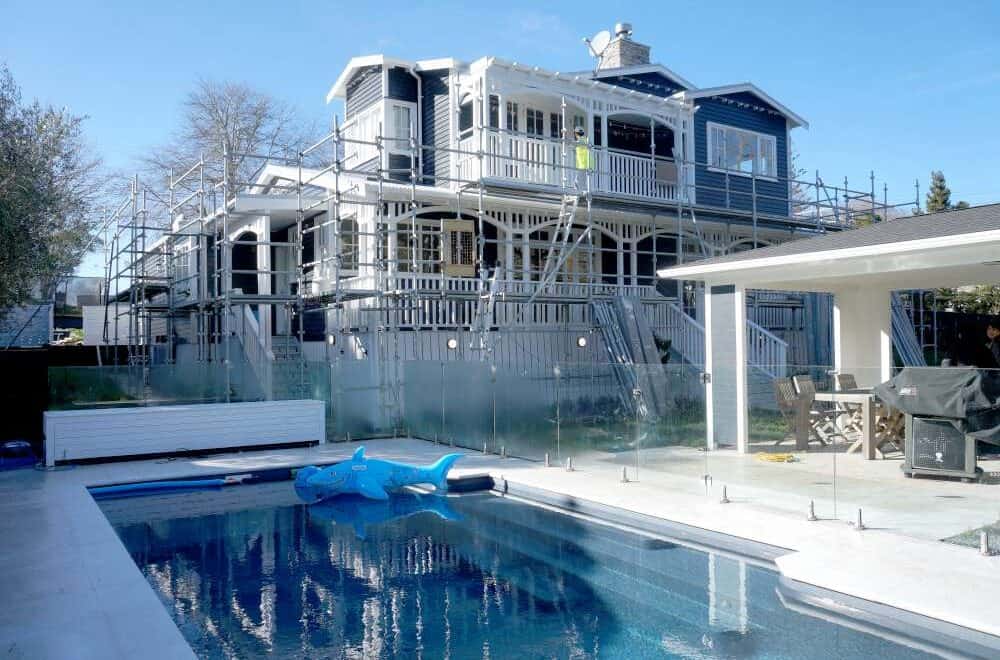
                    Greg Paget
                    2 years ago
                    recommends
                    Just had my ensuite fully gutted and renovated. Very happy indeed. Great quality work, great communication throughout the process, and mostly great people to work with. Highly recommended.
                    Jason Orchard
                    2 years ago
                    recommends
                    We have just recently completed a renovation project with Superior Renovations, complete demo and redo of x2 bathrooms, laundry, extension to existing deck, custom cabinets built & new wardrobe system installed.
                    We have been completely OVERWHELMED and IMPRESSED by the professionalism of the whole team from start to finish. From the initial consultation, visiting the showroom, design team, admin correspondence, project manager and sub-contractors.
                    We couldn’t be any happier with the final product.
                    The whole process was extremely well streamlined, we were given timeframes well in advance and informed of any changes.
                    The whole process was surprisingly stress free and we felt like a valued customer throughout.
                    THANK YOU 🙏🏽
                    Kirsty Newton
                    4 years ago
                    recommends
                    The team at Superior Renovations have just completed our ensuite renovation. We now have a beautiful modern bathroom the has surpassed all expectations. Dorothy and Nick have been wonderful guides through the process and are a well oiled machine. We had challenges with our Reno as our ensure is in a little extension off our bedroom. The team were quick to problem solve around lack of cavity space in the roof and a block wall where we assumed would be a normal cavity wall. nothing was ever a problem and we genuinely feel like they went above and beyond for us. Thank you Nick and team we will be back for our future Renovation needs.
                    Deborah Samson
                    4 years ago
                    recommends
                    Superior Renovations project managed by Nick has just finished our new bathroom, separate toilet, and ensuite. Cici made choosing fittings so easy. The team kept me informed of every stage and the project was completed to our satisfaction despite COVID issues. Our bathrooms are now hotel quality and it is a treat to use them everyday!
                    Deepanjali Raj
                    4 years ago
                    recommends
                    We are so please with our new kitchen, dining and living room. Superior Renovations has done a superb jobs with our Renovations. Kevin the managing director took a personal interest in our project and we are so grateful to him and his advice. Loving our Renovations.
                    Graham Tatiana
                    4 years ago
                    recommends
                    Completing my home renovation with Superior Renovations was the most positive and rewarding experience I could wish for with home renovation.

                    Straight from the design, all the way through the project management and all the works on site both inside the house and the outdoor area were completed with high quality, care and always on schedule.

                    Communication and two way feedback was delivered very well throughout the project. I felt listened to and well informed of every stage in the process.

                    Superior Renovations delivered as promised on the design, timeframe and the agreed budget.

                    The final result exceeded my expectations. My newly renovated house is looking more spacious, more functional and beautiful all the way throughout indoor and outdoor.

                    I would without a doubt recommend Superior Renovations for your home renovation experience.

                    Tatiana
                    Epsom, Auckland
                    Ross Jolly
                    6 years ago
                    recommends
                    I recently had my kitchen renovated by Superior Kitchens. They took care of everything from start to finish and organised all the tradies. I only had to deal with one person and that was Jimmy the project manager, who kept me well informed as to what was happening. He was very friendly and approachable and took care of any queries or concerns promptly. They were very professional and thorough all the way The job was completed on time without any glitches, and they have done a fantastic job. Highly recommended
                    Alvin Chisnall
                    6 years ago
                    recommends
                    The team at Superior Renovations are passionate people that go above and beyond to make sure that the needs and expectations of their clients are not only met but exceeded. We enjoy working with them & always appreciate their dedication to quality, service & overall levels of commitment. Highly recommend!
                    Toni Stevens
                    6 years ago
                    recommends
                    my husband and I had our kitchen, dining and bathroom renovated just before Christmas and expected given date to finish was just in time, yes it was chaos but we love our new rooms.. jin was our project manager, he had great advice and opinions on each space which was awesome. we got personal touches on certain things and lots of options given when choosing tiles, flooring, paints, bathroom and kitchen ware etc which made it even easier.. communication was great and the contractors coming in and out were respectful. if there was any problems we were informed and vice versa. we are so happy we went through with renovating and highly recommend superior renovation, you won't regret it.. thank you Jin and team and merry Christmas 😁
                    Dean John Ikinepe
                    6 years ago
                    recommends
                    Our bathroom looks awesome. We are so glad to have made the decision to go with Superior Renovations and would highly recommend them.
                    Our first experience in getting our home renovated and it wasn’t as stressful as we had thought it would be. We were lucky to have a project manager that made this experience less stressful and leave us with peace of mind. To Mr Jimmy Zhou and your team Thank you.
                    Janet McIver
                    7 years ago
                    recommends
                    The job was professional from start to finish. Jin was extremely helpful and I am very satisfied with the result
                    Joanne Hilson
                    7 years ago
                    recommends
                    Having never done a renovation before Superior Renovations was outstanding. The professional advice and support of the team made our experience extremely easy and what started out as just an extra toilet turned into a fabulous new bathroom, modern living area , new laundry and then we added a rumpus room for the kids. This was never the intention but our experience was so good we felt comfortable and confident leaving it in the hands of Superior Renovations. They took us on the entire journey , educating and assisting with decisions and having a single point for all the different tradies was a dream and no stress. The final product was better than we expected and right on budget and they cleaned the entire place after all the work was done as a bonus . I highly recommend Superior Renovations.
                    Mary Stuart
                    7 years ago
                    recommends
                    I can't say enough good things about this company. About six months ago, we purchased an older home in Orewa that needed EVERYTHING replaced,.
                    After interviewing 6 local companies specialising in renovations, we hired Superior Renovations to re-do our kitchen, laundry and bathroom. And we're so glad we did. From the start, their people gave me the impression that my satisfaction was their number one priority - that any request of mine was reasonable and do-able. During the process, they listened to my ideas, made excellent suggestions where I was lacking in knowledge, and delivered comprehensive plans that incorporated my style and requirements. Michael, our Project Manager, was always patient, kind and professional. Ultimately, the renovations of our rooms were completed on time and within our budget.
                    We are very happy with the results obtained and everyone that sees our kitchen, laundry and bath just stops, stares, and says "Wow!". In short, this company has outstanding customer service and I would recommend them to anyone looking for renovations to be done. Mary Stuart
                    Moira Manning
                    7 years ago
                    recommends
                    My bathroom renovation was magic from beginning to end. I had previously had a bad experience renovating another bathroom so it was absolutely wonderful to turn that experience around. Moira
                    Olivia Duncan
                    7 years ago
                    recommends
                    My project manager was brilliant and the whole process was really easy and fast. I'm thrilled with the finished result.
                    Ryan Tongapuna
                    7 years ago
                    recommends
                    The team were amazing, great support, communication was on point, they never left us in the dark once and made sure we were as informed as possible. they were simply amazing, i would highly recommend! A++
                    Vivian Liu
                    7 years ago
                    recommends
                    I had my kitchen and master bathroom totally renovated and also painting/electrical work done for my house which was purchased a few months ago.

                    I am so happy to have Jimmy, my project manager, who is very professional, courteous and put customer needs on his top priority at all times. His team did a great job. Jimmy was extremely patient and answered all my questions with details.

                    I give him a 10/10 and will definitely recommend Superior Renovations to my friends if they require renovations work for their homes.
                    Tony Ah Colt
                    7 years ago
                    recommends
                    I am stoked with my new kitchen! Superior Renovations was great in listening to my requirements and going the extra mile to help me source and identify solutions to meet my needs and design desires. We bounced ideas back and forth until the ideal design and solutions was found.
                    They organized the plumbing, painting, electrical and builders work that needed to be completed as well as the kitchen cabinetry and included the costs in their quotes which left me stress free! They even helped me find a kitchen sink, fridge, stove, range hood and taps I liked. I was kept informed through out the project of the time frames and activities to be completed. These guys worked long and hard and met all of their deadlines. Where challenges were met, they came to the table and helped find suitable solutions.
                    Their keen eye for detail and previous experience were most appreciated in identifying what would and won't work. Samples were brought to me throughout the design process allowing me to select my desired choices, colours, designs, patterns. Great team to work with.
                    Will not hesitate to contact them again when completing further renovations in a year or so.
                    Craig Eagleton
                    7 years ago
                    recommends
                    We were extremely impressed with Superior Renovations. We used them to gut and fully replace our en-suite; plus the installation of a new bath in our teenager’s bathroom. The team’s work ethic was amazing; working long hours to meet the build timeframe and Jimmy was always communicating extremely well. Very happy with the result and we’re looking forward to them tackling our laundry.
                    Sarah Dryden
                    7 years ago
                    recommends
                    Kevin and his team did an amazing job - we are so happy with the results! Nothing was a problem, and the team were approachable and professional. The team are amongst the best craftsmen I've encountered in Auckland, and it shows in the finish of the job. All of the guys showed up on time without fail, worked really hard and communicated every stage of the job. Superior renovations did 5 rooms for us (bathroom, ensuite, 2 toilets and garage) to a very high standard and with no delays. Thank you Kevin, Kai and your team! Hope to work with you again soon
                    Bathand Tile
                    8 years ago
                    recommends
                    Superior Renovation has great professional team. We normally interact with Jimmy, Kevin , Stu and Jin. They all are very helpful with clients advising them what products suits well to the project. This makes their customer's experience easy and fast moving. Good luck great team 👍👍
                    박진석
                    8 years ago
                    recommends
                    Best Renovation Company in New Zealand