
How to Renovate a Bathroom in NZ: Process & Timeline
How to Renovate a Bathroom in NZ: Step-by-Step Process and Realistic Timeline
Free cost calculator
How much will your bathroom renovation cost?
Get an instant Auckland price range for your project — no details required to see it.
Quick answer: To renovate a bathroom in NZ you work through eight stages in a fixed order — design, ordering, demolition, plumbing and electrical rough-in, lining, waterproofing, tiling, then fit-off. A standard Auckland bathroom takes three to four weeks from the day demolition starts, longer if council consent is needed.
Most guides tell you a bathroom renovation has “five easy steps” and then spend the rest of the page talking about cost. That’s not much help when you’re standing in your only bathroom wondering how long you’ll be showering at the gym.
So here’s the part nobody explains properly: the order of a bathroom renovation isn’t a suggestion — it’s a chain of dependencies, where each stage physically cannot start until the one before it has finished and, in some cases, cured. Get the sequence wrong and you’re ripping out new tiles to fix a pipe. This guide walks the real process the way it runs on an Auckland job site, with a genuine week-by-week timeline and an honest look at what makes projects run late.
There’s a reason we take this seriously. A bathroom is the most complex room in the house to renovate — not because it’s big, but because it’s small and crammed with trades. Demolition crew, plumber, electrician, waterproofer, tiler, painter, and the fit-off team all have to move through the same few square metres in the right order. Coordinating that is the whole job.

First, Know Which Project You’re Running
Before the process makes sense, one decision shapes everything after it: are you doing a cosmetic refresh or a full strip-out? A refresh keeps the layout, plumbing positions, and waterproofing intact — you’re updating surfaces and fixtures, and you can often be back in the room inside a fortnight. A full strip-out takes the room back to the framing, runs the complete eight-stage process below, and is the right call when the bones need work or you’re moving fixtures.
That choice deserves its own proper comparison — costs, timelines, and the signs that push a job one way or the other. We’ve covered it in full over here: deciding between a refresh and a full renovation. The rest of this guide walks the full renovation process — the harder of the two paths, and the one where getting the order right actually matters.
💡 Quick tip: If you’re moving any fixture more than a few hundred millimetres, you’ve left “refresh” territory. Relocating a toilet or shower drain means new drainage falls, which means opening the floor — plan it as a full strip-out, not a tidy-up.
The Bathroom Renovation Process, Stage by Stage
This is the part the five-step guides skip. Each stage gates the next — and understanding why is what stops you making expensive ordering mistakes. We’ll walk a full strip-out, the more involved of the two paths.
Stage 1 — Design and final decisions
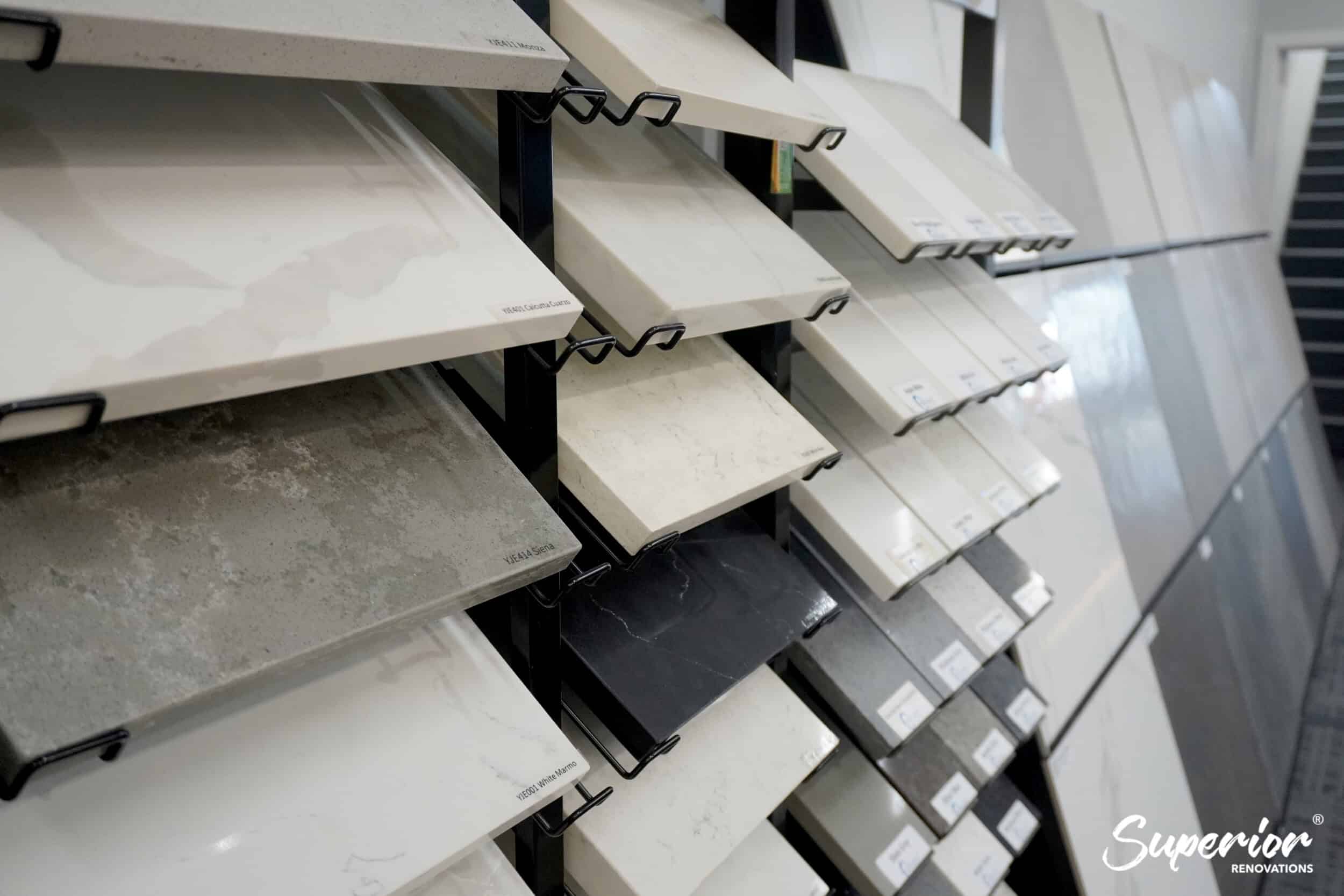
Nothing physical happens until every decision is locked. Layout, fixture positions, tile selections, tapware, vanity, lighting, heating, the lot. This feels slow when you’re keen to get started, but it’s the single biggest protection against blowouts. Gathering bathroom design ideas before this stage makes those decisions far easier to lock in. Every decision left open when the trades arrive becomes a delay, a variation, or both.
A villa in Grey Lynn with original rimu framing needs decisions a 2010s townhouse in Flat Bush never will — where the waterproofing meets old timber, how a heated towel rail gets wired into knob-and-tube remnants. The design stage is where those get solved on paper instead of mid-build.
“The decisions people think they can leave until later are exactly the ones that hold a job up. Tile choice, where the niche sits, which way the vanity drawers open — sort those at the design table and the build just runs. Leave them, and the tiler’s standing in your bathroom waiting on a phone call.”
— Cici Zuo, Head of Sales, NZ Dip. Interior Design, Superior Renovations
Stage 2 — Ordering and lead times
Everything gets ordered and, ideally, delivered to site before demolition starts. This is non-negotiable for a reason: a standard three-to-four-week timeline assumes all materials are on site before the first tile comes off the wall. A custom vanity on a six-week lead time, ordered the week demolition starts, doesn’t delay your bathroom by the difference — it stalls the whole job, because tiling and fit-off can’t proceed around a missing centrepiece.
Tapware, tiles, shower trays, and toilets are usually quick. Custom vanities, imported tiles, and made-to-order shower glass are the long poles. Order them first.
Stage 3 — Demolition and strip-out
Now the old bathroom comes out — fixtures, tiles, linings, sometimes back to the framing. On a standard job this takes a couple of days. It’s also the stage where the house tells you its secrets: rotten framing behind a leaking shower, old galvanised pipes due for replacement, a subfloor that’s been quietly wet for years. In Auckland’s older stock — the pre-1940s villas and bungalows through Mt Eden and Ponsonby — finding something behind the wall is closer to the rule than the exception.
💡 Quick tip: Build a contingency of 10–15% into your budget specifically for what demolition uncovers. On homes built before 1960, treat it as a near-certainty rather than a maybe — rotten framing and dead plumbing don’t announce themselves until the GIB is off.
Stage 4 — Plumbing and electrical rough-in
With the walls open, the plumber and electrician do their “rough-in” — the pipework and wiring that lives inside the walls and floor. New drainage falls for a relocated toilet, hot and cold feeds for the shower and vanity, wiring for lights, the extractor fan, underfloor heating, and the heated towel rail. This work has to happen now, while everything’s open, because the next stage seals it inside the walls for good.
In NZ this is regulated work. Plumbing and drainage must be carried out by a registered plumber or drainlayer, and the electrical work by a registered electrician — both certify their own work. According to the Plumbers, Gasfitters and Drainlayers Board, this work is restricted to licensed tradespeople by law. It’s not a corner you can cut, and it’s not a DIY stage.
Stage 5 — Lining and the pre-line check
The walls get re-lined, in a bathroom with a moisture-resistant board such as GIB Aqualine rather than standard plasterboard. Before the lining goes up, the rough-in gets checked — once it’s covered, fixing a missed pipe means cutting open new work. Measure twice, line once.
Stage 6 — Waterproofing (and why it can’t be rushed)
The wet areas — shower, floor, splash zones — get a waterproof membrane applied. This is the most important stage in the entire renovation and the one most likely to be hurried by an impatient schedule. Done properly it’s invisible for the life of the bathroom. Done badly it’s the leak that rots the framing you’ll be paying to replace in five years.
Here’s the bit that trips up DIY timelines: the membrane needs curing time before anything goes on top of it. Depending on the product and the weather, that’s typically 24 to 48 hours where the room sits doing nothing. You can’t tile over a membrane that hasn’t cured. It’s dead time on the schedule that can’t be compressed, and in an Auckland winter — June through August — slower curing in the cold and damp can stretch it further.
“If a quote has the tiler starting the morning after the waterproofer finishes, I’d want to know why. The membrane needs to cure, full stop. We’ve seen the shortcuts other people’s bathrooms were built on when we strip them out — and the cure time is almost always where someone tried to save a day and cost the owner a re-do.”
— Dorothy Li, Design Manager, Superior Renovations
New Zealand wet-area waterproofing sits under the Building Code clause E3 (internal moisture). Per Building Performance (MBIE), surfaces in wet areas must be impervious, easily cleaned, and ventilated to avoid the accumulation of moisture and fungal growth. The membrane itself is installed to the wet-area membrane standard AS/NZS 4858 and the Waterproofing Membrane Association’s Code of Practice for Internal Wet-area Membrane Systems, the documents the industry works to for compliance with E3. This is why waterproofing is one of the stages a good renovation company will never let a homeowner DIY.
Stage 7 — Tiling
Now the tiler goes to work — floor and walls, then grouting and sealing once the adhesive has set. On a standard bathroom this is several days of work, and it’s another stage with built-in waiting: tile adhesive needs to set before grouting, and grout needs to cure before the shower gets used. Tiling is also where the quality of every earlier stage shows up — a level floor, square walls, and a properly prepped substrate are what let a tiler do clean work.
Stage 8 — Fit-off and final checks
The finishing stage. The plumber returns to install and connect the toilet, vanity, tapware, and shower fittings. The electrician fits the lights, fan, switches, and heated towel rail. Painting is finished, the shower glass goes in, the mirror and accessories go up. Then a final check — every joint tested for leaks, every fitting working, the room cleaned and handed back.
That’s the full chain. Want to see how we hold all of that together on a real job? You can see how our team manages a bathroom renovation from start to finish, including the project-management side that keeps seven trades from tripping over each other.
How Long Does a Bathroom Renovation Take in Auckland?
So how long are you actually without a bathroom? A standard full bathroom renovation takes three to four weeks from the day demolition begins — and that figure assumes design is finalised and all materials are on site before work starts. Here’s how those weeks break down on a typical Auckland job.
| Stage | Typical duration | What’s happening |
|---|---|---|
| Demolition | 1–2 days | Strip-out to framing; uncover any surprises |
| Plumbing & electrical rough-in | 2–4 days | In-wall pipework and wiring, certified by trades |
| Lining & pre-line check | 1–2 days | Moisture-resistant board fixed after rough-in sign-off |
| Waterproofing + cure | 1 day work + 24–48 hrs cure | Membrane applied, then mandatory drying time |
| Tiling, grouting & sealing | 3–5 days | Floor and walls, with set and cure time between |
| Fit-off & final checks | 2–4 days | Fixtures connected, painting, glass, leak testing |
| Total (standard, no consent) | 3–4 weeks | From demolition to handover |
Notice the timeline isn’t just the sum of the labour. The cure times between waterproofing and tiling, and between tiling and use, are built-in waits that no amount of money makes go faster. That’s why “we’ll have it done in a weekend” is a promise worth being suspicious of.
💡 Quick tip: If your home has only one bathroom, plan where you’ll wash for a month before demolition day — a relative nearby, a gym membership, or timing the job around a holiday. The single-bathroom squeeze catches more Auckland homeowners off guard than the budget does.
Want a realistic budget to sit alongside this timeline? You can estimate your bathroom renovation cost in a couple of minutes before you commit to anything.
Consent: The Bit That Changes Your Timeline
Consent is the single biggest variable in how long your renovation takes — and the part homeowners most often forget to plan around. Most standard bathroom renovations don’t need building consent, because replacing fixtures in the same positions is repair and replacement. You’ll generally need it if you’re moving plumbing to a new location, removing or adding walls, or changing electrical beyond standard replacements — and heritage overlays (common across Devonport, Ponsonby, and Mt Eden) add their own layer.
We’ve covered exactly what crosses the line, and the Schedule 1 detail behind it, in our guide on when a renovation needs building consent. What that guide doesn’t dwell on — and what matters most for sequencing — is the clock.
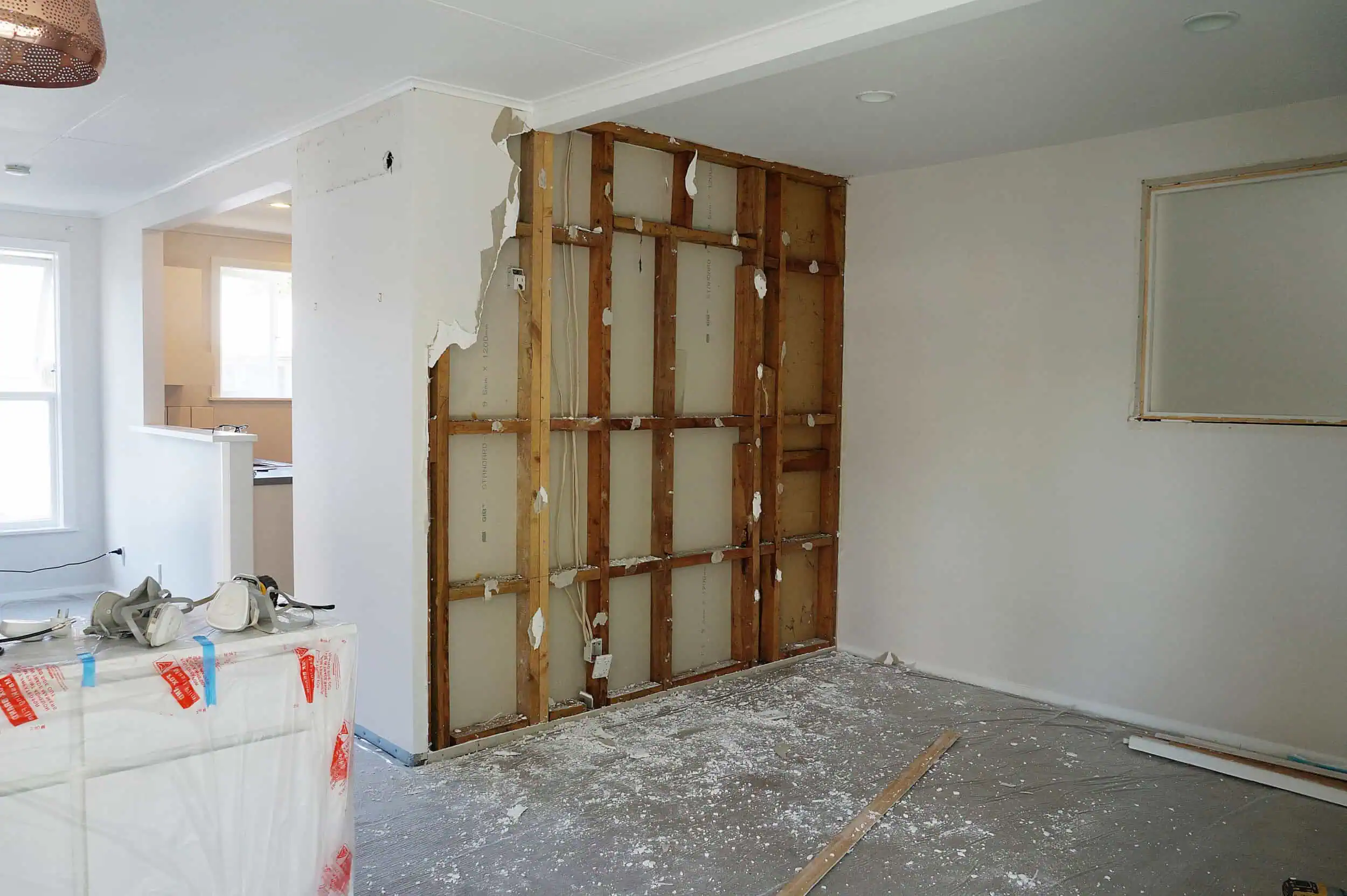
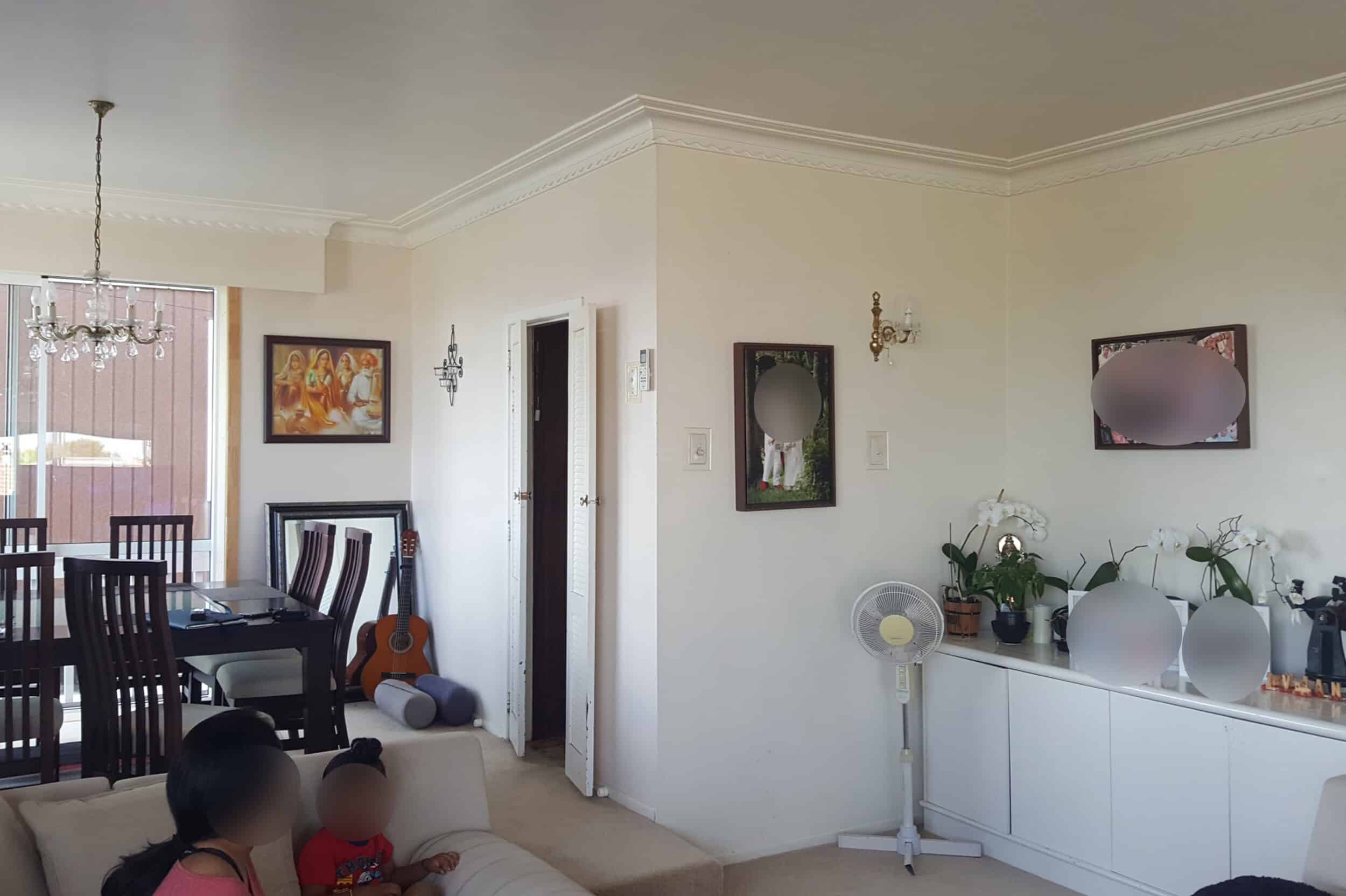
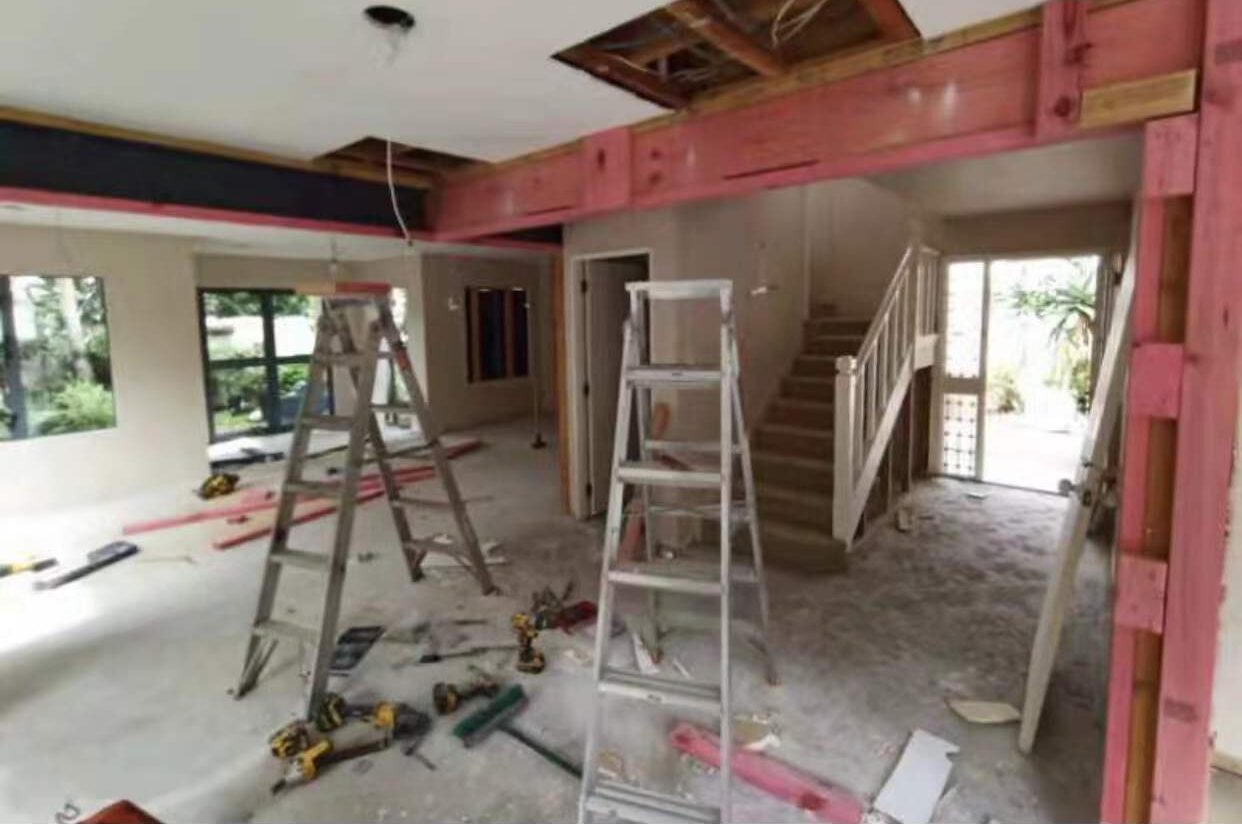
 Before
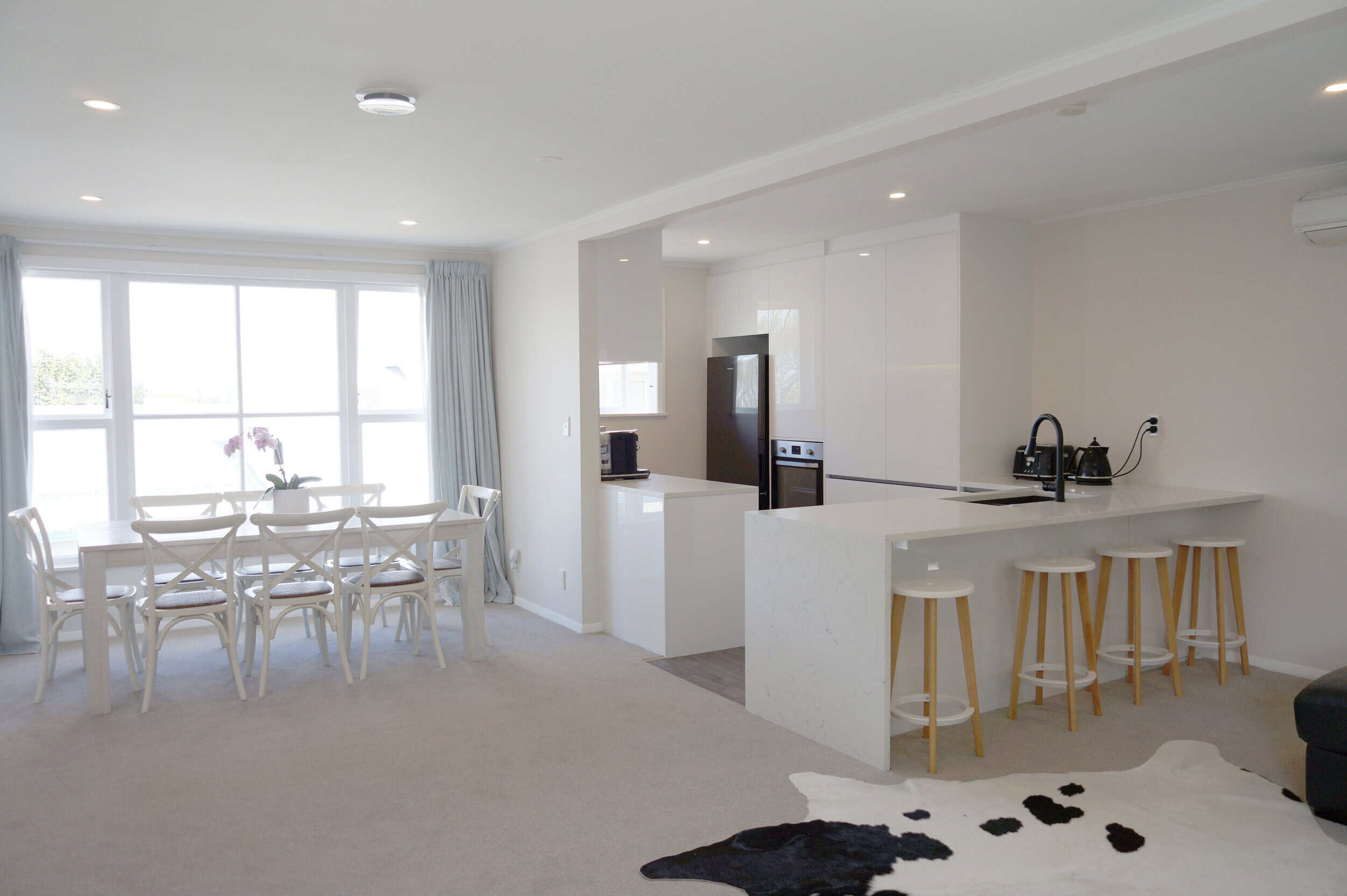
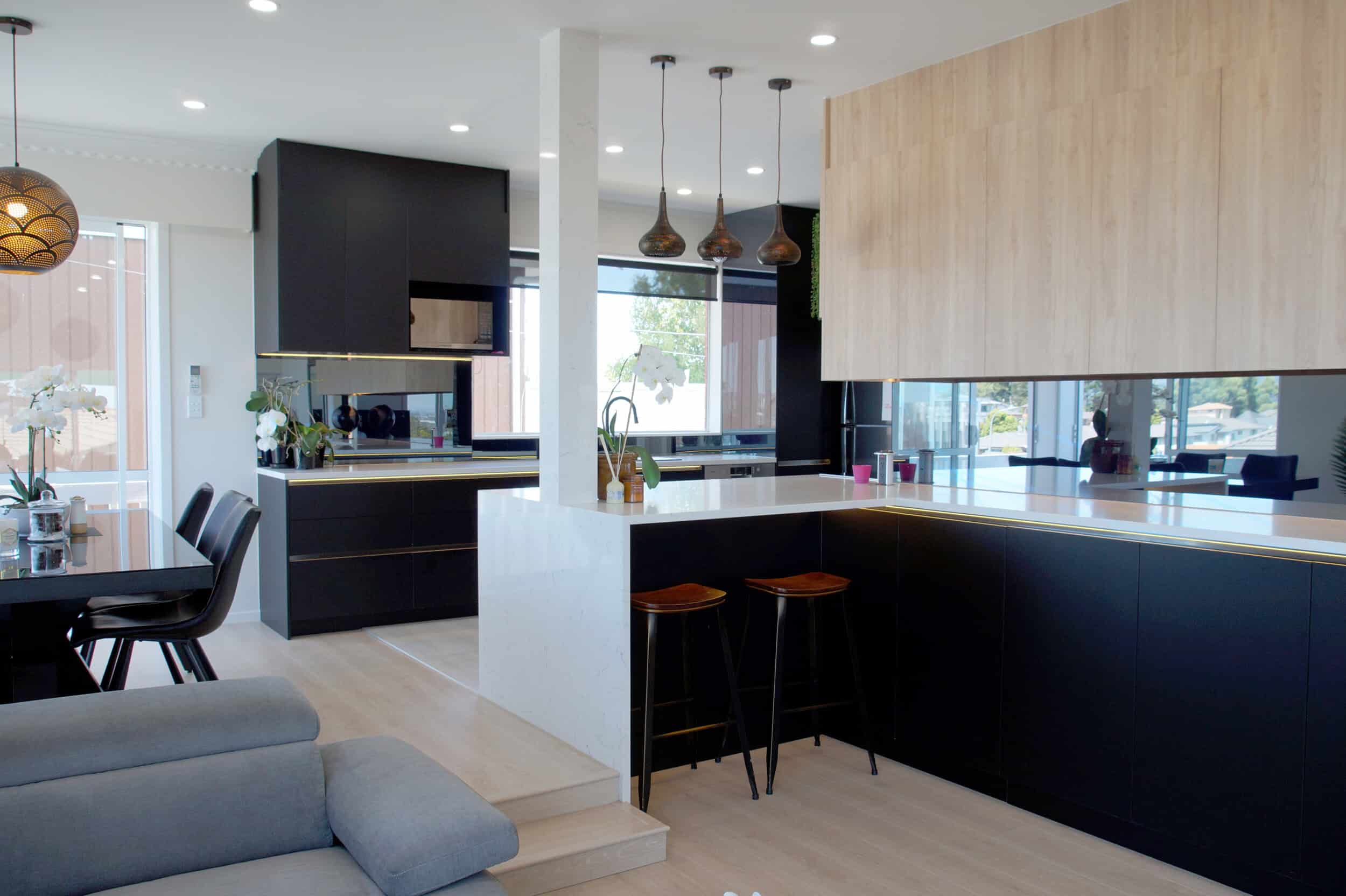
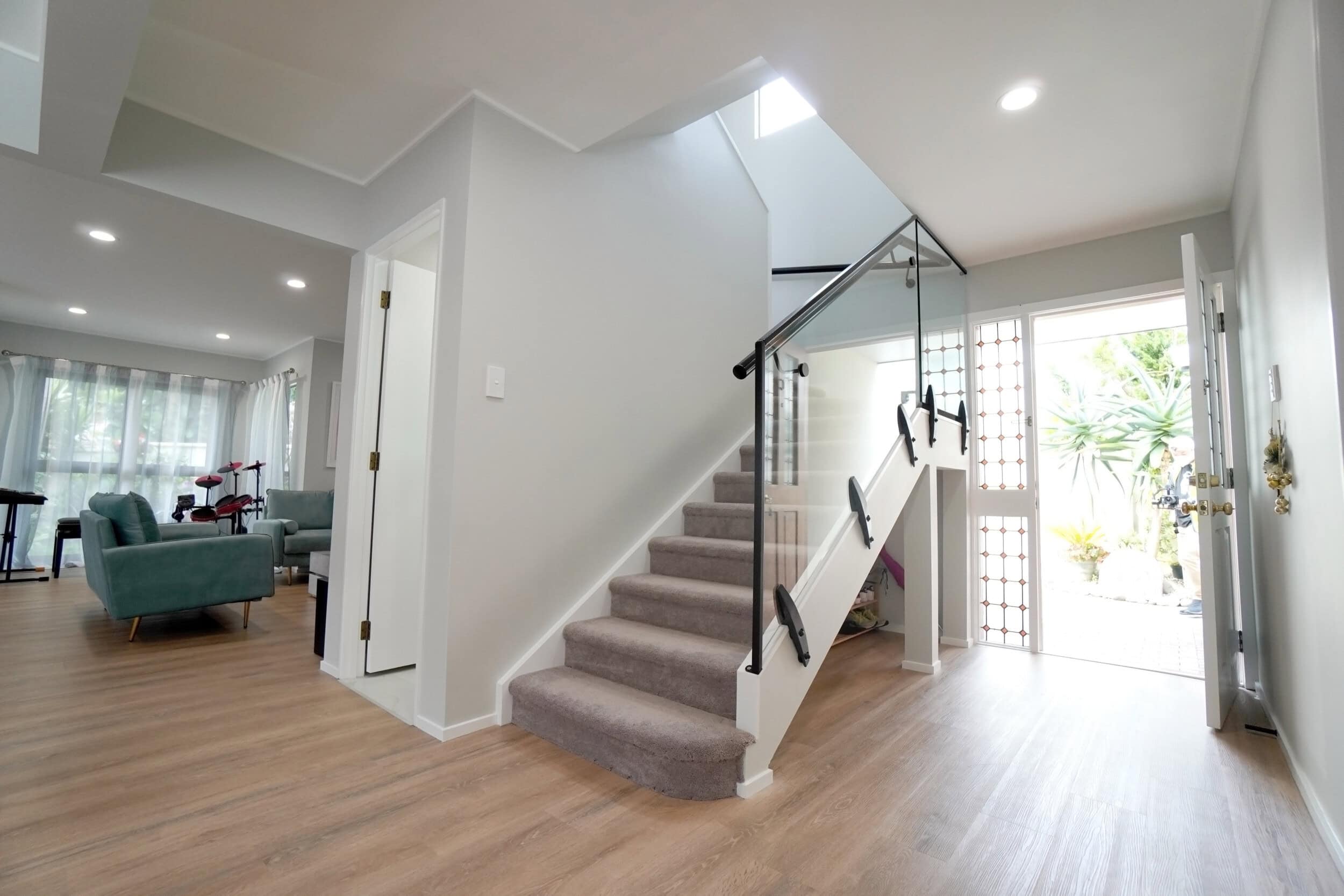
 After
AfterSee the full project
If your renovation needs consent, Auckland Council has a statutory timeframe of 20 working days to process the application once it’s accepted as complete, per Auckland Council. In practice, MBIE’s nationwide consent monitoring for the fourth quarter of 2025 put the median processing time at 10 working days for residential applications, with around 96% processed inside the statutory window (MBIE Building Consent System Performance Monitoring). The catch is that the clock only runs once your application is accepted — and any Request for Information stops it until you respond. Add design and documentation time on top, and a realistic consent allowance of four to eight weeks sits before demolition can even start. Plan it as the front of your timeline, not an afterthought. Even where no consent is needed, the work still has to meet the New Zealand Building Code, and plumbing and drainage run under their own certification by the registered tradesperson.
💡 Quick tip: If consent is even a possibility, get the application in early — ideally while your fixtures are still on order. Running the consent clock in parallel with your lead times, rather than after them, can claw back weeks. We handle the whole application in-house so it’s not on your plate.
What Actually Makes a Bathroom Renovation Run Late
The three-to-four-week timeline is real — but it’s the timeline for a job that’s been set up properly. Here’s what turns three weeks into seven, and almost none of it is the actual building work.
Decisions made late
The single biggest cause of delay isn’t a trade — it’s a homeowner who hasn’t chosen the tiles yet. Every decision still open when the trades arrive becomes a gap in the schedule. The design stage exists to kill this risk. Use it.
Materials ordered too late
We’ve said it already because it matters most: a long-lead custom vanity or imported tile ordered after demolition starts doesn’t delay itself, it delays everything downstream. A job in Henderson we picked up mid-stream had stalled for three weeks waiting on a vanity the previous builder ordered the day they started. The room sat gutted the whole time.
What demolition uncovers
Rotten framing, failed old waterproofing, dead galvanised pipes, a subfloor that needs replacing. On Auckland’s pre-war housing stock this is common, and it adds both time and cost. It’s not bad luck — it’s the age of the house — which is exactly why the contingency budget exists.
The consent clock and RFIs
If consent’s involved, an incomplete application drawing a Request for Information can add weeks, because the processing clock stops until the council has what it asked for. Getting the application right the first time is worth more than getting it in fast.
Cure times in winter
Waterproofing membranes and tile adhesives cure slower in cold, damp conditions. An Auckland bathroom renovated in July will have longer dead-time waits than the same job in February. It’s minor, but on a tight timeline it’s real.
“People assume the delays are the building. They’re almost never the building. They’re a tile that wasn’t chosen, a vanity that wasn’t ordered, or a consent that wasn’t lodged early enough. The trades are the easy part to schedule — it’s everything around them that needs managing.”
— Dorothy Li, Design Manager, Superior Renovations
This is the real argument for a managed renovation over a DIY-coordinated one. It’s not that the individual stages are hard — it’s that holding seven trades, a materials schedule, cure times, and a council clock in the right order, in a room you can’t work in two people at once, is a full-time job. That coordination is what we do across our Auckland projects, from a single ensuite in Remuera to a full main bathroom in a Titirangi do-up.
Bringing It Together
A bathroom renovation isn’t complicated to understand — it’s a chain of eight stages, run in order, where the waiting between some of them matters as much as the work itself. Get the design locked, get the materials ordered early, respect the cure times, and sort the consent question before you swing the first hammer, and a standard Auckland bathroom is a three-to-four-week job.
The hard part was never knowing the steps. It’s running them in the right order, around one small room, without a missed pipe or a rushed membrane costing you twice. That’s the bit worth handing to a team that does it every week.
➡ Book your free in-home consultation with Superior Renovations
➡ Estimate your bathroom renovation cost
➡ Request a free feasibility report for your project
How long does a bathroom renovation take in NZ?
A standard full bathroom renovation in Auckland takes three to four weeks from the day demolition begins, assuming the design is finalised and all materials are on site before work starts. The timeline includes built-in cure times for waterproofing and tile grout that cannot be sped up. If your renovation needs Auckland Council consent — for moving plumbing or structural changes — allow four to eight weeks for design, documentation and processing before work can start.
What order do you renovate a bathroom in?
The sequence is fixed because each stage depends on the one before it: design and final decisions, ordering materials, demolition, plumbing and electrical rough-in, lining, waterproofing, tiling, then fit-off. Waterproofing must cure before tiling, and tile adhesive must set before grouting. Skipping or reordering stages — for example tiling before the membrane cures — leads to leaks and re-work, which is why the order is treated as non-negotiable on a professional job.
Do I need building consent to renovate a bathroom in NZ?
Most standard bathroom renovations do not need consent if you replace fixtures in the same positions. Consent is generally required if you move plumbing to a new location, remove or add walls, change electrical beyond standard replacements, or your home has a heritage overlay. Even exempt work must meet the New Zealand Building Code, and plumbing and drainage run under their own certification rules. Superior Renovations assesses this at your free consultation and handles any application.
How much does it cost to renovate a bathroom in Auckland?
In Auckland in 2026, a mid-range full bathroom renovation costs between $25,000 and $35,000, covering design, fixtures, all trades, and project management. A budget refresh of paint, fittings, and minor tiling starts from $9,000 to $16,000. A luxury bathroom with a wet room or premium fixtures starts from $45,000 and up. These figures reflect a 5–8% rise on 2025 due to material and labour inflation. Your final cost depends on size, product choices, and whether consent is required.
Can I live in my house during a bathroom renovation?
Yes, as long as you have another bathroom to use. If it is your only bathroom, you will need to plan alternative washing arrangements for the three to four weeks the room is out of action — a relative nearby, a gym, or timing the job around a holiday. The room itself is unusable from demolition through to fit-off because the floor is open, the plumbing is disconnected, and the waterproofing needs to cure undisturbed.
Why does waterproofing take so long in a bathroom renovation?
The work itself is quick, but the waterproof membrane needs curing time before anything can be tiled over it — typically 24 to 48 hours depending on the product and the weather. This is dead time on the schedule that cannot be compressed, and it cures slower in an Auckland winter. It is also the most important stage in the renovation: a rushed or skipped membrane is the most common cause of leaks that rot framing and force an expensive re-do years later.
What is the most common cause of bathroom renovation delays?
Late decisions and late material orders, not the building work. Every fixture or finish still unchosen when the trades arrive becomes a gap in the schedule, and a long-lead custom vanity or imported tile ordered after demolition starts stalls the whole job rather than just itself. On older Auckland homes, what demolition uncovers — rotten framing or dead plumbing — is the other major cause. Locking decisions and ordering early is the single best protection against a blowout.
How long does Auckland Council consent take for a bathroom renovation?
When consent is required, Auckland Council has a statutory timeframe of 20 working days to process the application once it is accepted as complete. MBIE's nationwide monitoring for late 2025 put the median residential processing time at around 10 working days, with most applications cleared inside the statutory window. A Request for Information stops the clock until you respond, and the clock only starts once the application is accepted — so it is best lodged early, ideally while your fixtures are still on order, so processing runs in parallel with your material lead times.
Is a bathroom renovation a good DIY project?
Some stages, like painting or removing old fixtures, are DIY-friendly. The core stages are not. Plumbing, drainage, and electrical work must legally be done and certified by registered tradespeople in NZ, and waterproofing is the single stage most likely to cause expensive failure if done incorrectly. The bigger challenge is coordination — sequencing seven trades, material lead times, cure waits, and a possible consent clock around one small room is what makes a bathroom the most complex room in the house to renovate.
Further Resources for your bathroom renovation
- Featured projects and Client stories to see specifications on some of the projects.
- Real client stories from Auckland
Need more information?
Take advantage of our FREE Complete Home Renovation Guide (48 pages), whether you’re already renovating or in the process of deciding to renovate, it’s not an easy process, this guide which includes a free 100+ point check list – will help you avoid costly mistakes.
Download Free Renovation Guide (PDF)

Have you been putting off getting renovations done?
We have partnered with Q Mastercard ® to provide you an 18 Month Interest-Free Payment Option, you can enjoy your new home now and stress less.
Learn More about Interest-Free Payment Options*
*Lending criteria, fees, terms and conditions apply. Mastercard is a registered trademark and the circles design is a trademark of Mastercard International Incorporated.
Still have questions unanswered?
Book a no-obligation consultation with the team at Superior Renovations, we’d love to meet you to discuss your renovation ideas!
References
- Building Performance (MBIE) — E3 Internal moisture
- Auckland Council — How we assess your building consent application
- MBIE — Building Consent System Performance Monitoring (Q4 2025)
- Building Performance (MBIE) — New Zealand Building Code compliance
- Plumbers, Gasfitters and Drainlayers Board — licensed tradespeople