Author: Jacob Sun

Double Glazing Vs Retrofit Double glazing
House Renovation

What Is Double Glazing? Costs, R-Values & Options for NZ Homes

What Is Double Glazing? How It Works, R-Values and Options for NZ Homes

Quick answer: Double glazing is a window system built around two panes of glass sealed either side of a still-air or argon-filled cavity — an Insulated Glass Unit, or IGU. That sealed cavity acts as a thermal barrier, cutting heat loss, condensation and noise compared with single glazing. It’s one of the most effective upgrades you can make to a cold, condensation-prone Auckland home.

Windows are the weak point in almost every older Auckland home. According to EECA, up to 30% of a home’s heating energy is lost through its windows — which makes them the single biggest source of heat loss in an otherwise well-insulated house. You could be paying to heat your section more than your living room.

If you live in a pre-2008 home — and that’s most of Auckland’s stock, from Grey Lynn villas to 1970s brick-and-tile in Papakura — there’s a good chance your windows are single-glazed. One pane of glass. No air gap. No thermal barrier. Just cold glass sweating condensation onto the sill every winter morning.

Double glazing fixes that. Two panes, a sealed cavity between them, and your windows go from being the biggest heat-loss culprit to a genuine insulating part of the wall. Warmer rooms, less condensation, a quieter home.

But “double glazing” isn’t one product. Glass types, gas fills, spacer materials and frame options all change how a window performs and what it costs. You can retrofit insulated glass units into existing frames, or replace the lot with new joinery. Some combinations clear the updated Building Code comfortably. Others barely scrape through.

We’ve put this together from years of renovation work across Auckland — character bungalows in Ponsonby through to new builds in Hobsonville. It covers what double glazing actually is, how an IGU works, what R-values mean in practice, the 2026 Building Code changes, and how to decide between retrofit and full replacement.

Last updated: June 2026.


How Double Glazing Works — And Why Single Glazing Fails Auckland Homes

Before the specs and the code, it helps to understand what’s actually happening inside a double-glazed window — and why that single pane you’ve been living with costs you money every winter.

What is an Insulated Glass Unit (IGU)?

A double-glazed window is built around an Insulated Glass Unit — two parallel panes of glass separated by a sealed cavity filled with still air or argon gas. A spacer bar runs around the perimeter, bonded to both panes with sealant, creating an airtight pocket that works as a thermal barrier.

That cavity does the heavy lifting. Still air is a poor conductor of heat, so trapping a layer of it between two sheets of glass slows the transfer of heat between inside and out. Argon does it better again — it’s denser than air and conducts even less heat, which is why argon-filled units consistently outperform air-filled ones.

What is double glazing - Insulated glass unit diagram showing two panes of glass with a sealed cavity

An Insulated Glass Unit (IGU) used in double glazing — two panes of glass with a sealed, insulated cavity between them.

The whole unit — glass, spacer, sealant and gas — is fitted into a window frame. For new double glazing, that frame is made specifically for the IGU. For a retrofit, the IGU goes into your existing frames, provided they’re up to it.

Why single glazing doesn’t cut it

A single pane sits at an R-value of roughly 0.15 to 0.26, depending on the frame. That’s almost nothing. Heat passes straight through it, condensation forms on the cold inner surface, and your heating works overtime trying to keep up.

We see it constantly in older Auckland homes. A client in Mt Eden last year had visible mould around every window frame in the house — all single-glazed aluminium from the early 1990s. The windows were intact, but thermally they were doing next to nothing. Sound familiar?

💡 Quick tip: If your windows fog up with condensation on the inside on winter mornings, that’s a clear sign they’re single-glazed and bleeding heat. Double glazing keeps the inner pane closer to room temperature, so interior condensation all but disappears.

Double glazing vs triple glazing vs secondary glazing

Triple glazing adds a third pane and a second cavity. It’s standard across Scandinavia and parts of Europe with brutal winters, but it’s overkill for Auckland. The cost jump is real and the thermal gain is marginal in our climate.

Double glazing vs triple glazing comparison diagram showing two and three panes of glass

Double glazing (left) uses two panes with one cavity. Triple glazing (right) adds a third pane — effective in extreme climates, but rarely needed in Auckland.

Secondary glazing is the budget alternative — a second pane attached to your existing single-glazed window. There’s no sealed IGU, it’s literally an extra sheet bolted on. It helps a little with draughts and noise, but it won’t stop condensation the way a proper sealed unit does, and the insulation gain is limited. We rarely recommend it unless budget is very tight and the existing frames are sound.

“We had a client in Titirangi who tried secondary glazing first to save money. Within two years they were back wanting proper double glazing — the condensation hadn’t shifted, and the secondary panes were already showing seal failure. It’s one of those jobs where spending a bit more upfront actually costs you less over time.”
— Dorothy Li, Design Manager, Superior Renovations


Five Things That Decide How Well Your Double Glazing Performs

Not all double glazing is equal. The combination of materials you pick decides how warm the window keeps you, how long it lasts, and what you pay. Five factors matter most.

1. Spacer material — the part nobody talks about

The spacer is the strip between the two panes that holds the gap and seals the cavity. It comes in aluminium, stainless steel or polymer foam — and the material matters more than people think.

Aluminium spacers are cheapest and most common. They work, but aluminium conducts heat, creating a thermal bridge at the edge of the glass. That’s the reason you sometimes see condensation creeping around the very edges of a double-glazed window — the spacer is carrying cold from the outer pane to the inner one.

Thermal, or “warm edge”, spacers use foam or composite materials that conduct far less heat. They cut edge condensation and lift overall performance. If the budget stretches, warm-edge spacers are worth it — especially on south-facing windows that never see direct sun.

💡 Quick tip: Ask whoever’s quoting whether they use warm-edge spacers. It’s a small cost that noticeably reduces edge condensation and improves the finished window’s R-value.

2. Glass type — clear, laminated, tinted or Low-E

The panes themselves aren’t all the same.

Clear glass is the standard, cheapest option. Two panes of clear glass over an air cavity already gives you a solid step up from single glazing.

Laminated glass has a resin interlayer bonded between layers. It absorbs UV, dulls noise better than clear glass, and holds together if it shatters — handy for ground-floor windows or homes on busy roads. We often suggest it in spots like Epsom or Remuera where traffic noise is a factor.

Tinted or reflective glass cuts solar heat gain and UV, useful for big north-facing windows that cook in summer — but it also dims natural light, so it’s a trade-off.

Low-E glass (low emissivity) is the performance pick. A microscopically thin metallic coating lets light and warmth in but stops heat escaping back out. Paired with argon, Low-E delivers the best R-values in standard double glazing. According to EECA, a Low-E coating can reduce heat loss by up to a further 30% compared with regular glazing.

Toughened (safety) glass is heat-treated to resist impact and break into small, safer pieces. The Building Code requires it in certain locations — glazing near doors, in bathrooms, and any glass within 500mm of the floor.

3. Air vs argon in the cavity

The cavity is filled with still air or argon. Argon conducts heat noticeably less than air, so less warmth passes through the window.

In practice that’s a measurable R-value gain. An air-filled unit with clear glass and thermally broken aluminium frames sits around R0.31. Swap to argon and Low-E and it climbs toward R0.43. That’s a real difference in how warm a room feels.

Argon is also inert, so it won’t corrode the spacers or break down the sealant the way the oxygen in plain air slowly can. Argon costs a little more upfront, but it lasts longer and performs better.

💡 Quick tip: Some argon leaks naturally from even a well-sealed unit — usually 1–2% a year. A good manufacturer keeps that low. Ask about their seal warranty and argon retention before you sign.

4. Frame material — aluminium, timber or uPVC

Aluminium is the most common frame in New Zealand — strong, light, low-maintenance, cheap. The catch is that aluminium conducts heat brilliantly, which is the last thing you want in a frame. Thermally broken aluminium, where a plastic strip interrupts the metal, fixes that and is now standard on quality installs.

Timber conducts far less heat than bare aluminium, so it has a built-in insulation edge. Timber frames with Low-E argon glazing hit some of the highest R-values going, and they suit character homes — but they need repainting and sealing, and they cost more.

uPVC frames are gaining ground here. They insulate well, don’t corrode, and need almost no upkeep. They run a touch dearer than standard aluminium but sit competitively against thermally broken aluminium.

Spacers in double glazing showing an insulated glass unit with two panes and a spacer bar

An Insulated Glass Unit showing the spacer between the two panes — its quality directly affects how well the double glazing performs.

5. Installation — the bit that makes or breaks everything

You can spec the best glass, gas and frames going, and a rushed install will undo all of it. Poor fitting leaves gaps, breaks the seal, and lets moisture into the cavity. Once moisture’s in, you get fog between the panes — and the only fix is replacing the whole unit.

That’s why we always use an experienced installer, ideally a Licensed Building Practitioner for anything that touches weathertightness. A badly fitted window can track water into your framing and walls, turning a window upgrade into a much bigger remediation job.

“The glazing unit is only half the equation. We’ve seen jobs where the IGU was excellent but the install was rushed — and inside eighteen months there’s condensation between the panes and water tracking into the wall cavity. Get the install right and good double glazing should run 20 to 30 years without trouble.”
— Alison Yu, Designer, Superior Renovations


R-Values and the 2026 Building Code — What the Numbers Actually Mean

R-value measures how well a window resists heat transfer. Higher R-value, better insulation, less heat escaping. Simple as that.

The trouble is that window R-values swing wildly depending on the mix of glass, gas, spacer and frame. A basic single-glazed aluminium window sits around R0.26. A timber-framed unit with Low-E and argon can reach about R0.53 — more than double the insulating performance.

Indicative R-values for common glazing setups

Glazing Type Frame + Glass + Cavity Indicative R-Value
Single glazing Aluminium frame + clear glass ~0.26
Single glazing Timber frame + clear glass ~0.19
Double glazing (IGU) Thermally broken aluminium + clear glass + air ~0.31
Double glazing (IGU) Timber frame + clear glass + air ~0.36
Double glazing (IGU) Thermally broken aluminium + Low-E + argon ~0.43
Double glazing (IGU) Timber frame + Low-E + argon ~0.53

These figures are indicative — actual performance depends on the exact unit, its size and configuration. Ask your manufacturer for the WEERS rating (the New Zealand window industry’s Window Energy Efficiency Rating System) and the construction R-value for each window in your house lot. Those are the numbers your designer needs for the code calculation.

What changed in the H1 code — and why it matters if you’re renovating

Auckland sits in Climate Zone 1, the mildest of New Zealand’s zones. The bigger shift, though, is in how compliance is now proven.

The sixth edition of H1/AS1 took effect on 27 November 2025, and it removed the Schedule Method entirely — the old lookup table that matched each building element against a minimum R-value. Per Building Performance (MBIE), compliance now runs through the Calculation or Modelling method, which works off the real construction R-value of the whole window — frame and glass together — rather than a default value.

Consent applications lodged before 27 November 2025 can still use the Fifth Edition, and the Fifth Edition stays valid for applications lodged up to 26 November 2026. After that date, only the Sixth Edition can be used to show compliance.

The practical upshot for renovators: standard double glazing no longer ticks the box automatically. The window has to earn its R-value on the numbers. If you’re replacing windows as part of consented work, your new glazing has to meet the current standard — and your designer will run the calculation across the whole thermal envelope, not just swap in a default figure.

Important note: Even if your project doesn’t trigger a building consent, moving to at least thermally broken aluminium with clear double glazing puts you on the right side of the code’s intent — and Low-E with argon gives you comfortable headroom. The detail of the calculation is best left to your designer or an LBP.

For the full breakdown of the calculation method, our group’s architecture practice, Sonder Architecture, keeps a current explainer in its guide to New Zealand insulation rules.

💡 Quick tip: Don’t forget curtains. Heavy thermal drapes that reach the floor with a pelmet on top genuinely add to a window’s performance — a good complement to double glazing, though not a substitute for it.


Retrofit or Replace? How to Decide for Your Auckland Home

This is the question we get asked most. The answer almost always comes down to one thing: the condition of your existing frames.

When retrofit works

Retrofit double glazing slots a custom IGU into your existing frames, which means no new joinery to manufacture — so it typically runs around 30–50% cheaper than full replacement. It works when your frames are sound, square, and deep enough to hold an IGU. In practice that means:

Aluminium frames from the mid-1980s on — generally made to a higher standard, often with enough depth for an IGU. Earlier aluminium joinery tends to be thinner and isn’t suitable.

Timber frames in good nick — particularly the hard native timbers in pre-1950s villas and bungalows around Grey Lynn, Ponsonby and Mt Eden. Rimu or matai frames that have been looked after can still be solid after 80-odd years, and make excellent retrofit candidates.

The retrofit itself involves removing the old glass and beads, fitting the new IGU, installing a drainage system for any moisture, and securing the unit with new colour-matched beads.

When full replacement is the smarter call

If your frames show any of these, retrofit’s off the table:

Joints separating or pulling apart — the first sign aluminium joinery is at the end of its life. Moisture’s usually started tracking into the surrounding structure by then.

Rot or mould in timber frames — common in the softer joinery used from the 1960s on. Once rot’s set in, the frame can’t hold an IGU securely.

Frames skewed or out of square — decades of house movement (Auckland clay soils are notorious for it) can distort a frame so a new IGU won’t seal.

Frames too shallow — older aluminium often lacks the depth in the glazing pocket to take an IGU. Your glazier will measure this on assessment.

“When clients are already mid kitchen or bathroom reno, we always say get the window frames assessed at the same time. If you’re spending $80,000 on a kitchen and the windows are single-glazed on dodgy frames, sort both while the tradies are on site — the disruption’s already happening.”
— Cici Zou, Designer (NZ Dip. Interior Design, Certified Designer), Superior Renovations

💡 Quick tip: Get a professional assessment before you commit either way. A glazier will check the depth, condition and squareness of your joinery and tell you straight whether retrofit’s viable.

Costs move with glass type, gas fill, frame material, access and the number of windows, so the only honest figure is one based on your actual home. You can see an indicative cost for your Auckland home with our calculator, then sense-check it against quotes.


Is Double Glazing Worth It for an Auckland Home?

For most older Auckland homes, yes — but it’s a significant spend, so it pays to go in clear-eyed about both sides.

The upside is real

Less heat loss. This is the big one. EECA puts heat lost through windows at up to 30% of a home’s heating energy, and double glazing brings that down to 20% or less when the rest of the home is well insulated.

Condensation control. Single glazing is a condensation magnet through Auckland’s damp winters, and that moisture feeds mould and rots timber. A warmer inner pane means condensation rarely forms on the glass at all.

Quieter rooms. The sealed cavity dampens outside noise, and laminated glass pushes that further again — a noticeable difference near a busy road in Epsom, under the flight path in Mangere, or beside an active build site in a growing area like Hobsonville.

Better security. Two panes are harder to get through than one, and laminating a pane raises the bar again.

The trade-offs — be honest with yourself

It’s a real upfront cost. Double glazing a whole house is a major line in any renovation budget, and the energy savings pay it back gradually rather than overnight.

Aesthetics on heritage homes. Modern units can look out of place on a villa or bungalow — the profiles are chunkier and the look is contemporary. It matters in character pockets like Parnell, Epsom or Devonport. Timber frames help keep the character, at a price and with upkeep.

Repairs mean replacement. If a seal fails and fog gets between the panes, you replace the whole unit — you can’t reseal it. A well-made, well-installed unit should last 20 to 30 years, but poor manufacture or a rushed install can cut that short.

On the money side, here’s the honest version: EECA doesn’t publish a single dollar saving for double glazing on its own, because the real benefit depends on the rest of your home’s insulation. Anyone quoting an exact payback without modelling your house is guessing. If you’re weighing it up against staying single-glazed, our companion guide on whether the upgrade is worth it runs through the comparison in detail.

💡 Quick tip: You don’t have to do every window at once. EECA suggests starting with the rooms you use most — living areas and bedrooms — and the windows on the coldest side of the house. That’s the biggest comfort gain per dollar.

Double glazing is also one of the highest-impact upgrades to fold into a wider renovation across an Auckland home, or to tackle alongside a recladding project when the building envelope is already open.


Making the Right Call for Your Home

Double glazing is one of those upgrades where the benefit compounds. You feel the warmth straight away. The condensation clears within days. And years down the track, a fully double-glazed home in Auckland holds a clear edge over one still running single-glazed aluminium from the 1990s.

Don’t rush it, though. Get your frames assessed. Understand the R-value differences. Get at least two quotes. And think about how the windows fit your wider plan — doing them alongside a kitchen or bathroom reno is almost always cheaper than as a standalone job.

If you want a rough number to start with, our calculator gives an indicative figure for your home. And if you’re ready to talk specifics, we’ll walk you through the options at a free in-home consultation — whether you’re in Remuera, Henderson or anywhere in between. Our showroom’s at 16B Link Drive, Wairau Valley, if you’d rather see units in person.

Book your free in-home consultation with Superior Renovations
Estimate your double glazing cost in about 60 seconds
Request a free feasibility report for your project


What is double glazing?

Double glazing is a window system using two parallel panes of glass separated by a sealed cavity filled with still air or argon gas. That sealed Insulated Glass Unit (IGU) is fitted into a new or existing window frame and works as a thermal barrier, reducing heat loss, condensation and outside noise compared with single glazing. It's one of the most effective comfort upgrades for older single-glazed Auckland homes.

What is an Insulated Glass Unit (IGU)?

An IGU is the sealed core of a double-glazed window — two panes of glass bonded either side of a spacer bar, with the cavity between them filled with still air or argon gas and sealed airtight. That trapped layer of gas slows heat passing through the window. The IGU is then fitted into an aluminium, timber or uPVC frame, either brand new or, for a retrofit, your existing one.

Is double glazing worth it in Auckland?

For most older single-glazed homes, yes. EECA puts heat lost through windows at up to 30% of a home's heating energy, dropping to 20% or less with double glazing when the rest of the home is well insulated. Beyond warmth, it cuts condensation and mould, dampens noise and improves security. It's a significant upfront cost that pays back gradually, so it suits homeowners staying put or renovating rather than selling immediately.

What R-value does double glazing need under the NZ Building Code?

There's no longer a single schedule figure to hit. The H1/AS1 Sixth Edition, effective 27 November 2025, removed the Schedule Method, so compliance now runs through the Calculation or Modelling method based on the actual construction R-value of the whole window and thermal envelope. Auckland is Climate Zone 1. As a guide, thermally broken aluminium with Low-E and argon sits near R0.43, and timber-framed Low-E argon reaches around R0.53.

Did the 2025 H1 Building Code changes affect double glazing?

Yes. The H1/AS1 Sixth Edition came into effect on 27 November 2025 and removed the Schedule Method entirely. Standard double glazing no longer automatically complies — designers must now use the Calculation or Modelling method, which assesses the real construction R-value of the frame and glass together. Consent applications lodged before that date, and up to 26 November 2026, can still use the Fifth Edition. After that, only the Sixth Edition applies.

Can I retrofit double glazing into my existing window frames?

It depends on the condition and type of your frames. Aluminium joinery from the mid-1980s onwards is often suitable, and well-maintained native-timber frames in pre-1950s villas and bungalows can be excellent candidates. Frames that are skewed, rotting, separating at the joints, or too shallow to hold an IGU can't be retrofitted and need full replacement. A glazier will assess depth, condition and squareness before confirming.

What's the difference between retrofit and new double glazing?

Retrofit fits a new Insulated Glass Unit into your existing frames, so there's no new joinery to manufacture — it typically runs around 30 to 50% cheaper than full replacement. New double glazing replaces both glass and frames entirely. Retrofit needs frames in near-perfect condition, which rules out most pre-1980s Auckland homes, while full replacement gives the best long-term performance and a fresh warranty.

How long does double glazing last?

A quality, well-installed double-glazed window should last 20 to 30 years, and most manufacturers warrant the sealed unit for around 10 to 12 years. Lifespan comes down to the seal quality, the workmanship of the install, and weather exposure. Argon leaks at roughly 1 to 2% a year from a good unit, so performance fades very gradually rather than failing suddenly.

Does double glazing reduce noise?

Yes. The sealed cavity between the panes dampens sound transmission noticeably compared with single glazing, and laminated or acoustic glass increases the effect further. It's especially worthwhile for Auckland homes near busy roads, under flight paths, or beside active building sites. Pairing different pane thicknesses with laminated glass gives the biggest acoustic gain if noise is your main concern.

Do I need building consent to replace windows with double glazing in Auckland?

Usually not for a like-for-like replacement — same opening, same size. Under Schedule 1 of the Building Act 2004, replacing windows and exterior doors in an existing dwelling is generally exempt, provided the original work met durability requirements. If you change the size or position of openings, or the work affects weathertightness, you'll likely need consent from Auckland Council. Building Performance (MBIE) publishes the full exempt-work guidance, and an LBP can confirm for your project.

What is Low-E glass and is it worth the extra cost?

Low-E (low emissivity) glass has a microscopically thin metallic coating that lets light and heat into your home while reducing heat escaping back out. EECA notes it can cut heat loss by up to a further 30% compared with regular glazing, and paired with argon it gives the highest R-values in standard double glazing. It costs more than clear glass but earns it back through comfort and energy savings, especially in homes with large window areas.


Further Resources for your double glazing project

  1. Featured projects and Client stories to see specifications on some of the projects.
  2. Real client stories from Auckland

Need more information?

Take advantage of our FREE Complete Home Renovation Guide (48 pages), whether you’re already renovating or in the process of deciding to renovate, it’s not an easy process, this guide which includes a free 100+ point check list – will help you avoid costly mistakes.

Download Free Renovation Guide (PDF)


finance - Superior Renovations

Have you been putting off getting renovations done?

We have partnered with Q Mastercard ® to provide you an 18 Month Interest-Free Payment Option, you can enjoy your new home now and stress less.

Learn More about Interest-Free Payment Options*

*Lending criteria, fees, terms and conditions apply. Mastercard is a registered trademark and the circles design is a trademark of Mastercard International Incorporated.


Still have questions unanswered?

Book a no-obligation consultation with the team at Superior Renovations,
we’d love to meet you to discuss your renovation ideas!

    Services

    Home RenovationKitchen RenovationBathroom RenovationOutdoor RenovationHouse ExtensionCommercialDesign ServicesOther

    By submitting this form, you agree to receive communications from us via email or text regarding our services, you can unsubscribe at any time.

    This site is protected by reCAPTCHA and the Google

    Privacy Policy and Terms of Service apply.


    References

    1. EECA — Window insulation for home energy efficiency
    2. Building Performance (MBIE) — H1 Energy Efficiency
    3. Building Performance (MBIE) — H1/AS1 Sixth Edition
    4. Building Performance (MBIE) — Exempt building work guidance (Schedule 1)
    Superior Renovations Auckland 3 1000 1 - Superior Renovations
    House Renovation

    Renovation Cost Per Square Metre NZ (2026 Breakdown) – Superior Renovations

    Renovation Costs Auckland 2026: Per m², Component & Project Breakdown

    Quick answer: A standard renovation in Auckland costs about $2,000–$4,500 per square metre in 2026, climbing past $5,500/m² for high-end work. Below that headline, costs split three ways — per square metre, per component, and per type of renovation — and that’s where the real budget lives.

    A per-square-metre figure is the fastest way to sanity-check a renovation budget. It’s also the one most likely to mislead you. A $3,000/m² rate sounds tidy until you find rotten framing behind the GIB in a Grey Lynn villa, or until the kitchen — which eats a wildly disproportionate share of the budget — drags the average up on its own.

    So this page does the thing most cost guides skip. We break the number down properly: what a square metre actually buys, what each component costs on its own, and what changes when you move from a tidy-up to a full strip-out. The figures come from quoting and delivering renovations across Auckland — over 1,000 of them — and every external number is dated to 2026 and sourced.

    One thing worth saying up front, because it’s shaping every quote in the country right now: material prices are moving again, and not gently. More on that below, because it changes how you should read any cost figure written before this year.


    Renovation Cost Per Square Metre in NZ — What the Rate Actually Buys

    The per-m² rate is a planning tool, not a quote. It works for rough budgeting across a whole floor area, then falls apart the moment one room is doing more work than another. Here’s the honest 2026 picture.

    The 2026 per-square-metre bands

    For a standard Auckland renovation, expect $2,000–$4,500 per square metre, with high-end finishes pushing past $5,500/m². That tracks with independent NZ cost data — QV CostBuilder, the country’s most comprehensive construction cost database, reported costs firming up heading into 2026 rather than easing, with structural timber and cladding rates both rising late in 2025.

    Renovation level Cost per m² (2026) What it covers
    Basic / refresh $2,000–$2,500/m² Cosmetic — repaint, flooring, fixture swaps, existing layout kept
    Mid-range $2,500–$4,500/m² New kitchen and bathroom, some layout change, mid to upper finishes
    High-end / structural $5,500/m²+ Strip-out, structural change, premium finishes, full services replacement

    For a whole-home job, that maths out to roughly $80,000–$160,000 for a mid-range full home renovation in Auckland — the band we quote most often for a standard three-bedroom.

    Why the rate lies on older Auckland homes

    The per-m² figure assumes the bones are sound. On a lot of Auckland stock, they aren’t. Pre-1940s villas and bungalows routinely hide old wiring, galvanised plumbing well past its life, and the occasional asbestos surprise in floor coverings — and that lifts the real rate well above the headline. Industry guidance suggests budgeting a meaningful premium on top of the base per-m² rate for anything built before 1940, with smaller premiums for 1940s–70s and 1980s–2000s homes.

    💡 Quick tip: Use the per-m² rate to set a ballpark, then add a 10–20% contingency before you fall in love with it. On a pre-1940s do-up in Mt Eden or Ponsonby, lean towards 20%.

    We had a full home renovation in West Harbour where the per-m² average looked sensible on paper — until we stripped it back to the framing to insulate it properly and found the real scope. That’s the gap between a rate and a quote. If you want the broader planning picture rather than the numbers, our complete Auckland renovation guide walks through consents, trends and timelines; this page stays on the costs.

    “A per-metre rate is the first question every client asks, and the most dangerous one to answer in isolation. I’ve seen two identical-sized homes a street apart in Glendowie come in $90,000 apart — one had good bones, one didn’t. The number that matters isn’t the rate. It’s the rate plus what’s hiding behind the walls.”

    — Dorothy Li, Design Manager, Superior Renovations


    Renovation Cost Breakdown by Component — Where the Money Actually Goes

    This is the part the per-m² rate hides. Two renovations at the same rate can spend completely differently depending on which services need replacing. Here’s what each major component costs on its own in 2026, so you can build a budget from the parts up.

    Rewiring and replumbing — the older-home tax

    If your home was built before the 1990s, these two are often non-negotiable, and they’re a big slice of any budget. A full rewire of a standard three-bedroom Auckland home runs $8,000–$15,000, with larger or two-storey homes pushing past $20,000 — a range confirmed across multiple NZ electricians, including Neon Electrical’s 2026 rewiring guide. Old TRS or rubber-insulated cabling isn’t just a compliance issue; most insurers now refuse cover until it’s replaced.

    Replumbing sits in a similar band. A full-house replumb in Auckland typically costs $10,000–$20,000 in 2026, depending on size, pipe runs and how much wall and floor has to come off to get at it. Galvanised steel and tired old copper are the usual culprits in anything pre-1990.

    Component Typical 2026 cost Notes
    Full rewire (3-bed) $8,000–$15,000 $20,000+ for larger or two-storey homes
    Full replumb $10,000–$20,000 Driven by wall/floor access and pipe runs
    Insulation $40–$160/m² Material and access dependent
    Retrofit double glazing $20,000–$35,000 Full house; frame condition affects feasibility
    Tradie labour rate $90–$150/hr Indicative, based on our quoting experience; specialist trades at the upper end

    Insulation, glazing and the warmth upgrades

    If walls are already open for rewiring or replumbing, this is the cheapest time to deal with insulation and glazing — the labour’s half-done. Insulation runs $40–$160 per square metre depending on material and how reachable the cavity is, and EECA notes proper insulation cuts running costs over the life of the home (see EECA’s home energy guidance). Retrofit double glazing for a full house lands around $20,000–$35,000, though older Auckland frames that are skewed or damaged often can’t take a retrofit unit and need full replacement instead.

    💡 Quick tip: Bundle the disruptive services — rewire, replumb, insulate — into one open-wall phase. Doing them separately later means cutting back into finished walls and paying for the same access twice.

    Smart wiring while the walls are open

    It’s the same logic for smart-home wiring. App-controlled lighting and switching through a system like PDL by Schneider Electric costs a few hundred dollars per room when the sparky’s already on site and the walls are open — far less than retrofitting it later. All electrical work has to comply with the NZ wiring rules, AS/NZS 3000, so it’s a job for a licensed electrician, not a weekend.


    Cost Breakdown by Type of Renovation — Kitchen, Bathroom and Full Home

    The other reason the per-m² rate misleads: kitchens and bathrooms cost far more per square metre than the rest of the house. They’re dense with services, cabinetry and fixtures. Here’s how the big-ticket rooms break down in 2026.

    Kitchen renovation cost

    A mid-range kitchen renovation in Auckland costs $26,000–$35,000, working out to roughly $2,300 per square metre for a typical 10–12m² space. Go large — 18m² and up — or premium, and you’re into $62,000–$138,000+ territory once you add custom joinery, stone and integrated appliances. The cabinetry is the single biggest line; layout changes that move plumbing or electrical add cost fast.

    For cabinetry and surfaces, most mid-range Auckland kitchens land on MDF or melamine carcasses with acrylic or laminate fronts — materials like Laminex and Melteca sit right in this band — and an engineered-stone benchtop. For the full line-by-line numbers, see our kitchen renovation cost guide, or run your own figures through the kitchen renovation cost calculator.

    “People budget for the benchtop and forget the carcass behind it. In a mid-range kitchen, the cabinetry — boxes, fronts, hardware, soft-close runners — is where 40-odd percent of the money goes. Pick the splashback last, not first. It’s the cheapest way to add character and the easiest place to overspend.”

    — Alison Yu, Designer, Superior Renovations

    Bathroom renovation cost

    A mid-range bathroom renovation in Auckland runs $26,000–$35,000, with a full overhaul — retiling, new layout, premium fixtures — reaching $40,000–$60,000. The big cost lever is layout: leave the toilet, shower and vanity where they are and you save thousands; move the waste pipes and you’re into consent territory and an architect’s drawings, which adds materially to the bill.

    Tiles and fixtures set the final number. Reece is our preferred bathroom supplier and carries most of the brands clients choose; Tile Depot covers the tile range for most tastes and budgets. Waterproofing isn’t the place to save — it’s covered by Building Code clause E3 (internal moisture), and getting it wrong is the most expensive mistake in the room. For the full per-component figures, see our bathroom renovation cost guide, or use the bathroom renovation cost calculator.

    Full home renovation cost

    Stack the components and rooms together and a mid-range full home renovation in Auckland lands at $80,000–$160,000, or $2,000–$4,500 per square metre. Strip a home back to its framing, add structural change, recladding and premium finishes, and a large project runs well beyond that. The scope, the size, and the condition of what’s behind the walls decide where you sit in the range.

    💡 Quick tip: If you’re touching every room anyway, get one fixed-price scope across the whole job rather than pricing rooms piecemeal. Bundled, the per-m² rate usually drops — shared setup, scaffolding and project management get spread across more floor area.

    For the full planning side of a whole-home project — process, consents, choosing a builder — see our house renovation service for Auckland homeowners. To pressure-test your own numbers before you start, the renovation cost calculator tools cover each project type.


    Why Renovation Costs Are Climbing in 2026 — The Bit Other Cost Guides Skip

    Here’s the part that makes every figure above a moving target, and the reason you shouldn’t trust a cost guide written before this year. Two forces are pulling in opposite directions on your renovation budget right now.

    Cheap money, dear materials

    On the finance side, borrowing got cheaper. The Reserve Bank cut the Official Cash Rate hard through 2024–25 and has held it at 2.25% as of mid-2026 — stimulatory territory, which feeds into lower mortgage and renovation finance rates.

    On the materials side, the opposite. A Middle East conflict has pushed up oil, freight and shipping costs, and it’s flowing straight into building products. RNZ reported in early 2026 that one importer was already seeing a 30% increase coming through on an oil-based, freighted material, with the warning that oil-derived products — drainage pipe, anything heated in production — are broadly exposed. A follow-up report described a federation member being asked to pay 22% more for the same imported product, with freight and transport charges up 44%. Aluminium, bitumen and the chemicals used in timber treatment were all flagged as directly affected.

    It isn’t only the imports. The QV CostBuilder index for late 2025 had structural timber up 5.2%, proprietary cladding systems up 5.0% and concrete up 4.5% quarter-on-quarter — modest on their own, but the trend was firming, not cooling, heading into 2026.

    Important note: The RBNZ has signalled that rate rises may come later in 2026 as the same conflict feeds into inflation. So the cheap-money window and the dear-materials pressure may not stay split for long — which is exactly why locking a fixed-price scope early matters this year.

    What this means for your budget

    Two practical takeaways. First, get a fixed-price quote rather than an estimate — in a rising-material market, a fixed scope shifts the price risk off you and onto the builder. Second, build a real contingency. A 10–20% buffer was always sensible; in 2026, with material prices moving and older Auckland homes hiding surprises, it’s closer to essential.

    If you want certainty before committing, a free feasibility report on your project sets realistic numbers against your actual home and scope — not a generic per-m² rate.


    How to Read a Renovation Quote Without Getting Caught Out

    Once you’ve got the per-m² rate, the components and the 2026 pressures in your head, the last skill is reading the quote in front of you. A few things separate a real quote from a hopeful one.

    Estimate versus fixed-price quote

    An estimate is a guess that can move. A fixed-price quote is a commitment. In a year where material costs are climbing, the difference is real money. Ask which one you’re holding, and ask what triggers a variation — the honest answer is usually “hidden damage we can’t see until we open it up,” which is fair, as long as it’s spelled out.

    What a complete quote includes

    A proper renovation quote covers labour, materials, project management, consent costs where they apply, and a clear scope of works. If a number looks low next to everything on this page, something’s been left out — usually consent, project management, or a contingency the builder is quietly hoping they won’t need. Auckland Council’s building consent information is the place to confirm whether your scope needs consent before you sign anything.

    💡 Quick tip: Get the scope of works in writing before you compare prices. Two quotes that look $20,000 apart are often pricing two different jobs — one’s quoted a full rewire, the other’s assumed your wiring is fine. Compare scope first, price second.

    You can see how this works on real jobs in our renovation case studies from across Auckland — suburb, scope and where the budget went.


    Get Your Renovation Costs Right Before You Start

    A per-square-metre rate gets you a ballpark. The component and scope breakdown gets you a budget. And in 2026, with material prices moving, a fixed-price quote against your actual home gets you certainty. We’ve quoted and delivered over 1,000 Auckland renovations from our showroom at 16B Link Drive, Wairau Valley — so the numbers on this page come from real jobs, not guesswork.

    Book your free in-home consultation with Superior Renovations
    Try our renovation cost calculator tools for your project type
    Request a free feasibility report for your project


    How much does renovation cost per square metre in NZ in 2026?

    A standard Auckland renovation costs about $2,000–$4,500 per square metre in 2026, with high-end work pushing past $5,500/m². The rate depends on finish level, how much of the layout changes, and the condition of the home — pre-1940s villas and bungalows often run higher once old wiring, plumbing or framing problems are found. Use the per-m² rate for a ballpark, then add a 10–20% contingency before committing.

    What does a full home renovation cost in Auckland?

    A mid-range full home renovation in Auckland costs $80,000–$160,000 in 2026, or roughly $2,000–$4,500 per square metre. A standard three-bedroom with a new kitchen, bathroom, flooring, painting and some services replacement sits in this band. Strip-outs with structural change, recladding and premium finishes run well beyond it. Size, scope and what's hidden behind the walls decide where you land.

    Why is the per square metre rate often misleading?

    Because it assumes an even spread of cost across the floor area, and renovations aren't even. Kitchens and bathrooms cost far more per square metre than bedrooms or living areas because they're dense with services, cabinetry and fixtures. The rate also assumes sound bones — older Auckland homes frequently hide wiring, plumbing or framing problems that lift the real cost well above the headline figure. Always pair the rate with a component-level breakdown.

    How much does it cost to rewire a house in NZ?

    A full rewire of a standard three-bedroom Auckland home costs $8,000–$15,000 in 2026, with larger or two-storey homes exceeding $20,000. Homes built before the 1990s with old TRS or rubber-insulated cabling usually need it — most insurers now require replacement before they'll cover the home. Rewiring while walls are open for other work keeps the cost down. All electrical work must comply with AS/NZS 3000 and be done by a licensed electrician.

    How much does it cost to replumb a house in NZ?

    A full-house replumb in Auckland typically costs $10,000–$20,000 in 2026. The price depends on the size of the home, the pipe runs, and how much wall and floor has to be opened to reach the existing plumbing. Pre-1990 homes with galvanised steel or aged copper pipes are the usual candidates. Like rewiring, it's cheapest to do while walls are already open for other renovation work.

    What does a kitchen renovation cost per square metre in Auckland?

    A mid-range kitchen renovation in Auckland works out to roughly $2,300 per square metre, or $26,000–$35,000 for a typical 10–12m² kitchen in 2026. Larger kitchens (18m²+) or premium builds with custom joinery, stone benchtops and integrated appliances run $62,000–$138,000 or more. Cabinetry is the biggest single cost. For the full line-by-line figures, see our dedicated kitchen renovation cost guide.

    What does a bathroom renovation cost per square metre in Auckland?

    A mid-range bathroom renovation in Auckland runs $26,000–$35,000 in 2026, with a full overhaul reaching $40,000–$60,000. Bathrooms cost more per square metre than most rooms because they're dense with waterproofing, tiling, fixtures and services. The biggest cost lever is layout — keeping the toilet, shower and vanity in place saves thousands. For the full breakdown, see our dedicated bathroom renovation cost guide.

    Are renovation costs going up in 2026?

    Yes. A Middle East conflict has pushed up oil, freight and shipping costs in 2026, flowing into building products — one importer reported a 22% price rise on an imported product with freight and transport up 44%, per RNZ and NZ Herald reporting. The QV CostBuilder index also showed structural timber up 5.2% and cladding up 5.0% quarter-on-quarter heading into 2026. Borrowing is cheaper with the OCR at 2.25%, but rate rises are signalled for later in the year.

    Should I get an estimate or a fixed-price quote?

    A fixed-price quote, especially in 2026's rising-material market. An estimate can move; a fixed-price quote commits the builder to the number and shifts price risk off you. Ask what triggers a variation — the honest answer is usually hidden damage that can't be seen until walls are opened, which is fair if it's spelled out clearly. Always get the full scope of works in writing so you're comparing like for like.

    How much contingency should I budget for a renovation?

    Budget 10–20% on top of your quoted renovation cost. In 2026, with material prices moving and older Auckland homes commonly hiding wiring, plumbing or framing surprises, lean towards the higher end — closer to 20% for a pre-1940s villa or bungalow. The contingency covers the unknowns that only appear once work starts, like rotten framing behind the GIB, and keeps a surprise from becoming a stalled project.


    Further Resources for your renovation

    1. Featured projects and client stories to see specifications on some of the projects.
    2. Real client stories from Auckland.

    References

    1. Reserve Bank of New Zealand — The Official Cash Rate (held at 2.25%, 2026)
    2. RNZ — ‘It’s going to get messy’: Construction costs to jump (2026)
    3. NZ Herald — Crisis looming as construction costs soar (2026)
    4. QV CostBuilder — Building costs edge higher as timber and cladding prices rise
    5. Neon Electrical — House rewiring cost NZ 2026
    6. EECA — Energy efficiency and home insulation
    7. Auckland Council — Building and consents
    Acrylic Shower with tiled walls
    Bathroom Renovation

    How to Renovate a Bathroom in NZ: Process & Timeline

    How to Renovate a Bathroom in NZ: Step-by-Step Process and Realistic Timeline

    Quick answer: To renovate a bathroom in NZ you work through eight stages in a fixed order — design, ordering, demolition, plumbing and electrical rough-in, lining, waterproofing, tiling, then fit-off. A standard Auckland bathroom takes three to four weeks from the day demolition starts, longer if council consent is needed.

    Most guides tell you a bathroom renovation has “five easy steps” and then spend the rest of the page talking about cost. That’s not much help when you’re standing in your only bathroom wondering how long you’ll be showering at the gym.

    So here’s the part nobody explains properly: the order of a bathroom renovation isn’t a suggestion — it’s a chain of dependencies, where each stage physically cannot start until the one before it has finished and, in some cases, cured. Get the sequence wrong and you’re ripping out new tiles to fix a pipe. This guide walks the real process the way it runs on an Auckland job site, with a genuine week-by-week timeline and an honest look at what makes projects run late.

    There’s a reason we take this seriously. A bathroom is the most complex room in the house to renovate — not because it’s big, but because it’s small and crammed with trades. Demolition crew, plumber, electrician, waterproofer, tiler, painter, and the fit-off team all have to move through the same few square metres in the right order. Coordinating that is the whole job.

    Classic Bathroom Renovation


    First, Know Which Project You’re Running

    Before the process makes sense, one decision shapes everything after it: are you doing a cosmetic refresh or a full strip-out? A refresh keeps the layout, plumbing positions, and waterproofing intact — you’re updating surfaces and fixtures, and you can often be back in the room inside a fortnight. A full strip-out takes the room back to the framing, runs the complete eight-stage process below, and is the right call when the bones need work or you’re moving fixtures.

    That choice deserves its own proper comparison — costs, timelines, and the signs that push a job one way or the other. We’ve covered it in full over here: deciding between a refresh and a full renovation. The rest of this guide walks the full renovation process — the harder of the two paths, and the one where getting the order right actually matters.

    💡 Quick tip: If you’re moving any fixture more than a few hundred millimetres, you’ve left “refresh” territory. Relocating a toilet or shower drain means new drainage falls, which means opening the floor — plan it as a full strip-out, not a tidy-up.


    The Bathroom Renovation Process, Stage by Stage

    This is the part the five-step guides skip. Each stage gates the next — and understanding why is what stops you making expensive ordering mistakes. We’ll walk a full strip-out, the more involved of the two paths.

    Stage 1 — Design and final decisions

    Nothing physical happens until every decision is locked. Layout, fixture positions, tile selections, tapware, vanity, lighting, heating, the lot. This feels slow when you’re keen to get started, but it’s the single biggest protection against blowouts. Every decision left open when the trades arrive becomes a delay, a variation, or both.

    A villa in Grey Lynn with original rimu framing needs decisions a 2010s townhouse in Flat Bush never will — where the waterproofing meets old timber, how a heated towel rail gets wired into knob-and-tube remnants. The design stage is where those get solved on paper instead of mid-build.

    “The decisions people think they can leave until later are exactly the ones that hold a job up. Tile choice, where the niche sits, which way the vanity drawers open — sort those at the design table and the build just runs. Leave them, and the tiler’s standing in your bathroom waiting on a phone call.”
    — Cici Zou, NZ Dip. Interior Design, Certified Designer, Superior Renovations

    Stage 2 — Ordering and lead times

    Everything gets ordered and, ideally, delivered to site before demolition starts. This is non-negotiable for a reason: a standard three-to-four-week timeline assumes all materials are on site before the first tile comes off the wall. A custom vanity on a six-week lead time, ordered the week demolition starts, doesn’t delay your bathroom by the difference — it stalls the whole job, because tiling and fit-off can’t proceed around a missing centrepiece.

    Tapware, tiles, shower trays, and toilets are usually quick. Custom vanities, imported tiles, and made-to-order shower glass are the long poles. Order them first.


    Superior Renovations Showroom (16)


    Stage 3 — Demolition and strip-out

    Now the old bathroom comes out — fixtures, tiles, linings, sometimes back to the framing. On a standard job this takes a couple of days. It’s also the stage where the house tells you its secrets: rotten framing behind a leaking shower, old galvanised pipes due for replacement, a subfloor that’s been quietly wet for years. In Auckland’s older stock — the pre-1940s villas and bungalows through Mt Eden and Ponsonby — finding something behind the wall is closer to the rule than the exception.

    💡 Quick tip: Build a contingency of 10–15% into your budget specifically for what demolition uncovers. On homes built before 1960, treat it as a near-certainty rather than a maybe — rotten framing and dead plumbing don’t announce themselves until the GIB is off.

    Stage 4 — Plumbing and electrical rough-in

    With the walls open, the plumber and electrician do their “rough-in” — the pipework and wiring that lives inside the walls and floor. New drainage falls for a relocated toilet, hot and cold feeds for the shower and vanity, wiring for lights, the extractor fan, underfloor heating, and the heated towel rail. This work has to happen now, while everything’s open, because the next stage seals it inside the walls for good.

    In NZ this is regulated work. Plumbing and drainage must be carried out by a registered plumber or drainlayer, and the electrical work by a registered electrician — both certify their own work. According to the Plumbers, Gasfitters and Drainlayers Board, this work is restricted to licensed tradespeople by law. It’s not a corner you can cut, and it’s not a DIY stage.

    Stage 5 — Lining and the pre-line check

    The walls get re-lined, in a bathroom with a moisture-resistant board such as GIB Aqualine rather than standard plasterboard. Before the lining goes up, the rough-in gets checked — once it’s covered, fixing a missed pipe means cutting open new work. Measure twice, line once.

    Stage 6 — Waterproofing (and why it can’t be rushed)

    The wet areas — shower, floor, splash zones — get a waterproof membrane applied. This is the most important stage in the entire renovation and the one most likely to be hurried by an impatient schedule. Done properly it’s invisible for the life of the bathroom. Done badly it’s the leak that rots the framing you’ll be paying to replace in five years.

    Here’s the bit that trips up DIY timelines: the membrane needs curing time before anything goes on top of it. Depending on the product and the weather, that’s typically 24 to 48 hours where the room sits doing nothing. You can’t tile over a membrane that hasn’t cured. It’s dead time on the schedule that can’t be compressed, and in an Auckland winter — June through August — slower curing in the cold and damp can stretch it further.

    “If a quote has the tiler starting the morning after the waterproofer finishes, I’d want to know why. The membrane needs to cure, full stop. We’ve seen the shortcuts other people’s bathrooms were built on when we strip them out — and the cure time is almost always where someone tried to save a day and cost the owner a re-do.”
    — Dorothy Li, Design Manager, Superior Renovations

    New Zealand wet-area waterproofing sits under the Building Code clause E3 (internal moisture). Per Building Performance (MBIE), surfaces in wet areas must be impervious, easily cleaned, and ventilated to avoid the accumulation of moisture and fungal growth. The membrane itself is installed to the wet-area membrane standard AS/NZS 4858 and the Waterproofing Membrane Association’s Code of Practice for Internal Wet-area Membrane Systems, the documents the industry works to for compliance with E3. This is why waterproofing is one of the stages a good renovation company will never let a homeowner DIY.

    Stage 7 — Tiling

    Now the tiler goes to work — floor and walls, then grouting and sealing once the adhesive has set. On a standard bathroom this is several days of work, and it’s another stage with built-in waiting: tile adhesive needs to set before grouting, and grout needs to cure before the shower gets used. Tiling is also where the quality of every earlier stage shows up — a level floor, square walls, and a properly prepped substrate are what let a tiler do clean work.

    Stage 8 — Fit-off and final checks

    The finishing stage. The plumber returns to install and connect the toilet, vanity, tapware, and shower fittings. The electrician fits the lights, fan, switches, and heated towel rail. Painting is finished, the shower glass goes in, the mirror and accessories go up. Then a final check — every joint tested for leaks, every fitting working, the room cleaned and handed back.

    That’s the full chain. Want to see how we hold all of that together on a real job? You can see how our team manages a bathroom renovation from start to finish, including the project-management side that keeps seven trades from tripping over each other.


    How Long Does a Bathroom Renovation Take in Auckland?

    So how long are you actually without a bathroom? A standard full bathroom renovation takes three to four weeks from the day demolition begins — and that figure assumes design is finalised and all materials are on site before work starts. Here’s how those weeks break down on a typical Auckland job.

    Stage Typical duration What’s happening
    Demolition 1–2 days Strip-out to framing; uncover any surprises
    Plumbing & electrical rough-in 2–4 days In-wall pipework and wiring, certified by trades
    Lining & pre-line check 1–2 days Moisture-resistant board fixed after rough-in sign-off
    Waterproofing + cure 1 day work + 24–48 hrs cure Membrane applied, then mandatory drying time
    Tiling, grouting & sealing 3–5 days Floor and walls, with set and cure time between
    Fit-off & final checks 2–4 days Fixtures connected, painting, glass, leak testing
    Total (standard, no consent) 3–4 weeks From demolition to handover

    Notice the timeline isn’t just the sum of the labour. The cure times between waterproofing and tiling, and between tiling and use, are built-in waits that no amount of money makes go faster. That’s why “we’ll have it done in a weekend” is a promise worth being suspicious of.

    💡 Quick tip: If your home has only one bathroom, plan where you’ll wash for a month before demolition day — a relative nearby, a gym membership, or timing the job around a holiday. The single-bathroom squeeze catches more Auckland homeowners off guard than the budget does.

    Want a realistic budget to sit alongside this timeline? You can estimate your bathroom renovation cost in a couple of minutes before you commit to anything.


    Consent: The Bit That Changes Your Timeline

    Consent is the single biggest variable in how long your renovation takes — and the part homeowners most often forget to plan around. Most standard bathroom renovations don’t need building consent, because replacing fixtures in the same positions is repair and replacement. You’ll generally need it if you’re moving plumbing to a new location, removing or adding walls, or changing electrical beyond standard replacements — and heritage overlays (common across Devonport, Ponsonby, and Mt Eden) add their own layer.

    We’ve covered exactly what crosses the line, and the Schedule 1 detail behind it, in our guide on when a renovation needs building consent. What that guide doesn’t dwell on — and what matters most for sequencing — is the clock.

    If your renovation needs consent, Auckland Council has a statutory timeframe of 20 working days to process the application once it’s accepted as complete, per Auckland Council. In practice, MBIE’s nationwide consent monitoring for the fourth quarter of 2025 put the median processing time at 10 working days for residential applications, with around 96% processed inside the statutory window (MBIE Building Consent System Performance Monitoring). The catch is that the clock only runs once your application is accepted — and any Request for Information stops it until you respond. Add design and documentation time on top, and a realistic consent allowance of four to eight weeks sits before demolition can even start. Plan it as the front of your timeline, not an afterthought. Even where no consent is needed, the work still has to meet the New Zealand Building Code, and plumbing and drainage run under their own certification by the registered tradesperson.

    💡 Quick tip: If consent is even a possibility, get the application in early — ideally while your fixtures are still on order. Running the consent clock in parallel with your lead times, rather than after them, can claw back weeks. We handle the whole application in-house so it’s not on your plate.


    What Actually Makes a Bathroom Renovation Run Late

    The three-to-four-week timeline is real — but it’s the timeline for a job that’s been set up properly. Here’s what turns three weeks into seven, and almost none of it is the actual building work.

    Decisions made late

    The single biggest cause of delay isn’t a trade — it’s a homeowner who hasn’t chosen the tiles yet. Every decision still open when the trades arrive becomes a gap in the schedule. The design stage exists to kill this risk. Use it.

    Materials ordered too late

    We’ve said it already because it matters most: a long-lead custom vanity or imported tile ordered after demolition starts doesn’t delay itself, it delays everything downstream. A job in Henderson we picked up mid-stream had stalled for three weeks waiting on a vanity the previous builder ordered the day they started. The room sat gutted the whole time.

    What demolition uncovers

    Rotten framing, failed old waterproofing, dead galvanised pipes, a subfloor that needs replacing. On Auckland’s pre-war housing stock this is common, and it adds both time and cost. It’s not bad luck — it’s the age of the house — which is exactly why the contingency budget exists.

    The consent clock and RFIs

    If consent’s involved, an incomplete application drawing a Request for Information can add weeks, because the processing clock stops until the council has what it asked for. Getting the application right the first time is worth more than getting it in fast.

    Cure times in winter

    Waterproofing membranes and tile adhesives cure slower in cold, damp conditions. An Auckland bathroom renovated in July will have longer dead-time waits than the same job in February. It’s minor, but on a tight timeline it’s real.

    “People assume the delays are the building. They’re almost never the building. They’re a tile that wasn’t chosen, a vanity that wasn’t ordered, or a consent that wasn’t lodged early enough. The trades are the easy part to schedule — it’s everything around them that needs managing.”
    — Dorothy Li, Design Manager, Superior Renovations

    This is the real argument for a managed renovation over a DIY-coordinated one. It’s not that the individual stages are hard — it’s that holding seven trades, a materials schedule, cure times, and a council clock in the right order, in a room you can’t work in two people at once, is a full-time job. That coordination is what we do across our Auckland projects, from a single ensuite in Remuera to a full main bathroom in a Titirangi do-up.


    Bringing It Together

    A bathroom renovation isn’t complicated to understand — it’s a chain of eight stages, run in order, where the waiting between some of them matters as much as the work itself. Get the design locked, get the materials ordered early, respect the cure times, and sort the consent question before you swing the first hammer, and a standard Auckland bathroom is a three-to-four-week job.

    The hard part was never knowing the steps. It’s running them in the right order, around one small room, without a missed pipe or a rushed membrane costing you twice. That’s the bit worth handing to a team that does it every week.

    Book your free in-home consultation with Superior Renovations
    Estimate your bathroom renovation cost
    Request a free feasibility report for your project


    How long does a bathroom renovation take in NZ?

    A standard full bathroom renovation in Auckland takes three to four weeks from the day demolition begins, assuming the design is finalised and all materials are on site before work starts. The timeline includes built-in cure times for waterproofing and tile grout that cannot be sped up. If your renovation needs Auckland Council consent — for moving plumbing or structural changes — allow four to eight weeks for design, documentation and processing before work can start.

    What order do you renovate a bathroom in?

    The sequence is fixed because each stage depends on the one before it: design and final decisions, ordering materials, demolition, plumbing and electrical rough-in, lining, waterproofing, tiling, then fit-off. Waterproofing must cure before tiling, and tile adhesive must set before grouting. Skipping or reordering stages — for example tiling before the membrane cures — leads to leaks and re-work, which is why the order is treated as non-negotiable on a professional job.

    Do I need building consent to renovate a bathroom in NZ?

    Most standard bathroom renovations do not need consent if you replace fixtures in the same positions. Consent is generally required if you move plumbing to a new location, remove or add walls, change electrical beyond standard replacements, or your home has a heritage overlay. Even exempt work must meet the New Zealand Building Code, and plumbing and drainage run under their own certification rules. Superior Renovations assesses this at your free consultation and handles any application.

    How much does it cost to renovate a bathroom in Auckland?

    In Auckland in 2026, a mid-range full bathroom renovation costs between $25,000 and $35,000, covering design, fixtures, all trades, and project management. A budget refresh of paint, fittings, and minor tiling starts from $9,000 to $16,000. A luxury bathroom with a wet room or premium fixtures starts from $45,000 and up. These figures reflect a 5–8% rise on 2025 due to material and labour inflation. Your final cost depends on size, product choices, and whether consent is required.

    Can I live in my house during a bathroom renovation?

    Yes, as long as you have another bathroom to use. If it is your only bathroom, you will need to plan alternative washing arrangements for the three to four weeks the room is out of action — a relative nearby, a gym, or timing the job around a holiday. The room itself is unusable from demolition through to fit-off because the floor is open, the plumbing is disconnected, and the waterproofing needs to cure undisturbed.

    Why does waterproofing take so long in a bathroom renovation?

    The work itself is quick, but the waterproof membrane needs curing time before anything can be tiled over it — typically 24 to 48 hours depending on the product and the weather. This is dead time on the schedule that cannot be compressed, and it cures slower in an Auckland winter. It is also the most important stage in the renovation: a rushed or skipped membrane is the most common cause of leaks that rot framing and force an expensive re-do years later.

    What is the most common cause of bathroom renovation delays?

    Late decisions and late material orders, not the building work. Every fixture or finish still unchosen when the trades arrive becomes a gap in the schedule, and a long-lead custom vanity or imported tile ordered after demolition starts stalls the whole job rather than just itself. On older Auckland homes, what demolition uncovers — rotten framing or dead plumbing — is the other major cause. Locking decisions and ordering early is the single best protection against a blowout.

    How long does Auckland Council consent take for a bathroom renovation?

    When consent is required, Auckland Council has a statutory timeframe of 20 working days to process the application once it is accepted as complete. MBIE's nationwide monitoring for late 2025 put the median residential processing time at around 10 working days, with most applications cleared inside the statutory window. A Request for Information stops the clock until you respond, and the clock only starts once the application is accepted — so it is best lodged early, ideally while your fixtures are still on order, so processing runs in parallel with your material lead times.

    Is a bathroom renovation a good DIY project?

    Some stages, like painting or removing old fixtures, are DIY-friendly. The core stages are not. Plumbing, drainage, and electrical work must legally be done and certified by registered tradespeople in NZ, and waterproofing is the single stage most likely to cause expensive failure if done incorrectly. The bigger challenge is coordination — sequencing seven trades, material lead times, cure waits, and a possible consent clock around one small room is what makes a bathroom the most complex room in the house to renovate.


    Further Resources for your bathroom renovation

    1. Featured projects and Client stories to see specifications on some of the projects.
    2. Real client stories from Auckland

    Need more information?

    Take advantage of our FREE Complete Home Renovation Guide (48 pages), whether you’re already renovating or in the process of deciding to renovate, it’s not an easy process, this guide which includes a free 100+ point check list – will help you avoid costly mistakes.

    Download Free Renovation Guide (PDF)


    finance - Superior Renovations

    Have you been putting off getting renovations done?

    We have partnered with Q Mastercard ® to provide you an 18 Month Interest-Free Payment Option, you can enjoy your new home now and stress less.

    Learn More about Interest-Free Payment Options*

    *Lending criteria, fees, terms and conditions apply. Mastercard is a registered trademark and the circles design is a trademark of Mastercard International Incorporated.


    Still have questions unanswered?

    Book a no-obligation consultation with the team at Superior Renovations, we’d love to meet you to discuss your renovation ideas!

      Services

      Home RenovationKitchen RenovationBathroom RenovationOutdoor RenovationHouse ExtensionCommercialDesign ServicesOther

      By submitting this form, you agree to receive communications from us via email or text regarding our services, you can unsubscribe at any time.

      This site is protected by reCAPTCHA and the Google

      Privacy Policy and Terms of Service apply.


      References

      1. Building Performance (MBIE) — E3 Internal moisture
      2. Auckland Council — How we assess your building consent application
      3. MBIE — Building Consent System Performance Monitoring (Q4 2025)
      4. Building Performance (MBIE) — New Zealand Building Code compliance
      5. Plumbers, Gasfitters and Drainlayers Board — licensed tradespeople
      kitchen renovation cost nz
      House Renovation

      Renovation Auckland 2026: Costs, Consents & Trends – Superior Renovations

      Renovation Auckland 2026: Real Costs, Consent Rules, Trends and What to Know Before You Start

      Quick answer: A standard renovation in Auckland costs $2,000–$4,500 per square metre in 2026, climbing past $5,500/m² for high-end work. Mid-range kitchens and bathrooms both average $26,000–$35,000, and full home renovations run $80,000–$160,000. Most house renovations in Auckland that change structure, plumbing layout, or electrical systems need building consent through Auckland Council — allow 4–8 weeks for processing before work can begin.

      If you’re reading this, you’re probably staring at a kitchen that hasn’t been touched since the early 2000s, a bathroom with cracked tiles and questionable grouting, or a home that just doesn’t work for how your family lives now. You’re not alone. Auckland homeowners are spending more on house renovations in 2026 than any other year on record, and the reasons go beyond aesthetics — it’s about comfort, energy bills, and making a home that actually functions.

      We’ve been renovating Auckland homes since 2017 from our showroom at 16B Link Drive, Wairau Valley. In that time, we’ve watched material costs climb, consent rules tighten, and design trends shift from the farmhouse look to matte black everything to (now) warm minimalism. What hasn’t changed is the number one question every homeowner asks first.

      How much is this going to cost me?

      That’s where this guide to renovation in Auckland starts. We’ll give you actual numbers — not vague ranges pulled from national averages that don’t reflect Auckland reality. Then we’ll walk through consents, the trends that are actually worth your money, how to future-proof while you’ve got the walls open, and what’s different if you’re renovating an apartment. Everything here is based on 2026 pricing from completed Auckland projects.


      How Much Does a Renovation Cost in Auckland in 2026?

      Let’s get straight to the numbers. Auckland renovation costs run 10–20% higher than the national average due to elevated labour rates, stricter council requirements, and the sheer demand for qualified tradies across the city. A builder in Grey Lynn charges more per hour than one in Hamilton — and the materials cost the same regardless of where you are, so there’s no escaping the Auckland premium.

      These costs are also moving in 2026. A Middle East conflict has pushed up oil, freight and shipping, and it’s flowing into building products — RNZ reported one importer seeing a 30% rise on an oil-based, freighted material early in the year. So a quote you got 12 months ago won’t hold today, and locking a fixed price early matters more than usual.

      Auckland Renovation Cost Breakdown by Project Type

      These figures reflect 2026 pricing from our completed projects and are consistent with what we publish on our FAQ page. They include design, labour, materials, and project management. For a full per-square-metre and component-by-component breakdown, see our detailed Auckland renovation cost breakdown.

      Renovation Type Budget / Refresh Mid-Range Luxury / Custom
      Bathroom renovation From $20,000 $26,000–$35,000 $40,000–$60,000
      Kitchen renovation From $20,000 $26,000–$35,000 $62,000–$138,000+
      Full home renovation $80,000–$160,000 $200,000+
      House extension (ground floor) From $80,000 $150,000+
      Second storey addition From $150,000 $250,000+
      Garage conversion From $40,000 $80,000+
      Per square metre (standard) $2,000–$4,500/m² $5,500+/m²

      For specific estimates tailored to your project, try our renovation cost calculator tools — we have individual calculators for bathrooms, kitchens, house extensions, garage conversions, and more. If you want the full numbers, our bathroom renovation cost guide and kitchen renovation cost guide break each room down line by line.

      💡 Quick tip: Labour accounts for 40–50% of most Auckland renovation budgets. Rates currently sit around $90–$150 per hour depending on the trade, with specialist trades at the upper end. When comparing quotes, make sure you’re comparing like for like — some builders quote labour only, others include project management and materials.

      Why House Renovations in Auckland Cost More Than the Rest of NZ

      The Auckland premium is real, and it isn’t going away. Skilled tradies in Auckland command $90–$150/hour compared to $70–$120/hour in regions like Waikato or Canterbury. Add in higher material transport costs, more complex council requirements, and the simple fact that demand for good renovation companies outstrips supply — and you’re looking at 10–20% more than national averages for an equivalent job.

      We had a client in Remuera last year who got a quote from a Hamilton-based company that came in $22,000 cheaper for a bathroom renovation. Sounds great on paper. But the Hamilton team couldn’t guarantee Auckland Council compliance, didn’t have established relationships with local suppliers, and couldn’t provide on-site project management five days a week. The cheapest quote isn’t always the cheapest renovation.

      Budgeting for the Unexpected: Your Contingency Fund

      Here’s the part nobody enjoys talking about. Set aside 10–20% of your total budget as a contingency fund. Older Auckland homes — and we’re talking about the 1970s brick-and-tile places across Henderson and Manurewa, the pre-war bungalows in Mt Eden, the leaky homes from the early 2000s in Albany — almost always produce surprises once demolition starts.

      Rotten framing behind the GIB. Outdated wiring that doesn’t meet current code. Plumbing that’s been patched so many times it needs complete replacement. You won’t know until the walls are open. A 15% contingency on a $35,000 bathroom renovation is $5,250 — money you’d rather not spend, but money that keeps your project moving if something turns up.

      “The most common budget blowout I see isn’t from changing your mind on tiles — it’s from discovering water damage that’s been sitting behind the shower wall for a decade. In older Auckland homes, especially anything built before the mid-2000s, a solid contingency fund isn’t optional. It’s the thing that keeps the project on track.”

      — Dorothy Li, Design Manager, Superior Renovations

      Fixed-Price Contracts vs Charge-Up: Why It Matters

      This is one of the most important decisions you’ll make, and most homeowners don’t think about it until they’re already signed up. A fixed-price contract gives you one clear number for the entire project — labour, materials, project management, margins, and admin all included. If costs go up during the build, that’s on us. If material prices jump, that’s on us. You know what you’re paying before the first wall comes down.

      A charge-up (sometimes called cost-plus or time-and-materials) contract means you pay for hours worked plus materials at cost plus a margin. It sounds transparent, but the risk sits entirely with you. Hours can spiral. Material choices get made on the fly. And there’s no ceiling.

      At Superior Renovations, every project runs on a fixed-price contract based on the approved scope of works and consent plans. If something comes up during demolition that falls outside the original scope — say, we discover water damage behind a shower wall — we’ll flag it, explain the cost, and get your approval before any additional work proceeds. No surprises. No invoices you weren’t expecting.


      Building Consent for Auckland Renovations: When You Need It and How It Works

      Getting building consent right is one of those things that saves you thousands down the track — and ignoring it can cost you even more. Most house renovations in Auckland that change your home’s structure, plumbing layout, or electrical systems require a building consent from Auckland Council. Skip it, and you’re looking at potential fines, a stop-work notice, difficulty selling your property, or having to rip out and redo completed work.

      Which Renovations Need Consent — and Which Don’t

      Under Schedule 1 of the Building Act 2004, certain low-risk work is exempt from consent. But the line between exempt and not-exempt catches plenty of homeowners off guard.

      Work Type Consent Required? Notes
      Replacing a vanity, toilet, or taps in the same position Usually no Must use a licensed plumber; no structural changes
      Replacing kitchen cabinetry and benchtops (same layout) Usually no No consent if plumbing and electrics stay put
      Removing a load-bearing wall Yes Structural engineering and LBP required
      Moving plumbing to a new location Yes New pipework triggers consent
      Adding a new bathroom or ensuite Yes New fixtures + waterproofing + potential structural
      House extension or second storey Yes Architectural drawings + structural engineering required
      Garage conversion to living space Yes Must meet insulation, health, and safety standards
      Recladding exterior walls Yes Fire, weatherproofing, and insulation compliance
      Painting, wallpapering, new carpet No Cosmetic work — no consent needed

      If you’re not sure whether your project needs consent, Auckland Council’s website has a “Do I need consent?” tool, or call their helpline on 09 301 0101. We also assess this during every free in-home consultation — it’s one of the first things we check.

      💡 Quick tip: Consent fees for residential renovations in Auckland typically run $3,000–$8,000 depending on project complexity. Budget for this separately from your renovation cost — it’s a council fee, not a builder fee.

      How the Consent Process Works with Superior Renovations and Sonder Architecture

      For consent-required renovations — extensions, garage conversions, open-plan conversions involving structural walls — we work with Sonder Architecture, whose head office sits alongside our showroom at 16B Link Drive, Wairau Valley. Having architect and renovation company under the same roof isn’t a gimmick. It means your architect, your designer, and your project manager are in the same building talking to each other — not playing email tag across town.

      Here’s how it works in practice:

      1. Your enquiry comes in. We contact you, understand what you’re after, and introduce you to Sonder’s head architect.
      2. Feasibility study. Sonder reviews what’s possible for your property. You’ll need to request your property file from Auckland Council (or we can guide you through that).
      3. On-site visit. The architect visits your home to discuss options, assess the site, and identify any constraints.
      4. Concept drawings and architectural quote. If you’re good to proceed, Sonder produces concept drawings and a quote for the full architectural plans needed for consent submission.
      5. Architectural drawings submitted to council. Once approved, the drawings go to Auckland Council for building consent.
      6. Our renovation consultant steps in. While consent is processing, our team goes through the plans, conducts an on-site visit, discusses design, measures the space, and prepares a fixed-price proposal with project specifications.
      7. Consent approved — your renovation begins.

      Consent processing typically takes 4–8 weeks through Auckland Council, though heritage properties in areas like Ponsonby or Devonport can take longer. Complex applications involving resource consent as well as building consent add further time. Plan for this. Starting the consent process early is one of the simplest ways to keep your overall project timeline on track.

      “The biggest cause of delays I see isn’t construction — it’s consent applications submitted with incomplete documentation. If your plans are thorough and your documentation is right the first time, Auckland Council processes them faster. That’s why we do the architectural and renovation planning together, not separately.”

      — Alison Yu, Designer, Superior Renovations

      Code Compliance Certificate: Don’t Forget This Step

      Once your consented renovation is complete and all inspections have passed, you need to apply for a Code Compliance Certificate (CCC) from Auckland Council. This confirms the work was done in accordance with the building consent. Without a CCC, your renovation is not legally complete — and that can create problems when you sell, when you insure, or when you try to do further work on your property down the line.


      Auckland Renovation Trends That Are Actually Worth Your Money in 2026

      Trends come and go. Some are worth following. Others will date your home faster than you’d think. After years of renovating Auckland homes across every suburb from Titirangi to Howick, here’s what we’re seeing homeowners spend on in 2026 — and why these particular trends have staying power.

      Open-Plan Living Is Still the Most Requested Layout Change

      Knocking through to create an open-plan kitchen, dining, and living area remains the single most popular renovation request we get in Auckland. The reason is simple — most Auckland homes built before the 1990s have compartmentalised floor plans with small, dark rooms separated by walls that don’t need to be there. Opening these up creates flow, brings in natural light, and makes a 140m² house feel like a 180m² one.

      The catch? If the wall you want to remove is load-bearing, you’ll need structural engineering, a steel beam, and building consent. That adds $5,000–$15,000 to the project. Worth it for most homeowners — but it needs to be in your budget from the start, not discovered halfway through.

      Energy Efficiency Isn’t a Trend — It’s the New Baseline

      Auckland homeowners are spending more on energy-efficient upgrades than ever before, and it’s not because they’re chasing a trend. It’s because power bills are high, Auckland’s climate is damp, and the updated H1 insulation requirements under the NZ Building Code mean any consented renovation needs to meet higher thermal performance standards.

      The upgrades that deliver the best return on your energy spend in Auckland include double-glazing ($20,000–$35,000 for a full house — try our double glazing cost calculator), insulation improvements to walls and ceiling, and switching to an efficient hot water system like a heat pump cylinder. EECA (the Energy Efficiency and Conservation Authority) notes that a well-insulated, efficiently heated home uses significantly less energy and is easier to keep warm and dry.

      Eco Upgrade Auckland Cost Range (2026) Why It’s Worth It
      Double-glazed windows (full house) $20,000–$35,000 Reduces heat loss, noise, and condensation
      Solar panels $8,000–$15,000 Reduces power bills long-term; increasing buyer demand
      Heat pump hot water cylinder $4,000–$7,000 Uses far less energy than a standard electric cylinder
      Low-VOC paints (e.g. Resene Eco.Decorator) $40–$60/litre Healthier indoor air quality; less off-gassing
      Water-saving fixtures $100–$400 per fixture Lower water bills; responsible in a city with ageing infrastructure

      💡 Quick tip: If you’re already doing a consented renovation that involves opening up walls, add insulation at the same time. The walls are already open — the material cost is relatively low, and you won’t get a cheaper opportunity to improve your home’s thermal performance.

      Minimalist Bathrooms With a Few Luxury Touches

      The over-the-top bathroom is out. What’s in is clean, simple design with one or two things done really well. Matte black tapware from brands like Reece, large-format tiles from Tile Depot, concealed storage, and heated floors ($1,000–$3,000) are the elements Auckland homeowners keep choosing in 2026.

      The approach is straightforward: spend on what you touch and see every day (tapware, shower, vanity), save on what you don’t (behind-wall plumbing, standard toilet connections). A Henderson Valley bathroom we completed recently came in under $30,000 with matte black tiles, a wall-hung bathtub, and underfloor heating — it reads as a $45,000 bathroom because the design choices were smart, not expensive.

      For design inspiration, take a look at our bathroom design gallery or read our guide on making the most of a small bathroom.

      Smart Home Tech That’s Actually Practical

      Smart home technology has moved past the novelty stage. In 2026, the upgrades Auckland homeowners are making include smart thermostats for heat pumps, automated lighting via PDL by Schneider Electric, and app-controlled security systems. These aren’t gadgets — they’re practical upgrades that reduce energy use and add genuine convenience.

      USB-integrated power outlets, smart light switches, and wired-in home automation are best installed during a renovation when walls are open and electricians are on site. Retrofitting later costs more and creates mess. If you’re already rewiring, adding smart switches adds a few hundred dollars per room — not thousands. All electrical work must comply with the NZ wiring rules, AS/NZS 3000, so it’s a licensed-electrician job.

      Outdoor Living and Deck Extensions

      Auckland’s climate makes outdoor living a genuine extension of indoor space for most of the year. Deck extensions, covered pergolas, and outdoor kitchens are consistently popular — particularly across the North Shore and in suburbs like Titirangi and West Harbour where section sizes allow for it. A quality deck build runs $15,000–$40,000 depending on size and materials. Our pergola cost calculator gives you an initial estimate if you’re at the planning stage.


      Future-Proofing Your Auckland Home While the Walls Are Open

      A renovation is your best — and cheapest — opportunity to fix what’s hidden behind the walls. Once the GIB goes back up and the tiles go on, you’re not touching those services again for another 20 years. If you’re already spending $30,000+ on a renovation, investing a bit more in infrastructure upgrades while everything is accessible is one of the smartest decisions you can make. For the full per-component cost of each upgrade below, see our renovation cost breakdown.

      Rewiring and Electrical Upgrades

      Older Auckland homes — anything pre-1990 — often have wiring that doesn’t meet current standards. Outdated wiring is a fire risk, limits your ability to run modern appliances, and fails compliance checks during consented renovations. A full rewire for a three-bedroom Auckland home runs $8,000–$15,000. While you’re at it, add extra power outlets where you’ll actually need them, upgrade your switchboard, and consider USB-integrated sockets.

      Replumbing

      Galvanised steel pipes. Old copper connections with decades of mineral build-up. PVC that’s been patched more times than anyone can remember. If your home’s plumbing is original and it was built before the 1990s, replumbing during a renovation saves you from emergency callouts and water damage later. Modern plumbing systems use materials that last longer, flow better, and don’t corrode. Replumbing a full house typically costs $10,000–$20,000 in Auckland.

      “When we open up a wall during a bathroom renovation and find the original galvanised pipes from the 1960s, the conversation with the homeowner is always the same — do you want to deal with this now for a known cost, or deal with it as an emergency at 2am on a Saturday in three years’ time? The answer is always the same.”

      — Cici Zuo, Designer (NZ Dip. Interior Design, Certified Designer), Superior Renovations

      Insulation: The Upgrade You Can’t See but Feel Every Day

      Good insulation is the single most impactful upgrade for year-round comfort in Auckland. Upgrading wall, ceiling, and underfloor insulation during a renovation typically costs $3,000–$8,000 — and the payback through reduced heating bills is surprisingly fast. EECA notes that insulating a previously uninsulated home makes a real difference to heating costs and indoor warmth.

      Any consented renovation in 2026 must meet the updated H1 insulation requirements under the NZ Building Code. Even if your renovation doesn’t trigger consent, upgrading insulation while the walls are open is a no-brainer. The material cost is relatively low. The access cost — opening and re-closing walls — is what makes it expensive when done as a standalone project.

      💡 Quick tip: Ask your renovation company what infrastructure work they’d recommend while walls are open. Good companies will proactively flag opportunities — a new extraction fan in the bathroom, upgrading to Laminex or GIB Aqualine in wet areas, adding a data cable run. These small additions are cheap during a renovation and expensive as standalone jobs.

      Energy-Efficient Windows and Doors

      Single-glazed aluminium windows are still common in Auckland homes built before the 2000s. They’re cold in winter, hot in summer, and terrible for noise. Replacing them with double-glazed units improves thermal performance, reduces condensation (a major issue in Auckland’s humid climate), and cuts outside noise significantly. If your renovation involves exterior walls, replacing windows at the same time keeps disruption and scaffolding costs down.


      Renovating an Apartment in Auckland: What’s Different

      Apartment renovations follow most of the same rules as standalone homes — but with a few extra layers of complexity that can trip you up if you’re not prepared for them. They’re also one of the most common flat renovation cost questions we field from Auckland CBD, Parnell and city-fringe owners.

      Body Corporate Approval Comes First

      Before you touch anything in an Auckland apartment, you need body corporate approval. Most body corporates have specific rules about what renovations are allowed, what hours work can happen, noise limits, and whether you need to notify neighbours. Some restrict changes to common walls or floors. Get this sorted before you sign a building contract — discovering a restriction after demolition has started is an expensive problem.

      Structural Limitations You Can’t Change

      Apartments have fixed structural elements — load-bearing walls, shared floor slabs, column placements — that you can’t alter. Moving a kitchen or bathroom to a completely different part of the apartment is usually not possible without significant structural work that the body corporate is unlikely to approve. Work within the existing layout wherever you can. Smart design within constraints often produces better results than fighting the structure.

      Shared Services Complicate Plumbing and Electrical

      Your plumbing and electrical systems connect to shared building services. Changing them can affect your neighbours. Any work on shared services requires coordination with the body corporate and sometimes with other residents directly. A licensed plumber who’s experienced with apartment work in Auckland will know what’s possible and what creates issues for units above, below, or beside yours.

      Consent Still Applies — Plus Extra Approvals

      Auckland Council building consent requirements apply to apartments the same way they apply to houses. If you’re making structural changes, moving plumbing, or altering electrical circuits, you need consent. But you may also need body corporate sign-off on top of that. Some apartment buildings in Auckland CBD and Parnell have additional heritage or design overlays that add another layer of approvals.

      💡 Quick tip: If you’re renovating an Auckland apartment, tell your neighbours before work starts. Even if the body corporate doesn’t require it, a quick heads-up about noise and timeline goes a long way toward keeping relationships smooth. Apartment renovations generate noise that carries — being upfront about it costs nothing and prevents complaints.


      How to Choose the Right Renovation Company in Auckland

      The renovation industry in Auckland has no shortage of operators. The challenge isn’t finding someone who’ll take your money — it’s finding someone who’ll deliver what they promised, on budget, on time, and to a standard you’re happy with five years from now.

      What to Look For in an Auckland Renovation Company

      Check their reviews. Not just the five-star ones — read the three-star ones and see how they responded. A company with 100+ Google reviews that addresses complaints openly is a far safer bet than one with ten perfect reviews and no track record. Look at our online reviews and client stories to see what this looks like in practice.

      Other things that matter: do they have a physical showroom you can visit? (Ours is at 16B Link Drive, Wairau Valley — open seven days.) Do they offer fixed-price contracts? Do they use Licensed Building Practitioners (LBPs) for restricted building work? Do they manage the full project — design, consent, construction, inspections — or do they hand parts off to subcontractors you’ve never met? If you’re weighing up a whole-home project, our dedicated house renovations in Auckland service page walks through exactly how we manage the full job end to end.

      Have a look at finished projects. Visit the case studies page to see project specifications, timelines, and photos from real Auckland renovations.

      Timelines You Can Actually Plan Around

      Knowing how long your renovation will take matters — especially if you’re living in the house during the work or paying rent elsewhere. Here’s what to expect for common Auckland projects:

      Project On-Site Duration Notes
      Bathroom renovation 3–4 weeks Assumes design finalised and materials on site before demo
      Kitchen renovation 5–6 weeks Longer if structural changes; splashbacks installed separately after
      Full home renovation 3–6 months Depends on scope, levels, and whether extensions are included
      House extension 4–8 months Includes consent processing time before construction starts

      Weather plays a role in Auckland timelines, particularly for exterior work. Roofing, cladding, and outdoor builds are weather-dependent — Auckland’s wet winters (June–August) can add days or weeks to exterior projects. Interior renovations are less affected, but delivery logistics and tradie availability can shift during peak building season (October–March).

      “The projects that run smoothest are the ones where the homeowner made all their design decisions before demolition started. Every change made during construction costs time and money. Get the tiles, tapware, vanity, and benchtop locked in before the first wall comes down — that’s the single best thing you can do for your budget and your timeline.”

      — Eunice Qin, Designer, Superior Renovations


      Your Next Step: Getting Started on Your Auckland Renovation

      Whether you’re pricing up a bathroom refresh, planning a full home renovation, or trying to figure out whether your 1980s brick-and-tile in Papakura needs consent for the changes you want to make — the best next step is a conversation.

      We offer a free in-home consultation where one of our team visits your property, talks through what you’re trying to achieve, assesses consent requirements, and gives you a realistic picture of costs and timelines. No obligation. No pressure. Just straight answers from people who’ve done this hundreds of times across Auckland.

      Book your free in-home consultation with Superior Renovations
      See the full Auckland renovation cost breakdown
      Request a free feasibility report for your project


      How much does it cost to renovate a house in Auckland in 2026?

      In 2026, Auckland renovation costs range from $2,000 to $4,500 per square metre for standard finishes, with high-end work exceeding $5,500/m². For specific projects: mid-range bathroom and kitchen renovations both cost $26,000–$35,000, and full home renovations typically $80,000–$160,000. Auckland runs 10–20% higher than the national average due to elevated labour rates ($90–$150/hour) and compliance costs. For a full per-square-metre and component breakdown, see our Auckland renovation cost guide.

      Do I need building consent for a bathroom renovation in Auckland?

      Most standard bathroom renovations — replacing tiles, vanity, toilet, and shower in the same positions — do not require consent. Consent is required if you are moving plumbing to a new location, removing or adding walls, or making significant changes to electrical systems. If you are adding a new bathroom or ensuite, consent is always required. Auckland Council consent processing takes 4–8 weeks.

      Do I need building consent for a kitchen renovation in NZ?

      Kitchen renovations that replace cabinetry, benchtops, and appliances in the same layout usually do not require consent. Consent is needed if you are removing load-bearing walls for an open-plan conversion, relocating plumbing, or making significant electrical changes. Auckland Council fees for a standard kitchen consent run around $3,000–$4,000.

      How long does a bathroom renovation take in Auckland?

      A standard full bathroom renovation takes 3 to 4 weeks from the date demolition begins, assuming design is finalised and all materials are on site. If your project requires Auckland Council consent — for example, moving plumbing or making structural changes — add 4–8 weeks for consent processing before work starts.

      How long does a kitchen renovation take in Auckland?

      A standard kitchen renovation takes 5 to 6 weeks on site. More complex projects involving structural changes or open-plan conversions typically take 6 to 12 weeks. Splashbacks require additional manufacturing time and are installed as a separate visit after the main build is complete.

      Is it cheaper to renovate or build new in Auckland?

      Renovating is generally more cost-effective than building new when you factor in land acquisition costs. Auckland renovation costs of $2,000–$4,500/m² compare favourably to new-build costs of $3,500–$6,000/m² or more. However, if extensive structural repairs are needed — common with leaky homes from the early 2000s — the gap can narrow significantly. A feasibility study helps determine which option delivers better value for your specific property.

      What is a fixed-price contract and why does it matter?

      A fixed-price contract gives you one clear total for your entire renovation — labour, materials, project management, and admin included. If costs increase during the build, the renovation company absorbs them, not you. This is different from charge-up (cost-plus) contracts where you pay hourly rates plus materials, with no cost ceiling. Fixed-price contracts protect your budget and transfer cost risk to the builder — which matters in 2026 as material prices climb.

      How much does a house extension cost in Auckland?

      In Auckland, a ground floor extension starts from around $80,000 and a second storey addition from $150,000. Garage conversions start from approximately $40,000. These figures are indicative — the final cost depends on size, materials, site conditions, and council consent fees ($3,000–$8,000). Use the Superior Renovations house extension cost calculator for an initial estimate.

      Can I live in my house during a renovation?

      For smaller projects like a bathroom or kitchen renovation, yes — though expect some disruption to your daily routine. For full home renovations involving multiple rooms, structural changes, or extensive demolition, it may be impractical or unsafe to stay on site. Budget $400–$800 per week for temporary accommodation if you need to move out during a major renovation.

      What are the most popular renovation trends in Auckland in 2026?

      The top trends in Auckland for 2026 include open-plan living conversions, minimalist bathrooms with matte black fixtures and heated floors, energy-efficient upgrades (double glazing, insulation, solar panels), smart home technology (automated lighting, smart thermostats), and outdoor living spaces with covered decks and pergolas. Energy efficiency upgrades are increasingly driven by the updated H1 insulation requirements in the NZ Building Code.


      Further Resources for your renovation

      1. Featured projects and client stories to see specifications on some of the projects.
      2. Real client stories from Auckland.

      References

      1. Building Performance (MBIE) — Building work that doesn’t need a building consent (Schedule 1)
      2. Auckland Council — Building and consents
      3. EECA — Energy efficiency and home insulation
      4. RNZ — Construction costs to jump (2026)
      Double glazing window
      House Renovation

      Single vs Double Glazing NZ: Is It Worth Upgrading?

      Single vs Double Glazing NZ: Should You Upgrade? A Practical Decision Guide for Auckland Homeowners

      Quick answer: For most Auckland homes built before 2000, upgrading from single to double glazing is worth it — reducing heat loss through windows, cutting power bills, and adding measurable resale value. With green home loans now available at 0–1% interest from the major NZ banks, the financial case has never been stronger.

      Here’s the honest version of this conversation: single glazing is not going to kill you. Plenty of Aucklanders live in older villas and bungalows with original sash windows and manage just fine — expensive power bills, a bit of condensation on cold mornings, maybe a heat pump running longer than it should. You get used to it.

      But “used to it” is not the same as “good enough.” And when every major New Zealand bank is now offering you money at 0–1% interest to fix it, the conversation shifts from “can I afford this?” to “can I afford not to?”

      This article is not a technical deep-dive into insulated glass units or R-values. We have another article that covers exactly that. This one is about the decision itself — whether upgrading makes sense for your home, your timeline, and your budget. It covers windows, sliding doors, and skylights. It covers the green loan products that make this genuinely affordable right now. And it gives you a clear framework to decide.

      We have worked on enough Auckland homes to know that this question is more common than people admit. The 1970s brick-and-tile in Papatoetoe. The post-war bungalow in Hillsborough. The Grey Lynn villa with the gorgeous timber sashes that let a cold southerly straight through every July. All different homes, different budgets, different decisions.

      Let’s work through it.

      Double glazing upgrade in an Auckland home by Superior Renovations

      Superior Renovations


      What Single Glazing Is Actually Doing to Your Home (and Your Power Bill)

      Single glazing has been around for centuries. One pane of glass, a frame, and that’s it. For most of New Zealand’s housing history, it was the only option — and for homes built before the updated NZ Building Code requirements for glazing took effect, it was simply what you got.

      The problem is physics. Glass is an excellent conductor of heat — which is precisely the opposite of what you want in a window. According to BRANZ, windows are one of the weakest points in a home’s thermal envelope, and uninsulated single-glazed windows lose far more heat than an insulated wall of the same area. Add single-glazed skylights into the mix and the heat-loss figure climbs further.

      In practical terms: your heat pump runs longer, your power bill grows, and the rooms furthest from your heating source stay cold. You know the feeling — the bedroom at the end of the hall that never quite warms up, the condensation pooling on the glass every winter morning.

      The Condensation Problem in Auckland Homes

      Condensation is not just annoying. It’s the precursor to mould — and mould is expensive to remediate and genuinely harmful to health, particularly for children and anyone with respiratory conditions. In Auckland’s humid climate, single-glazed windows stay cold to the touch in winter, and the warm air inside condenses on the surface. Do that for enough years and you’re looking at black mould on the frames, on the GIB beside the window, and sometimes on the sill. We’ve seen it in homes across West Auckland, in older North Shore properties, and in character homes all over the isthmus.

      💡 Quick tip: If you’re seeing condensation on the inside of your windows regularly in winter, single glazing is almost certainly contributing — even if you have ceiling and wall insulation. The window surface is the coldest point in the room, and warm moist air will always find it.

      The Sound Issue Nobody Talks About Enough

      Acoustic performance is the benefit most people underestimate before they experience it. Single glazing offers essentially no barrier to traffic noise, neighbourhood sound, or the general ambient noise of urban Auckland. As Building Performance (MBIE) notes, double glazing helps reduce noise as well as heat loss, and standard single glazing does very little for most sound frequencies.
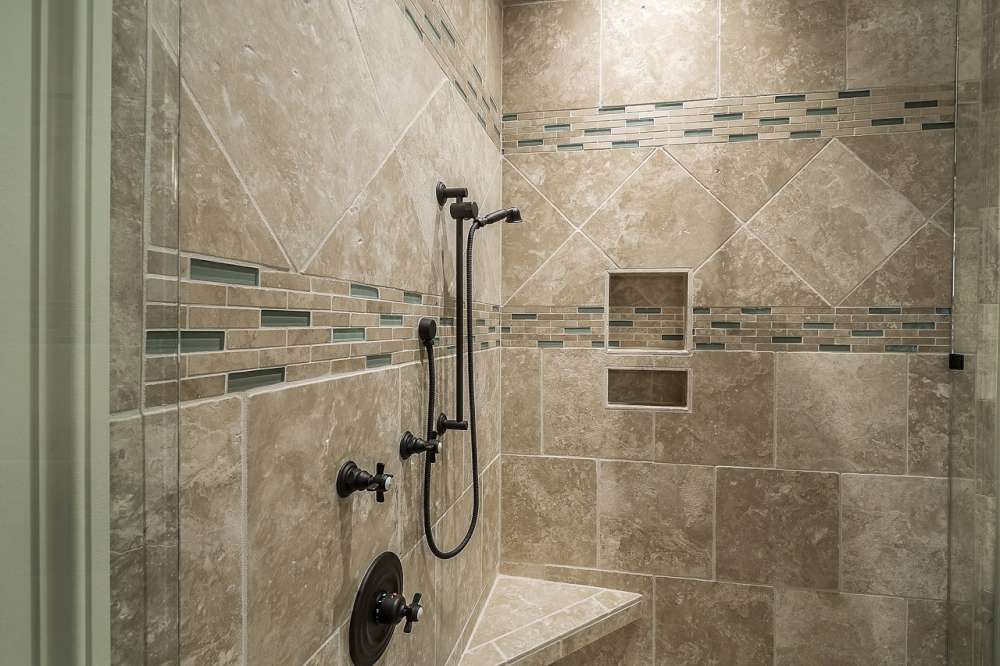
      If you live near a main road, under a flight path, or in any of the busier parts of Auckland — think Dominion Road, Great North Road, the North Shore motorway corridors — this matters more than you might expect. Double glazing with a good cavity width makes a meaningful difference. Not silence, but noticeably quieter.

      When Is Single Glazing Not a Problem?

      To be fair: single glazing is not universally wrong for every situation. If your home is already warm, dry, and comfortable, and your power bills are reasonable — and you’re not planning to sell for many years — the urgency is lower. If your frames are rotten or badly corroded and need full replacement anyway, the conversation becomes about which glazing type to specify in the new frames, not whether to upgrade at all.

      The situations where single glazing genuinely is a problem: regular condensation and mould, high winter heating costs ($200+/month), draughts around the frames, noise intrusion affecting sleep or work-from-home, and — increasingly — a buyer’s market where double glazing is simply expected.

      “The homes I find most telling are the ones where the owners have put in a heat pump, added ceiling insulation, and still can’t get the living room warm. Nine times out of ten, we look at the windows and the answer’s right there — single glazing with old aluminium frames conducting the cold straight through. You can’t out-insulate a window that’s actively working against you.”
      — Dorothy Li, Design Manager, Superior Renovations

      Double-glazed windows installed in an Auckland renovation


      For a deeper look at how double glazing works technically — spacers, gas fills, Low-E coatings, and R-ratings — read our full double glazing explainer here. For this article, we’ll stay focused on the decision.


      Not Just Windows: What to Upgrade and In What Order

      Most homeowners default to thinking about windows when double glazing comes up. Fair enough — windows are the most visible, and often the largest glazed surface. But the question of what to upgrade, and in what sequence, deserves more thought.

      Sliding Doors and Bifolds: The Overlooked Heat Loss Source

      A standard single-glazed sliding ranch slider has more surface area than three medium windows combined. Yet these rarely feature in the conversation. We see this regularly — homeowners invest in double-glazed windows throughout the house but leave their single-glazed sliding doors in place. The result is a thermal envelope with a significant gap in it.

      If you have sliding doors opening to a deck in West Harbour, or bifold doors that span the full width of your living area in Hobsonville — these need to be part of the upgrade plan. The good news is that double-glazed slider and bifold replacements are now standard products from every major NZ joinery supplier, and the difference in a living room that has a fully glazed external wall is substantial.

      Suppliers like Altus Window Systems have built much of their reputation on high-performance door systems, including their LevelStep™ sill options and thermally broken suites for indoor-outdoor flow without thermal compromise. Thermosash is another strong option for thermally broken aluminium joinery. Both are worth getting quotes from when your scope includes doors.

      Skylights: Possible, but Different

      Skylights are a specialist item. Standard retrofit approaches don’t apply — you’re working with a roof penetration, weather sealing, and a glazing unit designed for a different load than a vertical window. That said, double-glazed skylight units do exist and are well worth specifying if you’re replacing an existing skylight or installing a new one.

      If your current skylights are original single-glazed units — common in 1970s and 1980s homes — and they’re showing age (condensation, staining, or frame deterioration), replacement with a double-glazed unit is sensible work. Bundling it with your window upgrade avoids a second round of disruption and usually gets a better total price from your installer.

      Which Windows to Tackle First

      Budget doesn’t always allow for a whole-house upgrade in one hit. Building Performance (MBIE) recommends talking to your builder, designer or window supplier about the best options for your home — and it’s sensible to prioritise the rooms you use most or that are hardest to heat. The living room, kitchen, and master bedroom are almost always the right starting points. Secondary bedrooms and bathrooms can follow.

      For character homes — the pre-1940s villas in Grey Lynn, Ponsonby, and Mt Eden — there’s often a specific concern about changing the character of the windows. Vistalite’s insert window system is designed precisely for this situation: the existing timber frames stay in place, and a new double-glazed unit is fitted into the existing frame. You keep the heritage look. The house gets warm.

      Insert double glazing fitted into original timber frames in an Auckland villa


      💡 Quick tip: Before committing to a full window replacement, have the frames assessed. If they’re structurally sound — no rot, no serious corrosion — retrofit or insert double glazing is typically the faster and more cost-effective route. Full replacement is the right call when the frames themselves are beyond serviceable life.

      Aluminium vs Timber Frames: Does the Frame Type Change the Equation?

      It does, slightly. Standard aluminium frames conduct heat — which means a standard aluminium double-glazed unit, while much better than single glazing, still allows some heat transfer through the frame itself. Thermally broken aluminium joinery — where an insulating barrier is built into the frame — is significantly better. Systems such as Vistalite’s Southern41™ Thermal and equivalent thermally broken suites from Altus and Thermosash are designed for exactly this.

      Timber frames naturally insulate better than aluminium. If you have original timber sash windows in good condition, they’re worth preserving — both for heritage character and thermal performance. Pair them with double-glazed inserts and you have a genuinely high-performing window without destroying the look of the house.

      “A lot of our villa and bungalow clients come in expecting they’ll have to choose between keeping the character look or getting warm. The insert double glazing options available now make that a false choice in most cases — you can have both. The frames stay, the glass changes, and the house performs completely differently.”
      — Alison Yu, Designer, Superior Renovations

      For more on how renovating an entire home integrates window upgrades — including how we sequence this within a broader renovation scope — our home renovation page covers the process in detail.


      The Financial Case: Is Double Glazing Worth It in NZ?

      Let’s be direct: the pure energy-savings payback on double glazing, calculated in isolation, is long. A full double glazing upgrade for a 100m² Auckland home costs around $35,000 for new frames and IGUs — or $15,000–$18,000 for retrofit double glazing — and the annual saving on power bills alone is typically modest in dollar terms. If your heating bill is $3,000 per year, even a meaningful percentage saving doesn’t repay $35,000 in the short term.

      But nobody who has thought carefully about this decision calculates only energy savings. The actual financial case has at least five components, and when you add them up, it looks different.

      The Full Cost Picture

      Upgrade Type Typical Cost (100m² Auckland Home) Best For
      Full replacement (new frames + IGU) ~$35,000 Old, corroded, or rotten frames
      Retrofit double glazing (IGU into existing frames) $15,000–$18,000 Good aluminium or timber frames
      Insert windows (aluminium into existing timber frames) Varies — typically mid-range between retrofit and full replacement Character homes, heritage timber frames
      Secondary glazing (add-on pane to existing window) $8,000–$14,000 Budget option; partial improvement only
      Per-window cost (full replacement) $3,000–$3,500 per window Staged upgrades, room by room

      Source: Superior Renovations double glazing cost calculator. Use the calculator to get an indicative figure for your specific home.

      Property Value: The Buyer’s Perspective

      Auckland buyers in the current market are not passive. They know what double glazing is, they know what single glazing means (cold, condensation, high power bills), and they price accordingly. A well-presented home with double glazing consistently commands more interest than an identical property with single glazing.

      We completed an energy upgrade for a client in Takapuna — double-glazed windows, wool insulation, and a smart thermostat — for a total of $28,000. The property subsequently sold for approximately $38,000 more than a comparable property nearby that had not been upgraded. That’s not a guaranteed outcome, and results vary with the market — but it illustrates that the resale component of the ROI calculation is real, not theoretical.

      For homeowners planning to sell within three to five years, this is often the most compelling part of the financial case. The upgrade costs money now; you recoup a significant portion (and sometimes more) on the sale.

      Health and Comfort: The Benefits That Don’t Show Up on a Spreadsheet

      Mould remediation in a New Zealand home can run into the thousands depending on severity. A single respiratory illness, particularly in a household with young children or older family members, costs real money — GP visits, prescriptions, time off work. These costs are diffuse and invisible until they happen, but they are real. The Government’s own health guidance consistently links cold, damp housing to poorer respiratory health outcomes for New Zealanders.

      Warmer rooms also mean less reliance on supplementary heating. Fewer heat pump hours. Less overnight heating. The kind of background savings that show up in your bill twelve months later and that you only notice because you remember how much worse it was before.

      💡 Quick tip: Use our double glazing cost calculator to get an indicative estimate for your home, then run the numbers against a green home loan repayment. The comparison is often more compelling than people expect.


      Green Home Loans: Why the Major NZ Banks Are Now Subsidising This Upgrade

      This is where the conversation has changed in the last few years. And it’s worth understanding not just what the loans offer, but why the banks are offering them — because that context helps you understand how seriously they’re taking this.

      Right now, the four major New Zealand banks each have a product specifically designed to help you finance double glazing, insulation, heat pumps, and energy efficiency upgrades at a rate dramatically below their standard home loan rates. These are not marketing gimmicks. They’re substantive financial products with real terms — interest-free for up to five years in the case of Westpac’s Greater Choices home loan, and 1% p.a. fixed for three years across ANZ, ASB, and BNZ.

      Green Home Loan Comparison Table

      Bank Product Name Rate Max Amount Term Double Glazing Eligible?
      Westpac Greater Choices Home Loan 0% (interest-free) Up to $50,000 5 years ✅ Yes
      ANZ Good Energy Home Loan 1% p.a. fixed Up to $80,000 3 years ✅ Yes
      ASB Better Homes Top Up 1% p.a. fixed Up to $80,000 3 years ✅ Yes
      BNZ Green Home Loan / Better Future top-up 1% p.a. fixed Up to $80,000 3 years ✅ Yes
      Kiwibank Sustainable Energy Loan Standard home loan rate + $2,000 cash contribution Depends on equity 7–10 years ❌ No — solar & renewable generation only

      Important note: Kiwibank’s Sustainable Energy Loan is the odd one out — it’s designed for solar power and other renewable generation (solar PV, solar hot water, wind, small-scale hydro and geothermal), not for glazing, insulation or heating. Rather than a discounted rate, Kiwibank contributes up to $2,000 over four years towards an eligible system. If double glazing is your goal, the four big-bank products above are the relevant ones.

      Important note: Bank products change. The figures above are accurate at time of writing but terms, amounts, and eligible upgrades can be updated at any time. Always confirm current terms directly with your bank before applying. Most banks require a valid quote from a professional installer before approving the loan — so have your quote in hand first.

      Why Are the Banks Doing This?

      This is the question most homeowners don’t stop to ask — and it’s worth asking, because the answer clarifies why these products are serious and likely to remain available.

      The short version: healthier, more energy-efficient homes are better collateral. A well-insulated, double-glazed home is more comfortable, more marketable, and associated with better financial resilience in the homeowner. Lower power bills mean more cash available for mortgage repayments. A warmer, drier home has lower maintenance costs. Both factors reduce the bank’s lending risk.

      There’s also the climate angle. Under New Zealand’s mandatory climate-related disclosure regime, banks are required to report and reduce the emissions financed by their lending — and residential mortgages are one of the largest sources of those “financed emissions.” Subsidising heat pumps, insulation and double glazing is one of the most direct ways a bank can nudge that number down, which is why these products exist at all.

      Homestar certification is another factor. Homes that achieve a 6 Homestar rating or higher are eligible for the ANZ Healthy Home Loan package, which offers a 0.7% p.a. discount on fixed rates (and up to 1% on floating and flexible rates) off ANZ’s standard home loan rates. That’s a meaningful saving across a long mortgage — and it creates an incentive for homeowners to invest in upgrades that lift their home’s performance rating. Double glazing is a significant contributor to a Homestar rating.

      So when a bank offers you 0% finance for five years to upgrade your glazing — they’re not being charitable. They’re making a calculated decision that healthier homes mean healthier books.

      What the Numbers Look Like With a Green Loan

      Let’s run an actual scenario. A full double glazing upgrade for a 120m² Auckland home: $38,000.

      At Westpac’s Greater Choices rate (0% for 5 years): $633/month for 60 months. No interest paid. Total cost to you: $38,000.

      At a standard home loan top-up rate of around 7.5% over 5 years: roughly $760/month. Total cost: approximately $45,600.

      That’s a difference of roughly $7,600 — purely from accessing the green loan product. And because the monthly repayment is lower under the 0% option, the power bill savings contribute more meaningfully to the net position from day one.

      For a retrofit at $17,000: Westpac’s 0% loan would see it paid off in under 27 months at $633/month — and that’s at maximum monthly repayment. You could stretch the repayments to about $283/month over 60 months. Genuinely affordable for most households with a standard Auckland mortgage.

      For more on how we help clients structure renovation finance, see our finance options page.

      “We’re seeing more clients come in with the financing already sorted — they’ve spoken to their bank, have a pre-approval for a green loan, and they just need the quote to finalise the application. That’s new. A couple of years ago, finance was the thing that stalled these projects. Now it’s genuinely not the barrier it was.”
      — Eunice Qin, Designer, Superior Renovations


      Should You Upgrade? A Practical Decision Framework for Auckland Homeowners

      Enough context. Here’s how to actually make the call.

      Start With Your Home’s Age and Frame Condition

      Pre-1940s villas and bungalows (Grey Lynn, Ponsonby, Mt Eden, Epsom, Remuera): Almost certainly single-glazed, often with original timber sash windows. If the timber frames are sound — no rot, structurally intact — these are strong candidates for insert double glazing. You preserve the heritage character, the house gets warm. If the frames are beyond serviceable life, budget for full replacement with new thermally broken joinery.

      1950s–70s homes: Mix of timber and early aluminium joinery. Aluminium frames from this era are often in reasonable condition and good retrofit candidates. Have them assessed before assuming you need full replacement.

      1970s–80s brick-and-tile (South Auckland, Papatoetoe, Manurewa, Henderson, Waitakere): Standard aluminium frames. These are typically the most straightforward retrofit candidates — frames are usually still serviceable, just single-glazed. Cost-effective and high-impact upgrade.

      Mid-1990s–2000s plaster homes (leaky building era): Often had glazing specified to the standards of the time. Some already have double glazing; others don’t. Check specifications or get an assessment. If you’re recladding anyway, this is exactly the right time to upgrade the glazing simultaneously — it’s already disrupted.

      Post-2000 homes (Hobsonville, Flat Bush, Millwater, Silverdale): Most new builds in subdivisions after the updated Building Code requirements will already have double glazing. Verify rather than assume.

      Decision Checklist

      Question If Yes: What It Means
      Do you have regular condensation or mould on your window frames? Strong case for upgrading now — health and structural risk is present
      Is your heating bill above $200/month in winter? Meaningful energy saving likely — upgrade improves the financial case
      Do you plan to sell within 3–5 years? Strong resale case — buyers expect double glazing in Auckland’s current market
      Is your home a character villa or bungalow with original timber sashes? Insert double glazing can preserve frames — no heritage compromise required
      Are you already doing a major renovation or recladding? Bundle the glazing upgrade — disruption is already happening, installation cost reduces significantly
      Do you have a mortgage with one of the four main banks? Green home loan at 0–1% is likely available for glazing — check eligibility this week
      Are your frames rotten, corroded, or structurally compromised? Retrofit not viable — budget for full replacement; get a full-spec quote

      When to Hold Off

      There are genuine situations where upgrading now doesn’t make sense. If you’re planning to move within 12–18 months with no plan to improve before selling — and the home is in a location where the market doesn’t particularly reward double glazing — the ROI maths may not stack up. If you’re facing more urgent structural or weathertightness issues (roof, foundation, cladding), fix those first. Double glazing in a leaky home is investing in the wrong problem.

      But for the majority of Auckland homeowners sitting on pre-2000 single-glazed homes, the combination of available finance, rising buyer expectations, and genuine comfort and health benefits makes this one of the more straightforward upgrades to justify. The 0% interest loan option, in particular, changes the calculus significantly. It means you’re spreading the cost over 5 years with no financing charge — and living in a warmer, quieter, healthier home from day one.

      Bundling With a Broader Renovation

      One thing we see consistently: glazing upgrades done as part of a broader renovation cost less per window than glazing done as a standalone project. The reason is straightforward — builders, project managers, and installers are already on site. Scaffolding that’s up for a recladding project can be used for window work. The workflow is coordinated rather than sequential.

      If you’re planning a full home renovation, or even a substantial bathroom or kitchen project that involves some structural or external work, the conversation about glazing is worth having early. We can scope it as part of the project rather than an add-on.

      💡 Quick tip: Check with your bank about their green home loan before you do anything else. The application process for most products requires a professional installer’s quote — so the sequence is: get an assessment and quote first, then apply for the green loan, then book the work. Don’t pay full installation costs out of pocket only to discover after the fact that you were eligible for 0% finance.

      Completed double glazing and home renovation by Superior Renovations Auckland


      The Bottom Line

      Single glazing is not some catastrophic failure in your home. It’s just the product of an era when nobody was thinking particularly hard about thermal performance, and the New Zealand building industry hadn’t caught up with the countries that had already worked this out.

      Double glazing is not a magic solution either. It doesn’t eliminate heating costs. It doesn’t guarantee a specific resale premium. And it’s not always the first thing to fix if your home has more pressing structural issues.

      What it does do: keeps your home noticeably warmer with less energy, significantly reduces condensation and mould risk, takes a meaningful edge off road noise, adds real value in Auckland’s current market — and with 0–1% green home loans now available, you’re financing this at a fraction of the cost you would have been a few years ago.

      For most Auckland homeowners on pre-2000 single-glazed homes, the question is no longer really whether to upgrade. It’s when, and how to structure it.

      Talk to your bank this week. Get a quote. Run the numbers. Then book a conversation with us if you want help scoping the work.

      Book your free in-home consultation with Superior Renovations
      Use our free double glazing cost calculator to estimate your project
      Request a free feasibility report for your renovation project


      Is double glazing worth it in NZ?

      For most New Zealand homes built before 2000, yes. Double glazing reduces heat loss through windows, cuts condensation and mould risk, reduces noise, and adds measurable resale value. With green home loans now available at 0–1% interest from the major NZ banks, the financial case is stronger than it has ever been. The best way to assess your specific situation is to get a professional quote and run the numbers against a green loan repayment.

      How much does it cost to double glaze a house in Auckland?

      A full double glazing replacement (new frames and insulated glass units) for a 100m² Auckland home costs around $35,000. Retrofit double glazing — fitting new glass units into existing frames — typically costs $15,000–$18,000 for the same size home. Individual windows run $3,000–$3,500 each for full replacement. Use the Superior Renovations double glazing cost calculator for an indicative figure based on your home's specifications.

      What is the difference between single and double glazing?

      Single glazing uses one pane of glass with no thermal barrier — heat passes through easily. Double glazing uses two panes separated by a sealed air or gas-filled cavity, which acts as insulation. The result is significantly less heat loss, reduced condensation, better sound reduction, and a warmer interior. Adding a Low-E glass coating and argon gas fill improves performance further.

      Can I get a low-interest loan to pay for double glazing in NZ?

      Yes. The four major NZ banks offer green home loan products that cover double glazing as an eligible upgrade. Westpac's Greater Choices loan offers up to $50,000 interest-free for 5 years. ANZ, ASB, and BNZ each offer up to $80,000 at 1% p.a. fixed for 3 years. Most require an existing home loan with that bank and at least 20% equity. A professional installer quote is typically required to apply. Note that Kiwibank's Sustainable Energy Loan is for solar and renewable generation only, not glazing. Always check current terms directly with your bank.

      Does double glazing add value to a house in Auckland?

      Yes, meaningfully. Auckland buyers actively look for double glazing and price accordingly in the current market. The value uplift varies with the property and location, but a $28,000 energy upgrade including double glazing on a Takapuna home we completed added an estimated $38,000 to the sale value. The resale case is strongest for homes priced at mid-to-upper market levels where buyer expectations for warmth and energy efficiency are highest.

      Do I need a building consent to replace my windows with double glazing in NZ?

      In most cases, no. Replacing existing windows like-for-like with double-glazed units of the same size and in the same location is typically exempt building work under Schedule 1 of the Building Act 2004. If you're changing the size or location of windows, adding new openings, or making structural changes, consent may be required. When in doubt, check with Auckland Council or building.govt.nz — or ask your installer, who should be familiar with consent requirements for this type of work.

      Should I upgrade my sliding doors and skylights to double glazing as well?

      Yes, where possible. Sliding ranch sliders and bifold doors typically have a larger surface area than several windows combined, making them significant sources of heat loss when single-glazed. Upgrading them alongside your windows gives you a complete thermal envelope rather than a patchy improvement. Skylights are more specialised but double-glazed units are available — if yours are ageing or showing condensation, replacement with a double-glazed unit is worthwhile, especially when bundled with a broader window project.

      What is retrofit double glazing and is it cheaper than full replacement?

      Retrofit double glazing means fitting a new insulated glass unit (IGU) into your existing window frames, rather than replacing the entire window including the frame. It's typically cheaper — $15,000–$18,000 for a 100m² home versus $35,000 for full replacement — and is viable when your current frames are structurally sound and in good condition. If frames are corroded, rotten, or thermally compromised (standard aluminium conducts heat through the frame), full replacement with thermally broken joinery gives better long-term results.

      What is the difference between argon gas and air in double glazing?

      Most double-glazed windows have a sealed cavity filled with either still air or argon gas. Argon is a better insulator than air — it reduces convection within the cavity, improving thermal performance. Combined with a Low-E (low emissivity) glass coating, argon-filled double glazing provides significantly better insulation than air-filled clear glass units. The performance gain justifies the modest additional cost, particularly for north and south-facing windows in Auckland homes.

      Can I get a Warmer Kiwi Homes grant for double glazing?

      No. The Warmer Kiwi Homes programme administered by EECA covers ceiling and underfloor insulation and heating (heat pumps), not window glazing. However, the green home loan products from the major banks (Westpac, ANZ, ASB, BNZ) are available for double glazing at 0–1% interest. Check the EECA website at eeca.govt.nz for the most current programme details, as eligibility criteria are reviewed periodically.

      How long does it take to double glaze a house in Auckland?

      A full double glazing project for a typical Auckland home (3–4 bedrooms) usually takes a few days for installation once the windows are manufactured. Manufacturing lead times vary by supplier — allow several weeks from confirmed order to installation in the current Auckland market. A retrofit or insert window project on existing frames is faster, sometimes completable in one to two days. The timeline depends on the number of windows, access requirements, and whether doors and skylights are included.

      Is there a Homestar rating benefit for upgrading to double glazing in NZ?

      Yes. Double glazing is a key component in achieving a higher Homestar rating under New Zealand's residential sustainability framework. Homes rated 6 Homestar or higher qualify for ANZ's Healthy Home Loan package, which offers a 0.7% discount on fixed home loan rates (up to 1% on floating and flexible rates). For homeowners with an existing ANZ mortgage, achieving this rating through glazing, insulation, and heating upgrades can translate to meaningful savings across the mortgage term — on top of lower power bills and the other benefits of double glazing.


      Further Resources for your double glazing and home renovation project

      1. Featured projects and client stories — see specifications from completed Auckland renovations including glazing upgrades.
      2. Real client stories from Auckland homeowners who have renovated with Superior Renovations.
      3. What is double glazing? Our full technical explainer — IGUs, R-ratings, spacers, gas fills, and retrofit vs full replacement explained in detail.

      Need more information?

      Take advantage of our FREE Complete Home Renovation Guide (48 pages), whether you’re already renovating or in the process of deciding to renovate, it’s not an easy process, this guide which includes a free 100+ point check list – will help you avoid costly mistakes.

      Download Free Renovation Guide (PDF)


      finance - Superior Renovations

      Have you been putting off getting renovations done?

      We have partnered with Q Mastercard ® to provide you an 18 Month Interest-Free Payment Option, you can enjoy your new home now and stress less.

      Learn More about Interest-Free Payment Options*

      *Lending criteria, fees, terms and conditions apply. Mastercard is a registered trademark and the circles design is a trademark of Mastercard International Incorporated.


      Still have questions unanswered?

      Book a no-obligation consultation with the team at Superior Renovations,
      we’d love to meet you to discuss your renovation ideas!

        Services

        Home RenovationKitchen RenovationBathroom RenovationOutdoor RenovationHouse ExtensionCommercialDesign ServicesOther

        By submitting this form, you agree to receive communications from us via email or text regarding our services, you can unsubscribe at any time.

        This site is protected by reCAPTCHA and the Google

        Privacy Policy and Terms of Service apply.


        References

        1. Westpac NZ — Greater Choices Home Loan
        2. ANZ — Good Energy Home Loan
        3. ASB — Better Homes Top Up
        4. BNZ — Green Home Loan / Better Future top-up
        5. Kiwibank — Sustainable Energy Loan
        6. ANZ — Healthy Home Loan package (Homestar)
        7. Building Performance (MBIE) — Glazing and glass options
        8. BRANZ — Building research, materials and thermal performance
        9. EECA — Warmer Kiwi Homes insulation and heater grants
        10. Manatū Hauora / Ministry of Health — Healthy housing guidance
        Retaining wall
        House Renovation

        Retaining Wall Cost NZ 2026: Materials, Height & Consent

        Retaining Wall Cost Auckland 2026: When You Need Consent and What It Actually Costs

        Quick answer: A retaining wall in Auckland typically costs $300–$1,000+ per lineal metre installed in 2026 — timber sits at $300–$500/m, concrete block at $400–$800/m, gabion at $400–$700/m, and natural stone from $1,000/m up. Any wall over 1.5m, or one with a driveway, building, fence or sloping ground behind it, needs building consent and a Chartered Professional Engineer (CPEng).

        Auckland is a city built on slopes. Volcanic cones in the central isthmus. Clay-heavy ridges in Titirangi and the Waitākere foothills. Steep cuttings through the North Shore from Devonport to Beach Haven. If you own a freestanding home anywhere outside the flat new subdivisions, the odds are good that somewhere on your section — at the back of the garden, beside the driveway, or holding up a neighbour’s lawn — there’s a retaining wall doing serious work.

        And it’s a wall most homeowners don’t think about until it starts leaning, leaking, or needs replacing.

        After more than 1000 Auckland renovation projects, the pattern we see is the same: people get a verbal “around $400 a metre” quote, sign off, and then discover the real number when the engineer, geotech, drainage and consent fees roll in. The wall itself is rarely the expensive part. The compliance, ground conditions and engineering behind it almost always are.

        Here’s what a retaining wall actually costs in Auckland in 2026 — by material, by height, and with the consent and engineering layers built in so the final number doesn’t catch you out.


        What Does a Retaining Wall Cost in Auckland in 2026?

        The short answer: it depends on what it’s made of, how tall it is, and what the ground is like. The longer answer is below, but here’s the at-a-glance picture for a standard residential wall, professionally built, including basic drainage but excluding consent, engineering and unusual site access.

        Material Cost per lineal metre (installed) Typical lifespan
        Timber (H4/H5 treated) $300–$500/m 15–25 years
        Concrete block (Firth Compac, Allan Block) $400–$800/m 50+ years
        Poured concrete (reinforced) $500–$1,000+/m 75+ years
        Gabion (wire cage filled with rock) $400–$700/m 30–60 years
        Natural stone $1,000–$1,950+/m A lifetime

        Ranges assume a wall up to roughly 1.5m on a reasonably accessible Auckland site. Add 30–50% for walls above 1.5m, and significantly more for difficult access, poor ground or premium finishes. Figures synthesised from current NZ market pricing in 2026. [SPECIFIC DETAIL NEEDED: named NZ source for per-metre material pricing and lifespan figures]

        Timber Retaining Walls — Cheapest Up Front, But Watch the Clock

        Timber is the most popular retaining wall material in Auckland for one reason: it’s the cheapest to build. H4-treated pine posts, set into concrete with 75mm or 100mm timber sleepers, will cost $300–$500 per lineal metre fully installed for a wall under 1.2m. It’s quick to put up, easy to repair, and on a flat site with no surcharge a competent builder can knock it out in a couple of days.

        The catch is lifespan. Even H4-treated pine in Auckland’s wet clay will start showing wear by year 12 to 15. H5 timber, rated for in-ground freshwater contact, buys you another five to ten years. Either way, you’re looking at replacing the wall once during a typical homeowner’s tenure on the property. Concrete block doesn’t have that problem. [SPECIFIC DETAIL NEEDED: source for timber lifespan in Auckland clay]

        One thing we’d flag from project experience: cheap timber walls are often built with no drainage coil behind them. The result is hydrostatic pressure building up against the back of the timber, accelerating rot and pushing the wall outwards. We’ve replaced more than one “10-year-old” wall that lasted six, because the drainage was skipped to save $300.

        Concrete Block — The Auckland Default for Anything Over a Metre

        Modular concrete block systems like Firth Compac IV or Allan Block dominate residential retaining work in Auckland for walls between 1m and 3m. Expect to pay $400–$800 per lineal metre installed for a standard concrete block wall up to 1.5m, with engineered systems above that height pushing toward $900–$1,200/m once consent and structural reinforcement are factored in. The blocks themselves cost more than timber sleepers, but the system lasts decades longer with effectively zero maintenance.

        Concrete block also stacks up well for the taller, surcharge-loaded walls that are common on sloping Mt Eden, Remuera and Hillsborough sections. With reinforcing steel and proper backfill, a properly engineered block wall can comfortably retain 2m+ of soil with a driveway sitting on top.
        Firth Compac concrete block retaining wall on an Auckland section

        Poured Concrete — When You Need Real Structure

        Reinforced poured concrete is what you build when the wall is genuinely structural — holding up a section that supports a house, a driveway with frequent vehicle loads, or a slope that’s already shown movement. Costs start around $500/m for straightforward walls and climb to $1,000+/m once you factor in engineered foundations, steel reinforcing, formwork, and the inevitable specialist labour.

        It’s not the prettiest option from the front unless you clad it in stone or render. But for serious structural work on a hillside section, it’s often the only material that makes sense. Sonder Architecture, our architectural partner, designs more poured concrete retaining walls than any other type on extension and full-rebuild projects — usually because the section demands it.

        Gabion Walls — A Drainage-Friendly Middle Ground

        Gabion walls — galvanised steel cages filled with hand-stacked rock — sit in an interesting middle space. At $400–$700 per lineal metre, they’re roughly cost-competitive with concrete block, but the construction is faster on hard or rocky sites where driving timber posts is impossible. They drain themselves naturally — water just passes through the rock — which is why Auckland Council’s retaining wall practice note treats gabion structures as porous and not subject to hydrostatic pressure design.

        The aesthetic is divisive. Some homeowners love the modern, rugged look. Others can’t stand it. They’re a great fit for steep Titirangi or Waiatarua sections where bringing in concrete trucks is logistically painful, but they need careful design to look intentional rather than industrial.

        Natural Stone — The Premium Tier

        Real-stone retaining walls — dry-stacked schist or hand-mortared limestone — start at around $1,000 per lineal metre and run to $1,950/m and beyond for premium quarried stone with skilled installation. They’re rarely the right choice for purely functional walls, but for the front elevation of a Remuera, Herne Bay or St Heliers property where the wall is also a landscape feature, the premium can be worth it.

        The alternative — and one we’ve used on several Auckland projects — is stone-cladding a concrete or block wall after construction. It gives you the look at roughly half the cost.

        “Most homeowners come to us thinking material is the big decision. Nine times out of ten, the bigger driver of cost is what’s behind the wall — the ground, the drainage and whether it’s holding up a driveway. We’ve had projects where the timber-versus-block decision changed the budget by $3,000, and the engineering decision changed it by $25,000.”
        — Dorothy Li, Design Manager, Superior Renovations

        💡 Quick tip: Get any retaining wall quote in writing as a per-lineal-metre rate, broken down by material, drainage and excavation separately. Verbal “around $X per metre” rates almost always exclude the things that actually cost money.

        Retaining wall costs 1 - Superior Renovations

        Retaining walls


        Cost by Height: Why a 1.6m Wall Can Cost More Than Twice a 1.4m Wall

        Wall height is the single biggest cost driver after material. It’s not a straight line either. Above 1.5m, the all-in cost roughly doubles per lineal metre — not because the wall itself is bigger, but because consent, engineering, geotechnical reports and stricter construction methods all kick in at that threshold.

        Under 1.5m: The Cheapest Tier (When the Site Cooperates)

        A retaining wall under 1.5m, on flat ground, with nothing significant behind it, is the simplest project on the menu. For an Auckland homeowner, this typically means $300–$650 per lineal metre depending on material, with no building consent required and no engineer involvement. A 10m timber sleeper wall in a flat back garden in Glendowie or Howick might come in at $4,000–$6,000 all in.

        The big caveat — and we’ll cover this properly in the next section — is that “nothing behind it” almost never describes a real Auckland section.

        1.5m–3m: Consented Territory

        Walls between 1.5m and 3m always need building consent in Auckland. That triggers a Chartered Professional Engineer (CPEng) design, producer statements, council consent fees, and inspections through construction — adding $3,000–$8,000+ to the project before you’ve laid a block. The wall itself typically runs $600–$1,200 per lineal metre at this height bracket once engineering and consent are factored in. [SPECIFIC DETAIL NEEDED: source for $3,000–$8,000 consent + engineering add at this height]

        For a 15m, 2m-high concrete block wall on a sloping Mt Eden section — a fairly common Auckland scenario — total project cost lands between $20,000 and $35,000, including engineering, consent, drainage, backfill and finished surface.

        Over 3m: Serious Engineering Territory

        Anything taller than 3m is no longer a landscaping job. Walls of this height are full structural projects — geotechnical investigation, deep foundations or piles, specifically engineered design (SED) with PS1 and PS4 producer statements, and detailed council inspections. Costs scale to $1,500–$3,000+ per lineal metre easily, before any consent and engineering overhead.

        These walls are common on steep North Shore cliff sections, Titirangi bush blocks and the older Waitākere subdivisions where original retaining work from the 1970s is failing and needs full replacement. Budget for a project in the $80,000–$200,000+ range for any significant cliff or boundary work at this scale.

        Wall height Consent required? Engineer required? Indicative cost per metre (all-in)
        Under 1.5m, no surcharge No Optional $300–$650/m
        Under 1.5m, with surcharge Yes Usually $500–$1,000/m
        1.5m–3m Yes Yes (CPEng) $600–$1,500/m
        Over 3m Yes Yes (CPEng + Geotech) $1,500–$3,000+/m
        Add for consent + engineering $3,000–$10,000+ on project total

        💡 Quick tip: If your wall is going to be close to 1.5m, talk to a designer about whether you can genuinely keep it under 1.5m with a small fence-style extension above, or whether consent is unavoidable and the design should be engineered from day one. The worst outcome is a 1.6m wall built without consent that council later requires to be re-engineered retrospectively.

        For more on Auckland’s consent process and how it fits into the bigger renovation picture, our renovation consent process guide walks through the full sequence of applications, inspections and producer statements.


        Retaining wall costs 3 - Superior Renovations

        Retaining walls

        The Consent Rule Almost Every Auckland Homeowner Gets Wrong

        Here’s the consent rule everybody half-remembers: “you don’t need consent if it’s under 1.5 metres.” It’s true. It’s also wildly incomplete. The Building Act 2004 Schedule 1 exemption requires the wall to retain less than 1.5m of ground AND to support no “surcharge.” The surcharge clause is the part nobody knows about — and it’s the part that catches the majority of Auckland projects.

        Schedule 1 Exemption 20 — The Real Rule

        According to Building Performance (MBIE), under Schedule 1, Exemption 20 of the Building Act 2004, a retaining wall is exempt from building consent if both of these are true:

        1. The wall retains not more than 1.5 metres of ground (measured vertically)
        2. The wall does not support any surcharge or any additional load beyond the ground itself

        Both conditions, not either. If your wall is 1.4m high but it’s holding up a driveway, a building, a fence, a swimming pool, another retaining wall, or sloping ground above, the exemption doesn’t apply. You’ll need a building consent.

        What “Surcharge” Actually Means

        Surcharge is engineering shorthand for “any extra load on the ground behind the wall, beyond the soil itself.” Auckland Council’s retaining walls practice note AC2231 (v.5, March 2019) defines it as any vertical pressure applied to the ground surface near the wall, which then pushes additional horizontal load against it. Per the Building Performance Schedule 1 guidance, the loads that count as surcharge — and therefore break the exemption — include:

        • Driveways or parking areas above the wall
        • Buildings or sheds within the “zone of influence” behind the wall
        • Swimming pools
        • Other retaining walls higher up the slope
        • Fences or heavy landscaping
        • Sloping ground above the top of the wall

        That last one is the killer. On a sloping Titirangi, Mt Eden, Remuera or North Shore section, the ground above your retaining wall almost always continues to slope upward — which counts as surcharge, which disqualifies the Schedule 1 exemption. The flat-garden scenario where the exemption cleanly applies is much rarer in Auckland than the consent rule’s wording suggests.

        “I get the surcharge question on probably half of our retaining wall enquiries. People assume that because their wall is 1.3m high, they’re sorted — and then we look at the section and there’s a clear slope rising from the top of the wall. That’s a surcharge in council’s eyes. The exemption is gone. It’s not what people want to hear, but it’s better to find out before construction than after.”
        — Eunice Qin, Designer, Superior Renovations

        Resource Consent — The Second Layer Most People Forget

        Even if your wall is genuinely exempt from building consent, it may still trigger a resource consent under the Auckland Unitary Plan. The Unitary Plan sets separate rules for:

        • Height-in-relation-to-boundary controls (your wall affects this)
        • Side yard and front yard setbacks
        • Zoning rules in heritage areas like Ponsonby, Devonport and parts of Mt Eden
        • Earthworks volume thresholds (cumulative cut and fill on your section)

        The full consent picture in Auckland involves both a building consent (for the wall itself) and potentially a resource consent (for the land-use rules). Our sister brand Sonder Architecture has a detailed breakdown of what you can and can’t build without consent — read Sonder’s 2026 consent rules guide for the full picture across renovations and outbuildings. You can also check our own renovation FAQ for the short-form consent rules across other parts of a project.

        Important note: Even when a retaining wall is exempt from building consent, it must still comply with the New Zealand Building Code. If it fails — collapsing, leaning, undermining a neighbour’s section — you, as the property owner, carry liability. “I didn’t need consent” is not a defence against a Building Code claim.


        Retaining wall costs 2 - Superior Renovations

        Retaining walls


        Engineer or Builder? Who Does What on a Retaining Wall

        For any wall that needs building consent, you’ll need both — a Chartered Professional Engineer (CPEng) to design and certify the wall, and a Licensed Building Practitioner (LBP) to construct it. The CPEng signs off the structural side. The LBP signs off the build. Council accepts both and issues the Code Compliance Certificate (CCC).

        When You Need a CPEng

        You need a Chartered Professional Engineer involved if any of these apply:

        • Wall is over 1.5m high (always)
        • Wall has any surcharge — driveway, building, slope above, fence on top
        • Ground conditions are poor — soft clay, fill material, high water table
        • The wall is close to a property boundary or an existing building
        • You want belt-and-braces certainty even on a sub-1.5m wall

        A CPEng design for a typical Auckland residential retaining wall costs $600–$1,500+ GST, with more complex sites pushing higher. That covers the structural calculations, drawings, and a PS1 (Producer Statement — Design) document that council needs for consent approval. [SPECIFIC DETAIL NEEDED: source for $600–$1,500 CPEng design fee]

        PS1, PS3 and PS4 — The Producer Statement Workflow

        For a consented retaining wall in Auckland, the producer statement sequence usually runs like this:

        1. PS1 — Producer Statement: Design. The CPEng confirms the wall has been designed to meet the Building Code. Issued at the start, attached to the consent application.
        2. PS3 — Producer Statement: Construction Review. Sometimes issued by the builder confirming construction has followed the engineered design.
        3. PS4 — Producer Statement: Construction Observation. The CPEng inspects key stages of construction — footing pours, reinforcing placement, backfill — and certifies the build matches the design. Per AC2231, engineer observation and a PS4 are generally required for specifically engineered retaining walls in Auckland.

        Add roughly $800–$2,000 to the project for engineer observation visits during construction, on top of the design fee. [SPECIFIC DETAIL NEEDED: source for $800–$2,000 PS4 observation fee]

        When Your Builder Can Handle It Solo

        For a genuinely exempt wall — under 1.5m, no surcharge, on stable ground — a competent landscape builder or LBP can handle the entire project without engineer involvement. That’s where the $300–$500/m timber and $400–$650/m concrete block ranges actually apply. The wall still has to comply with the Building Code, and good builders know how to design it to do so — but no formal CPEng input is required.

        Be sceptical of any builder who tells you that a 2m wall on a sloping section doesn’t need an engineer. They might be cutting corners, or they might be planning to step the wall into two 1m tiers — which can work, but only if there’s enough horizontal separation between tiers to genuinely remove the surcharge load on the lower wall.

        💡 Quick tip: Ask any builder up front whether they’ll be issuing a PS3, whether your wall design will have a PS1 from a CPEng, and whether council will require a PS4. If they can’t answer cleanly, they probably haven’t built many consented retaining walls.


        The Auckland-Specific Cost Drivers Nobody Mentions in Their Quote

        Two retaining walls of identical material, identical height and identical length can cost wildly different amounts depending on where they are in Auckland. The variables that drive that difference — clay soils, slope, access, drainage — almost never appear on a verbal quote. They appear in the final invoice.

        Auckland Clay Soils and the Drainage Premium

        Most of central, west and south Auckland sits on clay or clay-loam soils. Heavy reactive clay holds water, swells when wet, and shrinks when dry. For a retaining wall, that means hydrostatic pressure pushing on the back of the wall every winter, and active soil movement at the base. Auckland Council’s AC2231 practice note is explicit that suitable drainage behind a retaining wall is essential, with stormwater discharging to an approved point via a silt trap — which is why drainage failure is one of the most common causes of retaining wall problems in Auckland. [SPECIFIC DETAIL NEEDED: source confirming drainage failure as the single most common cause of collapse]

        Practically, that adds two cost items to almost every Auckland wall:

        • Drainage coil + filter cloth + gravel backfill: $30–$80 per lineal metre on top of the base wall cost [SPECIFIC DETAIL NEEDED: source for $30–$80/m drainage premium]
        • Subsoil drains tied into stormwater: a further $1,500–$4,000 on bigger projects [SPECIFIC DETAIL NEEDED: source for $1,500–$4,000 subsoil drainage cost]

        Skip this and the wall fails inside 10 years. Spend it and the wall outlasts the next homeowner.

        Hilly Suburbs — Titirangi, Mt Eden, Devonport, Beach Haven

        Sloped sections complicate everything. On hill suburbs like Titirangi, the Waitākere foothills, parts of Mt Eden and Devonport, the steepness alone often pushes a project from a one-day timber job to a three-week engineered concrete build with a small digger and a concrete pump. Slope also means surcharge, which means consent, which means the engineer, which means the producer statements, which means the additional $5,000–$10,000 in soft costs.

        It’s not unfair. It’s just what it costs to build something safely on a hillside in clay. Auckland’s geography is what it is.

        Site Access — The Hidden Multiplier

        If a 3.5-tonne digger, a concrete truck and a one-tonne ute can all reach the wall site directly, you’re paying base rates. If the only access is through a side gate, down a narrow drive, or — worst case — by hand-barrowing materials across a back lawn, you’re easily doubling labour hours on the project. We’ve quoted Auckland sites where the access constraint alone added $8,000–$15,000 to an otherwise simple wall.

        Walk the access route honestly before signing a quote. If a builder isn’t asking about it, they haven’t priced it.

        Geotechnical Reports — When You Actually Need One

        For walls over 3m, walls on suspect ground (fill, soft clay, anywhere within the leaky-building-era subdivision footprint where original drainage may be compromised), or walls on a slope with a known history of movement, the engineer will require a geotechnical investigation before designing the wall. A residential geotech report in Auckland runs $500–$2,500 depending on the number of bore holes and lab tests required. It’s another upfront cost — but it’s the difference between a wall that holds and a wall that costs $40,000 to rebuild in five years. [SPECIFIC DETAIL NEEDED: source for $500–$2,500 geotech report cost]

        Retaining work is one of the most common sources of cost overruns in an Auckland renovation, alongside structural changes and consent-related work. We’ve written about this in detail in our guide to the most expensive parts of a renovation — worth reading if you’re scoping a bigger project that includes retaining work.

        “On any property where we’re doing structural renovation work — extensions, recladding, a significant rear deck — the retaining wall question gets asked first. If the existing wall is failing or the new build adds surcharge to an old wall, we’d rather rebuild it properly now than deal with it as a $30,000 surprise during the build. Cheaper to plan for, cheaper to consent, cheaper to fix.”
        — Alison Yu, Designer, Superior Renovations

        💡 Quick tip: If your renovation project is going to add any new load behind an existing retaining wall — a deck, a paved patio, a vehicle pad — get the existing wall assessed by a CPEng before signing off on the renovation design. Retrofitting an existing wall to handle new surcharge is significantly more expensive than building from scratch.

        Sloping Auckland section requiring an engineered retaining wall and drainage


        Pulling It Together: What Your Auckland Retaining Wall Will Really Cost

        For most Auckland homeowners, the real cost of a retaining wall in 2026 lands somewhere between $5,000 and $40,000, depending on length, height, material and whether consent and engineering are in play. A simple sub-1.5m timber wall in a flat back garden in Howick will sit at the lower end. A 2m engineered concrete block wall holding up a driveway in Mt Eden will sit near the top. Walls over 3m on Titirangi or North Shore hillsides regularly run past $80,000 once geotech and engineering are included.

        The single biggest reason quotes vary is whether the consent and engineering layer has been priced in honestly. If a quote looks too good, it almost certainly excludes the surcharge case, the CPEng design, the producer statements, the drainage system, or the access constraint. Get those in writing before you sign anything.

        If you’re planning a renovation that involves retaining work — or any structural change that might load an existing wall — talk to us before the design is locked in. We’ve built 1000+ Auckland projects, including hundreds with retaining work, and the planning conversation is the cheapest part of the whole job. Our showroom and design studio sits at 16B Link Drive, Wairau Valley, and we run free in-home consultations across Auckland.

        Book your free in-home consultation with Superior Renovations
        Explore our outdoor renovations and landscaping service
        Request a free feasibility report for your project


        How much does a retaining wall cost in Auckland in 2026?

        A residential retaining wall in Auckland typically costs $300–$1,000+ per lineal metre installed in 2026. Timber sits at $300–$500/m, concrete block at $400–$800/m, gabion at $400–$700/m, and natural stone from $1,000/m up. Walls over 1.5m or with surcharge cost roughly double once consent and engineering are included. Add $3,000–$10,000 on top for consent, CPEng design and producer statements on engineered walls.

        Do I need building consent for a retaining wall in NZ?

        Under Schedule 1 Exemption 20 of the Building Act 2004, a retaining wall is exempt from consent only if it retains less than 1.5m of ground AND supports no surcharge (no driveway, building, fence, pool or sloping ground above). On most Auckland sloping sections, the no-surcharge rule is broken by the slope itself, which means consent is required even for walls under 1.5m. The wall must also comply with the Building Code regardless of consent status.

        What is surcharge on a retaining wall?

        Surcharge is any additional load on the ground behind a retaining wall beyond the soil itself. It includes driveways, parking areas, buildings, swimming pools, fences, other retaining walls higher up the slope, and sloping ground above the top of the wall. Auckland Council practice note AC2231 defines surcharge as any vertical pressure applied to the ground surface near the wall, which the designing engineer must determine for each site — and the slope above a wall on a hillside section commonly counts.

        What is the cheapest type of retaining wall in Auckland?

        H4 or H5 treated timber is the cheapest material, at $300–$500 per lineal metre installed for a sub-1.5m wall on a flat site. It lasts 15–25 years in Auckland's wet clay before needing replacement. Concrete block at $400–$800/m costs more up front but lasts 50+ years, often working out cheaper over the lifetime of the wall. Skip the drainage to save money and you'll halve the lifespan of either option.

        How long does a retaining wall last in New Zealand?

        Timber walls in Auckland clay last 15–25 years depending on treatment level and drainage. Concrete block walls last 50+ years with minimal maintenance. Poured concrete walls last 75+ years. Gabion walls last 30–60 years depending on basket galvanising and stone quality. Natural stone walls effectively last a lifetime if built correctly. Drainage failure is the single biggest factor that shortens a wall's lifespan in Auckland — particularly on clay sites.

        Do I need a Chartered Professional Engineer for my retaining wall?

        A CPEng is required for any wall over 1.5m, any wall with surcharge, any wall close to a boundary or building, and any wall on poor ground (soft clay, fill, high water table). The engineer designs the wall, issues a PS1 producer statement for consent, and usually issues a PS4 after observing key construction stages. Even on exempt walls, engineering input on walls over 1m is strongly recommended in Auckland's clay-heavy soils.

        How much does drainage add to a retaining wall cost in Auckland?

        Basic drainage — a perforated drainage coil wrapped in filter cloth, set in gravel behind the wall and tied to a stormwater outlet — adds $30–$80 per lineal metre to the base wall cost. Larger subsoil drainage systems with multiple outlets and gravel backfill add $1,500–$4,000 to bigger projects. Auckland Council's AC2231 practice note treats drainage behind a retaining wall as essential, and it is the most common item omitted on cheap quotes.

        Can I build a retaining wall in my back garden myself?

        You can build a retaining wall under 1.5m yourself in Auckland if the wall meets the Schedule 1 surcharge exemption AND complies with the Building Code. Drainage, footings, backfill and timber treatment all need to be done correctly. For any wall that requires consent, the construction work is classed as restricted building work and must be done by or under the supervision of a Licensed Building Practitioner. DIY on a consented wall is not an option.

        How much does a CPEng cost for a residential retaining wall design?

        A Chartered Professional Engineer design and PS1 producer statement for a standard residential retaining wall in Auckland costs $600–$1,500+ GST. More complex designs — taller walls, surcharge cases, poor ground conditions — push higher. Construction observation visits and a PS4 producer statement add a further $800–$2,000 to the engineer's fee. A geotechnical report, if required, adds $500–$2,500 on top of engineering fees.

        Does a retaining wall add value to my Auckland property?

        A well-built retaining wall that creates usable garden space, prevents soil movement, or improves the street frontage adds tangible property value. A failing or non-compliant wall reduces value — buyers and their building inspectors flag retaining wall issues as a significant red flag, particularly in hilly suburbs like Titirangi, Mt Eden and the North Shore. Engineered walls with consent paperwork and a Code Compliance Certificate are easier to sell against than informal builds.


        Further Resources for Your Outdoor Renovation

        1. Featured projects and Client stories to see specifications on some of the projects.
        2. Real client stories from Auckland

        Need more information?

        Take advantage of our FREE Complete Home Renovation Guide (48 pages), whether you’re already renovating or in the process of deciding to renovate, it’s not an easy process, this guide which includes a free 100+ point check list – will help you avoid costly mistakes.

        Download Free Renovation Guide (PDF)


        finance - Superior Renovations

        Have you been putting off getting renovations done?

        We have partnered with Q Mastercard ® to provide you an 18 Month Interest-Free Payment Option, you can enjoy your new home now and stress less.

        Learn More about Interest-Free Payment Options*

        *Lending criteria, fees, terms and conditions apply. Mastercard is a registered trademark and the circles design is a trademark of Mastercard International Incorporated.


        Still have questions unanswered?

        Book a no-obligation consultation with the team at Superior Renovations,
        we’d love to meet you to discuss your renovation ideas!

          Services

          Home RenovationKitchen RenovationBathroom RenovationOutdoor RenovationHouse ExtensionCommercialDesign ServicesOther

          By submitting this form, you agree to receive communications from us via email or text regarding our services, you can unsubscribe at any time.

          This site is protected by reCAPTCHA and the Google

          Privacy Policy and Terms of Service apply.


          References

          1. Building Performance (MBIE) — 13.2 Retaining walls up to 1.5 metres depth of ground (Schedule 1, Exemption 20)
          2. Auckland Council — Practice Note AC2231 (v.5, March 2019): Retaining walls
          DSC05804 - Superior Renovations
          Bathroom Renovation

          Structural Changes in NZ Renovations: The Real Risks

          Why Structural Changes Are the Riskiest Part of Any Full-House Renovation (And How We Manage Them)

          Quick answer: Structural changes — removing load-bearing walls, specifying beams, altering foundations — are where most Auckland renovation budgets blow up. Get the engineering wrong and the costs compound fast. This is how we manage it at Superior Renovations.

          Pull the GIB off a wall in a Grey Lynn villa and you never quite know what you’ll find.

          That’s not marketing copy. It’s what we tell clients in the first consultation at our Wairau Valley showroom. We’ve been doing full-home renovations across Auckland since 2017, and if you ask any of our project managers where a build is most likely to surprise everyone — the homeowner, the designer, the builder, the engineer — it’s always the same answer.

          Structural.

          Not the kitchen layout. Not the bathroom tiling. Not the paint schedule. It’s the moment someone walks into what they thought was a cosmetic refresh, points at a wall, and says “can we just take this out?”

          Maybe. Probably. But the honest answer is: it depends on what’s above it, what’s beside it, what’s underneath it, and what the engineer’s numbers say once we’ve measured the loads. And the cost of getting that calculation wrong isn’t a few thousand dollars — it’s the whole programme.

          This is a technical piece. Written for Auckland homeowners planning a full-house renovation where walls are coming out, beams are going in, and there’s a real chance the foundation is going to have something to say about it. We’ll walk through load paths, beam specification, foundation implications, and the process we run to keep structural risk bounded before you’ve paid for a single sheet of GIB.

          If you’ve been staring at your villa thinking “surely we can open this up” — read on.


          Structural work underway during a full-house renovation in Auckland

          Exposed framing and load-bearing wall during an Auckland renovation


          Why Structural Work Is Where Most Auckland Renovations Get Expensive

          Ask ten Auckland builders where a renovation is most likely to surprise you. You’ll get roughly the same answer.

          Cabinetry problems get solved with a phone call to the joinery shop. Tiling issues get fixed with a different batch. Paint gets repainted.

          Structural problems rewrite the programme.

          There are three reasons this is true across every full-home renovation we’ve done — from 1920s villas in Mt Eden to leaky-era townhouses in Albany to 1970s brick-and-tile in Manurewa. Understanding all three before you sign a building contract is the difference between a reno that runs and one that spirals.

          The discovery problem — you can’t plan against what you can’t see

          No set of plans drawn from outside a wall tells you what’s inside the wall.

          We’ve opened walls in Titirangi that were supposed to be framed with 90×45 pine and found undersized 75×50 studs on 600mm centres with no dwangs where there should’ve been dwangs. We’ve found rotted bottom plates in mid-2000s Hobsonville homes where the original building paper failed. We’ve found notched studs where someone cut a 40mm slot to run a bathroom waste line through in 1986 — quietly compromising the load path of a whole wall for forty years.

          None of that shows up in a pre-build quote.

          It shows up at day five of demolition. That’s when the engineer’s phone rings at 7:30am.

          💡 Quick tip: Ask any renovation company quoting you how they handle structural discovery after demo. If they can’t give you a clear answer — including a contingency line in the quote — the risk is sitting on your side of the contract, not theirs.

          The compounding cost problem — one structural change pulls twelve others

          Here’s what most homeowners don’t see until they’re mid-build.

          A single structural decision rarely stays single. Remove one load-bearing wall in a 1960s Remuera bungalow and you will likely need: a new beam designed by a chartered engineer, a Producer Statement (PS1) for the design, temporary propping during the swap, an upgrade to the supporting studs or columns at either end of the beam, potentially a new pad footing underneath those supports, an amendment to the Building Consent if the scope shifted from what was lodged, and an inspection from Council before linings go back on.

          Each of those line items is manageable in isolation. The risk is the interaction — a beam that turned out 60mm deeper than planned takes out the ceiling plan, which moves the lighting, which means the electrician re-runs, which delays the GIB stopper, which pushes the tiler out, which means the bathroom supplier’s delivery window doesn’t line up anymore.

          That’s how a $4,000 structural variation becomes a $28,000 programme event.

          The consent exposure problem — what Council cares about is non-negotiable

          Most structural work in Auckland sits squarely inside Restricted Building Work under the Building Act. That means you need a Licensed Building Practitioner (LBP) signing it off, a Building Consent from Auckland Council, engineer-specified structural elements, and inspections at defined hold points — often including a pre-line inspection before GIB goes back up.

          Skip any of those steps and the consequences aren’t theoretical. A Code of Compliance Certificate (CCC) that won’t issue. A LIM report at sale time that flags unconsented work. An insurance claim that gets declined because the work didn’t meet the Building Code.

          We’ve seen homeowners inherit all three after buying a house where the previous owner “just took a wall out.” It takes $30,000–$60,000 of retrospective engineering, strengthening, and consent work to unwind — and that’s if the structure was actually adequate in the first place. MBIE’s Restricted Building Work guidance spells out where the line is. It’s not subtle.

          “The three weeks nobody talks about are the three weeks after demo, when we find out what the house is actually made of. No set of drawings tells you that. Every full-home renovation we’ve done in Auckland has revealed something the original build got wrong — and it’s nearly always structural. The builds that run well aren’t the ones where nothing goes wrong. They’re the ones where the process assumes something will, and the engineer is on speed dial.”
          — Dorothy Li, Design Manager, Superior Renovations

          Beam installed after removing a load-bearing wall in an Auckland renovationOpen-plan living space created by removing a load-bearing wall


          Identifying Load-Bearing Walls (And Why Getting This Wrong Costs More Than You Think)

          There’s a reason the question “is this wall load-bearing?” gets asked in every first consultation. It’s the single structural question homeowners are most confident about — and most often wrong about.

          Not their fault. The answer is rarely obvious from inside the room.

          How residential load paths actually work in NZ

          Most Kiwi homes built from the late 1970s onward are framed to NZS 3604 — Timber-framed buildings. It’s referenced, with modifications, in Acceptable Solution B1/AS1 of the Building Code for standard residential construction, and defines stud sizes, beam spans, bracing requirements, and connection details for houses of ordinary size and shape.

          In a NZS 3604 house, loads travel downward in a predictable chain. Roof weight lands on rafters, which transfer to the top plate, which transfers down through studs in specific walls, which deliver load to the bottom plate, which transfers to the foundation. The walls carrying that vertical load are load-bearing. Walls that only divide space are not.

          So far, so textbook.

          But there are three places this gets messy in real Auckland housing stock:

          Villas and bungalows (pre-1940): Built before NZS 3604 existed. Often framed with whatever timber was around — rimu, kauri, matai — in non-standard sizes on non-standard centres. Original rooflines are often more complicated than they look, with hidden valleys and concealed beams that change which walls carry load. We’ve had villa jobs in Ponsonby where what looked like an internal partition was actually carrying the entire hip roof rafter via a timber beam concealed above the ceiling.

          Leaky-building era homes (mid-1990s to mid-2000s): Framed to NZS 3604 correctly in most cases, but with a high rate of framing decay around window and door openings where the weathertightness system failed. Walls that are technically load-bearing may have studs that no longer are. The BRANZ guidance on leaky-home remediation is essential reading before any structural work on a home of this era.

          Split-level and complex layouts: Any home with a mezzanine, a split floor level, or a structural beam running mid-span will have load paths that don’t follow the simple “exterior walls carry most of it” rule. This is where homeowner assumptions break down hardest.

          Load-bearing vs bracing — a distinction that matters

          Here’s a technical point that catches people out. A wall can be non-load-bearing in the vertical sense and still be critical for bracing — the lateral resistance that keeps the house standing up in wind and earthquake.

          NZS 3604 calculates the bracing demand for every house based on wind zone and earthquake zone, then requires a certain number of Bracing Units (BUs) distributed around each floor level. Auckland’s wind zones range from Medium to Extra High under the NZS 3604 map, depending on the site’s exposure. A house with perfect vertical load paths can still fail its bracing demand if the wrong internal wall comes out.

          Take out a wall without accounting for bracing and the house is technically non-compliant — even if the roof isn’t about to fall in. Council inspectors check bracing schedules at the pre-line stage. An engineer’s bracing report is often part of the consent package.

          Important note: “The wall is only 2.4 metres long and made of GIB — it can’t be structural” is the assumption that causes the most expensive mistakes we see. Short walls can carry significant point loads. Non-bearing walls can be bracing walls. Always get an engineer’s eye before demo, not after.

          Where homeowner and tradie assessments go wrong

          We’ve been on the tools long enough to know that a quick visual assessment — even from an experienced builder — is not the same as an engineered assessment. There are four checks people commonly rely on that don’t tell you what they think they tell you:

          1. “It’s parallel to the joists, so it’s not structural.” True in simple single-storey homes. Not true in split-level homes, not reliable in villas, and not necessarily true in two-storey homes where the first-floor wall may be carrying a beam that’s perpendicular to the visible joists above.

          2. “There’s no wall above it.” This only confirms the wall isn’t carrying a direct stacked load. It says nothing about bracing. And it doesn’t account for concealed beams transferring load laterally across the ceiling space.

          3. “The plans show it as a partition.” Original plans in Auckland are often either missing, partially revised during construction, or don’t reflect what was actually built. We regularly find walls built during construction that aren’t on any drawing.

          4. “My builder said it was fine.” Builders are skilled. They’re not chartered engineers. For anything in the Restricted Building Work category, the signature you want on the decision is a CPEng structural engineer’s — not a verbal assurance from anyone, however experienced.

          This is where our feasibility report process earns its keep. An engineer walks the house before design work starts. We know what’s possible and what’s expensive before you’re attached to a layout.


          Structural framing checked before lining during an Auckland renovationLoad-bearing wall framing detail in an Auckland home


          Completed open-plan space after structural changes in an Auckland renovation


          Beam Sizing and Specification — The Part That’s Easy to Get Wrong on Paper

          Take out a load-bearing wall and something has to replace the path that load used to travel. Ninety percent of the time, that’s a beam.

          Specifying the beam is where renovation projects meet real engineering. It’s also where the paper answer and the build answer can diverge badly if nobody is paying attention.

          LVL vs steel — when each is the right call

          For residential renovations in Auckland, the two common beam options are Laminated Veneer Lumber (LVL) and structural steel — typically a Parallel Flange Channel (PFC), a Universal Beam (UB), or a Universal Column (UC) used on its side.

          LVL beams — manufactured by brands like Nelson Pine and Carter Holt Harvey — are the default for most residential openings. They’re cost-effective, install with standard carpentry trades and tools, and come in standard sections like 2/240×63 LVL11 or 2/360×63 for larger spans. They’re what we use on the majority of single-storey wall removals.

          Steel beams become the right answer when:

          • The span is too long for a cost-effective LVL (typically above about 5–6 metres, though this depends on load)
          • The beam depth has to be minimised to preserve ceiling height
          • There’s a significant point load — for example, a second-storey wall stacking onto the new opening
          • Fire resistance requirements push towards a non-combustible member

          A PFC 250 or a 310 UB can carry loads in depths that LVL simply can’t match. The trade-off is cost, weight, trade coordination (a steel fabricator and an installer with lifting gear, often a HIAB truck for placement), and a more complex connection detail at each end.

          We’ve done Auckland kitchen openings where the choice between a 360-deep LVL soffit dropping below the existing ceiling and a 250-deep PFC sitting flush was the difference between a compromised-looking ceiling plane and a clean open-plan space.

          “The engineering drawing is usually a thousand-dollar line item. That’s the cheap part. The expensive part is redesigning a kitchen because the beam you wanted turned out to need a 100mm soffit hanging below the ceiling line. I’ve had more than one client pick the beam first and the layout second — which sounds backwards, but on a full-home reno it’s often the order that saves the budget.”
          — Alison Yu, Designer, Superior Renovations

          Reading a Producer Statement (PS1) — what you’re actually paying for

          For any structural member of consequence, you’ll get a Producer Statement — Design (PS1) from a chartered structural engineer (CPEng). This is the document that states the beam has been designed to carry the calculated loads, meets the Building Code, and references the drawings and calculations that support that design.

          The PS1 for a single residential beam typically costs between $1,500 and $3,000 depending on complexity, site visits, and how much structural analysis is required. For a full-home renovation with multiple openings, a new storey, or a complex roof alteration, an engineer’s total fee across PS1 design, site review, and PS4 construction review can sit between $5,000 and $15,000+.

          That’s not where you want to save money. An engineer’s fee is the insurance policy that sits between you and every structural risk we’ve talked about.

          Why “a standard 240×45 should do it” isn’t an answer

          There’s a type of back-of-a-serviette engineering that still circulates in renovation conversations. “For a 3-metre opening in a single-storey house, a standard 240×45 LVL will be fine.”

          Sometimes it will. Often it won’t. And the difference depends on:

          • The actual tributary area of roof loading onto the wall (which depends on rafter layout, roof pitch, and whether the beam is carrying just roof or also ceiling)
          • Wind zone — Auckland ranges from Medium to Extra High depending on exposure
          • Whether the wall above carries any stacked load from a second storey or an attic conversion
          • Snow load (generally zero in Auckland, but not zero everywhere in NZ)
          • Deflection limits — the beam might pass strength but fail the serviceability limit for deflection, causing visible sag and cracking in GIB above
          • Connection at each end — the studs, trimmers, and bottom-plate-to-foundation path that receives the beam’s end reactions

          No standard answer handles all of that. Which is why we engage the engineer at the design stage, not after a wall has been opened.

          💡 Quick tip: If you want a rough early-stage cost picture for full-home structural changes including beams, try the house extension cost calculator. It’s not a beam specification tool — but it’ll give you an order-of-magnitude figure to work with before you commit to an engineer’s design brief.


          Foundation Implications Most Homeowners Don’t See Coming

          Here’s the part of the structural conversation that catches even experienced renovators off guard.

          Removing a wall doesn’t just mean adding a beam. It means changing where the loads land at ground level — and the existing foundation may not have been designed to take those new concentrated loads.

          From distributed load to point load — why this matters

          A load-bearing wall distributes its weight along its entire length. If the wall is 4 metres long, the load per linear metre at the foundation is the total wall load divided by 4 metres.

          Replace that wall with a beam sitting on two posts and you’ve changed the game completely. The entire load the wall used to distribute along 4 metres now concentrates onto two small bearing points — often 90×90 or 140×90 timber posts, or a steel column base plate roughly 200x200mm. The force per square metre at those two points is several times higher than it used to be.

          That force has to go somewhere. It travels down the post, through the bottom plate, into the foundation, and — ultimately — into the ground. Every element in that chain has to be checked.

          This is where the foundation story starts.

          Villa piles and the concentrated load problem

          Most Auckland villas are founded on timber piles — originally often kauri, sometimes later replaced with concrete perimeter footings when the house was restumped. The piles are designed to carry the distributed weight of the original walls.

          They were not designed to carry a concentrated point load from a new beam-and-post arrangement.

          We’ve had Grey Lynn jobs where the engineer’s calculation came back requiring a new pad footing under each end of the new beam — typically a 600x600x400mm mass concrete pad with reinforcing, replacing the original pile in that location. That’s a $2,000–$4,000 cost per pad, plus the sub-floor excavation work, plus the programme time. Times two for a single beam. Times more if multiple walls are coming out.

          Older 1920s–40s Grey Lynn, Ponsonby, Herne Bay, and Mt Eden villas are particularly exposed here because the originals often have undersized, rotted, or sunken piles to begin with. A full-house renovation project is often the right moment to address sub-floor structure comprehensively — rather than patching one pile at a time over twenty years.

          Second-storey additions and foundation capacity

          If your renovation involves going up — a second storey, an attic conversion, a habitable loft — the foundation conversation escalates.

          Adding a storey roughly doubles the vertical dead load on the existing foundation, and more than doubles the seismic and wind-induced lateral loads. The existing footings were designed for what’s there today, not what you want to build on top. For second-storey work we nearly always bring in a geotechnical engineer alongside the structural engineer, particularly in parts of Auckland with softer ground (subsoil classes C, D or E under the loadings standards), where you need deeper or wider footings. Site class assessment isn’t a step to skip when you’re adding load — the engineer needs it to design the foundations properly.

          Take one full-house renovation we did in West Harbour — a five-bedroom home taken right back through the interior and exterior. The heavy early-phase work — stripping to the framing, reroofing, insulating, sorting the envelope — was sequenced before any finishing trades came on site, and it set the timeline for everything that followed. On a full strip-back like that, the structural and weathertightness work runs first, or the whole programme waits on it.

          If you’re thinking about going up, our group architecture practice Sonder Architecture handles the structural design, engineering coordination, and Resource Consent work. That’s not a plug — it’s because structural additions this complex need a design team that’s connected to the build team from day one.

          Concrete slab homes — a different set of constraints

          Many homes built from the 1970s on — brick-and-tile bungalows through South and West Auckland, newer subdivisions in Flat Bush, Hobsonville, Albany, Millwater — are founded on concrete slab-on-grade with integral footings.

          Slab foundations have different strengths and weaknesses for renovation. The good news: point loads spread into the slab reasonably well, and you’re less likely to need separate pad footings under new beam supports. The bad news: underfloor services are cast into the slab, which constrains where plumbing changes are viable, and thickening the slab locally for a major new load often isn’t practical.

          For slab-founded homes, the structural conversation is usually more about confirming the existing slab has adequate capacity — via engineer’s calculation and sometimes a core sample — than about adding new foundations. This is cheaper and faster. It’s one of the reasons renovating a newer slab home is often simpler than renovating a villa on piles.


          How We Manage Structural Risk at Superior Renovations

          Everything above is the problem. Here’s our process for keeping it bounded.

          We’ve renovated hundreds of Auckland homes and the structural package sits under a specific set of controls — not because we’ve added bureaucracy for its own sake, but because each control is there to prevent a failure mode we’ve seen cost somebody, somewhere, real money.

          Before contract: feasibility, not optimism

          The single most important thing we do is separate feasibility from quote.

          Before any fixed-price renovation contract is signed, we run a feasibility process that includes an engineer walking the house with our project manager. They assess load paths, identify likely structural constraints, flag any foundation concerns, and give us the scope of structural work required to deliver the design brief.

          That happens before the quote is priced — not after the contract is signed. It’s the reason our fixed-price quotes hold up. The structural unknowns get investigated at the feasibility stage, not discovered at day five of demo.

          You can request this via our free feasibility report. For any full-home renovation involving wall removals or new openings, we’d consider this step non-optional.

          During design: engineer as part of the team, not a late add-on

          The second control is how we sequence the engineer into the design.

          A common failure mode we see in other renovation projects: the architect or designer produces a beautiful set of plans, the homeowner falls in love with them, the plans go to the engineer for sign-off — and the engineer comes back requiring a beam depth that breaks the ceiling plan, or a post position that breaks the kitchen layout, or a foundation upgrade that the budget didn’t account for.

          By the time this happens, the client is attached to a design that can’t actually be built as shown. Cue the redesign cycle. Cue the delays.

          Our process puts the engineer in the room during design development, not at the end. Every structural element — beam, post, new footing, bracing line — is confirmed before drawings are finalised for consent. The plans you approve are plans that can actually be constructed at the cost we quoted.

          💡 Quick tip: If you’re comparing renovation companies, ask at what stage of the design process the structural engineer gets involved. If the answer is “when we submit for consent,” the structural risk is likely to show up in your variation orders rather than the original quote.

          During build: PS3, PS4, and the paperwork that keeps you safe

          The third control is the sign-off chain during construction.

          For any significant structural work, three Producer Statements come into play:

          • PS1 — Design: issued by the structural engineer, certifies the design meets the Building Code
          • PS3 — Construction: issued by the contractor (us), certifies the work was built in accordance with the consented documents
          • PS4 — Construction Review: issued by the engineer after site inspections, certifies they’ve reviewed the construction and it aligns with the design

          Auckland Council typically requires PS3 and PS4 before issuing a Code of Compliance Certificate on any renovation with meaningful structural scope. Missing either is a compliance problem that surfaces at CCC stage and, later, at sale.

          We schedule engineer site visits at each structural hold point — typically when beams are installed, when bracing is in, and before pre-line inspection. It’s a cost line that clients sometimes ask about. It’s not a line we’ll negotiate down.

          Contingency — the line item nobody wants until they need it

          Last control. Every full-home renovation quote we produce includes a contingency allowance, specifically for structural and weathertightness discovery. Typically 10–15% of the structural package cost, held in trust and only drawn down by variation when discovery requires it.

          If it’s not used, it comes back to the client at the end of the job.

          No renovation company can give you a zero-risk structural quote on a 60-year-old Auckland house. What we can do is price the known scope tightly and ringfence the unknown scope in a contingency that’s visible, managed, and doesn’t blindside you mid-build.

          That’s how we keep the structural package from being the line that rewrites the programme.


          So What Should You Actually Do Before Taking Out a Wall?

          Four things, in this order.

          Get an engineer’s eye on the house before you sign any renovation contract — ideally through a feasibility report that includes a structural walkthrough. Make sure the company you’re working with runs their engineer into design, not after it. Make sure your quote has a transparent contingency for structural discovery, not a zero-risk promise that’s going to evaporate on day five of demo. And make sure the PS1, PS3, PS4 chain is in your build contract as a deliverable.

          If those four things are in place, structural changes stop being the part of the renovation where the budget goes to die. They become what they should be — the part of the renovation that lets you reshape the house you own into the house you actually want to live in.

          Drop by our showroom at 16B Link Drive, Wairau Valley, or get in touch through the form at the bottom of this page. We’ll walk the house, answer the specific structural questions for your build, and give you an honest read on what’s possible and what’s expensive.

          Book your free in-home consultation with Superior Renovations
          Get a rough cost estimate with our house extension cost calculator
          Request a free feasibility report for your project


          Do I need a building consent to remove a load-bearing wall in Auckland?

          Yes — removing a load-bearing wall is Restricted Building Work under the NZ Building Act and requires a Building Consent from Auckland Council, a Licensed Building Practitioner to sign off the structural work, and engineer-specified beam and support design. Consent costs for residential structural work typically sit between $2,500 and $6,000 depending on scope. Doing it without consent creates problems at CCC stage and at resale when the LIM report flags unconsented work.

          How much does a structural engineer cost for a renovation in NZ?

          For a single residential beam design with a Producer Statement (PS1), expect $1,500 to $3,000. For a full-home renovation with multiple structural elements — beam design, bracing calculations, foundation review, PS1, PS3 and PS4 documentation, and site inspections — total engineer fees typically sit between $5,000 and $15,000+ depending on complexity. This is not where to cut budget. The engineer's fee is the insurance policy that sits between you and every structural risk on the job.

          Can I tell if a wall is load-bearing without an engineer?

          You can make an educated guess — walls parallel to ceiling joists with no wall above them are often non-structural — but you can't be certain without engineering assessment. Villas, leaky-era homes, and split-level houses have concealed beams and non-obvious load paths. Bracing walls can fail the Building Code even when they don't carry vertical load. For any full-home renovation, pay for a structural engineer's walkthrough before you commit to a layout. Guessing wrong is expensive.

          What's the difference between LVL and steel beams for renovations?

          LVL (Laminated Veneer Lumber) is the default for most residential openings — cost-effective, installs with standard carpentry trades, works up to about 5-6m spans. Steel (PFC, UB, UC sections) becomes necessary when spans are longer, depth must be minimised to preserve ceiling height, or there are heavy point loads from a second storey above. Steel costs more and needs a fabricator plus lifting gear, but can carry loads in shallower depths. The engineer specifies which is required based on the load and geometry.

          How much does it cost to remove a load-bearing wall in Auckland?

          For a typical single-storey wall removal in Auckland — engineer design, building consent, beam supply and install, propping, framing adjustments, GIB reinstatement — budget $8,000 to $20,000+ depending on span, beam type, and whether foundation upgrades are required. For multi-storey situations or villas needing new pad footings, costs can escalate above $30,000. As part of a full-home renovation, structural work often adds $15,000 to $40,000 to the overall budget, which fits within the mid-range $80,000–$160,000 full-reno bracket for Auckland.

          Do I need to upgrade the foundation when removing a wall?

          Often yes — even when the homeowner doesn't expect it. Removing a wall converts a distributed load into two concentrated point loads at the beam supports, which may exceed what the original foundation was designed for. Villas on timber piles frequently need new concrete pad footings under beam posts, typically $2,000–$4,000 per pad. Slab-on-grade homes usually handle the load change without new footings but require an engineer's confirmation. This assessment is part of the structural design, not an afterthought.

          What is a PS1, PS3, and PS4 in a renovation?

          Producer Statements are documents issued by qualified professionals confirming structural work meets the Building Code. PS1 (Design) is issued by the structural engineer and confirms the design is compliant. PS3 (Construction) is issued by the builder and confirms the work was constructed to the design. PS4 (Construction Review) is issued by the engineer after site inspections and confirms they've reviewed construction. Auckland Council typically requires PS3 and PS4 before issuing a Code of Compliance Certificate for structural work.

          How long does structural work add to a full-house renovation timeline?

          On a typical Auckland full-home renovation running five to seven months, the structural package — demolition, framing, beam installation, bracing and foundation work, plus engineer inspections — usually takes up the first third of the programme. On a five-bedroom full-house renovation we completed in West Harbour, the heavy structural and envelope work was front-loaded before any finishing trades started, which set the timeline for everything after. Structural work can't be compressed much — skip stages and you create compliance problems at CCC.

          Can I do structural renovation work without telling Auckland Council?

          No — not if you want a Code of Compliance Certificate, a clean LIM, and valid insurance. Structural work is Restricted Building Work. Unconsented structural changes become a problem when selling the house (the LIM flags it), when claiming on insurance (claims can be declined), and when applying for future consents (Council can require retrospective remediation). We've seen owners inherit $30,000–$60,000 of retrospective work on homes where a previous owner skipped consent.

          Does Superior Renovations handle the engineer and consent process?

          Yes — we manage the entire structural process as part of our full-service renovation. Our project manager engages the engineer during the feasibility stage, coordinates structural design alongside the architectural design (via our group practice Sonder Architecture for larger jobs), lodges the Building Consent, schedules site inspections, obtains PS3 and PS4 documentation, and delivers a clean Code of Compliance Certificate at handover. You deal with one point of contact from first consultation to final sign-off.


          Further Resources for your full-house renovation

          1. Featured projects and Client stories to see specifications on some of the projects.
          2. Real client stories from Auckland

          Need more information?

          Take advantage of our FREE Complete Home Renovation Guide (48 pages), whether you’re already renovating or in the process of deciding to renovate, it’s not an easy process, this guide which includes a free 100+ point check list – will help you avoid costly mistakes.

          Download Free Renovation Guide (PDF)


          finance - Superior Renovations

          Have you been putting off getting renovations done?

          We have partnered with Q Mastercard ® to provide you an 18 Month Interest-Free Payment Option, you can enjoy your new home now and stress less.

          Learn More about Interest-Free Payment Options*

          *Lending criteria, fees, terms and conditions apply. Mastercard is a registered trademark and the circles design is a trademark of Mastercard International Incorporated.


          Still have questions unanswered?

          Book a no-obligation consultation with the team at Superior Renovations,
          we’d love to meet you to discuss your renovation ideas!

            Services

            Home RenovationKitchen RenovationBathroom RenovationOutdoor RenovationHouse ExtensionCommercialDesign ServicesOther

            By submitting this form, you agree to receive communications from us via email or text regarding our services, you can unsubscribe at any time.

            This site is protected by reCAPTCHA and the Google

            Privacy Policy and Terms of Service apply.


            References

            1. Auckland Council — Building consents
            2. Auckland Council — Declare that your building work complies through producer statements
            3. MBIE Building Performance — Restricted building work
            4. MBIE Building Performance — Using NZS 3604 Timber-framed buildings
            5. MBIE Building Performance — Producer statements
            6. BRANZ — Remediation of leaky buildings
            new garage - Superior Renovations
            House Renovation

            How Much Does It Cost to Build a Garage in NZ?

            How Much Does It Cost to Build a Garage in New Zealand?

            Quick answer: Building a new garage in Auckland costs between $35,000 and $100,000+, depending on size, materials, location, and whether it’s attached or detached. A mid-range double garage typically runs $50,000–$65,000.

            If you’re thinking about adding a garage to your Auckland property, here’s the question that lands first: how much will it cost? The answer isn’t straightforward — garage builds shift wildly based on eight key decisions.

            We’ve done 1000+ renovations across Auckland. We’ve watched garage costs swing from $35,000 for a basic single bay all the way to $100,000+ for a premium double with an office built in. And we’ve noticed something: most homeowners worry about the wrong cost drivers first.

            This guide shows you what actually moves the needle on price, hands you real figures, and gives you a budget framework so you’re not blindsided when the quotes come in.


            Use Our Garage Building Cost Calculator

            Want a ballpark before you read another word? Try our calculator. Plug in your size, materials, and features — it’ll spit out a realistic cost range.

            → Get Your Personalised Garage Cost Estimate


            The 8 Factors That Determine Your Garage Build Cost

            Every garage is different. But the cost drivers? They’re consistent. Master these eight variables and you’ll understand why one build costs $40,000 and another costs $80,000.

            1. Size: Single vs Double Standard Garage Dimensions

            Standard Auckland garage dimensions are built around two benchmarks: single and double. These aren’t random — they’re based on car size plus working room around it.

            Single garage: 3.4m wide × 5.8m deep. Door width typically 2.6m.

            Double garage: 6m wide × 6m deep. Door width typically 5.2m (sometimes two 2.6m doors).

            Here’s the kicker: a double garage doesn’t cost twice as much as a single. The labour and foundation work scales more efficiently at the larger size. So while a single garage might run $35,000–$45,000, jumping to a double often costs only $15,000–$20,000 more.

            In most Auckland new builds today, 87% of garages are internal (under the main roof). But if you’re adding a detached garage to an existing property, you have more freedom on dimensions — and more cost variables.

            2. Excavation and Site Preparation

            Before any concrete pours, the ground has to cooperate. And here’s where every property is genuinely different.

            Level section with good drainage? You’re looking at $2,000–$5,000 for clearing and compaction. Add slope, clay that needs reworking, or poor drainage? Add another $5,000–$10,000. Add a tight urban section where the digger can’t get in? Costs climb again.

            We had a Remuera job last year where site prep alone was $12,000 because the section sloped toward the boundary. That wasn’t optional — it was the cost of building without risking the property.

            💡 Quick tip: Get a geotechnical report ($800–$1,500) before committing to a location. It’ll show exactly what ground work you’re facing.

            3. Foundation

            Nearly all Auckland garages sit on a concrete slab foundation. The slab itself — typical 100mm concrete — costs around $3,000–$6,000 for a standard double garage.

            But the foundation gets more expensive if: your site has poor drainage (additional sub-base work), you’re building on a slope (stepped slab), you need to tie into existing home foundations (attached garage), or local soil conditions require deeper prep work.

            Budget $4,000–$8,000 for a straightforward slab. If site conditions are complex, push that to $10,000+.

            4. Walls, Framing, and Insulation

            Once the foundation is set, walls go up fast — but material and finish choices have a big impact on cost.

            Basic framing (timber studs, no interior finish): $2,000–$3,500. You’d choose this if the garage is purely for vehicle storage, tools, or a workshop.

            Gib lining one side (interior walls only): $750–$1,500. Standard across Auckland if you want a finished interior.

            Pink batts insulation: $500–$800. Most common in Auckland. If you’re insulating the space (office, gym conversion, hobby room), insulation is non-negotiable.

            Both sides gib plus insulation: $1,500–$2,500. Choose this if you want a climate-controlled space or plan to use it for more than parking.

            Important note: If your garage will include living space (office, gym) or be a second dwelling, insulation is mandatory under the Building Code. Budget accordingly.

            5. Exterior Cladding (What People See)

            Exterior materials vary widely. Here’s what most Auckland homeowners choose and why:

            Material Cost per m² Why Choose It
            Aluminium $60–$90 Low maintenance, modern look, most popular in Auckland
            Fiber cement $70–$100 Durable, can be painted, suits character homes
            Vinyl $40–$60 Budget option, limited colour range
            Brick to match house $120–$180 Premium finish, blends with older villas/bungalows
            Colorsteel or metal $50–$80 Durable, rust-resistant, suits rural properties

            For a 6m × 6m double garage (roughly 72m² of wall space), aluminium cladding would run around $4,300–$6,500 total.

            Pro tip: Match your garage cladding to your house exterior. A villa clad in brick looks odd with an aluminium garage. A 1970s brick-and-tile home looks intentional with Colorsteel.

            6. Roofing Materials

            Your roof choice affects both cost and durability. Here’s what’s common in Auckland garages:

            Material Cost per m² Notes
            Metal/Colorsteel $50–$75 Most popular, lightweight, 30+ year lifespan
            Membrane (rubber) $75–$120 Flat roofs, good for insulation
            Asphalt shingles $60–$90 Matches residential homes, 15–20 year lifespan
            Concrete/clay tiles $60–$120 Premium, matches character homes

            For a standard 36m² garage roof, metal roofing runs $1,800–$2,700. Membrane (if you’re doing a flat roof build) runs $2,700–$4,300.

            7. Utilities: Power, Water, and Council Requirements

            If you want electricity in your garage — and most do — budget for wiring.

            Basic power (lights + one outlet): $800–$1,500. The electrician runs conduit from your home switchboard.

            Full workshop setup (multiple outlets, dedicated circuit): $1,500–$2,500.

            Water connection (if needed): Add another $1,000–$3,000, depending on distance from the main line.

            If you’re converting the garage into an office, gym, or second dwelling, electrical work becomes more complex — expect $2,500–$4,000+ because you’ll need safety switches, more extensive wiring, and compliance with AS/NZS 3000 (the Wiring Rules).

            Here’s what often surprises people: council consent itself costs $800–$2,000 depending on the scope. A detached garage under 10m² doesn’t need consent. Over 10m² and you do. An attached garage always needs consent.

            8. Flooring Finishes

            Your floor choice depends on how you’ll use the space.

            Plain concrete slab (included in foundation): $0. You’ve already paid for this. It’s adequate for vehicle storage.

            Sealed/epoxy concrete: $600–$1,200. Makes cleaning easier, gives a finished look. Popular for garages used as workshops or display spaces.

            Industrial garage carpet: $500–$700 for a single garage; $1,000–$1,300 for a double. Absorbs oil, looks professional, increasingly common for gym/office conversions.

            Polished concrete: $1,500–$3,000. High-end finish. Looks great, requires regular maintenance.

            💡 Quick tip: If you think you might convert the garage later to office or gym space, choose a better floor finish now. Retrofitting it later is messier and more expensive.


            Three Budget Tiers: What You Get at Each Price Point

            Basic Garage: $35,000–$45,000

            This is parking and storage. Single garage. Concrete slab. Timber frame. Aluminium cladding. Metal roof. Simple gib inside (one side only). No insulation. Manual door. Driveway. Lights and one outlet.

            Best for: People who just need cars off the street. Budget-first buyers. Rental properties.

            What’s not included: Insulation, water connection, fancy finishes, second parking space.

            Mid-Range Garage: $50,000–$70,000

            This is what most people choose. Double garage. Concrete slab. Timber frame. Aluminium or fiber cement cladding. Metal roof. Full gib interior with insulation. Sealed or epoxy floor. Automated door. Driveway. Power, lights, multiple outlets. Guttering and downpipes.

            Best for: Two vehicles plus tools. Future office or gym conversion. Most Auckland homeowners.

            The value play: You get insulation, a finished interior, and the flexibility to convert later. This is where cost and functionality balance.

            High-End Garage: $75,000–$100,000+

            This is a proper building, not just a parking box. Large double garage or single with extra space. Premium cladding (brick, fiber cement, custom). Polished concrete or specialty flooring. Split garage doors (two singles, not one massive one). Full electrical with dedicated circuits. Water connection. Separate office/gym area with heating/cooling. Windows. Finishes that echo the main house.

            “If you’re building a garage and even thinking ‘maybe office later,’ invest in it now. Insulation, power infrastructure, flooring finishes — all of these are cheap to do in the initial build. Retrofitting a bare garage into a workspace 18 months later is expensive and disruptive. We see this constantly: people build basic, then wish they hadn’t.”
            — Cici Zou, Certified Designer, Superior Renovations

            Best for: Office/gym/studio conversion. Premium suburbs where garage appearance matters. Properties where the garage will be seen from the street.

            What you’re paying for: A multi-use space that’s designed as an extension of the home, not an afterthought.

            Budget Tier Price Range Best For
            Basic $35k–$45k Vehicle storage, budget focus
            Mid-Range $50k–$70k Two vehicles, tools, possible future expansion
            High-End $75k–$100k+ Multi-purpose, conversion to office/gym, design-integrated

            Attached vs Detached: What’s the Difference in Cost?

            87% of Auckland garages are attached. You don’t go outside in the rain. That’s why most people want them — even though attached costs more.

            Why? Because attached ties into your existing home. The roof connects. The electrical feeds off your switchboard. The structure supports the main house. All of that means structural engineering, more complex consents, and integration work. Detached skips all of that.

            Price difference: A detached double is roughly $50,000. The same garage attached is $55,000–$65,000. That $10,000–$15,000 premium is the cost of not having to walk outside.

            For most people, that’s worth it. For others (tight budget, simple build), detached makes sense.


            The Build Timeline: How Long Does It Actually Take?

            Most Auckland garage builds take 10–14 weeks from start to finish. Here’s the typical sequence:

            1. Week 1-2: Site prep and excavation
            2. Week 2-3: Foundation pour (concrete cure time)
            3. Week 3-5: Framing (walls and roof structure)
            4. Week 5-6: Roof cover (weather tightness)
            5. Week 6-8: Exterior cladding
            6. Week 8-9: Insulation and interior gib (if applicable)
            7. Week 9-10: Electrical and mechanical work
            8. Week 10-12: Flooring, doors, final fit-out
            9. Week 12-14: Driveway, landscaping, final inspections and sign-off

            This assumes good weather and no site surprises. Winter builds add 2–3 weeks. Complex sites (tight access, poor ground conditions) add another 2–4 weeks.

            Important note: Weather can’t be controlled, but communication can. Confirm your builder has a realistic weather allowance in the timeline — and get weekly updates once work starts.


            Auckland Council Design Principles: What You Need to Know

            Auckland Council has design rules for garages, even though they might seem minor. Understanding them early saves cost and consent delays.

            “The garage door is one of the largest visual elements on the front of most Auckland homes. Whether it’s a villa in Grey Lynn or a modern townhouse in Hobsonville, how you design that front elevation — the door proportions, materials, visual interest — determines whether the garage looks like an intentional part of the home or an afterthought. Most people don’t think about this until consent feedback comes back.”
            — Dorothy Li, Design Manager, Superior Renovations

            R3.1 — Garage doors should be set back minimum 0.5m from the main house facade. This keeps the habitable rooms visually prominent, not the garage doors.

            R3.2 — Garage width should be no more than half the street-facing width of the house. A narrow villa can’t have a massive double-garage door dominating the frontage.

            R3.3 — Garage doors must be set back minimum 5m from the front boundary. This stops a parked car hanging over the public footpath.

            R3.4 — Large garage doors create visual blandness. Consider breaking double doors into two single doors, or add windows and design detail so it doesn’t look like a warehouse.

            R3.5 — For multi-dwelling sites, consider rear lane access. This avoids a row of garage doors facing the street.

            R3.6 — Maintain clear visibility from driveway to street. Keep fencing low near the driveway so drivers can see pedestrians and cyclists.

            R3.7 — At least 50% of the front yard should be landscaped. You can’t concrete your entire front to create a massive garage apron.

            If you’re getting a designer or architect involved (which we recommend for attached garages), they’ll know these rules. If you’re going direct to a builder, flag them upfront so there are no surprises at the consent stage.


            Garage Doors and Openers: What’s the Real Cost?

            Most people underestimate garage door costs. They think “it’s just a door” and are shocked when the quote comes in.

            Door Material Single Door Cost Double Door Cost
            Vinyl $500–$800 $1,000–$1,600
            Aluminium $750–$1,500 $1,500–$3,000
            Fiberglass $1,050–$2,150 $2,000–$4,000
            Steel $1,400–$2,100 $2,500–$4,000
            Custom/Designer $2,500+ $4,000+

            Garage door openers (automatic): $300–$500 supply and install. Adds convenience but is optional — many people use manual doors successfully.

            Door design matters too. A simple one-panel aluminium door is $800. A custom black steel garage door with windows and design detail is $3,000+. In a premium suburb like Remuera or Herne Bay, the garage door is visible from the street — homeowners often choose premium finishes.


            Modern Garage Trends Worth Considering

            The garage is no longer just for parking. Here’s what we’re seeing more of in 2026:

            Battery backup systems mean if the power goes out, your garage door still opens. Cost: $1,000–$2,500. Worth it if you live in an area with frequent outages.

            Exterior lighting around the garage (and driveway) is increasingly standard. Motion-activated LED floods run $500–$1,500 and transform how the property looks at night.

            Gutters and water tanks are a natural addition. You’re already collecting roof water — why not capture it in a 1,000L or 5,000L tank for garden use? Cost: $1,500–$4,000 installed.

            Office or gym conversion is probably the biggest trend. Instead of “just a garage,” homeowners build in insulation, flooring, power, heating, and the option to close it off as a separate work or fitness space. This adds $15,000–$25,000 to the build cost but creates genuine added value.

            Workshop setup with heavy-duty power, compressed air lines, and storage solutions is common for tradespeople or enthusiasts. Budget $3,000–$8,000 for the setup beyond the basic garage.


            Critical Considerations Before You Build

            1. Flammable Items and Fire Risk

            Petrol, paint, chemicals, and batteries stored in a garage create fire risk — especially in an attached garage where fire can reach the main house. If you store flammables, ensure proper ventilation and comply with fire safety codes. A detached garage eliminates this risk to the main house. Talk to your builder about fire rating requirements.

            2. Budget for Contingencies

            Every build finds surprises. Poor ground conditions, asbestos in old structures, existing utilities in unexpected places, council consent delays — expect 10–15% contingency in your budget. If your build is budgeted at $50,000, set aside $55,000–$57,500.

            3. Fixed-Price Contracts Are Essential

            Never agree to a time-and-materials contract for a garage build. Get a fixed price in writing that includes: scope of work, materials, labour, consent, and what’s NOT included. This protects both you and the builder.

            4. Council Consent Timing

            Detached garages under 10m² don’t need resource consent but may still need building consent (Council decides based on your property). Attached garages always need consent. Budget 6–8 weeks for consent processing. Some suburbs (special heritage zones, flood-prone areas) take longer.

            Our design team handles council submissions — we include this in the scope. Make sure your builder or designer does too, not something you handle separately (which is a common cost overrun).

            5. Property Value Return

            A new garage adds 2–3% to property value in most Auckland suburbs. That $50,000 garage typically adds $60,000–$90,000 in property value depending on location. It’s one of the best ROI renovations you can do — better than a kitchen or bathroom in many cases. That said, don’t build a $100,000 garage in a $600,000 house expecting full return. It needs to be proportional to the property.


            Book your free in-home consultation with Superior Renovations
            Explore our house extensions and garage services
            Request a free feasibility report for your garage project


            Garage Building Cost — Frequently Asked Questions

            What's the cheapest way to build a garage in Auckland?

            The cheapest way is a basic detached single garage with a concrete slab, timber frame, simple vinyl doors, and metal roof — roughly $35,000. If you skip insulation, gib lining, and finishes, you could go lower, but you'd have a bare structure. For anything you plan to use beyond parking, invest in insulation and a finished interior.

            Do I need building consent for a detached garage?

            A detached garage under 10m² may not need resource consent, but it will likely need building consent. Once you exceed 10m², resource consent is required. An attached garage always needs both. Check with Auckland Council or your builder — this varies by location and zoning. Budget 6–8 weeks for the consent process.

            How much more does an attached garage cost than detached?

            Attached garages typically cost $5,000–$15,000 more than an equivalent detached garage because of structural integration with the main house, roof ties, and more complex building consent. But most people choose attached for the convenience — stepping directly from the house to the car without going outside.

            What's the cost difference between single and double garage?

            A single garage runs $35,000–$45,000; a double runs $50,000–$70,000. Doubling the size doesn't double the cost because foundation, labour, and setup costs scale more efficiently. The extra $15,000–$25,000 for a double is usually worth it if you have two vehicles.

            Can I convert my garage to an office or gym later?

            Yes, but plan for it in the build. If conversion is possible later, invest now in: insulation, drywall interior (not bare frame), quality flooring, multiple power outlets, and water/heating setup. Retrofitting these later costs more and disrupts the space. A mid-range or high-end garage (with insulation and finish) supports future conversion.

            How long does a garage build take?

            Most garage builds take 10–14 weeks from site prep to final sign-off. Weather affects timeline — winter builds take 2–3 weeks longer. Complex sites (slope, poor drainage, tight access) add another 2–4 weeks. Get a realistic timeline upfront and confirm your builder includes weather allowance.

            Do I need an architect for a garage?

            For a simple detached garage, a builder's plans may be sufficient. For an attached garage, especially in a heritage zone or complex location, an architect or designer adds value — they ensure structural integration, council compliance, and design flow with the main house. Budget $2,000–$5,000 for design fees. It usually saves that back in smoother consents and fewer surprises.

            What adds the most cost to a garage build?

            The biggest cost variables are: size (double vs single), site preparation (if there's slope or poor drainage), cladding material (brick costs more than aluminium), interior finish (insulation + gib vs bare frame), and flooring (polished concrete or carpet vs plain slab). Starting with these eight decisions will clarify your budget.

            Does a garage add value to my property?

            Yes — a garage typically adds 2–3% to property value in Auckland. A $50,000 garage usually adds $60,000–$90,000 in value depending on suburb and property size. It's one of the best ROI renovations you can do, often better than kitchens or bathrooms.

            What's included in a $50,000 mid-range garage?

            Double garage, concrete slab, timber frame, aluminium cladding, metal roof, interior gib walls with insulation, sealed flooring, automated garage door, basic power/lights, driveway, and guttering. It's finished enough for vehicle storage and tools, and flexible enough for future office or gym conversion.

            Can I build a garage with a second storey or studio above?

            Yes — this is a growing trend in Auckland where land is tight. It costs significantly more (add $30,000–$50,000+) because of the added structure, but you gain a studio, office, or granny flat. It requires full resource consent and structural design. Sonder Architecture specialises in these complex builds.

            What's a realistic budget contingency for a garage build?

            Budget 10–15% contingency above your fixed-price quote. If the build is $50,000, set aside $5,000–$7,500 for surprises: unexpected ground conditions, asbestos in old structures, council delays, or scope changes. Most builds use some of this; better to have it and not need it.


            Further Resources for Your Garage Build

            1. See real garage projects and specifications on our case studies page — actual Auckland builds with budget and timeline
            2. Read client stories from homeowners who’ve added garages and extended their homes
            3. Sonder Architecture — if your garage involves structural complexity or second-storey work, our design partner handles resource consent and structural design

            Need more information?

            Take advantage of our FREE Complete Home Renovation Guide (48 pages), whether you’re already renovating or in the process of deciding to renovate, it’s not an easy process, this guide which includes a free 100+ point check list – will help you avoid costly mistakes.

            Download Free Renovation Guide (PDF)


            finance - Superior Renovations

            Have you been putting off getting renovations done?

            We have partnered with Q Mastercard ® to provide you an 18 Month Interest-Free Payment Option, you can enjoy your new home now and stress less.

            Learn More about Interest-Free Payment Options*

            *Lending criteria, fees, terms and conditions apply. Mastercard is a registered trademark and the circles design is a trademark of Mastercard International Incorporated.


            Still have questions unanswered?

            Book a no-obligation consultation with the team at Superior Renovations, we’d love to meet you to discuss your renovation ideas!

              Services

              Home RenovationKitchen RenovationBathroom RenovationOutdoor RenovationHouse ExtensionCommercialDesign ServicesOther

              By submitting this form, you agree to receive communications from us via email or text regarding our services, you can unsubscribe at any time.

              This site is protected by reCAPTCHA and the Google

              Privacy Policy and Terms of Service apply.


              References

              1. Auckland Council building consent and design guidelines
              2. Building Performance — New Zealand Building Code
              3. Standards New Zealand — AS/NZS 3000 (Wiring Rules)
              4. BRANZ — Building Research Association of New Zealand
              modern skylight
              House Renovation

              How Much Does a Skylight Cost in NZ? (Installed, 2026)

              How Much Does a Skylight Cost in NZ? Real Installed Prices for Auckland Homes (2026)

              Quick answer: A skylight in Auckland costs $1,800–$3,000 installed for a tubular unit, $3,500–$6,000 for a fixed or manual opening skylight, and $4,500–$8,000 for solar or electric opening units. Custom rooflights run $7,500–$15,000+.

              The most common renovation enquiry we get isn’t actually about kitchens or bathrooms. It’s a homeowner asking why their hallway is pitch black at 2pm in winter, or why the stairwell in their Grey Lynn villa feels like a tunnel. The answer, nine times out of ten, involves a skylight. But here’s where it gets messy: every cost guide online quotes you a unit price and conveniently leaves out installation. That’s like quoting a kitchen reno by the price of the cabinetry alone.

              What follows is the all-in installed cost — by skylight type, by room, and by Auckland housing era. We’re upfront about the upper bounds too, because pretending a bathroom skylight costs $2,000 is how you end up with a half-finished ceiling and a quote variation you weren’t budgeting for.


              What a Skylight Actually Costs in NZ — Installed, Not Just the Unit

              Most articles you’ll find quote the skylight unit and skip the installation. That’s not the number you’ll pay. The unit is typically 35–45% of the total job. The rest is labour, flashing, framing, ceiling work, scaffolding (if needed), and rubbish removal. Here’s what a typical Auckland skylight job looks like all-in, based on what we quote across our 1000+ completed Auckland renovation projects.

              All-in installed cost by skylight type (Auckland, 2026)

              Skylight Type Typical Size Installed Cost (NZD)
              Tubular skylight / sun tunnel 250–550mm diameter $1,800–$3,000
              Small fixed skylight ~550 × 550mm $2,500–$4,000
              Standard fixed skylight (e.g. Velux) 780 × 1180mm to 780 × 1650mm $3,500–$5,500
              Manual opening skylight 780 × 1180mm to 940 × 1600mm $3,500–$6,000
              Solar or electric opening skylight 780 × 1180mm to 940 × 1600mm $4,500–$8,000
              Large rooflight, lantern or walk-on glass Custom (1m² to 4m²+) $7,500–$15,000+
              Typical Auckland bathroom skylight (real spend) Opening unit + lightwell $5,000–$9,000

              💡 Quick tip: If a quote excludes installation, flashing, scaffolding, framing modifications, ceiling lining and paint reinstatement, you’re looking at roughly half the real cost. Always ask for an all-in fixed-price scope.

              What’s actually inside that installed cost

              Here’s where the money goes on a standard Auckland skylight install:

              • The skylight unit itself: $900–$3,500 depending on brand, size, glazing and opening mechanism. Velux dominates the premium end; First Windows manufactures aluminium roof windows locally in Auckland.
              • Flashing kit: $150–$400 — non-negotiable, and the single most important component for keeping water out. BRANZ research into flashing weathertightness found that even small gaps under a flashing open up leakage paths that carry water deep into the joint — which is exactly why nearly every leaky skylight we inspect has failed at the flashing, not the glass (BRANZ SR332, The weathertightness of flashing downturns).
              • Labour to cut, frame and fit: $1,000–$3,500 depending on roof access, pitch, framing complexity and the skill required.
              • Lightwell construction: $400–$1,500 if your skylight needs to drop down through a ceiling cavity to reach the room (very common in Auckland villas and bungalows with high ceilings).
              • Gib reinstatement, taping and painting: $300–$900 for the interior finishing once the skylight is in.
              • Scaffolding: $400–$1,200 if your roof pitch or height requires it — most two-storey installs do.
              • Consent and inspection fees: $200–$500 if consent is triggered (it usually isn’t — more on that below).

              So when a homeowner sees “fixed skylight $1,020” on a manufacturer’s website, that’s about a third of the real spend. The rest is what makes it watertight, structurally sound, and properly finished.


              DSC03716 - Superior Renovations

              Skylight Cost by Room — Where You’re Putting It Matters More Than What You’re Buying

              The room matters more than the brand. A bathroom skylight has ventilation, condensation and privacy considerations a hallway sun tunnel doesn’t worry about. A kitchen skylight over an island wants thicker, lower-E glass than a stairwell sun tunnel. The unit price gap between brands is around $500. The room-driven cost gap is often $3,000.

              Here’s how it breaks down room by room.

              Hallway and stairwell skylights — $1,800 to $3,500 installed

              If you’ve got a long internal hallway in a Ponsonby villa or a stairwell in a 1970s split-level in Glen Innes that’s been dark since the day the house was built, this is your highest-impact spend. A tubular skylight (often called a sun tunnel) is usually the right call here. They’re cheaper, install faster, and deliver surprising punch — a 350mm tube can light a 10–15m² hallway during daylight hours.

              The catch in hallways is the light shaft length. Tube longer than 2m starts losing meaningful light, so positioning matters.

              Bathroom skylights — $4,500 to $9,000 installed

              Bathrooms are where skylights pay off the most emotionally — and where they go wrong the most often. The reasons are climate-specific. Auckland’s humidity, paired with a hot shower below a cold piece of glass, creates condensation that runs down the lightwell walls and stains the gib. We’ve inherited too many bathrooms in Mt Eden and Hillsborough where the previous installer used single-glazed glass and now the homeowner has a mould problem they didn’t sign up for.

              For bathrooms, we always specify double-glazed units, an opening mechanism (manual or electric), and a lightwell painted in a moisture-resistant finish. Solar-powered opening skylights with rain sensors are worth the extra $1,500 in a bathroom — they vent steam and close themselves when the weather turns.

              “A skylight over a kitchen island gets used every day. A skylight over a corridor that no one stands in is just a hole in your insulation. We always start with where you actually live in the room — where you stand at the bench, where you sit on the couch, where you shower — then we work the position back from there. Light placement is design, not just a roof penetration.”
              — Dorothy Li, Design Manager, Superior Renovations


              Kitchen skylights — $5,000 to $10,000 installed

              Kitchen skylights are often the centrepiece of a renovation. A 940 × 1600mm opening unit over an island, especially in an older villa with a high stud, lifts the whole room. Pendants and downlights can’t compete with natural overhead light. Costs run higher than a hallway for three reasons: the units are larger, ventilation is needed to deal with cooking moisture and smells, and kitchen skylights usually go in alongside other work (which we’ll get to in the bundling section).

              If your kitchen is being renovated anyway, the marginal cost of adding a skylight is meaningfully lower — the ceiling is already getting reworked and the gib trades are already on site.

              Living and lounge skylights — $5,500 to $12,000 installed

              These are usually the larger installs — sometimes two or three skylights in a row across a cathedral ceiling, sometimes a single statement rooflight or lantern. Open-plan living areas in Hobsonville and Flat Bush are often designed with these from the start, but retrofits into older homes (think a Howick brick-and-tile with an upgraded living area) work too.

              Walk-on glass rooflights — the ones you can stand on in an upstairs deck while still letting light into the room below — start around $7,500 installed and climb fast. They’re impressive, but only justify the spend in a few real-world situations.

              💡 Quick tip: North-facing skylights deliver the most natural light in Auckland, but they also bring the most summer heat gain. If you’re putting one over a living area, specify a Low-E coating and consider an integrated blind. The blind option adds about $300–$500 per unit and saves you running the heat pump on hot afternoons.

              Cost by room — at a glance

              Room Recommended Type Installed Cost (NZD)
              Hallway / stairwell Tubular / sun tunnel $1,800–$3,500
              Bathroom / ensuite Opening, double-glazed $4,500–$9,000
              Kitchen Opening, larger pane $5,000–$10,000
              Living / lounge Fixed (often multiple) or lantern $5,500–$12,000
              Master bedroom Opening with blackout blind $4,500–$7,500
              Loft / attic conversion Opening roof window $5,000–$8,500

              If you’re already planning an attic conversion in Auckland, skylights are not optional — they’re often the only way to bring natural light into the space and meet the requirements for a habitable room.


              Cost by Auckland Housing Era — What Your Roof Structure Does to the Price

              The age of your home affects the skylight cost more than most homeowners expect. The reason is structural: different eras of Auckland housing have different roof framing, different roofing materials, and different ceiling assemblies. All three change the labour bill.

              Pre-1940s villas and bungalows — $4,500 to $9,500 installed

              Villas in Grey Lynn, Ponsonby, Mt Eden and Herne Bay typically have rafter framing rather than trusses, sarking timber under the roof iron, and often original lath-and-plaster ceilings — or older gib that’s been patched many times. That’s a more involved install. We’re cutting through more material, patching more lining, and sometimes working around existing ceiling roses or decorative cornices.

              The upside: rafter framing is usually easier to work with than modern trusses — you can position the skylight more freely, not constrained by truss webs. The downside: every extra hour of patching, painting and matching original profiles costs money.

              1970s and 1980s brick-and-tile homes — $3,500 to $7,500 installed

              The classic 70s and 80s brick-and-tile homes across Manurewa, Pakuranga, Glenfield and the West Auckland fringe usually have lower roof pitches, concrete tile roofing, and rafters at tighter spacing. The skylight unit itself isn’t more expensive. But the tile flashing requires more care than long-run steel, and the lower pitch can mean a longer lightwell drop into the room.

              These homes often have low stud heights too. If you’re putting a skylight in a room with a 2.4m ceiling and there’s only 600mm of roof cavity above it, the lightwell is short and bright. In a villa with 3.6m ceilings and a 1.5m attic above, you’ve got more work to do.

              Leaky-building-era homes (1994–2004) — variable, often $5,500–$10,000+

              If your home was built or reclad during the leaky-building era — common across Albany, the North Shore generally, parts of East Auckland and apartment blocks across the city — we’re cautious. Very cautious. Cutting a new penetration through a roof that may already have weathertightness issues isn’t something we’ll do without inspecting the existing roofing assembly first. Sometimes a skylight install on a leaky-era home becomes the trigger for a wider conversation about recladding or reroofing.

              It’s better to know that upfront than discover it mid-job.

              Modern subdivisions (post-2010) — $2,500 to $6,000 installed

              New subdivisions in Hobsonville, Flat Bush, Millwater and Silverdale generally have trussed roofs, long-run steel or pressed metal tile roofing, and recent gib lining. Installs are usually straightforward — until you hit a truss. Modern truss design uses webs and chords that can’t be cut without engineering input, so positioning matters. If the skylight needs to go between trusses, it’s a quick job. If it doesn’t, you’re paying for a structural review and possibly trussed-roof modification — easily another $1,500–$3,000.

              💡 Quick tip: Before you sign off on a skylight position, make sure your installer has been into the roof cavity and confirmed the framing. Designing the position from the room below and assuming the roof will cooperate is the most common reason skylight quotes get blown out.

              DSC03721 1 - Superior Renovations


              Building Consent, Weathertightness and the H1 Insulation Reality

              This is the section every other cost article skips. Adding a skylight to your home in Auckland touches three regulatory areas: the consent regime, the weathertightness rules under E2/AS1 of the NZ Building Code, and the H1 thermal performance clause.

              Do you need building consent for a skylight in Auckland?

              Usually not. Under Schedule 1 of the Building Act, certain types of building work are exempt from needing consent. A skylight installation fits the exemption when it meets all of these conditions:

              • The installation is by a Licensed Building Practitioner (LBP) or under their supervision.
              • The opening fits between existing rafters or trusses without cutting structural members.
              • The skylight is a manufactured unit with a tested flashing kit.
              • The opening doesn’t significantly alter the building’s structural integrity or weathertightness.

              Most domestic skylights — Velux, FAKRO, First Windows — meet these conditions when fitted properly between rafters in a single-storey roof.

              When you do need consent: Large or multiple skylights, walk-on glass, lanterns, and any installation that requires cutting truss members or modifying load-bearing structure. Also any skylight forming part of a larger renovation that already requires consent (extension, reroofing, structural changes) — it gets folded into the wider Auckland Council consent rather than being assessed separately.

              Weathertightness — the real risk

              The NZ Building Code clause E2 is what’s meant to keep water out of buildings. The Acceptable Solution E2/AS1 sets out how roof penetrations like skylights have to be flashed and sealed. This isn’t optional. Every leaky skylight we’ve ever been called to inspect has failed at the flashing, not the glass.

              The flashing kit that comes with the skylight is designed to work with the specific roofing material — long-run steel, concrete tile, asphalt shingle, or membrane. Mixing flashing kits or trying to fabricate site-made flashing is how leaks start. Use the manufacturer’s kit, fit it per the instructions, and don’t skip the steps.

              H1 thermal performance — the cost you didn’t see coming

              The 2022 update to Clause H1 raised the minimum insulation values for new construction and major retrofits. A skylight is a thermal weak point — single-glazed glass has an R-value of roughly 0.17, compared to R-3.6 for modern Auckland ceiling insulation. Add a single-glazed skylight and you’ve put a hole in your insulation envelope.

              The practical implication: always specify double-glazed skylights at minimum, ideally with a Low-E coating. According to EECA, a Low-E coating can cut heat loss through glazing by up to 30% compared with regular glass, and double glazing is one of the most effective ways to reduce heat lost through windows (EECA — Window insulation for home energy efficiency). The cost difference is $200–$500 per unit and you’ll recover it through reduced heat loss within a few winters.

              Important note: If your renovation already requires building consent (kitchen with structural changes, full bathroom strip-out with re-plumbing, extension), the skylight is rolled into that consent. Don’t apply for two — your designer or builder handles this as part of the wider project.


              What Actually Goes Wrong With Skylight Installs — and How to Avoid Paying Twice

              Most cost guides treat skylights as a clean off-the-shelf purchase. They aren’t. After installing hundreds of them across Auckland, we know exactly where they go sideways. Here’s the practitioner’s view.

              DSC03732 - Superior Renovations

              “Nine times out of ten, the framing surprise isn’t a structural problem — it’s a positioning problem. The exact spot a client wants the skylight is the exact spot a rafter or truss is sitting. I check this at the site visit by going into the roof cavity before we quote, not after the gib is off. That one extra hour up there saves three days of rework later.”
              — Alison Yu, Designer, Superior Renovations

              The framing surprise

              Picked the position from below. Didn’t verify from above. That’s the single most common reason a skylight quote gets blown out mid-job. By the time the gib is cut, you discover a rafter, a strut, an electrical run or a plumbing vent right in the way. Now the position has to move — or the framing has to be modified — or worst case, the gib gets patched and you start again.

              Fix: any reputable installer goes into the roof cavity before quoting. If they’re quoting off plan only, that’s a red flag.

              Flashing failures and leaks

              Skylights don’t usually leak from the glass. They leak from where the flashing meets the existing roof. The most common causes: wrong flashing kit for the roofing material, flashing fitted on top of the roof rather than woven under the laps, sealant used as a substitute for proper flashing, and metal corrosion at the flashing edges five to ten years post-install.

              Fix: use the manufacturer’s flashing kit matched to your specific roof material, fit it strictly to the manufacturer’s spec, and check it on the first heavy rain.

              💡 Quick tip: Ask your installer to show you the manufacturer’s flashing instructions before they start. If they shrug and reach for the silicone, walk away. Every skylight leak we’ve ever inspected came from someone improvising the flashing instead of following the kit.

              Condensation in bathrooms and kitchens

              Skylights in moist rooms condense. Warm humid air rises, hits the cold glass surface, and the water runs back down — usually onto the lightwell walls. In Auckland’s climate, with hot showers and cooking happening multiple times a day, this isn’t an edge case — it’s standard physics.

              Fix: specify double glazing at minimum (single glazing is the main culprit), add an opening mechanism so steam can vent, use moisture-resistant gib in the lightwell, and consider an extraction fan as the primary moisture control rather than relying on the skylight alone.

              Ceiling lining and finishing — the part the quote often hides

              Cutting a hole in your ceiling means patching, taping, sanding and painting. If the existing ceiling has a textured finish, popcorn texture (common in 1980s homes), or detailed cornices, matching it is a real job. Some quotes price this in. Some don’t. Ask before you sign.

              The mid-job consent trigger

              Occasionally a job starts as an exempt skylight install and turns into a consent-required job mid-stream — usually because the framing modification turned out to be bigger than expected, or the homeowner decided to upgrade the size. The fix here is to confirm the scope before work begins. A licensed builder will tell you upfront whether your install is borderline.


              Choosing the Right Skylight — and Saving Real Money by Bundling It With Your Renovation

              The cheapest skylight isn’t always the right one. The right skylight is the one that matches your roof type, your room’s purpose, and the rest of your renovation.

              Fixed vs opening vs tubular — when each makes sense

              • Fixed skylights are the cheapest per square metre of glass. They’re right for living areas, bedrooms with good cross-ventilation, and stairwells. They aren’t right for bathrooms or kitchens unless paired with strong mechanical ventilation.
              • Opening skylights (manual or motorised) are non-negotiable for bathrooms and kitchens. Pay the extra $1,500–$2,500 for solar or electric opening with a rain sensor — you’ll use it constantly.
              • Tubular skylights / sun tunnels are right for hallways, walk-in wardrobes, internal bathrooms with no roof access for a full skylight, and tight spaces in trussed roofs where a rectangular unit won’t fit between members.

              Skylight brands in NZ — what we specify

              The most common brands in Auckland renovations:

              • Velux — global leader, full range, premium price. Velux NZ is the brand most homeowners recognise.
              • FAKRO — strong alternative to Velux, often slightly more affordable for comparable spec.
              • First Windows (Window Factory) — Auckland-made aluminium roof windows in a range of sizes. Worth specifying when you want a locally-made unit and a custom powder-coat colour. First Windows roof windows are made here in Auckland.
              • Solatube and equivalent tubular brands — the tubular-skylight specialists.

              DSC03739 - Superior Renovations

              Glazing options that change the cost — and the comfort

              • Double glazing: standard spec we recommend for every install. Adds $200–$500 to the unit.
              • Low-E coating: reflects infrared, keeping winter heat in and summer heat out. Adds $100–$300. Worth it for north-facing skylights especially.
              • Laminated or toughened glass: required for overhead glazing under NZS 4223. Already standard in most reputable skylight units, but worth confirming.
              • Solar reflective tint: useful in west-facing or large north-facing skylights to control summer heat gain. Adds about $150–$400.

              The bundling angle — where you save real money

              Add a skylight as a standalone job and you’re paying a one-off mobilisation: site visit, scaffolding, multiple trades for one day each, project management. Bundle it into a kitchen reno, bathroom reno, reroof or full home renovation, and that overhead gets shared. The marginal cost of a skylight in a kitchen renovation we’re already doing is often $1,500–$3,000 less than the same skylight as a one-off — because the scaffolding’s there, the gib trades are on site, the project manager is already running the schedule, and the ceiling is already coming down.

              If you’re planning on renovating your bathroom or a renovating your kitchen and you’ve been thinking about a skylight, add it now. The same logic applies if you’re reroofing — the roofers are already up there and the flashing trade is already on the job.

              “The clients who get the best result on skylights are the ones who add them as part of a wider plan rather than as a one-off. The skylight isn’t an afterthought — it’s a piece of the design. When we’re already redesigning the kitchen or rebuilding the bathroom, positioning a skylight properly costs almost nothing extra and changes how the whole room feels.”
              — Dorothy Li, Design Manager, Superior Renovations

              For Auckland homeowners planning a larger project, we recommend pricing the skylight as part of the wider home renovation rather than as a separate job. If you’re considering structural changes — for example, opening up a roof line to add a skylight as part of a wider extension — our partner Sonder Architecture handles the architectural design and consent side.

              💡 Quick tip: If you’re planning multiple skylights across the same project — say, three over an open-plan kitchen-dining — most installers will discount the unit price for bulk. The labour scales sub-linearly too, because they’re already set up and scaffolded.

              Want a rough estimate before booking a consultation? Our double glazing cost calculator includes a skylight area field for getting indicative pricing across all your glazed openings.


              The Bottom Line on Skylight Costs in Auckland

              Skylights in Auckland run from $1,800 for a small tubular up to $15,000+ for a custom lantern or walk-on glass. Big spread. The most common renovation skylight — a double-glazed opening unit in a bathroom or kitchen — sits at $4,500 to $8,000 installed. Where you land in that range depends less on the brand and more on the room you’re putting it in, the age and structure of your roof, and whether you’re adding it during an existing renovation or as a standalone job.

              If your home is dark and you’ve been putting up with it for years, a well-positioned skylight isn’t a luxury. It’s a comfort upgrade with measurable health and energy benefits. Done properly, with the right glazing, the right flashing and the right ventilation, it lasts 20+ years and pays back across reduced lighting bills and a warmer, drier home in winter.

              If you’d like us to scope a skylight as part of a kitchen, bathroom or full home renovation in Auckland, book a free in-home consultation. We’ll go into the roof cavity, check the framing, and give you a fixed-price quote that includes everything — unit, flashing, lightwell, finishing, scaffolding, and consent if required. Or pop into our showroom at 16B Link Drive, Wairau Valley — we’ve got working examples of double-glazed and opening units on display, and you can see what an Auckland-spec install actually looks like.

              Book your free in-home consultation with Superior Renovations
              Use our double glazing and skylight cost calculator
              Request a free feasibility report for your project


              FAQ — Skylight Cost and Installation in NZ

              How much does a skylight cost installed in NZ?

              A standard fixed or manual opening skylight in Auckland costs $3,500–$6,000 installed in 2026. Tubular skylights run $1,800–$3,000. Solar or electric opening units sit at $4,500–$8,000. Custom rooflights, lanterns and walk-on glass start at $7,500 and climb past $15,000. These figures cover the unit, flashing, framing, lightwell, ceiling finishing and scaffolding — everything except wider renovation work.

              Do I need building consent for a skylight in Auckland?

              Usually not. Under Schedule 1 of the Building Act, skylight installation is exempt from building consent when fitted between existing rafters or trusses by a Licensed Building Practitioner, using a manufactured unit and tested flashing kit. Consent is required for large or multiple skylights, walk-on glass, lanterns, or any install that cuts truss members or modifies load-bearing structure. If consent is needed, Auckland Council fees run $200–$500.

              How much does a Velux skylight cost in NZ?

              Velux skylight units in NZ start at around $900 for a small fixed model and run to $3,500+ for larger solar-powered opening units. Installed cost, including flashing, lightwell, framing and ceiling finishing, runs $3,500–$7,500 for most domestic installs. Solar-powered Velux units with rain sensors typically come in at $5,000–$8,000 installed, depending on roof type and access.

              How long does it take to install a skylight?

              A standard skylight install in an Auckland home takes one to two days on site for the structural and weathertightness work, plus a follow-up day for gib, taping and paint reinstatement. Tubular skylights are usually completed in a single day. Custom rooflights or installs requiring framing modifications can run three to five days. Weather is the biggest variable — open roof penetrations need a dry day to complete safely.

              Are skylights worth it in Auckland's climate?

              Yes, in the right rooms. Auckland gets roughly 2,060 sunshine hours per year, so a well-positioned skylight delivers meaningful natural light most of the year. The two cautions are heat gain in summer (especially north-facing) and condensation in bathrooms and kitchens. Both are managed by specifying double-glazed Low-E glass, an opening mechanism, and proper ventilation. Done right, a skylight reduces lighting energy use 10–20%.

              Do skylights leak?

              A properly installed skylight should not leak for 20+ years. Leaks almost always trace back to the flashing — wrong kit for the roofing material, flashing fitted on top instead of woven under the laps, or sealant used as a substitute for proper flashing. Use the manufacturer's flashing kit matched to your specific roof type, fit strictly to spec, and check it after the first heavy rain. The skylight glass itself rarely fails.

              What's the cheapest type of skylight in NZ?

              Tubular skylights (sun tunnels) are the cheapest option in NZ at $1,800–$3,000 installed. They're best for hallways, walk-in wardrobes and small internal rooms with no roof access for a full skylight. They deliver surprising amounts of light — a 350mm tube can effectively light a 10–15m² space during daylight hours — but they don't open and they don't offer a view of the sky.

              Can I add a skylight to a trussed roof?

              Yes, but with constraints. If the skylight fits between existing trusses without cutting any truss members, it's a straightforward install. If the desired position requires cutting a truss chord or web, you need a structural engineer to design the modification and consent from Auckland Council. Trussed-roof modifications typically add $1,500–$3,000 to the cost. Most modern subdivisions in Hobsonville, Flat Bush and Millwater have trussed roofs.

              Should I get a skylight installed during my bathroom renovation?

              Usually yes. Adding a skylight during an existing bathroom renovation typically costs $1,500–$3,000 less than the same skylight as a standalone job. The scaffolding's already up, the gib trades are on site, the lining is already coming off, and the project manager runs both as one job. For bathrooms specifically, an opening skylight is recommended for ventilation and condensation control — single-glazed fixed skylights cause moisture problems in Auckland's climate.

              What's the difference between a skylight and a roof window?

              Functionally similar, with a technical distinction. A roof window opens (manually or electrically) and is designed to act partly as a window for ventilation and emergency egress. A traditional skylight is fixed and provides light only. In NZ, the terms are used interchangeably — Velux's product range is marketed as roof windows. What matters more than the name is whether the unit opens, the glazing spec, and the flashing kit compatibility with your roof.

              How much value does a skylight add to an Auckland home?

              A well-designed skylight is more about liveability than resale, but it does add value. Real estate agents in Auckland generally view skylights positively because they brighten dark rooms — the most common buyer objection in older villas and 70s brick-and-tile homes. Quantifying the exact resale return is difficult because skylights are usually one factor among many in a wider renovation. The bigger gain sits in the years you live in the brighter space yourself.


              Further Resources for your skylight or whole-home renovation

              1. Featured projects and Client stories to see specifications on some of the projects.
              2. Real client stories from Auckland

              Need more information?

              Take advantage of our FREE Complete Home Renovation Guide (48 pages), whether you’re already renovating or in the process of deciding to renovate, it’s not an easy process, this guide which includes a free 100+ point check list – will help you avoid costly mistakes.

              Download Free Renovation Guide (PDF)


              finance - Superior Renovations

              Have you been putting off getting renovations done?

              We have partnered with Q Mastercard ® to provide you an 18 Month Interest-Free Payment Option, you can enjoy your new home now and stress less.

              Learn More about Interest-Free Payment Options*

              *Lending criteria, fees, terms and conditions apply. Mastercard is a registered trademark and the circles design is a trademark of Mastercard International Incorporated.


              Still have questions unanswered?

              Book a no-obligation consultation with the team at Superior Renovations,
              we’d love to meet you to discuss your renovation ideas!

                Services

                Home RenovationKitchen RenovationBathroom RenovationOutdoor RenovationHouse ExtensionCommercialDesign ServicesOther

                By submitting this form, you agree to receive communications from us via email or text regarding our services, you can unsubscribe at any time.

                This site is protected by reCAPTCHA and the Google

                Privacy Policy and Terms of Service apply.


                References

                1. BRANZ — SR332: The weathertightness of flashing downturns
                2. Building Performance (MBIE) — E2 External moisture
                3. Building Performance (MBIE) — Building work that doesn’t need a building consent (Schedule 1)
                4. Building Performance (MBIE) — H1 Energy efficiency
                5. Auckland Council — Building and consents
                6. EECA — Window insulation for home energy efficiency
                IMG 0712 - Superior Renovations
                House Renovation

                Cost Of Recladding A House in Auckland (2026) – Recladding Cost Guide
                Recladding Cost Auckland 2026: Complete Pricing & Process Guide

                Quick answer: A standard Auckland two-storey reclad in 2026 costs $330,000–$380,000 (excl. GST), with single-storey homes from $135,000 and complex leaky homes reaching $500,000+. The biggest variable is framing condition once the cladding comes off.

                This guide has been updated in June 2026 to reflect current Auckland market recladding costs, NZ Building Code requirements, source references, and Superior Renovations’ completed-project data across 1,000+ renovation jobs.

                If you’re staring at cracked plaster on a 1990s Auckland home, or you’ve found mould creeping along a window frame and you’re starting to suspect the worst — this guide is what you need to read before you talk to a builder. Auckland recladding in 2026 typically costs between $135,000 and $500,000+, with a standard two-storey reclad landing in the $330,000–$380,000 range (excl. GST). Where your project sits inside that range depends on three things: the size and complexity of your home, the cladding system you replace with, and how much of the timber framing behind the cladding needs treating or replacing once it’s exposed.

                That last factor is why no reputable builder will give you a guaranteed reclad price sight-unseen. Until the existing cladding comes off, the condition of the framing underneath is a known unknown. Honest pricing builds an allowance for it. Cheap pricing pretends it isn’t there.

                Recladding Cost Calculator NZ — Your Estimate in 60 Seconds

                Quick answer: Get a personalised recladding cost estimate emailed straight to your inbox in under 60 seconds. Use the calculator below — no phone calls, no sales pitches, no waiting on a builder’s diary. Tell us your home’s size, cladding type, and scope, and we’ll send back a project-specific number based on real 2026 Auckland pricing.

                ↓ Jump Straight to the Calculator


                How much does recladding actually cost in Auckland in 2026?

                For a standard Auckland reclad with no surprises, the realistic 2026 ranges sit like this (all figures excl. GST):

                Project type Indicative total range
                150m² single-level plaster home, good eaves, low-risk framing from $135,000
                Split-level plaster top / brick base, straightforward scope from $160,000
                Standard 200m² 3–4 bedroom standalone plaster home, simple scope from $240,000
                Standard Auckland two-storey reclad — typical project $330,000–$380,000
                Two-storey with roof works, eaves extensions, or partial redesign $275,000–$400,000+
                Heritage character home, extensive framing replacement, full redesign for compliance $350,000–$500,000+

                These figures are consistent with what other Auckland reclad specialists are quoting in 2026, and match what we see in our own completed jobs across 1,000+ Auckland renovation projects. Auckland sits roughly 10–20% above the national NZ average for any building work because of higher trade rates, tighter consent processes, and supply chain costs. According to MBIE Building Performance guidance, there is no standardised national pricing for recladding — costs vary significantly by region and project specifics.

                A standard $330k–$380k two-storey reclad typically breaks down like this:

                • Remedial design (if needed): $8,000–$13,000
                • Auckland Council building consent: $5,000–$7,000
                • Independent building consultants and inspections: $2,000–$3,000
                • Building work itself (scaffolding, demolition, framing repair, new cladding system, painting, joinery): $220,000–$400,000+

                💡 Quick tip: Per-square-metre pricing tells you very little for a reclad. Most of the cost isn’t the cladding material — it’s access, scaffolding, framing remediation, consent, and design. A home with awkward access on a steep section can cost more to reclad than a larger home on a flat, easy site.


                What drives the price up — and what brings it down?

                Five factors do most of the work in either direction:

                1. The cladding system you choose

                Fibre cement weatherboard (James Hardie Linea or similar) is the most common reclad finish on Auckland homes — durable in our salt air, low maintenance, sensible price point. Cedar weatherboards run higher and need re-staining every 8–10 years but suit villa and character home aesthetics. Metal longrun and brick veneer sit higher again. According to MBIE’s Building Code clause E2/AS1, direct-fix plaster (the old monolithic system) is no longer recommended — drained, ventilated cavities behind cladding are now the standard for weathertightness compliance.

                2. House size and storeys

                A two-storey home doesn’t just have more wall area to reclad — it needs scaffolding ($10,000–$20,000 for a typical Auckland reclad), more complex access for trades, and longer time on site. A single-storey home of the same floor area can come in $40,000–$70,000 cheaper just on the structural side.

                3. Framing condition

                This is the variable nobody can quote accurately until the cladding comes off. On 1994–2004 plaster homes we budget a 15–25% framing replacement allowance in the fixed-price contract because it’s rarely zero on these builds. On pre-1990 weatherboard homes the allowance drops to 5–15%, usually concentrated at bottom plates and corner studs. If the framing is worse than the allowance, that triggers a variation; if it’s better, you bank the saving.

                4. Window and joinery replacement

                When you take cladding off and put new cladding on, the natural moment to replace single-glazed aluminium windows is now — the flashing, sealing, and detailing all integrate cleanly. Replacing windows during a reclad typically runs $800–$1,500 per window. Doing it later as a separate project costs $1,200–$2,000 per window because you’re paying for re-flashing the cladding twice.

                5. Asbestos and pre-2000 hazards

                According to WorkSafe’s asbestos guidance for homeowners, any home built before 1 January 2000 may contain asbestos materials — in linings, claddings, or soffits. Testing is cheap ($300–$500); removal under WorkSafe rules can add $5,000–$30,000 to a project depending on quantity and location. Budget a contingency.

                Where you can save money: a partial reclad on the worst-affected elevation only (suitable for isolated damage on newer homes), or bundling the reclad with insulation, joinery, or roof works that share scaffolding and access costs.

                “The cost blowouts we see on reclads almost always come from the framing. You can design and scope a budget, but until you see what’s behind the plaster, you’re estimating. We build a 15–25% allowance into two-storey projects for this reason. If the framing is better than we budgeted, the client banks the saving. If it’s worse, we have a documented variation conversation with full transparency before we proceed.”
                — Cici Zou, Head of Sales & Certified Designer, Superior Renovations


                Which cladding system gives the best long-term value for Auckland’s climate?

                Fibre cement weatherboard

                James Hardie Linea, Stria, ColorSteel composites — tough against Auckland’s salt-laden air and humidity, sensible upkeep, around $250–$280/m² for the cladding material itself. The default choice for most Auckland reclads.

                Cedar weatherboards

                The look you want on a Mt Eden bungalow or Ponsonby villa. Needs re-staining every 8–10 years but ages with character. Higher per-metre than fibre cement.

                Metal longrun and corrugated profiles

                Good for modern aesthetics, coastal homes, and any reclad where speed matters. Rust-resistant grades essential within 500m of the coast.

                Brick veneer

                The long-term play. Thermal mass helps with energy bills, lifespan is 60–80 years, repainting every 5–10 years rather than full repaint cycles. Higher upfront cost.

                What we won’t recommend anymore is direct-fix monolithic plaster. Even if the cladding system itself can be made to perform, the resale stigma is real. A buyer’s mortgage broker, lawyer, and building inspector will all flag it. Switching to a cavity-backed weatherboard or fibre cement system in a reclad changes how the property is perceived in the market.


                Curious about the cost of recladding your home?

                Try our cost calculator tool for a quick estimate based on your home’s size, style, and known issues.

                Open the recladding cost calculator


                What is recladding?

                Recladding means replacing the exterior cladding on your home — the weatherboards, plaster, brick, or metal that sits on the outside of your framing — with a new system. Most people don’t reclad for cosmetic reasons. They reclad because the existing cladding is failing, water is getting in, or the property has been flagged as a leaky building risk that needs sorting before resale, insurance renewal, or further damage. For a fixed scope and timeline on your project, see how our recladding service works from weathertightness assessment to completion.

                The reclad isn’t just a new exterior — it’s a chance to fix every weathertightness weakness in the building envelope at once. New cavities for moisture to escape. New flashings at windows and roof junctions. New cladding to current Building Code standards. Often new insulation in the wall framing while the cavity is open.

                It’s a big job. Done properly, it’s the kind of job you only do once per home.


                What is a leaky home, and how do you know if you have one?

                A leaky home isn’t a home that leaks every time it rains. It’s a home where water has been getting trapped inside the wall structure — usually behind a direct-fix monolithic plaster cladding system with no cavity for moisture to escape — and slowly rotting the timber framing from the inside out.

                The leaky building crisis came out of a specific window in NZ construction history. From the early 1990s through to about 2004, a combination of changes hit at the same time: untreated kiln-dried timber became standard, monolithic plaster cladding systems were applied direct-fix to framing without drained cavities, complex roof and wall junction designs created entry points for water, and the building consent process didn’t catch any of it. The result was tens of thousands of homes built to a spec that couldn’t survive New Zealand’s climate. The scale was enormous — MBIE puts the consensus estimate at around 42,000 affected buildings nationally, with repair and replacement costs estimated at $11.3 billion. Three quarters of the dwellings under claim were in greater Auckland.

                Where the 1998–2004 cohort sits today is the interesting question. Many homes built then are now showing symptoms for the first time — moisture damage takes 15–25 years to surface visibly. Owners who assumed “we’d know by now” are finding out they were wrong.

                A rough timeline of risk by build year for Auckland homes:

                • 1990–1997: Emerging risk. Some monolithic direct-fix issues, lower incidence.
                • 1998–2004: Peak risk. Highest incidence of weathertightness failure. This cohort dominates current reclad demand.
                • 2005–2009: Declining risk. Awareness improved, but legacy specifications persisted on many builds.
                • 2010 onwards: Low risk. Mandatory drained cavities under E2/AS1 changed the construction standard.

                Common signs to watch for

                Most leaky home symptoms aren’t dramatic. They creep in. By the time they’re obvious from outside, the damage inside is usually significant. Per MBIE’s Signs of a leaky home guidance:

                • Musty smells, especially in rooms with exterior walls
                • Bulging, soft, or sagging wall and ceiling linings
                • Uneven or springy floor sections
                • Stained or rotting skirting boards and carpet edges
                • Black mould spots near windows or wall junctions
                • Persistent allergy symptoms or unexplained respiratory issues for residents
                • Visible cracking on monolithic plaster, especially around windows and at storey transitions
                • Paint peeling or blistering on exterior walls in patches

                If three or more of these are present in a home built 1990–2009, get an independent weathertightness inspection before doing anything else. A qualified building surveyor uses moisture probes through small holes drilled into wall linings to give you a picture of what’s happening behind the cladding without pulling it off. The cost is usually $1,000–$2,500 for a thorough Auckland-wide inspection.

                “The 1998–2004 plaster homes are still the bulk of the reclads we quote. Most owners think they’re past the danger zone because nothing has gone wrong yet. But the rot timeline on these homes is 15 to 25 years — which means now. We’ve had owners come to us with what looked like a $50k targeted repair turn into a $300k+ full reclad once the cladding came off and we could see what was actually going on behind it.”
                — Kevin Yang, Managing Director, Superior Renovations


                Monolithic plaster homes — the recladding question

                If you own a monolithic plaster home built between 1994 and 2004, you have one of three situations:

                1. The cladding is failing and the framing is damaged. Recladding isn’t optional — it’s the cost of holding onto a habitable, insurable, sellable home. Budget the upper end of the standard Auckland reclad range ($330,000–$500,000+) and plan for framing replacement.

                2. The cladding is showing early symptoms but framing damage is limited. Reclad now and you’ll spend in the $240,000–$330,000 range, depending on the property. Wait five years and you’re likely looking at a higher figure as damage compounds.

                3. The cladding still looks fine and there are no symptoms. You have a strategic decision rather than a forced one. Some owners reclad pre-emptively to remove the leaky home stigma before they sell. Others wait. Either way, the cavity-backed weatherboard or fibre cement system that replaces the direct-fix plaster is what most Auckland buyers now look for — a 2026 reclad permanently removes that asterisk from the property file.

                “Recladding is one of the few renovation decisions where waiting genuinely costs you money. Every year the framing damage progresses, the price goes up. But it’s also the renovation where the property value lift is most predictable — taking a stigmatised plaster home off the leaky list and putting cavity-backed weatherboard on it changes how the home is valued, insured, and sold. We have clients who reclad three years before they list, and the difference at sale more than covers the spend.”
                — Alison Yu, Designer, Superior Renovations

                For projects where the reclad involves significant redesign — second-storey additions, heritage matching on character homes, or restructured window arrangements — we work alongside our sister brand Sonder Architecture for the consent-stage design work (their guide to E2 External Moisture is worth a read if you want the weathertightness rules unpacked properly). Architectural design and reclad delivery under one project umbrella shortens the consent timeline and removes the homeowner’s coordination burden.


                Should you buy a monolithic cladding house in Auckland?

                The short answer: only if the price reflects the reclad you’ll likely need to do within the next 10 years, and only after a full weathertightness inspection has told you what you’re walking into.

                Monolithic plaster homes can be excellent buys when the maths works. They’re often priced below comparable weatherboard or brick homes because the market discounts them — sometimes by $100,000 or more in equivalent Auckland suburbs. If that discount is bigger than your likely reclad cost, you’re getting a deal. If it’s smaller, you’re paying full price for a problem.

                What to do before signing anything:

                • Commission a moisture survey from an independent weathertightness specialist — not the building inspector your real estate agent suggests. A specialist uses moisture probes and thermal imaging. Cost $1,500–$2,500. This is the most important $2,000 you’ll spend in the purchase process.
                • Request the full property file from Auckland Councilanyone can order a property file online, and the file shows all building consent history, any remedial work, and any weathertightness claims. Per MBIE’s Weathertight Services, the scheme closed to new claims on 31 December 2021, so any WHRS history on a property is a documented record of past weathertightness issues.
                • Check insurability before you offer — call IAG, Tower, or your insurer of choice and confirm they will insure the property and at what premium. Some insurers decline monolithic plaster homes or apply moisture-related exclusions.
                • Get a contingent reclad quote — a properly scoped reclad estimate from a builder who can see the home in person. We do these as part of our free in-home consultation.
                • Talk to a lawyer with weathertightness experience — particularly important if the property has a history with the Weathertight Homes Resolution Service or has been the subject of past remediation.

                The risk profile is manageable when you go in with full information. It becomes a financial disaster when you don’t.


                The Superior Renovations reclad process

                Every reclad we do follows the same four-stage process. The detail varies by project; the structure doesn’t.

                Stage 1 — Protect the home

                Before any cladding comes off, the home is wrapped in temporary weatherproof membrane. Internal floor and joinery protection is laid down. Power, water, and access logistics are confirmed. If you’re staying in the home, we agree which zones are off-limits and when.

                Stage 2 — Remove existing cladding

                The existing cladding is removed elevation by elevation, in sequence, and disposed of off-site under WorkSafe rules. If asbestos is present in the existing cladding, removal is handled by a licensed asbestos remediation contractor before main works continue.

                Stage 3 — Inspect timber framing

                Once the cladding is off, an independent building consultant or LBP inspects the exposed framing. The inspection documents the condition of every framing member, identifies decayed timber, and produces a scope of remedial framing work. This stage is where the project’s final cost is locked — every reclad we do builds the framing remediation allowance into the fixed-price contract, so the inspection either confirms the allowance is sufficient or triggers a documented variation if it isn’t.

                Stage 4 — Repair, reclad, and reinstate

                Damaged framing is replaced with H1.2 treated timber to current Building Code standard. New building wrap, cavity battens, flashings, and cladding are installed. Windows and joinery are reflashed or replaced. Soffits, downpipes, gutters, and any decking that interfaces with the cladding line are reinstated. Painting and final finishing complete the build phase. A final inspection from Auckland Council and the issue of the Code Compliance Certificate signs off the project.

                “The framing inspection is the moment of truth on any reclad. Most projects fall within the allowance we’ve budgeted. Some come in under and we credit the saving back. A small number come in over and we work through a variation with the client before we proceed — they see exactly what we found, what it costs to fix, and they sign off before we touch a thing. The clients who get burned on reclads are the ones whose builder didn’t budget a framing allowance at all and then hit them with a surprise variation invoice once the cladding was off.”
                — Jacob Sun, Project Manager, Superior Renovations


                Auckland Council consent realities in 2026

                Recladding requires a building consent from Auckland Council in nearly all cases. The exceptions are vanishingly rare — most are limited to direct like-for-like replacement of small areas of cladding under repair classification, and even then most builders pull a consent to avoid future issues. Recladding is also classified as Restricted Building Work under the Building Act — work on external moisture management systems, including wall cladding, must be carried out or supervised by a Licensed Building Practitioner.

                In 2026 the realistic Auckland Council reclad consent timeline looks like this:

                • Initial application processing: 2–4 weeks for a complete, well-documented application
                • Requests for further information: usually one round, 1–2 weeks to respond
                • Decision: typically 4–8 weeks from initial application to issued consent
                • Inspections during build: framing, pre-cladding, mid-cladding, final — each booked 1–2 weeks in advance
                • Code Compliance Certificate after final inspection: 2–4 weeks

                The most common reason consents get held up isn’t the council — it’s incomplete documentation at submission. A reclad consent application that goes in with a full producer statement set, complete cladding specifications, weathertightness report, and framing plan tends to come back fast. Applications missing any of these get RFI’d (request for information) and the clock effectively resets.

                Consent costs sit in the $5,000–$7,000 range for a standard Auckland reclad. Add architectural drawings ($8,000–$13,000), building consultants ($2,000–$3,000), and any resource consent issues if the property is in a heritage overlay zone (extra $3,000–$15,000 depending on scope).

                💡 Quick tip — Bundle consent applications where you can. If you’re considering a reclad and an extension or a second-storey addition, consenting them together usually saves $2,000–$5,000 versus applying separately. The architectural and engineering work overlaps and the council application fee structure rewards combined scope.


                Maintaining a reclad home — keeping it trouble-free for 25 years

                A properly executed reclad with current Building Code standards behind it should give you a 25–40 year lifespan with low maintenance. The maintenance schedule isn’t onerous:

                • Year 1: Full house wash. Visual check on all flashings, seals, and junctions. Report any settling issues during the defect liability period.
                • Years 2–5: Annual cavity vent inspection. Touch-up paint on any high-exposure areas. Re-stain timber elements (cedar, decks) per material schedule.
                • Years 6–10: Repaint of painted weatherboards (the timing depends on exposure — north and west elevations weather faster than south). Re-seal any silicone joints around windows and penetrations.
                • Years 10–15: Full external inspection. Address any flashing failures. Repaint timeline depends on product and exposure.
                • Ongoing: After major storms, check flashings, gutters, and any decking interfaces for displaced water or debris.

                Caring for the home properly after a reclad doubles the realistic lifespan of the work. Caring for it badly halves it.

                For the long-term performance of any reclad project, the materials matter less than the detailing — the small junctions where cladding meets window heads, roof lines, and ground-level flashings. Those are the failure points historic Auckland weathertightness problems have always returned to. A reclad done well in 2026 is one where every junction has been properly detailed, sealed, and back-checked.


                Do you need to replace your windows during a reclad?

                If your home was built between 1994 and 2004 and still has its original aluminium joinery, the answer is almost always yes. Two reasons:

                1. Detailing. Current weathertight detailing at window head, jamb, and sill flashings doesn’t retrofit cleanly to single-glazed joinery designed for direct-fix cladding. To get a properly weathertight window detail on a new reclad, the windows need to be specified for the new cladding system.

                2. Economics. Cost to replace windows during a reclad: $800–$1,500 per window. Cost to replace later as a separate project: $1,200–$2,000 per window. The flashings have to be redone either way; doing them once is cheaper than doing them twice.

                Auckland Council building consent for a reclad now routinely flags single-glazed joinery as a weathertightness concern. Most reclad consents we lodge include new joinery as part of the scope.

                More on double-glazed joinery costs and options here: double glazing cost calculator.


                Combining a reclad with other work

                The best reclads we do are the ones combined with other planned work. Scaffolding is already up. Trades are already on site. Consent applications are already in front of council. Adding scope is far cheaper at this stage than coming back to do it as a separate project.

                Common combinations:

                • Reclad + insulation upgrade — when the cladding is off, the wall cavity is accessible. Adding R-value beyond current minimums (R2.6 or higher walls) is much cheaper now than retrofitting later. Note that EECA’s Warmer Kiwi Homes grants cover ceiling and underfloor insulation only, for eligible owner-occupiers — wall insulation isn’t grant-funded, which is exactly why the reclad is the cheapest moment you’ll ever have to do it.
                • Reclad + second-storey addition — both involve scaffolding, structural engineering, and the same consent process. Combined cost is typically 15–25% lower than sequential projects.
                • Reclad + interior renovation — particularly relevant when leak damage has extended into the interior, requiring kitchen, bathroom, or living-area replastering and refinishing. See our house renovation services.
                • Reclad + extension — when the recladding work crosses into elevations that are also being extended. Our house extensions service covers this combined scope.
                • Reclad + design consultation — when the reclad changes the home’s visible character significantly (e.g. monolithic plaster to weatherboard), our Design Studio handles material selection, colour palette, and finish coordination.

                Why work with Superior Renovations on a reclad

                Recladding sits at the intersection of structural work, weathertightness expertise, design, and consent management. It isn’t a builder’s job alone — it’s a coordinated project involving designers, engineers, building consultants, asbestos specialists where applicable, council inspectors, and trade subcontractors across framing, cladding, joinery, painting, and roofing.

                Three things matter when choosing who to do your reclad:

                Track record on reclads specifically. Building a new home and recladding a 1998 plaster home are different jobs. We’ve completed 1,000+ Auckland renovations across the Superior Renovations group, with recladding as a specific service stream over the past decade. Every project goes through our Design-to-Build Action Plan process — scope, specifications, framing allowance, variation procedure, fixed-price contract, all documented before site work starts.

                Full in-house consent and design capability. Our in-house design team at the Wairau Valley Design Studio handles the architectural and material design work, and consent applications are managed internally rather than handed off to a third party for the homeowner to chase. For projects requiring architectural redesign, we work with our sister brand Sonder Architecture on the same project umbrella.

                10-year Master Build Guarantee and documented warranties. The reclad work itself, the framing remediation, and the cladding system supplier warranties are all documented. You receive a complete handover pack at project completion that you can hand to any future buyer or insurer.

                If you’ve read this far and you’re getting closer to a decision, the next step is a free in-home consultation. We come out, look at the home, talk through scope, and give you a realistic picture of what your project will involve and what it will cost.

                Book your free in-home consultation with Superior Renovations
                See how we manage a reclad from weathertightness assessment to Code Compliance Certificate
                Request a free feasibility report for your project


                Further Resources for your recladding project

                1. Featured recladding projects and case studies from across Auckland
                2. Real client stories from recently completed reclads

                Need more information?

                Take advantage of our FREE Complete Home Renovation Guide (48 pages), which includes practical steps for planning and budgeting renovation work, including guidance on recladding and weathertightness.

                Download Free Renovation Guide (PDF)


                finance - Superior Renovations

                Have you been putting off getting renovations done?

                We have partnered with Q Mastercard ® to provide you an 18 Month Interest-Free Payment Option, you can enjoy your new home now and stress less.

                Learn More about Interest-Free Payment Options*

                *Lending criteria, fees, terms and conditions apply. Mastercard is a registered trademark and the circles design is a trademark of Mastercard International Incorporated.


                Still have questions unanswered?

                Book a no-obligation consultation with the team at Superior Renovations, we’d love to meet you to discuss your recladding project!

                  Services

                  Home RenovationKitchen RenovationBathroom RenovationOutdoor RenovationHouse ExtensionCommercialDesign ServicesOther

                  By submitting this form, you agree to receive communications from us via email or text regarding our services, you can unsubscribe at any time.

                  This site is protected by reCAPTCHA and the Google

                  Privacy Policy and Terms of Service apply.


                  Frequently Asked Questions

                  How much does a full reclad cost in Auckland in 2026?

                  A standard Auckland two-storey reclad in 2026 costs $330,000–$380,000 excl. GST. Single-storey homes on simple sites start from $135,000. Heritage character homes with extensive framing replacement can reach $500,000+. The biggest variable is the condition of the framing behind the existing cladding, which can only be confirmed once the cladding is removed.

                  How long does a full reclad take in Auckland?

                  A standard Auckland two-storey reclad takes 12–18 weeks from site setup to Code Compliance Certificate. The high-disruption phase — cladding removal and framing exposure — lasts 6–10 weeks, after which the home is weathertight again. Most clients move out for the rough phase and return once the new cladding is on.

                  Do I need building consent to reclad my house?

                  Yes, nearly always. Auckland Council requires building consent for any recladding work that changes the cladding system or affects weathertightness, and recladding is Restricted Building Work that must be carried out or supervised by a Licensed Building Practitioner. Consent costs typically $5,000–$7,000 and processing takes 4–8 weeks from a complete application to issued consent. Reclads in heritage zones may also require resource consent.

                  What is the difference between a partial and full reclad?

                  A partial reclad replaces cladding on one or two affected elevations only — suitable for isolated damage on newer homes. A full reclad replaces all exterior cladding around the home. Partial reclads save 40–60% upfront but don't suit 1994–2004 plaster homes, where leaks are rarely confined to one elevation.

                  Should I move out during a reclad?

                  Most clients move out for the 6–10 week rough phase when cladding is off and framing is exposed. The home is wrapped in temporary weatherproof membrane but it's not comfortable to live in. Some clients with single-storey homes and limited damage stay in the home for the full duration with agreed off-limits zones.

                  Will I need to replace my windows during a reclad?

                  For 1994–2004 plaster homes with original single-glazed aluminium joinery, almost always yes. Auckland Council building consent for a reclad routinely flags single-glazed joinery as a weathertightness concern. Replacing during the reclad costs $800–$1,500 per window versus $1,200–$2,000 as a separate later project.

                  What's the best cladding material for Auckland's climate?

                  Fibre cement weatherboard (such as James Hardie Linea) is the most common choice — durable against salt air and humidity, sensible upkeep, suitable for most home styles. Cedar weatherboards suit villa and character homes, metal longrun suits modern and coastal homes, brick veneer offers long-term thermal mass. Direct-fix monolithic plaster is no longer recommended.

                  Will recladding add value to my Auckland home?

                  For ex-plaster homes from the leaky era, yes — often significantly. Taking a 1994–2004 monolithic plaster home and recladding to a cavity-backed weatherboard or fibre cement system removes the resale stigma, restores insurability, and changes how the property is valued. The value lift commonly exceeds the reclad cost on these homes.

                  What if I find worse framing damage than budgeted during the reclad?

                  This is a known risk on reclads, particularly on 1994–2004 homes. We budget a 15–25% framing replacement allowance in our fixed-price contracts. If damage exceeds the allowance, we document the additional scope, provide a written variation quote, and proceed only with your written sign-off. You never get a surprise bill.


                  References

                  1. MBIE Building Performance — An introduction to Acceptable Solution E2/AS1
                  2. MBIE Building Performance — Signs of a leaky home
                  3. MBIE Building Performance — Weathertight Services
                  4. MBIE — Weathertight homes: a bold response to regulatory failure
                  5. LBP / MBIE — Restricted Building Work
                  6. WorkSafe New Zealand — Asbestos in the home
                  7. Auckland Council — How to order a property file
                  8. EECA — Warmer Kiwi Homes: insulation and heater grants
                  ​From the very first consultation, our experience with this team has been nothing short of stellar.

                  ​Working with Eunice, our sales consultant, set a high bar for the rest of the project.
                  Eunice is truly exceptional at what she does. When we first began our kitchen project, we went through several versions of our floor plan, and she was with us every step of the way—from the initial planning stages right through to the final concept. Her patience and dedication during the design process were remarkable.
                  Throughout the project, Eunice provided:
                  * **Invaluable Suggestions:** She has a keen eye for both aesthetics and functionality, pointing out details we never would have considered on our own.
                  * **Seamless Adjustments:** No matter how many tweaks we requested, she handled every change with professionalism and a "can-do" attitude.
                  * **Expert Guidance:** She transformed our vague ideas into a cohesive, stunning reality.

                  ​Once the planning was complete, Neil, our project manager, took the reins and truly blew us away. Neil is a consummate professional who balances technical expertise with fantastic communication.
                  ​ He kept us informed at every stage, ensuring we knew exactly what to expect and when.
                  Whenever a minor pivot was needed, Neil handled it with grace and efficiency, keeping the timeline on track.
                  His standards for the renovation work were incredibly high, ensuring the final result was polished and beautiful.

                  ​The transition from Eunice’s initial planning to Neil’s execution was flawless. If you are looking for a team that combines design expertise with top-tier project management, look no further. We are absolutely thrilled with our new kitchen and new flooring !
                  Superior Renovations has just finished a complete remodel of my bathroom. I can see, why the company has such a high reputation. At every stage, from sales, design, project management, and execution, the company excelled at every point. I am just so happy with the work that they have done and they have exceeded my expectations at every point.
                  Used Superior for a kitchen and bathroom renovation last year. They did an excellent job updating both rooms, communication was excellent ongoing tjrough the project, they coordinated all the tradies, synchronized so there was little downtime, and it all worked exactly as planned and on budget. Was really glad we chose Superior Renovations and plan to use again for our entrance way at some stage.
                  As I said to my work colleagues ‘I have just had the most pleasant experience’. When they realised it was with renovations at home they were shocked - ‘unheard of’ I was told.
                  Everything went to plan - timing, project management, costs, etc, etc. Neil communicated with me daily and made my whole bathroom renovation a pleasure.
                  The best decision I made was choosing Superior Renovations.
                  Thank you Kevin for our initial connection and for passing me on to Neil to manage the whole process.
                  We just finished a bathroom renovation and couldn’t be happier with the results. The craftsmanship is top-notch, and the attention to detail in the tiling and finishing is impressive. The team was professional, kept the workspace clean, and delivered exactly what we envisioned. Highly recommend them for anyone looking for a high-quality transformation.
                  Superior did an excellent job of renovating our ensuite. Project manager Jacob was easy to work with and communications were good.
                  This is our second review for Superior Renovations. They have done two projects earlier this year and we were so impressed by the work they have finished. After discussing and very careful consideration, we decided to go with more projects with them. So far, they have now completed stage 1 renovation of our house. We still amazed for their knowledge and services; they really listen to us and discuss anything with us if they feel/think could be better…
                  From the first day we work with them, we have no issue with them at all, from communication, discussing, designing to the teams working on the site.
                  Especially we are highly recommended to those who are considering doing the house renovation, please contact them and you will know why we are so pleased to have them to do our house renovation.
                  We are thanking Cici, Neil and the teams so much….
                  We are looking forward to seeing what the outcome will be.

                  David and Emily
                  We recently had our bathroom renovated by Superior Renovations and couldn’t be happier with the experience. Dorothy and Neil were an absolute pleasure to work with. They guided us through every step of the process, making what can be a stressful experience feel smooth and straightforward.
                  The quoting process was transparent and detailed, with no hidden fees or surprises. Neil was incredibly responsive and always available whenever we had questions or requests, which gave us real peace of mind throughout the project. We really love the end result and enjoy our new bathroom!
                  We’ll definitely be returning to the Superior Reno team for our next project. Highly recommended!
                  Our bathroom reno has just been completed & I am so happy. The whole process was easy & hassle free. Alison designed our bathroom & was very patient with our changes/then changes back again. Jacob our project manager was a delight to deal with. He always kept us informed of the scheduling & any other information we may have needed. All the tradies worked hard & the job was completed & signed off within 3 weeks. That's demo, full tiling, installation of new everything & delivery & pick up of the skip down a very tricky driveway. We absolutely love the new bathroom & would recommend Superior Renovations everyday. Future jobs I will definitely be contacting them again. Thank so much for your excellent work
                  Having explored our reno options, it was an easy decision to select Superior Renovations for our work. As first timers at anything like this we had to trust the system with grand old 100year old bungalow. We were so pleased to have Cici, Sonny and Kai working with us the whole way through. Be shout out to all the team, builders, plumbers, electricians, tilers and painters. A superb job delivered on budget and ahead of time. The communication from Cici and Sonny was first class. Would highly recommend working with Superior Renovations in fact, we already have more worked booked in. Thanks Superior you made Millie and Monty's parents very happy. 🐾
                  I am very happy with the recent renovation for my new kitchen.
                  The team worked really hard to get it done within the time frame.
                  The manager, Jacob, was very helpful and communicated well and always sorts out any issue immediately.
                  Thank you Irene
                  We couldn’t be happier with our new pergola! From start to finish, the team was professional, punctual, and easy to work with. They took the time to listen to what we wanted and offered great suggestions to make the design even better. The quality of the materials and workmanship is outstanding — everything feels solid, well-built, and beautifully finished. Kudos to Sinan Sun as she has been an amazing contact with the company.
                  We are very pleased with our bathroom reno by Superior Renovations! Jacob, Cici and the team always kept us up to date, were always friendly to deal with and finished ahead of schedule. Most importantly we are very happy with the quality of the work.
                  We have been working with Superior Renovations as a supplier now for over three years. In that time we have found the team to be very professional and well organised. Which is a welcome relief in this industry! Just recently we have become their sole supplier for portaloos, which recognises the collaboration we have forged over these three years.

                  In particular, Leanne and Elaine set a very high standard of communication and flexibility. This is of vital importance when scheduling deliveries and pickups with us, however, they understand not everything can be done at once and are willing to work with us for the best (supplier/contractor/client) outcome.

                  I would imagine this ethos would flow directly through to all their contracted renovation work. A pleasure to work with!
                  A very reliable supplier – we’ve been working with them for three years now, and they have never let us down. Well done to the team.
                  We have been working with these guys for the past 4 years and find them an awesome company to work with, very efficient and organised. I highly recommend!
                  Finding someone reliable for renovations has always been the most stressful thing for us. In the past, we had several painful renovation experiences—money was spent but the problems were never truly solved, and things often ended up worse than before. We really didn’t know where to find a trustworthy renovation company.

                  For more than ten years, our wish had been to renovate our bathroom, laundry, and toilet, so that we could finally enjoy a comfortable and functional living environment. Just when we were about to give up, we came across Superior Renovations online. We quickly made an appointment with Cici, who designed and provided us with a quote.

                  Throughout the whole process, I was deeply impressed by the professionalism of Superior Renovations. What stood out most was that they always delivered on their promises—everything agreed upon was completed on time. This built a relationship of trust and reliability. Up until completion, I was completely satisfied with their dedication and the quality of their workmanship.

                  During the renovation, we encountered some of the challenges that often come with older houses, but Cici and her team helped us resolve the discomforts we had been living with for years. We are truly grateful to the construction team.

                  Some say renovations are easy if you just have money, but I believe the most important thing is finding a trustworthy team that keeps their word, values quality, and cares about the customer’s experience.

                  Because of this renovation experience, we can now confidently plan our next project—the kitchen—and Superior Renovations will definitely be our first choice. We strongly recommend them.

                  Finally, I want to thank Cici and the team for helping us fulfill our dream.

                  Mark & Kate
                  Sinan is a very good consultant. She helps a lot during renovation. Very satisfied with their job.
                  It was great to have Alison's recommendations and input on how & what would look best for our kitchen and bathroom reno. Jacob, our project manager, has been a star too; ensuring that the project was delivered as planned, AND giving us great ideas & suggestions along the way.

                  We will definitely be calling on you guys again for our next home reno. Thanks team!
                  Very impressed with Superior Renovations.Building our pergola with blinds for a fair price .First thank you Sinan for quoting the job and your flexabilty and knowledge..Secondly the job was done well within the time frame, thanks to Jeff for supervising the job ( eventhough he wasn't too well) and keeping us up to date throughout the process. Payment was fair and easy as well .
                  Thoroughly recommend Superior Renovations for your reno job 👍
                  Very efficient team of workers and high quality finish.
                  Very happy with our renovated bathroom.
                  We will use this company again.
                  We’re very happy with the renovation work done by the team. It’s rare for renovation projects to finish on time, but they committed to completing ours before the Easter holiday—and they delivered! Our project manager, Jacob, worked incredibly hard (even physically! 😄) to make it happen.

                  I admit I might not have been the easiest client—I was particular about details like colours, tile placement, and exactly where the hand basin bowl should sit on the bench. But they listened, took it all on board, and got it done. Thank you, Jacob!
                  I’ll definitely bring you another challenge in the future. 😉
                  Thanks Superior Renovations for doing our house, it definitely looks a lot better now! Special thanks goes to Alison and Jacob for their excellent effort and good manners in handling the construction process, it wasn't easy but with them around it definitely became easier to handle. Cheers🥂
                  Absolutely thrilled with the outcome of our renovation of two bathrooms and kitchen in a double level home. Kevin and his entire team were an absolute pleasure to work with from the get-go. Every minor detail was attended to, and all our requests were accommodated. Cyrus deserves a special mention as under his watchful eye and expertise, nothing could go wrong.
                  I have recently finished a renovation in our 1930’s bungalow, updating the original (and I do mean original) kitchen and bathroom. Plus creating a new laundry and removing three fireplaces which created two new spaces including an office. From the initial appointment with Alison who came over and then provided drawings and a quotation, to the work with Frank, our project manager and the team, this has been a wonderful renovation experience. I would have described myself as a nervous-renovator prior to doing this, as I had never done a renovation before, but Frank, Alison, Sunny and all the team have worked so tirelessly and generously to create spaces that we love. Superior’s care in managing the project has meant that we have come away with much more than we originally sought to achieve and without the stress I hear others lament about when they renovate. I would recommend Frank, Alison, Sunny and the team at Superior Renovations wholeheartedly.