
House Renovation

DSC07727 1 - Superior Renovations
House Renovation

Most Expensive Suburbs in Auckland (2026): Why Home Value Matters When Renovating

This blog has been republished with updated information for the year 2026.
Hey, Auckland homeowners, renovators, and property buffs! Want to know where the ritziest addresses are in 2026? Whether you’re planning a luxe bathroom overhaul, dreaming of a home extension, or just curious about your property’s worth, you’re in for a treat.

We’re Superior Renovations, Auckland’s go-to reno experts, and we’re spilling the beans on the 20 most expensive suburbs this year. We’ll also unpack why your home’s value is the secret to nailing renovations, how to steer clear of overcapitalising, and what upgrades really boost your bottom line. Curious about your own home’s value? Pop over to QV.co.nz for a quick estimate—it’s a great first step before we dive into your reno plans together.

Let’s kick off with the suburbs where prices are making waves, complete with a “Why?” for each to explain their hefty tags. Then we’ll dive deep into renovation smarts, beefed up with fresh insights from Homes.co.nz and Houzz.com. Buckle up!

The 20 Most Expensive Suburbs in Auckland (2026)

Auckland’s property market is a powerhouse, and these 20 suburbs are the priciest in 2026. Drawing from TradeMe, OneRoof House Price Report (January 2026), and Homes.co.nz’s suburb insights, we’ve ranked them with median prices and unpacked their value drivers. Homes.co.nz data highlights recent sales trends and buyer demand, giving us a real-time pulse on these hot spots.


  1. Herne Bay

  • Median House Price (2026): $3.2 million
  • Why Herne Bay?
    • Harbour Views: Stunning Waitematā Harbour vistas from clifftop homes—pure eye candy.
    • Historic Charm: Edwardian villas and marine-style homes ooze timeless class.
    • CBD Proximity: A stone’s throw from the city, blending tranquility with urban access.
    • Posh Amenities: High-end cafes, boutiques, and Jervois Road’s buzz cater to the elite.
    • Homes.co.nz Insight: Listings here often fetch over $4M, with demand for waterfront properties spiking in 2026.
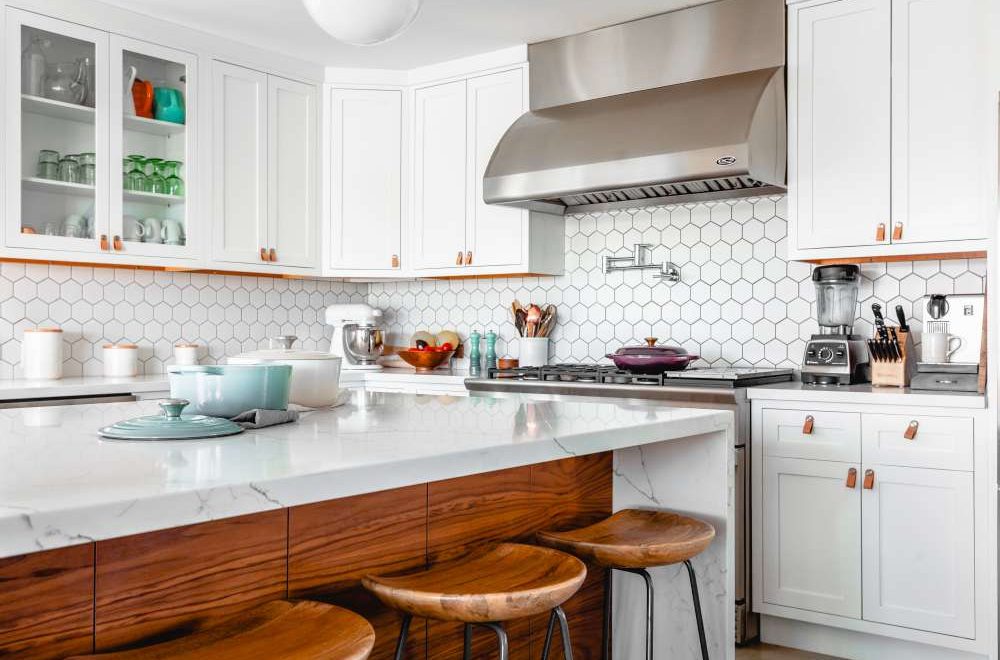
  • Renovation Tip: Go luxe—think gourmet kitchens with marble islands.

  1. Remuera

  • Median House Price (2026): $2.9 million
  • Why Remuera?
    • Grand Homes: Sprawling estates and villas on big lots scream prestige.
    • Top Schools: Double Grammar zone (Auckland Grammar, Epsom Girls) pulls families.
    • Leafy Streets: Tree-lined avenues like Victoria Avenue add serene charm.
    • Central Edge: Near Newmarket’s shopping and the CBD’s hustle.
    • Homes.co.nz Insight: Recent sales show buyers snapping up renovated classics fast.
  • Renovation Tip: Timeless kitchens with heritage nods — Superior Renovations suggests shaker-style cabinets.

Double Grammar (Epsom/Remuera) and Macleans College (Mellons Bay/Glendowie) zones add 10-18% to comparable sales (Homes.co.nz 2025 data). Reno focus: extra bedrooms/studies (family buyers pay up for homework zones), durable family bathrooms (non-slip, easy-clean), and quiet outdoor areas—yields 12-20% uplift vs non-zone comparables.

“Parents in these zones scrutinise flow and functionality—adding a dedicated study or second bathroom often turns a good offer into a bidding war.” — Cici Zuo, Sales Manager & Designer, Superior Renovations.


  1. St Mary’s Bay

  • Median House Price (2026): $2.7 million
  • Why St Mary’s Bay?
    • Waterfront Calm: Harbour views in a quieter pocket than Herne Bay.
    • Victorian Gems: Historic homes with ornate details steal the show.
    • Ponsonby Buzz: Steps from nightlife and dining.
    • Scarce Stock: Limited properties keep prices soaring.
    • Homes.co.nz Insight: High buyer interest in restored villas, with quick sales in 2026.
  • Renovation Tip: Preserve heritage— we suggest adding modern flair like glass balustrades.

  1. Parnell

  • Median House Price (2026): $2.5 million
  • Why Parnell?
    • Arty Streets: Galleries and cottages with cultural flair.
    • Cafe Vibes: Parnell Road’s trendy spots draw a chic crowd.
    • City Close: Minutes from the CBD’s pulse.
    • Scenic Touch: Rose gardens and parks add romance.
    • Homes.co.nz Insight: Demand for character homes with modern updates is red-hot.
  • Renovation Tip: Chic courtyards with outdoor fireplaces— It’s been a hit with our clients at Superior Renovations.

  1. Orakei

  • Median House Price (2026): $2.4 million
  • Why Orakei?
    • Bayside Bliss: Waterfront homes with Rangitoto views.
    • Mixed Styles: Modern builds meet classic charm.
    • Quiet Luxe: Peaceful yet near the city.
    • High Demand: Coastal scarcity fuels prices.
    • Homes.co.nz Insight: Waterfront sales top $3M, with buyers chasing views.
  • Renovation Tip: Big windows or terraces—Our clients love floor-to-ceiling glass.

  1. Westmere

  • Median House Price (2026): $2.3 million
  • Why Westmere?
    • Coastal Cool: Near the sea with a laid-back luxe vibe.
    • Community Feel: Trendy yet tight-knit streets.
    • Ponsonby Link: Close to the action without the noise.
    • Rising Star: Values climb as demand grows.
    • Homes.co.nz Insight: Bungalows with renos sell fast, especially near Coxs Bay.
  • Renovation Tip: Open-plan living with bi-fold doors—our teams fave.

  1. Epsom

  • Median House Price (2026): $2.2 million
  • Why Epsom?
    • School Gold: Double Grammar zone for top-tier education.
    • Big Lots: Spacious sections for grand homes.
    • Central Spot: Easy access to Newmarket and the CBD.
    • Elite Status: A prestige pick for decades.
    • Homes.co.nz Insight: Family homes with extra bedrooms see fierce bidding.
  • Renovation Tip: Add a study or bedroom—we suggests built-in desks (custom made to fit)

  1. Mission Bay

  • Median House Price (2026): $2.1 million
  • Why Mission Bay?
    • Beach Life: Sandy shores and a holiday feel.
    • Cafe Strip: Tamaki Drive’s eateries buzz year-round.
    • City Near: 10 minutes from downtown.
    • Lifestyle Pull: Coastal living drives demand.
    • Homes.co.nz Insight: Beachfront properties hit $2.5M+ in 2026 sales.
  • Renovation Tip: Decks with outdoor kitchens—we loves this combo.


Maximising Waterfront Premiums Without Over-Spending

Views add 15-35% (Homes.co.nz waterfront spikes); tactics include strategic glazing (floor-to-ceiling without losing privacy), elevated decks (Rangitoto framing in Orakei), and minimal-obstruction landscaping. Avoid blocking sightlines—e.g., low planters over high fences. Recent 2025 sales show optimised-view homes moving 25% faster.

“A well-positioned terrace in Mission Bay can add six figures in perceived value—focus on clean sightlines and weatherproof outdoor living to capture that premium.” — Steven Ngov, General Manager, Superior Renovations.


  1. Ponsonby

  • Median House Price (2026): $2.0 million
  • Why Ponsonby?
    • Hipster Hub: Trendy bars and boutique shops.
    • Villa Charm: Renovated character homes galore.
    • Urban Pulse: City-close with a creative edge.
    • Young Crowd: Professionals flock here.
    • Homes.co.nz Insight: Stylish renos fetch premiums, especially on Richmond Road.
  • Renovation Tip: Bold interiors with statement lighting—trending with Superior Renovations clients.

  1. Grey Lynn

  • Median House Price (2026): $1.9 million
  • Why Grey Lynn?
    • Arty Edge: Bohemian flair in eclectic streets.
    • Heritage Homes: Bungalows with soul.
    • Community Vibe: Lively yet grounded feel.
    • Ponsonby Spill: Buzz flows over.
    • Homes.co.nz Insight: Restored villas sell in days, per 2026 data.
  • Renovation Tip: Polished floors with colorful rugs—our teams pick.

What Buyers Really Pay Premiums For in Auckland’s Top Tiers (2026 Lens)

  • $2.5M+ Tier (Herne Bay, Remuera, St Mary’s Bay, Parnell, Orakei): Lifestyle prestige dominates—buyers chase unobstructed harbour/Rangitoto views (often 20-30% premium per Homes.co.nz waterfront data) and walkability to elite amenities (Jervois Rd cafes, Parnell galleries). They accept smaller lots for location cachet.
  • $1.8M–$2.4M Tier (Westmere, Epsom, Mission Bay, Ponsonby, Grey Lynn): Family + lifestyle balance rules—top schools (Double Grammar pull in Epsom/Remuera) or beach proximity (Mission Bay) drive bids; renovated character homes sell fastest.
  • $1.4M–$1.7M Tier (Takapuna, Devonport, Mellons Bay, Point Chevalier): Emerging coastal/commuter appeal—buyers seek value-relative prestige (e.g., Devonport ferry convenience, Mellons Bay school zones) with room for personalisation.

“In the ultra-premium tier, buyers aren’t just buying bricks—they’re buying status and views. Renovations that amplify those elements (like frameless glass to maximise sightlines in Herne Bay) deliver the strongest returns.” — Kevin Yang, Managing Director, Superior Renovations.


  1. Takapuna

  • Median House Price (2026): $1.85 million
  • Why Takapuna?
    • Beach Access: North Shore sands and vibe.
    • Retail Hub: Shops and dining on Hurstmere Road.
    • Bridge Link: Quick CBD commute.
    • Luxe Homes: Modern builds draw buyers.
    • Homes.co.nz Insight: Lakefront homes see steady $2M+ sales.
  • Renovation Tip: Coastal vibes with whitewashed walls.

  1. Stanley Point

  • Median House Price (2026): $1.8 million
  • Why Stanley Point?
    • Harbour Views: Elevated Waitematā sights.
    • Village Feel: Quiet, exclusive charm.
    • Devonport Tie: Near ferry and buzz.
    • Rare Finds: Low supply, high value.
    • Homes.co.nz Insight: Character homes hold strong demand.
  • Renovation Tip: Heritage upgrades with skylights – bring more natural light into the room!

  1. Devonport

  • Median House Price (2026): $1.75 million
  • Why Devonport?
    • Seaside Charm: Ferry rides and Victorian villas.
    • Village Life: Cafes and a slow pace.
    • Harbour Hop: Quick CBD access.
    • Holiday Appeal: Second-home buyers love it.
    • Homes.co.nz Insight: Waterfront sales spike in summer 2026.
  • Renovation Tip: Decks with pergolas—an increase in demand from 2024.

  1. Mellons Bay

  • Median House Price (2026): $1.7 million
  • Why Mellons Bay?
    • Coastal Quiet: Eastern bays serenity.
    • School Pull: Macleans College boosts appeal.
    • Limited Stock: Scarce land ups prices.
    • Upscale Living: High-end homes dominate.
    • Homes.co.nz Insight: Family homes near schools sell quick.
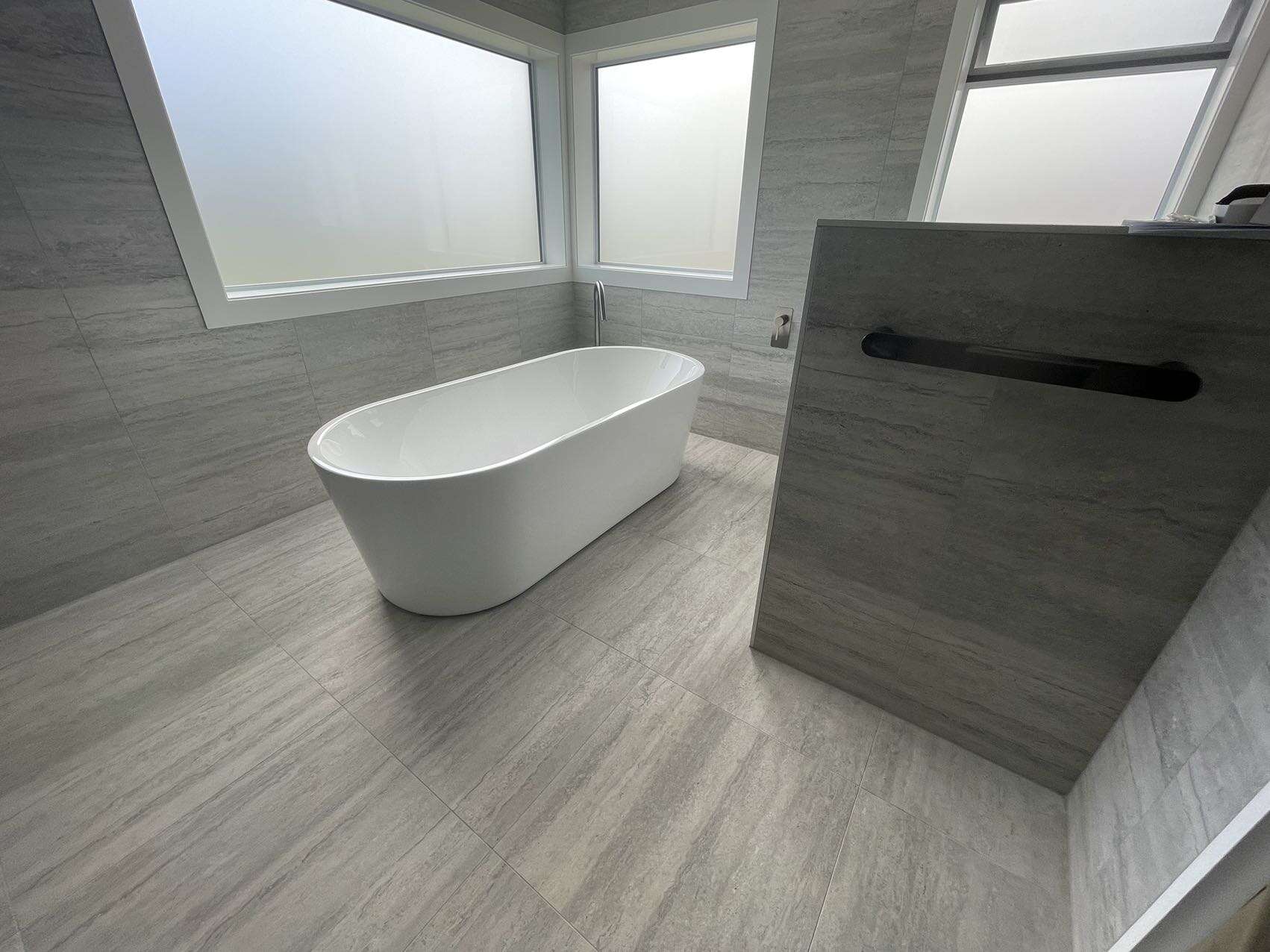
  • Renovation Tip: Luxe bathrooms with freestanding tubs, makes the whole bathroom look and feel like a hotel bathroom.

  1. Murrays Bay

  • Median House Price (2026): $1.65 million
  • Why Murrays Bay?
    • Beach Close: North Shore coastal access.
    • School Zone: Rangitoto College adds value.
    • Family Fit: Spacious homes for kids.
    • Seaside Demand: Coastal craze continues.
    • Homes.co.nz Insight: Renovated homes fetch $1.8M+.
  • Renovation Tip: Extra living with media rooms.

  1. Whitford

  • Median House Price (2026): $1.6 million
  • Why Whitford?
    • Rural Luxe: Big estates with a country vibe.
    • City Reach: Near Auckland’s edge.
    • Horse Haven: Equestrian properties shine.
    • Low Density: Exclusive feel ups value.
    • Homes.co.nz Insight: Lifestyle blocks top $2M in 2026.
  • Renovation Tip: Pools with cabanas— Superior Renovations luxury pick.

  1. Waiheke Island (select areas)

  • Median House Price (2026): $1.55 million
  • Why Waiheke Island?
    • Island Life: Beaches and vineyards galore.
    • Luxe Baches: Holiday homes fetch big bucks.
    • Ferry Link: Accessible escape.
    • View Appeal: Scenery drives demand.
    • Homes.co.nz Insight: Oneroa sales hit $2M+ regularly.
  • Renovation Tip: Decks with sea views. Head over to our case studies and check out one we did for a client – https://superiorrenovations.co.nz/project/luxury-indoor-and-outdoor-renovation-in-mellons-bay/

  1. Glendowie

  • Median House Price (2026): $1.5 million
  • Why Glendowie?
    • Eastern Bays: Coastal family charm.
    • School Boost: Glendowie College adds clout.
    • Solid Builds: Homes hold value.
    • Peaceful Spot: Quiet yet central.
    • Homes.co.nz Insight: Family homes near parks sell fast.
  • Renovation Tip: Modern kitchens with islands.

  1. Kohimarama

  • Median House Price (2026): $1.45 million
  • Why Kohimarama?
    • Beach Living: Sandy shores, chill vibe.
    • Cafe Scene: Tamaki Drive eateries buzz.
    • Family Safe: Scenic and secure.
    • Coastal Craze: Lifestyle ups prices.
    • Homes.co.nz Insight: Beachside homes top $1.7M.
  • Renovation Tip: Outdoor entertaining with BBQs.

  1. Point Chevalier

  • Median House Price (2026): $1.4 million
  • Why Point Chevalier?
    • Coastal Rise: Beaches and parks lift appeal.
    • Hip Cafes: Growing cool factor.
    • Bungalow Soul: Character homes with potential.
    • City Fringe: Chill yet connected.
    • Homes.co.nz Insight: Reno’d bungalows hit $1.6M+.
  • Renovation Tip: Open-plan with vintage charm.

These suburbs justify their price tags—and shape your reno strategy. Let’s explore why value’s a big deal.


Warning!

Where Overcapitalisation Hurts Most in Auckland’s Priciest Suburbs

  • $3M+ (Herne Bay/St Mary’s Bay): Cap reno spend at 8-12% of value—luxury overkill (e.g., $150k imported marble kitchen) rarely recoups if it exceeds local comparables.
  • $2M–$2.9M (Remuera/Parnell/Epsom): Stay under 15%—school-zone families want practical extras (study nooks, extra bathrooms) over ultra-high-end finishes.
  • $1.5M–$2M (Mission Bay/Takapuna/Devonport): 12-18% ceiling—coastal buyers reward outdoor flow (decks, bi-folds) but punish mismatched opulence in smaller footprints. Data from Opes Partners/REINZ shows mismatched renos can add 6-12 months to days-on-market in these brackets.

“We’ve seen beautiful $200k kitchens sit unsold in $1.8M suburbs because they screamed ‘over-improved’—always benchmark against recent sales in the same street.” — Dorothy Li, Design Manager, Superior Renovations.

Heritage Lovers vs Modern Seekers: Renovation Strategy Split

  • Heritage Buyers (St Mary’s Bay, Devonport, Grey Lynn, Westmere): Prioritise preserved Edwardian/Victorian details (ornate ceilings, polished floors)—renos that honour original features while adding discreet modern touches (e.g., hidden underfloor heating) command 8-12% premiums.
  • Modern Buyers (Ponsonby, Parnell, Takapuna): Seek clean lines and open plans—bold updates (matte black hardware, statement islands) suit younger professionals; over-restoration can deter. Houzz.com NZ trends show 62% of 2025 premium buyers want a blend, but the split widens in heritage pockets.

“In St Mary’s Bay, one wrong modern addition can kill a sale—our heritage-sensitive renos preserve charm while quietly upgrading livability for today’s families.” — Alison Yu, Designer, Superior Renovations.

Why Your Home’s Value Matters in Renovations

Your home’s value isn’t just bragging rights—it’s your renovation compass. Imagine a $2M Westmere bungalow: overspend, and you’re out when you sell; underspend, and you miss value. At Superior Renovations, we’ve seen Aucklanders nail this balance—and others flub it.

Why it matters:

  • Suburb Fit: Herne Bay craves luxury; Point Chev wants practical charm (Homes.co.nz shows buyer preferences vary wildly).
  • Resale Boost: Auckland’s median grew 5.44% yearly over 20 years (Opes Partners). Renos should match or beat that.
  • Spend Smarts: Overcapitalise, and you’re toast; skimp, and you’re leaving cash on the table.

Check your value at QV.co.nz

Avoid Overcapitalising on Your Home Renovations

Overcapitalising is the renovation boogeyman—spending more than you’ll recoup. Picture a $300K kitchen in a $1.5M Glendowie home when the ceiling’s $1.7M. Stunning, but you’re $130K short. We’ve seen it at Superior Renovations, and it’s a bummer.

How to sidestep it

  1. Know the Ceiling: OneRoof pegs Herne Bay at $3.2M, Kohi at $1.45M—Homes.co.nz confirms recent sales align.
  2. Match Buyers: Luxe in Remuera, functional in Glendowie—buyer trends on Homes.co.nz guide this.
  3. Budget Cap: 10-20% of value —don’t overshoot your suburb’s limit.
  4. Sell Smart: Neutrals over quirky (Resene); Houzz.com says classic sells faster.
  5. Ask Pros: Uses market data to keep you safe.

Dodge the trap, and you’re golden. What does add value?

Top Renovations That Add the Most Value to Your New Zealand Home in 2026

Thinking about sprucing up your place? Whether you’re in Auckland’s bustling suburbs, Wellington’s windy hills, or a quiet corner of the South Island, renovations can be a game-changer—both for your lifestyle and your wallet. But here’s the catch: not all renos are created equal. Some turn your home into a goldmine, while others just leave you with a fancier bill. So, what’s worth your hard-earned cash in 2026?

We’re Superior Renovations, Auckland’s reno experts, and we’ve teamed up with insights from Pepper Money, Homes.co.nz, CoreLogic NZ, REINZ, and Houzz.com to bring you the top five renovations that add the most value to your New Zealand home. From kitchens that sell houses to eco-upgrades that save the planet (and your power bill), we’ve got the scoop—plus tips to make them work in your neck of the woods.

Why Renovations Matter in NZ’s 2026 Market

Before we jump into the good stuff, let’s set the scene. New Zealand’s property market in 2026 is a mixed bag—prices are creeping up (think 5% nationally, per CoreLogic NZ), but sales are still sluggish, down 16% from the 30-year average (Opes Partners). Auckland’s median sits at $949,000 (REINZ, Jan 2026), while hotspots like Tauranga and Queenstown are pushing higher. With buyers pickier than ever and interest rates easing (Homes.co.nz notes lower mortgage rates boosting provincial markets), renovations can tip the scales—making your home stand out and fetch top dollar.

But it’s not just about resale. Superior Renovations points out that Kiwis are renovating to stay put—upgrading kitchens and bathrooms to suit growing families or remote work setups. Add in sustainability trends from Houzz.com (think solar panels and insulation), and you’ve got a recipe for value that works whether you’re selling or settling in. So, what renovations deliver the biggest bang for your buck? Here’s the top five, backed by data and our Superior Renovations know-how.

  1. Kitchen Renovations: The Heart of the Home (and the Sale)

  • Why It Adds Value: Kitchens are king in NZ—and the numbers prove it. Pepper Money says a solid kitchen reno can boost your home’s value by 5-15%, while Homes.co.nz data shows listings with modern kitchens sell faster—sometimes in days, not weeks. CoreLogic NZ adds that in 2026, buyers in Auckland and Wellington are hunting for functional, stylish kitchens to match their busy lives.
  • NZ Context: With NZ’s median house price hovering around $807,000 (CoreLogic, Feb 2026), a kitchen upgrade can push you well above that—especially in high-demand suburbs like Herne Bay or Remuera. REINZ reports that renovated kitchens often tip properties into the million-dollar club, even in softer markets like Wellington City (-0.9% value drop in Dec 2024).
  • Tips for Success:
    • Open-Plan Magic: In Westmere or Grey Lynn, open-plan kitchens with smart storage (think pull-out pantries from Houzz.com) are gold. They create flow and space—perfect for Kiwi families or entertainers.
    • Stone Benchtops: Epsom and Parnell buyers love stone tops—quartz or granite—for that luxe edge. Homes.co.nz listings with these features often snag premium offers.
    • Cost vs. Return: A mid-range kitchen reno costs $20,000-$40,000 in Auckland (Archipro NZ), recouping up to 80% on resale (Superior Renovations data). Go high-end ($50K+) in Herne Bay, and you’re still in the green.

Why It Works in NZ: Kitchens aren’t just for cooking—they’re social hubs. Houzz.com’s 2022 NZ Renovation Trends Study found kitchens topped the list for interior upgrades, with 30% of homeowners prioritizing them. Add NZ’s love for indoor-outdoor living, and a kitchen that flows to a deck (hello, Mission Bay!) is a winner.

  1. Bathroom Upgrades: Small Space, Big Impact

  • Why It Adds Value: Bathrooms pack a punch—Superior Renovations pegs their value boost at 5-10%, and Homes.co.nz buyers can’t get enough of modern setups. In 2026, CoreLogic NZ notes that spa-like bathrooms are a dealmaker in provincial markets like Napier (+0.2% value rise).
  • NZ Context: In a market where first-home buyers are stretching budgets (REINZ says they’re increasingly active), a sleek bathroom can clinch the sale. In Auckland’s Orakei or Parnell, luxe upgrades push values past $2M, per Homes.co.nz sales trends.
  • Tips for Success:
    • Double Vanities: Orakei families love double sinks—practical and posh. Houzz.com calls this a luxury must-have.
    • Heated Floors: Parnell’s chilly mornings? Underfloor heating adds comfort and a 5% value bump (Superior Renovations estimate).
    • Cost vs. Return: A full bathroom reno runs $20,000-$30,000 (Archipro NZ), with Superior Renovations suggesting a 70-90% ROI in top suburbs.
  • NZ Twist: Houzz.com notes NZ renovators lean into freestanding tubs and rainfall showers—think Taupo holiday homes or Kohimarama beach pads. Pair that with eco-friendly fixtures (low-flow taps), and you’re ticking boxes for green buyers too.

Why It Works in NZ: Bathrooms are daily essentials, and in 2026’s competitive market, a dated one can kill a sale. Homes.co.nz listings with “new bathroom” in the description see 20% more inquiries—proof it’s a hot ticket.

  1. Outdoor Living: Kiwi Lifestyle, Kiwi Value

  • Why It Adds Value: Outdoor spaces are NZ’s secret weapon—Superior Renovations says they can lift value by 10% or more. Homes.co.nz data backs this: properties with decks or patios spike buyer interest, especially in coastal spots.
  • NZ Context: With Auckland’s median price up 4% in 2026 (OneRoof), outdoor upgrades make your home a standout. CoreLogic NZ highlights provincial gains (e.g., Whangarei +0.2%), where decks tie into the laid-back Kiwi vibe.
  • Tips for Success:
    • Decks with Kitchens: In Kohimarama or Mission Bay, a deck with a built-in BBQ or outdoor kitchen screams lifestyle. Expect $10,000-$25,000, with a hefty ROI.
    • Courtyards with Fire Pits: Parnell’s urbanites love intimate courtyards—add a fire pit (Houzz.com trend), and you’ve got a cozy sell.
    • Cost vs. Return: A $15,000 deck can add $30,000+ to your sale price.
  • NZ Twist: Superior Renovations notes that NZ’s love for nature drives this trend—think Tauranga homes with decks overlooking the Mount or Christchurch patios soaking up the sun.

Why It Works in NZ: We live outdoors—barbecues, beers, and beach vibes. Homes.co.nz shows listings with “outdoor living” get 15% more views, making this a no-brainer for 2026.

  1. Extra Space: Room to Grow (and Sell)

  • Why It Adds Value: More space = more money. Nic and Misaki estimate a 10-20% value lift, and Homes.co.nz confirms extra rooms draw families like moths to a flame—especially in 2026’s family-focused market.
  • NZ Context: With Auckland’s population booming (REINZ), space is at a premium. Epsom homes with added bedrooms fetch $2.2M+, while CoreLogic NZ sees provincial buyers (e.g., Palmerston North +0.2%) craving room for kids or home offices.
  • Tips for Success:
    • Studies in Epsom: Grammar-zone families need study nooks—Houzz.com suggests built-in desks for a modern twist.
    • Conversions in Point Chev: Turn a garage into a bedroom or rumpus room—multi-use spaces are hot (Houzz.com).
    • Cost vs. Return: A $50,000 extension can add $100,000+ in value.
  • NZ Twist: Superior Renovations highlights NZ’s shift to remote work—home offices are now must-haves, especially in Wellington’s softening market (-0.9% in Dec 2024).

Why It Works in NZ: Space is scarce, and Homes.co.nz data shows listings with “extra bedroom” or “home office” sell 25% faster. In 2026, it’s a family-friendly win.

  1. Energy Efficiency: Green Living, Green Profits

  • Why It Adds Value: Eco-upgrades add 3-5% to your home’s value (Harveys), and Homes.co.nz notes green features are trending hard in 2026. Buyers want lower bills and a smaller footprint.
  • NZ Context: NZ’s push for sustainability (CoreLogic NZ) means solar and insulation are hot in Westmere and beyond. With power prices up (Stuff NZ), energy-efficient homes stand out.
  • Tips for Success:
    • Solar in Westmere: Panels cost $10,000-$20,000 (Houzz.com), adding $30,000+ in value (Superior Renovations).
    • Double Glazing: A $5,000-$15,000 investment everywhere else—Homes.co.nz listings with glazing sell quicker.
    • Cost vs. Return: Spend $10,000, gain $15,000-$25,000.
  • NZ Twist: The Warmer Kiwi Homes program offers subsidies for insulation and heating—perfect for Dunedin or Invercargill renos.

Why It Works in NZ: Houzz.com says sustainability sells—NZ buyers in 2026 are eco-conscious, and Homes.co.nz listings with “solar” or “energy-efficient” get 10% more clicks.


Why Home Value vs. Renovation Spend Matters

Your home’s value is your reno North Star. A $2.5M Parnell home with a $250K reno (10%) could hit $2.75M—sweet! But $625K (25%) might cap at $2.8M, losing $375K. In a $1.5M Glendowie home, $300K could overshoot the market. Homes.co.nz sales data backs this—suburb ceilings are real.

Auckland’s up 4% in 2026 (OneRoof), but quirks vary. Superior Renovations keeps you in the green—check our expanded guide.

Renovation Spending Guide: How Much Should You Spend?

Here’s your budget blueprint, enriched with Homes.co.nz trends, and Houzz.com design costs. Percentages are tied to your home’s value—tweak for your suburb’s cap!

Renovation Type % of Home Value $1.5M Home $3M Home Notes
Kitchen Renovation 5-10% $75K – $150K $150K – $300K Luxe in Herne Bay (marble, $200K+ per Houzz.com), mid-range in Pt Chev.
Bathroom Renovation 3-8% $45K – $120K $90K – $240K High-end in Remuera (tubs, $100K+ per Houzz.com), simple elsewhere.
House Extension 10-20% $150K – $300K $300K – $600K Epsom loves space—Homes.co.nz shows $350K extensions sell fast.
Full House Renovation 15-25% $225K – $375K $450K – $750K Risky—Parnell dated villas hit $500K+ (Houzz.com full reno costs).
Outdoor Living (Deck) 3-7% $45K – $105K $90K – $210K Kohi decks with kitchens $150K+ (Houzz.com), less inland.
Energy Efficiency 2-5% $30K – $75K $60K – $150K Solar in Westmere ($80K+ per Houzz.com), glazing a safe $50K bet.

Tip: Superior Renovations customizes this—your suburb, your win. Homes.co.nz shows reno’d homes fetch 10-15% more in top suburbs.

Green Upgrades That Premium Buyers Now Expect (2026 Shift)

High-end buyers (especially $2M+) seek subtle sustainability—solar-ready roofs, double glazing, insulation top-ups (Warmer Kiwi Homes ties), low-VOC paints, and native landscaping. These add 3-7% appeal (Harveys/REINZ-aligned) without screaming “eco”—quiet wins like energy-efficient heat pumps or rainwater systems resonate in coastal/green suburbs (Westmere, Remuera).

“In premium pockets, sustainability is no longer optional—it’s table stakes. Discreet upgrades like high-performance glazing sell faster to eco-conscious executives.” — Dorothy Li, Design Manager, Superior Renovations.

Wrapping Up: Renovate Smart in Auckland 2026

From Herne Bay’s waterfront to Point Chev’s bungalows, your home’s value and suburb steer your reno ship. Auckland’s market is humming—sales down 16% from the 30-year average (Opes Partners), but prices climb. Now’s your moment.

At Superior Renovations, we’ve transformed homes across these 20 suburbs—kitchens in Ponsonby, decks in Mission Bay, bathrooms in Remuera. We blend your dreams with market savvy, backed by Homes.co.nz data and Houzz.com inspo. Ready? Call us.

What are the most expensive suburbs in Auckland in 2026?

Top 20: Herne Bay ($3.2M), Remuera ($2.9M), St Mary’s Bay ($2.7M), Parnell ($2.5M), Orakei ($2.4M), Westmere ($2.3M), Epsom ($2.2M), Mission Bay ($2.1M), Ponsonby ($2.0M), Grey Lynn ($1.9M), Takapuna ($1.85M), Stanley Point ($1.8M), Devonport ($1.75M), Mellons Bay ($1.7M), Murrays Bay ($1.65M), Whitford ($1.6M), Waiheke ($1.55M), Glendowie ($1.5M), Kohimarama ($1.45M), Point Chevalier ($1.4M).

Why does my home’s value matter for renovations?

It sets your budget and buyer expectations—spend smart, win big.

How do I avoid overcapitalising?

Know your ceiling, match the market, cap at 10-20%.

What renovations add the most value?

Kitchens, bathrooms, outdoor spaces, extra rooms, energy upgrades—fit your suburb.

How much should I spend on a renovation in 2026?

5-10% for kitchens, 3-8% for bathrooms, up to 25% for full renos—see our table.

What’s Changing for 2026 Buyers in Auckland’s Top Suburbs

Easing rates + modest growth forecasts (mid-4% per Cotality/REINZ) point to renewed interest in character homes needing renos—buyers want move-in ready but with personal stamp potential. Pre-reno steps: get QV valuation, review recent sales on same street, cap budget at 12-15% of current value. Mention this guide for a free suburb-specific value-add roadmap from our team.

“2026 looks like the year buyers return to premium suburbs with reno budgets—starting with accurate comps and realistic ceilings keeps projects profitable.” — Kevin Yang, Managing Director, Superior Renovations.


Further Resources for your house renovation

  1. Featured projects and Client stories to see specifications on some of the projects.
  2. Real client stories from Auckland
Need more information?

Take advantage of our FREE Complete Home Renovation Guide (48 pages), whether you’re already renovating or in the process of deciding to renovate, it’s not an easy process, this guide which includes a free 100+ point check list – will help you avoid costly mistakes.

Download Free Renovation Guide (PDF)


Still have questions unanswered?

Book a no-obligation consultation with the team at Superior Renovations,
we’d love to meet you to discuss your renovation ideas!

    Services

    Home RenovationKitchen RenovationBathroom RenovationOutdoor RenovationHouse ExtensionCommercialDesign ServicesOther

    By submitting this form, you agree to receive communications from us via email or text regarding our services, you can unsubscribe at any time.

    This site is protected by reCAPTCHA and the Google

    Privacy Policy and Terms of Service apply.


    WRITTEN BY SUPERIOR RENOVATIONS

    Superior Renovations is quickly becoming one of the most recommended renovation company in Auckland and it all comes down to our friendly approach, straightforward pricing, and transparency. When your Auckland home needs renovation/ remodeling services, Superior Renovation is the team you can count on for high-quality workmanship, efficient progress, and cost-effective solutions.

    Get started now by booking a free in-home consultation.

    Request Your In-home Consultation

    Or call us on 0800 199 888

    www.superiorrenovations.co.nz


    finance-badge1000x1000 Most Expensive Suburbs in Auckland (2026): Why Home Value Matters When Renovating

    Have you been putting off getting renovations done?

    We have partnered with Q Mastercard ® to provide you an 18 Month Interest-Free Payment Option, you can enjoy your new home now and stress less.

    Learn More about Interest-Free Payment Options*

    *Lending criteria, fees, terms and conditions apply. Mastercard is a registered trademark and the circles design is a trademark of Mastercard International Incorporated.


    IMG 0712 - Superior Renovations
    House Renovation

    Cost Of Recladding A House in Auckland (2026) – Recladding Cost Guide

    This blog has been updated with additional information to reflect prices for the year 2026.

    Hey Aucklanders, if you’re staring at weathered cladding on your Mt Eden villa or a leaky spot in Grey Lynn and thinking about a full reclad to sort moisture issues once and for all, this 2026 guide has the real numbers. Recladding costs run $150–$450 per m² (average $250–$350), so a typical 150–200m² home might set you back $40,000–$90,000 mid-range, or $100,000+ for premium materials and tricky heritage jobs—all while boosting waterproofing, insulation, and value in our damp coastal climate.

    How Much Does Recladding a House Really Cost in Auckland Right Now?

    For most homes, expect $150–$250/m² basic (like vinyl or fibre cement on straightforward setups), $250–$350 mid-range (popular options like James Hardie Linea or cedar weatherboards), and $350–$450+ premium (brick veneer, metal longrun, or custom schist). A full reclad on a 180m² single-storey might land $45,000–$63,000 mid, while two-storey or complex shapes in Remuera push $70,000–$100,000+. We’ve seen a 1990s Howick home done for around $55,000 with fibre cement, or a heritage Ponsonby villa hitting $120,000 with matching timber. Add 15-20% contingency for surprises like rot repairs or asbestos removal in pre-2000 builds.

    What Knocks the Price Up (or Down) for Recladding in NZ?

    Heaps of factors, mate—material choice is massive: Budget vinyl ($150–$200/m²) or Palliside vs. durable cedar ($300–$400) or low-maintenance metal ($250–$350). House size, storeys (scaffolding adds $10k–$20k), and condition matter—rotten framing or asbestos testing/removal can add $5k–$30k. Cavity systems are now mandatory for better breathability in our humidity, bumping costs but preventing future leaks. Heritage zones in Parnell or Devonport need matching styles, so pricier. Cheaper wins: Partial reclads on worst sides only, or bundling insulation upgrades for energy grants.

    Which Cladding Options Give the Best Long-Term Value for Kiwi Weather?

    Fibre cement (James Hardie) is a fave—tough against salty air in Takapuna, low upkeep, around $200–$300/m² installed. Cedar weatherboards nail that classic villa look in Mt Eden ($300–$400), just needs staining every 8-10 years. Metal longrun or corrugated suits modern or coastal vibes ($250–$350), rust-resistant and quick. Brick veneer screams timeless ($350–$450), great thermal mass for cooler bills. Avoid direct-fix monolithic plaster if possible—cavities are the go now for moisture escape.

    Fancy a reclad that fixes leaks for good and gives your place a proper lift? Reach out to Superior Renovations for a free assessment—what’s your cladding headache looking like?

    What is Recladding?

    Recladding a home means that you replace your current cladding which has started to deteriorate and starting to become unsafe to live, or start to affect your health.

    Since the leaky home epidemic, house cladding has been the solution to fix up houses that were affected by the epidemic. By doing a home recladding, builders would see how your timber framing is and fix any structural damage before they’re able to start recladding your house. Which can be quite expensive, so it’s best to have a budget it place.

    In This Article:

    • Cost of Recladding
    • Leaky Homes
    • Cost of recladding monolithic house in New Zealand
    • Should you buy a monolithic cladding house?
    • Partial vs Full Recladding
    • Estimated Costs
    • The Recladding Process
    • FAQ’s

    Curious about the Cost of Recladding Your Home?

    Try Our Cost Calculator Tool for a Quick Estimate

    Open Recladding Cost Calculator here


    Cost of Recladding a House in NZ

    Back in the 1990s, there was controversy for the New Zealand construction industry as there were a lot of poorly designed homes which created weathertightness issues. You might know that as ‘leaky home’. We’re here to provide you with all the recladding information you need if you’re interested in home recladding.

    When it comes to home recladding, some projects can be more straightforward than others. For example, if we were recladding a sturdy state house, or a trusty brick and tile it would be straightforward. But with a low-risk home, there will be hidden surprises that our builders might find that could cause your house recladding to cost more.

    See the current home renovation trends!

    How Much To Reclad a House in NZ?

    How much to reclad a house NZ? When it comes down to it, no renovation consultant can give you a 100% accurate price. This is due to many several factors that can occur once they get started. The cost of recladding your house can be expensive but a great investment in the long run.

    Cost of recladding your house varies based on the size of your home. If you have a one level home, it would be more cost effective to reclad complared to one with multiple levels or with a more complex design. The cost to reclad your house can also cost more if your house is situated on a steep or tricky site as this will need more extensive scaffolding.

    Cost to reclad a house can also depend on the amount of remedial work needed. Therefore, renovation consultants can’t give you an accurate price. Once we strip back your existing cladding, that’s when the real problem begins. The state of your framing underneath determines how much work our builders would have to do as well as adding on additional costs if your framing is badly damaged. This is the biggest unknown as we’re unable to know how good or bad your framing is until we get started.

    Here’s one of our blogs on renovation costs

    What Is a Leaky Home?

    Houses built in the mid 1990s are known to be leaky homes as they aren’t weathertight. And they were not built well enough to withstand harsh weather conditions. Houses built back then wouldn’t have been up to regulations with the New Zealand Building Code. Leaky homes nowadagys still get sold which can create a financial problem for new homeowners.

    What do we mean by leaky homes? Having a leaky home doesn’t necessarily mean having leaks whenever it’s raining. Moreso when water gets behind the cladding and if there is no ventilation between the cladding and the framing. This can cause the water or moisture to become trap with nowhere to go. Which can cause fungal growth, mould and rotting which can rapidly increase if not dealt with.

    How to now if you have a leaky home? There are many issues to having a leaky home which could influence our health if damages got worse. A leaky home essentially is when water from outside has made it’s way inside your house and is causing damage.

    leaking-ceiling-picture-id154926525?k=20&m=154926525&s=612x612&w=0&h=kG8sxqpJ9R_Rpif2sQz8vnV7cRvy6DHuevo_0_DP4d4= Cost Of Recladding A House in Auckland (2026) - Recladding Cost Guide

    Example of a leaky home | Photo Credit – iStock

    See our amazing full house renovation

    What Is The Leaky Home Syndrome and Why Did It Happen?

    Timeline of NZ’s Leaky Buildings Crisis & Reclad Urgency (2026 Perspective)

    • 1990–1997: Emerging issues from untreated timber/monolithic direct-fix systems; low initial awareness.
    • 1998–2004: Peak risk period (very high incidence per BRANZ-aligned data)—cracking plaster, absent cavities, poor junctions led to widespread rot.
    • 2005–2009: Declining but still elevated risk as awareness grew; many homes now showing delayed symptoms.
    • 2010+: Low risk with mandatory cavities/E2/AS1 updates, but legacy homes dominate reclad demand. In 2026, 1998-2004 builds remain priority—symptoms often appear 15-25 years later, so inspect now even if “low risk” on paper.

    “The 1998-2004 cohort is still the bulk of our reclads—many owners think they’re safe because it’s been 20+ years, but delayed rot can turn a $50k refresh into a $300k+ structural job.” — Kevin Yang, Managing Director, Superior Renovations.

    The 1990’s was the worse time for New Zealand construction industry. During this time, there was por design and shoddy building practices with low quality plaster cladding. This resulted in leaky home syndrome over time as the cladding would crack, which continues to be a problem that homeowners face nowadays,

    Once potential houseowners or current houseowner hear about a moisture problem in their homes, it creates a new problem which can be expensive to fix up. For potential homeowners, they might not have the budget right away to reclad their house. Based on research, we know that our clients would like to get away from having monolithic plaster cladding in their homes.

    To know if the house you’re thinking of buying or living in has bad cladding, we can provide you with clues to your level of risk when it comes to house recladding. If your house or the house you’re thinking of buying was built between 1990 – 1009. Then there’s a high risk that it’s a leaky home. Which means you’d have to think about house recladding. But if it was built between 1998 – 2004 there is a very high risk that you need to reclad your home. It would provide better comfort and make your house super nice and cosy during winter season. Houses built after 2006 are low risk and may not need house recladding.

    As said before, the biggest unknown is that nobody knows that state of your framing until we expose it by removing the cladding. If the framing is damaged or isn’t up to code, then by law we’d have to put up new framing which can add more to your recladding cost.

    Not Every Reclad Means a Leaky Home

    When homeowners decide to reclad their house, it doesn’t mean that they have a leaky home. Home recladding is often thought of due to weathertightness issues to ensure that water stays out. But house recladding can also be that homeowners want to refresh their house exterior. An example of this would be changing their monolithic plaster cladding to a more modern weatherboard cladding instead.

    Common Signs To Look Out For

    As you know, a leaky home is not weathertight and most these issues aren’t obvious. Some signs to look out for are:

    • Sagging ceiling linings
    • Uneven floor surfaced
    • Musty smells
    • Stained or rotting carpet
    • Poor ventilation
    neighbors-have-a-water-leak-waterdamaged-ceiling-closeup-of-a-stain-picture-id1302865674?k=20&m=1302865674&s=612x612&w=0&h=EH8Tk7fjgH9bQYmRwkgBhJqYO1SIn6yNUR24-wULa_o= Cost Of Recladding A House in Auckland (2026) - Recladding Cost Guide

    Example of having a Leaky Home | Photo Credit – iStock

    If you have these happening inside your home, then you most likely have a leaky home. This is where you might start looking into recladding your house to fix these problems.

    How Leaky Home Symptoms Escalate & Why Early Reclad Matters

    • Early: Musty smells, minor stains, condensation.
    • Mid: Bulging walls, peeling paint, minor sagging.
    • Advanced: Visible rot, black mould growth, respiratory issues (allergies, asthma worsening). Mould spores spread via air—reclad early prevents chronic health impacts, especially in family homes.

    “We see families dealing with ongoing coughs and fatigue before they connect it to hidden leaks—recladding isn’t just cosmetic; it’s a health reset for many Auckland households.” — Steven Ngov, General Manager, Superior Renovations.

    Building Features That Can Cause Problems

    Some areas of your house have building features that can cause problems more so than other parts in your house. These building features would take on more moisture than others. Some of these features are associated with weathertightness issues:

    • Decks over living areas
    • Lack of flashings to windows and penetrations
    • Flat roofs
    • Roof to wall junctions
    • Handrail fixings

    If your home has some of these features, then you’d want to consider recladding. Whilst these issues don’t mean you have a leaky home. But it’d be important to keep an eye on them before they get worse.

    Cost of recladding monolithic house in New Zealand

    Recladding a monolithic house in New Zealand, especially in Auckland, is quite an undertaking. We’re talking about costs ranging anywhere from $150,000 to over $500,000, with many projects averaging around $300,000. Let’s break down why this is the case and why Auckland, in particular, sees so many of these projects.

    Why is Recladding So Expensive?

    1. Design and Material Problems: Many of these monolithic homes were built in the 90s and early 2000s using materials and designs that haven’t held up well in New Zealand’s wet and humid climate. This has led to issues like water ingress and structural damage, meaning recladding is often essential to make these homes safe and durable.
    2. Tougher Building Codes: Building standards have gotten stricter over the years. So, when you reclad, you have to meet today’s standards, which are more rigorous than those from a couple of decades ago. This often involves adding better insulation, improved moisture barriers, and upgrading structural elements.
    3. Labour Shortage: There’s a real shortage of skilled workers in the construction industry, particularly in Auckland. This shortage drives up labor costs and can delay projects.
    4. Supply Chain Woes: The pandemic has thrown a wrench into global supply chains, causing delays and increasing the prices of building materials like timber and cladding.

    Why Auckland?

    1. Population Growth: Auckland has seen a population boom, leading to a lot of housing development in the late 20th century. Many homes from that era are monolithic because they were cheaper and trendy at the time.
    2. Climate: Auckland’s wet and humid weather is tough on monolithic cladding. The high rainfall and moisture levels increase the risk of water ingress and damage, making recladding more urgent.
    3. Property Market: Property values in Auckland are high, so spending money on recladding can be seen as a good investment. Homeowners are more likely to recoup their costs through increased property value.

    Cost Breakdown

    Here’s a rough idea of what you might be looking at for recladding costs based on the size of your house:

    House Size (Square Metres) Approximate Cost Notes
    100-150 $250,000 – $350,000 Smaller homes, less material and labor required
    150-200 $300,000 – $400,000 Average size, moderate complexity and materials
    200-250 $350,000 – $500,000 Larger homes, more complex projects, higher material use
    250+ $400,000 – $600,000+ Very large homes, extensive work, premium materials

    These costs can vary based on specifics like the materials you choose and the complexity of the job, but this gives you a ballpark figure to start with.

    Why Monolithic Homes Are Reclad & What Replaces Them Monolithic direct-fix plaster (no cavity) failed due to moisture trapping—stigma persists even in sound homes. 2026 transitions:

    • Fibre cement weatherboard (James Hardie) → most common (durable, ventilated).
    • Metal longrun → coastal/low-maintenance choice.
    • Brick veneer → timeless thermal mass. All add breathable cavities per current E2—boosts insurance insurability and resale.

    “Monolithic stigma hurts resale, but switching to cavity-backed weatherboard flips that—buyers see it as a ‘fixed forever’ upgrade rather than a risk.” — Cici Zuo, Sales Manager & Designer, Superior Renovations.

    Recladding is a big job but often a necessary one to ensure the safety and longevity of your home, especially in the Auckland climate. It’s a significant investment, but one that can pay off in the long run by adding value to your property and avoiding even costlier repairs down the line​.

    At Superior Renovations, we are partnered with Sonder architects for all our consent related renovations. Sonder architects head office is situated with our showroom in 16B Link drive, Wairau Valley making it easily accessible to our clients as well as consultants.

    If you do have a consent related enquiry, like garage conversion, recladding, extension etc, our process would look as follows:

    • Your enquiry received by us.
    • We will contact you, understand your requirements and then send you details of Sonder’s head architect and they will be cc’d in the email as well.
    • John will then carry out a feasibility study and request a property file which can be requested from Auckland council by you.
    • Once John has received the property file, he will arrange an onsite visit to your home to discuss your options.
    • If you are good to go then they will do concept drawings as well as give you a quote for architectural drawings that are required to be submitted to Auckland council to obtain a permit.
    • If you accept the quote, our architect will create the architectural drawings.
    • Once the drawings are done, our renovation consultant will go through the plans and conduct an onsite visit to discuss design ideas, measure the space etc to create a proposal with a fixed quote, project specifications and designs. Once the plans are approved your renovation will begin.

    Should you buy a monolithic cladding house?

    Thinking about buying a monolithic cladding house in New Zealand? It’s important to weigh the risks, especially given the notorious issues related to leaks in these homes. Constructed predominantly in the 1990s and early 2000s, many of these houses suffer from significant weathertightness problems, often referred to as the “leaky homes crisis.”

    The core of the problem lies in the design and construction methods of that era. Many homes were built without adequate moisture management systems, leading to water ingress that can cause severe structural damage over time. The quality of materials and construction techniques often didn’t meet high standards, which further exacerbated these issues. Owning such a house can require extensive maintenance to keep it watertight, which can be both costly and time-consuming.

    If you’re seriously considering buying a monolithic cladding house, the first step is to have a thorough inspection carried out by a qualified building inspector who specializes in this type of construction. They can help identify any existing or potential problems with weathertightness. It’s also wise to look for a house that comes with a recent weathertightness warranty, offering some assurance that necessary inspections and repairs have been performed.

    Beyond the inspection, it’s crucial to review the local council’s property files for any history of weathertightness issues or remedial work that has been done. Consulting with a lawyer experienced in monolithic cladding properties is also a good idea. They can help you navigate the legal complexities, ensuring you understand your rights and potential liabilities. It’s equally important to verify whether the property can be insured adequately, as some insurers might impose restrictions or charge higher premiums for these homes due to the associated risks.

    Budgeting for ongoing maintenance and potential future repairs is another essential aspect. Even if the house appears to be in good condition, hidden defects might not surface until later. Preparing financially for these contingencies can help manage the risks involved.

    While purchasing a monolithic cladding house in New Zealand comes with inherent challenges, doing your homework and seeking professional advice can significantly mitigate these risks. Thorough inspections, legal consultations, and proper financial planning are crucial steps in making an informed decision and ensuring that your investment is sound.

    Steps to Take if Serious About Buying

    1. Detailed Building Report: Obtain a detailed building report that includes moisture readings and an assessment of the cladding condition.
    2. Check Council Records: Review the local council’s property file for any past weathertightness issues or remedial work carried out on the property.
    3. Expert Consultation: Engage with a lawyer who has experience in dealing with monolithic cladding properties to ensure all legal aspects are covered, including understanding your rights and potential liabilities.
    4. Consider Insurance Implications: Verify whether the property can be adequately insured. Some insurers may have restrictions or higher premiums for monolithic cladding houses due to the associated risks.
    5. Budget for Maintenance and Repairs: Plan for ongoing maintenance and potential future repairs. Budgeting for these can help manage the financial risks involved.

    When Partial Reclad Makes Sense vs Full Overhaul

    • Yes to partial — Isolated damage (one elevation, no framing issues), cosmetic refresh goal, budget under $80k, post-2010 home.
    • No—go full — Multiple elevations affected, any framing rot, monolithic legacy, heritage matching needed, health/mould concerns. Partial saves 40-60% upfront but risks missing interconnected leaks—full reclad ensures cavity compliance and peace of mind.

    “Partial works brilliantly for targeted elevations in newer homes, but for 1990s-2000s builds, full is safer—half-measures often lead to repeat work down the line.” — Alison Yu, Designer, Superior Renovations.

    Partial vs Full Recladding

    When you decide to reclad your house, you will be presented with two options. Partial house recladding lets you only reclad a specific area of the house which can be cheaper than a full reclad. Full house recladding is where you reclad the entire house which can be an expensive option. But you’d know that your house is weathertight and won’t cause any damage for a very long time.

    Advantages of a full reclad:

    • Fix up framing and remove all moisture and create a wall cavity
    • Provide you an opportunity to improve your weathertightness issues
    • Ability to identify water leakage

    Disadvantages of a Full Reclad:

    • Takes longer to complete
    • More expensive that partial reclad
    • Disrupt living patterns – you’d have to move out


    When Partial Reclad Makes Sense vs Full Overhaul

    • Yes to partial — Isolated damage (one elevation, no framing issues), cosmetic refresh goal, budget under $80k, post-2010 home.
    • No—go full — Multiple elevations affected, any framing rot, monolithic legacy, heritage matching needed, health/mould concerns. Partial saves 40-60% upfront but risks missing interconnected leaks—full reclad ensures cavity compliance and peace of mind.

    “Partial works brilliantly for targeted elevations in newer homes, but for 1990s-2000s builds, full is safer—half-measures often lead to repeat work down the line.” — Alison Yu, Designer, Superior Renovations.

    Why Most Aucklanders Might Reclad

    Aucklanders are thinking of home recladding as there are a lot of reasons why and great benefits that come from home recladding. The main reason why kiwis want to reclad is to fix up the damage caused by the leaky house crisis back in the 1990s.

    As mentioned before, houses built between 1994 and 2004 weren’t designed to suit New Zealand’s unique climate conditions. Back then, the cladding systems that was used to build the house were from overseas and weren’t meant to last long. Which has resulted to people living in leaky homes which continues to haunt us to this day.

    A lot has changed since, especially New Zealand building code. As these homes aren’t weathertight. It is one of the main reasons why Aucklanders chose to reclad their homes.

    If you find any of the following symptoms, your home may be suffering from weathertightness issues:

    • Leaks or mould
    • Bulging or cracked walls
    • Warped flooring
    • Musty smells
    • Persistent allergy symptoms

    Have a look at this property renovation in Hillsborough

    elegant-living-room-with-sofa-front-view-left-picture-id1223514477?k=20&m=1223514477&s=612x612&w=0&h=EVivCAP7zDx2TuO5IrY93zut5zGeQUKrdu1QGM3FV-Q= Cost Of Recladding A House in Auckland (2026) - Recladding Cost Guide

    Example of house with cracked walls | Photo Credit – iStock

    How Much Will it Cost to Reclad my Plaster Home

    Cost of recladding your home always depends on your property type and your future plans for your house. Keep in mind that consultants are only able to give you an estimated cost as there are many underlying factors that could add to your total cost when it comes to recladding a house NZ.

    The cost to reclad your house depends on your goals. You could choose to reclad your house to give is a new look and make it more modern if you’re thinking of selling. Or simply to just make sure your house is weathertight. It’s important to have a budget sorted before you speak to a consultant. That way you’re able to know how much you’re willing to spend and not go too much over budget.

    When determining a project’s costs, these are the key areas that we take into consideration. Factors that affect the cost of recladding a house:

    1. The size and level of complexity of the project
    2. Site access, for example if the house on a step site requiring extensive scaffolding
    3. The extent of the damage to the structure of the building
    4. Where the damage was sustained – damage to more costly areas in the house like kitchens and bathrooms will require more redecoration work
    5. Whether the home requires new joinery such as door and window joinery

    How Much Does Recladding Cost?

    Cladding cost per square metre NZ depends on the size of your house and any other damages that our builders may find when they get started. The estimated cost to reclad your home is roughly around $40,000 for a single-storey house. Cost to reclad your home if it was a two – storey home it would be around $80,000. Including an extra $5,000 – $10,000 building consent cost.

    As mentioned before, it’s hard for consultants to provide a fixed cost how much it would cost to reclad your house. This is due to seeing how damaged your framing is and how much extra work our builders would have to do.


    Curious about the Cost of Recladding Your Home?

    Try Our Cost Calculator Tool for a Quick Estimate

    Open Recladding Cost Calculator here


    How much to reclad a house NZ? Well, the overall cost of recladding your house will ultimately depend on your pick of materials and the size of your home. As well as any other problems that we may find.

    Cost of recladding your house can be determined by these factors:

    • Complexity of your project (size, site access, level of difficulty)
    • Damages you already have
    • Alterations you’d want to make to your home
    • If you need to replace any joinery

    Top 3 Factors that will affect the recladding of your house in NZ

    What is the size of the home?

    This is a simple one because if your house is bigger then you will require more re-cladding material and hence higher the cost. The dimensions of your home will also determine the surface area that need recladding.

    How complex is the design and layout of the home?

    Cost to reclad your house can also increase due to the design and layout of your home. If your house was on a steep hill then our contractors would need more extensive scaffolding which can add to your cost. Recladding a house in NZ would mean that we would have to work around the layout of your home as well as the design.

    How much damage is in your current home that needs to be fixed before recladding?

    You’d want to get ahead of the problem before it gets worse and the longer you wait the worse it would get and the more expensive it would be for you. You should check whether there is damage before you get a recladding company on board and carry these inspections out in the preliminary stage. Most recladding companies will provide this by getting an external third party inspection.

    Want to know the cladding cost per square metre NZ? While the costs aren’t 100% accurate, we’re able to provide all the information you need to be aware of how much you’re spending. You may be recladding your house due to it leaking or you’re getting ahead of the problem. Knowing this we can determine the extent of the damage and how much we need to repair.

    Contact us for a consultation and we’re able to provide you with a few examples as a reference. This way we’re also able to provide you with more information and let you understand where you home may stand and the future of it.

    Full home renovation in Half Moon Bay

    new-construction-home-residential-construction-home-framing-against-a-picture-id1195687584?k=20&m=1195687584&s=612x612&w=0&h=tR5dQ_flF_3ECDppZWvKtaErwTAezwu9C4h4eJj-I64= Cost Of Recladding A House in Auckland (2026) - Recladding Cost Guide

    Example of having good condition framing. No moulds. | Photo Credit – iStock

    Estimated Costs

    How much to reclad a house NZ? For a simple kiwi home that is one storey, and your framing underneath is in good condition and with no additional work required. It’s a rough estimate that it would cost around $180,000 for home recladding.

    For a split-level home that have a brick or block base with plaster on top and requires no additional work, recladding cost should be around $240,000 if you are cladding the whole house.

    Now, for a standard kiwi home, that is 160+ square metre. The cladding cost for a home like this would cost around $300,000. That is of course with no additional work required if your framing underneath is in good condition.

    Most new homes would not require recladding which means that if someone wants to reclad their home then chances are that they will require some additional work in terms of repairs. Like fixing up the roof or getting new materials in to replace the framing. The estimated recladding cost would be around $330,000.

    For a more architecturally designed plaster home, you might require a more comprehensive design for recladding so the current issues do not arise again. This estimated recladding cost would be around $400,000.

    modern-home-with-front-door-entrance-picture-id1132962258?k=20&m=1132962258&s=612x612&w=0&h=cLXzZ5vR0P-7F9xl0Y8amk9VMAyQl73fkauaKkhhlqE= Cost Of Recladding A House in Auckland (2026) - Recladding Cost Guide

    Example of an Architecturally Designed Plaster Home | Photo Credit – iStock

    Therefore…

    The examples that were given above with the estimated recladding cost are only based off the homes that are most common when our clients ask for a home recladding. By providing you with these examples, we hope it would give you a ballpark figure of how much you’ll be needing to spend for your home recladding. While many other types of renovations are easier to estimate and have a pretty fixed cost for variations (like leaking bathrooms), this is however not true for recladding homes. Before we remove the old recladding, it is impossible to tell what the damage is underneath the cladding. This makes every recladding project unique.

    To see how well your framing is underneath, we’d do a moisture testing. Whilst moisture testing isn’t an accurate way to see the condition of your framing. This will somewhat help provide an estimate cost for you. This way you’re prepared for the worst-case scenario if it ever arises. This could add more to the cost of recladding your house.

    The worse-case scenario when it comes to home recladding is having to replace all the timber. Replacing all your timber adds on an extra cost of $10,000 if not more depending on the size of your house.

    Mostly with Timber damage you will usually find decay/mould as it may be wet currently. Nobody wants to live in a house that is decaying or starting to mould. As this could cause the spores created from the mould to become airborne which can lead to health risks. This is something to keep in mind when thinking about recladding a house NZ.

    Do I need consent from Auckland council to reclad my house?

    Recladding a house NZ is not easy and can be quite expensive. You’d have to get building consent for house recladding, and it’d cost around $5,000 to $10,000. Auckland Council is mainly in charge of giving you your building consent.

    Auckland council will conduct a thorough inspection of their own before you get your consent. to the workload of Auckland Council, it’d be best to get this process down a month before you start house recladding. This is due to the inspection officer needing to come visit the site which can take round 2-3 weeks before it happens.

    Once that is all sorted, you’d be given the Code of Compliance. When working with recladding companies, project managers should know about building consent so they’re able to discuss it more with you if you need more information. That way you’re able to get a clearer timeline of when the recladding would be done.

    Auckland Council Reclad Consent Realities in 2026

    Expect 2-3 week inspection waits due to specialist reclad teams; full process 4-8 weeks pre-start. Delays common if incomplete producer statements or unresolved weathertightness reports. Bundle with insulation for faster processing and potential grants.

    “Consent isn’t the bottleneck—it’s the inspections and revisions. We front-load documentation to keep timelines tight so owners aren’t living in disruption longer than needed.” — Kevin Yang, Managing Director, Superior Renovations.

    Auckland Council Reclad Consent Realities in 2026

    Expect 2-3 week inspection waits due to specialist reclad teams; full process 4-8 weeks pre-start. Delays common if incomplete producer statements or unresolved weathertightness reports. Bundle with insulation for faster processing and potential grants.

    “Consent isn’t the bottleneck—it’s the inspections and revisions. We front-load documentation to keep timelines tight so owners aren’t living in disruption longer than needed.” — Kevin Yang, Managing Director, Superior Renovations.

    THE RECLADDING PROCESS

    There are many different stages you’d go through in the recladding process depends on how big the project is. Usually there are only four steps that our contractors follow when doing each recladding project.

    These four steps are:

    1. PROTECT YOUR HOME

    Firstly, we’d make sure that your home is protected from these weather conditions by wrapping it to keep the interior dry.

    2. REMOVE EXISTING CLADDING

    Next step, we’d remove the old cladding and dispose of it off-site.

    3. INSPECT TIMBER FRAMING

    After we remove your old cladding. There will be an independent building consultant that inspects for any damage or rot that may have occurred in your framing.

    4. REPAIR & RECLADDING

    Lastly, if there is any damaged timber. We’d removed that and rebuilt it. Thought replacing the whole framing will cost extra. Once that is all finished, we’d then be able to reclad the whole house.

    Why you need a code of compliance certificate.

    The Code of Compliance Certificate (CCC) came in around 1992 which meant houses built before then did not have a code of compliance certificate. Since then, houses nowadays must have a code of compliance before they start building them.You can get a code of compliance if you do not have it.

    Warning!

    What Framing Damage Reveals During Reclad Removal (Cost Implications) When cladding comes off, common discoveries:

    • Minor surface rot: +5-10% to budget (spot repairs).
    • Widespread wet rot/borer: +20-40% (full timber replacement sections).
    • Structural compromise (sagging joists, corroded fixings): +50%+ (engineered reinforcements).
    • Asbestos in old linings (pre-2000 homes): +$5k–$30k specialist removal. Third-party moisture probes pre-removal cut surprises—always budget 15-20% contingency.

    “Framing inspection is the moment of truth— we’ve turned $180k quotes into $330k when hidden rot was extensive, but early probing saves owners from budget shock.” — Dorothy Li, Design Manager, Superior Renovations.

    FAQ’s

    These are the most frequently asked questions that we get from our clients. These questions down below would be sure to answer all your queries and inform you. Ranging from the cost of recladding your house to understanding what you do when builders come around to reclad.

    Should you stay at home or move out during your recladding project?

    Most people only reclad their homes once in their lifetime so make sure you do your research and meet several companies before starting your recladding project. Ensue that you have an experienced team that would be helping you even if it means going for a more expensive one. As you’re spending a lot of money already, you don’t want to make any mistakes as house recladding is more of a one-time fix. Therefore, you don’t want to take any unnecessary risks when it comes to weathertightness and ensuring that your cladding is compliant.

    It’s been advised that you should move out while they’re recladding your house as it’s quite noisy and will disturb your day to day tasks. It can prove to be challenging to remain in the house while you recladding is taking place. This is due to how intrusive the work is. As they’re getting rid of your old cladding, it’d be like living with no walls which means no privacy and it would be noisy and cold. So if you work from home and need peace and quiet then moving out for that duration would be best.

    Based off previous projects, our builders have found it easier when homeowners move out while they reclad their homes. As our builders won’t have to clean up and set up every day. Our builders can also work faster and they have uninterrupted access.

    Should I replace my window joinery?

    If your house was built around the leaky home era then you’d most likely have to replace your window joinery. Before you’re able to start, the inspection officer will check to see that you’re eliminating all water risks. If your window joinery isn’t up to code then you’d have to replace it. Cost of recladding your house including new window joinery would include an extra 5% in your total recladding cost.

    More information about double glazing windows and the costs

    residence-renovation-picture-id464547032?k=20&m=464547032&s=612x612&w=0&h=5Hl4LsomS9ecWteC_zK_glCCHD-tWMcOkHiuJNQxMZc= Cost Of Recladding A House in Auckland (2026) - Recladding Cost Guide

    Example of having new window joinery | Photo Credit – iStock

    There are so many materials to reclad, what is the right type of material for my house?

    There are many cladding materials that can be suited towards your liking and your budget. Most people who have a plaster home that chose to reclad usually go for weatherboard material instead. A more expensive material to use would be clay brick or concrete brick. These two types of material have a longer lifespan then the other materials as they can last between 60-80 years before needed to reclad again. Only needing to repaint every 5-10 years.

    Using plaster material for your recladding is also perfectly fine. Plaster cladding has had a bad stigma attached to it due to the leaky home era but that was due to how it was built. In order to prevent leaky homes, you have to build a wall cavity to let the moisture out and this way your home will last for decades despite it being plaster cladding.

    Luxury recladding

    How much does high-end recladding cost?

    Cost of recladding your house can be expensive and even more expensive if you go for high-end cladding materials. Choosing a more premium option will add to the cost of recladding your house especially if you have a large home. If there is extensive damage to your framing then that would also add more to your recladding cost. We’re able to help work around you budget and ensure that we stay within your budget.

    What is the best design or style for my cladding?

    Recladding a house NZ provides you with a chance to modernise your house. There are many styles to choose from and you can do a little mix match with your recladding. It have been a trend lately where homeowners are incorporating natural wood elements into their house recladding design. This could be done by using a combination of weatherboard, metal and stone.

    By doing this, it allows homeowners to be more creative with their materials and it can also fit within your budget as well.

    Have a browse through our design case study on this entertainment kitchen – thoughts and the process

    What is weatherboard?

    Weatherboard is one of New Zealand’s most popular cladding material as they come in many different material. Like timber, aluminium and vinyl. It’s been known that timber is the most popular material to choose from when house recladding. This is due to the material being durable and cost effective and most timber products have a warranty of 25 years.

    With weatherboard, there are many different ways you can design them to give you home a different look. You could run it horizontally and give it a flat profile, or bevel-back and give is a more traditional bungalow look. For a more modern and contemporary design, your cladding can be placed vertically. If you choose to use weatherboards then you can paint them using dulux or Resene paints as they have a wide range of colour selection available.

    windows-on-pale-blue-wall-picture-id1268586539?k=20&m=1268586539&s=612x612&w=0&h=oRgTyHjnIm5o1yocJvZm0pf8NMhvP6AoydPKZY24Oq4= Cost Of Recladding A House in Auckland (2026) - Recladding Cost Guide

    Example of weatherboard claddding | Photo Credit – iStock

    Full home renovation in Greenhithe

    How do I maintain my cladding?

    Cost to reclad your house and to maintain the cladding will require some ongoing maintenance costs. With the cladding material you pick, they will need a repaint every 10 years. Though not every cladding material needs repainting. Some of these include concrete and clay bricks and PVC weatherboards. The cost to reclad your house with those materials can cost a bit more than others.

    Not only is repainting the only maintenance you need to worry about but also about the function components. You’d want to ensure that the vented wall cavity drainage outlets are checked regularly and maintained as you don’t want to end up having a leaky home again.

    Lucky for you, your contractor will inform you about all the maintenance you need to worry about finding out this information for yourself. Based on the consumer protection measures legislation, your contractor is obligated to provide you with all the maintenance requirements that you need.

    Will there be extra costs when I reclad?

    How much to reclad a house NZ? The cost to reclad your home in NZ will largely depend on the type of material you choose. There will be extra costs when you reclad as you’d have to take into account of how damaged your framing is. The extra cost will be re-doing your current framing due to damage and not just using premium recladding materials. There are many factors that could add to your recladding cost which is why we’re unable to provide a 100% accurate price when it comes to the cost of recladding your house.

    Cost to reclad your house can also increase if there is a huge amount of moisture in timber or gib which means that both sides of the wall would have to come out. There are many little things that will add to your cost to reclad your house but our project managers would let you know them before they get started.

    Sort out your budget with our blog on renovation costs.

    Re-cladding for Villas

    Kiwi Villas have been proven to be incredibly enduring even after 100 years. But of course, all houses need recladding at some point. When it comes to the villa, the weatherboard exterior would need a bit of a reclad. This is because old villas are especially prone to water damage and are wet and also the unforgiving NZ sun.

    What is the process to reclad a Villa and how is it different from other homes?

    It has been often stated that recladding is full of traps for first time homeowners. This is due to the recladding process and the steps you need to take before we’re able to start recladding. This is why it’s important to pick an experienced team as they’d be able to inform you on everything you need to know. Cost to reclad you house will always be determined around how much work is needed to be done. A villa might not need as much work as you may only need to replace a few weatherboard. Recladding a villa can be more complex than other newer homes.

    See how a villa is transformed in a full home renovation in Greenlane

    What are the best materials to reclad a villa?

    Most villas were made of solid plastered brick which is why there is a heritage restrictions around changing the look of your villa. As these villa has been around for a very long time, you’d have to keep the aesthetics of your house so that it looks the same with the rest of the villas on your street.

    If you choose to upgrade the design of your house like going for a monolithic cladding then the cost to reclad your house would go up. This is due to additional consent costs and there will be more building prep.

    There are lots of factors to consider when it comes to recladding your home but by knowing more information on home recladding it might make it less scary. Recladding is neither inexpensive or complex and you should only consider working with qualified and experienced recladding companies. With the information in this blog we hope we’re able to provide you with the information you need. Or at least a brief outline of what it’d look like when you decide to reclad your home.

    Keeping Your Reclad Home Trouble-Free for 25+ Years

    • Year 1: Full clean, seal checks.
    • Years 2-5: Annual cavity vent inspection, touch-up paint.
    • Years 6-10: Repaint weatherboards, re-seal timber.
    • Ongoing: Monitor junctions/flashings after storms. Proper maintenance doubles lifespan—mention this guide for a free post-reclad maintenance checklist from our team.

    “A good reclad lasts decades with basic care—annual checks catch small issues before they become big ones, protecting your investment in Auckland’s wet climate.” — Dorothy Li, Design Manager, Superior Renovations.

    Keeping Your Reclad Home Trouble-Free for 25+ Years

    • Year 1: Full clean, seal checks.
    • Years 2-5: Annual cavity vent inspection, touch-up paint.
    • Years 6-10: Repaint weatherboards, re-seal timber.
    • Ongoing: Monitor junctions/flashings after storms. Proper maintenance doubles lifespan—mention this guide for a free post-reclad maintenance checklist from our team.

    “A good reclad lasts decades with basic care—annual checks catch small issues before they become big ones, protecting your investment in Auckland’s wet climate.” — Dorothy Li, Design Manager, Superior Renovations.


    Curious about the Cost of Recladding Your Home?

    Try Our Cost Calculator Tool for a Quick Estimate

    Open Recladding Cost Calculator here


    Further Resources

    1. Ideas for Bathroom renovations in our bathroom renovation gallery of bathrooms we have renovated in Auckland
    2. Ideas for Kitchen renovations in our kitchen renovation gallery for kitchens we have renovated in Auckland
    3. Featured projects and Client stories to see specifications on some of the projects.
    4. Real client stories from Auckland

    Read more

    DSC07727 2 - Superior Renovations
    House Renovation

    Cladding Options NZ: Exterior Cladding Ideas & Costs for 2026 Homes

    This blog has been updated with added information and republished to reflect the year 2026.

    Quick E2 Risk Check for Your Auckland Home (2026)

    Before you choose cladding, run your project through the Building Code Clause E2/AS1 risk matrix at building.govt.nz. Add points for wind zone (medium-high across most of Auckland), coastal exposure (very high for Takapuna and Mission Bay), building height, roof-to-wall junctions, and deck attachments. Your score determines cavity requirements — coastal villas in high-risk zones typically need drained and vented cavities plus robust flashings to stay dry long-term.

    “Run the E2 risk matrix early — coastal North Shore homes often score high, so we default to fibre cement or metal with proper cavities to keep things dry without surprises.” — Kevin Yang, Managing Director, Superior Renovations.

    If you’re an Auckland homeowner thinking about a cladding refresh — whether it’s a villa in Mt Eden dealing with humidity or a North Shore place copping the full force of salt wind off the Waitemata — choosing the right material in 2026 matters more than it used to. Options run from vinyl at around $80/m² through to premium stone at $400/m², and the smarter picks lean towards fibre cement and metal: durable, weather-hardy, and a lot less work to keep up.

    What’s the Best Cladding Material for Auckland’s Humid Coastal Climate?

    James Hardie’s Linea boards are hard to beat for most Auckland situations. They handle salt air well, don’t need the same upkeep as timber, and installed with a proper cavity system they sit in the $120–$220/m² range. For windy North Shore homes, aluminium from Metalcraft or Dimond is worth considering — corrosion-resistant, around $130–$280/m², and built to last. It can dent, but it won’t rot. If you’ve got a traditional bungalow in Remuera or Ponsonby and want to keep that warm Kiwi character, treated timber weatherboards from Hermpac cedar deliver — budget $100–$250/m² and plan to restain every five to ten years.

    How Do You Choose Cladding That Won’t Cost a Fortune Long-Term in NZ?

    Vinyl like Palliside is the cheapest entry point at $80–$150/m² — moisture-proof, low upkeep, and fine for rentals or quick flips in Henderson. Brick or masonry ($150–$300/m²) suits family homes in Ellerslie well: fire-resistant, thermally solid, and built to outlast most things. Stucco gives you a clean, seamless finish at $140–$260/m², but it needs careful installation in earthquake-prone areas or you’ll be chasing cracks. AAC panels and composites ($120–$250/m²) are gaining ground for eco-conscious renos — better insulation, lower environmental footprint. One thing the team flags consistently: factor in the hidden costs. Heavy stone veneer ($200–$400/m²) can require foundation upgrades. And whatever material you choose, a drained cavity is non-negotiable in Auckland’s wet winters.

    Which Cladding Trends Are Hot for Kiwi Homes Right Now?

    Sustainability is driving a lot of decisions — FSC-certified timber and recycled composites are especially popular for green builds in areas like Titirangi. Metal and fibre cement continue to grow because Auckland homeowners are over spending weekends on maintenance. Mixed materials are having a moment too: cedar weatherboards paired with a contrasting metal section, or stone veneer used as a feature rather than across the whole facade. Energy-efficient options like insulated AAC help with the cold snaps that catch people off guard, and marine-grade aluminium is the default call for anything close to the coast.

    Want to talk through your options? Reach out to Superior Renovations for a free consultation — no obligation, just a straight conversation about what’ll work for your place.

    Critical Flashings & Junctions per E2/AS1 E2/AS1 requires durable flashings (e.g., aluminium/zincalume) at roof-to-wall, window/door penetrations, and parapets with proper overlaps/upstands (minimum 100mm). Coastal salt accelerates corrosion — specify marine-grade materials for Takapuna or St Heliers homes to ensure long-term weathertightness.

    “Flashings are where most leaks start — we always spec marine-grade and double-check junctions in salty Auckland spots to avoid callbacks years later.” — Steven Ngov, General Manager, Superior Renovations.

    Why Cladding Matters for Your New Zealand Home in 2026

    Cladding is your home’s first line of defence against whatever the weather throws at it — and in New Zealand, that’s a fairly long list. Humidity on the Auckland isthmus, salt wind on the North Shore, UV hammering anything that faces north, driving rain from the west. The right exterior cladding handles all of that while keeping your energy bills reasonable and your home looking the part. Whether you’re building new in a Flat Bush subdivision or recladding a 1970s brick-and-tile in Māngere, the material choices available in 2026 are better than they’ve ever been.

    The trend across the industry right now is toward sustainability and low maintenance — fibre cement, eco-certified timber, high-performance aluminium. There are more options than ever, which is genuinely useful, but it also means more ways to make the wrong call. This guide cuts through it. We’ve covered the most common cladding options NZ homeowners are using in 2026 — costs, pros, cons, and what suits which situation — so you can go into the process with a clear head.

    At Superior Renovations, we’ve worked on enough Auckland homes to know that the “best” cladding doesn’t exist in the abstract. It depends on your site, your budget, and how much maintenance you’re actually willing to do. This guide covers types of cladding including stucco cladding, brick, metal, fibre cement, and more — with honest cost breakdowns and practical advice rather than marketing speak.


    Curious about how much your
    Recladding Project would cost?

    Try our recladding cost calculator tool


    Need ideas? Check out our Kitchen Design Gallery or browse our Bathroom Design Gallery for inspiration!


    1. Understanding Cladding and Its Importance in New Zealand

    Cladding is the outer layer applied to your home’s walls — the thing standing between your framing and everything New Zealand can throw at it. That’s not a small job. Auckland summers bring humidity and UV exposure. Coastal suburbs like Devonport and Takapuna add salt. Winter means sustained moisture. The right exterior cladding manages all of it while adding insulation value and keeping your home looking the way you want it to. In 2026, with construction costs still elevated and sustainability increasingly a factor in buying decisions, choosing well matters more than ever.

    What is Cladding?

    Put simply, cladding is the external skin of your home’s walls. It protects the structure underneath from moisture, UV, wind, and temperature swings — while doing most of the aesthetic heavy lifting. Wall cladding comes in timber, brick, fibre cement, metal, vinyl, and composite options, each with different performance characteristics depending on where you live and what you’re trying to achieve.

    Why Cladding Matters in NZ

    New Zealand’s climate varies more than most people give it credit for. Coastal areas deal with salt air that chews through inadequately specified materials fast. Alpine and southern regions need cladding that handles freeze-thaw cycles without cracking. And across the country, the leaky building era left a generation of homeowners wary of anything that traps moisture behind the cladding. That legacy — and the Building Code changes that followed — shapes how cladding is specified today. Products like Hermpac’s responsibly sourced timber and James Hardie’s fibre cement have gained ground partly because they fit the post-leaky-building mindset: durable, well-detailed, and maintainable.

    Key Factors to Consider When Choosing Cladding

    Before settling on a material, work through these:

    • Durability: Will it hold up to your specific site conditions — rain, wind, UV, salt?
    • Maintenance: How much upkeep are you genuinely prepared to do? Metal cladding from Metalcraft and vinyl from Palliside need very little. Timber needs more.
    • Cost: What’s your full budget, including installation and long-term maintenance? The cheapest exterior cladding upfront isn’t always cheapest over ten years.
    • Aesthetics: Does the material suit your home’s character? Aluminium from Nuwall reads modern; brick from Midland Brick reads permanent and traditional.
    • Sustainability: Is provenance important to you? FSC-certified timber from ITI Timspec and Weathertex’s composite boards are the options to look at here.
    • Installation complexity: Systems like Specialized’s EZpanel or Vulcan’s Ultraclad need professionals. Factor that into your planning from the start.

    Get these clear before you start looking at samples or talking to suppliers. It’ll save you a lot of time — and avoid the situation where you fall in love with something that doesn’t suit your site or your budget.

    Why Drained Cavities Are Non-Negotiable in 2026 (E2/AS1 Update) From E2/AS1 Fourth Edition (effective 2025, still current): All wall claddings on timber-framed buildings up to 10m must include a drained and vented cavity (minimum 20mm) unless using a proprietary system proven otherwise. This allows moisture to escape — critical in Auckland’s humid winters and salty coastal air, and one of the key lessons from the leaky building era.

    “Skipping a proper cavity is the biggest hidden risk we see — adding one during recladding future-proofs your home against leaks, especially in windy or salty suburbs like Devonport.” — Dorothy Li, Design Manager, Superior Renovations

    Coastal Auckland Material Quick-Guide (Salt & Wind Focus) High exposure zones demand corrosion-resistant choices (E2 risk factors):

    Material Coastal Suitability Key Mitigation Typical $/m²
    Metal (aluminium) Excellent Powder-coat + regular rinse $130–$280
    Fibre Cement Very Good Cavity + sealed joints $120–$220
    Timber Moderate Treated/Accoya + frequent stain $100–$250
    Vinyl Good UV-stable colours $80–$150
    Brick/Masonry Excellent Mortar checks $150–$300

    “For salty Mission Bay or Takapuna properties, aluminium or fibre cement with cavities wins every time — less upkeep and better longevity against the coastal battering.” — Dorothy Li, Design Manager, Superior Renovations.

    2. Popular Cladding Options in New Zealand for 2026

    There’s no shortage of cladding options NZ homeowners can choose from in 2026 — which is genuinely good news, but it also means the decision takes some thought. The right material depends on your site, your home’s style, your budget, and how much maintenance you want to sign up for. Below is an honest look at the most common materials being used across Auckland and the rest of New Zealand right now — what they cost, where they work well, and where they fall short. All costs are approximate (NZD per square metre, installed) and reflect 2026 market conditions.

    1. Timber Weatherboards

    Timber weatherboards remain a Kiwi staple for good reason — they suit the character of older homes, they’re easy to paint or stain in whatever colour you want, and when properly specified and maintained, they last well. Brands like Hermpac and ITI Timspec offer sustainably sourced options including Western Red Cedar and Accoya, both treated for NZ’s humidity and coastal conditions.

    • Benefits: Natural aesthetic, eco-friendly (FSC-certified options available), good insulation value, easy to customise with paint or stain.
    • Drawbacks: Needs restaining or repainting every five to ten years. Susceptible to moisture damage if the detailing or maintenance isn’t right.
    • Cost: $100–$250/m², depending on timber species and treatment.
    • Best For: Villas, bungalows, do-ups, and any home where you want a warm, natural look.
    weatherboard-02 Cladding Options NZ: Exterior Cladding Ideas & Costs for 2026 Homes

    https://taurikosawmill.co.nz/timber_profile/horizontal-weatherboard/

    1. Brick and Masonry

    Brick is the set-and-forget option. From Midland Brick or Premier Group, it’s heavy, expensive upfront, and once it’s on, it largely looks after itself. That trade-off suits homeowners who want permanence over flexibility.

    • Benefits: Highly durable, fire-resistant, low ongoing maintenance, good thermal mass that helps regulate indoor temperatures.
    • Drawbacks: Higher upfront cost, weight means foundations need to be up to it, limited colour range compared to painted options.
    • Cost: $150–$300/m², including installation.
    • Best For: Permanent family homes, coastal properties, anywhere longevity is the priority.
    IMG-20190405-WA0007 Cladding Options NZ: Exterior Cladding Ideas & Costs for 2026 Homes

    https://likestone.ie/interior/

    1. Fibre Cement Cladding

    James Hardie’s Linea Weatherboard and Scyon range have become go-to choices across Auckland for a reason. They handle the weather well, they’re fire-resistant, and they don’t demand the same attention as timber. For homeowners who want the look of weatherboards without the maintenance commitment, fibre cement is usually the answer.

    • Benefits: Weather-resistant, low maintenance, fire-resistant, available in a range of profiles and finishes including James Hardie’s Axent Trim for clean, modern lines.
    • Drawbacks: Installation needs to be done properly — it’s not forgiving of shortcuts. Upfront costs sit in the mid-to-high range.
    • Cost: $120–$220/m², depending on product and finish.
    • Best For: Modern homes, coastal sites, anyone who wants low maintenance without sacrificing the look.
    1501181530405North-Knox-Fiber-1 Cladding Options NZ: Exterior Cladding Ideas & Costs for 2026 Homes

    https://architizer.com/blog/product-guides/product-guide/eaktna-fiber-cement-cladding/


    1. Metal Cladding

    Metal cladding has moved well beyond corrugated farm sheds. Metalcraft’s profiles and Dimond’s tray systems give a sharp, contemporary finish that suits the architectural direction a lot of new Auckland builds are taking. Aluminium options from Nuwall and Vulcan’s Ultraclad are particularly well-suited to coastal exposure.

    • Benefits: Long-lasting, low maintenance, recyclable, and — when properly specified — handles coastal salt air better than most alternatives.
    • Drawbacks: Can dent or scratch. Higher initial cost. Doesn’t suit every architectural style.
    • Cost: $130–$280/m², depending on material and finish.
    • Best For: Modern and contemporary builds, coastal properties.
    Edited-Cover-Photo-Brochure-scaled.jpg Cladding Options NZ: Exterior Cladding Ideas & Costs for 2026 Homes

    https://proformsteel.co.nz/battenform-metal-cladding/

    Fire Safety Compliance for External Claddings (Clause C) Per building.govt.nz fire performance guides: External wall claddings must meet Clause C protection from fire via testing (e.g., BS 8414 for non-loadbearing systems). Fibre cement, brick, AAC, and many metal options achieve high fire ratings naturally; timber requires treatments. Use these pathways for multi-unit or higher-risk Auckland builds.

    “Fire-rated fibre cement like James Hardie Linea gives peace of mind in denser suburbs — it’s durable, low-maintenance, and ticks the C clause box without extra effort.” — Alison Yu, Designer, Superior Renovations.

    1. Vinyl Cladding

    Palliside’s vinyl weatherboards sit at the budget end of the market — and there’s nothing wrong with that. For rental properties, investment do-ups, or homeowners who need a cost-effective refresh without long-term maintenance, vinyl does the job. It won’t add the same kerb appeal as timber or brick, but it’s practical and genuinely low-upkeep.

    • Benefits: Low cost, low maintenance, moisture and insect resistant, available in a range of colours.
    • Drawbacks: Less durable than brick or metal, can fade over time, won’t suit buyers looking for premium finishes.
    • Cost: $80–$150/m², including installation.
    • Best For: Budget renos, rental properties, situations where practicality beats aesthetics.
    vinyl-wall-cladding Cladding Options NZ: Exterior Cladding Ideas & Costs for 2026 Homes

    https://www.ecospecifier.com.au/vinyl-wall-cladding/

    1. Stucco Cladding

    Stucco cladding gives a clean, seamless finish that suits Mediterranean-style homes and contemporary plaster aesthetics. JSC offer specialised stucco systems for NZ conditions, but the key word here is installation — get it wrong and you’ll be dealing with cracking and moisture problems that are expensive to fix.

    • Benefits: Seamless finish, good insulation, can be textured and finished in various ways.
    • Drawbacks: Prone to cracking if not installed correctly. Needs regular inspection and maintenance to stay weathertight.
    • Cost: $140–$260/m², depending on system and finish.
    • Best For: Homes targeting a European or classic plaster aesthetic.
    PROP539Roughcast-cladding-image-1 Cladding Options NZ: Exterior Cladding Ideas & Costs for 2026 Homes

    https://www.trademe.co.nz/c/property/article/should-i-buy-a-home-with-roughcast-cladding-reasons-to-think-twice

    1. Stone and Stone Veneer

    Craftstone’s natural and manufactured stone options are used mostly as feature elements rather than full-facade cladding — and that’s usually the right call. The cost is significant, installation needs to be done by someone who knows what they’re doing, and heavy stone can require foundation upgrades. Used well, though, it adds a quality that’s hard to replicate.

    • Benefits: Highly durable, very low maintenance once installed, adds real aesthetic value to the right home.
    • Drawbacks: Expensive, heavy, and not a DIY job.
    • Cost: $200–$400/m², depending on natural vs. manufactured stone.
    • Best For: Luxury builds, feature walls, alpine properties.
    Andy-Woods_181206_6448 Cladding Options NZ: Exterior Cladding Ideas & Costs for 2026 Homes

    https://wanakastone.co.nz/

    1. AAC (Autoclaved Aerated Concrete) Panels

    Specialized’s EZpanel and similar AAC systems are gaining ground in Auckland’s new build market. They’re lightweight for a concrete product, go up reasonably quickly, and the thermal and fire performance numbers are strong. Not the most flexible option aesthetically, but for modern homes where energy efficiency is a priority, they make a solid case.

    • Benefits: Good thermal performance, fire-resistant, faster to install than brick.
    • Drawbacks: Higher upfront cost, fewer finish options compared to timber or metal.
    • Cost: $150–$250/m², including installation.
    • Best For: Modern builds where energy efficiency and fire safety are key considerations.
    AACPaneldrawing_0805131024x724_1080x1000c0pcenter Cladding Options NZ: Exterior Cladding Ideas & Costs for 2026 Homes

    www.specialized.co.nz

    1. Composite Cladding

    Weathertex and Millboard’s Envello range blend natural and synthetic materials to produce cladding that’s durable, low-maintenance, and easier on the conscience than some alternatives. They sit in the mid-range on price and are a natural fit for homeowners who want a modern look with solid environmental credentials.

    • Benefits: Low maintenance, sustainable materials, holds up well to weathering.
    • Drawbacks: Costs more than vinyl, fewer texture and finish options than timber.
    • Cost: $120–$200/m², depending on brand.
    • Best For: Eco-conscious homeowners after a clean, low-maintenance finish.
    PreFinished-Header Cladding Options NZ: Exterior Cladding Ideas & Costs for 2026 Homes

    https://www.placemakers.co.nz/online/projects/cladding/pre-finished

    That covers the main materials on the market in New Zealand right now. Each has a place — the trick is matching the right one to your home, your site, and your budget rather than going with whatever looks good in a brochure.

    3. Comparing Costs and Cheapest Exterior Cladding Options in NZ for 2026

    Budget shapes almost every cladding decision, and it should — but the cheapest option upfront isn’t always the cheapest option over ten years. This section breaks down what each material actually costs to install in 2026, flags the genuinely affordable end of the market, and points out the hidden costs that catch people out. All figures are approximate NZD per square metre, installed.

    Cost Breakdown of Cladding Options

    The full cost of exterior cladding includes materials, labour, and what you’ll spend on maintenance over the years. Here’s how the main options stack up:

    Cladding Type Cost Range ($/m²) Key Considerations
    Timber Weatherboards $100–$250 Mid-range cost; varies by wood type (e.g., Hermpac’s Western Red Cedar vs. pine). Requires staining every 5-10 years, increasing long-term costs.
    Brick and Masonry $150–$300 Higher upfront cost (e.g., Midland Brick) due to materials and labour. Minimal maintenance makes it cost-effective long-term.
    Fibre Cement $120–$220 Affordable with low maintenance (e.g., James Hardie’s Linea Weatherboard). Popular for modern homes.
    Metal Cladding $130–$280 Cost varies by material (e.g., Metalcraft/Dimond steel vs. aluminium). Aluminium (e.g., Nuwall) is pricier but corrosion-resistant for coastal areas.
    Vinyl Cladding $80–$150 Cheapest option (e.g., Palliside). Low material/installation costs but may fade, requiring earlier replacement.
    Stucco Cladding $140–$260 Moderately priced (e.g., JSC systems). Requires careful installation to avoid cracking or moisture-related repairs.
    Stone and Stone Veneer $200–$400 Premium option (e.g., Craftstone). High cost due to aesthetics and complex installation, but adds significant property value.
    AAC Panels $150–$250 Cost-competitive (e.g., Specialized’s EZpanel). Energy-efficient, with long-term savings on heating/cooling.
    Composite Cladding $120–$200 Mid-range with low maintenance (e.g., Weathertex, Millboard’s Envello). Cost-effective for eco-conscious homeowners.

    Curious about how much your
    Recladding Project would cost?

    Try our recladding cost calculator tool


    Cheapest Exterior Cladding Options

    If budget is the primary driver, these three options are where to start:

    1. Vinyl Cladding ($80–$150/m²): Palliside’s vinyl weatherboards are the most affordable option on the market. They’re quick to install, handle moisture well, and need almost no upkeep. Won’t win any architectural awards, but they’re practical and the cost is real.
    2. Timber Weatherboards ($100–$150/m² for pine): Pine from ITI Timspec keeps the initial cost down. You’ll need to budget for regular maintenance, but for homeowners comfortable with that trade-off, timber at the affordable end of the range is a solid option.
    3. Fibre Cement ($120–$160/m² for entry-level options): James Hardie’s more accessible products give you fibre cement’s durability and low-maintenance reputation at a price closer to timber. Worth the slight step up from vinyl if you’re planning to stay in the property long-term.

    Tips for Saving on Cladding Costs

    • Get multiple quotes: Prices between suppliers like Premier Group and JSC can vary more than you’d expect — get at least three.
    • Choose local materials: Timber from Hermpac or bricks from Midland Brick avoids freight costs that push prices up on imported products.
    • Think low-maintenance from the start: Vinyl or fibre cement costs less to own over ten years than timber, even if the install price is similar.
    • Know what you can do yourself: Vinyl and some fibre cement systems suit confident DIYers. More complex systems don’t — and the cost of fixing a poor install is always higher than hiring right first time.
    • Look at the long-term picture: Spending a bit more on metal or brick upfront often works out cheaper than repainting or replacing a budget option in year eight.

    Hidden Costs to Watch For

    A few things that don’t always show up in the initial quote:

    • Installation errors: Poorly installed stucco cladding or timber can mean expensive moisture remediation work later. The tradie you use matters as much as the material you choose.
    • Ongoing maintenance: Timber and stucco both need regular attention. If you’re not factoring that into your budget, you’re underestimating the real cost.
    • Foundation upgrades: Heavier materials like brick and stone sometimes require structural work underneath. Get this checked before you commit to a material.

    Vinyl and entry-level fibre cement remain the cheapest exterior cladding options in NZ for 2026. Brick and metal cost more upfront but tend to look after themselves. Know your ten-year budget, not just your installation budget.

    4. Cladding Trends and Innovations in New Zealand for 2026

    The New Zealand construction industry has shifted noticeably over the past few years — materials are getting better, the focus on sustainability is real rather than just marketing, and Auckland homeowners are increasingly choosing cladding based on what it costs to live with over ten years, not just what it costs to install. Here’s what’s shaping cladding decisions across the country in 2026.

    1. Sustainable and Eco-Friendly Cladding

    Environmental credentials have moved from a nice-to-have to a genuine purchase driver. Weathertex and ITI Timspec lead with FSC-certified timber and composite boards made with recycled content — products that hold up to scrutiny, not just marketing claims.

    • Why it’s gaining ground: Hermpac’s Accoya is treated using non-toxic processes and delivers strong durability. Weathertex’s carbon-neutral timber boards appeal to buyers who want the look of timber without the environmental compromise.
    • Examples: Millboard’s Envello composite uses recycled materials; James Hardie’s fibre cement is designed for longevity, which reduces how often it needs replacing.
    • Worth knowing: Look for FSC certification or Environmental Choice NZ when assessing sustainability claims. A lot of products use that language loosely.
    1. Low-Maintenance and Durable Materials

    Auckland homeowners are increasingly unwilling to spend their summers on cladding maintenance. Metal from Metalcraft and Dimond, and vinyl from Palliside, are picking up demand because they need very little looking after.

    • Why it’s gaining ground: Maintenance costs have increased. Aluminium from Nuwall resists corrosion in coastal areas; James Hardie’s fibre cement handles NZ’s weather without demanding annual attention.
    • Examples: Vulcan’s Ultraclad aluminium and Specialized’s EZpanel AAC are both built for minimal upkeep and long service lives.
    • Worth knowing: Low-maintenance materials still need to be installed properly to deliver on that promise. Cut corners on installation and you’ll be back sooner than you think.
    1. Modern and Minimalist Aesthetics

    Clean lines and bold finishes dominate Auckland’s new build scene right now. Metal tray systems from Dimond and James Hardie’s Scyon Axent Trim are doing a lot of work on contemporary facades.

    • Why it’s gaining ground: The architectural direction in areas like Hobsonville, Albany, and Grey Lynn has shifted decisively toward modern minimalism.
    • Examples: Nuwall’s aluminium panels create flush, contemporary exteriors; Craftstone’s slim stone veneers add texture to feature walls without overwhelming the design.
    • Worth knowing: Mixing smooth cladding with contrasting textures — a timber soffit against a metal facade, for instance — tends to look better than going all-in on one material.
    1. Energy-Efficient Cladding Systems

    Tighter building code requirements and sustained energy costs have made thermal performance a real consideration — not just a box to tick.

    • Why it’s gaining ground: Specialized’s EZpanel AAC offers strong thermal resistance; James Hardie’s fibre cement with integrated insulation and Vulcan’s Ultraclad with thermal breaks both improve overall building performance.
    • Examples: AAC panels in particular are appearing more frequently in new builds targeting Homestar or Green Star ratings.
    • Worth knowing: Cladding alone doesn’t determine your home’s thermal performance — it works as part of the whole wall assembly. Design and insulation specification matter equally.
    1. Textured and Mixed-Material Designs

    Using one material across an entire facade is becoming less common. Mixing timber with metal, or stone veneer with fibre cement, adds depth and character that a single material rarely achieves on its own.

    • Why it’s gaining ground: It gives homeowners more design flexibility — you can use premium materials where they have impact and pull back on cost elsewhere.
    • Examples: Hermpac cedar weatherboards paired with Craftstone stone veneer on a feature entry wall. Premier Group brick combined with Weathertex composite for a mix of tradition and modernity.
    • Worth knowing: Mixed-material designs need to be detailed carefully at the junctions, otherwise that’s where moisture problems start.
    1. Smart Cladding Technologies

    Self-cleaning coatings and solar-integrated cladding are starting to appear — not yet mainstream in New Zealand, but worth being aware of for anyone planning a long-term build.

    • Why it’s gaining ground: Some aluminium systems from Nuwall already feature coatings that resist dirt buildup. Solar-integrated options are still early-stage but align with NZ’s renewable energy direction.
    • Worth knowing: Keep an eye on what comes through suppliers like JSC and industry expos. This part of the market is moving.
    1. Coastal-Adapted Cladding

    A significant proportion of Auckland homes are close enough to the coast that salt air is a genuine material consideration — not just an aesthetic one. Aluminium and fibre cement are the default calls for exposed coastal sites.

    • Why it’s gaining ground: Nuwall’s aluminium and James Hardie’s fibre cement are engineered for these conditions. Metalcraft’s Colorsteel is another option worth considering.
    • Worth knowing: Sealing, cavity detailing, and regular rinsing matter as much as material choice. The best cladding still needs proper maintenance in a salt environment.

    The direction of travel in 2026 is clear: durability, sustainability, and lower lifetime maintenance costs are driving decisions more than upfront price or trends alone. Materials from James Hardie, Hermpac, and Metalcraft are well-positioned against all three.

    5. Choosing the Right Cladding for Your New Zealand Home

    Choosing cladding isn’t complicated — but it does require being honest about your site, your budget, and what you’re actually prepared to maintain. Here’s a practical process for working through it.

    Step 1: Assess Your Home’s Needs

    Start with the basics before you start looking at samples:

    • Architectural style: Is your home a traditional villa, a contemporary new build, or a coastal bach? Hermpac’s timber weatherboards suit the character of older homes; Dimond’s metal tray systems suit modern ones.
    • Purpose: Are you renovating to sell, building a long-term home, or upgrading a rental? That changes the calculus on what to spend.
    • Maintenance commitment: Be honest here. James Hardie’s fibre cement and Metalcraft’s Colorsteel suit people who don’t want to think about cladding maintenance for a decade. Timber suits people who are happy to.
    • Budget: Set your range before you talk to anyone. Vinyl ($80–$150/m²) and basic timber ($100–$150/m²) anchor the affordable end; stone ($200–$400/m²) sits at the other.

    Step 2: Consider New Zealand’s Climate

    Where you live shapes what will work:

    • Coastal Auckland, Bay of Plenty: Salt air rules out poorly specified timber. Nuwall aluminium, Metalcraft Colorsteel, and James Hardie fibre cement are the safe calls.
    • Wellington: Wind loads are real. Brick from Premier Group or AAC from Specialized handles it well.
    • South Island, Central Plateau: Insulation performance matters more. Vulcan’s Ultraclad and Weathertex composite offer thermal value and moisture resistance.
    • Hawke’s Bay, Nelson: UV exposure is the main issue. Fibre cement and vinyl hold their colour better than untreated timber; stucco from JSC needs UV-protective coatings.

    Step 3: Match Cladding to Your Aesthetic Goals

    • Traditional homes: Hermpac cedar or Midland Brick.
    • Modern homes: Dimond or Nuwall metal panels, or James Hardie’s Scyon range for clean plaster-look lines.
    • Luxury builds: Craftstone stone veneer or Millboard’s Envello composite.
    • Mixed aesthetics: Weathertex composite with stone accents — or cedar weatherboards on the upper level with a metal base.

    Step 4: Evaluate Installation and Professional Support

    Installation quality matters as much as material quality. Poorly installed stucco cladding or timber will fail regardless of the product. Heavy materials like brick need structural assessment first.

    • Use professionals: Brands like Specialized (EZpanel) and JSC (stucco) require certified installers for good reason. Cutting corners here is where expensive callbacks come from.
    • Check building code compliance: Your cladding needs to meet NZBC requirements for weathertightness and fire safety. This isn’t optional and it’s not hard to verify — your installer should be across it.
    • Plan for ventilation: Timber and stucco in particular need proper cavity and ventilation systems. Hermpac provides guidance on this; your installer should too.

    Step 5: Plan for Long-Term Performance

    • Lifespan: Brick and metal last decades with minimal input. Vinyl will need replacing sooner.
    • Warranties: James Hardie, Metalcraft, and Palliside all offer warranties between 10 and 50 years. Check what’s actually covered.
    • Resale value: Brick and stone add measurable value. Vinyl is more neutral — buyers at the premium end of the market notice the difference.

    Case Study: A Superior Renovations Project

    In 2024 we reclad an Auckland coastal home using James Hardie’s Linea Weatherboard. The owners wanted something low-maintenance that could handle the salt air without looking industrial. Fibre cement with a drained cavity system delivered on both counts — clean lines, solid weathertightness, and comfortably within their $150/m² budget. Two years on, no callbacks.

    Questions to Ask Your Cladding Supplier

    When you’re talking to ITI Timspec, Metalcraft, Premier Group, or anyone else:

    • What warranty does this product carry, and what does it actually cover?
    • Is this material suited to my specific site and climate zone?
    • What installation certifications or expertise does it require?
    • Can you show me examples of similar projects in NZ?
    • Are there eco-friendly options at this price point?

    Get clear answers to those questions and you’ll be in a much better position to make a call. The Superior Renovations team is happy to walk through this with you if you want a second opinion before committing.

    6. Installation and Maintenance Tips for Cladding in New Zealand

    The best cladding material in the world doesn’t perform if it’s installed badly or neglected. This section covers what good installation actually looks like for each material type, what maintenance each one needs, and the mistakes that cost Auckland homeowners money every year.

    Cladding Installation Best Practices

    Every material has its own requirements. Getting these right at the start is how you avoid expensive remediation work later.

    • Timber Weatherboards (Hermpac, ITI Timspec): A cavity system is non-negotiable in Auckland’s humid conditions — this is what separates a good timber install from one that’ll be rotting in ten years. Use pre-treated timber (Hermpac’s Accoya is a good call) and corrosion-resistant fixings on anything near the coast.
    • Brick and Masonry (Midland Brick, Premier Group): Confirm your foundation can carry the load before you commit. Use experienced masons — alignment and weathertightness depend on it. Weep holes and correct flashing are essential, not optional.
    • Fibre Cement (James Hardie): Follow the manufacturer’s guidelines precisely. Stainless steel fixings in coastal areas, breathable building wrap underneath, and careful sealing at all joints. Shortcuts here show up quickly.
    • Metal Cladding (Metalcraft, Dimond, Nuwall): Panels need to be properly fastened for wind resistance — especially relevant for exposed Auckland sites. Thermal breaks (Vulcan’s Ultraclad) improve the energy performance of the whole wall assembly.
    • Vinyl Cladding (Palliside): DIY-friendly, but tight sealing matters more than people think. Poor alignment and inadequate ventilation are the two things that catch out DIY installs.
    • Stucco Cladding (JSC): Apply over a rigid backing board with a cavity system behind it. This is not a job for anyone without experience — poorly mixed or applied stucco will crack, and that means moisture. Hire certified applicators.
    • Stone and Stone Veneer (Craftstone): Structural support needs to be confirmed first. Joint quality is everything — gaps let water in.
    • AAC Panels (Specialized’s EZpanel): Follow manufacturer specifications for joints and fixing systems. The thermal and fire performance depends on the install being done correctly.
    • Composite Cladding (Weathertex, Millboard): Use the recommended fixing systems and allow for expansion. In wet climates, proper ventilation spacing is important.

    Maintenance Tips for Long-Lasting Cladding

    • Timber Weatherboards: Annual check for moisture or pest damage. Restain or repaint every five to ten years. A mild detergent wash keeps mildew from getting a foothold.
    • Brick and Masonry: Low-pressure wash every two to three years. Check mortar for cracking and repair it before water gets in — that’s where brick problems start.
    • Fibre Cement: Annual wash. Joint sealants every five years to maintain weathertightness.
    • Metal Cladding: Rinse coastal installs every three months to clear salt. Touch up scratches with the right paint before they rust through.
    • Vinyl Cladding: Hose down with mild detergent every six to twelve months. Inspect for fading or cracking after about ten years.
    • Stucco Cladding: Annual crack inspection — especially after any seismic activity. Repaint every seven to ten years with UV-resistant paint.
    • Stone and Stone Veneer: Soft brush and water only — don’t use anything abrasive. Sealants every five years.
    • AAC Panels: Annual clean and joint sealant check. That’s about it.
    • Composite Cladding: Wash every six to twelve months, check fixings are still tight.

    Common Cladding Installation Mistakes to Avoid

    • Skipping the cavity: Timber and stucco without proper cavity systems trap moisture. In Auckland’s climate, that’s a guarantee of problems.
    • Wrong fixings: Standard steel screws in a coastal environment will corrode. Use stainless steel or specified corrosion-resistant fixings — it costs a fraction more and saves a lot of grief.
    • Ignoring building code: NZBC weathertightness and fire safety requirements exist for good reason. Non-compliance doesn’t just create risk — it creates liability.
    • Poor substrate prep: Stucco and stone cladding need a properly prepared surface. If the substrate isn’t right, adhesion fails.
    • DIY on the wrong systems: Vinyl is manageable for a confident DIYer. Brick, stucco, and AAC panels are not. Know the difference before you start.

    Working with Superior Renovations

    We handle the whole process — material selection, Building Consent where required, and installation by tradespeople who know what they’re doing. We work with James Hardie, Metalcraft, Hermpac, and other trusted suppliers, and we build maintenance schedules in from the start so you know exactly what your cladding needs and when. No surprises.

    Pro Tip: Schedule Regular Inspections

    Annual inspections are worth every dollar for high-maintenance materials like stucco and timber. For coastal homes, twice a year makes sense — salt exposure accelerates wear in ways that aren’t always visible until the damage is done.

    Get the installation right, stay on top of maintenance, and your cladding — whether it’s the most affordable option or a premium one — will do exactly what it’s supposed to do.

    The Right Cladding for Your Auckland Home in 2026

    There’s no single best cladding material — but there is a best one for your home, your site, and your budget. The range available in 2026 is genuinely good: from Palliside’s vinyl at the affordable end through to Craftstone stone veneer for premium builds, with strong mid-range options in James Hardie fibre cement and Metalcraft aluminium that suit a wide range of Auckland conditions.

    What this guide has tried to do is cut through the marketing and give you an honest picture of what each material costs, what it needs, and where it works well. The short version: if you’re in a coastal suburb, specify for salt. If you don’t want to think about maintenance, go fibre cement or metal. If budget is tight, vinyl or basic timber will do the job. And whatever you choose, get the cavity detailing and flashings right — that’s where most cladding problems actually start.

    If you want a straight conversation about what makes sense for your specific property, talk to the team at Superior Renovations. We’ll give you an honest read on your options — no pressure, no jargon.

    When Recladding Might Skip Full Consent (Building Act Schedule 1) From building.govt.nz: Like-for-like replacements (same area/openings, no structural changes) of wall cladding are often exempt if carried out by a licensed professional — no consent needed for straightforward refreshes such as vinyl over old weatherboards or fibre cement swaps. New penetrations or heavy additions like stone veneer trigger consent requirements.

    “Many Auckland reclads qualify for exemptions — swapping tired vinyl for low-maintenance composite saves time and fees while refreshing kerb appeal.” — Cici Zuo, Sales Manager & Designer, Superior Renovations.


    Curious about how much your
    Recladding Project would cost?

    Try our recladding cost calculator tool


    What are the best cladding options NZ for 2026?

    It depends on your site, budget, and how much maintenance you want to do. Fibre cement from James Hardie is a strong all-rounder — low maintenance and weather-resistant. Brick from Midland Brick suits homeowners who want permanence. Timber from Hermpac suits traditional homes where character matters. For coastal sites, aluminium from Nuwall or Metalcraft's Colorsteel is the safer call.

    What is the cheapest exterior cladding option in New Zealand?

    Vinyl cladding from Palliside is the most affordable at $80–$150/m². Basic pine timber from ITI Timspec and entry-level fibre cement from James Hardie both sit in the $100–$160/m² range and are worth considering if budget is tight.

    How much does cladding cost in New Zealand in 2026?

    Installed costs vary by material: vinyl ($80–$150/m²), timber ($100–$250/m²), fibre cement ($120–$220/m²), metal ($130–$280/m²), stucco ($140–$260/m²), brick ($150–$300/m²), AAC panels ($150–$250/m²), composite ($120–$200/m²), stone ($200–$400/m²). All figures include installation.

    Which cladding is best for New Zealand's coastal climate?

    Aluminium from Nuwall, Colorsteel from Metalcraft, and fibre cement from James Hardie are the reliable choices for coastal sites. Vinyl from Palliside is affordable and handles salt air reasonably well, but will fade faster than metal or fibre cement.

    How durable is stucco cladding in New Zealand?

    Durable when installed correctly with a proper cavity system behind it. The risk with stucco is installation quality — get that wrong and you'll deal with cracking and moisture issues. Plan for repainting every seven to ten years.

    What are the most eco-friendly cladding options NZ?

    FSC-certified timber from Hermpac or ITI Timspec, carbon-neutral composite from Weathertex, and recycled-content cladding from Millboard's Envello range. James Hardie fibre cement also has a reasonable sustainability story given its longevity.

    How often should I maintain my exterior cladding?

    Timber needs restaining or repainting every five to ten years. Stucco needs repainting every seven to ten years and annual crack checks. Brick and stone need cleaning every two to three years. Metal, vinyl, fibre cement, and AAC panels need an annual wash and periodic sealant checks.

    Can I install cladding myself, or should I hire professionals?

    Vinyl and some fibre cement systems are manageable for experienced DIYers. Brick, stucco, and AAC panels need professional installation — the cost of getting it wrong is always higher than hiring right first time. Superior Renovations ensures NZBC compliance and manufacturer guidelines are followed.

    Which cladding adds the most value to my home?

    Brick, stone, and fibre cement add the most measurable resale value — they signal quality and durability to buyers. Vinyl is less likely to shift the needle at the premium end of the market.

    What are the latest cladding trends for 2026 in New Zealand?

    Sustainable materials (Weathertex, Hermpac), low-maintenance finishes (Metalcraft, Palliside), minimalist metal facades (Dimond tray systems), mixed-material designs, and energy-efficient systems like AAC panels from Specialized.

    How do I choose cladding for a modern home?

    Metal panels from Nuwall or Dimond, smooth fibre cement from James Hardie's Scyon range, or composite from Millboard are the go-to options. Adding stone veneer from Craftstone as a feature element lifts the overall look.

    Is cladding installation affected by New Zealand's building codes?

    Yes — cladding must comply with NZBC requirements for weathertightness, fire safety, and structural performance. Work with professionals like Superior Renovations to make sure everything is compliant, particularly for fire-rated options like fibre cement or AAC panels.


    Need more information?

    Take advantage of our FREE Complete Home Renovation Guide (48 pages), whether you’re already renovating or in the process of deciding to renovate, it’s not an easy process, this guide — which includes a free 100+ point checklist — will help you avoid costly mistakes.


    Still have questions?

    Book a no-obligation consultation with the team at Superior Renovations — we’d love to talk through your project.

      Services

      Home RenovationKitchen RenovationBathroom RenovationOutdoor RenovationHouse ExtensionCommercialDesign ServicesOther

      By submitting this form, you agree to receive communications from us via email or text regarding our services, you can unsubscribe at any time.

      This site is protected by reCAPTCHA and the Google

      Privacy Policy and Terms of Service apply.


      WRITTEN BY SUPERIOR RENOVATIONS

      Superior Renovations is one of Auckland’s most recommended renovation companies — known for straight talk, transparent pricing, and work that holds up. When your home needs renovating, we’re the team that shows up, does the job properly, and doesn’t disappear when it’s done.

      Get started with a free in-home consultation.

      Request Your In-home Consultation

      Or call us on 0800 199 888

      www.superiorrenovations.co.nz


      finance-badge1000x1000 Cladding Options NZ: Exterior Cladding Ideas & Costs for 2026 Homes

      Putting off that renovation?

      We’ve partnered with Q Mastercard® to offer an 18-month interest-free payment option. Get the home you want now and spread the cost.

      Learn more about Interest-Free Payment Options*

      *Lending criteria, fees, terms and conditions apply. Mastercard is a registered trademark and the circles design is a trademark of Mastercard International Incorporated.

      outdoor pergola auckland 23 - Superior Renovations
      House Renovation

      Pergola NZ Guide: Best Designs, Costs & Builders for 2026

      This blog has been updated with added information for the year 2026.

      Hey Kiwis, if you’re dreaming of that perfect outdoor spot for summer barbies or chilling with a coffee on rainy Auckland days, a custom pergola is gold. This 2026 guide covers top designs, materials that handle our wild weather, costs, permit hacks, and real builds—all to help you create a versatile shaded haven that boosts your home’s vibe and value without the headaches.

      Why Are Pergolas Such a Win for NZ Backyards?

      Pergolas are spot-on for our lifestyles, eh? They give dappled shade on scorching North Shore summers, light shelter from Wellington gusts or Christchurch drizzles, and turn unused patches into year-round entertaining zones. Dorothy Li, one of our designers, says they’re brilliant for blending indoor-outdoor flow in tight Ponsonby sections or sprawling Canterbury farms. Go freestanding for easy no-permit wins under 20m², or attached for seamless house links—think boosting property value by creating that extra “room” outdoors, perfect in our hot market.

      What’s the Best Material and Design for Kiwi Climates?

      It depends on your spot, but aluminum’s a coastal fave like Takapuna or Piha—rust-proof, low-maintenance against salty air. Timber (cedar or macrocarpa) nails that rustic bach feel in Remuera villas or Hawke’s Bay, just seal it yearly with Resene for UV protection. Steel’s tough for windy West Coast or Queenstown setups. Louvered retractable roofs are game-changers for variable weather, letting you dial sun or cover. Kevin Yang reckons urban Aucklanders love matte black aluminum with LED lights and climbing jasmine for privacy— we’ve done heaps that withstand our humidity without warping.

      Why Retractable Roofs/Canopies Excel in NZ’s Variable Weather Retractable fabric or louver systems (e.g., Soliday-style) allow full sun in winter and 90% shade/rain block in summer—ideal for Auckland’s mild but changeable conditions. They reduce UV exposure on furniture while maintaining open feel; pair with wind sensors for auto-close in gusts.

      “Retractables turn a pergola into four-season space—open for sunny Auckland barbecues, closed for winter coffee without wind chill.” — Dorothy Li, Design Manager, Superior Renovations.

      Do You Need a Permit for a Pergola in NZ, and How Much Will It Cost?

      Good news: Most freestanding ones under 20-30m² (check your council) are exempt under the Building Act—no consent needed, saving you $200–$1,200 and weeks of waiting. Attached or bigger? Yeah, probably, especially in heritage Auckland zones. DIY materials start at $1,500–$3,000 from Mitre 10 or Bunnings; pro builds add $2k–$5k labor for custom jobs. Upgrades like polycarbonate roofs or privacy curtains? $1k–$5k extra. Real talk from our Thompson family project in Auckland: A sleek aluminum setup with canopy came in under budget and transformed their entertaining.

      Keen to design your own epic pergola? Reach out to Superior Renovations for a free chat—what’s your outdoor vision looking like?

      The Ultimate Guide to Pergolas in New Zealand for 2026

      Your Journey to the Perfect Kiwi Pergola

      Picture this: it’s a sunny Saturday in Auckland, the BBQ’s sizzling, and you’re chilling under a stylish pergola NZ that’s got all your mates jealous. Sounds like the dream, right? Pergolas are the unsung heroes of Kiwi outdoor living, turning backyards from Kaitaia to Invercargill into functional, beautiful spaces. Whether you’re after shade for those scorching summer days, a cozy nook for winter gatherings, or just a way to boost your home’s value in Ponsonby’s hot property market, a pergola’s got you covered—literally. But with so many options, costs, and council rules to navigate, where do you start? That’s where we come in.

      This guide is your one-stop shop for everything pergolas in New Zealand. From picking the best pergola designs NZ to figuring out if you need a permit in Wellington, we’ve got the answers to make your decision a breeze. We’ll walk you through materials, costs, DIY vs. pro builds, maintenance tips, and even real-life Kiwi success stories. Whether you’re a hands-on DIYer in Hamilton or looking for pergola builders near me in Christchurch, we’ve got practical advice to suit your vibe. Let’s dive into making your outdoor space the talk of the town!


      Looking a for a Quick estimate for your Custom Pergola? Try our cost calculator below! (Results in 2 minutes)

      Pergola Cost Calculator Tool


      Why Pergolas Are Perfect for NZ Homes?

      Picture this: it’s a warm summer day, the sun’s shining bright, and you’re kicking back in your backyard with a cold drink in hand. Sounds pretty great, right? Now, imagine adding a pergola to that scene. In New Zealand, where we’re all about making the most of our outdoor spaces, pergolas are like the unsung heroes of home improvement. They’re not just pretty to look at—they’re practical, versatile, and a total game-changer for your lifestyle.

      So, what exactly is a pergola? It’s an outdoor structure with an open roof—think beams and rafters—that gives you shade and a bit of shelter while keeping things airy and open. Whether you’re in bustling Auckland, windy Wellington, or chilled-out Christchurch, a pergola can transform your garden or patio into a spot you’ll actually want to hang out in. Why are pergolas so popular in NZ? It’s all about our climate and our love for the outdoors.

      Want to renovate more that your pergola?

      Check out we offer for all outdoor renovations

      Let’s start with the weather. New Zealand summers can get seriously sunny—especially up in Auckland, where UV levels are no joke. A pergola gives you that much-needed shade, so you’re not frying while you’re trying to enjoy a BBQ with mates. And for those coastal spots, like Piha or the Coromandel, where the wind can whip through, a well-designed pergola can hold its own. You can even tweak the design to handle those gusts—more on that later.

      Then there’s the versatility. Got a tiny urban patio in Ponsonby? A pergola can make it feel like an extension of your living room. Sprawling rural section in Canterbury? It’s your ticket to a shady retreat. Pergolas fit any NZ lifestyle, whether you’re hosting a big family do or just want a quiet spot to read the paper. Plus, they’re a sneaky way to boost your home’s value—buyers love a good outdoor setup.

      Here’s a quick tip for skimmers: Pergolas are perfect for NZ because they handle our sunny summers and unpredictable weather like champs. They’re not full-on roofs, so you still get that open-air vibe we Kiwis crave, but they’ve got enough cover to keep you comfy.

      Dorothy Li, one of our ace designers at Superior Renovations, puts it this way: “Pergolas are like the Swiss Army knife of outdoor living in New Zealand. They’re stylish, practical, and let you enjoy your backyard no matter what the weather’s up to.” She’s spot on—whether it’s sheltering you from the midday sun or framing a starry night, a pergola’s got your back.

      outdoor-pergola-auckland-23-1024x768 Pergola NZ Guide: Best Designs, Costs & Builders for 2026

      A sturdy deck with blinds which is useful if it rains

      And let’s not forget the aesthetic perk. A pergola can turn a plain old deck into something straight out of a magazine. Add some climbing plants like jasmine or a slick retractable canopy, and you’ve got a space that’s as good-looking as it is functional. In places like Wellington, where the wind might rule out flimsy umbrellas, a sturdy pergola stands tall.

      For Aucklanders in particular, pergolas are a no-brainer. With our mix of humid summers and mild winters, they let you use your outdoor space year-round. Imagine sipping coffee under your pergola in Mt Eden, or throwing a summer party in Takapuna without everyone squinting into the sun. It’s all about making your home work harder for you.

      Read more…

      Cost Guide to Outdoor renovations and Landscaping

      So, yes, pergolas and NZ homes? They’re a match made in heaven. Stick around as we dive into the nitty-gritty—like the best types for our climate, cool design ideas, and how much you’ll need to shell out. Trust me, by the end of this, you’ll be itching to get one sorted for your place!

      Pergola Design Ideas Tailored for NZ Homes

      So, you’ve nailed down the type and material for your pergola NZ—nice one! Now, let’s get to the really fun part: designing it. A pergola isn’t just a structure; it’s a statement and can be a great aesthetic appeal for exterior look of your home. Whether you’re in Auckland dreaming of a chic urban retreat or down in Otago craving a rustic escape, these design ideas will spark some serious inspiration. Let’s dive in!

      L00king for Cost Calculator Tools? (Results in 2 minutes) Check them out below:

      1. The Coastal Chill Zone

      Living by the sea? Lean into that beachy aesthetic. Picture a sleek, aluminum pergola with a retractable canopy in crisp white or soft grey. Add some weather-resistant wicker furniture, a few nautical-striped cushions, and a string of solar-powered fairy lights. Boom—you’ve got a spot that screams “summer holiday” all year round. Bonus points if you hang a hammock underneath for those lazy afternoons by the water.

      2. The Kiwi Bach Classic

      Channel that laid-back bach life with a timber pergola—preferably in a rich, stained cedar that nods to NZ’s natural beauty. Keep it simple: a freestanding setup over a gravel or wooden deck, surrounded by potted natives like flax or pohutukawa. Toss in a built-in bench along one side and a portable BBQ nearby. It’s the perfect setup for a weekend of yarns, cold ones, and pretending you’re off the grid in Coromandel.

      “A timber pergola just feels like home,” says Sarah Mitchell, a landscaper with Superior Renovations. “It’s got that rugged, authentic charm that Kiwis can’t get enough of—especially when paired with a few classic outdoor toys like a cricket set or a hammock.”

      3. The Urban Oasis

      If you are tight on space —an attached louvered pergola can transform even the smallest patio into a luxe retreat. Paint it a bold matte black or deep green to match modern city vibes, then layer in some vertical planters with ferns or herbs. Add a sleek outdoor sofa and a coffee table, and you’ve got an Instagram-worthy nook that’s perfect for after-work wines or morning coffees.

      outdoor-pergola-auckland-1-1-1024x768 Pergola NZ Guide: Best Designs, Costs & Builders for 2026

      Outdoor Pergolas Auckland

      What Are Some Creative Pergola Add-Ons for NZ?

      Ready to take your pergola game up a notch? Here are some clever add-ons that work brilliantly in NZ’s climate:

      • Climbing Plants: Train jasmine, clematis, or even kiwifruit vines over your pergola for natural shade and a pop of green. Just make sure they’re trimmed back to handle those windy days.
      • Outdoor Curtains: Lightweight, UV-resistant curtains in neutral tones can add privacy and shelter from the elements—ideal for Auckland’s humid summers or Dunedin’s chillier evenings.
      • Built-In Lighting: Solar-powered LED strips or pendant lights can turn your pergola into a nighttime haven. Pro tip: go for warm-toned bulbs to keep that cozy Kiwi feel.
      • Modular Seating: Think foldable benches or stackable stools that tuck away when not in use—perfect for small spaces or spontaneous gatherings.

      Quick tip: If you’re in a high-wind area like the West Coast, secure those add-ons properly. You don’t want your curtains staging a dramatic getaway in the middle of a southerly! Then we would advice that you get roller blinds which will be a much sturdier option.

      4. The Entertainment Hub

      For the social butterflies out there, turn your pergola into the ultimate hangout spot. A freestanding steel pergola with a solid roof extension (think polycarbonate or metal sheeting) can handle NZ’s unpredictable rain. Deck it out with a built-in bar counter, a flat-screen TV mounted on a post, and some outdoor speakers. Add a fire pit nearby, and you’ve got a year-round party zone—whether it’s a rugby watch party in Hamilton or a summer BBQ in Hawke’s Bay.

      Design Idea Best Material Ideal Location Wow Factor
      Coastal Chill Zone Aluminum Beachside homes Retractable canopy + fairy lights
      Kiwi Bach Classic Timber Rural or holiday homes Native plants + rustic deck
      Urban Oasis Aluminum/Steel City patios Vertical gardens + bold colors
      Entertainment Hub Steel Suburban backyards Bar + tech setup
      • NZ-Native Climbers for Pergolas: Shade + Eco Benefits Climbing plants (jasmine, clematis, kiwifruit vine, or natives like rata/passionfruit) provide natural dappled shade, attract pollinators, and improve biodiversity—aligning with Auckland Council green space goals. Train on wires to avoid weight overload; drip irrigation prevents overwatering in humid summers.

        “Natives like pohutukawa or clematis on a pergola add that true Kiwi touch—shade, fragrance, and birds, all while softening urban backyards in Remuera or Grey Lynn.” — Alison Yu, Designer, Superior Renovations.

      Why These Designs Work for NZ

      Here’s the thing: NZ’s climate is a bit of a diva—sunny one minute, rainy the next, with a side of wind just to keep you on your toes. These designs are built to roll with the punches. Coastal and urban options prioritise low-maintenance materials like aluminum and steel, while the bach and entertainment ideas lean on timber and steel for durability and charm. Plus, they all tie into that indoor-outdoor flow we Kiwis are obsessed with.

      So, what’s your pergola personality? Whether you’re dreaming of a minimalist masterpiece or a full-on outdoor living room, there’s a design here to make your backyard the envy of the street.

      outdoor-pergola-auckland-9-1024x1024 Pergola NZ Guide: Best Designs, Costs & Builders for 2026

      Outdoor Pergolas Auckland

      Pergola Maintenance Tips for NZ Homeowners

      You’ve got your dream pergola NZ set up—whether it’s a coastal beauty or an urban stunner—and it’s the talk of the neighbourhood. But here’s the kicker: NZ’s weather isn’t exactly known for playing nice. Between the salty sea breezes, sudden downpours, and those sneaky UV rays, your pergola’s going to need some TLC to stay in top nick. No stress, though—we’ve got you covered with practical, Kiwi-approved maintenance tips to keep it looking schmick for years.

      1. Timber Pergolas: Love the Wood, Protect the Wood

      If you went with a classic timber pergola—say, cedar or pine—you’re working with nature’s finest. Here’s how to keep it happy:

      • Clean It: Give it a gentle scrub every 6-12 months with warm soapy water and a soft brush to ditch dirt and mould. Avoid pressure washers—they’re overkill and can damage the grain.
      • Seal It: Reapply a quality outdoor sealant or stain every 1-2 years. Go for a UV-protective one to fend off that harsh Kiwi sun—think brands like Resene or Cabot’s, available at any Mitre 10.
      • Check It: Keep an eye out for rot or insect damage, especially in wetter spots like the Waikato or Northland. Catch it early, and a quick sand-and-seal can save the day.

      Pro tip: If you’re near the coast, rinse off salt buildup every few months. Your pergola will thank you by not turning into a weathered driftwood relic.

      2. Aluminum & Steel Pergolas: Low Maintenance, Not No Maintenance

      Opted for an aluminum pergola or a steel beast? Smart move—they’re tough as guts against NZ’s wild weather. But even these low-maintenance champs need a little attention:

      • Wipe Down: A quick hose or a damp cloth every few months keeps dust and grime at bay. Use a mild detergent if you’re dealing with sticky bird droppings or tree sap—cheers, Tui!
      • Inspect Joints: Check screws and bolts yearly for rust or loosening, especially in windy spots like Wellington. A dab of anti-corrosion spray (like CRC) can work wonders.
      • Touch Up: Powder-coated finishes are ace, but chips can happen. Grab a matching spray paint from Bunnings for a quick fix before rust sneaks in.
      outdoor-pergola-auckland-7-1024x1024 Pergola NZ Guide: Best Designs, Costs & Builders for 2026

      Outdoor Pergolas Auckland

      3. Canopies & Add-Ons: Keep the Extras Fresh

      Got a retractable canopy, outdoor curtains, or climbing plants? They’re the cherry on top, but they need their own care routine:

      • Canopies: Roll ‘em up when not in use to avoid wind damage—looking at you, Canterbury. Spot-clean with a mild soap solution and let them air dry to dodge mildew.
      • Curtains: Wash UV-resistant curtains annually (check the label—most are machine-safe) and store them indoors during winter if you’re in frosty Queenstown.
      • Plants: Trim back those jasmine or kiwifruit vines regularly so they don’t strangle the structure. A good prune in spring keeps them lush without the chaos.

      How Often Should You Maintain Your Pergola?

      It depends on where you are and what you’ve got. Here’s a rough guide:

      Material Cleaning Sealing/Touch-Up Inspection
      Timber Every 6-12 months Every 1-2 years Yearly
      Aluminum/Steel Every 6 months As needed (chips/rust) Yearly
      Canopies & Add-Ons Seasonally N/A Every 6 months

      Why Bother? Why it pays off to have a pergola?

      Any renovation or areas homes need regular maintenance to ensure that they last a long time. A well-kept pergola not only lasts longer (we’re talking decades, not years), but it also boosts your home’s value and keeps your outdoor space ready.

      “A pergola’s like a good friend,” says Jeff , a builder from Superior Renovations. “Look after it, and it’ll be there for you through thick and thin—rain, hail, or that rare sunny days in Winter.”

      Need a hand or some expert advice?

      Auckland Wind Zone Basics for Custom Pergolas (2026)

      Most Auckland suburbs fall in medium wind zones (building.govt.nz wind maps), but coastal Takapuna/Piha or exposed Westmere can hit high/very high—requiring stronger posts (e.g., 150x150mm timber or 100x100mm steel) and deeper footings (min 600–900mm in sandy soil). Use NZS 3604 timber framing standard for bracing to resist uplift in gusts up to 50–60m/s.

      “In windy North Shore spots, we always overspec posts and add diagonal bracing—prevents wobble during southerlies and keeps your pergola standing strong for decades.” — Kevin Yang, Managing Director, Superior Renovations.

      Real-Life Pergola Success Stories from NZ Homeowners

      Ever wondered what a pergola could look like in your backyard? You’re not alone—seeing real-life examples can be a game-changer when you’re planning your own outdoor oasis. That’s why we’ve rounded up some inspiring pergola projects from across Auckland. These case studies aren’t just pretty pictures—they’re proof that a well-designed pergola can transform your outdoor space, no matter where you call home. Throughout the blog all the pictures represented are of completed pergolas by us.

      1. Coastal Charm in Auckland

      In the heart of Auckland’s North Shore, the Thompson family wanted a pergola that could handle the salty sea air and provide a shady spot for their weekend barbecues. After consulting with local builders, they opted for a 4m x 3m aluminum pergola with a retractable canopy, painted in a crisp white to match their beachy aesthetic. The pergola features slim, powder-coated posts that blend seamlessly with the home’s exterior, while the canopy is made from UV-resistant fabric to withstand New Zealand’s harsh sun. “We love how it creates a defined space for entertaining,” says Sarah Thompson. “It’s like having an extra room outdoors, and the canopy means we can use it rain or shine.” The pergola’s clean lines and modern design have made it a favourite gathering spot for family and friends, complete with a built-in bench and a small herb garden along one side.

      outdoor-pergola-auckland-21-1024x768 Pergola NZ Guide: Best Designs, Costs & Builders for 2026

      Outdoor Pergolas with roller blinds and retractable ceiling

      2. Rustic Retreat in Canterbury

      Our other clients , the Wilsons embraced the rustic charm of a timber pergola for their sprawling rural property. The 5m x 4m structure, built from locally sourced cedar, features a classic gabled roof and intricate latticework on the sides. The cedar was treated with a weatherproof sealant to protect against the region’s damp winters and hot summers. “It’s become our go-to spot for morning coffee and evening stargazing,” shares Mark Wilson. “The timber adds warmth and character, and it feels like a natural extension of our garden.” The pergola is adorned with climbing roses and fairy lights, creating a magical atmosphere for evening gatherings. According to Kevin Yang, lead designer at Superior Renovations, “Timber pergolas are a timeless choice for Kiwi homes, especially in rural areas where they can blend with the natural environment. The key is to use high-quality, treated wood and ensure proper sealing to withstand New Zealand’s climate.”

      3. Wind-Resistant Wonder

      In the heart of Wellington, the Patel family needed a pergola that could stand up to notorious winds. After researching various options, they chose a 3m x 3m steel pergola with a polycarbonate roof extension, providing both shelter and style. The steel frame is anchored deep to ensure stability, and the clear polycarbonate roof allows natural light while blocking UV rays. “We wanted something that could handle the elements without sacrificing aesthetics,” explains Amit Patel. “The steel frame is rock-solid, and the clear roof lets in plenty of light while keeping us dry during those surprise showers.” The pergola’s modern design includes integrated gutters to manage rainwater, and it’s painted in a sleek black to match the home’s contemporary look. The Patels have furnished the space with weather-resistant wicker furniture and a small outdoor heater for cooler evenings.

      outdoor-pergola-auckland-3-1024x576 Pergola NZ Guide: Best Designs, Costs & Builders for 2026

      Outdoor Pergolas Auckland

      The Kiwi Pergola Payoff

      These real-life examples showcase the incredible versatility and appeal of pergolas in New Zealand. Whether you’re after a coastal retreat, a rural sanctuary, or an urban oasis, there’s a pergola design to suit your style and needs. From the Thompson’s sleek aluminum setup in Auckland to the Wilson’s rustic timber and the Patel’s wind-resistant steel structure. , these projects prove that a well-crafted pergola can elevate your outdoor living experience. So, what are you waiting for? It’s time to start planning your own Kiwi pergola paradise!

      Inspired by these stunning pergola projects? Next up, we’ll dive into the nitty-gritty of pergola costs in New Zealand. From budget-friendly DIY options to custom-built beauties, we’ll help you figure out how much you might need to shell out for your dream outdoor space. Stay tuned!

      Should You DIY Your Pergola or Hire a Pro in NZ?

      So, you’ve got your budget sorted, your materials picked out, and you’re ready to make that pergola dream a reality. But now comes the million-dollar question: should I grab a hammer and tackle this myself, or call in the pros? It’s a big decision, and there’s no one-size-fits-all answer—especially here in New Zealand. Let’s break it down step-by-step so you can figure out what’s right for you.

      1. The DIY Route: Rolling Up Your Sleeves

      Kiwis are known for their DIY spirit—give us a flat-pack from Mitre 10 and a cold Speight’s, and we’ll build just about anything. A pergola might seem like the perfect weekend project, but it’s not quite as simple as assembling an IKEA bookshelf. Here’s what you need to know:

      Pros of DIY

      • Save Some Cash: Skip the labour costs, and you could save $2,000–$5,000 + GST. A basic timber pergola kit might only set you back $1,500–$3,000 for materials.
      • Full Control: You call the shots—every nail, every angle, exactly how you want it.

      Cons of DIY

      • Time Sink: Even a small pergola can take 20–40 hours, especially if you’re new to this. Got a free weekend or three?
      • Skill Level: You’ll need to level the ground, measure accurately, and secure everything properly. Wobbly pergolas can prove to be unsafe in the future.
      • NZ Challenges: Our wind, rain, and salty coastal air mean your build needs to be solid. A rookie mistake could cost you later.

      What You’ll Need

      • Tools: Drill, saw, level, post-hole digger, and a ladder. Hiring or buying these could add $200–$500 if you don’t already own them.
      • Materials: Pre-cut kits are easiest (think Bunnings or Placemakers), but custom builds mean sourcing timber, screws, and concrete yourself.
      • A Mate: Trust us, you’ll want an extra pair of hands—preferably someone who knows their way around a toolbox.

      DIY Tip: Watch a few YouTube tutorials and double-check your local council’s rules. In Auckland, for instance, anything over 20m² might need a consent—don’t get caught out!

      2. The Pro Route: Leave It to the Experts

      If the thought of digging post holes makes you want to hide under the duvet, hiring a professional might be your vibe. Builders and landscapers across NZ—from Hamilton to Dunedin—are ready to take the reins. Here’s the scoop.

      Pros of Hiring a Pro

      • Hassle-Free: They handle everything—design, permits, construction, cleanup. You just sip your coffee and admire the result.
      • Quality Guaranteed: Pros know how to make your pergola withstand a Southerly blast or a humid Northland summer.
      • Speed: What takes you weeks, they can knock out in a few days.

      Cons of Hiring a Pro

      • Cost: Labour fees range from $2,000–$5,000, depending on size and complexity. Add that to your materials, and it’s not cheap.
      • Less Control: You’ll need to communicate your vision clearly, or you might end up with something that’s not quite you. So choose a company that works with you cohesively and has a designer that will show you 3D designs before you commit.
      • Finding the Right One: Not all builders are created equal—dodgy workmanship can sour the experience.

      What to Expect

      • Quotes: Get at least three and don’t just compare costs, but everything from past projects, google reviews, warranties and guarantees etc.
      • Timeline: A standard pergola takes 2–5 days for a pro team, weather permitting.
      • Extras: They’ll sort permits (around $200–$1,000) and ensure your build meets the NZ Building Code.

      Pro Tip: Ask for photos of past pergola projects and check their Google reviews. A good builder’s worth their weight in gold.

      Kitset vs Custom Pergola: Longevity in NZ Conditions

      Type Durability in NZ Climate Typical Lifespan Best For
      Kitset (Mitre 10/Bunnings) Good with basic treatment; prone to weathering if not sealed 10–15 years Budget, small patios
      Custom (engineered) Superior joints/flashings; marine-grade fixings for coastal 25+ years Windy/coastal, large entertaining

      “Custom builds last longer because we engineer for our exact weather—kitsets work fine for starters, but upgrades pay off fast in salty Takapuna air.” — Dorothy Li, Design Manager, Superior Renovations.

      3. The Kiwi Twist: What Makes NZ Different?

      Our unique climate and rules mean you’ve got to think smart:

      • Weatherproofing: Timber needs sealing, aluminum’s great for corrosion resistance, and everything needs to be anchored for those wild NZ winds.
      • Council Rules: Most pergolas under 20m² and freestanding don’t need consent, but attached ones or big builds might. Check with your local council as rules differ between cities in NZ.
      • Lifestyle: We love outdoor living, so your pergola’s got to handle BBQs, kids, and the occasional summer downpour.
      outdoor-pergola-auckland-27-1024x1024 Pergola NZ Guide: Best Designs, Costs & Builders for 2026

      A white custom pergola over a deck with UV protective panels on top

      4. Which One’s Right for You?

      Still on the fence? Here’s a quick quiz to help you decide:

      • Are you handy? If you’ve built a deck or fixed a fence, DIY could work. If your last project was a lopsided birdhouse, maybe not.
      • Got time? DIY needs weekends; pros need a phone call.
      • Budget tight? DIY saves money upfront, but mistakes can cost you. Pros are pricier but reliable.
      • Perfectionist? Pros nail the details; DIY might mean “close enough.”

      5. The Verdict: It’s Your Call

      There’s no right or wrong here—just what fits your life. DIY can be a rewarding, budget-friendly adventure if you’ve got the skills and patience. Hiring a pro is the stress-free option for a flawless finish, especially if time’s short or the design’s tricky. Either way, your pergola’s going to be a stunner—perfect for kicking back under come rain or shine.

      “DIY is the Kiwi way, but sometimes the peace of mind from a pro job is worth every cent,” says Mike Tua, a landscaper from Superior Renovations. “Think about what you value—time, money, or that picture-perfect result.”

      Ready to decide? If you’re leaning pro, the team at Superior Renovations can hook you up with a free quote Auckland wide.

      Maintaining Your Pergola: Keeping It Schmick for Years in NZ

      Alright, your pergola’s up, styled to perfection, and you’re loving the outdoor vibes. But here’s the kicker—NZ’s weather doesn’t mess around. From blazing sun to sudden downpours and those infamous windy days, your pergola’s going to cop it all. So, how do you keep it looking sharp and standing strong for the long haul? Don’t stress—we’ve got you covered with some practical maintenance tips tailored for New Zealand conditions.

      1. Regular Cleaning: Beat the Grime

      NZ’s mix of humidity, pollen, and salty coastal air in Auckland can leave your pergola looking a bit grubby. A quick clean every few months will do wonders.

      • Timber Pergolas: Grab a soft brush, some mild soapy water (dish soap works a treat), and give it a gentle scrub. Rinse with the hose, but don’t blast it—high pressure can damage the wood. Check for mould spots, especially in shady areas, and hit them with a vinegar-water mix.
      • Aluminum or Steel Pergolas: Easier gig here—just hose it down and wipe with a damp cloth. For stubborn bird droppings or salt buildup, a bit of soapy water and elbow grease will sort it.

      Quick Tip: Do this after winter to clear off any damp-season gunk—your pergola will thank you.

      2. Inspect and Protect: Stay Ahead of Damage

      NZ’s weather can be sneaky, so give your pergola a once-over twice a year—say, spring and autumn.

      • Timber: Look for cracks, warping, or signs of rot, especially where water might pool. Sand down rough spots and slap on a fresh coat of stain or sealant every 1-2 years—use a UV-resistant one to fend off that harsh Kiwi sun.
      • Metal: Check for rust (coastal folks, this is your cue) or loose bolts. A quick sand and touch-up with rust-proof paint will keep it solid. Tighten any wobbly fittings while you’re at it.
      outdoor-pergola-auckland-22-1024x768 Pergola NZ Guide: Best Designs, Costs & Builders for 2026

      A pergola that acts as a family living space protecting them from outside elements like rain

      3. Canopy and Add-On Care

      Got a retractable canopy, curtains, or climbing plants? They need love too.

      • Canopies: Pull them down in stormy weather—NZ winds can turn them into kites real quick. Clean with soapy water and let them dry fully before rolling up to avoid mould.
      • Curtains: Toss UV-resistant ones in the wash every season, or hose them down if they’re outdoor-specific. Check hooks and rails for rust.
      • Plants: Trim back vines like jasmine or kiwifruit to stop them strangling the frame. Watch for pests—aphids love a good pergola plant buffet.

      4. Combat the Elements: NZ-Specific Fixes

      • Sun: UV rays fade timber and crack cheap fabrics. Go for quality sealants and fade-resistant materials upfront—spend now, save later.
      • Rain: Clear gutters or slopes on solid-roof pergolas to stop water pooling. For timber, ensure good drainage around the base—soggy feet lead to rot.
      • Wind: Secure everything. Bolt furniture down, tie plants back, and if you’re in a gale-prone area like the Roaring Forties, consider windbreaks like hedges or fencing nearby.

      How Often Should You Maintain It?

      Depends on where you are and what it’s made of:

      • Coastal Areas: Every 3-4 months—salt’s a killer.
      • Urban or Inland: Every 6 months is sweet.
      • High-Wind Zones: Check after every big blow.

      Why Bother?

      A little TLC goes a long way. Not only does it keep your pergola looking flash for BBQs and brews with the mates, but it also saves you cash on repairs down the track. Plus, in NZ’s property game, a well-kept outdoor space can bump up your home’s value—cha-ching!


      Looking a for a Quick estimate for your Custom Pergola? Try our cost calculator below! (Results in 2 minutes)

      Pergola Cost Calculator Tool


      Maintaining Your Pergola: Keeping It Schmick for Years in NZ

      Alright, your pergola’s up, styled to perfection, and you’re loving the outdoor vibes it’s bringing to your Kiwi home. But here’s the kicker—NZ’s weather doesn’t mess around. From blazing sun to sudden downpours and those infamous windy days, your pergola’s going to cop it all. So, how do you keep it looking sharp and standing strong for the long haul? Don’t stress—we’ve got you covered with some practical maintenance tips tailored for New Zealand conditions. Whether you’re in sunny Bay of Plenty or the wild West Coast, these tricks will keep your pergola in top nick.

      1. Regular Cleaning: Beat the Grime

      NZ’s mix of humidity, pollen, and salty coastal air (looking at you, Auckland and Tauranga) can leave your pergola looking a bit grubby. A quick clean every few months will do wonders.

      • Timber Pergolas: Grab a soft brush, some mild soapy water (dish soap works a treat), and give it a gentle scrub. Rinse with the hose, but don’t blast it—high pressure can damage the wood. Check for mould spots, especially in shady areas, and hit them with a vinegar-water mix.
      • Aluminum or Steel Pergolas: Easier gig here—just hose it down and wipe with a damp cloth. For stubborn bird droppings or salt buildup, a bit of soapy water and elbow grease will sort it.

      Quick Tip: Do this after winter to clear off any damp-season gunk—your pergola will thank you.

      2. Inspect and Protect: Stay Ahead of Damage

      NZ’s weather can be sneaky, so give your pergola a once-over twice a year—say, spring and autumn.

      • Timber: Look for cracks, warping, or signs of rot, especially where water might pool. Sand down rough spots and slap on a fresh coat of stain or sealant every 1-2 years—use a UV-resistant one to fend off that harsh Kiwi sun.
      • Metal: Check for rust (coastal folks, this is your cue) or loose bolts. A quick sand and touch-up with rust-proof paint will keep it solid. Tighten any wobbly fittings while you’re at it.

      Pro Tip: If you’re in a windy spot like Wellington, double-check anchors and supports—loose pergolas don’t fare well in a southerly.

      outdoor-pergola-auckland-2 Pergola NZ Guide: Best Designs, Costs & Builders for 2026

      Pergola with roller blinds

      3. Canopy and Add-On Care

      Got a retractable canopy, curtains, or climbing plants? They need love too.

      • Canopies: Pull them down in stormy weather—NZ winds can turn them into kites real quick. Clean with soapy water and let them dry fully before rolling up to avoid mould.
      • Curtains: Toss UV-resistant ones in the wash every season, or hose them down if they’re outdoor-specific. Check hooks and rails for rust.
      • Plants: Trim back vines like jasmine or kiwifruit to stop them strangling the frame. Watch for pests—aphids love a good pergola plant buffet.

      Styling Hack: Store canopies indoors over winter if you’re in frosty spots like Dunedin or Central Otago.

      4. Combat the Elements: NZ-Specific Fixes

      Our climate’s a bit of a diva, so here’s how to handle its moods:

      • Sun: UV rays fade timber and crack cheap fabrics. Go for quality sealants and fade-resistant materials upfront—spend now, save later.
      • Rain: Clear gutters or slopes on solid-roof pergolas to stop water pooling. For timber, ensure good drainage around the base—soggy feet lead to rot.
      • Wind: Secure everything. Bolt furniture down, tie plants back, and if you’re in a gale-prone area like the Roaring Forties, consider windbreaks like hedges or fencing nearby.

      How Often Should You Maintain It?

      Depends on where you are and what it’s made of:

      • Coastal Areas: Every 3-4 months—salt’s a killer.
      • Urban or Inland: Every 6 months is sweet.
      • High-Wind Zones: Check after every big blow.

      Why Bother?

      A little TLC goes a long way. Not only does it keep your pergola looking flash for BBQs and brews with the mates, but it also saves you cash on repairs down the track. Plus, in NZ’s property game, a well-kept outdoor space can bump up your home’s value.

      Need a hand? The team at Superior Renovations can swoop in for a maintenance check or a full spruce-up, wherever you are in NZ. Keep that pergola schmick, and it’ll be the gift that keeps on giving—rain, hail, or shine.

      Pergola Upgrade Ideas for Your NZ Outdoor Space

      Your pergola’s up, it’s standing strong, and you’re already loving the outdoor vibes it’s bringing to your backyard. But why stop there? With a few clever upgrades, you can turn your pergola NZ into the ultimate hangout spot. Whether you’re hosting a summer BBQ or sipping a flat white. These outdoor pergola ideas NZ are all about blending style, function, and that laid-back Kiwi charm.

      1. Add a Retractable Roof for All-Weather Vibes

      New Zealand weather is like that friend who can’t make up their mind—sunny one minute, pouring the next. A retractable roof is your ticket to year-round pergola use. Whether it’s a motorized canopy or a manual slide, you can open it up for starry nights in Hawke’s Bay or close it to keep dry during a Wellington downpour. Look for UV-resistant, waterproof fabrics—they’ll handle NZ’s harsh sun and rain like champs.

      2. Light It Up for Nighttime Magic

      Nothing says “Kiwi summer” like late nights under your pergola with mates, a few bevvies, and some tunes. Add solar-powered LED lights—think string lights, pendant lamps, or even recessed strips along the beams—for that cozy, inviting glow. Warm-toned bulbs (2700K) are perfect for creating a relaxed vibe. For Aucklanders in suburbs like Ponsonby, where space is tight, wrap fairy lights around posts for a chic, space-saving touch.

      “Lighting can make or break a pergola’s vibe,” says Dorothy Li, a designer at Superior Renovations. “In NZ, where we love our evenings outdoors, a few well-placed lights can turn your pergola into a year-round retreat.”

      outdoor-pergola-auckland-25-768x1024 Pergola NZ Guide: Best Designs, Costs & Builders for 2026

      Pergola with Glass.

      3. Go Green with Climbing Plants

      Want that lush, natural look? Train climbing plants like jasmine, clematis, or even kiwifruit vines over your pergola for instant charm. Not only do they provide shade, but they also tie into NZ’s love for greenery.

      Pro Tip: Pair plants with a drip irrigation system from Mitre 10 to keep them thriving without daily watering.

      4. Create a Privacy Haven with Screens or Curtains

      If your neighbours in Mt Eden are a bit too close for comfort, add outdoor curtains or bamboo screens. UV-resistant curtains in neutral tones like beige or charcoal add a touch of elegance while blocking nosy glances. Bamboo or wooden slat screens are great for a natural, rustic feel.

      5. Build an Entertainment Hub

      Take your pergola to the next level with a full-on entertainment setup. Think a built-in bench along one side, a weatherproof bar counter, and a wall-mounted TV for rugby watch parties. Add some Bluetooth speakers for tunes and a portable fire pit for winter gatherings in Queenstown. For durability, use marine-grade materials to handle NZ’s salty air and rain—perfect for coastal spots like Piha.

      outdoor-pergola-auckland-19-1024x576 Pergola NZ Guide: Best Designs, Costs & Builders for 2026

      A great entertainment hub with a pool table inside the pergola with blinds

      Which Upgrade Suits Your NZ Lifestyle?

      Not sure where to start? Here’s a quick guide to match upgrades to your vibe:

      Upgrade Best For Cost Range NZ Location
      Retractable Roof All-weather use $1,000–$5,000 Wellington, Auckland
      LED Lighting Nighttime gatherings $100–$500 Urban areas like Ponsonby
      Climbing Plants Nature lovers $50–$200 Rural Canterbury, Tauranga
      Privacy Screens Urban homes $200–$1,000 Christchurch, Hamilton
      Entertainment Hub Social butterflies $500–$3,000 Suburban Auckland, Hawke’s Bay

      Why Upgrade Your Pergola?

      Upgrading your pergola isn’t just about aesthetics—it’s about making your outdoor space work harder for you. In NZ, where we’re all about that indoor-outdoor flow, these tweaks can turn your pergola into a year-round hub for relaxing, entertaining, or just soaking up the sun (when it shows up). Plus, a tricked-out pergola can boost your home’s value—buyers in places like Remuera or Fendalton love a ready-to-go outdoor setup.

      Skimmer’s Tip: Start with one upgrade—like lights or plants—and build from there. Small changes can make a big difference without breaking the bank.

      Feeling inspired? Whether you’re dreaming of a lush green canopy or a high-tech entertainment zone, these best pergola designs NZ ideas are all about making your backyard uniquely yours.

      Do You Need a Permit for a Pergola in NZ?

      So, you’re pumped about adding a pergola NZ to your backyard—maybe you’re dreaming of a sleek aluminum setup in Auckland or a rustic timber one in Canterbury. But before you start hammering posts or calling the pros, there’s one question you *need* to answer: Do I need a permit for this? Navigating council rules in New Zealand can feel like trying to decipher a cryptic crossword, but don’t worry—we’ve got the lowdown on pergola permits, with all the Kiwi-specific details you need to stay on the right side of the law. Let’s dive in!

      District Plan Setbacks for Pergolas (Auckland Council Rules) Auckland Unitary Plan requires pergolas to respect yard setbacks (often 1.5–3m from boundaries depending on zone) and height limits (typically 3–4m). Overhanging public areas or neighbours needs written approval; check council for daylight planes in dense suburbs like Ponsonby.

      “Boundary rules catch many owners out—measure twice before digging posts to avoid resource consent headaches in tight urban lots.” — Steven Ngov, General Manager, Superior Renovations.

      1. The Basics: When Is a Permit Required?

      In New Zealand, whether you need a building consent for your pergola depends on a few key factors: size, structure, and where you live. The good news? Many pergolas fall under “exempt building work” under the Building Act 2004, meaning you can skip the paperwork. Here’s the gist:

      • Freestanding Pergolas: If your pergola is under 20m² in floor area and doesn’t have a solid roof (like a typical open-lattice design), you’re usually in the clear—no consent needed.
      • Attached Pergolas: If it’s attached to your house, things get trickier. You might need a consent if it affects the building’s structure or weathertightness.
      • Height and Size: Anything over 2.5m high or 20m² in area often requires a permit, especially if it’s close to property boundaries.
      • Size for an attached pergola under 20m² – You can carry the work out without any consent.
      • Size for an attached pergola between 20m² and 30m² – After the construction has taken place it needs to be signed off by an LBP.
      • Size about 30 m² – You will require and architect and go through Auckland council get a permit to build the pergola.

      2. Council Rules: Why Location Matters

      New Zealand’s councils are a bit like rugby refs—each one interprets the rules slightly differently. Here’s how it plays out:

      • Auckland: Auckland Council is pretty chill about small, freestanding pergolas under 20m², but if you’re in a heritage zone (like Parnell) or near a boundary, you’ll need to check their building consent page. Expect a consent cost of $200–$1,000, depending on complexity.
      • Wellington: Windy Welly’s stricter—attached pergolas or anything over 2.5m high often needs a consent due to wind loads. Check Wellington City Council’s guidelines.
      • Christchurch: Post-earthquake, Christchurch City Council is hot on structural integrity. Even small pergolas might need a structural check if attached—see their website.

      Pro Tip: If your pergola’s in a coastal or flood-prone area (like parts of the Coromandel), you might need a resource consent for environmental impact. Don’t skip this step—fines aren’t fun.

      outdoor-pergola-auckland-10-1024x1024 Pergola NZ Guide: Best Designs, Costs & Builders for 2026

      Large Pergola with a custom curved roof

      3. What Happens If You Don’t Get a Permit?

      Tempted to just wing it? Hold up. Building without a needed permit can land you in hot water. Councils can issue fines, order you to remove the pergola, or refuse to issue a Code of Compliance Certificate, which could mess with your home’s sale later. According to Consumer NZ, unconsented work can also scare off buyers, dropping your property value. Better to play it safe and check first.

      4. Permit Costs and Timeline

      If you do need a permit, here’s what to expect:

      Location Permit Cost Processing Time Key Notes
      Auckland $200–$1,000 10–20 working days Heritage zones stricter
      Wellington $300–$1,200 15–25 working days Wind load checks
      Christchurch $250–$1,000 10–20 working days Structural focus

      Skimmer’s Tip: Budget an extra $500–$1,500 for consents and factor in a month for processing to avoid delays in your pergola installation Auckland.

      5. How to Make the Process Smooth

      Navigating permits doesn’t have to be a headache. Here’s how to keep it stress-free:

      • Call Your Council: A quick chat can clarify if you need a permit—most councils have helplines or online portals.
      • Hire a Pro: Professional builders, like those at Superior Renovations, often handle consents for you, saving you the runaround.
      • Plan Ahead: Submit applications early, especially in summer when councils are swamped.

      “Permits might seem like a hassle, but they’re your insurance for a safe, compliant pergola,” says Wendy Chen, a designer at Superior Renovations. “In NZ, getting it right means your pergola’s built to last, no matter what the weather throws at it.”

      outdoor-pergola-auckland-12-1024x1024 Pergola NZ Guide: Best Designs, Costs & Builders for 2026

      Medium sized aluminium pergola in Auckland

      Why It’s Worth the Effort

      Checking the permit box ensures your pergola is safe, legal, and won’t cause headaches down the track. Whether you’re building a cozy retreat in Hamilton or a sleek setup in Remuera, a compliant pergola adds value to your home and peace of mind. Plus, in NZ’s property market, buyers love knowing everything’s above board—especially in hot spots like Auckland.

      Got your permit sorted? Awesome! Next, we’ll explore the best pergola suppliers and builders in NZ to bring your vision to life. Stay tuned!

      Best Pergola Suppliers and Builders in NZ

      You’ve got your pergola vision locked in—maybe a sleek aluminum setup for your Auckland patio or a rustic timber retreat. Now, it’s time to make it happen.

      Whether you’re a DIY enthusiast sourcing materials or hiring a professional, selecting reliable suppliers and builders is crucial for a durable, attractive pergola.

      Let’s explore the best places to source materials and find top-notch pergola builders near me across New Zealand, with tips to ensure you get quality without breaking the bank.

      1. Sourcing Pergola Materials in NZ

      If you’re going the DIY route or want to know what’s out there, New Zealand’s got plenty of spots to grab quality pergola materials. Here are the heavy hitters:

      • Mitre 10: A Kiwi classic, Mitre 10 stocks everything from timber (like treated pine or cedar) to aluminum posts and retractable canopies. Their pergola kits, starting at around $1,500 for a 3m x 3m setup, are perfect for DIYers. Check out their range on the Mitre 10 website.
      • Bunnings: Another go-to, Bunnings offers budget-friendly pergola kits and loose materials like steel beams and UV-resistant fabrics. Prices start at $1,200 for basic kits. Browse their selection at Bunnings NZ.
      • Placemakers: Ideal for custom builds, Placemakers supplies high-quality timber (think NZ-native macrocarpa) and metal components. They’re a bit pricier but great for bespoke projects. Visit their outdoor living section for ideas.

      Quick Tip: Compare prices online before heading to the store—Mitre 10 and Bunnings often have seasonal sales, especially around summer, that can save you a few hundred bucks.

      2. Finding Reliable Pergola Builders

      Not keen on swinging a hammer? Hiring a professional builder ensures your pergola is built to last. Here’s how to find the best pergola installation Auckland pros or builders in other regions:

      • Local Landscapers: Many landscaping companies, like those in Auckland’s North Shore or Christchurch, specialize in outdoor structures. Check reviews on Google to avoid dodgy operators.
      • Renovation companies: Many renovation companies also provide custom build pergolas so check them out.

      Pro Tip: Ask for a portfolio of past pergola projects and at least three quotes. In Auckland, expect labour costs of $50–$80/hour; rural areas like Waikato might be closer to $40–$60/hour.

      outdoor-pergola-auckland-17-1024x1024 Pergola NZ Guide: Best Designs, Costs & Builders for 2026

      Custom pergola and decking in Auckland

      3. What to Look for in a Supplier or Builder

      Not all suppliers or builders are created equal. Here’s what to prioritize:

      Criteria Why It Matters Questions to Ask
      Quality Materials Ensures durability in NZ’s climate Are materials UV-resistant? Treated for coastal conditions?
      Experience Guarantees a solid, compliant build Can you show me past pergola projects?
      Transparency Avoids surprise costs What’s included in the quote? Any hidden fees?
      Local Knowledge Understands council rules and weather Do you handle permits for my area?

      4. Sustainable Choices for Kiwi Pergolas

      Kiwis love their eco-friendly options, and pergola materials are no exception. Consider these sustainable picks:

      • NZ-Native Timber: Macrocarpa or totara from sustainable sources is durable and eco-conscious.
      • Recycled Aluminum: Some suppliers offer recycled metal options, reducing your carbon footprint without sacrificing strength.
      • Eco Canopies: Look for fabrics made from recycled polyester—available at specialty retailers like Placemakers.

      “Sustainability is huge for NZ homeowners,” says Alison Yu, a designer at Superior Renovations. “Choosing local, eco-friendly materials not only looks great but feels right for our environment.”

      5. Regional Picks: Where to Start

      Here’s a quick guide to suppliers and builders by region:

      • Auckland: Mitre 10 Albany and Bunnings Glenfield for materials; Superior Renovations for custom builds.
      • Wellington: Placemakers Petone for supplies; check NZCB for wind-savvy builders.
      • Christchurch: Bunnings Hornby for kits; local landscapers for post-quake structural expertise.

      Skimmer’s Tip: Always verify builder credentials and material warranties—5–10 years is standard for quality products in NZ’s harsh climate.

      Why It Matters

      Choosing the right supplier or builder can make or break your pergola project. Quality materials mean your pergola will stand up to NZ’s sun, wind, and rain, while a skilled builder ensures it’s safe and stunning. Plus, in a hot property market like Auckland’s, a well-built pergola can add serious value to your home.

      Ready to get started? Whether you’re grabbing a kit from Bunnings or teaming up with Superior Renovations for a custom job, your dream pergola is closer than you think.

      Pergola Site Checklist Before You Start (2026) Tick off: soil type/footing depth, wind exposure rating, boundary distances, underground services (call 0800 BEFORE YOU DIG), sun path for shade optimisation, drainage to avoid pooling. Pre-assess to avoid costly changes—mention this guide for a free on-site check from our team.

      “A quick site walk-through catches 80% of surprises—soil, sun, wind—we handle it so your custom pergola fits perfectly from day one.” — Kevin Yang, Managing Director, Superior Renovations.


      Looking a for a Quick estimate for your Custom Pergola? Try our cost calculator below! (Results in 2 minutes)

      Pergola Cost Calculator Tool


      Your Pergola, Your Kiwi Oasis

      There you have it—the ultimate rundown on creating your dream pergola in NZ. From coastal chic in Auckland to rustic retreats in Canterbury, pergolas are the perfect way to embrace New Zealand’s indoor-outdoor lifestyle. We’ve covered the lot: why pergolas are a Kiwi must-have, the best materials for our wild weather, design ideas to spark your creativity, costs to plan your budget, DIY vs. pro tips, maintenance hacks, permit know-how, and where to find top-notch suppliers and builders. Phew, that’s a lot!

      So, what’s next? It’s time to take the plunge. Whether you’re grabbing a timber kit from Bunnings for a weekend project or calling in the pros at Superior Renovations for a custom pergola installation Auckland, your perfect outdoor space is within reach. Not sure where to start? Here’s our final tip: start small, dream big. Pick one feature—like a retractable canopy or some fairy lights—and build from there. Your pergola’s not just a structure; it’s a lifestyle upgrade that’ll have you loving your backyard year-round.

      Why Should I Get a Pergola for My NZ Home?

      Pergolas are a Kiwi’s best mate for outdoor living. They provide shade from our blazing summer sun (hello, Auckland!), shelter from light rain, and a stylish spot for BBQs, coffee mornings, or just chilling out. Plus, they boost your home’s value—buyers in hot markets like Remuera or Fendalton love a well-designed outdoor space. According to Consumer NZ, outdoor upgrades can increase property appeal significantly. Quick Tip: A pergola’s perfect for NZ’s indoor-outdoor lifestyle—think year-round use with the right setup!

      What’s the Best Pergola Material for NZ’s Climate?

      NZ’s weather—sunny, rainy, windy, all in one day—demands tough materials. Here’s the rundown: Timber: NZ-native macrocarpa or cedar is stunning but needs sealing every 1–2 years. Great for rustic vibes in Canterbury. Aluminum: Rust-resistant and low-maintenance, ideal for coastal Auckland or Tauranga. Steel: Perfect for windy Wellington—go for powder-coated to prevent rust. Pro Tip: For eco-conscious Kiwis, check sustainable timber at Tuatara Timber.

      Should I DIY or Hire a Professional?

      DIY is great if you’re handy and have time—think 20–40 hours for a small pergola. Kits from Mitre 10 or Bunnings make it easier. But for complex designs or windy spots like Christchurch, pros ensure a sturdy, compliant build. Labor costs $2,000–$5,000 but save you stress. “DIY’s fun, but a pro can nail those tricky details that make your pergola last,” says Kevin Yang, a designer at Superior Renovations.

      Do I Need a Permit for My Pergola?

      Most freestanding pergolas under 20m² with an open roof don’t need a consent, per the Building Act 2004. Attached pergolas or anything over 2.5m high might, especially in strict councils like Wellington. Always check with your local council—Christchurch City Council is a good example for southerners. Quick Tip: Hire a pro like Superior Renovations to handle permits—they’ll save you the council runaround.

      How Do I Maintain My Pergola?

      NZ’s climate is tough, so regular TLC is key: Clean: Hose down metal or scrub timber every 3–6 months. Seal: Re-seal timber every 1–2 years with UV-resistant stain. Check: Inspect for rust or rot annually, especially in coastal areas. Pro Tip: Store canopies indoors during winter in frosty Dunedin to avoid wear.

      Where Can I Find Pergola Inspiration?

      Check out local projects on NZCB or Superior Renovations’ portfolio for outdoor pergola ideas NZ. Pinterest is great for Kiwi-specific designs, from coastal chic in Piha to urban oases in Ponsonby.


      Need more information?

      Take advantage of our FREE Complete Home Renovation Guide (48 pages), whether you’re already renovating or in the process of deciding to renovate, it’s not an easy process, this guide which includes a free 100+ point check list – will help you avoid costly mistakes.


      Still have questions unanswered?

      Book a no-obligation consultation with the team at Superior Renovations,
      we’d love to meet you to discuss your renovation ideas!

        Services

        Home RenovationKitchen RenovationBathroom RenovationOutdoor RenovationHouse ExtensionCommercialDesign ServicesOther

        By submitting this form, you agree to receive communications from us via email or text regarding our services, you can unsubscribe at any time.

        This site is protected by reCAPTCHA and the Google

        Privacy Policy and Terms of Service apply.


        WRITTEN BY SUPERIOR RENOVATIONS

        Superior Renovations is quickly becoming one of the most recommended Kitchen Renovation & Bathroom Renovation company in Auckland and it all comes down to our friendly approach, straightforward pricing, and transparency. When your Auckland home needs renovation/ remodeling services, Superior Renovation is the team you can count on for high-quality workmanship, efficient progress, and cost-effective solutions.

        Get started now by booking a free in-home consultation.

        Request Your In-home Consultation

        Or call us on 0800 199 888

        www.superiorrenovations.co.nz


        finance-badge1000x1000 Pergola NZ Guide: Best Designs, Costs & Builders for 2026

        Have you been putting off getting renovations done?

        We have partnered with Q Mastercard ® to provide you an 18 Month Interest-Free Payment Option, you can enjoy your new home now and stress less.

        Learn More about Interest-Free Payment Options*

        *Lending criteria, fees, terms and conditions apply. Mastercard is a registered trademark and the circles design is a trademark of Mastercard International Incorporated.

        Exterior painting after 1000 - Superior Renovations
        House Renovation

        How Much Does It Cost to Paint a House in NZ? Auckland Guide 2025

        Hey Kiwis, if you’re eyeing up a fresh lick of paint for your Auckland home—whether it’s battling the salty air in Takapuna or sprucing a classic villa in Mt Eden—this 2025 guide has you sorted. We’re talking realistic costs for interior, exterior, and roof jobs, from $5k–$30k total, factoring in our wild weather, prep needs, and ways to keep the budget in check without skimping on quality.

        How Much Does It Really Cost to Paint a House in Auckland Right Now?

        For a typical 150m² three-bedder, expect $7,000–$15,000 on the exterior (Auckland average sits around $9,000–$13,500), $5,000–$12,000 inside, and $2,000–$7,000 for the roof. Full house makeover? You’re looking at $15,000–$30,000. Dorothy Li, our senior designer, says it’s like picking a solid raincoat for NZ’s elements—go durable with Resene or Dulux Weathershield to avoid repaints in a few years. Coastal spots like Mission Bay need marine-grade extras, bumping it 5–10%, while hilly Remuera jobs add scaffolding costs.

        What Knocks the Price Up (or Down) for Kiwi Homes?

        Loads of factors, mate—house size and storeys first off (two-storey villas hit harder with $1,500–$5,000 scaffolding). Condition’s huge: peeling paint or mould from our humidity means $1,000–$3,000 prep, like that Devonport client Alison Yu saw who skipped primer and regretted it quick-smart. Cladding type matters—weatherboards are cheaper than plaster. Paint quality too; premium low-VOC options cost 10–20% more but handle UV and rain better. Pro labour runs $40–$60/hour, and summer booking (Jan–Mar) avoids delays. Cici Zou reckons lighter colours fade less in our sun, saving coats.

        Is DIY Painting Worth It, or Should You Call the Pros in NZ?

        DIY can shave thousands if it’s a simple interior, but exteriors and roofs? Nah—safety risks on ladders, plus pros nail prep for longevity. We’ve seen heaps in Grey Lynn where cutting corners led to bubbling in a season. Kevin Yang says washable paints are gold for family homes, and bundling interior/exterior gets discounts. Get 3 quotes, check for lead in pre-1960s bungalows ($1k–$2k removal), and you’re golden.

        Thinking about giving your place that fresh glow-up? Chuck us a message at Superior Renovations for a no-obligation quote—what’s your painting project looking like?

        Navigating House Painting Costs in Auckland

        Picture this: you’re sipping a flat white on your balcony in Ponsonby, staring at your home’s peeling exterior or dated interior walls, dreaming of a fresh, vibrant look. But then the question hits—how much does it cost to paint a house in NZ? For Auckland homeowners, this isn’t just a passing thought; it’s a puzzle wrapped in Auckland’s wild weather, unique architecture, and ever-changing property market. Whether you’re refreshing a Grey Lynn villa, modernizing a Newmarket apartment, or protecting a coastal home in Takapuna, painting costs can feel like a mystery. At Superior Renovations, we’ve painted countless Auckland homes, and we know the ins and outs of budgeting for a paint job that pops. This guide breaks down exterior, interior, roof painting costs, and more, giving you the tools to estimate your project like a pro. From weatherboards to feature walls, we’ve got you covered with local insights, practical tips, and a bit of Kiwi wit to make the process less daunting. Let’s dive in and answer the big question: how much will it cost to paint your Auckland home?

        How Much Does It Cost to Paint a House in New Zealand?

        Painting your home is like giving it a new lease on life—fresh, vibrant, and ready to face Auckland’s wild weather swings. But let’s be real: the big question on every homeowner’s mind is, “How much is this going to set me back?” Whether you’re sprucing up a cosy Ponsonby villa or giving a modern Epsom home a facelift, the cost of painting a house in New Zealand, especially in Auckland, can vary wildly. From exterior cladding to interior vibes, every choice impacts the price tag. This guide, crafted by the team at Superior Renovations, breaks down the costs, factors, and insider tips to help you budget like a pro. We’ve scoured the latest insights, chatted with our designers, and tapped into local Auckland trends to give you the full picture. Ready to dive in? Let’s paint the town—starting with your house!

        Understanding the Cost to Paint a House Exterior in NZ

        Nothing screams “Auckland charm” like a freshly painted exterior, whether it’s a classic weatherboard in Grey Lynn or a sleek brick home in St Heliers. But how much does it cost to paint a house exterior in NZ? The price depends on a handful of factors, and we’re here to unpack them with a conversational nudge and a few local anecdotes. Spoiler: it’s not just about slapping on some paint—it’s about prep, materials, and a touch of Kiwi ingenuity.

        The average cost to paint a house exterior in New Zealand ranges from $6,000 to $20,000 or more, with Auckland prices typically sitting between $9,000 and $13,500 for a standard three-bedroom home. This ballpark figure includes labour, materials, and basic prep work, but let’s break it down so you can plan your budget without any nasty surprises.

        What Drives Exterior Painting Costs in Auckland?

        Imagine this: you’re strolling through Herne Bay, admiring a freshly painted villa with crisp white weatherboards. You think, “I want that!” But before you grab a paint roller, here’s what affects the cost:

        • House Size: Bigger homes need more paint and labour. A single-storey, 150-square-metre home might cost $9,000, while a two-storey mansion could hit $20,000 or more. Pro tip: Measure your home’s exterior square footage to get a rough estimate—multiply by $60–$90 per square metre for a starting point.
        • Condition of Exterior: Peeling paint, cracked weatherboards, or mouldy cladding? Prep work like sanding, scraping, or repairs adds up. For example, fixing rotten fascias or water blasting can tack on $1,000–$3,000.
        • Cladding Type: Weatherboards are easier (and cheaper) to paint than textured brick or plaster, which might need special primers. Brick homes can cost 20% more due to extra prep and paint volume.
        • Paint Quality: High-quality paints like Dulux Weathershield or Resene Sonyx last longer but cost more upfront. Expect to pay $200–$500 per 10-litre can for premium options.
        • Access and Scaffolding: Auckland’s hilly suburbs like Remuera often mean tricky access. Scaffolding for a two-storey home can add $2,000–$5,000 to the bill.
        • Labour Rates: Professional painters in Auckland charge $40–$60 per hour, depending on experience. A full exterior job might take 3–7 days, depending on the crew size.


        Entrance-Before How Much Does It Cost to Paint a House in NZ? Auckland Guide 2025

        Entrance-After How Much Does It Cost to Paint a House in NZ? Auckland Guide 2025


        “Choosing the right paint is like picking a good raincoat for Auckland’s weather—it’s got to withstand the elements,” says Dorothy Li, one of our senior designers at Superior Renovations. Dorothy’s seen her fair share of Auckland homes battered by coastal winds and rain, so she swears by durable paints that can handle the city’s temperamental climate.

        Breaking Down the Numbers: Exterior Painting Costs

        To make sense of the costs, here’s a quick table based on Auckland averages for a 150-square-metre, single-storey home:

        Cost Component Estimated Cost (NZD)
        Labour (3–5 days, 2 painters) $3,000–$6,000
        Paint (45 litres, high-quality) $1,500–$2,500
        Prep Work (cleaning, sanding, minor repairs) $1,000–$3,000
        Scaffolding (if needed) $1,500–$4,000
        Total $7,000–$15,500

        Handy tip: Get at least three quotes from local painters to compare. If one quote is 50% lower than the others, they might be skimping on quality—cheap paint peels faster than you can say “Auckland summer.”

        Spray vs. Brush: Which Saves Money?

        In Auckland, painters often use a mix of spraying and brushing for exterior jobs. Spraying is faster and cheaper for large, flat surfaces like weatherboards, saving up to 20% on labour costs. However, intricate areas like window frames or decorative trims need careful brushwork, which takes longer. For a typical villa, spraying the main walls and brushing the details can balance cost and quality. Ask your painter if they use airless sprayers for efficiency—it’s a game-changer for big projects.


        Exterior-Corner-Before-1000 How Much Does It Cost to Paint a House in NZ? Auckland Guide 2025


        Exterior-Corner-After-1000 How Much Does It Cost to Paint a House in NZ? Auckland Guide 2025

        Local Considerations: Auckland’s Climate and Cladding

        Auckland’s humid, coastal climate is tough on exteriors. Homes near the Hauraki Gulf, like Mission Bay, face salt spray that demands marine-grade paints like Resene X-200. Meanwhile, older villas in Mt Eden often have weatherboards that need extra sanding to remove decades of flaking paint. Invest in a high-quality primer like Dulux Prepcoat to ensure your paint sticks and lasts—saving you from repainting in just a few years.

        “I once worked on a Devonport home where the owner thought they could skip the primer to save a few bucks,” says Alison Yu, our lead colour consultant. “Three years later, the paint was peeling like a bad sunburn. Prep is everything!”

        DIY vs. Professional: A Cost Comparison

        Tempted to grab a ladder and paint your Mt Albert bungalow yourself? DIY can save on labour costs, but it’s not always the bargain it seems. You’ll need to buy or rent equipment (ladders, sprayers, scaffolding) and high-quality paint, which can cost $2,000–$4,000 for materials alone. Plus, there’s the time factor—painting a house exterior takes 5–10 days for an amateur, and mistakes like uneven coats or missed prep can lead to costly fixes.

        Hiring a professional painter costs more upfront but ensures a durable, polished finish. According to Master Painters New Zealand, certified painters follow safety standards and use techniques that extend paint life, potentially saving you thousands in the long run.

        Tips for Budgeting Your Exterior Paint Job

        • Get a detailed quote: Ask for a breakdown of labour, materials, and prep work. Vague quotes are a red flag.
        • Plan for the weather: Auckland’s rain can delay painting, so schedule for summer or early autumn (January–March) for faster drying.
        • Check for lead paint: If your home was built before the 1960s, test for lead-based paint, as removal requires special handling and can add $1,000–$2,000. Learn more about lead paint safety here.
        • Choose durable colours: Dark colours fade faster in Auckland’s UV-heavy sun. Opt for lighter shades like those in Resene’s The Range Whites & Neutrals for longevity.

        Curious about how your home’s exterior stacks up? Take a walk around your property and check for peeling paint, cracks, or mould. These clues will help you estimate prep costs and avoid surprises when the painters arrive.

        By understanding these factors, you’re well on your way to budgeting for a stunning exterior paint job that’ll make your Auckland home the talk of the street. Stay tuned for our next section on interior painting costs to keep your home looking sharp inside and out!

        copy_24873_wn_fandeck_20_no_hand_rgb_white_bg How Much Does It Cost to Paint a House in NZ? Auckland Guide 2025

        https://shop.resene.co.nz/fandeck-the-range-whites-neutrals


        How Much Does It Cost to Paint a House Interior in NZ?

        Transforming the inside of your Auckland home with a fresh coat of paint is like giving it a big, warm hug—it instantly feels cozier, brighter, and more you. But when you’re dreaming of turning your Parnell apartment or Remuera villa into a masterpiece, the question looms: how much does it cost to paint a house interior in NZ? Costs can vary as much as Auckland’s coffee prices, so let’s break it down with some local flair, practical tips, and insights from our team at Superior Renovations. Whether you’re refreshing a single room or tackling the whole house, this section will help you budget like an Aucklander who’s just scored a flat white for under $5.

        The Big Picture: Average Interior Painting Costs in Auckland

        In New Zealand, painting the interior of a standard three-bedroom home typically costs between $5,000 and $15,000, with Auckland prices often landing between $7,000 and $12,000. This range covers labour, materials, and basic prep for a 150-square-metre home. But just like choosing between a minimalist Grey Lynn loft or a vibrant Ponsonby vibe, the final price depends on several factors. Let’s dive into what drives those costs and how you can plan your budget without losing your cool.

        What Affects Interior Painting Costs?

        Picture this: you’re sipping a long black in your Mt Eden kitchen, imagining crisp white walls that make the space feel bigger. Before you get too dreamy, here’s what influences the cost of painting your home’s interior:

        • Size and Scope: A single room (e.g., a 12-square-metre bedroom) might cost $800–$2,000, while a full house with multiple rooms, hallways, and trims can push the price toward $15,000. Pro tip: Count the number of rooms and their square footage to get a rough estimate—multiply by $50–$80 per square metre.
        • Wall Condition: Cracks, water damage, or old wallpaper? Prep work like patching, sanding, or stripping can add $500–$2,000 per room. Older homes in Herne Bay often need extra TLC.
        • Paint Type and Quality: Premium paints like Dulux Wash&Wear or Resene Zylone Sheen cost more ($150–$400 per 10-litre can) but offer better coverage and durability. Low-VOC options are great for Auckland’s eco-conscious homeowners.
        • Ceilings and Trims: Painting ceilings or intricate trims (like cornices in a Devonport villa) adds 20–30% to the cost due to extra labour. Ceilings alone can cost $500–$1,500 per room.
        • Special Finishes: Want a feature wall with a bold colour or textured finish? These can add $200–$500 per wall, depending on the technique.
        • Labour Rates: Auckland painters charge $40–$60 per hour. A full interior job for a three-bedroom home might take 5–10 days, depending on the complexity.


        Exterior-painting-before-1000 How Much Does It Cost to Paint a House in NZ? Auckland Guide 2025Exterior-painting-after-1000 How Much Does It Cost to Paint a House in NZ? Auckland Guide 2025

        “The right paint can transform a room’s mood,” says Cici Zou, one of our interior designers at Superior Renovations. “In Auckland, where homes range from heritage villas to modern apartments, picking a durable, washable paint is key to keeping your walls looking fresh.” Cici’s worked on countless Auckland homes, from open-plan spaces in Wynyard Quarter to cosy bungalows in Point Chevalier.

        Cost Breakdown: Interior Painting by Room

        To give you a clearer picture, here’s a table of average costs for painting different areas of a typical Auckland home (based on a 150-square-metre, three-bedroom house):

        Area Estimated Cost (NZD)
        Bedroom (12–15 sqm) $800–$2,000
        Living Room (20–30 sqm) $1,500–$3,500
        Kitchen (10–15 sqm) $1,000–$2,500
        Ceilings (per room) $500–$1,500
        Trims and Doors (whole house) $1,000–$3,000
        Full House (150 sqm) $7,000–$12,000

        Quick tip: Painting just one or two rooms? Prioritize high-traffic areas like the living room or kitchen for maximum impact. It’s cheaper than doing the whole house and still gives that “new home” feel.

        Choosing the Right Paint for Auckland Homes

        Auckland’s indoor environment—think humid summers and chilly winters—demands paints that can handle moisture and wear. For kitchens and bathrooms, opt for washable, low-sheen paints like Dulux Wash&Wear Kitchen & Bathroom to resist mould and stains. For living areas, a low-VOC paint like Resene Zylone Sheen VOC Free keeps the air fresh, especially in homes with kids or pets.


        DSC05691 How Much Does It Cost to Paint a House in NZ? Auckland Guide 2025

        west-harbour-auckland-renovation-13 How Much Does It Cost to Paint a House in NZ? Auckland Guide 2025

        Superior Renovations


        “I always tell clients to think about their lifestyle,” says Kevin Yang, our project manager. “If you’ve got little ones running around your Epsom home, go for a washable paint. It’s a lifesaver when crayon meets wall!” Kevin’s seen it all, from toddler art projects to wine spills at dinner parties.

        DIY vs. Professional: Is It Worth the Savings?

        Channeling your inner DIY guru might seem tempting, especially if you’re eyeing a small job like a Newmarket apartment bedroom. DIY interior painting can cost $500–$2,000 for materials (paint, rollers, brushes, tape), but it’s time-intensive and tricky without experience. For example, painting a living room with high ceilings or intricate trims requires skill to avoid streaks or drips. Plus, renting equipment like extension poles or drop cloths adds up. Hiring a professional ensures a flawless finish and saves you days of work.

        Hidden Costs to Watch Out For

        Interior painting isn’t just about paint and labour. Here are some sneaky costs that can creep up:

        • Repairs: Fixing dents, cracks, or water damage can add $200–$1,000 per room. Older homes in Freemans Bay often need plaster repairs before painting.
        • Furniture Protection: Moving or covering furniture might cost $200–$500 if the painters handle it. DIY this to save cash!
        • Specialty Paints: Eco-friendly or anti-mould paints cost 10–20% more but are worth it for Auckland’s damp climate.

        Tips for Keeping Interior Painting Costs Down

        • Paint during the off-season: Winter (June–August) is quieter for Auckland painters, so you might snag a discount.
        • Do your own prep: Clear rooms, remove wall hangings, or sand minor patches to cut labour costs.
        • Choose versatile colours: Neutral tones like those in Resene’s The Range Whites & Neutrals are timeless and easier to touch up later.
        • Get multiple quotes: Compare at least three painters to find a fair price. Consumer NZ has great advice on evaluating quotes.

        Want to know your home’s interior painting needs? Walk through your house and note any damaged walls, outdated colours, or tricky areas like high ceilings. This will help you discuss specifics with painters and avoid surprise costs.

        Painting your home’s interior is a fantastic way to refresh your Auckland space, whether you’re aiming for a sleek modern look or a cosy heritage vibe. With these insights, you’re ready to budget smart and create a home that feels just right. Stay tuned for our next section on the key factors that influence painting costs across the board!

        Key Factors Influencing House Painting Costs in New Zealand

        So, you’re ready to give your Auckland home a fresh look, but the question keeps popping up: how much will it cost to paint my house in NZ? Whether it’s a chic flat in Ponsonby or a sprawling villa in Remuera, the price tag for painting your home isn’t just about paint and brushes—it’s a mix of practical, technical, and even environmental factors. At Superior Renovations, we’ve seen it all, from tricky two-storey jobs in Epsom to quick refreshes in Mt Albert. This section dives into the key elements that drive painting costs, with a focus on Auckland’s unique quirks. Think of it as your insider’s guide to budgeting like a pro, complete with local tips and a dash of Kiwi wit.

        The Big Players: What Shapes Painting Costs?

        Painting a house is a bit like planning a road trip across the North Island—you need to account for distance, terrain, and unexpected detours. The cost to paint a house in New Zealand typically ranges from $5,000 to $30,000, depending on whether you’re tackling the interior, exterior, or both. But what makes one job cost $5,000 and another hit the $30,000 mark? Let’s break down the key factors with an Auckland lens.

        • Home Size and Storeys: A compact 100-square-metre bungalow in Grey Lynn costs less than a 250-square-metre, two-storey home in St Heliers. Two-storey homes often require scaffolding, adding $2,000–$5,000 to the bill.
        • Surface Condition: Cracked plaster indoors or weathered cladding outside? Repairs like patching or sanding can add $1,000–$5,000, especially in older homes in Herne Bay.
        • Paint Quality and Brand: Premium paints like Dulux Weathershield or Resene X-200 cost more but last longer—expect $200–$500 more per job than budget options.
        • Labour and Prep Time: Auckland painters charge $40–$60 per hour. Extensive prep (e.g., water blasting or wallpaper removal) can increase labour costs by 20–30%.
        • Cladding and Materials: Exterior weatherboards are cheaper to paint than brick or stucco, which need special primers. Interior surfaces like textured plaster can also bump up costs.
        • Location and Access: Tricky access in hilly suburbs like Titirangi can mean extra scaffolding or equipment costs.


        DSC062692 How Much Does It Cost to Paint a House in NZ? Auckland Guide 2025

        “Every home tells a story, and its condition dictates the painting price,” says Wendy Chen, our renovation specialist at Superior Renovations. “A well-maintained Mt Eden villa might just need a quick sand, but a weathered Devonport home could double your prep costs.”

        Single-Storey vs. Two-Storey Homes: A Cost Comparison

        A single-storey home in Auckland typically costs $6,000–$15,000 to paint (interior or exterior), while a two-storey home can range from $12,000–$30,000. Why the jump? It’s all about access and surface area. Two-storey homes often need scaffolding or cherry pickers, especially for exteriors, which can add $2,000–$5,000. Interior two-storey jobs might involve high ceilings or stairwells, requiring extra equipment and time.

        Home Type Exterior Cost (NZD) Interior Cost (NZD)
        Single-Storey (150 sqm) $7,000–$15,500 $5,000–$12,000
        Two-Storey (250 sqm) $12,000–$25,000 $10,000–$20,000

        Handy tip: If you’re in a two-storey home, ask painters if they can use ladders for smaller areas to reduce scaffolding costs.

        Scaffolding Costs: The Auckland Factor

        Auckland’s hilly terrain and multi-storey homes make scaffolding a common expense, especially for exterior jobs or high-ceiling interiors. Scaffolding costs range from $1,500 to $5,000, depending on the home’s size and complexity. For example, a narrow townhouse in Freemans Bay might need minimal scaffolding, while a sprawling Remuera estate could require a full setup. Renting scaffolding for a week costs about $1,000–$2,500, so plan your painting schedule to minimize rental time.

        Exterior Cladding Materials and Their Impact

        Auckland homes come in all shapes and cladding types, from classic weatherboards to modern brick or plaster. The type of cladding can change painting costs by 10–30%. Here’s a quick rundown:

        • Weatherboards: Easiest and cheapest to paint, costing $50–$70 per square metre. They require less primer and paint.
        • Brick or Concrete: More expensive ($60–$90 per sqm) due to extra prep and specialised primers like Dulux AcraTex.
        • Plaster or Stucco: Tricky to paint, costing $70–$100 per sqm. These surfaces often need sealing and multiple coats.

        “I’ve seen clients underestimate plaster cladding costs,” says Alison Yu, our colour consultant. “It’s like painting a sponge—it soaks up paint, so budget for extra litres!”

        Roof Painting Costs: An Overlooked Extra

        Don’t forget the roof—it’s part of your home’s exterior too! Roof painting in Auckland costs $2,000–$7,000 for a standard 150-square-metre home. Factors include roof material (e.g., Colorsteel vs. tiles), pitch, and condition. Rusty or faded roofs need priming and repairs, adding $500–$2,000. Use specialised roof paints like Resene Hi-Glo for durability in Auckland’s harsh UV and rain.

        window-frames-before How Much Does It Cost to Paint a House in NZ? Auckland Guide 2025

        Repair Costs: The Hidden Budget Busters

        Before the paint goes on, your home might need some TLC. Repairs can add $500–$5,000 to your painting budget, depending on the damage. Common issues in Auckland homes include:

        • Mould and Mildew: Common in coastal suburbs like Mission Bay, mould removal costs $500–$1,500.
        • Rotten Timber: Replacing or repairing weatherboards or fascias can cost $1,000–$3,000.
        • Cracks and Plaster Damage: Interior wall repairs cost $200–$1,000 per room.

        Pro tip: Check your home’s exterior and interior for damage before getting quotes. A thorough inspection can prevent surprise repair costs. Learn more about home maintenance here.

        Paint Suppliers: Balancing Quality and Cost

        Choosing the right paint is like picking the perfect pair of gumboots for an Auckland winter—quality matters. Superior Renovations works with trusted suppliers like Dulux and Resene, known for their durable, weather-resistant paints. Premium paints cost 10–20% more but can last 5–10 years longer, saving you money in the long run.

        Tips for Managing Painting Costs in Auckland

        • Prioritize high-impact areas: Paint key rooms or the exterior first to spread costs over time.
        • Schedule wisely: Summer painting (January–March) avoids rain delays, but winter jobs might score discounts.
        • Invest in quality: Cheap paint fades fast in Auckland’s UV-heavy sun. Spend a bit more for durability.

        Got a tricky painting project in mind? Take a look at your home’s cladding, roof, and walls to estimate repair and prep needs. This will help you get accurate quotes and avoid budget blowouts.

        Understanding these cost factors gives you the power to plan a painting project that fits your budget and transforms your Auckland home. Next up, we’ll explore the ins and outs of roof painting and other extras that can elevate your home’s look!

        Roof Painting Costs and Extras to Elevate Your Auckland Home

        When you’re cruising through Auckland’s leafy suburbs like Epsom or gazing at the Waitematā Harbour from a Mission Bay deck, a well-painted roof can make a home pop. But how much does it cost to paint a roof in NZ? And what about those little extras—like feature walls or eco-friendly paints—that can take your painting project to the next level? At Superior Renovations, we’ve tackled roofs from Titirangi to Takapuna, and we know the ins and outs of what makes these jobs pricey or budget-friendly. This section dives into roof painting costs, plus a few optional add-ons that can transform your Auckland home, all while keeping your wallet in check. Let’s get into it with some local know-how and a sprinkle of Kiwi charm.

        Why Paint Your Roof? The Auckland Angle

        Auckland’s weather is like that friend who can’t make up their mind—sunny one minute, pouring the next. Your roof takes the brunt of it, from UV rays to coastal salt spray. Painting a roof not only boosts curb appeal but also protects against rust, fading, and leaks, especially for older homes in places like Devonport. A freshly painted roof can add years to your home’s exterior life and even increase its resale value—handy in Auckland’s hot property market.

        The average cost to paint a roof in Auckland ranges from $2,000 to $7,000 for a standard 150-square-metre home. But like a good flat white, the price depends on the ingredients. Let’s break down the factors that drive roof painting costs and explore some extras that can make your home shine.

        Factors Driving Roof Painting Costs

        Picture this: you’re in Mt Eden, eyeing your faded Colorsteel roof, wondering what it’ll take to bring it back to life. Here’s what affects the cost:

        • Roof Size: A larger roof means more paint and labour. A 100-square-metre roof might cost $2,000–$4,000, while a 200-square-metre roof could hit $5,000–$7,000.
        • Roof Material: Colorsteel roofs are easier to paint than tiled or concrete roofs, which need extra prep and primers, adding $500–$1,500.
        • Condition: Rusty or moss-covered roofs require cleaning, priming, or repairs, which can add $500–$2,000. Coastal homes in St Heliers often need extra rust treatment.
        • Pitch and Access: Steep roofs or two-storey homes need scaffolding or safety gear, adding $1,000–$3,000. Hilly suburbs like Remuera make access trickier.
        • Paint Quality: High-quality roof paints like Resene Hi-Glo or Dulux Roofguard cost $200–$500 more but last 10–15 years.
        • Labour: Auckland painters charge $40–$60 per hour, and a roof job typically takes 2–5 days, depending on complexity.


        DSC07727-1 How Much Does It Cost to Paint a House in NZ? Auckland Guide 2025

        “A roof is like the hat of your home—it’s got to look good and do its job,” says Dorothy Li, our senior designer at Superior Renovations. “In Auckland, where rain and sun hit hard, a quality roof paint can save you thousands in repairs down the track.”

        Roof Painting Cost Breakdown

        Here’s a quick table to show what you might pay for a 150-square-metre Auckland home’s roof:

        Cost Component Estimated Cost (NZD)
        Labour (2–5 days, 2 painters) $1,500–$3,000
        Paint (20–30 litres, high-quality) $500–$1,500
        Prep Work (cleaning, rust treatment) $500–$2,000
        Scaffolding/Safety Gear $500–$2,000
        Total $2,500–$7,500

        Quick tip: Get your roof inspected for rust or moss before painting. A clean, well-prepped roof saves money and ensures the paint sticks properly.

        Extras That Elevate Your Painting Project

        Beyond the basics, there are optional add-ons that can make your Auckland home stand out. These extras can add to the cost but also boost style and durability. Here’s a look at some popular ones:

        Feature Walls

        Want to add some pizzazz to your Ponsonby living room? A feature wall with a bold colour or textured finish costs $200–$500 per wall. Think deep blues from Resene’s The Range Fashion Colours or a subtle metallic sheen for a modern Wynyard Quarter apartment. Pro tip: Choose one wall in a high-traffic area to keep costs down while making a big impact.

        Eco-Friendly Paints

        Aucklanders love their green lifestyle, and eco-friendly paints are a hot trend. Low-VOC or zero-VOC paints like Resene Zylone Sheen VOC Free cost 10–20% more but are better for your health and the environment. They’re perfect for homes with kids or pets in suburbs like Point Chevalier. “Eco paints are a no-brainer for Auckland’s eco-conscious families,” says Kevin Yang, our project manager. “They’re tough, washable, and keep the air clean.”

        Specialty Finishes

        From matte to high-gloss, specialty finishes can add character. Textured or metallic finishes cost $300–$700 per room, depending on the technique. They’re great for creating a luxe vibe in a Herne Bay dining room or a cosy feel in a Mt Albert bedroom.

        DIY vs. Professional for Roof Painting

        Tempted to climb up and paint your roof yourself? Think twice. DIY roof painting can save $1,500–$3,000 on labour, but it’s risky and time-consuming. You’ll need safety gear, a pressure washer, and quality paint, costing $500–$1,500 for materials. Plus, Auckland’s steep roofs and unpredictable weather make it a job for pros.

        Auckland-Specific Considerations

        Auckland’s coastal climate is tough on roofs. Homes near the Hauraki Gulf, like those in Takapuna, face salt corrosion, requiring rust-resistant paints like Resene Galvo-One. Older tiled roofs in Mt Eden may need moss treatment, adding $500–$1,000 to prep costs. Schedule roof painting for summer (January–March) to avoid rain delays and ensure proper drying.

        Tips for Budgeting Roof Painting and Extras

        • Combine projects: Painting your roof and exterior together can save on scaffolding costs.
        • Choose durable paints: Invest in high-quality roof paints to avoid repainting every 5 years.
        • Get a roof inspection: A professional check can spot issues early, saving on repair costs.
        • Start small with extras: Add one feature wall or eco-paint to a key room to keep costs manageable.

        Thinking about your roof’s condition? Grab a pair of binoculars and check for rust, moss, or faded patches. This will help you estimate prep needs and get accurate quotes from painters.

        Roof painting and thoughtful extras can make your Auckland home stand out while protecting it from the elements. With these insights, you’re ready to budget for a project that’s both practical and stylish. Stay tuned for our final section on how to estimate your total painting costs!

        How to Estimate Your Total House Painting Costs in Auckland

        You’re standing in your Ponsonby villa or Newmarket apartment, dreaming of a fresh, vibrant look for your home, but the big question lingers: how much will it cost to paint my house in NZ? Whether you’re refreshing the interior, sprucing up the exterior, or tackling both, estimating the total cost can feel like navigating Auckland’s rush-hour traffic. Fear not! At Superior Renovations, we’ve painted homes from Takapuna to Titirangi, and we’re here to guide you through the process with practical steps, local insights, and a touch of Kiwi humour. This section will help you calculate your painting budget, avoid surprises, and make your Auckland home shine—without breaking the bank.

        Why Estimating Costs Matters

        Painting a house is a big investment, and nobody wants to be blindsided by a bill that’s higher than an Auckland waterfront property. By estimating costs upfront, you can plan your budget, prioritize high-impact areas, and avoid cutting corners that lead to costly repaints. Whether it’s a weatherboard bungalow in Mt Albert or a modern masterpiece in St Heliers, understanding the numbers gives you control. Let’s walk through how to estimate the cost of painting your Auckland home, step by step.

        Step 1: Assess Your Home’s Size and Scope

        The size of your home is the biggest driver of painting costs. A standard three-bedroom, 150-square-metre Auckland home costs $7,000–$15,000 for exterior painting and $5,000–$12,000 for interior painting. Larger or two-storey homes can push the total to $20,000–$30,000 for a full interior and exterior job. Here’s how to get started:

        • Measure your home: Calculate the square footage of your exterior walls (length x height of each wall) and interior rooms (floor area x 2.5 for wall height). Don’t forget ceilings, trims, or roofs if they’re part of the plan.
        • Decide on scope: Are you painting the whole house, just the exterior, or a few rooms? Prioritizing high-traffic areas like living rooms or kitchens can save money if you’re on a budget.
        • Account for storeys: Two-storey homes need scaffolding, adding $2,000–$5,000 for exterior jobs or high-ceiling interiors.


        DSC05585 How Much Does It Cost to Paint a House in NZ? Auckland Guide 2025IMG_0769-1 How Much Does It Cost to Paint a House in NZ? Auckland Guide 2025

        “I always tell clients to start with a tape measure and a notepad,” says Cici Zou, our interior designer at Superior Renovations. “Knowing your home’s size and what you want painted is half the battle in budgeting.”

        Step 2: Evaluate Surface Conditions

        Auckland’s humid climate and coastal vibes can wreak havoc on your home’s surfaces. Damaged or weathered surfaces can add $500–$5,000 to your painting costs, depending on the extent of repairs. Here’s what to check:

        • Exterior: Look for peeling paint, mould, or rotten timber, especially on weatherboards in older homes like those in Grey Lynn. Coastal homes in Mission Bay may need rust or salt removal.
        • Interior: Check for cracks, water stains, or old wallpaper in rooms. Heritage villas in Herne Bay often need plaster repairs.
        • Roof: Inspect for rust, moss, or faded paint. Colorsteel roofs in Epsom might need rust treatment, adding $500–$2,000.

        Pro tip: Walk around your home with a checklist and take photos of problem areas. Share these with painters to get accurate quotes.

        Step 3: Choose Your Paint and Materials

        The paint you choose is like picking the right wine for an Auckland dinner party—it sets the tone and affects the cost. High-quality paints from Dulux or Resene cost 10–20% more but last longer, saving you money over time. Here’s a quick guide:

        “Invest in quality paint—it’s like buying good tyres for your car,” says Kevin Yang, our project manager. “Cheap paint fades fast in Auckland’s climate, and you’ll be repainting sooner than you think.”

        Step 4: Factor in Labour and Prep Costs

        Auckland painters charge $40–$60 per hour, and labour makes up 50–60% of your total bill. A full house painting job (interior and exterior) for a 150-square-metre home typically takes 7–14 days, costing $5,000–$12,000 in labour alone. Prep work—like sanding, patching, or water blasting—can add $1,000–$5,000, depending on the home’s condition.

        Task Estimated Labour Cost (NZD)
        Exterior Painting (150 sqm) $3,000–$6,000
        Interior Painting (150 sqm) $2,500–$5,000
        Roof Painting (150 sqm) $1,500–$3,000
        Prep Work (repairs, cleaning) $1,000–$5,000

        Handy tip: Save on labour by doing minor prep yourself, like clearing rooms or cleaning exterior surfaces. Just don’t skimp on professional prep for critical areas like roofs or weatherboards.

        Step 5: Add Up Extras and Hidden Costs

        Those little extras can sneak up like an unexpected Auckland rain shower. Budget an extra 10–20% for unforeseen costs like repairs, specialty finishes, or scaffolding. Here’s what to watch for:

        • Scaffolding: $1,500–$5,000 for two-storey homes or steep roofs.
        • Feature Walls: $200–$500 per wall for bold colours or textures.
        • Eco-Friendly Paints: Add 10–20% to paint costs for low-VOC options.
        • Lead Paint Removal: Homes built before the 1960s may need special handling, costing $1,000–$2,000.

        Your DIY Cost Calculator

        Ready to crunch the numbers? Here’s a simple formula to estimate your total painting costs:

        1. Measure surface area: Exterior walls (sqm) + interior walls (sqm) + roof (if applicable).
        2. Estimate paint costs: Multiply surface area by $10–$20 per sqm for premium paint.
        3. Add labour: Multiply surface area by $30–$50 per sqm for labour.
        4. Include prep and repairs: Add $500–$5,000 based on your home’s condition.
        5. Factor in extras: Add scaffolding ($1,500–$5,000), feature walls ($200–$500), or roof painting ($2,000–$7,000).

        Example: For a 150-square-metre single-storey home in Mt Eden (exterior + interior):

        • Paint: 300 sqm x $15 = $4,500
        • Labour: 300 sqm x $40 = $12,000
        • Prep/Repairs: $2,000
        • Total: ~$18,500

        Auckland-Specific Tips for Accurate Estimates

        Auckland’s unique climate and housing styles add a few twists to your budget. Coastal homes in Takapuna or Devonport need marine-grade paints to combat salt spray, adding 5–10% to costs. Older villas in Freemans Bay may require extra prep for heritage features like cornices or lead paint. “Always get a site visit from painters,” says Alison Yu, our colour consultant. “Auckland homes are full of surprises, and a pro can spot issues you might miss.”

        Tips for Keeping Costs in Check

        • Get multiple quotes: Compare at least three painters using Google and checking all the reviews.
        • Phase your project: Paint the exterior one year, interior the next, to spread costs.
        • Choose versatile colours: Neutral tones like Resene’s The Range Whites & Neutrals are easier to maintain.
        • Check for subsidies: Some Auckland councils offer grants for heritage home maintenance—check with your local council.

        Want to start estimating? Grab a measuring tape, inspect your home’s surfaces, and jot down your painting goals. This prep will make your conversations with painters smoother and your budget more accurate.

        Estimating your house painting costs doesn’t have to be a headache. With these steps, you’re equipped to plan a project that transforms your Auckland home while keeping your budget on track. Stay tuned for our introduction, conclusion, and FAQ to wrap up this guide!


        Painting Your Auckland Home with Confidence

        Painting your home is more than a facelift—it’s an investment in your Auckland lifestyle, whether you’re chilling in a Mt Eden bungalow or hosting barbecues in St Heliers. By understanding the costs of exterior painting ($6,000–$20,000), interior painting ($5,000–$15,000), roof painting ($2,000–$7,000), and extras like feature walls or eco-paints, you can plan a project that fits your budget and vision. Auckland’s unique climate and diverse housing styles—from heritage villas to modern flats—mean every paint job is different. But with the steps we’ve outlined, like measuring your home, checking surface conditions, and choosing quality paints from Dulux or Resene, you’re ready to tackle your project head-on. “A well-planned paint job is like a good Auckland summer—it’s worth the effort,” says Wendy Chen, our renovation specialist. So, grab a tape measure, get those quotes, and transform your home into a masterpiece. Ready to start? Contact Superior Renovations for a free consultation, or check out our guide to choosing a professional painter in NZ to find the right team for your project!


        How much does it cost to paint a house in NZ?

        The cost to paint a house in New Zealand varies by scope. For a standard 150-square-metre Auckland home, expect $7,000–$15,000 for exterior painting, $5,000–$12,000 for interior painting, and $2,000–$7,000 for roof painting. A full interior and exterior job can range from $15,000–$30,000, depending on size, condition, and extras like scaffolding or repairs.

        How much does it cost to paint a house exterior in NZ?

        Exterior painting in Auckland typically costs $6,000–$20,000 for a three-bedroom home. Factors like cladding type (weatherboards are cheaper than brick), surface condition, and scaffolding needs drive the price. Use high-quality paints like Dulux Weathershield for durability.

        How much does it cost to paint a house interior in NZ?

        Interior painting costs $5,000–$15,000 for a 150-square-metre home. Prices depend on room count, wall condition, and paint quality. High-traffic areas like kitchens may need washable paints like Resene Zylone Sheen, adding 10–20% to costs.

        Is it cheaper to paint my house myself?

        DIY painting can save $2,000–$5,000 on labour but requires time, skill, and equipment (costing $500–$2,000 for materials). Professionals ensure a durable finish and handle safety risks, especially for roofs or two-storey homes. See Master Painters NZ for certified pros.

        How can I reduce house painting costs in Auckland?

        Save money by getting multiple quotes, painting during the off-season (June–August), doing minor prep yourself, and choosing durable paints to avoid frequent repaints. Platforms like Builderscrack can help you compare painters.

        Does Auckland’s climate affect painting costs?

        Yes! Auckland’s humid, coastal climate demands weather-resistant paints for exteriors and roofs, adding 5–10% to costs. Coastal homes in Takapuna may need marine-grade paints like Resene X-200. Schedule painting for summer to avoid rain delays.

        What are the costs for extras like feature walls or roof painting?

        Feature walls cost $200–$500 per wall, while specialty finishes like textures add $300–$700 per room. Roof painting costs $2,000–$7,000, depending on size and condition. Eco-friendly paints add 10–20% to material costs.


        Need more information?

        Take advantage of our FREE Complete Home Renovation Guide (48 pages), whether you’re already renovating or in the process of deciding to renovate, it’s not an easy process, this guide which includes a free 100+ point check list – will help you avoid costly mistakes.


        Still have questions unanswered?

        Book a no-obligation consultation with the team at Superior Renovations,
        we’d love to meet you to discuss your renovation ideas!

          Services

          Home RenovationKitchen RenovationBathroom RenovationOutdoor RenovationHouse ExtensionCommercialDesign ServicesOther

          By submitting this form, you agree to receive communications from us via email or text regarding our services, you can unsubscribe at any time.

          This site is protected by reCAPTCHA and the Google

          Privacy Policy and Terms of Service apply.


          WRITTEN BY SUPERIOR RENOVATIONS

          Superior Renovations is quickly becoming one of the most recommended Kitchen Renovation & Bathroom Renovation company in Auckland and it all comes down to our friendly approach, straightforward pricing, and transparency. When your Auckland home needs renovation/ remodeling services, Superior Renovation is the team you can count on for high-quality workmanship, efficient progress, and cost-effective solutions.

          Get started now by booking a free in-home consultation.

          Request Your In-home Consultation

          Or call us on 0800 199 888

          www.superiorrenovations.co.nz


          finance-badge1000x1000 How Much Does It Cost to Paint a House in NZ? Auckland Guide 2025

          Have you been putting off getting renovations done?

          We have partnered with Q Mastercard ® to provide you an 18 Month Interest-Free Payment Option, you can enjoy your new home now and stress less.

          Learn More about Interest-Free Payment Options*

          *Lending criteria, fees, terms and conditions apply. Mastercard is a registered trademark and the circles design is a trademark of Mastercard International Incorporated.

          IMG 0743 - Superior Renovations
          House Renovation

          Fence Ideas NZ: Best Fencing Options for Auckland Homes

          If you’re thinking about a new fence in Auckland — whether that’s managing the wind in Titirangi, getting proper privacy in Mt Roskill, or framing views from Mission Bay — the material choice matters more than most people realise. Our climate is hard on fences: salt air, humid summers, UV, and the occasional battering from westerly fronts. This guide covers the main options honestly — timber, aluminium, composite, glass, steel, vinyl, concrete, stone, wire, and green walls — with real cost ranges and what actually holds up in our conditions.

          What’s the Top Fence Material for Auckland’s Conditions?

          Aluminium is the standout for coastal properties. It doesn’t rust, needs minimal maintenance, and handles the salt air in places like Takapuna or Mission Bay without deteriorating the way timber or steel can. Go slatted or louvred if you want airflow on windy days. Timber is still the right call for heritage villas in Remuera or Ponsonby — paling or picket at $100–$400 per metre — but it needs regular staining to handle UV and rain. Composite is gaining ground fast for Grey Lynn renovations: it looks like timber, resists humidity, and runs about $200–$450 per metre. For rural sections in Dairy Flat or Warkworth, chain link or net wire at $40–$150 does the job without fuss or wasted budget.

          How Do You Pick a Fence That Suits Privacy, Security, and NZ Rules?

          Start with what the fence actually needs to do. Full privacy in a busy urban street? Solid composite or concrete panels block sightlines and absorb noise — relevant for Onehunga properties near the motorway. Views and pool safety? Frameless glass suits beachfront homes in St Heliers, but budget $300–$600 per metre and be across the pool fencing regulations, which are stricter than standard fence rules. Security priority? Steel tubular or wrought iron gives that solid edge for Parnell properties. Most fences under 2.5m don’t need consent — check Building.govt.nz and confirm with Auckland Council, particularly in heritage zones where extra rules apply. Green walls with climbing vines are worth considering for eco-minded Mt Eden gardens: living privacy that cools the property in summer, but they need consistent watering and pruning to stay effective.

          Which Budget-Friendly Options Hold Up in Auckland Conditions?

          Vinyl pickets ($100–$300) or treated pine are the practical choice for family homes in Howick — easy to clean and durable through wet winters. Stone or schist walls deliver a premium result for Remuera properties ($400–$800 per metre), but the installation is complex and the cost reflects it. Worth getting multiple quotes from suppliers like Bunnings or Mitre 10 before committing. For coastal and urban sites, powder-coated aluminium usually wins the ten-year cost comparison when you factor in how little maintenance it needs.

          Thinking about sorting the boundary properly? Get in touch with Superior Renovations for a free conversation about what would work for your property.

          Finding the Right Fence for Your Auckland Home

          A fence does more than mark a boundary. For Auckland homeowners, it manages privacy in tightly packed suburbs, deals with coastal salt and wind, complements the architecture, and — if chosen well — holds its value over time. The options span a wide range: timber, glass, aluminium, composite, steel, concrete, stone, wire, green walls. Each has a place. Each has trade-offs. This guide works through the main fence ideas NZ homeowners are considering in 2025, with honest cost ranges, practical pros and cons, and enough Auckland-specific context to make the decision straightforward. Whether you’re working on a front fence in Titirangi or a pool boundary in Mission Bay, the right choice starts with understanding what each material actually delivers.

          Auckland’s conditions matter for every material decision here. Humid summers, coastal salt air, UV intensity, and westerly winds all affect how a fence performs. We’ve drawn on insights from our designer Dorothy Li and local regulations at Building.govt.nz, and referenced products from Bunnings, Mitre 10, and PlaceMakers. The goal is a straightforward guide to fence design NZ that helps you make an informed call without wading through marketing copy.


          If you’re looking for specific cost estimates, try our Renovation Cost Calculator Tools


          Timber Fencing: What Auckland Homeowners Need to Know

          Timber is still the most common fencing material across Auckland — and for good reason. It suits the character of older homes, it’s flexible in terms of style and finish, and for the right property it’s hard to beat on aesthetics. Whether you’re in Ponsonby or Papakura, timber can work. But it’s not a low-effort choice, and in Auckland’s conditions specifically, the maintenance commitment is real.

          The appeal of timber is straightforward. It brings warmth and a natural look that complements Auckland’s gardens — from coastal Mission Bay properties to Henderson backyards. Dorothy Li puts it plainly: “A timber fence can be stained or painted in virtually any colour, making it a versatile choice that integrates your home with its surroundings.” It’s also genuinely DIY-friendly for homeowners who want to be hands-on.

          IMG_0730 Fence Ideas NZ: Best Fencing Options for Auckland Homes

          Timber Fencing by Superior Renovations

          Pros of Timber Fencing

          • Aesthetic flexibility: Can be stained, painted, or left natural to match any home style — from modern villas to classic bungalows.
          • Privacy: Tall paling fences from suppliers like PlaceMakers block sightlines effectively, well-suited to Auckland’s tightly packed suburbs.
          • Affordability: At $100–$300 per lineal metre depending on wood type, timber is cheaper upfront than most alternatives.
          • Sustainability options: Reclaimed wood from suppliers like Woodmart suits eco-conscious homeowners and gives a genuinely distinctive result.

          Cons of Timber Fencing

          • Ongoing maintenance: As Dorothy Li notes, timber needs painting, staining, or sealing every few years to hold up against Auckland’s humid, coastal climate.
          • Weather sensitivity: Untreated or neglected timber warps, rots, and attracts pests — particularly through Auckland’s wet winters.
          • Long-term cost: Treated pine or hardwood lasts well when maintained. Without it, replacement costs add up.

          Cost Breakdown

          Timber fencing costs vary by material and style. Here’s a realistic guide for Auckland:

          Fence Type Cost per Lineal Metre Supplier
          Treated Pine Paling $100–$200 Bunnings
          Hardwood Paling $200–$400 Mitre 10
          Reclaimed Wood $150–$350 Woodmart
          Picket Fence $120–$250 PlaceMakers


          Timber Fence Styles for Auckland

          Auckland’s mix of architectural styles calls for different approaches. Common timber options that work well here:

          • Paling fences: Treated pine or hardwood — the practical choice for privacy. Bunnings carries affordable options across most grades.
          • Picket fences: Front yard classic for Remuera or Epsom — adds character without closing off the street frontage. Available at PlaceMakers.
          • Trellis-topped fences: Privacy with an open, airy feel — suits Mt Eden gardens well. Mitre 10 has a solid range.
          • Board and batten: Alternating paling widths give a rustic result. Available through Trade Tested.

          On consents: Under New Zealand’s Building Code, fences under 2.5 metres typically don’t need a building consent — Building.govt.nz covers the detail. Always confirm with Auckland Council for your specific site, particularly in heritage zones where additional rules apply.

          Timber is a genuinely good fencing choice for Auckland when you go in with clear expectations. The aesthetics and flexibility are hard to beat. The maintenance is real and non-negotiable if you want it to last. Weigh those factors honestly for your property and lifestyle, and timber will either be an obvious fit or an obvious pass.

          Composite Fencing: Low Maintenance, Modern Looks

          Composite fencing — wood fibres and recycled plastic combined — has gained real traction in Auckland over the last few years. It suits the renovation direction a lot of Grey Lynn and Parnell properties are taking: clean, modern, and not asking for much attention. For homeowners who want something that looks like timber but performs like a hard material, composite is worth serious consideration.

          The practical case for composite is strong in Auckland’s climate. Dorothy Li on the material: “It’s designed to withstand harsh weather while requiring minimal upkeep.” Unlike timber, composite doesn’t need regular staining. It resists moisture, UV, and the salt air that degrades other materials in coastal suburbs. The eco credentials — made with recycled content — appeal to homeowners who want that to factor into the decision.

          Pros of Composite Fencing

          • Low maintenance: No painting or sealing required. A wash with soapy water keeps it in good shape.
          • Durable in Auckland conditions: Resists moisture, UV, and pests — all relevant for our climate.
          • Sustainable: Recycled materials content aligns with eco-conscious renovation goals.
          • Modern finish: Clean profiles and contemporary colour options suit newer Auckland homes and renovations in suburbs like Grey Lynn and Newmarket.

          Cons of Composite Fencing

          • Higher upfront cost: $200–$450 per lineal metre, depending on design and supplier — noticeably more than timber or vinyl.
          • Limited colour and style range: Pre-set options rather than the full flexibility of painted timber. May not suit heritage homes in Devonport.
          • Installation complexity: Sloped sections — common across Auckland — benefit from professional installation, which adds to overall cost.

          Cost Breakdown

          Composite fencing costs reflect its durability. Realistic Auckland pricing:

          Fence Type Cost per Lineal Metre
          Standard Composite Panel $200–$350
          Textured Composite $250–$400
          Premium Composite with Aluminium Frame $300–$450


          300Wx300H-null-1 Fence Ideas NZ: Best Fencing Options for Auckland Homes

          https://www.placemakers.co.nz/online/outdoor-landscaping/fencing-netting-non-timber/fence-panels/powdercoated-steel-fence-panels/composite-fence-panel-kit-1800-x-1875mm-black/p/4511603

          Composite Fence Styles for Auckland

          Common composite options that suit Auckland’s range of properties:

          • Solid panels: Full privacy for densely packed areas like Mt Roskill.
          • Slatted designs: A modern, open feel for front yards in St Heliers.
          • Wood-grain finish: The aesthetic of timber without the upkeep — natural fit for eco-minded Titirangi properties.
          • Coloured panels: Charcoal, sandstone, and similar tones that suit minimalist design directions in Newmarket.

          On consents: Composite fences under 2.5 metres generally don’t need building consent under NZ’s Building Code — Building.govt.nz. Confirm with Auckland Council for coastal or heritage zone specifics.

          For Auckland homeowners who want the look of timber without committing to its maintenance cycle, composite is often the answer. The upfront cost is higher than timber — but the ten-year running cost is lower. If that trade-off works for your budget, it’s worth pricing properly before ruling it out.

          Aluminium Fencing: Rust-Proof, Low Maintenance, Built for Coastal Auckland

          Aluminium’s key advantage for Auckland is simple: it doesn’t rust. In coastal suburbs like Takapuna, Devonport, or Mission Bay where salt air is a constant, that single characteristic makes aluminium significantly more practical than steel, and less demanding than timber. Its contemporary look suits the direction most modern Auckland renovations are heading — clean lines, powder-coated finishes, and minimal ongoing work.

          Dorothy Li on aluminium: “It’s a fantastic option for homeowners wanting a sleek, long-lasting fence that doesn’t sacrifice style.” Whether you’re enclosing a pool in Ellerslie or defining a boundary in New Lynn, aluminium holds up without much input from you after installation.

          300Wx300H-null-2 Fence Ideas NZ: Best Fencing Options for Auckland Homes

          https://www.placemakers.co.nz/online/outdoor-landscaping/fencing-netting-non-timber/fencing-accessories/aluminium-fencing/valla-series-slat-fence-pack-12m-x-65mm-grey/p/2250943


          Pros of Aluminium Fencing

          • Doesn’t rust: The defining advantage for coastal Auckland sites. Mission Bay, Devonport, Takapuna — aluminium handles salt air without deteriorating.
          • Low maintenance: A hose-down is all it needs. No painting, no sealing.
          • Manageable weight: Easier to install on Auckland’s sloped sections than steel or concrete, while still handling strong winds.
          • Finish options: Powder-coated in a range of colours from Bunnings — straightforward to match your home’s palette.

          Cons of Aluminium Fencing

          • Privacy limitations: Dorothy Li’s observation is accurate — aluminium’s typical open designs don’t provide full privacy. Slatted or louvred options help but cost more.
          • Price: $150–$400 per lineal metre puts it above basic timber, though well below glass or wrought iron.
          • Not suited to heritage properties: The contemporary aesthetic doesn’t read naturally against older homes in Ponsonby or Remuera where timber or wrought iron fits better.

          Cost Breakdown

          Aluminium pricing in Auckland by design and finish:

          Fence Type Cost per Lineal Metre Supplier
          Standard Aluminium Slats $150–$250 Mitre 10
          Powder-Coated Aluminium $200–$350 Bunnings
          Louvred Aluminium Panels $250–$400 Building Easy


          Aluminium Fence Styles for Auckland

          • Slatted fences: Pool areas or front boundaries in St Heliers — balance of openness and partial privacy.
          • Vertical bar fences: Minimalist and clean for modern Grey Lynn homes.
          • Louvred panels: Adjustable slats for both privacy and airflow — well-suited to windy Titirangi sites.
          • Decorative toppers: Add visual interest to a standard design for front yards in Mt Eden.

          On consents: Aluminium fences under 2.5 metres don’t typically require building consent — Building.govt.nz. Pool fencing is a different matter — strict safety requirements apply, so always confirm with Auckland Council before installation.

          For coastal or urban Auckland properties where low maintenance and corrosion resistance are priorities, aluminium is a strong contender. It’s not the cheapest option and it won’t suit every architectural style. But for the right site, it’s one of the most practical materials available in our market.

          Steel Fencing: Strength and Security for Auckland Properties

          Steel is the choice when security is the primary brief. It’s heavier, more robust, and more expensive than aluminium — but for properties in Waitakere’s rugged terrain or urban Mt Wellington where the fence needs to mean business, steel delivers. Modern powder-coated steel has moved well beyond industrial aesthetics and suits contemporary Auckland homes convincingly.

          Dorothy Li on steel: “It’s one of the toughest materials you can choose, offering security without compromising on style.” The range of finishes available — particularly powder-coated panels in darker tones — has made steel a more common choice for residential Auckland properties than it was a decade ago.

          SECTOR-PANEL-Fencing-Borderline-1.5m-_-0.3m-Slats-Ebony-panels Fence Ideas NZ: Best Fencing Options for Auckland Homes

          https://www.bunnings.co.nz/sector-panel-fencing-1-5-0-3m-ebony-borderline-panel_p0421817


          Pros of Steel Fencing

          • Genuine strength: Handles impacts and Auckland’s coastal wind and rain load better than lighter materials.
          • Security: The right call for properties in Penrose or commercial-adjacent zones that need a solid barrier.
          • Low maintenance when powder-coated: Rust-resistant finish, just an occasional clean.
          • Contemporary aesthetic: Available finishes suit modern homes in Albany or Botany Downs well.

          Cons of Steel Fencing

          • Cost: $200–$500 per lineal metre — higher than timber or vinyl.
          • Weight: More complex to install, particularly on Auckland’s sloped sections.
          • Privacy: Tubular or slatted designs are open by nature. Adding infills for privacy increases cost.

          Cost Breakdown

          Steel fencing costs in Auckland by type:

          Fence Type Cost per Lineal Metre Supplier
          Tubular Steel Fence $200–$350 Bunnings
          Powder-Coated Steel Panels $250–$450 Mitre 10
          Custom Steel with Infills $300–$500 PlaceMakers

          Steel Fence Styles for Auckland

          • Tubular steel: Pool fencing or front boundaries in Takapuna — security with maintained visibility.
          • Slatted steel panels: Modern and clean for urban Newmarket properties.
          • Powder-coated designs: Bold colour options for contemporary Henderson homes.
          • Decorative steel: Custom patterns for standout Remuera frontages.

          On consents: Fences under 2.5 metres generally don’t need consent — Building.govt.nz. Pool fencing has stricter requirements — always check with Auckland Council before proceeding.

          cat-steel Fence Ideas NZ: Best Fencing Options for Auckland Homes

          https://www.placemakers.co.nz/online/projects/landscaping/fencing/metal-fencing

          Steel earns its place when security is genuinely the priority. It’s heavier and more expensive than aluminium, and it won’t suit every home’s style. But for properties that need a fence with genuine presence, it’s the right call.

          Vinyl Fencing: Budget-Friendly and Easy to Live With

          Vinyl doesn’t get much attention in design conversations, but for the right Auckland property it makes real sense. Family homes in Howick or Papakura that need a clean, durable fence without a significant maintenance commitment — vinyl is a practical answer. It’s made from PVC, which handles Auckland’s humidity and salt air without rotting or rusting, and it costs less to own over ten years than timber despite similar upfront pricing.

          Dorothy Li’s take on vinyl is accurate: “It’s designed to look great and last long with minimal effort.” The limitation is customisation — vinyl comes in pre-set colours, mostly white and neutral tones, and doesn’t suit heritage aesthetics or bold design directions. But for what it does, it does it reliably.

          979414_pvc_privacy_fence_panel_kit_1.8m_x_2.4m-2c Fence Ideas NZ: Best Fencing Options for Auckland Homes

          https://www.tradetested.co.nz/p/gardening/fencing/privacy-fence-system/pvc-privacy-fence-panel-kit-1-8m-x-2-4m

          Pros of Vinyl Fencing

          • Low maintenance: No staining or painting — just a wash. That’s the whole maintenance regime.
          • Durable in Auckland conditions: Resists rot, pests, and UV fade through wet winters and sunny summers.
          • Affordable: $100–$300 per lineal metre — cheaper than aluminium or composite at equivalent quality levels.
          • Style range: Picket, privacy panels, ranch-style — enough variety to suit most family home situations.

          Cons of Vinyl Fencing

          • Colour and style limitations: Pre-set options, mostly whites and neutrals. Doesn’t suit Remuera heritage homes or bold contemporary design directions.
          • Impact vulnerability: Vinyl can crack under heavy impact — a consideration for windy Titirangi sections where debris is a real factor.
          • Environmental footprint: PVC is less sustainable than composite or reclaimed timber — worth considering if that’s a priority for your build.

          Cost Breakdown

          Vinyl fencing is cost-effective for Auckland homeowners. Typical pricing:

          Fence Type Cost per Lineal Metre
          Vinyl Picket Fence $100–$200
          Vinyl Privacy Panels $150–$250
          Textured Vinyl Panels $200–$300

          Vinyl Fence Styles for Auckland

          • Picket fences: Front yards in Epsom or Papakura — adds character without closing off the view.
          • Privacy panels: Full coverage for secluded Mt Roskill backyards.
          • Ranch-style: Low, open design for larger Albany sections.
          • Textured panels: Wood-grain look for modern Newmarket properties that want the aesthetic without the upkeep.

          On consents: Vinyl fences under 2.5 metres don’t typically require consent — Building.govt.nz. Pool fencing has different requirements — confirm with Auckland Council.

          961890_pvc_picket_fence_panel_kit_1.2m_x_2.4m-1c Fence Ideas NZ: Best Fencing Options for Auckland Homes

          https://www.tradetested.co.nz/p/gardening/fencing/picket-fence-system/pvc-picket-fence-panel-kit-1-2m-x-2-4m


          Vinyl won’t win a design competition, but it’s a dependable, low-cost option for Auckland family homes that need a functional fence without the maintenance overhead. If your priorities are budget and practicality, it deserves a proper look.

          Glass Fencing: Views, Pool Compliance, and Contemporary Aesthetics

          Glass fencing has a specific and well-defined role: preserving views while maintaining a safety boundary. For coastal properties in Mission Bay or modern homes in Wynyard Quarter with established outlooks, it’s the only material that genuinely delivers on both. It’s also the standard choice for pool fencing where maintaining sightlines across the yard matters. But it comes at a price — in both upfront cost and cleaning commitment.

          Dorothy Li from Superior Renovations on glass: “It’s ideal for showcasing your property’s views while maintaining safety and security.” For Herne Bay properties or beachfront sections anywhere on Auckland’s coast, that’s a genuine and practical benefit that other materials can’t replicate.

          Mitre10-1500x1500-326333xlg Fence Ideas NZ: Best Fencing Options for Auckland Homes

          https://www.mitre10.co.nz/shop/guardian-balustrade-face-fixed-glass-panel-h-1280mm-w-1500mm-d-12mm/p/326333

          Pros of Glass Fencing

          • Unobstructed views: The only material that gives you a proper view of Auckland’s coastal vistas or established garden from behind the boundary.
          • Pool safety compliance: Toughened glass meets NZ’s strict pool fencing standards — a practical choice for family homes in St Heliers.
          • Low maintenance: A wipe with glass cleaner keeps it clear — quick and simple.
          • Contemporary look: Transparent and minimal — suits modern Auckland architecture cleanly.

          Cons of Glass Fencing

          • Cost: $300–$600 per lineal metre depending on thickness and framing — one of the pricier options on this list.
          • Cleaning frequency: Glass shows fingerprints, water spots, and salt residue — in Auckland’s coastal climate that means regular attention.
          • No privacy: Transparent by design. Frosted options provide partial privacy but cost more and change the aesthetic significantly.

          Cost Breakdown

          Glass fencing is a premium investment. Auckland pricing by style:

          Fence Type Cost per Lineal Metre
          Frameless Glass Panels $400–$600
          Semi-Framed Glass $350–$500
          Frosted Glass Panels $450–$600

          Glass Fence Styles for Auckland

          • Frameless glass: The cleanest, highest-end result for pool areas or balconies in Devonport.
          • Semi-framed glass: Aluminium or steel frames add stability — relevant for exposed Titirangi sites where wind loads are real.
          • Frosted glass: Partial privacy without losing the light — suits urban Newmarket properties.
          • Tinted glass: Contemporary edge for coastal Milford properties.

          On consents: Pool fencing almost always requires consent and must meet NZ’s safety standards — this is not optional. Most other glass fences under 2.5 metres don’t require consent, but confirm with Auckland Council — Building.govt.nz has the detail.

          Glass fencing is the right choice for a specific brief: maintain the view, comply with pool safety, create a contemporary boundary. Outside of that brief, the cost and cleaning commitment are hard to justify. Know what you need the fence to do, and glass either fits that clearly or it doesn’t.

          Wrought Iron Fencing: Character, Security, and Long-Term Durability

          Wrought iron has been the go-to material for heritage Auckland suburbs like Remuera and Devonport for generations — and for good reason. The intricate designs suit Victorian and Edwardian architecture in a way no modern material replicates convincingly. It’s also genuinely strong. But it comes with a maintenance obligation: without proper treatment, Auckland’s humidity will find the iron and rust will follow.

          Dorothy Li on wrought iron: “It adds a sense of grandeur while providing excellent security.” For front boundaries in Ponsonby or garden enclosures in Epsom where the architectural character of the fence needs to match the property, wrought iron delivers in a way aluminium or composite simply doesn’t.

          IMG_0743 Fence Ideas NZ: Best Fencing Options for Auckland Homes

          Pros of Wrought Iron Fencing

          • Durability: With proper treatment, wrought iron withstands Auckland’s coastal winds and rain for decades.
          • Security: The height and density of a well-specified wrought iron fence is a genuine deterrent — relevant for Parnell properties.
          • Customisable design: Ornate scrollwork or clean vertical bars — the range of styles is broad.
          • Suits heritage properties: Complements older Auckland homes and adds genuine character to Mt Eden frontages.

          Cons of Wrought Iron Fencing

          • Cost: $300–$600 per lineal metre — at the premium end of the market.
          • Rust risk without maintenance: Auckland’s humidity is the enemy of untreated or powder-coat-failed iron. Regular inspection and repainting is non-negotiable.
          • Limited privacy: Open designs by nature. Adding infills increases cost and changes the look.

          Cost Breakdown

          Wrought iron fencing costs in Auckland:

          Fence Type Cost per Lineal Metre
          Standard Wrought Iron Bars $300–$450
          Ornate Wrought Iron $400–$600
          Powder-Coated Wrought Iron $350–$500

          Wrought Iron Fence Styles for Auckland

          • Ornate designs: Heritage homes in Remuera or Devonport — this is where wrought iron earns its reputation.
          • Vertical bars: Clean and minimal for Newmarket properties where security matters but so does modern aesthetics.
          • Powder-coated panels: Rust-resistant and available in multiple colours — the practical approach for coastal Takapuna properties.
          • Custom gates: Matching gate and fence combination for a cohesive Herne Bay frontage.

          On consents: Fences under 2.5 metres typically don’t require consent — Building.govt.nz. Heritage and coastal zones may have additional rules — confirm with Auckland Council.

          Wrought iron is the right material for a specific kind of Auckland property — one where the architecture demands it and the budget supports it. For everything else, aluminium delivers much of the visual result without the maintenance obligation or price.

          Concrete Fencing: Maximum Privacy and Noise Control

          Concrete does one thing better than any other fencing material: blocks everything. Sound, sightlines, wind. For Auckland homes near busy roads — Onehunga near the motorway corridor, Mt Albert on a main arterial — concrete is the serious answer to noise and privacy. It’s also essentially indestructible and asks very little from you once it’s up.

          Dorothy Li’s description is direct: “It’s a fantastic option for those who want a fence that’s virtually indestructible and blocks out noise.” The trade-off is cost, installation complexity, and an aesthetic that can feel heavy if the design isn’t handled well. Textured and painted options have addressed that significantly in recent years.

          Pros of Concrete Fencing

          • Durability: Handles Auckland’s coastal winds, UV, and rain without cracking or fading over time.
          • Privacy and noise reduction: Unmatched among fencing materials — the right call for Newmarket or Onehunga properties facing traffic noise.
          • Minimal maintenance: No paint, no sealant — an occasional wash is all it needs.
          • Finish options: Textured, painted, or patterned finishes from PlaceMakers can soften the aesthetic considerably.

          Cons of Concrete Fencing

          • Cost: $250–$500 per lineal metre — a significant investment.
          • Installation complexity: Heavy material, requires solid foundations and professional installation — particularly relevant on Auckland’s sloped sections.
          • Aesthetic limitations: Can read as industrial. Doesn’t suit the character of heritage Remuera or Devonport properties.

          Cost Breakdown

          Concrete fencing costs in Auckland by type:

          Fence Type Cost per Lineal Metre
          Precast Concrete Panels $250–$400
          Textured Concrete $300–$450
          Custom-Patterned Concrete $350–$500

          Concrete Fence Styles for Auckland

          • Precast panels: Fast to install and effective for full privacy in urban Mt Roskill.
          • Textured panels: Stone or brick-effect finishes for modern Botany Downs properties that want the privacy without the industrial look.
          • Painted concrete: Colour adds warmth to Henderson frontages.
          • Patterned concrete: Decorative detail for upscale St Heliers properties.

          On consents: Concrete fences under 2.5 metres generally don’t need consent, but their weight may require engineering assessment for stability — particularly on sloped or unstable ground common across Auckland — Building.govt.nz. Confirm with Auckland Council before proceeding.

          Concrete is the high-performance privacy option. It’s not for every property or every street frontage — but for the brief it suits, nothing else comes close.

          Stone Wall Fencing: Permanence, Natural Beauty, and Premium Value

          Stone walls occupy the premium end of the fencing market — and they look it. For upscale Herne Bay properties or rural Dairy Flat sections where permanence and natural character are the brief, a properly built stone wall adds something that no manufactured material can replicate. It also adds to the property’s value in a way most other fencing materials don’t.

          Dorothy Li on stone: “They add a natural, timeless charm that enhances any property’s value.” That’s accurate — but the cost and installation complexity are equally real. This is not a DIY project, and the price reflects skilled masonry work.

          Pros of Stone Wall Fencing

          • Durability: Stone handles Auckland’s coastal exposure — salty air, heavy rain — without deteriorating. Properly built stone walls last generations.
          • Privacy and security: Solid, tall, and essentially immovable — excellent for Parnell or Remuera properties where seclusion and security are both priorities.
          • No maintenance: Once built, stone needs nothing — no paint, no sealant, no annual inspection regime.
          • Natural material: Local volcanic stone or schist reads authentically in Auckland’s landscape in a way that manufactured materials don’t.

          Cons of Stone Wall Fencing

          • Cost: $400–$800 per lineal metre — the most expensive fencing option in this guide by a significant margin.
          • Installation complexity: Requires skilled masons and solid foundations. Auckland’s sloped and variable soils add to that complexity.
          • Fixed and permanent: Once it’s built, changing it is a demolition project. Make sure you’re confident in the design before committing.

          Cost Breakdown

          Stone wall fencing costs in Auckland:

          Fence Type Cost per Lineal Metre
          Volcanic Stone Wall $400–$600
          Schist Stone Wall $500–$700
          Custom Stacked Stone $600–$800

          Stone Wall Styles for Auckland

          • Volcanic stone: Locally sourced and genuinely Auckland — natural fit for coastal Mission Bay properties.
          • Schist stone: Cleaner and more modern-reading — suits upscale Epsom homes.
          • Dry-stacked stone: Rustic, mortar-free construction for rural Albany sections.
          • Polished stone panels: Contemporary finish for Newmarket urban properties.

          On consents: Stone walls under 2.5 metres generally don’t require consent, but engineering assessment for structural stability may be needed — particularly on sloped or unstable sites — Building.govt.nz. Confirm with Auckland Council for boundary and heritage zone specifics.

          Stone walls are expensive and the right brief for them is specific: premium properties where permanence, natural material, and long-term value addition are the priorities. Outside of that brief, the cost is hard to justify against other options.

          Net and Wire Fencing: Practical and Affordable for Rural Auckland

          Net and wire fencing doesn’t try to do anything it can’t. It marks a boundary, keeps animals in or out, and does both cheaply and reliably. For rural and semi-rural Auckland properties — Pukekohe, Warkworth, Clevedon — it’s the standard solution for a reason. Don’t use it for privacy in a suburban street. Do use it when the brief is practical containment over large areas.

          Dorothy Li’s description of net and wire is straightforward: “It’s a reliable, low-cost option for those needing a functional fence without the frills.” That’s exactly what it is — and in rural Auckland, that’s often exactly what’s needed.

          Bunnings_ND_Mesh_Lifestyle_2_1600px Fence Ideas NZ: Best Fencing Options for Auckland Homes

          https://www.bunnings.co.nz/peak-1500mm-x-1200mm-black-steel-fence-panel-for-no-dig-mesh-fencing_p0443770


          Pros of Net and Wire Fencing

          • Cost: $50–$150 per lineal metre — the affordable end of the fencing market.
          • Easy installation: Lightweight and flexible — manageable on uneven Waitakere terrain and suitable for DIY.
          • Open sightlines: Doesn’t block views — relevant for rural Dairy Flat sections where the outlook is part of the value.
          • Versatile: Livestock, garden, temporary boundary — Bunnings carries a broad range for different applications.

          Cons of Net and Wire Fencing

          • No privacy: Zero seclusion. Not appropriate for urban Mt Roskill or any densely populated suburb.
          • Basic look: Utilitarian by design — not suitable for upscale Remuera or Herne Bay properties.
          • Rust risk without galvanising: Auckland’s humidity is hard on ungalvanised wire. Specify galvanised for longevity.

          Cost Breakdown

          Net and wire fencing cost range in Auckland:

          Fence Type Cost per Lineal Metre
          Standard Wire Netting $50–$100
          Galvanised Wire Mesh $80–$120
          Heavy-Duty Stock Fencing $100–$150

          Net and Wire Styles for Auckland

          • Wire netting: Garden enclosures and small livestock in Papakura.
          • Galvanised mesh: Rust-resistant — the right specification for Piha coastal properties.
          • Stock fencing: Heavy-duty for larger animals on Clevedon rural sections.
          • Post and wire: Minimal boundary marker for large Albany sections.

          On consents: Net and wire fences under 2.5 metres don’t typically need consent — Building.govt.nz. Confirm with Auckland Council for rural or coastal zone specifics.

          Net and wire is an honest, functional material for the brief it suits. That brief is rural or semi-rural Auckland. Elsewhere, look elsewhere.

          Chain Link Fencing: The Budget-First Option

          Chain link is the cheapest fencing option available in Auckland, and it makes no apology for that. It’s practical for large sections in Manurewa or temporary fencing during renovations in Mt Roskill. It won’t add aesthetic value to a property and it provides no privacy — but it does mark a boundary cheaply, reliably, and with minimal installation effort.

          Dorothy Li puts it plainly: “It’s a low-cost, durable option that gets the job done without fuss.” That’s the whole case for chain link. Nothing more, nothing less.

          39c81e52-f399-4325-83cf-efd4de484c76 Fence Ideas NZ: Best Fencing Options for Auckland Homes

          https://www.bunnings.co.nz/summit-steel-wire-0-9-x-10m-chainlink-netting_p0167970

          Pros of Chain Link Fencing

          • Lowest cost: $40–$120 per lineal metre — the cheapest fencing option in this guide.
          • Durable in Auckland conditions: Galvanised or vinyl-coated chain link handles humidity and coastal air without rusting prematurely.
          • Easy installation: DIY-manageable on flat or sloped sections in Henderson.
          • Low maintenance: Galvanised chain link from Bunnings needs almost nothing from you once it’s up.

          Cons of Chain Link Fencing

          • No privacy: Zero — unsuitable for any urban property where that matters.
          • Industrial appearance: Won’t suit Remuera or Devonport, or any property where the fence needs to contribute to kerb appeal.
          • Security limitations: Easier to climb or cut than solid alternatives — not the right choice for high-security applications.

          Cost Breakdown

          Chain link fencing — the most affordable option in Auckland:

          Fence Type Cost per Lineal Metre
          Standard Chain Link $40–$80
          Galvanised Chain Link $60–$100
          Vinyl-Coated Chain Link $80–$120

          Chain Link Styles for Auckland

          • Standard chain link: Temporary or boundary fencing in Papakura.
          • Galvanised chain link: Coastal Piha or Milford — rust-resistant and sensibly specified.
          • Vinyl-coated chain link: Adds colour and a bit more durability for Mt Wellington backyards.
          • Chain link with slats: Partial privacy for suburban Albany properties.

          On consents: Chain link fences under 2.5 metres don’t typically need consent — Building.govt.nz. Pool fencing and heritage zones have different requirements — confirm with Auckland Council.

          Chain link is the right material for a specific brief: lowest possible cost, large sections, functional boundary only. Outside of that brief, the other options in this guide deliver meaningfully better results for the investment.

          Green Wall Fencing: Living Privacy for Eco-Conscious Auckland Properties

          Green walls bring something none of the other materials on this list can: a boundary that’s alive. For eco-conscious properties in Titirangi or urban gardens in Grey Lynn where the design brief includes sustainability and natural character, a well-specified green wall delivers on privacy, aesthetics, and environmental value simultaneously. The trade-off is maintenance — plants need consistent attention, particularly through Auckland’s dry summers.

          Dorothy Li’s take is genuine: “It’s a fantastic way to blend sustainability with aesthetics, creating a fence that’s alive and evolving.” For Mt Eden gardens where the outdoor space is a considered part of the property’s character, that describes exactly what a green wall achieves.

          Pros of Green Wall Fencing

          • Environmental value: Improves air quality, reduces noise, and creates habitat in urban areas like Ponsonby.
          • Privacy and aesthetics: Dense foliage provides genuine seclusion and looks distinctive — no manufactured material replicates it.
          • Natural temperature regulation: Plants reduce heat load in summer — practical for Henderson properties facing full western sun.
          • Design flexibility: Vertical gardens to trellis-supported vines — components available at Bunnings to suit different approaches and budgets.

          Cons of Green Wall Fencing

          • Maintenance commitment: Dorothy Li is direct about this — regular watering, pruning, and care are non-negotiable. Auckland’s dry summers test the most established green walls.
          • Cost: $300–$700 per lineal metre including irrigation infrastructure — not a cheap option.
          • Installation complexity: Professional setup is recommended, particularly for automated systems on upscale Remuera properties.

          Cost Breakdown

          Green wall fencing costs in Auckland by approach:

          Fence Type Cost per Lineal Metre
          Basic Trellis with Vines $300–$450
          Vertical Garden Panels $400–$600
          Automated Green Wall with Irrigation $500–$700

          Green Wall Styles for Auckland

          • Trellis with climbing vines: Accessible entry point for suburban Papakura gardens — jasmine and similar species establish quickly.
          • Vertical garden panels: Pre-planted modules for immediate visual impact in modern Newmarket homes.
          • Hedge-style green walls: Dense griselinia for coastal St Heliers properties where salt tolerance matters.
          • Automated green walls: With irrigation for reduced manual maintenance — appropriate for upscale Remuera properties where the investment is justified.

          On consents: Green walls under 2.5 metres generally don’t need consent, though structural supports may require engineering assessment — Building.govt.nz. Confirm with Auckland Council for urban and coastal zone specifics.

          Green walls suit a specific homeowner: one who is genuinely committed to the maintenance, values natural materials and environmental contribution, and has a brief that rewards something distinctive over something conventional. Get those conditions right and a green wall delivers a result nothing else on this list can match.

          Comparing All Fence Options for Auckland Homes

          With twelve fencing materials covered, here’s the full comparison in one place. Use this to narrow your shortlist — then go back to the relevant section for the detail on any material that looks like the right fit for your property.

          The right fence depends on your specific brief. Budget, privacy requirement, maintenance commitment, location, and architectural character all influence the decision. This table gives you the overview; the sections above give you what you need to make the final call.

          Fence Type Cost (NZD) Pros Cons Best For
          Timber $100–$400/m Versatile, affordable, natural Requires regular maintenance Heritage and suburban homes (e.g., Remuera)
          Composite $200–$450/m Low maintenance, durable, eco-friendly Higher upfront cost, limited colours Modern homes and renovations (e.g., Grey Lynn)
          Aluminium $150–$400/m Rust-resistant, low maintenance Limited privacy, not suited to heritage styles Coastal and pool areas (e.g., Takapuna)
          Steel $200–$500/m Strong, secure, modern Heavy to install, limited privacy Security-focused urban properties (e.g., Penrose)
          Vinyl $100–$300/m Affordable, low maintenance Limited colours, can crack under impact Family homes on a practical budget (e.g., Howick)
          Glass $300–$600/m Preserves views, pool-compliant, modern Expensive, needs regular cleaning Pool areas and coastal view properties (e.g., Mission Bay)
          Wrought Iron $300–$600/m Durable, secure, heritage character Expensive, rust risk without maintenance Heritage and premium properties (e.g., Parnell)
          Concrete $250–$500/m Maximum privacy, noise reduction, very durable Expensive, heavy, can feel industrial Busy urban streets and noise-sensitive sites (e.g., Onehunga)
          Stone Wall $400–$800/m Exceptional durability, natural beauty, adds value Highest cost, complex installation Premium and rural properties (e.g., Dairy Flat)
          Net and Wire $50–$150/m Very affordable, easy to install No privacy, basic appearance Rural and farm properties
          Chain Link $40–$120/m Cheapest option, durable No privacy, industrial look Temporary boundaries and rural sections (e.g., Waimauku)
          Green Wall $300–$700/m Sustainable, distinctive, provides privacy High maintenance, complex setup Eco-conscious and design-focused properties (e.g., Mt Eden)


          Most fences under 2.5 metres don’t require building consent — Building.govt.nz covers the technical requirements. Pool fencing and heritage zones are the main exceptions — always confirm with Auckland Council before starting work.

          Making the Final Call on Your Fence

          Twelve materials, a wide range of costs, and a set of trade-offs that are genuinely different for each one. The right answer for your property comes down to a clear-eyed look at what the fence actually needs to do: privacy, security, views, boundary definition, noise control, or some combination of those. Auckland’s coastal climate, your suburb’s character, and your maintenance appetite all narrow the field from there.

          Use the comparison table to shortlist, then look at the detail. Check Building.govt.nz and confirm your specific requirements with Auckland Council — particularly for pool fencing and heritage zones where the rules are stricter. Source quotes from Bunnings, Mitre 10, Trade Tested, or PlaceMakers depending on the material. The right fence, properly installed, will add to your property’s value and function for years without demanding much in return.

          What's the most affordable fence for Auckland homes?

          Chain link and net and wire are the cheapest options, starting at $40–$120 per lineal metre. Both are well-suited to rural or temporary boundary applications in areas like Waimauku — Bunnings carries a solid range. For urban properties where appearance matters, the next step up is vinyl or treated pine at $100–$200.

          Which fence is best for privacy in urban Auckland?

          Concrete, stone walls, and solid composite panels all provide strong privacy. Concrete is the best performer on noise reduction — precast panels from PlaceMakers work well for busy sites like Onehunga, at $250–$500 per metre.

          What's the most durable fence for Auckland's coastal climate?

          Aluminium is the standout for coastal properties — it doesn't rust and handles salt air without deteriorating. Glass is also strong in this regard. Both are well-suited to Mission Bay, Takapuna, and similar coastal suburbs. Find aluminium at Mitre 10 in the $150–$400 per metre range.

          Do I need a building consent for my fence in Auckland?

          Most fences under 2.5 metres don't require consent — Building.govt.nz has the full technical requirements. Pool fencing is the main exception: it must meet NZ safety standards and often requires consent. Heritage zones can also have specific rules. Confirm with Auckland Council before starting any work.

          Which fence is best for eco-conscious Auckland homeowners?

          Green walls and composite fencing are the strongest options here. Green walls use living plants for genuine environmental benefit, but require ongoing maintenance and cost $300–$700 per metre. Composite uses recycled materials and is low-maintenance — a more practical choice for most eco-conscious homeowners.

          What's the most stylish fence for modern Auckland homes?

          Glass and powder-coated aluminium both deliver a clean, contemporary result. Glass suits view properties and pool areas at $300–$600 per metre — Mitre 10 carries a range of options. Aluminium slatted or louvred panels suit most modern Auckland builds at a lower price point.


          Need more information?

          Take advantage of our FREE Complete Home Renovation Guide (48 pages), whether you’re already renovating or in the process of deciding to renovate, it’s not an easy process — this guide, which includes a free 100+ point checklist, will help you avoid costly mistakes.


          Still have questions?

          Book a no-obligation consultation with the team at Superior Renovations — we’d love to talk through your project.

            Services

            Home RenovationKitchen RenovationBathroom RenovationOutdoor RenovationHouse ExtensionCommercialDesign ServicesOther

            By submitting this form, you agree to receive communications from us via email or text regarding our services, you can unsubscribe at any time.

            This site is protected by reCAPTCHA and the Google

            Privacy Policy and Terms of Service apply.


            WRITTEN BY SUPERIOR RENOVATIONS

            Superior Renovations is one of Auckland’s most recommended renovation companies — known for straight talk, transparent pricing, and work that holds up. When your home needs work done properly, we’re the team that shows up and gets it sorted.

            Get started with a free in-home consultation.

            Request Your In-home Consultation

            Or call us on 0800 199 888

            www.superiorrenovations.co.nz


            finance-badge1000x1000 Fence Ideas NZ: Best Fencing Options for Auckland Homes

            Putting off that renovation?

            We’ve partnered with Q Mastercard® to offer an 18-month interest-free payment option. Get the project sorted now and spread the cost.

            Learn more about Interest-Free Payment Options*

            *Lending criteria, fees, terms and conditions apply. Mastercard is a registered trademark and the circles design is a trademark of Mastercard International Incorporated.

            DSC04028 1 - Superior Renovations
            House Renovation

            Top 7 Renovation Ideas to Boost Auckland Home Value in 2025

            If you’re planning a renovation in Auckland this year — whether to add value before a sale or simply make your Mt Eden villa or Takapuna home more livable — these seven ideas consistently deliver the strongest returns. Kitchen upgrades through to energy efficiency: all suited to Auckland’s climate, Kiwi lifestyle preferences, and the reality of not overcapitalising your Grey Lynn villa or your Henderson family home.

            What’s the Smartest Way to Boost Your Auckland Home Value with a Reno This Year?

            Focus on high-ROI areas — kitchens and outdoor decks in particular — that signal move-in ready to buyers. Dorothy Li from Superior Renovations is direct about it: a modern kitchen isn’t just a functional room, it’s what Auckland buyers in Remuera or Ponsonby will pay a premium for, often returning 80% of the renovation cost. Work with neutral Resene tones, moisture-resistant materials suited to Auckland’s damp winters, and eco-efficient products where possible — Warmer Kiwi Homes grants can offset some of those costs. From our completed projects: a $30,000 Mt Eden kitchen remodel added $40,000 in value; a $22,000 Devonport deck added $30,000. As a general rule, keep renovation spend within 5–10% of your property’s value.

            Which Renovations Give the Best Bang for Buck in NZ’s Market?

            Kitchens come first — open layouts with quartz benchtops and bi-fold doors for indoor-outdoor flow, at $25,000–$45,000 mid-range. Decks follow, using composite or Kwila timber ($15,000–$25,000) — perfect for the Auckland summer barbecue. Master ensuites ($25,000–$40,000) create a practical retreat that buyers in older Auckland homes particularly value. Family bathroom refreshes with frameless showers return 60–75% ROI ($15,000–$30,000). Basement conversions add floor space on tight sections ($30,000–$50,000), exterior refreshes improve kerb appeal ($10,000–$20,000), and energy upgrades like double-glazing reduce bills and attract eco-conscious buyers ($15,000–$30,000). All require checking Auckland Council consent requirements.

            How Do You Pick Ideas That Suit Your Suburb and Avoid Overcapitalising?

            Match the specification to the suburb — premium quartz and smart appliances make sense in Parnell; modest updates are the right call in Henderson. Check whether structural changes require consent (fees $500–$5,000), use local suppliers like Mitre 10 to keep materials costs in check, and build in a 10–20% contingency. Dorothy’s consistent advice: waterproofing is non-negotiable in Auckland’s humidity. Native flax or pohutukawa landscaping handles Auckland’s conditions well and reads as intentional rather than generic.

            Ready to plan a renovation that actually pays off? Get in touch with Superior Renovations for a free consultation.

            In a market as competitive as Auckland’s, the renovations that pay off aren’t necessarily the most expensive ones — they’re the ones that speak directly to what local buyers want. Functionality, indoor-outdoor connection, low maintenance, and sustainability are consistent priorities across suburbs from Remuera to Papatoetoe. This guide covers seven renovation types, each with realistic costs and ROI ranges backed by industry data from sources like Building Guide NZ, and each tailored to Auckland’s climate and buyer preferences.

            DSC03362 Top 7 Renovation Ideas to Boost Auckland Home Value in 2025

            Why Renovate Your Auckland Home?

            Auckland buyers consistently look for homes that are ready to move into — not projects. A well-specified kitchen, a functional ensuite, or a properly insulated home can be the difference between a strong sale and a slow one. According to Builder Connect NZ, planned renovations can increase home value by 5–15%, with 60–80% of renovation costs typically recovered at resale. The right upgrade also changes how you live in the property now — not just what it’s worth when you sell.

            “In Auckland, the right renovation doesn’t just transform your home—it transforms your sale price.”

            Explore our home renovation ideas to find the right starting point for your project.


            If you’re looking for specific cost estimates, try our Renovation Cost Calculator Tools


            Planning to sell your house?

            Here are the renovation ideas most likely to improve your resale value.

            A renovation can serve several goals at once — improving the way you live in your home now, rescuing a period property, or adding value before a sale. Since the costs involved are significant, knowing which upgrades return the most is worth understanding before you commit to anything.

            Revamp Your Kitchen: The Renovation That Consistently Delivers in Auckland

            The kitchen is where Auckland homes are won or lost with buyers. A dated kitchen with tired cabinetry or outdated appliances is one of the most common reasons buyers either discount an offer or walk away — while a well-executed renovation signals a home that’s been taken care of and is ready to live in. A kitchen remodel consistently returns one of the highest ROIs of any renovation type, often recovering up to 80% of the cost at resale.

            Why a Kitchen Remodel Adds the Most Value

            A $25,000 kitchen renovation in Auckland can recover a meaningful portion of its cost at resale, and in high-demand suburbs like Grey Lynn or Mt Eden, the return is often higher. The driving factors aren’t just visual — functionality, energy efficiency, and layout all play a role in how buyers perceive the space. A kitchen that flows into an outdoor area, handles Auckland’s humidity well, and doesn’t require immediate updating is the kind of specification that closes sales.

            “A modern kitchen isn’t just a room—it’s a lifestyle upgrade that buyers in Auckland are willing to pay a premium for.”

            The principle holds from Ponsonby to Papakura. It’s about giving buyers a space they can actually use from day one, rather than one that goes straight to the reno wishlist. Open layouts, smart storage, and materials that hold up in a coastal climate are what make the difference.

            Key Elements of a High-Value Kitchen Renovation

            The upgrades that deliver the strongest ROI tend to focus on layout, durability, and broad appeal rather than personal preference. Here’s where to put the money:

            • Open-concept layout: Auckland buyers consistently prioritise kitchens that connect to dining and living areas. Opening up the floor plan makes a home feel larger and better suited to the way most Kiwi families actually live and entertain.
            • Energy-efficient appliances: Induction cooktops and energy-rated fridges reduce running costs and tick the sustainability box for environmentally minded buyers. New Zealand’s Warmer Kiwi Homes programme makes some of these upgrades more accessible.
            • Durable materials: Quartz benchtops and ceramic tile splashbacks handle Auckland’s humidity well and are easy to maintain — both practical selling points.
            • Smart storage: Pull-out pantries, corner drawers, and built-in shelving maximise usable space, particularly relevant in smaller Auckland homes.
            • Neutral aesthetics: Resene greys and warm whites hold broad appeal and date less quickly than trend-driven palettes. A statement benchtop or quality tapware adds interest without limiting buyer appeal.
            designer-kitchen-auckland-7 Top 7 Renovation Ideas to Boost Auckland Home Value in 2025

            Designer Kitchen By Superior Renovations

            Cost vs. Value: Understanding the ROI Formula

            A straightforward way to calculate renovation ROI:

            ROI = (Increase in Home Value – Renovation Cost) / Renovation Cost x 100

            For example, a $25,000 kitchen remodel that increases your home’s value by $30,000:

            ($30,000 – $25,000) / $25,000 x 100 = 20%

            In Auckland’s stronger suburbs like Grey Lynn or Mt Eden, the actual return is often considerably higher — 80% or more is achievable with the right specification. The key constraint is overcapitalising. For a $500,000 home, industry guidance suggests keeping kitchen spend to $25,000–$30,000, per Dominator. Spending significantly more than this risks pricing the home out of the local market.

            Renovation Type Estimated Cost (NZD) Potential ROI Key Considerations
            Basic Kitchen Upgrade $15,000–$25,000 60–80% New fittings, appliances, paint
            Mid-Range Remodel $25,000–$45,000 70–85% Open-plan layout, quartz countertops
            Luxury Renovation $50,000+ 50–70% High-end materials, custom designs

            “Don’t overspend on luxury finishes unless your home’s value supports it — quality and functionality return more than premium materials in most Auckland suburbs.”

            Planning Your Kitchen Renovation in Auckland

            Getting the planning right upfront avoids the budget blowouts that derail most kitchen projects. Key steps:

            1. Set a realistic budget: Include materials, labour, permits, and a 10–20% contingency for unexpected costs — hidden plumbing issues are common in older Auckland villas. Our renovation costs guide covers budgeting in detail.
            2. Use licensed tradespeople: Auckland’s building codes are strict, particularly for plumbing and electrical work. Licensed trades ensure compliance, as set out by the New Zealand Government.
            3. Get council consents: Structural changes and major plumbing or electrical work require Auckland Council approval. Consent fees range from $500 to several thousand dollars depending on scope.
            4. Work with a designer: A designer maximises layout, flow, and energy efficiency, and can manage the consent process — useful if you haven’t been through it before.
            5. Source locally: Auckland suppliers like Mitre 10 and PlaceMakers reduce material costs and lead times.

            Local Considerations for Auckland Kitchens

            Auckland’s humid, coastal conditions mean moisture-resistant materials like ceramic tiles and stainless steel will outlast cheaper alternatives. Indoor-outdoor connection — bi-fold doors onto a deck or garden — is a consistent priority for Auckland buyers across most suburbs and price points. In Herne Bay and Remuera, the market supports mid-to-high-end specification. In Manukau or Henderson, the same spend won’t return the same value — moderate, well-executed upgrades perform better there.

            “In Auckland, a kitchen that connects to the outdoors and handles humidity well is the specification that wins buyers.”

            See how we’ve approached this across Auckland in our Kitchen Design Gallery.

            Common Mistakes to Avoid

            • Overcapitalising: A $50,000 kitchen in a $400,000 home won’t return its cost. Research local property values before setting your budget.
            • Prioritising looks over function: A visually impressive kitchen with insufficient bench space or storage will frustrate buyers. Workflow and storage come first.
            • Skipping permits: Unpermitted work creates problems at sale and can trigger fines. Check with Auckland Council before starting.
            • Cheap materials: Low-quality fittings are visible and undermine buyer confidence. False economy in most cases.

            DSC07565-768x511-1 Top 7 Renovation Ideas to Boost Auckland Home Value in 2025

            Real-World Example: A Kitchen Transformation in Mt Eden

            A dated 1980s Mt Eden kitchen — closed-off floor plan, worn cabinets — became a modern open-plan hub. Quartz benchtops, energy-efficient appliances, and bi-fold doors to the deck were the key changes. The $30,000 renovation added an estimated $40,000 in value. The kitchen went from being the property’s biggest liability to its strongest selling point.

            “Our Mt Eden clients couldn’t believe how much their new kitchen transformed their home — it’s now the heart of every family gathering and a major selling point.”

            Quality specification, Auckland-appropriate materials, and a layout that works for real life — those are the variables that drive kitchen ROI. Whether you’re selling soon or staying long-term, a kitchen done right is money well spent.

            Deck Addition: Delivering on Auckland’s Outdoor Living Expectation

            Auckland buyers have a clear expectation of outdoor living. A home with a well-designed deck that connects to the interior isn’t a bonus — it’s what buyers in Devonport, Parnell, and even more modest suburbs like Mangere have come to expect. A deck costing $15,000–$25,000 regularly adds $20,000 or more to a home’s value, making it one of the more cost-effective renovations available in the Auckland market.

            DSC06278 Top 7 Renovation Ideas to Boost Auckland Home Value in 2025

            Why a Deck Addition Boosts Home Value

            The connection between indoor and outdoor living is deeply embedded in how Kiwis use their homes — summer barbecues, winter gatherings under a pergola, kids’ space that doesn’t live inside. A deck that delivers this well is not a cosmetic upgrade; it adds genuinely usable square metres to the property. Eco-conscious buyers respond to FSC-certified timber or composite decking, and the low-maintenance argument resonates with busy Auckland families.

            “A deck isn’t just an outdoor space — it’s an extension of your home that Auckland buyers see as a lifestyle upgrade.”

            Key Features of a High-Value Deck

            • Indoor-outdoor connection: Bi-fold doors or large sliding windows from the kitchen or lounge are the feature Auckland buyers respond to most consistently.
            • Durable materials: Kwila timber and composite decking both handle Auckland’s humidity and coastal salt air. Neither requires the intensive maintenance that cheaper timber does.
            • Versatile design: Built-in seating, pergolas, or an outdoor kitchen area extend the deck’s usefulness across seasons — a strong selling point in Auckland’s variable weather.
            • Lighting and heating: LED lighting and outdoor heaters make the deck usable year-round, not just on Auckland’s warmest days.
            • Privacy and planting: Privacy screens and native plantings like flax or pohutukawa suit the Auckland aesthetic and create a sense of enclosure without blocking light.

            DSC06314-1000 Top 7 Renovation Ideas to Boost Auckland Home Value in 2025

            Cost vs. Value: Calculating Deck ROI

            ROI = (Increase in Home Value – Renovation Cost) / Renovation Cost x 100

            A $20,000 deck that increases your home’s value by $25,000:

            ($25,000 – $20,000) / $20,000 x 100 = 25%

            In Takapuna or Epsom, decks typically achieve ROIs of 65–80% when they genuinely improve outdoor living without requiring substantial structural work. Spending $30,000 on a deck for a $1.5M Remuera property makes financial sense. The same spend on a $600,000 Papatoetoe home probably doesn’t, per Building Guide NZ.

            Deck Type Estimated Cost (NZD) Potential ROI Key Features
            Basic Timber Deck $10,000–$15,000 60–75% Simple design, small footprint
            Mid-Range Deck $15,000–$25,000 65–80% Composite materials, built-in seating
            Premium Deck $30,000+ 50–70% Outdoor kitchen, pergola, lighting

            “A well-designed deck doesn’t have to be expensive — match the scale and specification to what your property’s value can support.”

            Planning Your Deck in Auckland

            1. Check council rules first: Auckland Council requires consent for decks over 1.5m high or those exceeding 20m². Consent costs range from $500–$2,000 depending on complexity. See Auckland Council’s building consents page.
            2. Use licensed builders: Structural work and code compliance require licensed professionals. This also matters to buyers — a permitted, professionally built deck is a selling point, not just a tick-box.
            3. Specify for Auckland’s climate: Materials need to handle moisture and UV. Timber requires sealing every 1–2 years — factor this into the maintenance picture buyers will consider.
            4. Work with the section: Small Auckland sections can still accommodate well-designed decks. Multi-level or corner configurations work well in suburbs like Mt Albert or Onehunga where garden space is limited.
            5. Consider a designer: A good designer ensures the deck complements the home’s architecture and sits naturally in the outdoor space — important for buyer perception.

            window-frames-after Top 7 Renovation Ideas to Boost Auckland Home Value in 2025

            Local Considerations for Auckland Decks

            Coastal suburbs like Mission Bay and St Heliers demand materials that can handle salt air — composite or treated pine outperforms untreated timber here. Native plantings rather than generic garden centre purchases signal care and local knowledge to buyers. In Grey Lynn or Ponsonby where sections are compact, elevated or wraparound designs recover usable space without consuming the garden. Shade sails or retractable awnings extend the deck season — worth considering in Auckland’s changeable spring and autumn.

            “In Auckland, a deck that handles the elements and connects seamlessly to the house is the brief that consistently wins buyers over.”

            Common Mistakes to Avoid

            • Overbuilding for the section: A large deck on a small section can consume the garden and leave buyers with less outdoor flexibility, not more.
            • Underspecifying the timber: Unsealed or low-grade timber deteriorates quickly and registers as neglect to buyers. Spend correctly upfront.
            • Skipping consents: An unpermitted deck creates problems at settlement. Always check requirements before starting.
            • Poor connection to the house: A deck with no direct access from the main living areas misses the entire point. Connection is the value proposition.

            Real-World Example: A Deck Transformation in Devonport

            An underused Devonport backyard became a properly designed outdoor room: composite decking, built-in seating, LED lighting, and a pergola for shade. The connection to the living room was via bi-fold doors. The $22,000 project added an estimated $30,000 to the home’s value. The deck became the feature buyers remembered — and the one that closed the sale.

            “Our Devonport clients now host every family event on their new deck — it’s become the heart of their home and a major selling point.”

            Quality materials, genuine indoor-outdoor connection, and a design that works for the section — that’s the formula that makes decks one of Auckland’s most reliable renovation investments.

            Building a Master Ensuite: A Practical Upgrade Auckland Buyers Pay For

            In Auckland’s older housing stock — villas, bungalows, and the 1970s brick-and-tile houses spread across most suburbs — a master ensuite is often conspicuously absent. Adding one converts a standard bedroom into something buyers in Herne Bay, Epsom, and Henderson all recognise as genuinely valuable. A well-executed ensuite costing $20,000–$35,000 can increase a home’s value by $25,000–$50,000, making it one of the more reliable renovation investments for Auckland homeowners.

            Why a Master Ensuite Adds Significant Value

            Privacy and convenience are what buyers are purchasing. For older properties lacking a second bathroom, an ensuite removes a practical objection that would otherwise reduce buyer interest or depress offers. It also changes how the master bedroom functions — from a room with a shared bathroom arrangement to a genuinely self-contained retreat, which is what Auckland buyers across most price brackets now expect.

            “A master ensuite turns your bedroom into a sanctuary, and in Auckland, that’s a feature buyers will pay top dollar for.”

            Whether it’s a Grey Lynn villa or a St Heliers modern home, an ensuite done well adds the kind of sophistication that makes a property feel complete rather than almost-there.

            DSC00260-1170x800-1 Top 7 Renovation Ideas to Boost Auckland Home Value in 2025

            Key Features of a High-Value Master Ensuite

            • Space-efficient layout: Walk-in showers and wall-mounted vanities recover visual and physical space in compact rooms — particularly relevant in smaller Auckland properties, as noted by Hunter Furniture.
            • Quality fixtures: Rainfall showerheads, frameless glass, and modern tapware deliver a premium feel that buyers register immediately — and that doesn’t require a luxury budget to achieve.
            • Waterproofing and ventilation: Non-negotiable in Auckland’s humid climate. An extractor fan is a functional requirement, not an optional extra.
            • Neutral finishes: Resene’s Alabaster or Sea Fog, textured tiles, and natural stone accents create a timeless result that holds its appeal across buyer demographics.
            • Water-efficient fixtures: Water-saving showerheads and LED lighting reduce running costs and resonate with Auckland’s sustainability-conscious buyers.

            Cost vs. Value: Calculating Ensuite ROI

            ROI = (Increase in Home Value – Renovation Cost) / Renovation Cost x 100

            A $25,000 ensuite that increases your home’s value by $35,000:

            ($35,000 – $25,000) / $25,000 x 100 = 40%

            In Remuera or Mt Eden, ensuites achieve ROIs of 60–75% — particularly strong in homes that currently only have one bathroom. A $30,000 ensuite in a $1M home is a reasonable investment; the same spend in a $500,000 home carries more risk, per Building Guide NZ.

            Ensuite Type Estimated Cost (NZD) Potential ROI Key Features
            Compact Ensuite $15,000–$25,000 60–70% Walk-in shower, single vanity
            Mid-Range Ensuite $25,000–$40,000 65–75% Double vanity, frameless glass
            Luxury Ensuite $40,000+ 50–65% Freestanding bath, custom tiles

            “The ensuite budget should be proportionate to the property’s value — a well-specified mid-range ensuite consistently outperforms a luxury one in all but the highest-value Auckland suburbs.”

            Luxury-Bathroom-Design-Redvale-5-1170x800-1 Top 7 Renovation Ideas to Boost Auckland Home Value in 2025

            Planning Your Master Ensuite in Auckland

            1. Assess what space is available: An existing wardrobe, a spare room corner, or a section of the master bedroom itself can all work. Older Auckland villas often need some layout reconfiguration, which requires council approval.
            2. Licensed tradespeople only: Plumbing and electrical work under the Building Code requires licensed trades, per the New Zealand Government.
            3. Secure council consent: Structural changes and new plumbing points require Auckland Council approval. Consent fees typically run $1,000–$3,000.
            4. Use a designer: Small ensuites are where design earns its fee — optimising layout in a compact space prevents the claustrophobic result that undermines the investment.
            5. Source locally: Auckland suppliers like Mitre 10 and Bunnings stock a solid range of tiles, fixtures, and vanities at reasonable prices.

            Local Considerations for Auckland Ensuites

            Waterproofing and ventilation are the two things that determine whether an ensuite performs well in Auckland’s humidity — not optional considerations. In Mission Bay or Takapuna, this is particularly important. Smaller homes in Onehunga or Mt Albert benefit from corner showers and sliding doors over hinged ones. Premium suburbs like Parnell or Herne Bay support more luxurious specification — quality tiles or a freestanding bath, if the property value justifies it. Water-efficient fixtures are increasingly a decision factor for Auckland buyers who are utility-conscious.

            “In Auckland, an ensuite that’s functional, properly waterproofed, and built to last is what moves properties.”

            See our bathroom renovation ideas for ensuite inspiration across Auckland property types.

            Common Mistakes to Avoid

            • Overcapitalising: A $50,000 ensuite in a $600,000 home won’t return its cost. Budget proportionately.
            • Poor space planning: Too many features in a small room creates a claustrophobic result. Prioritise function and flow.
            • Inadequate waterproofing: Auckland’s humidity turns this into a mould problem quickly. Quality membranes and ventilation are the baseline, not the upgrade.
            • Trend-driven finishes: Statement colours and niche design directions can put off buyers. Neutral and timeless serves resale better.

            DSC03730-1024x683-1 Top 7 Renovation Ideas to Boost Auckland Home Value in 2025

            Real-World Example: An Ensuite Transformation in Remuera

            An underused wardrobe became a frameless glass shower, double vanity, and eco-friendly fixtures — neutral, sophisticated, and exactly the kind of feature Remuera buyers expect. The $28,000 project added an estimated $40,000 in value. The ensuite’s connection to the master bedroom was seamless, and it was consistently mentioned by agents as the property’s standout element.

            “Our Remuera clients love their new ensuite — it’s their personal retreat and a feature that’s sure to impress future buyers.”

            A master ensuite is one of those renovations that improves how you live in the property now and performs strongly when you’re ready to sell. Quality specification and proportionate spend are what make it work.

            Bathroom Renovation: A Consistent Performer in Auckland’s Property Market

            A dated bathroom does disproportionate damage to buyer perception. Cracked tiles, old tapware, and insufficient storage signal deferred maintenance rather than a single room in need of work. A well-executed bathroom renovation at $15,000–$30,000 typically adds $20,000–$40,000 to an Auckland home’s value, making it one of the more reliable mid-range renovation investments available.

            Why a Bathroom Renovation Boosts Home Value

            Buyers across Auckland’s price bands — Mt Eden, Takapuna, Manukau — are consistent on this point: they want bathrooms that don’t require immediate work. A refreshed bathroom communicates care and readiness in a way that photographs well and holds up on inspection. Dorothy Li from Superior Renovations notes that bathrooms are one of the primary selling points for Auckland homes when they get the balance of practicality and quality right.

            “A modern bathroom isn’t just about aesthetics — it’s a functional space that Auckland buyers see as a non-negotiable for their next home.”

            From Henderson to Remuera, the principle is the same — durability, good design, and a finish that doesn’t immediately look like it needs changing again.

            Key Features of a High-Value Bathroom Renovation

            • Walk-in showers: Frameless glass is the dominant preference among Auckland buyers — accessible, visually open, and easy to maintain. Particularly valued in family homes and properties suited to aging-in-place buyers.
            • Quality waterproofing: Auckland’s humidity requires serious waterproofing investment. High-quality membranes and sealants are the difference between a bathroom that performs and one that develops mould problems within a few years.
            • Eco-friendly fixtures: Water-saving showerheads, dual-flush toilets, and LED lighting reduce running costs and register with Auckland’s increasingly sustainability-focused buyer pool.
            • Timeless design: Resene’s Sea Fog or Black White, textured tiles, natural stone accents — finishes that won’t read as dated in five years.
            • Smart storage: Built-in niches, floating vanities, mirrored cabinets — space is at a premium in many Auckland homes, and bathroom storage is consistently undervalued until it’s missing.

            IMG_0861-1200x800-1 Top 7 Renovation Ideas to Boost Auckland Home Value in 2025

            Cost vs. Value: Calculating Bathroom ROI

            ROI = (Increase in Home Value – Renovation Cost) / Renovation Cost x 100

            A $20,000 bathroom remodel that increases your home’s value by $28,000:

            ($28,000 – $20,000) / $20,000 x 100 = 40%

            In Grey Lynn or Devonport, bathroom renovations achieve ROIs of 60–75% — particularly in homes with a single bathroom where the addition of a second facility is not practical. Keeping spend proportionate matters: $25,000 on a bathroom for an $800,000 home is sensible; the same spend on a $400,000 property requires more careful consideration, per Building Guide NZ.

            Bathroom Type Estimated Cost (NZD) Potential ROI Key Features
            Basic Refresh $10,000–$15,000 55–70% New fixtures, paint, basic tiles
            Mid-Range Remodel $15,000–$30,000 60–75% Walk-in shower, floating vanity
            Luxury Renovation $35,000+ 50–65% Freestanding bath, premium tiles

            “Bathroom spend should be proportionate to the property value — the mid-range tier consistently delivers the strongest ROI for most Auckland homes.”

            Planning Your Bathroom Renovation in Auckland

            1. Set a realistic budget: Materials, labour, permits, and a 10–15% contingency for plumbing surprises common in older Auckland homes. Our renovation costs guide covers this in detail.
            2. Licensed tradespeople: Plumbing, electrical, and waterproofing work must comply with the NZ Building Code, per the New Zealand Government.
            3. Council consent: Major plumbing or structural changes need Auckland Council approval. Consent fees typically run $1,000–$3,000.
            4. Work with a designer: Compact bathrooms need good layout decisions. A designer prevents the expensive mistake of committing to a configuration that doesn’t actually work.
            5. Source locally: Mitre 10 and PlaceMakers stock quality tiles, fixtures, and vanities at realistic Auckland prices.

            DSC02088-1170x800-1 Top 7 Renovation Ideas to Boost Auckland Home Value in 2025

            Local Considerations for Auckland Bathrooms

            Waterproofing and ventilation are the two variables that determine whether a bathroom holds up in Auckland’s climate — not optional decisions. Mission Bay and St Heliers are the most demanding environments for this. Smaller homes in Mt Albert or Onehunga benefit most from wall-mounted vanities and corner showers that recover usable floor space. Parnell and Herne Bay support premium specification — quality tiles and statement vanities — if the property value can absorb it. Water-efficient fixtures are increasingly a positive signal for Auckland buyers who are thinking about running costs.

            “In Auckland, a bathroom that’s durable, well-designed, and eco-friendly gets noticed by buyers — and by agents advising on what the property is worth.”

            See our bathroom renovation ideas for design direction suited to Auckland homes.

            Common Mistakes to Avoid

            • Overcapitalising: A $40,000 bathroom in a $500,000 home is a budget problem, not a renovation strategy.
            • Inadequate ventilation: Mould is expensive to remediate and immediately visible to buyers. A quality extractor fan is a basic requirement.
            • Trend-driven design: Bold colour choices or niche styling limit buyer appeal. Neutral and timeless consistently outperforms.
            • Unpermitted work: Fines and settlement delays. Check with Auckland Council before starting any significant plumbing or structural work.

            DSC03724-1024x683-1 Top 7 Renovation Ideas to Boost Auckland Home Value in 2025

            Real-World Example: A Bathroom Transformation in Grey Lynn

            A cramped Grey Lynn villa bathroom — dated, poorly lit, and short on storage — became a neutral, functional space with a walk-in shower, floating vanity, and water-saving fixtures. Textured tiles added some warmth without narrowing buyer appeal. The $22,000 project added an estimated $32,000 in value. The open feel was the feature agents highlighted.

            “Our Grey Lynn clients were happy with the result — it’s now the room that holds up during inspections rather than undermining them.”

            A bathroom renovation done right — proper waterproofing, good layout decisions, durable materials — is one of the most reliable ways to add value and remove objections in an Auckland sale.

            Upgrading Your Basement: Adding Floor Space Without Expanding the Footprint

            In Auckland, where sections are often compact and extending outward isn’t always practical or permitted, a basement conversion offers a way to add genuinely usable floor space without touching the property’s footprint. A well-executed conversion at $30,000–$50,000 can increase a home’s value by $40,000–$70,000 — a strong return in suburbs like Ponsonby, Mt Eden, and Papatoetoe where additional living space is consistently in demand.

            Why a Basement Upgrade Adds Significant Value

            Most Auckland basements are used for storage or left entirely unfinished. Converting one into a functioning room — home office, guest suite, media room, or self-contained flat — changes the property’s floor plan without changing its building envelope. Buyers understand square metres. A property with a properly finished basement commands a different price than one without.

            “A converted basement isn’t just extra space — it turns a storage liability into a liveable asset that buyers will pay for.”

            From a home cinema in Devonport to a rental-ready flat in Henderson, the versatility of a converted basement appeals across Auckland’s diverse buyer pool — families needing space, investors seeking yield, and remote workers wanting a dedicated room away from the main living areas.

            Key Features of a High-Value Basement Conversion

            • Waterproofing and insulation: The two non-negotiables. Auckland’s humidity will find any gap in a basement membrane. Quality insulation makes the space comfortable year-round, not just in summer.
            • Natural light: Egress windows or light wells are what prevent a converted basement from feeling like a converted basement. Dorothy Li at Superior Renovations consistently highlights this as the feature that makes or breaks buyer perception of these spaces.
            • Versatile layout: A room that can be a bedroom, office, or media space without significant reconfiguration appeals to a wider range of buyers than one designed for a single use.
            • Moisture-resistant flooring: Ceramic tiles or vinyl planks handle Auckland’s conditions and present well without requiring the maintenance that timber or carpet demand in a below-grade space.
            • Separate access: Where the layout allows, a separate entrance creates the option for a self-contained flat — a significant addition in Auckland’s rental market.

            DSC07593 Top 7 Renovation Ideas to Boost Auckland Home Value in 2025

            Cost vs. Value: Calculating Basement ROI

            ROI = (Increase in Home Value – Renovation Cost) / Renovation Cost x 100

            A $40,000 basement conversion that increases your home’s value by $55,000:

            ($55,000 – $40,000) / $40,000 x 100 = 37.5%

            In Herne Bay or Takapuna, basement conversions achieve ROIs of 50–70% — stronger in homes where additional living space is scarce. $50,000 in a $1.2M property is a proportionate investment; the same spend in a $600,000 home requires more careful assessment, per Building Guide NZ.

            Basement Type Estimated Cost (NZD) Potential ROI Key Features
            Basic Conversion $20,000–$30,000 50–65% Basic finishes, single room
            Mid-Range Conversion $30,000–$50,000 55–70% Multiple rooms, egress windows
            Self-Contained Flat $60,000+ 50–65% Separate entrance, kitchenette

            “A basement conversion should add usable floor space without overcommitting — match the investment to the property value and what the market in your suburb supports.”

            Planning Your Basement Conversion in Auckland

            1. Assess the space first: Dampness, low ceilings, and structural issues are common in Auckland’s older villa basements. A professional assessment before committing to a design is time and money well spent.
            2. Licensed tradespeople: Structural, plumbing, and electrical work must comply with the NZ Building Code, per the New Zealand Government.
            3. Council consent: Converting a basement to habitable space or adding a separate entrance requires Auckland Council approval. Consent fees typically run $1,500–$5,000.
            4. Designer input: Layout, light, and ventilation are the three variables that determine whether a basement conversion feels like a legitimate room or a storage area with paint on the walls.
            5. Local suppliers: Mitre 10 and Bunnings stock the insulation, flooring, and lighting materials these projects require at competitive Auckland prices.

            Local Considerations for Auckland Basements

            Moisture is the primary challenge — non-negotiable waterproofing, particularly in low-lying suburbs like Onehunga or coastal areas like Mission Bay. Natural light is the feature that separates a finished basement from a dark space buyers don’t know what to do with — egress windows or skylights are worth the investment. In Parnell or St Heliers, buyers expect finished quality — quality flooring and built-in storage support the premium price. For rental yield, a kitchenette and separate entrance changes what the property can offer to investors and multi-generational families — a growing need in Auckland’s market.

            “In Auckland, a basement that’s dry, light, and genuinely liveable is one fewer objection at inspection and one more reason to make an offer.”

            Common Mistakes to Avoid

            • Overcapitalising: $70,000 in a $700,000 home requires a specific return calculation. Run the numbers before committing.
            • Cutting waterproofing costs: Dampness in a basement is the problem that derails sales. Quality membranes upfront are significantly cheaper than remediating the alternative.
            • Underinvesting in light: A dark basement deters buyers regardless of everything else. Egress windows are not optional.
            • Skipping consents: Unpermitted habitable space creates settlement problems. Always check with Auckland Council.

            DSC07614 Top 7 Renovation Ideas to Boost Auckland Home Value in 2025

            Real-World Example: A Basement Conversion in Mt Eden

            A damp, unused Mt Eden villa basement became a home office and guest suite — egress windows, robust waterproofing, and vinyl plank flooring created a bright, practical space that works for remote work and guests equally well. The $35,000 project added an estimated $50,000 to the home’s value. The flexibility of the space was what agents highlighted during the eventual sale.

            “Our Mt Eden clients use the basement daily — it’s the room that makes the whole house work better, and it showed in the sale price.”

            A basement conversion adds floor space, buyer appeal, and flexibility. Quality waterproofing, sufficient light, and a versatile layout are the decisions that determine whether the investment returns what it should.

            Exterior Refresh: First Impressions That Hold Up to Scrutiny

            In Auckland’s property market, a buyer’s first impression of a property is formed before they step through the front door. Peeling paint, tired weatherboards, and an overgrown garden signal deferred maintenance — a story buyers then apply to everything else they see inside. An exterior refresh at $5,000–$25,000 is one of the most cost-effective ways to reposition a property’s perception, typically returning $10,000–$25,000 in added value, per Building Guide NZ.

            Why an Exterior Refresh Boosts Home Value

            A polished exterior communicates care. It tells buyers the property has been looked after — and that presumption carries through to their assessment of everything else. Fresh paint or updated cladding can increase home value by 3–5%, per Superior Renovations data. A $15,000 exterior refresh can add $20,000–$30,000 to a home’s value in high-demand suburbs like Remuera or Takapuna.

            “A well-presented exterior doesn’t just improve photographs — it changes how buyers feel about the property before they’ve seen a single room.”

            Heritage villas in Ponsonby, brick-and-tile bungalows in Mt Albert, modern builds in Botany Downs — exterior refresh applies across all Auckland property types. The specification changes; the principle doesn’t.

            Entrance-Before Top 7 Renovation Ideas to Boost Auckland Home Value in 2025Entrance-After Top 7 Renovation Ideas to Boost Auckland Home Value in 2025

            Key Features of a High-Value Exterior Refresh

            • Fresh exterior paint: Resene’s Lumbersider in neutral tones like Sea Fog is durable, widely appealing, and protects the underlying substrate from Auckland’s moisture.
            • Updated cladding: Timber weatherboards for heritage suburbs like Herne Bay; modern panels for newer builds in Newmarket or Albany. Match the material to the home’s character and suburb.
            • Native landscaping: Flax, pohutukawa, and native ground cover paired with mulch — low maintenance, ecologically appropriate, and visually considered.
            • Front door replacement: A well-specified steel or fibreglass door updates the entry immediately and can return up to 100% of its cost in buyer perception.
            • Outdoor features: A pathway, small patio, or pergola adds usability and improves how the property photographs.

            Cost vs. Value: Calculating Exterior ROI

            ROI = (Increase in Home Value – Renovation Cost) / Renovation Cost x 100

            A $15,000 exterior refresh that adds $22,500 to the property value:

            ($22,500 – $15,000) / $15,000 x 100 = 50%

            In Parnell or Devonport, exterior upgrades achieve ROIs of 60–70% — particularly for heritage homes where presentation relative to other properties in the street makes a meaningful difference. $20,000 is appropriate for a $1M property; the same spend on a $600,000 home needs more careful consideration, per Renovation Works.

            Exterior Upgrade Estimated Cost (NZD) Potential ROI Key Features
            Basic Refresh $5,000–$10,000 50–65% Paint, basic landscaping
            Mid-Range Upgrade $10,000–$20,000 55–70% Cladding, new door, pathways
            Premium Upgrade $25,000+ 50–65% Full recladding, extensive landscaping

            “Exterior spend should be proportionate to the property value — a well-executed mid-range refresh consistently outperforms expensive recladding in most Auckland suburbs.”

            Planning Your Exterior Refresh in Auckland

            1. Budget honestly: Materials, labour, and a 10–15% contingency for damaged substrate or cladding — common in older Auckland homes. Our renovation costs guide covers this.
            2. Licensed professionals: Painting, cladding, and structural work must comply with the NZ Building Code, per the New Zealand Government.
            3. Council consent for major work: Recladding or fences over 2.5m require Auckland Council approval. Fees of $1,000–$3,000 are typical, per Auckland Council.
            4. Colour consultant: Worth using for heritage properties or where the colour choice has significant impact on street presence. Gets the right result first time.
            5. Local suppliers: Resene, Mitre 10, and Kings Plant Barn keep material costs in check and stock appropriate NZ products.

            Exterior-painting-before Top 7 Renovation Ideas to Boost Auckland Home Value in 2025Exterior-painting-after Top 7 Renovation Ideas to Boost Auckland Home Value in 2025

            Local Considerations for Auckland Exteriors

            Auckland’s humidity and coastal salt air require weather-resistant paints and durable cladding that won’t fail within a few years of application. Mission Bay and St Heliers are the harshest environments; anything used here needs to be rated for coastal exposure. Heritage zones in Ponsonby and Freemans Bay have specific requirements — traditional colour palettes and timber weatherboards are expected, and council restrictions are real. Modern homes in Albany and Botany Downs can support bolder accent colours and contemporary cladding. Native landscaping is increasingly a marker of care for Auckland’s eco-conscious market rather than a nice-to-have.

            “In Auckland, a well-presented exterior that suits the suburb’s character is worth more than one that simply looks expensive.”

            Common Mistakes to Avoid

            • Overcapitalising: $30,000 on a $500,000 property needs a clear return calculation. Don’t assume spending more automatically adds more value.
            • Low-quality materials: Cheap paint and substandard cladding fail quickly in Auckland’s climate. The cost of redoing this is greater than doing it properly the first time.
            • Heritage zone non-compliance: Unapproved changes in Grey Lynn or similar zones trigger fines. Check before starting anything.
            • Neglecting the garden: A freshly painted house with an untidy garden still reads as unmaintained. Landscaping completes the picture.

            Real-World Example: An Exterior Transformation in Remuera

            A tired Remuera bungalow — peeling paint, basic garden — received Resene Alabaster exterior paint, new weatherboard cladding, and native flax with gravel pathways. The $18,000 project added an estimated $28,000 in value. The property’s street presence changed substantially, and the exterior became the feature that differentiated it from comparable properties listed nearby.

            “Our Remuera clients were direct about it — the kerb appeal is what pulled people in to inspect. Everything else closed the deal.”

            An exterior refresh changes what a property says about itself before anyone walks through the front door. For the cost involved, it’s one of the most straightforward ways to improve buyer perception and add genuine value in Auckland’s market.

            Energy-Efficient Upgrades: Long-Term Value for Auckland Homes

            Energy-efficient upgrades have moved from a nice-to-have to a genuine decision factor for Auckland buyers. Double-glazing, insulation, and solar panels reduce running costs and signal a forward-thinking property — relevant for families in Henderson, professionals in Newmarket, and investors assessing long-term holding costs. A $25,000 investment in energy efficiency can add $30,000–$40,000 to a home’s value, per Builder Connect NZ, with ROIs of 50–65% across Auckland’s suburbs. Warmer Kiwi Homes grants make some of these upgrades more accessible for eligible homeowners.

            Why Energy-Efficient Upgrades Add Value

            Buyers are doing the running-cost calculation now in a way they weren’t five years ago. A home with double-glazing, proper insulation, and LED lighting throughout presents differently in a listing and differently in an inspection. Energy-efficient windows can save 10–15% on heating and cooling bills, per Renovation Works — a real number that buyers factor into their assessment of affordability.

            “An energy-efficient home costs less to run and signals a property that’s been maintained with long-term thinking — both matter to Auckland buyers.”

            Retrofitting a Mt Eden villa or modernising a Manukau family home with efficiency upgrades aligns with Auckland’s sustainability direction and makes the property more competitive in a market where buyers have choices.

            Key Upgrades Worth Prioritising

            • Double-glazed windows: Reduce heat loss and noise — particularly valuable in coastal suburbs like Mission Bay. The energy saving is real and the comfort difference in an Auckland winter is significant.
            • Insulation: Wall, roof, and floor insulation with eco-friendly materials (wool or recycled polyester) addresses Auckland’s humid winters directly. Warmer Kiwi Homes grants reduce the cost for eligible homeowners.
            • Solar panels: Auckland gets enough sun to make solar worthwhile, particularly in Henderson and similar inland suburbs. Reduces electricity costs and appeals to buyers who are looking at long-term running costs, per Superior Renovations.
            • Smart thermostats: Optimise heating and cooling costs while adding modern convenience — appeals to tech-oriented buyers.
            • LED lighting throughout: Reduces power use and presents well in an open-plan Auckland home.

            IMG_0803 Top 7 Renovation Ideas to Boost Auckland Home Value in 2025

            Cost vs. Value: Calculating Energy-Efficient ROI

            ROI = (Increase in Home Value – Renovation Cost) / Renovation Cost x 100

            A $25,000 upgrade (double-glazing and insulation) that adds $35,000 to the home’s value:

            ($35,000 – $25,000) / $25,000 x 100 = 40%

            In eco-conscious suburbs like Ponsonby or Albany, ROIs of 50–65% are achievable. $30,000 in a $1.5M property is proportionate; in a $700,000 home it requires more careful consideration of which specific upgrades offer the most return.

            Upgrade Type Estimated Cost (NZD) Potential ROI Key Features
            Basic Upgrades $5,000–$15,000 50–60% LED lighting, smart thermostats
            Mid-Range Upgrades $15,000–$30,000 55–65% Double-glazing, insulation
            Premium Upgrades $40,000+ 50–60% Solar panels, full retrofit

            “Energy-efficient investment should match the property value — start with double-glazing and insulation before committing to solar if the budget is limited.”

            Planning Energy-Efficient Upgrades in Auckland

            1. Set a realistic budget: Include materials, labour, and a 10–15% contingency for wiring or insulation surprises common in older properties. Our renovation costs guide covers this.
            2. Licensed installers: Electrical and structural work must meet the NZ Building Code, per the New Zealand Government.
            3. Check available grants: Warmer Kiwi Homes subsidises insulation and heating upgrades for eligible homeowners — worth checking before committing to full-cost estimates.
            4. Energy consultant: A professional assessment of your home’s specific heat loss profile identifies which upgrades will deliver the most return in Auckland’s climate.
            5. Local suppliers: Eco Insulation and SolarCity are Auckland-based suppliers with relevant product knowledge for the region’s specific conditions.
            IMG_0805 Top 7 Renovation Ideas to Boost Auckland Home Value in 2025

            Superior Renovations

            Local Considerations for Auckland Energy Upgrades

            Auckland’s humid winters and variable summers mean heat retention is a more pressing concern than cooling for most properties. Older villas in Freemans Bay and similar suburbs are among the draughtiest homes in the city — double-glazing and insulation deliver an immediate, perceptible comfort improvement as well as a measurable cost saving. Solar performs better in Henderson and similar inland locations than in consistently overcast coastal pockets. LED lighting in open-plan layouts is the most cost-effective entry point for energy efficiency on a limited budget. Listing energy savings prominently when selling is increasingly relevant to Auckland buyers thinking about long-term affordability.

            “In Auckland, energy efficiency reduces running costs, improves comfort, and has become a genuine differentiator in a competitive market.”

            Common Mistakes to Avoid

            • Overcapitalising: $50,000 in energy upgrades in a $600,000 home requires a very specific return calculation. Start with the highest-impact upgrades first.
            • DIY electrical or insulation work: Work that doesn’t meet Building Code requirements fails inspection and reduces the property’s appeal. Licensed professionals only.
            • Missing available grants: Warmer Kiwi Homes subsidies exist specifically to reduce the cost barrier — check eligibility before pricing the project.
            • Over-specifying smart technology: Specialised smart home systems may not appeal to all buyers. Stick to features with broad usability.
            IMG_0889-1000 Top 7 Renovation Ideas to Boost Auckland Home Value in 2025

            Superior Renovations

            Real-World Example: An Energy Upgrade in Takapuna

            A Takapuna home that was expensive to heat and cool received double-glazed windows, wool insulation, and a smart thermostat. The $28,000 project added $38,000 to the home’s value and immediately reduced the household’s energy bills. The upgrades were highlighted in the property’s listing and referenced by the agent as a point of difference from comparable Takapuna properties.

            “Our Takapuna clients noticed the difference in their bills within the first quarter — and buyers noticed the difference in the listing.”

            Energy-efficient upgrades are a practical, forward-looking investment for Auckland homes. The right combination of double-glazing, insulation, and efficient lighting reduces costs, improves comfort, and positions the property well in a market where buyers are increasingly running the numbers on what a home will cost to live in.

            Summary: Top 7 Renovation Ideas for Auckland Homes

            The seven renovation types covered in this guide — kitchen remodel, deck addition, master ensuite, bathroom renovation, basement upgrade, exterior refresh, and energy-efficient upgrades — cover the range of what works for Auckland’s property market in 2026. ROIs of 50–80% are achievable across all of them when specification is proportionate to property value and appropriate to the suburb. The table below summarises the key numbers and Auckland-specific variables.

            Renovation Type Estimated Cost (NZD) Potential ROI Key Features Auckland Considerations
            Kitchen Remodel $20,000–$50,000 70–80% Open-plan layout, modern appliances, stone benchtops, smart storage Neutral designs for broad appeal; durable materials for humid climate
            Deck Addition $10,000–$30,000 65–75% Hardwood or composite decking, built-in seating, weatherproofing Indoor-outdoor connection; consents required for decks over 1.5m
            Master Ensuite $15,000–$40,000 60–75% Walk-in shower, double vanity, neutral tiles, ventilation Waterproofing essential; premium finishes appropriate in higher-value suburbs
            Bathroom Renovation $10,000–$35,000 60–75% Frameless shower, eco-friendly fixtures, smart storage, timeless design Mould-resistant materials; space-saving layouts for smaller homes
            Basement Upgrade $20,000–$60,000 50–70% Waterproofing, egress windows, versatile layout, durable flooring Moisture control in coastal areas; separate access for rental potential
            Exterior Refresh $5,000–$25,000 50–70% Fresh paint, modern cladding, native landscaping, new front door Heritage-appropriate finishes in villa suburbs; coastal-grade materials
            Energy-Efficient Upgrades $5,000–$40,000 50–65% Double-glazing, insulation, solar panels, LED lighting Warmer Kiwi Homes grants available; solar strongest in inland suburbs

            For specific cost estimates, try our Renovation Cost Calculator Tools


            Planning Your Auckland Renovation

            These seven renovation types cover the full range of what moves the needle in Auckland’s market — from the kitchen, which most buyers assess first, to energy efficiency, which buyers are increasingly factoring into their long-term cost calculations. The common thread across all of them: proportionate spend, quality materials suited to Auckland’s climate, and specification that holds broad appeal rather than personal taste. Plan carefully, use licensed tradespeople, and keep renovation cost within a range the suburb’s property values can support.

            “The best renovations don’t just add value — they make your Auckland home a place you love and buyers can’t resist.”

            Talk to Superior Renovations about where to start — we can advise on what’s realistic for your suburb, your home, and your budget, and manage the process from consent through to completion. Our renovation costs guide covers budgeting in detail, and local suppliers like Mitre 10 and Bunnings can help with materials once you know what you need.

            Which renovation offers the best ROI for Auckland homes?

            Kitchen remodels typically offer the highest ROI, often 70–80%, as they're a focal point for buyers. Deck additions and bathroom renovations follow closely, with ROIs of 60–75%, per Renovation Works.

            How much should I spend on renovations to avoid overcapitalizing?

            Aim to spend 1–3% of your home's value on smaller projects (e.g., $20,000 for a $1M home) and up to 5–10% for major upgrades like kitchens or basements. Align your budget with local property values in suburbs like Parnell or Papatoetoe.

            Do I need council consents for these renovations?

            Yes, major renovations like decks over 1.5m, ensuites, basements, or structural exterior changes require Auckland Council approval. Consent fees range from $500–$5,000, depending on the project. Visit Auckland Council for details.

            How long do these renovations take?

            Timelines vary: a kitchen remodel or bathroom renovation takes 4–8 weeks, a deck or exterior refresh 2–4 weeks, and a basement conversion 8–12 weeks. Hire licensed professionals to ensure timely completion.

            Are energy-efficient upgrades worth it in Auckland?

            Yes. Double-glazing and insulation reduce running costs and appeal to buyers who are thinking about long-term affordability. ROIs of 50–65% are achievable, and Warmer Kiwi Homes grants can reduce upfront costs for eligible homeowners, per EECA.

            Can I do these renovations myself to save money?

            DIY is risky for structural, plumbing, or electrical work — non-compliant work can trigger fines and reduce buyer confidence at inspection. Use licensed tradespeople for anything that requires Building Code compliance.

            How do I choose the right renovation for my Auckland home?

            Consider your property's value, what comparable properties in your suburb offer, and what buyers in that area prioritise. A consultation with Superior Renovations will give you specific, suburb-appropriate advice.


            Still have questions?

            Book a no-obligation consultation with the team at Superior Renovations — we’d love to talk through your renovation ideas.


              Services

              Home RenovationKitchen RenovationBathroom RenovationOutdoor RenovationHouse ExtensionCommercialDesign ServicesOther

              By submitting this form, you agree to receive communications from us via email or text regarding our services, you can unsubscribe at any time.

              This site is protected by reCAPTCHA and the Google

              Privacy Policy and Terms of Service apply.

              WRITTEN BY SUPERIOR RENOVATIONS

              Superior Renovations is one of Auckland’s most recommended renovation companies — known for straight talk, transparent pricing, and work that holds up. When your home needs renovating, we’re the team that gets it sorted.

              Get started with a free in-home consultation.

              Request Your In-home Consultation

              Or call us on 0800 199 888

              www.superiorrenovations.co.nz


              finance-badge1000x1000 Top 7 Renovation Ideas to Boost Auckland Home Value in 2025

              Putting off that renovation?

              We’ve partnered with Q Mastercard® to offer an 18-month interest-free payment option. Get the project moving now and spread the cost.

              Learn more about Interest-Free Payment Options*

              *Lending criteria, fees, terms and conditions apply. Mastercard is a registered trademark and the circles design is a trademark of Mastercard International Incorporated.


              kwila decking
              House Renovation

              Guide to Kwila Decking in Auckland: Tips, Suppliers & Maintenance

              If you’re an Auckland homeowner thinking about a kwila deck — whether that’s a spot for summer barbies in Botany Downs or somewhere to sit and watch the bush in Titirangi — this guide covers what you need to know. Kwila (also known as Merbau) is a dense tropical hardwood that handles Auckland’s humidity, coastal salt air, and UV without much fuss. The reddish-brown tones are hard to beat, and with a bit of maintenance, a good kwila deck will last 15–25 years or more.

              Why’s Kwila Decking Such a Good Choice for Auckland Backyards?

              It suits our conditions well. Kwila is naturally oily and dense — it shrugs off moisture, insects, and decay in exposed spots like Takapuna and Devonport where the salt spray is real. The Janka hardness rating means it won’t dent under heavy furniture, and FSC-certified options mean you’re not compromising on environmental credentials. Compared to pine, the long-term maintenance burden is lower. We’ve seen Herne Bay decks going strong past 15 years with regular oiling. The main downsides: initial tannin bleeding (a reddish runoff that washes out over time) and a higher upfront cost — but pre-coating the boards before installation deals with most of the tannin issue in our wet climate.

              How Much Will a Kwila Deck Set You Back in NZ Right Now?

              For materials alone, budget $90–$120 per m² for quality 140x19mm boards — pricier than treated pine but cheaper than most composite options. Full installation including substructure runs $200–$350 per m². A typical 20m² deck comes in somewhere between $3,800 and $7,500 all up, plus $500–$2,000 if your project needs Auckland Council consent (required for decks over 1.5m high or 25m²). Clay soils in areas like Remuera can add to site prep costs. Always spec stainless steel fixings for coastal sites — it’s not a place to cut corners. PlaceMakers and South Pacific Timber both carry FSC-certified kwila in the $90–$110 range.

              What’s the Best Way to Maintain Kwila So It Lasts in Our Weather?

              Keep it simple and stay consistent. Clean every six months with something like Wet & Forget — particularly important in shady spots like Titirangi where mildew gets a hold quickly. Oil every 12–18 months using Resene Kwila Stain or Dryden OilStain. New decks need a tannin wash-down every couple of weeks for the first few months. Allow good airflow — 450mm clearance underneath as a minimum — and you’re looking at 25 years without drama. Skip the maintenance schedule and you’ll see cracking and fading sooner than you’d like. Whether you want to keep that warm reddish colour or let it silver naturally, both are valid — just decide early so you’re using the right products from the start.

              Thinking about a kwila deck for your place? Get in touch with Superior Renovations for a free chat — we’re happy to talk through your options without the sales pitch.

              Guide to Kwila Decking for Auckland Homeowners

              Kwila (also known as Merbau) is one of the most popular decking timbers in Auckland for good reason. It handles the humidity, the coastal salt, and the UV load that comes with living in this part of the world — and it does it while looking genuinely good. Rich reddish-brown tones, a lifespan of 15–25+ years with proper care, and a density that takes high-traffic use in its stride. This guide is for Auckland homeowners who want a straight answer on every part of the kwila decking decision — costs, materials, maintenance, alternatives, suppliers, and what to watch out for. Auckland’s conditions are specific: intense UV, salty air in coastal suburbs, and clay soils that complicate substructures. We’ve tailored the advice accordingly.


              If you’re looking for specific cost estimates, try our Renovation Cost Calculator Tools


              How Much Does Kwila Decking Cost in Auckland?

              Kwila is a premium hardwood and the price reflects that — but “premium” doesn’t mean overpriced when you factor in what it costs to own over 20 years. This section breaks down materials, installation, and the hidden costs that catch people out, so you can put together a realistic budget before you start talking to suppliers or contractors.

              Understanding Kwila Decking Costs: Supply and Installation

              The cost of a kwila deck isn’t just the timber. There’s installation, site preparation, fixings, and ongoing maintenance to account for. Auckland’s conditions add a few specifics — clay soils, coastal exposure, and UV load all influence what a good job actually requires.

              Materials alone typically run $90–$120 per square metre for kwila decking in New Zealand. Add professional installation and you’re looking at $200–$350 per m² total, depending on site complexity and design. Here’s what drives those numbers.

              Material Costs for Kwila Decking

              Kwila board prices vary depending on grade, size, and whether the timber is FSC-certified. Standard sizes in Auckland are typically 140x19mm or 90x19mm. Here’s a quick snapshot of what the main suppliers are charging:

              Supplier Product Size Price (per m², incl. GST)
              South Pacific Timber Kwila Decking 140x19mm ~$89
              PlaceMakers Kwila Griptread Decking FSC 150x25mm (140x19mm finished) ~$90–$100
              BBS Timbers Kwila Hardwood Decking 140x19mm ~$90–$110

              FSC certification matters — it confirms sustainable sourcing and is worth asking about at any supplier. It can affect price slightly, but it’s the right call for timber that comes from managed forests.

              DSC06278 Guide to Kwila Decking in Auckland: Tips, Suppliers & Maintenance

              Kwila decking by Superior Renovations

              Prices shift with demand and availability. Big-box retailers like Bunnings and Mitre 10 are convenient and often competitive on price. Specialist suppliers like JSC Timber tend to offer better grade selection and more specific advice. Auckland’s proximity to port means freight costs are lower than in more remote parts of the country, which helps.

              Installation Costs in Auckland

              This is where costs start to climb. Professional installation for kwila in Auckland typically runs $180–$280 per m². The range reflects several variables:

              • Site preparation: Uneven ground, old deck removal, or drainage work in suburbs like Remuera or Ponsonby adds $20–$50 per m² on top of the basic install.
              • Design complexity: A single-level deck in Flat Bush costs less to build than a multi-level deck with integrated seating in Herne Bay. The more complex the design, the higher the labour cost.
              • Access: Auckland’s hilly suburbs — Mt Eden, Titirangi, parts of the North Shore — can make getting materials in and working on-site genuinely difficult. That time shows up in the quote.
              • Fixings and pre-coating: Stainless steel screws (T316 grade for coastal sites) and pre-coating boards before installation add $10–$20 per m², but both are worth it. PlaceMakers recommends 10g 65mm T316 stainless fixings — budget around $0.50–$1 each.

              Get at least three quotes from Auckland-based contractors. Local knowledge — Auckland clay soils, coastal exposure requirements — makes a real difference to how the job gets specified and priced.

              decking-kwila Guide to Kwila Decking in Auckland: Tips, Suppliers & Maintenance

              https://www.placemakers.co.nz/online/timber-plywood/decking/hardwood-decking/c/RAK03I1

              Additional Costs to Factor In

              A few things that don’t always show up in the initial quote:

              • Staining or oiling: Plan for around $20 per m² for materials to protect the timber and maintain colour. More on this in the maintenance section.
              • Substructure: The joists, bearers, and posts — usually treated pine — add $30–$50 per m² depending on deck size and height above ground.
              • Council consent: Decks over 1.5m high or beyond a certain footprint require Auckland Council Building Consent. Budget $500–$2,000 for the consent itself, and allow time for processing.
              • Maintenance kit: A decent brush, deck cleaner, and oil applicator will cost $50–$100 upfront but will pay for itself quickly.
              why-trust-3 Guide to Kwila Decking in Auckland: Tips, Suppliers & Maintenance

              https://jsc.co.nz/product-categories/decking

              How Auckland’s Environment Affects Costs

              Auckland’s humidity and coastal exposure aren’t just talking points — they have a direct bearing on how a kwila deck should be built. Kwila handles moisture and decay well naturally, but the installation still needs to be done right for it to deliver on that promise. Adequate under-deck ventilation (minimum 450mm clearance, as PlaceMakers recommends) prevents moisture from sitting beneath the boards — something that matters especially in suburbs like Takapuna or Devonport where the air is salty and damp. Getting this right might mean spending a bit more on substructure or site prep, but it’s money well spent.

              In coastal Auckland suburbs, pre-coating kwila boards on all four sides before installation is standard practice — it significantly reduces moisture damage risk and saves on repair costs down the track.

              Is Kwila Worth the Price?

              Pine is cheaper upfront. Composite decking is lower maintenance. But kwila sits in a practical middle ground — a well-maintained kwila deck realistically lasts 15–25 years in Auckland conditions, and its visual quality is hard to replicate with synthetic alternatives. Compared to composite (which can run $300–$400 per m² installed), kwila often represents better value for homeowners who don’t mind doing a bit of maintenance every year or two. In suburbs like Parnell or Titirangi, a good kwila deck also adds genuine kerb appeal that shows up in a valuation.

              How to Keep Costs Down Without Cutting Corners

              • Get multiple quotes: Prices between suppliers like Lumberbank, Bunnings, and Mitre 10 vary more than you’d expect. Shop around before committing.
              • DIY what makes sense: Site prep and staining are manageable for handy homeowners. Structural work is not — leave that to licensed tradespeople to stay compliant with Auckland building code.
              • Invest in sealant upfront: A quality product like Dryden OilStain at the start reduces how often you’ll need to redo the job. Available at Mitre 10 and suited to NZ conditions.
              • Keep the design simple where you can: A single-level deck costs meaningfully less than one with multiple tiers or complex integrated features.
              Showcase-template-3280x1760-x2-Decking-Images-kwila-v2.jpg-scaled Guide to Kwila Decking in Auckland: Tips, Suppliers & Maintenance

              https://bbstimbers.co.nz/kwila

              Kwila decking at $200–$350 per m² installed is a meaningful spend. But when you factor in its 15–25+ year lifespan, its low maintenance relative to pine, and the visual return it delivers, the numbers hold up for most Auckland homeowners who are planning to stay in their property and use the outdoor space properly.

              Pros and Cons of Kwila Decking: Is It the Right Choice for Your Auckland Home?

              Kwila has a strong reputation in the Auckland market — well-earned, for the most part. But it’s not the right answer for everyone. Here’s an honest look at what you’re getting and what you’re signing up for, so you can make the call with clear expectations.

              Why Auckland Homeowners Choose Kwila


              1. It handles Auckland’s conditions well

              Kwila’s high oil content gives it natural resistance to moisture, insects, and decay — the three things that shorten a deck’s life in Auckland’s climate. Whether you’re in Takapuna copping salt spray off the harbour or in Mt Eden dealing with heavy winter rain, kwila is built for it. According to PlaceMakers, those natural oils are what make kwila a reliable performer in NZ’s variable weather.

              For maximum durability, ensure your deck has proper ventilation — at least 450mm clearance underneath — to prevent moisture from sitting in the substructure. This is especially relevant in Auckland’s clay-heavy soils.


              2. The aesthetic is hard to argue with

              Kwila’s warm reddish-brown tones — shifting toward golden hues as the timber ages — add character that composite alternatives rarely replicate convincingly. It works on modern builds in Grey Lynn and on classic bungalows in Henderson. If you leave it untreated, it weathers to a clean silver-grey patina — a look that suits beachside properties in places like Devonport or Waiheke without requiring any maintenance effort to maintain the colour.


              3. Less maintenance than pine

              This is a relative claim, but it’s a meaningful one. A clean and an oil every 12–18 months is the maintenance commitment for kwila. Pine needs attention every six to twelve months to stay in reasonable shape. Products like Dryden OilStain or Resene Kwila Timber Stain from Mitre 10 are straightforward to apply and widely available.

              Apply a quality decking oil to all four sides of the boards before installation — not just the top face. It adds a step to the build, but significantly reduces moisture ingress from below.


              4. FSC-certified options are available

              Kwila’s sustainability record has historically been patchy — some supply chains have raised legitimate concerns about logging practices in the source regions. FSC-certified kwila from suppliers like South Pacific Timber addresses that directly. If environmental provenance matters to you, ask for the certification and verify it — don’t just take the supplier’s word for it.


              5. Built for heavy use

              Kwila’s Janka hardness rating of around 1,800 lbf means it takes heavy furniture, foot traffic, and the general wear of family life without denting or marking easily. For a deck that’s going to be used hard — regular entertaining in Botany Downs, kids in Albany — it’s a more practical choice than softer timbers.


              The Downsides Worth Knowing About


              1. Tannin bleeding

              Kwila bleeds tannins — a reddish-brown sap that runs off the timber after rain and can stain concrete, pavers, or a neighbour’s fence. In a tight Remuera backyard, this is worth planning for. The bleeding is most pronounced in the first few months and settles down, but if you’re not across it beforehand it can be an unpleasant surprise.

              Hose down the deck regularly after installation — every couple of weeks for the first three to six months. Lay down drop cloths during the build to protect surrounding surfaces. Pre-coating boards before installation also reduces the bleed significantly.


              2. Higher upfront cost than pine

              At $90–$120 per m² for materials and $200–$350 per m² installed, kwila is a step up from pine ($50–$80 per m² materials) but generally cheaper than composite ($300–$400 per m²). For a budget-conscious homeowner in Manurewa who needs a functional deck rather than a premium one, pine is a reasonable call. For anyone planning to stay in the property and use the space properly, kwila usually wins the ten-year cost comparison.

              A smaller, well-built kwila deck often outperforms a larger pine deck over time — both in appearance and in what it costs to maintain. Consider scaling down the design before switching materials.


              3. It still needs maintenance

              Low maintenance is not no maintenance. Without annual oiling, kwila will fade toward a silver-grey patina — fine if that’s what you want, but it can also dry out and crack in Auckland’s UV-heavy summers if left completely unprotected. Set a reminder and stick to it. The job takes an afternoon, not a weekend.

              Set a calendar reminder for cleaning and oiling annually. It’s a fraction of the time pine requires, but it still needs to happen.


              4. Sourcing ethics vary

              Not all kwila on the NZ market is FSC-certified. Without certification, you can’t verify the logging practices behind the timber — a real concern given kwila’s source regions. Always ask for documentation. If a supplier can’t produce it, that’s your answer.


              5. It’s not a DIY-friendly install

              Kwila’s density makes it harder to work with than pine. It needs proper fixings, correct board spacing (4–6mm), and experienced hands to avoid splitting or cupping — both of which are more common in Auckland’s humid climate if installation isn’t done well. Get a contractor with hardwood decking experience, not just general carpentry.

              Ask any contractor you’re considering for photos or references from past kwila projects specifically. General carpentry experience doesn’t automatically translate to hardwood decking.


              Pros and Cons at a Glance

              Advantages Disadvantages
              Handles Auckland’s weather conditions well Initial tannin bleeding can stain surrounding surfaces
              Rich reddish-brown aesthetic that ages well Higher upfront cost than pine
              Lower maintenance than softwoods Still needs oiling annually to hold colour
              FSC-certified options available Sourcing ethics vary without certification
              High density suits heavy use Needs experienced installers to avoid cupping or splitting

              Is Kwila Right for Your Auckland Home?

              If you’re after durability, a good-looking result, and you’re prepared to do a bit of maintenance every year or two, kwila is a strong choice. It suits coastal suburbs like Devonport where its weather resistance matters, and high-traffic family homes in Howick where its hardness earns its keep. If you need the cheapest possible option, or want something genuinely maintenance-free, the alternatives section below is worth reading first.

              DSC06311-1000 Guide to Kwila Decking in Auckland: Tips, Suppliers & Maintenance

              Making Kwila Work for Your Property

              • Verify FSC certification: Ask for it in writing from suppliers like South Pacific Timber. Don’t take it on trust.
              • Plan for tannin management from day one: Protect surrounding surfaces during installation, wash regularly in the first few months, and pre-coat before installation.
              • Use experienced installers: Hardwood decking is a different discipline. Ask for references from similar kwila projects in Auckland.
              • Decide on your finish preference early: Whether you’re maintaining the reddish colour with regular oiling or letting it silver naturally, the products you use from the start affect how it ages.
              • Spec the right fixings: T316 stainless steel as a minimum — non-negotiable for anything within a couple of kilometres of the coast, as PlaceMakers will tell you.

              Kwila is a genuinely good decking timber for Auckland — well-suited to the climate, good looking, and durable when properly installed. The main things that shorten its life are poor installation and neglected maintenance, neither of which is hard to avoid with the right preparation.

              Alternatives to Kwila Decking for Your Auckland Home

              Kwila isn’t the only answer. Depending on your budget, maintenance appetite, and what the deck needs to do, one of the alternatives below might be a better fit. Here’s an honest comparison.

              Why It’s Worth Considering Alternatives

              Kwila is a strong all-rounder, but there are situations where it’s not the obvious call. Pine is substantially cheaper upfront. Composite is genuinely low-maintenance. Vitex offers a lighter aesthetic at a similar durability level. Bamboo suits the eco-conscious end of the market. Your choice comes down to budget, how you’ll use the deck, and how much maintenance you’re realistically going to do.

              1. Treated Pine Decking

              Treated pine is the most common decking material in New Zealand for a reason: it’s significantly cheaper than kwila at $50–$80 per m² for materials and $150–$250 per m² installed. Available at Bunnings and Mitre 10, H3.2-treated pine is pressure-treated to handle the outdoor conditions Auckland throws at it.

              Pros:

              • Lower cost: Makes a big deck in Papakura viable on a tighter budget.
              • Easy to work with: Lighter and softer than kwila, which reduces installation time and labour cost.
              • Paintable and stainable: Can be finished to mimic the look of harder timbers if that’s what you’re after.

              Cons:

              • Shorter life: Realistically 10–15 years against kwila’s 15–25+.
              • More maintenance: Needs staining or sealing every six to twelve months in Auckland’s conditions, or it deteriorates quickly.
              • Softer timber: Dents and marks more easily under heavy use — not ideal for high-traffic family decks.

              Specify H3.2 treatment for any outdoor use. Ensure adequate ventilation under the deck — pine is more susceptible to moisture damage than kwila, and Auckland’s clay soils don’t help.

              2. Composite Decking

              Composite — wood fibre and recycled plastic blended together — is gaining ground in Auckland for one reason: it barely needs maintaining. Brands like Trex and Millboard, available through JSC Timber, cost $100–$200 per m² for materials and $300–$400 per m² installed.

              Pros:

              • Very low maintenance: No oiling, no staining. A hose-down periodically is about it — suits busy Aucklanders in Parnell who want the deck, not the upkeep.
              • Weather resistant: Handles fading, rot, and moisture well — useful in coastal spots like Devonport.
              • Eco-friendly options: Often made from recycled content, which matters to a growing number of buyers.

              Cons:

              • Higher upfront cost: More expensive than kwila installed, which strains budgets for larger decks.
              • It doesn’t look like timber: Getting closer, but still not there. Some Kiwi homeowners find the aesthetic unconvincing.
              • Gets hot: Darker composite boards in Auckland’s summer sun get genuinely uncomfortable underfoot — worth checking before you commit to a colour.

              If you’re near water or have a pool deck, choose a composite with a textured surface for grip. Smooth composites get slippery wet.

              Ekodeck-Designer-Series-BB-LW-4 Guide to Kwila Decking in Auckland: Tips, Suppliers & Maintenance

              https://www.bunnings.co.nz/ekodeck-designer-series-137-x-23mm-5-4m-backbeach-leatherwood-composite-decking_p0457238

              3. Vitex Decking

              Vitex is a tropical hardwood that doesn’t get as much attention as kwila, but it should. From suppliers like South Pacific Timber, vitex costs $80–$100 per m² for materials and $180–$300 per m² installed — a slightly softer price point with comparable durability.

              Pros:

              • Similar durability to kwila: Handles Auckland’s moisture and salt air well.
              • Lighter aesthetic: The golden-brown tones suit coastal properties in Mission Bay or Waiake where kwila’s deeper red can feel heavy.
              • Sustainability credentials: Often FSC-certified.

              Cons:

              • Also bleeds tannins: Same precautions apply as kwila — plan for it from the start.
              • Harder to source: Fewer Auckland suppliers carry it, which limits your options and can affect price.
              • Still needs oiling: Maintenance requirements are broadly similar to kwila.

              A clear oil rather than a tinted stain lets vitex’s natural grain work for you without pushing it toward a colour it doesn’t naturally have.

              Vitex-Sea-side-Deck-A-1540x600-1 Guide to Kwila Decking in Auckland: Tips, Suppliers & Maintenance

              https://southpacifictimber.co.nz/products/decking/vitex-decking/

              4. Bamboo Decking

              Bamboo decking is getting more traction in NZ as a sustainable alternative. Available at Bunnings, bamboo costs $90–$150 per m² for materials and $200–$350 per m² installed.

              Pros:

              • Renewable resource: A genuinely sustainable option for eco-conscious builds in suburbs like Grey Lynn.
              • Distinctive look: Doesn’t try to look like timber and is better for it — suits modern, minimal aesthetics.
              • Good durability when properly treated: High-density, thermally treated bamboo resists moisture and pests reasonably well.

              Cons:

              • Quality varies significantly: Lower-grade bamboo can warp or crack in Auckland’s humidity. You get what you pay for here more than most materials.
              • Needs regular sealing: More maintenance than composite, less than pine.
              • Can be pricier than pine or kwila: Depending on product and brand, bamboo at the quality end sits alongside kwila on price.

              Specify high-density, thermally treated bamboo for Auckland conditions. Ask for certification details on quality — this market has a wider range than most.

              How the Options Compare

              Material Cost (Materials, per m²) Cost (Installed, per m²) Durability Maintenance Aesthetic Best For
              Kwila $90–$120 $200–$350 15–25+ years Low (oil every 12–18 months) Rich reddish-brown Coastal homes, high-traffic decks
              Treated Pine $50–$80 $150–$250 10–15 years High (stain every 6–12 months) Light, customisable Budget-conscious homeowners
              Composite $100–$200 $300–$400 20–30 years Very low (cleaning only) Modern, uniform Low-maintenance priority
              Vitex $80–$100 $180–$300 15–20 years Low (oil every 12–18 months) Golden-brown Coastal, aesthetic-focused homes
              Bamboo $90–$150 $200–$350 10–20 years Moderate (seal every 12 months) Modern, distinctive Eco-conscious homeowners

              Which Material Suits Your Situation?

              Kwila holds up well against all of these alternatives for most Auckland situations. But here’s the short version on when to consider something else:

              • Budget is the primary constraint: Treated pine in Manurewa — just be across the higher maintenance commitment.
              • Maintenance-free is non-negotiable: Composite in Parnell — pay more upfront, get years of no-fuss use.
              • You want a lighter coastal look: Vitex in Mission Bay — similar durability to kwila with a different aesthetic character.
              • Sustainability is the deciding factor: High-quality bamboo in Grey Lynn — just specify carefully and don’t buy cheap.

              Practical Tips for Choosing

              • Work out the ten-year cost, not just the install cost: Kwila and vitex often win on that number even when pine looks cheaper upfront.
              • Prioritise moisture and UV resistance for coastal sites: Kwila, vitex, and composite are the safe calls for Devonport or Takapuna.
              • Check FSC or equivalent certification for any timber: This applies to kwila, vitex, and bamboo equally.
              • See samples in person: Visit suppliers like Lumberbank or BBS Timbers and look at the materials in natural light before deciding.
              • Talk to an Auckland contractor before finalising the material: They’ll have a view on what performs well in your specific suburb and soil type.

              Kwila is the right call for most Auckland homeowners who want durability, aesthetics, and a maintenance commitment they can realistically stick to. But the alternatives are worth understanding properly before you commit.

              How Long Does Kwila Decking Last? Life Expectancy for Auckland Homes

              The headline number is 15–25+ years. That’s the realistic lifespan of a well-installed, properly maintained kwila deck in Auckland’s conditions. But that range covers a lot of ground, and the difference between 15 years and 25+ years comes down to a few factors that are worth understanding before you start.

              What Determines How Long Your Kwila Deck Lasts?

              Kwila’s natural oil content and density give it a head start over softwoods. PlaceMakers cite those properties as the reason it performs reliably in NZ’s variable coastal weather — particularly in suburbs like Devonport and Takapuna. But the timber alone doesn’t determine lifespan. Here’s what does:

              • Timber grade: FSC-certified, high-grade kwila from suppliers like South Pacific Timber is denser and more consistent than lower-grade stock. Knots and imperfections are where moisture gets in and problems start.
              • Installation quality: Board spacing of 4–6mm, stainless steel fixings, and adequate substructure ventilation are the three things that most separate a 25-year deck from a 12-year deck. Poor installation in Auckland’s humidity accelerates every weakness in the timber.
              • Maintenance routine: Cleaning and oiling every 12–18 months protects against UV and moisture damage. Neglect it and you’ll see cracking and fading — sometimes within a few seasons in high-UV areas like Parnell.
              • Coastal exposure: Mission Bay, Waiake, St Heliers — salt air accelerates corrosion in fixings and puts more pressure on the timber’s surface. Proper material specification matters more in these spots.
              • Usage: A high-traffic entertainment deck in Howick lives a harder life than a quiet sitting area in Titirangi. That’s not a reason to avoid kwila — it’s built for it — but it’s honest.

              What Auckland’s Climate Does to Kwila

              Auckland’s combination of rain, UV, and salt air is demanding — but kwila was designed for tropical conditions, so it’s not out of its depth. Three things to watch for specifically:

              • Moisture: Auckland rain and humidity cause untreated kwila to absorb water and swell. Pre-coating all four sides of each board before installation, as PlaceMakers recommend, is the most effective preventive step.
              • UV exposure: The Kiwi sun is harsh. Without regular oiling, kwila fades toward silver-grey — which some homeowners actively want, but the UV still degrades the surface over time even if the colour change suits you.
              • Salt air: The real risk here is to your fixings, not the timber. Standard steel screws corrode and fail long before the kwila does. T316 stainless steel, available at Mitre 10, is the specification for anything near the coast.

              For coastal suburbs, 450mm minimum clearance under the deck for ventilation is non-negotiable — particularly on Auckland’s clay-heavy soils where drainage is slower.

              How to Get the Most Out of Your Kwila Deck

              • Hire installers who know hardwood: Auckland contractors with kwila experience will spec and install it correctly. Ask specifically for examples of past hardwood decking projects.
              • Pre-coat before installation: Resene Kwila Timber Stain from Bunnings applied to all four sides before the boards go down is one of the highest-value steps in the whole process.
              • Clean every six months, oil every 12–18: The maintenance regime isn’t complicated — it just needs to happen consistently.
              • Spec T316 stainless fixings: As PlaceMakers recommend — not just for coastal areas, for any Auckland build.
              • Manage tannins in year one: Regular wash-downs in the first few months protect both the deck’s surface and anything around it.

              Set a calendar reminder for annual maintenance. A few hours once a year is a fraction of the cost of repair or replacement.

              How Kwila Compares on Lifespan

              Material Life Expectancy Key Factors for Longevity
              Kwila 15–25+ years Regular oiling, quality installation, FSC-certified timber
              Treated Pine 10–15 years Frequent staining, H3.2 treatment, good ventilation
              Composite 20–30 years Minimal maintenance, UV-resistant brands, proper installation
              Vitex 15–20 years Similar to kwila — oiling, quality fixings, ventilation
              Bamboo 10–20 years High-density treatment, regular sealing, quality sourcing

              Kwila sits in a strong position on the lifespan table — better than pine and bamboo, comparable to vitex, and while composite edges it out, composite costs more upfront and lacks kwila’s natural character. For most Auckland homeowners, that’s the right trade-off.

              What to Watch For

              These are the signs your kwila deck needs attention:

              • Colour fading to grey: Time to reapply oil if you want to maintain the reddish tone.
              • Small cracks or splits: The timber is drying out. Sand lightly and oil promptly before they worsen.
              • Loose boards or fixings: Auckland’s humidity cycles cause movement. Check annually and retighten what needs it.
              • Mould or mildew patches: Common in shady spots like Titirangi. Clean with a deck cleaner before it gets established.

              Inspect your deck twice a year — after winter and after summer. Catching issues early is significantly cheaper than fixing them once they’ve progressed.

              A kwila deck is a 15–25+ year investment for Auckland homeowners who install it properly and maintain it consistently. The timber itself is up to the challenge — Auckland’s conditions are demanding but well within what kwila was designed to handle.

              shadowdeck-cat Guide to Kwila Decking in Auckland: Tips, Suppliers & Maintenance

              https://www.placemakers.co.nz/online/timber-plywood/decking/hardwood-decking/c/RAK03I1

              Maintaining Your Kwila Deck: A Practical Guide for Auckland Homeowners

              Kwila is low-maintenance compared to pine. It is not no-maintenance. Auckland’s humidity, UV intensity, and coastal salt air will work on an untreated deck regardless of the timber species — the question is whether you stay ahead of it or respond to the damage after it’s done. Staying ahead is cheaper and less work. Here’s how.

              Why Maintenance Matters

              Kwila’s natural oils give it inherent resistance, but those oils deplete over time — faster in high-UV areas like Parnell, faster again in coastal suburbs where salt air adds to the load. Regular maintenance replenishes that protection and catches small issues — a loose fixing, a patch of mildew — before they become expensive ones. According to PlaceMakers, a consistent routine extends kwila’s useful life significantly. It also keeps the deck looking the way it should.

              Set calendar reminders for biannual cleaning and annual oiling. It won’t take more than an afternoon — and it’s the difference between a 15-year deck and a 25-year one.

              The Three Core Maintenance Tasks


              1. Cleaning

              Clean every six months — spring and autumn. In shady Auckland suburbs like Titirangi, mildew establishes quickly and is harder to shift once it’s embedded in the grain. A mild deck cleaner like Wet & Forget and a stiff brush handles most situations. For coastal properties, the post-winter clean is particularly important — salt buildup combined with moisture creates the conditions for surface deterioration that’s easy to prevent and annoying to remediate.

              Clean every six months, especially after Auckland’s wet winters. Focus on shaded areas first — that’s where mildew gets established.


              2. Managing Tannin Leaching

              Kwila bleeds tannins — a reddish-brown sap that runs off in rain and stains concrete and pavers. In the first three to six months after installation, this is the main thing to stay on top of.

              • Regular wash-downs: Hose or low-pressure wash every two to three weeks in the early months to flush tannins before they set on surrounding surfaces.
              • Protect nearby surfaces at installation: Drop cloths during the build catch runoff before it stains. Particularly relevant in tight Auckland backyards like Ponsonby or Grey Lynn where pavers are close to the deck edge.
              • Pre-coat before installation: Applying sealant or oil to all four sides of each board, as South Pacific Timber recommend, significantly reduces tannin bleed from the outset.

              If tannin stains reach nearby pavers or concrete, diluted oxalic acid cleaner from Bunnings removes them without damaging the deck surface.


              3. Oiling or Staining

              Oil or stain every 12–18 months to protect against UV and moisture. Without it, the deck will fade toward silver-grey — which is a legitimate aesthetic choice, but the UV still degrades unprotected timber even if the patina suits you. For homeowners who want to maintain the reddish colour, a quality decking oil is the straightforward answer.

              • Product selection: Dryden OilStain and Resene Kwila Timber Stain from Mitre 10 are both well-suited to NZ conditions. Both penetrate the timber and provide UV protection rather than sitting on the surface where they can peel.
              • Application process:
                1. Clean the deck thoroughly and allow it to dry completely.
                2. Lightly sand with 120–180 grit sandpaper if the surface is rough or the previous coat is weathered.
                3. Apply oil or stain with a brush or cloth, working with the grain for even coverage.
                4. Allow 24–48 hours drying time. Check Auckland’s forecast — applying before rain is a wasted job.
              • Frequency: Every 12 months in high-UV or coastal areas like Mission Bay. Every 18 months in more sheltered locations is generally sufficient.

              Apply in early morning or late afternoon — Auckland’s midday sun dries the oil unevenly and can leave lap marks.


              Maintenance Schedule for Auckland Conditions

              Task Frequency Best Time Notes
              Initial Tannin Wash-Down Every 2–3 weeks for first 3–6 months After installation Hose or low-pressure wash; protect nearby surfaces.
              General Cleaning Every 6 months Spring and autumn Mild deck cleaner; focus on shaded areas for mould prevention.
              Oiling or Staining Every 12–18 months Spring or early summer UV-resistant products; apply in cooler part of the day.
              Inspection Every 6 months After winter and after summer Check fixings, cracks, mildew — especially in coastal suburbs.

              After Auckland’s wet winters, check under pergolas and in any shaded sections of the deck first — that’s where mildew gets established without much warning.


              What You’ll Need

              Available at Bunnings or Mitre 10:

              • Deck cleaner: Wet & Forget or similar mild biodegradable cleaner for general maintenance.
              • Decking oil or stain: Resene Kwila Timber Stain or Dryden OilStain for UV and moisture protection.
              • Oxalic acid cleaner: For tannin stains on surrounding surfaces.
              • Tools: Stiff-bristled brush, low-pressure hose or washer, sandpaper (120–180 grit), brush or cloth applicator.
              • Protective gear: Gloves and drop cloths.

              Mistakes Worth Avoiding

              • Not pre-coating before installation: Leaving the undersides and ends of boards unsealed invites moisture ingress from below — one of the more avoidable causes of premature deck failure in Auckland’s climate.
              • Using cheap oils or stains: They don’t penetrate properly and won’t hold up to Auckland’s UV. Pay for a quality product — you’re applying it to an expensive deck.
              • Ignoring tannin management in year one: Tannin stains on concrete or light-coloured pavers in tight Auckland backyards are difficult to fully remove once they set.
              • High-pressure washing: Damages kwila’s surface grain and drives moisture into the boards. Low pressure or a good stiff brush is all you need.
              • Skipping inspections: A loose screw caught early is a ten-second fix. Found after a winter of movement, it can mean board replacement.

              Auckland-Specific Considerations

              • Coastal suburbs: T316 stainless fixings as standard — Devonport, Takapuna, St Heliers. PlaceMakers recommend these for all coastal installations.
              • High-UV areas: In Parnell or Botany Downs, oil every 12 months rather than 18 — the sun exposure warrants it.
              • Clay soils: 450mm under-deck clearance for ventilation in areas like Remuera. Clay drains slowly and moisture sits longer than it does on sandy soils.
              • Shaded areas: In leafy suburbs like Titirangi, check for mildew at every six-month clean. It establishes fast where the deck doesn’t dry out properly between rains.

              Maintain it consistently and your kwila deck will look good and perform well for 20+ years. The maintenance burden is modest — a few hours twice a year and an oiling session annually. For a deck that adds value to your property and gets genuine use, that’s a reasonable trade.

              Painting or Staining Your Kwila Deck

              How you finish a kwila deck shapes how it looks and how much work it takes to maintain over its life. Three options: stain to preserve the natural colour, paint for a completely different look, or leave it to weather naturally. Each is a legitimate choice — they just come with different commitments.

              Staining vs. Painting: What’s Actually Different?

              Staining works with the timber — it penetrates the grain, enhances kwila’s natural tones, and protects from within. Painting sits on top of the grain and covers it completely. Both shield the deck from Auckland’s UV and moisture, but they suit different priorities. Most Auckland homeowners with kwila choose to stain. It’s less work to maintain and better suited to a timber this visually distinctive.

              Staining Kwila Decking

              Staining is the default choice for kwila in Auckland because it lets the timber do the work. Oil-based products like Resene Kwila Timber Stain or Dryden OilStain penetrate the boards and protect from within — they don’t peel or bubble the way a surface coating can in Auckland’s humidity. According to PlaceMakers, these are the products to reach for in NZ’s variable weather.

              Pros:

              • Enhances the natural character: Maintains kwila’s warm tones, or deepens them — either way it works with the grain rather than hiding it.
              • Protects against UV and moisture: Critical for coastal suburbs like Mission Bay and anywhere facing north.
              • Straightforward to reapply: Light sand, clean, new coat every 12–18 months. It’s an afternoon, not a project.
              • Range of tones available: Clear through to deep brown — enough flexibility without moving away from the timber’s natural character.

              Cons:

              • Needs reapplication every 12–18 months: More often in high-UV spots like Botany Downs facing full north sun.
              • Limited colour range: If you want something that doesn’t look like timber, stain won’t get you there.
              • Tannins can affect the finish: Pre-treat the deck properly before staining to get an even result.

              Choose a stain with UV protection built in — Resene Kwila Timber Stain from Mitre 10 is formulated for Auckland’s sun intensity.


              Painting Kwila Decking

              Paint gives you an opaque finish — bold colour options, the grain disappears. It’s less common for kwila because covering that natural character feels like a waste to most homeowners. That said, it works for specific aesthetics — a dark charcoal deck in Ponsonby, a clean white against a coastal-style home in Herne Bay.

              Pros:

              • Wider colour range: If the design brief calls for something that doesn’t read as “timber deck,” paint gets you there.
              • Solid weather barrier: Thicker coverage provides good protection against moisture in coastal spots like Takapuna.
              • Useful for older decks: Covers knots, minor surface damage, or weathering that stain would highlight rather than hide.

              Cons:

              • Hides the grain: For many homeowners, that’s the main reason they chose kwila in the first place.
              • Higher maintenance burden: Paint can chip and peel in Auckland’s humidity — plan for touch-ups every two to three years.
              • More prep work: Thorough sanding and priming before application adds time and cost.

              If you’re painting, use a high-quality exterior paint with UV and mildew resistance — Dulux Weathershield from Bunnings is a solid choice for Auckland’s conditions.


              Letting Kwila Weather Naturally

              Left untreated, kwila weathers to a silver-grey patina. It’s a genuine aesthetic, not a failure mode — popular in coastal Auckland suburbs like Waiheke where the weathered look suits the environment. The trade-off: without protective oils, the timber surface degrades faster under UV, and the patina can be uneven in shaded areas.

              Pros:

              • No colour maintenance: You’re not committed to oiling schedules to maintain a particular look.
              • Suits coastal settings: The silver-grey patina reads naturally in beachside suburbs like Devonport or Mission Bay.

              Cons:

              • UV still degrades unprotected timber: Even if the colour change suits you, untreated kwila dries out and is more susceptible to cracking in Auckland’s summer sun.
              • Patina can be patchy: In shaded areas like leafy Titirangi sections, weathering is uneven — some boards silver faster than others.

              If natural weathering is the goal, apply a clear sealant initially to protect against moisture while the patina develops. It slows the process slightly but protects the structure underneath.


              How to Apply Stain or Paint: Step by Step

              1. Clean the deck: Remove dirt, mould, and any old coatings with a mild cleaner like Wet & Forget from Bunnings. Scrub with a stiff brush and rinse well.
              2. Sand the surface: 120–180 grit to smooth rough areas or remove weathered coating. Essential for paint adhesion; still worthwhile for staining.
              3. Prime (painting only): Apply a hardwood-compatible primer if painting, as PlaceMakers recommend. Skip this for staining.
              4. Apply stain or paint: Work with the grain using a brush, roller, or cloth. One to two coats, with 24–48 hours between them.
              5. Protect the surrounds: Drop cloths on pavers, pots, and adjacent surfaces — particularly in tight Auckland yards where there’s not much margin.
              6. Check the forecast: Don’t apply before rain and avoid Auckland’s midday heat — both cause uneven drying.

              Early morning or late afternoon is the right window for staining in Auckland. Midday sun drives oil out of the grain before it can penetrate properly.


              Products Worth Using in Auckland’s Climate

              Product Type Best For Price (Approx.)
              Resene Kwila Timber Stain Oil-Based Stain Maintaining kwila’s natural colour; UV protection $50–$80 per 4L
              Dryden OilStain Oil-Based Stain Deep penetration; good for coastal conditions $60–$90 per 4L
              Dulux Weathershield Exterior Paint Bold colour; strong weather protection $70–$100 per 4L
              Wattyl Deck & Timber Clear Clear Sealant Natural weathering with moisture protection $50–$70 per 4L

              Test any stain or paint on a spare board first — kwila’s grain and natural oils affect how colour takes. What looks right in the tin isn’t always what ends up on the deck.


              Auckland-Specific Finishing Considerations

              • Coastal suburbs: High UV and salt — choose stains or paints with both UV and mildew resistance. Takapuna and Mission Bay need products that can handle both.
              • North-facing decks in Parnell or Botany Downs: Darker stains absorb more UV and may need reapplication every 12 months rather than 18.
              • Shaded Titirangi sections: Clean thoroughly before staining — mildew in the grain prevents even penetration.
              • Pre-wash for tannins: Particularly important before staining — tannin residue on the surface causes uneven finish and colour variation.

              DSC06307 Guide to Kwila Decking in Auckland: Tips, Suppliers & Maintenance

              What It Costs to Stain or Paint

              Materials run $10–$20 per m². Professional application adds $30–$50 per m² — worth it for large or complex decks where even coverage matters. DIY is straightforward for most homeowners on a standard rectangular deck:

              • Materials: Stain or paint ($50–$100 for 4L covering approximately 20–40 m²), sandpaper ($10–$20), brushes or rollers ($10–$30).
              • Professional application: $500–$1,500 for a 20–30 m² deck in Auckland, depending on prep requirements.
              • Frequency: Staining every 12–18 months; painting every two to three years given Auckland’s humidity.

              For a large or complex deck in Herne Bay or similar, professional application is worth the cost — particularly for painting, where prep quality determines how long the finish holds.


              Getting the Finish Right

              • Surface prep is everything: A clean, lightly sanded surface is the difference between a finish that lasts and one that lifts within a season.
              • Use quality products: Resene and Dulux are the right brands for Auckland’s conditions. Cheaper alternatives underperform in UV and humidity.
              • Manage tannins first: Wash down the deck in the first few months before applying any finish — tannin residue disrupts stain penetration.
              • Match the finish to the house: A dark charcoal deck suits some properties; a natural oiled kwila suits others. Look at the whole picture before committing.

              Staining suits most Auckland kwila decks — it’s the lowest-maintenance path that still protects the investment. If you want a bold colour, painting is viable with higher upkeep expectations. And if you genuinely want the weathered look, a clear sealant in year one gives the patina somewhere to go without leaving the timber unprotected.

              Best Brands and Suppliers for Kwila Decking in Auckland

              Kwila quality varies between suppliers — grade, sourcing, and the advice you get alongside the timber all make a difference to how your deck performs. Here’s an honest rundown of the main options in Auckland, what they’re good for, and what to ask before you buy.

              Why It Matters Where You Buy From

              The timber grade, FSC certification status, and the supplier’s familiarity with Auckland’s coastal conditions all affect your deck’s long-term performance. A reputable supplier will tell you which product to use for your specific site — coastal vs. inland, high UV vs. sheltered — and will stock the accessories (correct fixings, suitable oils) alongside the boards. As PlaceMakers note, that local knowledge matters for a 15–25+ year result.

              Always ask for FSC certification documentation when purchasing kwila — sustainable sourcing matters, and a supplier who can’t produce the paperwork is telling you something.


              Auckland’s Main Kwila Suppliers


              1. PlaceMakers

              Overview: One of NZ’s largest building supply chains with multiple Auckland locations including Mt Wellington and Albany. Often stocks FSC-certified kwila and carries a full range of accessories including fixings and stains.

              Why them: Wide availability, solid Auckland-specific advice through their Hardwood Decking Guide, and the infrastructure to supply large projects consistently.

              Price range: $90–$120 per m² for kwila materials.

              Best for: Homeowners in Howick or Remuera who want a reliable, well-supported supplier with multiple locations.

              Contact: placemakers.co.nz or visit a local store for a quote.

              Ask specifically about T316 stainless fixings — they’ll have them, and they’re the right call for any Auckland coastal installation.


              2. Mitre 10

              Overview: Good coverage across Auckland with stores at Wairau Park, Henderson, and elsewhere. Stocks kwila alongside the maintenance products you’ll need — including Resene Kwila Timber Stain.

              Why them: Competitive pricing, regular specials, and knowledgeable staff on maintenance questions including tannin management.

              Price range: $85–$115 per m² for kwila; stains typically $50–$80 per 4L.

              Best for: Budget-conscious homeowners in Papakura or Manurewa, and DIYers who want to source materials and maintenance products in one place.

              Contact: mitre10.co.nz or local store.

              Check for spring specials on kwila — timing a purchase around deck-building season can save a meaningful amount on materials.


              3. Bunnings

              Overview: Stores in Botany Downs and Westgate, with Auckland-wide delivery. Carries kwila alongside related products including Dryden OilStain and oxalic acid cleaners.

              Why them: Affordable end of the market, and genuinely useful as a one-stop shop for timber, fixings, tools, and maintenance products.

              Price range: $80–$110 per m² for kwila; accessories from $10–$100.

              Best for: DIY builds in Flat Bush or Albany where cost and convenience are the priorities.

              Contact: bunnings.co.nz or local store.

              Use their online stock checker before driving in — kwila availability at specific Auckland stores can vary.


              4. South Pacific Timber

              Overview: Auckland-based specialist timber supplier with a focus on sustainable sourcing. FSC-certified kwila is a core part of their offering — see their Kwila Decking page for details.

              Why them: If environmental provenance is important to you, this is the place to start. The certification is real and the quality reflects a supplier who takes the material seriously.

              Price range: $95–$125 per m² for FSC-certified kwila.

              Best for: Eco-conscious homeowners in Grey Lynn or Waiheke for whom sustainable sourcing is part of the brief.

              Contact: southpacifictimber.co.nz or their Penrose yard.

              Request a sample before committing to a volume order — it’s worth seeing the grade in person.


              5. BBS Timbers

              Overview: Auckland-based hardwood specialist with a strong track record in decking. Their Kwila Decking page gives a clear sense of the grade options available.

              Why them: Genuine expertise in hardwood — they understand how kwila behaves in Auckland’s coastal conditions and can advise on specification accordingly.

              Price range: $90–$120 per m².

              Best for: Homeowners in St Heliers or Mission Bay who need coastal-specific advice alongside the timber.

              Contact: bbstimbers.co.nz or their Mt Roskill yard.

              Ask them directly about stainless steel fixing specifications for your suburb — they’ll give you a straight answer.


              6. JSC Timber

              Overview: Auckland-based with a broad timber and composite range. Their Decking page includes installation guidance suited to Auckland conditions.

              Why them: Good selection and the ability to custom mill — useful if your design calls for non-standard board sizes.

              Price range: $90–$115 per m².

              Best for: Homeowners in Parnell or Herne Bay with specific design requirements or non-standard sizing.

              Contact: jsc.co.nz or their East Tamaki yard.

              Ask about custom milling options if your design has unusual dimensions — it’s a capability most suppliers don’t offer.


              Supplier Comparison

              Supplier Price (per m²) FSC-Certified Option Key Strengths Best For
              PlaceMakers $90–$120 Yes Wide availability, solid advice Reliable supply for larger projects
              Mitre 10 $85–$115 Sometimes Competitive pricing, DIY supplies Budget-conscious buyers
              Bunnings $80–$110 Sometimes Affordable, convenient one-stop DIY builds
              South Pacific Timber $95–$125 Yes Sustainable, high-grade kwila Eco-conscious homeowners
              BBS Timbers $90–$120 Yes Hardwood expertise, coastal focus Coastal site specifications
              JSC Timber $90–$115 Yes Broad range, custom milling Non-standard design requirements

              What to Check Before Buying

              • Timber grade: Ask for Select or Standard Grade as a minimum. Fewer knots, more consistent density, better long-term performance.
              • FSC certification: Get it in writing. South Pacific Timber, BBS Timbers, and JSC Timber are reliable here.
              • Fixings availability: Confirm they stock T316 stainless steel fixings or can point you to a source. Not all suppliers carry them as standard.
              • Delivery to your site: Confirm lead times and delivery costs, especially for Waiheke or North Shore properties where logistics add cost.
              • Reputation: Ask your contractor who they’ve worked with and trust. Their experience with a supplier’s grade consistency is worth hearing.

              Budget Considerations

              Materials will run $80–$125 per m². Installation adds $100–$225 per m² depending on site and design complexity. A few practical notes:

              • Compare quotes from at least two suppliers before committing. Prices for the same grade can vary more than you’d expect.
              • Budget for accessories separately: T316 stainless fixings ($20–$50 per box), quality oil ($50–$90 per 4L), and deck cleaner ($10–$30).
              • Order 5–10% more than your calculated area to account for cuts, waste, and any defects in the boards.
              • Spring and early summer are the busiest period for Auckland deck builds — order early to avoid supply delays.

              Auckland has a good range of kwila suppliers across different price points and specialisations. For budget and convenience, Bunnings or Mitre 10. For sustainability, South Pacific Timber. For hardwood expertise and coastal specification, BBS Timbers or JSC Timber. For the broadest coverage and established track record, PlaceMakers. Any of these, specified correctly and installed well, will give you a deck that performs for 15–25+ years.

              Your Kwila Decking Project: Final Advice for Auckland Homeowners

              Kwila is a well-suited decking material for Auckland. It handles the conditions — coastal salt, high UV, humid winters — and it looks genuinely good doing it. With proper installation and consistent maintenance, 20+ years is a realistic expectation. Here’s the summary of what matters most.

              Key Things to Get Right

              • Lifespan and durability: Kwila’s 15–25+ year lifespan is achievable — but only with correct installation and consistent maintenance. FSC-certified timber from suppliers like South Pacific Timber gives you the best starting point on material quality.
              • Maintenance is not optional: Clean every six months, oil every 12–18 months, inspect twice a year. It’s not onerous, but it needs to happen.
              • Staining vs. painting vs. natural weathering: Staining is the default — low maintenance, suits the material well, protects effectively. Painting is an option for specific aesthetics but carries a higher upkeep commitment. Natural weathering is legitimate if you like the patina and apply a clear sealant initially to protect the structure. Resene Kwila Timber Stain from Mitre 10 is the product most Auckland homeowners land on for ongoing colour maintenance.
              • Supplier matters: Source from someone who stocks FSC-certified timber and can advise on Auckland-specific requirements. Bunnings ($80–$110 per m²), PlaceMakers ($90–$120 per m²), and BBS Timbers are all solid options at different price points.
              • Spec for your site: T316 stainless fixings for anything coastal. Minimum 450mm under-deck ventilation on Auckland’s clay soils. Pre-coat boards on all four sides before installation. These are the steps that separate a deck that lasts from one that needs remediation in year eight.

              Budget Summary for a 20m² Deck

              Item Cost Range Notes
              Kwila Decking Materials $1,600–$2,500 $80–$125 per m² from suppliers like Bunnings or South Pacific Timber.
              Installation $2,000–$4,500 $100–$225 per m², depending on design and site complexity.
              Fixings and Accessories $200–$500 T316 stainless steel screws, oils, cleaners.
              Maintenance (Annual) $200–$400 Cleaning and oiling — $10–$20 per m² for materials.
              Total (Initial Build) $3,800–$7,500 20m² deck, excluding council consent if required.

              Build in a 5–10% contingency for site surprises — clay soils in suburbs like Remuera or Howick sometimes require more substructure work than the initial quote anticipates.

              Final Tips for Auckland Homeowners

              • Plan for the climate from day one: UV-resistant stains, proper ventilation, marine-grade fixings for coastal sites. These aren’t extras — they’re the difference between a deck that holds up and one that doesn’t.
              • Buy quality timber: PlaceMakers and JSC Timber both carry grade options worth asking about. Don’t just buy on price.
              • Set up a maintenance schedule and stick to it: Calendar reminders, spring and autumn. The cumulative cost of maintenance is a fraction of replacing a deck prematurely.
              • Deal with tannins in year one: Wash down every few weeks in the first three to six months. It’s the easiest time to manage it and the hardest time to neglect.
              • Use people who know the material: Experienced hardwood installers, suppliers familiar with Auckland’s building requirements. That expertise shows up in how the deck performs ten years later.

              Check Mitre 10 and Bunnings in spring — that’s when the best deals on kwila decking and maintenance products tend to appear.

              Getting Started

              A well-built kwila deck is one of the better outdoor improvements you can make to an Auckland property. The material suits the climate, holds its value, and — used properly — delivers decades of genuine enjoyment from the outdoor space. Whether you stain to maintain the colour, let it silver naturally, or opt for a bold painted finish, the decisions are yours to make. What matters is getting the foundations right — good timber, proper installation, the right maintenance routine. Talk to a supplier or get in touch with the Superior Renovations team to start working through what makes sense for your property and budget.

              Why Choose Kwila for My Auckland Deck?

              Kwila's natural oil content and density make it well-suited to Auckland's coastal conditions — moisture, salt air, and UV. A well-installed deck lasts 15–25+ years, handles high traffic without denting, and looks genuinely good doing it. FSC-certified options from suppliers like South Pacific Timber address sustainability concerns. Ask for the certification documentation when you buy.

              How Much Does a Kwila Deck Cost in Auckland?

              For a 20m² deck, budget $3,800–$7,500 including: Materials ($1,600–$2,500 at $80–$125 per m²), installation ($2,000–$4,500 at $100–$225 per m²), accessories including T316 fixings and oils ($200–$500), and annual maintenance ($200–$400). Council Building Consent adds $500–$2,000 if your deck exceeds 1.5m in height or 25m². Build in a 5–10% contingency for site-specific surprises, particularly in clay-heavy suburbs like Remuera. Compare quotes from at least two suppliers before committing.

              How Often Should I Maintain My Kwila Deck?

              Clean every six months — spring and autumn. Oil or stain every 12–18 months using products like Resene Kwila Timber Stain from Mitre 10. In the first three to six months after installation, wash down every two to three weeks to manage tannin leaching. Set calendar reminders — the maintenance burden is low but it needs to be consistent.

              Should I Stain, Paint, or Let My Kwila Deck Weather Naturally?

              Staining is the most practical choice for most Auckland homeowners — it protects the timber, maintains the natural colour, and requires reapplication every 12–18 months. Painting offers more colour options but peels more readily in Auckland's humidity and needs attention every two to three years. Natural weathering produces a silver-grey patina — suitable for coastal properties in Waiheke or Devonport, but apply a clear sealant initially to protect against UV degradation. Test any stain on a spare board first — kwila takes colour differently than pine.

              How Do I Manage Tannin Leaching on My Kwila Deck?

              Hose down the deck every two to three weeks for the first three to six months. Pre-coat all four sides of boards before installation — this significantly reduces bleed from the outset. Use drop cloths during the build to protect pavers and concrete in tight Auckland backyards. If staining reaches concrete, diluted oxalic acid cleaner from Bunnings removes it without damaging surrounding surfaces.

              What Auckland-Specific Challenges Should I Consider?

              Salt air in coastal suburbs (Takapuna, Devonport, St Heliers) — specify T316 stainless fixings, no exceptions. High UV in north-facing sites (Parnell, Botany Downs) — oil annually rather than every 18 months. Mildew in shaded leafy suburbs (Titirangi) — clean every six months and don't let it establish. Clay soils (Remuera, Howick) — minimum 450mm under-deck clearance for ventilation, and budget for substructure work if needed.

              Where Can I Buy Quality Kwila Decking in Auckland?

              Main options: Bunnings ($80–$110 per m²) for affordable DIY supply. PlaceMakers ($90–$120 per m²) for reliable grade and Auckland coverage. South Pacific Timber ($95–$125 per m²) for FSC-certified sustainable kwila. BBS Timbers ($90–$120 per m²) for hardwood expertise and coastal specification advice. Mitre 10 ($85–$115 per m²) for competitive pricing and DIY maintenance supplies. Visit in person and ask for grade samples before ordering volume.

              Do I Need Auckland Council Consent for My Deck?

              Building Consent is required if your deck exceeds 1.5m above ground level, covers more than 25m², or affects drainage or neighbouring properties. Check with Auckland Council or your contractor before starting — consent costs run $500–$2,000 and processing takes time. Factor both into your project timeline rather than treating consent as an afterthought.


              Need more information?

              Take advantage of our FREE Complete Home Renovation Guide (48 pages), whether you’re already renovating or in the process of deciding to renovate, it’s not an easy process — this guide, which includes a free 100+ point checklist, will help you avoid costly mistakes.


              Still have questions?

              Book a no-obligation consultation with the team at Superior Renovations — we’d love to talk through your project.

                Services

                Home RenovationKitchen RenovationBathroom RenovationOutdoor RenovationHouse ExtensionCommercialDesign ServicesOther

                By submitting this form, you agree to receive communications from us via email or text regarding our services, you can unsubscribe at any time.

                This site is protected by reCAPTCHA and the Google

                Privacy Policy and Terms of Service apply.


                WRITTEN BY SUPERIOR RENOVATIONS

                Superior Renovations is one of Auckland’s most recommended renovation companies — known for straight talk, transparent pricing, and work that holds up. When your home needs work done properly, we’re the team that shows up and gets it sorted.

                Get started with a free in-home consultation.

                Request Your In-home Consultation

                Or call us on 0800 199 888

                www.superiorrenovations.co.nz


                finance-badge1000x1000 Guide to Kwila Decking in Auckland: Tips, Suppliers & Maintenance

                Putting off that renovation?

                We’ve partnered with Q Mastercard® to offer an 18-month interest-free payment option. Get the outdoor space sorted now and spread the cost.

                Learn more about Interest-Free Payment Options*

                *Lending criteria, fees, terms and conditions apply. Mastercard is a registered trademark and the circles design is a trademark of Mastercard International Incorporated.

                light wood contem - Superior Renovations
                House Renovation

                Renovate The Old & Living Like New in Auckland | Superior Renovations

                Hey Aucklanders, if you’ve got a character-packed villa in Mt Eden or a classic bungalow in Grey Lynn and you’re torn between moving or giving it a proper glow-up, renovating the old to live like new is often the smarter play. It’s about blending modern comforts—like open-plan living, energy-saving tweaks, and smart tech—with that timeless Kiwi charm, all while navigating our humid climate and council rules to create a home that feels fresh, efficient, and uniquely yours.

                What’s It Really Mean to “Live Like New” in an Older Auckland Home?

                It’s nailing that sweet spot where your place gets all the mod cons without losing its soul, eh? Think knocking down non-load-bearing walls for breezy open spaces in Ponsonby pads, swapping outdated fixtures for matte black taps and pendant lights, or upgrading flooring to polished hardwood that highlights original kauri. Add fresh low-VOC Resene paint and custom cabinets, and suddenly your heritage spot in Remuera or Parnell feels brand spanking new. Cici from our design team loves how it resolves those niggly discomforts families put up with for years—turning soggy, draughty villas into cosy, functional havens.

                How Can You Boost Energy Efficiency and Sustainability in a Kiwi Reno?

                Our damp winters and sunny summers make this a no-brainer—chuck in double-glazed windows, beefed-up insulation (check Warmer Kiwi Homes grants), LED lighting, and even solar panels for bill cuts. Upgrade HVAC with smart ventilation to beat humidity in coastal St Heliers or Devonport spots, and you’re future-proofing against rising power costs. Rust-resistant hardware’s key near the sea, and reclaimed materials from local salvage yards like The Junk Company add eco points without skimping on style.

                Why Add Smart Features and Preserve Character at the Same Time?

                Smart thermostats, lighting, and security systems slot right into older homes—perfect for busy families in Epsom or Kingsland wanting home office nooks. But don’t ditch the charm: Add crown molding, vintage-inspired appliances, or reclaimed kauri details to keep that heritage vibe buyers love in Freemans Bay or Herne Bay. It boosts value heaps more than a bland new build, especially with Auckland’s market craving unique stories over cookie-cutter stuff.

                Dreaming of breathing new life into your classic Auckland gem? Give us a shout at Superior Renovations for a free consult—what’s the one thing you’d change first?

                There’s something special about owning an older home in our vibrant city—those villas, bungalows, and weatherboard treasures tell stories of the past. But let’s be real: creaky floors, draughty windows, and dated layouts don’t always fit today’s Kiwi lifestyle. That’s where renovation comes in, and at Superior Renovations, we’re here to show you how to take the old and make it feel brand spanking new. In this blog, we’re diving into what “living like new” really means—modernizing interiors, boosting energy efficiency, adding smart tech, preserving character, and nailing the details.


                If you’re looking for “specific” cost estimates, try our Renovation Cost Calculator Tools


                Need ideas? Check out our Kitchen Design Gallery or dive into our Bathroom Design Gallery for inspiration!


                We’ll share practical tips and Auckland-specific advice to transform your home into a modern masterpiece. Ready to renovate? Let’s get started!


                1. Modernizing the Interiors

                Ever walked into your older home and thought, “This place could use a glow-up”? You’re not alone. Renovating an old house to feel fresh and modern is a growing trend across New Zealand, especially here in Auckland, where heritage villas and bungalows dot the landscape. At Superior Renovations, we’re all about breathing new life into your space while keeping that Kiwi charm intact. So, what does it mean to “live like new” when modernizing your interiors?

                Why Modernize Your Interiors?

                Living like new isn’t just about aesthetics—it’s about making your home work for your lifestyle. Older Auckland homes, like those gorgeous villas in Ponsonby or Mount Eden, often come with small, boxed-in rooms, dated fixtures, and flooring that’s seen better days. A renovation focused on modernizing interiors opens up your space, updates the essentials, and brings your home into the 21st century—all while keeping it functional and cozy for Auckland’s unique climate.

                Replace Outdated Fixtures

                First things first: let’s tackle those relics from the past. Kitchens and bathrooms are prime renovation targets because they’re the heart and soul of any home. Swap out that chipped sink or rusty tap for sleek, modern designs—think matte black faucets or minimalist basin styles trending on ArchiPro. Updating lighting is another game-changer. Ditch those old fluorescent bulbs for chic pendant lights or recessed LEDs to brighten up your space.

                Tip: Check Auckland Council’s building consent guidelines (aucklandcouncil.govt.nz) before starting—some fixture replacements might need approval if plumbing or electrical work is involved.

                DSC07213 Renovate The Old & Living Like New in Auckland | Superior Renovations

                Create Open Spaces

                Nothing says “living like new” like an open-plan layout. Older homes often feel cramped with walls chopping up the floorplan. Knocking down a non-load-bearing wall (always consult a pro first!) between your kitchen and living area can create that airy, spacious vibe Aucklanders love. It’s perfect for entertaining or just soaking in the natural light from those big Kiwi skies.

                Tip: Head to building.govt.nz to ensure your renovation complies with the New Zealand Building Code—safety first!

                Update Flooring

                Worn-out carpet or creaky floorboards? Time for an upgrade. Modern flooring options like hardwood, ceramic tiles, or even durable laminates can completely transform your home’s feel. Hardwood’s a fave for its timeless appeal, while tiles work wonders in Auckland’s humid summers.

                Tip: Pop into a local Auckland showroom or browse ArchiPro for inspiration—seeing samples in person helps you nail the vibe you’re after.

                Add Fresh Paint

                A lick of paint is the easiest way to hit refresh. Modern colour palettes—think soft greys, earthy greens, or crisp whites—are all the rage in Auckland renovations. Want to spice it up? Add an accent wall in a bold hue like navy or terracotta to inject personality.

                Tip: Use low-VOC paints for better indoor air quality—an eco-friendly bonus for your reno!

                Install New Cabinets

                Old cabinets can drag down even the most well-intentioned renovation. In kitchens and bathrooms, go for modern styles with clever storage solutions—think pull-out shelves or soft-close drawers. White shaker cabinets are a hit for their clean, contemporary look, but matte black or timber finishes are trending too.

                Tip: Measure twice, order once—custom cabinets can max out your space but need precise planning.

                Living Like New in Auckland

                Modernizing your interiors isn’t just about keeping up with trends—it’s about crafting a home that feels fresh, functional, and yours. Imagine cooking in a sleek kitchen with new cabinets and updated fixtures, or lounging in an open-plan living area with gorgeous hardwood underfoot. That’s the beauty of renovation: you’re taking the old and making it feel brand spanking new, all while staying true to Auckland’s laid-back lifestyle.


                1. Energy Efficiency & Sustainability

                When you think of renovating your older home, do you picture lower power bills, a smaller carbon footprint, and a space that’s comfy year-round? That’s what “living like new” means when we talk energy efficiency and sustainability at Superior Renovations. Here in Auckland, where weather can swing from sunny to soggy in a heartbeat, a smart renovation can turn your dated home into an eco-friendly gem.

                bathroom-renovators-nz-28 Renovate The Old & Living Like New in Auckland | Superior Renovations

                Why Focus on Energy Efficiency?

                Older Auckland homes—think those charming Grey Lynn cottages or Parnell villas—weren’t built with today’s energy standards in mind. Leaky windows, poor insulation, and outdated systems can mean chilly winters and skyrocketing bills. A renovation that prioritizes efficiency not only saves you money but also aligns with New Zealand’s push for sustainability. Plus, who doesn’t want to brag about a greener home?

                Add Energy-Efficient Features

                Start with the big wins: solar panels, LED lighting, and energy-efficient windows. Solar’s a no-brainer in Auckland—our sunny days make it a solid investment. Check out building.govt.nz for the latest on solar installation regs, and you might even qualify for incentives (peek at Auckland Council’s site for updates). Swap old bulbs for LEDs—they use less power and last longer, cutting your reno’s long-term costs. And those draughty single-pane windows? Upgrade to double-glazed ones for better heat retention.

                Improve Insulation

                Insulation’s the unsung hero of any energy-efficient renovation. Many older Kiwi homes lack proper wall or ceiling insulation, letting heat escape faster than you can say “Auckland winter.” Beef it up with modern materials like wool or fibreglass batts—building.govt.nz has the scoop on minimum standards under the NZ Building Code. Don’t forget underfloor insulation too; it’s a game-changer for keeping toes toasty.

                Tip: If you’re DIY-ing, wear gloves and a mask—insulation can be itchy business!

                Upgrade HVAC Systems

                That ancient heater chugging away in the corner? It’s probably costing you more than it’s worth. Modern HVAC systems—like heat pumps or ducted units—are quieter, more efficient, and better at maintaining Auckland’s tricky indoor temps. Look for energy-star-rated models to max out savings.

                Tip: Auckland Council might require a consent for new HVAC installs, so double-check before you commit.

                IMG_0901 Renovate The Old & Living Like New in Auckland | Superior Renovations

                Living Like New, Sustainably

                What does “living like new” look like with an energy-efficient renovation? Picture this: you’re sipping coffee in a warm, well-lit lounge, knowing your solar panels are powering the moment and your insulation’s keeping the chill at bay—all while your energy bill shrinks. It’s about modern comfort with a nod to sustainability, perfectly suited to Auckland’s eco-conscious vibe.

                Bonus Auckland Advice

                Renovating for efficiency doesn’t have to break the bank. Explore funding options like the Warmer Kiwi Homes programme (if eligible) via energywise.govt.nz—it offers subsidies for insulation and heating upgrades. And while you’re at it, chat with your contractor about passive design tricks—like orienting windows for max sunlight.


                1. Adding Smart Home Features

                imagine this: you’re in your classic Herne Bay villa, adjusting the thermostat with your phone, dimming lights with a voice command, and checking your security cameras while sipping a flat white at a Ponsonby café. That’s what “living like new” means when you weave smart home tech into your renovation. At Superior Renovations, we’re seeing more Aucklanders embrace these upgrades to modernize their older homes. Let’s explore how adding smart features can level up your reno.

                Why Go Smart with Your Renovation?

                Older homes in Auckland—whether it’s a Mount Albert bungalow or an Epsom character house—weren’t built for today’s tech-driven world. A renovation that integrates smart home features brings convenience, efficiency, and a touch of futuristic flair to your space. It’s about making your home work smarter for you, all while fitting into Auckland’s laid-back yet innovative lifestyle.

                IMG_0900 Renovate The Old & Living Like New in Auckland | Superior Renovations

                Integrate Smart Home Technology

                Let’s start with the fun stuff. Smart thermostats—like the Nest or Ecobee—let you control your home’s temp from anywhere, saving energy when you’re out exploring Auckland’s beaches. Smart lighting systems (think Philips Hue) allow you to set moods or schedules—perfect for those long summer evenings. And don’t sleep on smart security—cameras, doorbells, and locks you can monitor remotely add peace of mind, especially in Auckland’s bustling suburbs.

                Create a Home Office Nook

                With remote work still a big deal, a dedicated home office nook is a renovation must. Carve out a corner in your living room or spare bedroom, then deck it out with smart features—think automated blinds for glare control or a smart plug to power your setup efficiently. Add built-in shelving or a sleek desk to keep it functional and stylish.

                Living Like New with Smart Tech

                “Living like new” in a smart-renovated home means effortless control and modern comfort. Picture locking your front door from your phone as you head to the Viaduct, or pre-heating your home on a rainy Auckland afternoon—all without lifting more than a finger. It’s the kind of upgrade that makes your old house feel cutting-edge, blending seamlessly with the Kiwi love for innovation.

                renovation-3 Renovate The Old & Living Like New in Auckland | Superior Renovations

                Auckland-Specific Smarts

                Renovating in Auckland? Keep an eye on local quirks. Our humid climate means smart ventilation systems (like moisture-sensing extractors) can combat dampness—a must for older homes. And if you’re in a heritage overlay area (common in Remuera or Devonport), Auckland Council might have rules about external tech like security cameras—check their site to stay compliant.


                1. Preserving Character & Adding Value

                Got a classic villa in Freemans Bay or a weatherboard beauty in St Heliers? Renovating an older home doesn’t mean stripping away its soul—it’s about blending that timeless Kiwi charm with modern upgrades. At Superior Renovations, we believe “living like new” is about keeping the character that makes your home special while boosting its value.

                Why Preserve Character in a Renovation?

                Auckland’s older homes are packed with history—think high ceilings, kauri floors, and those iconic bay windows. A renovation that respects these features not only honours the past but also makes your place stand out in a market full of cookie-cutter builds. Plus, adding value through thoughtful upgrades is a win for your wallet and your lifestyle.

                Add Architectural Details

                Want to enhance that old-school charm? Pop in some crown molding, wainscoting, or decorative trim. These touches elevate your interiors without clashing with the home’s original style.

                Tip: If you’re in a heritage zone (hello, Parnell!), Auckland Council’s site has rules on what alterations need consent—don’t skip this step!

                Use Reclaimed Materials

                Sustainability meets character with reclaimed materials. Think kauri timber from a demo’d Kiwi home for a feature wall, or exposed brick for a cozy fireplace nook. These elements add texture and a story to your reno, all while keeping things eco-friendly—a big plus in NZ.

                Tip: Source reclaimed goodies from local salvage yards like The Junk Company in Auckland—building.govt.nz encourages sustainable choices like this.

                Choose Vintage-Inspired Appliances and Fixtures

                Modern doesn’t have to mean sterile. Pick appliances and fixtures that nod to your home’s era but pack today’s tech. A retro-style Smeg fridge in a soft pastel hue or a clawfoot tub with modern taps can bridge old and new perfectly. ArchiPro’s NZ projects showcase how these choices keep the vibe authentic yet functional.

                Living Like New with Character

                What does “living like new” look like here? It’s stepping into a home where the past and present chat happily—sipping tea under ornate molding, cooking on a vintage-inspired range, and admiring a reclaimed timber shelf. It’s a renovation that feels fresh but familiar, boosting your home’s value while keeping its Auckland soul intact.

                Adding Value, Auckland-Style

                Renovating with character in mind can seriously up your property’s worth. Buyers in Auckland love homes with unique features—those preserved kauri floors or restored sash windows could seal the deal. Plus, if you’re in a heritage overlay (check Auckland Council’s Unitary Plan), sticking to the rules keeps your reno legal and marketable.


                1. Other Considerations

                So, you’re ready to renovate that charming old home in Point Chevalier or Kingsland and make it feel brand new. Beyond the big-ticket items like interiors and tech, there are some key “extras” that can tie your renovation together. At Superior Renovations, we’re here to help you think through every detail of “living like new.”

                Home Renovation Loans

                Renovating isn’t cheap, especially in Auckland where costs can climb fast. Whether you’re eyeing a full overhaul or just a few upgrades, financing might be your ticket. Kiwi banks like ANZ or Westpac offer home renovation loans, and some even have green options for energy-efficient projects.

                Tip: Pop over to moneyhub.co.nz for a rundown of NZ lenders—compare rates and terms to keep your reno on budget.

                Replace Hardware

                It’s the little things that count. Swapping out dated door handles, hinges, and cabinet pulls for modern designs—like brushed nickel or matte black—can give your home a polished, cohesive look. These small tweaks scream “new” without breaking the bank.

                DSC04932 Renovate The Old & Living Like New in Auckland | Superior Renovations

                Replace Old Doors

                Creaky, warped doors are a vibe-killer in any old home. Replacing them with energy-efficient, modern designs not only boosts aesthetics but also improves insulation—crucial for Auckland’s damp winters. Go for solid timber or sleek glass-panelled options to suit your reno’s vibe.

                Update the Cabinets (Again!)

                We’ve touched on cabinets before, but they’re worth a second shout. If a full replacement isn’t in the cards, consider a refresh—new doors, a coat of paint, or modern handles can transform kitchen and bathroom storage. Think clever pull-outs or hidden drawers for that “living like new” feel.

                Living Like New with the Details

                “Living like new” isn’t just about the big wins—it’s the sum of smart choices. Picture walking through a freshly painted hall with smooth new doors, grabbing a snack from updated cabinets, and knowing your reno’s funded without stress. It’s a home that feels modern and yours, tailored to Auckland’s unique pace and place.

                Auckland-Specific Nuggets

                Renovating here? Don’t forget consents—Auckland Council’s site warns that even small changes (like swapping doors) might need approval if they affect structure or heritage rules. And with our coastal climate, opt for rust-resistant hardware—salt air’s no joke! For funding, keep an eye on council or government grants (energywise.govt.nz has deets) if your reno includes eco-upgrades.


                Bringing It All Together for Your Auckland Renovation

                And there you have it, Aucklanders—a roadmap to renovating the old and living like new! From sleek, modern interiors to energy-saving upgrades, smart home tech, character-rich details, and those final finishing touches, we’ve covered the lot. At Superior Renovations, we know every Auckland home is unique, whether it’s a heritage villa in Ponsonby or a cozy bungalow in Mount Roskill. Renovation isn’t just about fixing what’s broken—it’s about crafting a space that’s fresh, functional, and totally you. So, grab these tips, check those consents on aucklandcouncil.govt.nz, and let’s turn your old home into a new Kiwi classic. Got questions or ready to kick off your project? We’re just a call away—let’s make your renovation dreams a reality!

                To Summarise…

                What does “living like new” mean when renovating an old Auckland home?

                It’s about updating your older home with modern comforts—like open spaces, energy efficiency, and smart tech—while keeping its unique charm, so it feels fresh and fits your lifestyle.

                Do I need consents for my renovation in Auckland?

                Yep, often! Anything structural (like knocking down walls), plumbing, electrical, or heritage-related needs a check with Auckland Council (aucklandcouncil.govt.nz). Even small stuff like new doors might require approval.

                How can I modernize my interiors during a renovation?

                Swap out old fixtures, open up spaces by removing walls, update flooring (hardwood’s a winner!), add fresh paint, and install modern cabinets—think sleek and storage-savvy.

                What energy-efficient features should I add in an Auckland reno?

                Go for solar panels, LED lights, double-glazed windows, better insulation, and a modern HVAC system. They’ll cut bills and suit Auckland’s climate.

                Can I add smart home tech to an older Auckland house?

                Absolutely! Smart thermostats, lighting, security systems, and even a home office nook with automation can bring your reno into the future.

                How do I preserve my home’s character while renovating?

                Add details like crown molding, use reclaimed materials (hello, kauri!), and pick vintage-inspired appliances that blend old charm with new functionality.

                What financing options are there for a renovation in NZ?

                Look into home renovation loans from Kiwi banks or subsidies like Warmer Kiwi Homes (energywise.govt.nz) if you’re adding eco-features.v

                Why bother with small details like hardware or doors?

                Updating handles, hinges, and doors ties your reno together—small changes, big impact on that “new” vibe.

                Where can I get more renovation inspo for Auckland?

                Check ArchiPro for local projects, building.govt.nz for compliance tips, and chat with us at Superior Renovations for tailored advice!


                If you’re looking for “specific” cost estimates, try our Renovation Cost Calculator Tools

                Need ideas? Check out our Kitchen Design Gallery or dive into our Bathroom Design Gallery for inspiration!


                Need more information?

                Take advantage of our FREE Complete Home Renovation Guide (48 pages), whether you’re already renovating or in the process of deciding to renovate, it’s not an easy process, this guide which includes a free 100+ point check list – will help you avoid costly mistakes.

                Download Free Renovation Guide (PDF)


                Still have questions unanswered?

                Book a no-obligation consultation with the team at Superior Renovations,
                we’d love to meet you to discuss your renovation ideas!


                  Services

                  Home RenovationKitchen RenovationBathroom RenovationOutdoor RenovationHouse ExtensionCommercialDesign ServicesOther

                  By submitting this form, you agree to receive communications from us via email or text regarding our services, you can unsubscribe at any time.

                  This site is protected by reCAPTCHA and the Google

                  Privacy Policy and Terms of Service apply.


                  WRITTEN BY SUPERIOR RENOVATIONS

                  Superior Renovations is quickly becoming one of the most recommended Kitchen Renovation & Bathroom Renovation company in Auckland and it all comes down to our friendly approach, straightforward pricing, and transparency. When your Auckland home needs renovation/ remodeling services, Superior Renovation is the team you can count on for high-quality workmanship, efficient progress, and cost-effective solutions.

                  Get started now by booking a free in-home consultation.

                  Request Your In-home Consultation

                  Or call us on 0800 199 888

                  www.superiorrenovations.co.nz


                  finance-badge1000x1000 Renovate The Old & Living Like New in Auckland | Superior Renovations

                  Have you been putting off getting renovations done?

                  We have partnered with Q Mastercard ® to provide you an 18 Month Interest-Free Payment Option, you can enjoy your new home now and stress less.

                  Learn More about Interest-Free Payment Options*

                  *Lending criteria, fees, terms and conditions apply. Mastercard is a registered trademark and the circles design is a trademark of Mastercard International Incorporated.

                  .

                  house insulation for wall
                  House Renovation

                  Complete Guide to Insulating Your Home in NZ : Costs, Rules & Eco-Friendly Options

                  Hey Kiwis, if you’re shivering through another damp Auckland winter in your Mt Eden villa or battling mould in a coastal Takapuna pad, insulating your home properly is one of the smartest moves you can make in 2025. It slashes those power bills by hundreds a year, keeps things cosy and dry to dodge health hassles, and even bumps up your property value—90% of buyers reckon energy efficiency is a big deal. Start with ceilings for the biggest wins, tap into subsidies like Warmer Kiwi Homes, and go eco-friendly to suit our variable climate without massive outlay.

                  Why’s Home Insulation a No-Brainer for Auckland Homes These Days?

                  Straight up, our homes lose heaps of heat—up to 40% through the ceiling, 24% walls, and 10% floors—making heating a fortune in chilly snaps or humid summers. Proper insulation (higher R-values like R6.0+ ceilings) cuts bills 20-30%, reduces mould risks in damp spots like Albany or Devonport, and creates year-round comfort. Kevin from Superior Renovations says, “No gaps, no crushing—otherwise, you’re wasting your money.” For rentals, it’s mandatory under Healthy Homes Standards since 2019, and we’ve seen landlords in Remuera keep tenants longer with warmer places. Plus, it boosts value heaps in our hot market—pair it with ventilation for that fresh Kiwi feel.

                  What’s the Best Insulation Type and Cost for Ceilings, Walls, and Floors in NZ?

                  Ceilings first, eh? They’re easiest and cheapest—$1,500–$2,500 for a 100m² home (R3.2 North Island minimum, go R6.0–R7.0 for real savings). Pink Batts fibreglass is budget-friendly ($1,800–$2,500), but GreenStuf recycled polyester’s non-itchy and breathable for humid Auckland ($2,000–$2,700). Underfloor runs $1,500–$3,000 (R1.6 min), with Koolfoam polystyrene ace for damp crawls. Walls? Trickier at $5,000+, best during renos—Terra Lana wool’s tops for moisture and noise in windy Titirangi spots ($2,200–$3,000 ceilings). Warmer Kiwi Homes subsidies cover 80-90% if eligible (pre-2008 homes, Community Services Card)—out-of-pocket drops to $500–$1,000. No consent needed for ceilings/floors retrofits.

                  How Do You Pick Insulation That Suits Our Tricky NZ Climates and Cuts Noise Too?

                  Auckland’s mild but humid vibe loves polyester or wool to handle moisture without trapping it—think GreenStuf for cooling summers or Terra Lana for soundproofing traffic in busy Parnell. Colder South Island? Higher R-values and wool for heat retention. Dense materials like wool or cellulose kill noise (great for urban Grey Lynn or airport-close Mangere). Check your postcode on EECA’s tool for regional mins, fix leaks first, and hire pros to avoid gaps—DIY’s fine for simple ceilings if you’re handy.

                  Fancy a warmer, cheaper-to-run home that feels properly Kiwi-comfy? Reach out to Superior Renovations for a free assessment—what’s your biggest insulation gripe?

                  If you’ve ever wondered whether insulating your house is worth the hassle—or how much it’ll set you back—you’re in the right place. Insulation isn’t just about keeping warm in winter or cool in summer; it’s about slashing energy bills, boosting your home’s value, and creating a healthier space for your family. In this blog series, we’re diving deep into everything you need to know about insulating a house in New Zealand. From costs and regional R-values to landlord rules and eco-friendly options, we’ve got you covered with practical advice and real-world insights.

                  1. How Much Does It Cost to Insulate a House in New Zealand?

                  If you’re picturing a massive bill that’ll drain your savings, relax. It’s not as pricey as you might think, and the payoff? A warmer home, lower power bills, and a happier you. Let’s break it down so you know exactly what to expect.

                  The Basics to Insulation Cost: What You’re Looking At

                  For an average three-bedroom home (around 100m²), insulating your ceiling and underfloor typically runs between $3,000 and $5,000. That’s the sweet spot for most Kiwi houses, according to experts like Pink Batts NZ and recent chatter on RNZ. But here’s the kicker: the final price depends on a few things—like the R-value you choose, how easy it is to access your ceiling or crawl space, and whether you’re tackling walls too.

                  • Ceiling Insulation: For a 100m² house, you’re looking at $1,500–$2,500 for R2.9 to R3.3 products. If your roof’s tricky to access (think gabled ceilings), costs might nudge up since installers may need to lift roofing material.
                  • Underfloor Insulation: This ranges from $1,500–$3,000 for R1.3 to R1.6, depending on the material and how cramped your underfloor space is. Bonus tip: If there’s less than 400mm clearance to the ground, add a polythene moisture barrier for $1,000–$1,500 to keep dampness at bay.
                  • Walls? A Bit Trickier: Retrofitting walls often means removing cladding or lining, so it’s pricier—think $5,000+ for a full job. Most folks save this for renovations (more on that in a later section!).

                  Why Insulation is Cheaper Than You Think

                  A recent RNZ report nailed it: for a standard home, insulation is a “relatively small” expense compared to the long-term savings. Take Mark from Auckland, who shared on X that he insulated his 120m² 1950s house with R7.2 batts for just $2,500. That’s a steal when you consider developers sometimes exaggerate costs into the tens of thousands. Greenside.co.nz agrees—upgrades are affordable, especially with subsidies floating around (more on those below).

                  Subsidies = Game Changer

                  Here’s the good news: you don’t have to foot the whole bill. Programs like the Warmer Kiwi Homes initiative can cover up to 80–90% of costs if you qualify (e.g., own a pre-2008 home, have a Community Services Card, or live in a lower-income area). That could drop your out-of-pocket cost to under $1,000. Check with EECA to see if you’re eligible—it’s like free money for a cozier home!

                  What Drives the Price of Insulation?

                  • R-Value: Higher R-values (better heat resistance) cost more but save more on heating.
                  • Access: Tight crawl spaces or steep roofs mean more labor.
                  • Materials: Fibreglass is budget-friendly; polyester or wool might bump the price but feel nicer to install.
                  • DIY vs Pro: Doing it yourself cuts costs, but pros ensure no gaps (key for max efficiency).

                  The Real Win: Savings & Comfort

                  Insulation’s not just an upfront cost—it’s an investment. Without it, you’re losing up to 40% of your heat through the roof, 24% through walls, and 10% through floors. That’s cash flying out the window every winter! With insulation, you could slash heating bills by hundreds annually, plus boost your home’s value—90% of buyers say energy efficiency ups the price tag.

                  2. What Homeowners Need to Know About Insulation in New Zealand

                  So, you’re thinking about insulating your house—or maybe you’re just curious why everyone’s raving about it. Either way, insulation’s a big deal, and it’s not as complicated as it sounds. Let’s walk through the must-knows so you can make smart choices for your home, save some cash, and keep your family cozy.

                  Why Insulation’s a Non-Negotiable

                  First off, yes—you need insulation. It’s not just a nice-to-have; it’s a game-changer. New Zealand’s got some chilly winters and damp homes, especially if your place was built before the late 1970s (when insulation wasn’t standard). Without it, you’re losing heat like crazy—up to 40% through the ceiling, 24% through walls, and 10% through floors. That’s your hard-earned money heating the outdoors! Plus, good insulation keeps things drier, cuts mold risks, and makes your home healthier—huge wins for you and the kids.

                  Where to Start: Ceiling, Floor, or Walls?

                  Here’s the golden rule: start with the ceiling. It’s where most heat escapes, and it’s the easiest (and cheapest) spot to tackle. For a 100m² house, ceiling insulation costs around $1,500–$2,500, and you’ll feel the difference instantly. Next up? Underfloor insulation—another $1,500–$3,000—especially if your floors feel like ice in winter. Walls are trickier and pricier (more on retrofitting later), so save those for a reno unless your budget’s flexing.

                  R-Values: Your Insulation Superpower

                  You’ll hear “R-value” thrown around a lot—it’s just a fancy way of saying how well insulation stops heat from escaping. The higher the R-value, the better it works. In New Zealand, minimums vary by region:

                  • North Island (except Central Plateau): Ceiling R3.2, Walls R2.2, Floors R1.6
                  • Central Plateau & South Island: Ceiling R3.6, Walls R2.4, Floors R1.6
                    Pro tip: Go higher if you can afford it—like R7.0 batts. X user @KiwiRenovator swears their power bill dropped 20% after upgrading to R7.2 in Auckland. Worth it? You bet.

                  Insulation Materials: What’s Your Vibe?

                  There’s a buffet of options out there:

                  • Fibreglass (e.g., Pink Batts): Affordable, effective, but itchy to install.
                  • Polyester (e.g., GreenStuf): Made from recycled plastic bottles, non-itchy, eco-friendly.
                  • Wool: Natural, sustainable, great for soundproofing.
                  • Polystyrene: Rigid boards, perfect for underfloor.
                    Foil’s out for retrofits (safety issues—think live wires), so stick to bulk insulation. Chat with an installer about what suits your home’s quirks.

                  DIY or Hire a Pro?

                  Tempted to DIY? You can—ceiling batts or underfloor segments are manageable if you’re handy. But here’s the catch: gaps or crushed insulation kill efficiency. Pros nail the fit, especially in tight spaces. A Superior Renovations consultant Kevin puts it perfectly: “No gaps, no crushing—otherwise, you’re wasting your money.” If you’re not confident, spend a bit more for peace of mind.

                  Watch Out For…

                  Before you start, check these:

                  • Leaks: Fix any roof or pipe issues first—wet insulation breeds mold.
                  • Old Downlights: Older recessed lights need gaps around them (fire risk), but modern LEDs can be covered.
                  • Access: Tight crawl spaces or steep roofs might bump up labor costs.
                  • Subsidies: Warmer Kiwi Homes could slash your bill by 80%—don’t sleep on that!

                  Why It’s Worth It

                  Realestate.co.nz found 90% of sellers say energy efficiency boosts home value—and buyers agree, ranking insulation second only to sunlight. Plus, RNZ reports it’s a “small cost” for big comfort. Imagine no more shivering through June or cranking the heat just to feel human. That’s the insulation life.

                  3. Insulation Rules for Landlords in New Zealand: What You Need to Know

                  If you’re renting out a property, insulation isn’t just a nice perk for your tenants—it’s the law. Since July 2019, New Zealand’s got strict rules to make sure rentals are warm, dry, and healthy. No one wants a chilly tenant complaining (or worse, moving out), so let’s break down what you need to know to stay compliant, keep your renters happy, and avoid any nasty fines. Here’s the scoop!

                  The Big Rule: Insulation Is Mandatory

                  Under the Residential Tenancies (Healthy Homes Standards) Regulations 2019, all rental properties must have insulation that meets minimum standards. This kicked in fully by July 1, 2021, for private rentals (and earlier for boarding houses). If your property’s still uninsulated—or under-insulated—you’re on borrowed time. Tenants can report you to the Tenancy Tribunal, and penalties start at $500, climbing fast if you ignore it.

                  Where and What’s Required?

                  The rules focus on three key areas: ceilings, floors, and sometimes walls. Here’s the breakdown:

                  • Ceiling Insulation: Must hit at least R2.9 (or R3.3 in colder zones—more on regions later). Thickness should be 120mm or more, unless existing insulation was installed pre-2008 and still performs.
                  • Underfloor Insulation: Needs R1.3 minimum. It’s a must unless your floor’s a slab-on-ground with insulation built in.
                  • Walls: Only required if you’re doing major renos or the house was built post-2008 with no wall insulation. Otherwise, it’s optional (but tenants will love you for it).

                  Foil insulation? Banned for retrofits since it’s a safety hazard—think electrical risks. Stick to bulk stuff like fibreglass, polyester, or wool.

                  Exceptions: When You’re Off the Hook

                  Not every rental needs a full insulation overhaul. You might dodge the rules if:

                  • Access is impossible (e.g., no crawl space or a skillion roof).
                  • It’d cost over $12,000 or need major structural changes (like lifting the roof).
                  • The house is getting demolished or rebuilt soon.
                    You’ll need a qualified assessor to sign off on exemptions—don’t just wing it, or you’re asking for trouble.

                  How Much Will It Cost You?

                  For a standard 100m² rental, expect to pay $3,000–$5,000 to insulate ceilings and floors, based on RNZ and Greenside.co.nz data. Ceiling alone? Around $1,500–$2,500. Underfloor? $1,500–$3,000. Subsidies like Warmer Kiwi Homes can help if the tenant qualifies (e.g., they’ve got a Community Services Card), dropping your share to as low as $500–$1,000. Sweet deal, right?

                  Why It’s a Win for Landlords

                  Sure, it’s a cost upfront, but hear me out:

                  • Happier Tenants: Warm homes mean fewer complaints and longer leases. X user @NZLandlord said their vacancy rate dropped after insulating two rentals.
                  • Higher Rent: Energy-efficient homes can fetch more—90% of buyers and renters value it, per Realestate.co.nz.
                  • Healthy Homes Compliance: Insulation’s just one piece; nail this, and you’re closer to ticking all the Healthy Homes boxes (ventilation, heating, etc.).

                  How to Get It Done

                  1. Check What’s There: Older homes (pre-1970s) might have zilch or patchy insulation. Get an assessor in—many offer free checks.
                  2. Pick Your Material: Fibreglass is cheap and meets standards; polyester’s eco-friendly and itch-free.
                  3. No Consent Needed: Ceiling and floor retrofits don’t require a building consent—walls do, though.
                  4. Document It: Keep a Statement of Insulation for your tenancy agreement. Tenants can ask for it, and it proves you’re legit.

                  Watch Out For…

                  • Gaps: Sloppy installs won’t cut it—insulation must be gap-free to hit R-values.
                  • Moisture: Fix leaks first, or you’ll trap dampness and grow mold.
                  • Deadlines: If you’ve got a new tenancy starting post-2021, it had to be compliant within 90 days of signing.

                  Real Talk: It’s Worth It

                  Tenants are savvier these days—they know their rights, and a cold, damp rental won’t fly. RNZ reported insulation’s a “small cost” for the benefits, and Greenside.co.nz calls it a no-brainer upgrade. So, landlords, don’t skimp—get it sorted, keep your rentals legal, and enjoy the perks. Next up, we’ll explore R-values by region—because not all Kiwi homes need the same specs. Stay tuned!

                  4. R-Values vs Regions: Decoding Insulation Standards in New Zealand

                  If you’ve ever scratched your head over “R-values” and why they’re different across New Zealand, you’re not alone. These numbers are the secret sauce to picking the right insulation—and they’re not one-size-fits-all. Let’s break it down by region so you can figure out what your home needs to stay toasty, efficient, and future-proof. Ready? Let’s get into it!

                  What’s an R-Value, Anyway?

                  Think of R-values as your insulation’s superhero power—how well it resists heat flow. The higher the number, the better it traps warmth in winter and keeps heat out in summer. In New Zealand, R-values are set by building codes and vary depending on where you live—because Auckland’s balmy vibes are a far cry from Dunedin’s frosty mornings.

                  New Zealand’s Insulation Zones

                  NZ’s split into zones based on climate, and each has its own minimum R-value for ceilings, walls, and floors. Here’s the rundown:

                  • North Island (excluding Central Plateau): milder winters, less brutal summers.
                    • Ceiling: R3.2
                    • Walls: R2.2
                    • Floors: R1.6
                  • Central Plateau (e.g., Taupo, Rotorua highlands) & South Island: colder, wetter, windier.
                    • Ceiling: R3.6
                    • Walls: R2.4
                    • Floors: R1.6

                  These are the minimums for new builds or landlord compliance (since 2019). But here’s the tea: going higher—like R7.0 for ceilings—can seriously level up your comfort and savings.

                  Why Regions Matter

                  Your location changes the game. In Wellington, wind whips heat away fast, so a beefy R3.6 ceiling makes sense. Up in Northland, where it’s milder, R3.2 might do the trick—but why settle? X user @SouthIslandDIY bragged their R7.2 ceiling in Christchurch cut heating costs by a third. Meanwhile, Auckland’s humid summers mean higher R-values help with cooling too. Microclimates are NZ’s thing—your insulation should match.

                  Picking the Right R-Value for You

                  • Ceilings: Most heat escapes here (up to 40%), so aim high. R3.2–R3.6 is standard, but R6.0+ is gold if you’re renovating or hate big power bills.
                  • Floors: R1.6 is fine for underfloor, but if your toes are freezing, bump it to R2.0—especially in older homes with gaps.
                  • Walls: R2.2–R2.4 is the baseline, but walls lose 24% of heat, so R3.0+ is worth it if you’re ripping out linings anyway.

                  Pro tip: Check your local council’s climate zone map—some spots (like Queenstown) push even higher R-values for new builds.

                  How It Translates to Costs

                  Higher R-values mean pricier materials and installs, but not by much. For a 100m² house:

                  • R3.2 ceiling: $1,500–$2,000
                  • R3.6 ceiling: $1,800–$2,500
                  • R1.6 floor: $1,500–$2,500
                  • R2.0 floor: $2,000–$3,000
                    The jump’s small, but the payoff’s big—think lower bills and a cozier vibe year-round.

                  Beyond R-Values: Other Factors

                  R-value’s not the whole story. Soundproofing (wool’s ace for this), eco-friendliness (polyester from recycled bottles), and install quality matter too. Gaps or crushed batts tank performance— Superior Renovations Kevin says it’s gotta be “snug, no gaps” to work. And don’t sleep on windows—thermal drapes or double glazing boost your whole setup.

                  Why Go Above the Minimum?

                  The code’s just a starting line. Higher R-values future-proof your home against rising energy costs and stricter rules (new builds now hit R6.6 in some zones!). Plus, buyers love it—90% say energy efficiency ups value, per Realestate.co.nz. RNZ calls insulation a “small cost” for big gains, and Greenside.co.nz agrees: upgrades pay off fast.

                  Your Move

                  Not sure what your region needs? Pop your postcode into EECA’s insulation tool or chat with a local installer. They’ll tailor it to your climate and house quirks. Next time, we’ll dive into retrofit insulation—what it is and why it’s a lifesaver for older homes. Stay tuned!

                  5. What Is Retrofit Insulation? A Kiwi Homeowner’s Guide

                  Got an older house that feels like a fridge in winter or a sauna in summer? You’re not alone—tons of New Zealand homes built before the 1970s (or even 2000s) are running on bare-minimum insulation, if any. That’s where retrofit insulation comes in—a budget-friendly fix to bring your place up to speed. Let’s unpack what it is, why it’s awesome, and how to make it happen. Ready? Let’s roll!

                  Retrofit Insulation 101: What’s the Deal?

                  Retrofit insulation is just a fancy term for adding insulation to an existing home that’s lacking—or upgrading what’s already there. Think of it like giving your house a warm hug after years of neglect. It’s not a full rebuild; it’s a targeted boost, usually hitting the ceiling, underfloor, or (if you’re feeling fancy) walls. For older Kiwi homes—especially pre-1970s weatherboards with zero wall insulation or patchy ceiling batts—it’s a total lifesaver.

                  Why Bother Retrofitting?

                  If your house is draughty, damp, or costs a fortune to heat, retrofitting’s your answer. Here’s why it rocks:

                  • Heat Savings: Up to 40% of heat escapes through the roof, 24% through walls, and 10% through floors. Retrofitting plugs those leaks.
                  • Cheaper Bills: X user @RetrofitKiwi said their power bill dropped $50 a month after ceiling insulation in Hamilton.
                  • Health Boost: Warmer, drier homes mean less mold and happier lungs—huge for families.
                  • Value Bump: 90% of buyers prioritize energy efficiency, per Realestate.co.nz.

                  RNZ calls it a “small cost” for standard homes, and Greenside.co.nz says upgrades are way more affordable than you’d guess.

                  Where Can You Retrofit?

                  • Ceiling: Easiest and most bang-for-buck. Add batts or loose-fill if access is tight (like attics with no crawl space).
                  • Underfloor: Perfect for homes on piles—stops that icy floor feeling.
                  • Walls: Trickier and pricier—usually done during renos when linings are off. Otherwise, high-density plasterboard inside can help.

                  Foil’s off the table for retrofits (safety issues), so bulk options like fibreglass, polyester, or wool are your go-to.

                  How Much Does It Cost?

                  For a 100m² house:

                  • Ceiling Retrofit: $1,500–$2,500 for R3.2–R3.6. Gabled roofs or no access might push it higher.
                  • Underfloor Retrofit: $1,500–$3,000 for R1.3–R1.6. Add $1,000–$1,500 for a moisture barrier if your crawl space is damp.
                  • Walls: $5,000+, depending on access and scope—best saved for a bigger project.

                  Subsidies like Warmer Kiwi Homes can slash that by 80% if you qualify—think pre-2008 homes or lower-income areas. Check EECA for deets!

                  Do You Need a Consent?

                  Good news: No building consent is required for ceiling or underfloor retrofits—yep, even for rentals. Walls are different—you’ll need one if you’re digging into external cladding. Keeps things simple for quick upgrades!

                  What to Watch For

                  • Leaks First: Wet insulation’s a mold factory—fix roofs or pipes before you start.
                  • Old Stuff: Pre-1970s insulation might be thin or gap-riddled. Top it up or replace it.
                  • Install Quality: Gaps kill efficiency. Pros ensure it’s snug—DIY’s fine if you’re meticulous.
                  • Downlights: Old ones need gaps (fire risk); modern LEDs can be covered.

                  How to Retrofit Like a Pro

                  1. Assess Your Home: Check what’s there—crawl under or peek in the attic. No insulation? Start fresh. Patchy? Top it up.
                  2. Pick Your Poison: Fibreglass is cheap; polyester’s eco-friendly and itch-free.
                  3. DIY or Hire?: Ceiling batts are DIY-able; tight spaces scream for a pro.
                  4. Subsidies: Don’t sleep on free money—Warmer Kiwi Homes could cover most of it.

                  Why It’s a No-Brainer

                  Retrofitting’s the fastest way to modernize an older home without breaking the bank. It’s not sexy, but the “before and after” is night and day—less shivering, more savings, and a house that feels like home. Next up, we’ll break

                  6. Pricing Table for Insulation vs Brands in New Zealand

                  Ready to insulate but stuck on which brand to pick—and how much it’ll cost? You’re not alone. With so many options out there, it’s easy to get lost in the batts and blankets. Today, we’re breaking down the pricing for popular insulation brands in New Zealand, complete with a handy table, so you can see what fits your budget and home vibes. Let’s dive into the dollars and cents!

                  Why Brand Matters

                  Not all insulation is the same—brands differ in materials, R-values, eco-friendliness, and ease of install. Fibreglass might save you cash upfront, while polyester or wool could win for comfort and sustainability. Pricing depends on R-value, area (we’ll use a 100m² house as standard), and whether you’re doing ceiling, floor, or both. Subsidies like Warmer Kiwi Homes can cut costs too—more on that later!

                  Pricing Table: Insulation Brands for a 100m² House

                  Here’s the nitty-gritty—costs include product and pro installation unless noted. Prices are ballpark (based on Superior Renovations cost blog, Greenside.co.nz, and market trends as of March 2025), so get a quote for your exact setup!

                  Brand Material Ceiling (R3.2–R3.6) Underfloor (R1.3–R1.6) Pros Cons
                  Pink Batts Fibreglass $1,800–$2,500 $1,600–$2,800 Affordable, widely available Itchy to install
                  GreenStuf Polyester (recycled) $2,000–$2,700 $1,800–$3,000 Eco-friendly, non-itchy Slightly pricier
                  Bradford Gold Fibreglass $1,900–$2,600 $1,700–$2,900 High R-value options Can shed fibres
                  Terra Lana Wool $2,200–$3,000 $2,000–$3,200 Natural, soundproofing Higher cost, needs care
                  Koolfoam Polystyrene N/A (ceiling rare) $1,500–$2,500 Rigid, moisture-resistant Best for floors only
                  Insulwool Wool $2,100–$2,900 $1,900–$3,100 Sustainable, soft Pricey, less common

                  Notes:

                  • Ceiling: Assumes standard access; tricky roofs (e.g., gabled) add $300–$500.
                  • Underfloor: Varies by clearance—under 400mm might need a $1,000–$1,500 moisture barrier.
                  • DIY Savings: Knock off 20–30% if you install yourself, but pros ensure no gaps.

                  Breaking It Down

                  • Fibreglass (Pink Batts, Bradford Gold): The budget champs. Great for rentals or tight wallets—think $3,400–$5,400 total for ceiling and floor. X user @DIYDadNZ swears by Pink Batts for easy installs.
                  • Polyester (GreenStuf): Made from recycled plastic bottles, it’s kind to the planet and your skin. Around $3,800–$5,700 combined. Greenside.co.nz loves it for upgrades.
                  • Wool (Terra Lana, Insulwool): Pricey but plush—$4,100–$6,200 total. Awesome for soundproofing if noise is your nemesis.
                  • Polystyrene (Koolfoam): Floor-focused and durable—pair it with a ceiling brand for full coverage.

                  What Drives the Price?

                  • R-Value: Higher R-values (e.g., R7.0) bump costs by 10–20% but save more on heating.
                  • Access: Tight crawl spaces or steep roofs mean more labor.
                  • Quantity: Bulk buys for bigger homes can lower per-square-metre rates.
                  • Subsidies: Warmer Kiwi Homes slashes costs by 80–90% for eligible homes—think $500–$1,000 out of pocket for a full job.

                  Which Brand’s Right for You?

                  • On a Budget? Pink Batts or Bradford Gold—solid performers without the splurge.
                  • Eco-Warrior? GreenStuf’s recycled vibes or Terra Lana’s natural wool.
                  • Renovating? Mix and match—polystyrene underfloor, wool in ceilings.
                    RNZ says insulation’s a “small cost” for standard homes, and with subsidies, it’s even less. A mate on X, @KiwiRenovator, insulated their 1950s villa with GreenStuf for under $3k thanks to a grant—proof it’s doable!

                  Pro Tips

                  • Check R-Values: Match your region (R3.2 North Island, R3.6 South Island).
                  • Get Quotes: Prices fluctuate—Builderscrack or local installers can pin it down.
                  • No Gaps: Spend a bit more for pros if you’re not handy—efficiency’s worth it.

                  7. Environmentally Friendly Home Insulation: Green Options for Kiwi Homes

                  Want to keep your house cozy and cut your carbon footprint? You’re in luck—eco-friendly insulation is having a moment in New Zealand, and it’s easier (and cheaper) than you might think. From recycled plastics to natural wool, these green options don’t just save energy—they’re kind to the planet too. Let’s dive into the best sustainable picks for your home and why they’re worth it. Ready? Let’s go!

                  Why Go Green with Insulation?

                  Insulating your home already slashes energy use—up to 40% of heat leaks through an uninsulated roof alone. But picking eco-friendly materials takes it up a notch: less waste, fewer nasty chemicals, and a healthier vibe for your family. Plus, buyers love it—90% say energy efficiency boosts home value, per Realestate.co.nz. It’s a win for your wallet, your comfort, and Mother Earth.

                  Top Eco-Friendly Insulation Options

                  Here’s the lineup of green heroes for Kiwi homes:

                  • Polyester (e.g., GreenStuf, Cocoon): Made from recycled plastic bottles—think 10–15 bottles per square metre. Non-itchy, no formaldehyde, and recyclable. For a 100m² ceiling at R3.6, expect $2,000–$2,700.
                  • Wool (e.g., Terra Lana, Insulwool): Natural sheep’s wool, often blended with recycled fibres. It’s biodegradable, absorbs moisture (bye, dampness!), and doubles as soundproofing. Costs $2,200–$3,000 for a 100m² ceiling.
                  • Cellulose (e.g., Insul-fluf): Shredded recycled paper treated for fire resistance. Lightweight and perfect for loose-fill in tight attic spaces—around $1,800–$2,500 for 100m².
                  • Hemp or Wood Fibre: Less common in NZ but growing—plant-based, renewable, and chemical-free. Pricing’s similar to wool, around $2,500+.

                  Foil’s out (banned for retrofits), and fibreglass? It works but isn’t as green—think manufacturing emissions and itch factor.

                  Why These Rock

                  • Recycled Content: Polyester and cellulose turn trash into treasure. Greenside.co.nz loves how they cut landfill waste.
                  • No Toxins: Unlike some fibreglass with chemical binders, wool and hemp are naturally safe—great for allergy sufferers.
                  • Longevity: Wool lasts decades without compacting; polyester holds R-value like a champ.
                  • Carbon Sink: Natural options like wool trap CO2 over their lifecycle—how cool is that?

                  X user @EcoKiwi raved about GreenStuf in their Wellington reno: “No itch, warm house, and I’m saving bottles from the dump!”

                  Cost vs Traditional Options

                  Eco-friendly doesn’t mean breaking the bank:

                  • Fibreglass (Pink Batts): $1,800–$2,500 (ceiling, 100m²). Cheap but less sustainable.
                  • Polyester (GreenStuf): $2,000–$2,700—a small jump for big green perks.
                  • Wool (Terra Lana): $2,200–$3,000—pricier but luxe and natural.

                  Subsidies like Warmer Kiwi Homes can drop your share to $500–$1,000 if you qualify—eco upgrades just got affordable!

                  What to Consider

                  • Performance: All hit NZ’s R-value minimums (R3.2–R3.6 ceilings, R1.6 floors). Go higher (R7.0) for max savings.
                  • Install: Polyester’s a DIY dream—soft and safe. Wool needs care to avoid crushing.
                  • Extras: Wool’s ace for noise; cellulose shines in tricky spaces. Match your home’s needs.
                  • End of Life: Recyclable polyester or compostable wool beats landfill-bound fibreglass.

                  The Bigger Picture

                  RNZ says insulation’s a “small cost” for huge gains, and going green amplifies that. A well-insulated home cuts heating by hundreds annually—pair it with solar or a heat pump, and you’re a sustainability rockstar. Plus, NZ’s microclimates mean tailored insulation pays off—think wool in damp Canterbury or cellulose in windy Welly.

                  How to Get Started

                  1. Assess Your Space: Ceiling’s priority; underfloor next if you’ve got access.
                  2. Pick Your Green: Polyester for ease, wool for luxury, cellulose for quirks.
                  3. Check Subsidies: EECA’s got your back—apply online.
                  4. Install Right: No gaps—hire a pro if you’re not sure.

                  Your Green Home Awaits

                  Eco-friendly insulation’s a no-brainer—cozy vibes, lower bills, and a lighter footprint. Next time, we’ll tackle why re-insulating during a reno is pure genius—floors, walls, ceilings, oh my! Stay tuned!

                  8. Reasons to Re-Insulate Your House When Renovating (Floor, Wall, or Ceiling)

                  If you’re tearing into a home makeover—new kitchen, fresh paint, maybe a deck—don’t sleep on insulation. Renovating’s the perfect time to re-insulate your floors, walls, or ceiling. Why? It’s easier, cheaper in the long run, and turns your house into a warm, energy-saving machine. Let’s dig into why re-insulating during a reno is a must-do, spot by spot. Ready? Let’s chat!

                  Why Re-Insulate at All?

                  Older NZ homes—think pre-1970s or even 1990s—often have dodgy insulation: thin batts, gaps galore, or nothing at all. Even if it’s there, decades of settling or dampness can tank its mojo. Renovating opens up your house like a book—why not fix what’s behind the scenes? You’ll save on heating, boost comfort, and dodge bigger costs later. RNZ calls insulation a “small cost” for massive gains—doubly true when you’re already in reno mode.

                  Ceiling: The Heat Escape Artist

                  • Why Re-Do It?: Up to 40% of heat vanishes through the roof. Old insulation might be compacted or patchy—useless against NZ’s chilly winters.
                  • Reno Bonus: With ceilings exposed (say, for new lighting or gib), topping up or replacing batts is a breeze. No awkward attic crawling!
                  • Cost: $1,500–$2,500 for R3.6 on a 100m² house. Go R7.0 for next-level savings—X user @RenoRookie cut their Christchurch bill by 25% with it.
                  • Tip: Swap old fibreglass for eco-friendly polyester or wool while you’re at it.

                  Floor: Goodbye, Icy Toes

                  • Why Re-Do It?: Floors lose 10% of heat, and older homes on piles often have zilch underneath—or crumbling foil (now banned). Cold floors = miserable mornings.
                  • Reno Bonus: If you’re lifting boards or fixing subfloors, underfloor insulation’s a no-brainer. Access is wide open—no squeezing under later.
                  • Cost: $1,500–$3,000 for R1.6 (100m²). Add a $1,000–$1,500 moisture barrier if it’s damp down there.
                  • Tip: Polystyrene boards or polyester batts beat the old stuff—snug and durable.

                  Walls: The Tricky (But Worth It) One

                  • Why Re-Do It?: Walls leak 24% of heat, and pre-2000s homes rarely have wall insulation. Thin or no batts = chilly rooms and sky-high bills.
                  • Reno Bonus: Stripping gib or cladding for a reno? It’s the golden moment to stuff those cavities with R2.4 or higher. Doing it later means tearing walls apart again—yikes!
                  • Cost: $5,000+ for a full retrofit (100m²), but cheaper during a reno since labor’s already in play.
                  • Tip: High-density plasterboard’s a quick fix if cavities stay closed—Greenside.co.nz swears by it for noise and warmth.

                  The Reno Advantage

                  • Timing: Walls or floors open? You’re halfway there—no extra demo costs.
                  • Savings: Bundle insulation with your reno quote—contractors often cut deals. Subsidies like Warmer Kiwi Homes can drop your share to $500–$1,000.
                  • Value: 90% of buyers rank energy efficiency high, per Realestate.co.nz—your reno just got a resale boost.
                  • Comfort: No more “brrr” or “ugh, it’s stuffy”—year-round bliss.

                  Watch Out For…

                  • Leaks: Fix them first—wet insulation’s a mold bomb.
                  • Old Junk: Ditch degraded batts or foil—start fresh for max R-value.
                  • No Consent: Ceiling and floor re-insulation? No paperwork. Walls? You’ll need a building consent.
                  • Quality: Gaps kill efficiency— Superior Renovations Kevin says “snug fit or bust.” Hire pros if you’re not handy.

                  Real Talk: It’s a No-Brainer

                  Renovating without re-insulating is like baking a cake and skipping the icing—sure, it’s fine, but why not make it amazing? X user @NZHomeFixer re-insulated their 1960s villa’s walls during a kitchen redo—same cost as a standalone job, but now their whole house feels “like a new build.” Greenside.co.nz calls it a cheap upgrade in reno context, and I agree—it’s the smart play.

                  Next time your reno crew’s on site, ask: “Can we re-insulate while we’re at it?” Get a quote, check subsidies, and pick your spot—ceiling, floor, or walls.

                  9. How to Choose the Right Insulation for Your NZ Climate

                  New Zealand’s a stunner—rolling hills, rugged coastlines—but those microclimates? They’re a rollercoaster for your home. From Auckland’s muggy summers to Invercargill’s biting winters, the right insulation can make or break your comfort. Picking insulation isn’t just about R-values; it’s about matching your climate’s quirks. Let’s figure out what works for your slice of NZ—grab a cuppa and let’s chat!

                  Why Climate Matters

                  NZ’s weather isn’t uniform—your insulation shouldn’t be either. Dampness in Hokitika demands moisture-wicking materials, while dry, cold Alexandra needs max heat retention. Get it right, and you’ll save on power bills, dodge mold, and stay cozy year-round. Get it wrong? You’re heating the sky or battling damp walls. Let’s tailor it to your spot.

                  Insulation for NZ’s Key Climates

                  • Warm & Humid (e.g., Auckland, Northland)
                    • Challenge: Sticky summers, mild winters—cooling’s as big as heating.
                    • Best Pick: Polyester (GreenStuf) or fibreglass (Pink Batts) with R3.2 ceilings, R1.6 floors. High R-values (R6.0+) help year-round.
                    • Why: Breathable materials handle humidity; higher R-values cut AC costs. X user @AklReno said R7.0 batts halved their summer power bill.
                    • Cost: $3,500–$5,500 for 100m² (ceiling + floor).
                  • Cold & Dry (e.g., Central Otago, Canterbury Plains)
                    • Challenge: Freezing winters, hot summers—big temp swings.
                    • Best Pick: Wool (Terra Lana) or thick fibreglass (Bradford Gold) at R3.6–R7.0 ceilings, R2.0 floors.
                    • Why: Wool traps heat like a champ; high R-values tackle frost. Greenside.co.nz loves wool for dry chill.
                    • Cost: $4,000–$6,000 for 100m².
                  • Wet & Windy (e.g., Wellington, West Coast)
                    • Challenge: Damp air and wind strip heat fast.
                    • Best Pick: Wool or cellulose (Insul-fluf) at R3.6 ceilings, R1.6–R2.0 floors, plus wall insulation if possible (R2.4).
                    • Why: Wool absorbs moisture without losing power; cellulose fills gaps in draughty homes.
                    • Cost: $4,000–$6,500 (add $5,000+ for walls).
                  • Mild & Coastal (e.g., Nelson, Bay of Plenty)
                    • Challenge: Moderate all year, but salt air can degrade materials.
                    • Best Pick: Polyester or polystyrene (Koolfoam) at R3.2 ceilings, R1.6 floors.
                    • Why: Polyester resists corrosion; polystyrene’s tough underfloor.
                    • Cost: $3,000–$5,000 for 100m².

                  Beyond Materials: Tips for Any Climate

                  • Ventilation: Pair insulation with good airflow—damp homes need it most (West Coast, take note).
                  • Windows: Thermal drapes or double glazing boost efficiency everywhere.
                  • Subsidies: Warmer Kiwi Homes cuts costs by 80%—climate-proofing on a budget!
                  • Install: No gaps—windy spots like Welly need pros to seal it tight.

                  Why It’s Worth It

                  We think insulation’s a “small cost” for big comfort, and tailoring it to your climate doubles the win. A mate on X, @OtagoFixer, swapped thin batts for R7.0 wool in Queenstown— “like a different house,” they said. Your power bill, health, and resale value (90% of buyers care, per Realestate.co.nz) will thank you.

                  Check your region’s climate on NIWA’s site, then match your insulation—humid? Go polyester. Freezing? Wool’s your friend. Call an installer or hit EECA for a subsidy check.

                  10. Insulation and Noise Reduction: Quiet Your Kiwi Home

                  Tired of hearing the neighbor’s dog, the wind howling, or traffic buzzing through your walls? Insulation isn’t just about keeping warm—it’s a secret weapon for a quieter home too. In New Zealand’s windy cities and bustling suburbs, a bit of soundproofing can turn your place into a peaceful oasis. Let’s explore how insulation cuts noise, the best options for it, and why it’s a game-changer. Ready? Let’s hush things up!

                  Why Noise Reduction Matters

                  NZ homes—especially older ones—can be echo chambers. Thin walls, single glazing, and gaps let sound crash in. Whether it’s Wellington’s gusts rattling the roof or Auckland’s urban hum, noise stresses us out and messes with sleep. Insulation doesn’t just trap heat (up to 40% through the roof, 24% walls); it dampens soundwaves too. Pair it with a reno or retrofit, and you’ve got serenity on tap.

                  How Insulation Quiets Things Down

                  Insulation absorbs and blocks sound—think of it like a sponge for noise. Materials with density (wool, cellulose) or mass (high R-value batts) work best. Where’s it count?

                  • Ceiling: Cuts overhead noise—rain on tin roofs, upstairs footsteps.
                  • Walls: Blocks street sounds or chatty neighbors.
                  • Floors: Muffles creaks or kids stomping above.

                  Best Insulation for Noise Reduction

                  Not all insulation’s equal for soundproofing—here’s the lineup:

                  • Wool (e.g., Terra Lana, Insulwool): The MVP. Dense, natural fibres soak up sound like a pro. R3.6 ceiling (100m²) costs $2,200–$3,000, but it’s gold for quiet. X user @QuietKiwi said wool walls in their Welly flat killed wind noise dead.
                  • Polyester (e.g., GreenStuf): Lightweight but punchy—great for ceilings and floors. $2,000–$2,700 for R3.6 (100m²). Eco-friendly bonus!
                  • Fibreglass (e.g., Pink Batts, Bradford Gold): Decent, especially high-density batts. $1,800–$2,500 for R3.6. Cheaper but less absorbent than wool.
                  • Cellulose (e.g., Insul-fluf): Loose-fill for attics—fills gaps, kills echoes. $1,800–$2,500 for 100m².

                  Pro tip: Higher R-values (R6.0+) add mass, boosting soundproofing—Greenside.co.nz swears by it.

                  Where to Focus

                  • Urban Homes: Walls and ceilings—traffic and chatter are relentless. Wool or polyester at R3.6+ does the trick.
                  • Windy Spots (e.g., Wellington, Southland): Ceiling insulation (R7.0) plus sealed gaps—wind’s a noisy beast.
                  • Old Houses: Floors and walls—creaky boards and thin linings amplify everything. Add R1.6 underfloor, R2.4 walls if you’re renovating.

                  Cost vs Quiet

                  Soundproofing’s a bonus, not a budget-buster:

                  • Ceiling: $1,800–$3,000 (100m², R3.6–R7.0). Wool’s pricier but silences best.
                  • Underfloor: $1,500–$3,000 (R1.6–R2.0). Polyester or fibreglass works.
                  • Walls: $5,000+—save for a reno, but high-density plasterboard’s a quick $1,000–$2,000 fix inside.
                    Subsidies (Warmer Kiwi Homes) can cut 80% off ceiling/floor jobs—quiet and cheap!

                  Boosting the Effect

                  Insulation’s a start—add these for max hush:

                  • Double Glazing: Windows leak sound—upgrade if you can.
                  • Thermal Drapes: Soft furnishings dampen echoes—cheap and chic.
                  • Seal Gaps: Weatherstrips on doors, caulk around frames—noise sneaks through cracks.
                  • Rugs & Furniture: Bare floors bounce sound—soften it up.

                  Why It’s Worth It

                  RNZ calls insulation a “small cost” for comfort—add noise reduction, and it’s a double win. A mate on X, @CityKiwi, insulated their Auckland villa with wool walls— “no more sirens waking the kids!” Buyers love it too—90% value energy and peace, per Realestate.co.nz. Whether you’re near a highway or a stormy coast, quiet’s priceless.

                  Start with the noisiest spot—ceiling’s easiest, walls if you’re renovating. Pick wool for top-tier silence or polyester for a green vibe.

                  To sum up…

                  And there you have it—your complete guide to insulating a home in New Zealand! We’ve walked through the costs, the rules, the eco-friendly choices, and why it’s a game-changer during renovations. Insulation might not be the flashiest home upgrade, but it’s hands-down one of the smartest. It’s an investment in comfort, savings, and sustainability that pays off for years. Stay warm, save money, and enjoy your cozier home—cheers to that!

                  How much does it cost to insulate a house in New Zealand?

                  For a standard 100m² three-bedroom home, expect to pay $3,000–$5,000 for ceiling and underfloor insulation, depending on R-values and access.

                  Do I need a building consent for insulation?

                  No consent is needed for ceiling or floor retrofits, but external wall insulation requires one.

                  What are R-values, and why do they matter?

                  R-values measure thermal resistance—higher means better insulation. They vary by region in NZ for optimal performance.

                  Are landlords required to insulate rentals?

                  Yes, since July 2019, rentals must meet minimum insulation standards (e.g., R2.9 for ceilings).

                  What’s retrofit insulation?

                  It’s adding insulation to an existing home, often in ceilings or floors, to boost energy efficiency.

                  Are there eco-friendly insulation options?

                  Absolutely—think polyester from recycled bottles or natural wool for sustainable choices.

                  Why re-insulate during a renovation?

                  It’s the perfect time to upgrade outdated or damaged insulation, saving money long-term.


                  Further Resources for your house renovation

                  1. Featured projects and Client stories to see specifications on some of the projects.
                  2. Real client stories from Auckland

                  Need ideas? Check out our Kitchen Design Gallery or dive into our Bathroom Design Gallery for inspiration!


                  Need more information?

                  Take advantage of our FREE Complete Home Renovation Guide (48 pages), whether you’re already renovating or in the process of deciding to renovate, it’s not an easy process, this guide which includes a free 100+ point check list – will help you avoid costly mistakes.

                  Download Free Renovation Guide (PDF)


                  Still have questions unanswered?

                  Book a no-obligation consultation with the team at Superior Renovations,
                  we’d love to meet you to discuss your renovation ideas!

                    Services

                    Home RenovationKitchen RenovationBathroom RenovationOutdoor RenovationHouse ExtensionCommercialDesign ServicesOther

                    By submitting this form, you agree to receive communications from us via email or text regarding our services, you can unsubscribe at any time.

                    This site is protected by reCAPTCHA and the Google

                    Privacy Policy and Terms of Service apply.


                    WRITTEN BY SUPERIOR RENOVATIONS

                    Superior Renovations is quickly becoming one of the most recommended renovation company in Auckland and it all comes down to our friendly approach, straightforward pricing, and transparency. When your Auckland home needs renovation/ remodeling services, Superior Renovation is the team you can count on for high-quality workmanship, efficient progress, and cost-effective solutions.
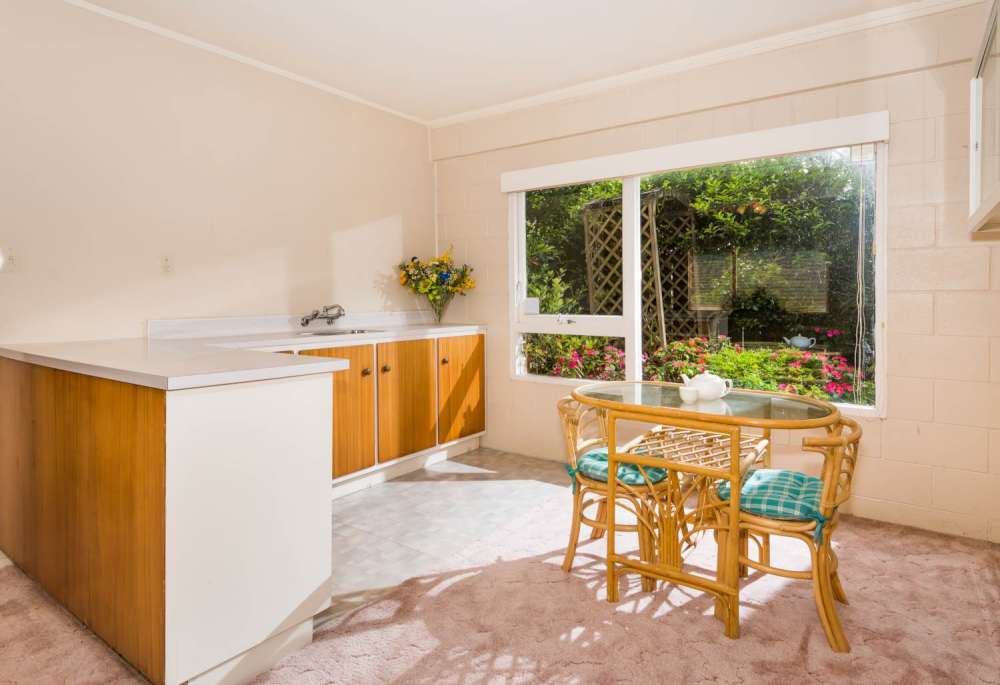
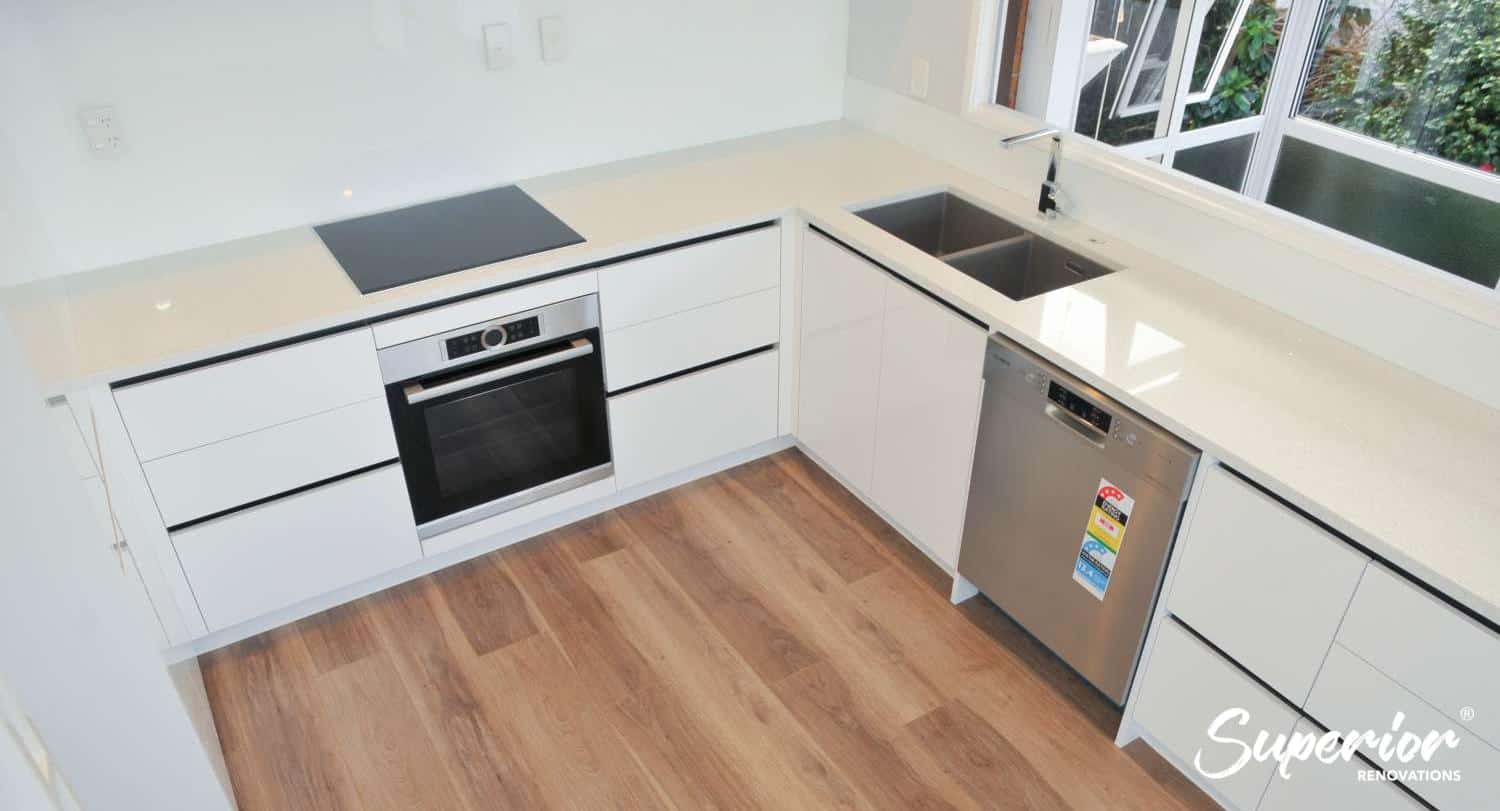
                    Get started now by booking a free in-home consultation.

                    Request Your In-home Consultation

                    Or call us on 0800 199 888

                    www.superiorrenovations.co.nz


                    finance-badge1000x1000 Complete Guide to Insulating Your Home in NZ : Costs, Rules & Eco-Friendly Options

                    Have you been putting off getting renovations done?

                    We have partnered with Q Mastercard ® to provide you an 18 Month Interest-Free Payment Option, you can enjoy your new home now and stress less.

                    Learn More about Interest-Free Payment Options*

                    *Lending criteria, fees, terms and conditions apply. Mastercard is a registered trademark and the circles design is a trademark of Mastercard International Incorporated.


                    Rob Ducker
                    4 days ago
                    Superior Renovations has just finished a complete remodel of my bathroom. I can see, why the company has such a high reputation. At every stage, from sales, design, project management, and execution, the company excelled at every point. I am just so happy with the work that they have done and they have exceeded my expectations at every point.
                    Mark Whelan
                    5 days ago
                    Used Superior for a kitchen and bathroom renovation last year. They did an excellent job updating both rooms, communication was excellent ongoing tjrough the project, they coordinated all the tradies, synchronized so there was little downtime, and it all worked exactly as planned and on budget. Was really glad we chose Superior Renovations and plan to use again for our entrance way at some stage.
                    Libby Campion
                    5 days ago
                    As I said to my work colleagues ‘I have just had the most pleasant experience’. When they realised it was with renovations at home they were shocked - ‘unheard of’ I was told.
                    Everything went to plan - timing, project management, costs, etc, etc. Neil communicated with me daily and made my whole bathroom renovation a pleasure.
                    The best decision I made was choosing Superior Renovations.
                    Thank you Kevin for our initial connection and for passing me on to Neil to manage the whole process.
                    Jason Cho
                    1 week ago
                    We just finished a bathroom renovation and couldn’t be happier with the results. The craftsmanship is top-notch, and the attention to detail in the tiling and finishing is impressive. The team was professional, kept the workspace clean, and delivered exactly what we envisioned. Highly recommend them for anyone looking for a high-quality transformation.
                    Sue B
                    2 weeks ago
                    Superior did an excellent job of renovating our ensuite. Project manager Jacob was easy to work with and communications were good.
                    davidee wang
                    3 weeks ago
                    This is our second review for Superior Renovations. They have done two projects earlier this year and we were so impressed by the work they have finished. After discussing and very careful consideration, we decided to go with more projects with them. So far, they have now completed stage 1 renovation of our house. We still amazed for their knowledge and services; they really listen to us and discuss anything with us if they feel/think could be better…
                    From the first day we work with them, we have no issue with them at all, from communication, discussing, designing to the teams working on the site.
                    Especially we are highly recommended to those who are considering doing the house renovation, please contact them and you will know why we are so pleased to have them to do our house renovation.
                    We are thanking Cici, Neil and the teams so much….
                    We are looking forward to seeing what the outcome will be.

                    David and Emily
                    Spencer Aung
                    2 months ago
                    We recently had our bathroom renovated by Superior Renovations and couldn’t be happier with the experience. Dorothy and Neil were an absolute pleasure to work with. They guided us through every step of the process, making what can be a stressful experience feel smooth and straightforward.
                    The quoting process was transparent and detailed, with no hidden fees or surprises. Neil was incredibly responsive and always available whenever we had questions or requests, which gave us real peace of mind throughout the project. We really love the end result and enjoy our new bathroom!
                    We’ll definitely be returning to the Superior Reno team for our next project. Highly recommended!
                    LCB
                    3 months ago
                    Our bathroom reno has just been completed & I am so happy. The whole process was easy & hassle free. Alison designed our bathroom & was very patient with our changes/then changes back again. Jacob our project manager was a delight to deal with. He always kept us informed of the scheduling & any other information we may have needed. All the tradies worked hard & the job was completed & signed off within 3 weeks. That's demo, full tiling, installation of new everything & delivery & pick up of the skip down a very tricky driveway. We absolutely love the new bathroom & would recommend Superior Renovations everyday. Future jobs I will definitely be contacting them again. Thank so much for your excellent work
                    Wendy McLaughlin
                    4 months ago
                    Having explored our reno options, it was an easy decision to select Superior Renovations for our work. As first timers at anything like this we had to trust the system with grand old 100year old bungalow. We were so pleased to have Cici, Sonny and Kai working with us the whole way through. Be shout out to all the team, builders, plumbers, electricians, tilers and painters. A superb job delivered on budget and ahead of time. The communication from Cici and Sonny was first class. Would highly recommend working with Superior Renovations in fact, we already have more worked booked in. Thanks Superior you made Millie and Monty's parents very happy. 🐾
                    Irene Yap
                    4 months ago
                    I am very happy with the recent renovation for my new kitchen.
                    The team worked really hard to get it done within the time frame.
                    The manager, Jacob, was very helpful and communicated well and always sorts out any issue immediately.
                    Thank you Irene
                    Jesse_G
                    6 months ago
                    We couldn’t be happier with our new pergola! From start to finish, the team was professional, punctual, and easy to work with. They took the time to listen to what we wanted and offered great suggestions to make the design even better. The quality of the materials and workmanship is outstanding — everything feels solid, well-built, and beautifully finished. Kudos to Sinan Sun as she has been an amazing contact with the company.
                    Alex Scott
                    7 months ago
                    We are very pleased with our bathroom reno by Superior Renovations! Jacob, Cici and the team always kept us up to date, were always friendly to deal with and finished ahead of schedule. Most importantly we are very happy with the quality of the work.
                    Simon Redpath
                    7 months ago
                    We have been working with Superior Renovations as a supplier now for over three years. In that time we have found the team to be very professional and well organised. Which is a welcome relief in this industry! Just recently we have become their sole supplier for portaloos, which recognises the collaboration we have forged over these three years.

                    In particular, Leanne and Elaine set a very high standard of communication and flexibility. This is of vital importance when scheduling deliveries and pickups with us, however, they understand not everything can be done at once and are willing to work with us for the best (supplier/contractor/client) outcome.

                    I would imagine this ethos would flow directly through to all their contracted renovation work. A pleasure to work with!
                    Hammer “AAAAA”
                    7 months ago
                    A very reliable supplier – we’ve been working with them for three years now, and they have never let us down. Well done to the team.
                    Sam McCool
                    7 months ago
                    We have been working with these guys for the past 4 years and find them an awesome company to work with, very efficient and organised. I highly recommend!
                    Word True
                    8 months ago
                    Finding someone reliable for renovations has always been the most stressful thing for us. In the past, we had several painful renovation experiences—money was spent but the problems were never truly solved, and things often ended up worse than before. We really didn’t know where to find a trustworthy renovation company.

                    For more than ten years, our wish had been to renovate our bathroom, laundry, and toilet, so that we could finally enjoy a comfortable and functional living environment. Just when we were about to give up, we came across Superior Renovations online. We quickly made an appointment with Cici, who designed and provided us with a quote.

                    Throughout the whole process, I was deeply impressed by the professionalism of Superior Renovations. What stood out most was that they always delivered on their promises—everything agreed upon was completed on time. This built a relationship of trust and reliability. Up until completion, I was completely satisfied with their dedication and the quality of their workmanship.

                    During the renovation, we encountered some of the challenges that often come with older houses, but Cici and her team helped us resolve the discomforts we had been living with for years. We are truly grateful to the construction team.

                    Some say renovations are easy if you just have money, but I believe the most important thing is finding a trustworthy team that keeps their word, values quality, and cares about the customer’s experience.

                    Because of this renovation experience, we can now confidently plan our next project—the kitchen—and Superior Renovations will definitely be our first choice. We strongly recommend them.

                    Finally, I want to thank Cici and the team for helping us fulfill our dream.

                    Mark & Kate
                    Jane Wright
                    8 months ago
                    Sinan is a very good consultant. She helps a lot during renovation. Very satisfied with their job.
                    Clara Ng
                    9 months ago
                    It was great to have Alison's recommendations and input on how & what would look best for our kitchen and bathroom reno. Jacob, our project manager, has been a star too; ensuring that the project was delivered as planned, AND giving us great ideas & suggestions along the way.

                    We will definitely be calling on you guys again for our next home reno. Thanks team!
                    Frank
                    12 months ago
                    Very impressed with Superior Renovations.Building our pergola with blinds for a fair price .First thank you Sinan for quoting the job and your flexabilty and knowledge..Secondly the job was done well within the time frame, thanks to Jeff for supervising the job ( eventhough he wasn't too well) and keeping us up to date throughout the process. Payment was fair and easy as well .
                    Thoroughly recommend Superior Renovations for your reno job 👍
                    Raj Dhana
                    1 year ago
                    Very efficient team of workers and high quality finish.
                    Very happy with our renovated bathroom.
                    We will use this company again.
                    neko rider
                    1 year ago
                    We’re very happy with the renovation work done by the team. It’s rare for renovation projects to finish on time, but they committed to completing ours before the Easter holiday—and they delivered! Our project manager, Jacob, worked incredibly hard (even physically! 😄) to make it happen.

                    I admit I might not have been the easiest client—I was particular about details like colours, tile placement, and exactly where the hand basin bowl should sit on the bench. But they listened, took it all on board, and got it done. Thank you, Jacob!
                    I’ll definitely bring you another challenge in the future. 😉
                    Vilma Arcos
                    1 year ago
                    Thanks Superior Renovations for doing our house, it definitely looks a lot better now! Special thanks goes to Alison and Jacob for their excellent effort and good manners in handling the construction process, it wasn't easy but with them around it definitely became easier to handle. Cheers🥂
                    F J Bandukwala
                    1 year ago
                    Absolutely thrilled with the outcome of our renovation of two bathrooms and kitchen in a double level home. Kevin and his entire team were an absolute pleasure to work with from the get-go. Every minor detail was attended to, and all our requests were accommodated. Cyrus deserves a special mention as under his watchful eye and expertise, nothing could go wrong.
                    Jacquie
                    1 year ago
                    I have recently finished a renovation in our 1930’s bungalow, updating the original (and I do mean original) kitchen and bathroom. Plus creating a new laundry and removing three fireplaces which created two new spaces including an office. From the initial appointment with Alison who came over and then provided drawings and a quotation, to the work with Frank, our project manager and the team, this has been a wonderful renovation experience. I would have described myself as a nervous-renovator prior to doing this, as I had never done a renovation before, but Frank, Alison, Sunny and all the team have worked so tirelessly and generously to create spaces that we love. Superior’s care in managing the project has meant that we have come away with much more than we originally sought to achieve and without the stress I hear others lament about when they renovate. I would recommend Frank, Alison, Sunny and the team at Superior Renovations wholeheartedly.
                    Ike Harris
                    1 year ago
                    We engaged with three companies to completely renovate our downstairs and ensuite bathrooms. We elected to go with Superior Renovations as they provided us with a fixed price and specific timeline to complete the project (which two other companies could not do), and we were absolutely delighted with the end result. We love everything from the floor and wall tiles to the heated towel rails and from the LCD mirrors to the underfloor heating and soft close lids. We especially loved replacing the old tub in our ensuite with a walk-in shower.

                    The entire process went incredibly smoothly, with the project being completed on budget and ahead of schedule. From the initial design phase to the final touches, nothing was too much trouble for the team. Superior Renovations conducted themselves with the utmost professionalism, ensuring every detail was perfect.

                    Frank (Project Manager) and the team did such an amazing job. Totally professional outfit, top notch communication, all tradies were courteous, polite and respectful. Alex (Builder) was especially knowledgeable and offered great solutions as minor issues unfolded. Each stage of the renovation was completed on the day it was scheduled. The crew were always on time and mindful of our work from home arrangements. And I was also impressed with the floor protection that was laid out on the first day.

                    Through no fault of Superior, we did encounter a major, unforeseen setback that delayed our renovation on the downstairs bathroom. Superior were patient with us while we sourced specialists to remedy the issue. But once that was all sorted, Frank and the team picked up the baton and charged ahead to the finish line, delivering two beautifully ‘superior’ bathrooms. We also experienced a minor electrical issue post-build. And even though it was unrelated to their renovation work, Frank promptly dispatched an electrician who quickly fixed the problem. Talk about above and beyond!

                    In summary, we highly recommend Superior Renovations for anyone looking to undertake bathroom renovations in their home. We’re already talking about renovating the kitchen next and we’re so confident in Superior Renovations that we will most certainly be engaging with them to complete the task.

                    A huge thank you to Frank, Alex and all the wonderful team at Superior Renovations:)
                    Greg Paget
                    2 years ago
                    recommends
                    Just had my ensuite fully gutted and renovated. Very happy indeed. Great quality work, great communication throughout the process, and mostly great people to work with. Highly recommended.
                    Kalina Hristova
                    2 years ago
                    Superior Renovations did an amazing job we would definitely recommend them for anyone looking for a high quality outcome. Our Project Manager Jacob was amazing, taking care of any minor adjustments we wanted, nothing was too much trouble.
                    Melanie Whittaker
                    2 years ago
                    Absolutely love my new ensuite bathroom. Superior Renovations made the process so enjoyable, I'm truly delighted with the transformation from an old tired room to modern functionality.
                    Jacob led a wonderful team of professionals who were considerate and efficient. He answered any query with reassurance and patience.
                    I'm now looking at engaging them again for my main bathroom because I'm not fearful of renovating anymore and confident I'll get a superior outcome. They definitely lived up to their name!
                    Carolina Guerra
                    2 years ago
                    Superior Renovations transformed our bathroom, and we couldn’t be happier. Cici, Jacob, Alex, and Ray were a fantastic team (Ray, our dog, is going to miss you). They tackled our old house’s quirks with creativity and attention to detail. We were especially impressed that they stayed within budget, even with a few surprises along the way. We’d definitely choose Superior Renovations again and highly recommend them.
                    Regina Cho
                    2 years ago
                    Thanks Sunny, Jacob and the team for a great renovation. We had 2 bathrooms, the laundry room and front door re-done and very pleased with the results.
                    Kalpana Iyer
                    2 years ago
                    Superior Renovations did a good job for our deck, they are professional and took on board any changes suggested by us and gave good ideas and advice.

                    They took care of cleaning up all the mess after every job.

                    Good value for money.

                    Special mention to Cici, Frank & all the workers.😊 Thank you so much

                    Highly recommended 👍😊
                    Narelle Silwood
                    2 years ago
                    It was a pleasure to work with Jacob and his team. They installed a lovely new kitchen which met all my requirements, it arrived on schedule and I was kept informed all the way through the project. Thanks Jacob ... you did a great job. Narelle
                    Gavin Botica
                    2 years ago
                    I recently engaged the services of Superior Renovations for a complete renovation of my kitchen and bathroom, and I couldn't be happier with the results. The entire process went incredibly smoothly, with the project being completed on budget and ahead of schedule. From the initial design phase to the final touches, nothing was too much trouble for the team. They conducted themselves with the utmost professionalism, ensuring every detail was perfect. I highly recommend Superior Renovations for anyone looking to renovate their home.
                    Chinchien Lin
                    2 years ago
                    We have our bathroom renovation scheduled later this week. Everything so far is awesome. They are very patient and nice to work with!

                    My wife's dream of a bathtub is finally happening. Can't wait to see the final result!
                    Rajesh Kumar
                    2 years ago
                    Great work done by Superior Renovation.Great service and efficient job.Big thanks to Jacob and
                    they team.Highly recommend.Got my 2 bathrooms renovated.
                    Narene Orchard
                    2 years ago
                    We had the best experience using Superior Renovations. They had a good range of products available making it easy to pick the fixtures and fittings. The team were experienced and had great pride in their work, from the office to onsite we were treated like valued customers. The product we ended up with exceeded our expectations.
                    Jason Orchard
                    2 years ago
                    recommends
                    We have just recently completed a renovation project with Superior Renovations, complete demo and redo of x2 bathrooms, laundry, extension to existing deck, custom cabinets built & new wardrobe system installed.
                    We have been completely OVERWHELMED and IMPRESSED by the professionalism of the whole team from start to finish. From the initial consultation, visiting the showroom, design team, admin correspondence, project manager and sub-contractors.
                    We couldn’t be any happier with the final product.
                    The whole process was extremely well streamlined, we were given timeframes well in advance and informed of any changes.
                    The whole process was surprisingly stress free and we felt like a valued customer throughout.
                    THANK YOU 🙏🏽
                    Dhruv Mehta
                    2 years ago
                    Great experience with Superior renovations. I would highly recommend it for anyone looking to renovate their house.
                    Steve
                    2 years ago
                    We engaged Superior Renovations to transform our 30-year old, tired looking and problematic bathroom into something world class - and wow! The end result is simply stunning. The team led by Frank did an absolutely fantastic job. This was our first major renovation project and the entire process was easy and hassle free. The team delivered on schedule, within budget and the quality of their work is outstanding. If you are considering renovating - do not go past these guys.
                    Linda Meyer
                    2 years ago
                    Wish I had given more of my renovation project to Superior earlier in the process. Superior team was knowledgeable, skilled and exception to work with. Will certainly be a repeat customer if ever a need comes up.
                    Emma Mildon
                    2 years ago
                    From design to completion the team were professional and always keen to get the project right. We will definitely be using their services again. Even finished the job with a spotless clean.
                    Henry Popplewell
                    2 years ago
                    My wife and I are absolutely delighted with the team at Superior Renovations - and the "superior" job and experience they delivered for us in renovating our ensuite and main bathroom. We are so pleased we chose them for our renovation.

                    Everyone from Cici the designer, and Frank our wonderful and attentive project manager, down to the team of guys doing the heavy lifting were a real pleasure to deal with. We were kept informed every step of the way and everything was done to a very high standard. Nothing seems too much trouble for your crew (in fact Frank even became quite good at running after and catching our dog when the naughty little boy escaped), and they even helped me out with a couple of small extras around the house at no additional cost.

                    Their pricing was very fair - no hidden extras, and they are such hard workers! But I think what impressed me most was that everything they promised was done exactly on the day they said it would be done, and at the time they said it would be done. They were a very respectful, friendly team who obviously take immense pride in their work.

                    Thank you Superior team! Recommend 100%
                    Libby Sumnz
                    2 years ago
                    This place is excellent. The service is fantastic. Eunice was amazing. She is efficient, knowledgeable and professional. Their prices are excellent. We have chosen to go with them for an ensuite renovation.

                    We have now had the pleasure of Superior completing our ensuite. It's a big WOW from us.

                    Communication, professionalism, making sure they checked in with us about preferences, quality of workmanship, quality of materials are all 5 stars.

                    They completed the job early. Payment structure was excellent. The staff were polite and respectful. If there was an issue it got sorted immediately. Follow-up was prompt. There was no lingering to tidy up loose ends. Rubbish taken away immediately. Full respect of our neighbours using a shared driveway with us. Finally Jacob our project manager was the best. He held the job together from beginning to end.

                    To be honest...we were 'blown away' by how smoothly it all ran.
                    Mark Kroon
                    3 years ago
                    Friendly, efficient and professional.
                    Captain Fruitbat
                    3 years ago
                    Three bathrooms, a garage and a laundry renovated so far. Everything was done on time and to a high standard. Communications with the Project Manager were good, and the workers were all very professional, polite, and helpful.
                    Cody Zhao
                    3 years ago
                    Well communicated, responsive and porofessional.
                    ming wang
                    3 years ago
                    Superior Renovations renovated my living room, kitchen, bathroom and Garage, which turned out to be impressively good work. Especially the Kichen, which is really Morden style designed, functioning well and looks really elegant.

                    The Superior Renovations team is really professional, and willing to achieve a good finishing which fit for my expectations. The whole project took over a month, and the result is just satisfying.

                    The good work from Cici, Jacob and the team is much appreciated.
                    Eric Buisman
                    3 years ago
                    Choosing the right renovation company is as important as the project itself. We chose Superior Renovations, recommended to us, and they didn't disappoint. 2 full bathrooms and laundry renovations, from consultation, starting time, and workmanship, the project was a breeze. Best extra bits, project finished on time and within budget. Yes, we would recommend it. A+ Eric
                    Amar Anthony
                    3 years ago
                    We live in Glendene West Auckland. We decided to renovate our old bathroom with Superior renovations. This was our first renovation and the team at Superior renovations made it a smooth & satisfying journey for us. We were really pleased with our new bathroom renovation. Special thanks to Jin , Jacob and their team.
                    This company is Professional, knowledgeable, friendly , punctual & honest. We would highly recommend them for any renovations. Well done 👏
                    Steve Hsieh
                    3 years ago
                    We currently decide to do our kitchen renovation and we meet Superior Renovations team.
                    As we go through the full process with them, we believe their team is professional and reliable work. If you are looking for a professional project team who will do the whole work for home renovate and save your time. We are highly recommended for you to choose Superior Renovations services.
                    Hwan Goh
                    3 years ago
                    Pros:
                    We engaged with Superior Renovations to renovate our apartment bathroom and overall we were extremely happy with the process and result! Our main point of contact was Cici Zuo who was very friendly and professional. Additionally, our whole apartment building was currently undergoing external renovations and so it was a logistical nightmare having to coordinate our interior work here with what was going on outside. Cici was impressively flexible to all situations and met each challenge with exemplary calmness and poise. I can only give high praise for her efficiency as a project manager. I would also like to extend my admiration to the accounting staff and the renovators. The accounting staff was very efficient and precise. The renovators were very friendly and I was appreciative with how conscientious they were about our apartment. It was clear how much care was taken to ensure our apartment remained undamaged and as clean as possible. At no time did I feel any concern leaving them to work in our apartment.

                    - Efficient, conscientious and high-quality construction
                    - Clear and precise communication both in documentation as well as interaction with staff
                    - Bathroom is gorgeous!

                    Cons:
                    We also engaged with Superior Renovations to construct 2 wardrobes and 2 cupboards in our apartment. The design process was efficient with very clear documentation. However, we found the wardrobes to be quite overpriced compared to other companies we obtained quotes from. My biggest issue was with the somewhat bizarre inability to break down the price. To meet our budget, we requested pricing for each of the 4 structures separately so that we could decide which we would go ahead with and which we would opt out of. For some reason, Cici informed us that they were unable to break down the cost; cost for all 4 wardrobes has to be considered all together. I'm not entirely why this was the case; the explanation didn't make too much sense to me. In the end, we elected to not proceed with any of the wardrobes. On a related note, unlike other renovation companies we engaged with, Superior Renovations did not seem to offer much support in helping us meet our budget. We felt that not much attention was expended to provide us with multiple options to consider so that we can meet our financial requirements. The overall engagement had a "take it or leave it" feel about it and we found that we had to pry to expose alternatives.

                    - Pricing was not granular enough
                    - Little consideration of budget or assistance towards meeting our budget.
                    - No display of pricing including GST

                    Conclusion:
                    If you want your work done fast and done well, Superior Renovations is definitely the way to go. However, if you're a bit constrained with your budget, be prepared to put in some effort yourself to meet it or entirely forgo some options. Overall we were very happy with the entire renovation process and will definitely consider Superior Renovations again in the future for any of our renovation needs! If this does happen, we hope that we have a chance to work with Cici again.

                    Update 15/5/2023:
                    Two months after the completion of the work, unfortunately a leak was discovered coming from the pipe of our renovated ensuite that damaged the walls and ceiling of the apartment directly below us. After investigation, this turned out to NOT be the fault of Superior Renovations' work. Despite this, to facilitate the investigation, Cici was extremely responsive and proactive. Her action was instrumental in determining the cause of the leak. Additionally, post-work, Cici has been very helpful in dealing with some very minor issues. With all this in mind, I felt it was necessary to update my review to once again give my compliments to Cic and the Superior Renovations team. I should also mention that an external plumber who also came to investigate the leak was blown away at the workmanship of the renovation!
                    Raza Mohsin
                    3 years ago
                    How fortunate were we to come across Superior Renovations when we were looking for our home renovations. Out biggest challenge was time management as we wanted to be back in our home as early as possible and due to recent weather events all builders were unable to commit to a timeline. From sales rep Cici to Project Manager Jacob, it was one smooth one window operation. Sticking to original plan, selection of materials at showroom to weekly plan communication and daily updates, it was as best managed as one could hope for. I am extremely pleased with the results and would be recommending it to my mates for any big or small renovation or build job. Well done team !!
                    Melissa McIntyre
                    3 years ago
                    We had a wonderful experience using Superior Renovations to remodel two bathrooms in our investment property!

                    From the moment I met with Kevin, he was incredibly friendly and attentive to our ideas and needs. He really went above and beyond to personalise the project for us.

                    Throughout the process, Kevin and his project management team were very professional and always took the time to discuss our options and provide helpful guidance. Alison the designer was amazing and really put our minds at ease and visualised what we wanted to create. And the project management team was fantastic too - they were on site every day to oversee everything personally.

                    The end result is truly outstanding and exceeded our expectations. We are so grateful that we trusted Superior Renovations with our home and can't wait to hire them again for our next remodel project - the kitchen!

                    We highly recommend them to anyone looking for a great renovation experience.
                    Mark Norris
                    3 years ago
                    It was an absolute pleasure working with Superior Renovations on our kitchen/dining renovation. The project was impeccably managed from start to finish. The whole team were always professional, reliable and on time even with a cyclone and flooding in the middle of the project. Sunny the Project manager was onsite everyday to check progress and keep us updated at every step. Cici who did the original design understood exactly what we wanted and the finished product reflected this. Very very happy with the end result.
                    Would highly recommend Superior Renovations to anyone wanting any work done on their property. First class, we will consulting them about our upcoming bathroom renovation.
                    Many thanks again.
                    Mark and Vinita
                    Kerry Nam
                    3 years ago
                    I would recommend Superior Renovations to anyone considering a house renovation. We had our 3.5 bathrooms renovated and re-tiled the balcony and very happy with the outcome.

                    Nick and Dorothy are absolutely delightful to work with.
                    Dorothy spent extra effort to get the design right. Nick always kept us up to date with the progress and provided guidance on decisions we had to make throughout the project.
                    They delivered everything on time and their quality of workmanship is superior.

                    Thank you team!
                    Gary Brophy
                    3 years ago
                    Right from the beginning the communication with the team was awesome. Nothing was too hard, and they happily completed any extras we requested. The tradesmen always left the house tidy after a day's work. We are thrilled with our new bathrooms, updated kitchen and interior painting.
                    Thanks so much to Jin, Nick, Sunny and the team for making our home feel they a whole new place! We love it.
                    We would definitely use Superior Renovations again.
                    Regards Leanne and Gary
                    Yuanqi Zhang
                    4 years ago
                    Having compared the price and the leading time, we chose Superior to renovate the kitchen,
                    the floor and some walls. It turned out to be a wise choice. They are efficient, easy to communicate with, there have been two little problems however they’ve been dealt with real fast.
                    So we highly recommend Superior, and already have to some friends,if you are going to renovate your house ! 😁
                    Vĩnh Hằng
                    4 years ago
                    Most wonderful experience we had with Superior Renovation. The process was smooth and straightforward. They were very honest and helpful when advising us with the right products for our small bathroom. The project manager was always responsive and prompt throughout the whole process. All the tradies were friendly and respectful. We were kept well informed with everything. The accountant was very understanding when we had problems with transferring the fund. We have absolutely no complaints at all and came back a second time for the family bathroom and toilet. Will definitely come back again for later projects.
                    Chris Joe
                    4 years ago
                    An awesome team to work with, the planning Dorothy and Nick provided were very helpful and amazing with communications. The contractors were also very respectful and friendly.
                    We're very happy with the services provided, the ensuite is finished at a better quality than we thought and we are actually in touch for a second project to be done in the best future.
                    Grace Carroll
                    4 years ago
                    Highly recommend using Superior Renovations. We decided to upgrade our kitchen and repaint and redo the flooring in the lounge and hallway.

                    Dorothy made it super easy to get the job designed, quoted and booked in.

                    Nick our PM was amazing. Nothing was ever an issue and he kept us up to date every step of the way. Like any renovation sometimes there are issues that require additional work - we were updated straight away and well informed of any additional costs before any further work proceeded.

                    The various tradies we had did an amazing job and the workmanship and attention to detail was excellent.
                    Lu Ping Lee
                    4 years ago
                    The team at Superior Renovation made getting our bathroom and laundry renovated so easy.
                    The whole renovation was looked after by them from start to finish, was completed in a timely manner and they were happy to add in any additional work that we asked to be done.
                    Each member of the team would clean up after completing their work - whether it was the demolition team, plasterer, plumber or tiler. Which was great as we didn’t have a big mess to clean up once they were done.
                    Thank you to Xingyi, Cici and the rest of the superior renovation team.
                    Hannah Lorien-King
                    4 years ago
                    We choose to use Superior Renovations for our bathroom renovations - the job involved taking the walls and ceiling back to the stud, moving a door and removing in-built cupboards. As this is the main family bathroom the thought of a long process where we were responsible for finding a plumber, builder, electrician and tiler was really daunting. We had one meeting with Cici at Superior Renovations and were impressed by her efficiency and suggestions and how she helped realise any ideas we had. The team completed the job within the expected timeframe, we had a main point of contact (Nick - amazing!) who managed all the teams and kept us up-to-date. The Superior Renovations team all worked really hard and we have an end result of a bathroom that has exceed our expectations. Cannot recommend the team enough - they made the stress of living without a main bathroom both quick and painless!
                    Nitin Asar
                    4 years ago
                    After speaking with a couple of people and actually encountering various hurdles- I finally decided to go ahead with Superior Renovations. Initially was a bit apprehensive and concerned as there is limited supply of Gib board in the market. Was so glad that I decided to go with them. Nick the project manager is simply great- he would often revert back to myself with questions regarding the placement of the fittings etc-rather than make assumptions.This was really appreciated. They even gave the place a professional clean when the project was complete!
                    Paula
                    4 years ago
                    I had a full bathroom remodel completed and the result exceeded my expectations. Nick's team delivered a professional and top quality service, I was always kept well informed and appreciated the regular onsite visits with Nick to ensure I was kept up to date. I would definitely use Superior Renovations again and am happy to recomend them to family and friends as well.
                    Kirsty Newton
                    4 years ago
                    recommends
                    The team at Superior Renovations have just completed our ensuite renovation. We now have a beautiful modern bathroom the has surpassed all expectations. Dorothy and Nick have been wonderful guides through the process and are a well oiled machine. We had challenges with our Reno as our ensure is in a little extension off our bedroom. The team were quick to problem solve around lack of cavity space in the roof and a block wall where we assumed would be a normal cavity wall. nothing was ever a problem and we genuinely feel like they went above and beyond for us. Thank you Nick and team we will be back for our future Renovation needs.
                    Amelia Wong
                    4 years ago
                    Entire bathroom makeover done by Superior Renovation. All works are completed in professional manner. Very pleased with the result. Well done Superior team!
                    dileep n.s
                    4 years ago
                    I am very happy with the service provided by superior renovations. They are very organized and the most important thing is the fixed price. There are no hidden charges. Also they managed to start the work soon after signing the contract and completed the full house renovation within two months as mentioned in the contract. Very happy with that especially when there is high demand for building materials. Thanks a lot to Cici and Nick for coordinating the project and all the workers involved. I love the way you transformed the 1972 house into 2022 house. I am fully satisfied with the work you have done and very happy that I was involved in each stages of the project. I had made so many changes in the plan during the work and you agreed to do that without any hesitation. Friendly and professional team did their part well. We are really enjoying our new house. Highly recommended. Thanks Superior Renovations.
                    Janeen Farquharson
                    4 years ago
                    I had my Kitchen, laundry & bathroom remodel and am so pleased with the results!!
                    Dorothy was so lovely to deal with and was fast and efficient. Xingyi (project manager) was great, answered any questions and always followed up.

                    Highly recommend
                    Scott Williams
                    4 years ago
                    We decided to use Superior Renovations for our bathroom renovation based solely on their google reviews and now it is our turn to add another 5 star review. From the initial consultation with Dorothy to the project management of Nick and the amazing work of the tradies team the whole process exceeded our expectations. If you are looking for a professional company to work with then don't look anywhere else!
                    Thanks Guys.
                    Scott and Janet
                    Torbay
                    Deborah Samson
                    4 years ago
                    recommends
                    Superior Renovations project managed by Nick has just finished our new bathroom, separate toilet, and ensuite. Cici made choosing fittings so easy. The team kept me informed of every stage and the project was completed to our satisfaction despite COVID issues. Our bathrooms are now hotel quality and it is a treat to use them everyday!
                    Cheyenne Welham
                    4 years ago
                    Superior Renovations recently remodelled my bathroom in Mount Eden and I couldn't be more impressed with their service! I had such an excellent experience right from the start with the quotation process, right through to designing the bathroom and then finally construction. The final result was exactly what I had wanted, and I couldn't speak more highly of the team. Thank you Superior for doing such a great job! I will be using the company again for more renovation work in the future for sure.
                    Anil
                    4 years ago
                    I must compliment the Team for an excellent Service and work in completely changing our kitchen (we admire it every day) as it is of the highest quality and made exactly to our requirements.Their team and focus on minutest details is unbelievable.

                    Over and above - Most importantly Customer Service provided by Cici, Nick, Kyle and their team was awesome. We have not observed such high quality and standards for a very long time. A special mention to their Tiler who did the perfect job with the greatest of details and care.He is a great asset to work for anyone. This team is so pro-active, motivated and sensitive to meet customer aspirations that I would hire them every time needed.

                    Wonderful quality, workmanship and Awesome Customer Service. I could rate them 10 stars if I could 😊🌹👍
                    W卡罗
                    4 years ago
                    Superior Renovations is a trustworthy renovation company and doing awesome jobs! Although the work is delayed and not easy to go through during covid , the team still
                    tried their best to meet the needs of ours and completed as fast as they can . I think Superior Renovations shows its professional performance and well customer care service to their customers. Especially a big thank you for Kevin, Sunny, Dorothy and Jimmy for all the help, time and effort you have spent on our project. We really appreciated it and will highly recommend to others.
                    Roger Rowe
                    4 years ago
                    The team at Superior were awesome! We engaged with Superior Renovations to do a full bathroom renovation which included a full bathroom, en-suite and 2 separate toilets. They were professional, thorough, easy to work with, very responsive and we loved the experience.
                    The tradies that were used were very good and the work was of an excellent standard. There were a couple of tradies that did not have good english, but that was never an issue as our Project Manager Nick Chen and our Site Manager, Kai Zhang were excellent communicators, very responsive to any questions or concerns and always laid out the plan for each day.
                    We are absolutely rapt with our bathrooms. We also had our entranceway retiled as part of the job and it looks amazing too. The tiling team that Superior used were brilliant!
                    I absolutely recommend Superior for anyone wanting to do a bathroom renovation project... you won't be disappointed.
                    Photo Bug
                    4 years ago
                    We did our kitchen renovation and it was a great experience. Good communication and quick response. Showroom was a good example of what you can achieve. Highly recommend.
                    Rennie Atfield-Douglas
                    4 years ago
                    Highly recommend Superior Renovations. They have been so easy to deal with and nothing was ever a problem. Sunny was our project manager and his team did such a good job on both renovation projects. We also had Dorothy do the design plans and the initial consultation. Sunny and Dorothy were so helpful and made this process easy for us.
                    Deepanjali Raj
                    4 years ago
                    recommends
                    We are so please with our new kitchen, dining and living room. Superior Renovations has done a superb jobs with our Renovations. Kevin the managing director took a personal interest in our project and we are so grateful to him and his advice. Loving our Renovations.
                    Steve Sutherland
                    4 years ago
                    Superior Renovations were amazing. We used them after seeing the amazing job they did with a friend's bathroom. They had a large team of skilled workers who worked long hours to completely renovate our kids bathroom in a little over 4 weeks. Cici was hugely helpful at design stage, by offering really practical and modern design ideas. The project management team were constantly checking on progress and quality and the completed bathroom was delivered on time AND on budget. Nothing was too much trouble and we even received a gift basket and thank you card at handover. We have 2 more bathrooms and a kitchen still to do when funds allow but we wont hesitate to have Superior do these for us.
                    Leigh Jelicich
                    4 years ago
                    We just had our kitchen, ensuite, main bathroom and toilet renovated by Superior Renovations and I couldn't reccommend them enough. Jin and Nick were awesome to deal with as were all the tradies coming and going. They project managed the whole thing so I didn't have any of the stress. Thanks team, you are all amazing :)
                    Ashleigh Habgood
                    4 years ago
                    Superior renovations was AMAZING to deal with. We have completed 3 renovation projects with them in the last 6 months and it's been a dream! Despite challenges with their suppliers, they solved problems to deliver EARLIER than expected in some projects and on time in others. All of their workers are happy, professional, dedicated to excellence and hard working. Kevin has been such a joy to deal with. I never wait more than 5 minutes for him to get back to me. He is always in a great mood, even when he has the weight of the world on his shoulders. We will be using this company for years to come. My only concern is that Kevin works too hard and I hope he looks after himself, but judging by his endless energy, he must be sleeping very well or taking some crazy supplements! HUGE FAN OVER HERE!!!
                    Elyse Purdie
                    4 years ago
                    Bathroom renovation was a very smooth process, great quality and communication 😀
                    Ross Prestidge
                    4 years ago
                    We had an ensuite bathroom which had chronic water leakage issues. We hired Superior Renovations to demolish the existing bathroom and replace with a new one. We are very happy with the work they did. They explained what needed to be done clearly, and they communicated with us very well about when each team would arrive to do the various tasks. The job took slightly less time than we expected. The workmanship was first class, and the final bathroom is just what we wanted.
                    Priya
                    4 years ago
                    Superior Renovations did a great timely job in renovating our ensuite bathroom. Cici, Nick and Kevin were very professional. Whenever any issue was identified they immediately responded and endeavoured to resolve. It was a pleasure dealing with the whole team. A special mention to the Tiler who did a splendid job. The renovation was completed in a seamless manner and happy with the new bathroom.
                    Steve McGinness
                    4 years ago
                    Very professional company and staff. I Would not hesitate to recommend this company for any Renovation project. Great communication and high standards.
                    Paul Beattie
                    4 years ago
                    Superior Renovations are a great company to work with.
                    They did a great job on our kitchen reno late last year & have also completed interior decorating throughout the rest of the house.
                    Dorothy, Alex & all the team are great to work with & we will certainly be getting them back to complete our upstairs bathroom & on-suite.
                    Thanks Superior Renovations................
                    Susan Atherton
                    4 years ago
                    Superior Renovations managed my kitchen renovation. They were professional, prompt, on time and worked to a high standard. The finished result exceeded my expectations. Cici managed the project, and was so helpful throughout. Very smooth process and happy to recommend. So much so that I have now asked them to carry out further work for me.
                    Tatiana Derevianko
                    4 years ago
                    Completing my home renovation with Superior Renovations was the most positive and rewarding experience I could wish for with home renovation.

                    Straight from the design, all the way through the project management and all the works on site both inside the house and the outdoor area were completed with high quality, care and always on schedule.

                    Communication and two way feedback was delivered very well throughout the project. I felt listened to and well informed of the next stage in the process.

                    Superior Renovations delivered as promised on the design, timeframe and the agreed budget.

                    The final result exceeded my expectations. My newly renovated house is looking more spacious, more functional and beautiful all the way throughout indoor and outdoor.

                    I would without a doubt recommend Superior Renovations for your home renovation experience.

                    Tatiana
                    Epsom, Auckland
                    Graham Tatiana
                    4 years ago
                    recommends
                    Completing my home renovation with Superior Renovations was the most positive and rewarding experience I could wish for with home renovation.

                    Straight from the design, all the way through the project management and all the works on site both inside the house and the outdoor area were completed with high quality, care and always on schedule.

                    Communication and two way feedback was delivered very well throughout the project. I felt listened to and well informed of every stage in the process.

                    Superior Renovations delivered as promised on the design, timeframe and the agreed budget.

                    The final result exceeded my expectations. My newly renovated house is looking more spacious, more functional and beautiful all the way throughout indoor and outdoor.

                    I would without a doubt recommend Superior Renovations for your home renovation experience.

                    Tatiana
                    Epsom, Auckland
                    Liz Tay
                    5 years ago
                    Fantastic experience with these guys - right from the first consultation where Cici drew us up a design to visualize, right through to completion, Superior Renovations were professional and prompt, with amazing communication all throughout our project. Doing a bathroom renovation is always daunting, but these guys made it so easy and gave us step by step breakdowns of what to expect and what was coming next. The work ethic of their contractors was amazing (working weekends and even into the evening to get the job done!), and if I had any questions (of which I had a LOT!), they answered them quickly and thoroughly. We LOVE the finished product... our bathroom is unrecognizable now! Thank you Nick, Kevin, Cici, Kai and the team :) Looking forward to having you back to do our kitchen next!!
                    Chako Takagi
                    5 years ago
                    Excellent team. Good job.
                    Jacques Ellis
                    5 years ago
                    5 stars! Great team to work with. Project was managed superbly, and the workmanship was great quality. Highly recommended.
                    Karishma Patel
                    5 years ago
                    Superior Renovation had done my entire home, bathroom and kitchen Renovation. They helped my family in various ways like being on time to start the day and took time for us. Kevin and his team worked really hard from start to end and he promised us that we would get our house done before Christmas and he fulfilled his promise. 😊
                    Michael Littlewood
                    5 years ago
                    Superior Renovations were great. We got them to do a complete makeover of a house we own in Auckland: new kitchen, new bathroom, rearranging internal layout, new flooring throughout, etc. Coordinating tradies can be a real nightmare but Jimmy got it done very, very smoothly. We'd definitely use them again.
                    Sue Stodart
                    5 years ago
                    Superior Renovations has just completed renovations for us of two bathrooms, separate toilet, and HWC installation. We are thrilled with our new bathrooms. Superior Renovations were a pleasure to deal with at all times, during the planning stage and throughout the renovations. We were kept fully informed. They did great work. There were no surprises. Very highly recommended. Many thanks to Kevin and team.
                    Peter Tagle
                    5 years ago
                    The team really did a good job on our bath, toilet, and laundry renovation. We got the value for our money. They delivered what we expected and even more even if there were challenges in getting materials during lockdown.
                    Rohan Pitalia
                    5 years ago
                    One of the best builder in Auckland
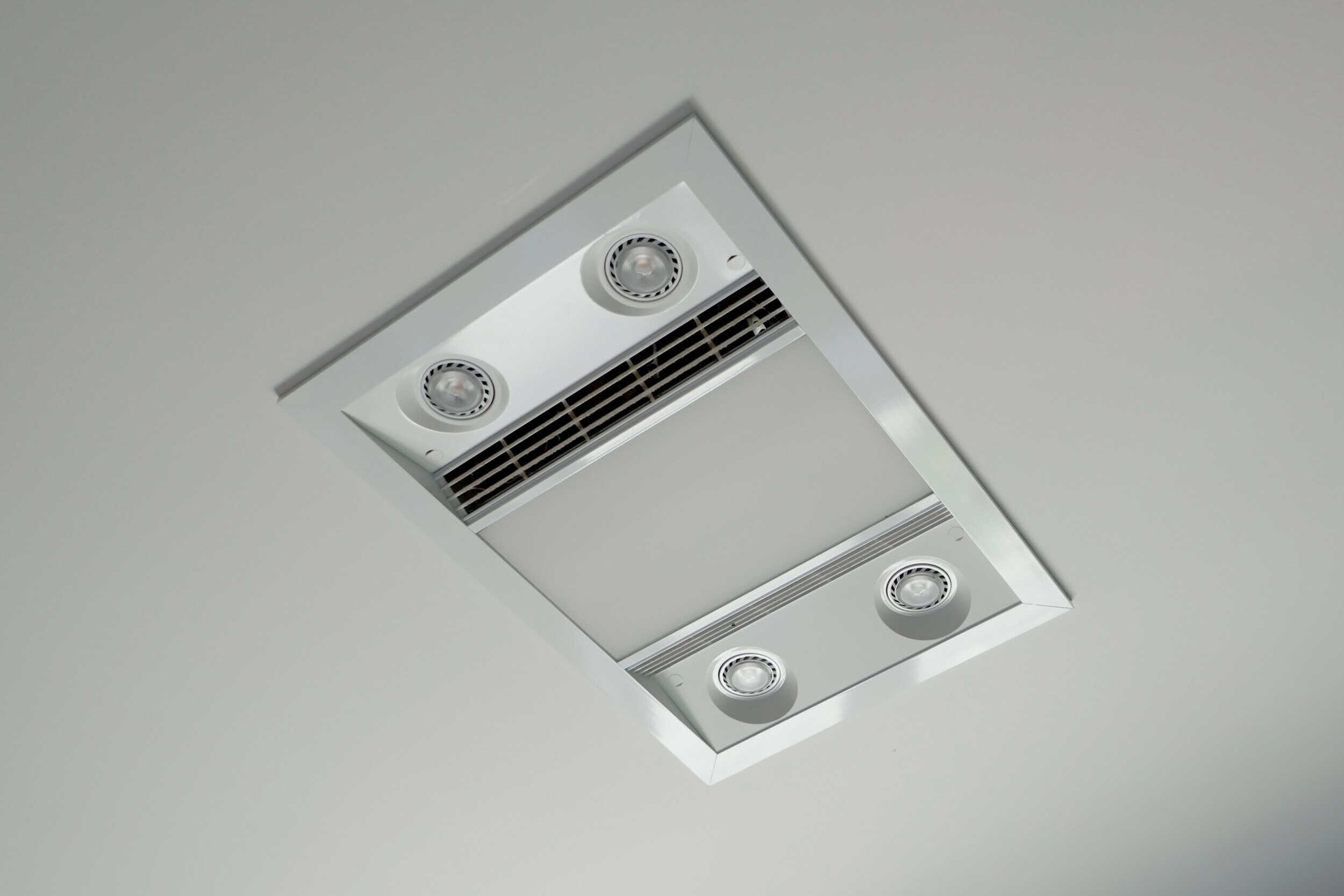
                    Kevin
                    5 years ago
                    Excellent service, quality work, exactly to timetable.
                    tracey
                    6 years ago
                    I am really impressed with, and grateful for, the professional, high quality and responsive service we received from Superior Renovations. Every person I had contact with, the CEO through to the tradies and all in between, were easy and professional to deal with. I was comfortable being away from home while they worked. The final result - my new bathroom - is gorgeous! Well executed and with a great clean up as well. I would have no hesitation recommending Superior Renovations.
                    Mariia Lepa
                    6 years ago
                    Very responsible team. They are experts in their field. Superior renovations was very good in listening for my requirements and they always answer all my questions.

                    I would definitely recommend Superior Renovations!
                    Martin Ma
                    6 years ago
                    The best client to work with, highly recommended

                    Martin from EnviroWaste
                    Jake Newman
                    6 years ago
                    We are really pleased with our new bathrooms. We were quite particular with what we wanted and Jin and the team at Superior Renovations worked with us to help us achieve our vision. The workmanship is outstanding and alongside the quality fittings has resulted in a stunning finished product.
                    Divya Anna De La Puente
                    6 years ago
                    Great people to work with. I highly recommend Superior Renovations!
                    Ross Jolly
                    6 years ago
                    recommends
                    I recently had my kitchen renovated by Superior Kitchens. They took care of everything from start to finish and organised all the tradies. I only had to deal with one person and that was Jimmy the project manager, who kept me well informed as to what was happening. He was very friendly and approachable and took care of any queries or concerns promptly. They were very professional and thorough all the way The job was completed on time without any glitches, and they have done a fantastic job. Highly recommended
                    Alvin Chisnall
                    6 years ago
                    recommends
                    The team at Superior Renovations are passionate people that go above and beyond to make sure that the needs and expectations of their clients are not only met but exceeded. We enjoy working with them & always appreciate their dedication to quality, service & overall levels of commitment. Highly recommend!
                    Thomas Park
                    6 years ago
                    Excellent people who take the job seriously and provide excellent value for money service. The outcome is excellent.
                    Amy Elliott
                    6 years ago
                    great communication and service
                    Louie Ccg
                    6 years ago
                    We have been working with superior renovation a while now. They are expert in their field, prompt and produce a quality building works.

                    We have been recommending them for our projects relating residential renovation.

                    It was a pleasure to work with them so far.
                    Martin
                    6 years ago
                    Professional and easy to deal with. I recommend them.
                    Toni Stevens
                    6 years ago
                    recommends
                    my husband and I had our kitchen, dining and bathroom renovated just before Christmas and expected given date to finish was just in time, yes it was chaos but we love our new rooms.. jin was our project manager, he had great advice and opinions on each space which was awesome. we got personal touches on certain things and lots of options given when choosing tiles, flooring, paints, bathroom and kitchen ware etc which made it even easier.. communication was great and the contractors coming in and out were respectful. if there was any problems we were informed and vice versa. we are so happy we went through with renovating and highly recommend superior renovation, you won't regret it.. thank you Jin and team and merry Christmas 😁
                    wu bob
                    6 years ago
                    Very happy with the service provided
                    Rachael Blair
                    6 years ago
                    We really enjoyed working with Kevin and his team right throughout the process of re-designing and installing our new en-suite, and also painting our master bedroom at the same time.
                    Superior Renovations were able to work to a tight schedule and complete the job to our satisfaction within 3 weeks. Really happy with the job all round - thanks team!
                    Lynette R
                    6 years ago
                    After looking around, we chose Superior Home Renovation to do our kitchen renovations, primarily because they have all the tradies under one umbrella. Hubby and I are both working, we don’t have much time to sort plans from trades people and fit into our schedule, plus we are uncertain which trades people to get to create a quality result. The process we experienced was less stressful, we are communicating with just one person - our Project Manager Jin, who organised everything! From demolition, floor tiling, cabinets & drawers, benchtop, electricians, painters to cleaners. Jin is a very good communicator, he keeps us on the loop about the project, and never missed to answer calls. Every enquiry that we asked during the renovation stages were all answered satisfactorily. He definitely has a ‘Customer Satisfaction’ attribute. Our kitchen was finished within the period given, and have excellently met our expectations. Our family is very happy with the design, quality and functionality of our new kitchen. Jin and his team have gained our trust, and we will contact them again on our next home renovation project. Highly recommended! :)
                    Bei Xiao
                    6 years ago
                    What an amazing work the team delivered! I did my bathroom renovation and is exactly what I want, whatever what issue happened always can find my project manager to solve it, feel very confident during whole project. thanks my project manager Bonnie again.
                    Dean John Ikinepe
                    6 years ago
                    recommends
                    Our bathroom looks awesome. We are so glad to have made the decision to go with Superior Renovations and would highly recommend them.
                    Our first experience in getting our home renovated and it wasn’t as stressful as we had thought it would be. We were lucky to have a project manager that made this experience less stressful and leave us with peace of mind. To Mr Jimmy Zhou and your team Thank you.
                    dean ikinepe
                    6 years ago
                    Our bathroom looks awesome. We are so glad to have made the decision to go with Superior Renovations and would highly recommend them.
                    Our first experience in getting our home renovated and it wasn’t as stressful as we had thought it would be. We were lucky to have a project manager that made this experience less stressful and leave us with peace of mind. To Mr Jimmy Zhou and your team Thank you.
                    Steven Holden
                    7 years ago
                    After obtaining quotes from several contractors in September - we chose Superior Renovations to fully refurbish our 2 x bathrooms, 2 x separate toilets and paint and carpet our garage. Not only were they able to start immediately, their standard of work and impressive work ethic was second to none. On time (actually 1-2 weeks ahead of schedule) and on budget, their professionalism, approachability and constant (and very effective) communication made Kevin and his team an absolute pleasure to work with. We are extremely happy with the result (and the building experience) and would 100% recommend Superior Renovations to all - we will be using them for our next project.
                    ......and we did! Almost exactly one year later to completely remodel our kitchen and half of our downstairs flooring. If anything Kevin and his team have got even better. Less than 5 weeks from signing contracts to full completion. Less than 3 weeks of actual demolition and construction. Amazing work ethic and an excellent quality result. Thank you!
                    Cat Aitken
                    7 years ago
                    We were extremely happy with our recent kitchen and laundry renovation. The team from Superior were knowledgeable, efficient and lovely to deal with right from our first contact through to the completion of the project. We couldn't be happier with the result - it looks fantastic, is extremely practical and has transformed the whole feel of our home - all for a very competitive cost. I would definitely recommend this team and would use them again in the future.
                    Chao Cheng
                    7 years ago
                    I am very satisfied renovation project completed by Superior Renovations.
                    Kevin and his team is very approachable and did extra jobs for me without additional charges, The project was complete on time even with extra building work . I will definitely recommend his team to my friends.
                    karen hou
                    7 years ago
                    Bonnie -the project manager is awesome!!
                    Janet McIver
                    7 years ago
                    recommends
                    The job was professional from start to finish. Jin was extremely helpful and I am very satisfied with the result
                    Joanne Hilson
                    7 years ago
                    recommends
                    Having never done a renovation before Superior Renovations was outstanding. The professional advice and support of the team made our experience extremely easy and what started out as just an extra toilet turned into a fabulous new bathroom, modern living area , new laundry and then we added a rumpus room for the kids. This was never the intention but our experience was so good we felt comfortable and confident leaving it in the hands of Superior Renovations. They took us on the entire journey , educating and assisting with decisions and having a single point for all the different tradies was a dream and no stress. The final product was better than we expected and right on budget and they cleaned the entire place after all the work was done as a bonus . I highly recommend Superior Renovations.
                    Mary Stuart
                    7 years ago
                    recommends
                    I can't say enough good things about this company. About six months ago, we purchased an older home in Orewa that needed EVERYTHING replaced,.
                    After interviewing 6 local companies specialising in renovations, we hired Superior Renovations to re-do our kitchen, laundry and bathroom. And we're so glad we did. From the start, their people gave me the impression that my satisfaction was their number one priority - that any request of mine was reasonable and do-able. During the process, they listened to my ideas, made excellent suggestions where I was lacking in knowledge, and delivered comprehensive plans that incorporated my style and requirements. Michael, our Project Manager, was always patient, kind and professional. Ultimately, the renovations of our rooms were completed on time and within our budget.
                    We are very happy with the results obtained and everyone that sees our kitchen, laundry and bath just stops, stares, and says "Wow!". In short, this company has outstanding customer service and I would recommend them to anyone looking for renovations to be done. Mary Stuart
                    Mary Stuart
                    7 years ago
                    I can't say enough good things about this company. About six months ago, we purchased an older home in Orewa that needed EVERYTHING replaced,.
                    After interviewing 6 local companies specialising in renovations, we hired Superior Renovations to re-do our kitchen, laundry and bathroom. And we're so glad we did. From the start, their people gave me the impression that my satisfaction was their number one priority - that any request of mine was reasonable and do-able. During the process, they listened to my ideas, made excellent suggestions where I was lacking in knowledge, and delivered comprehensive plans that incorporated my style and requirements. Michael, our Project Manager, was always patient, kind and professional. Ultimately, the renovations of our rooms were completed on time and within our budget.
                    We are very happy with the results obtained and everyone that sees our kitchen, laundry and bath just stops, stares, and says "Wow!". In short, this company has outstanding customer service and I would recommend them to anyone looking for renovations to be done.
                    Ilati Hafoka
                    7 years ago
                    We had our bathroom/ toilet completely renovated by Jin and his team and love the final results. They were easy to work with as well as very professional. Would 100% recommend Superior Renovations to anyone looking to upgrade.
                    Moira Manning
                    7 years ago
                    recommends
                    My bathroom renovation was magic from beginning to end. I had previously had a bad experience renovating another bathroom so it was absolutely wonderful to turn that experience around. Moira
                    Miriama Taringa
                    7 years ago
                    Thank you Superior Renovations manager and staff for a great job completed on our bathroom. All I did was bought the materials and Superior Renovations completed and installed. I was so amazed within the timeframe as agreed. My son and his little family are very happy with the new bathroom. I would recommend Superior Renovations to anyone.
                    Olivia Duncan
                    7 years ago
                    recommends
                    My project manager was brilliant and the whole process was really easy and fast. I'm thrilled with the finished result.
                    Olivia Duncan
                    7 years ago
                    I was really happy with the process, communication, price and quality of work.
                    Will Horne
                    7 years ago
                    We had two of our bathrooms renovated with Superior Renovations and we are very satisfied with the great job they completed. Twelve months on and every thing is still "A Okay".
                    Well done, would recommend.
                    Madeleine Newman
                    7 years ago
                    Wonderful service and great team to work with. Nothing was ever a trouble and the end result is fabulous. I will use them again for my next project.
                    Kenneth Parry
                    7 years ago
                    We have had 3 bathrooms ,at different times ,renovated by Kevin and his team.Everything has worked out great , and we have a long history in property management of residential property.
                    I have no problem in recommending
                    Superior Renovations to anyone.
                    My Goodness Customer Service
                    7 years ago
                    Steven and the team are great to deal with and we have enjoyed working with them over the last 2 years.
                    Ryan Tongapuna
                    7 years ago
                    recommends
                    The team were amazing, great support, communication was on point, they never left us in the dark once and made sure we were as informed as possible. they were simply amazing, i would highly recommend! A++
                    Ryan Tongapuna
                    7 years ago
                    The team were amazing, great support, communication was on point, they never left us in the dark once and made sure we were as informed as possible. they were simply amazing, i would highly recommend! A++
                    Vivian Liu
                    7 years ago
                    recommends
                    I had my kitchen and master bathroom totally renovated and also painting/electrical work done for my house which was purchased a few months ago.

                    I am so happy to have Jimmy, my project manager, who is very professional, courteous and put customer needs on his top priority at all times. His team did a great job. Jimmy was extremely patient and answered all my questions with details.

                    I give him a 10/10 and will definitely recommend Superior Renovations to my friends if they require renovations work for their homes.
                    Tony Ah Colt
                    7 years ago
                    recommends
                    I am stoked with my new kitchen! Superior Renovations was great in listening to my requirements and going the extra mile to help me source and identify solutions to meet my needs and design desires. We bounced ideas back and forth until the ideal design and solutions was found.
                    They organized the plumbing, painting, electrical and builders work that needed to be completed as well as the kitchen cabinetry and included the costs in their quotes which left me stress free! They even helped me find a kitchen sink, fridge, stove, range hood and taps I liked. I was kept informed through out the project of the time frames and activities to be completed. These guys worked long and hard and met all of their deadlines. Where challenges were met, they came to the table and helped find suitable solutions.
                    Their keen eye for detail and previous experience were most appreciated in identifying what would and won't work. Samples were brought to me throughout the design process allowing me to select my desired choices, colours, designs, patterns. Great team to work with.
                    Will not hesitate to contact them again when completing further renovations in a year or so.
                    Penelope K
                    7 years ago
                    Kevin and the team did an outstanding job in renovating our 40 year old Villa home. We have worked with many contractors over the last 20 years and Superior Renovations by far is the best. The quality of the workmanship was outstanding and they were always very attentive to my queries. There were people working every day and the project was completed on time as promised. We used Superior Renovations 2 years ago for a smaller bathroom renovation project and they were excellent then as well. Since then we have used other companies for various projects and I can honestly say Superior Renovations quality is second to none - and we still prefer to deal with Superior Renovations and mainly because I trust that they will go the extra mile and will deliver the result above what is expected. In addition, the owner, Kevin and all the sub contractors were very knowledgeable, respectful and friendly to both myself and my family (including my dogs!). I highly recommend Kevin and the team and will use them again for future home renovation projects!
                    nn d
                    7 years ago
                    Superior Renovations was recommended to me by my friends, and I'm glad I went with them. I've delayed getting my bathroom renovated because I was worried about all the hassle and headache I may need to deal with, but Kevin made it seem like a breeze - everything felt looked after every step of the way and there was a lot transparency regarding cost and timing. Will be recommending them to friends and family, thanks Kevin and the team!
                    Craig Eagleton
                    7 years ago
                    recommends
                    We were extremely impressed with Superior Renovations. We used them to gut and fully replace our en-suite; plus the installation of a new bath in our teenager’s bathroom. The team’s work ethic was amazing; working long hours to meet the build timeframe and Jimmy was always communicating extremely well. Very happy with the result and we’re looking forward to them tackling our laundry.
                    Lizzie Clifford
                    7 years ago
                    The experience at Superior renovations overall was fabulous! Kevin was there every step of the way, he had all the right information and knew what he had to do from the start to the finish. A hard worker and very concise. I highly recommend this business to anyone and everyone looking to get a renovation done!
                    Colin White
                    7 years ago
                    Just had a full bathroom renovation and found the whole process stress free and excelent, the staff and project manager were proffesional and excelent to deal with, would reccomend them to anybody who wants a quality renovation.
                    Sarah Dryden
                    7 years ago
                    recommends
                    Kevin and his team did an amazing job - we are so happy with the results! Nothing was a problem, and the team were approachable and professional. The team are amongst the best craftsmen I've encountered in Auckland, and it shows in the finish of the job. All of the guys showed up on time without fail, worked really hard and communicated every stage of the job. Superior renovations did 5 rooms for us (bathroom, ensuite, 2 toilets and garage) to a very high standard and with no delays. Thank you Kevin, Kai and your team! Hope to work with you again soon
                    lily qiu
                    7 years ago
                    非常满意Superior Renovations 给我们装修的两个 浴室。他们的工作团队很专业,能尽量满足客人的要求,比如Jimmy花了一个周末早晨陪我们选瓷砖。尽管在操作过程中出现小问题,但他们解决得挺好。最后的结果很令人满意,朋友都说新浴室像是宾馆的。他们意外送的礼物s也很暖心。如果朋友想装修,我会毫不犹豫地推荐他们。 赞👍
                    Danielle Strand
                    8 years ago
                    Jimmy Alex and Kevin you are a remarkable team and have done a beautiful job on painting our house. We are very thrilled with your professionalism and workmanship throughout the process. Has been a pleasure working with you all. Top marks for going the extra mile in helping us with extra little jobs. definitely recommend you to family and friends and look forward to working with you again in the near future 😀😀👍
                    Bathand Tile
                    8 years ago
                    recommends
                    Superior Renovation has great professional team. We normally interact with Jimmy, Kevin , Stu and Jin. They all are very helpful with clients advising them what products suits well to the project. This makes their customer's experience easy and fast moving. Good luck great team 👍👍
                    Andrew W
                    8 years ago
                    Fantastic workmanship. People you can trust to keep everything under budget without compromising quality.
                    박진석
                    8 years ago
                    recommends
                    Best Renovation Company in New Zealand
                    sharon phillips
                    8 years ago
                    Kevin and his crew did a great job - they did a complete home renovation for us, i.e. new kitchen, bathroom/s, tiling, carpet, plaster and paint, blinds, lighting, everything. We have a new house and we love it. Any questions or concerns I had were quickly by Kevin and any problems fixed. Nothing was a problem. Would recommend to anyone.
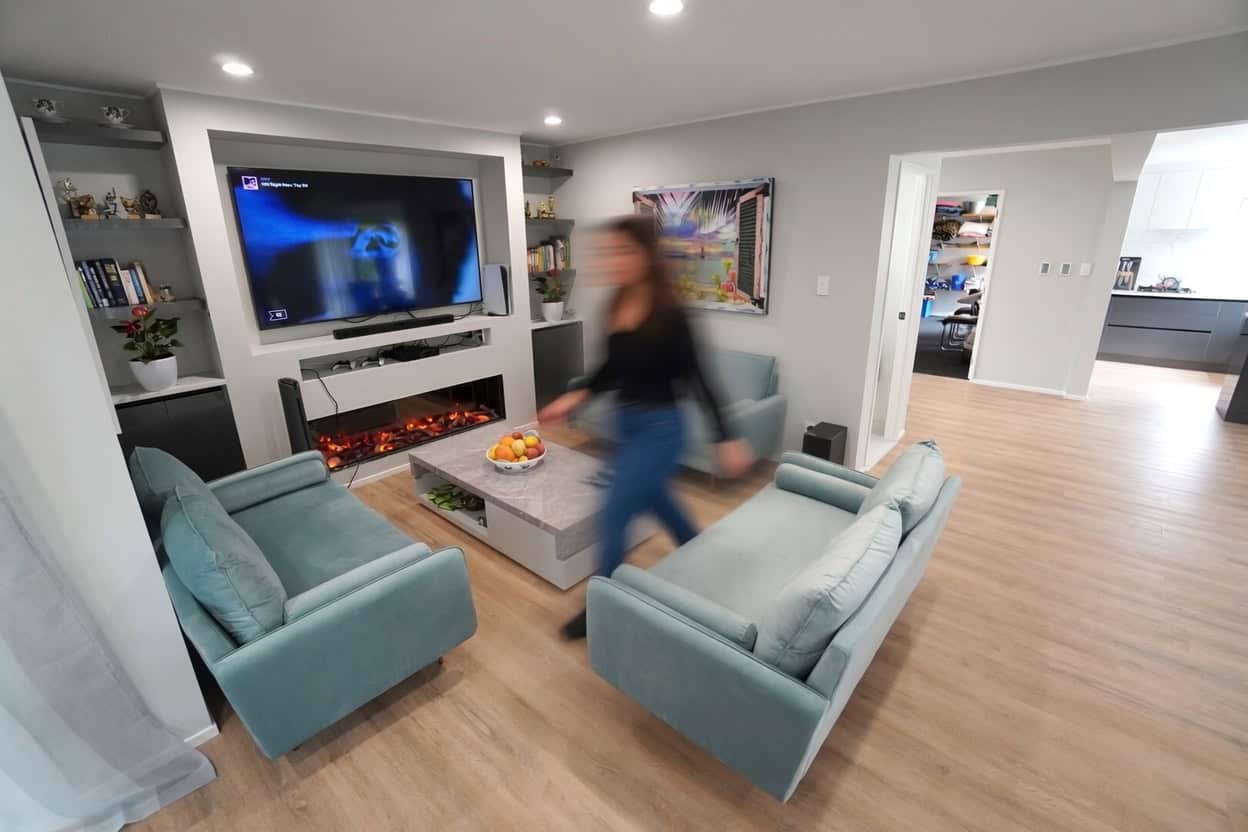
                    Zou Yawen
                    8 years ago
                    It was lucky for us to find Kevin and his team to do the renovation work. The job done on time and really look nice.
                    alma uka
                    8 years ago
                    Superior Renovation team made it so easy. Everything they promised they actually completed and even better then I could have imagined. I am impressed with the high standards of their work and professionalism. The work started on time, kept on the budget and even finished before the due date. Jimmy kept me informed of every single step of the renovation process, he made it so easy for me. The final result is fantastic, I have a new bathroom, kitchen, lounge and two bedrooms. Superior Renovation, you are the best. Thank you Jimmy and Kevin
                    Da-young Kim
                    8 years ago
                    I was looking for a renovation job and this company was the one for my needs. Their services were customised to suit my all requirements. We had communicated a lot and they fully focused on every detail. Completely recommend Superior Renovations!
                    EJY GROUP
                    8 years ago
                    We will highly recommend to all to use this company for all the renovation jobs. The team really experience , honest and friendly all the time. The project manager is really knowledge for the help to give lots of ideals from the projects and we really happy with all the results from you guys.
                    Thanks for all the hard job.
                    daniel chou
                    8 years ago
                    What a load off my shoulders. After buying my new home which badly needed some renovations was something that was very stressful for me as a single mum finances were an obvious issue and being taken advantage of for just being a woman were a major concern but then I found Kevin and the Superior Renovations Team. Kevin, thank you so much for taking the stress and worry off my shoulders, you stuck to my budget and you did an amazing job.
                    Menglan Wu
                    9 years ago
                    Kevin and his team is always good in every aspect from planning to renovating, thank you for their great contribution!
                    Ling Su
                    9 years ago
                    great communication skills, and can resolve any problem we face.
                    Brenda Griffiths
                    9 years ago
                    Was an absolute pleasure dealing with Kevin and the team, have already recommended you guys to my friends and family - will be in touch for my next renovation! thanks again for the quick turn around and excellent result.