Tag: superior renovations

House Renovation

How Much Does a Home Extension Cost in NZ? Auckland Guide

Introduction to the House Extension Cost Series: Your Guide to Extending in New Zealand

Thinking about adding more space to your Auckland home? Whether it’s a new bedroom for a growing family, a spacious kitchen for entertaining, or a home office for that work-from-home life, a house extension in New Zealand can transform your property without the upheaval of moving. But let’s be real—the big question on every homeowner’s mind is: How much does a house extension cost in NZ? The answer isn’t one-size-fits-all, and that’s why we’ve created this comprehensive series to guide you through every aspect of the process. From understanding what drives costs to weighing extensions against buying a new home, we’re here to help Auckland homeowners make informed decisions.

In this series, we’ll break down the cost of a home extension in NZ, explore the most expensive components, and show you how to maximize value while keeping your budget in check. We’ll draw on insights from trusted sources like Auckland Council, EECA, and Building.govt.nz, as well as our own expertise at Superior Renovations. With our partners at Sonder Architects, we’ll share practical tips and real-life examples to help you plan a project that’s both functional and financially savvy. Whether you’re in Ponsonby, Papakura, or anywhere in between, this series is your go-to resource for navigating the world of house extensions in Auckland.


Curious about the cost of extending your house? try our cost calculator tool!

Lets get started by clicking on the button below, takes less than 60 seconds
and results are sent straight to your inbox.

Open House Extension Cost Calculator


Understanding House Extension Costs in New Zealand: What Drives the Price?

So, you’re thinking about adding more space to your Auckland home? Maybe you need an extra bedroom for a growing family, a larger kitchen to entertain guests, or a home office to make remote work more comfortable. Whatever your reason, a house extension in New Zealand is a fantastic way to enhance your living space without the hassle of moving. But the big question on every homeowner’s mind is: How much does a house extension cost in NZ? The answer isn’t straightforward—it depends on a range of factors that we’ll break down in this section. Our goal is to help you understand exactly what goes into the cost of a home extension, so you can make an informed decision about your project. Let’s dive into the nitty-gritty of what drives the price of a house extension in Auckland and beyond.

What Does It Mean to Extend Your House?

Before we get into the numbers, let’s clarify what a house extension actually is. A house extension involves adding new living space to your existing home, whether it’s a single room, a new floor, or an expanded kitchen. It’s a way to maximize your property’s footprint without needing to relocate. In Auckland, where property prices are sky-high (check out homes.co.nz for a glimpse at the market), extending your home can often be a smarter financial move than buying a bigger place.

Extensions come in all shapes and sizes. You might add a ground-floor room, like a sunlit living area, or go vertical with a second-storey addition to capitalize on Auckland’s stunning views. Some homeowners opt for a modest home office, while others dream big with a self-contained flat for rental income. The beauty of an extension is its flexibility, but that flexibility comes with a range of costs influenced by size, materials, and complexity.

The Key Factors Driving House Extension Costs in NZ

The cost of extending your house in New Zealand can vary wildly, but industry estimates suggest a range of $2,000 to $5,500 per square meter for a typical single-storey extension in Auckland. For a 50m² ground-floor extension, you’re looking at roughly $100,000 to $250,000, excluding additional features like bathrooms or kitchens. Let’s break down the main factors that shape this price tag.

1. Size of the Extension

The size of your extension is one of the biggest cost drivers. Larger extensions naturally require more materials, labor, and time, which bumps up the price. However, here’s a surprising twist: smaller extensions can sometimes cost more per square meter because fixed costs, like council permits and architect fees, don’t scale down with size. For example, a 30m² bedroom extension might cost $3,500/m², while a 78m² living area extension could drop to $2,500/m² due to economies of scale.

Extension Size (m²) Estimated Cost Range (NZD) Cost per m² (NZD)
30 $90,000 – $150,000 $3,000 – $5,000
50 $125,000 – $250,000 $2,500 – $5,000
100 $200,000 – $400,000 $2,000 – $4,000

Tip: To keep costs manageable, focus on your must-haves. Do you really need that extra 10m², or could a clever design from an architect, like our partners at Sonder Architects, make a smaller space work just as well? A good architect can maximize functionality without blowing your budget.

2. Materials and Finishes

The materials you choose can make or break your budget. Opting for high-end finishes like cedar cladding or triple-glazed windows for energy efficiency will push costs toward the higher end. On the flip side, standard weatherboard and basic fixtures can keep things affordable. For example, cedar cladding, while durable and stunning, can cost significantly more than weatherboard, especially if you’re matching your existing home’s aesthetic.

Energy efficiency tip: According to the Energy Efficiency and Conservation Authority (EECA), investing in quality insulation (costing $40-$160/m²) can save you up to $600 annually on heating costs. This is especially important in Auckland’s variable climate. Consider materials like fiberglass batts for cost savings or spray foam for superior performance in tricky spaces. EECA Insulation Guide

3. Council Consents and Fees

In Auckland, you’ll need a building consent for any house extension, and possibly a resource consent if your plans push zoning limits (e.g., height-to-boundary rules). According to Auckland Council, building consent fees typically range from $4,000 to $10,000 for a standard extension, while resource consents can add another $5,000 to $15,000 and take 3–6 months to process. Inspections during construction add another $500–$1,500.

Tip: Start the consent process early. Delays can stall your project and inflate costs. Our partners at Sonder Architects can streamline this by preparing detailed plans that meet Auckland Council’s requirements, reducing the risk of rejection. Check out our guide to building consents for more insights.

4. Professional Fees (Architects and Engineers)

A skilled architect is worth their weight in gold. At Sonder Architects, our head architect, John, conducts feasibility studies and creates detailed plans to ensure your extension is both beautiful and compliant. Architect fees for a simple extension (up to 100m²) typically range from $5,000 to $15,000, depending on complexity. For second-storey extensions, you’ll also need a structural engineer to assess load-bearing capacity, adding another $1,000 to $5,000.

Why it’s worth it: A well-designed extension not only enhances your home’s functionality but also its value. Poor design can lead to costly mistakes, like structural issues or non-compliance with NZ Building Code. Sonder Architects’ expertise ensures your project is future-proofed.

5. Site-Specific Considerations

Your property’s unique features can significantly impact costs. Is your site on a slope? Do you need excavation or foundation work? In Auckland, where many homes are on hilly terrain, these factors can add thousands to your budget. A geotechnical report ($1,000) and topographical survey ($3,500) are often required to assess site conditions.

Tip: Get a property file from Auckland Council to understand your site’s history and constraints. Sonder Architects can help you navigate this process, ensuring no surprises during construction.

Is a House Extension Worth It?

So, is extending your home worth the investment? In Auckland’s competitive property market, a well-executed extension can boost your home’s value by 10-20%, according to real estate insights from homes.co.nz. For example, adding a 50m² extension costing $200,000 could increase your home’s value by $300,000 or more, depending on your suburb. Plus, you get to enjoy the added space without the emotional and financial cost of moving.

Consumer advice: According to Consumer NZ, renovations like extensions are most cost-effective when they address specific needs (e.g., adding a bedroom) rather than overcapitalizing on luxury features. Focus on timeless designs that appeal to future buyers.

Tips for Keeping Costs Down

Stretching your budget doesn’t mean cutting corners on quality. Here are some practical ways to save:

  • Choose prefab solutions: A 30m² prefab bedroom extension can save up to $15,000 compared to traditional methods.
  • Use recycled materials: Quality second-hand doors, windows, or cabinetry from sites like TradeMe can cut costs significantly.
  • Time it right: Schedule your project during the shoulder season (e.g., autumn or winter) to secure lower labor and material costs.
  • Simplify the design: Fewer walls and corners mean lower material and labor costs. Work with Sonder Architects to create a sleek, efficient layout.

The Most Expensive Part of a House Extension

Often, the priciest component is structural work, especially for second-storey extensions or projects requiring significant foundation upgrades. For example, adding a second storey means reinforcing the existing structure, which can involve costly steel beams or extensive engineering. In Auckland, this can push costs 50% higher than a ground-floor extension of the same size.

Tip: If budget is a concern, consider a ground-floor extension or enclosing existing outdoor space (like a deck) to create more living area without major structural changes.

Real-Life Example: A Cost-Effective Auckland Extension

Let’s look at a real-world example. One of our clients in West Harbour, Auckland, added a 78m² living area extension for just $75,000 (in 2021 prices). By enclosing an unused outdoor space and using cost-effective materials like weatherboard, they kept costs low while creating a spacious, functional area. This project, managed by Superior Renovations and designed by Sonder Architects, shows how smart planning can deliver big results on a modest budget.


Why Work with Professionals?

Navigating the complexities of a house extension can feel overwhelming, but you don’t have to go it alone. At Superior Renovations, we partner with Sonder Architects to ensure every project is meticulously planned and executed. From feasibility studies to final inspections, our team handles the details so you can focus on the exciting part—envisioning your new space.

Key takeaway: The cost of a house extension in New Zealand depends on size, materials, consents, professional fees, and site conditions. By planning carefully and working with experts, you can create a beautiful, functional extension that adds value to your Auckland home.

How Much Does It Cost to Extend a House Per Square Meter in New Zealand?

So, you’re dreaming of a bigger, better home in Auckland, but the numbers are swirling in your head. One of the most common questions we hear at Superior Renovations is: How much does it cost to extend a house per square meter in NZ? It’s a great starting point for budgeting, but the answer depends on a range of factors unique to your project. In this section, we’ll break down the cost of a home extension per m² in New Zealand, focusing on Auckland, to help you plan with confidence. We’ll also explore ways to optimize your budget and answer whether extending is worth it compared to buying a new home. Let’s get into it!

Breaking Down the Cost Per Square Meter

In Auckland, the cost of a house extension typically ranges from $2,000 to $5,500 per square meter for a standard single-storey extension, according to industry insights from New Zealand Certified Builders. For more complex projects, like second-storey additions or premium finishes, costs can climb to $6,000 per m² or more. To give you a clearer picture, let’s dive into what makes up these costs and how they apply to different types of extensions.

Extension Type Cost per m² (NZD) Typical Features
Basic Ground-Floor Extension $2,000 – $3,500 Simple bedroom or living area, standard materials
Standard Ground-Floor Extension $3,500 – $4,500 Kitchen or bathroom, mid-range finishes
Second-Storey Extension $4,500 – $6,000+ Structural reinforcement, premium materials

Why the range? The cost per square meter varies based on the complexity of the design, the materials you choose, and site-specific challenges like sloped land or difficult access, which are common in Auckland’s hilly suburbs like Remuera or Titirangi.


Curious about the cost of extending your house? try our cost calculator tool!

Lets get started by clicking on the button below, takes less than 60 seconds
and results are sent straight to your inbox.

Open House Extension Cost Calculator


What Makes Up the Cost Per Square Meter?

Understanding what goes into the per-square-meter cost is key to budgeting effectively. Here’s a breakdown of the main components, inspired by insights from Building.govt.nz and our experience at Superior Renovations.

1. Construction and Labor

Labor is a significant chunk of the cost, often accounting for 40-50% of the total budget. In Auckland, skilled builders charge around $50-$100 per hour, and a typical extension requires carpenters, electricians, plumbers, and more. For a 50m² extension, labor costs alone could range from $40,000 to $100,000, depending on the complexity.

Tip: Work with a reputable company like Superior Renovations, which partners with trusted tradespeople to ensure quality and efficiency. Our team coordinates all trades to avoid delays, which can save you money in the long run.

2. Materials

Materials are another major factor, and your choices here can swing the cost per square meter dramatically. For example, a basic extension using weatherboard cladding and standard insulation might cost $1,000-$1,500 per m² for materials alone. Opt for premium options like brick veneer or high-end flooring, and that could jump to $2,000 per m² or more.

Energy efficiency tip: Investing in sustainable materials can lower long-term costs. According to EECA, double-glazed windows (around $400-$600 per m²) can reduce heat loss by up to 50%, saving you hundreds annually on power bills in Auckland’s chilly winters.


3. Design and Professional Fees

A well-designed extension starts with a skilled architect. At Sonder Architects, our lead architect, John, creates tailored designs that balance aesthetics, functionality, and budget. Architect fees for a 50m² extension typically range from $5,000 to $12,000, or about $100-$240 per m². If your extension involves structural changes, like a second storey, you’ll also need an engineer, adding another $20-$100 per m².

Why it’s worth it: A good design can save you money by avoiding costly mistakes. For example, John at Sonder Architects once redesigned a client’s plan to eliminate an unnecessary load-bearing wall, saving $10,000 in construction costs.

4. Council Consents and Compliance

In Auckland, you’ll need a building consent for any extension, which costs around $4,000-$10,000 (or $80-$200 per m² for a 50m² project), per Auckland Council. Resource consents, if required, can add another $100-$300 per m². These costs are non-negotiable but essential to ensure your extension meets the NZ Building Code.

Tip: Check your property’s zoning rules early. Auckland’s Unitary Plan can restrict extensions in certain areas (e.g., heritage zones in Parnell). Sonder Architects can guide you through this process to avoid surprises. For more on consents, read our guide to building consents.

5. Site Preparation and Foundations

Auckland’s diverse terrain—think the volcanic slopes of Mt Eden or the clay soils of Pukekohe—can make site preparation a significant cost. Excavation and foundation work can add $500-$1,500 per m² for complex sites. A flat section in Papakura might only need basic concrete slab foundations ($200/m²), while a sloped site in Titirangi could require extensive piling ($1,000/m²).

Tip: Get a geotechnical report early (around $1,000) to understand your site’s soil conditions. This can prevent costly surprises, like discovering unstable ground mid-project.

Is It Cheaper to Extend or Buy a New Home?

With Auckland’s median house price hovering around $1.1 million (based on homes.co.nz data), extending your home is often more cost-effective than buying a larger property. For example, a 50m² extension costing $200,000 could add similar value to your home as buying a bigger place, but without the 5-7% real estate fees (around $55,000-$77,000) and moving costs. Plus, you get to stay in your beloved neighborhood, whether it’s the vibrant streets of Ponsonby or the family-friendly vibes of Howick.

Consumer insight: According to Consumer NZ, moving costs (including legal fees and inspections) can easily exceed $20,000. An extension lets you avoid these while tailoring your home to your exact needs.


What’s the Cheapest Way to Extend Your House?

If you’re looking to keep costs down, here are some budget-friendly strategies:

  • Opt for a simple design: Straight walls and minimal corners reduce material and labor costs. Sonder Architects can create a sleek, functional layout that doesn’t skimp on style.
  • Enclose existing spaces: Converting a deck or carport into a living area can cost as little as $1,500-$2,500 per m² because foundations are already in place.
  • Use prefab components: Prefabricated walls or roofs can save up to 20% compared to traditional construction, especially for smaller extensions.
  • Choose cost-effective materials: Weatherboard ($150/m²) is cheaper than brick ($300/m²), and vinyl flooring ($50/m²) can mimic the look of timber at a fraction of the cost.

Real-life example: A Mt Roskill couple we worked with extended their home by enclosing a 30m² deck for $60,000 (around $2,000/m²). By reusing existing foundations and opting for simple finishes, they created a cozy new living room without breaking the bank.


Do Extensions Add Value to Your Home?

Absolutely—when done right. A well-planned extension can increase your home’s value by 10-20%, depending on the suburb and design. For example, adding a second bedroom in a three-bedroom home in Ellerslie could boost its value by $150,000-$300,000, far exceeding the $100,000-$200,000 cost of the extension. However, overcapitalizing is a risk. If you spend $300,000 on a luxury extension in a $1 million home, you may not recoup the full cost when selling.

Tip: Focus on high-demand features like extra bedrooms, open-plan living, or a second bathroom. According to TradeMe Property, these additions appeal to Auckland buyers and maximize resale value.

Working with Experts to Get It Right

At Superior Renovations, we’ve seen firsthand how a well-executed extension can transform a home. Our partnership with Sonder Architects ensures your project is designed to meet your needs and budget while complying with Auckland’s strict building regulations. John, our lead architect, specializes in creating cost-effective designs that don’t compromise on quality or aesthetics.

Key takeaway: The cost to extend a house per square meter in New Zealand ranges from $2,000 to $5,500, driven by construction, materials, consents, and site conditions. By choosing smart designs and working with professionals, you can create a valuable, budget-friendly extension that enhances your Auckland home.

Is It Cheaper to Buy a New House or Extend Your Home in Auckland, NZ?

Deciding whether to extend your current home or buy a new one in Auckland is a big call. With property prices soaring and the housing market as competitive as ever, you’re probably wondering: Is it cheaper to buy or extend? Both options have their perks, but they also come with unique costs and considerations. In this section, we’ll compare the financial and practical aspects of extending your home versus buying a new one in New Zealand, with a focus on Auckland’s unique market. Our goal is to help you weigh the costs and benefits so you can make an informed decision that suits your family’s needs and budget. Let’s break it down!

The Big Picture: Extension vs. Buying in Auckland

Auckland’s property market is no joke—median house prices are hovering around $1.1 million, according to data from homes.co.nz. If you’re eyeing a bigger home, you might be looking at spending significantly more, plus additional costs like real estate fees and moving expenses. On the other hand, a home extension in NZ can add the space you need without leaving your beloved neighborhood. But is it really cheaper? Let’s crunch the numbers and explore the factors that influence this decision.


Cost Breakdown: Extending Your Home

As we’ve discussed in previous sections, the cost of a house extension in New Zealand typically ranges from $2,000 to $5,500 per square meter in Auckland, depending on the complexity, materials, and site conditions. For a typical 50m² extension, you’re looking at $100,000 to $275,000. Here’s a quick recap of what drives these costs, inspired by insights from Building.govt.nz and our experience at Superior Renovations:

  • Construction and Labor: $800-$2,000 per m², including carpenters, electricians, and plumbers.
  • Materials: $1,000-$2,000 per m², depending on whether you choose budget-friendly weatherboard or premium cedar.
  • Council Consents: $4,000-$15,000 (or $80-$300 per m² for a 50m² project), per Auckland Council.
  • Professional Fees: $5,000-$15,000 for architects and engineers, or $100-$300 per m².
  • Site Preparation: $200-$1,500 per m² for foundations or excavation, especially on Auckland’s hilly terrain.

Real-life example: A client in Grey Lynn extended their 1960s bungalow with a 40m² open-plan living area for $140,000. Designed by our partners at Sonder Architects, the extension added a spacious kitchen and dining area, boosting the home’s value by an estimated $200,000 without the hassle of moving.


Cost Breakdown: Buying a New Home

Buying a larger home in Auckland comes with a hefty price tag. Let’s say you’re in a $1 million home in Papakura and want a bigger place in the same suburb. A four-bedroom home might cost $1.3 million to $1.5 million, based on TradeMe Property insights. But the purchase price is just the start. Here’s what else you’ll face:

Cost Item Estimated Cost (NZD)
Purchase Price (4-bedroom home) $1.3M – $1.5M
Real Estate Fees (5-7% of sale price) $50,000 – $70,000
Legal Fees and Conveyancing $2,000 – $5,000
Building and LIM Reports $500 – $1,500
Moving Costs $1,000 – $5,000
Total Additional Costs $53,500 – $81,500

Total cost to buy: $1.35M to $1.58M, plus the emotional cost of leaving your community and the time spent house-hunting in Auckland’s fast-moving market.

Consumer insight: According to Consumer NZ, hidden costs like stamp duty (if applicable) and renovations to make a new home “yours” can add tens of thousands to the purchase price. Many buyers also face competition, with properties often selling above asking price at auctions.

Comparing the Two: Extension vs. Buying

Let’s put it side by side for a clearer picture. Suppose you need an extra 50m² of space (e.g., a new bedroom and living area). Here’s how the costs stack up in Auckland:

Option Cost Range (NZD) Pros Cons
Extend Your Home (50m²) $100,000 – $275,000 Stay in your neighborhood, customize your space, potentially higher ROI Construction disruption, council consent delays
Buy a New Home $1.35M – $1.58M Move-in ready, no construction hassle Higher cost, real estate fees, emotional upheaval

Key takeaway: Extending is often cheaper than buying, especially if you love your current home and location. A $200,000 extension could add similar value to your property as a $1.5 million purchase, without the additional $50,000-$80,000 in fees.

Do Extensions Add Value to Your Home?

Absolutely, but it depends on how you do it. A well-designed extension can increase your home’s value by 10-20%, according to real estate data from homes.co.nz. For a $1 million home in Ellerslie, a $150,000 extension could add $150,000-$200,000 in value, especially if it includes high-demand features like an extra bedroom or bathroom. However, overcapitalizing is a risk. Spending $300,000 on a luxury extension in a modest suburb like Mangere might not yield a full return when you sell.

Tip: Work with an architect to design an extension that appeals to Auckland buyers. Our partners at Sonder Architects specialize in creating timeless designs that maximize resale value. For example, open-plan living areas and extra bathrooms are highly sought after in suburbs like Mt Albert and Sandringham.


What’s the Cheapest Way to Extend Your Home?

If you decide extending is the way to go, here are some budget-friendly tips to keep your house extension cost in NZ under control:

  • Enclose existing spaces: Converting a carport or deck into a living area can cost as little as $1,500-$2,500 per m², as foundations are already in place.
  • Choose simple designs: Avoid complex rooflines or multiple corners, which increase labor and material costs. Sonder Architects can create a sleek, efficient layout that looks great without breaking the bank.
  • Use cost-effective materials: Opt for vinyl flooring ($50/m²) over hardwood ($150/m²) or weatherboard ($150/m²) over brick ($300/m²).
  • Plan for energy efficiency: Investing in insulation or double-glazing upfront can save thousands on heating costs over time, per EECA.

Real-life example: A family in Henderson extended their home by enclosing a 25m² patio for $50,000 (around $2,000/m²). The new space, designed by Sonder Architects, became a cozy family room that added both functionality and value to their property.


Practical Considerations: Beyond the Cost

Money isn’t the only factor. Extending your home means living through construction, which can take 3-6 months for a standard extension, per NZ Certified Builders. You’ll need to plan for disruptions like noise, dust, and temporary loss of outdoor space. Buying a new home, on the other hand, lets you move in immediately but comes with the stress of house-hunting, bidding wars, and adapting to a new neighborhood.

Tip: If you extend, consider staging the project to minimize disruption. For example, complete the foundation work before moving to interior finishes. Superior Renovations coordinates with trades to keep your project on track and your stress levels low.

Why Auckland’s Market Favors Extensions

Auckland’s unique market dynamics make extensions particularly appealing. Suburbs like Ponsonby, Grey Lynn, and Mt Eden are highly desirable, with homes often selling for a premium. Moving to a bigger home in these areas could cost $500,000 more than your current property, while an extension might only set you back $150,000-$250,000. Plus, you get to stay in your community, close to schools, cafes, and public transport like the City Rail Link stations in Mt Eden.

Consumer advice: Consumer NZ suggests prioritizing renovations that align with your long-term plans. If you love your suburb and your home’s bones, extending is often the smarter choice.

Working with Experts for a Seamless Extension

At Superior Renovations, we’ve helped countless Auckland homeowners transform their properties with cost-effective extensions. Our partnership with Sonder Architects ensures your project is designed with precision and executed flawlessly. John, our lead architect, specializes in creating extensions that blend seamlessly with your existing home while maximizing value and functionality.

Key takeaway: Extending your home in Auckland is often cheaper and more practical than buying a new house, especially when you factor in real estate fees and moving costs. With smart planning and professional help, you can create the perfect space for your family without breaking the bank.

What Are the Most Expensive Parts of a House Extension in New Zealand?

Planning a house extension in Auckland? You’re probably excited about the extra space but wondering where your budget will take the biggest hit. When it comes to the cost of a house extension in NZ, some elements are pricier than others, and understanding these can help you plan smarter. In this section, we’ll dive into the most expensive parts of a home extension, focusing on what drives up costs in Auckland and how you can manage them. From structural work to high-end finishes, we’ll break it down so you can make informed decisions and avoid budget blowouts. Let’s get started!

Why Some Parts of an Extension Cost More

Not all parts of a house extension are created equal. While a simple bedroom addition might seem straightforward, certain components—like foundations, structural reinforcements, or premium fixtures—can quickly escalate costs. In Auckland, where terrain and regulations add complexity, these high-cost elements can make or break your budget. Based on insights from Building.govt.nz and our experience at Superior Renovations, here’s a deep dive into the priciest parts of a house extension and how to navigate them.


The Most Expensive Parts of a House Extension

Here’s a breakdown of the components that typically drive up the cost of a home extension in NZ, with a focus on Auckland’s unique challenges.

1. Structural Work and Foundations

Why it’s expensive: Structural work, especially for second-storey extensions or projects on tricky sites, is often the priciest part of an extension. In Auckland, many homes sit on sloped or volcanic soil, requiring extensive foundation work like piling or retaining walls. For a 50m² extension, foundation costs can range from $10,000 to $75,000 (or $200-$1,500 per m²), depending on the site. Second-storey additions also require reinforcing the existing structure, which can add $20,000-$50,000 for steel beams or load-bearing walls.

Example: A client in Titirangi needed a 60m² second-storey extension, which required $60,000 in foundation upgrades due to the sloped site. Our partners at Sonder Architects optimized the design to minimize piling, saving $15,000.

Tip: Get a geotechnical report ($1,000-$2,000) early to assess soil conditions. This can help you budget accurately and avoid surprises. For more on site prep, check our guide to building consents.

2. Council Consents and Compliance

Why it’s expensive: Auckland’s strict regulations mean you’ll need a building consent for any extension, costing $4,000-$10,000, per Auckland Council. If your project pushes zoning boundaries (e.g., height-to-boundary rules in heritage areas like Parnell), a resource consent could add $5,000-$15,000. These fees don’t scale with project size, so they hit smaller extensions harder.

Consumer insight: According to Consumer NZ, consent delays can add months to your timeline, increasing holding costs like temporary accommodation. Plan ahead to avoid this.

Tip: Work with an architect like John at Sonder Architects to ensure your plans meet Auckland Council’s requirements from the start. This can reduce the risk of costly revisions or rejections.

3. High-End Materials and Finishes

Why it’s expensive: Choosing premium materials can significantly inflate costs. For example, cedar cladding ($300/m²) costs double weatherboard ($150/m²), and triple-glazed windows ($800/m²) are pricier than standard double-glazing ($400/m²). Kitchens and bathrooms are particularly costly, with high-end fixtures like stone benchtops or designer tiles pushing costs to $20,000-$50,000 for a single room.

Energy efficiency tip: While premium materials cost more upfront, they can save money long-term. According to EECA, triple-glazed windows can reduce heat loss by up to 70%, saving $500-$1,000 annually on heating in Auckland’s climate.

4. Mechanical and Electrical Systems

Why it’s expensive: Adding plumbing, electrical, or HVAC systems can be a major cost driver, especially for kitchens, bathrooms, or multi-room extensions. For example, installing plumbing for a new bathroom can cost $10,000-$20,000, while rewiring for a second-storey extension might add $5,000-$15,000. In Auckland, where homes often have older electrical systems, upgrades to meet NZ Building Code standards can further increase costs.

Tip: If you’re adding a bathroom or kitchen, keep it close to existing plumbing to minimize pipework costs. Sonder Architects can design layouts that optimize system placement for savings.

5. Professional Fees (Architects and Engineers)

Why it’s expensive: Quality design doesn’t come cheap. Architect fees for a 50m² extension range from $5,000 to $15,000, while structural engineers charge $1,000-$5,000 for complex projects like second-storey additions. These fees are essential for ensuring your extension is safe, compliant, and visually appealing.

Why it’s worth it: A skilled architect can save you money by avoiding costly mistakes. For example, John at Sonder Architects once redesigned a client’s extension to eliminate an unnecessary retaining wall, saving $12,000 in construction costs.

Cost Component Estimated Cost (NZD) Percentage of Total Budget
Structural Work/Foundations $10,000 – $75,000 20-40%
Council Consents $4,000 – $25,000 5-15%
Materials/Finishes $50,000 – $100,000 30-50%
Mechanical/Electrical $5,000 – $20,000 5-15%
Professional Fees $6,000 – $20,000 5-10%

How to Manage These Costs

The good news? You can control these expensive components with smart planning. Here are some tips to keep your house extension cost in Auckland manageable:

  • Prioritize ground-floor extensions: These are typically 20-50% cheaper than second-storey additions because they require less structural work.
  • Choose cost-effective materials: Opt for vinyl flooring ($50/m²) over hardwood ($150/m²) or standard insulation ($40/m²) over spray foam ($100/m²).
  • Simplify the design: Fewer walls, corners, or rooflines reduce construction costs. Sonder Architects can create a sleek, functional layout that saves money without sacrificing style.
  • Plan consents early: Submit applications to Auckland Council as soon as possible to avoid delays, which can increase costs by $1,000-$5,000 per month.
  • Reuse existing infrastructure: Adding a bathroom near existing plumbing or using an existing foundation (e.g., for a deck conversion) can save thousands.

Real-life example: A family in Mt Roskill added a 30m² bedroom and bathroom for $90,000 by using existing plumbing and simple weatherboard cladding. Designed by Sonder Architects, the project stayed within budget while adding significant value to their home.

Do These Costs Add Value to Your Home?

Spending big on structural work or premium finishes can pay off if it enhances your home’s value. In Auckland, extensions that add bedrooms, bathrooms, or open-plan living spaces can increase your home’s value by 10-20%, per homes.co.nz. For example, a $150,000 extension in a $1 million Remuera home could boost its value to $1.15M-$1.2M, especially if it includes a second bathroom or modern kitchen.

Consumer advice: Consumer NZ warns against overcapitalizing. Avoid spending more than 20% of your home’s value on an extension unless you plan to stay long-term. Focus on high-demand features that appeal to Auckland buyers, like extra living space or energy-efficient upgrades.

Why Auckland’s Unique Challenges Matter

Auckland’s hilly terrain, volcanic soil, and strict Unitary Plan regulations make structural work and consents particularly costly. Suburbs like Titirangi or North Shore often require extensive foundation work, while heritage zones in Ponsonby may need additional resource consents. Working with experts who understand these challenges is crucial. At Superior Renovations, we partner with Sonder Architects to navigate Auckland’s complexities, ensuring your extension is both compliant and cost-effective.

Tip: Check your property file with Auckland Council to understand zoning restrictions or site conditions. This small step ($50-$100) can save thousands by identifying potential issues early.

Balancing Cost and Quality

The most expensive parts of an extension—structural work, consents, and premium finishes—require careful planning to avoid overspending. By working with professionals like Superior Renovations and Sonder Architects, you can prioritize high-impact features while keeping costs in check. For example, John at Sonder Architects can design an extension that uses cost-effective materials like weatherboard while incorporating energy-efficient features that save money long-term, per EECA.

Key takeaway: The most expensive parts of a house extension in New Zealand are structural work, council consents, and high-end materials. By planning smartly and working with experts, you can manage these costs and create a valuable, functional addition to your Auckland home.


Curious about the cost of extending your house? try our cost calculator tool!

Lets get started by clicking on the button below, takes less than 60 seconds
and results are sent straight to your inbox.

Open House Extension Cost Calculator


Maximizing Value: Do House Extensions Add Value to Your Home in New Zealand?

Adding a house extension in Auckland is a big investment, both financially and emotionally. You’re probably wondering: Do extensions add value to a house in NZ? The short answer is yes, but the real value depends on how well your extension meets market demands and enhances your home’s functionality. In this final section, we’ll explore how a home extension in New Zealand can boost your property’s worth, what features deliver the best return on investment (ROI), and how to avoid overcapitalizing in Auckland’s competitive market. Whether you’re in Ponsonby or Papakura, we’ll help you make smart choices to maximize your home’s value. Let’s dive in!

How Extensions Add Value to Your Home

A well-planned house extension can significantly increase your home’s market value while improving your quality of life. In Auckland, where property prices average around $1.1 million (based on homes.co.nz), adding functional space can make your home more appealing to buyers and more enjoyable for you. According to real estate insights, a strategic extension can boost your home’s value by 10-20%, often exceeding the cost of the project itself. But not all extensions are equal—let’s break down what drives value and how to get it right.

Key Factors That Increase Home Value Through Extensions

To maximize the value of your house extension in NZ, focus on features that align with Auckland’s market trends and buyer preferences. Here’s what adds the most value, inspired by insights from TradeMe Property and our experience at Superior Renovations.

1. Adding Bedrooms

Why it adds value: Extra bedrooms are a top priority for Auckland families, especially in suburbs like Howick or Mt Albert, where growing households need space. Adding a bedroom can increase your home’s value by $100,000-$200,000, depending on the suburb. For example, converting a three-bedroom home to a four-bedroom one can make it appeal to a broader pool of buyers.

Cost vs. value: A 20m² bedroom extension costs around $40,000-$80,000 (at $2,000-$4,000/m²). In a $1 million home, this could add $150,000 in value, delivering a strong ROI.

Tip: Ensure the bedroom meets NZ Building Code requirements for natural light and ventilation to maximize appeal. Our partners at Sonder Architects can design a bedroom that feels spacious and inviting without breaking the bank.

2. Creating Open-Plan Living Spaces

Why it adds value: Open-plan living areas are a hot commodity in Auckland, blending kitchens, dining, and living spaces for a modern, social vibe. These spaces are especially popular in suburbs like Grey Lynn or St Heliers, where buyers crave indoor-outdoor flow. An open-plan extension can boost your home’s value by 10-15%.

Cost vs. value: A 50m² open-plan extension costs $100,000-$225,000. For a $1.2 million home in Remuera, this could add $120,000-$180,000 in value, plus the lifestyle benefits of a more functional space.

3. Adding a Second Bathroom

Why it adds value: A second bathroom is a game-changer for families, reducing morning rush-hour chaos and appealing to buyers. In Auckland, homes with two bathrooms often sell for $50,000-$100,000 more than single-bathroom homes, per homes.co.nz.

Cost vs. value: A 10m² bathroom extension costs $30,000-$60,000 (at $3,000-$6,000/m² due to plumbing and fixtures). The added value often matches or exceeds this cost, especially in family-friendly suburbs like Albany.

Tip: Place the new bathroom near existing plumbing to save on pipework costs. Sonder Architects can optimize the layout for efficiency and style.

4. Energy-Efficient Features

Why it adds value: Auckland buyers are increasingly eco-conscious, and energy-efficient features like double-glazing, insulation, or solar panels can set your home apart. According to EECA, homes with high energy efficiency can command a 5-10% premium in the market.

Cost vs. value: Adding double-glazed windows ($400-$600/m²) or insulation ($40-$160/m²) to a 50m² extension costs $10,000-$30,000. This can add $50,000-$100,000 to a $1 million home’s value while saving $500-$1,000 annually on energy bills.

Avoiding Overcapitalization: Don’t Spend More Than You’ll Get Back

While extensions can add value, overcapitalizing is a real risk. Spending too much on features that don’t appeal to Auckland buyers can leave you out of pocket when you sell. According to Consumer NZ, you should aim to keep extension costs below 20% of your home’s current value to ensure a good ROI. For example, a $300,000 extension on a $1 million home in Mangere might not recoup its full cost, as the local market may not support a $1.3 million price tag.

Home Value (NZD) Recommended Extension Budget (NZD) Potential Value Added (NZD)
$800,000 $80,000 – $160,000 $80,000 – $120,000
$1,000,000 $100,000 – $200,000 $100,000 – $150,000
$1,500,000 $150,000 – $300,000 $150,000 – $225,000

Tip: Research your suburb’s price ceiling using homes.co.nz. If the median price in your area is $1 million, avoid spending $300,000 on an extension that pushes your home’s value far beyond what buyers will pay.

Real-Life Example: A Value-Adding Extension in Auckland

One of our clients in Ellerslie added a 40m² extension, including a second bedroom and bathroom, for $140,000. Designed by John at Sonder Architects, the extension used cost-effective materials like weatherboard and included double-glazing for energy efficiency. The result? The home’s value increased by an estimated $200,000, delivering a strong ROI while creating a more functional space for the family.

How to Maximize ROI on Your Extension

To ensure your extension adds maximum value, consider these strategies:

  • Focus on high-demand features: Bedrooms, bathrooms, and open-plan living spaces are top priorities for Auckland buyers.
  • Keep it timeless: Avoid overly trendy designs that may not appeal to future buyers. Neutral colors and classic layouts age better.
  • Incorporate energy efficiency: Features like insulation or solar panels appeal to eco-conscious buyers and reduce running costs, per EECA.
  • Work with professionals: A skilled architect can design an extension that blends seamlessly with your home and meets market demands. Sonder Architects specializes in creating value-adding designs tailored to Auckland’s market.

Consumer advice: Consumer NZ recommends getting a professional valuation before and after your extension to understand its impact on your home’s value. This can cost $500-$1,000 but provides clarity on ROI.

Auckland’s Market: Why Extensions Make Sense

In Auckland’s high-demand suburbs like Mt Eden, Ponsonby, or Epsom, extensions are a smart way to add value without the costs of buying a new home. With the city’s median price growth slowing slightly (per TradeMe Property), buyers are looking for move-in-ready homes with modern features. An extension that adds a bedroom, bathroom, or open-plan space can make your home stand out in a competitive market.

Tip: Consider your suburb’s demographic. In family-friendly areas like Albany or Botany Downs, extra bedrooms and bathrooms are key. In trendy suburbs like Grey Lynn, open-plan living with indoor-outdoor flow is a big draw.

Working with Experts to Boost Value

At Superior Renovations, we’ve seen how a well-executed extension can transform both your home and its market value. Our partnership with Sonder Architects ensures your project is designed to maximize ROI while meeting your family’s needs. John, our lead architect, specializes in creating extensions that blend functionality, aesthetics, and market appeal, ensuring your investment pays off.

Key takeaway: House extensions in New Zealand can add significant value to your home, especially when you focus on high-demand features like bedrooms, bathrooms, and energy-efficient upgrades. By working with professionals and planning strategically, you can boost your Auckland home’s value without overcapitalizing.


Making an Informed Decision on Your House Extension

By now, you’ve got a solid understanding of what goes into the cost of a house extension in New Zealand. From the price per square meter to the most expensive components like structural work and consents, we’ve covered the key factors that shape your budget. We’ve also explored whether extending is cheaper than buying a new home and how a well-planned extension can add significant value to your Auckland property. The takeaway? A house extension is a powerful way to enhance your home’s functionality and market value, but it requires careful planning to get it right.

At Superior Renovations, we believe that every successful extension starts with a great design and a clear budget. That’s why we partner with Sonder Architects to create tailored solutions that meet your needs and Auckland’s strict regulations. Whether you’re adding a bedroom, a bathroom, or an open-plan living space, our team is here to guide you every step of the way. Ready to take the next step? Contact Superior Renovations today to discuss your vision and get a personalized quote for your Auckland home extension. Your dream home is closer than you think!

How much does a house extension cost in New Zealand?

The cost of a house extension in NZ, particularly in Auckland, ranges from $2,000 to $5,500 per square meter for a single-storey extension. For a 50m² extension, expect to pay $100,000 to $275,000, depending on materials, design complexity, and site conditions. Costs can climb higher for second-storey additions or premium finishes.

How much does it cost to extend a house per square meter in NZ?

The cost per square meter in Auckland typically falls between $2,000 and $5,500. Basic extensions (e.g., a bedroom) cost around $2,000-$3,500/m², while complex projects like kitchens or second-storey additions can reach $4,500-$6,000/m².

Is it cheaper to buy a new house or extend your home?

Extending is often cheaper than buying in Auckland’s pricey market. A 50m² extension costs $100,000-$275,000, while buying a larger home could cost $1.3M-$1.5M, plus $50,000-$80,000 in fees. Extending lets you stay in your neighborhood and customize your space.

What’s the cheapest way to extend your house?

To keep costs down, enclose existing spaces like decks ($1,500-$2,500/m²), use cost-effective materials like weatherboard ($150/m²), and simplify the design. Working with Sonder Architects can help you create an efficient, budget-friendly layout.

What is the most expensive part of a house extension?

Structural work and foundations are often the priciest, costing $200-$1,500 per m² in Auckland due to hilly terrain or second-storey requirements. Council consents ($4,000-$25,000) and high-end materials like cedar cladding ($300/m²) also add up.

Do extensions add value to a house?

Yes, a well-planned extension can increase your home’s value by 10-20%. Adding bedrooms, bathrooms, or open-plan living spaces can yield a strong ROI, especially in high-demand Auckland suburbs like Remuera or Mt Eden.

Need more information?

Take advantage of our FREE Complete Home Renovation Guide (48 pages), whether you’re already renovating or in the process of deciding to renovate, it’s not an easy process, this guide which includes a free 100+ point check list – will help you avoid costly mistakes.


Still have questions unanswered?

Book a no-obligation consultation with the team at Superior Renovations,
we’d love to meet you to discuss your renovation ideas!


    Services

    Home RenovationKitchen RenovationBathroom RenovationOutdoor RenovationHouse ExtensionCommercialDesign ServicesOther

    By submitting this form, you agree to receive communications from us via email or text regarding our services, you can unsubscribe at any time.

    This site is protected by reCAPTCHA and the Google

    Privacy Policy and Terms of Service apply.


    WRITTEN BY SUPERIOR RENOVATIONS

    Superior Renovations is quickly becoming one of the most recommended Kitchen Renovation & Bathroom Renovation company in Auckland and it all comes down to our friendly approach, straightforward pricing, and transparency. When your Auckland home needs renovation/ remodeling services, Superior Renovation is the team you can count on for high-quality workmanship, efficient progress, and cost-effective solutions.

    Get started now by booking a free in-home consultation.

    Request Your In-home Consultation

    Or call us on 0800 199 888

    www.superiorrenovations.co.nz



    finance-badge1000x1000 How Much Does a Home Extension Cost in NZ? Auckland Guide

    Have you been putting off getting renovations done?

    We have partnered with Q Mastercard ® to provide you an 18 Month Interest-Free Payment Option, you can enjoy your new home now and stress less.

    Learn More about Interest-Free Payment Options*

    *Lending criteria, fees, terms and conditions apply. Mastercard is a registered trademark and the circles design is a trademark of Mastercard International Incorporated.




    reece-showroom
    Media

    Spotlight on Reece New Zealand – Bathroom Fittings Partner for Superior Renovations

    Spotlight on Reece New Zealand: Your Trusted Partner for Bathroom Renovation Fittings with Superior Renovations

    At Superior Renovations, we’re passionate about transforming Auckland homes into stunning, functional spaces that reflect our clients’ unique styles and needs. A key part of delivering exceptional bathroom, kitchen, and home renovations lies in partnering with trusted suppliers who share our commitment to quality, innovation, and a seamless client experience.

    Today, we’re thrilled to shine a spotlight on one of our go-to suppliers, Reece New Zealand, a leader in bathroom fittings and plumbing solutions. With their extensive product range, expert advice, and inspiring showrooms—including the flagship at 77 Broadway, Newmarket, Auckland 1023—Reece is an invaluable ally in bringing your renovation dreams to life.


    We’ve even showcased their North Shore showroom in a video to give you a closer look—check it out here:

    maria Spotlight on Reece New Zealand - Bathroom Fittings Partner for Superior Renovations


    Overview About Reece New Zealand

    Reece New Zealand has built a strong reputation as one of the country’s leading distributors of plumbing, waterworks, HVAC-R, irrigation, and bathroom products, serving both commercial and residential customers. The company’s story began over 100 years ago in 1919, when Harold Joseph Reece started selling hardware supplies from the back of his truck in Victoria, Australia. From these humble beginnings, Reece has grown into a major public company and a powerhouse in the plumbing and bathroom industry, expanding its footprint across Australia, New Zealand, and the United States.

    REECE-copy-2 Spotlight on Reece New Zealand - Bathroom Fittings Partner for Superior Renovations

    Today, Reece operates 38 branches and showrooms across New Zealand’s North and South Islands, with a global network of over 900 locations and more than 9,000 employees.

    What sets Reece apart is their unwavering focus on quality, innovation, and customer service. Their motto—“having what you need, when you need it, where you need it”—reflects their dedication to delivering the best products and support to tradespeople, renovators, and homeowners alike.

    At Superior Renovations, we value Reece as a trusted partner because we share a commitment to a smooth, client-focused process. Whether it’s sourcing premium bathroom fittings or providing expert advice, Reece’s expertise aligns perfectly with our design-led approach to creating beautiful, functional spaces. Their emphasis on sustainability and innovative solutions also resonates with our goal of delivering renovations that stand the test of time.

    Why We Recommend Reece New Zealand

    Reece New Zealand offers an impressive array of core products tailored to bathroom renovations, making them a one-stop shop for homeowners and professionals alike. Their bathroom range includes everything from tapware, vanities, basins, and toilets to showers, baths, and accessories, with exclusive and world-leading brands that bring style and durability to any project. Reece’s Bathroom Life showrooms, including the flagship location at 77 Broadway, Newmarket, Auckland 1023, are a highlight, featuring over 70 inspirational bathroom displays.

    Our clients just love the walk-through of their showroom when choosing fittings, it’s guided by their talented team who are very knowledgeable.

    These curated settings allow you to touch, feel, and visualize products in real-life contexts, bridging the gap between inspiration and reality.

    With 38 branches and showrooms nationwide, Reece ensures stock availability for core products, so you’re never left waiting during a renovation.

    Pro Tip for Renovators: When choosing products from Reece, start by defining your bathroom’s style—modern, classic, or minimalist—and consider functionality. For smaller spaces, opt for a wall-hung vanity to save room; for larger bathrooms, a double basin can add luxury and practicality. Visit the Newmarket showroom to explore options with Reece’s expert consultants, and use their Imagin3D tool to test layouts and finishes virtually before committing.

    Benefits for Renovation Projects and Superior Renovations clients

    At Superior Renovations, our collaboration with Reece New Zealand is a cornerstone of our bathroom renovation process. We work closely with their team to source the perfect fittings, ensuring every project meets our high standards for design, quality, and functionality. Reece’s reliable stock levels and efficient delivery through their nationwide network mean we can keep your renovation on schedule, minimizing delays. Their expert consultants at the Newmarket showroom (77 Broadway, Newmarket, Auckland 1023) provide valuable insights, helping us tailor solutions to your unique needs, whether it’s a sleek ensuite or a family-friendly bathroom.


    To give you a glimpse of this partnership, we created a video featuring Ruth from Reece, where she shares expert insights on bathroom fittings—watch it here:

    ruth Spotlight on Reece New Zealand - Bathroom Fittings Partner for Superior Renovations


    Reece’s product range offers standout options that elevate our renovations. For example, their designer tapware—available in finishes like brushed gunmetal, matte black, and chrome—adds a striking focal point to any bathroom. Their vanities and basins come in varied shapes, sizes, and styles, from compact wall-hung designs for tight spaces to luxurious double vanities for spacious master suites. We love their WELS-rated showerheads and toilets, which save water without sacrificing performance, making your bathroom eco-friendly and cost-effective. These durable, high-quality products ensure your renovation looks stunning and lasts for years.

    For homeowners, Reece’s offerings bring tangible benefits. Their design variety lets you customize your bathroom to match your vision, whether you’re inspired by luxury hotels or timeless elegance. The durability of their fittings means less maintenance and fewer replacements, saving you money in the long run. Plus, their sustainable options, like energy-efficient hot water systems, reduce your environmental footprint and utility bills—a win for both you and the planet. With Reece, we at Superior Renovations can deliver bathrooms that blend style, practicality, and longevity, creating a sanctuary you’ll enjoy daily.

    Featured Products from Reece worth noting!

    Here are some standout Reece products we often incorporate into our bathroom renovations:

    • Designer Tapware: Reece’s range of taps, available in modern finishes like matte black or brushed gunmetal, ties your bathroom decor together. These durable, WELS-rated options offer water efficiency and a bold aesthetic, perfect for a statement piece.
    • Vanities and Basins: From sleek wall-hung vanities for small spaces to double-basin designs for shared bathrooms, Reece’s modular options suit any layout. Pair a stylish basin with a sturdy vanity for a functional, eye-catching centerpiece.
    • Shower Systems: Reece’s showerheads, including rainfall and handheld models, deliver a spa-like experience. Their water-saving designs reduce consumption while maintaining pressure, ideal for eco-conscious renovations.
    • Toilets: Reece offers smart toilets with innovative features like bidet functions and WELS-rated efficiency, combining comfort, hygiene, and sustainability for modern bathrooms.
    • Eco-Friendly Solutions: Energy-efficient hot water systems and sustainable materials help lower your carbon footprint and utility costs, making your renovation both stylish and responsible.

    These products enhance our projects by offering versatility, quality, and value, ensuring your bathroom is a perfect blend of form and function.


    Get Started Today

    Ready to transform your bathroom with the best fittings from Reece New Zealand? We encourage you to visit their flagship Bathroom Life showroom at 77 Broadway, Newmarket, Auckland 1023, to explore over 70 inspiring displays and consult with their expert team. Touch and feel the products, test layouts with the Imagin3D planner, and discover how Reece can bring your vision to life.

    At Superior Renovations, we’re here to guide you every step of the way. Book a free in-home consultation with our Auckland-based team – our design-led approach, paired with Reece’s top-tier products, ensures a seamless, stunning result. For more inspiration and practical advice, check out our resources:


    Need more information?

    Take advantage of our FREE Complete Home Renovation Guide (48 pages), whether you’re already renovating or in the process of deciding to renovate, it’s not an easy process, this guide which includes a free 100+ point check list – will help you avoid costly mistakes.


    Still have questions unanswered?

    Book a no-obligation consultation with the team at Superior Renovations,
    we’d love to meet you to discuss your renovation ideas!

      Services

      Home RenovationKitchen RenovationBathroom RenovationOutdoor RenovationHouse ExtensionCommercialDesign ServicesOther

      By submitting this form, you agree to receive communications from us via email or text regarding our services, you can unsubscribe at any time.

      This site is protected by reCAPTCHA and the Google

      Privacy Policy and Terms of Service apply.


      WRITTEN BY SUPERIOR RENOVATIONS

      Superior Renovations is quickly becoming one of the most recommended Kitchen Renovation & Bathroom Renovation company in Auckland and it all comes down to our friendly approach, straightforward pricing, and transparency. When your Auckland home needs renovation/ remodeling services, Superior Renovation is the team you can count on for high-quality workmanship, efficient progress, and cost-effective solutions.

      Get started now by booking a free in-home consultation.

      Request Your In-home Consultation

      Or call us on 0800 199 888

      www.superiorrenovations.co.nz


      finance-badge1000x1000 Spotlight on Reece New Zealand - Bathroom Fittings Partner for Superior Renovations

      Have you been putting off getting renovations done?

      We have partnered with Q Mastercard ® to provide you an 18 Month Interest-Free Payment Option, you can enjoy your new home now and stress less.

      Learn More about Interest-Free Payment Options*

      *Lending criteria, fees, terms and conditions apply. Mastercard is a registered trademark and the circles design is a trademark of Mastercard International Incorporated.

      House Renovation

      Cladding Options NZ: Exterior Cladding Ideas & Costs for 2025 Homes

      Why Cladding Matters for Your New Zealand Home in 2025

      Choosing the right cladding for your home isn’t just about aesthetics—it’s about protecting your investment from New Zealand’s unpredictable weather, boosting energy efficiency, and enhancing curb appeal. Whether you’re building a new home in Auckland’s humid coastal climate or renovating a villa in Christchurch’s cooler south, cladding options NZ offer a variety of materials, styles, and price points to suit every need. From timeless timber weatherboards to modern metal panels, the right cladding can transform your home’s look while ensuring durability and low maintenance.

      In 2025, cladding trends in New Zealand emphasize sustainability, low-maintenance materials, and innovative designs that blend functionality with style. With advancements in materials like fibre cement, eco-friendly timber, and high-performance aluminium, homeowners have more choices than ever. But with so many options, how do you decide what’s best for your home? This comprehensive guide dives into the most popular exterior cladding options available in New Zealand, their costs, benefits, and drawbacks, helping you make an informed decision for your next project.

      At Superior Renovations, we understand the importance of selecting wall cladding that aligns with your budget, aesthetic preferences, and the unique demands of New Zealand’s climate. In this guide, we’ll explore types of cladding like stucco cladding, brick, metal, and more, while highlighting the cheapest exterior cladding options and the latest trends for 2025. Whether you’re after a sleek, modern look or a classic Kiwi aesthetic, we’ve got you covered with practical tips, cost breakdowns, and expert insights.


      Curious about how much your
      Recladding Project would cost?

      Try our recladding cost calculator tool


      Need ideas? Check out our Kitchen Design Gallery or dive into our Bathroom Design Gallery for inspiration!


      1. Understanding Cladding and Its Importance in New Zealand

      Cladding serves as your home’s first line of defense against New Zealand’s diverse and often harsh weather conditions. From Auckland’s humid summers to Wellington’s windy gusts and Dunedin’s chilly winters, the right exterior cladding protects your home from moisture, UV rays, and temperature fluctuations. Beyond protection, cladding enhances your home’s aesthetic, increases property value, and can improve energy efficiency by providing insulation. In 2025, with rising construction costs and a focus on sustainable building, choosing the right cladding options NZ is more critical than ever.

      What is Cladding?

      Cladding refers to the external layer of material applied to a building’s walls to provide protection and aesthetic appeal. It acts as a shield against environmental elements while contributing to the structural integrity and thermal performance of your home. Wall cladding comes in various materials, including timber, brick, fibre cement, metal, and vinyl, each offering unique benefits suited to New Zealand’s varied climates.

      Why Cladding Matters in NZ

      New Zealand’s climate presents unique challenges for homeowners. Coastal areas face salt-laden air that can corrode certain materials, while alpine regions demand cladding that withstands freezing temperatures. Additionally, the country’s commitment to sustainability in 2025 means eco-friendly cladding options, like responsibly sourced timber from Hermpac or low-maintenance fibre cement from James Hardie, are gaining popularity. Choosing the right cladding ensures your home remains durable, energy-efficient, and visually appealing for decades.

      Key Factors to Consider When Choosing Cladding

      Before diving into specific types of cladding, consider these factors to guide your decision:

      • Durability: Will the material withstand NZ’s weather conditions, including rain, wind, and UV exposure?
      • Maintenance: How much upkeep does the cladding require? Low-maintenance options like Metalcraft’s metal cladding or Palliside’s vinyl are ideal for busy homeowners.
      • Cost: What’s your budget? From the cheapest exterior cladding options like weatherboards to premium choices like craftstone, costs vary significantly.
      • Aesthetics: Does the cladding match your home’s architectural style? Modern homes may suit sleek aluminium from Nuwall, while traditional villas pair well with classic brick from Midland Brick.
      • Sustainability: Are the materials eco-friendly? Products like Weathertex’s timber cladding or ITI Timspec’s FSC-certified wood prioritize environmental responsibility.
      • Installation: How complex is the installation process? Systems like Specialized’s EZpanel or Vulcan’s Ultraclad often require professional expertise but offer long-term benefits.

      This section sets the foundation for understanding why cladding is a critical choice for New Zealand homeowners in 2025. By weighing these factors, you can narrow down the best exterior cladding options for your project, whether you’re after durability, affordability, or a specific aesthetic.

      2. Popular Cladding Options in New Zealand for 2025

      With a wide range of cladding options NZ available, selecting the right material for your home involves balancing aesthetics, durability, cost, and maintenance. In 2025, New Zealand homeowners can choose from traditional materials like timber and brick to innovative solutions like fibre cement and metal panels. Below, we explore the most popular types of cladding, highlighting their features, benefits, drawbacks, and approximate costs per square meter (NZD, as of 2025). Each option is tailored to suit New Zealand’s unique climate and architectural trends, ensuring you find the perfect fit for your home.

      1. Timber Weatherboards

      Timber weatherboards remain a Kiwi favorite for their classic charm and versatility. Brands like Hermpac and ITI Timspec offer sustainably sourced options such as Western Red Cedar and Accoya, which are treated for durability in NZ’s humid and coastal conditions.

      • Benefits: Natural aesthetic, eco-friendly (especially FSC-certified options), excellent insulation, and customizable with paint or stain.
      • Drawbacks: Requires regular maintenance (staining or painting every 5-10 years), susceptible to moisture damage if not properly treated.
      • Cost: $100–$250/m², depending on timber type and treatment.
      • Best For: Traditional villas, bungalows, or homes seeking a warm, natural look.
      weatherboard-02 Cladding Options NZ: Exterior Cladding Ideas & Costs for 2025 Homes

      https://taurikosawmill.co.nz/timber_profile/horizontal-weatherboard/

      1. Brick and Masonry

      Brick cladding, such as that offered by Midland Brick or Premier Group, provides a timeless, robust option for New Zealand homes. Its solid construction withstands harsh weather and requires minimal upkeep.

      • Benefits: Highly durable, fire-resistant, low maintenance, and excellent thermal mass for energy efficiency.
      • Drawbacks: Higher upfront cost, heavier weight requires stronger foundations, limited color options compared to other materials.
      • Cost: $150–$300/m², including installation.
      • Best For: Permanent homes, coastal properties, or those prioritizing longevity.
      IMG-20190405-WA0007 Cladding Options NZ: Exterior Cladding Ideas & Costs for 2025 Homes

      https://likestone.ie/interior/

      1. Fibre Cement Cladding

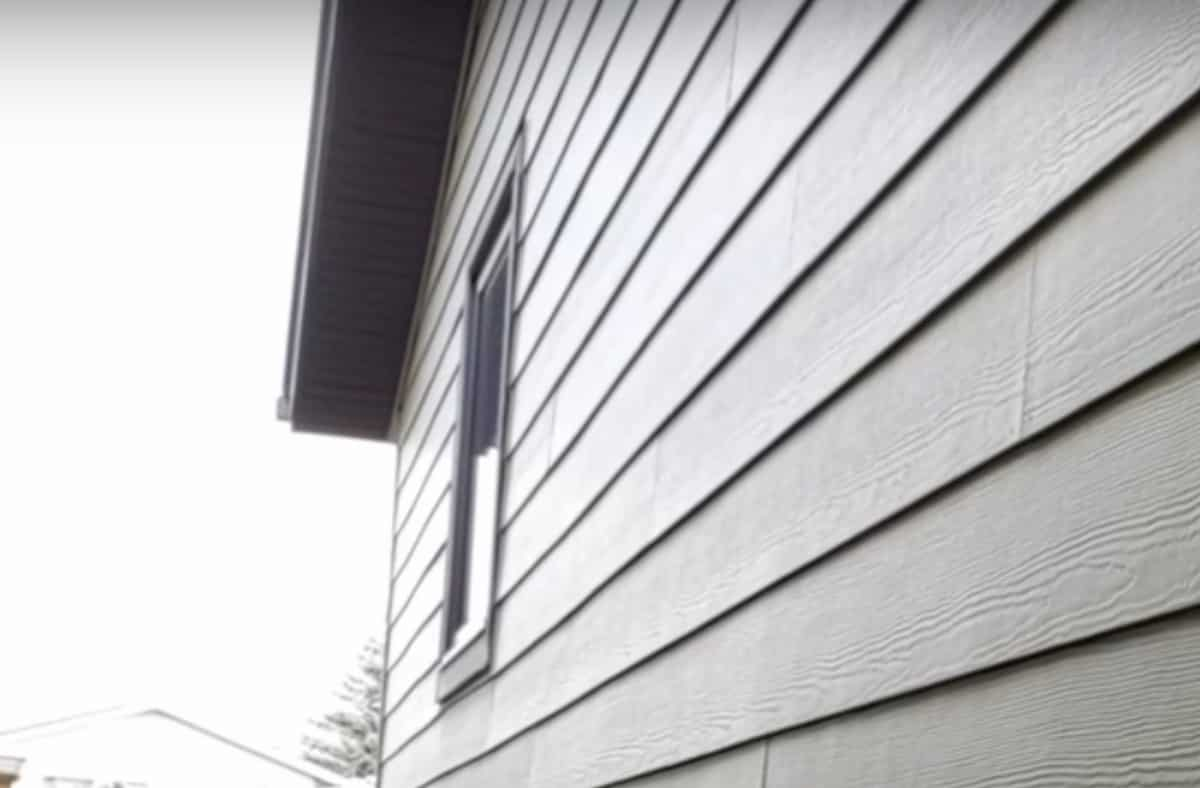
      Fibre cement, popularized by James Hardie’s Linea Weatherboard and Scyon range, combines durability with modern aesthetics. It mimics timber or other textures but requires less maintenance.

      • Benefits: Weather-resistant, low maintenance, fire-resistant, and versatile in design (e.g., James Hardie’s Axent Trim for sleek lines).
      • Drawbacks: Installation can be complex, and upfront costs are moderate to high.
      • Cost: $120–$220/m², depending on the product and finish.
      • Best For: Modern homes, coastal areas, or homeowners seeking a low-maintenance alternative to timber.
      1501181530405North-Knox-Fiber-1 Cladding Options NZ: Exterior Cladding Ideas & Costs for 2025 Homes

      https://architizer.com/blog/product-guides/product-guide/eaktna-fiber-cement-cladding/


      1. Metal Cladding

      Metal cladding, such as Metalcraft’s corrugated profiles or Dimond’s sleek tray systems, is gaining traction for its durability and contemporary look. Aluminium and steel options from Nuwall or Vulcan’s Ultraclad are particularly popular in 2025.

      • Benefits: Extremely durable, low maintenance, recyclable, and ideal for coastal environments due to corrosion resistance.
      • Drawbacks: Can dent or scratch, higher initial cost, and may not suit traditional home styles.
      • Cost: $130–$280/m², depending on material (steel vs. aluminium) and finish.
      • Best For: Modern or industrial-style homes, coastal properties.
      Edited-Cover-Photo-Brochure-scaled.jpg Cladding Options NZ: Exterior Cladding Ideas & Costs for 2025 Homes

      https://proformsteel.co.nz/battenform-metal-cladding/


      1. Vinyl Cladding

      Vinyl cladding, like Palliside’s weatherboards, offers one of the cheapest exterior cladding options for NZ homeowners. It’s lightweight and easy to install, making it a budget-friendly choice.

      • Benefits: Low cost, low maintenance, resistant to moisture and insects, and available in various colors.
      • Drawbacks: Less durable than brick or metal, can fade over time, and may not appeal to those seeking a premium look.
      • Cost: $80–$150/m², including installation.
      • Best For: Budget-conscious renovations, rental properties, or temporary structures.
      vinyl-wall-cladding Cladding Options NZ: Exterior Cladding Ideas & Costs for 2025 Homes

      https://www.ecospecifier.com.au/vinyl-wall-cladding/

      1. Stucco Cladding

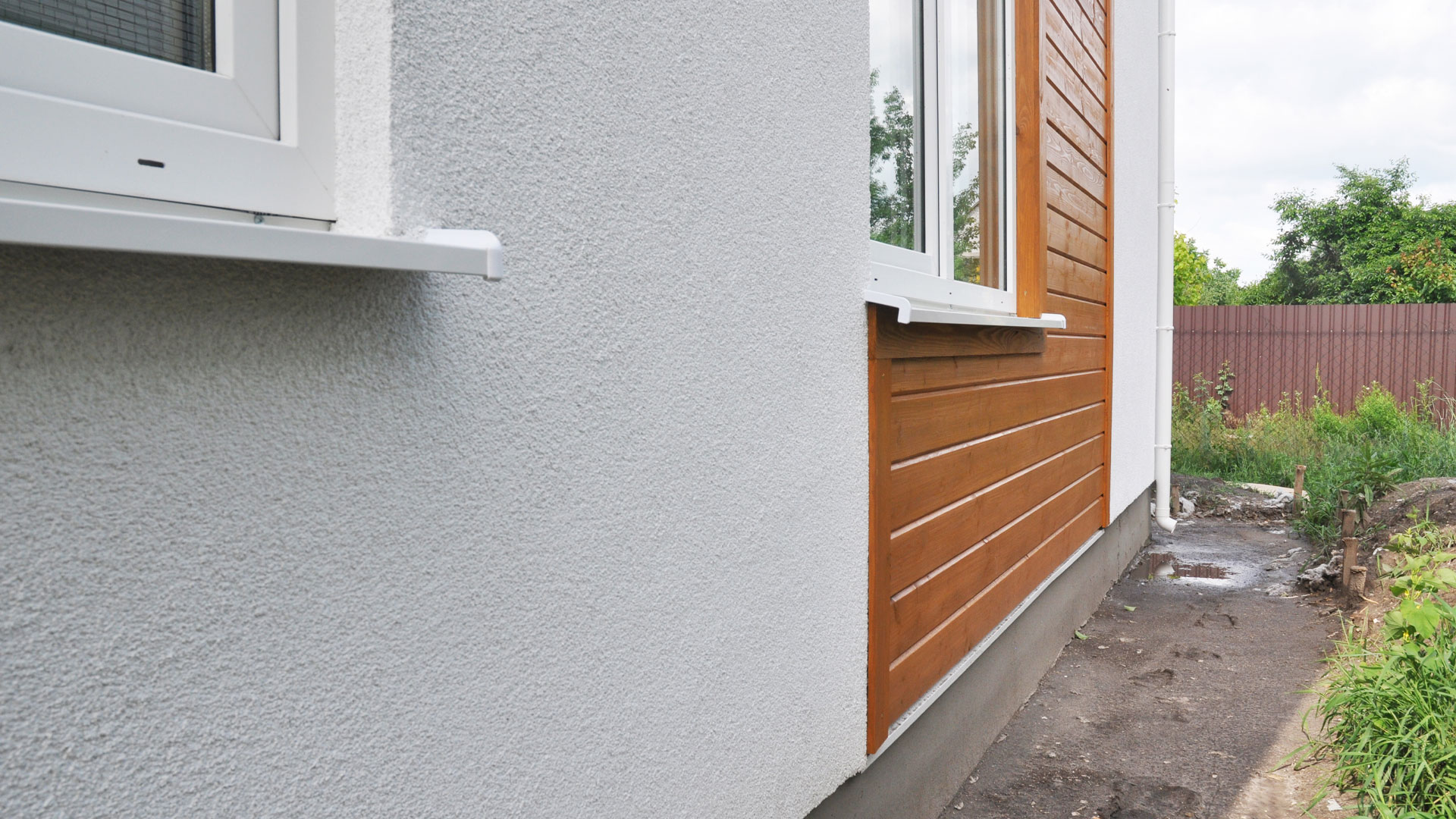
      Stucco cladding, a plaster-based system, provides a smooth, textured finish popular in Mediterranean-style homes. Companies like JSC offer specialized stucco solutions for NZ’s climate.

      • Benefits: Seamless finish, good insulation, and customizable textures.
      • Drawbacks: Prone to cracking if not installed correctly, requires regular maintenance to prevent moisture issues.
      • Cost: $140–$260/m², depending on the system and finish.
      • Best For: Homes aiming for a classic or European aesthetic.
      PROP539Roughcast-cladding-image-1 Cladding Options NZ: Exterior Cladding Ideas & Costs for 2025 Homes

      https://www.trademe.co.nz/c/property/article/should-i-buy-a-home-with-roughcast-cladding-reasons-to-think-twice

      1. Stone and Stone Veneer

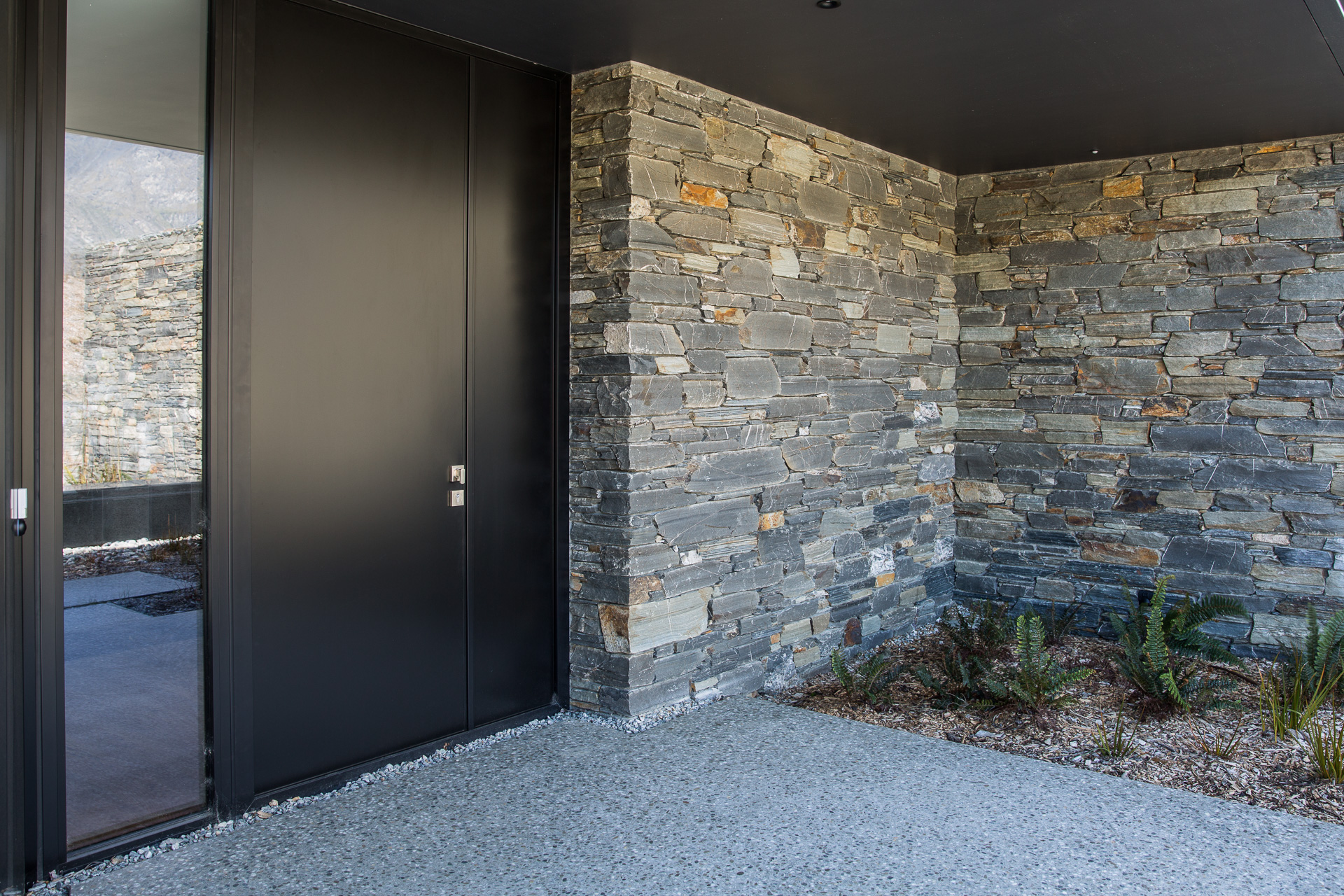
      Craftstone’s natural and manufactured stone cladding adds a luxurious, earthy feel to homes. It’s ideal for feature walls or high-end projects.

      • Benefits: Highly durable, low maintenance, and adds significant aesthetic value.
      • Drawbacks: Expensive, heavy, and requires skilled installation.
      • Cost: $200–$400/m², depending on natural vs. manufactured stone.
      • Best For: Luxury homes, feature walls, or properties in alpine regions.
      Andy-Woods_181206_6448 Cladding Options NZ: Exterior Cladding Ideas & Costs for 2025 Homes

      https://wanakastone.co.nz/

      1. AAC (Autoclaved Aerated Concrete) Panels

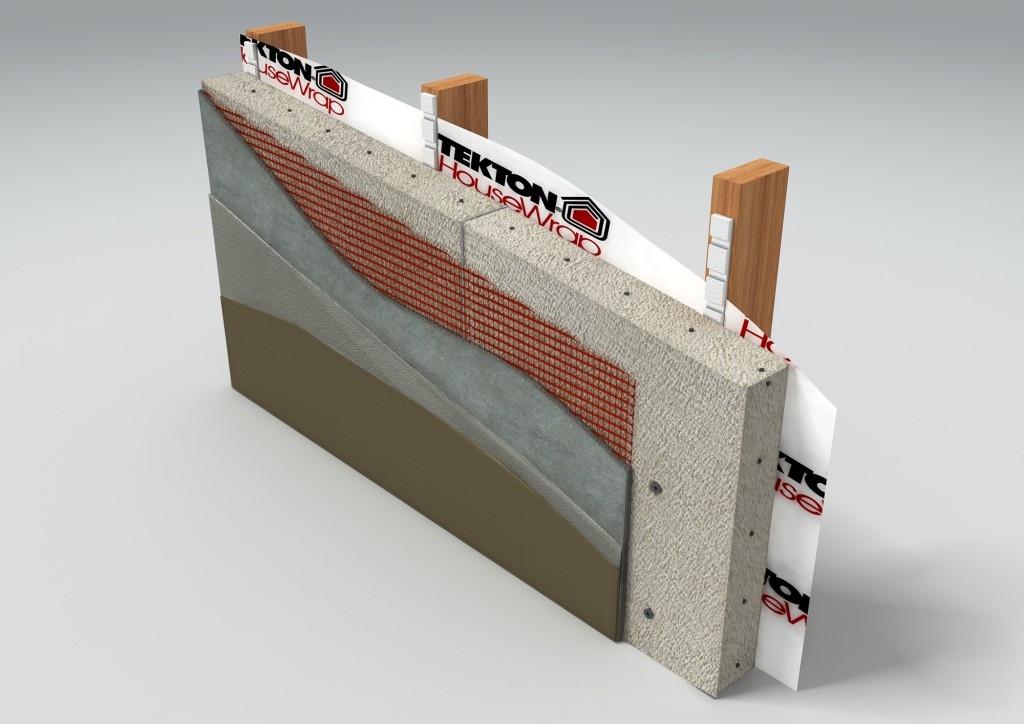
      Specialized’s EZpanel and other AAC systems are lightweight concrete panels that offer excellent insulation and fire resistance, making them a rising star in 2025.

      • Benefits: Energy-efficient, fire-resistant, and quick to install.
      • Drawbacks: Higher upfront cost, limited aesthetic flexibility compared to timber or metal.
      • Cost: $150–$250/m², including installation.
      • Best For: Modern homes prioritizing energy efficiency and fire safety.
      AACPaneldrawing_0805131024x724_1080x1000c0pcenter Cladding Options NZ: Exterior Cladding Ideas & Costs for 2025 Homes

      www.specialized.co.nz

      1. Composite Cladding

      Composite cladding, like Weathertex or Millboard’s Envello range, blends natural and synthetic materials for a durable, eco-friendly option.

      • Benefits: Low maintenance, sustainable, and resistant to weathering.
      • Drawbacks: Can be pricier than vinyl, limited texture options.
      • Cost: $120–$200/m², depending on the brand.
      • Best For: Eco-conscious homeowners seeking a modern, low-maintenance solution.
      PreFinished-Header Cladding Options NZ: Exterior Cladding Ideas & Costs for 2025 Homes

      https://www.placemakers.co.nz/online/projects/cladding/pre-finished

      This section covers the most popular exterior cladding options in New Zealand for 2025, providing a detailed overview of each material’s pros, cons, and costs. By understanding these options, you can better align your choice with your home’s style, budget, and environmental needs.

      3. Comparing Costs and Cheapest Exterior Cladding Options in NZ for 2025

      When planning a renovation or new build, budget plays a significant role in selecting the right cladding options NZ. While aesthetics and durability matter, finding cost-effective solutions that don’t compromise quality is a priority for many homeowners. In this section, we break down the costs of various types of cladding, highlight the cheapest exterior cladding options available in New Zealand for 2025, and provide tips to maximize value without sacrificing performance. All costs are approximate (NZD per square meter, including installation) and reflect 2025 market trends.

      Cost Breakdown of Cladding Options

      Understanding the full cost of exterior cladding involves considering material prices, labor, and long-term maintenance. Below is a detailed comparison of the cladding types discussed earlier, with insights into their affordability and value.

      Cladding Type Cost Range ($/m²) Key Considerations
      Timber Weatherboards $100–$250 Mid-range cost; varies by wood type (e.g., Hermpac’s Western Red Cedar vs. pine). Requires staining every 5-10 years, increasing long-term costs.
      Brick and Masonry $150–$300 Higher upfront cost (e.g., Midland Brick) due to materials and labor. Minimal maintenance makes it cost-effective long-term.
      Fibre Cement $120–$220 Affordable with low maintenance (e.g., James Hardie’s Linea Weatherboard). Popular for modern homes.
      Metal Cladding $130–$280 Cost varies by material (e.g., Metalcraft/Dimond steel vs. aluminium). Aluminium (e.g., Nuwall) is pricier but corrosion-resistant for coastal areas.
      Vinyl Cladding $80–$150 Cheapest option (e.g., Palliside). Low material/installation costs but may fade, requiring earlier replacement.
      Stucco Cladding $140–$260 Moderately priced (e.g., JSC systems). Requires careful installation to avoid cracking or moisture-related repairs.
      Stone and Stone Veneer $200–$400 Premium option (e.g., Craftstone). High cost due to aesthetics and complex installation, but adds significant property value.
      AAC Panels $150–$250 Cost-competitive (e.g., Specialized’s EZpanel). Energy-efficient, with long-term savings on heating/cooling.
      Composite Cladding $120–$200 Mid-range with low maintenance (e.g., Weathertex, Millboard’s Envello). Cost-effective for eco-conscious homeowners.

      Curious about how much your
      Recladding Project would cost?

      Try our recladding cost calculator tool


      Cheapest Exterior Cladding Options

      For budget-conscious homeowners, the following cladding options offer affordability without compromising too much on quality:

      1. Vinyl Cladding ($80–$150/m²): Palliside’s vinyl weatherboards are the most cost-effective choice, ideal for renovations or rental properties. They’re quick to install and resist moisture, though they may not match the durability of brick or metal.
      2. Timber Weatherboards ($100–$150/m² for pine): Opting for affordable timber like pine, available through ITI Timspec, keeps costs low. Regular maintenance is required, but the initial investment is budget-friendly.
      3. Fibre Cement ($120–$160/m² for basic options): James Hardie’s more affordable fibre cement products provide a durable, low-maintenance alternative to timber at a similar price point.

      Tips for Saving on Cladding Costs

      • Compare Quotes: Source multiple quotes from suppliers like Premier Group or JSC to find competitive pricing.
      • Choose Local Materials: Locally sourced timber from Hermpac or bricks from Midland Brick can reduce shipping costs.
      • Opt for Low-Maintenance Materials: Vinyl or fibre cement minimizes future expenses on repairs or repainting.
      • Consider DIY-Friendly Options: Vinyl and some fibre cement systems are easier for skilled DIYers to install, saving on labor costs.
      • Plan for Long-Term Value: Investing slightly more in durable materials like metal or brick can reduce maintenance costs over time.

      Hidden Costs to Watch For

      While chasing the cheapest exterior cladding, be mindful of hidden costs:

      • Installation Errors: Poorly installed stucco cladding or timber can lead to costly repairs due to moisture damage.
      • Maintenance: Timber and stucco require regular upkeep, which adds to long-term costs.
      • Foundation Upgrades: Heavy materials like brick or stone may require stronger foundations, increasing initial expenses.

      By comparing these costs and focusing on affordable yet durable options, you can select wall cladding that fits your budget while meeting New Zealand’s demanding environmental conditions. In 2025, vinyl and basic fibre cement stand out as the cheapest exterior cladding options, while brick and metal offer long-term value for those willing to invest more upfront.

      4. Cladding Trends and Innovations in New Zealand for 2025

      As New Zealand’s construction industry evolves, cladding options NZ are embracing cutting-edge trends and innovations that prioritize sustainability, energy efficiency, and modern aesthetics. In 2025, homeowners and builders are leaning toward materials and designs that not only enhance a home’s appearance but also align with environmental goals and technological advancements. This section explores the latest cladding trends, innovative products, and how brands like James Hardie, Hermpac, and Metalcraft are shaping the future of exterior cladding in New Zealand.

      1. Sustainable and Eco-Friendly Cladding

      Sustainability is a driving force in 2025, with homeowners seeking eco-conscious cladding options that reduce environmental impact. Brands like Weathertex and ITI Timspec lead the way with FSC-certified timber and composite materials made from recycled content.

      • Why It’s Trending: New Zealand’s focus on reducing carbon footprints aligns with global sustainability goals. Cladding materials like Hermpac’s Accoya (treated for durability with non-toxic processes) and Weathertex’s carbon-neutral timber boards appeal to eco-conscious homeowners.
      • Examples: Millboard’s Envello composite cladding uses recycled materials, while James Hardie’s fibre cement products are designed for longevity, reducing the need for frequent replacements.
      • Tip: Look for certifications like FSC or Environmental Choice NZ when choosing sustainable wall cladding.
      1. Low-Maintenance and Durable Materials

      Busy homeowners in 2025 prioritize cladding that requires minimal upkeep. Metal cladding from Metalcraft and Dimond, as well as vinyl options from Palliside, offer durability without the need for regular painting or sealing.

      • Why It’s Trending: With rising maintenance costs, low-maintenance cladding saves time and money. Aluminium options like Nuwall’s systems resist corrosion in coastal areas, while fibre cement from James Hardie withstands NZ’s harsh weather.
      • Examples: Vulcan’s Ultraclad aluminium cladding and Specialized’s EZpanel AAC systems are engineered for minimal maintenance and long lifespans.
      • Tip: Pair low-maintenance cladding with professional installation to maximize durability.
      1. Modern and Minimalist Aesthetics

      Sleek, minimalist designs dominate New Zealand’s architectural landscape in 2025, with cladding options like metal panels and smooth-textured fibre cement leading the charge.

      • Why It’s Trending: Modern homes in Auckland and Wellington favor clean lines and bold finishes. Metal tray systems from Dimond and James Hardie’s Scyon Axent Trim offer sharp, contemporary looks.
      • Examples: Nuwall’s aluminium panels create seamless, modern facades, while Craftstone’s slim stone veneers add subtle elegance to feature walls.
      • Tip: Combine smooth cladding with contrasting textures (e.g., timber accents) for a balanced, modern aesthetic.
      1. Energy-Efficient Cladding Systems

      Energy efficiency is a key consideration in 2025, with cladding systems like AAC panels and insulated metal panels gaining popularity for their thermal performance.

      • Why It’s Trending: Rising energy costs and stricter building codes push homeowners toward cladding that improves insulation. Specialized’s EZpanel AAC panels offer excellent thermal resistance, reducing heating and cooling costs.
      • Examples: James Hardie’s fibre cement with integrated insulation and Vulcan’s Ultraclad with thermal breaks enhance energy efficiency.
      • Tip: Combine energy-efficient cladding with proper insulation to meet NZ’s Homestar or Green Star standards.
      1. Textured and Mixed-Material Designs

      In 2025, combining different cladding materials creates dynamic, visually appealing facades. Mixing timber with metal or stone with fibre cement adds depth and character to homes.

      • Why It’s Trending: Mixed-material designs allow homeowners to express individuality while enhancing durability. For example, pairing Hermpac’s cedar weatherboards with Craftstone’s stone veneer creates a striking contrast.
      • Examples: Premier Group’s brick combined with Weathertex’s textured composite panels offers a blend of tradition and modernity.
      • Tip: Work with a designer to ensure mixed materials complement your home’s architecture.
      1. Smart Cladding Technologies

      Emerging technologies, such as self-cleaning coatings and integrated solar panels, are starting to influence cladding choices in NZ.

      • Why It’s Trending: Innovations like self-cleaning metal cladding from Metalcraft reduce maintenance, while solar-integrated cladding (still in early adoption) aligns with NZ’s renewable energy goals.
      • Examples: Some aluminium systems from Nuwall feature coatings that repel dirt, while experimental products from global markets hint at future solar cladding options.
      • Tip: Stay informed about new products through suppliers like JSC or industry expos for the latest innovations.
      1. Coastal-Adapted Cladding

      With many New Zealand homes located near the coast, corrosion-resistant cladding is a top trend in 2025. Aluminium and fibre cement are particularly suited to salty, humid environments.

      • Why It’s Trending: Coastal areas like Auckland and the Bay of Plenty require materials that resist salt corrosion. Nuwall’s aluminium and James Hardie’s fibre cement are engineered for these conditions.
      • Examples: Metalcraft’s Colorsteel and Palliside’s vinyl cladding offer affordable, corrosion-resistant options.
      • Tip: Ensure proper sealing and ventilation to extend the lifespan of coastal cladding NZ.

      These trends highlight how cladding options NZ are evolving to meet modern demands for sustainability, efficiency, and style. By choosing innovative materials from trusted brands like James Hardie, Hermpac, or Metalcraft, you can future-proof your home while staying on trend in 2025.

      5. Choosing the Right Cladding for Your New Zealand Home

      Selecting the perfect cladding options NZ for your home requires careful consideration of your location, budget, architectural style, and long-term goals. New Zealand’s diverse climates and architectural trends demand exterior cladding that not only looks great but also performs under specific environmental conditions. In this section, we guide you through the decision-making process, offering practical advice on matching cladding to your home’s needs, climate considerations, and tips for working with professionals like Superior Renovations to ensure a flawless installation.

      Step 1: Assess Your Home’s Needs

      Before choosing exterior cladding, evaluate your home’s specific requirements:

      • Architectural Style: Does your home have a traditional Kiwi villa, a modern minimalist design, or a coastal bach aesthetic? For example, Hermpac’s timber weatherboards suit classic homes, while Dimond’s metal tray systems complement contemporary builds.
      • Purpose: Are you renovating for resale, building a forever home, or upgrading a rental property? Brick from Midland Brick adds long-term value, while Palliside’s vinyl is ideal for cost-effective rentals.
      • Maintenance Commitment: How much time and money are you willing to spend on upkeep? Low-maintenance options like James Hardie’s fibre cement or Metalcraft’s Colorsteel suit busy homeowners.
      • Budget: Determine your budget upfront. Vinyl ($80–$150/m²) and basic timber ($100–$150/m²) are among the cheapest exterior cladding options, while stone ($200–$400/m²) suits premium projects.

      Step 2: Consider New Zealand’s Climate

      New Zealand’s varied climates significantly influence cladding performance:

      • Coastal Areas (Auckland, Bay of Plenty): Salt-laden air demands corrosion-resistant materials like Nuwall’s aluminium, Metalcraft’s Colorsteel, or James Hardie’s fibre cement. Avoid untreated timber unless properly sealed.
      • Windy Regions (Wellington): Durable, secure cladding like brick (Premier Group) or AAC panels (Specialized’s EZpanel) withstands high winds.
      • Cold and Wet Areas (South Island, Central Plateau): Insulated options like Vulcan’s Ultraclad or Weathertex’s composite cladding provide thermal efficiency and moisture resistance.
      • Sunny Regions (Hawke’s Bay, Nelson): UV-resistant materials like fibre cement or vinyl prevent fading, while stucco cladding from JSC requires UV-protective coatings.

      Step 3: Match Cladding to Your Aesthetic Goals

      Your cladding choice should enhance your home’s visual appeal:

      • Traditional Homes: Timber weatherboards (Hermpac’s cedar) or brick (Midland Brick) maintain a classic Kiwi look.
      • Modern Homes: Sleek metal panels (Dimond or Nuwall) or smooth fibre cement (James Hardie’s Scyon range) create clean, minimalist lines.
      • Luxury Homes: Craftstone’s stone veneer or composite cladding like Millboard’s Envello adds sophistication.
      • Mixed Aesthetics: Combine materials, such as Weathertex’s composite with Craftstone’s stone accents, for a unique, modern-traditional blend.

      Step 4: Evaluate Installation and Professional Support

      Proper installation is critical to wall cladding performance. Poorly installed stucco cladding or timber can lead to moisture issues, while heavy materials like brick require structural considerations.

      • Work with Experts: Partner with professionals like Superior Renovations for precise installation. Brands like Specialized (EZpanel) and JSC (stucco) often recommend certified installers.
      • Check Building Codes: Ensure your cladding complies with New Zealand’s Building Code (NZBC) for weather-tightness and fire safety. For example, James Hardie’s fibre cement meets stringent fire-resistance standards.
      • Plan for Ventilation: Proper ventilation systems, especially for timber or stucco, prevent moisture buildup. Suppliers like Hermpac provide guidance on cavity systems.

      Step 5: Plan for Long-Term Performance

      Consider the lifespan and maintenance of your chosen cladding:

      • Durability: Brick and metal cladding last decades with minimal upkeep, while vinyl may need replacement sooner.
      • Warranties: Brands like James Hardie, Metalcraft, and Palliside offer warranties ranging from 10 to 50 years, providing peace of mind.
      • Resale Value: High-quality cladding like brick or stone increases property value, while budget options like vinyl appeal to cost-conscious buyers.

      Case Study: A Superior Renovations Project

      In 2024, Superior Renovations transformed an Auckland coastal home using James Hardie’s Linea Weatherboard. The homeowners wanted a low-maintenance, modern look that could withstand salty air. The fibre cement cladding, paired with a cavity system for ventilation, delivered durability and a sleek aesthetic, staying within their $150/m² budget. This project highlights how the right cladding choice, combined with professional installation, ensures long-term performance and satisfaction.

      Questions to Ask Your Cladding Supplier

      When sourcing materials from suppliers like ITI Timspec, Metalcraft, or Premier Group, ask:

      • What warranties are offered?
      • Is the material suited to my region’s climate?
      • Are there eco-friendly or low-maintenance options?
      • What installation expertise is required?
      • Can you provide references for similar projects in NZ?

      By following these steps, you can confidently choose wall cladding that suits your home’s style, withstands New Zealand’s climate, and fits your budget. At Superior Renovations, we specialize in guiding homeowners through this process, ensuring your cladding project enhances both form and function in 2025.

      6. Installation and Maintenance Tips for Cladding in New Zealand

      Proper installation and ongoing maintenance are crucial to ensuring your cladding options NZ perform well and last for decades. In 2025, with advancements in materials and installation techniques, homeowners can achieve stunning, durable results by following best practices. This section provides detailed guidance on installing and maintaining various types of cladding, including timber, brick, fibre cement, metal, vinyl, stucco cladding, and more. We also share expert tips from Superior Renovations to help you avoid common pitfalls and maximize the lifespan of your exterior cladding.

      Cladding Installation Best Practices

      Correct installation is the foundation of a successful cladding project. Poor installation can lead to issues like moisture penetration, cracking, or reduced energy efficiency. Here’s how to ensure a flawless installation for different cladding types:

      • Timber Weatherboards (Hermpac, ITI Timspec): Use a cavity system to promote ventilation and prevent moisture buildup, especially in humid areas like Auckland. Ensure timber is pre-treated (e.g., Hermpac’s Accoya) and installed by professionals to avoid warping. Fasteners should be corrosion-resistant for coastal homes.
      • Brick and Masonry (Midland Brick, Premier Group): Verify that your home’s foundation can support the weight of brick. Use experienced masons to ensure proper alignment and weather-tightness. Include weep holes and flashing to manage water runoff.
      • Fibre Cement (James Hardie): Follow manufacturer guidelines, such as those for James Hardie’s Linea Weatherboard, to ensure precise cutting and sealing. Use stainless steel fixings in coastal areas and install a breathable building wrap for added protection.
      • Metal Cladding (Metalcraft, Dimond, Nuwall): Ensure panels are securely fastened to withstand high winds, especially in Wellington. Use thermal breaks (e.g., Vulcan’s Ultraclad) to improve energy efficiency. Professional installers can prevent issues like denting during installation.
      • Vinyl Cladding (Palliside): Vinyl is DIY-friendly but benefits from professional installation to ensure tight seals and proper alignment. Check for adequate ventilation to prevent heat buildup, which can cause warping.
      • Stucco Cladding (JSC): Apply stucco cladding over a rigid backing board and use a cavity system to reduce cracking risks. Hire certified applicators, as improper mixing or application can lead to moisture issues.
      • Stone and Stone Veneer (Craftstone): Ensure structural support for heavy stone cladding. Use skilled installers to achieve seamless joints and prevent water ingress.
      • AAC Panels (Specialized’s EZpanel): Install panels with precision to maintain fire and thermal performance. Follow manufacturer specifications for joint sealing and fixing systems.
      • Composite Cladding (Weathertex, Millboard): Use recommended fixing systems to avoid expansion issues. Ensure proper spacing for ventilation, especially in wet climates.

      Maintenance Tips for Long-Lasting Cladding

      Each cladding type requires specific maintenance to maintain its appearance and performance:

      • Timber Weatherboards: Inspect annually for signs of moisture or pest damage. Re-stain or repaint every 5–10 years, depending on exposure. Clean with mild detergent to remove dirt and mildew.
      • Brick and Masonry: Clean every 2–3 years with a low-pressure wash to remove dirt or algae. Check for cracked mortar and repair promptly to prevent water ingress.
      • Fibre Cement: Wash annually to remove dirt and maintain appearance. Inspect joints and sealants every 5 years to ensure weather-tightness.
      • Metal Cladding: Rinse coastal installations quarterly to remove salt buildup. Check for scratches or dents and repair with touch-up paint to prevent corrosion.
      • Vinyl Cladding: Clean with a hose and mild detergent every 6–12 months. Inspect for fading or cracking, especially after 10–15 years, and consider replacement if necessary.
      • Stucco Cladding: Inspect for cracks annually, especially after earthquakes. Repaint every 7–10 years with UV-resistant paint to maintain protection.
      • Stone and Stone Veneer: Clean with a soft brush and water to avoid damaging the surface. Check sealants every 5 years to prevent water penetration.
      • AAC Panels: Minimal maintenance is required, but clean annually to remove dirt. Inspect joints for sealant integrity.
      • Composite Cladding: Wash with water and a mild cleaner every 6–12 months. Check for any loose fixings and tighten as needed.

      Common Cladding Installation Mistakes to Avoid

      • Skipping Ventilation: Timber and stucco cladding require cavity systems to prevent moisture buildup, especially in NZ’s wet climates.
      • Using Incorrect Fixings: Non-corrosion-resistant screws or nails can fail in coastal areas, compromising cladding integrity.
      • Ignoring Building Codes: Ensure compliance with NZBC standards for weather-tightness and fire safety, particularly for fibre cement and AAC panels.
      • Poor Surface Preparation: Failing to properly prepare the substrate can lead to adhesion issues with stucco or stone cladding.
      • DIY Overreach: Complex systems like brick or AAC panels require professional expertise to avoid costly errors.

      Working with Superior Renovations

      At Superior Renovations, we streamline the cladding process by offering end-to-end services, from material selection to professional installation. Our team works with trusted suppliers like James Hardie, Metalcraft, and Hermpac to ensure high-quality materials and compliance with New Zealand’s building standards. We also provide tailored maintenance plans to keep your cladding NZ looking and performing its best for years to come.

      Pro Tip: Schedule Regular Inspections

      In 2025, proactive maintenance is key to extending cladding lifespan. Schedule annual inspections with professionals to catch issues early, especially for high-maintenance materials like stucco cladding or timber. For coastal homes, consider bi-annual checks to address salt-related wear.

      By prioritizing proper installation and regular maintenance, you can ensure your cladding NZ enhances your home’s durability, energy efficiency, and aesthetic appeal. Whether you choose the cheapest exterior cladding like vinyl or a premium option like stone, Superior Renovations is here to guide you every step of the way.

      Transform Your New Zealand Home with the Right Cladding in 2025

      Choosing the perfect cladding options NZ for your home is a powerful way to enhance its durability, aesthetic appeal, and value while tackling New Zealand’s unique environmental challenges. In 2025, the range of exterior cladding options—from budget-friendly vinyl by Palliside to premium stone veneer from Craftstone—offers something for every homeowner, whether you’re renovating a coastal bach in Auckland or building a modern masterpiece in Wellington. By understanding the types of cladding, their costs, and the latest trends, you can make an informed decision that aligns with your budget, style, and sustainability goals.

      This guide has explored the most popular wall cladding materials, including timber, brick, fibre cement, metal, and stucco cladding, highlighting their benefits, drawbacks, and costs. We’ve also covered the cheapest exterior cladding options, like vinyl and basic timber, alongside innovative trends such as eco-friendly composites and energy-efficient AAC panels. With proper installation and maintenance, as advised by experts like Superior Renovations, your cladding NZ can withstand NZ’s harsh weather while keeping your home looking stunning for decades.

      At Superior Renovations, we’re committed to helping you navigate the cladding process with confidence. Whether you choose the timeless elegance of Hermpac’s timber weatherboards, the durability of James Hardie’s fibre cement, or the modern edge of Metalcraft’s metal panels, our team ensures professional installation and lasting results. Ready to transform your home? Contact Superior Renovations today to discuss your cladding project and bring your vision to life in 2025.


      Curious about how much your
      Recladding Project would cost?

      Try our recladding cost calculator tool


      What are the best cladding options NZ for 2025?

      The best cladding options NZ depend on your budget, aesthetic, and climate. Popular choices include fibre cement (James Hardie) for low maintenance, brick (Midland Brick) for durability, and timber (Hermpac) for a classic look. For coastal areas, metal cladding (Metalcraft, Nuwall) or vinyl (Palliside) resists corrosion.

      What is the cheapest exterior cladding option in New Zealand?

      Vinyl cladding, such as Palliside’s weatherboards, is the most affordable, costing $80–$150/m². Basic timber (e.g., pine from ITI Timspec) and entry-level fibre cement (James Hardie) are also budget-friendly at $100–$160/m².

      How much does cladding cost in New Zealand in 2025?

      Costs vary by material: vinyl ($80–$150/m²), timber ($100–$250/m²), fibre cement ($120–$220/m²), metal ($130–$280/m²), stucco cladding ($140–$260/m²), brick ($150–$300/m²), AAC panels ($150–$250/m²), composite ($120–$200/m²), and stone ($200–$400/m²). Prices include installation.

      Which cladding is best for New Zealand’s coastal climate?

      Corrosion-resistant materials like aluminium (Nuwall), Colorsteel (Metalcraft), or fibre cement (James Hardie) are ideal for coastal areas like Auckland. Vinyl (Palliside) is a cost-effective option but may fade over time.

      How durable is stucco cladding in New Zealand?

      Stucco cladding (e.g., JSC systems) is durable when installed correctly with a cavity system to prevent moisture issues. It’s prone to cracking if not properly applied, requiring maintenance every 7–10 years.

      What are the most eco-friendly cladding options NZ?

      FSC-certified timber (Hermpac, ITI Timspec), carbon-neutral composite (Weathertex), and recycled-content cladding (Millboard’s Envello) are eco-friendly choices. Fibre cement (James Hardie) is also sustainable due to its longevity.

      How often should I maintain my exterior cladding?

      Maintenance frequency varies: timber needs staining/painting every 5–10 years, stucco cladding requires repainting every 7–10 years, brick and stone need cleaning every 2–3 years, while metal, vinyl, fibre cement, and AAC panels require annual cleaning and occasional checks.

      Can I install cladding myself, or should I hire professionals?

      Vinyl and some fibre cement systems are DIY-friendly, but complex materials like brick, stucco cladding, or AAC panels require professional installation. Superior Renovations ensures compliance with NZBC standards and manufacturer guidelines.

      Which cladding adds the most value to my home?

      Brick (Premier Group), stone (Craftstone), and fibre cement (James Hardie) increase resale value due to their durability and premium aesthetics. Vinyl is less likely to add significant value.

      What are the latest cladding trends for 2025 in New Zealand?

      Trends include sustainable materials (Weathertex, Hermpac), low-maintenance options (Metalcraft, Palliside), minimalist designs (Dimond’s tray systems), and energy-efficient systems like AAC panels (Specialized’s EZpanel).

      How do I choose cladding for a modern home?

      Opt for sleek materials like metal panels (Nuwall, Dimond), smooth fibre cement (James Hardie’s Scyon range), or composite cladding (Millboard). Combine with stone accents (Craftstone) for a contemporary look.

      Is cladding installation affected by New Zealand’s building codes?

      Yes, cladding NZ must comply with NZBC standards for weather-tightness, fire safety, and structural integrity. Work with professionals like Superior Renovations to ensure compliance, especially for fire-resistant options like fibre cement or AAC panels.


      Need more information?

      Take advantage of our FREE Complete Home Renovation Guide (48 pages), whether you’re already renovating or in the process of deciding to renovate, it’s not an easy process, this guide which includes a free 100+ point check list – will help you avoid costly mistakes.


      Still have questions unanswered?

      Book a no-obligation consultation with the team at Superior Renovations,
      we’d love to meet you to discuss your renovation ideas!

        Services

        Home RenovationKitchen RenovationBathroom RenovationOutdoor RenovationHouse ExtensionCommercialDesign ServicesOther

        By submitting this form, you agree to receive communications from us via email or text regarding our services, you can unsubscribe at any time.

        This site is protected by reCAPTCHA and the Google

        Privacy Policy and Terms of Service apply.


        WRITTEN BY SUPERIOR RENOVATIONS

        Superior Renovations is quickly becoming one of the most recommended Kitchen Renovation & Bathroom Renovation company in Auckland and it all comes down to our friendly approach, straightforward pricing, and transparency. When your Auckland home needs renovation/ remodeling services, Superior Renovation is the team you can count on for high-quality workmanship, efficient progress, and cost-effective solutions.

        Get started now by booking a free in-home consultation.

        Request Your In-home Consultation

        Or call us on 0800 199 888

        www.superiorrenovations.co.nz


        finance-badge1000x1000 Cladding Options NZ: Exterior Cladding Ideas & Costs for 2025 Homes

        Have you been putting off getting renovations done?

        We have partnered with Q Mastercard ® to provide you an 18 Month Interest-Free Payment Option, you can enjoy your new home now and stress less.

        Learn More about Interest-Free Payment Options*

        *Lending criteria, fees, terms and conditions apply. Mastercard is a registered trademark and the circles design is a trademark of Mastercard International Incorporated.
        Bathroom Renovation

        Can I Renovate My Bathroom for $10,000 in NZ? | Superior Renovations

        Renovating a bathroom is a top priority for many New Zealand homeowners, whether you’re in bustling Auckland, scenic Christchurch, or vibrant Wellington. A refreshed bathroom not only enhances daily comfort but also boosts property value, a key consideration in NZ’s competitive housing market. However, with material and labour costs rising, the burning question is: Can you renovate your bathroom for $10,000 in 2025? While the average bathroom renovation in New Zealand often ranges from $20,000 to $35,000, achieving a stunning transformation on a $10,000 budget is challenging but not impossible with strategic planning, smart material choices, and a focus on high-impact updates.

        This comprehensive guide dives deep into the realities of bathroom renovations in New Zealand. We’ll explore whether a $10,000 budget can deliver a functional and stylish bathroom, break down costs specific to the NZ market, and share practical tips to stretch your dollars. Whether you’re updating a compact ensuite in Dunedin or refreshing a family bathroom in Hamilton, this blog will equip you with the knowledge to make informed decisions. From understanding cost drivers to prioritising upgrades and navigating regional price differences, we’ll cover it all to help you achieve your dream bathroom affordably.


        Disclaimer

        Superior Renovations specializes in comprehensive bathroom renovations, involving full demolition down to the frame and rebuilding from scratch. Our projects include all trades, design, project management, compliance with NZ Building Code, demolition, supply, and high-quality materials/products, with average costs ranging from $25,000 to $35,000. We do not undertake minor alterations, maintenance work, or partial upgrades, as our focus is on delivering complete, high-end transformations tailored to your vision. This blog explores the feasibility of a $10,000 renovation for general guidance, but our services are geared toward full-scale projects.

        Don’t want to read the full blog? Alright, let’s cut to the chase: Can You Renovate Your Bathroom for $10,000 in NZ?

        Yes, you can renovate a small bathroom (4–6 square metres) in New Zealand for $10,000 in 2025, but it requires careful planning and prioritisation. This budget suits a basic refresh—think new tiles, a vanity, shower fixtures, and paint—rather than a full remodel with plumbing or structural changes. In Auckland, where costs are highest, focus on cosmetic upgrades to stay within budget. In regions like Nelson or Dunedin, your $10,000 stretches further due to lower labour rates ($60–$100/hour vs. $90–$150/hour in Auckland). Key tips: stick to the existing layout to avoid $2,000–$5,000 in plumbing costs, choose affordable materials like ceramic tiles ($30–$80 per square metre), and DIY tasks like painting to save $300–$600. Allocate $1,000 for contingencies and ensure compliance with NZ Building Code, especially waterproofing ($1,000–$2,000). For a modern, functional bathroom, prioritise tiling ($3,000–$4,000) and fixtures ($1,500–$3,000).


        Curious about how much your
        bathroom renovation would cost?

        Try our bathroom renovation cost calculator tool


        Need ideas? Check out our Kitchen Design Gallery or dive into our Bathroom Design Gallery for inspiration!


        1. Understanding Bathroom Renovation Costs in New Zealand

        Bathroom renovations in New Zealand are a significant investment, with costs varying based on factors like location, bathroom size, material quality, and the scope of work. In 2025, industry data indicates that a basic bathroom renovation for a small space (approximately 4–6 square metres) typically costs between $12,000 and $18,000, while mid-range projects in urban centres like Auckland or Wellington can range from $25,000 to $40,000. High-end renovations with premium fixtures and custom designs often exceed $50,000. So, where does a $10,000 budget fit in?

        To answer this, let’s unpack the key cost drivers and assess what’s achievable within this constraint.

        Key Cost Drivers in Bathroom Renovations

        1. Labour Costs

          Labour is one of the largest expenses in any bathroom renovation. In New Zealand, skilled tradespeople such as plumbers, electricians, tilers, and waterproofers charge between $75 and $150 per hour, depending on their expertise and location. For a small bathroom renovation, labour can account for 40–60% of the total budget. Tasks like installing waterproofing membranes (mandatory under NZ Building Code), retiling, or relocating plumbing and electrical systems are particularly labour-intensive. To stay within $10,000, you’ll need to minimise structural changes and focus on tasks that require less professional input, such as painting or installing simple fixtures.

        2. Materials and Fixtures

          The choice of materials and fixtures significantly impacts your budget. Here’s a breakdown of common material costs in NZ for 2025:

          • Tiles: Ceramic or porcelain tiles, popular for their durability and water resistance, cost $30–$100 per square metre. High-end options like natural stone or designer tiles can range from $120 to $250 per square metre.
          • Vanities: A basic single-sink vanity starts at $300–$800, while mid-range models with stone countertops cost $1,200–$2,500.
          • Shower Systems: A standard showerhead and mixer set costs $150–$500, but premium rain showers or multi-jet systems can exceed $1,000.
          • Toilets: A basic close-coupled toilet costs $300–$700, while wall-hung or smart toilets range from $1,000 to $3,000.
          • Taps and Fittings: Budget-friendly taps start at $100–$300 per set, while designer brands can cost $500 or more. For a $10,000 renovation, opting for mid-to-low-range materials and sourcing from local suppliers like Mitre 10, Bunnings, or Plumbing World can keep costs down while maintaining quality.
        3. Scope of Work

          The extent of your renovation is a major cost factor. A cosmetic refresh—replacing tiles, updating fixtures, repainting, and installing a new vanity—is far more affordable than a full remodel that involves moving walls, reconfiguring plumbing, or installing underfloor heating. A $10,000 budget is best suited for a partial renovation, focusing on surface-level upgrades that enhance aesthetics and functionality without altering the bathroom’s layout. For example, keeping the existing plumbing and electrical setup avoids costly pipe or wiring relocations, which can cost $2,000–$5,000 alone.

        4. Location-Based Variations

          Renovation costs vary across New Zealand due to differences in labour rates, material availability, and demand. In Auckland, where the cost of living and trade services is higher, a basic bathroom renovation is 10–20% more expensive than in smaller cities like Palmerston North or Invercargill. For instance, a tiler in Auckland might charge $80–$120 per square metre, while the same service in Christchurch could cost $60–$90. Rural areas may offer lower labour costs but could face higher material delivery fees. If you’re renovating on a $10,000 budget, getting multiple quotes from local contractors and comparing prices is essential to maximise value.

        5. Hidden Costs

          Unexpected expenses can quickly derail a tight budget. Common hidden costs include:

          • Waterproofing: Required by NZ Building Code, professional waterproofing costs $1,000–$2,500 for a small bathroom.
          • Repairs: Discovering issues like water damage, mould, or outdated plumbing during demolition can add $500–$3,000 to your budget.
          • Building Consent: Minor renovations typically don’t require council consent, but significant changes (e.g., altering structural walls or drainage) may need building consent, costing $500–$2,000. To stay within $10,000, allocate 10–15% of your budget for contingencies and conduct a thorough pre-renovation inspection to identify potential issues.

        Is $10,000 Enough for a Bathroom Renovation in NZ?

        A $10,000 budget is on the lower end for a bathroom renovation in New Zealand, particularly in 2025, given inflation and rising trade costs. However, it’s sufficient for a basic renovation or a significant refresh of a small bathroom (4–6 square metres), especially if you prioritise cost-effective materials, limit labour-intensive work, and incorporate some DIY efforts. For example, you could replace a vanity, replace toilet, install a new shower system *acrylic shower box*, update taps, and repaint the space, achieving a modern, functional bathroom without major structural changes.

        In Auckland, this budget may feel restrictive, but it can be done if carried out by local plumbers rather then renovation companies.

        To make $10,000 work, focus on high-impact upgrades that deliver visual appeal and functionality, such as new tiles and fixtures, while avoiding costly tasks like relocating plumbing or installing custom cabinetry. Getting multiple quotes from reputable contractors and shopping around for materials can also help you stay within budget. In the next section, we’ll explore specific strategies to maximise your $10,000 and achieve a stunning bathroom transformation.

        1. Strategies to Renovate Your Bathroom for $10,000 in New Zealand

        Achieving a stylish and functional bathroom renovation for $10,000 in New Zealand requires meticulous planning, prioritisation, and a willingness to make savvy choices. While this budget limits you to a basic renovation or a significant refresh rather than a full overhaul, you can still transform a small bathroom (4–6 square metres) into a modern, practical space with the right approach. Below, we outline proven strategies to stretch your $10,000 budget, tailored to NZ’s 2025 market, ensuring you get the most value without compromising on quality or compliance with local regulations.

        1. Stick to the Existing Layout

        One of the most effective ways to keep costs down is to retain your bathroom’s current layout. Relocating plumbing (e.g., moving a toilet or shower) or electrical systems (e.g., shifting lighting or power points) can easily consume $2,000–$5,000 of your budget due to the labour and materials involved. By keeping fixtures like the toilet, shower, and vanity in their original positions, you avoid costly pipework and wiring modifications, which are particularly expensive in New Zealand due to high labour rates ($75–$150 per hour).

        For example, if your bathroom has a functional layout but outdated aesthetics, focus on updating the surfaces and fixtures. Replace old tiles, install a new vanity, and upgrade the showerhead to refresh the space without altering the plumbing footprint. This approach not only saves money but also reduces the risk of needing council consents, which can cost $500–$2,000 for significant changes under NZ Building Code requirements.

        1. Prioritise High-Impact Upgrades

        With a $10,000 budget, you need to focus on changes that deliver maximum visual and functional impact. Here’s how to allocate your funds for a small bathroom renovation:

        • Tiling (30–40% of budget, ~$3,000–$4,000): Tiles are a focal point in any bathroom, and retiling the floor and walls can dramatically modernise the space. Opt for ceramic or porcelain tiles, which cost $30–$80 per square metre and are widely available at NZ retailers like Tile Warehouse or Mitre 10. For a 5-square-metre bathroom, you’ll need about 15–20 square metres of tiles (including walls), costing $600–$1,600 for materials. Professional tiling labour costs $60–$120 per square metre, so allocate $900–$2,000 for installation. To save, consider tiling only the wet areas (shower and floor) and painting the remaining walls.
        • Vanity and Sink (15–20%, ~$1,500–$2,000): A new vanity is a cost-effective way to enhance both aesthetics and storage. Budget-friendly single-sink vanities start at $300–$800, while mid-range options with engineered stone countertops cost $1,000–$1,800. Installation is straightforward, typically costing $200–$400 for plumbing and fitting. Look for deals at Plumbing World or Bunnings, and choose a vanity with built-in storage to reduce the need for additional cabinetry.
        • Shower and Fixtures (15–20%, ~$1,500–$2,000): Upgrading the shower can elevate the bathroom’s functionality. A standard shower mixer and head costs $150–$500, while a framed glass shower screen (a popular choice in NZ) ranges from $800–$1,500 installed. Avoid expensive features like frameless glass, full tiled showers or multi-jet systems, which can push costs beyond your budget.
        • Paint and Lighting (5–10%, ~$500–$1,000): Painting is a low-cost way to refresh the space. A 4-litre tin of bathroom-specific paint (mould-resistant) costs $80–$150, and you can paint a small bathroom yourself for minimal labour costs. Updating lighting, such as installing LED downlights or a modern wall sconce, costs $200–$600, including electrician fees.

        By focusing on these areas, you can achieve a cohesive, modern look without overspending. Avoid splurging on low-impact items like designer taps or custom mirrors, which can quickly eat into your budget.

        1. Incorporate DIY Where Possible

        Labour costs are a significant hurdle in NZ renovations, so taking on DIY tasks can save hundreds or thousands of dollars. Here are DIY-friendly tasks for a $10,000 bathroom renovation:

        • Painting: Painting walls or ceilings is beginner-friendly and requires only basic tools (rollers, brushes, and drop sheets). A small bathroom can be painted in a weekend, saving $300–$600 in labour.
        • Demolition: Removing old tiles, fixtures, or cabinetry yourself can save $500–$1,000. However, avoid touching plumbing or electrical components to comply with NZ regulations, as these require licensed professionals.
        • Installing Accessories: Fitting towel rails, soap holders, or mirrors is straightforward and can save $100–$300 in labour.

        Before starting DIY work, ensure you have the skills and tools to avoid mistakes that could lead to costly repairs. For example, improper tile removal could damage the subfloor, requiring professional fixes. If you’re unsure, consult with a contractor from Superior Renovations to assess which tasks are safe to DIY.

        1. Shop Smart for Materials

        Material costs can be managed by sourcing budget-friendly yet durable products. Here’s how to save:

        • Compare Suppliers: Check prices at local retailers like Mitre 10, Bunnings, and Plumbing World, as well as online platforms like Trade Me for discounted fixtures. For example, end-of-line tiles or clearance vanities can be 20–50% cheaper.
        • Choose Standard Sizes: Custom-cut tiles or bespoke vanities are expensive. Stick to standard sizes (e.g., 300x600mm tiles or 900mm vanities) to reduce waste and labour costs.
        • Buy in Bulk: If you’re renovating multiple bathrooms or combining projects, bulk-buying tiles or fittings can secure discounts.
        • Consider Alternatives: Instead of natural stone tiles, use porcelain tiles with a stone-look finish, which cost half as much but offer similar aesthetics and durability.

        In 2025, NZ’s supply chain challenges may affect material availability, so order early to avoid delays or price hikes. Check with suppliers for stock levels and delivery times, especially in regional areas like Hawke’s Bay or Southland.

        1. Get Multiple Quotes and Negotiate

        Labour costs vary widely across New Zealand, so obtaining at least three quotes from reputable contractors is crucial. In Auckland, where demand for tradespeople is high, rates may be 10–20% more than in Christchurch or Dunedin. When requesting quotes, provide detailed plans (e.g., a sketch of the bathroom layout and a list of tasks) to ensure accuracy. Ask contractors to break down costs for labour, materials, and contingencies, and negotiate where possible—some may offer discounts for off-peak scheduling or smaller jobs.

        Sample Budget Breakdown

        Here’s how you might allocate $10,000 for a small bathroom (5 square metres) in NZ:

        • Tiling Floor and Wall (not including shower) (materials + labour): $3,000
        • Vanity and sink (materials + installation): $1,800
        • Acrylic Shower Box: $2,000
        • Paint and lighting: $800
        • Toilet replacement: $1,000
        • Accessories (towel rail, mirror): $400
        • Contingency (10%): $1,000

        This leaves little room for error, so careful planning and cost monitoring are essential.


        1. Common Challenges and How to Overcome Them

        Renovating a bathroom for $10,000 in New Zealand in 2025 is a tight but achievable goal, provided you navigate the challenges that often arise during the process. From budget overruns to compliance issues and unexpected repairs, a limited budget leaves little room for error. Below, we outline the most common obstacles NZ homeowners face when renovating a small bathroom (4–6 square metres) on a $10,000 budget and provide practical solutions to keep your project on track, ensuring a successful outcome without compromising quality or safety.

        1. Budget Overruns

        Challenge: One of the biggest risks with a $10,000 renovation is exceeding your budget due to underestimated costs or scope creep. For example, deciding mid-project to upgrade to premium tiles or add a heated towel rail can quickly push expenses beyond your limit. In NZ, where labour costs ($75–$150 per hour) and materials (e.g., tiles at $30–$100 per square metre) are significant, even small changes can derail your finances.

        Solutions:

        • Create a Detailed Plan: Before starting, list every task, material, and fixture, and assign a cost based on quotes or supplier prices. For a 5-square-metre bathroom, allocate $3,000–$4,000 for tiling, $1,500–$2,000 for a vanity, and $1,500–$2,000 for a shower, leaving $1,000–$2,000 for contingencies.
        • Lock in Quotes: Request fixed-price quotes from contractors to avoid surprises. Ensure quotes include labour, materials, and GST, and clarify what’s excluded (e.g., waste removal). In Auckland, where costs are higher, fixed quotes are especially important to prevent overruns.
        • Avoid Scope Creep: Stick to your original plan and resist the temptation to add “nice-to-have” features. If you’re considering upgrades, prioritise them before starting and adjust other areas (e.g., cheaper tiles) to stay within $10,000.
        • Shop Sales: Look for seasonal discounts at NZ retailers like Mitre 10, Bunnings, or Tile Space, especially during mid-year or Boxing Day sales, to secure materials at 10–30% off.

        By planning meticulously and securing fixed costs, you can minimise the risk of overspending and keep your renovation affordable.


        Curious about how much your
        bathroom renovation would cost?

        Try our bathroom renovation cost calculator tool


        Need ideas? Check out our Kitchen Design Gallery or dive into our Bathroom Design Gallery for inspiration!


        1. Unexpected Repairs

        Challenge: Hidden issues, such as water damage, mould, or outdated plumbing, are common in older NZ homes, particularly in regions like Wellington or Dunedin, where damp climates exacerbate problems. Discovering these during demolition can add $500–$3,000 to your budget, a significant blow when working with $10,000.

        Solutions:

        • Pre-Renovation Inspection: Hire a qualified builder or plumber to inspect your bathroom before starting. For $200–$500, they can check for leaks, mould, or substandard wiring, helping you budget for repairs. In Auckland, where older homes are common, this step is critical.
        • Allocate a Contingency Fund: Reserve 10–15% of your budget ($1,000–$1,500) for unexpected costs. For example, replacing rotten subflooring might cost $500–$1,000, while fixing a leaky pipe could be $300–$600.
        • Address Issues Early: If minor issues like cracked tiles or loose fittings are found, repair them yourself or negotiate with your contractor for a quick fix to avoid escalation. For instance, sealing a small leak before retiling can prevent larger water damage.
        • Choose Durable Materials: To prevent future issues, invest in quality waterproofing (mandatory under NZ Building Code, costing $1,000–$2,000) and mould-resistant paint ($80–$150 for 4 litres). These upfront costs reduce the likelihood of costly repairs down the line.

        Proactively addressing potential problems ensures your $10,000 budget remains intact and your bathroom stays functional long-term.

        1. Compliance with NZ Building Code

        Challenge: Bathroom renovations in New Zealand must comply with the NZ Building Code, particularly for waterproofing, plumbing, and electrical work. Non-compliance can lead to failed inspections, fines, or costly rework, which is disastrous on a tight budget. For example, improper waterproofing can cost $2,000–$3,000 to fix if it fails a council inspection.

        Solutions:

        • Hire Licensed Professionals: Use certified plumbers, electricians, and waterproofers for regulated tasks. In NZ, these trades must be licensed under the Plumbers, Gasfitters, and Drainlayers Act 2006 or Electrical Workers Registration Board. Verify credentials through the Master Plumbers website or WorkSafe NZ to ensure compliance.
        • Understand Consent Requirements: Cosmetic renovations (e.g., replacing tiles or fixtures) typically don’t require council consent, but structural changes or plumbing relocations may. Check with your local council (e.g., Auckland Council) to confirm, as consents cost $500–$2,000. Sticking to a non-structural refresh keeps your $10,000 budget consent-free.
        • Prioritise Waterproofing: Waterproofing wet areas (shower, bath, and floor) is non-negotiable and must be certified by a licensed professional. Allocate $2,000–$3,000 for this, and request a PS3 (Producer Statement) to confirm compliance, avoiding future legal or insurance issues.
        • Document Everything: Keep records of contractor licenses, quotes, and certificates for waterproofing or electrical work. This ensures traceability if issues arise and protects your investment.


        1. Time Constraints and Contractor Availability

        Challenge: In 2025, NZ’s construction industry faces high demand, particularly in urban centres like Auckland and Hamilton, leading to long wait times for skilled tradespeople. Delays can increase costs (e.g., renting temporary facilities) or disrupt your household, especially if you’re managing a tight $10,000 budget.

        Solutions:

        • Book Early: Contact contractors 3–6 months in advance, especially for spring or summer renovations, when demand peaks. Smaller jobs like a $10,000 bathroom refresh may be slotted into quieter periods, such as autumn or winter, for faster turnaround.
        • Choose Local Trades: Hiring contractors from your area (e.g., Canterbury-based for Christchurch projects) reduces travel costs and improves availability. Local trades are also more familiar with regional council requirements.
        • Streamline the Project: Simplify your renovation to reduce the number of trades involved. For example, avoiding electrical relocations eliminates the need for an electrician, saving time and $500–$1,000 in labour.
        • Work with a Project Manager: A professional coordinator, like those at Superior Renovations, can schedule trades efficiently, ensuring your project stays on time and within budget. This service may cost $500–$1,000 but can save more by preventing delays.

        By planning ahead and simplifying your renovation, you can avoid scheduling issues and keep costs under control.

        1. Balancing Aesthetics and Functionality

        Challenge: A $10,000 budget limits your ability to achieve both a high-end aesthetic and full functionality. For example, splurging on designer tiles might leave no funds for a new toilet, compromising practicality. NZ homeowners often struggle to balance style and utility, especially in small bathrooms where space is at a premium.

        Solutions:

        • Focus on Timeless Designs: Choose neutral, classic finishes like white subway tiles ($30–$50 per square metre) or matte black taps ($100–$300) that look modern but are affordable and widely available. These won’t date quickly, maximising resale value.
        • Invest in Key Functional Elements: Prioritise a reliable shower system ($500–$1,500) and a durable vanity ($500–$1,500) over decorative items like statement mirrors or custom lighting. Functionality ensures daily usability, especially in family bathrooms.
        • Use Paint for Impact: A fresh coat of mould-resistant paint in a bold accent colour (e.g., navy or sage green) can elevate the space for just $100–$200, allowing you to save on expensive finishes.
        • Maximise Storage: Opt for a vanity with built-in drawers or add wall-mounted shelves ($50–$150) to keep the bathroom clutter-free, enhancing both aesthetics and practicality without breaking the bank.

        By making strategic choices, you can create a bathroom that looks great and meets your needs within $10,000.

        1. Cost-Saving Tips for Different New Zealand Regions

        New Zealand’s diverse regions—from urban hubs like Auckland to rural areas like Southland—present unique opportunities and challenges for bathroom renovations on a $10,000 budget. Labour rates, material availability, and local regulations vary significantly, affecting how far your budget stretches. In 2025, with construction costs rising due to inflation and demand, tailoring your approach to your region is essential to maximise value. Below, we provide region-specific cost-saving tips to help you achieve a stylish, functional bathroom within $10,000, whether you’re in a bustling city or a remote town.

        1. Auckland: Navigating High Costs in NZ’s Largest Market

        Auckland’s high cost of living and competitive construction market make a $10,000 bathroom renovation particularly challenging. Labour rates are among the highest in NZ, with plumbers and tilers charging $90–$150 per hour, and material costs are inflated due to demand. A basic renovation for a 5-square-metre bathroom often starts at $15,000, so stretching $10,000 requires creativity.

        Cost-Saving Tips:

        • Source Materials Locally: Auckland has numerous suppliers like Mitre 10, Bunnings, and Tile Depot. Shop during sales or check clearance sections for discounted tiles ($20–$50 per square metre) or vanities ($300–$800). Avoid imported high-end brands, which carry premium markups.
        • Focus on Partial Upgrades: Instead of a full remodel, prioritise retiling ($2,500–$3,500 for a small bathroom) and replacing fixtures like taps ($100–$300) and showerheads ($150–$500). Keeping the existing layout saves $2,000–$5,000 on plumbing or electrical work.
        • Hire Suburban Contractors: Tradespeople in outer suburbs like Papakura or Albany often charge 10–20% less than those in central Auckland. Get quotes from multiple contractors and schedule during off-peak seasons (e.g., winter) for better rates.
        • DIY Small Tasks: Painting ($100–$200 for materials) or installing accessories ($50–$150) can save $300–$600 in labour. Auckland’s high labour costs make DIY especially impactful, but ensure compliance with NZ Building Code for plumbing or electrical tasks.

        By focusing on high-impact, low-cost upgrades and leveraging Auckland’s competitive supplier market, you can achieve a refreshed bathroom within budget.

        1. Wellington and Christchurch: Balancing Urban and Regional Dynamics

        W – Wellington: The capital’s renovation costs are slightly lower than Auckland’s, with labour rates of $80–$120 per hour and tiles costing $30–$80 per square metre. A $10,000 budget can cover a basic renovation, but windy weather can delay outdoor tasks like waste removal.

        • Christchurch: Post-earthquake rebuilding has increased demand for trades, but costs are 5–10% lower than Wellington. A small bathroom renovation typically costs $12,000–$15,000, making $10,000 viable for a refresh.

        Cost-Saving Tips:

        • Combine Projects: If renovating multiple rooms, bundle them to negotiate bulk discounts on materials or labour. Suppliers like Plumbing World or Tile Space in both cities offer package deals.
        • Use Local Trades: Christchurch’s rebuild focus means local contractors are busy, but smaller firms offer competitive rates ($60–$100 per hour). In Wellington, check Hutt Valley or Porirua for cheaper labour.
        • Opt for Pre-Fabricated Fixtures: Pre-made shower units ($800–$1,500) or vanities ($400–$1,000) from Mitre 10 are cheaper than custom builds and suit small bathrooms.
        • Plan for Weather: Wet winters can delay painting or deliveries, so schedule indoor tasks (e.g., tiling) during autumn or spring to stay on budget.

        These cities offer a balance of urban access and cost savings, making $10,000 feasible with careful planning.

        1. Regional and Rural Areas: Maximising Value

        Regions like Nelson, Tauranga, Dunedin, or Southland have lower labour costs ($60–$100 per hour) and material prices, but limited supplier options and delivery fees can add up. A $10,000 budget can achieve more than in urban centres, often covering a near-full renovation.

        Cost-Saving Tips:

        • Source Second-Hand or Recycled Materials: Check Trade Me or salvage yards in Dunedin or Nelson for gently used vanities ($100–$400) or tiles ($10–$30 per square metre). Ensure materials meet NZ standards.
        • Minimise Transport Costs: Order materials from nearby suppliers (e.g., ITM in Tauranga or Mitre 10 in Southland) to avoid high delivery fees, which can add $100–$500 in remote areas.
        • Leverage Community Networks: Rural contractors often work through word-of-mouth. Ask locals for recommendations to secure lower rates or barter services (e.g., trading skills for discounts).
        • Focus on Durability: In damp areas like Nelson, invest in quality waterproofing ($1,000–$2,000) and mould-resistant finishes to avoid future repairs, which are costly in remote locations.

        Rural areas offer significant savings, but planning for logistics is key to staying within $10,000.

        1. Leveraging Nationwide Opportunities

        Regardless of region, some strategies apply across NZ:

        • Join Loyalty Programs: Retailers like Mitre 10 or Bunnings offer loyalty discounts (5–10% off) for frequent buyers, ideal for sourcing tiles or fixtures.
        • Check Online Marketplaces: Trade Me or Facebook Marketplace often list surplus materials at 20–50% off, but verify quality before buying.
        • Negotiate Bulk Labour: If hiring multiple trades (e.g., plumber and tiler), ask for a combined rate to save $500–$1,000.
        • Stay Informed: Monitor 2025 price trends via NZ sites like MoneyHub or Consumer NZ to catch material price drops or supplier promotions.

        By tailoring your approach to your region and using nationwide resources, you can stretch your $10,000 budget further, achieving a modern bathroom that enhances your home’s value and comfort.


        To summarise…

        Renovating a bathroom for $10,000 in New Zealand in 2025 is a challenging but achievable goal, provided you approach the project with careful planning, strategic prioritization, and a clear understanding of local market conditions. While the average bathroom renovation in NZ often exceeds $20,000, a $10,000 budget can deliver a stunning transformation for a small bathroom (4–6 square metres) through a combination of cost-effective materials, targeted upgrades, and smart cost-saving strategies. By sticking to the existing layout, focusing on high-impact elements like tiles and vanities, incorporating DIY where feasible, and navigating regional cost variations, you can create a modern, functional space that enhances both your daily life and your home’s value.

        Whether you’re in Auckland, where high labour rates demand creative budgeting, or in regional areas like Nelson, where lower costs offer more flexibility, the key to success lies in preparation. Obtain multiple quotes, allocate a contingency fund for unexpected repairs, and ensure compliance with NZ Building Code requirements, particularly for waterproofing and licensed trades. Shopping smart at local suppliers like Mitre 10 or Plumbing World, leveraging sales, and choosing durable, budget-friendly materials can further stretch your $10,000 budget without sacrificing quality.

        At Superior Renovations, we understand the nuances of bathroom renovations across New Zealand and are committed to helping you achieve your vision affordably. Our experienced team can guide you through every step, from planning and sourcing materials to coordinating trades and ensuring compliance, all while keeping your budget in check.

        Disclaimer

        Superior Renovations specializes in comprehensive bathroom renovations, involving full demolition down to the frame and rebuilding from scratch. Our projects include all trades, design, project management, compliance with NZ Building Code, demolition, supply, and high-quality materials/products, with average costs ranging from $25,000 to $35,000. We do not undertake minor alterations, maintenance work, or partial upgrades, as our focus is on delivering complete, high-end transformations tailored to your vision. This blog explores the feasibility of a $10,000 renovation for general guidance, but our services are geared toward full-scale projects.


        Is $10,000 enough for a bathroom renovation in New Zealand in 2025?

        Yes, $10,000 can cover a basic renovation or significant refresh for a small bathroom (4–6 square metres), including new tiles, a vanity, shower fixtures, and paint. However, it’s tight for a full remodel, especially in Auckland, where costs are higher. Stick to the existing layout and prioritise cost-effective materials to stay within budget.

        What are the biggest costs in a $10,000 bathroom renovation?

        Labour (40–60% of budget, ~$4,000–$6,000) and materials like tiles ($600–$2,000) and fixtures ($1,500–$3,000) are the largest expenses. Waterproofing, required by NZ Building Code, costs $1,000–$2,000. Minimising labour-intensive tasks like plumbing relocations saves money.

        How can I save money on a bathroom renovation in NZ?

        Keep the existing layout, choose budget-friendly materials (e.g., ceramic tiles at $30–$80 per square metre), shop sales at Mitre 10 or Bunnings, and do DIY tasks like painting or installing accessories. Get multiple contractor quotes and negotiate for off-peak rates.

        Are there regional differences in renovation costs in NZ?

        Yes. Auckland has the highest costs (labour at $90–$150/hour), while regional areas like Tauranga or Dunedin are cheaper ($60–$100/hour). Rural areas may face higher material delivery fees but lower labour rates. Tailor your approach to your region for maximum savings.

        Do I need council consent for a $10,000 bathroom renovation?

        Cosmetic renovations (e.g., replacing tiles or fixtures) typically don’t require consent. However, structural changes or plumbing relocations may need permits ($500–$2,000). Check with your local council, such as Auckland Council or Christchurch City Council, to confirm.

        What should I prioritise in a $10,000 bathroom renovation?

        Focus on high-impact upgrades like tiling ($3,000–$4,000), a new vanity ($1,500–$2,000), and shower fixtures ($1,500–$2,000). Use neutral, timeless designs and ensure quality waterproofing to balance aesthetics, functionality, and durability.


        Need more information?

        Take advantage of our FREE Complete Home Renovation Guide (48 pages), whether you’re already renovating or in the process of deciding to renovate, it’s not an easy process, this guide which includes a free 100+ point check list – will help you avoid costly mistakes.


        Still have questions unanswered?

        Book a no-obligation consultation with the team at Superior Renovations,
        we’d love to meet you to discuss your renovation ideas!

          Services

          Home RenovationKitchen RenovationBathroom RenovationOutdoor RenovationHouse ExtensionCommercialDesign ServicesOther

          By submitting this form, you agree to receive communications from us via email or text regarding our services, you can unsubscribe at any time.

          This site is protected by reCAPTCHA and the Google

          Privacy Policy and Terms of Service apply.


          WRITTEN BY SUPERIOR RENOVATIONS

          Superior Renovations is quickly becoming one of the most recommended Kitchen Renovation & Bathroom Renovation company in Auckland and it all comes down to our friendly approach, straightforward pricing, and transparency. When your Auckland home needs renovation/ remodeling services, Superior Renovation is the team you can count on for high-quality workmanship, efficient progress, and cost-effective solutions.

          Get started now by booking a free in-home consultation.

          Request Your In-home Consultation

          Or call us on 0800 199 888

          www.superiorrenovations.co.nz


          finance-badge1000x1000 Can I Renovate My Bathroom for $10,000 in NZ? | Superior Renovations

          Have you been putting off getting renovations done?

          We have partnered with Q Mastercard ® to provide you an 18 Month Interest-Free Payment Option, you can enjoy your new home now and stress less.

          Learn More about Interest-Free Payment Options*

          *Lending criteria, fees, terms and conditions apply. Mastercard is a registered trademark and the circles design is a trademark of Mastercard International Incorporated.
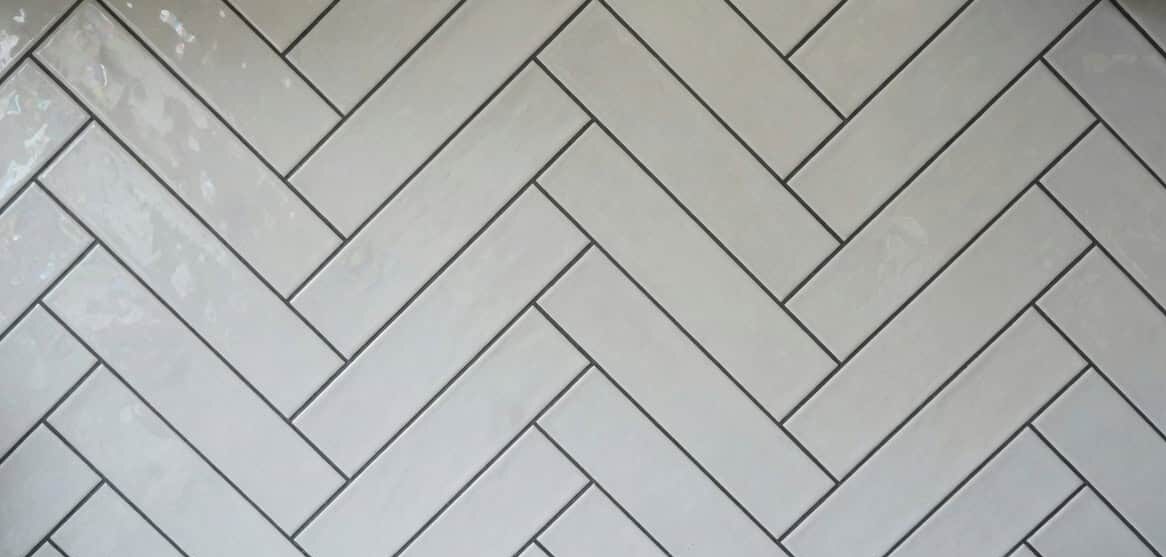


          House Renovation

          Renovate The Old & Living Like New in Auckland | Superior Renovations

          There’s something special about owning an older home in our vibrant city—those villas, bungalows, and weatherboard treasures tell stories of the past. But let’s be real: creaky floors, draughty windows, and dated layouts don’t always fit today’s Kiwi lifestyle. That’s where renovation comes in, and at Superior Renovations, we’re here to show you how to take the old and make it feel brand spanking new. In this blog, we’re diving into what “living like new” really means—modernizing interiors, boosting energy efficiency, adding smart tech, preserving character, and nailing the details.


          If you’re looking for “specific” cost estimates, try our Renovation Cost Calculator Tools


          Need ideas? Check out our Kitchen Design Gallery or dive into our Bathroom Design Gallery for inspiration!


          We’ll share practical tips and Auckland-specific advice to transform your home into a modern masterpiece. Ready to renovate? Let’s get started!


          1. Modernizing the Interiors

          Ever walked into your older home and thought, “This place could use a glow-up”? You’re not alone. Renovating an old house to feel fresh and modern is a growing trend across New Zealand, especially here in Auckland, where heritage villas and bungalows dot the landscape. At Superior Renovations, we’re all about breathing new life into your space while keeping that Kiwi charm intact. So, what does it mean to “live like new” when modernizing your interiors?

          Why Modernize Your Interiors?

          Living like new isn’t just about aesthetics—it’s about making your home work for your lifestyle. Older Auckland homes, like those gorgeous villas in Ponsonby or Mount Eden, often come with small, boxed-in rooms, dated fixtures, and flooring that’s seen better days. A renovation focused on modernizing interiors opens up your space, updates the essentials, and brings your home into the 21st century—all while keeping it functional and cozy for Auckland’s unique climate.

          Replace Outdated Fixtures

          First things first: let’s tackle those relics from the past. Kitchens and bathrooms are prime renovation targets because they’re the heart and soul of any home. Swap out that chipped sink or rusty tap for sleek, modern designs—think matte black faucets or minimalist basin styles trending on ArchiPro. Updating lighting is another game-changer. Ditch those old fluorescent bulbs for chic pendant lights or recessed LEDs to brighten up your space.

          Tip: Check Auckland Council’s building consent guidelines (aucklandcouncil.govt.nz) before starting—some fixture replacements might need approval if plumbing or electrical work is involved.

          DSC07213 Renovate The Old & Living Like New in Auckland | Superior Renovations

          Create Open Spaces

          Nothing says “living like new” like an open-plan layout. Older homes often feel cramped with walls chopping up the floorplan. Knocking down a non-load-bearing wall (always consult a pro first!) between your kitchen and living area can create that airy, spacious vibe Aucklanders love. It’s perfect for entertaining or just soaking in the natural light from those big Kiwi skies.

          Tip: Head to building.govt.nz to ensure your renovation complies with the New Zealand Building Code—safety first!

          Update Flooring

          Worn-out carpet or creaky floorboards? Time for an upgrade. Modern flooring options like hardwood, ceramic tiles, or even durable laminates can completely transform your home’s feel. Hardwood’s a fave for its timeless appeal, while tiles work wonders in Auckland’s humid summers.

          Tip: Pop into a local Auckland showroom or browse ArchiPro for inspiration—seeing samples in person helps you nail the vibe you’re after.

          Add Fresh Paint

          A lick of paint is the easiest way to hit refresh. Modern colour palettes—think soft greys, earthy greens, or crisp whites—are all the rage in Auckland renovations. Want to spice it up? Add an accent wall in a bold hue like navy or terracotta to inject personality.

          Tip: Use low-VOC paints for better indoor air quality—an eco-friendly bonus for your reno!

          Install New Cabinets

          Old cabinets can drag down even the most well-intentioned renovation. In kitchens and bathrooms, go for modern styles with clever storage solutions—think pull-out shelves or soft-close drawers. White shaker cabinets are a hit for their clean, contemporary look, but matte black or timber finishes are trending too.

          Tip: Measure twice, order once—custom cabinets can max out your space but need precise planning.

          Living Like New in Auckland

          Modernizing your interiors isn’t just about keeping up with trends—it’s about crafting a home that feels fresh, functional, and yours. Imagine cooking in a sleek kitchen with new cabinets and updated fixtures, or lounging in an open-plan living area with gorgeous hardwood underfoot. That’s the beauty of renovation: you’re taking the old and making it feel brand spanking new, all while staying true to Auckland’s laid-back lifestyle.


          1. Energy Efficiency & Sustainability

          When you think of renovating your older home, do you picture lower power bills, a smaller carbon footprint, and a space that’s comfy year-round? That’s what “living like new” means when we talk energy efficiency and sustainability at Superior Renovations. Here in Auckland, where weather can swing from sunny to soggy in a heartbeat, a smart renovation can turn your dated home into an eco-friendly gem.

          bathroom-renovators-nz-28 Renovate The Old & Living Like New in Auckland | Superior Renovations

          Why Focus on Energy Efficiency?

          Older Auckland homes—think those charming Grey Lynn cottages or Parnell villas—weren’t built with today’s energy standards in mind. Leaky windows, poor insulation, and outdated systems can mean chilly winters and skyrocketing bills. A renovation that prioritizes efficiency not only saves you money but also aligns with New Zealand’s push for sustainability. Plus, who doesn’t want to brag about a greener home?

          Add Energy-Efficient Features

          Start with the big wins: solar panels, LED lighting, and energy-efficient windows. Solar’s a no-brainer in Auckland—our sunny days make it a solid investment. Check out building.govt.nz for the latest on solar installation regs, and you might even qualify for incentives (peek at Auckland Council’s site for updates). Swap old bulbs for LEDs—they use less power and last longer, cutting your reno’s long-term costs. And those draughty single-pane windows? Upgrade to double-glazed ones for better heat retention.

          Improve Insulation

          Insulation’s the unsung hero of any energy-efficient renovation. Many older Kiwi homes lack proper wall or ceiling insulation, letting heat escape faster than you can say “Auckland winter.” Beef it up with modern materials like wool or fibreglass batts—building.govt.nz has the scoop on minimum standards under the NZ Building Code. Don’t forget underfloor insulation too; it’s a game-changer for keeping toes toasty.

          Tip: If you’re DIY-ing, wear gloves and a mask—insulation can be itchy business!

          Upgrade HVAC Systems

          That ancient heater chugging away in the corner? It’s probably costing you more than it’s worth. Modern HVAC systems—like heat pumps or ducted units—are quieter, more efficient, and better at maintaining Auckland’s tricky indoor temps. Look for energy-star-rated models to max out savings.

          Tip: Auckland Council might require a consent for new HVAC installs, so double-check before you commit.

          IMG_0901 Renovate The Old & Living Like New in Auckland | Superior Renovations

          Living Like New, Sustainably

          What does “living like new” look like with an energy-efficient renovation? Picture this: you’re sipping coffee in a warm, well-lit lounge, knowing your solar panels are powering the moment and your insulation’s keeping the chill at bay—all while your energy bill shrinks. It’s about modern comfort with a nod to sustainability, perfectly suited to Auckland’s eco-conscious vibe.

          Bonus Auckland Advice

          Renovating for efficiency doesn’t have to break the bank. Explore funding options like the Warmer Kiwi Homes programme (if eligible) via energywise.govt.nz—it offers subsidies for insulation and heating upgrades. And while you’re at it, chat with your contractor about passive design tricks—like orienting windows for max sunlight.


          1. Adding Smart Home Features

          imagine this: you’re in your classic Herne Bay villa, adjusting the thermostat with your phone, dimming lights with a voice command, and checking your security cameras while sipping a flat white at a Ponsonby café. That’s what “living like new” means when you weave smart home tech into your renovation. At Superior Renovations, we’re seeing more Aucklanders embrace these upgrades to modernize their older homes. Let’s explore how adding smart features can level up your reno.

          Why Go Smart with Your Renovation?

          Older homes in Auckland—whether it’s a Mount Albert bungalow or an Epsom character house—weren’t built for today’s tech-driven world. A renovation that integrates smart home features brings convenience, efficiency, and a touch of futuristic flair to your space. It’s about making your home work smarter for you, all while fitting into Auckland’s laid-back yet innovative lifestyle.

          IMG_0900 Renovate The Old & Living Like New in Auckland | Superior Renovations

          Integrate Smart Home Technology

          Let’s start with the fun stuff. Smart thermostats—like the Nest or Ecobee—let you control your home’s temp from anywhere, saving energy when you’re out exploring Auckland’s beaches. Smart lighting systems (think Philips Hue) allow you to set moods or schedules—perfect for those long summer evenings. And don’t sleep on smart security—cameras, doorbells, and locks you can monitor remotely add peace of mind, especially in Auckland’s bustling suburbs.

          Create a Home Office Nook

          With remote work still a big deal, a dedicated home office nook is a renovation must. Carve out a corner in your living room or spare bedroom, then deck it out with smart features—think automated blinds for glare control or a smart plug to power your setup efficiently. Add built-in shelving or a sleek desk to keep it functional and stylish.

          Living Like New with Smart Tech

          “Living like new” in a smart-renovated home means effortless control and modern comfort. Picture locking your front door from your phone as you head to the Viaduct, or pre-heating your home on a rainy Auckland afternoon—all without lifting more than a finger. It’s the kind of upgrade that makes your old house feel cutting-edge, blending seamlessly with the Kiwi love for innovation.

          renovation-3 Renovate The Old & Living Like New in Auckland | Superior Renovations

          Auckland-Specific Smarts

          Renovating in Auckland? Keep an eye on local quirks. Our humid climate means smart ventilation systems (like moisture-sensing extractors) can combat dampness—a must for older homes. And if you’re in a heritage overlay area (common in Remuera or Devonport), Auckland Council might have rules about external tech like security cameras—check their site to stay compliant.


          1. Preserving Character & Adding Value

          Got a classic villa in Freemans Bay or a weatherboard beauty in St Heliers? Renovating an older home doesn’t mean stripping away its soul—it’s about blending that timeless Kiwi charm with modern upgrades. At Superior Renovations, we believe “living like new” is about keeping the character that makes your home special while boosting its value.

          Why Preserve Character in a Renovation?

          Auckland’s older homes are packed with history—think high ceilings, kauri floors, and those iconic bay windows. A renovation that respects these features not only honours the past but also makes your place stand out in a market full of cookie-cutter builds. Plus, adding value through thoughtful upgrades is a win for your wallet and your lifestyle.

          Add Architectural Details

          Want to enhance that old-school charm? Pop in some crown molding, wainscoting, or decorative trim. These touches elevate your interiors without clashing with the home’s original style.

          Tip: If you’re in a heritage zone (hello, Parnell!), Auckland Council’s site has rules on what alterations need consent—don’t skip this step!

          Use Reclaimed Materials

          Sustainability meets character with reclaimed materials. Think kauri timber from a demo’d Kiwi home for a feature wall, or exposed brick for a cozy fireplace nook. These elements add texture and a story to your reno, all while keeping things eco-friendly—a big plus in NZ.

          Tip: Source reclaimed goodies from local salvage yards like The Junk Company in Auckland—building.govt.nz encourages sustainable choices like this.

          Choose Vintage-Inspired Appliances and Fixtures

          Modern doesn’t have to mean sterile. Pick appliances and fixtures that nod to your home’s era but pack today’s tech. A retro-style Smeg fridge in a soft pastel hue or a clawfoot tub with modern taps can bridge old and new perfectly. ArchiPro’s NZ projects showcase how these choices keep the vibe authentic yet functional.

          Living Like New with Character

          What does “living like new” look like here? It’s stepping into a home where the past and present chat happily—sipping tea under ornate molding, cooking on a vintage-inspired range, and admiring a reclaimed timber shelf. It’s a renovation that feels fresh but familiar, boosting your home’s value while keeping its Auckland soul intact.

          Adding Value, Auckland-Style

          Renovating with character in mind can seriously up your property’s worth. Buyers in Auckland love homes with unique features—those preserved kauri floors or restored sash windows could seal the deal. Plus, if you’re in a heritage overlay (check Auckland Council’s Unitary Plan), sticking to the rules keeps your reno legal and marketable.


          1. Other Considerations

          So, you’re ready to renovate that charming old home in Point Chevalier or Kingsland and make it feel brand new. Beyond the big-ticket items like interiors and tech, there are some key “extras” that can tie your renovation together. At Superior Renovations, we’re here to help you think through every detail of “living like new.”

          Home Renovation Loans

          Renovating isn’t cheap, especially in Auckland where costs can climb fast. Whether you’re eyeing a full overhaul or just a few upgrades, financing might be your ticket. Kiwi banks like ANZ or Westpac offer home renovation loans, and some even have green options for energy-efficient projects.

          Tip: Pop over to moneyhub.co.nz for a rundown of NZ lenders—compare rates and terms to keep your reno on budget.

          Replace Hardware

          It’s the little things that count. Swapping out dated door handles, hinges, and cabinet pulls for modern designs—like brushed nickel or matte black—can give your home a polished, cohesive look. These small tweaks scream “new” without breaking the bank.

          DSC04932 Renovate The Old & Living Like New in Auckland | Superior Renovations

          Replace Old Doors

          Creaky, warped doors are a vibe-killer in any old home. Replacing them with energy-efficient, modern designs not only boosts aesthetics but also improves insulation—crucial for Auckland’s damp winters. Go for solid timber or sleek glass-panelled options to suit your reno’s vibe.

          Update the Cabinets (Again!)

          We’ve touched on cabinets before, but they’re worth a second shout. If a full replacement isn’t in the cards, consider a refresh—new doors, a coat of paint, or modern handles can transform kitchen and bathroom storage. Think clever pull-outs or hidden drawers for that “living like new” feel.

          Living Like New with the Details

          “Living like new” isn’t just about the big wins—it’s the sum of smart choices. Picture walking through a freshly painted hall with smooth new doors, grabbing a snack from updated cabinets, and knowing your reno’s funded without stress. It’s a home that feels modern and yours, tailored to Auckland’s unique pace and place.

          Auckland-Specific Nuggets

          Renovating here? Don’t forget consents—Auckland Council’s site warns that even small changes (like swapping doors) might need approval if they affect structure or heritage rules. And with our coastal climate, opt for rust-resistant hardware—salt air’s no joke! For funding, keep an eye on council or government grants (energywise.govt.nz has deets) if your reno includes eco-upgrades.


          Bringing It All Together for Your Auckland Renovation

          And there you have it, Aucklanders—a roadmap to renovating the old and living like new! From sleek, modern interiors to energy-saving upgrades, smart home tech, character-rich details, and those final finishing touches, we’ve covered the lot. At Superior Renovations, we know every Auckland home is unique, whether it’s a heritage villa in Ponsonby or a cozy bungalow in Mount Roskill. Renovation isn’t just about fixing what’s broken—it’s about crafting a space that’s fresh, functional, and totally you. So, grab these tips, check those consents on aucklandcouncil.govt.nz, and let’s turn your old home into a new Kiwi classic. Got questions or ready to kick off your project? We’re just a call away—let’s make your renovation dreams a reality!

          To Summarise…

          What does “living like new” mean when renovating an old Auckland home?

          It’s about updating your older home with modern comforts—like open spaces, energy efficiency, and smart tech—while keeping its unique charm, so it feels fresh and fits your lifestyle.

          Do I need consents for my renovation in Auckland?

          Yep, often! Anything structural (like knocking down walls), plumbing, electrical, or heritage-related needs a check with Auckland Council (aucklandcouncil.govt.nz). Even small stuff like new doors might require approval.

          How can I modernize my interiors during a renovation?

          Swap out old fixtures, open up spaces by removing walls, update flooring (hardwood’s a winner!), add fresh paint, and install modern cabinets—think sleek and storage-savvy.

          What energy-efficient features should I add in an Auckland reno?

          Go for solar panels, LED lights, double-glazed windows, better insulation, and a modern HVAC system. They’ll cut bills and suit Auckland’s climate.

          Can I add smart home tech to an older Auckland house?

          Absolutely! Smart thermostats, lighting, security systems, and even a home office nook with automation can bring your reno into the future.

          How do I preserve my home’s character while renovating?

          Add details like crown molding, use reclaimed materials (hello, kauri!), and pick vintage-inspired appliances that blend old charm with new functionality.

          What financing options are there for a renovation in NZ?

          Look into home renovation loans from Kiwi banks or subsidies like Warmer Kiwi Homes (energywise.govt.nz) if you’re adding eco-features.v

          Why bother with small details like hardware or doors?

          Updating handles, hinges, and doors ties your reno together—small changes, big impact on that “new” vibe.

          Where can I get more renovation inspo for Auckland?

          Check ArchiPro for local projects, building.govt.nz for compliance tips, and chat with us at Superior Renovations for tailored advice!


          If you’re looking for “specific” cost estimates, try our Renovation Cost Calculator Tools

          Need ideas? Check out our Kitchen Design Gallery or dive into our Bathroom Design Gallery for inspiration!


          Need more information?

          Take advantage of our FREE Complete Home Renovation Guide (48 pages), whether you’re already renovating or in the process of deciding to renovate, it’s not an easy process, this guide which includes a free 100+ point check list – will help you avoid costly mistakes.

          Download Free Renovation Guide (PDF)


          Still have questions unanswered?

          Book a no-obligation consultation with the team at Superior Renovations,
          we’d love to meet you to discuss your renovation ideas!


            Services

            Home RenovationKitchen RenovationBathroom RenovationOutdoor RenovationHouse ExtensionCommercialDesign ServicesOther

            By submitting this form, you agree to receive communications from us via email or text regarding our services, you can unsubscribe at any time.

            This site is protected by reCAPTCHA and the Google

            Privacy Policy and Terms of Service apply.


            WRITTEN BY SUPERIOR RENOVATIONS

            Superior Renovations is quickly becoming one of the most recommended Kitchen Renovation & Bathroom Renovation company in Auckland and it all comes down to our friendly approach, straightforward pricing, and transparency. When your Auckland home needs renovation/ remodeling services, Superior Renovation is the team you can count on for high-quality workmanship, efficient progress, and cost-effective solutions.

            Get started now by booking a free in-home consultation.

            Request Your In-home Consultation

            Or call us on 0800 199 888

            www.superiorrenovations.co.nz


            finance-badge1000x1000 Renovate The Old & Living Like New in Auckland | Superior Renovations

            Have you been putting off getting renovations done?

            We have partnered with Q Mastercard ® to provide you an 18 Month Interest-Free Payment Option, you can enjoy your new home now and stress less.

            Learn More about Interest-Free Payment Options*

            *Lending criteria, fees, terms and conditions apply. Mastercard is a registered trademark and the circles design is a trademark of Mastercard International Incorporated.
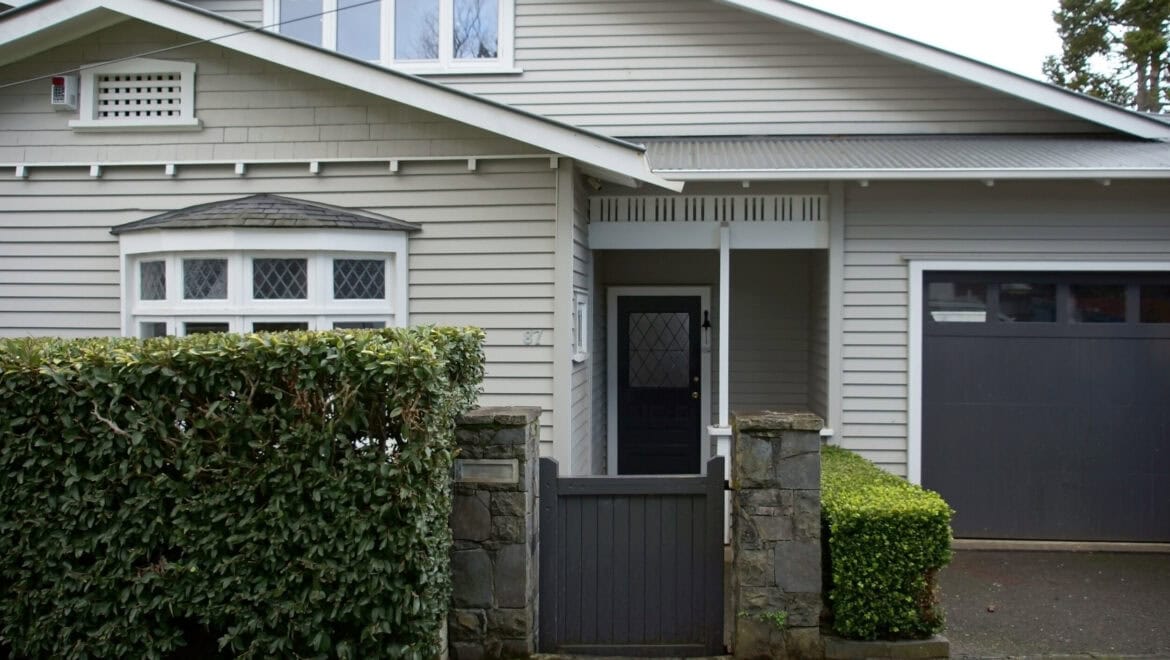
            .

            small kitchen ideas nz
            Kitchen Renovation

            28 Stunning Small Kitchen Design Ideas for Your NZ Renovation

            This guide has been republished to include additional small kitchen design ideas for New Zealand homeowners and to reflect the trends of 2025.

            Let’s face it – no one wants to feel claustrophobic when cooking. This can become a problem especially in small apartment and homes where space can become a real problem. Due to lack of space, being in your kitchen can become a stressful experience. But this can be easily combated if the space is used efficiently.

            Planning is key when it comes to small kitchen design NZ. The cost for basic things like labour and project management will still remain the same as you still have to bring trades in like installers, electricians, plumbers, tilers, painters etc. However, you will save on materials as there will be lesser cabinets, lesser tiles and other raw materials to work with.

            Innovation is also important when thinking about planning a small space design ideas NZ. Look for innovative ideas within the space for storage and work areas. An example would to make hidden storage cabinets that can be integrated into your living space. These closed cabinets will allow you to store appliances and at the same time will not make your space look bulky.


            Need ideas? Check out our Kitchen Design Gallery or dive into our Bathroom Design Gallery for inspiration!


            You can also custom build cabinets which can finish at the ceilings. Keep less used appliances on the top shelves and incorporate an aesthetically pleasing ladder in your decor which can be used to access appliances on the top shelves.

            Kitchen things (our preferred supplier for appliances) has products from various top brands which primarily makes appliances especially catered for small spaces. These appliances can be dismantled and stored in a cabinet without taking any counter space.

            The first thing before you start planning a kitchen design for your small kitchen is to look at Ergonomics and functionality from the perspective of a kitchen designer. Before we get into small kitchen design ideas, lets look at some tips from our kitchen designer Dorothy about functionality and really understanding the challenge of designing a small kitchen space.

            Our Kitchen Designer’s Advice: Modern Small Kitchen Designs: Optimizing Space and Functionality in New Zealand Homes

            In the dynamic landscape of contemporary New Zealand homes, the kitchen stands as the heart of functional design. With urban dwellings and compact living spaces becoming increasingly prevalent, the demand for innovative small kitchen designs has surged. As a seasoned kitchen designer, Dorothy our head of kitchen design is passionate about integrating aesthetics with practicality, ensuring that every square meter is maximized for efficiency and elegance.

            Understanding the Challenge: Small Kitchen Renovation Spaces in New Zealand

            New Zealand’s architectural trends have evolved significantly, emphasizing sustainable living and efficient space utilization. In cities like Auckland, Wellington, and Christchurch, where space comes at a premium, small kitchen designs play a crucial role in enhancing both the visual appeal and functionality of residential properties. Whether you reside in a cozy apartment or a contemporary suburban home, the principles of ergonomic design and modern aesthetics can transform even the most compact kitchen into a culinary sanctuary.

            Ergonomics in Kitchen Design: Enhancing Comfort and Efficiency

            Ergonomics lies at the core of effective kitchen design, especially in smaller spaces where every movement counts. By strategically placing appliances, cabinets, and workstations, a well-designed kitchen can minimize unnecessary steps and optimize workflow. In New Zealand, where a blend of Maori heritage and multicultural influences shapes modern lifestyles, kitchen designers must cater to diverse culinary practices while prioritizing comfort and accessibility.

            Key Elements of Ergonomic Kitchen Design:
            1. Layout Efficiency: Emphasizing a streamlined workflow with the classic triangle layout (sink, stove, refrigerator) reduces movement and enhances efficiency.
            2. Storage Solutions: Utilizing innovative storage options such as pull-out drawers, carousel cabinets, and overhead racks maximizes vertical space and keeps essentials within easy reach.
            3. Lighting Considerations: Ample natural light and strategically placed task lighting reduce eyestrain and create a welcoming ambiance.
            4. Height Adjustments: Customizing countertop heights and cabinet placements ensures that the kitchen accommodates users of different statures comfortably.

            Functionality Meets Style: Crafting Modern Small Kitchen Designs

            In the realm of kitchen design, functionality should never compromise style. Modern small kitchen designs in New Zealand embrace sleek, minimalist aesthetics that amplify visual space and create a sense of openness. From cutting-edge materials to innovative appliance integration, each element serves a dual purpose of enhancing functionality and elevating the overall design ethos.

            Design Strategies for Small Kitchens Renovations:
            1. Open Shelving and Minimalistic Finishes: Opting for open shelving instead of bulky cabinets can make the kitchen feel larger while showcasing curated collections or decorative accents.
            2. Compact Appliances: Investing in space-saving appliances such as slimline dishwashers, built-in microwaves, and under-counter refrigerators optimizes floor space without compromising on utility.
            3. Multifunctional Islands: Introducing a multifunctional kitchen island serves as a central hub for cooking, dining, and storage, effectively maximizing both workspace and social interaction.
            4. Statement Lighting: Incorporating pendant lights or recessed fixtures not only illuminates key areas but also adds a touch of elegance and personality to the kitchen space.

            Top 28 Kitchen design Ideas for a Small Kitchen Design in NZ

            1. Play around with your Colours

            Did you know that some colours have a tendency to make a space feel tiny and narrow while some are perfect for creating an illusion of added space? We recommend clients to use more neutral colours to make their space look larger. Use Dulux’s Mason Bay Quater WN27 or Epsom VW C100 as the main palette for your kitchen in order to open up your space.

            However, using neutral or shades of white does not mean that your kitchen has to look dull or boring. Choose a colourful or textured splashback to draw attention and create interest. The colour of your cabinets can also be a few shades darker to create some contrast. Use colourful knobs and tapware to add some colour in the space.

            2. Lighting is important

            Natural lighting is the best lighting you can have in your kitchen design NZ. You can maximise natural lighting by having large vertical windows to create a sense of height or add skylights to heighten the ceiling (and get extra space for more kitchen cabinets). If this however is not possible then there are still ways of incorporating lighting into your kitchen design.

            5 Small kitchens ideas

            • Lights that are close to your ceiling: Consider installing chandeliers or lights that are close to the ceiling. Avoid low hanging chandeliers as they will make your small kitchen layout look cumbersome. Having close to ceiling lighting will also let you skip any wall lighting fixtures. These walls can be better used for shelving.
            • Recessed Lighting: Recessed lighting is a great option to light up an area without infringing into your kitchen space.
            • Pendant Lighting: Pendant lighting is a lone lighting fixture suspended by a chord or metal chain. This is a variation to a chandelier and is less space consuming. You can either use a series of pendant lights or just one depending on your space. Pendant lighting also creates a lot of drama and adds character to any kitchen space.
            • LED strip lights underneath cabinets: Install LED strip lights underneath your cabinets and cabinet handles save on space as well as enhance the mood of your kitchen. Most of these LED lights can be dimmed which can also act as a mood enhancer.
            • Flush mount Lighting: Most houses in Auckland feature flush mount lighting. They are great as there come in many styles and save a lot of space.
            DSC07317-1000 28 Stunning Small Kitchen Design Ideas for Your NZ RenovationLED lighting below cabinets DSC07535-1024x682 28 Stunning Small Kitchen Design Ideas for Your NZ RenovationPendant Lighting DSC07532-1024x682 28 Stunning Small Kitchen Design Ideas for Your NZ RenovationPendant Lighting
            Renovation-Massey-West-Auckland-32 28 Stunning Small Kitchen Design Ideas for Your NZ Renovation DSC07315-1000 28 Stunning Small Kitchen Design Ideas for Your NZ Renovation DSC07335-1000 28 Stunning Small Kitchen Design Ideas for Your NZ Renovation

            Above are examples of lighting that can be incorporated into your kitchen design

            3. Choose your appliances wisely for your Kitchen renovation

            Purchasing appliances for your kitchen is not an easy task – and its get more difficult if your kitchen space is tiny. However, one of the best kitchen design ideas NZ is to use smarter products that are emerging and are in the perfect form and function.

            Choose kitchen appliances and furniture that are specifically designed for tiny spaces. There are many options for kitchen appliances which are flexible, versatile and efficient regardless of your small space. Bosch and Kitchen Things specifically make appliances that are designed for small kitchen design NZ. For example think about appliances that can be dismantled and put into a drawer rather than ones that take up counter space.

            An example would be a hand held mixer or grinder that can be put back into a drawer rather than a bulky mixer and grinder. Also think of multi functional appliances which can do several tasks rather than just one specific task. These smart and innovative appliances often have several functions like being able to mix, grid, whisk etc.

            4. Become a Shelving master for your kitchen renovation

            Renovating or designing a compact kitchen space nowadays requires planning and researching for appropriate solutions. A lot of interior designers will agree that the best kitchen design ideas need proper organisation – which is why shelves are important.

            Incorporate Floating Shelves in your kitchen renovation

            You can use floating shelves as an easy and inexpensive way to add much-needed extra storage for your kitchen. They can be great for spices, cups, tea and coffee pots while adding a personal touch to your kitchen design. If you are completely redoing your kitchen then incorporate floating shelves within your kitchen ideas to match other cabinets. These floating shelves can also be added in your dining area. You can buy colourful mugs, plates, and kitchen accessories to give your space some character as well as using it for storage.

            Ambury-6-002-768x1024 28 Stunning Small Kitchen Design Ideas for Your NZ Renovation

            Full Kitchen renovation in Mangere Bridge – Floating shelves add a focal point as well as storage for the kitchen

            Drawers and Pantry Shelves

            Shelves within your drawers can make organisation and storage much easier. Think of incorporating shelving within the drawers to store cutlery. Another emerging trend has been to create storage pull out shelves within a pantry. This allows you to keep the pantry looking sleek and uncluttered. This kind of a storage pantry can also be built within your other living areas and does not have to be in the immediate vicinity of the kitchen.

            5. Kitchen storage to incorporate in your Kitchen renovation

            Storage is of paramount importance in any kitchen design ideas, but particularly a small one. One obvious way to maximise storage space is to have wall units running above your base units, effectively doubling your small kitchen storage potential.

            DSC06659-1000 28 Stunning Small Kitchen Design Ideas for Your NZ Renovation DSC06663-1000 28 Stunning Small Kitchen Design Ideas for Your NZ Renovation DSC06664-1000 28 Stunning Small Kitchen Design Ideas for Your NZ Renovation
            DSC06665-1000 28 Stunning Small Kitchen Design Ideas for Your NZ Renovation DSC06588-1000 28 Stunning Small Kitchen Design Ideas for Your NZ Renovation DSC06656-1000 28 Stunning Small Kitchen Design Ideas for Your NZ Renovation

            Storage solution for our clients in Auckland

            5 ways to maximise storage in small kitchens

            • Open shelves till the ceiling: You could also look to have some open shelving, which, as well as being practical, will help give your small kitchen a more open feel.
            • Magic corners: Magic corners are great for corner cabinets which are awkward and the space in the corners is often wasted. Magic corners feature pull out trolley like drawers which let you utilise that corner space. We often work with products from Blum which are very innovative in storage solutions for small kitchen design NZ
            • Islands that double as a storage solution: More storage the better for most people. Your breakfast island is another great place which can double as a storage space within your kitchen design. Breakfast islands can be custom built to have storage cabinets and drawers to further increase storage space.
            • Cabinets with storage shelves: As discussed above, building organisational shelves within the cabinets can make your darwers uncluttered as well as have a dedicated space for items. Pantry storage drawers are also becoming popular for organisation and saving space.
            • Hooks for Pots and Pans: A hanger for pots and pans or utensils can be another great way to store items that would otherwise take up space in your cupboard. A style tip would be to buy cubs and utensils which are colourful and vibrant.

            6. Islands that double as storage and dining

            Whether you have a small or large kitchen, islands have becoming a great addition to any kitchen design. This is because islands are very versatile and can be used as a counter top for preparation, as a dining solution and for storage.

            DSC06731-1024x682 28 Stunning Small Kitchen Design Ideas for Your NZ Renovation

            Kitchen renovation in Blockhouse Bay – This island provides plenty of storage cabinets as well as counter space

            Our renovation showroom with a kitchen display – A case study in maximising storage including the island

            We have recently opened a renovation showroom in Auckland due to popular demand by our clients. This is really to show the quality of our renovated kitchens as well as bathrooms. If you see below, you will see a great example of our modern kitchen design that showcases an island which has storage on both sides of the kitchen island.

            Superior-Renovations-Showroom-12 28 Stunning Small Kitchen Design Ideas for Your NZ Renovation

            Our renovation showroom in Wairau Valley, Auckland. This is a great example of a modern and sleek kitchen which has storage on both sides of the kitchen island.

            When you look at the kitchen island above, you will see a seamless design where it seems like there are no cabinets or drawers. In reality however, the part of the island that is facing the corridor has 2 double storage cabinets and a single storage cabinet. The part of the island that faces the kitchen has 2 pull out condiment cabinets, 2 double drawers with a hidden drawer inside. The hidden drawer is created so that from the outside it has a seamless look.

            Read: Which layout is better for your Kitchen?

            People often think that islands cannot be incorporated within a small kitchen design NZ. This however is far from the truth. Small kitchens are often found in an open plan living setting. They could either consist of one wall with a couple of counter tops, cooking range and a dishwasher. If you are doing kitchen makeover or a complete kitchen renovation then think about ‘breaking’ the kitchen from the living room by installing a small breakfast bar in the middle. You can eliminate the dining area all together and use the breakfast bar as a space where you can eat your meals and also use as a counter top.

            house-renovation-19-1024x681 28 Stunning Small Kitchen Design Ideas for Your NZ Renovation

            Kitchen renovation in Greenlane – The island doubles as a dining area, has a sink and counter space for prep and storage on the other side in form of cabinets

            If you do have a small kitchen which is not in an open plan settling then consider breaking the wall between your living and kitchen to open up the area. You will be amazed how spacious your kitchen will feel when you make it into an open plan kitchen.

            For further ideas for great storage solutions check out the following projects

            7.Hideaway kitchens

            Another emerging trend for best kitchen design ideas is a concept that has been quite popular over the past few years – the concept of hideaway kitchens.

            Essentially, these are small kitchen spaces which are separated by a drawer – and ones which become “invisible” on demand. With a kitchen like this, you can easily hide your kitchen mess and transform a living room with kitchen to a full living room in a matter of seconds.

            8. Small kitchen layouts

            Small kitchen ideas are plenty but before anything begins you will have to think about the layout. Layout has a huge impact on how easy your kitchen is to cook in, and how pleasant it is be in. Whether you’re starting from scratch or adapting a current space, think about how you use your kitchen and what tasks you do most. Don’t just think about putting breakfast together and cooking dinner every night, but be more specific.

            If you personal preference is an L shaped kitchen but if it makes your space look congested then opt for putting your kitchen counters on one side only. Instead, think about putting in a small breakfast inland that can provide counter space and double as a dining space. If your kitchen is closed off then consider breaking the wall that divides the kitchen from the rest of the living space. Open plan kitchens often make the space look larger and provides more of a cohesive living space.

            Single Wall Kitchen Layout

            How to design a small kitchen? For your small kitchen layout, this layout may be helpful as it’s perfect for small kitchens and won’t take up too much space. Kitchens with a single wall are effective because you can use the vertical space for additional storage. This wall has depth and balance thanks to the attractive texture the wood paneling produces. Simple kitchen designs don’t cost a lot to make. To make the most of the space’s usability and create a little design, you may include a seating area in you small kitchen layout.

            photo-1596552183299-000ef779e88d?ixlib=rb-1.2 28 Stunning Small Kitchen Design Ideas for Your NZ Renovation

            Single Wall Kitchen | Photo Credit – Unsplash

            Galley Kitchen Layout

            If there is enough space, you may want to consider a galley kitchen layout for your small kitchen layout. A galley kitchen has services on one or both sides and is long and narrow. A galley kitchen has an aisle down its middle. The galley kitchen may occasionally come to a dead end or function as a pass-through kitchen. Galley kitchens are typically less expensive to install or remodel than other kitchen layouts due to their modest size. Which is perfect if you’re on a budget and have limited space.

            How to design a small kitchen? Having a galley kitchen as your small kitchen layout will help keep movement to a minimum as everything you need are close together. This small kitchen layout also allows for the work triangle to work.

            photo-1620981210809-acfaf1ed6dd6?ixlib=rb-1.2 28 Stunning Small Kitchen Design Ideas for Your NZ Renovation

            Galley Kitchen Layout | Photo Credit – Unsplash

            7 Open Plan Small Kitchen Design

            How to design a small kitchen? You to make your kitchen look more spacious you can break down a wall and create an open space kitchen. Open plan kitchens don’t necessarily need a big space to create. You can create an open plan kitchen design with a small kitchen with these help modern small kitchen design ideas. Be sure to incorporate some of these ideas in your small kitchen layout design.

            1. Lighting

            Lighting is very important in an open plan kitchen design as you’d want different lighting to break up the space as there is no longer a wall that separates the kitchen from the living room. There are 3 different types of lighting you’d want to use. Task lighting, ambient lighting, and spotlight lighting. In

            your open plan kitchen design, opt for hanging pendant lights above your kitchen island to create an attractive focal point.

            2. Make space for entertaining

            In your open plan kitchen design, consider an entertainment kitchen for modern small kitchen ideas. By removing a wall, it will help open your kitchen space and enable you to make space for entertaining. When having guests over, everyone can gather around the same space and if you include an island with seats, it will provide a space for socialisation while cooking. Sometime to consider in your small kitchen layout.

            Entertainment Dream Kitchen Renovation in Massey.

            Find out if having a entertainment kitchen is perfect for you.

            3. Make a compact space work

            How to design a small kitchen? Your small kitchen layout doesn’t affect how you want to design your kitchen. You can still create an open plan kitchen design even with a small kitchen. This is when you’d want to consider having a single wall small kitchen layout in your open plan kitchen design as you’re able to have all your kitchen units on one wall. Finish the look by adding a round dining table as a square or rectangular table might make the space more squished.

            Read our blog on open plan kitchen vs closed plan kitchens.

            4. Maxmise natural light

            In your modern small kitchen ideas, ensure that there is enough space to let as much natural sunlight in as possible. If possible, opt for a skylight as that will help let the sunlight into the room more. How to design a modern kitchen? Having as much natural light as possible helps makes your small kitchens look bigger and create an appealing look. Which is needed for modern small kitchen ideas.

            photo-1629079448081-c6ab9cbea877?ixlib=rb-1.2 28 Stunning Small Kitchen Design Ideas for Your NZ Renovation

            Natural Sunlight in Open Plan Kitchen | Photo Credit – Unsplash

            5. Built in appliances

            How to design a small kitchen? In this small kitchen layout, you’d want to choose built in appliances. Built in appliances can help save space for more counter space and they’re perfect for an open plan kitchen design and provide a sleek, minimalist design. This would be a great addition to add in your small kitchens.

            6. Kitchen island

            A kitchen island is vital in an open plan kitchen design. Not only does the kitchen island provide additional storage space in your small kitchens, but it also helps break up the space from the kitchen and the living room. There are many benefits to adding a kitchen island into your modern small kitchen ideas as it’d be a social hub of your kitchen and bring the room together.

            View more…

            Kitchen Renovation in Epsom

            Renovating a 40 year old kitchen

            Contemporary Kitchen Renovation in Henderson


            How to Maximise Kitchen Island Space

            1. Incorporate appliances

            It’s hard to make space for everything you need in small kitchens. Including a kitchen island into your small kitchen layout can help with storage space. Having a built in microwave or build in dishwasher in your kitchen island can save on counter space. Ensure that any opening doors won’t get in the way of anything and ensure that they’re outfitted with proper electrical components.

            pexels-photo-4800185 28 Stunning Small Kitchen Design Ideas for Your NZ Renovation

            Dishwasher incorporated in kitchen island | Photo Credit – Unsplash

            2. Shallow open shelves

            How to design a modern kitchen? In your modern small kitchen design ideas, consider installing open shelves into your kitchen island. When doing this, ensure that you made the shelves deep enough to serve a purpose. Open shelves should be around 12-15 inches deep as it’d be easier for you to access items you’ve put there and make it easier for you to see everything.

            3. Kitchen island spice rack

            To improve visibility in kitchen island cabinets, use pull-out shelves and cabinets. Smaller things, like spice jars or bottles of vinegar and oil, can be stored in pull-outs and are less likely to get lost in the depths of a large cabinet.

            4. Kitchen Island mini fridge

            This is a great addition to add to your modern small kitchen design as it’d be easier to access drinks. Especially if you often throw events at your house, it’s a great addition and make it easier for guests to grab their own drink as they’re able to see where it is.

            man-hand-opened-mini-small-refrigerator-and-reached-drinking-plastic-picture-id1397635013?b=1&k=20&m=1397635013&s=170667a&w=0&h=oxXuJ5I7c4PtFIJD0J2ec_odwzOqSezJbKb30ggxuIA= 28 Stunning Small Kitchen Design Ideas for Your NZ Renovation

            Mini fridge in Kitchen Island | Photo Credit – iStock

            5. Create a handy bookshelf

            If you love cooking and have plenty of cookbooks, this modern small kitchen design ideas will be perfect for you. Create a little bookshelf in your kitchen island, as this will be a place where you’ll store cookbooks or regular books. This will add a colour, texture and character to your kitchen island and create a focal point in your small kitchens.

            7. Broken plan layout

            Whilst an open plan kitchen design has been very popular and always included in modern small kitchen design ideas. There is another option you can consider. How to designer a modern kitchen? You can opt for a broken plan layout which breaks up the space with half walls, glazed doors, or even split level flooring.

            DSC07672 28 Stunning Small Kitchen Design Ideas for Your NZ Renovation

            Broken Plan Kitchen Layout

            House renovation in Epsom, see more pictures!

            9. Use Larger Tiles for your Kitchen floors

            Contrary to popular belief, larger tiles actually make a space look larger. If you are using tiles for your kitchen floors then consider using 900 by 600 or 600 by 600 dimension tiles are they will make your floor look space look larger. This is owing to the fact that there will be lesser ‘breaks’ due to lesser number of grout lines. If you want to know more about large kitchen tiles and how they can give an illusion of space them read our Q&A article with Tile depot.

            Further Kitchen Design ideas for Small kitchens by our designers

            10. Replace kitchen cabinets with drawers

            Normal cupboards do not effectively store your appliances and utensils. They are also inconvenient as things stored at the back of the cupboard are often hard to reach. Instead, try and install drawers that can be pulled out. When you install a drawer that pulls out, you can easily see all the contents and be able to organise your kitchen a lot better.

            Read: Guide on designing Classic, Traditional, Contemporary, Modern, Cottage and Industrial Kitchens in Auckland

            11. Be Mindful of the texture of your cabinets, and Add Mirrors

            Having a small kitchen often means that you must choose materials that will not make your kitchen look smaller than it is. Shiny and smooth surfaces will reflect the light within your kitchen which will make your kitchen look larger. Most small kitchens do work well in a modern style due to its minimalistic look but if that is not the look you want then just remember not to make your materials too ornate and dark as they will make your kitchen appear smaller.

            If you like modern and contemporary styles, then you can also use glass as a splashback which will create an illusion of space. If you are not going for a modern and contemporary style, then think about adding a mirror on the wall which is suited to the style that you are designing your kitchen after. An example is a framed large horizontal mirror with a simple white frame for a classic kitchen

            Choose a no-handle set up for your drawers and cabinets if you are designing your kitchen in a modern or contemporary style. If you are going for a traditional, country, classic or cottage style kitchen then choose small matte knobs instead of bulky handles.

            12. Rolling Kitchen Carts and Tall dining table

            There is often a lack of counterspace in small kitchens. Think of creative ways to add counterspace for your small kitchen which work well for your layout. One way is to get a rolling kitchen cart that you can use as an additional counter for prep and store things. When not in use you can either remove it from your kitchen space or fold it up and store it away. Another way is to have tall dining table which you can also use as a prep counter while standing. Add some bar stools to the dining table to elevate the design of your space.

            13. Think about your Wall Patters and Feature walls as a design element

            It is not very easy to add design elements in a small kitchen as the cabinets are streamlines and there is not a lot of room to add decorations. You can however add character to your tiny kitchen by adding a feature wall. Avoid putting paintings or decorative items on the walls as this can make your small kitchen feel closed in. You can however draw attention to the wall by installing bright coloured tiles or painting your wall in a contrasting colour to the rest of your kitchen. You can also add tiles which are textured to add an additional dimension to your kitchen.

            another-classic-variation-1 28 Stunning Small Kitchen Design Ideas for Your NZ Renovation

            14. Bring in Nature into your small kitchen

            Incorporating natural elements within your kitchen design can add the much-needed warmth to your kitchen. Larger kitchens have the freedom a mix of materials like wood, and stone but with small kitchens it is often hard to have too many wooden elements without making it look closed in. Hence think about living plants that can be added to the corners of your cabinets.

            You can also add plant creepers that start from the top and fall on parts of your cabinets. If you do want to add wood, then you can add tiles to your feature wall that look and feel like wood. Woodgrain tiles are often found in kitchens these days as they have the texture and look of wood but are easy to clean with a mop. If you are using woodgrain tiles on the walls then opt for a lighter colour instead of a dark colour.

            Read: 15 Top Kitchen design trends and 10 trends to avoid in 2021

            15. Paint your Kitchen cupboards the same colour as your walls

            Matching the colour of your cabinets with the walls allows you to create a kitchen which feels airy and spacious. To spruce up the design of a neutral kitchen you can add a coloured feature wall, contrasting lighting fixtures and cupboard handles.

            Minimal-scandi 28 Stunning Small Kitchen Design Ideas for Your NZ Renovation16. Install a Large Sink

            Installing a large sink in a small kitchen can be very handy especially if you do not have a dishwasher. A large sink allows you to conveniently wash dishes as well as put the unwashed dishes out of sight while cooking and not clutter your counter space.

            classic 28 Stunning Small Kitchen Design Ideas for Your NZ Renovation

            17. Create a floating Prep Station

            Install a wall-mounted, foldable prep table to maximize floor space. Use native rimu or kauri wood, sealed with a matte varnish to highlight natural grain. Integrate a built-in knife slot, spice rack, or fold-out cutting board for seamless meal prep. When folded, it doubles as a decorative panel—paint it in muted teal or ochre for a pop of colour. Position near a power outlet for small appliances like a blender. This versatile station boosts efficiency, a cornerstone of kitchen design ideas NZ. Add a slim, stackable stool in powder-coated steel for a quick dining spot, perfect for small Auckland apartments.

            18. Design a Modular Storage Wall

            Construct a full-height storage wall with adjustable pegboards, modular cubes, and sliding trays. Arrange cubes to store cookbooks, blenders, or hand-thrown ceramic bowls from local Kiwi artisans. Use powder-coated steel pegs to hang saucepans, sieves, or reusable tote bags. Paint in soft sage, charcoal, or warm beige to suit modern or coastal aesthetics. Include a fold-down mini-desk for recipe planning or bill sorting. This adaptable system evolves with your needs, making it a top pick for kitchen design ideas NZ in compact Auckland homes.

            19.Use Textured Wall Panels for Depth

            Adorn one wall with textured panels in reclaimed timber, embossed metal, or 3D ceramic tiles. Choose finishes evoking New Zealand’s landscapes, like driftwood-inspired oak, rusted iron, or wave-patterned tiles. Seal panels for easy cleaning in high-splash zones. Install slim LED strips along the edges for a soft glow that enhances texture. Pair with crisp white or pale grey walls to keep the space airy. Textured panels add sophistication and depth, a bold choice for kitchen design ideas NZ in urban lofts or coastal cottages.


            20. Install Sliding Pantry Doors

            Replace bulky cabinets with floor-to-ceiling sliding pantry doors in frosted glass, bamboo, or lightweight plywood. Store bulk grains, small appliances, or eco-friendly cleaning supplies behind them. Add internal dividers, pull-out baskets, or adjustable shelves for organization. Choose handles in brushed brass or matte black for a sleek finish. Mount on silent tracks to save swing space, ideal for tight Wellington or Christchurch layouts. Sliding pantries streamline storage, a practical gem in kitchen design ideas NZ, with a nod to minimalist design.

            21. Incorporate Compact Induction Cooktops

            Opt for a two-burner induction cooktop with a slim profile to free up counter space. Pair with a wall-mounted convection oven or a multi-function air fryer for versatile cooking. Select models with touch controls, timers, and energy-efficient settings to align with New Zealand’s sustainability goals. Install a slimline stainless-steel rangehood with integrated lighting for a cohesive look. Position near a prep sink for an efficient work triangle. Compact appliances redefine functionality, a hallmark of kitchen design ideas NZ for urban Kiwi kitchens renovations.


            22. Add Recessed Niche Shelves

            Carve out recessed niches between wall studs for built-in shelving. Line with hand-glazed ceramic tiles in coastal blues, earthy terracotta, or subtle greys inspired by New Zealand’s geology. Store spice jars, olive oil bottles, or decorative Māori-inspired bowls. Add dimmable LED strips for a warm, inviting glow during evening meals. Install a glass cover for dust protection in high-traffic kitchens. Niche shelves keep counters clear, offering a stylish solution for kitchen design ideas NZ in small spaces.

            black-and-white-scandi 28 Stunning Small Kitchen Design Ideas for Your NZ Renovation

            23. Introduce Bi-Fold Windows

            Install bi-fold windows above the sink to blur the line between indoors and out. Open them to a deck, patio, or herb garden for fresh air and natural light. Frame in powder-coated aluminum or treated timber to withstand New Zealand’s coastal climate. Add a narrow external ledge for potted basil, outdoor candles, or a coffee tray. Include a lockable latch for security. Bi-fold windows create an expansive feel, a fresh approach to kitchen design ideas NZ, ideal for homes in Tauranga or Nelson.

            24.Use Magnetic Wall Strips for Tools

            Mount extra-wide magnetic strips on a splashback or side wall for knives, metal spatulas, or steel spice tins. Choose a brushed nickel, copper, or matte black finish to match cabinet hardware. Position at arm’s reach near the stove or prep zone for quick access. Add a second strip for scissors, bottle openers, or reusable straws. Cover with a clear acrylic panel to prevent scratches. Magnetic strips declutter drawers, a functional highlight of kitchen design ideas NZ for compact kitchens.

            25. Create a Feature Ceiling

            Transform the ceiling with exposed beams, tongue-and-groove panelling, or geometric plywood cutouts. Paint in soft blush, stormy grey, or matte navy for a striking contrast to white walls. Install recessed LED lights or track lighting to highlight architectural details. Add acoustic panels for soundproofing in open-plan homes. A bold ceiling draws attention upward, expanding the perceived space, a creative twist for kitchen design ideas NZ in bungalows or modern flats.

            26. Integrate Pull-Out Work Surfaces

            Incorporate a pull-out countertop inside a deep drawer or under the main bench. Use durable composite stone in marble, granite, or recycled glass for a premium feel. Add a reinforced lock mechanism for stability during heavy tasks like kneading dough. Include a built-in groove for collecting crumbs or spills. Use as a chopping station, laptop desk, or cocktail prep area. Pull-out surfaces offer unmatched versatility, a must-have for kitchen design ideas NZ in small homes.

            27. Incorporate Woven Textile Accents

            Introduce woven wall hangings, flax-inspired cabinet pulls, or macramé plant holders for organic texture. Source designs from Māori weavers or local textile artists to honour New Zealand’s cultural heritage. Hang linen tea towels in earthy tones or a jute runner along the counter edge. Add a woven basket for bread or fruit storage. Textiles warm up sleek surfaces, making them a cozy addition to kitchen design ideas NZ for inviting, lived-in spaces.

            28. Design a Mini Herb Wall

            Build a vertical herb garden on a sunlit wall using stackable planters, repurposed gutters, or hydroponic pods. Grow rosemary, mint, or chives for fresh, home-cooked meals. Frame with powder-coated steel or recycled timber for a modern edge. Install a low-maintenance drip irrigation system with a timer. Add a chalkboard panel for labelling plants or jotting recipes. A herb wall blends beauty and utility, a vibrant feature in kitchen design ideas NZ.

            5 Modern Small Kitchen Ideas

            Modern small kitchen design ideas have always been incorporated into small kitchens renovations. Modern kitchen style has been a popular kitchen style that everyone is after. Having a small kitchen can seem like it’s compacted and there’s not enough space for everything. Consider adding these modern small kitchen ideas in your small kitchen layout.

            1. Contrast the countertop with the flooring

            How to design a modern kitchen? While you may have a small kitchens, that shouldn’t limit your creativity. To create a modern small kitchen, choose a contrasting colour for the backsplash or cabinetry. Another option for your modern small kitchen ideas is that you can alternatively, choose light wood floors that contract with black countertops for an unparalleled appearance which will make your countertop the focal point in your small kitchens.

            photo-1600684388091-627109f3cd60?ixlib=rb-1.2 28 Stunning Small Kitchen Design Ideas for Your NZ Renovation

            Contrasting colour in kitchen layout | Photo Credit – Unsplash

            Read our guide on making your small kitchen look large.

            2. Create a shelf between the hob and wall cabinets

            In your small kitchen layout, you’d want to create as much storage space as possible. Creating a shelf between the hob and wall cabinets is a perfect storage idea to add into your modern small kitchen ideas. Ensure that the shelf here is deep enough as you’d want them to serve a purpose and not be there purely for decoration purposes. Ideally, you’d want to keep kitchen essentials that you’d use every day there to minimise constant movement.

            3. Use glass fronts instead of solid doors

            The illusion to make your small kitchens look bigger than it is, is allowing as much natural light as possible into your kitchen. How to design a modern kitchen? Think about changing your cabinets solid doors to glass fronts. This way the glass fronts gives your kitchen depth, which can help it appear bigger and roomier. Natural light is reflected via glass doors, which gives the room a lighter, brighter appearance.

            4. Keep wall cabinets to a minimum for an airy look

            How to design a modern kitchen? Whilst storage space is important and a vital part you need to consider in your kitchen design. You’d also want to ensure you don’t have too much storage space. Avoid having long banks of wall cabinets since they might make the room appear cramped and unwelcoming. Less is more, so take advantage of creative storage options to accommodate your kitchen needs. A warm entrance can be made by reducing the number of cabinets and placing tall cabinets together in the back and away from windows. Something to consider in your modern small kitchen ideas.

            Scandi-contem 28 Stunning Small Kitchen Design Ideas for Your NZ Renovation

            5. Install a multi-functioning island

            In your modern small kitchen design ideas, think about including a kitchen island into your design. Kitchen islands do take up space and you also need to have the space for it. If your small kitchen layout has enough room add an island. Whilst the island does not need to be big to be multifunctional. You can pick a small kitchen island that is more suited towards your small kitchens. The rule is to leave one meter of space all around the island. An island has many uses and you’re able to use it as an additional work surface.

            Tiny Kitchens

            Having a tiny kitchen isn’t always ideal but we have to work with what we got. Don’t get discouraged by having a tiny kitchen NZ as there are many ways to utilise the space and ensure that it works well for you. Tiny kitchens require a lot of thought and planning to maximise functionality and flow. There are many tips and tricks that can help your kitchen work well.

            9 Tips To Make The Most Out of Your Tiny Kitchen NZ

            1. Wall Cabinets

            This kitchen ideas for small areas are necessary as in tiny kitchens NZ there may be spaces that are to awkward to fit any storage spaces and you’re just unsure what to do with that space. Which can be difficult to utilise as much space as we can in a small kitchen design. A long, narrow wall cabinet can fit into spaces that are too small for higher cabinets while yet providing enough storage space.

            photo-1610527003928-47afd5f470c6?ixlib=rb-4.0 28 Stunning Small Kitchen Design Ideas for Your NZ Renovation

            Wall Cabinets in Tiny Kitchen | Photo Credit – Unsplash

            2. Vegetable Drawer

            This small kitchen designs might not be suited for everyone but that’s based on personal preference. This kitchen ideas for small areas are to have a vegetable drawer if you don’t have any space to add baskets. Consider creating your own vegetable drawer in your tiny kitchens NZ and it help keeps unnecessary stuff off the counter and makes it easier for you to access.

            hafele-pull-out-vegetable-baskets-haefele-ideas-for-living-img~cdc1ca6104c63430_4-3677-1-0c24a83 28 Stunning Small Kitchen Design Ideas for Your NZ Renovation

            Example of a Vegetable Drawer | Photo Credit – Hafele

            3. Toe Kick Pull-Out

            This kitchen designs NZ is perfect for those cooks who love to bake. If you ever find yourself with too much baking trays, having a toe kick pull out is perfect for you. Of course, this toe kick pull out drawer can be used for anything and doesn’t have to only be for baking needs. This space might be place for you to either put pet food bowls or pet stuff. Perfect addition to add in your tiny kitchen NZ to maximise your space.

            4. Storage Unit

            Another solution to create additional space in your small kitchen design NZ is to add a storage unit. As this storage unit can expand when you need it and then put away when you no longer need it. The good thing about having a storage unit in your tiny kitchens NZ is that it doesn’t take up much space in your small kitchen designs and depending on which storage unit you pick out, it can also be created into a long narrow table.

            5. Microwave and Oven Hood Combo

            Nowadays most modern kitchens opt for a combination microwave and oven hood instead of having two different appliances. This is a great appliance combo to add in your small kitchen design NZ as it will help save on space to use for extra storage. Having a microwave and oven hood combo gives you the opportunity to cook and vent food using the same appliance which increases your tiny kitchens NZ versatility.

            6. Hanging Storage

            Having too much hanging storage may make your tiny kitchens NZ look cluttered and messy. Hanging storage may be perfect for you if you have narrow or awkward spaces in your small kitchen designs. Never undervalue the tight spaces in a kitchen, even with a shallow self you can still increase storage capacity in your small kitchen design NZ.

            photo-1556185781-a47769abb7ee?ixlib=rb-4.0 28 Stunning Small Kitchen Design Ideas for Your NZ Renovation

            Hanging Storage | Photo Credit – Unsplash

            7. Drawer Dividers

            Making sure your drawers are orgnaised is essential in your small kitchen design NZ as you’d want to make sure you have space for everything in your drawers and not let them clutter out onto the counter. Maximise the use of your drawers by putting drawer dividers to make it easier to find that you’re looking for and make your drawers more organised.

            8. Hidden Counter Space

            In a small kitchen designs, you’d want to ensure that you have enough counter space. Which can be hard to get as much counter space as possible in tiny kitchens NZ. In your kitchen design NZ, consider having hidden counter space. Having a hidden counter space can be pulled out for anyone if they wish to assist in the kitchen while also serving as storage. Once you’re finished with the counter space you can neatly push it back in.

            9. Cup Hooks

            Cups don’t necessarily need to be stored in cabinets, which is why you should consider having cup hooks as they’re extremely useful in tiny kitchens NZ. Having your cups out can led to them collecting dust, so ensure you use your cups frequently to avoid this. This kitchen ideas for small areas will help improve storage as you’re able to to use the cabinet space for something else. Simply put some hooks to the bottom of your cabinets or shelf and put your cups there.

            kitchen-open-wooden-shelf-with-dishes-glasses-and-mugs-mugs-are-hanging-from-hooks-cozy 28 Stunning Small Kitchen Design Ideas for Your NZ Renovation

            Cup hooks underneath a shelf | Photo Credit – iStock

            5 Storage Tricks For Your Tiny Kitchens NZ

            1. Don’t Overpack Cabinets

            Making categories for yourself or your family will help you keep track of the food you already have in your kitchen designs NZ. Pull out open drawers can make your cabinets look cleaner and make it simpler to access items in your small kitchen designs.

            2. Display What You Can

            Displaying a few appliances on your countertop is a great kitchen idea for small as not everything needs to be put away. Whilst having everything tucked away does provide a nice clean look to your kitchen. Adding appliances will provide a touch of personality to your kitchen and can also provide extra storge space for other things.

            photo-1593853761096-d0423b545cf9?ixlib=rb-4.0 28 Stunning Small Kitchen Design Ideas for Your NZ Renovation

            Appliances out on the counter | Photo Credit – Unsplash

            3. Use Clear Containers

            Using clear containers as storage options are great as they let you see what is in which container which can stop you from rummaging through your cabinets trying to find something. You can also add labels to each containers, so you know what it is and you’ll also be able to know when you start to run low on something.

            4. Combine Different Types of Storage

            Don’t just stick with the same old storage piece, switch it up by having big storage and small storage. There are many different types of storages that would be best suited in your kitchen layout ideas NZ. Having smaller storage items can sometimes be more practical than one large storage piece.

            5. Put Crockery On Display On A Long Shelf

            When trying to fit delicate plates and bowls into small cupboards, storing tableware in a small kitchen can be a bit of a problem. Long narrow shelves are your best friend as they are much needed in your small kitchen designs. Use long narrow shelves so that everything is visible and accessible, just be careful to position them low enough to easily reach things.

            photo-1556910585-09baa3a3998e?ixlib=rb-4.0 28 Stunning Small Kitchen Design Ideas for Your NZ Renovation

            Crockery on display | Photo Credit – Unsplash

            8 Tips to Create Extra Kitchen Counter Space

            1. Add Some Shelf Risers

            Small kitchen countertops benefit greatly from shelf risers as space is limited in a small kitchen designs. For easy storage for all your excess bottles and jars, shelf risers can stack two or three layers on top of one another to maximise storage space. Depending on space, your countertop can accommodate two or three shelf risers, which is the best part as they save on space.

            2. Add a Cake Stand

            Having a cake stand on your countertop may seem weird, but it can serve a purpose in your small kitchen design NZ. Items will appear much more functional this way, and you’ll also have space to set some larger plates on trayed on the counter while you work.

            3. Use Your Windowsill for Storage

            If you happen to have a beautiful windowsill in your kitchen design NZ, consider making use of that windowsill for storage space. Whilst you don’t want to chuck everything there as it can get messy; you’d only put little things on it to make it look organised in your kitchen design NZ. You could use your windowsill to hold kitchen canisters and cookbooks.

            pexels-photo-5696142 28 Stunning Small Kitchen Design Ideas for Your NZ Renovation

            Use of a windowsill | Photo Credit – Pexels

            4. Turn Your Stovetop Into A Workspace

            A kitchen idea for small areas would be to turn your stovetop into a workplace. In a small kitchen design NZ, you’d want to use everything in your kitchen. Purchase some burner covers to cover your stovetop and create a work surface. This could be used as an impromptu counter as you’re able to convert space to be useful to you and your needs in your kitchen designs NZ.

            5. Add a Cart

            Another great kitchen idea for small areas is to add a small cart into your small kitchen design as this would provide you with additional counter and storage space. Having a small cart in your small kitchen design NZ also doesn’t take up too much space and can be stored in an adjoining room.

            6. Put Your Splashback to Work

            Utilised your splashback if you have one. Add magnetic rails along your splashback to make the most out of the space. Hang most used utensils, knives, and cookware on your splashback can help increase your drawer space instead of hiding them. This will also help save time when food prepping.

            7. Explore Standalone Shelving

            Kitchen layout ideas NZ could provide you an opportunity to explore standalone shelving in your kitchen designs NZ. If your small kitchen designs have a vertical space, you can put in standalone shelving. Which can provide you with additional storage space or clear up space in your cabinets.

            8. Hide a Wall Of Shelves Behind Sliding Panels

            This may be a great storage solution in your small kitchen design NZ if you aren’t a big fan of open shelving or having your cookware on display. In a tiny kitchens NZ it can be difficult to move around if there are multiple people in the space. Having an open shelf can lead to an accident waiting to happen which is no good for anyone. Keep all your plates and jars protected, opt for wall storage with sliding panels.

            9. Over The Door Organiser

            Have this over the door organiser to make use of your door. Your small kitchen designs will have more space and will be more organised thanks to this over the door organiser. To make it simpler for you to identify what is running low, simply slap this over the door and place spices, tea, or coffee capsules inside.

            5 Kitchen Renovation Ideas

            1. Replace The Dining Table With a Kitchen Island

            A kitchen island is typically a feature for a larger kitchen renovation. For small kitchen renovations, consider taking creative use of any available space in a compact kitchen by adding a kitchen island. If your kitchen designs NZ is too small, you could keep the middle island and remove the cabinets on one side on the wall.

            In your kitchen renovation ideas, consider space efficient kitchen island seating options that could be used when needed. When the kitchen island seating is not in use, you can put seats beneath the island to improve your kitchen designs NZ visual appeal.

            DSC03466 28 Stunning Small Kitchen Design Ideas for Your NZ Renovation

            Kitchen Island with seating

            See how we turned this 40 year old kitchen more modern.

            2. Custom Build Cabinetry

            Finding pre-made cabinetry that is ideal for you and your small kitchen designs space may be challenging but something to consider in your kitchen renovation ideas to spruce up your kitchen. Consider reaching out to a designer about creating cabinetry that fits your kitchen’s requirements. Think about the house’s theme, surroundings, and space for your small kitchen renovations.

            3. Declutter

            Our homes begin to fill up over time with extra items that we don’t need. For this kitchen renovation ideas remove all the accessories that are rarely used and keep the area frequently cleaned. To help declutter your kitchen, you can put all your appliances in one place. If you have a specific corner in your kitchen designs NZ, you can put all the kitchen appliances like toasters, blenders, and coffee makers without it looking cramped.

            4. The Simple Shelf

            In your kitchen renovation ideas, consider adding a straightforward shelf to your kitchen if you want to make a small alteration to liven up your kitchen designs NZ. If this shelf is useful, you can place it anyplace on your kitchen wall. You can use this shelf for decoration, or you could add some hooks and set cups beneath the shelves in your small kitchen renovations. This is a great kitchen renovation ideas as it will help make your tiny kitchens NZ appear larger.

            5. Open Shelves

            For your small kitchen renovations, choose open shelves that will help make your small kitchen appear larger and will further open a closed off kitchen. Having open shelves will make your small kitchen more light-filled. A well thought out open shelf will make the room feel airy and welcoming and this will enable better access and more storage flexibility. Something to consider in your kitchen layout ideas NZ.

            open-wooden-shelves-with-various-glass-jars-with-a-wooden-lid-filled-with-spices-coffee 28 Stunning Small Kitchen Design Ideas for Your NZ Renovation

            Open Shelves | Photo Credit – iStock


            Featured Kitchen Renovations for small spaces (Small kitchen ideas)

            Urban Luxury Kitchen renovation in Parnell

            This townhouse was centrally located in Parnell but the kitchen was tiny and lacked counter space. We started renovating the kitchen by first changing the layout of this kitchen. We moved the location of the kitchen from the left side of the room to the right. We then added cabinets in the dining area as an extended storage space. This cabinet featured shelves with internal lights which could be opened when required. To see Before and After pictures and project specifications see more

            DSC07336-1024x682 28 Stunning Small Kitchen Design Ideas for Your NZ Renovation DSC07355-1000 28 Stunning Small Kitchen Design Ideas for Your NZ Renovation DSC07351-1024x682 28 Stunning Small Kitchen Design Ideas for Your NZ Renovation
            DSC07314-1024x682 28 Stunning Small Kitchen Design Ideas for Your NZ Renovation DSC07326-1000 28 Stunning Small Kitchen Design Ideas for Your NZ Renovation

            Compact Kitchen in Greenlane

            Joanna and Steve wanted to renovate this house to make it more modern as this was an older house. Their kitchen was closed off and so we broke down a wall to make it an open plan living space. There was a constraint in space and hence we created a breakfast bar that could add further storage, provide more counter space, and double as a breakfast bar see more

            house-renovation-19-1-1024x681 28 Stunning Small Kitchen Design Ideas for Your NZ Renovation house-renovation-16-1024x681 28 Stunning Small Kitchen Design Ideas for Your NZ Renovation
            house-renovation-17-1024x681 28 Stunning Small Kitchen Design Ideas for Your NZ Renovation DSC06518-1024x681 28 Stunning Small Kitchen Design Ideas for Your NZ Renovation

            ________________________________________________________________________________________________

            Already have all your own trades and you’re comfortable managing them for your kitchen renovation?

            Although we don’t recommend if you haven’t renovated a kitchen before and/or you don’t have trades people you can trust, most renovations if not all comes with it’s own surprises because not all homes are the same – this is where experience/project management plays an important role in minimises risks to maintain costs/delays giving you higher certainty of outcome/quality backed by associated guarantees and warranties.

            However, if you do intend to manage the kitchen renovation yourself, it does work out more cost effective to contact a kitchen cabinetry manufacturer directly to get the kitchen cabinets designed, manufactured and installed – leaving you to manage the other trades such as flooring, demolition, painting, plastering, splashback/tiling, electrician, plumber, and sometimes a carpenter/builder.

            Try Little Giant Interiors cost calculator below to see what you can expect to pay for cabinetry.

            Do I need my own Kitchen designer for my kitchen renovation?

            We are a complete design to build company for kitchen renovations which means that we have an in-house kitchen designer that will help you design your kitchen. Our kitchen designers will help you choose the renovation materials suited for your kitchen, help you with the creative aspect of design, create a functional space and create 3D drawings and renderings so you can visualise your future kitchen.

            Do I need my own plumbers or electricians?

            We are not just a kitchen manufacturing company where you just meet a designer, manufacture and then install. We start with design, demolish everything within your space, manufacture your cabinetry & benchtop, install it, we will take you to our supplier showrooms to pick your appliances, flooring, lighting etc to pick supplies at trade prices, we will also provide all trades like painters, electricians, plumbers, builders, etc whatever that is required to renovate your kitchen. You will also have a project manager throughout your renovation who will manage all trades, supply deliveries and be your only point of contact throughout the renovation process.

            How much does a kitchen renovation cost?

            We provide a full design to build service which includes design, demolition, all cabinetry, fixtures, trades like plumbers, electricians, builders etc, and a project manager to manage your project and be your only point of contact throughout the renovation. Our quotes are fixed and they include all the things mentioned above. Kitchen renovations with us start from about 32K and the quote will differ based on the materials you choose as well as the size of your kitchen.


            Further Resources for your house interior design

            1. For kitchens with great storage solutions read the following project specs
            1. Ideas for Kitchen renovations in our kitchen renovation gallery for kitchens we have renovated in Auckland
            2. Featured projects and Client stories to see specifications on some of the projects.
            3. Real client stories from Auckland


            Need more information?

            Take advantage of our FREE Complete Home Renovation Guide (48 pages), whether you’re already renovating or in the process of deciding to renovate, it’s not an easy process, this guide which includes a free 100+ point check list – will help you avoid costly mistakes.

            Download Free Renovation Guide (PDF)


            Still have questions unanswered?

            Book a no-obligation consultation with the team at Superior Renovations,
            we’d love to meet you to discuss your renovation ideas!

              Services

              Home RenovationKitchen RenovationBathroom RenovationOutdoor RenovationHouse ExtensionCommercialDesign ServicesOther

              By submitting this form, you agree to receive communications from us via email or text regarding our services, you can unsubscribe at any time.

              This site is protected by reCAPTCHA and the Google

              Privacy Policy and Terms of Service apply.


              WRITTEN BY SUPERIOR RENOVATIONS

              Superior Renovations is quickly becoming one of the most recommended Kitchen Renovation & Bathroom Renovation company in Auckland and it all comes down to our friendly approach, straightforward pricing, and transparency. When your Auckland home needs renovation/ remodeling services, Superior Renovation is the team you can count on for high-quality workmanship, efficient progress, and cost-effective solutions.

              Get started now by booking a free in-home consultation.

              Request Your In-home Consultation

              Or call us on 0800 199 888

              www.superiorrenovations.co.nz


              finance-badge1000x1000 28 Stunning Small Kitchen Design Ideas for Your NZ Renovation

              Have you been putting off getting renovations done?

              We have partnered with Q Mastercard ® to provide you an 18 Month Interest-Free Payment Option, you can enjoy your new home now and stress less.

              Learn More about Interest-Free Payment Options*

              *Lending criteria, fees, terms and conditions apply. Mastercard is a registered trademark and the circles design is a trademark of Mastercard International Incorporated.

              Bathroom Renovation

              Bathroom Renovation Cost NZ: 2025 Guide to Average Prices & Tips

              Bathroom Renovation Costs in NZ

              Your Complete 2025 Guide

              This article has been updated with additional content and project portfolios to reflect the bathroom renovation cost trends in 2025 – this is our most comprehensive guide yet!

              A Bathroom renovation might seem simple and straight forward. This however is far from the truth. The fact is that a bathroom renovation is the most complex of all renovations due to the number of trades involved in a relatively small space.

              Planning a bathroom renovation in NZ and wondering about the cost? In 2025, the average bathroom renovation cost in New Zealand ranges from $12,000 for a small upgrade to $50,000 for a full remodel. Whether you’re tackling a small bathroom or a luxury ensuite, this guide breaks down everything you need to know—labor, materials, and NZ-specific factors—to budget smarter and get the most value from your project.

              Average bathroom renovation cost in New Zealand 2025 can only be determined when all the various factors are considered. Trades involved in a bathroom renovation include a designer, demolisher, plumber, electrician, tiler, water proofer, installer, painter, grouter, and plasterer. Imagine managing the above trades within a small space. You can easily understand why organisation and planning is key to a bathroom renovation. Bathroom renovations typically should take about 3-4 weeks to complete if you have a project manager on site managing the trades for you – assuming that there isn’t any structure changes or consent related works (which would take longer).


              Curious about how much your
              bathroom renovation would cost?

              Try our bathroom renovation cost calculator tool


              Need ideas? Check out our Kitchen Design Gallery or dive into our Bathroom Design Gallery for inspiration!


              Managing the trades on your own comes at a risk of either blowing your budget as you are dealing with so many different companies or extending the timeline of your project. Our first advice would be to get a company that provides project manager as part of their service.

              But more on project management later, lets talk about the costs related to bathroom renovations.

              Before you renovate your bathroom ask yourself the reason for your renovation and plan from there. Once you have determined the reason for your renovation then we can work out a plan and costs related to them.


              If you’re looking for “specific” cost estimates, try our Renovation Cost Calculator Tools


              1.How Much Does It Cost to Renovate a Bathroom in New Zealand in 2025?

              Whether you’ve lived in your Auckland home for years or just bought an older property in suburbs like Grey Lynn or Henderson, renovating that tired bathroom might be on your radar. In New Zealand—and especially in Auckland—bathroom renovations rank among the priciest home upgrades. So, it’s no surprise that the top question homeowners ask is: What’s the average bathroom renovation cost in Auckland?

              The answer depends on your project’s scope. In Auckland, a mid-range bathroom renovation—think new tiles, fixtures, paint, and some plumbing or electrical tweaks—averages $25,000–$32,000 in 2025. That’s higher than the national range of $18,000–$26,000, driven by Auckland’s elevated labor and material costs. Post-COVID, many hoped for price relief, but rising supply chain expenses and tradie shortages have kept costs climbing, particularly in this busy city.

              See further examples of Mid-Range bathrooms

              Bathroom and Toilet renovation in Papatoetoe

              Rental renovation in Hillsborough

              Classic Kitchen and bathroom renovation in West harbour

              For a full overhaul in Auckland—new layout, premium appliances, and custom finishes—expect $40,000–$60,000. Outside Auckland, in places like Wellington or Christchurch, the same job might cost $30,000–$45,000. On a budget? A simple refresh (paint, minor updates) could run as low as $3,000–$5,000 in Auckland, though even these smaller jobs carry a premium here compared to rural NZ ($2,000–$4,000).

              Understanding Your Bathroom Renovation Costs in Auckland

              When budgeting for a bathroom renovation in Auckland, breaking down the costs into key components helps you see where your money goes—and how to control it. In 2025, Auckland’s higher labor rates ($90–$120/hour) and urban material costs push renovation prices above the national average, whether you’re opting for a low-cost refresh or a high-end overhaul. Labor typically claims the biggest chunk (40-50%), followed by materials like tiles, fixtures such as showers or vanities, and plumbing/electrical work. The table below outlines cost ranges for low, mid, and high-end renovations, reflecting Auckland’s market and offering a clear guide to plan your rental upgrade or dream bathroom.

              Table 1: Average Total Bathroom Renovation Costs in Auckland (2025)

              Renovation Type Total Cost Range ($) Definition and Scope
              Low-End (Minor Alterations) 8,000 – 15,000 Like-for-like replacements (e.g., new toilet, taps, tiles) without layout changes. Ideal for rentals or quick refreshes; minimal demolition, keeps existing plumbing and gib.
              Mid-End (Full Renovation) 20,000 – 35,000 Complete overhaul: removes everything (incl. gib, fixtures, tiles), redoes plumbing/electrical, installs mid-range fixtures. Standard for family homes needing a fresh, functional space.
              High-End (Luxury Upgrade) 35,000 – 65,000+ Premium fixtures (e.g., bronze taps, stone tiles), custom layouts, and structural changes (e.g., wall removal, wet rooms). For luxury homes prioritizing style and comfort.

              Notes:

              • Low-End: Focuses on cost-effective swaps (e.g., $600 toilet, $30/m² tiles), often DIY-friendly.
              • Mid-End: Full reno with professional trades, mid-range materials (e.g., $1,500 vanity), no major structural shifts.
              • High-End: Includes bespoke items (e.g., $3,000 sink), structural work, and consents ($500–$2,000, aucklandcouncil.govt.nz).
              • Auckland Factor: Costs exceed NZ averages ($6,000–$12,000 low, $15,000–$30,000 mid, $30,000–$50,000 high) due to urban premiums.

              Detailed Cost Breakdown for Bathroom Renovations in Auckland (2025)


              Component Low-End ($) Mid-End ($) High-End ($) % Budget
              Labor 3,000–5,000 8,000–12,000 15,000–25,000 40–50%
              Materials (tiles, gib, etc.) 1,500–3,000 4,000–8,000 8,000–15,000 20–25%
              Fixtures (shower, toilet, etc.) 1,000–2,500 3,000–6,000 6,000–12,000 15–20%
              Plumbing 1,000–1,500 2,000–3,000 3,000–6,000 8–12%
              Electrical 500–1,000 1,000–2,000 2,000–4,000 5–8%
              Painting/Plastering 500–1,000 1,500–2,500 2,500–4,000 5–10%
              Waterproofing 300–500 500–1,000 1,000–2,000 3–5%
              Structural Changes 0 0–1,000 2,000–5,000+ 0–10%
              Total 8,000–15,500 20,000–35,500 35,000–65,000+


              Notes:

              • Low-End: Minimal trades (e.g., plumber only, $90–$120/hour), basic materials (ceramic tiles, $30–$50/m²), no structural work.
              • Mid-End: Full trade team, mid-range fixtures (e.g., $1,500 shower), gib replacement, minor plumbing tweaks.
              • High-End: Luxury materials (e.g., stone tiles, $100–$150/m²), custom fixtures ($3,000 vanity), structural shifts (e.g., $2,000+ consents).
              • Auckland Premium: Labor and permits (Building Code Clause E2) inflate costs vs. NZ norms.

              See full project specifications for the bathroom renovation below + Pictures


              DSC04028 Bathroom Renovation Cost NZ: 2025 Guide to Average Prices & Tips

              This contemporary bathroom renovation in Henderson Valley features matte black tiles, wall bathtub, custom vanity, top sink, Tiled shower and brushed brass fittings.


              2. How Much Does It Cost to Renovate a Bathroom in Auckland in 2025?

              Since most of our visitors are from Auckland, we decided to dedicate a section just about Auckland. Whether you’ve been in your Auckland home for years or recently bought an older property in suburbs like Ponsonby or Papatoetoe, you might be facing the need to renovate that dated bathroom. In Auckland, bathroom renovations are among the priciest home upgrades—often more expensive than in other parts of New Zealand due to higher labor rates, material costs, and demand for skilled tradespeople. Naturally, the first question on your mind is: What’s the average bathroom renovation cost in Auckland?

              The answer isn’t straightforward because renovation scope varies widely. In Auckland, a mid-range bathroom renovation—think retiling, new fixtures, and some plumbing or electrical tweaks—typically costs between $25,000 and $32,000. That’s about 20-30% higher than the national average of $21,000–$26,000, reflecting Auckland’s premium market. Post-COVID, you’d hope for a price drop, but rising material costs (e.g., imported tiles) and labor shortages have kept prices elevated, especially in this bustling city.

              By contrast, outside Auckland—say, in Christchurch or Hamilton—a similar mid-range project might cost $18,000–$24,000, thanks to lower labor rates and less pressure on supply chains. If you’re in Auckland and planning a full overhaul (e.g., layout changes, custom vanities, high-end fittings), expect costs to climb to $40,000–$60,000. For a budget refresh—like a new coat of paint and minor updates—costs could dip as low as $3,000–$5,000, though even these smaller jobs tend to be pricier here than elsewhere in NZ.

              How to Estimate Your Bathroom Renovation Cost in Auckland

              Pinpointing the average cost of a bathroom renovation in Auckland can feel tricky due to its variability, but at Superior Renovations, we’ve got practical tips to help you budget accurately—especially in this high-cost region.

              Step 1: Define Your Goal
              Start by clarifying why you’re renovating. Are you aiming to modernize a tired bathroom in an Auckland villa to match its chic décor, or do you need more space in a cramped Mt. Eden flat? In Auckland, modernizing often means sleek finishes and premium fixtures (adding to costs), while space upgrades might involve costly structural work due to the city’s older housing stock and strict council permits.

              Step 2: List Your Renovation Needs
              Make a detailed list of what’s required:

              • Fixtures: Sinks, toilets, showers, or bathtubs (Aucklanders often opt for high-end brands, pushing costs up).
              • Tiles: Floor and wall tiles (imported options popular in Auckland can cost $50–$150/m² vs. $30–$80/m² elsewhere).
              • Lighting and Paint: Modern LEDs and durable paints for Auckland’s humid climate.
              • Cabinetry and Extras: Custom vanities, mirrors, and towel racks—small details that add up fast in this design-savvy city.

              Step 3: Research Auckland Prices
              Check local suppliers like Bunnings, Mitre 10, or Auckland-based Tile Space for material costs. In Auckland, expect to pay more—e.g., a mid-range shower unit might cost $1,500 here versus $1,200 in Wellington. Look for seasonal sales, but factor in delivery fees, which can be higher due to urban logistics.

              Step 4: Account for Auckland Labor Costs
              Hiring tradespeople in Auckland is a big chunk of your budget—often 50% or more. Plumbers, electricians, and tilers charge premium rates ($80–$120/hour) compared to $60–$90/hour outside the city.

              Step 5: Plan for Extra Costs
              Auckland renovations often uncover surprises like rotten floorboards or outdated wiring—common in older homes. Add a 15-20% contingency ($4,000–$10,000 for a mid-range job) to cover permits (stricter in Auckland), disposal fees, and repairs. Outside Auckland, these extras might be 10-15% lower due to simpler regulations and cheaper waste management.

              Step 6: DIY to Save
              Consider tackling simpler tasks yourself, like painting or demolition, to offset Auckland’s high labor costs. However, leave plumbing and electrical work to pros—DIY mistakes here can be costly to fix under Auckland Council’s watchful eye.

              Spread the Cost: Start with big-ticket items (e.g., tiling, fixtures) and add smaller upgrades later to manage your budget in this pricey market.


              3. 7 Factors that contribute to the Cost of a bathroom Renovation in NZ

              1. Size of the bathroom

                • The size of the bathroom is a key factor that affects the cost of a renovation. Larger bathrooms require more materials and labour, which can drive up the cost. A standard-sized bathroom in NZ is usually around 8-12 square metres. If your bathroom is larger than this, you can expect to pay more for the renovation. However, if your bathroom is smaller, it may be more affordable to renovate.
              2. Quality of materials

                • The quality of materials used for the renovation can also have a significant impact on the overall cost. Higher-quality materials such as natural stone, premium tiles, and fixtures made of premium materials like brass and stainless steel will be more expensive. Lower-quality materials like vinyl, laminate, or ceramic tiles will be more affordable. However, it’s important to note that using lower-quality materials may not last as long and may require more maintenance and repair over time.
              3. Complexity of the design

                • The complexity of the design of the bathroom is another factor that can affect the cost of the renovation. If you have a unique design in mind or want to incorporate custom features, this will likely require more labour and materials, which can increase the cost of the project. For example, adding a new shower or bath, changing the layout of the bathroom, or installing custom cabinetry can all increase the complexity of the design and add to the cost.
              4. Plumbing and electrical work

                • If your bathroom renovation involves changing the plumbing or electrical systems, this can add to the cost of the project. This is because licensed professionals will need to be hired to ensure that the work is done safely and up to code. Plumbing work may include installing new pipes or moving existing ones, while electrical work may include installing new lighting or adding outlets.
              5. Labour costs

                • Labour costs are a significant component of the cost of a bathroom renovation. The cost of labour can vary depending on the level of experience and expertise of the contractors or tradespeople involved in the project. It’s important to choose a reputable and experienced renovation company to ensure that the work is done to a high standard and within budget.
              6. Permits and fees

                • Depending on the scope of the renovation, permits and fees may be required from the local council. These costs should be factored into the overall renovation budget. The cost of permits and fees can vary depending on the location of the property and the scope of the renovation.
              7. Location

                • The location of the property can also impact the cost of the renovation. Renovations in Auckland may be more expensive than other parts of New Zealand due to higher labour and material costs. Additionally, if the bathroom is in an apartment or multi-level building, there may be additional costs associated with access to the site, such as elevator or stair fees.

              The cost to renovate a bathroom in NZ can vary based on several factors, including the size of the bathroom, quality of materials used, complexity of the design, plumbing and electrical work involved, labour costs, permits and fees, and location. By considering these factors and working with a reputable and experienced renovation company, you can ensure that your bathroom renovation is completed to a high standard and within budget.


              4. Why Renovate Your Bathroom in Auckland? 4 Key Reasons and Costs in 2025

              Renovating your bathroom in Auckland isn’t just about fixing what’s broken—it’s about aligning the space with your family’s needs and boosting your home’s value or comfort. Having a clear plan ensures your budget targets the right priorities, whether you’re in a bustling Auckland suburb like Ponsonby or elsewhere in NZ. Different households have unique reasons to renovate, and these drive choices like bathtubs, showers, or luxury fittings. Here’s why Aucklanders renovate bathrooms in 2025, with cost insights to guide you.

              1. Young Families: Safety and Functionality

              Young families—think new parents or those with toddlers—often renovate to make bathrooms safe and practical. In Auckland, where space can be tight in older homes, adding a bathtub or child-friendly features tops the list.

              Key Features for Young Families:

              • Bathtubs: Essential for bathing kids. A mid-range freestanding tub in Auckland costs $1,500–$3,000 (vs. $1,200–$2,500 elsewhere in NZ).
              • Non-Slip Flooring: Textured tiles ($50–$100/m²) or mats reduce slips—crucial for wet, busy bathrooms.
              • Storage: Built-in shelves or cabinets ($500–$1,500) keep toys and toiletries tidy.
              • Child-Safe Fixtures: Soft-close toilet seats ($100–$200) and handheld showers ($150–$300) add convenience and safety.
              • Grab Bars: $50–$150 each, offering support for kids learning to bathe solo.

              Auckland Example:

              • Westmere Renovation: This rustic design features a large wet area (perfect for bathing kids), matte anti-slip tiles, and a double-sink vanity for shared use. The premium Artisan Moss Green tiles (6.5×20 cm, $80/m² from Tile Depot) and custom MDF cabinetry pushed costs to $30,000–$35,000—higher due to labor-intensive tiling and Auckland’s tradie rates ($90–$120/hour).

              Cost Range: $25,000–$35,000 in Auckland (vs. $20,000–$28,000 elsewhere), reflecting premium materials and labor.

              Spotlight: See full project specifications + Pictures of the bathroom renovation shown below.

              The cost to renovate the bathroom below would be on a slightly higher side because of the choice of fittings. The tiles used in the feature wall of the wet area from Tile Depot are of the size 6.5 x 20 which is a fairly small size. This means that it is a lot more labour intensive to install as opposed to tiles in a larger format as there is less grouting to do. These Artisan Moss green tiles come in various shades of green with a glossy texture are also from Tile Depot’s more premium range in tiles.

              The custom built vanity and benchtop also contributes to higher cost of the bathroom.


              DSC00238 Bathroom Renovation Cost NZ: 2025 Guide to Average Prices & Tips

              This bathroom is a good example of a bathroom design for families with young children. The ample space in the wet area is a perfect space for adults to bathe their children.


              Bathroom Renovation in West Harbour

              This bathroom renovation features a large bathtub which is again a good addition when you have young children. The free standing bathtub makes it easier to clean around the tub which allows for a healthy and hygienic environment.

              Spotlight: See full project specifications + Before and After pictures.

              As this bathroom is quite large, with full wall and floor tiles, a free standing bathtub, a vanity, toilet and custom tiled shower, the cost to renovate this bathroom would be between $35,000 to $38,000. The fixtures chosen for this bathroom design were from mid-range brands which means that the cost were on the lower side compared to if the fixtures were more premium.


              IMG_0749 Bathroom Renovation Cost NZ: 2025 Guide to Average Prices & Tips

              This bathroom renovation design shows a free standing bathtub.

              2. Growing Families: Space and Convenience

              As families grow—think teens or multi-generational households—bathrooms need to adapt. In Auckland, where homes often house extended families, this might mean adding a separate toilet, splitting an ensuite, or building a new bathroom.

              Design Ideas:

              • Dual-Use Features: Combine a shower and bathtub for all ages. A combo setup costs $2,000–$4,000 in Auckland.
              • Extra Facilities: Converting a bedroom into a bathroom (e.g., $35,000–$45,000) or adding a toilet ($10,000–$15,000) boosts convenience.
              • Storage Upgrades: Floating vanities ($800–$2,000) maximize floor space.

              Auckland Example:

              • Albany Renovation: This modern bathroom blends a shower and bathtub, using oversized dark tiles ($60/m²) and a wooden floating vanity for a cozy, versatile feel. Cost: $28,000–$32,000.
              • Avondale Project: A bedroom transformed into two bathrooms for a three-generational family, costing $40,000–$50,000 due to plumbing and Auckland permit fees ($1,000–$2,000).

              Cost Range: $28,000–$50,000 in Auckland (vs. $22,000–$40,000 elsewhere), driven by space adjustments and urban labor costs.

              DSC00260 Bathroom Renovation Cost NZ: 2025 Guide to Average Prices & Tips

              Our clients have shown a strong preference for modern bathroom designs due to their versatility and ability to complement a wide range of home styles. To achieve an attractive contrast, we opted for oversized dark tiles on the floor that coordinated well with the neutral color palettes of the walls and bathtub. Additionally, we aimed to create a cozy atmosphere in the room by installing floating vanities made of wood.

              Read more…

              This home was renovated for a large family. Bathrooms were created in a space that previously was a bedroom for two young girls. See full project specifications below:

              Bathroom renovation in Avondale for a growing 3 generational family

              3. Adding Value for Resale or Rental

              Renovating to sell or rent in Auckland’s competitive market? Buyers and renters favor move-in-ready homes, so focus on cost-effective updates over luxury splurges. Per industry data (e.g., Houzz), bathroom renovations typically return $1.50 per $1 spent—higher in Auckland’s hot property scene.

              Smart Choices:

              • Mid-Range Fixtures: A $500 vanity or $800 shower beats a $3,000 designer sink for ROI.
              • Neutral Design: Half-height tiles ($30–$50/m²) and simple layouts keep costs down while appealing broadly.
              • Repairs First: Fix leaks or mold ($1,000–$3,000) before aesthetics.

              Auckland Example:

              • St Heliers Renovation: This compact design uses a narrow bathtub, wall-hung vanity, and dark tiles halfway up the walls—costing $20,000–$25,000. It’s budget-friendly yet modern, perfect for resale.

              Cost Range: $20,000–$28,000 in Auckland (vs. $15,000–$22,000 elsewhere). Avoid overcapitalizing—stick to updates that match market expectations.

              ff5b-H2105474-hires.20332-WEB13 Bathroom Renovation Cost NZ: 2025 Guide to Average Prices & Tips

              This bathroom design features a narrow bathtub to accommodate the small layout of the bathroom, wall hung vanity, dark hued tiles and a tiled glass shower. The walls were lain only halfway across the ceiling to keep the bathroom renovation costs down.

              Read more…

              Bathroom Design NZ Guide – For Guest Bathrooms and Master Ensuite Bathroom

              A guide on Small Bathroom Designs – Layout, Cost of Bathroom and Design

              4. Enhancing Comfort with a Luxury Bathroom

              Renovating for personal enjoyment in Auckland? Go big with a spa-like retreat. Luxury upgrades—popular in affluent areas like Parnell or Titirangi—elevate quality of life, even if they don’t fully recoup costs.

              Luxury Features:

              • Wet Rooms: Ideal for small spaces, costing $10,000–$15,000 with seamless tiling.
              • Premium Fixtures: A $3,000 sink or Methven matte black taps ($300–$600) add sophistication.
              • Custom Details: Art deco tiles ($100–$150/m²) or sliding shower doors ($1,500–$2,500) scream high-end.

              Auckland Examples:

              • Titirangi Renovation: This contemporary space features intricate art deco floor tiles (labor-intensive at $120/m²) and premium St Michel fixtures, costing $35,000–$40,000.
              • Mellons Bay Project: Seamless matte tiles, a custom vanity with MDF panels, and a sliding-door shower hit $40,000–$45,000—pricey but luxurious.
              • Parnell Luxury: A dark, moody bathroom with high-end finishes, costing $45,000–$55,000 (source: Superior Renovations portfolio).

              Cost Range: $35,000–$60,000 in Auckland (vs. $30,000–$50,000 elsewhere), reflecting premium tastes and labor.

              Bathroom Design ideas for Classic, Vintage, Modern and Contemporary Bathrooms

              Spotlight: Contemporary bathroom renovation in Titirangi

              While the bathroom below may look like a simple bathroom renovation, it in fact is a work of art when it comes to its tiling work. The art deco tiles used on the floors required a high skill level to tile and grout because all the tiles had to be perfectly laid to match the patterns of the other tiles to create the design.

              DSC00165-1 Bathroom Renovation Cost NZ: 2025 Guide to Average Prices & Tips

              The fixtures used in this bathroom like the vanity, mirror cupboard and matte black tapware are from a more premium range of bathroom supplies using brands such as St Michels, and Methven.

              DSC00168 Bathroom Renovation Cost NZ: 2025 Guide to Average Prices & Tips

              See more Luxury bathroom renovations…

              Luxury Bathroom in Parnell

              Dark and Moody bathroom in Redvale

              Spotlight: This bathroom renovation in Mellons Bay, features a dramatic with design with matte tiles that look seamless and without grout lines.

              DSC03720 Bathroom Renovation Cost NZ: 2025 Guide to Average Prices & Tips

              The shower features a sliding door which is a feature that increases the overall cost of the bathroom renovation compared to glass doors that open like a door. The vanity is also custom built with a round black top mounted basin. The MDF wooden looking textured panels of the vanity exudes some warms in the overall bathroom design.

              DSC03724 Bathroom Renovation Cost NZ: 2025 Guide to Average Prices & Tips


              5. How to Lower Your Bathroom Renovation Cost in Auckland: 5 Smart Tips for 2025

              The average bathroom renovation cost in Auckland ranges from $20,000 to $60,000 in 2025, but that’s just a starting point—your choices can significantly trim the bill. Whether you’re refreshing a small ensuite in Parnell or overhauling a family bathroom in Papatoetoe, these five tips will help you save without sacrificing quality. Here’s how to reduce your Auckland bathroom renovation costs effectively.

              1. Refresh Instead of Replace Cabinets and Fixtures

              Swapping out bathroom cabinets or fixtures can inflate costs fast—new vanities alone run $800–$3,000 in Auckland. Instead:

              • Repaint or Restain: A fresh coat of modern paint (e.g., white or matte grey, $50–$100) or stain ($30–$80) revives old cabinets.
              • Refinish Sinks and Tubs: Resurfacing a bathtub or sink ($300–$600) beats replacing them ($1,500–$3,000). In Auckland’s humid climate, opt for durable, moisture-resistant finishes.
              • Savings: Cuts $1,000–$2,500 off your budget vs. new installs.

              2. Upgrade Faucets and Handles, Not Full Appliances

              A full fixture overhaul (e.g., new toilet, sink, shower) can cost $3,000–$10,000 in Auckland. For a modern look on a budget:

              • New Faucets: Mid-range taps from Methven or Mitre 10 ($150–$500) update sinks and showers.
              • Handles: Swap cabinet or shower handles ($20–$100) for a sleek finish.
              • Why It Works: In Auckland, where labor rates hit $90–$120/hour, minimizing installs saves big—expect $500–$1,500 total vs. $3,000+ for new units.

              3. Use Light Colors to Boost Space Perception

              Knocking down walls to enlarge a bathroom in Auckland costs $5,000–$15,000, plus permits ($500–$2,000). Skip the sledgehammer:

              • Light Paint: Pale shades like beige, soft yellow, or white ($50–$100 for quality paint) make small spaces feel airy.
              • Mirrors: A large mirror ($200–$600) amplifies light and depth.
              • Auckland Tip: In compact urban homes (e.g., Mt. Eden flats), this trick avoids costly structural work, saving thousands.

              4. Opt for Cost-Effective Shower Solutions

              Replacing a shower in Auckland averages $1,500–$9,000, depending on materials and plumbing. To cut costs:

              • Acrylic Shower Box: $900–$2,000 (installed) is low-maintenance and quick to fit—ideal for time-poor Aucklanders.
              • Tiled Shower: $2,500–$4,000 offers luxury but requires more cleaning and labor ($100–$150/m² for tiles, $1,000+ for install).
              • Glass Doors: Stick to standard hinged doors ($800–$1,500) over pricier sliding options ($1,200–$2,500).
              • Plumbing Note: Adding new lines costs $1,000–$2,500 in Auckland—reuse existing pipes if possible.

              Bathroom Renovation Cost Breakdown:

              Component Cost Range Notes
              Acrylic Shower $900–$2,000 Easy-clean, budget-friendly
              Custom Tiled Shower $2,500–$4,000 Premium but labor-intensive
              Shower Glass Door $800–$2,500 Hinged cheaper than sliding
              New Faucet $150–$500 Quick modern upgrade
              Extra Plumbing $1,000–$2,500 Avoid if possible

              5. DIY Simple Tasks to Slash Labour Costs

              Labour eats up 40-50% of your bathroom renovation cost in Auckland ($10,000–$20,000 for mid-range projects). Take on easy jobs yourself:

              • Painting: $100–$200 for supplies, saving $500–$1,000 in tradie fees.
              • Demolition: Removing old tiles or fixtures ($200–$500 in tools) cuts $1,000–$2,000.
              • Accessories: Install towel racks or mirrors ($50–$150), avoiding $200–$400 in labor.
              • Caution: Leave plumbing and electrical work to pros—DIY errors in Auckland’s strict code environment can cost $1,000+ to fix.

              Get Started with Superior Renovations

              Ready to renovate your Auckland bathroom—or just exploring ideas? Call us at 0800-199-888 (9 AM–5 PM) for expert advice tailored to your budget. Not set to start yet? Visit our Wairau Valley showroom, open 7 days (9 AM–5 PM), featuring 5 bathroom displays, 3 kitchen setups, and hundreds of materials.

              cover-video-showroom-showcase Bathroom Renovation Cost NZ: 2025 Guide to Average Prices & Tips


              6.Average Toilet Renovation Cost

              Average Toilet Renovation Cost in Auckland: 2025 Guide

              In Auckland, separate toilets are common but often overlooked—small, dated spaces with worn vinyl and tired fixtures. Renovating your toilet alongside your bathroom makes sense: it saves time, cuts labor duplication, and trims costs by 10-15%. In 2025, a full toilet renovation in Auckland averages $6,500–$9,000, compared to $5,500–$7,500 elsewhere in NZ. Here’s what’s involved.

              Why Renovate Your Toilet?

              • Efficiency: Pairing it with a bathroom reno uses the same tradies (plumbers, tilers), reducing callout fees ($200–$400).
              • Value Boost: A modern toilet appeals to Auckland buyers and renters.
              • Auckland Reality: Small, neglected toilets in older homes (e.g., North Shore villas) deserve a refresh.

              Cost Breakdown

              Task Cost Range Auckland Notes

              Tiling Works

              Wall Tiles (to ceiling) $2,200–$3,500 Higher for complex layouts
              Floor Tiles $900–$1,200 Anti-slip options popular

              Plumbing Works

              Toilet Bowl & Bidet Spray $600–$1,000 Mid-range models (e.g., Englefield)
              Wash Basin & Tap $300–$500 Space-dependent
              Stainless Steel Piping $500–$900 Hot/cold upgrades add cost
              Haulage & Disposal $400–$700 Urban rates apply
              New Accessories $250–$400+ Mirrors, racks, etc.
              Total $6,500–$9,000 Includes Auckland labor premium

              Turnaround Time

              • 5–10 Working Days: Faster if paired with a bathroom reno; solo jobs may stretch to 10 days due to scheduling.

              Building Consent Note

              Per Auckland Council (aucklandcouncil.govt.nz), consent may be needed if:

              • Plumbing Moves: Relocating a toilet or basin requires approval ($500–$2,000).
              • Structural Changes: Knocking walls or altering drainage triggers checks (Building Code Clause G13).
                Confirm with council— consents ensure compliance but add time and cost.

              Spotlight: Bathroom Renovation in Redvale, Auckland

              This bathroom was renovated in dark tones of grey and brown for tiles with a custom tiled shower and custom made vanity.

              See full project specifications + Pictures for this bathroom renovation.

              Luxury-Bathroom-Design-Redvale-24 Bathroom Renovation Cost NZ: 2025 Guide to Average Prices & Tips


              7. Cost to Install a Tile Shower in Auckland: 2025 Breakdown

              A tiled shower brings style and durability to your Auckland bathroom, but it’s a premium choice reflected in the price. In 2025, installing a new tiled shower in Auckland costs $2,000–$9,500, higher than the national range of $1,550–$8,250 due to elevated labor and material rates. Retiling an existing shower (walls and floor) runs $1,800–$4,000, excluding waterproofing ($500–$1,500). Here’s why tiled showers shine—and what drives their cost.

              Why Choose a Tiled Shower?

              • Design Flexibility: Options like ceramic ($30–$50/m²), porcelain ($50–$100/m²), or natural stone ($80–$150/m²) offer endless colors, patterns, and textures.
              • Auckland Appeal: In suburbs like Remuera or Titirangi, well-designed tiled walls elevate home value with a luxurious look.
              • Durability: Properly installed, tiles outlast acrylic units, ideal for Auckland’s humid climate.

              Tiled Shower Cost Breakdown

              Task Cost Range Auckland Notes
              Remove Old Unit $150–$250 Higher if asbestos present
              Haul Away Debris $250–$500 Urban disposal fees apply
              Prepare Surface $500–$1,200 Includes leveling and waterproofing
              New Tiled Shower $1,000–$7,500 Varies by tile type and size
              Total $2,000–$9,500 Reflects Auckland labor ($90–$120/hr)

              Building Consent for Tiled Showers

              Per Auckland Council (aucklandcouncil.govt.nz) and the NZ Building Code (building.govt.nz), a building consent is often required for new tiled showers in Auckland if:

              • Plumbing Changes: Moving pipes or adding new lines triggers consent ($1,000–$2,000 in fees).
              • Structural Work: Altering walls or floors (e.g., for a wet room) needs approval.
              • Waterproofing Compliance: The Building Code (Clause E3) mandates proper waterproofing—faulty installs risk leaks, costing $2,000+ to fix.
                Check with Auckland Council before starting; skipping consent can delay projects or incur fines.

              Cost-Saving Tips

              • Larger Tiles: 30×60 cm tiles ($50–$80/m²) need less grout and labor than small mosaics ($80–$150/m²).
              • Reuse Plumbing: Avoid $1,000–$2,500 in extra piping costs.
              • Mid-Range Tiles: Ceramic at $30–$50/m² balances style and budget.

              Spotlight: Vintage bathroom renovation in North Shore (pictured below)

              DSC02144-Copy Bathroom Renovation Cost NZ: 2025 Guide to Average Prices & Tips

              This bathroom renovation highlights the use of bathroom fixtures that contribute to the overall bathroom design. Our client wanted a vintage bathroom design and hence we chose vintage fixtures from Englefield.

              Watch Kalun from Tile Depot discussing emerging Tiling Trends


              8. How Much Does a Bathroom Renovation Cost in Auckland and NZ? 2025 Summary

              Planning your bathroom renovation starts with understanding your goals—whether it’s a quick refresh, a functional upgrade, or a luxury overhaul. In 2025, costs vary widely based on scope, especially in Auckland, where labor and materials carry a premium. Working with a renovation company like Superior Renovations typically covers demolition, product supply, fixtures, installation, waterproofing, flooring, painting, and project management. Here’s a breakdown of bathroom renovation costs in Auckland and NZ averages to guide your budget.

              1. Standard Bathroom Minor Alterations (Low-Cost Option)

              Want to keep your bathroom renovation cost in Auckland affordable? Stick to minor updates without rearranging the layout. Swap out old sinks, showers, toilets, or bathtubs for newer models while keeping plumbing in place.

              • What’s Included: New fixtures, basic tiling, and paint—ideal for DIY or solo tradie jobs (e.g., plumber).
              • Auckland Cost: $10,000–$15,000 (vs. NZ average $8,000–$13,000).
              • Why Higher in Auckland?: Labor rates ($90–$120/hour) and urban material costs (e.g., $50/m² tiles) push prices up.
              • Best For: Rental touch-ups or budget-conscious homeowners.
              • Savings Tip: DIY painting or fixture swaps cut $1,000–$2,000 off professional fees.

              2. Mid-Range Bathroom Renovation (Most Popular)

              A mid-range renovation balances style and function, offering long-term benefits like improved lighting, extra sinks, or better showers. In Auckland, this is the go-to choice for families upgrading dated bathrooms in suburbs like Westmere or Albany.

              • What’s Included: Mid-range fixtures (e.g., Englefield toilets, $600–$800), some premium touches (e.g., matte black taps, $200–$400), full tiling, and waterproofing—all managed by a renovation company.
              • Auckland Cost: $28,000–$35,000 (vs. NZ average $26,000–$32,000).
              • Why Higher in Auckland?: Tradies charge more, and permits ($500–$2,000) for plumbing tweaks add up.
              • Benefits: Boosts home value (up to $1.50 per $1 spent, per Houzz) and daily comfort.
              • Example: Adding a double vanity ($1,500–$2,500) or upgrading to a tiled shower ($2,500–$4,000).

              3. Custom Bathroom Renovation (High-End Luxury)

              Got a bigger budget? A custom bathroom renovation in Auckland transforms your space into a spa-like retreat, perfect for luxury homes in Parnell or Titirangi.

              • What’s Included: High-end materials (e.g., quartz countertops, $2,000–$4,000), premium fixtures (e.g., bronze faucets, $500–$1,000), custom cabinetry (solid wood, $3,000–$5,000), and intricate tiling—all with full project management.
              • Auckland Cost: $40,000–$60,000+ (vs. NZ average $34,000–$40,000+).
              • Why Higher in Auckland?: Demand for bespoke designs and higher material costs (e.g., stone tiles at $100–$150/m²) drive the premium.
              • Best For: Homeowners prioritizing comfort over resale ROI.
              • Luxury Add-Ons: Wet rooms ($10,000–$15,000) or underfloor heating ($2,000–$4,000).

              Cost Comparison Table

              Renovation Type Auckland Cost NZ Average Cost Key Features
              Standard (Minor) $10,000–$15,000 $8,000–$13,000 Fixture swaps, basic tiling
              Mid-Range $28,000–$35,000 $26,000–$32,000 Full reno, mid-to-premium fixtures
              Custom (High-End) $40,000–$60,000+ $34,000–$40,000+ Luxury materials, custom design

              Why Costs Vary: Auckland vs. NZ

              • Labor: Auckland tradies charge $90–$120/hour, 20-30% more than NZ’s $70–$100/hour (source: Builderscrack).
              • Materials: Tiles ($50–$150/m²) and fixtures cost more due to urban demand and shipping.
              • Permits: Auckland Council fees ($500–$2,000) for structural or plumbing changes exceed rural rates (aucklandcouncil.govt.nz).
              • Example: A mid-range bathroom in Christchurch might hit $26,000, while Auckland’s climbs to $35,000 for the same specs.

              Spotlight: Mid-Range Renovation in Greenlane

              This 2025 project featured a double vanity, matte anti-slip tiles ($60/m²), and a tiled shower—costing $30,000 with Superior Renovations. The mix of mid-range and premium fixtures made it a standout for Auckland homeowners.


              9. Example’s of completed bathroom renovations by Superior Renovations


              Featured Projects (Mid Range to Luxury)

              Sarah’s Luxury Bathroom renovation in Redvale, Auckland

              We renovated two of these bathrooms to give a luxury feel but was actually a mid range bathroom. The bathroom was fully renovated before selling the property. One of the highlights of this project was the custom built vanities to maximise the space in the bathroom. See full project specifications + photos

              Luxury-Bathroom-Design-Redvale-7 Bathroom Renovation Cost NZ: 2025 Guide to Average Prices & Tips Luxury-Bathroom-Design-Redvale-24 Bathroom Renovation Cost NZ: 2025 Guide to Average Prices & Tips


              Todd Chandler’s Mid-Range Bathroom renovation in St Heliers

              We renovated Todd’s 3 leaky bathrooms in a contemporary style with wooden looking tiles and cabinets. The wooden looking tiles against the white fixtures made the bathroom look spacious and modern. See project specifications

              d064-H2105474-hires.20233-WEB12-1024x683 Bathroom Renovation Cost NZ: 2025 Guide to Average Prices & Tips Superior-Renovations-Renovations-Auckland-6-1-1024x682 Bathroom Renovation Cost NZ: 2025 Guide to Average Prices & Tips


              Luxury Contemporary bathroom renovation in Titirangi, Auckland

              Our client wanted to renovate her bathroom to match the aesthetics of the rest of her home. The highlight of this renovation was the clever use of patterns for their tiles to give it a contemporary artisan look. See full project specifications + Photos.

              DSC00169 Bathroom Renovation Cost NZ: 2025 Guide to Average Prices & Tips DSC00120 Bathroom Renovation Cost NZ: 2025 Guide to Average Prices & Tips


              Mary Stuart’s Spanish style bathroom with Mosaic tiles

              Mary’s kitchen and bathroom in Stanmore Bay was renovated by keeping the design of Spanish Villa’s in mind. The bathroom was painted Blue with Mosaic tiles as feature on the walls. A brass sink and tap-ware added to the feel of a Spanish rustic villa see project specifications.

              renovations-auckland-11-1024x681 Bathroom Renovation Cost NZ: 2025 Guide to Average Prices & Tips renovations-auckland-12-1024x681 Bathroom Renovation Cost NZ: 2025 Guide to Average Prices & Tips
              renovations-auckland-7-1024x681 Bathroom Renovation Cost NZ: 2025 Guide to Average Prices & Tips DSC06389-1024x681 Bathroom Renovation Cost NZ: 2025 Guide to Average Prices & Tips


              Designer Bathroom in Westmere

              designer-bathroom-auckland-3-1024x683 Bathroom Renovation Cost NZ: 2025 Guide to Average Prices & Tips designer-bathroom-auckland-6 Bathroom Renovation Cost NZ: 2025 Guide to Average Prices & Tips
              designer-bathroom-auckland-9 Bathroom Renovation Cost NZ: 2025 Guide to Average Prices & Tips designer-bathroom-auckland-18 Bathroom Renovation Cost NZ: 2025 Guide to Average Prices & Tips


              10. Small Bathroom Renovation Cost in Auckland and NZ: 2025 Insights

              Renovating a small bathroom in Auckland or across New Zealand is a big project, blending multiple trades and unique challenges—especially where space is tight. Many assume a smaller bathroom means a lower renovation cost, but size isn’t the main driver. In 2025, factors like trades, fixtures, and complexity shape the price more than square footage. Here’s what influences small bathroom renovation costs in Auckland, why size matters less than you think, and how to budget smartly.

              Why Size Doesn’t Dictate Cost

              A common myth is that small bathrooms (e.g., 5-7 m²) are cheaper to renovate than larger ones (8-12 m²). While bigger spaces need more tiles or waterproofing, the core process—demolition, plumbing, electrical work, tiling, painting, and installation—stays the same. In Auckland, where labor rates hit $90–$120/hour (vs. NZ’s $70–$100/hour), these fixed trade costs dominate the budget, not the bathroom’s footprint. A compact powder room in Ponsonby requires the same skilled tradies as a spacious ensuite in Parnell, keeping base expenses consistent.

              Key Cost Factors for Small Bathrooms

              1. Trades Involved: Plumbers, electricians, tilers, and painters are non-negotiable, costing $10,000–$15,000 in Auckland for a full reno, regardless of size.
              2. Fixtures and Fittings: Space constraints favor compact options—wall-hung vanities ($500–$1,500) or corner showers ($1,000–$2,500)—which can save money compared to larger units ($2,000–$4,000).
              3. Complexity: Reconfiguring a cramped layout (e.g., moving plumbing) or adding features like a wet room ($10,000–$15,000) spikes costs.
              4. Materials: Tiles ($30–$150/m²) and waterproofing ($500–$1,500) scale with size, but smaller areas still need quality finishes to meet Auckland’s humid conditions and building codes.

              Cost Breakdown for Small Bathrooms

              Renovation Type Auckland Cost NZ Average Cost What’s Included
              Minor Upgrade $5,000–$10,000 $4,000–$8,000 Fixture swaps, paint, partial tiling
              Full Renovation $20,000–$30,000 $15,000–$25,000 Demo, trades, new fixtures, retiling
              Custom Small Reno $30,000–$45,000 $25,000–$35,000 Premium fixtures, layout changes
              • Auckland Premium: Higher labor, permit fees ($500–$2,000), and urban material costs (e.g., $60/m² tiles) push prices 20-30% above NZ averages.
              • Example: A 6 m² bathroom in Westmere with a tiled shower, new toilet, and vanity costs $25,000 in Auckland vs. $20,000 in Christchurch.

              Full Renovation vs. Minor Upgrades

              • Minor Upgrades: Swapping a toilet ($600–$1,000) or retiling a floor ($900–$1,200) keeps costs low ($5,000–$10,000 in Auckland). Best for quick fixes or rentals.
              • Full Renovation: Overhauling plumbing, electrical, and layout (e.g., for a wet room or niche storage) runs $20,000–$30,000. It’s transformative—perfect for long-term value in Auckland’s competitive market (ROI up to $1.50 per $1 spent, per Houzz).
              • Auckland Note: Older homes (e.g., Mt. Eden bungalows) often need structural fixes (rotten floors, $1,000–$3,000), nudging full renos higher.

              Space-Saving Choices Impacting Cost

              Small bathrooms limit fixture size, but smart picks can trim expenses:

              • Compact Showers: Acrylic units ($900–$2,000) or corner tiled showers ($2,500–$4,000) fit tight spaces vs. larger walk-ins ($4,000–$7,000).
              • Wall-Hung Vanities: $500–$1,500 vs. freestanding ($1,500–$3,000), freeing floor space.
              • Mirrors: Large mirrors ($200–$600) enhance light, avoiding costly expansions ($5,000–$15,000).
              • Trade-Off: Premium compact fixtures (e.g., Methven taps, $300–$600) can raise costs if luxury trumps savings.

              Auckland Spotlight: Small Bathroom Renovation in Henderson Valley

              This 5 m² reno featured matte black tiles ($80/m²), a custom vanity, and a tiled shower—costing $28,000 with Superior Renovations. The confined space required precise tiling and plumbing adjustments, but the result maximized style and function.
              Henderson Valley’s small reno proves size doesn’t limit impact.

              Planning Tips for Auckland

              • Check Permits: Auckland Council (aucklandcouncil.govt.nz) requires consent for plumbing moves or structural changes ($500–$2,000), per Building Code Clause E2.
              • Prioritize Function: Opt for non-slip tiles ($50–$100/m²) and storage niches ($500–$1,000) over big-ticket items.
              • Get Quotes: Auckland’s tradie rates vary—shop around to save $1,000–$2,000.

              Small Doesn’t Mean Cheap

              The cost to renovate a small bathroom in Auckland ($20,000–$30,000 for a full job) isn’t dictated by size alone. Trades, complexity, and fixture choices outweigh material savings from a smaller footprint. Across NZ, costs dip to $15,000–$25,000, but Auckland’s urban premiums persist. Plan carefully with a trusted renovation company to balance cost, style, and functionality—turning your small space into a standout feature.


              11. How Much Does It Cost to Tile a Bathroom in Auckland and NZ in 2025?

              Tiling can transform your bathroom, adding style and value—whether it’s a sleek ensuite in Auckland or a cozy space elsewhere in NZ. But what’s the cost to tile a bathroom in 2025? Prices vary based on tile size, scope, and waterproofing, with Auckland’s higher labor and material rates pushing the bill above national averages. Let’s break down the costs, factors, and estimates to help you budget your bathroom renovation in Auckland or beyond.

              Cost to Tile a Bathroom: Per Square Metre Breakdown

              Tile prices depend on size, material, and installation complexity. In Auckland, labor rates ($90–$120/hour) exceed NZ’s $70–$100/hour, impacting totals. Here’s a 2025 guide:

              Tile Size Auckland Cost/m² NZ Average Cost/m² Comments
              Small (10×10 cm) $70–$120 $60–$100 More grout, labor-intensive
              Medium (30×30 cm) $60–$100 $50–$90 Popular, cost-effective balance
              Large (60×60 cm) $80–$150 $70–$120 Less grout, but heavier to install
              • Auckland Premium: Add 15-20% over NZ averages due to urban demand and tradie rates.
              • Material Options: Ceramic ($30–$50/m²), porcelain ($50–$100/m²), or natural stone ($80–$150/m²) from suppliers like Tile Depot.

              Factors Affecting Tiling Costs

              1. Tile Size: Smaller tiles (e.g., mosaics) need more cutting and grouting, hiking labor costs by $10–$20/m². Larger tiles (60×60 cm) reduce grout lines but may require precise leveling ($200–$500 extra).
              2. Tiling Scope: Full wall-to-ceiling and floor tiling costs more than a shower splashback. A 10 m² Auckland bathroom fully tiled averages $600–$1,500 vs. $300–$700 for a 2 m² shower area.
              3. Pattern Complexity: Intricate designs (e.g., herringbone, $100–$150/m²) or feature walls take longer—add $200–$500 in Auckland labor.
              4. Surface Prep: Removing old tiles ($150–$300) or leveling floors ($300–$800) adds up, especially in Auckland’s older homes.
              5. Location: Auckland’s urban logistics (e.g., delivery fees, $50–$100) and tradie rates exceed rural NZ.

              Waterproofing Costs: A Must-Do

              Waterproofing is non-negotiable for tiled bathrooms, especially showers, to prevent leaks, mold, and costly repairs ($2,000+). Per NZ Building Code Clause E3 (building.govt.nz), it’s mandatory in wet areas. Costs vary by scope:

              Area Auckland Cost NZ Average Cost Comments
              Shower Area (2-3 m²) $400–$600 $300–$500 Essential for compliance
              Full Bathroom (10 m²) $800–$1,500 $600–$1,200 Maximum protection, Auckland premium
              • Auckland Note: Higher rates reflect labor and quality membranes (e.g., Mapei, $20–$30/m²).
              • Consent Check: Auckland Council (aucklandcouncil.govt.nz) may require consent for shower tiling if plumbing moves ($500–$2,000 in fees)—confirm before starting.

              Total Cost Estimate: Auckland Example

              For a 10 m² small bathroom in Auckland (e.g., Henderson):

              • Tiling: 10 m² x $80 (mid-range 30×30 cm tiles) = $800
              • Labor: $600–$1,000 (6-10 hours at $90–$120/hour)
              • Waterproofing: $1,000 (full bathroom)
              • Prep/Disposal: $300–$500
              • Total: $2,700–$3,300

              NZ Average: $2,200–$2,800 for the same job in cities like Wellington, due to lower labor ($70–$100/hour) and material costs.

              Cost-Saving Tips for Auckland

              • Larger Tiles: 60×60 cm ($80–$150/m²) cut labor time, saving $100–$300.
              • DIY Prep: Remove old tiles yourself ($150–$300 in tools) to trim $200–$500.
              • Mid-Range Tiles: Porcelain ($50–$100/m²) balances style and budget vs. stone ($80–$150/m²).
              • Shower Only: Tile just the wet area (2-3 m², $120–$300) instead of full walls.

              Spotlight: Tiled Bathroom in Redvale, Auckland

              This 8 m² reno used dark grey 60×60 cm tiles ($90/m²) for floors and a custom shower, costing $2,800 total ($1,200 materials, $1,200 labor, $400 waterproofing). The large tiles minimized grout, keeping labor down despite Auckland rates.
              Redvale’s sleek tiling proves cost-effective style in a small space.

              Why Costs Vary

              • Auckland Factors: Higher tradie rates, urban fees, and premium tile demand (e.g., Tile Depot’s artisan range) inflate costs.
              • NZ Trends: Rural areas see lower totals ($1,800–$2,500 for 10 m²) due to cheaper labor and logistics.
              • Quotes Matter: Get 2-3 Auckland tiler quotes—prices can swing $500–$1,000 based on experience and availability.

              Tiling a bathroom in Auckland costs $60–$150/m², with totals for a 10 m² space hitting $2,700–$3,300 including waterproofing—20-30% above NZ’s $2,200–$2,800. Size, complexity, and location drive the price more than tile choice alone. Plan with a pro to nail your budget and avoid surprises.


              12. Can You Renovate a Bathroom Cheaply for a Rental Property in Auckland?

              Renovating a bathroom for a rental property in Auckland doesn’t have to break the bank—especially if you’re aiming to attract tenants without overcapitalizing. In 2025, landlords can keep costs low by blending DIY efforts, smart sourcing, and minimal professional help, all while meeting Auckland’s rental standards (e.g., Healthy Homes compliance). Here’s how to refresh your rental bathroom affordably, ensuring it’s tenant-ready without luxury splurges.

              5 Budget Strategies for Rental Bathrooms

              1. Plan for Tenants, Not Trends: Start with a lean budget targeting essentials—think durable tiles, a clean vanity, and functional fixtures. Skip high-end finishes; tenants prioritize reliability over style. Use Consumer NZ’s budgeting tools (consumer.org.nz) to cap costs at $5,000–$10,000, far below Auckland’s $20,000+ full reno average.
              2. Stick to Existing Plumbing: Moving pipes in Auckland costs $1,000–$2,500 plus permits ($500–$2,000, aucklandcouncil.govt.nz). Keep the sink, toilet, and shower where they are to avoid plumbing fees and consent hassles—crucial for a cheap rental reno.
              3. Paint Over Replace: A fresh coat of moisture-resistant paint (e.g., Resene’s bathroom range, $50–$100) transforms walls or old tiles. DIY this for $100–$200 vs. $500–$1,000 hiring a pro in Auckland’s pricey labor market ($90–$120/hour).
              4. Swap Fixtures, Not Systems: Update taps ($50–$150), showerheads ($80–$200), and handles ($20–$50) from Mitre 10 sales—easy DIY upgrades that modernize without rewiring or replumbing ($1,000+ savings).
              5. Re-Grout for a Quick Win: Re-grouting tiles ($100–$200 in materials) and sealing ($50–$100) refreshes the look without new tiling ($600–$1,500 in Auckland). It’s labor-intensive but landlord-friendly.

              Sourcing Cheap Materials for Rentals

              Keep your rental bathroom practical and cost-effective with these Auckland-friendly sources:

              • Trade Me & Facebook Marketplace: Score second-hand vanities ($100–$300), toilets ($50–$150), or surplus tiles ($20–$40/m²)—half the price of new.
              • DIY Stores: Bunnings and Mitre 10 clearance bins offer budget tiles ($20–$40/m²) and fixtures (e.g., $100 showerheads) perfect for rentals.
              • Salvage Yards: Auckland’s architectural salvage spots (listed on Builderscrack) sell used sinks or taps ($50–$200), adding character on the cheap.
              • Tip: Stick to durable, low-maintenance picks—laminate vanities ($200–$500) over wood ($800+)—since tenants won’t pamper premium materials.

              Hiring Trades on a Budget

              For rental renos, skip full-service companies ($2,000–$5,000 in management fees) and hire individual tradies:

              1. Find Affordable Help: Use Builderscrack or NoCowboys to source Auckland plumbers ($90–$120/hour) or tilers ($50–$80/hour). Get 3 quotes—prices can drop $200–$500.
              2. Manage the Job: Coordinate trades yourself (e.g., plumber then tiler) to avoid contractor overheads, saving $500–$1,000.
              3. Prep Yourself: Demo old tiles ($150–$300 in tools) or strip paint ($50–$100) to cut labor costs by $500–$1,000—key in Auckland’s high-rate market.

              Cost-Saving Tips for Landlords

              • Reuse What Works: Refinish an existing vanity ($100–$300) or bathtub ($300–$600) instead of replacing ($1,000–$3,000).
              • Cheap Alternatives: Laminate countertops ($200–$500) mimic stone ($1,000+)—tenants won’t notice the difference.
              • Minimal Updates: A new mirror ($50–$150) or towel rack ($20–$50) from Kmart refreshes without structural costs.
              • Healthy Homes Focus: Ensure ventilation (e.g., $200 extractor fan) and waterproofing ($400–$600) meet standards (healthyhomes.org.nz) without extras.

              Auckland Rental Example: Papatoetoe Refresh

              For a 6 m² rental bathroom in Papatoetoe:

              • Plan: Keep plumbing, update fixtures, and re-tile the shower. Budget: $6,000.
              • Materials: Second-hand vanity ($200, Trade Me), 30×30 cm tiles ($30/m², Mitre 10 sale, $180 for 6 m²), new taps ($100).
              • DIY: Paint walls with Resene moisture-resistant ($80), re-grout tiles ($150).
              • Tiler: Hired via Builderscrack ($600 for shower area).
              • Total: $1,308—under $1,500, tenant-ready, and Healthy Homes-compliant.

              Why It Works for Rentals

              In Auckland’s rental market, tenants want clean, functional bathrooms—not luxury. This approach keeps your bathroom renovation cost in Auckland low ($1,500–$6,000) vs. a full reno ($20,000+), maximizing ROI (up to $1.50 per $1 spent, per Houzz) without overinvesting. Compare quotes, source wisely, and DIY where possible to stay under budget.


              13. How Long Does a Bathroom Renovation Take in Auckland?

              When budgeting for a bathroom renovation in Auckland, cost isn’t the only factor—time matters too. Knowing the timeline helps you plan around tenant schedules, family needs, or resale deadlines. In 2025, renovation duration varies by scope, with Auckland’s high demand for tradies ($90–$120/hour) and permit processes (aucklandcouncil.govt.nz) often stretching timelines compared to NZ averages. Here’s what to expect for your bathroom renovation timeline in Auckland, plus tips to speed it up.

              Timeline Breakdown

              Renovation Type Duration (Auckland) NZ Average Duration Key Factors
              Low-End (Minor Alterations) 3–7 days 2–5 days Fixture swaps, no permits
              Mid-End (Full Renovation) 3–4 weeks 2–3 weeks Full demo, plumbing, tiling
              High-End (Luxury Upgrade) 4–8 weeks+ 5–6 weeks Structural changes, custom fixtures

              Why Auckland Takes Longer

              • Labor Shortages: High demand for plumbers and tilers delays start dates by 1–2 weeks.
              • Buildning Consents: Auckland Council approvals for plumbing or structural changes (Building Code Clause E2) add 1–3 weeks vs. rural NZ’s faster processing.
              • Weather: Auckland’s humidity slows drying times for paint ($50–$100) or grout ($100–$200), adding days.

              Speed-Up Tips

              • Pre-Order Materials: Stock tiles ($30–$150/m²) and fixtures early—delays from suppliers like Tile Depot can add a week.
              • Hire a Coordinator: A project manager ($1,000–$2,000) aligns tradies, shaving 3–5 days off mid-to-high-end jobs.
              • DIY Prep: Demo yourself ($150–$300 in tools) to start tilers sooner, saving 2–4 days.

              Auckland Example: Greenlane Mid-Range Reno

              A 10 m² bathroom took 3 weeks: 1 week for demo and plumbing ($2,000–$3,000), 1 week for tiling ($800), and 1 week for fixtures ($3,000) and finishing. A 1-week permit delay pushed it to 4 weeks total—typical for Auckland’s busy market.

              A bathroom renovation timeline in Auckland ranges from 3 days for minor fixes to 8+ weeks for luxury upgrades, longer than NZ’s 2 days to 6 weeks due to urban factors. Plan ahead to keep your rental income flowing or your family comfortable.


              14. Do You Need a Building Consent for a Bathroom Renovation in Auckland?

              Renovating a bathroom in Auckland isn’t just about costs—building consents can affect your budget and timeline. In 2025, Auckland Council (aucklandcouncil.govt.nz) and the NZ Building Code (building.govt.nz) enforce strict rules, especially for plumbing or structural changes, adding to your bathroom renovation cost in Auckland. Knowing when a building consent is required helps you avoid delays, fines, or rework, whether you’re upgrading a rental or crafting a luxury space. Here’s the rundown on bathroom renovation building consents in Auckland.

              When Do You Need a Building Consent?

              Renovation Type Building Consent Required? Cost of Consent ($) Timeline Impact
              Low-End (Minor Alterations) Usually No 0 None
              Mid-End (Full Renovation) Sometimes 1,000–2,500 2–3 weeks
              High-End (Luxury Upgrade) Yes 2,000–3,500+ 3–4 weeks
              • Low-End: Like-for-like swaps (e.g., new toilet, $600) or retiling ($600–$1,500) skip consents if plumbing stays unchanged—great for quick rental fixes.
              • Mid-End: Adding a tiled shower ($2,000–$3,000) or adding an additional vanity ($1,500) may need a consent (Building Code Clause G13). Check with council.
              • High-End: Structural changes (e.g., wall removal, $2,000–$5,000) or wet rooms require consents for safety and waterproofing (Clause E3).

              Auckland-Specific Building Consent Rules

              • Plumbing Changes: Relocating pipes or adding lines needs consent—$500–$1,500, plus inspections.
              • Waterproofing: Mandatory for showers ($400–$600); non-compliance risks $2,000+ in leak repairs. Auckland Council enforces this rigorously.
              • Structural Work: Altering walls or layouts (e.g., for a rental ensuite) demands consents ($1,000–$2,500), often with engineer reports ($500–$1,000).
              • Heritage Homes: Common in Auckland (e.g., Ponsonby), these require extra approvals—add $500–$1,000 and 2–4 weeks.

              Cost and Timeline Impact

              • Fees: $500–$2,500, higher than rural NZ ($300–$1,500) due to Auckland’s oversight.
              • Delays: Processing takes 1–4 weeks, stalling tradies ($90–$120/hour) and adding $500–$1,000 in idle costs.
              • Fines: Skipping consents risks $1,000+ penalties or forced redo (aucklandcouncil.govt.nz).

              How to Handle Building Consents

              • Check Early: Visit aucklandcouncil.govt.nz or call 09 301 0101 to confirm—free and quick.
              • Hire a Pro: An architect ($1,000–$2,000 fee) can manage consents, saving time.

              Auckland Example: Papatoetoe Rental Renovation

              A landlord retiling a shower ($600) and swapping fixtures ($1,000) spent $6,000 total—no consent needed, done in 5 days. Later adding a toilet ($2,000) required a $1,500 consent and 3-week delay, pushing costs to $9,500—showing how consents hike your bathroom renovation cost in Auckland.

              A building consent isn’t always needed for a bathroom renovation in Auckland, but mid-to-high-end projects ($20,000–$65,000) often require them, adding $500–$2,500 and weeks to your timeline. Low-end rental fixes ($8,000–$15,000) typically avoid this, keeping costs and delays low. Confirm with Auckland Council to stay compliant and on budget.


              15. Choosing the Best Materials for Your Bathroom Renovation in Auckland

              The materials you pick for your bathroom renovation in Auckland can make or break your budget and the final look—especially in 2025, where costs and durability matter more than ever. From tiles to fixtures, your choices impact your bathroom renovation cost in Auckland, tenant appeal for rentals, or long-term value for your home. Auckland’s humid climate and premium market (e.g., $90–$120/hour labor) demand smart selections. Here’s a guide to the best materials for bathroom renovations in Auckland, balancing cost, style, and practicality.

              Key Materials and Costs

              Material Cost Range ($/m² or Unit) Pros Cons Best For
              Ceramic Tiles 30–50 Affordable, easy to clean Limited luxury appeal Rentals, low-end
              Porcelain Tiles 50–100 Durable, water-resistant Higher cost, heavier Mid-range homes
              Natural Stone Tiles 80–150 Premium look, long-lasting Expensive, needs sealing High-end upgrades
              Laminate Vanity 200–500 (unit) Cheap, mimics wood/stone Less durable, prone to wear Rentals, budget renos
              Solid Wood Vanity 1,000–3,000 (unit) Elegant, durable Costly, needs maintenance Luxury homes
              Acrylic Shower 900–2,000 (unit) Low-maintenance, quick install Basic look Rentals, mid-range
              Tiled Shower 2,500–4,000 (unit) Customizable, stylish Labor-intensive, pricier Mid-to-high-end
              • Auckland Costs: Prices reflect urban premiums—e.g., porcelain tiles at $50–$100/m² in Auckland vs. $40–$80/m² in rural NZ (Tile Depot pricing).
              • Durability Note: Auckland’s humidity (70-80% annually) favors waterproof options like porcelain or acrylic over cheaper vinyl ($20–$40/m²), which warps faster.

              Factors to Consider

              1. Budget: Low-end rentals stick to ceramic tiles ($30–$50/m²) and laminate ($200–$500) for a $5,000–$10,000 reno. High-end homes splurge on stone ($80–$150/m²) and wood ($1,000–$3,000), hitting $35,000+.
              2. Tenant Needs: For rentals, prioritize easy-clean materials (acrylic showers, $900–$2,000) over tiled showers ($2,500–$4,000) that need grout upkeep.
              3. Climate: Auckland’s dampness requires moisture-resistant paint (Resene, $50–$100) and sealed tiles to avoid mold ($1,000+ repairs).
              4. Installation: Larger tiles (60×60 cm, $80–$150/m²) cut labor time ($600–$1,000 savings) but need skilled tilers—common in Auckland’s premium market.

              Where to Source Materials in Auckland

              • Tile Depot: Wide range (ceramic to stone, $30–$150/m²)—check sales for 20-30% off.
              • Mitre 10/Bunnings: Budget fixtures (e.g., $100 taps) and clearance tiles ($20–$40/m²).
              • Trade Me: Second-hand vanities ($100–$300) or surplus tiles ($20–$50/m²) for rentals.
              • Tip: Pre-order to avoid Auckland’s supply delays (1–2 weeks).

              Auckland Example: Westmere Rental Renovation

              A 6 m² rental bathroom used ceramic tiles ($40/m², $240 total), a laminate vanity ($300), and an acrylic shower ($1,200). Total material cost: $1,740, keeping the reno under $6,000 with labor—perfect for tenant appeal without luxury costs.

              Bathroom renovation materials in Auckland range from budget-friendly ceramic ($30–$50/m²) to luxury stone ($80–$150/m²), driving costs from $5,000 to $65,000 depending on your goal. For rentals, stick to low-maintenance picks like laminate and acrylic; for homes, porcelain or stone adds value. Match materials to Auckland’s climate and budget for a win-win reno.


              16. Top 5 Bathroom Renovation Mistakes to Avoid in Auckland

              Renovating a bathroom in Auckland can boost value or tenant appeal, but mistakes can inflate your bathroom renovation cost in Auckland and derail your project. In 2025, with Auckland’s high labor rates ($90–$120/hour) and strict building codes (aucklandcouncil.govt.nz), errors hit harder than in other NZ regions. From skipping consents to poor planning, here are the top five common bathroom renovation mistakes in Auckland—and how to dodge them for a smoother, cheaper reno.

              1. Skipping Building Consents

              • Mistake: Assuming minor changes (e.g., moving a shower, $2,000–$3,000) don’t need a building consent.
              • Cost: Fines ($1,000+) or forced rework ($5,000–$10,000) if Auckland Council catches non-compliance (Building Code Clause G13).
              • Fix: Check aucklandcouncil.govt.nz early—consents cost $500–$2,500 but save headaches. Low-end renos ($8,000–$15,000) often skip this, but mid-to-high-end ($20,000–$65,000) rarely do.

              2. Underestimating Costs

              • Mistake: Budgeting $10,000 for a full reno when Auckland mid-range averages $20,000–$35,000.
              • Cost: Mid-project cuts (e.g., cheaper tiles, $30/m² vs. $60/m²) or delays as funds run dry—adding $1,000–$3,000 in rushed fixes.
              • Fix: Add a 15-20% contingency ($2,000–$5,000)—Auckland’s older homes (e.g., Ponsonby villas) often hide rot ($1,000–$3,000) or wiring issues ($1,000+).

              3. Choosing Cheap Materials

              • Mistake: Picking vinyl flooring ($20–$40/m²) or low-end fixtures ($50 taps) that fail fast in Auckland’s humidity.
              • Cost: Replacements within 2–3 years ($1,000–$2,000) vs. durable porcelain ($50–$100/m²) or mid-range taps ($150–$300) lasting 10+.
              • Fix: Invest in moisture-resistant options (e.g., Resene paint, $50–$100) for rentals ($5,000–$10,000) or porcelain for homes ($20,000+).

              4. Ignoring Ventilation

              • Mistake: Skipping an extractor fan ($200–$400) to save cash, risking mold in Auckland’s damp climate (70-80% humidity).
              • Cost: Mold remediation ($1,000–$3,000) and Healthy Homes non-compliance fines ($500+) for rentals.
              • Fix: Install a fan—mandatory for rentals (healthyhomes.org.nz) and cheap insurance for any reno ($8,000–$65,000).

              5. Poor Planning and Scheduling

              • Mistake: Not coordinating tradies or ordering tiles ($30–$150/m²) late, stalling a $20,000–$35,000 mid-range job.
              • Cost: Delays add $500–$1,000 in idle labor or rushed work compromises quality (e.g., uneven tiling, $600 redo).
              • Fix: Plan 4–6 weeks ahead—pre-order from Tile Depot and hire a coordinator ($1,000–$2,000) for high-end renos ($35,000+).

              Auckland Example: Mt. Eden Mid-Range Mishap

              A homeowner budgeted $15,000 for a 10 m² reno but skipped a $1,500 consent for plumbing shifts. Council halted work, adding 3 weeks and $3,000 in fixes—total cost hit $22,000. Proper planning and consent could’ve kept it at $18,000.

              Bathroom renovation mistakes in Auckland—like skipping consents or cheaping out on materials—can turn an $8,000 rental fix into a $15,000 headache or a $35,000 luxury reno into $50,000+. Avoid these pitfalls with upfront checks, realistic budgets, and quality choices to keep your project on track and within cost.


              17. Top Bathroom Renovation Trends in Auckland for 2025

              Staying ahead of bathroom renovation trends in Auckland can elevate your space—whether it’s a rental attracting tenants or a home gaining value. In 2025, Auckland’s design scene blends practicality with style, driven by its humid climate and premium market (labor at $90–$120/hour). These trends impact your bathroom renovation cost in Auckland, so here’s a look at the latest bathroom design trends in NZ, their costs, and how to adapt them smartly.

              1. Matte Black Finishes

              • Trend: Matte black taps ($150–$400), showerheads ($200–$500), and handles ($20–$50) add sleek contrast.
              • Cost in Auckland: $500–$1,500 for a full set (vs. chrome at $300–$800)—labor stays $600–$1,000.
              • Why Popular: Low-maintenance and modern; suits Auckland’s urban aesthetic (e.g., Ponsonby rentals).
              • Budget Tip: Use in rentals ($8,000–$15,000) for a high-end feel without structural costs.

              2. Large-Format Tiles

              • Trend: 60×60 cm or bigger tiles ($80–$150/m²) in neutral tones (grey, white) create a seamless look.
              • Cost in Auckland: $800–$1,500 for 10 m² (Tile Depot), plus $600–$1,000 labor—total $1,400–$2,500.
              • Why Popular: Less grout cuts cleaning time—key for rentals—and Auckland’s humidity favors durable porcelain.
              • Adapt: Mid-range renos ($20,000–$35,000) can use $50–$100/m² porcelain for savings.

              3. Wet Rooms

              • Trend: Open-plan showers with floor-to-ceiling tiles ($60–$150/m²) and no glass doors.
              • Cost in Auckland: $10,000–$15,000 (tiling, waterproofing at $800–$1,500, plumbing at $2,000–$3,000). Needs building consent ($1,000–$2,500, aucklandcouncil.govt.nz).
              • Why Popular: Space-saving and luxurious—big in Auckland’s compact apartments (e.g., CBD).
              • Budget Tip: Skip for rentals; reserve for high-end homes ($35,000+).

              4. Floating Vanities

              • Trend: Wall-hung vanities ($500–$3,000) in wood or laminate free up floor space.
              • Cost in Auckland: $500–$1,500 mid-range, $2,000–$3,000 luxury—install adds $300–$600.
              • Why Popular: Modern and practical; Auckland’s small bathrooms (5-7 m²) benefit from the airy feel.
              • Adapt: Rentals use laminate ($200–$500) to keep costs low ($5,000–$10,000).

              5. Smart Lighting

              • Trend: LED strips ($100–$300) or motion-sensor lights ($200–$500) for ambiance and efficiency.
              • Cost in Auckland: $300–$800 total, plus $500–$1,000 electrical labor.
              • Why Popular: Energy-saving (Healthy Homes bonus for rentals) and stylish—suits Auckland’s tech-savvy market.
              • Budget Tip: Add to mid-range renos ($20,000–$35,000) for minimal cost, big impact.

              Bathroom renovation trends in Auckland for 2025—like matte black finishes or wet rooms—range from $500 add-ons to $15,000 features, shaping costs from $8,000 (low-end rentals) to $65,000 (high-end homes). Pick trends that match your goal: rentals favor cheap, durable options, while homes can splurge for value. Source smartly (e.g., Mitre 10 sales) to keep your Auckland reno on budget and on-trend.


              18. How to Choose the Right Bathroom Renovation Contractor in Auckland

              Picking the right bathroom renovation contractor in Auckland can make or break your project—impacting your bathroom renovation cost in Auckland, timeline, and quality. In 2025, with Auckland’s tradie rates at $90–$120/hour and a busy market, finding a reliable company is key to avoiding delays or budget blowouts. Whether you’re refreshing a rental ($8,000–$15,000) or splurging on luxury ($35,000–$65,000), here’s how to choose a bathroom renovation company in NZ, tailored to Auckland’s unique challenges.

              Key Factors to Consider

              Experience and Specialization

              • Look For: Contractors with 5+ years in bathroom renos—experts handle Auckland’s older homes (e.g., rotten floors, $1,000–$3,000 fixes) better.
              • Why It Matters: Specialists streamline mid-range jobs ($20,000–$35,000), avoiding rookie errors like poor waterproofing ($2,000+ repairs).
              • Check: Portfolios on their site or Superior Renovations’ Wairau Valley showroom.

              Licensing and Insurance

              • Look For: Licensed Building Practitioners (LBP, building.govt.nz) and liability insurance.
              • Why It Matters: Auckland Council (aucklandcouncil.govt.nz) requires consents ($500–$2,500) for plumbing or structural work—unlicensed contractors risk fines ($1,000+).
              • Ask: Proof of LBP status and insurance coverage.

              Quotes and Transparency

              • Look For: Detailed quotes breaking down labor ($8,000–$15,000), materials ($5,000–$10,000), and fixtures ($3,000–$6,000).
              • Why It Matters: Vague quotes lead to $2,000–$5,000 overruns—common in Auckland’s premium market.
              • Tip: Get 3 quotes via Builderscrack; compare to spot outliers.

              Reviews and References

              • Look For: 4+ star ratings on Google or NoCowboys, plus past client feedback.
              • Why It Matters: Auckland’s busy tradies can overbook—reviews flag reliability for tight timelines (2–4 weeks mid-range).
              • Check: Ask for 2–3 references from similar projects (e.g., $20,000 renos).

              Project Management

              • Look For: Companies offering coordination ($1,000–$2,000 fee) for plumbers, tilers, and electricians.
              • Why It Matters: Self-managing saves cash but risks delays ($500–$1,000) in Auckland’s tradie shortage.
              • Bonus: Speeds high-end renos ($35,000+) by 1–2 weeks.

              Where to Find Contractors in Auckland

              • Builderscrack: Lists local tilers ($50–$80/hour) and plumbers ($90–$120/hour) with reviews.
              • NoCowboys: Filters Auckland companies by rating—aim for 90%+.
              • Superior Renovations: Showroom visits (Wairau Valley) let you see work firsthand—call 0800-199-888.
              • Tip: Start early—Auckland’s peak season (summer) books out 4–6 weeks ahead.

              Choosing bathroom renovation contractors in Auckland means vetting for experience, licensing, and transparency—crucial in a city where costs range from $8,000 (rentals) to $65,000 (luxury). A solid company keeps your project on budget and on schedule, dodging common pitfalls like delays or shoddy work. Compare quotes, check credentials, and visit showrooms to nail your 2025 bathroom renovation.


              19. How to Finance Your Bathroom Renovation in Auckland

              A bathroom renovation in Auckland can stretch your wallet—from $8,000 for a basic rental spruce-up to $65,000 for a luxury overhaul in 2025—so finding the right financing is key to managing your bathroom renovation cost in Auckland. Whether you’re a landlord aiming for quick tenant appeal or a homeowner dreaming of a spa-like retreat, Auckland’s high labor rates ($90–$120/hour) and material costs make funding options worth exploring. Here’s how to finance a bathroom renovation in NZ, tailored to Auckland’s market, drawing on practical solutions to keep your project affordable.

              Personal savings are a straightforward choice, ideal for low-end renos ($8,000–$15,000) like swapping tiles ($600–$1,500) or fixtures ($1,000–$2,500). It’s interest-free and keeps you in control, though Auckland’s older homes often reveal surprises like rot ($1,000–$3,000), so stashing an extra 15-20% ($1,000–$3,000) is smart. For bigger projects, a home loan can tap into your property’s equity, offering competitive rates (often 4-6%) and flexibility. As outlined on our blog (https://superiorrenovations.co.nz/guide-to-financing-your-home-renovation-in-nz-by-superior-renovations/), Superior Renovations partners with Linda Eagleton from Loan Market to assess your affordability and secure funds against your home—perfect for mid-to-high-end renos ($20,000–$65,000), especially if you’ve got an existing loan or equity to leverage.

              Another option is our long-term finance through Q Mastercard, detailed at https://superiorrenovations.co.nz/finance-options/. This offers up to 18 months interest-free, letting you spread costs (e.g., $2,000/month for a $36,000 reno) without upfront pressure—great for any scope ($8,000–$65,000). Standard lending criteria apply, but it’s a stress-free way to enjoy your new bathroom now and pay later. Personal loans (8-14% interest) work for mid-range jobs ($20,000–$35,000), offering $5,000–$30,000 with quick approval, while credit cards suit small add-ons ($150–$400 taps) if paid off fast to dodge 15-20% rates.

              Take an Auckland example: a Henderson homeowner financed a $25,000 reno (10 m², tiled shower at $2,500, vanity at $1,500) with $10,000 savings and a $15,000 personal loan (10% interest, $600/month). It balanced cost and convenience, wrapping up in 3 weeks. For rentals, stick to savings or Q Mastercard to preserve cash flow; for value-boosting homes, home loans offer long-term gains (up to $1.50 per $1 spent, per Houzz). Financing a bathroom renovation in Auckland means matching your budget—$8,000 or $65,000—to options like these, ensuring your 2025 project fits your finances and goals.


              To sum up…

              Renovating a bathroom in Auckland is a smart way to enhance your home’s value, attract tenants, or simply enjoy a refreshed space—and in 2025, understanding your bathroom renovation cost in Auckland is the first step to success. Costs can range from $8,000 for a budget-friendly rental fix to $65,000+ for a luxury upgrade with the latest trends like matte black finishes or wet rooms. Auckland’s higher labor rates ($90–$120/hour), material prices, and building consent requirements (aucklandcouncil.govt.nz) push expenses above NZ averages, but smart choices—like sticking to existing plumbing or opting for durable porcelain tiles ($50–$100/m²)—can keep your budget in check. Whether you’re financing through savings, a home loan, or Q Mastercard, planning ahead with a trusted contractor ensures your project stays on track. From timelines (3 days to 8 weeks) to avoiding common mistakes (e.g., skipping consents), this guide equips you to tackle your reno with confidence.

              How much does a bathroom renovation cost in Auckland?

              In 2025, bathroom renovation costs in Auckland range from $8,000–$15,000 for minor alterations (like-for-like swaps), $20,000–$35,000 for a full mid-range reno (everything removed, mid-range fixtures), and $35,000–$65,000+ for high-end luxury upgrades (premium fixtures, structural changes). Auckland’s costs exceed NZ averages ($6,000–$50,000) due to higher labor ($90–$120/hour) and materials.

              What’s the average cost to tile a bathroom in Auckland?

              Tiling a 10 m² bathroom in Auckland costs $2,700–$3,300, including tiles ($60–$150/m²), labor ($600–$1,000), and waterproofing ($800–$1,500). Smaller tiles (10x10 cm) cost more to install than larger ones (60x60 cm), and Auckland’s rates top NZ’s $2,200–$2,800 due to urban premiums.

              Can I renovate a bathroom cheaply for a rental property in Auckland?

              Yes, a rental bathroom reno in Auckland can cost $1,500–$6,000 by keeping plumbing unchanged, using second-hand materials (e.g., $200 vanity from Trade Me), painting ($80–$200), and hiring individual tradies ($600) via Builderscrack. DIY prep and budget fixtures keep it tenant-ready without luxury.

              How long does a bathroom renovation take in Auckland?

              A bathroom renovation timeline in Auckland spans 3–7 days for minor alterations, 3–4 weeks for a full mid-range reno, and 5–8 weeks+ for luxury upgrades. Auckland’s delays (tradie shortages, consents taking 2–4 weeks) stretch it beyond NZ’s 2 days–6 weeks. Pre-ordering materials saves time.

              Do I need a building consent for a bathroom renovation in Auckland?

              No consent is needed for minor swaps ($8,000–$15,000), but mid-range renos ($20,000–$35,000) with plumbing shifts or high-end jobs ($35,000+) with structural changes require a building consent ($500–$2,500) from Auckland Council (aucklandcouncil.govt.nz). Skipping it risks $1,000+ fines.

              What are the best materials for a bathroom renovation in Auckland?

              For rentals, use ceramic tiles ($30–$50/m²) and laminate vanities ($200–$500); mid-range homes favor porcelain tiles ($50–$100/m²) and acrylic showers ($900–$2,000); luxury upgrades opt for stone tiles ($80–$150/m²) and wood vanities ($1,000–$3,000). Auckland’s humidity demands moisture-resistant picks.

              What are common bathroom renovation mistakes to avoid in Auckland?

              Top mistakes include skipping consents (adds $5,000–$10,000 in rework), underbudgeting (misses $2,000–$5,000 surprises), using cheap materials (e.g., vinyl fails fast), ignoring ventilation ($1,000–$3,000 mold fixes), and poor planning (delays cost $500–$1,000). Plan and vet carefully.

              What are the latest bathroom renovation trends in Auckland for 2025?

              Trends include matte black finishes ($500–$1,500), large-format tiles ($1,400–$2,500 for 10 m²), wet rooms ($10,000–$15,000), floating vanities ($500–$3,000), and smart lighting ($300–$800). Rentals lean budget-friendly; luxury homes splurge for style.

              Does a small bathroom cost less to renovate in Auckland?

              Not always—a small bathroom (5-7 m²) costs $20,000–$30,000 for a full reno in Auckland, close to larger spaces ($25,000–$35,000). Trades ($10,000–$15,000) and complexity outweigh material savings ($600–$1,500 tiles), unlike NZ’s $15,000–$25,000 range.


              If you’re looking for “specific” cost estimates, try our Renovation Cost Calculator Tools


              Need ideas? Check out our Kitchen Design Gallery or dive into our Bathroom Design Gallery for inspiration!


              Need more information?

              Take advantage of our FREE Complete Home Renovation Guide (48 pages), whether you’re already renovating or in the process of deciding to renovate, it’s not an easy process, this guide which includes a free 100+ point check list – will help you avoid costly mistakes.

              Download Free Renovation Guide (PDF)


              Still have questions unanswered?

              Book a no-obligation consultation with the team at Superior Renovations,
              we’d love to meet you to discuss your renovation ideas!

                Services

                Home RenovationKitchen RenovationBathroom RenovationOutdoor RenovationHouse ExtensionCommercialDesign ServicesOther

                By submitting this form, you agree to receive communications from us via email or text regarding our services, you can unsubscribe at any time.

                This site is protected by reCAPTCHA and the Google

                Privacy Policy and Terms of Service apply.


                WRITTEN BY SUPERIOR RENOVATIONS

                Superior Renovations is quickly becoming one of the most recommended Kitchen Renovation & Bathroom Renovation company in Auckland and it all comes down to our friendly approach, straightforward pricing, and transparency. When your Auckland home needs renovation/ remodeling services, Superior Renovation is the team you can count on for high-quality workmanship, efficient progress, and cost-effective solutions.

                Get started now by booking a free in-home consultation.

                Request Your In-home Consultation

                Or call us on 0800 199 888

                www.superiorrenovations.co.nz


                finance-badge1000x1000 Bathroom Renovation Cost NZ: 2025 Guide to Average Prices & Tips

                Have you been putting off getting renovations done?

                We have partnered with Q Mastercard ® to provide you an 18 Month Interest-Free Payment Option, you can enjoy your new home now and stress less.

                Learn More about Interest-Free Payment Options*

                *Lending criteria, fees, terms and conditions apply. Mastercard is a registered trademark and the circles design is a trademark of Mastercard International Incorporated.
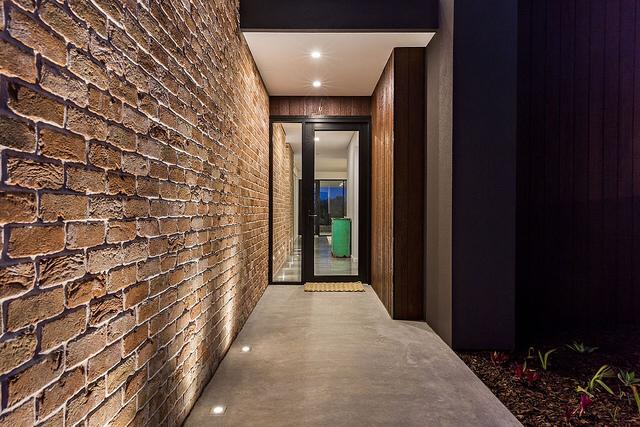
                .

                Kitchen Renovation

                Kitchen Renovation Cost NZ 2025: $10,000-$100,00+ Guide

                How Much Does a Kitchen Renovation Cost in NZ in 2025?

                Planning a kitchen renovation in New Zealand and wondering, “How much does a new kitchen cost NZ?” You’re not alone—thousands of Kiwi homeowners search for answers every year, from Auckland to Otago.

                If you’re looking for “specific” cost estimates, try our Renovation Cost Calculator Tools

                Need ideas? Check out our Kitchen Design Gallery or dive into our Bathroom Design Gallery for inspiration!


                Whether you’re dreaming of a budget-friendly update, a mid-range makeover, or a high-end masterpiece, this guide breaks it all down. We’ll cover everything from cabinet refinishing to designer fees, plus financing options, top trends, and common mistakes to avoid—all updated for March 23, 2025.

                An average cost for renovating a kitchen in New Zealand is between $26,000 and $35,000 if you are renovating with a renovation company. Kitchen renovation cost NZ wide can differ based on the company you choose or if you are doing a DIY job. You will save money if you are doing a DIY job but they can be risky if you are not a trained professional. Costs to renovate a kitchen depend on various factors. The intention to renovate or your reason to renovate the kitchen is one of the major factors that will determine your budget.

                If you are renovating to sell then we recommend you to renovate using standard mid range materials and not customise your renovation too much. If you are renovating to add comfort or increase the functionality of your kitchen then we recommend our clients to go for more quality products so that you can enjoy your kitchen for a much longer time.

                We have created a comprehensive guide for cost of kitchen renovation in New Zealand which list all the factors that contribute to the overall cost for your kitchen. Whether you are doing a DIY job or doing a luxury kitchen renovation, this guide will help you on your research before you renovate your kitchen.


                1. What is the Average Cost of a Renovated Kitchen in New Zealand in 2025?

                Planning a kitchen renovation in New Zealand and wondering, “How much does a new kitchen cost NZ?” You’re in the right place. The average cost of a renovated kitchen in NZ in 2025 is approximately $28,908 + GST, but this can vary widely depending on your vision, location, and choices. For a standard remodel, expect to spend between $25,664 and $31,256, while a dream kitchen with premium finishes could range from $40,000 to $173,880+. Let’s break it down so you can budget smarter.

                Average Kitchen Renovation Cost NZ: A Snapshot

                Here’s a quick look at the cost spectrum for kitchen renovations in New Zealand:

                Cost Category Minimum Cost Average Cost Maximum Cost
                Range $16,832 + GST $28,908 + GST $173,880 + GST
                Typical Budget Range $25,664 – $31,256

                These figures reflect a mix of basic upgrades and full-scale remodels, influenced by factors like cabinetry, appliances, countertops, flooring, labor, and layout changes.

                What Are Kitchen Renovation Cost Factors in NZ?

                The total cost of your kitchen renovation hinges on several key elements. Understanding these can help you prioritize and save:

                1. Cabinets and Benchtops
                  • Basic Option: Pre-made cabinets and laminate benchtops ($5,000-$10,000).
                  • Premium Option: Custom cabinetry and stone benchtops ($15,000-$30,000).
                  • DIY Trade Management: If you install cabinets and benchtops yourself and coordinate trades (e.g., plumbing, electrical), you could save $5,000-$10,000, though it requires time and planning.
                2. Appliances
                  • Entry-Level: Oven, hob, and rangehood ($2,000-$5,000).
                  • High-End: Smart appliances, integrated fridges ($10,000-$20,000+).
                3. Flooring and Finishes
                  • Budget: Vinyl or basic tiles ($50-$100/m²).
                  • Luxury: Engineered wood or porcelain tiles ($150-$250/m²).
                4. Labor Costs
                  • Tradespeople in NZ charge $80-$150/hour, with Auckland and Wellington at the higher end due to demand. A full remodel might require 50-100 hours of labor ($4,000-$15,000).
                5. Layout Changes
                  • Keeping the existing layout saves on plumbing and electrical work. Relocating a sink or adding an island could add $2,000-$10,000.

                Regional Variations in Kitchen Renovation Cost NZ

                Kitchen renovation costs in NZ fluctuate based on where you live:

                • Auckland and Wellington: Higher demand and labor rates ($100-$150/hour) push costs toward $30,000-$50,000 for a mid-range kitchen. Premium materials and complex designs (e.g., open-plan layouts) can escalate this further.
                • Christchurch and Regional Canterbury: More affordable labor ($80-$120/hour) and material access keep averages closer to $25,000-$35,000.
                • Rural Otago or Northland: Base costs may dip to $20,000-$30,000, but transporting materials to remote areas could add $1,000-$5,000.

                For example, a “kitchen renovation Auckland” project with custom cabinetry and stone benchtops might hit $45,000, while the same setup in Dunedin could be $35,000. Knowing these regional differences helps you set a realistic budget.

                Budgeting for Your Kitchen Renovation in NZ

                Here’s how costs break down for different renovation types:

                • Basic Kitchen Renovation ($16,832-$25,000):
                  Ideal for small kitchens or refreshes—think new pre-made cabinets, laminate benchtops, and basic appliances. Perfect if you’re managing trades yourself.
                • Mid-Range Kitchen Renovation ($25,664-$40,000):
                  The sweet spot for most NZ homeowners. Includes custom cabinetry, quality appliances (e.g., induction cooktop), and modern flooring like tiles or vinyl.
                • Luxury Kitchen Renovation ($40,000-$173,880+):
                  For your dream kitchen—stone benchtops, high-end appliances (e.g., double ovens), and bespoke designs. Common in Auckland’s premium suburbs.

                Pro Tip: Use our to get a tailored estimate based on your specs and location.

                How to Save on Your Kitchen Renovation Cost in NZ

                Want to keep costs down? Try these strategies:

                • Stick to the Layout: Avoid moving plumbing or electricals to save $2,000-$5,000.
                • Choose Pre-Made Over Custom: Pre-fabricated cabinets can cut costs by 50%.
                • Source Local Materials: NZ-made benchtops and flooring reduce import fees.
                • DIY Coordination: Manage trades yourself to save on project management fees (up to 10-15% of the total cost).

                Why Costs Vary: A Real-World Example

                Imagine a 10m² kitchen renovation in NZ:

                • Auckland: $35,000 (custom cabinets, stone benchtop, $120/hour labor).
                • Christchurch: $28,000 (same specs, $90/hour labor, local materials).
                • Rural NZ: $25,000 (pre-made cabinets, laminate, minimal transport fees).

                These variations highlight why location and choices matter when asking, “What’s the average cost of a new kitchen in NZ?”


                2. Kitchen Renovation Cost Factors in NZ: What Drives Your Budget in 2025 ? Lets dig deeper!

                Wondering “how much does a new kitchen cost NZ?” or what impacts your “kitchen renovation cost NZ”? Whether you’re refreshing a small space or overhauling a large kitchen in Auckland, costs vary widely based on project scope, materials, and layout. Small projects—like swapping cabinet doors, repainting, or updating a splashback—might start at $16,832 + GST, while full renovations with custom builds and premium finishes begin at $41,000 + GST and can climb to $173,880 + GST for luxury designs. Let’s dive into the key factors shaping your budget and how to plan effectively.

                Breaking Down Kitchen Renovation Costs in NZ

                The table below offers a detailed cost breakdown for a typical kitchen renovation in New Zealand, based on an average budget of $28,908 + GST. This guide helps you estimate spending and prioritize for your project—whether it’s a basic refresh or a complete remodel.

                Item Budget % Average Cost (NZD)
                Cabinetry 28% $9,039
                Installation & Labour 18% $5,695
                Appliances 15% $4,678
                Countertops & Backsplash 11% $3,381
                Flooring 7% $2,271
                Lighting 5% $1,449
                Painting 5% $1,587
                Windows & Doors 4% $1,408
                Designer Fees 3% $994
                Plumbing 3% $1,007
                Other (e.g., Permits) 1% $428

                Note: Costs are approximate and exclude GST. Prices vary by region (e.g., higher in Auckland) and material quality.

                Key Cost Drivers Explained

                Here’s how each element impacts your “kitchen renovation cost NZ”:

                Cabinetry (28% – $9,039)

                • Why It’s Expensive: Cabinetry often dominates budgets, accounting for 30-50% of costs. Custom-made cabinets—crafted from solid wood or with premium finishes like matte lacquer—require skilled labor and high-quality materials, pushing prices to $10,000-$20,000+.
                • Budget Option: Pre-made cabinets ($3,000-$7,000) save money but limit customization.

                Installation & Labour (18% – $5,695)

                • Regional Impact: Tradespeople charge $80-$150/hour, with Auckland rates at the top end ($120-$150). A full renovation might need 50-100 hours, totaling $4,000-$15,000.
                • DIY Savings: Coordinating trades yourself cuts project management fees (10-15%).

                Appliances (15% – $4,678)

                • Range: Basic setups (oven, hob, rangehood) cost $2,000-$5,000, while luxury options (e.g., double ovens, smart fridges) hit $10,000-$20,000.
                • Trend Alert: Energy-efficient appliances are popular in NZ for long-term savings.

                Countertops & Backsplash (11% – $3,381)

                • Material Matters: Laminate benchtops cost $200-$500/m², while granite, marble, or engineered stone range from $500-$1,200/m². A 3m² benchtop could be $600 (laminate) or $3,600 (stone).
                • Backsplash Bonus: Adding a tiled or glass splashback ($500-$1,500) boosts style and value.

                Flooring (7% – $2,271)

                • Options: Vinyl ($50-$100/m²) suits budgets, while porcelain tiles or hardwood ($100-$250/m²) elevate durability and aesthetics. A 10m² kitchen might cost $500-$2,500.

                Lighting, Painting, and More (15% – $4,485 Combined)

                • Lighting ($1,449): LED under-cabinet lights or pendants add $500-$2,000.
                • Painting ($1,587): A fresh coat for walls and cabinets runs $1,000-$2,000.
                • Windows/Doors ($1,408): Upgrades for ventilation or natural light start at $1,000.

                Plumbing and Designer Fees (6% – $2,001)

                • Plumbing ($1,007): Relocating a sink adds $1,000-$3,000.
                • Designer ($994): Professional layouts optimize space but aren’t essential for simple projects.

                3. Small vs. Full Kitchen Renovation Costs

                • Small Projects ($16,832-$25,000):
                  Think cabinet door replacements, a new splashback, or a paint refresh. These updates keep costs low and timelines short—perfect for rentals or quick upgrades.
                • Full Renovations ($41,000+):
                  Demolishing an old kitchen, custom-building cabinets, installing stone benchtops, and upgrading flooring, lighting, and appliances. Layout changes (e.g., adding an island) push costs higher, especially in Auckland where labor averages $120/hour.

                Common Costly Mistakes to Avoid

                Homeowners often stumble by:

                • Underestimating Cabinetry Costs: Custom designs can double your budget—plan accordingly.
                • Choosing Cheap Materials: Low-quality benchtops or appliances may need replacing sooner, costing more long-term.
                • Poor Planning: Skipping a designer or misjudging storage needs leads to expensive fixes later.
                • Ignoring Hidden Costs: Plumbing, electrical, or permits can add $2,000-$5,000 if overlooked.

                Tip: Allocate a 10-15% contingency fund to cover surprises.

                Real-World Example: Auckland vs. Regional NZ

                For a 15m² mid-range kitchen:

                • Auckland: $45,000 (custom cabinets, stone benchtops, $120/hour labor).
                • Canterbury: $35,000 (same specs, $90/hour labor, local materials).
                • Savings Tip: Opt for laminate and pre-made cabinets to drop Auckland costs to $30,000.


                4. Cost for renovating a kitchen per square meter NZ

                How much does a kitchen renovation cost per square meter in New Zealand? On average, Kiwi homeowners spend about $2,300 per square meter in 2025, but this figure varies widely based on scope and style. Basic renovations start at $1,533/m², while high-end projects with luxury finishes can reach $4,167/m² or more. Whether you’re refreshing a small kitchen or creating a spacious masterpiece in Auckland, understanding costs per square meter helps you budget smarter. Let’s break it down and explore what drives these numbers.

                Kitchen Renovation Cost per Square Meter: What to Expect

                Here’s a snapshot of costs based on project type:

                • Basic Renovation: $1,533 – $2,000/m²
                  Includes pre-made cabinetry, laminate benchtops, and minor updates—ideal for rentals or budget refreshes.
                • Mid-Range Renovation: $2,000 – $3,000/m²
                  Features custom cabinets, quality appliances, and modern flooring—perfect for most NZ homes.
                • Luxury Renovation: $3,000 – $4,167+/m²
                  Think stone benchtops, premium appliances, and bespoke designs—common in high-value suburbs like Auckland’s Remuera.

                For a 10m² kitchen, this translates to:

                • Basic: $15,330-$20,000
                • Mid-Range: $20,000-$30,000
                • Luxury: $30,000-$41,670+

                Note: Costs exclude GST and vary by region (e.g., higher in Auckland due to labor rates).

                What Influences Cost per Square Meter?

                The price per square meter for your “kitchen renovation cost NZ” depends on several factors:

                1. Scope of Work
                  • Small updates (e.g., new splashback, paint) keep costs low at $1,500/m².
                  • Full remodels with demolition and custom builds push costs toward $3,000-$4,000/m².
                2. Materials
                  • Benchtops: Laminate ($200/m²) vs. engineered stone ($800-$1,200/m²).
                  • Flooring: Vinyl ($50/m²) vs. hardwood ($200/m²).
                  • Cabinetry: Pre-made ($300/m² of kitchen space) vs. custom ($800/m²+).
                3. Layout Changes
                  • Keeping the existing layout saves $200-$500/m² on plumbing and electrical work.
                  • Adding an island or relocating a sink can add $300-$1,000/m².
                4. Location
                  • Auckland: Higher labor ($120-$150/hour) and material transport fees bump costs to $2,500-$4,000/m².
                  • Regional NZ (e.g., Canterbury): Lower rates ($80-$120/hour) bring averages to $1,800-$3,000/m².


                5. Questions to Ask Before Renovating Your Kitchen

                To nail down your “new kitchen cost NZ,” start with these key questions:

                1. What’s Your Goal? Are you adding value for resale or creating a dream space for daily use?
                2. Which Parts to Renovate? Focus on cabinetry and benchtops, or include flooring and appliances too? What stays untouched?
                3. Special Features? Considering a kitchen island, built-in pantry, or smart appliances?
                4. Layout Plans? Keeping it as-is or reconfiguring for better flow?
                5. Style Preference? Modern minimalist, classic Kiwi, or rustic charm?
                6. Budget Limit? How much are you willing to invest—$20,000, $40,000, or more?

                Answering these helps tailor your project and avoid overspending. For example, adding a kitchen island (popular in NZ for entertaining) might add $5,000-$10,000 to a 10m² kitchen, pushing costs to $2,500-$3,000/m².

                Renovating for Resale? Here’s a Budget Tip

                If you’re renovating to boost your home’s value—say, for a sale—industry experts suggest spending 5-15% of your property’s value on the kitchen.

                • $500,000 Home: $25,000-$75,000 (or $2,500-$7,500/m² for a 10m² kitchen).
                • $1,000,000 Home: $50,000-$150,000 (or $5,000-$15,000/m²).
                  This range balances cost and return, as kitchens are a top selling point for NZ buyers.

                Real-World Example: 12m² Kitchen Costs

                • Auckland Mid-Range (12m²):
                  • Custom cabinets, stone benchtops, new tiles.
                  • Cost: $36,000 ($3,000/m²).
                • Christchurch Budget (12m²):
                  • Pre-made cabinets, laminate, vinyl flooring.
                  • Cost: $21,996 ($1,833/m²).
                • Luxury NZ Rural (12m²):
                  • Marble benchtops, smart appliances, hardwood.
                  • Cost: $50,004 ($4,167/m²).

                How to Control Costs per Square Meter

                • Stick to Basics: Skip layout changes and opt for laminate over stone to stay under $2,000/m².
                • Shop Local: NZ-made materials cut transport costs, saving $100-$300/m².
                • Plan Efficiently: Use a designer ($994-$2,000) to maximize space and avoid costly rework.

                Pro Tip: Try our to estimate your per-square-meter cost based on size and specs!


                6. Basic, Mid-Range, and Luxury Kitchen Renovation Costs in NZ

                Planning a kitchen renovation in New Zealand and asking, “How much does a new kitchen cost NZ?” Costs vary widely based on your goals—whether it’s a simple refresh, a functional upgrade, or a glamorous overhaul. Below, we’ve outlined three tiers—Basic, Mid-Range, and Luxury—with estimated “kitchen renovation cost NZ” ranges, inclusions, and features. Use this guide to align your budget with your dream kitchen, from a budget-friendly fix to a high-end masterpiece.

                Kitchen Renovation Cost Tiers: What’s Included?

                Here’s a detailed breakdown of what you get at each level, tailored to NZ homes in 2025:

                Basic Kitchen Renovation

                Cost Range: $16,560 – $28,980 + GST
                Perfect for small upgrades or budget-conscious homeowners looking to refresh without breaking the bank.

                • Features:
                  • No layout changes—keeps plumbing and electrical costs low.
                  • Restoring or repainting existing cabinet doors ($500-$1,500).
                  • New pre-made cabinets possible for small kitchens (under 10m²) using mid-range materials ($3,000-$7,000).
                  • Laminated benchtops ($200-$500/m²) and modern countertops.
                  • Laminated or vinyl flooring ($50-$100/m²).
                  • Basic lighting repairs ($200-$500).
                  • DIY-friendly—manage trades yourself to save 10-15%.
                • Best For: Rental properties, quick updates, or first-time renovators.
                • Example: A 8m² kitchen with new laminate benchtops and repainted cabinets might cost $18,000 in Christchurch.

                Mid-Range Kitchen Renovation

                Cost Range: $32,000 – $88,320 + GST
                The sweet spot for most NZ homeowners, balancing style, functionality, and value.

                • Features:
                  • Layout changes possible (e.g., adding an island, $5,000-$10,000).
                  • Custom-made cabinetry with painted finishes ($8,000-$15,000).
                  • Organized storage—built-in bins, pull-out drawers, custom pantry ($2,000-$5,000).
                  • Engineered stone, marble, or quartz benchtops ($500-$1,200/m²).
                  • Tiled flooring ($100-$200/m²) for durability and style.
                  • Designer splashback (e.g., subway tiles, glass, $500-$2,000).
                  • Quality appliances included (e.g., induction hob, $5,000-$10,000).
                  • Smart features like app-controlled lighting or ovens ($1,000-$3,000).
                  • All trades (plumbing, electrical) and project management included.
                • Best For: Growing families or homeowners upgrading for comfort and resale value.
                • Example: A 12m² “kitchen renovation Auckland” with custom cabinets and stone benchtops might hit $45,000.

                Luxury Kitchen Renovation

                Cost Range: Up to $173,880 + GST
                For those seeking a show-stopping kitchen with premium finishes and cutting-edge design.

                • Features:
                  • Extensive layout changes—think open-plan designs or relocated plumbing ($10,000-$20,000).
                  • High-end custom cabinetry with magic corners and built-in bins ($15,000-$30,000+).
                  • Marble, timber, or designer tiled flooring ($200-$400/m²).
                  • Top-tier countertops (e.g., marble, high-grade quartz, $1,000-$2,000/m²).
                  • Brand-new premium appliances (e.g., double ovens, smart fridges, $15,000-$30,000).
                  • Modern lighting—LED strips, statement pendants ($2,000-$5,000).
                  • Smart kitchen tech (e.g., voice-activated taps, $2,000-$5,000).
                  • Custom pantry with pull-out drawers and bespoke storage solutions ($5,000-$10,000).
                  • Full project management and all trades included.
                • Best For: High-value homes or luxury lovers in Auckland’s premium suburbs.
                • Example: A 20m² luxury kitchen with marble floors and smart appliances could reach $100,000 in Wellington.


                Basic Level Kitchen Renovation


                $16,560 – $28,980

                • No change in layout
                • Restoring and painting existing cabinet doors
                • New cabinets possible if the kitchen is small or mid-range materials used.
                • Modern countertops
                • Laminated floorings
                • Laminated benchtop
                • Repairing lights
                • DIY kitchen renovation


                Mid-range Level Kitchen Renovation


                $32,000 – $88,320

                • Change in Layout possible
                • Custom-made cabinetry & doors.
                • Paint including
                • Organized storage
                • Cabinets with built-in bins
                • Custom-built pantry with pull out drawers.
                • Smart Kitchen features
                • Engineered Stone countertops, marble, quartz, and glass.
                • Tiled flooring
                • DesignerSplashback
                • Appliances included
                • All trades included
                • Project management


                Luxury Level Kitchen Renovation


                Up to $173,880

                • Extensive change in layout
                • New Plumbing
                • Re-wiring
                • Marble floorings,Timber,or designer tiles
                • Brand-new appliances
                • High-quality Countertops
                • Modern Lighting
                • Smart kitchen features
                • Organized storage
                • Drawers and cabinets with built-in bins and magic corners
                • Custom-built pantry with pull out drawers.
                • Project management
                • All trades included


                SRR_9300 Kitchen Renovation Cost NZ 2025: $10,000-$100,00+ Guide

                Basic Kitchen Renovation in Hillsborough

                IMG_0845 Kitchen Renovation Cost NZ 2025: $10,000-$100,00+ Guide

                Mid Range Kitchen in West Harbour

                20220316_110907-e1728801961226-1024x681 Kitchen Renovation Cost NZ 2025: $10,000-$100,00+ Guide

                High End Kitchen Renovation

                DSC07208k-1024x682 Kitchen Renovation Cost NZ 2025: $10,000-$100,00+ Guide

                Luxury Kitchen Renovation


                Which Tier Fits Your Budget?


                • Basic ($16,560-$28,980): Stick to essentials and save with DIY or pre-made options. Great for a “new kitchen cost NZ” under $25,000.
                • Mid-Range ($32,000-$88,320): Invest in custom features and quality materials for a functional, stylish space. Popular across NZ.
                • Luxury (Up to $173,880): Go all out with high-end finishes and tech—ideal if resale value or lifestyle is your priority.

                Pro Tip: For resale, spend 5-15% of your home’s value (e.g., $50,000-$150,000 for a $1M property).

                The costs outlined in our Basic, Mid-Range, and Luxury tiers—ranging from $16,560 to $173,880+—are average estimates to kickstart your planning. But here’s the truth: most NZ homeowners don’t fit neatly into these boxes. Instead, they mix and match features from each category to craft a kitchen that’s uniquely theirs. Whether you’re keeping your layout or dreaming big, this guide helps you tailor your “kitchen renovation cost NZ” to your vision and budget.

                Blending Tiers for Your Perfect Kitchen

                Rather than sticking to one tier, you might:

                • Pair a Basic approach (e.g., repainting cabinets, $500-$1,500) with a Mid-Range upgrade (e.g., engineered stone benchtops, $3,000-$6,000).
                • Add a Luxury touch (e.g., smart appliances, $5,000-$10,000) to a mid-range budget.
                • Keep costs low with a basic refresh but splurge on a custom pantry ($2,000-$5,000).

                This flexibility lets you control your “new kitchen cost NZ” while creating a space that fits your lifestyle—whether it’s a practical family hub or a sleek Auckland entertainer’s kitchen.


                7. How Much Does It Cost to Remodel a Small Kitchen in NZ in 2025?

                Dreaming of a small kitchen makeover in New Zealand? The “kitchen renovation cost NZ” for a small space—typically 75 square feet or less—ranges from $10,520 to $27,600 + GST in 2025. This covers upgrades like new benchtops, cabinets, or storage, depending on your priorities. Costs scale with size and features, so whether you’re refreshing a compact 10’x10’ kitchen or a slightly larger 12’x12’ space, this guide breaks it down to help you plan your “new kitchen cost NZ.”

                Small Kitchen Renovation Costs: What’s Included?

                For a small kitchen (up to 75 sq ft or ~7m²), expect:

                • Basic Upgrade: $10,520 – $15,000
                  • Repainting cabinets, new laminate benchtops, basic appliances.
                • Mid-Range Refresh: $15,000 – $27,600
                  • Custom storage, stone benchtops, tiled flooring, modern sink.

                Costs depend on what you tweak—more storage might trump extra space, while a sleek sink could free up your budget. Here’s how to maximize a small kitchen renovation in NZ.

                Cost by Size: 10’x10’ vs. 12’x12’

                • 10’x10’ Kitchen (~9.3m², 100 sq ft):
                  • Cost Range: $20,700 – $47,400 + GST
                  • Features: Ideal for a mid-range remodel—custom cabinets ($5,000-$10,000), quartz benchtops ($2,000-$4,000), and new appliances ($3,000-$7,000).
                  • Example: A 10’x10’ “kitchen renovation Auckland” with a neutral palette and open-plan tweak might hit $25,000.
                • 12’x12’ Kitchen (~13.4m², 144 sq ft):
                  • Cost Range: $27,600 – $62,100 + GST
                  • Features: Room for extras like a small island ($5,000-$10,000), premium flooring ($2,000-$4,000), and smart features ($1,000-$3,000).
                  • Example: A 12’x12’ kitchen with stone finishes and a designer splashback could reach $40,000 in Wellington.

                Note: Costs vary by region—add 10-20% in Auckland due to higher labor ($120-$150/hour).

                Tips to Optimize Your Small Kitchen Renovation

                Small kitchens demand smart choices. Here’s how to boost functionality and save on your “kitchen renovation cost NZ”:

                1. Prioritize Storage Over Space
                  • Most Kiwi homeowners crave storage. Add pull-out baskets ($200-$500), spice drawers ($100-$300), or corner cabinets ($500-$1,000) to existing setups. These upgrades maximize space without new cabinets ($3,000-$10,000).
                2. Add Storage Drawers
                  • Retrofit drawers inside cabinets ($300-$800) to free up counterspace for prep—perfect for tight layouts.
                3. Maximize Countertops
                  • Swap a double sink for a modern single sink ($500-$1,000) to gain workspace. Opt for a 4-burner stove over 8 ($1,000-$2,000) to save cash and space for other upgrades, like a sleek splashback ($500-$1,500).

                Budget Tip: Polish existing benchtops ($300-$1,000) instead of replacing them to keep costs under $15,000.

                Why Consult a Professional?

                A small kitchen needs precision. Working with renovation experts like Superior Renovations ensures:

                • Functionality: Clever storage and layout solutions tailored to your family.
                • Aesthetics: Modern designs—think airy neutrals or bold accents.
                • Visualization: 3D models and rendered drawings show materials, textures, and fixtures before you commit.

                Professionals help you avoid costly missteps—like underestimating storage needs or overspending on unnecessary features.

                Case Study: Greenlane, Auckland Small Kitchen Renovation

                Take Joanna and Steve’s project in Greenlane, Auckland:

                • Before: A cramped, dated kitchen.
                • After: We demolished a wall for an open-plan feel, added neutral tones for brightness, and installed custom storage—all for $22,000.
                • Size: ~9m² (10’x10’).
                • See More: .

                This upgrade proves small kitchens can pack a punch with the right plan.

                KIT-02-VIEW-2 Kitchen Renovation Cost NZ 2025: $10,000-$100,00+ Guide KIT-02-VIEW-1 Kitchen Renovation Cost NZ 2025: $10,000-$100,00+ Guide


                This small kitchen (pictured above) was renovated in Greenlane, Auckland. Joanna and Steve had a closed in and old kitchen which needed an upgrade. We demolished a wall to make it more open plan and chose a neutral theme to make the kitchen look more airy and light. See Joanna and Steve’s full project details + before and after photos here.


                8. How Much Does It Cost to Remodel a Large Kitchen in NZ in 2025?

                Planning a large kitchen renovation in New Zealand? For kitchens 18 square meters or bigger, the “kitchen renovation cost NZ” ranges from $62,000 to $138,000 + GST in 2025. This covers extensive upgrades like double appliances, dual islands, a butler’s pantry, and layout changes—perfect for spacious, modern Kiwi homes. Whether you’re in Auckland or beyond, here’s what drives the cost of a large “new kitchen cost NZ” and how to make it work for you.

                Large Kitchen Renovation Costs: What’s Included?

                For a kitchen of 18m² or more (~194 sq ft), expect:

                • Mid-Range Large Kitchen: $62,000 – $90,000
                  • Custom cabinetry, stone benchtops, new flooring, and a single island.
                • Luxury Large Kitchen: $90,000 – $138,000+
                  • Double appliances, dual islands, butler’s pantry, premium materials, and extensive layout tweaks.

                Costs soar with size and ambition—think open-plan designs, high-end finishes, and smart tech. Here’s a closer look.

                What Drives Large Kitchen Renovation Costs?

                • Size and Scope: At 18m²+, you’re spending $3,444-$7,667/m², depending on features.
                • Layout Changes: Knocking down walls or relocating plumbing/electricals adds $5,000-$20,000 (including council approvals, $2,000-$6,000).
                • Appliances: Double ovens, extra fridges, or smart tech can cost $10,000-$30,000.
                • Special Features:
                  • Double Island: $10,000-$20,000 for dual prep zones.
                  • Butler’s Pantry: $5,000-$15,000 for hidden storage and workspace.
                • Materials: Marble benchtops ($1,000-$2,000/m²) or hardwood floors ($200-$400/m²) push budgets higher.

                Example: An 20m² luxury kitchen with a butler’s pantry and marble finishes might hit $120,000 in Auckland.

                441-WH26396-Rodney-District-1000 Kitchen Renovation Cost NZ 2025: $10,000-$100,00+ Guide

                Before Renovation

                DSC06370 Kitchen Renovation Cost NZ 2025: $10,000-$100,00+ Guide

                After renovation in Stanmore Bay

                Case Study: Stanmore Bay Large Kitchen Renovation

                Take Mary Stuart’s project in Stanmore Bay:

                • Before: An old, closed-off kitchen.
                • After: We demolished a wall for an open-plan layout, added rustic charm with timber accents, and installed custom cabinetry—all for $85,000.
                • Size: 19m².
                • See More: .

                This transformation shows how a large kitchen can blend style and function.


                kitchen-ideas-by-superior-renovations-18 Kitchen Renovation Cost NZ 2025: $10,000-$100,00+ Guide

                DSC06685 Kitchen Renovation Cost NZ 2025: $10,000-$100,00+ Guide

                This kitchen was renovated in Avondale from an old kitchen that was falling apart to a modern spacious kitchen.

                Case Study: Avondale Modern Kitchen Upgrade

                Another example from Avondale, Auckland:

                • Before: A crumbling, outdated kitchen.
                • After: A modern, spacious redesign with a sleek island, stone benchtops, and smart lighting—completed for $95,000.
                • Size: 18m².
                • See More: .

                Perfect for Auckland homeowners craving contemporary flair.


                9. Kitchen Cabinets: A Closer Look

                Cabinets often dominate your “kitchen renovation cost NZ,” making up 20-40% of the budget. They’re not just storage—they set the tone with textures, colors, and materials that impress guests. Here’s what you’ll pay through a renovation company:

                Average Cost for Kitchen Cabinets

                • Range: $4,140 – $11,040 (total for a standard kitchen).
                • Per Linear Foot: Costs scale with size and quality:
                  • Basic: $103.50 – $207/linear foot
                    • Keep existing cabinets, replace doors/hinges ($500-$1,500), or repaint ($300-$1,000).
                  • Mid-Range: $138 – $1,242/linear foot
                    • Custom-built with MDF Melteca carcass and doors—durable and stylish ($5,000-$10,000 total).
                  • Luxury: $2,070+/linear foot
                    • High-end materials like solid wood or lacquered finishes ($15,000-$30,000+ total).

                Example: A 10-foot run of mid-range cabinets in Auckland might cost $6,000, while luxury could hit $20,700.

                Factors Affecting Cabinet Costs

                • Quantity: Top and bottom cabinets double the price vs. bottom-only setups.
                • Materials: MDF ($4,000-$8,000) vs. solid oak or walnut ($10,000-$20,000).
                • Features: Add pull-out drawers ($200-$500) or magic corners ($500-$1,000) for convenience.
                • Region: “Kitchen renovation Auckland” projects often cost more due to labor ($120-$150/hour).

                10. Refinishing Kitchen Cabinets in NZ: Average Costs and Options for 2025

                Customizing your kitchen doesn’t always mean a full overhaul. If a complete remodel stretches your budget, refinishing or refacing your cabinets offers a cost-effective way to refresh your space. These upgrades can transform your kitchen’s look without the hefty “kitchen renovation cost NZ” of new cabinetry. Below, we explore two affordable methods—refinishing and refacing—plus hardware add-ons, with costs tailored to NZ homeowners in 2025.

                Affordable Ways to Revamp Your Kitchen Cabinets

                Here’s how to update your cabinets without breaking the bank:

                1. Refinishing Kitchen Cabinets

                Average Cost: $2,070 – $4,140 + GST

                • What It Involves: Stripping old paint or varnish from existing cabinets, sanding them smooth, and applying a fresh coat of paint or stain.
                • Why It Works: This breathes new life into tired cabinets, updating colors (e.g., trendy whites or greys) for a modern feel.
                • Pro Tip: Hire professionals for a flawless finish—DIY can lead to uneven results or peeling. Expect $80-$150/hour for labor, with most jobs taking 15-25 hours.
                • Best For: Budget-conscious homeowners wanting a quick, affordable lift.

                Example: Refinishing 10 linear feet of cabinets in Auckland might cost $3,000, including labor and premium paint.

                2. Refacing Kitchen Cabinets

                Average Cost: $4,830 – $12,420 + GST

                • What It Involves: Keeping the existing cabinet frames but replacing doors and drawer fronts with new ones. You can also add a veneer to exposed sides.
                • Why It Works: Offers more customization—pick materials (e.g., MDF, solid wood), colors, and designs to match your vibe.
                • Pro Tip: Ask your contractor for custom-built options or mid-range materials like Melteca for durability. Costs rise with complexity and quality.
                • Best For: Homeowners wanting a near-new look without full replacement.

                Example: Refacing a 12-foot run with custom doors in Christchurch could hit $8,000, while luxury finishes in Auckland might reach $12,000.

                3. Adding Hardware (Optional Upgrade)

                Average Cost: $2.76 – $27.60 per piece

                • What It Involves: Swapping out old handles or knobs for new ones—brass, matte black, or sleek stainless steel.
                • Why It Works: A small tweak that adds personality or sophistication. For 20 pieces (doors + drawers), costs range from $55-$552.
                • Pro Tip: Pair with refinishing or refacing for a polished finish—budget $200-$500 for a full set.

                Example: Adding 15 matte black handles at $10 each totals $150, elevating a basic refinish.

                Cost Breakdown by Kitchen Size

                • Small Kitchen (8m², ~10 linear feet):
                  • Refinishing: $2,500-$3,500
                  • Refacing: $5,000-$8,000
                  • Hardware: $100-$300
                • Medium Kitchen (12m², ~15 linear feet):
                  • Refinishing: $3,000-$4,140
                  • Refacing: $7,000-$12,420
                  • Hardware: $200-$500

                Note: Auckland projects may add 10-20% due to higher labor rates ($120-$150/hour).

                Stellar Ways to Organize Your Kitchen Cabinets

                While refinishing or refacing, boost functionality with these ideas:

                • Pull-Out Baskets: $200-$500—perfect for deep cabinets.
                • Spice Drawers: $100-$300—keep seasonings handy.
                • Sectioned Drawers: $150-$400—organize cutlery and plates.
                • Corner Solutions: $500-$1,000 (e.g., magic corners)—maximize tricky spaces.

                These upgrades pair beautifully with a fresh look, keeping your “new kitchen cost NZ” low while adding value.


                11. How Much Do Renovation Companies Charge for a Kitchen in NZ in 2025?

                Wondering about the “kitchen renovation cost NZ” when hiring a professional company? Renovation firms streamline the process, handling everything from design to installation. Costs vary by service and scope, but for a typical kitchen remodel in New Zealand, expect to pay between $10,000 and $50,000+ for labor and materials through a company like Superior Renovations. Below, we break down average charges and dive deep into one key element: kitchen cabinets.

                Average Costs of Renovation Services

                Here’s what renovation companies typically charge for a “new kitchen cost NZ” in 2025 (all figures + GST):

                Service Average Cost (NZD)
                Electrical $3,450 – $6,624
                Plumbing $4,140 – $8,280
                Design Consultation $552 – $4,830
                Cabinetry $4,140 – $11,040
                Appliances $3,450 – $12,420
                Flooring $1,518 – $7,590
                House Permits $138 – $1,242
                Reface Cabinets $1,518 – $12,420
                Repair Countertop $110 – $2,208
                Brand-New Countertop $1,242 – $6,900
                Splashback $552 – $828
                Painting $1,380 – $3,450
                Hardware (Handles, etc.) $207 – $1,656


                Note: Costs vary by region (e.g., Auckland rates are 10-20% higher) and project complexity.

                12. Renovation Companies vs. DIY Management

                Why Hire a Renovation Company?

                A full-service firm manages:

                • All Trades: Electricians, plumbers, carpenters, painters—coordinated seamlessly.
                • Design: Experts craft 3D models and layouts ($552-$4,830).
                • Materials: Trade discounts on appliances and cabinetry save 10-20%.
                • Project Management: A pro oversees timelines, suppliers, and quality—worth $5,000-$10,000 for peace of mind.

                Expert Tip: Companies minimize surprises (e.g., hidden plumbing issues), reducing delays and cost overruns.

                DIY with Your Own Trades

                Have trusted trades and project management skills? You can:

                • Source Directly: Contact a cabinetry manufacturer for design and installation ($4,000-$10,000), skipping middleman fees.
                • Manage Trades: Handle flooring, plumbing, electrical, etc., yourself—saving 10-15% on management costs.
                • Risks: Without experience, surprises like structural issues or trade conflicts can inflate costs and timelines.

                Caution: Most renovations uncover quirks—experience matters. Companies offer warranties and certainty DIY can’t match.


                Already have all your own trades and you’re comfortable managing them for your kitchen renovation?

                Although we don’t recommend if you haven’t renovated a kitchen before and/or you don’t have trades people you can trust, most renovations if not all comes with it’s own surprises because not all homes are the same – this is where experience/project management plays an important role in minimises risks to maintain costs/delays giving you higher certainty of outcome/quality backed by associated guarantees and warranties.

                However, if you do intend to manage the kitchen renovation yourself, it does work out more cost effective to contact a kitchen cabinetry manufacturer directly to get the kitchen cabinets designed, manufactured and installed – leaving you to manage the other trades such as flooring, demolition, painting, plastering, splashback/tiling, electrician, plumber, and sometimes a carpenter/builder.


                Try Little Giant Interiors cost calculator below to see what you can expect to pay for cabinetry.

                DSC07631 Kitchen Renovation Cost NZ 2025: $10,000-$100,00+ Guide

                Melteca destressed custom cabinets (Epsom)

                DSC06387 Kitchen Renovation Cost NZ 2025: $10,000-$100,00+ Guide

                Melteca Oak wood look cabinets

                See full project specs for Epsom Kitchen renovation (pictured above)

                12. Kitchen Appliances

                Renovation companies recommend installing new quality appliances as it increases the overall value of your kitchen and home. You can expect to spend between $138 to $414 per appliance. Appliances can be costly and can increase your budget. Hence some homeowners tend to use their old and existing appliances to save costs especially if their current appliances are still working well.

                • Basic Appliances – like microwave, garbage disposal and oven usually last a long time. If these appliances are in good working condition, then you do not need to buy new ones. You could save between $276 to $1380 if you are keeping some of your old appliances.
                • Energy Star-rated – Why buy energy Star-rated appliances? This is because it will reduce your energy bills, increases lifespan, and home value as it makes your home more energy efficient. There are a lot of energy star rated appliances available today which means there is a choice for everyone regardless of their budget. Energy star rated appliance are however more expensive than basic appliances, but you will be saving more in the long run. Energy star rated appliances will star from $414 for microwaves, $1200 for dishwashers, $1150 for ovens and $1500 for fridges.
                • High-end Appliances– are appliances which have a greater lifespan and includes energy star. However, this option has some modern features like Bluetooth, sensors, and more. For these additional features, the cost will be around $1380 to $6900+ per appliance.
                • Do you want to Customise your appliances?This option is the most expensive, as they are usually built into your kitchen and can range between $2,070 to $13,800. Nothing needs to change within your kitchen, but the overall integrated look becomes more appealing.

                13. Kitchen Countertops

                A common question that our clients ask us is regarding the right countertop for their kitchen. This is because there are various materials available today with a huge difference in costs. Homeowners are usually looking for a countertop which is functional, hard-wearing, and water resistant.

                DSC06467 Kitchen Renovation Cost NZ 2025: $10,000-$100,00+ Guide

                Custom built stone engineered countertop used for Mary’s kitchen. We made this engineered stone look like pattered granite with a shiny sheen. The pattern chosen above is called Autumn leaf and like its name has yellow and mustard undertones which complements the dark cabinets well.

                For an affordable countertop, try using laminate, or stone engineered countertop. Stone Engineered countertop means man made stone which can be made into marble or granite. When it comes to cost, they are more likely to work for Basic and Mid-range kitchens. The total cost you will be spending on your countertop will be around $2760 to $6210. If budget is not a problem, then you can opt for natural stone like marble or granite. This cost for this will start from about $4000 and can go up till $7,000. If you are getting a luxury renovation, then you can also think about getting a concrete countertop. Concrete countertops are great for contemporary homes but are an expensive choice as they can range anywhere between $9,000 and $20,000.

                The table below will show you the range of countertops that are provided and the cost.

                Countertop Material Cost per Square meter
                Ceramic Tile $76.70- $153.30
                Acrylic $30.10- $416.10
                Formica $230- $460
                Laminate $383- $613
                Bamboo $383.3 – $920
                Solid Surface $497.8- $924
                Butcher Block $613.3- $920
                Corian $613.3- $920
                Concrete $613.3- $1226.7
                Soapstone $613.3- $1303.3
                Marble Cost $613.3 – $1533.3
                Caesarstone $613.3- $1533.3
                Paper stone $613.3- $1533.3
                Granite Cost $766.7 – $1533.3
                Terrazzo $766.7 – $1533.3
                Quartz Cost $766.7 – $1533.3
                Onyx $766.7 – $3066.7
                Limestone $996.7- $2300.00
                Glass $1226.7- $1533.3
                Copper $1533.3- $1993.3


                Budget-friendly Tip-

                If you are looking for a cheaper option for your countertop then try and using your existing countertop and simply repair any damage that exists.

                Countertop professionals can provide restoring service, and this cost you around $110.40 – $2,208.


                14. Kitchen Splashbacks Cost in NZ

                A splashback is more than just a stylish touch—it’s a practical must-have in any kitchen, making cleanup a breeze by protecting walls from cooking splatters. Found behind stoves, sinks, or prep areas, splashbacks are key to your “kitchen renovation cost NZ.” In 2025, costs range from $153.30 to $383.30+ per square meter, depending on materials like glass, tiles, or stainless steel. Here’s everything you need to know to pick the perfect splashback for your “new kitchen cost NZ.”

                Why Splashbacks Matter

                Splashbacks combine form and function:

                • Easy Cleaning: Materials like glass or large tiles with minimal grout wipe down effortlessly.
                • Durability: Engineered stone or stainless steel resists heat and stains.
                • Style: From sleek modern to rustic charm, they tie your kitchen together.

                For NZ homeowners, they’re a smart investment—boosting both practicality and resale appeal.

                Splashback Materials and Costs

                Here’s a breakdown of popular options and their “kitchen renovation cost NZ” per square meter (all + GST):

                1. Ceramic Tiles

                Cost: $153.30/sq. meter

                • Why It Works: Affordable and versatile, ceramic tiles come in endless colors and patterns—think classic subway or bold mosaics.
                • Pros: Budget-friendly, easy to install, and widely available.
                • Cons: More grout lines mean extra cleaning unless you opt for larger tiles.
                • Best For: Small kitchens or cost-conscious upgrades.

                Example: A 2m² splashback in Christchurch costs $306.60, keeping your budget tight.

                2. Stainless Steel

                Cost: $383.30/sq. meter

                • Why It Works: Sleek and industrial, stainless steel is heat-resistant and a breeze to clean—perfect behind stoves.
                • Pros: Durable, modern vibe, and seamless (no grout).
                • Cons: Prone to scratches and fingerprints; higher cost.
                • Best For: Mid-range or “kitchen renovation Auckland” projects aiming for a contemporary edge.

                Example: A 3m² stainless steel splashback in Auckland runs $1,149.90.

                3. Glass

                Cost: $200 – $400/sq. meter

                • Why It Works: Seamless and reflective, glass splashbacks (often toughened) add brightness and a premium feel.
                • Pros: Easy to wipe, custom colors available, no grout.
                • Cons: Installation can be tricky; mid-to-high price point.
                • Best For: Modern kitchens wanting a clean, airy look.

                Example: A 2.5m² glass splashback in Wellington might cost $750.

                4. Engineered Stone

                Cost: $300 – $600/sq. meter

                • Why It Works: Matches stone benchtops for a cohesive look—think quartz or composite materials.
                • Pros: Luxurious, durable, and stain-resistant.
                • Cons: Heavier and pricier; needs pro installation.
                • Best For: Luxury kitchens or large open-plan spaces.

                Example: A 3m² engineered stone splashback could hit $1,500 in a high-end NZ kitchen.

                Cost by Kitchen Size

                • Small Kitchen (1-2m² Splashback):
                  • Ceramic: $153-$306
                  • Stainless Steel: $383-$766
                • Large Kitchen (3-4m² Splashback):
                  • Glass: $600-$1,600
                  • Engineered Stone: $900-$2,400

                Note: Auckland projects may add 10-20% due to labor ($120-$150/hour) and transport.

                Splashback Tips for NZ Homeowners

                • Go Big with Tiles: Larger ceramic tiles (e.g., 300x600mm) reduce grout lines, cutting cleaning time—still just $153.30/m².
                • Match Your Style: Pair stainless steel with sleek “kitchen renovation Auckland” vibes or glass with coastal NZ neutrals.
                • Budget Hack: Extend a countertop remnant (e.g., laminate, $50-$100/m²) as a splashback for a seamless, cheap fix.

                Pro Tip: Factor in installation—$200-$500 for tiles, up to $1,000 for stone or glass.


                DSC07362 Kitchen Renovation Cost NZ 2025: $10,000-$100,00+ Guide

                Kitchen renovation in Parnell

                DSC07033-1200 Kitchen Renovation Cost NZ 2025: $10,000-$100,00+ Guide

                Kitchen renovation in Bucklands Beach


                Project specifications

                Kitchen renovation in Parnell (pictured above)
                Kitchen renovation in Bucklands Beach (pictured above)


                Ceramic tiles are a cost-effective option for a splashback if you are on a budget. Ceramic tiles are most popular in the market as they cost around $153.3/sq. meter. Another option you can think about is stainless steel splash back and that will cost about $383.3/sq. meter

                15. Kitchen Flooring Cost in NZ

                Your kitchen floor takes a beating—daily wear, spills, and foot traffic make it a critical part of your “kitchen renovation cost NZ.” Choosing the right flooring isn’t just about looks; it needs to be durable, waterproof, easy to clean, and comfortable underfoot. In 2025, costs range from $690 to $9,522+ for a typical NZ kitchen, depending on materials like laminate, tiles, or stone. Here’s how to pick the perfect floor for your “new kitchen cost NZ” and budget.

                Why Kitchen Flooring Matters

                A great kitchen floor:

                • Handles Wear: Resists scratches, stains, and liquid damage.
                • Simplifies Cleaning: Wipes down fast for busy households.
                • Boosts Value: Elevates your kitchen’s style and appeal—key for NZ resale.

                Before you buy, check for durability, water resistance, and comfort—essentials for Kiwi kitchens.

                Flooring Options and Costs

                Here’s a breakdown of popular kitchen flooring choices in NZ, with average costs (all + GST):

                Flooring Type Average Cost (NZD) Key Features
                Ceramic Tile $690 – $3,036 Easy upkeep, mimics wood or stone
                Wood Flooring $3,036 – $6,900 Warm, classic, needs sealing
                Concrete Flooring $2,070 – $9,522 Industrial, durable, customizable
                Cork Floor $1,104 – $2,208 Soft, eco-friendly, less durable
                Laminate Flooring $2,070 – $5,520 Affordable, wood-look, easy clean
                Linoleum Flooring $1,380 – $3,450 Budget-friendly, soft, versatile
                Slate Floor $2,070 – $4,830 Rustic, tough, slip-resistant
                Stone Flooring $1,380 – $4,830 Luxe, waterproof, lifetime warranty
                Vinyl Floor $1,656 – $2,346 Cheap, waterproof, easy install
                Bamboo Floors $828 – $1,656 Sustainable, warm, less durable
                Marble Floors $2,070 – $6,624 Elegant, premium, high maintenance

                Note: Costs are for a typical 10-15m² kitchen; Auckland may add 10-20% due to labor ($120-$150/hour).

                Top Flooring Picks for NZ Kitchens

                1. Laminate Flooring

                Cost: $2,070 – $5,520

                • Why It Works: Mimics real wood at a fraction of the cost—popular in Auckland for its affordability and easy maintenance.
                • Pros: Durable, stain-resistant, simple to clean.
                • Cons: Not fully waterproof; best with a sealant.
                • Best For: Budget renovations wanting a timber vibe.

                Example: A 12m² laminate floor in Christchurch costs $3,000.

                2. Ceramic Tiles

                Cost: $690 – $3,036

                • Why It Works: Advanced tech creates wood-look tiles (e.g., oak, hardwood mimics) without the upkeep of natural wood.
                • Pros: Waterproof, low-maintenance, cost-effective.
                • Case Study: In Bucklands Beach, we installed ceramic hardwood-mimic tiles in a 15m² kitchen for $2,000—see .
                • Best For: Small to mid-range kitchens.

                3. Stone Flooring

                Cost: $1,380 – $4,830

                • Why It Works: Think quartz or composite—100% waterproof, lifetime warranty, and compatible with underfloor heating.
                • Pros: Luxurious, stable to sunlight, easy upkeep.
                • Cons: Higher cost, needs pro installation.
                • Best For: Large or luxury kitchens seeking durability and elegance.

                Example: A 18m² stone floor in Wellington runs $4,000.

                4. Vinyl Flooring

                Cost: $1,656 – $2,346

                • Why It Works: Cheap, waterproof, and available in wood or tile looks—great for rentals.
                • Pros: Easy DIY install, soft underfoot.
                • Cons: Less durable long-term.
                • Best For: Quick, budget-friendly updates.


                Flooring Tips for NZ Homes

                • Mimic Wood Smartly: Ceramic or laminate gives you the timber look without sealing hassles.
                • Go Waterproof: Stone or vinyl shines in wet-prone kitchens.
                • Check Comfort: Cork or linoleum softens standing time—ideal for cooks.
                • Consult Pros: A “kitchen renovation Auckland” expert ensures the right pick for your space.
                DSC07072 Kitchen Renovation Cost NZ 2025: $10,000-$100,00+ Guide

                Kitchen renovation in Bucklands Beach: Ceramic tiles which mimic hardwood were installed for easy maintenance and as a cost effective option

                See full project specs for above kitchen


                For an affordable flooring option, laminated wood flooring is the most popular and cheap flooring you can purchase in Auckland. Aside from the fact that laminate flooring is the most popular now, it is wise to check with a professional for the right type of flooring option for you.

                For instance,

                • Laminated Wood Flooring-The laminated floor looks and feels like real wooden floors, but it is artificial. The cost of laminated flooring is around, $2,070 to $5,520. It is also easy to clean, durable and cost effective when on a tight budget.
                • Tiles are another great option for kitchen flooring as they can be easily maintained. Today’s advanced flooring technology allows us to create tiles that look and feel like wood. This means that you can get a beautiful timber or oak look without having the hassle to use natural wood which is hard to maintain.
                • If you are looking for a more luxurious option, we recommend homeowners to invest in floorings like Stone-based flooring from Tile depo. Stone-based flooring has lifetime warranty, 100% waterproof, easy maintenance, underflooring heating and stable to sunlight. The average cost for Stone-based flooring is approximately starts from $1,380 – $4,830.


                Flooring Options Average Cost
                Ceramic Tile $690 – $3,036
                Wood Flooring $3,036- $6,900
                Concrete Flooring $2,070- $9,522
                Cork Floor $1,104- $2,208
                Laminate Flooring $2,070- $5,520
                Linoleum Flooring $1,380- $3,450
                Slate Floor $2,070- $4,830
                Stone Flooring $1,380- $4,830
                Vinyl Floor $1,656- $2,346
                Bamboo Floors $828- $1,656
                Marble Floors $2070- $6,624


                3D-VIEW-02 Kitchen Renovation Cost NZ 2025: $10,000-$100,00+ Guide

                16. Cost of Hiring an Interior Designer for Your Kitchen Makeover in NZ in 2025

                Think an interior designer is a luxury you can skip for your “kitchen renovation cost NZ”? Think again. While not essential for basic upgrades, designers are a game-changer for mid-range to luxury kitchen renovations in New Zealand. They bring expertise in textures, colors, materials, and trending styles, plus 3D models to visualize your dream space. In 2025, hiring a designer typically costs $552 to $4,830+, depending on scope. Here’s why it’s worth it and what you’ll pay for your “new kitchen cost NZ.”

                Why Hire an Interior Designer?

                A designer does more than pick pretty finishes:

                • Expert Guidance: They recommend modern styles—think matte black accents or coastal neutrals—tailored to NZ tastes.
                • Visualization: 3D renderings show your kitchen with exact paint, countertops, handles, and appliances before work begins.
                • Functionality: Optimize layouts, storage, and flow for your family’s needs.
                • Value Boost: A well-designed kitchen lifts resale appeal—a big deal in Auckland’s hot market.

                Renovation companies often pair in-house designers with project managers, turning your vision into reality without the guesswork.

                How Much Does a Designer Cost in NZ?

                Costs vary by project size and complexity:

                • Basic Consultation: $552 – $1,500
                  • Quick advice on colors, materials, or layout tweaks—ideal for small kitchens or DIYers.
                • Mid-Range Design: $1,500 – $3,000
                  • Full design plan with 3D models for a 10-15m² kitchen—perfect for custom cabinetry or layout changes.
                • Luxury Full-Service: $3,000 – $4,830+
                  • End-to-end design for large or high-end kitchens (18m²+), including premium finishes and smart tech integration.

                Note: Auckland rates may skew higher due to demand and living costs—add 10-20%.


                3D-view-02 Kitchen Renovation Cost NZ 2025: $10,000-$100,00+ Guide 3D-view-01 Kitchen Renovation Cost NZ 2025: $10,000-$100,00+ Guide
                3D-VIEW-04 Kitchen Renovation Cost NZ 2025: $10,000-$100,00+ Guide 3D-VIEW-01-1 Kitchen Renovation Cost NZ 2025: $10,000-$100,00+ Guide

                What You Can Expect From Your Kitchen Designer

                When working with a kitchen designer, although all companies are slightly different, you can look forward to a collaborative and tailored experience with the goal of bringing your kitchen vision to life. Here’s what you can expect during a design process:

                1. Initial Consultation
                Your journey begins with a personalized consultation. Kitchen designers will take the time to understand your ideas, style preferences, and renovation goals, ensuring we align with your vision.

                2. Showroom Experience
                Explore a showroom, where you can see and touch a variety of materials, colors, and textures. This hands-on experience helps you visualize how different elements will work together in your space.

                3. Design Brainstorm
                Meeting at a design studio for a brainstorming session. You’ll have access to an extensive collection of samples, color charts, and full displays, allowing you to explore various options and find what resonates with you.

                4. Comprehensive Design Plan
                After gathering your input, They will develop a detailed design plan tailored to your kitchen. This plan will include fitting lists, color codes, design renders, and precise measurements to ensure clarity and precision throughout the renovation process.

                With a designer by your side, you can expect a seamless design experience that prioritizes your needs and transforms your kitchen into a space you love without making early mistakes before the renovation even starts.

                Back To The Top


                17. How much does Labour cost for renovating your kitchen?

                Answer: To hire multiple labourers it will approximately cost between $2760 to $10,280. This would include plumbers, electricians, tilers, grouters, painters, plasterers, installers, builders, project managers, designers, and architects in case you need council permit.

                Plumbing Cost

                This only applies to homeowners who might need to replace or change the pipes in their homes. For instance, new pipping for sink, waste etc. However, each kitchen faucet has its own expense.

                • For a basic kitchen faucet, it costs around $207 to $414. The cost for kitchen faucets can however vary depending on the brand or style you choose. Certain designer faucets can cost up to $2000.
                • The cost to install a kitchen sink and that is $345 to $828.
                • Changing appliances also requires a plumber and that will cost you around $621 to $2480.

                How much does it cost for Lighting and electricity work in your kitchen?

                Answer:

                Electrical works cost about $69 to $138 per hour. This includes.

                • Installing recessed lighting
                • Cables for new appliances – stove, microwave, washing machine and oven.
                • Light switches – plugs, USB ports, inside cabinet lights etc.
                • Under cabinet lights.

                Changing gas lines can be a big expense as you need this to be done by professionals who are certified. The cost for this could range between $345 to $2,500.

                Painting Cost

                We recommend clients to get their kitchens professionally painted. This is because a good paint job by a professional will always give you better and long-lasting results as compared to if you do a DIY job at home.

                Professional painting is more expensive than regular painting as it includes plastering, gib stopping, applying 2 under coats, and 2 topcoats. Professionals will also cover your cabinets, help moving appliances away, and masking the electric ports.

                It starts from $1,104 for small kitchens and can go up to $3,500 for larger kitchens.

                Tilers and Flooring

                If you are renovating your entire kitchen then chances are that you will also be changing your flooring. If you are installing laminate flooring, then you will have to hire a professional to help you install it. The average cost to supply and install laminate flooring is between $80 – $140 per square metre. To install laminate flooring, labour will cost between $50 – $80 per square meter.

                If you are installing tiles on your floors, then you will have to hire a tiler as well as grouter. The labour cost to tile an average kitchen will range from $1000 to $3500 depending on the complexity of the installation. If you are installing larger tiles, then the labour cost will be lower as there will be lesser grout lines. If you are installing smaller tiles, then the labour cost will be higher as there will be more grouting that will have to be done.

                Detailed break-down of labour costs involved in Kitchen Renovations

                Labour Costs by Trade

                Plumbing Costs

                Range: $621 – $2,480

                • What’s Involved:
                  • Basic Faucet Install: $207 – $414 (designer faucets up to $2,000).
                  • Sink Install: $345 – $828.
                  • Appliance Plumbing: $621 – $2,480 (e.g., dishwasher, fridge water line).
                • Why It Varies: Custom layouts or pipe replacements (e.g., new waste lines) push costs higher.
                • Pro Tip: Keep your layout to save $500-$1,000 on plumbing labour.

                Example: Installing a sink and faucet in Auckland costs $800.

                Electrical and Lighting Costs

                Range: $69 – $138/hour (total $500-$2,000)

                • What’s Involved:
                  • Recessed lighting or pendants.
                  • Wiring for appliances (stove, oven, microwave).
                  • Light switches, USB ports, under-cabinet lights.
                • Gas Lines: $345 – $2,500 (certified pros only).
                • Why It Varies: Complex setups (e.g., smart lighting) or gas work inflate costs.
                • Pro Tip: Plan outlets early—adding later costs $200-$500 extra.

                Example: Wiring a 15m² kitchen with under-cabinet lights in Wellington: $1,200.

                Painting Costs

                Range: $1,104 – $3,500

                • What’s Involved: Plastering, gib stopping, two undercoats, two topcoats—plus masking and moving appliances.
                • Why Pros Matter: DIY risks streaks or peeling; pros ensure a lasting finish.
                • Cost Breakdown:
                  • Small Kitchen: $1,104-$2,000
                  • Large Kitchen: $2,500-$3,500
                • Pro Tip: Pair with cabinet refinishing for a cohesive look—add $500-$1,000.

                Example: Painting a 12m² kitchen in Christchurch: $1,800.

                Tiling and Flooring Labour

                • Laminate Flooring:
                  • Supply + Install: $80 – $140/m²
                  • Labour Only: $50 – $80/m²
                  • Example: 10m² laminate install in Auckland: $600-$800.
                • Tile Flooring:
                  • Labour Range: $1,000 – $3,500
                  • Why It Varies: Large tiles (fewer grout lines) cost less labour ($50-$70/m²) than small tiles (more grouting, $80-$100/m²).
                  • Example: Tiling a 15m² kitchen with large ceramic tiles: $1,500.

                Pro Tip: Choose larger tiles to cut labour by $200-$500.

                Building Consent Costs

                Range: $2,500 – $6,500

                • When Needed: Structural changes (e.g., removing load-bearing walls) or plumbing/electrical relocations—mandated by NZ’s Building Act 2004.
                • Process:
                  • Submit plans via Auckland Council (or local authority).
                  • Approval takes 1-5 months—plan ahead for Christmas deadlines.
                • What’s Included: Architect fees, documentation, inspections.
                • Pro Tip: Check for details—budget $3,000-$4,000 for a typical “kitchen renovation Auckland” consent.

                Example: Consent for a new layout in a 18m² kitchen: $4,000.

                18. Building Consents related to Kitchen Renovations

                In New Zealand, if you’re planning a significant kitchen renovation, such as altering the layout or structure, you’ll likely need to apply for building consent. Auckland Council, like other local authorities across the country, manages the building consent process to ensure that any changes comply with the Building Act 2004 and the Building Code.

                Building consent is required if you are making structural changes, such as altering or removing a load-bearing wall, or if the renovation affects plumbing or electrical systems. For example, relocating plumbing for a new kitchen layout will involve additional pipes, which must be approved by the council through the building consent process. Similarly, if you’re demolishing or altering key structural components, consent is needed to ensure safety and compliance with building regulations.

                When you apply for building consent, Auckland Council will review the plans submitted by your architect or designer. They assess whether the proposed work, such as the installation of new plumbing, rewiring, or structural alterations, meets building standards. Once approved, your contractor can begin the renovation work.

                The cost of building consent for kitchen renovations in Auckland typically ranges from $2,500 to $6,500, depending on the complexity of the project. However, keep in mind that obtaining consent can take time—generally between 1 to 5 months. To avoid delays, it’s best to submit your building consent application well in advance, especially if you aim to complete your renovation before busy periods like Christmas.

                For more detailed information on building consents, visit building.govt.nz, which offers comprehensive guidance on the consent process and requirements for kitchen renovations.


                19. How to remodel a kitchen affordably?

                Whatever the reason, budgeting is important when renovating. This is especially true when you are about to invest in something that requires you to spend your hard-earned money. It is good to have a clear idea on what you want to spend so you can set a fixed budget for the renovation. It is good to get a fixed quote from your renovation company before committing to them.

                We also ask our clients to have some extra money saved as there could be some unforeseen circumstances along the way. This could include finding water damage or rotten timber once the renovation is already underway. This could cost you an additional $1000 – $2000.

                Affordable Kitchen Renovations

                For an affordable kitchen renovation, the estimate to renovate your kitchen is around $20,700. You must know that when budgeting for a basic kitchen, you must pick your materials and install for yourself or finding professionals that are suitable to your budget. Please see table below for what budgeting plan that suits you.

                Affordable, Mid-Range, High-end Kitchen on a Budget.

                Affordable Kitchen Renovation Mid-Range Kitchen Renovation High-end Kitchen Renovation
                $20,700 max $32,700- $41,400 > $41,400
                This includes,

                • Modernised Sink
                • Granite Countertop
                • Splashback
                • Refacing Cabinates
                • Refinish painting.
                • Upgraded appliances.
                • No change in layout
                • DIY
                This includes,

                • Stone Engineered countertop (marble or granite)
                • Kitchen designer
                • Customize your cabinets.
                • Stone-based flooring
                • Tiled flooring
                • Change in layout possible.
                • Adding an island
                • Project management
                • All trades included
                You will have more freedom to Customise.

                from start to end.

                For instance,

                • Hiring Kitchen Designer
                • Modern appliances
                • New kitchen layouts
                • High end luxury products
                • Designer products
                • Natural stone countertops or concrete countertops
                • All trades included
                • Project management

                Sourcing Your Own Trades If you’re looking to save on project management costs, consider sourcing your own trades such as plumbers, electricians, flooring specialists, and builders. You can still work directly with kitchen manufacturers for design and installation of cabinets and benchtops, bypassing the need for a full project management company. This gives you more flexibility while potentially reducing costs.

                Top 4 Tips When Renovating on a Budget

                1. D.I.Y. Projects
                  Doing some tasks yourself can significantly cut costs. You can customize and choose your own materials, whether it’s cabinetry or painting. DIY helps you save on labor and management costs. However, for specialized tasks like plumbing and electrical work, it’s advisable to hire professionals.
                2. Cabinetry Choices
                  Deciding whether to reface or refresh your cabinetry is a great budget-friendly option. You can either replace cabinet doors or simply repaint them for a fresh look. Both options are affordable and can give your kitchen a new vibe without major expense.
                3. Upgrade Essentials First
                  Instead of indulging in every wish, prioritize upgrading essential items. For example, start with cabinet handles, shelves, or even a new faucet. You can always add more luxurious features later when your budget allows.
                4. Budget Planning & Project Management
                  If you’re working with a tight budget, managing your renovation yourself might be the best route. In this case, make sure to stay involved in every phase of the project. A good strategy is to renovate in stages, allowing you to spread out costs and stay within your financial limits.


                If you’re looking for “specific” cost estimates, try our Renovation Cost Calculator Tools

                Need ideas? Check out our Kitchen Design Gallery or dive into our Bathroom Design Gallery for inspiration!


                20. Return on Investment (ROI) on a Kitchen Makeover in NZ

                Design plays a crucial role in enhancing the perception of value in any kitchen renovation. A well-thought-out design not only ensures functional flow but also creates an aesthetically pleasing space that can appeal to future buyers. Thoughtful layouts, quality finishes, and a cohesive style make a kitchen feel more luxurious and inviting, which in turn increases its perceived value.

                Equally important is the choice of hardware, materials, and fittings. These smaller elements can elevate even a budget kitchen makeover. High-quality cabinet handles, durable benchtops, and sleek faucets instantly convey a sense of refinement and durability. Selecting the right materials can significantly affect the kitchen’s longevity, functionality, and visual appeal. For example, stone or engineered countertops, soft-close drawers, and premium appliances can give the space a high-end feel even in mid-range renovations.

                Return on Investment (ROI) on a Kitchen Makeover in New Zealand

                When planning a kitchen renovation, it’s essential to consider the potential return on investment (ROI). Depending on the type of kitchen renovation, homeowners in New Zealand can expect varying degrees of ROI:

                • Basic Kitchen Renovation: For a minor renovation involving new paint, cabinet resurfacing, and upgraded hardware, the ROI could be closer to 70%–80%, with an increase in home value by around $15,000 to $25,000.
                • Mid-range Kitchen Renovation: For a renovation that includes new cabinetry, countertops, and appliances (but not luxury items), the ROI typically falls between 60%–70%, increasing home value by $40,000 to $55,000.
                • Luxury Kitchen Renovation: A high-end renovation with premium materials, custom cabinetry, and top-tier appliances tends to yield an ROI of 50%–60%, with an increase in home value by $80,000 to $100,000, depending on the size and location of the home.

                Keep in mind that your ROI can vary based on the location and desirability of your neighborhood, as well as the overall condition of your home. Real estate trends since 2018 have shown strong growth, making now a good time to consider investing in your kitchen. Ultimately, thoughtful design and the right material choices can help you maximize both enjoyment and return on your renovation investment.


                21. How to choose the right renovation company in Auckland?

                9 things to look at before choosing your renovation company

                1. ResearchFind at least three renovation companies that you can hire to renovate your kitchen. This can be done by asking friends and families. It would also be good to check the company’s profile by looking at their website. When checking their website, you want to check out the company’s reputation like their testimonials, current projects or google reviews from customers.
                2. Meet the people – It is also good to meet the project manager from the company and have a chat with him/her about similar projects that they have done in the past. Ask them as many questions as you want. This will help you understand how your interaction is going to be with them for the duration of the project.
                3. QuotationDo not accept the first quote you get from a company. Get several quotes and compare them. Make sure that you get a fixed quote with possible variations clearly outlined. The cheapest company is not always the best company so choose carefully.
                4. Trust– It is important to check the companies’ suppliers. Normally the renovation company will advertise them on the internet but, make sure you ask them about their suppliers. Choose a company that works with reputed suppliers who provide warranties and guarantees for their products.
                5. Legitimate company- This is crucial aspect when deciding on the company that you wish to hire for your kitchen. All companies should have a practicing license to operate. Make sure you do some research about the company’s license on: https://companies-register.companiesoffice.govt.nz/
                6. Testimonials Make sure you ask about their past kitchen remodels before choosing the company. This will help you see what the experience of their clients have been while renovations.
                7. Talk to past clients – You can ask the renovation company to give you a list of their past clients. Have a chat with these clients about their experience with the company. You can ask about the materials they used for their cabinets, countertop, flooring or even the splashback. Another question to ask past clients would be to see if there were any faults? Were the past clients satisfied with their kitchen or were looking for something else?
                8. Insurance– Make sure that the renovation company has insurance in case of any mishap during the renovation. Another way to see if renovation companies have chosen is the right business is by checking if the company can handle the project as it is willing to finish on time by a date. This shows that the business is a healthy and thriving business with good systems in place.
                9. The Contract– Get in touch with your bank, accountant, or lawyer with your decision to go to the next step. The kitchen remodels will draw you and contract with the steps, quotes, insurance, or a timeline of the project before signing it. It is recommended to see if both parties agree with the contract and wish to move to the next step.

                The cost of renovating a kitchen depends on various factors. Budget planning also depends on what your needs are and how you interact as a family in the kitchen. If you are renovating to sell or to add value for a better rental yield then you should just do an upgrade like changing cabinets and painting the room for a better return on investment.

                If you are renovating to improve functionality and increase your quality of life then make sure that you choose materials that last you a long time and are easy to maintain. A designer will also help you improve the functionality of your kitchen by either changing the layout or maximising storage by incorporating innovate storage etc features.

                A renovation company like ours provides a full service which includes cost for design, custom built countertops, cabinets, all trades like electricians, plumbing, tilers, grouters, painters, builders, council permits, appliances, fixtures and project management.


                To sum up…


                From basic upgrades at $20,000 to luxury remodels topping $100,000+, your “kitchen renovation cost NZ” hinges on your vision, space, and choices. Whether you’re refinishing cabinets to save thousands, splurging on smart appliances, or exploring 2025 trends like matte black finishes, this guide has you covered. Avoid pitfalls—like skipping permits or under-budgeting—with our tips, and use our cost calculator to crunch the numbers. At Superior Renovations, we’ve renovated over 1,000 homes, offering transparent pricing, in-house designers, and design-led renovation team. Ready to transform your kitchen without the guesswork? or browse our for inspiration—your dream space is just a step away!

                How much does a kitchen renovation cost in NZ in 2025?

                Costs range from $10,520 for a small basic renovation to $173,880+ for a luxury large kitchen, depending on size, materials, and labour.

                What’s the average cost of a new kitchen in NZ?

                The average is around $28,908 + GST, with mid-range projects typically falling between $25,664 and $40,000.

                How much does a small kitchen renovation cost in NZ?

                For a kitchen under 75 sq ft (7m²), expect $10,520-$27,600, or $20,700-$62,100 for 10’x10’ to 12’x12’ spaces.

                What’s the cost of a large kitchen renovation in NZ?

                For 18m²+ kitchens, costs range from $62,000-$138,000+, including features like double islands or butler’s pantries.

                How much do renovation companies charge for labour in NZ?

                Labour costs $2,760-$10,280, covering plumbers, electricians, tilers, painters, and more, depending on project size.

                How much does it cost to refinish kitchen cabinets in NZ?

                Refinishing costs $2,070-$4,140, while refacing ranges from $4,830-$12,420—cheaper than new cabinets ($4,140-$11,040).

                What’s the cost of kitchen appliances in NZ?

                Basic appliances start at $138-$414 each, Energy Star-rated at $414-$1,500+, and custom integrated units at $2,070-$13,800.

                How much is a kitchen splashback in NZ?

                Splashbacks cost $153.30/m² (ceramic tiles) to $600/m² (engineered stone), depending on material and size.

                What’s the cost of kitchen flooring in NZ?

                Options range from $690-$3,036 (ceramic tiles) to $2,070-$9,522 (concrete), with laminate at $2,070-$5,520.

                How much does an interior designer cost for a kitchen in NZ?

                Designer fees range from $552 for a consult to $4,830+ for full-service luxury design.

                How can I estimate my kitchen renovation cost in NZ?

                Multiply your kitchen size (m²) by cost/m² ($1,533-$4,167+), add labour ($2,760-$10,280), and extras—try our .


                Featured Projects – Basic, Mid Range and Luxury

                Full kitchen renovation in Papatoetoe

                This kitchen was renovated for a young family with little kids which meant that we had to have a simple design and easy to clean materials. We used Tiled flooring, stone engineered countertop, and cabinets made of Melteca. We also built a custom pantry with pull out drawers for easy access.

                See before + After pictures and full project specs.

                DSC06549 Kitchen Renovation Cost NZ 2025: $10,000-$100,00+ Guide DSC06565 Kitchen Renovation Cost NZ 2025: $10,000-$100,00+ Guide DSC06663 Kitchen Renovation Cost NZ 2025: $10,000-$100,00+ Guide

                Full Kitchen renovation Hillsborough

                The reason we renovated this kitchen was because the external wall was leaking and it needed to be repaired. Due to this our client experienced a lot of damage and hence decided to renovate. We renovated this kitchen in a simple style with low maintenance materials

                See full kitchen transformation + Before and After pictures


                mmexport15637605084423-1000 Kitchen Renovation Cost NZ 2025: $10,000-$100,00+ Guide

                Before renovation

                DSC05545-1000 Kitchen Renovation Cost NZ 2025: $10,000-$100,00+ Guide

                After

                Back To The Top


                Lynette and Henry’s Kitchen renovation in Bucklands Beach

                Lynette and Henry was renovated with a dark stone engineered countertop, against white soft close cabinets to create a dramatic effect. Shades of grey and black were used in shape of hexagonal tiles for a backsplash to create interest and a focal point for the kitchen. Grey large tiles were used on the floor which were also continued to the dining room.

                See full project details

                DSC07012-1200 Kitchen Renovation Cost NZ 2025: $10,000-$100,00+ Guide DSC07023-1200 Kitchen Renovation Cost NZ 2025: $10,000-$100,00+ Guide

                Cottage Style Kitchen in Mangere Bridge

                This cottage style kitchen was one of the first kitchens we renovated of this style. It features real wooden benchtop that was restored and coated to avoid wear and tear. The cabinets were custom built in the shaker style that is popular for cottage style homes.

                See Full project specifications + More Pictures

                Ambury-2 Kitchen Renovation Cost NZ 2025: $10,000-$100,00+ Guide Ambury-Rd Kitchen Renovation Cost NZ 2025: $10,000-$100,00+ Guide Ambury-5 Kitchen Renovation Cost NZ 2025: $10,000-$100,00+ Guide

                Back To The Top


                Guru and Neeta’s kitchen in Massey

                This kitchen was extensively renovated with a change in layout that involved structural changes. Previously the space contained 3 separate rooms which were the dining, kitchen and living room. We demolished all the walls and renovated the entire area to make a large easy flowing space which was great for entertainment and family living.

                See before and after pictures + full project specs

                DSC07212-2 Kitchen Renovation Cost NZ 2025: $10,000-$100,00+ Guide DSC07208 Kitchen Renovation Cost NZ 2025: $10,000-$100,00+ Guide DSC07218 Kitchen Renovation Cost NZ 2025: $10,000-$100,00+ Guide
                DSC07252 Kitchen Renovation Cost NZ 2025: $10,000-$100,00+ Guide DSC07276 Kitchen Renovation Cost NZ 2025: $10,000-$100,00+ Guide DSC07214 Kitchen Renovation Cost NZ 2025: $10,000-$100,00+ Guide

                Back To The Top


                Further Resources for your house renovation

                1. Featured projects and Client stories to see specifications on some of the projects.
                2. Real client stories from Auckland

                Need more information?

                Take advantage of our FREE Complete Home Renovation Guide (48 pages), whether you’re already renovating or in the process of deciding to renovate, it’s not an easy process, this guide which includes a free 100+ point check list – will help you avoid costly mistakes.

                Download Free Renovation Guide (PDF)


                Still have questions unanswered?

                Book a no-obligation consultation with the team at Superior Renovations,
                we’d love to meet you to discuss your renovation ideas!

                  Services

                  Home RenovationKitchen RenovationBathroom RenovationOutdoor RenovationHouse ExtensionCommercialDesign ServicesOther

                  By submitting this form, you agree to receive communications from us via email or text regarding our services, you can unsubscribe at any time.

                  This site is protected by reCAPTCHA and the Google

                  Privacy Policy and Terms of Service apply.


                  WRITTEN BY SUPERIOR RENOVATIONS

                  Superior Renovations is quickly becoming one of the most recommended Kitchen Renovation & Bathroom Renovation company in Auckland and it all comes down to our friendly approach, straightforward pricing, and transparency. When your Auckland home needs renovation/ remodeling services, Superior Renovation is the team you can count on for high-quality workmanship, efficient progress, and cost-effective solutions.

                  Get started now by booking a free in-home consultation.

                  Request Your In-home Consultation

                  Or call us on 0800 199 888

                  www.superiorrenovations.co.nz


                  finance-badge1000x1000 Kitchen Renovation Cost NZ 2025: $10,000-$100,00+ Guide

                  Have you been putting off getting renovations done?

                  We have partnered with Q Mastercard ® to provide you an 18 Month Interest-Free Payment Option, you can enjoy your new home now and stress less.

                  Learn More about Interest-Free Payment Options*

                  *Lending criteria, fees, terms and conditions apply. Mastercard is a registered trademark and the circles design is a trademark of Mastercard International Incorporated.
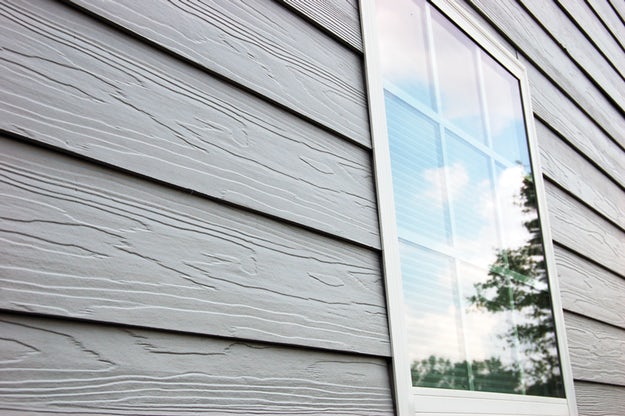
                  new garage cost
                  Tools

                  Cost to Build a New Garage Cost Calculator NZ Superior Renovations ®

                  In New Zealand, 92% of households have at least one vehicle according to One Roofs (2019) research so it’s not a surprise that most home buyers and renters are looking for property that has a garage. Does it actually add any value to the property? Not as much as people think but in short, it adds 2-3% to the sale price of the house – however it’s different for all locations (eg it will be perceived as more valuable in an area like Central Auckland, people are paying $50,000 to $75,000 just for a car park)


                  Jump Straight to New Garage Cost Calculator Tool


                  Superior-Renovations-new-garage99-e1598762124279 Cost to Build a New Garage Cost Calculator NZ Superior Renovations ®

                  What Factors Determine the Cost of Building a Garage in New Zealand?

                  Building a garage is a fantastic way to add value to your home, providing additional storage space, protecting your vehicles, and even creating a workshop or hobby area. However, the cost can vary significantly based on several factors. Let’s dive into what influences the cost of building a garage in New Zealand.

                  1. The Size of the Garage

                  The size of your garage is the primary factor affecting the cost. Whether you’re building a single-car, double-car, or even a larger multi-car garage, the dimensions will significantly influence the overall price. A larger garage requires more materials and labor, naturally increasing the cost.

                  2. Excavation and Site Preparation

                  Before you can start building, you need to prepare the site. This may involve leveling the ground, clearing debris, or even dealing with difficult soil conditions. In New Zealand, where the terrain can vary widely, site preparation can be a substantial part of your budget.

                  3. Foundation

                  The foundation is crucial for the stability of your garage. The type of foundation you choose—whether a simple concrete slab or something more elaborate—will affect the cost. In areas with poor soil conditions, you might need a more robust foundation, which can increase expenses.

                  4. Walls for the Garage

                  The materials you choose for the walls also play a significant role in the overall cost. You can opt for timber framing, which is popular in New Zealand, or more expensive materials like concrete blocks or brick. Each has its own cost implications and benefits.

                  5. Exterior Material of the Garage

                  The exterior finish of your garage will impact both the cost and the aesthetic appeal. Options range from weatherboard cladding, which is common in New Zealand, to more modern materials like metal or vinyl siding. The choice of material will affect not only the price but also the maintenance required over time.

                  6. Roof Type for the Garage

                  The type of roof you select can vary in cost. A simple gable roof might be more affordable, while a more complex design like a hip roof could be pricier. The materials for the roof, such as metal, tiles, or asphalt shingles, will also influence the total cost.

                  7. Utilities

                  If you plan to include utilities in your garage, such as electricity, water, or even internet, this will add to the cost. Wiring for lights, outlets, and possibly plumbing for a sink or toilet requires professional installation and can increase your overall budget.

                  8. Flooring

                  The flooring of your garage is another important consideration. A standard concrete floor might be sufficient for most uses, but if you’re planning a workshop or hobby space, you might want to invest in more durable or specialized flooring options.

                  9. Additional Considerations and Costs

                  Other factors can influence the cost of your garage, such as insulation, windows, doors, and interior finishes. You might also need to consider the cost of permits and consents.

                  Legal Requirements and Consents in New Zealand

                  In New Zealand, building regulations are strict, and you must adhere to local council requirements. For example:

                  • Detached Garages: You generally need a building consent for detached garages over 10 square meters. Always check with your local council to ensure compliance.
                  • Attached Garages: Building consent is required for attached garages.
                  • Resource Consent: If your garage will serve as an additional dwelling or has specific local planning implications, you may also need resource consent. Consult with an architect or your local Auckland council to navigate these regulations effectively.

                  Return on Investment

                  Adding a garage to your property in New Zealand typically offers a return on investment of 60% to 80%. It’s a significant enhancement that not only adds functional space but also increases your property’s market value.

                  Safety Considerations

                  If you plan to use your garage for work involving flammable materials, be aware of the fire risks. Detached garages are generally safer in this regard since any potential fire is less likely to spread to your home.

                  Building a garage is a substantial investment, but with careful planning and consideration of these factors, you can create a valuable addition to your home that meets your needs and complies with New Zealand’s building regulations.

                  Building Consent Requirements

                  When considering building a new garage in New Zealand, it’s essential to understand the consent requirements to ensure your project complies with local regulations.

                  General Consent Needs: Building consents are required for most construction work to ensure compliance with the Building Code. This includes garages, especially when they involve significant structural work, plumbing, or drainage.

                  Detached Garages:

                  • Small Structures (10 to 30 square meters): You may not need a building consent for small, single-storey detached buildings such as garages, provided they are between 10 and 30 square meters and use lightweight materials like timber or steel. However, these buildings must not include sanitary facilities, cooking areas, or be used for sleeping accommodations.
                  • Position and Height: The garage must be located more than its height away from property boundaries. If it meets these criteria and other technical requirements, it can be built without a consent.

                  Attached Garages:

                  • Consent Required: For attached garages, a building consent is generally necessary regardless of size, as it involves altering the primary structure of the home.

                  Specific Considerations

                  1. Foundation and Structural Work: Any significant foundation work or structural modifications will necessitate a building consent.
                  2. Utilities: If your garage includes plumbing, electrical systems, or drainage installation, a building consent is necessary.
                  3. Safety and Compliance: Ensuring your build meets the Building Code’s safety, durability, and performance standards is crucial. Consulting with a licensed building practitioner (LBP) or an architect can help you navigate these requirements.

                  Resource Consent

                  Depending on the specifics of your garage project and local zoning regulations, a resource consent may also be required. This is particularly relevant if:

                  • The garage will be used as an additional dwelling.
                  • The build impacts local environmental or community planning regulations.

                  Penalties for Non-Compliance

                  Conducting building work without the required consents can result in substantial fines. You could face fines up to $200,000 and additional daily fines if the offense continues. Councils also have the authority to issue notices to fix and can remove dangerous or unsanitary work.

                  For more detailed guidance, it’s always best to check directly with your local council or refer to resources provided by Building.govt.nz and the Auckland Council. This ensures you are up-to-date with the latest requirements and exemptions specific to your area.

                  Cost to build a garage calculator nz (detached garage)

                  This New Garage Cost Calculator (Updated on August 2020 to reflect market prices of product and labour) is designed only for you to get an indication of what you can expect to invest based on the provided information – but there are more factors that could impact on the cost of the project – see full article on cost of a new garage here: https://superiorrenovations.co.nz/new-garage-cost/


                  — Please note —

                  For every project there can be so many cost factors which will affect the accuracy of this calculator. Cost are calculated by averages just to give you an indication. Always seek professional advice and quotations from a project manager if you require an accurate estimate. Never use this calculator as a foundation for your allowances or finances – only for research purposes. Rates & material costs vary from region to region as well.

                  New Garage Cost Calculator Tool

                  Once you’ve generated an estimate and completed the form – you would be emailed a rough estimate – we will then follow up with you to discuss your estimate and answer any questions you may have.


                  Where to send the results?


                  Please fill in your details below and your results will be sent straight to your email inbox. (double check your junk mail folder)


                    By submitting this form, you agree to receive communications from us via email or text regarding our services, you can unsubscribe at any time.


                    ssl-cert-2 Cost to Build a New Garage Cost Calculator NZ Superior Renovations ®

                    This site is protected by reCAPTCHA and the Google

                    Privacy Policy and Terms of Service apply.

                    To sum up

                    Is the New Garage Cost Calculator (NZ) free to use?

                    Yes, it was developed by Superior Renovations for the purpose of providing costings for a new garage to visitors, and it this was partly triggered by popular request.

                    What is the average cost of a standard of a New Garage?

                    The average cost can range from $40,000 to $60,000 dependant on choice of materials and size.

                    Does building a new garage require building consent?

                    Building a new garage in most case does not require building consent but it depends on the sign of the garage and if it's attached to the existing property


                    Please note: Whilst all information is considered to be true and correct at the date of publication, changes in circumstances after the time of publication may impact on the accuracy of the information. The information may change without notice and Superior Renovations is not in any way liabe for the accuracy of any information printed and stored or in any way interpreted and used by a user.

                    House Renovation

                    Guide To Converting Your Garage To A Granny Flat In New Zealand

                    We’ve been getting quite a bit of requests recently about building a sleepout, extending the house, adding another level and converting a garage to a new living space. So we’ve put together this article to answer a few questions, and to provide some advice to those exploring this idea.

                    Life is full of changes, and our needs often shift along with it. If you’re considering converting your garage into a living space, it’s likely because your current situation calls for it. Perhaps moving isn’t a viable option due to your love for the location and your home, the high costs of buying a new place, or an unfavorable housing market.

                    Turning your garage into a new living area isn’t a straightforward decision and requires careful consideration. That’s why we’ve put together this article to help you think through the important questions, ensuring you make an informed choice.

                    To begin, how do we define a “Granny Flat”?

                    Based on what we found on www.buliding.govt.nz – A “granny flat” is a small, self-contained, and detached dwelling typically located on the same property as a larger, primary residence. These units are designed to provide independent living space for one or two people, often used by elderly family members or as rental units to generate additional income.

                    As our circumstances evolve, so do our needs and desires. Just because something seems less useful now doesn’t mean it won’t be invaluable later. When you bought your house, you probably spent a lot of time finding the perfect one. But now, you might need more space for a growing family or a dedicated home office. Converting your garage into a granny flat or living area is a popular solution for many reasons. It’s an excellent way to maximize your existing space without the hassle of moving. However, there are several factors you need to consider to make sure it’s the right move for you.


                    Curious About Cost? Try Our Garage Conversion Cost Calculator Tool

                    Lets get started by clicking on the button below, takes less than 60 seconds
                    and results are sent straight to your inbox.
                    Open Garage Conversion Cost Calculator Tool


                    Is My Garage Suitable to be Converted into a Granny Flat?

                    Converting a garage into a granny flat can be a great way to create additional living space. However, before starting the conversion, it’s essential to determine if your garage is suitable. Here are some key factors to consider:

                    Ceiling Height

                    • The ceiling height must be more than 2.4 meters. Many garages have lower ceilings, so this is an important measurement to check.

                    Weather Resistance

                    • Garages are typically designed for vehicle storage and may not have adequate weatherproofing. Ensuring proper water drainage and insulation is crucial to prevent water ingress and moisture buildup.

                    Structural Integrity

                    • Assess the structural condition of your garage. It should be in good repair and capable of supporting the modifications required for a living space.

                    Building Code Requirements

                    • Check local building codes and regulations. In New Zealand, the conversion must comply with the Building Act 2004 and the New Zealand Building Code.

                    Utility Connections

                    • Consider the availability of utilities such as electricity, plumbing, and heating. These are essential for a habitable living space.

                    Accessibility and Safety

                    • Ensure the garage can be safely accessed and meets fire safety standards, including adequate exits and smoke alarms.

                    Council Consent

                    • You will likely need to obtain consent from your local council. This can include resource consent and building consent.

                    Additional Considerations

                    • Think about parking space, as converting your garage will eliminate its original use. Alternative parking solutions may be required.

                    Checklist for Converting a Garage to a Granny Flat in New Zealand

                    Use this checklist to assess the suitability of your garage for conversion into a granny flat and ensure compliance with all necessary regulations and requirements.

                    Requirement Yes No
                    Ceiling height > 2.4 meters [ ] [ ]
                    Adequate weather resistance [ ] [ ]
                    Structural integrity [ ] [ ]
                    Compliance with Building Act 2004 [ ] [ ]
                    Utility connections (electricity, plumbing, heating) [ ] [ ]
                    Accessibility and safety standards [ ] [ ]
                    Council consents (resource, building) [ ] [ ]
                    Alternative parking solutions [ ] [ ]

                    Here’s is what you can expect as a step by step process to converting your garage to a granny flat

                    Keeping in mind, steps will differ dependant on site conditions/existing property structure and client requirements. Converting your garage into a granny flat is an excellent way to add value to your home and create additional living space. Whether you’re looking to accommodate a family member or generate rental income, a garage conversion can be a smart investment. Below is a step-by-step guide to help you navigate this process smoothly.

                    Step Description Parties Involved
                    Step 1: Assess Feasibility Evaluate if your garage is suitable for conversion. Check local zoning laws and regulations to ensure the project is permissible. Consider the structural integrity, size, and layout of your garage. Homeowner, architect & structural engineer
                    Step 2: Budgeting Create a detailed budget that includes all potential costs such as design, permits, construction, utilities, and furnishings. Include a contingency fund for unexpected expenses. Homeowner, financial advisor, renovation company
                    Step 3: Hire Professionals Engage an architect or a reputable renovation company (who has architects they work with) to help plan the conversion. Consult with a structural engineer if necessary. Homeowner, architect, structural engineer, renovation company
                    Step 4: Obtain Permits Apply for the necessary permits from your local council or planning department. This may include building permits, electrical permits, and plumbing permits. Homeowner, local council, architect, renovation company
                    Step 5: Design and Planning Work with your architect or designer to create a detailed plan. Consider the layout, plumbing, electrical, heating, and cooling needs. Plan for windows, insulation, and soundproofing. Homeowner, architect, designer
                    Step 6: Prepare the Garage Clear out the garage and remove any items. Address any existing issues such as cracks, leaks, or pests. Ensure the garage floor is level and in good condition. Homeowner, contractor
                    Step 7: Construction Begin the construction process. This includes framing, insulation, plumbing, electrical work, and installing windows and doors. Monitor the progress and ensure all work meets the required standards. Renovation company and contractors (plumbing, electrical, carpentry), homeowner
                    Step 8: Interior Finishing Finish the interior with drywall, flooring, and painting. Install kitchen and bathroom fixtures if applicable. Add lighting, heating, and cooling systems. Renovation company, homeowner
                    Step 9: Final Inspections Schedule final inspections with local authorities to ensure all work complies with building codes and regulations. Address any issues identified during the inspection. Local council inspectors, renovation company, homeowner
                    Step 10: Furnishing and Decorating Furnish the granny flat according to its intended use. Add personal touches and decorations to make it a comfortable and inviting space. Homeowner, interior designer (optional)
                    Step 11: Enjoy Your New Space Once everything is complete, move in or rent out the granny flat. Enjoy the added value and functionality of your home. Homeowner

                    Converting your garage into a granny flat can be a rewarding project, providing additional living space and increasing your property value. By following these steps and working with experienced professionals, you can ensure a successful and smooth conversion process. Take the time to plan thoroughly and enjoy the benefits of your newly transformed space.

                    At Superior Renovations, we are partnered with Sonder architects for all our consent related renovations. Sonder architects head office is situated with our showroom in 16B Link drive, Wairau Valley making it easily accessible to our clients as well as consultants.

                    If you do have a consent related enquiry, like garage conversion, extension etc, our process would look as follows:

                    • Your enquiry received by us.
                    • We will contact you, understand your requirements and then send you details of Sonder’s head architect and they will be cc’d in the email as well.
                    • John will then carry out a feasibility study and request a property file which can be requested from Auckland council by you.
                    • Once John has received the property file, he will arrange an onsite visit to your home to discuss your options.
                    • If you are good to go then they will do concept drawings as well as give you a quote for architectural drawings that are required to be submitted to Auckland council to obtain a permit.
                    • If you accept the quote, our architect will create the architectural drawings.
                    • Once the drawings are done, our renovation consultant will go through the plans and conduct an onsite visit to discuss design ideas, measure the space etc to create a proposal with a fixed quote, project specifications and designs. Once the plans are approved your renovation will begin.

                    Is converting the garage into a granny flat the right choice?

                    Firstly, what is a granny flat? Auckland City council doesn’t have a separate category for granny flat or minor dwelling units, but it simply means any flat that has a kitchen is considered to be a second household unit.

                    Why you need extra space? do you need a room for your child or parent? Perhaps you’re looking to rent out the un-used space? If you are just seeking extra space (with the kitchen or bathroom), then adding an extension to your home could also be an option.

                    There could be other reasons for the extra space, and it may not be a granny flat that you’re needing. It is common in new homes to have a media room, study room/office, recreational area, or a game room – all of which is not considered a second household unit.

                    You need to determine what kind of room you’re looking for, whether it’s an extra household unit, extra bedroom, a study room, or a recreational room – this will determine the scope of works for the architect.

                    There are multiple ideas available to use spare space. You can convert your garage into following areas:

                    • Work from the home area
                    • Gym area
                    • Gaming area
                    • Hobby room
                    • Media room or movie theatre
                    • Teenager’s room
                    • Guestroom
                    • Rented out for extra income
                    • Home entertainment/bar space

                    A garage conversion is a place that offers quite a wide range of possibilities and because it’s a existing building/space – it requires less planning and investment compared to a new extension. But before you explore ideas, you need to consult with an architect to see is there are any limitations.


                    Curious About Cost? Try Our Garage Conversion Cost Calculator Tool

                    Lets get started by clicking on the button below, takes less than 60 seconds
                    and results are sent straight to your inbox.
                    Open Garage Conversion Cost Calculator Tool


                    Can I add a toilet in my garage?

                    The addition of a toilet to a garage in New Zealand can be a valuable improvement, creating a convenient bathroom for a granny flat or workshop space. However, it’s crucial to address potential drainage challenges before embarking on this project.

                    The Building Code of New Zealand emphasizes the importance of proper drainage systems. Toilets function optimally with a downward slope that allows waste to flow by gravity into the main sewer line. Garages, particularly detached structures, often lack this natural slope, presenting a significant hurdle.

                    As highlighted by the Auckland Council website, creative plumbing solutions might be necessary. Since the existing garage floor likely doesn’t possess a downward gradient towards the sewer line, potential solutions could involve:

                    • Breaking through concrete slabs.
                    • Digging trenches.
                    • Utilizing a pump system to facilitate waste movement.

                    While these solutions may require additional effort, adding a toilet to your garage in New Zealand remains achievable. It’s recommended to consult with a Licensed Building Practitioner (LBP) plumber to discuss the feasibility of your project and explore the most suitable drainage strategy for your specific situation. Their expertise can ensure a compliant and functional toilet installation in your garage.

                    Converting an Attached vs. Detached Garage

                    There are key differences to consider when tackling an attached garage conversion compared to a detached one. Understanding these variations can streamline the process and ensure a successful project.

                    Building Code Considerations:

                    Both attached and detached garage conversions must comply with the Building Code of New Zealand . This code outlines safety and performance standards for alterations and additions to existing structures. While the core principles remain the same, there might be slight variations depending on the specific project details. Consulting a Licensed Building Practitioner (LBP) is highly recommended to navigate the intricacies of the Building Code and ensure your conversion adheres to all regulations.

                    Resource Consent Requirements:

                    The need for a Resource Consent from your local council can differ based on the type of garage conversion you undertake. The Auckland Council website provides valuable insights into this process. Generally, attached garage conversions are less likely to necessitate a Resource Consent compared to detached ones. This is because attached structures have a smaller impact on the overall building footprint and may not significantly alter the property’s visual character.

                    However, it’s crucial to confirm the specific requirements with your local council. Factors like the size and scale of the conversion, potential changes to the building exterior, and the impact on neighboring properties can influence the need for a Resource Consent.

                    Project Complexity:

                    Converting an attached garage often involves less structural work compared to a detached structure. Since the attached garage already shares walls and potentially the roof with the main house, modifications might be primarily focused on interior elements. This can potentially lead to a faster and potentially less expensive conversion process.

                    Detached garages, on the other hand, might require more extensive structural changes to integrate seamlessly with the existing house. New walls, roof connections, and potentially foundation work could be necessary, depending on the desired outcome.

                    Impact on Existing Services:

                    Both attached and detached garage conversions might necessitate adjustments to existing utilities like plumbing, electrical wiring, and HVAC systems. However, attached garages often benefit from easier access to these existing services within the main house. In contrast, detached garage conversions might require longer runs for plumbing and electrical lines, potentially adding to the project cost and complexity.

                    While both attached and detached garages present exciting conversion possibilities, understanding the key differences can help you make an informed decision. Consulting with an LBP and your local council regarding Building Code compliance and potential Resource Consent requirements is crucial for a smooth and successful conversion process.

                    Other considerations

                    Here are a few other things to think about as well before you jump into it:

                    • Where will you park your vehicle if the garage gets converted into the room?
                    • What would the house look like after the transformation?
                    • How spacious or large is your garage? Is it worth a conversion or is it just the waste of time, effort and money?
                    • Do I require building consent for the garage conversion?

                    Does a garage conversion require building consent?

                    You will need to first consult with an architect to carry out a feasibility study which will determine whether it’s even possible to utilise the garage space. For a basic garage conversion to a living space, you will require building consent because the garage is not considered a habitable space. Bathrooms are allowed if they meet the rules, but you can’t put a kitchen and laundry into a basic conversion.

                    All the work that needs to be done to convert your garage into a living room must also be done in accordance to the standards set out by the building code. A garage being a non-habitable structure is a Class 7.0 residential outbuilding. So when you decide to transform it into a living room which will be habitable, then it will be reclassified into Class 2.0.

                    However, if you are thinking about converting your garage into a minor dwelling (second household unit), then you will be both building consent and resource consent. Resource Consent is required to ensure the project meets the provisions of the Resource Management Act, which for buildings are usually covered by the District Plan -or in Auckland, the Unitary Plan…. Building Consents are required to ensure the project meets the provisions of the Building Code. (Reference from Pacific Environments)

                    If you are living in or near Auckland, then it is important to determine your zone before seeking any permission to convert. The rules might vary according to the zone, and you need to be certain as to what rules apply when it comes to change in the use of a building or the development of an extra dwelling – your architect will be able to help you with this.

                    The Auckland Unitary Plan has set the ground rules for all kinds of future developments, expansions, and intensifications covering Auckland and the nearby areas. This unitary plan focuses on the rules to control how the areas must develop in the future.

                    To determine the details about your zone, all you need to do is to go to the Auckland council site and search for your zone. You will find all the details regarding your zone available on the following website: https://unitaryplanmaps.aucklandcouncil.govt.nz/upviewer/

                    The New Zealand government is considering changes to make it easier to build granny flats. The proposal would allow for the construction of granny flats up to 60 square meters without needing a building or resource consent, provided they meet certain criteria. This initiative aims to increase the supply of affordable housing and support multi-generational living arrangements. The proposed criteria for these units include aspects of building performance, safety, and environmental impact​ (Building Govt)​​.

                    We still highly suggest talking to your architect, or a planner to get the best possible advice. Getting all the information regarding your zone and the building rules that applies to you will help avoid all kinds of future complications and conflicts.

                    What Features Of Building Code Do I Need To Keep In Mind?

                    • Fire Safety: The fire safety feature encourages to take measures regarding fire accidents, including the construction of safe escapes and installation of smoke alarms.
                    • Energy efficiency: The use of natural resources to provide for comfort is also a clause in the Code. You have to introduce adequate lighting, humidity, and ventilation sources to comply with the requirements.
                    • Durability: The durability feature stress that the material needs to be used in the building will stay functional until the estimated life of the building.
                    • Sanitary measures: You must have to pay attention to all kinds of sanitary fixtures, including water, gas, and electricity.
                    • Moisture prevention: You must have to keep an eye on the drainage system for all kind of penetrating and pouring water.
                    • Ceiling height: One of the most crucial factors in building a room is the ideal height of the roof. The height of the living room must not be less than 2.4 meters. If the roof of your garage is lower than 2.4 mark, then you may consider raising the ceiling. Lowering the floor could be an option, but it requires more effort and investment.

                    If the walls of the garage are made of brick then it will require an additional layer of protection using membrane or the weather-resistant paint. The additional membrane will help provide protection against dampness. You can also opt in stud wall if you’re looking to secure electrical wiring and insulation.

                    In regards to the floor of the garage, you have to ensure that it has waterproof protection to avoid dampness and water retention. The floor of the garage is mostly commonly made of reinforced concrete, and wouldn’t have any additional protection. There are a variety of products available in the market that can help you with waterproofing the floor.

                    Another thing to consider is ventilation, you may want to introduce more air flow and ventilation by choosing to install a large window replacing the garage door. The requirements for the natural light in the living room have been pen down in the clause G7 of the Building Code. You can measure your natural light requirements using a lux meter.

                    The room will also require additional electrical outlets, which most registered electricians will be able to do. Make sure to Hire a registered electrician because they will need to provide the necessary compliance certificate regarding all the wiring work that has been done – which will be needed when you’re applying for your Code of Compliance Certificate.

                    You’ll also need to be aware that converting your garage into a habitable room, you will also need to look at issues with the rainwater. Most of the garages use a slanted floor to drive rainwater outside the garage into the drain. But once you decide to convert the garage into the living area, you’ll need to address the water flow issue – perhaps installing additional drains.

                    Unconsented garage conversions

                    If garages are converted into living spaces without the appropriate consents and certifications, future owners of the property may have problems insuring the property – even if a pre-sale building inspection identifies no issues.

                    It may, therefore, be difficult to sell the property – at best, there could be a delay before a sale and purchase agreement becomes unconditional.

                    We recommend that you advise your clients to contact the council and apply to have any unconsented conversions certified before they list a property. This will save time and stress during the sale process. (Reference from rea.govt.nz)

                    Converting a garage into an additional dwelling

                    Converting a garage into an additional dwelling can be an exciting project with numerous benefits and motivations. People are increasingly looking at their garages as potential living spaces, and for good reason. First and foremost, turning a garage into an additional dwelling can be a great way to generate extra income. Whether you decide to rent it out long-term or use it as a short-term rental on platforms like Airbnb, the financial benefits can be substantial. This additional revenue can help offset mortgage costs or provide extra funds for other expenses.

                    Another reason people pursue this conversion is to accommodate multi-generational living. With rising property prices, many families are finding it difficult for younger generations to move out or for older family members to downsize. Converting a garage provides a convenient and cost-effective solution, offering independence while keeping family close.

                    Homeowners also find that converting a garage adds significant value to their property. A well-executed conversion can increase the overall market value of the home, making it a wise investment. Potential buyers often see an additional dwelling as a versatile space that can serve various purposes over time.

                    The flexibility of an additional dwelling is another compelling reason. It can be used as a home office, a guest suite, a studio, or a living space for teenagers or elderly parents. This adaptability ensures that the space can meet changing needs over the years, providing long-term benefits.

                    From a lifestyle perspective, having an additional dwelling can enhance privacy and comfort. It allows for separation of living spaces, which can be particularly useful if you have frequent guests or if family members need their own space.

                    Of course, the process requires careful planning and adherence to local regulations. In Auckland, for example, you’ll need resource consent and building consent from the Auckland Building Council. This ensures that the conversion meets all safety and construction standards, providing peace of mind.

                    Ultimately, converting a garage into an additional dwelling offers a blend of financial, practical, and lifestyle benefits. Whether you’re looking to increase your property’s value, generate income, or create a flexible living space, this conversion can be a highly rewarding project​.

                    Benefits To Creating An Additional Dwelling
                    Generate Extra Income Rent out the space long-term or as a short-term rental (e.g., Airbnb). Helps offset mortgage costs or provides extra funds for other expenses.
                    Accommodate Multi-Generational Living Convenient and cost-effective solution for younger generations or older family members. Provides independence while keeping family close.
                    Increase Property Value Well-executed conversions can significantly raise the market value of the home. Seen as a versatile space by potential buyers.
                    Flexibility and Versatility Can be used as a home office, guest suite, studio, or living space for family members. Adaptable to changing needs over time.
                    Enhanced Privacy and Comfort Separate living spaces can be useful for frequent guests or family members needing their own space.
                    Adherence to Local Regulations Requires resource and building consent from local authorities (e.g., Auckland Building Council). Ensures the conversion meets all safety and construction standards.

                    What does converting a garage to a extra house unit mean Financially?

                    Adding a self contained unit, or ‘granny flat’ to your home can be a cost effective way to provide a home for elderly relatives or older children struggling with rising rent. It can also be a great way for homeowners and investors to generate extra cash flow through rental income and increase the property’s overall value.

                    With rental yields of anywhere between $200-$600 a week, granny flats can be a great strategy if you’re looking for a long-term return on investment. Not only do they provide a second income, you can also benefit from positive gearing and extra claimables on your depreciation schedule. In an area where rental demand is high, a granny flat can stand out from the competition when it comes to selling. (Referenced from Loan market, 2017)

                    Attached or detached?

                    Your ‘granny flat’ can either be a stand-alone dwelling or an extension of your house (e.g. if you convert your garage or your basement).

                    Factors To Consider While Opting For a Garage Conversion

                    Although the garage will work just perfectly with your existing space, you have to make some necessary alterations to make the new room blend in with the rest of the home.

                    • Replacement for a garage door: Replacing the large garage door is a must, there are plenty of options available when it comes to door replacement, including a window, wall, or a patio door.
                    • Is there enough lighting? Where is it coming from? If the garage already has a window, then replacing the garage door with extra windows will also offer you extra lighting. Even if there is no sufficient source of natural lighting in the room, you can always opt for artificial skylights as well. The lighting choice in the newly converted room depends on your usage of the room.
                    • What about the garage floor? Mostly garages are concrete flooring, and if you are planning on using the room as the gaming area or the media room, you can opt for standard carpet or wooden floors. However, if you are thinking about converting your garage into a guest room or granny flat, then your options may lean more towards comfort (eg extra layer of insulation under the carpets)
                    • How to utilize the space? If you are planning to convert the garage into a small dwelling or a granny flat, utilising the given space will be important and it’s balance between necessary functions and space. For example, if it’s a small space, it may be better of going for a open plan kitchen, living area and laundry – as opposed to partitioned off.
                    • Where to park the car? The consequence of transforming a garage into the habitable living room is the loss of parking area for your car.

                    An example of a converted garage

                    garage-conversion Guide To Converting Your Garage To A Granny Flat In New Zealand

                    What is the cost to build a granny flat (nz) detached?

                    The cost of building a granny flat detached from the main house can vary quite a bit, and the 3 main factors it comes down to are the size of the build, your region, and the complexity of the build/materials. There are of course cheaper options as opposed to building from scratch such as kit sets or prebuilt granny flats. If you are intending to build from a plan, the average price for a granny flat starts around $120,000 plus GST and can go up to $180,000 mark, plus GST.

                    How much does it cost to convert a garage into a room?

                    The cost of building work for converting a garage to a room can average around $1,250 – $1,500 per square metre not including the cost of architect fees, building/resource consent fees, excavation and engineer fees. Typical garage conversion to room (30m2) will range from $47,500 – $55,000 (without kitchen/bathroom)

                    How much does it cost to convert a garage to a granny flat?

                    The cost of building work for converting a garage space to a granny flat which includes a new kitchen and bathroom ranges from $1,750 – $2,150 per square metre not including the cost of architect fees, building/resource consent fees, excavation and engineer fees. Typical garage conversion to granny flat (30m2) will range from $82,500 – $124,500. A minor dwelling can cost up to $20,000 in plans, consents, and development contributions and connections before any building work takes place.

                    If you’re still deciding what to do with the unused space, make sure to consult with professionals (architects, builders/project managers, and financial advisors) as well to get different perspectives on the situation so you can make an informed decision that will benefit you in the long term.


                    Curious About Cost? Try Our Garage Conversion Cost Calculator Tool

                    Lets get started by clicking on the button below, takes less than 60 seconds
                    and results are sent straight to your inbox.
                    Open Garage Conversion Cost Calculator Tool


                    References

                    Please note: Whilst all information is considered to be true and correct at the date of publication, changes in circumstances after the time of publication may impact on the accuracy of the information. The information may change without notice and Superior Renovations is not in any way liable for the accuracy of any information printed and stored or in any way interpreted and used by a user.

                    To wrap up

                    How much does it cost to convert a garage into a room?

                    Typical garage conversion to room (30m2) will range from $80,500 – $90,000.

                    How much does it cost to convert a garage to a granny flat?

                    Typical garage conversion to granny flat (30m2) will range from $90,500 – $120,500.

                    Do I need building consent for converting my garage to a granny flat?

                    You will need to apply for building consent if you're converting your garage to a room, if you're converting it to a minor dwelling (with kitchen and bathroom) then you will also need to apply for resource consent.


                    Still have questions unanswered?

                    Book a no-obligation consultation with the team at Superior Renovations,
                    we’d love to meet you to discuss your renovation ideas!

                      Services

                      Home RenovationKitchen RenovationBathroom RenovationOutdoor RenovationHouse ExtensionCommercialDesign ServicesOther

                      By submitting this form, you agree to receive communications from us via email or text regarding our services, you can unsubscribe at any time.

                      This site is protected by reCAPTCHA and the Google

                      Privacy Policy and Terms of Service apply.


                      WRITTEN BY SUPERIOR RENOVATIONS

                      Superior Renovations is quickly becoming one of the most recommended Renovation company in Auckland and it all comes down to our friendly approach, straightforward pricing, and transparency. When your Auckland home needs renovation/ remodeling services – Superior Renovation is the team you can count on for high-quality workmanship, efficient progress, and cost-effective solutions.

                      Get started now by booking a free in-home consultation.

                      Request Your In-home Consultation

                      Or call us on 0800 199 888

                      www.superiorrenovations.co.nz


                      finance-badge1000x1000 Guide To Converting Your Garage To A Granny Flat In New Zealand

                      Have you been putting off getting renovations done?

                      We have partnered with Q Mastercard ® to provide you an 18 Month Interest-Free Payment Option, you can enjoy your new home now and stress less.

                      Learn More about Interest-Free Payment Options*

                      *Lending criteria, fees, terms and conditions apply. Mastercard is a registered trademark and the circles design is a trademark of Mastercard International Incorporated.

                      Jesse_G
                      We couldn’t be happier with our new pergola! From start to finish, the team was professional, punctual, and easy to work with. They took the time to listen to what we wanted and offered great suggestions to make the design even better. The quality of the materials and workmanship is outstanding — everything feels solid, well-built, and beautifully finished. Kudos to Sinan Sun as she has been an amazing contact with the company.
                      Tile Choice (TILE CHOICE)
                      We have worked with Superior Renovations for the past years and we found the team is great to work with!
                      No job is too big or too small, and the projects are always in good hands.
                      I will highly recommend Superior Renovations to my friends and family.
                      Sales Team
                      Superior Renovations are without a doubt, one of the most professional and easy to deal with companies that we do business with. It is an absolute pleasure to work with this company. Leanne, Elaine and the team are so efficient and friendly. Their systems are flawless and they make our jobs so easy!
                      Alex Scott
                      We are very pleased with our bathroom reno by Superior Renovations! Jacob, Cici and the team always kept us up to date, were always friendly to deal with and finished ahead of schedule. Most importantly we are very happy with the quality of the work.
                      Simon Redpath
                      We have been working with Superior Renovations as a supplier now for over three years. In that time we have found the team to be very professional and well organised. Which is a welcome relief in this industry! Just recently we have become their sole supplier for portaloos, which recognises the collaboration we have forged over these three years.

                      In particular, Leanne and Elaine set a very high standard of communication and flexibility. This is of vital importance when scheduling deliveries and pickups with us, however, they understand not everything can be done at once and are willing to work with us for the best (supplier/contractor/client) outcome.

                      I would imagine this ethos would flow directly through to all their contracted renovation work. A pleasure to work with!
                      Dylan Hawkins
                      We’ve been supplying portaloos to Superior Renovations across a range of their projects, and they’ve consistently been one of the easiest, most professional teams we work with. Their communication is clear and timely, their organisation on site is excellent, and their crew always treat our gear and our team with respect.

                      In an industry where coordination makes or breaks a job, it’s refreshing to work with a company that genuinely runs things smoothly from start to finish. Highly recommend Superior Renovations - Top team with a solid crew behind them — always a pleasure to deal with.
                      Hammer “AAAAA”
                      A very reliable supplier – we’ve been working with them for three years now, and they have never let us down. Well done to the team.
                      Jeff Ren
                      Excellent company to work with:)
                      Sam McCool
                      We have been working with these guys for the past 4 years and find them an awesome company to work with, very efficient and organised. I highly recommend!
                      Word True
                      Finding someone reliable for renovations has always been the most stressful thing for us. In the past, we had several painful renovation experiences—money was spent but the problems were never truly solved, and things often ended up worse than before. We really didn’t know where to find a trustworthy renovation company.

                      For more than ten years, our wish had been to renovate our bathroom, laundry, and toilet, so that we could finally enjoy a comfortable and functional living environment. Just when we were about to give up, we came across Superior Renovations online. We quickly made an appointment with Cici, who designed and provided us with a quote.

                      Throughout the whole process, I was deeply impressed by the professionalism of Superior Renovations. What stood out most was that they always delivered on their promises—everything agreed upon was completed on time. This built a relationship of trust and reliability. Up until completion, I was completely satisfied with their dedication and the quality of their workmanship.

                      During the renovation, we encountered some of the challenges that often come with older houses, but Cici and her team helped us resolve the discomforts we had been living with for years. We are truly grateful to the construction team.

                      Some say renovations are easy if you just have money, but I believe the most important thing is finding a trustworthy team that keeps their word, values quality, and cares about the customer’s experience.

                      Because of this renovation experience, we can now confidently plan our next project—the kitchen—and Superior Renovations will definitely be our first choice. We strongly recommend them.

                      Finally, I want to thank Cici and the team for helping us fulfill our dream.

                      Mark & Kate
                      Jane Wright
                      Sinan is a very good consultant. She helps a lot during renovation. Very satisfied with their job.
                      Clara Ng
                      It was great to have Alison's recommendations and input on how & what would look best for our kitchen and bathroom reno. Jacob, our project manager, has been a star too; ensuring that the project was delivered as planned, AND giving us great ideas & suggestions along the way.

                      We will definitely be calling on you guys again for our next home reno. Thanks team!
                      Frank
                      Very impressed with Superior Renovations.Building our pergola with blinds for a fair price .First thank you Sinan for quoting the job and your flexabilty and knowledge..Secondly the job was done well within the time frame, thanks to Jeff for supervising the job ( eventhough he wasn't too well) and keeping us up to date throughout the process. Payment was fair and easy as well .
                      Thoroughly recommend Superior Renovations for your reno job 👍
                      Raj Dhana
                      Very efficient team of workers and high quality finish.
                      Very happy with our renovated bathroom.
                      We will use this company again.
                      neko rider
                      We’re very happy with the renovation work done by the team. It’s rare for renovation projects to finish on time, but they committed to completing ours before the Easter holiday—and they delivered! Our project manager, Jacob, worked incredibly hard (even physically! 😄) to make it happen.

                      I admit I might not have been the easiest client—I was particular about details like colours, tile placement, and exactly where the hand basin bowl should sit on the bench. But they listened, took it all on board, and got it done. Thank you, Jacob!
                      I’ll definitely bring you another challenge in the future. 😉
                      Vilma Arcos
                      Thanks Superior Renovations for doing our house, it definitely looks a lot better now! Special thanks goes to Alison and Jacob for their excellent effort and good manners in handling the construction process, it wasn't easy but with them around it definitely became easier to handle. Cheers🥂
                      F J Bandukwala
                      Absolutely thrilled with the outcome of our renovation of two bathrooms and kitchen in a double level home. Kevin and his entire team were an absolute pleasure to work with from the get-go. Every minor detail was attended to, and all our requests were accommodated. Cyrus deserves a special mention as under his watchful eye and expertise, nothing could go wrong.
                      Jacquie
                      I have recently finished a renovation in our 1930’s bungalow, updating the original (and I do mean original) kitchen and bathroom. Plus creating a new laundry and removing three fireplaces which created two new spaces including an office. From the initial appointment with Alison who came over and then provided drawings and a quotation, to the work with Frank, our project manager and the team, this has been a wonderful renovation experience. I would have described myself as a nervous-renovator prior to doing this, as I had never done a renovation before, but Frank, Alison, Sunny and all the team have worked so tirelessly and generously to create spaces that we love. Superior’s care in managing the project has meant that we have come away with much more than we originally sought to achieve and without the stress I hear others lament about when they renovate. I would recommend Frank, Alison, Sunny and the team at Superior Renovations wholeheartedly.
                      Ike Harris
                      We engaged with three companies to completely renovate our downstairs and ensuite bathrooms. We elected to go with Superior Renovations as they provided us with a fixed price and specific timeline to complete the project (which two other companies could not do), and we were absolutely delighted with the end result. We love everything from the floor and wall tiles to the heated towel rails and from the LCD mirrors to the underfloor heating and soft close lids. We especially loved replacing the old tub in our ensuite with a walk-in shower.

                      The entire process went incredibly smoothly, with the project being completed on budget and ahead of schedule. From the initial design phase to the final touches, nothing was too much trouble for the team. Superior Renovations conducted themselves with the utmost professionalism, ensuring every detail was perfect.

                      Frank (Project Manager) and the team did such an amazing job. Totally professional outfit, top notch communication, all tradies were courteous, polite and respectful. Alex (Builder) was especially knowledgeable and offered great solutions as minor issues unfolded. Each stage of the renovation was completed on the day it was scheduled. The crew were always on time and mindful of our work from home arrangements. And I was also impressed with the floor protection that was laid out on the first day.
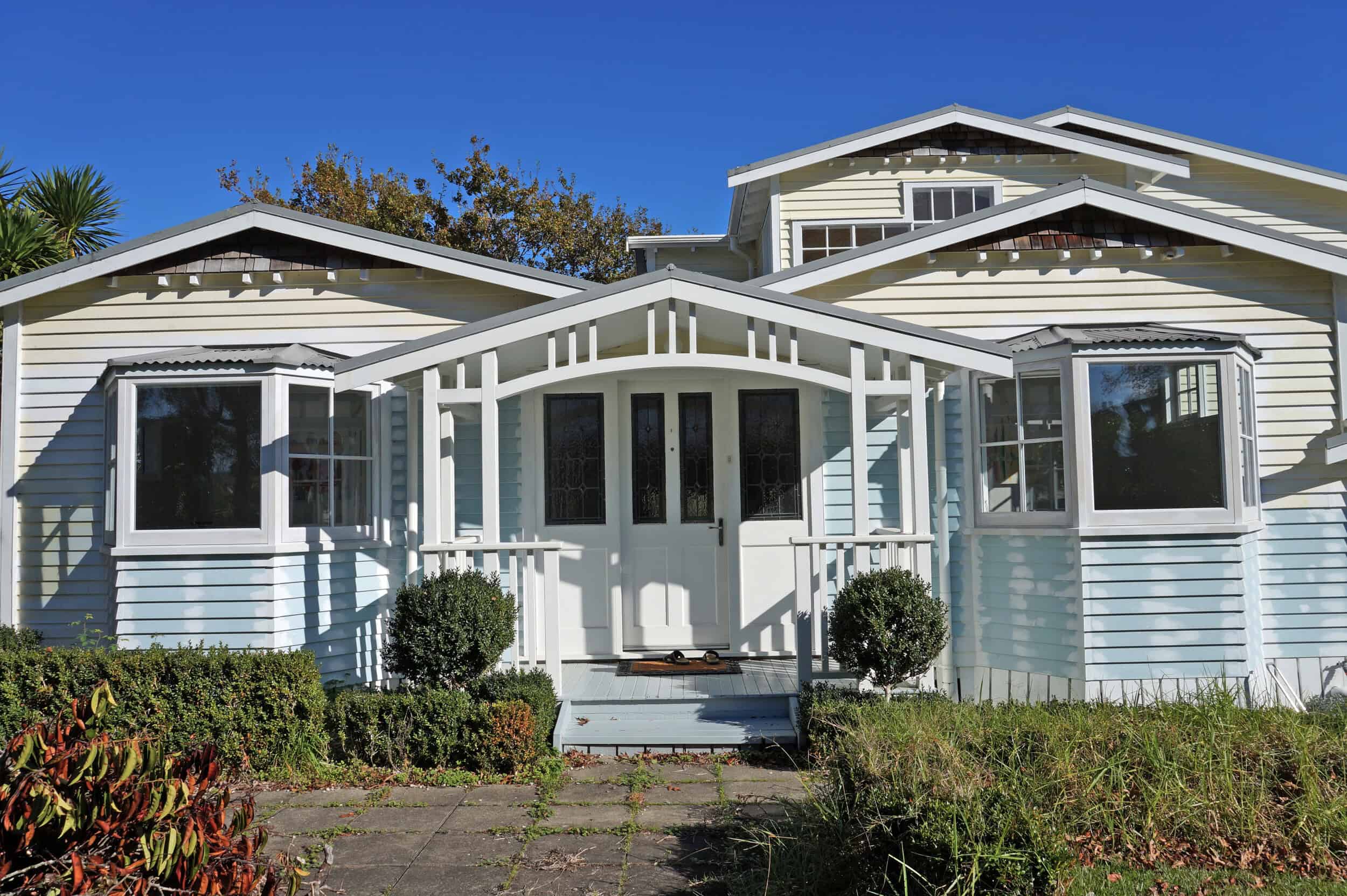
                      Through no fault of Superior, we did encounter a major, unforeseen setback that delayed our renovation on the downstairs bathroom. Superior were patient with us while we sourced specialists to remedy the issue. But once that was all sorted, Frank and the team picked up the baton and charged ahead to the finish line, delivering two beautifully ‘superior’ bathrooms. We also experienced a minor electrical issue post-build. And even though it was unrelated to their renovation work, Frank promptly dispatched an electrician who quickly fixed the problem. Talk about above and beyond!

                      In summary, we highly recommend Superior Renovations for anyone looking to undertake bathroom renovations in their home. We’re already talking about renovating the kitchen next and we’re so confident in Superior Renovations that we will most certainly be engaging with them to complete the task.

                      A huge thank you to Frank, Alex and all the wonderful team at Superior Renovations:)
                      Kalina Hristova
                      Superior Renovations did an amazing job we would definitely recommend them for anyone looking for a high quality outcome. Our Project Manager Jacob was amazing, taking care of any minor adjustments we wanted, nothing was too much trouble.